Electronic Tuners for Guitar
An electronic tuner for guitar is a device that allows you to tune your guitar or bass. Electronic tuners are much more accurate than traditional tuning methods and they're also easier to use. Here are some great options available.
Sort
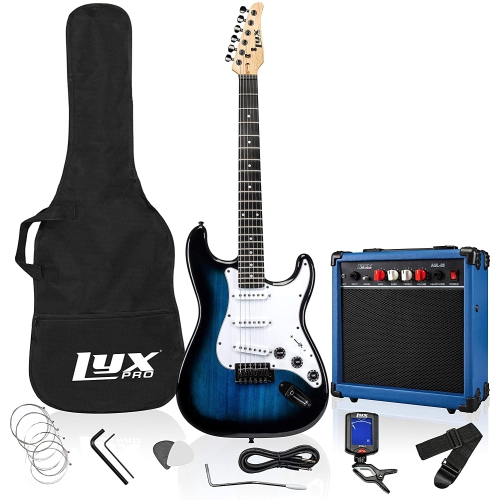
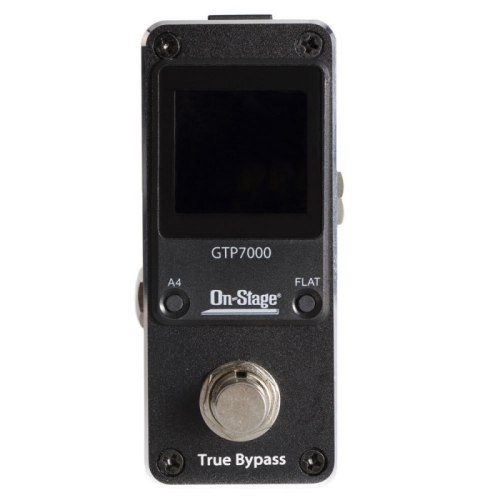

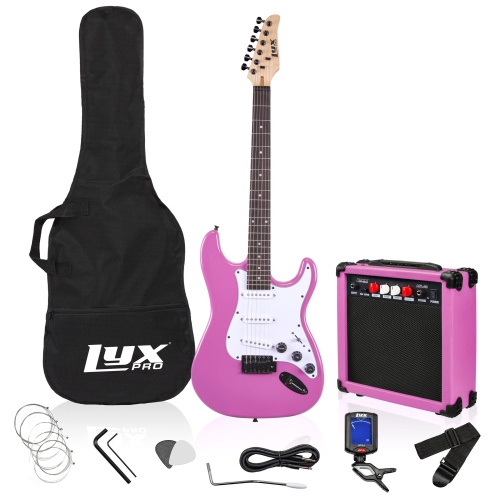
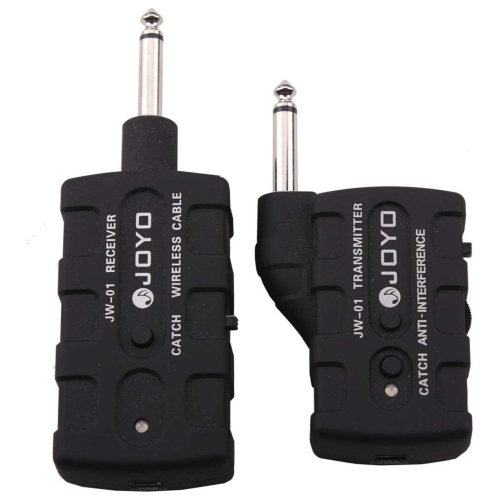







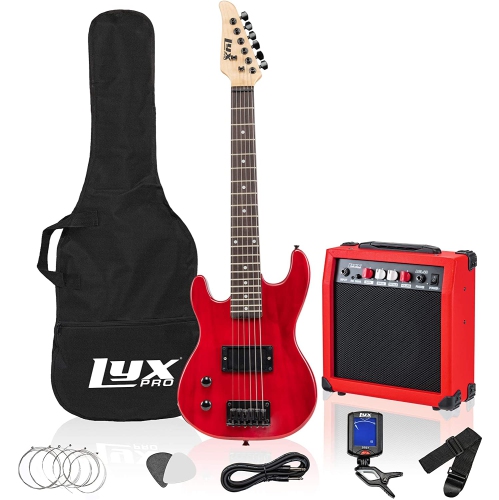
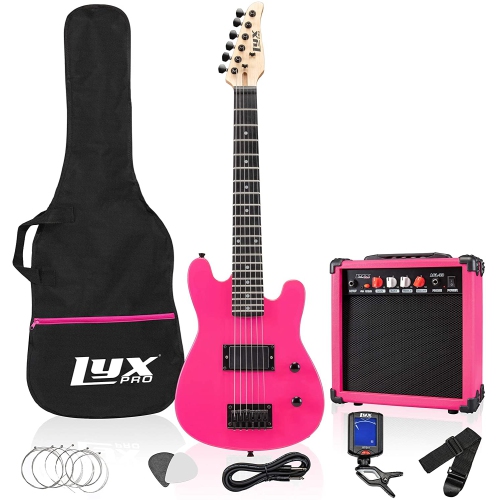
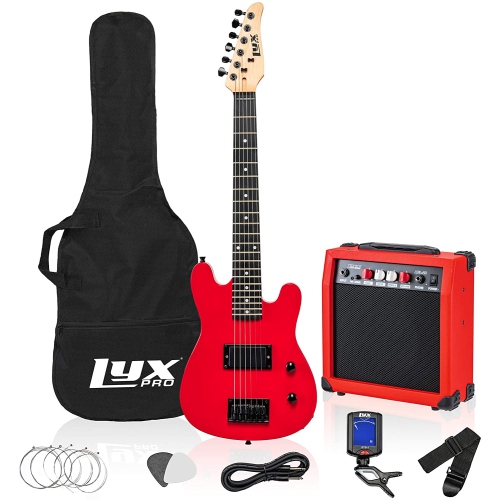
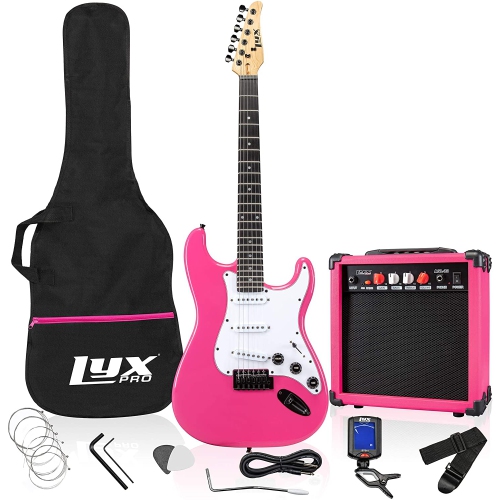

Tuning accuracy supports clearer playing at home and on stage
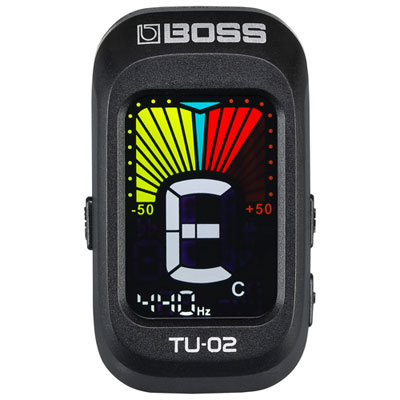
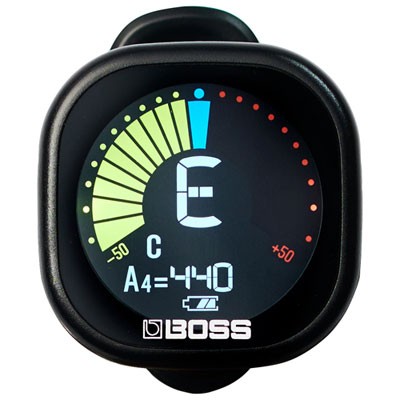
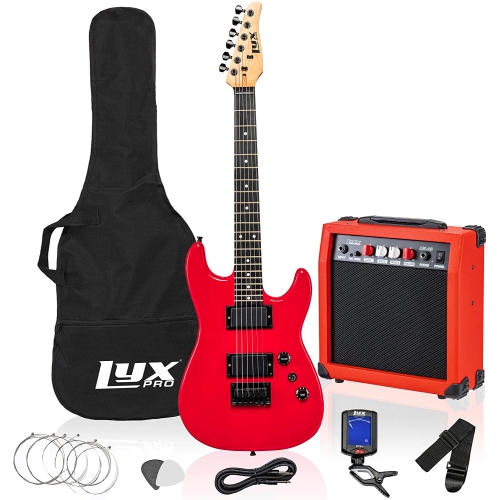
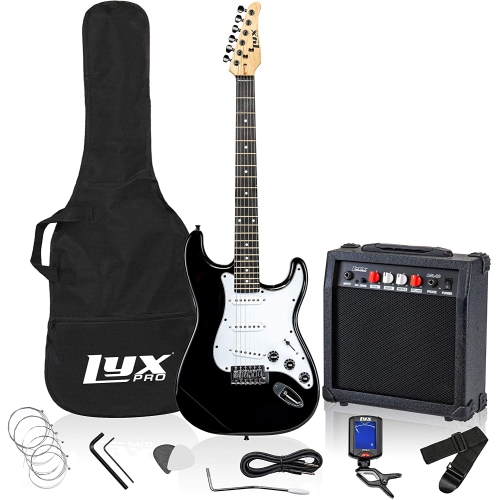
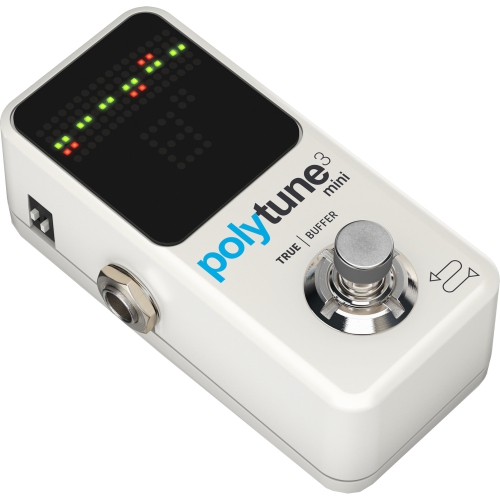
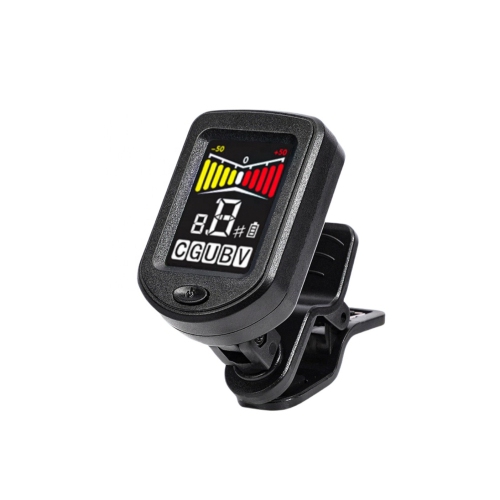
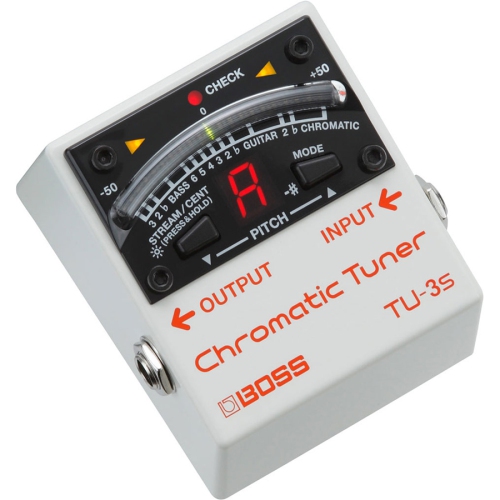
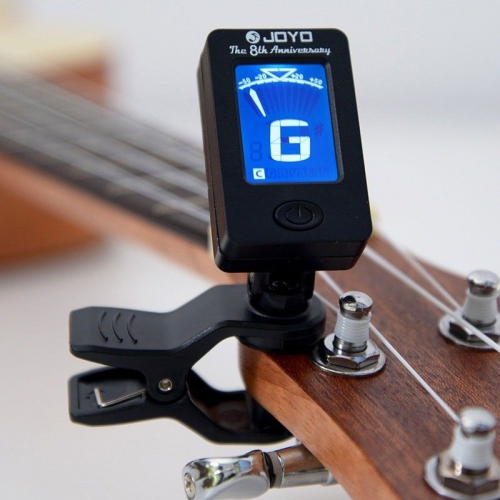
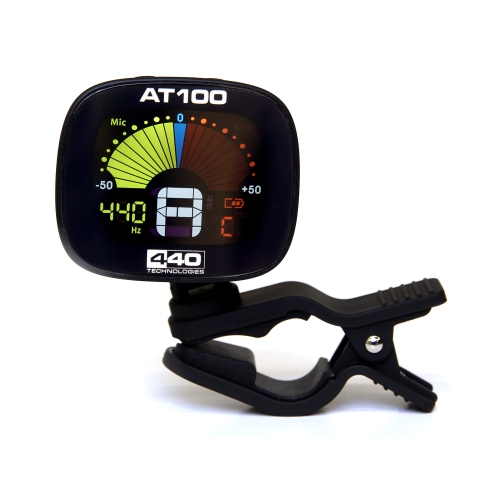
Electronic tuners for guitar make it easier to keep every string at the correct pitch, whether you are practising quietly at home, warming up before a rehearsal or preparing for a performance. A well-tuned guitar sounds clearer, feels more comfortable to play and makes chords, scales and melodies easier to hear accurately. Most electronic guitar tuners use a microphone, vibration sensor or cable connection to detect the note you play and show whether it is sharp, flat or in tune. Clip-on tuners are especially popular because they attach to the guitar’s headstock and read the instrument’s vibrations directly. This allows you to tune in a busy room where background noise might affect a microphone-based tuner. Their compact size makes them convenient to keep in a gig bag, near a practice chair or in a drawer with spare strings and picks. A display may use a moving needle, coloured lights or a clear note-and-centre indicator to show when the pitch is correct. For a standard six-string guitar, tuning usually begins with the thickest low E string and continues through A, D, G, B and the high E string. Pluck one string at a time with a steady, moderate touch, then turn the tuning peg slowly until the note indicator settles in the centre. Many tuners use standard concert pitch, with A set to 440 Hz, although adjustable reference-pitch settings can be useful when playing with other instruments or matching an existing recording. It is worth checking each string more than once, since changing the tension on one string can slightly affect the others. New strings may also need several rounds of adjustment before they hold their pitch consistently.
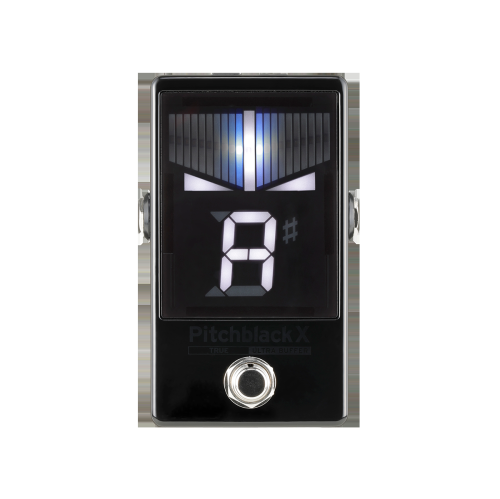
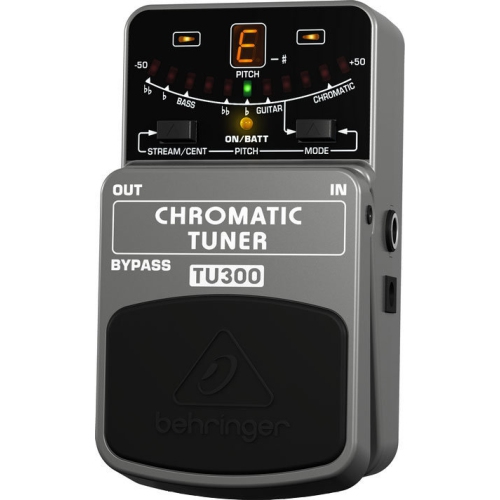
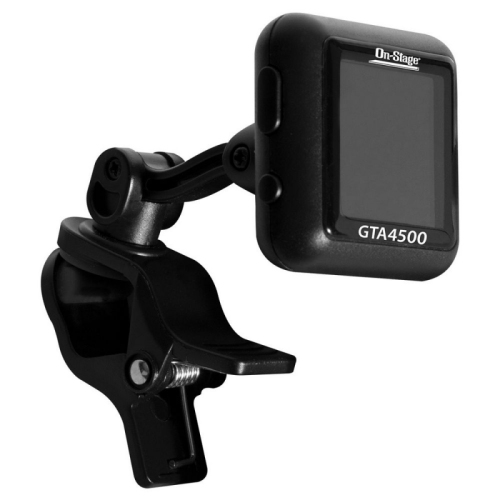
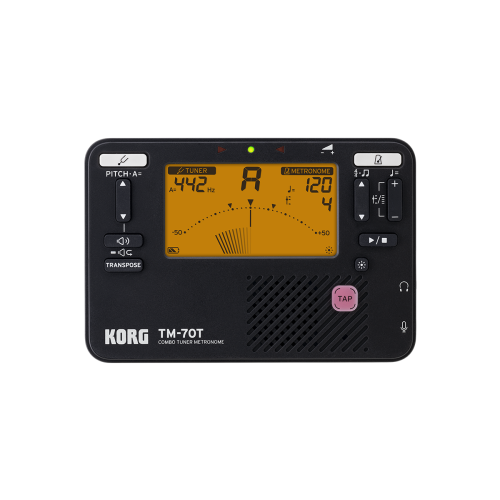
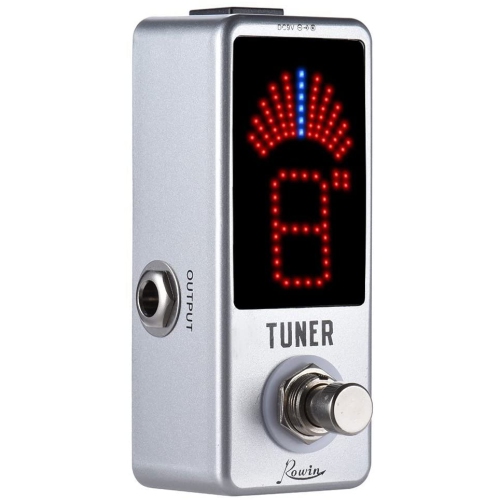
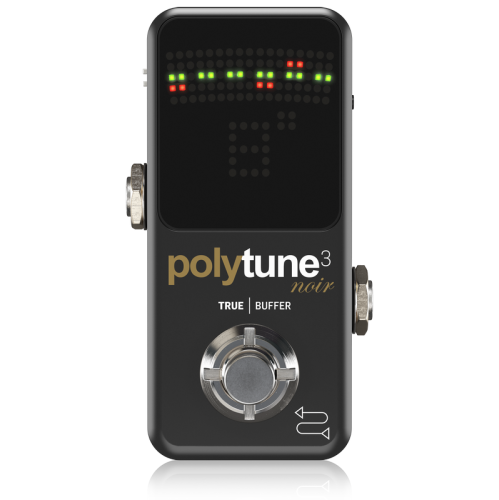
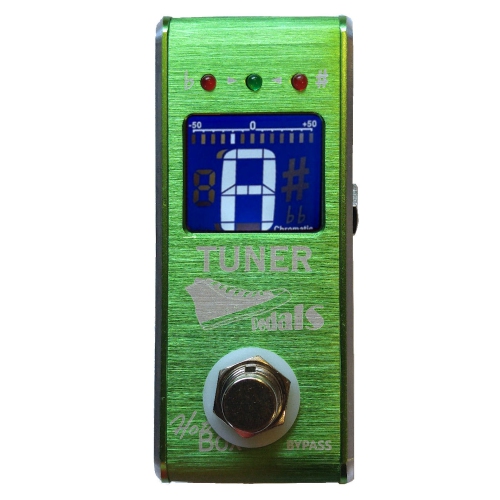
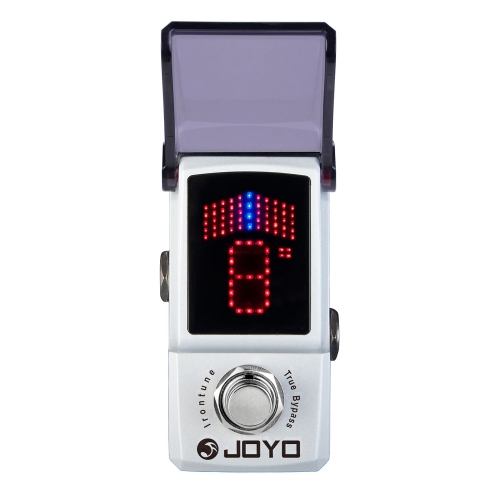
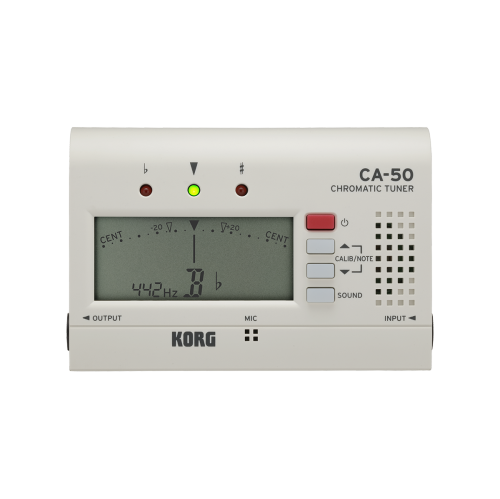
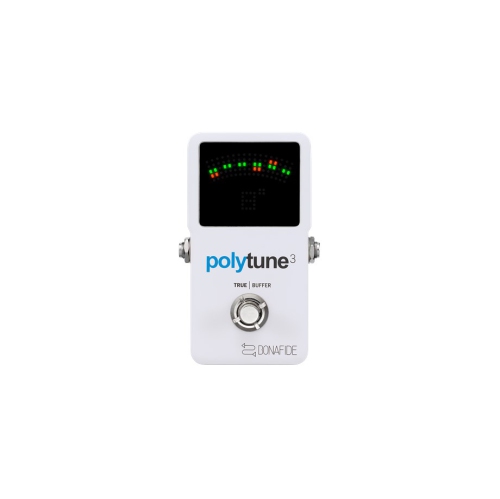
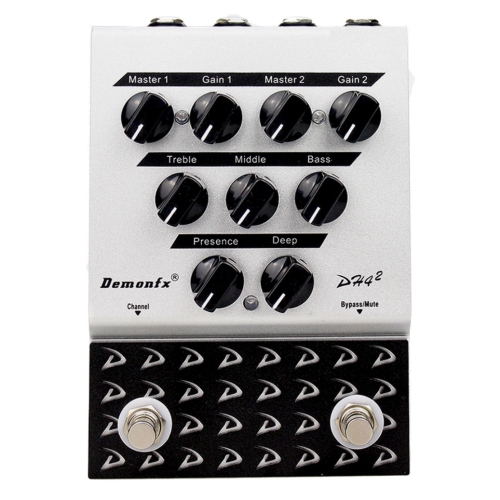
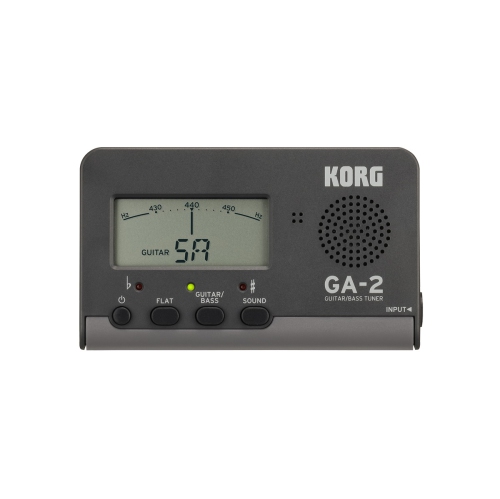
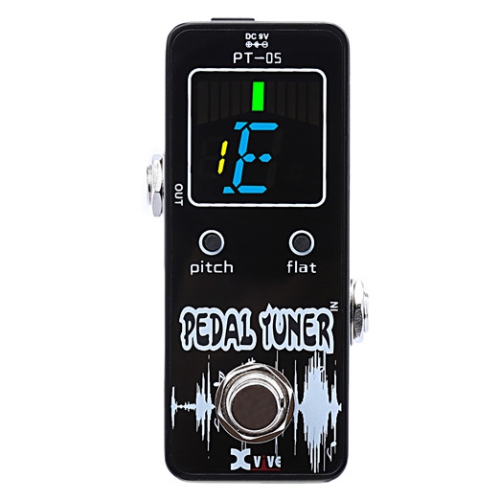
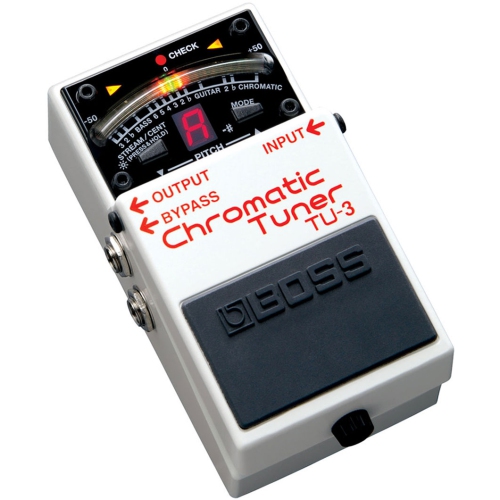
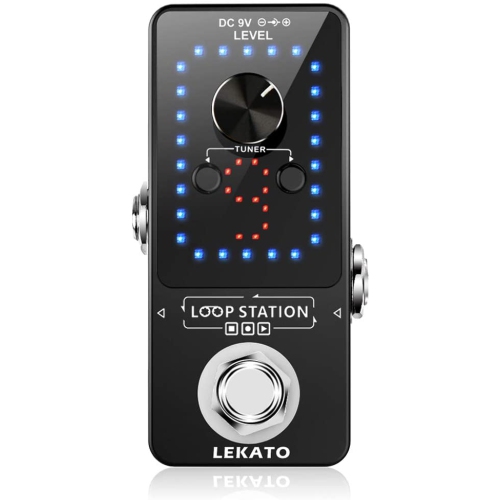
The best electronic guitar tuner depends on where and how you play. A clip-on model is a practical choice for beginners, students and casual players who want a quick, cable-free way to tune before a lesson or practice session. It can also be a thoughtful gift for someone learning guitar, since a reliable tuner helps develop the habit of checking pitch before playing. A pedal tuner is designed for electric guitarists who use effects pedals or perform with an amplifier. It connects in the signal chain and can often mute the guitar while tuning, allowing a player to make adjustments without sending the sound through the speakers. This is useful on stage, at open-mic performances, during rehearsals and in any setting where an untuned note could interrupt the music. Some pedal-style tuners display several strings at once, which can speed up checks between songs, while others focus on highly precise single-note readings. Handheld electronic tuners can suit musicians who play several types of instruments or prefer a larger screen that is easy to read from a music stand. When comparing options, consider display visibility, response speed, tuning accuracy, battery type, auto-off features and how securely the tuner attaches to the instrument. A bright, readable display is helpful under strong stage lighting as well as in a dim practice corner. A swivel screen can make it easier to view the reading from different angles, while a compact design takes up less room in a case. Guitarists who travel between lessons, rehearsals and performances may appreciate a tuner that is lightweight and simple to operate, while players who spend most of their time at home may prefer a larger display or additional tuning modes. For standard tuning, chromatic operation is generally versatile because it recognizes the note being played rather than limiting the player to one preset. Alternate tunings, seven-string guitars, bass guitars and instruments with unusual setups may benefit from a tuner with a wider note range or dedicated modes.
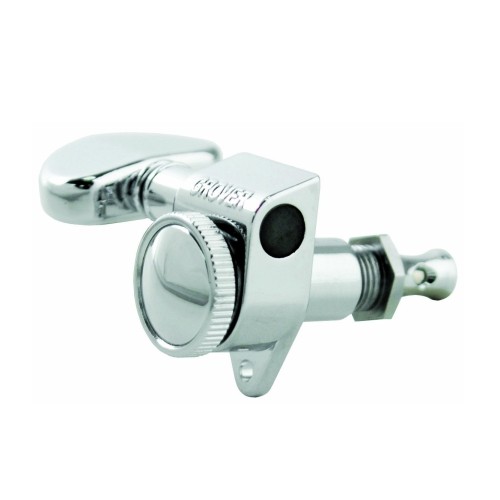
Good tuning technique is just as important as the tuner itself. Begin with the guitar in its normal playing position and make sure the instrument has had a moment to adjust to the room, particularly after being carried in from outdoors during the cooler months or brought into a warm rehearsal space. Pluck near the middle of the string and allow the note to ring without touching neighbouring strings. If the display indicates that the note is flat, raise the pitch gradually by tightening the string; if it is sharp, lower the pitch with a controlled adjustment. Small movements are safer and more accurate than turning the peg quickly. Some players find it helpful to tune upward to the target note rather than approaching it from above, as this can reduce the chance of overshooting. Always confirm the note name shown on the display so that an accidentally over-tightened string is not mistaken for the correct pitch in another octave. Electronic tuners are useful for more than routine checks: they can support ear training, help players compare alternate tunings and provide confidence when recording layered guitar parts. A consistent reference pitch also makes it easier for guitars, keyboards and other instruments to blend during ensemble playing. Whether you are choosing a first tuner for a new guitarist, adding a dependable accessory to a performance setup or replacing a hard-to-read older unit, look for controls that feel intuitive and a display that gives an immediate, unambiguous reading. To browse related options for guitar and other instruments, visit Musical Instrument Tuners.
The best electronic guitar tuner depends on where and how you play. A clip-on model is a practical choice for beginners, students and casual players who want a quick, cable-free way to tune before a lesson or practice session. It can also be a thoughtful gift for someone learning guitar, since a reliable tuner helps develop the habit of checking pitch before playing. A pedal tuner is designed for electric guitarists who use effects pedals or perform with an amplifier. It connects in the signal chain and can often mute the guitar while tuning, allowing a player to make adjustments without sending the sound through the speakers. This is useful on stage, at open-mic performances, during rehearsals and in any setting where an untuned note could interrupt the music. Some pedal-style tuners display several strings at once, which can speed up checks between songs, while others focus on highly precise single-note readings. Handheld electronic tuners can suit musicians who play several types of instruments or prefer a larger screen that is easy to read from a music stand. When comparing options, consider display visibility, response speed, tuning accuracy, battery type, auto-off features and how securely the tuner attaches to the instrument. A bright, readable display is helpful under strong stage lighting as well as in a dim practice corner. A swivel screen can make it easier to view the reading from different angles, while a compact design takes up less room in a case. Guitarists who travel between lessons, rehearsals and performances may appreciate a tuner that is lightweight and simple to operate, while players who spend most of their time at home may prefer a larger display or additional tuning modes. For standard tuning, chromatic operation is generally versatile because it recognizes the note being played rather than limiting the player to one preset. Alternate tunings, seven-string guitars, bass guitars and instruments with unusual setups may benefit from a tuner with a wider note range or dedicated modes.
Good tuning technique is just as important as the tuner itself. Begin with the guitar in its normal playing position and make sure the instrument has had a moment to adjust to the room, particularly after being carried in from outdoors during the cooler months or brought into a warm rehearsal space. Pluck near the middle of the string and allow the note to ring without touching neighbouring strings. If the display indicates that the note is flat, raise the pitch gradually by tightening the string; if it is sharp, lower the pitch with a controlled adjustment. Small movements are safer and more accurate than turning the peg quickly. Some players find it helpful to tune upward to the target note rather than approaching it from above, as this can reduce the chance of overshooting. Always confirm the note name shown on the display so that an accidentally over-tightened string is not mistaken for the correct pitch in another octave. Electronic tuners are useful for more than routine checks: they can support ear training, help players compare alternate tunings and provide confidence when recording layered guitar parts. A consistent reference pitch also makes it easier for guitars, keyboards and other instruments to blend during ensemble playing. Whether you are choosing a first tuner for a new guitarist, adding a dependable accessory to a performance setup or replacing a hard-to-read older unit, look for controls that feel intuitive and a display that gives an immediate, unambiguous reading. To browse related options for guitar and other instruments, visit Musical Instrument Tuners.
Top selling and popular products
-
 Your price for this item is $299.99
 -
 Your price for this item is $429
 -
 Your price for this item is $494.49
 -
 Your price for this item is $349.99
 -
 Your price for this item is $395.99
 -
 Your price for this item is $116.99
 -
 Your price for this item is $279.99
 -
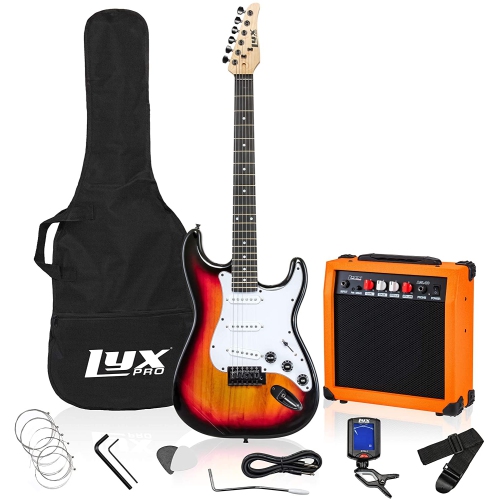 Your price for this item is $239.99
Discover more categories related to Electronic Tuners for Guitar

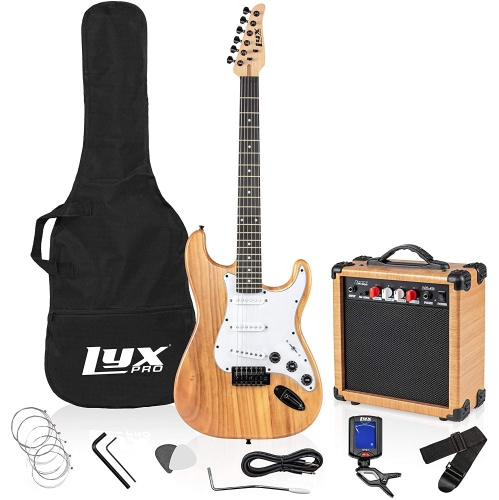
Top Collections:
Pokemon Centers, Kindle Devices, Best Budget Office Chairs, Apple iPhones 16, Best Laptops for Writers, iPhone 15 Apple, Canon G7X Cameras, Refurbished Apple Laptops, Alarm Clock, Motorola Razr Phones
Some products may be subject to Environmental Handling Fees
(EHF) depending on your province.
Learn more about EHFs.