Guitar Pedal Tuners
Looking to fine-tune your guitar's pitch-perfect sound? Look no further than our collection of guitar pedal tuners. These essential accessories are designed to ensure that every note you play is in perfect harmony, whether you're a seasoned musician or just starting out. With their compact and easy-to-use design, these guitar pedal tuners are a must-have for any guitarist looking to achieve impeccable tuning accuracy. Get ready to take your playing to the next level with our wide selection of guitar pedal tuners, available at Best Buy Canada.
Sort
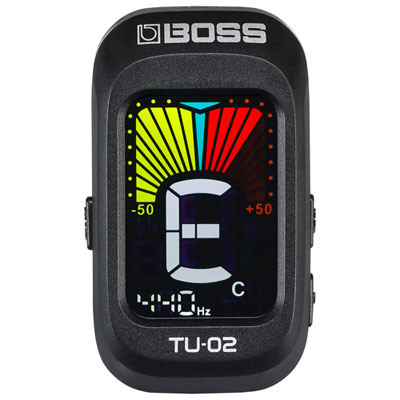
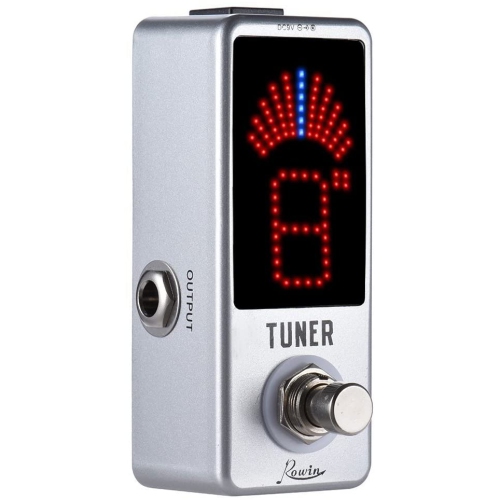
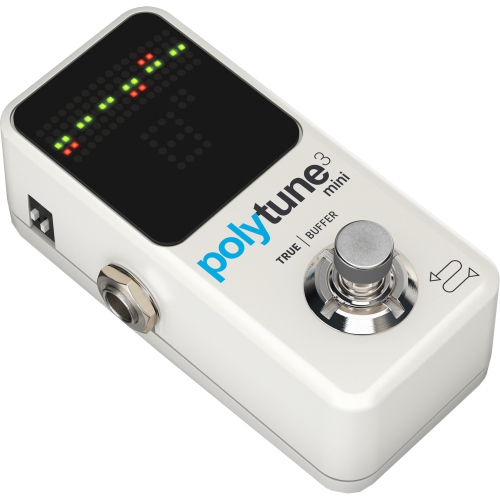
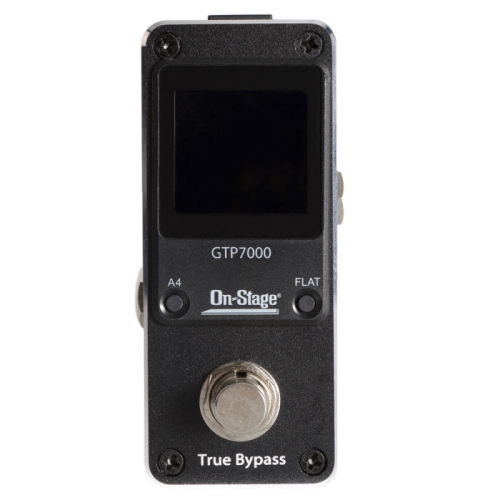
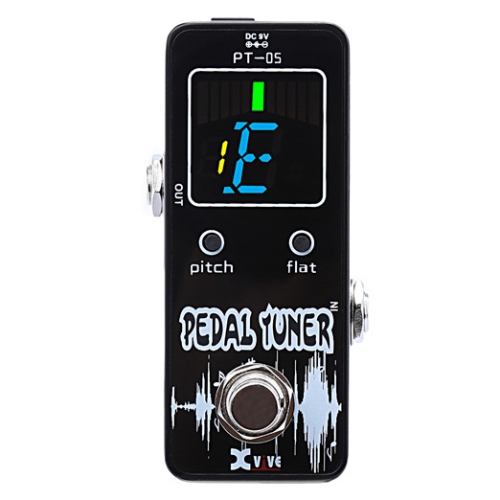
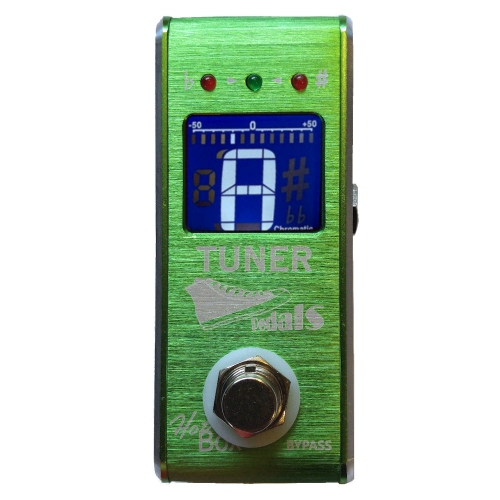
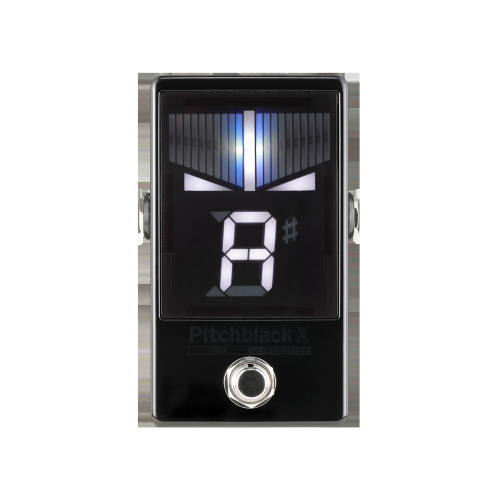
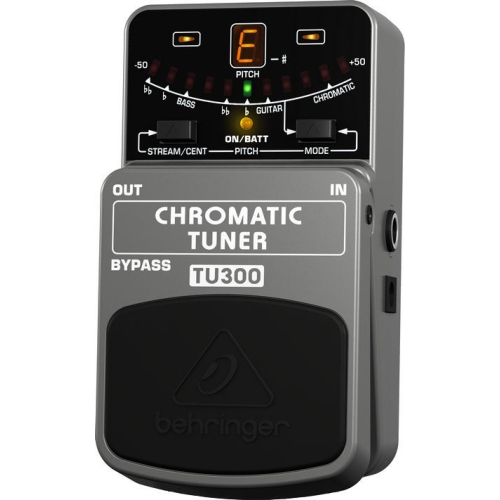
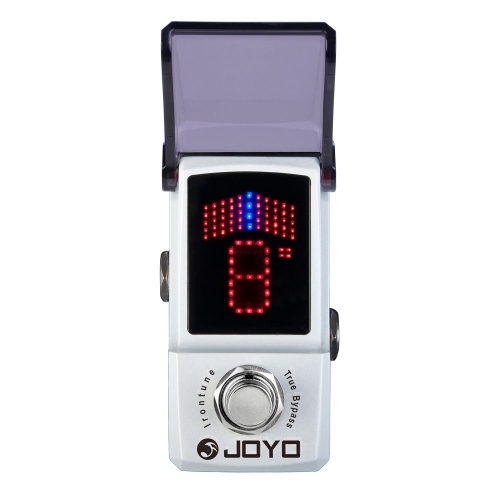
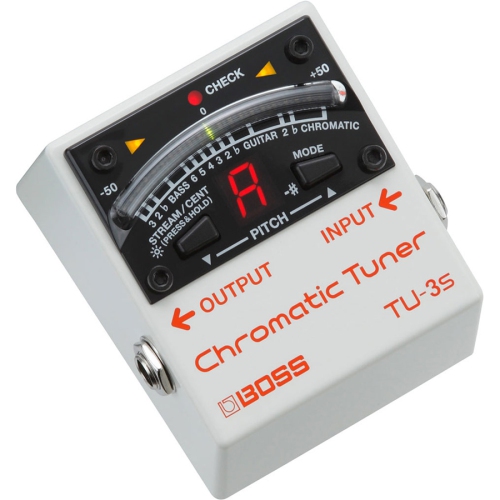
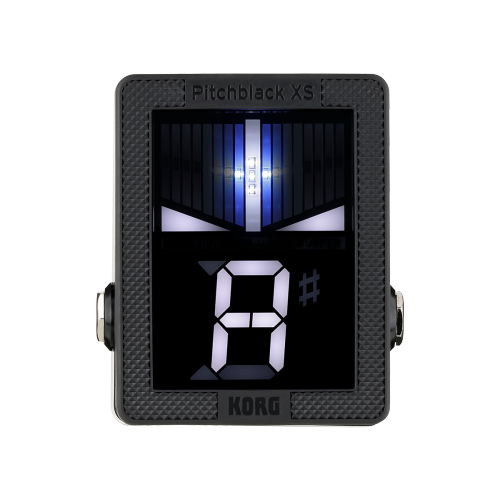


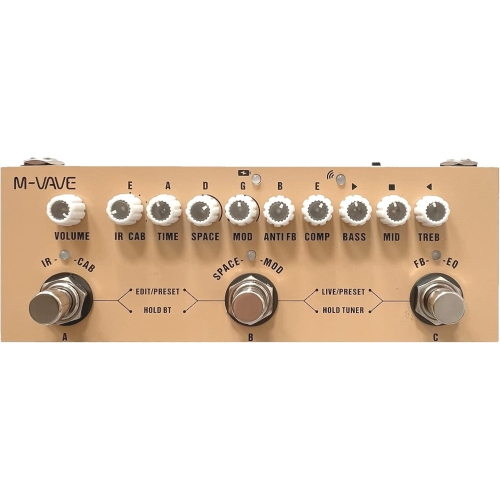
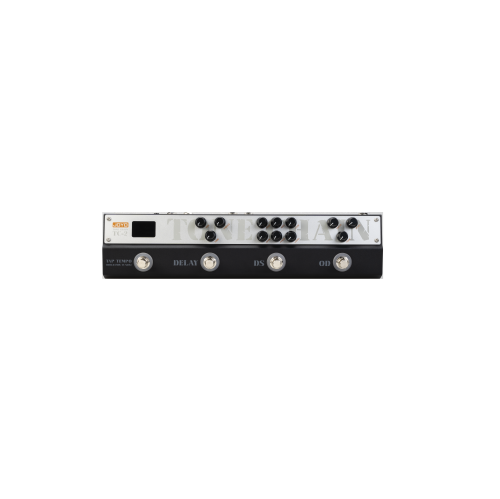
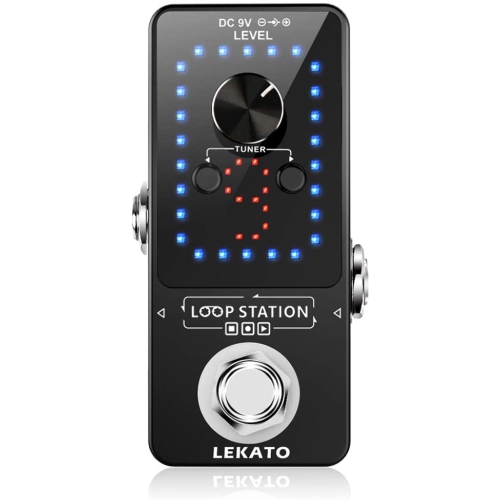
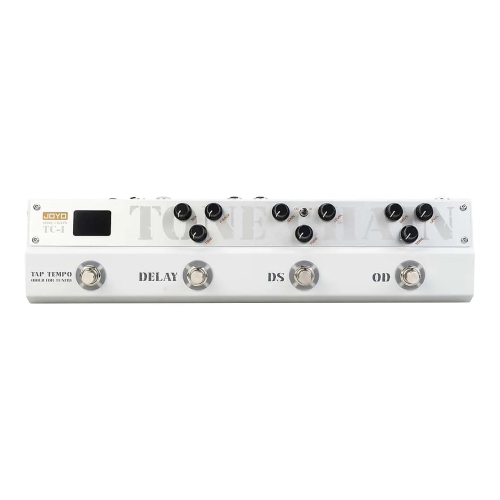
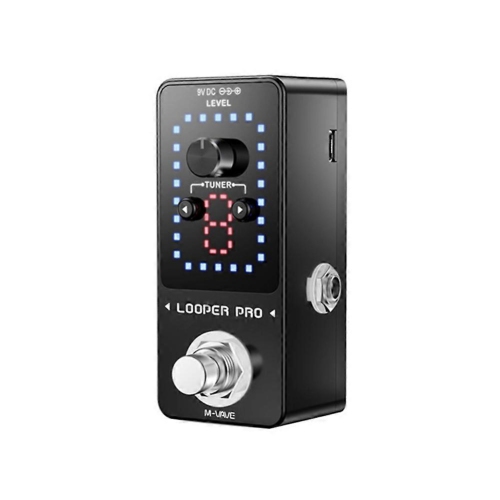

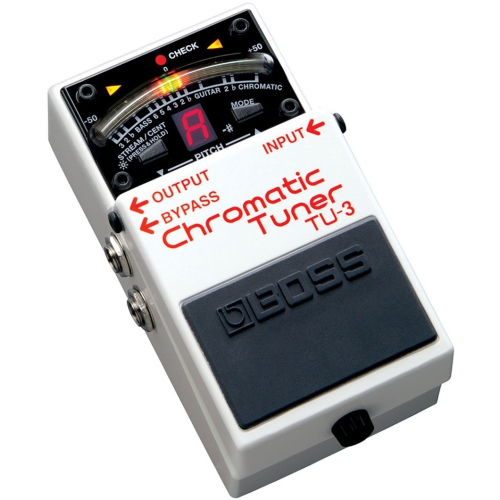

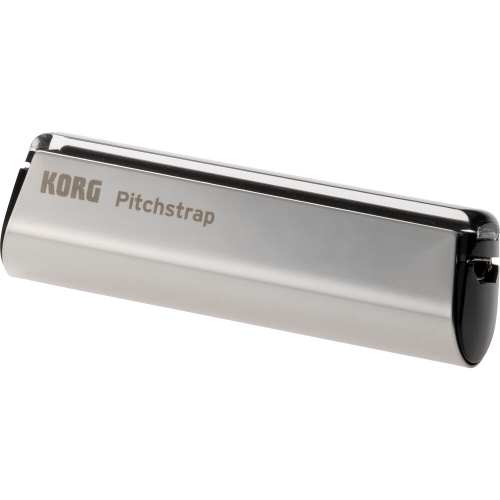
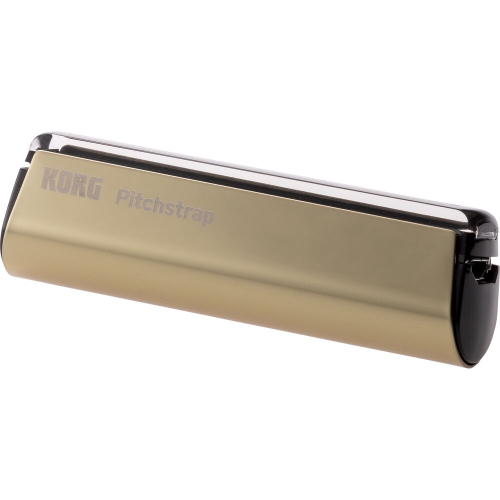
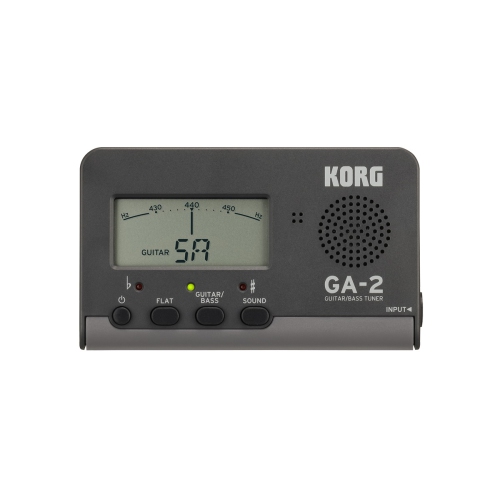
Quiet tuning between songs with a foot tap
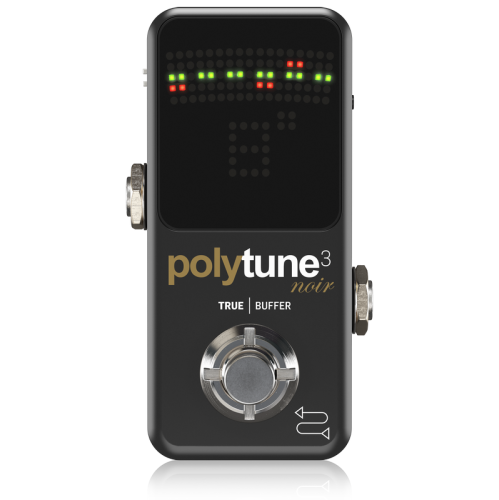
Guitar pedal tuners are floor-mounted tuning devices that connect to an electric guitar, bass, or another instrument with a compatible pickup output. They show whether a note is sharp, flat, or in tune, letting you adjust a tuning peg while keeping both hands free to play. Most offer an output that mutes the signal when tuning is engaged, so the audience hears silence rather than an open string being nudged into pitch. That makes a tuner pedal useful between songs at a gig, during band rehearsals, and at home when you want to move from tuning to playing with a tap of your foot. Unlike a microphone-based tuner, a pedal reads the instrument’s electrical signal directly, making it less vulnerable to chatter or a drummer warming up nearby. Chromatic guitar pedal tuners identify all twelve notes of the musical scale, making them suitable for standard tuning, alternate tunings, and many bass applications. Polyphonic models can display the tuning status of several strings from a single strum, offering a quick overview before you make individual adjustments; supported instruments and tunings vary by model. Strobe tuners use a moving visual pattern to reveal pitch differences, with movement slowing or appearing to stop as the note reaches the target. Their fine resolution can appeal to players who want precise feedback, particularly when checking intonation. Accuracy is commonly expressed in cents, with 100 cents equal to one semitone. A smaller stated tolerance indicates finer measurement, although fast note detection and a display you can read comfortably matter just as much during everyday playing. For a beginner, a clear centre indicator can make tuning feel straightforward. For an experienced player, stable tracking, adjustable reference pitch, and support for lower notes may carry more weight than a long list of extra functions.
The right guitar tuner pedal should fit both your instrument and the rest of your setup. Bassists and guitarists using extended-range instruments should pay attention to the supported tuning range, especially for low strings that can take longer to register clearly. Players using alternate tunings will generally appreciate a chromatic display that identifies the actual note rather than assuming a standard string assignment. Adjustable reference pitch is useful when playing alongside an instrument that cannot easily be retuned, while a standard A440 setting suits many everyday situations. Signal routing is another practical distinction. With true-bypass switching, the instrument signal bypasses the tuner’s active circuitry when the pedal is disengaged. A buffered bypass sends the signal through a buffer, which can help preserve high-frequency detail across longer cable runs or a board with several pedals. Neither option is automatically better for every rig: a short, simple setup has different needs from a large pedalboard, and some vintage-style fuzz circuits behave differently when a buffer sits ahead of them. A tuner is often placed near the beginning of the signal chain, where it receives a clean note before distortion, modulation, or delay makes pitch detection more complicated. When arranging a board alongside Guitar Amp Pedals, consider cable access, switching order, and whether the tuner’s mute function works the way you expect. Some pedals provide separate muted and bypass outputs, which can be useful for particular routing arrangements but deserve a close look before connecting everything. Power requirements matter, too. Many tuner pedals use a 9-volt DC supply, but voltage, polarity, connector size, and current requirements must match the specifications. Battery operation is available on some models, while compact designs may rely entirely on an external supply. A power adapter is not always included, and a pedal’s power output, if provided, has limits on what it can supply to other devices. Checking those details helps avoid an otherwise suitable tuner arriving without the means to power it.
Size, visibility, and construction often determine how comfortable a pedal tuner feels after the first few sessions. A mini enclosure can leave room for another effect on a crowded board, but the space needed for side-mounted plugs may reduce the apparent savings. A larger pedal may offer a more spacious display and an easier target for your foot when you are also watching a bandleader or moving towards a microphone. Look for note names and pitch indicators that remain legible from standing height; brightness is valuable on a dark stage, but contrast and viewing angle also matter under strong lighting. A sturdy enclosure, secure jacks, and a footswitch that feels dependable are worthwhile priorities for a pedal that travels in a gig bag or gets stepped on repeatedly. At home, an uncomplicated layout can be just as appealing as stage-ready toughness. There is something reassuring about plugging in, seeing each open string settle into tune, and starting a practice session without reaching for another device. For acoustic-electric players, a pedal tuner can bring that same convenience to a pickup-equipped instrument, provided the connection and signal are compatible. During the cooler months, a guitar carried from a cold vehicle into a warm room may need time to settle before its tuning holds steady, and a pedal makes subsequent checks easy. It is also handy after changing strings, fitting a capo, or playing a passage with plenty of bends. Picking one string at a time with a moderate attack and letting the note settle usually produces a clearer reading than striking it hard. As a gift, a guitar pedal tuner can suit a player assembling a first pedalboard, a bassist joining regular rehearsals, or a musician replacing a less convenient tuning setup. Knowing the recipient’s instrument, available board space, and power arrangement helps make the choice useful. The most satisfying option is often the one that disappears into the routine: easy to see, quick to engage, and ready whenever a string drifts.
Top selling and popular products
-
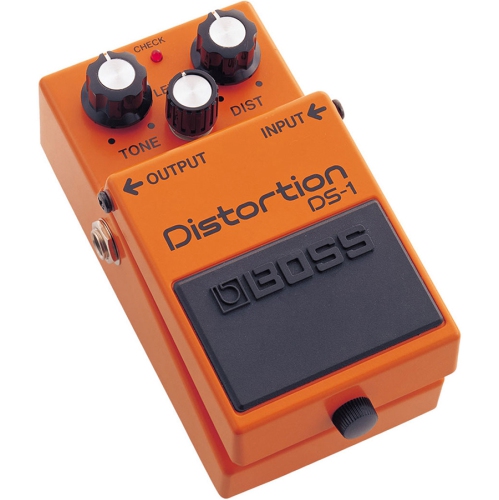 Your price for this item is $89.99
-
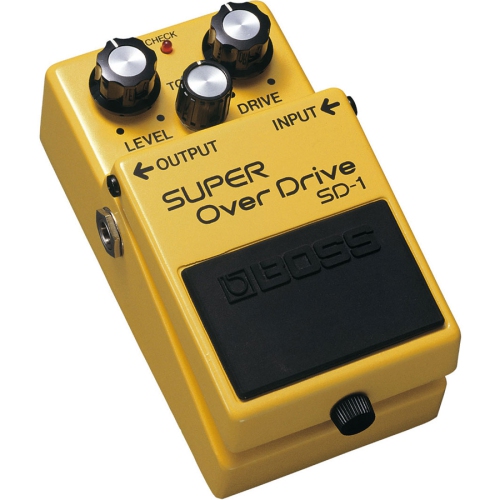 Your price for this item is $89.99
-
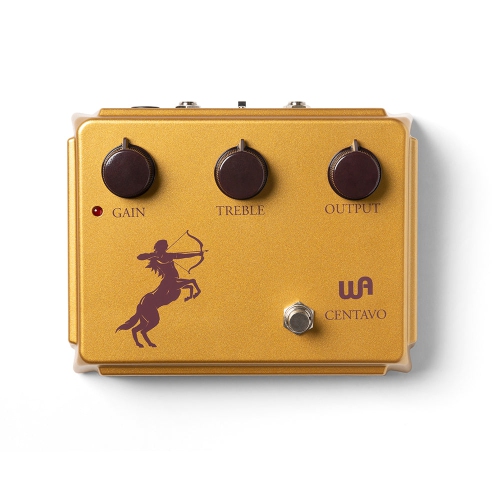 Your price for this item is $289
-
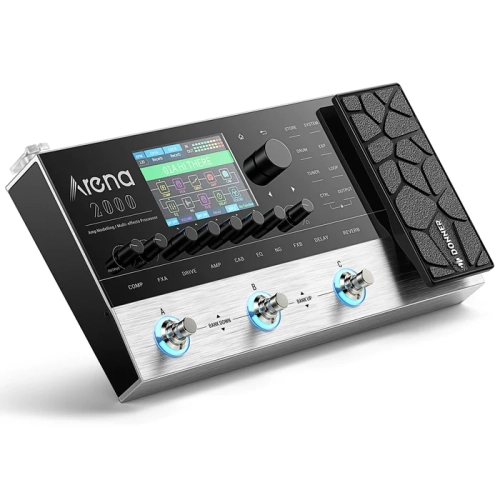 Your price for this item is $215.99
-
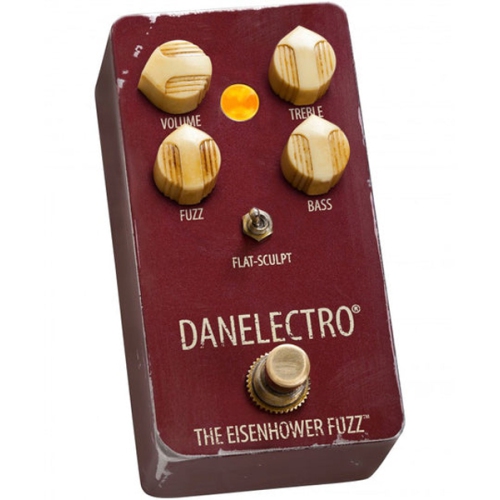 Your price for this item is $164.99
-
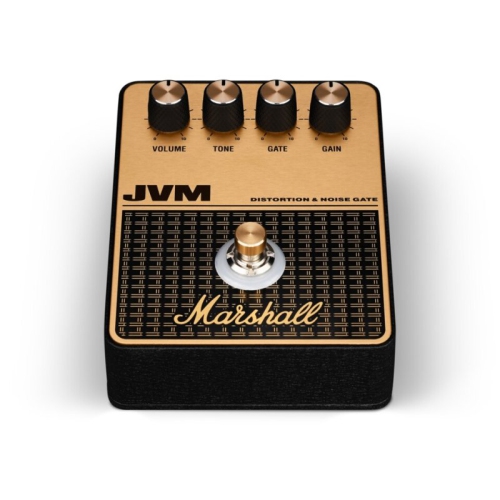 Your price for this item is $249.99
-
 Your price for this item is $249.99
-
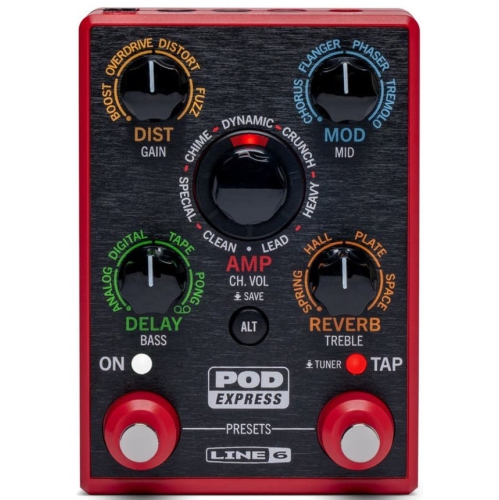 Your price for this item is $239.99
Discover more categories related to Guitar Pedal Tuners
Top Collections:
Pokemon Centers, Best Cameras for Sports Photography, Kindle Devices, Samsung Galaxy Phones, Canon G7X Cameras, Pokémon 30th Celebration Cards, Refurbished Apple Laptops, iPhone 15 Apple, Laptops for Students, Budget Smartphones
Some products may be subject to Environmental Handling Fees
(EHF) depending on your province.
Learn more about EHFs.