Pedals for Electric Guitars
Enhance your electric guitar's sound and unleash your creativity with our wide selection of pedals. Whether you're a seasoned guitarist looking to experiment with different effects or a beginner wanting to add some flair to your playing, our collection of pedals for electric guitars has something for everyone. From distortion and overdrive to delay and reverb, these versatile pedals will take your music to new heights. Explore our range of options and find the perfect pedal to elevate your guitar playing experience.
Sort
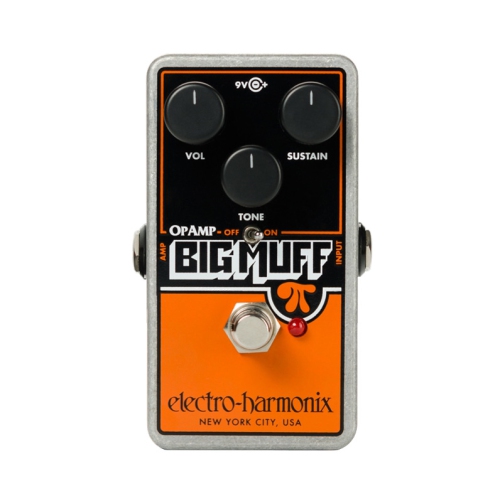
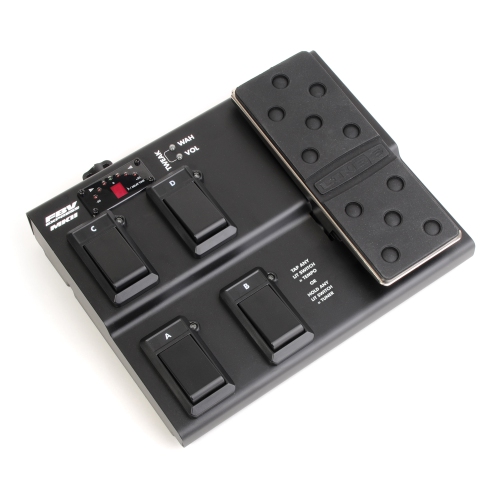
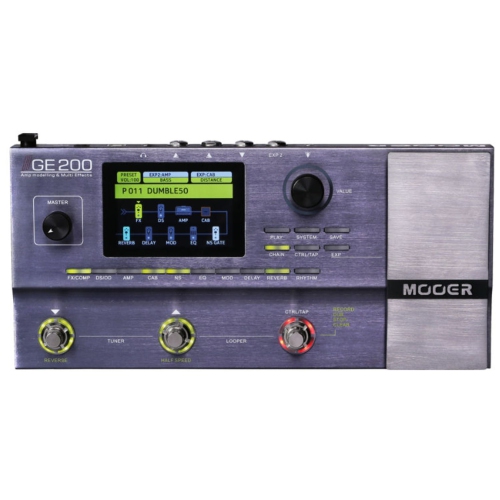

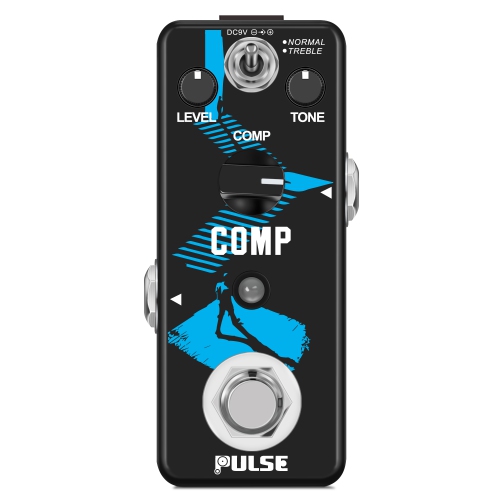
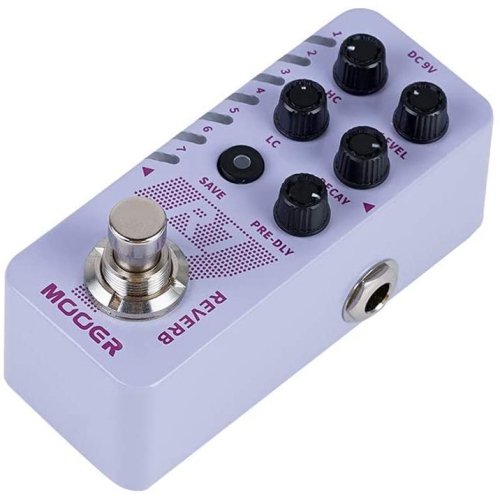
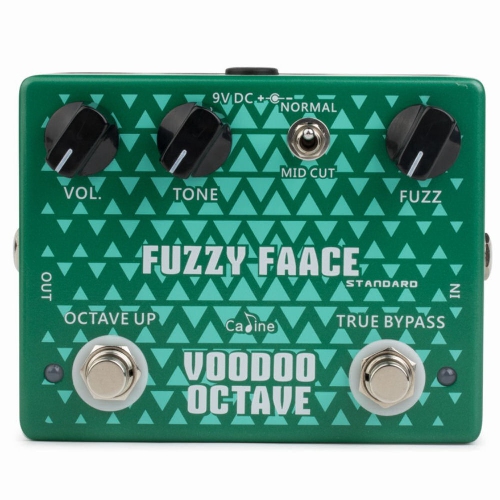
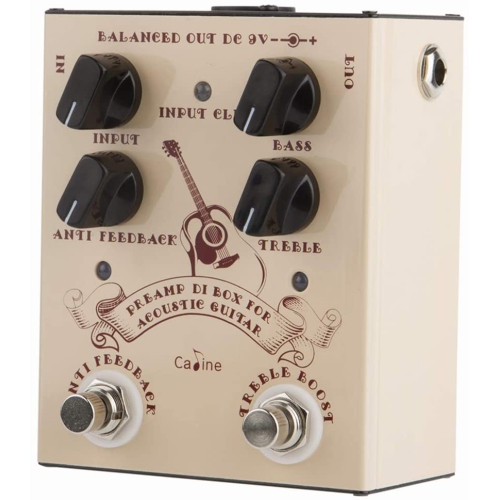
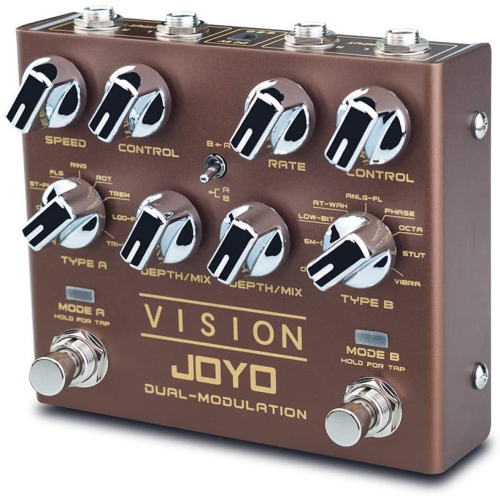
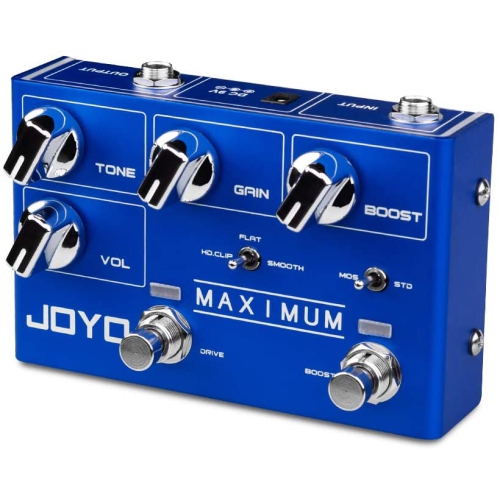
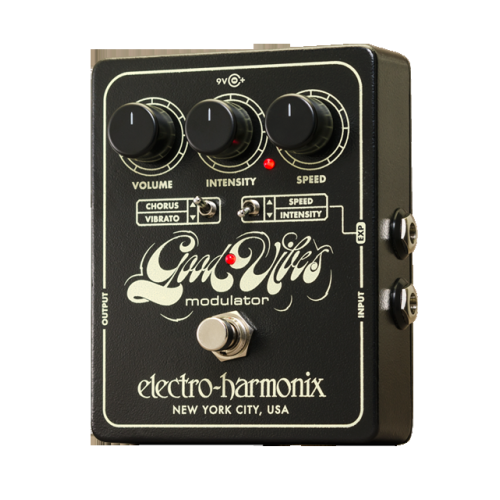
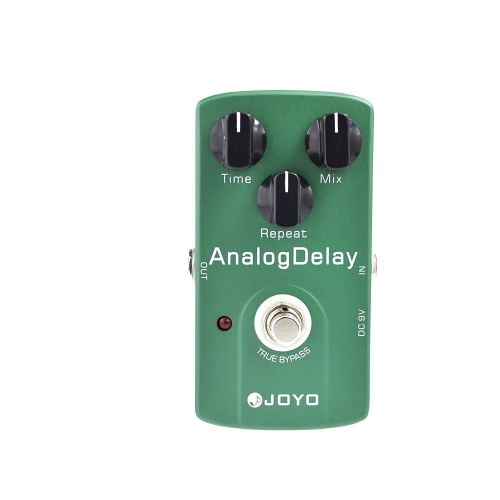
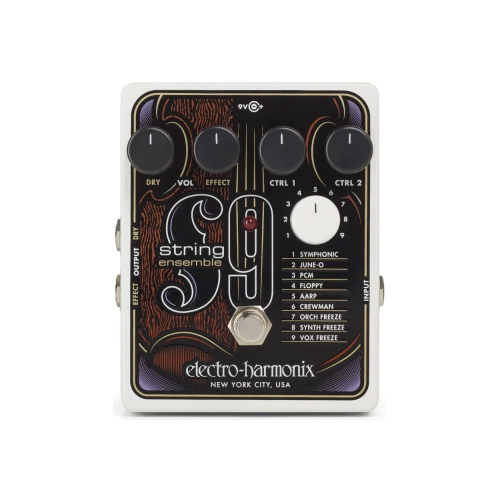
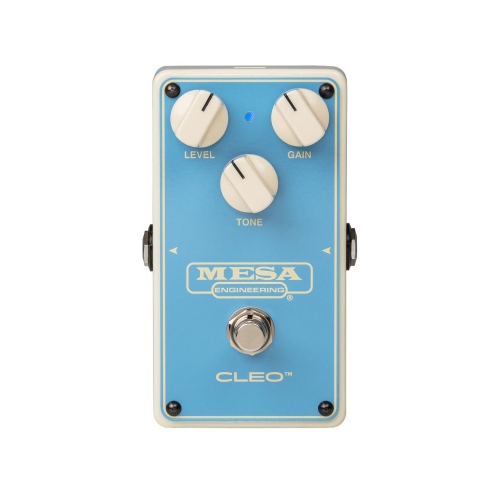
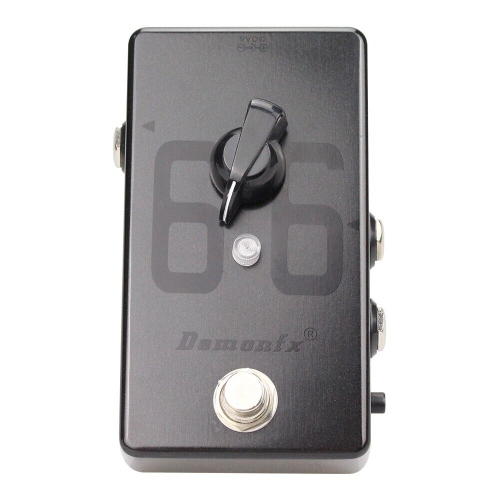
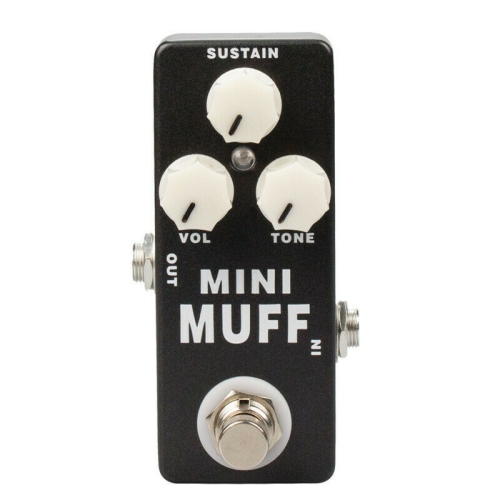
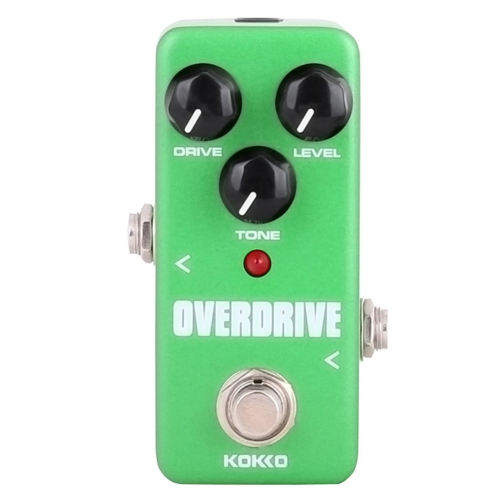
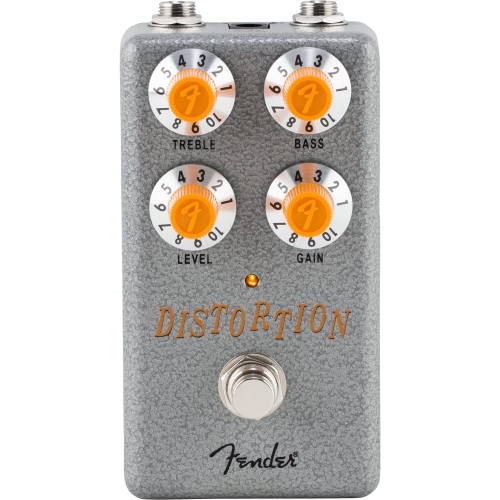
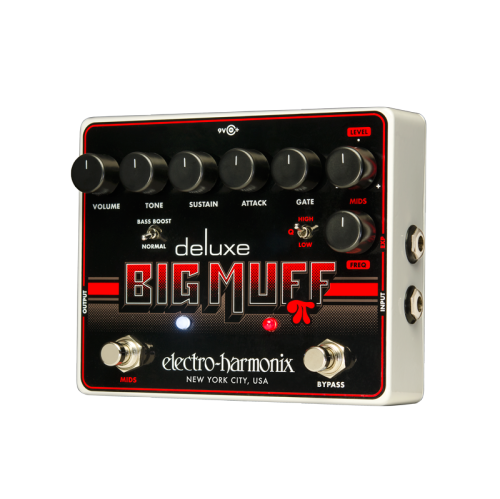
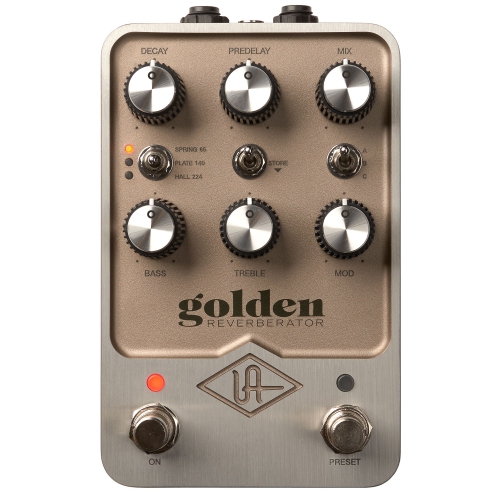
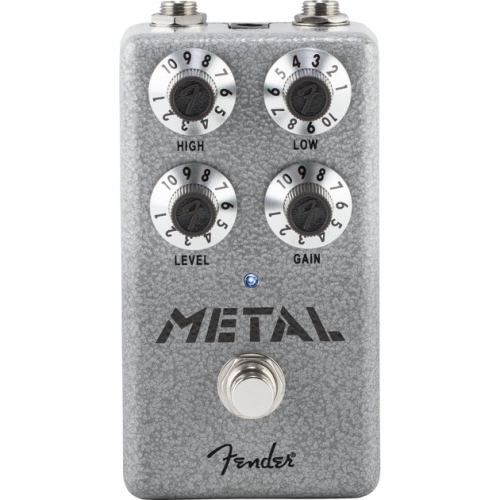

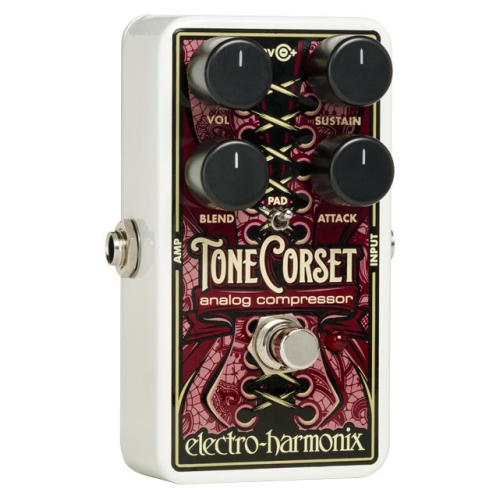


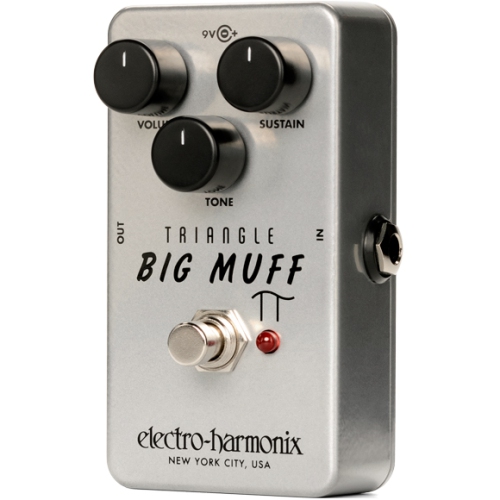
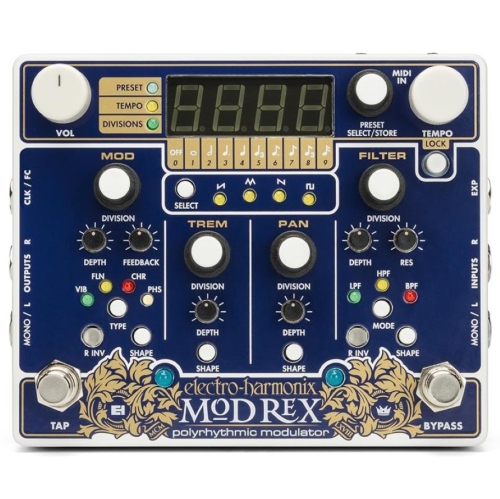
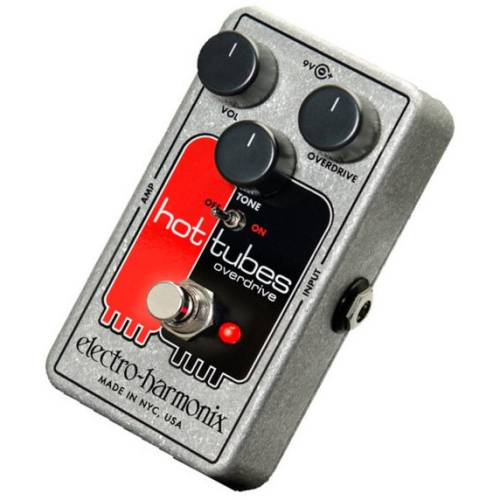
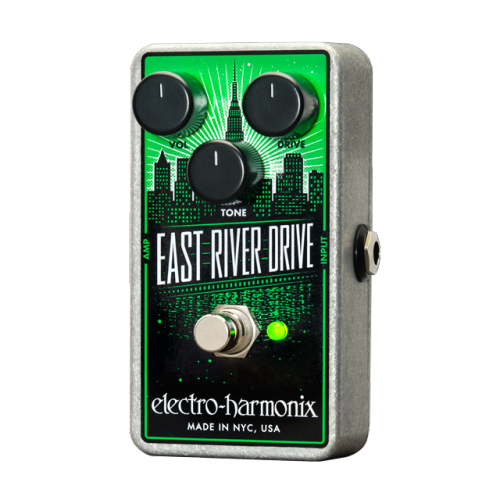
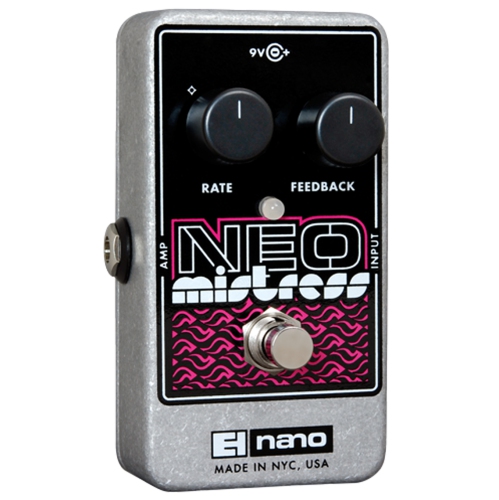
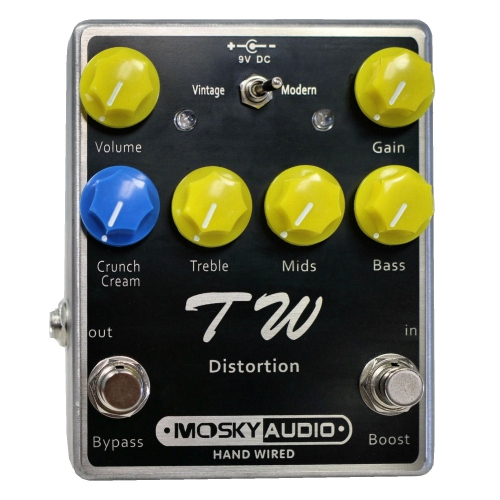
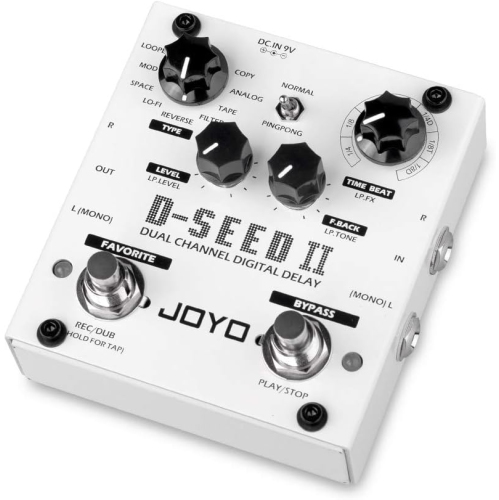
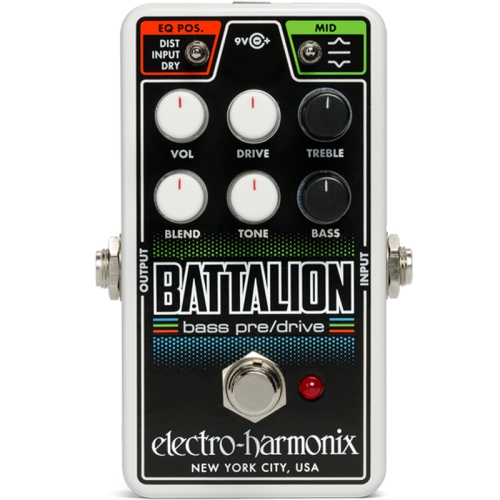
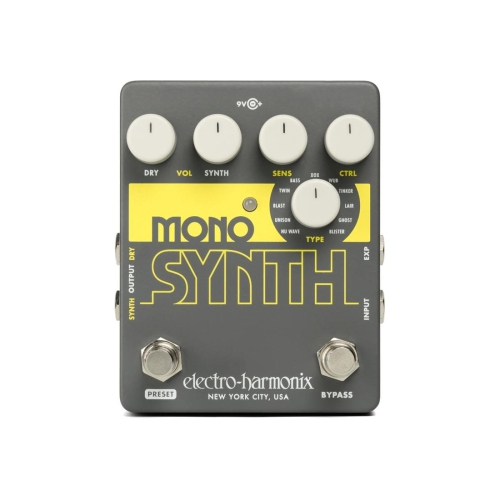
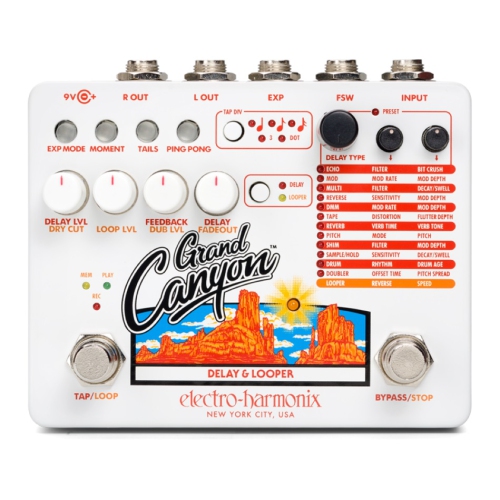
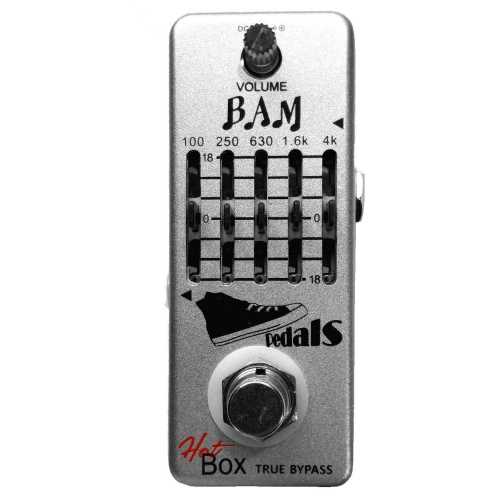
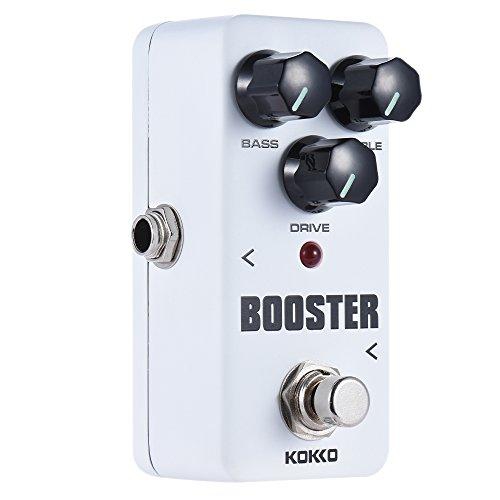
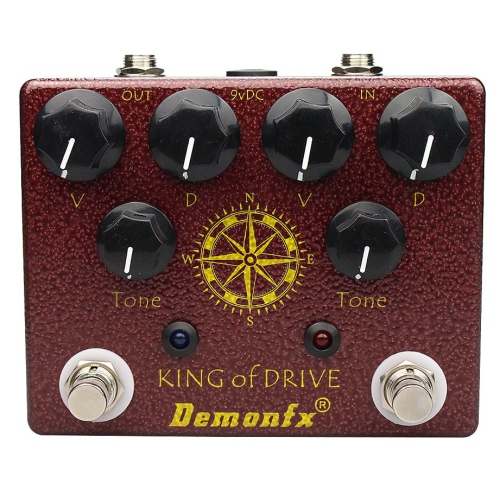
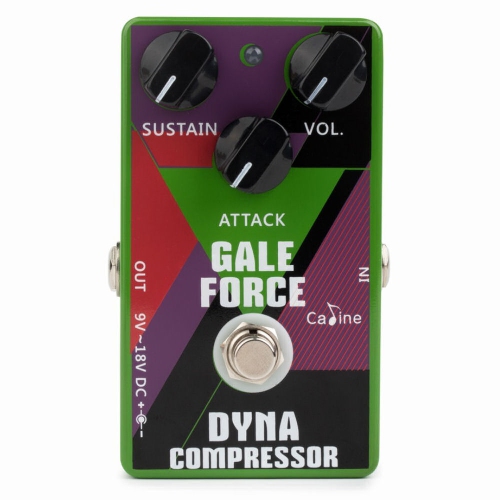

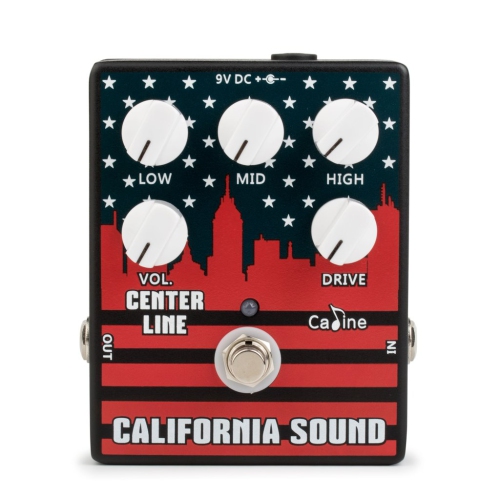
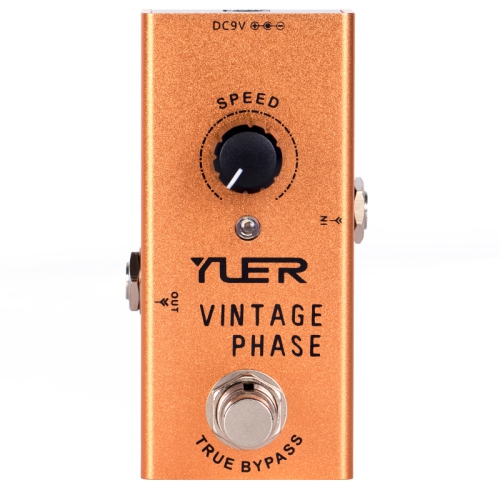
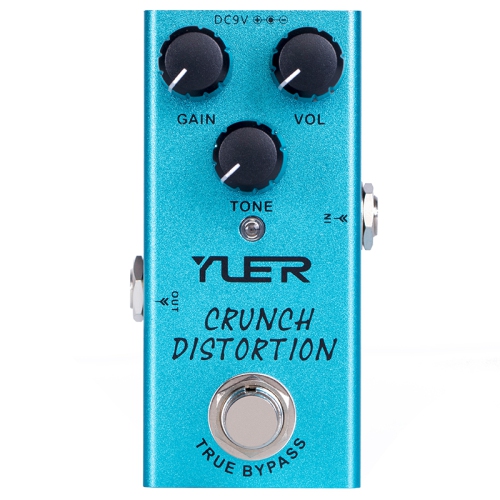
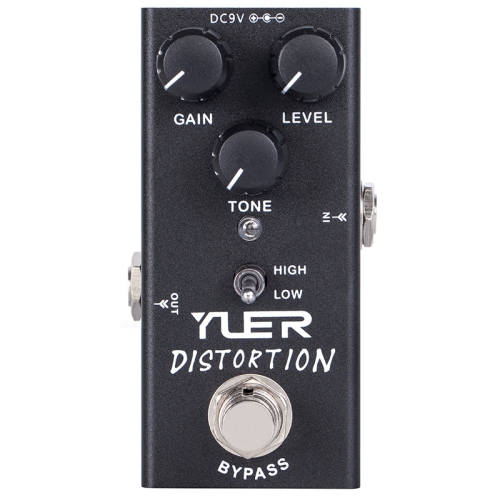
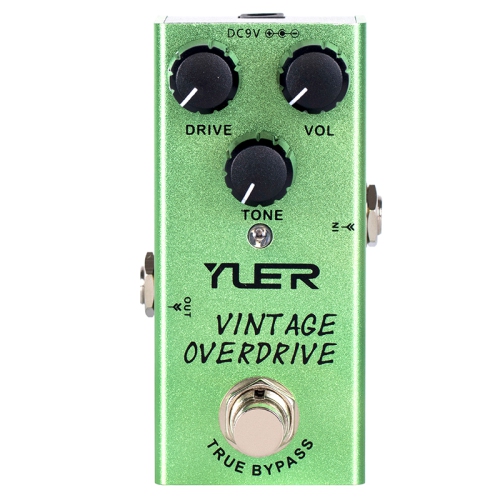
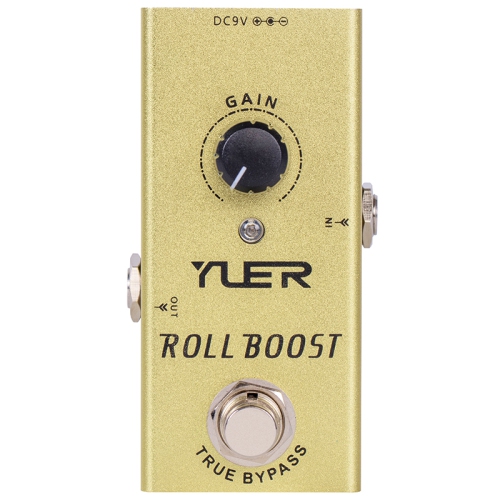
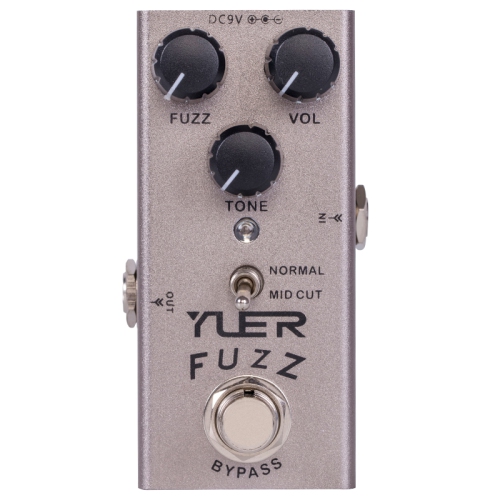
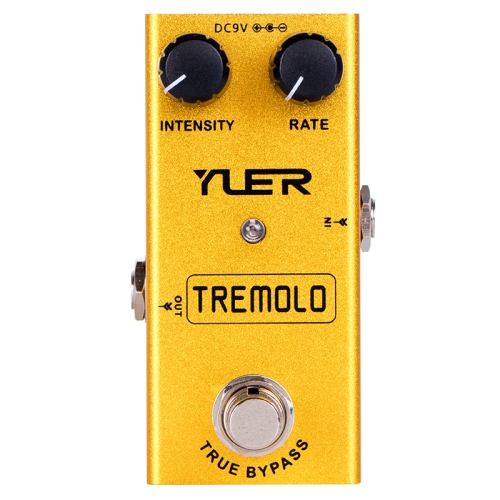
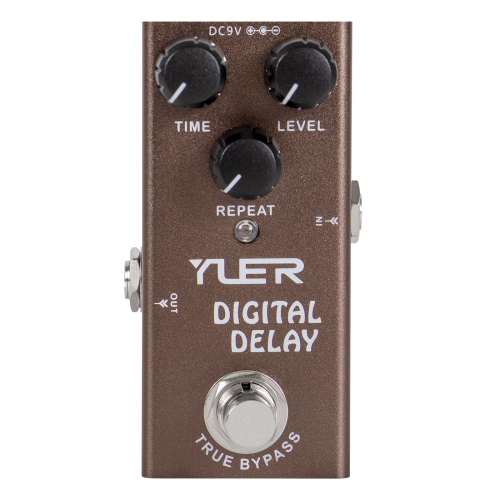
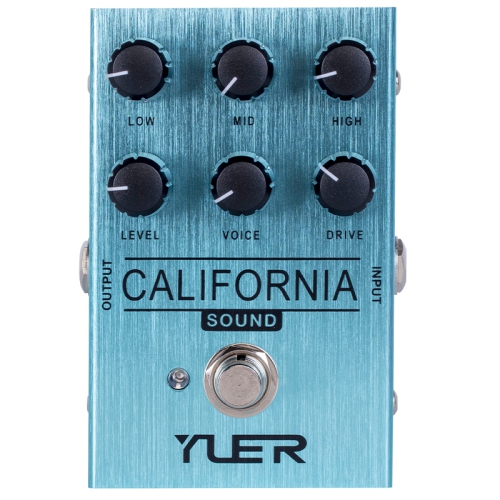
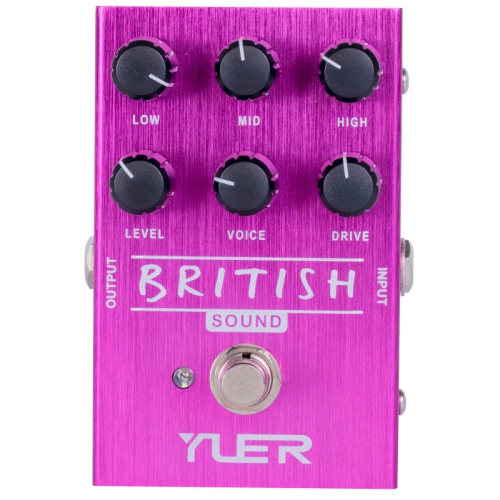
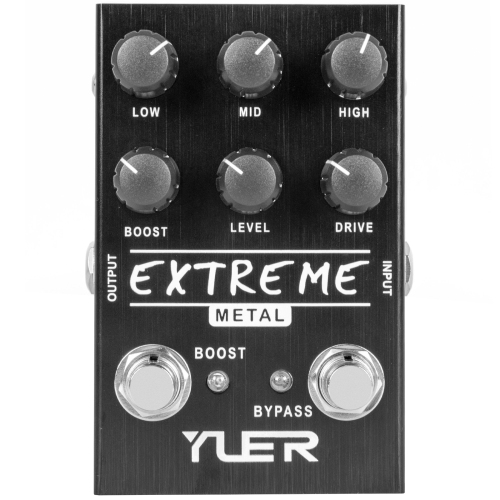
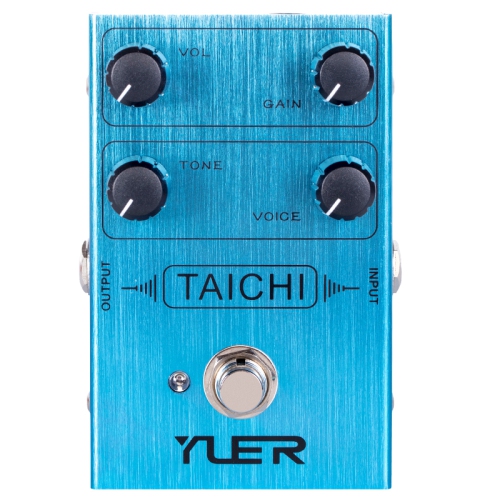
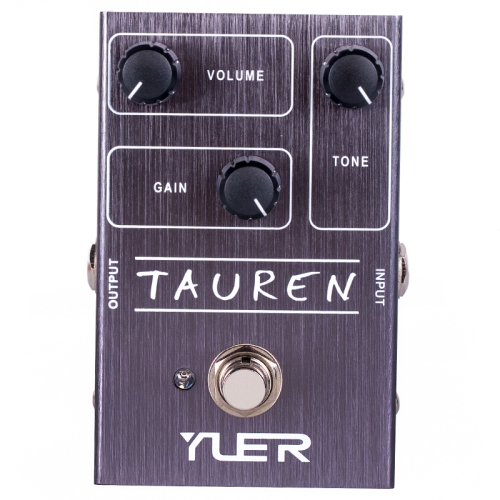
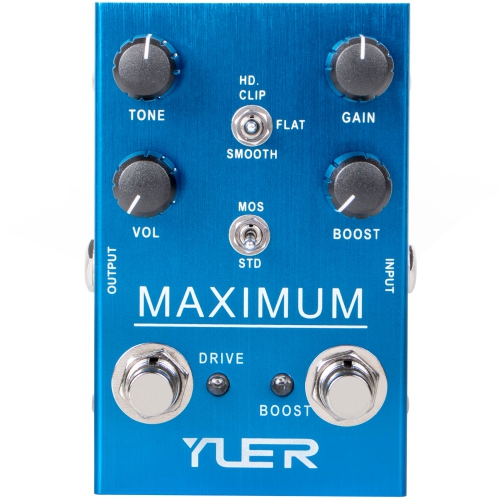
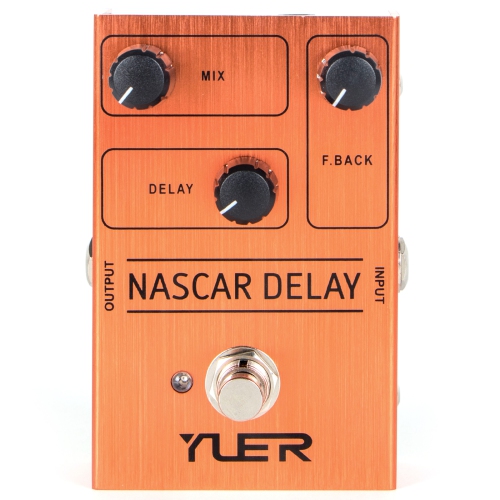
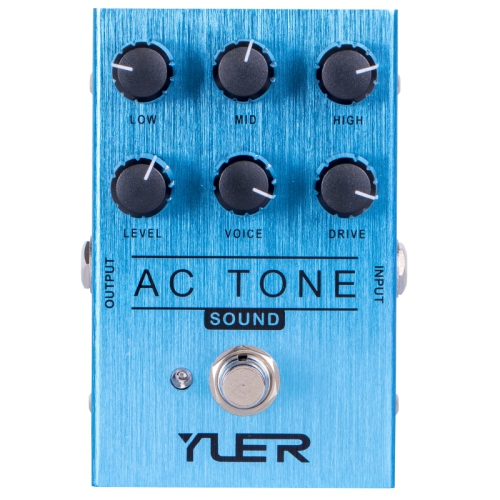
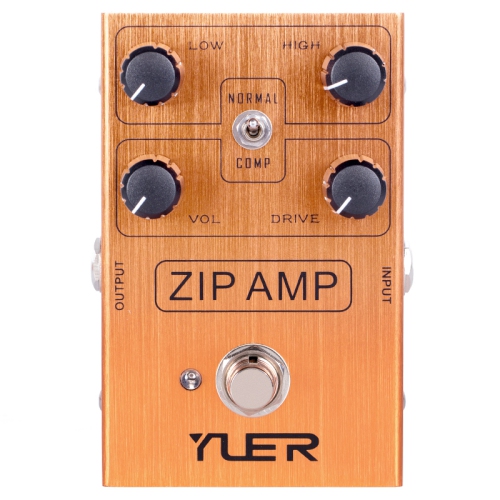
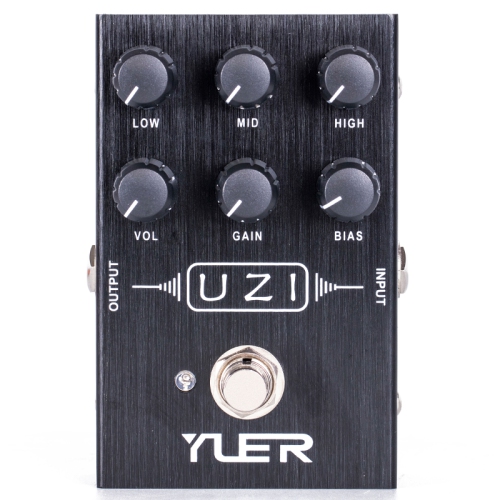
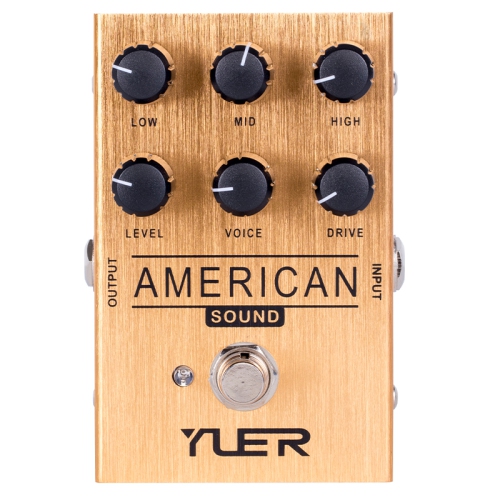
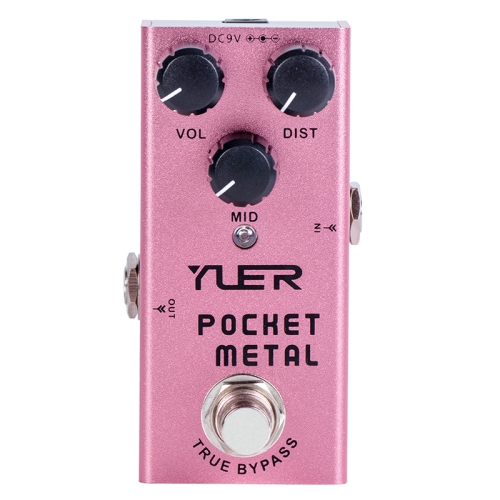
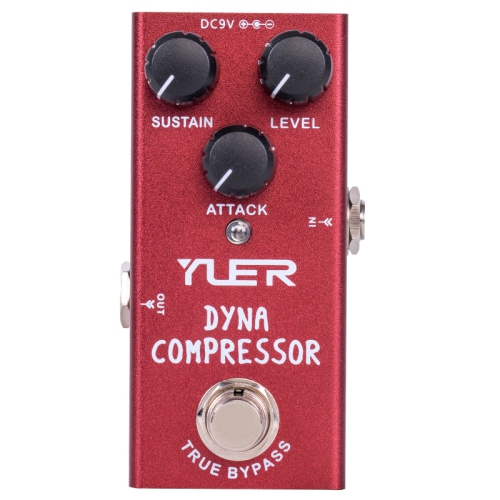
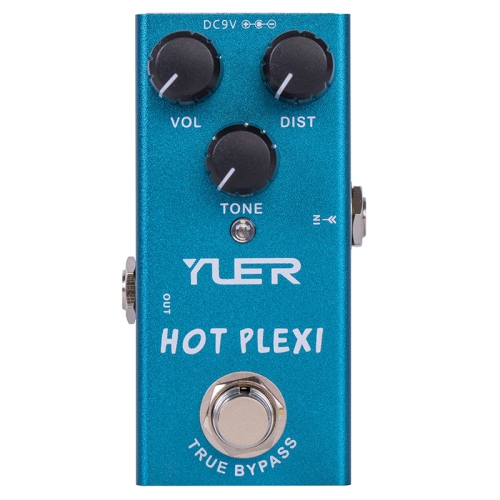
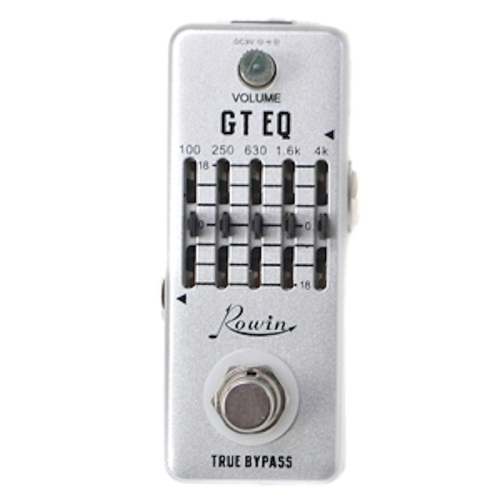
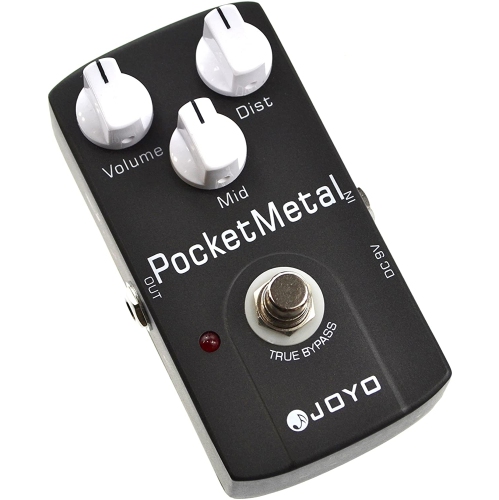
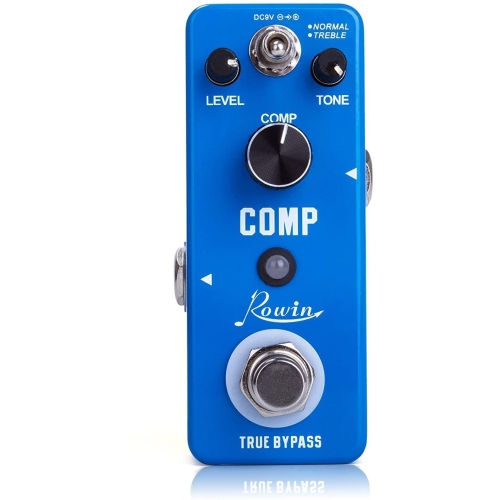
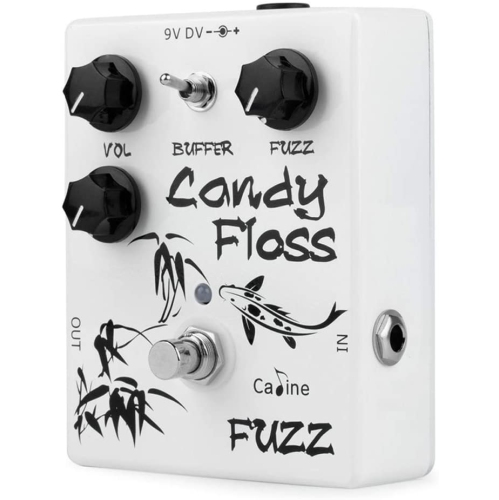
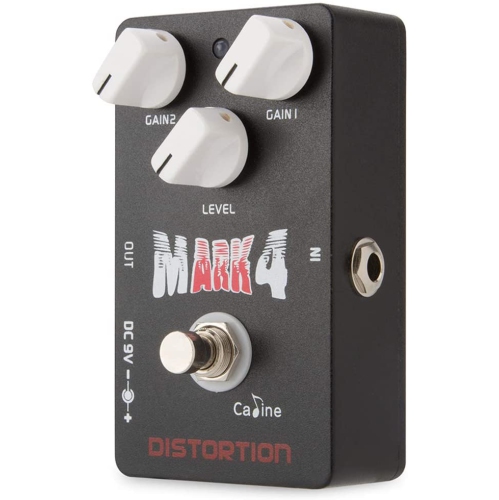
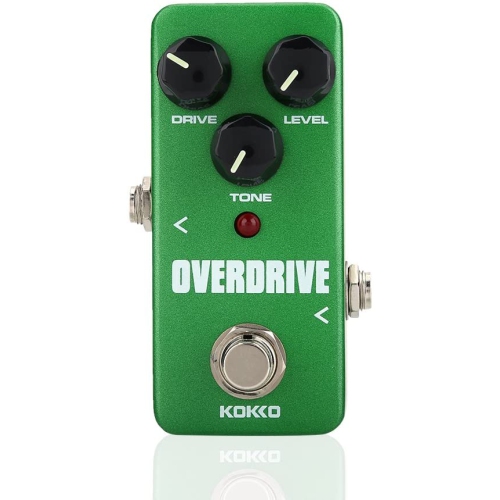
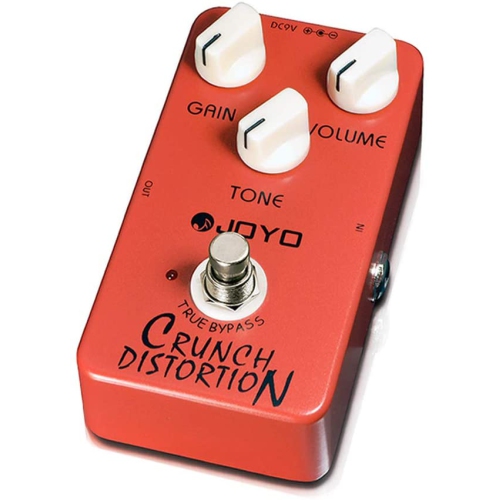
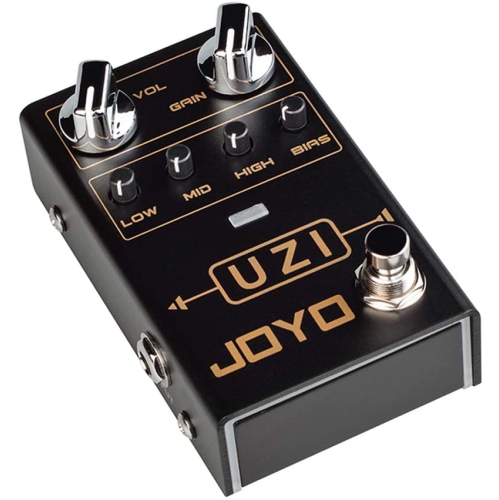
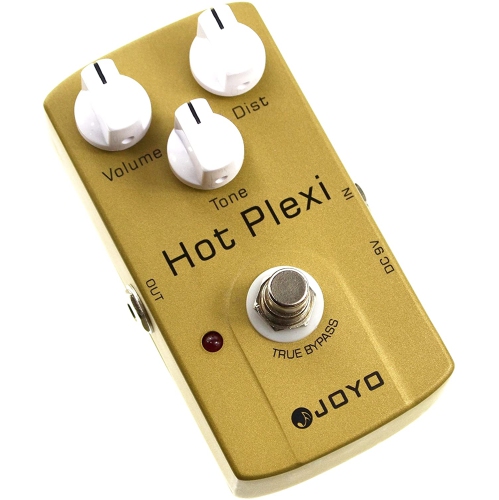
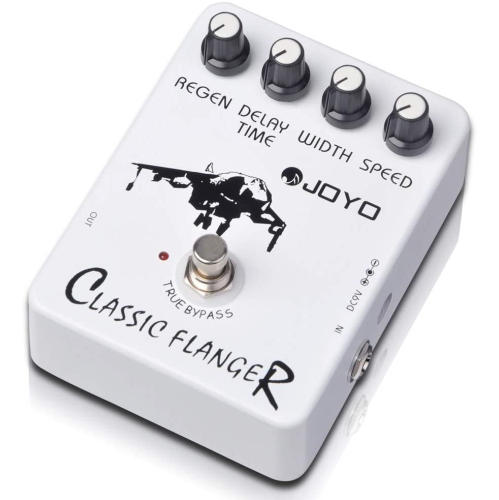
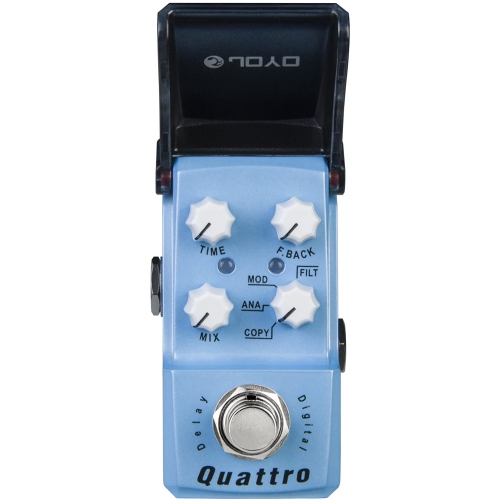
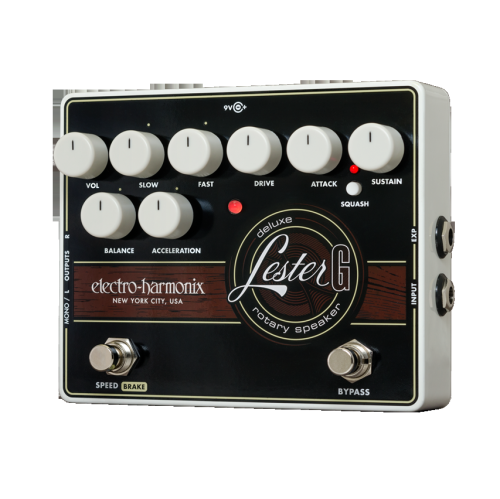
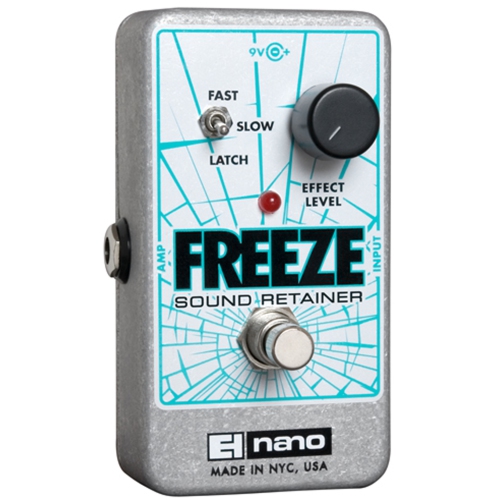
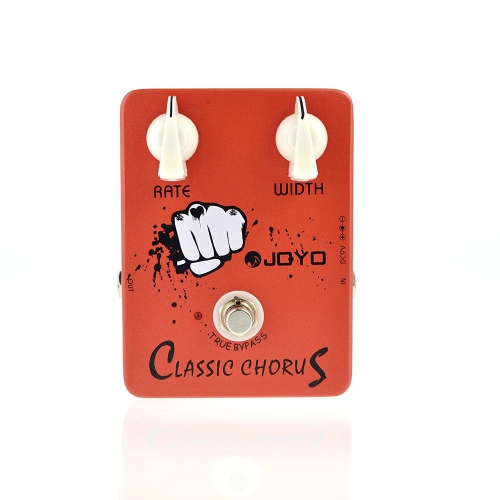
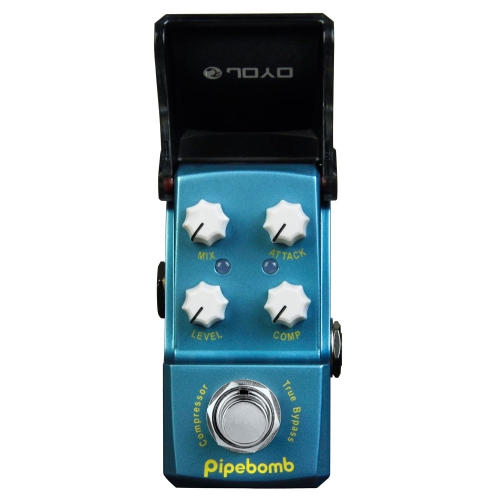
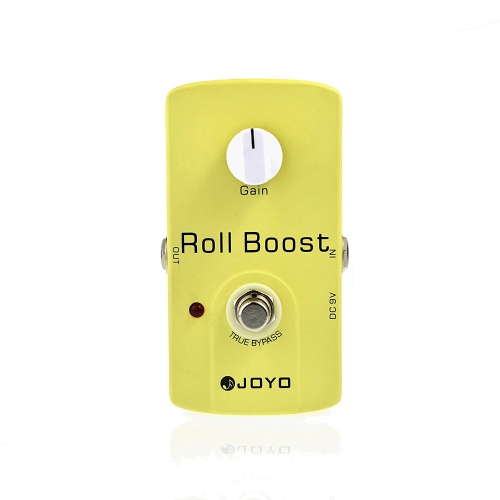
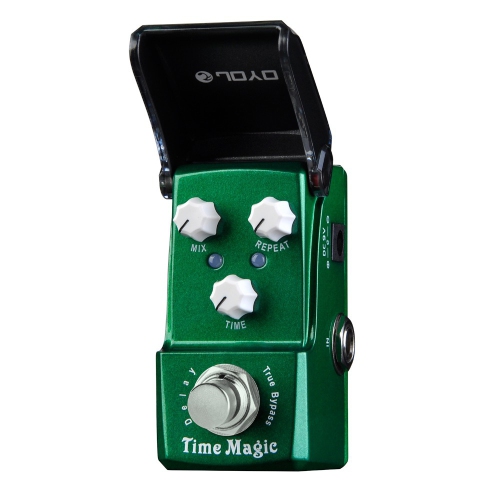
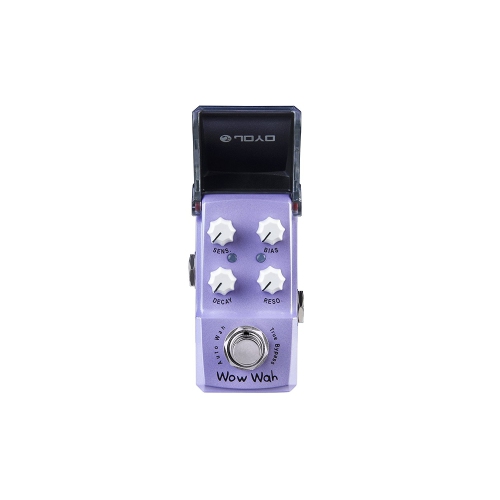
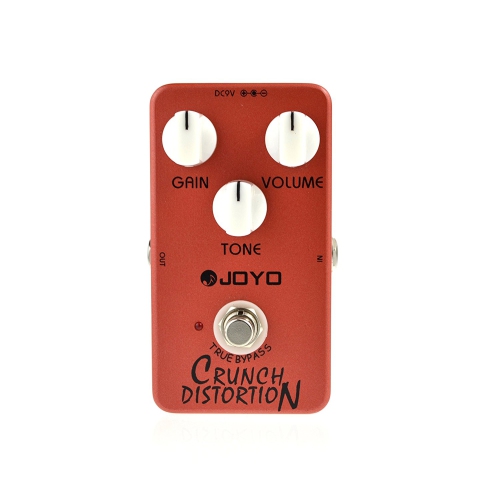
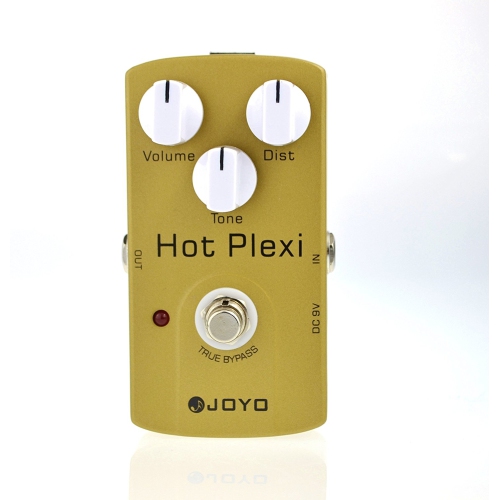
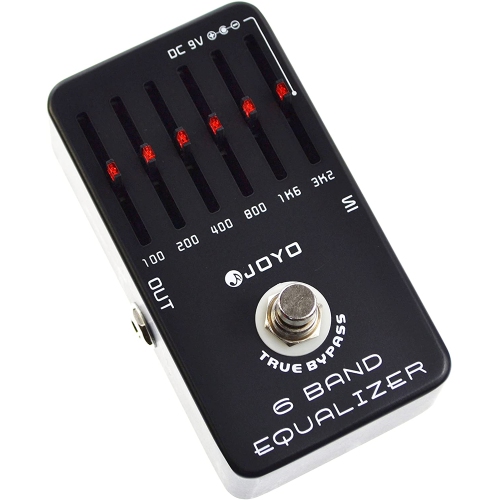
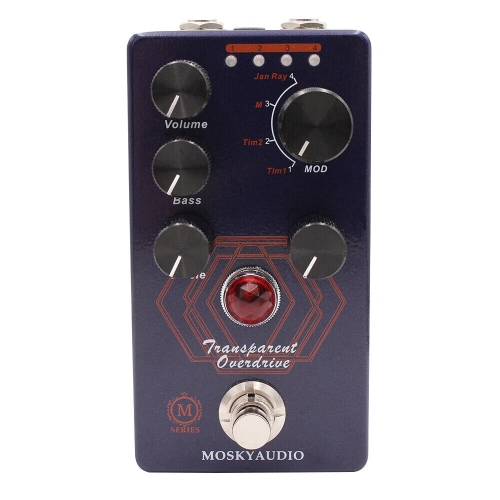
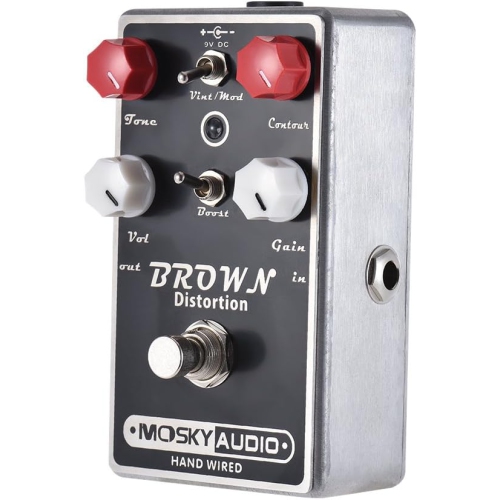
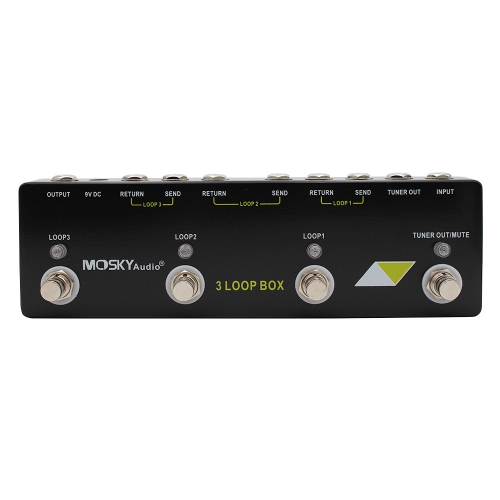
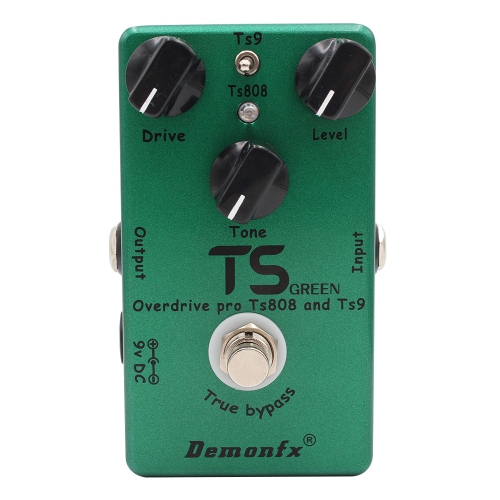
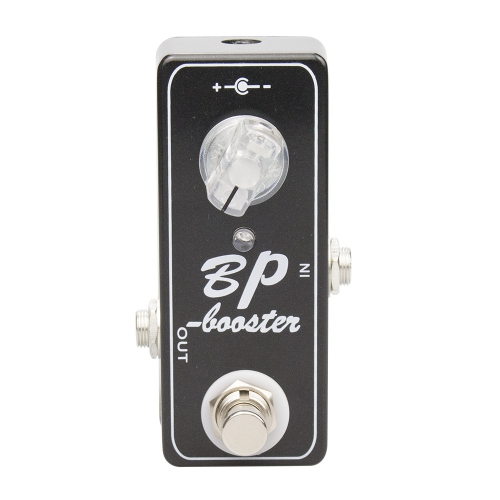
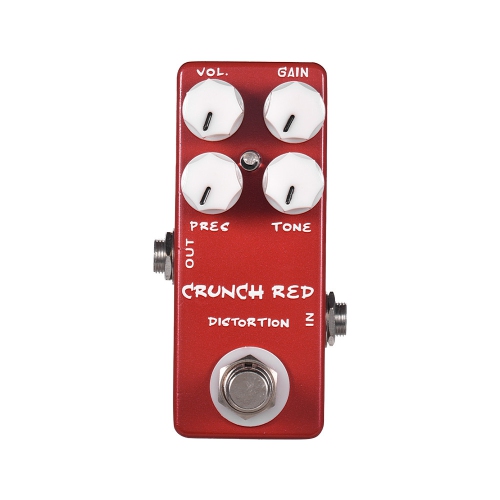
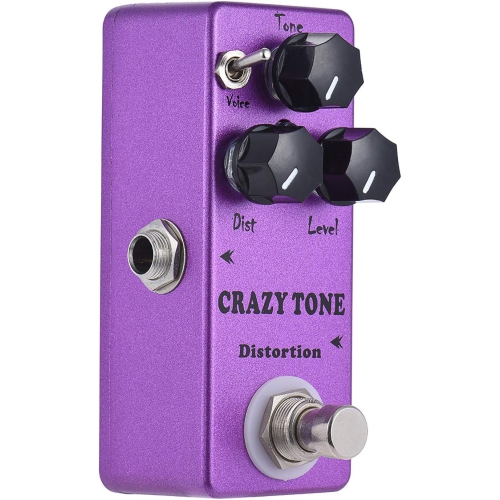
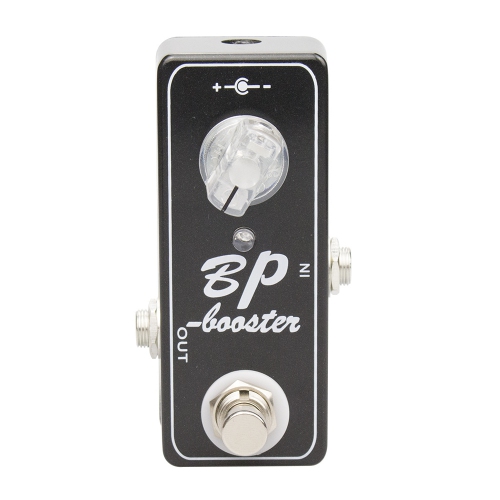
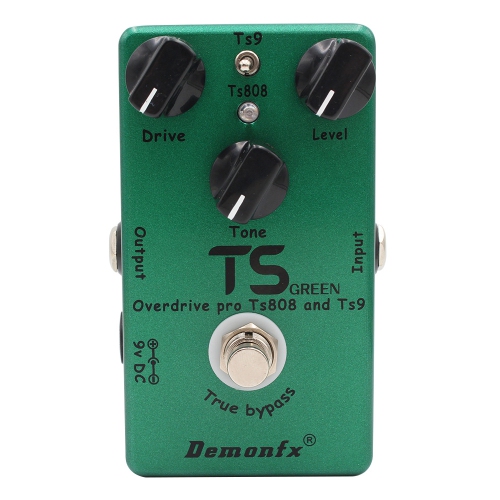
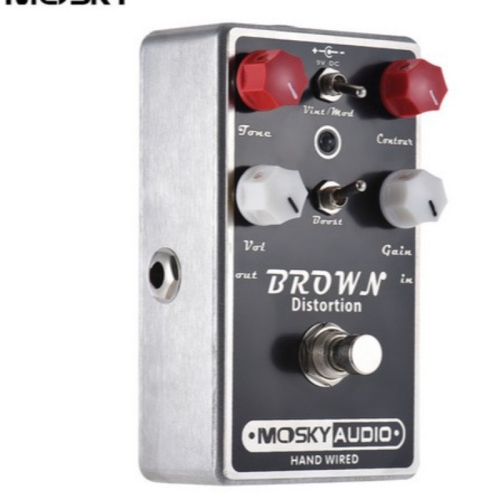
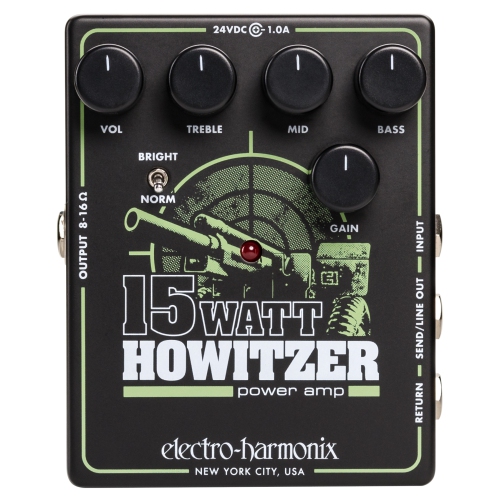
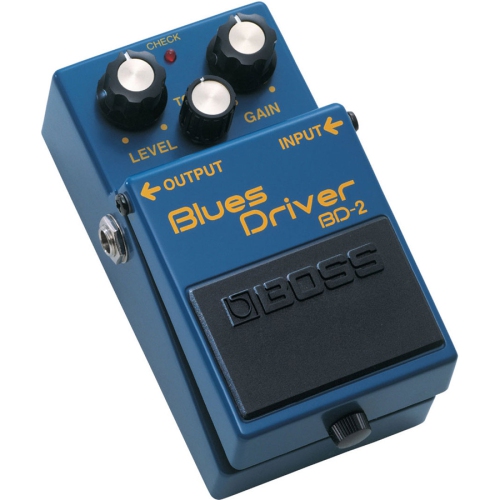
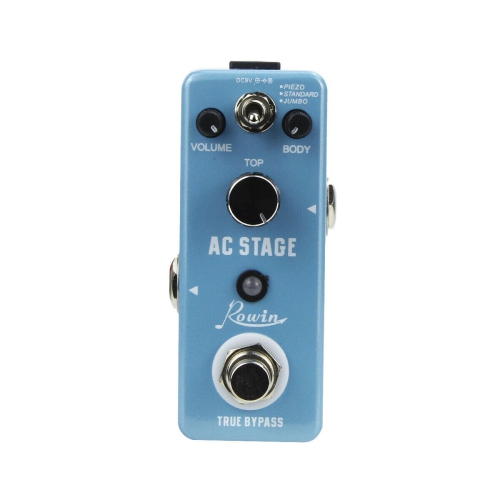
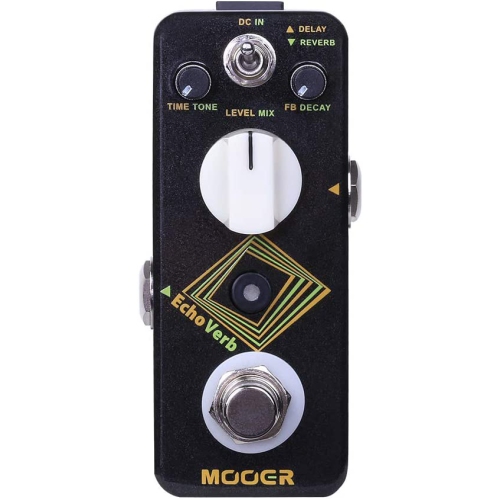
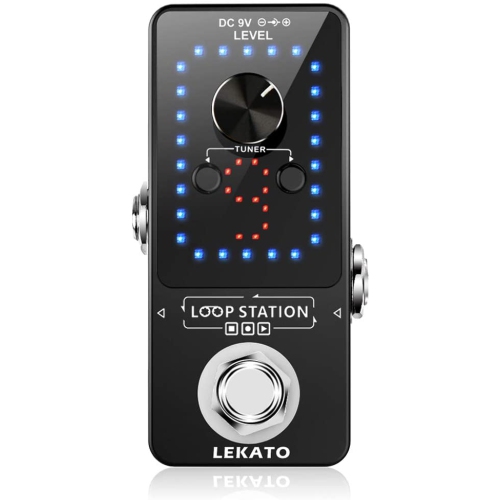
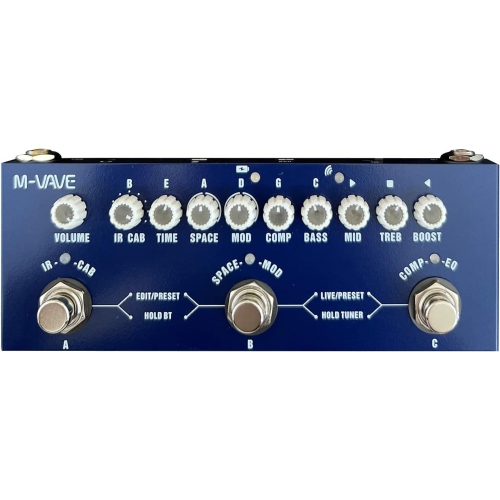
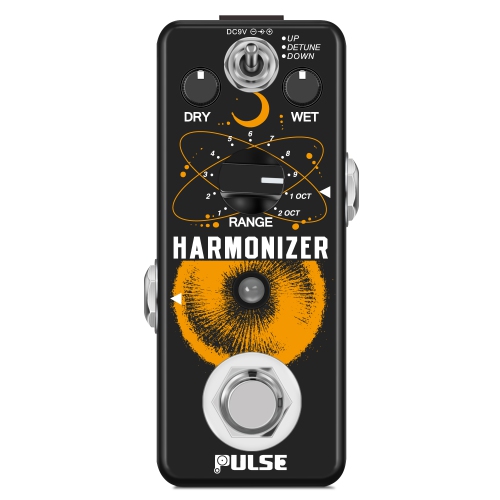
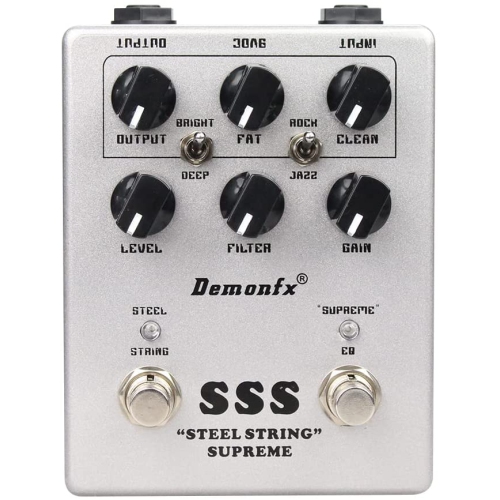
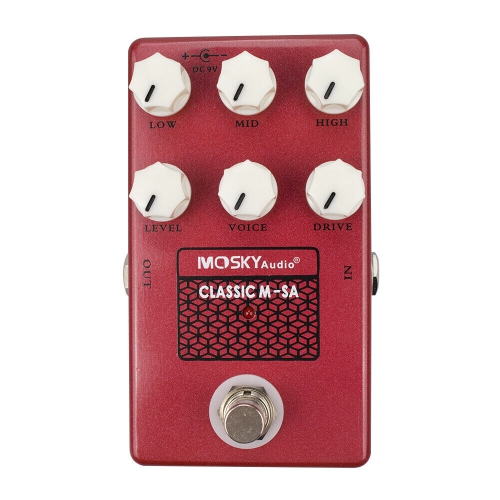
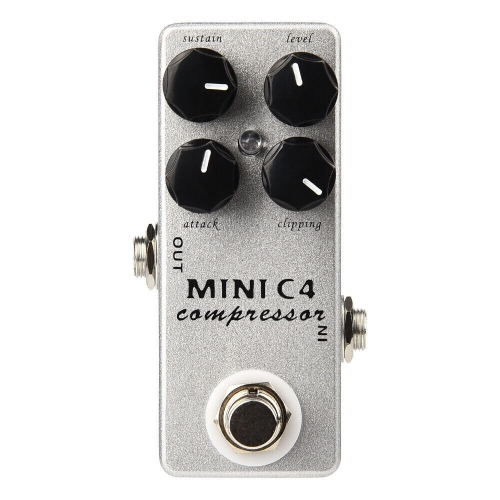
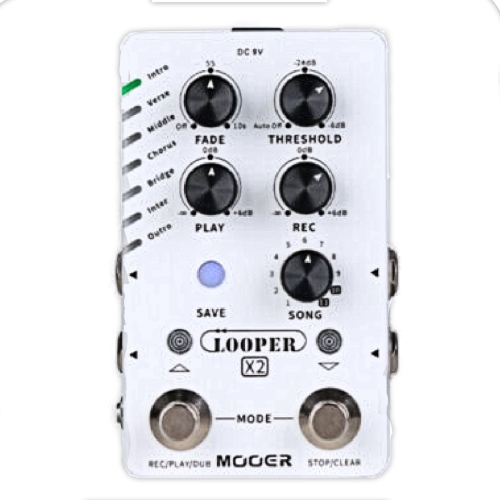
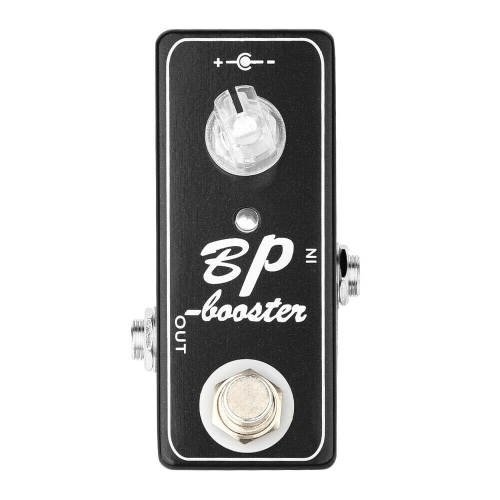
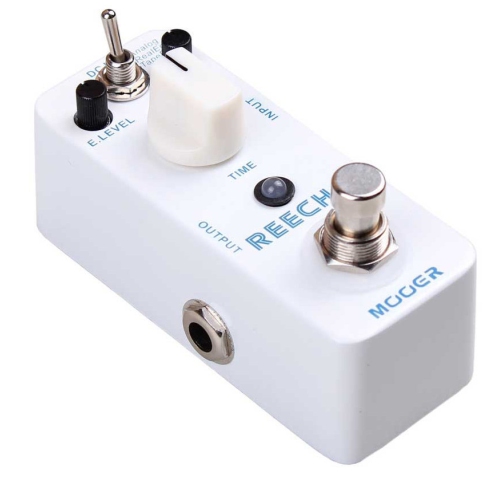
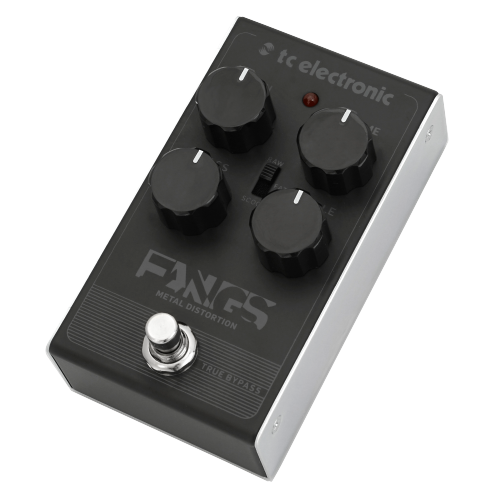
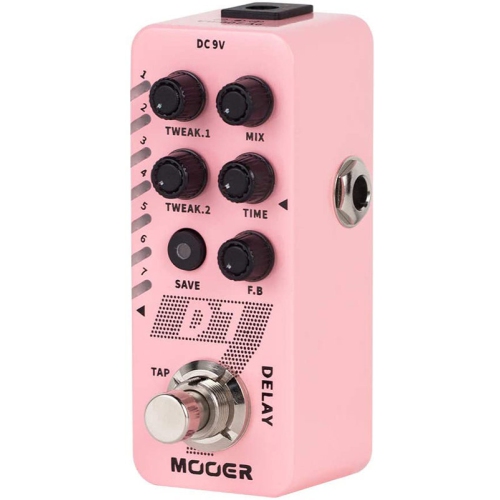
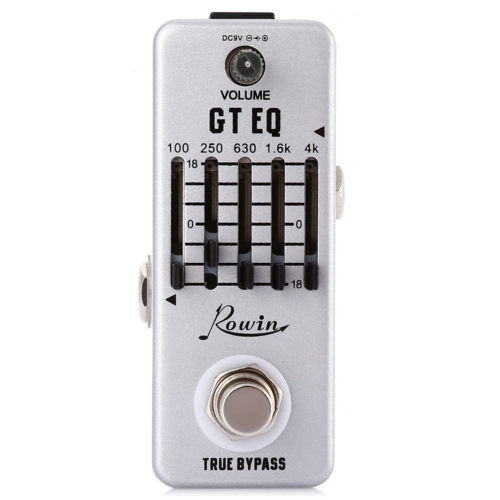

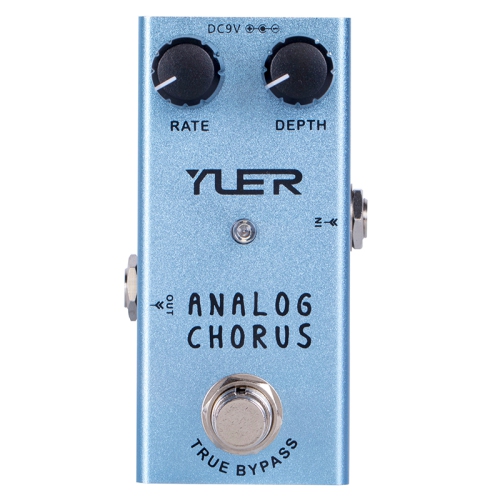
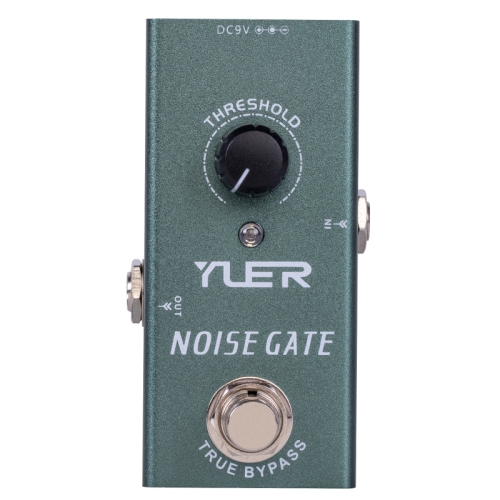
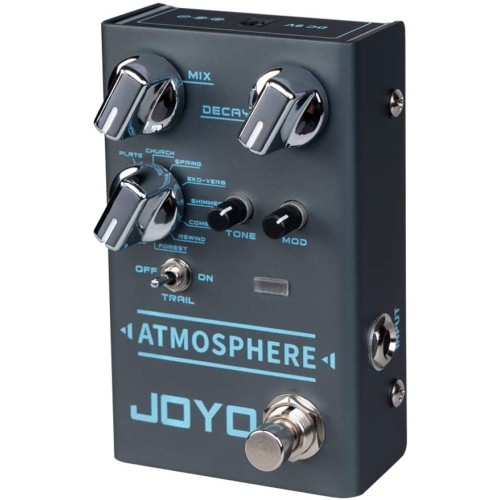
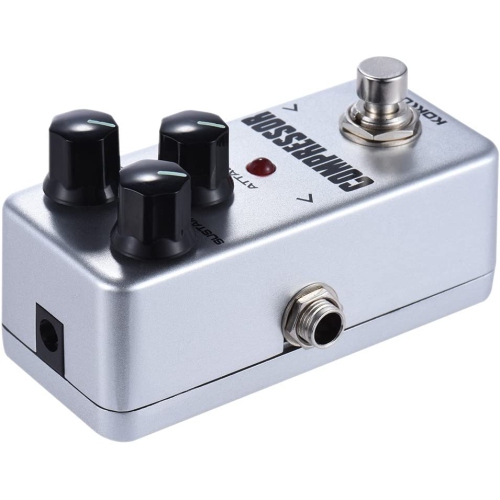
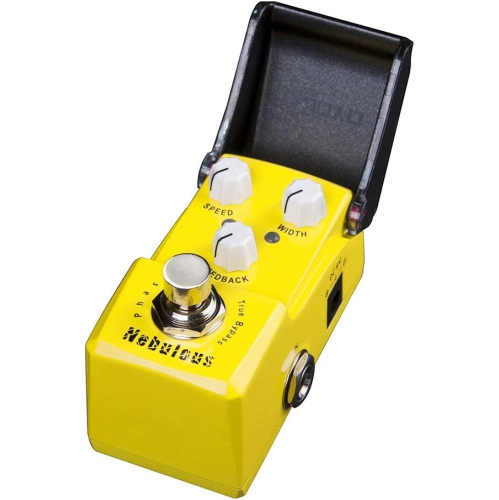
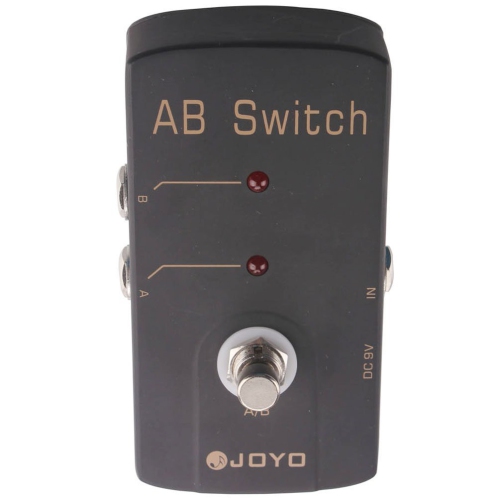
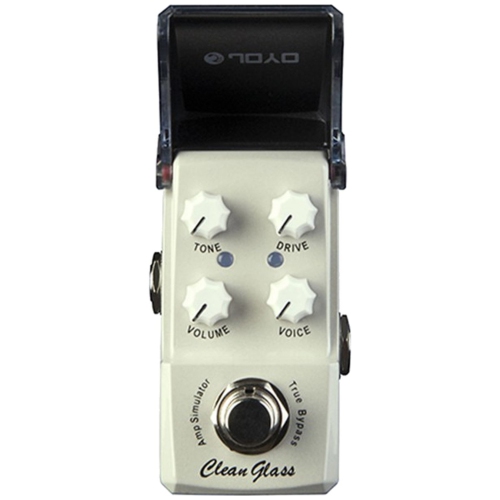
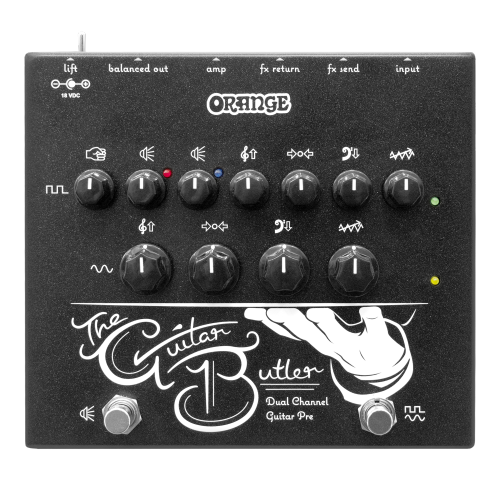
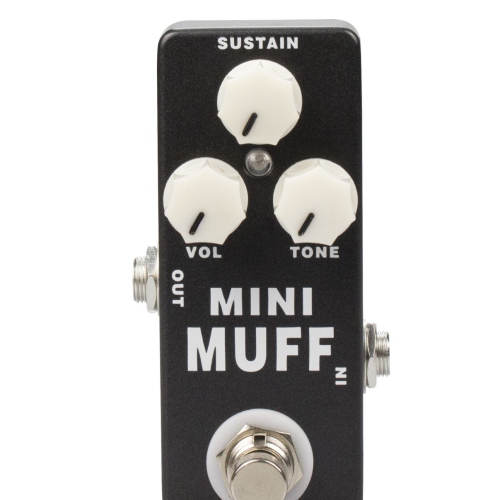
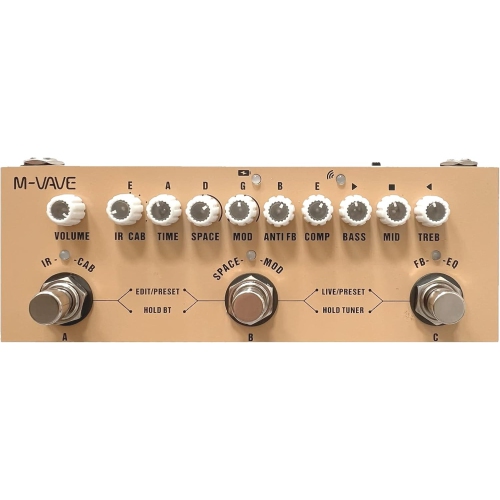
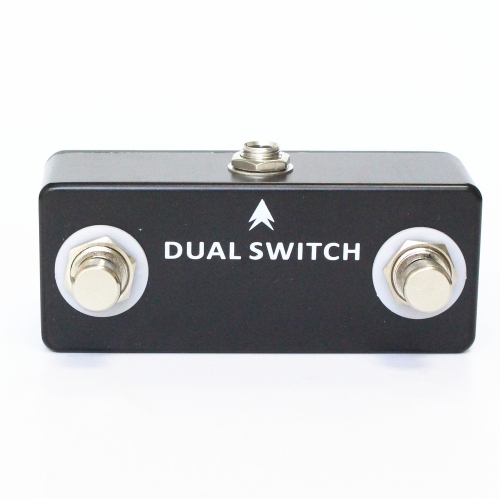
How effects shape guitar tone from clean to atmospheric
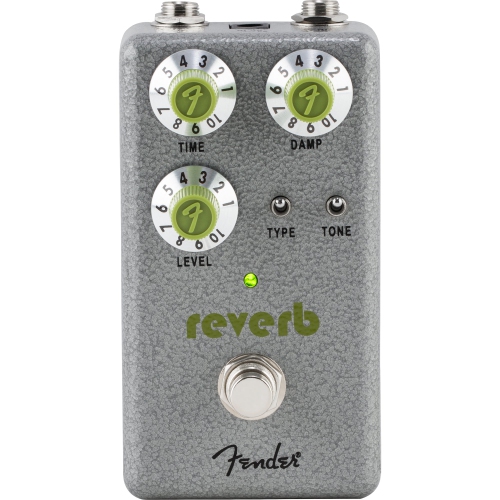
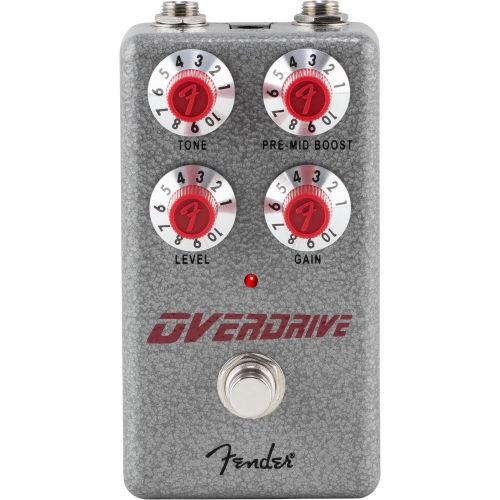
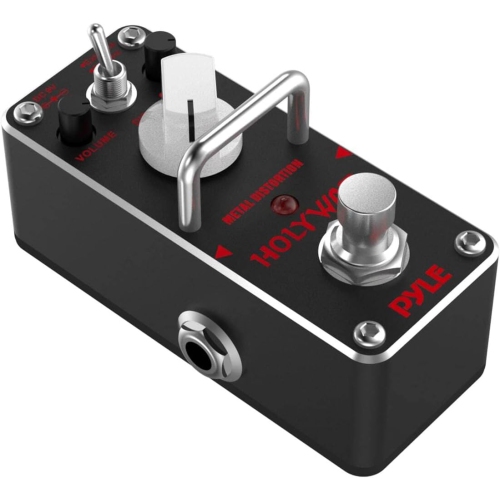
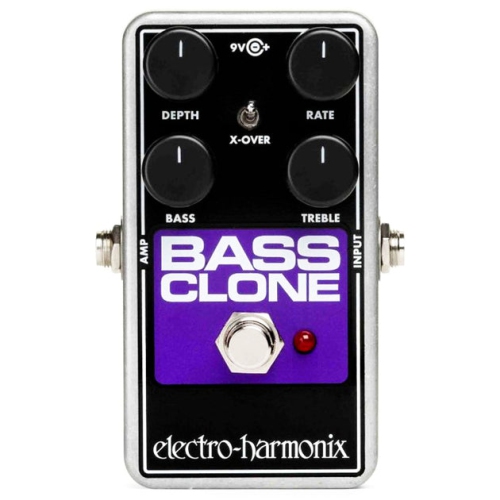
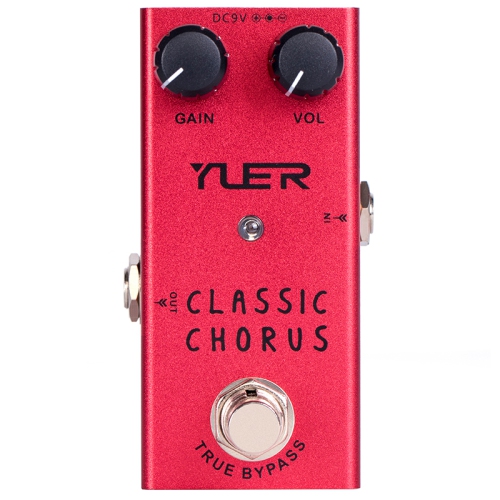
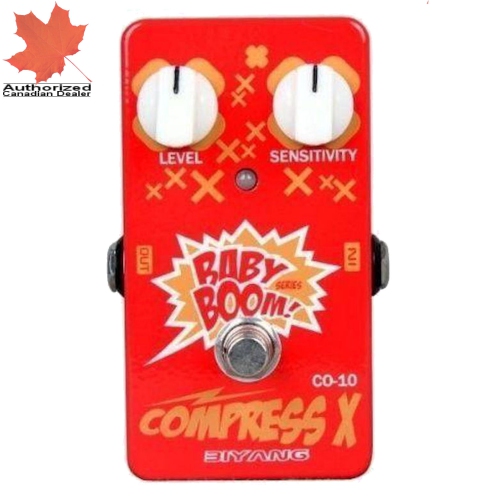
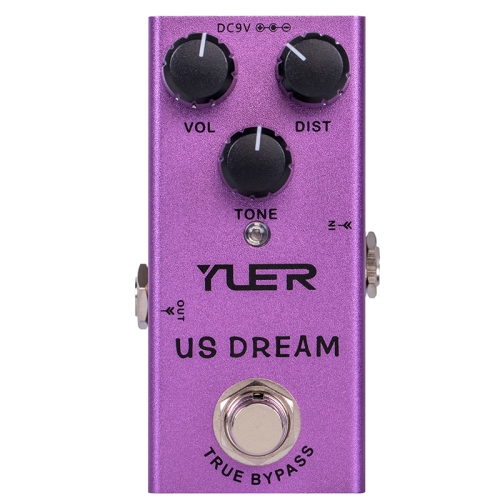
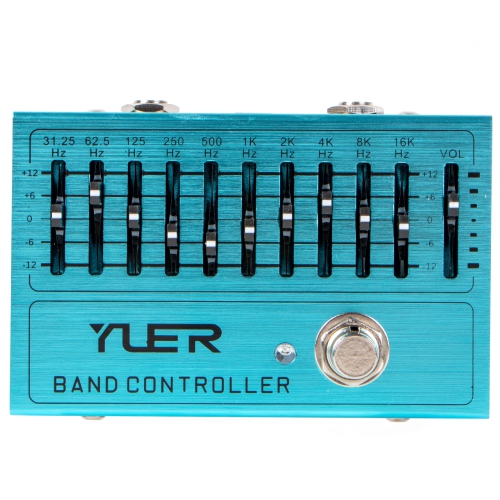
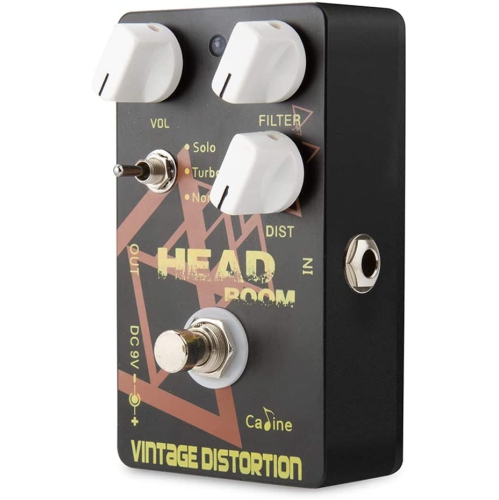
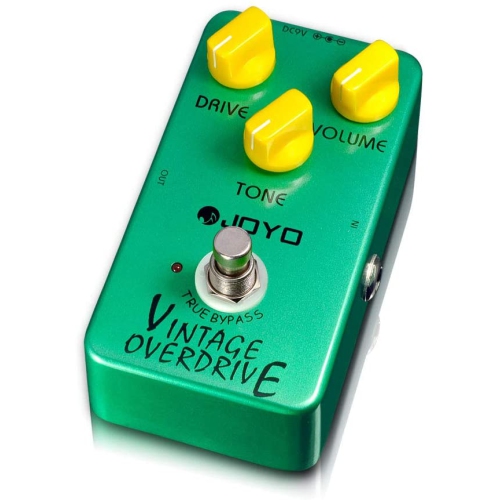
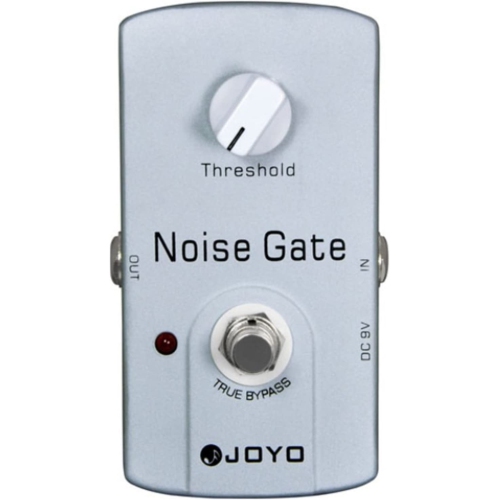
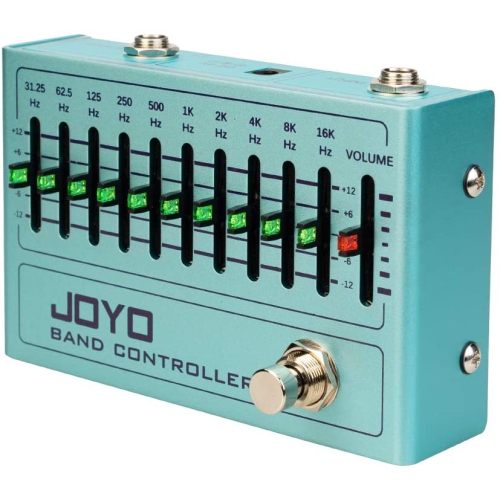
Pedals for electric guitars are compact effects units that reshape the sound travelling from a guitar to an amplifier. A footswitch turns the effect on or off, allowing a player to move from a clean tone to a textured, spacious, gritty, or heavily distorted sound without taking their hands off the instrument. A typical setup uses a cable from the guitar to the input of the first pedal, followed by a cable from that pedal’s output to the amplifier. When several pedals are used together, short patch cables connect each unit in a chain, while a battery or mains-powered adapter supplies electricity. This simple arrangement can open up a wide range of tones, whether you are practising quietly at home, recording layers in a bedroom studio, rehearsing with a band, or performing onstage. Gain pedals, including overdrive, distortion, and fuzz-style effects, add varying degrees of breakup and sustain. A low-gain overdrive can give a clean amplifier more warmth and touch sensitivity, while a stronger distortion setting can produce a firm, aggressive sound suited to powerful rhythm parts and lead playing. Fuzz-style effects are often thicker, more compressed, and more expressive, with a character that can make individual notes feel almost woolly around the edges. Modulation pedals create movement and dimension by changing the pitch, volume, or timing of the guitar signal. Chorus can add width and a gently shimmering quality, phaser can produce a sweeping, swirling motion, and tremolo can pulse the volume in a steady or dramatic pattern. Time-based pedals shape the space around each note. Delay repeats the original sound after a selected interval, from a quick slapback that adds snap to long echoes that trail behind a solo. Reverb creates the impression of a room, hall, plate, or other acoustic space, helping a dry guitar sound more natural or giving sustained notes a broad, atmospheric tail. Utility pedals can be just as important: a chromatic tuner helps keep the instrument in tune, a noise gate can reduce unwanted hiss, and other practical options can help organize or control a pedalboard.
Choosing among pedals for electric guitars starts with the sound you want to add and the way you normally play. Someone building a first setup may appreciate a versatile overdrive, distortion, delay, or multi-effect pedal that makes it easy to explore several familiar sounds without assembling a large board. Players who already have a preferred amplifier may look for a pedal that complements its natural character rather than replacing it. If the amplifier is bright and articulate, a warmer gain effect may add useful body; if it is already thick and saturated, a pedal with careful tone and level controls can help preserve clarity. Controls are worth examining closely. A gain or drive knob changes the intensity of the effect, tone shapes the balance between darker and brighter frequencies, and level adjusts the output volume. Modulation and time-based effects may include controls for speed, depth, feedback, mix, or delay time, each of which can shift the result from subtle support to an unmistakable special effect. The order of a signal chain also changes the outcome. A tuner is commonly placed near the beginning for an accurate reading, gain effects are often grouped before modulation and delay, and reverb is frequently positioned near the end so the entire processed sound can sit naturally in the simulated space. There is no single correct arrangement, particularly when an amplifier includes an effects loop, but starting with a straightforward chain makes it easier to hear what each pedal contributes. Check the pedal’s power requirements, connector type, battery access, current draw, and included accessories before buying, since not every adapter works with every unit. Consider the available space on a pedalboard, the length of your instrument and patch cables, the visibility of the controls in a dim room, and the ease of pressing the footswitch while standing. Musicians who play in a band may value durable construction, clear status lights, and settings that can be recalled quickly, while home players may prioritize compact size, quiet operation, and straightforward controls. For a broader look at commonly sought-after effects, browse Popular Guitar Pedals alongside the options on this page.
Pedals can also make thoughtful gifts for guitarists because they offer a practical way to refresh a familiar instrument and encourage experimentation. A beginner may enjoy hearing a plain chord become fuller with chorus, more forceful with distortion, or expansive with delay. An experienced player may have a clear signature sound but still welcome a utility pedal, a different gain texture, or a time-based effect for writing and recording. When selecting a pedal as a gift, it helps to consider the recipient’s musical style, current equipment, and playing environment. A bedroom player who records directly into an audio interface may need a pedal that works comfortably at lower volume, while a gigging guitarist may prefer controls that are easy to adjust between songs and a sturdy housing that can withstand regular transport. Players who favour blues, classic rock, or country may enjoy responsive overdrive that reacts to picking strength and guitar volume, whereas metal, alternative, and hard rock musicians may look for tighter distortion, pronounced sustain, or a heavier low end. Ambient, indie, and experimental players may gravitate toward layered delay, reverb, chorus, or phaser effects that turn simple lines into wide, shifting textures. It is also useful to think about what the guitarist already owns: giving another version of an effect they rarely use may be less helpful than adding a tuner, noise-control option, or complementary sound. During the warmer part of the year, pedals can be a welcome addition to casual jam sessions, garage rehearsals, and outdoor performances where a small board makes setup manageable. During the cooler months, they can bring fresh inspiration to indoor practice, songwriting, and home recording, turning an ordinary evening into a session of exploring tones with headphones or an amplifier. Start with modest settings and change one control at a time; a small adjustment to tone, mix, or delay time can reveal a completely different response from the same guitar. Keep cables firmly connected, use the correct power source, and store the pedalboard safely between sessions. With the right combination, pedals for electric guitars can help a player refine an existing sound, discover new playing habits, and make every chord, riff, and solo feel more personal.
Choosing among pedals for electric guitars starts with the sound you want to add and the way you normally play. Someone building a first setup may appreciate a versatile overdrive, distortion, delay, or multi-effect pedal that makes it easy to explore several familiar sounds without assembling a large board. Players who already have a preferred amplifier may look for a pedal that complements its natural character rather than replacing it. If the amplifier is bright and articulate, a warmer gain effect may add useful body; if it is already thick and saturated, a pedal with careful tone and level controls can help preserve clarity. Controls are worth examining closely. A gain or drive knob changes the intensity of the effect, tone shapes the balance between darker and brighter frequencies, and level adjusts the output volume. Modulation and time-based effects may include controls for speed, depth, feedback, mix, or delay time, each of which can shift the result from subtle support to an unmistakable special effect. The order of a signal chain also changes the outcome. A tuner is commonly placed near the beginning for an accurate reading, gain effects are often grouped before modulation and delay, and reverb is frequently positioned near the end so the entire processed sound can sit naturally in the simulated space. There is no single correct arrangement, particularly when an amplifier includes an effects loop, but starting with a straightforward chain makes it easier to hear what each pedal contributes. Check the pedal’s power requirements, connector type, battery access, current draw, and included accessories before buying, since not every adapter works with every unit. Consider the available space on a pedalboard, the length of your instrument and patch cables, the visibility of the controls in a dim room, and the ease of pressing the footswitch while standing. Musicians who play in a band may value durable construction, clear status lights, and settings that can be recalled quickly, while home players may prioritize compact size, quiet operation, and straightforward controls. For a broader look at commonly sought-after effects, browse Popular Guitar Pedals alongside the options on this page.
Pedals can also make thoughtful gifts for guitarists because they offer a practical way to refresh a familiar instrument and encourage experimentation. A beginner may enjoy hearing a plain chord become fuller with chorus, more forceful with distortion, or expansive with delay. An experienced player may have a clear signature sound but still welcome a utility pedal, a different gain texture, or a time-based effect for writing and recording. When selecting a pedal as a gift, it helps to consider the recipient’s musical style, current equipment, and playing environment. A bedroom player who records directly into an audio interface may need a pedal that works comfortably at lower volume, while a gigging guitarist may prefer controls that are easy to adjust between songs and a sturdy housing that can withstand regular transport. Players who favour blues, classic rock, or country may enjoy responsive overdrive that reacts to picking strength and guitar volume, whereas metal, alternative, and hard rock musicians may look for tighter distortion, pronounced sustain, or a heavier low end. Ambient, indie, and experimental players may gravitate toward layered delay, reverb, chorus, or phaser effects that turn simple lines into wide, shifting textures. It is also useful to think about what the guitarist already owns: giving another version of an effect they rarely use may be less helpful than adding a tuner, noise-control option, or complementary sound. During the warmer part of the year, pedals can be a welcome addition to casual jam sessions, garage rehearsals, and outdoor performances where a small board makes setup manageable. During the cooler months, they can bring fresh inspiration to indoor practice, songwriting, and home recording, turning an ordinary evening into a session of exploring tones with headphones or an amplifier. Start with modest settings and change one control at a time; a small adjustment to tone, mix, or delay time can reveal a completely different response from the same guitar. Keep cables firmly connected, use the correct power source, and store the pedalboard safely between sessions. With the right combination, pedals for electric guitars can help a player refine an existing sound, discover new playing habits, and make every chord, riff, and solo feel more personal.
Top selling and popular products
-
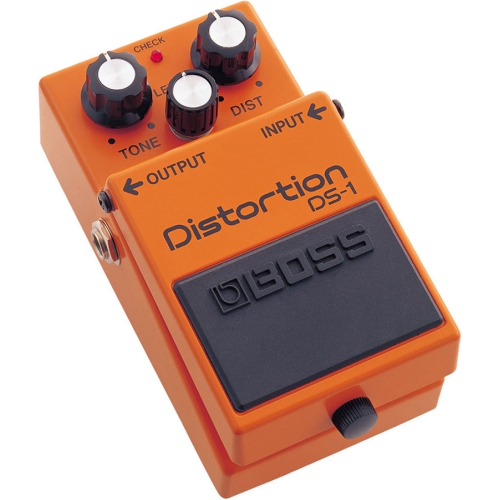 Your price for this item is $89.99
 -
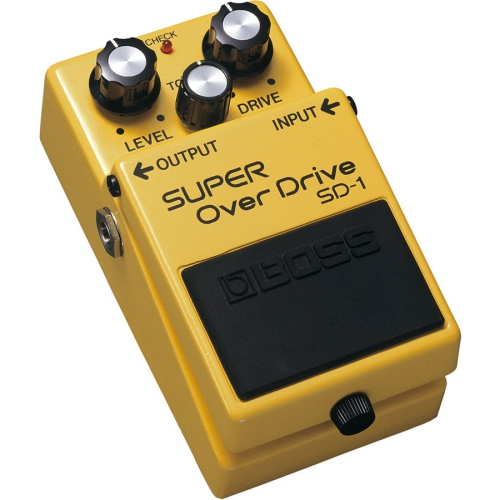 Your price for this item is $89.99
 -
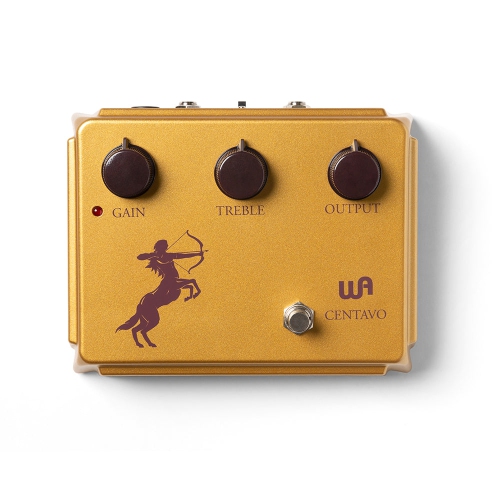 Your price for this item is $289
 -
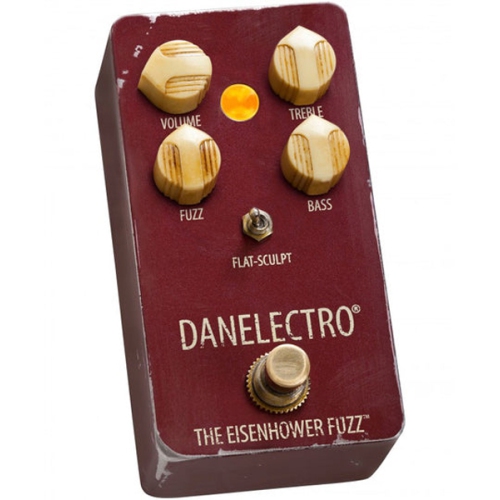 Your price for this item is $164.99
 -
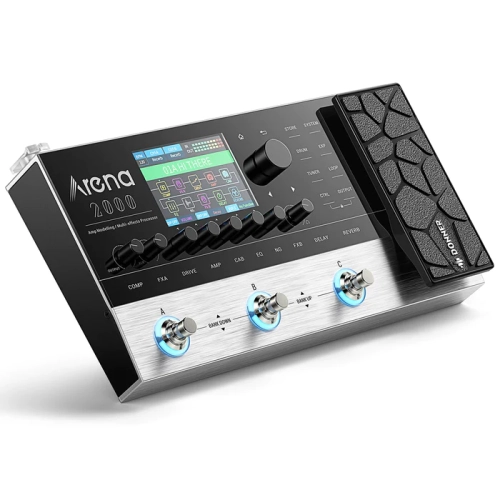 Your price for this item is $209.99
 -
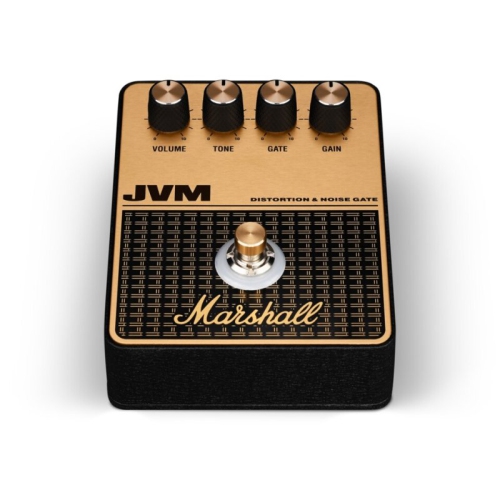 Your price for this item is $249.99
 -
 Your price for this item is $249.99
 -
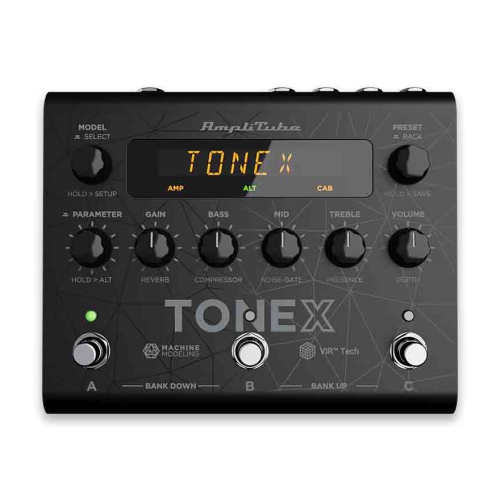 Your price for this item is $599.99
Discover more categories related to Pedals for Electric Guitars
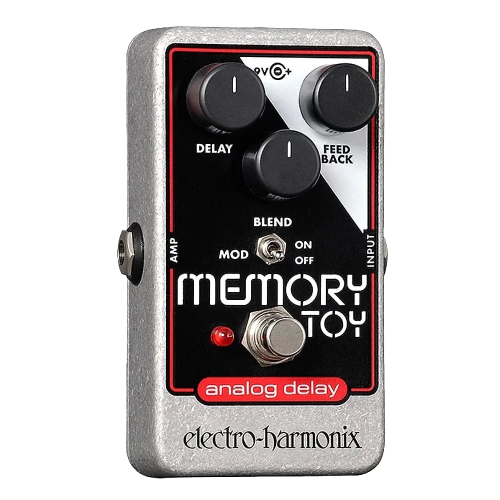
Top Collections:
Pokemon Centers, Kindle Devices, Best Budget Office Chairs, Apple iPhones 16, Canon G7X Cameras, iPhone 15 Apple, Alarm Clock, Refurbished Apple Laptops, Flip Phones, Best Laptops for Writers
Some products may be subject to Environmental Handling Fees
(EHF) depending on your province.
Learn more about EHFs.