Piano Accessories
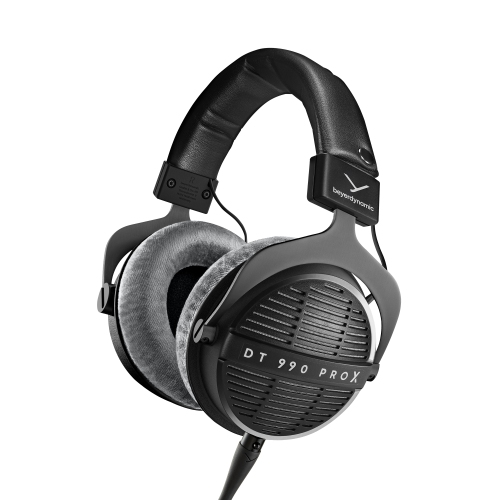
Enhance your piano playing experience with our wide selection of high-quality piano accessories. From essential items like piano benches and stands to practical tools such as metronomes and music stands, we have everything you need to take your musical journey to the next level. Whether you're a professional pianist or just starting out, our range of accessories is designed to meet the needs of every player. Discover the perfect additions to your piano setup and unlock endless possibilities for creativity and performance. If you're looking for a great pair of headphones to use with your piano, consider our Yamaha Piano Headphones. These headphones are specifically designed for pianists, providing exceptional sound quality and comfort. With their accurate reproduction of the full dynamic range of a piano, you'll be able to hear every nuance of your playing. Don't settle for subpar headphones when practicing or performing on your piano – invest in a pair of Yamaha Piano Headphones today.
























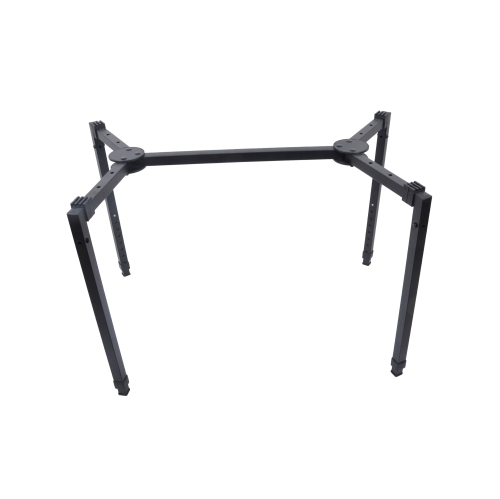


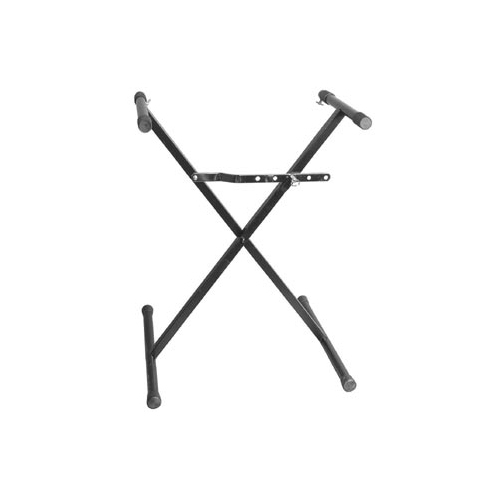
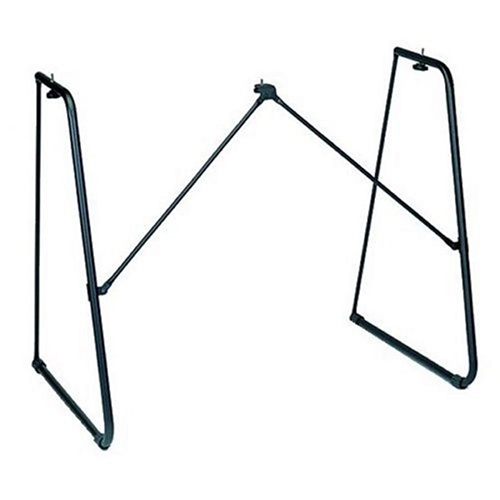







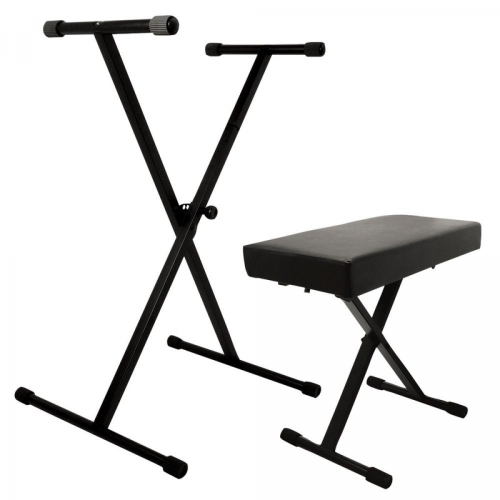
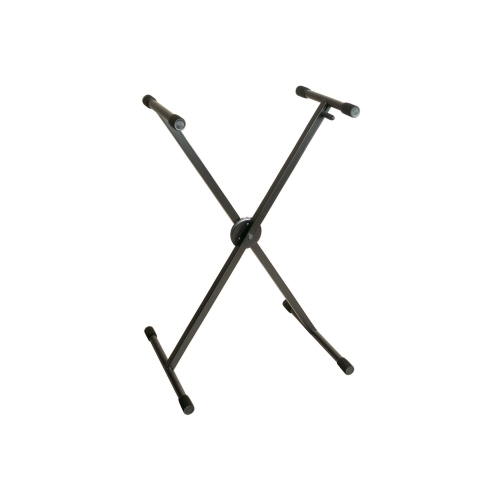

Comfortable piano practice starts with a well-matched setup
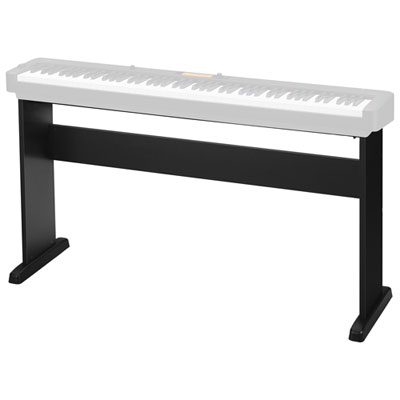
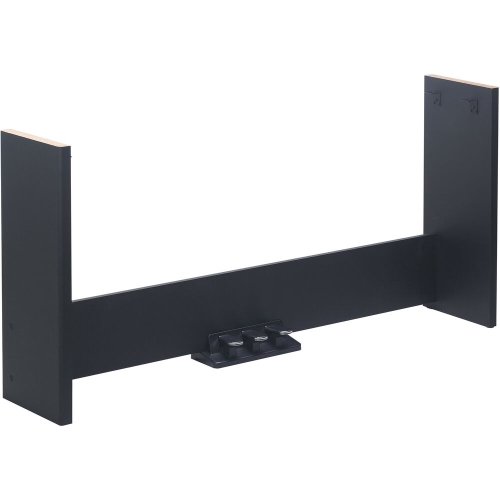
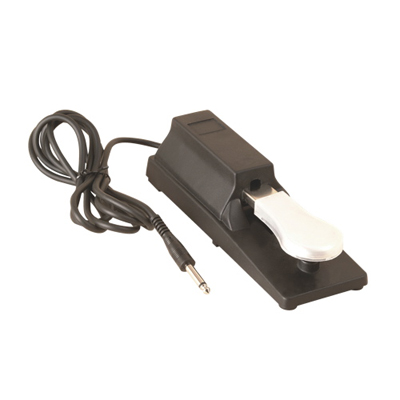
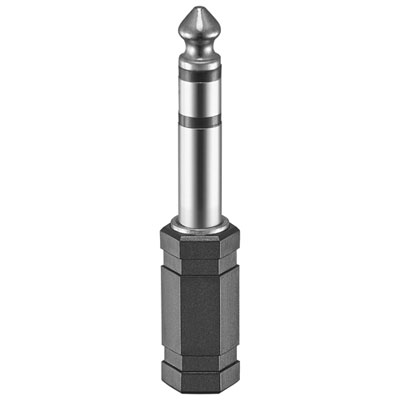
Pedals and listening accessories shape how a digital piano responds during practice and performance. A sustain pedal allows notes to continue sounding after the keys are released, but compatibility involves more than finding a plug that fits. The instrument’s pedal input, supported functions, and polarity requirements determine whether a pedal works as intended. Half-pedalling, which allows more gradual control of sustain, requires support from both the pedal and the instrument. A pedal’s weight and base grip also matter: a lightweight pedal that slides away during a flowing passage can interrupt an otherwise comfortable playing position. Three-pedal units may provide sustain, sostenuto, and soft-pedal functions on compatible digital pianos, although their connections and mounting arrangements are often instrument-specific. Expression and volume pedals serve a different purpose and require an appropriate input; they are not interchangeable with ordinary sustain pedals. Headphones can make a digital instrument more practical in a shared home, letting one person rehearse while someone nearby reads or works. Comfort over a full practice session, cable length, and the correct connector size are useful considerations, along with a listening level that stays comfortable. Closed-back designs can reduce sound leakage, though headphones do not remove the mechanical sound of fingers striking keys. For connection to speakers, recording equipment, or a computer, cable type should match the instrument’s actual ports and intended signal. An audio cable carries sound, while MIDI carries performance information such as notes and timing rather than recorded audio. Keeping cables clear of feet and bench legs helps make the setup easier to use. Metronomes provide a steady reference for rhythm, and a separate unit can remain visible without covering the score. For players who read digital sheet music, a secure tablet holder and compatible page-turning pedal can keep both hands on the keyboard during longer passages. Holder dimensions, mounting stability, app support, and pedal placement all affect how naturally those accessories fit into a session.
Protection and care accessories help keep a piano area tidy and make moving a portable instrument less awkward. A cover should fit the instrument’s dimensions without pulling tightly across controls, catching on corners, or leaving large gaps over the keys. Soft fabric can provide a simple barrier against settling dust, while padded designs add cushioning against light incidental contact; neither replaces careful placement or handling. A cover should only be fitted once equipment is switched off and ready to be stored. For keyboards travelling to lessons, rehearsals, or performances, internal bag measurements matter more than a general size label. The instrument needs room for its full length, depth, and height, with padding that keeps it from shifting excessively. Reinforced handles, sturdy stitching, dependable zippers, and comfortable straps become important when carrying a keyboard through a doorway or from a vehicle to a rehearsal room. Separate compartments can keep power supplies and cables organized, but hard accessories should not press directly against keys or controls. A padded bag is useful for routine transport; more demanding handling may call for a rigid case designed to provide greater protection. At home, cleaning supplies should be appropriate for the instrument’s finish and key material. A soft, clean cloth and the manufacturer’s care directions are a safer starting point than a general household spray, particularly around polished finishes, electronic controls, and gaps between keys. Liquids should never be sprayed directly onto the instrument, and abrasive cloths can scratch delicate surfaces. Acoustic piano tuning and internal adjustments are best left to a qualified piano technician rather than treated as routine cleaning tasks. Accessories can also make thoughtful gifts for beginners, returning players, music students, and experienced pianists, provided they suit the recipient’s instrument and habits. A student carrying music to lessons has different needs from a player who records at a desk or practises on an acoustic piano. Confirming measurements, connections, and preferred playing arrangements helps make a gift useful beyond its first rehearsal.
Top selling and popular products
-
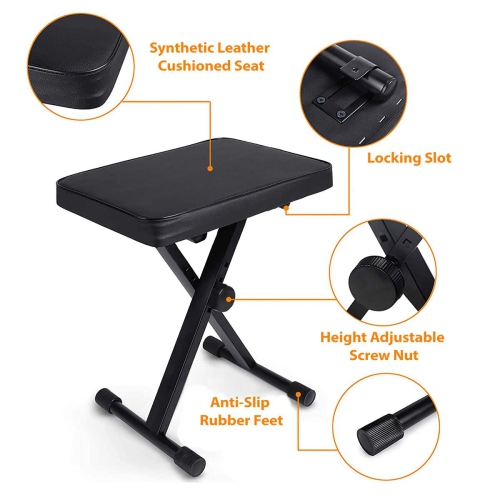 Your price for this item is $45.88
-
 Your price for this item is $32.99
-
 Your price for this item is $114.99
-
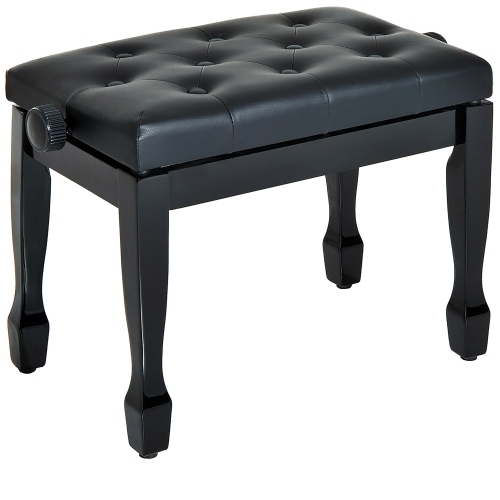 Your price for this item is $94.99
-
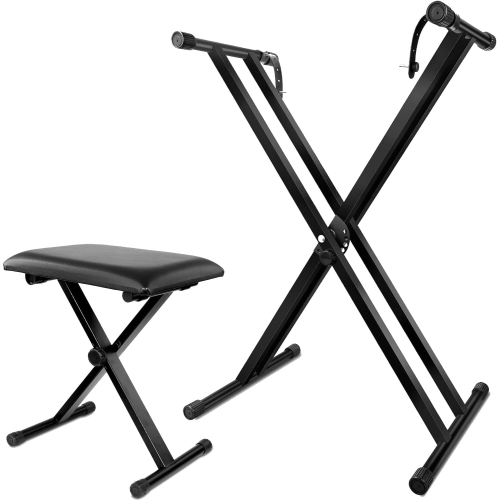 Your price for this item is $59.99
-
 Your price for this item is $106.99
-
 Your price for this item is $82.99
-
 Your price for this item is $211.6