Piano Parts
Looking to fine-tune your piano or replace worn-out parts? Dive into a world of possibilities with our collection of top-quality piano parts. From keys and pedals to strings and hammers, we have everything you need to keep your beloved instrument in perfect harmony. Whether you're a seasoned pianist or just starting your musical journey, our range of piano parts is sure to cater to your needs. Explore our selection today and elevate your playing experience to a whole new level.
Sort




The mechanics behind a piano’s touch and sound
Piano parts are the components that support an instrument’s touch, sound, structure, and pedal response. In an acoustic piano, these components fall into several connected groups: the keyboard and action, the strings and supporting plate, the soundboard and bridges, the dampers, and the pedal mechanisms. The cabinet holds and protects these assemblies while giving the instrument its familiar upright or grand form. Most full-size pianos have 88 keys, comprising 52 white keys and 36 black keys, although some instruments have fewer or more. Each key acts as a lever within a carefully balanced mechanism, translating the movement of a player’s finger into a hammer strike against the strings. The action includes hammers, shanks, flanges, jacks, and other small assemblies that control how the hammer travels and returns after a note. Those details matter when a pianist moves from a quiet melody to a firm chord: the mechanism must respond predictably without sticking, rattling, or feeling uneven from one note to the next. Piano strings are generally made from high-tensile steel, with copper windings commonly used on bass strings. Their vibrations pass through hardwood bridges to the soundboard, which is typically made from spruce and helps radiate sound into the room. A heavy cast-iron plate supports the immense tension of the strings, while tuning pins held in a wooden pinblock allow their pitch to be adjusted. Dampers use felt to stop most strings from vibrating after the keys are released; the highest notes commonly have no dampers. These systems explain why piano replacement parts are rarely interchangeable simply because they look alike. A felt pad, wooden action component, or metal fitting has a particular role, position, and set of dimensions. For owners maintaining a family instrument, teachers caring for a lesson piano, or technicians restoring an older upright, the right match helps preserve both musical response and the character of the instrument.
Fit is one of the most important considerations for piano parts, particularly within the action and pedal assemblies. Grand and upright pianos use different action layouts, and dimensions can vary between makers, models, and production periods. Even two instruments with the same number of keys may require different hammer shapes, flange arrangements, key bushings, or damper components. The instrument’s model information, serial number, and the location of the original component can help establish compatibility, but accurate measurements and a technician’s assessment are often necessary for internal repairs. Materials are equally important. Dense felt provides cushioning and controls contact noise, while hammer felt must have the appropriate shape and firmness for its musical role. Leather, cloth, wood, metal, and engineered materials each appear in different parts of the mechanism, where thickness, friction, weight, and resilience affect performance. A replacement that is slightly too thick can restrict movement; one that is too loose may introduce unwanted play or noise. Key surfaces also differ from the wooden or engineered key bodies beneath them, so matching a damaged key covering involves more than choosing a similar colour. Profile, thickness, surface feel, and attachment method influence the finished result. Pedal components require the same attention to design. The sustain pedal lifts the dampers so notes can continue ringing, while the soft pedal changes the action’s operation to modify the sound. A grand piano’s soft pedal usually shifts the action sideways; an upright commonly moves the hammers closer to the strings. The middle pedal’s purpose varies by instrument and may provide sostenuto, bass sustain, or a practice function. Rods, pivots, springs, and cushioning materials must suit that particular arrangement. In a teaching studio, a quiet, predictable pedal mechanism supports repeated demonstrations of phrasing and articulation. In a home piano, properly fitted cushioning can address a distracting mechanical knock without altering the intended pedal movement. Durability comes from suitable materials and correct installation together, rather than from choosing the hardest or heaviest component. Many internal replacements also require regulation, voicing, or tuning before the piano feels and sounds balanced again.
Digital piano parts serve a different system, even when the instrument closely resembles an acoustic upright. Instead of hammers striking strings to create sound, a digital piano uses key movement sensors, electronic sound generation, amplification, and speakers or headphones. Some designs include weighted or hammer-action mechanisms to create a more piano-like touch, but their internal components remain highly model-specific. Contact strips, key assemblies, circuit boards, connectors, and speaker components need to match the instrument’s design and electrical requirements. Pedal compatibility deserves particular attention because a matching plug shape does not necessarily mean matching operation. Polarity, wiring, connector type, and support for continuous or half-pedal control can affect whether a replacement responds as intended. A player practising gradual pedal release needs different functionality from a simple on-and-off sustain response. Power connections also require the specified voltage, polarity, and current capacity rather than a visually similar connector alone. Across acoustic and digital instruments, care begins with keeping liquids away from the keyboard and protecting moving assemblies from dust and foreign objects. Accessible exterior surfaces generally benefit from a soft cloth and cleaning methods approved for the finish; internal felt, contacts, and action components need more specialized attention. Household oils and general-purpose sprays can damage materials or leave residues where precise movement is essential. Sticky keys, uneven notes, or pedal noise may have several possible causes, so identifying the fault before replacing a component helps avoid unnecessary work. String replacement, structural repairs, and work involving powered electronics are best handled by an appropriately qualified technician. For anyone refreshing the broader playing area alongside instrument maintenance, Piano Furniture relates to the seating and supporting furnishings around the piano rather than its internal mechanisms. A well-planned setup gives the player comfortable access to the keyboard and pedals while leaving room for normal care. Whether the instrument supports a beginner’s daily scales, a teacher’s back-to-back lessons, or an experienced player’s expressive practice, correctly matched parts help maintain the dependable touch and response that make focused playing possible.
Top selling and popular products
-
 Your price for this item is $35
-
 Your price for this item is $35
-
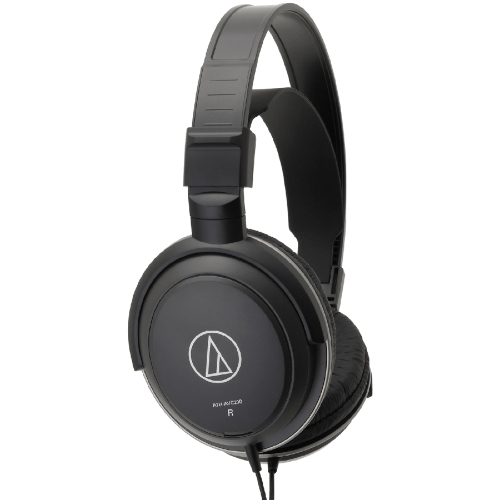 Your price for this item is $62.68
-
 Your price for this item is $18.99
-
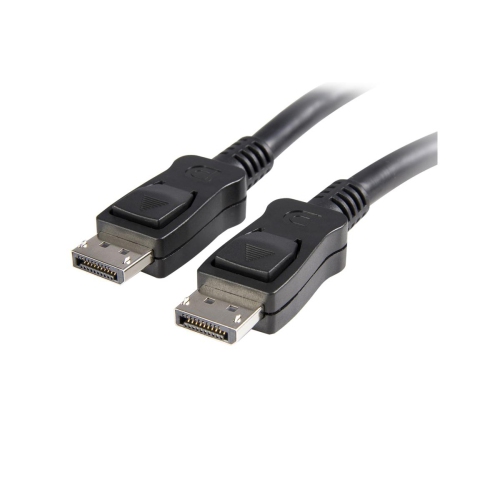 Your price for this item is $38.37
-
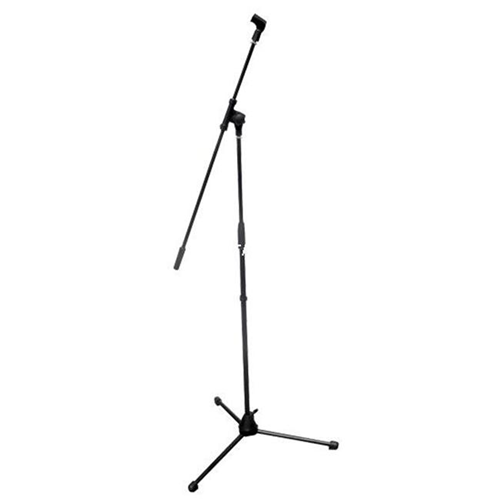 Your price for this item is $39.99
-
 Your price for this item is $89.99
-
 Your price for this item is $38
Discover more categories related to Piano Parts
Top Collections:
Pokemon Centers, Best Cameras for Sports Photography, Kindle Devices, Samsung Galaxy Phones, Canon G7X Cameras, Pokémon 30th Celebration Cards, Refurbished Apple Laptops, iPhone 15 Apple, Laptops for Students, Budget Smartphones
Some products may be subject to Environmental Handling Fees
(EHF) depending on your province.
Learn more about EHFs.