Podcast Recorders
If you're looking to take your podcasting game to the next level, a reliable podcast recorder is an essential tool to have in your arsenal. Whether you're a seasoned podcaster or just starting out, having a high-quality recorder can make all the difference in producing professional and engaging content. With a variety of features such as multiple inputs, built-in editing tools, and easy connectivity options, finding the right podcast recorder can help streamline your recording process and elevate the overall quality of your podcasts. Explore our selection of podcast recorders to find the perfect match for your recording needs.
Sort
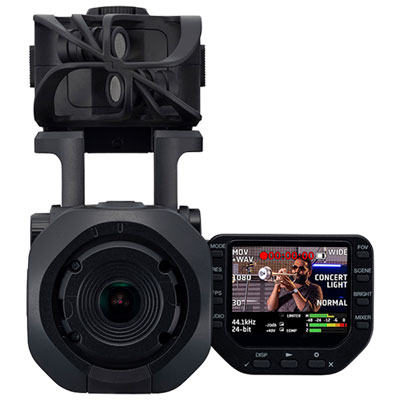
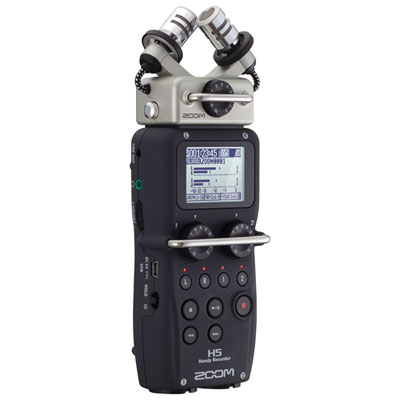
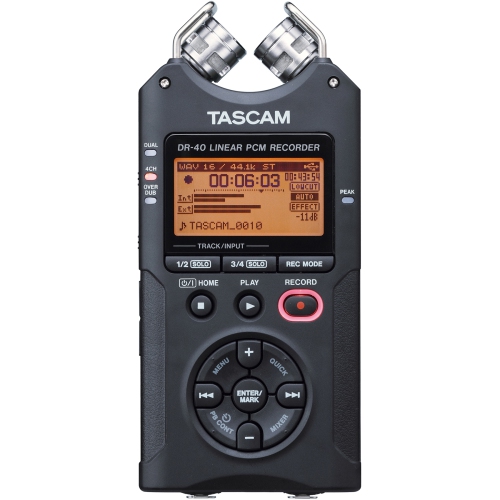
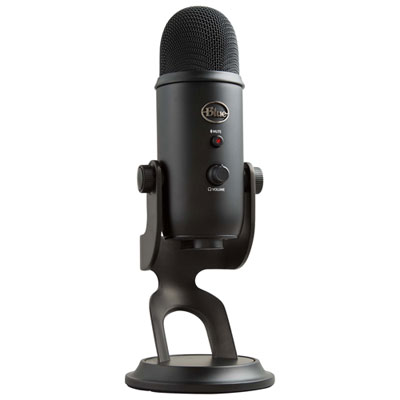

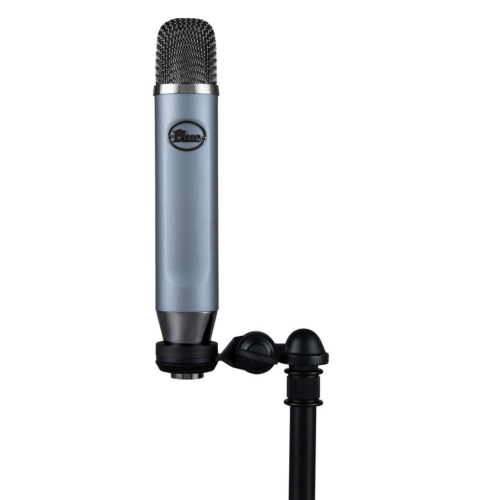
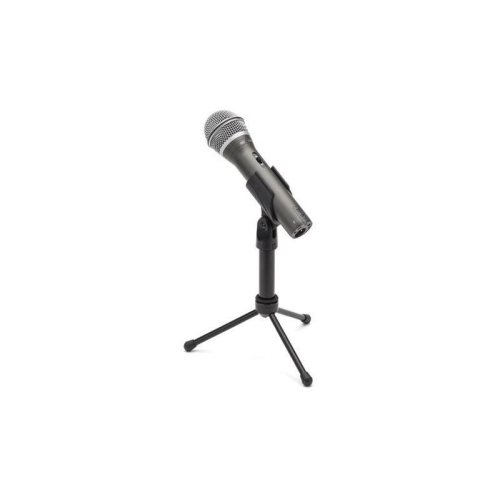
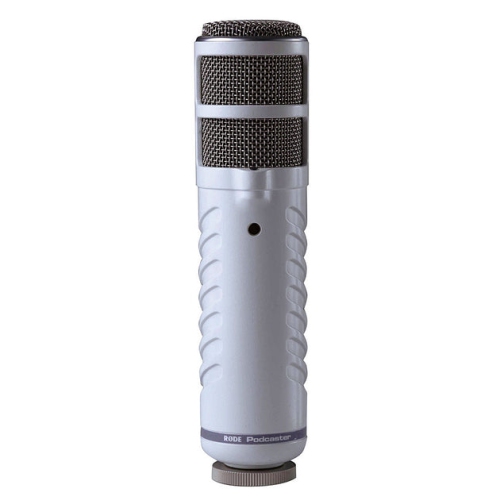
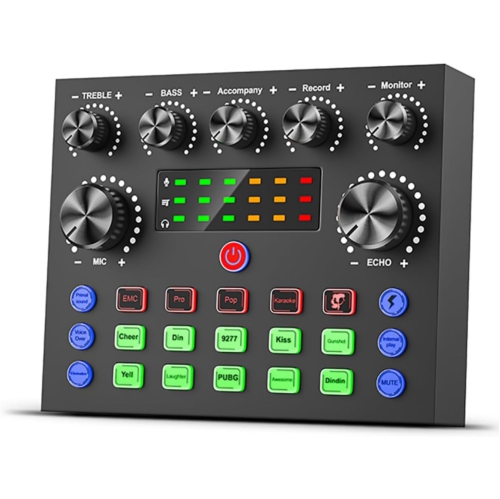
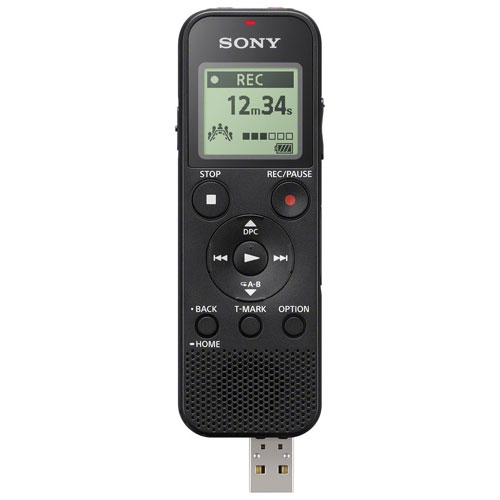
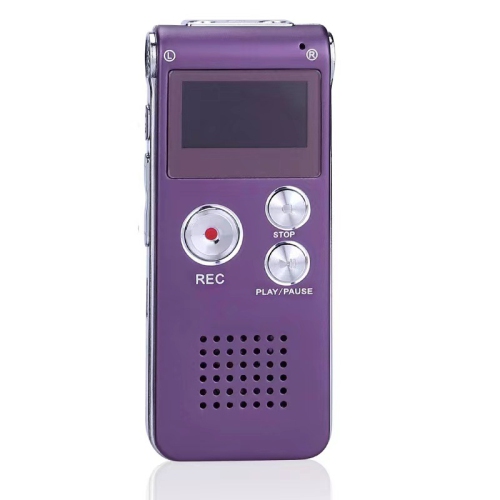
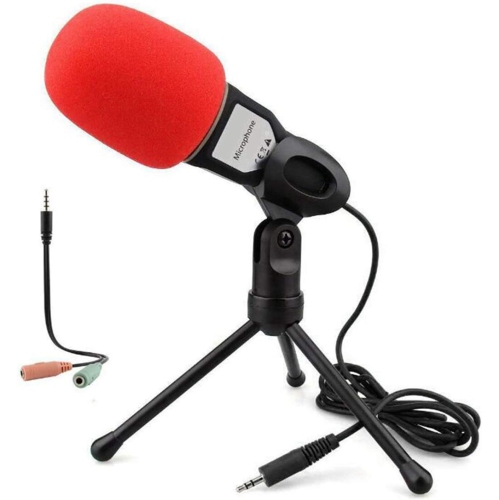

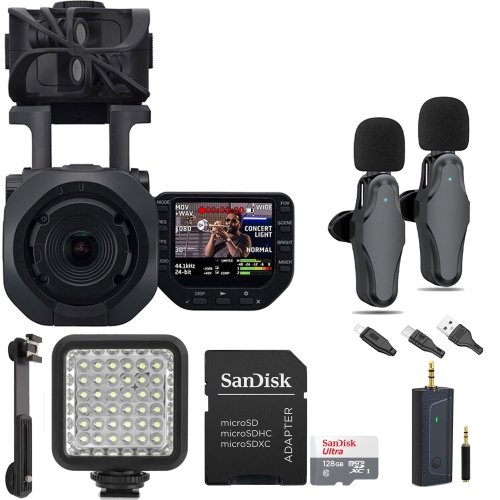
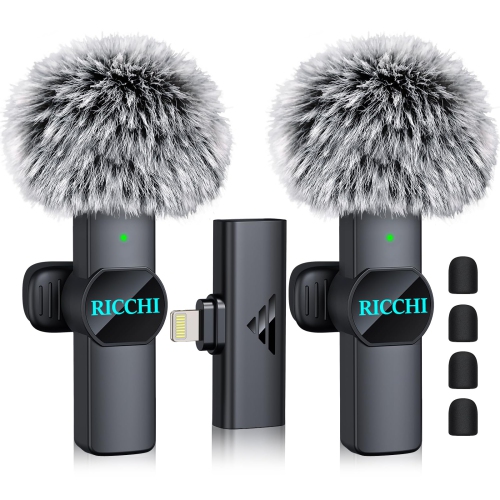
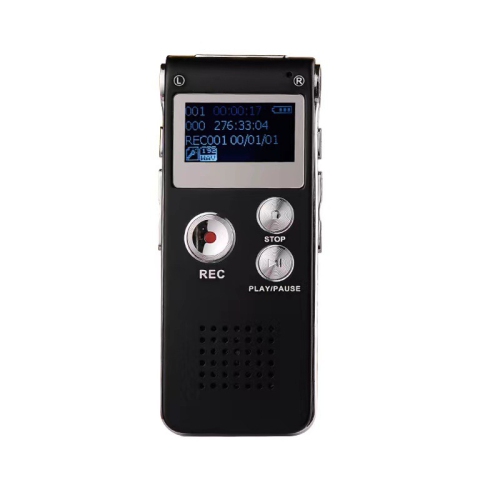
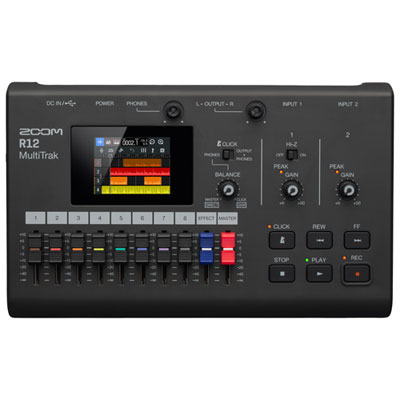
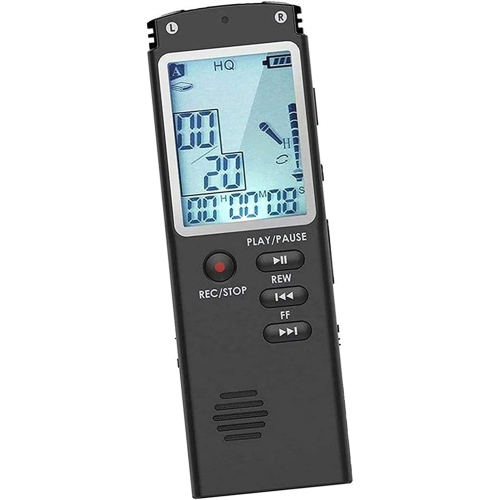
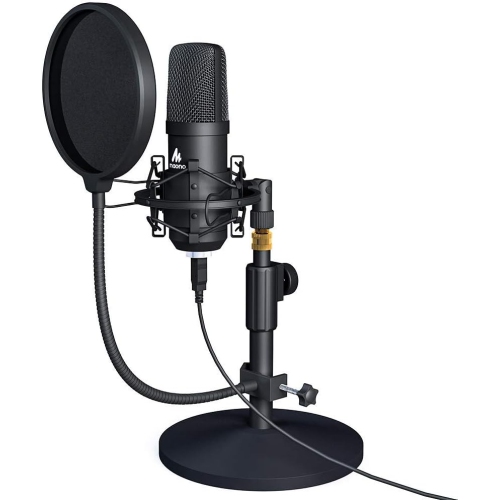
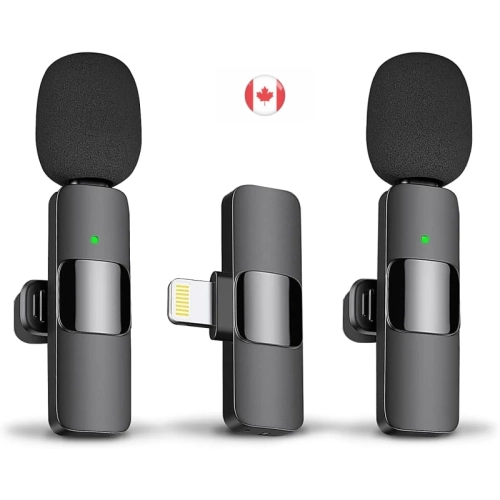
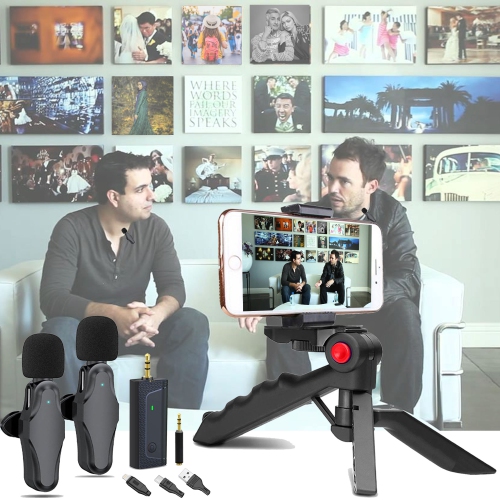
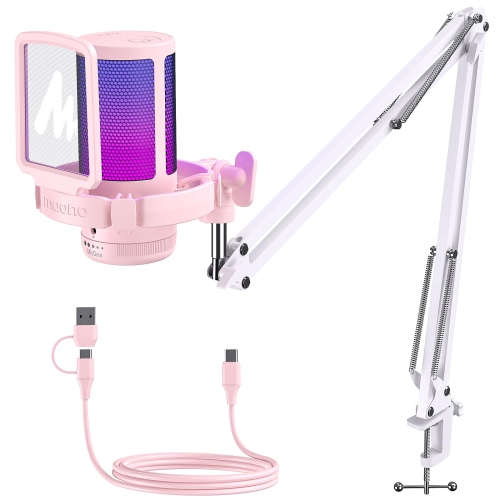
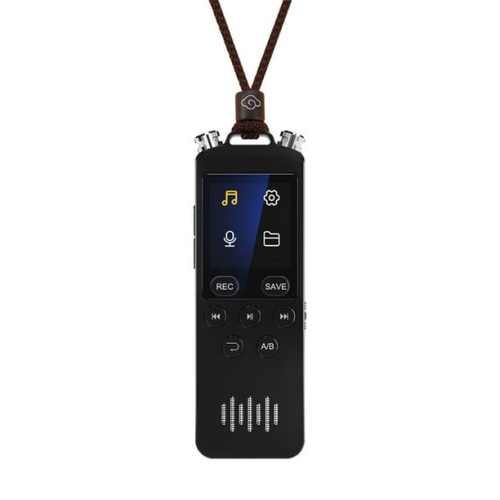
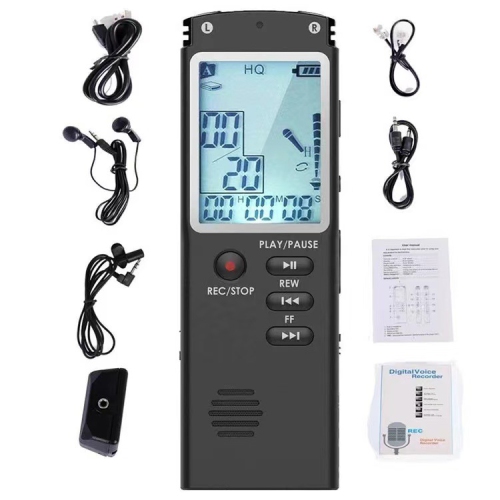
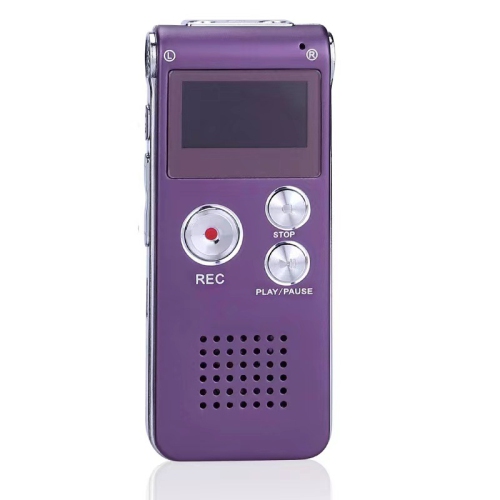
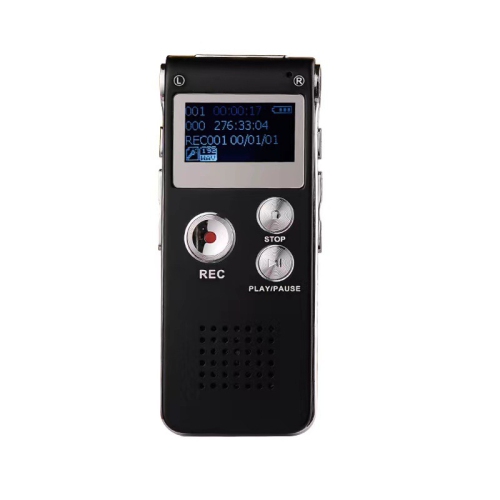
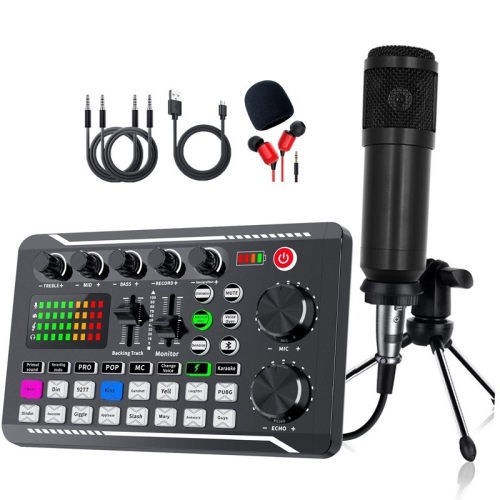
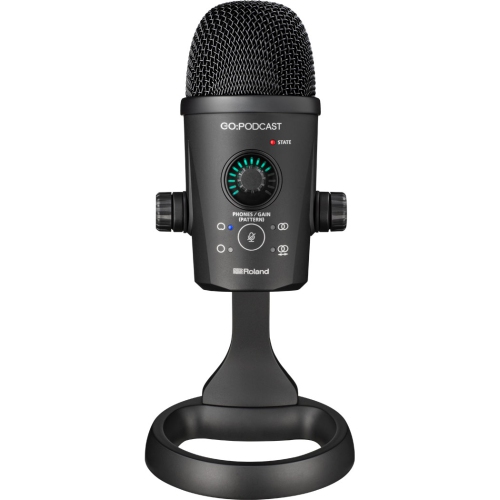
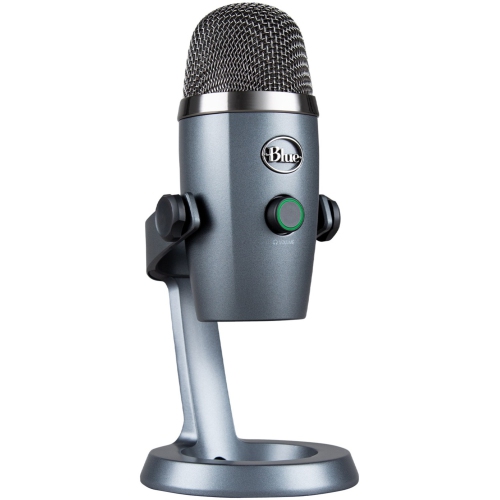
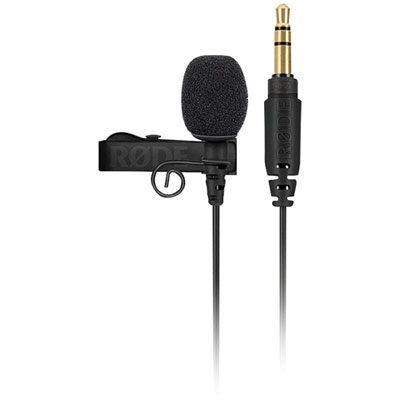
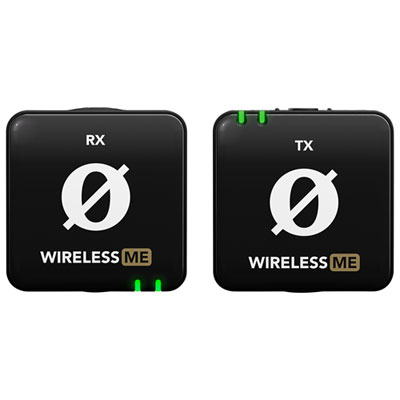
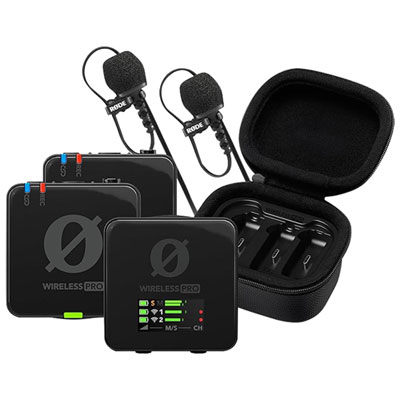
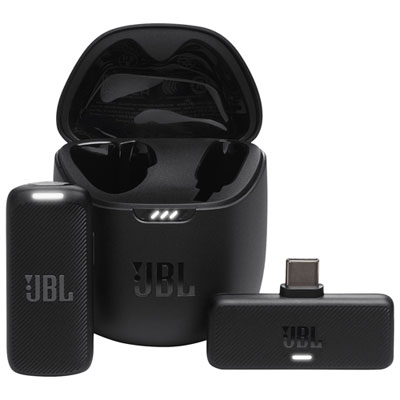
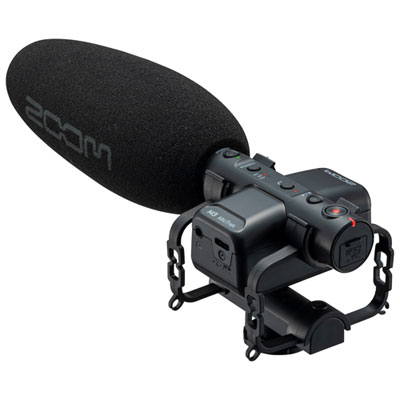
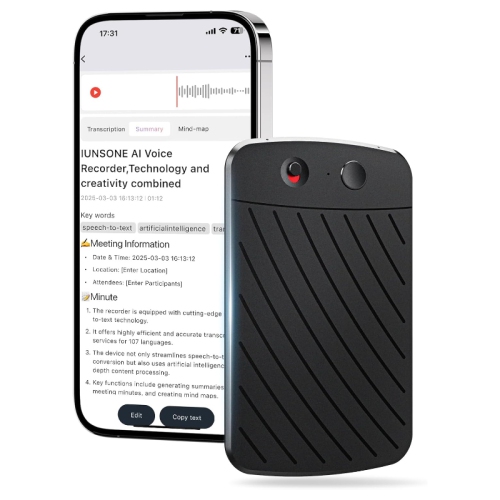
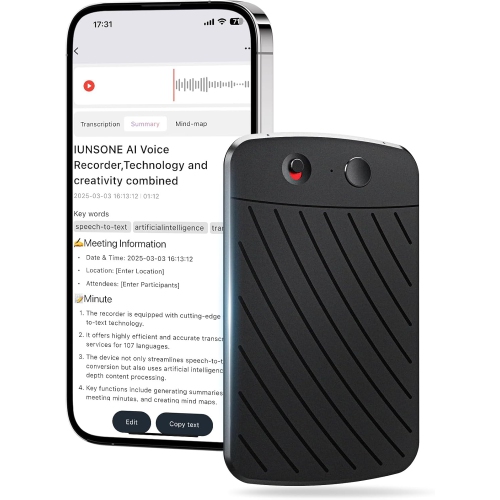


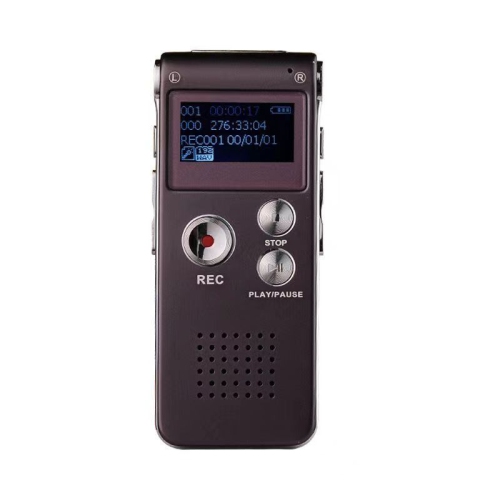
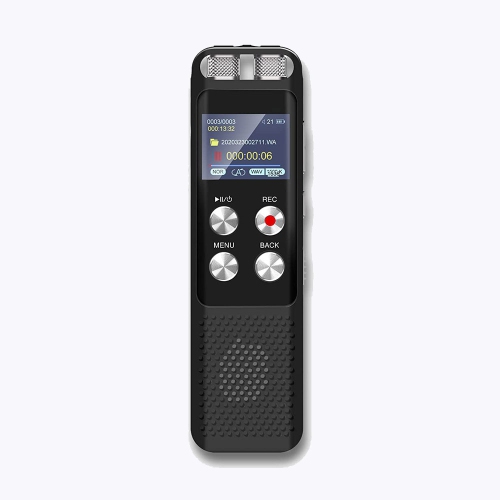
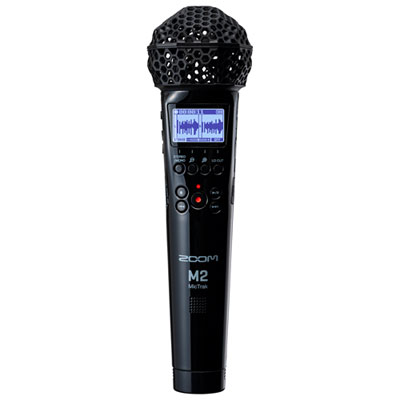

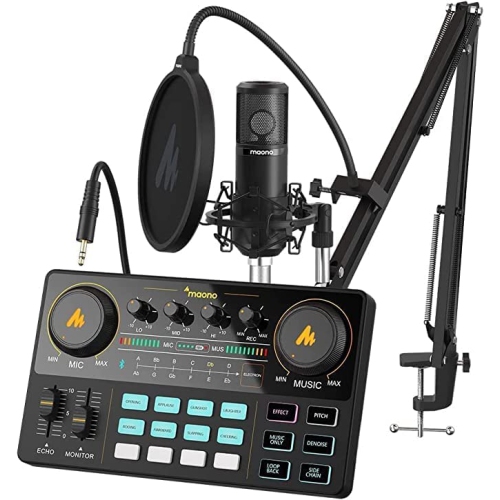
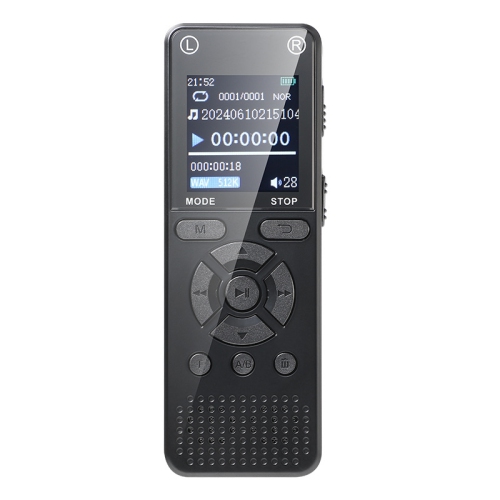
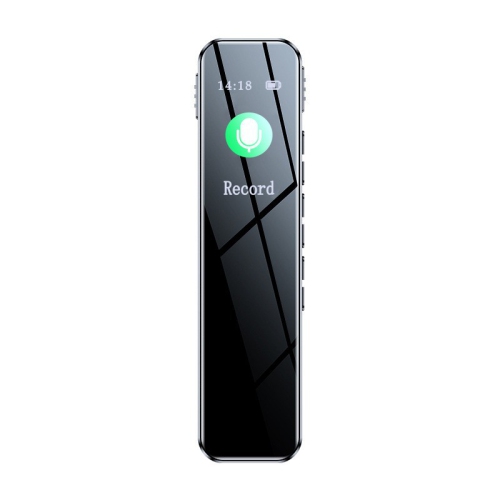
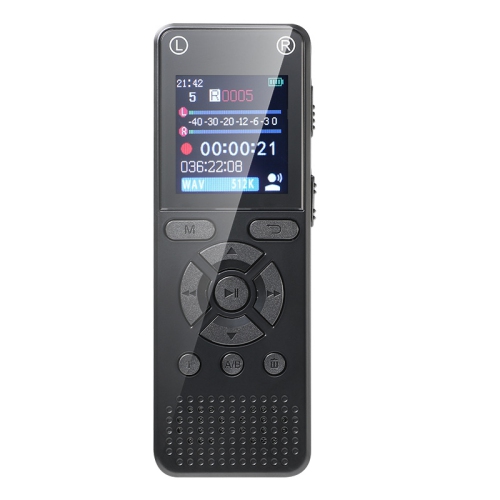
Better audio for conversations at home, outdoors, and remotely
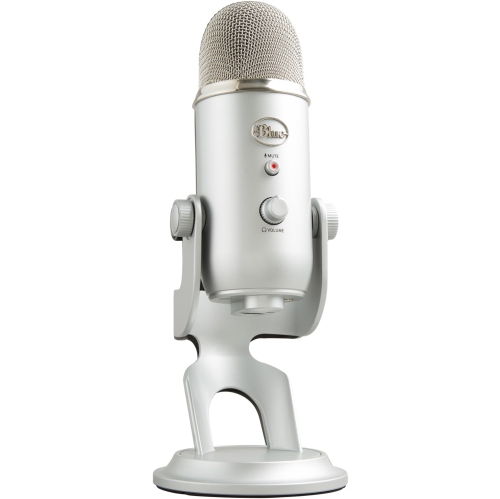
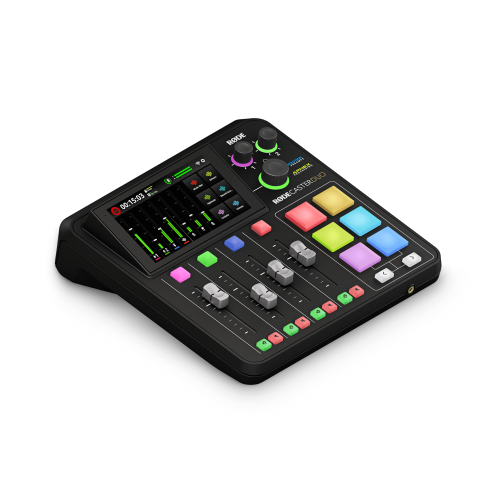
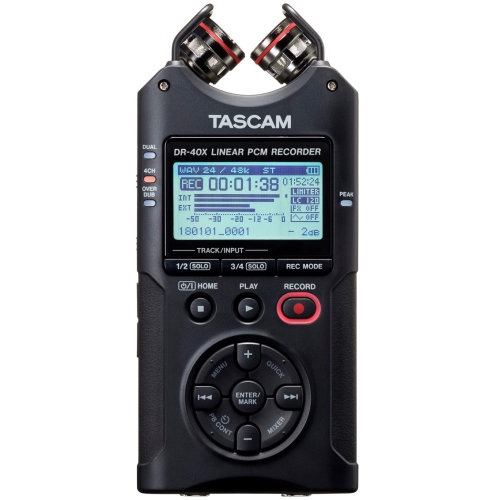
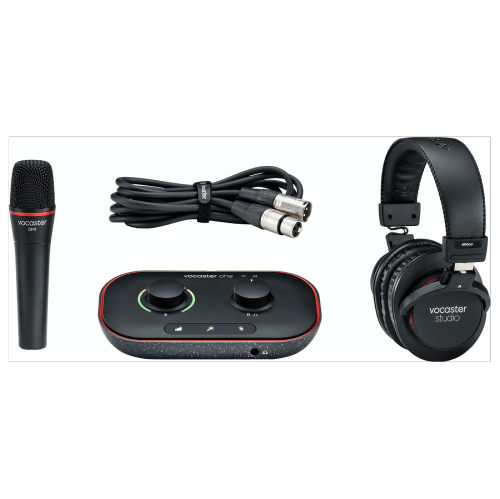
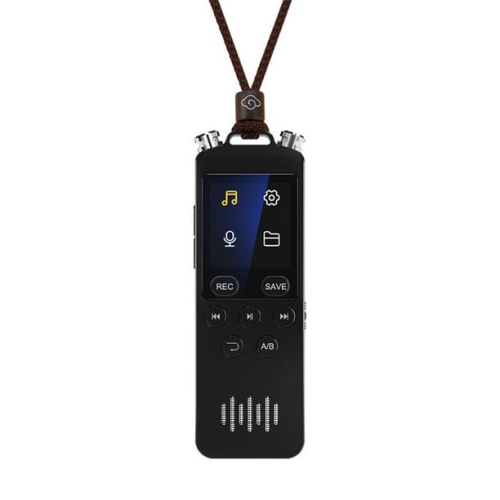
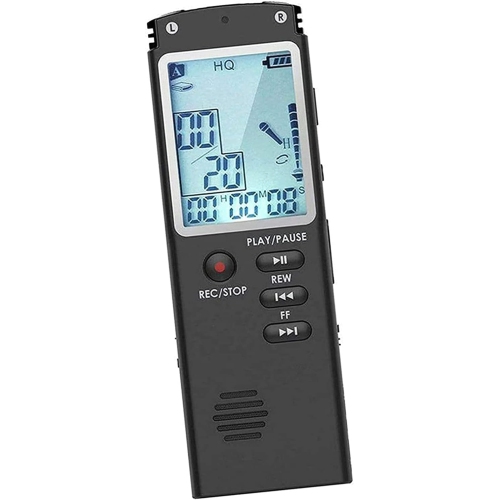
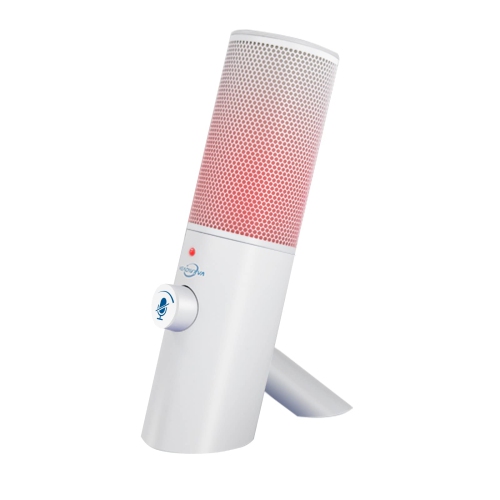
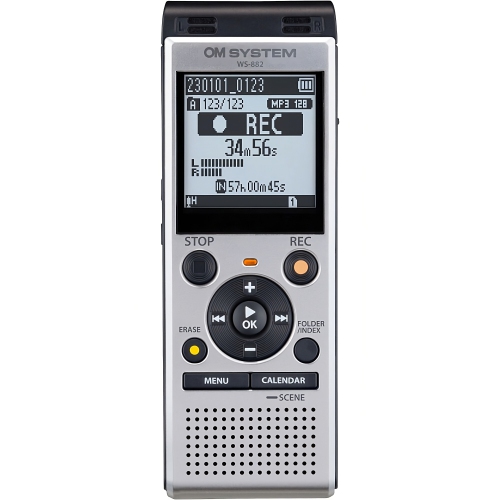
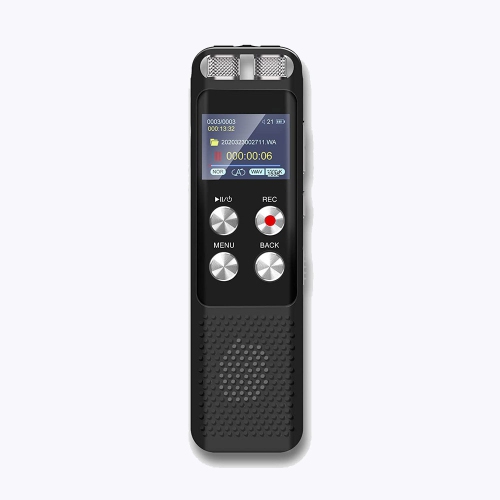
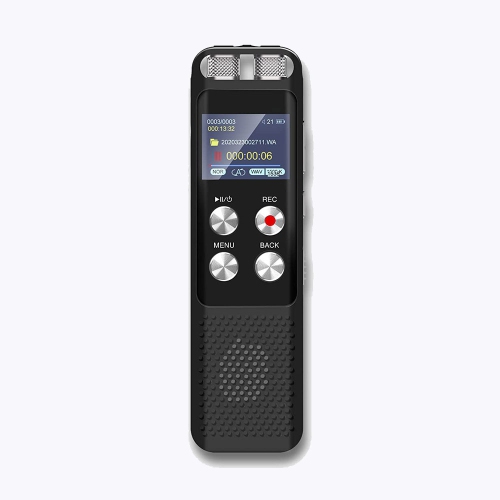
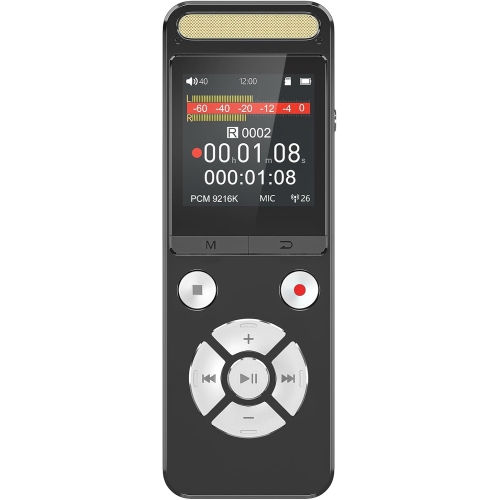
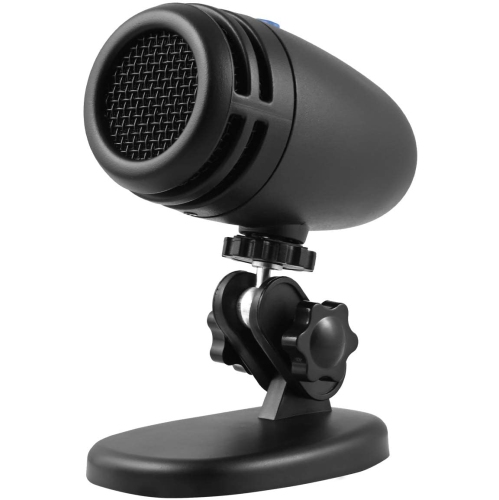
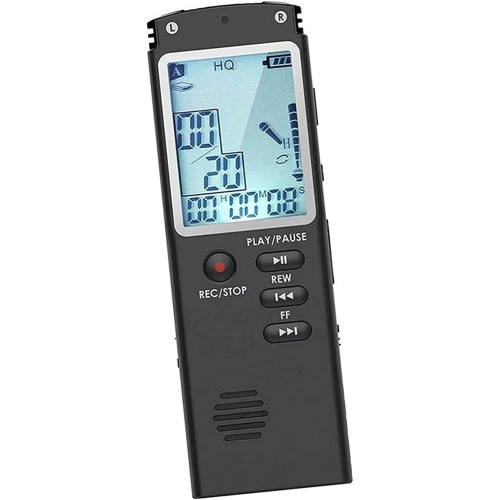
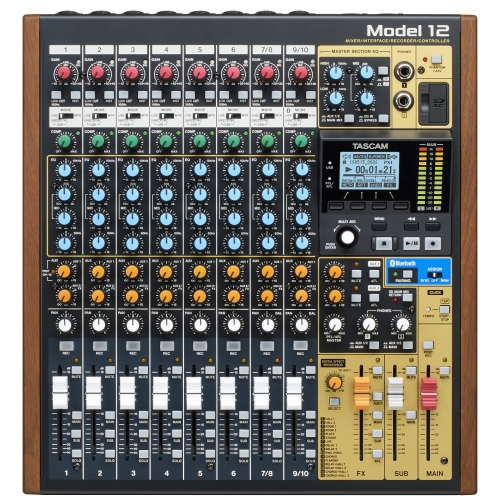
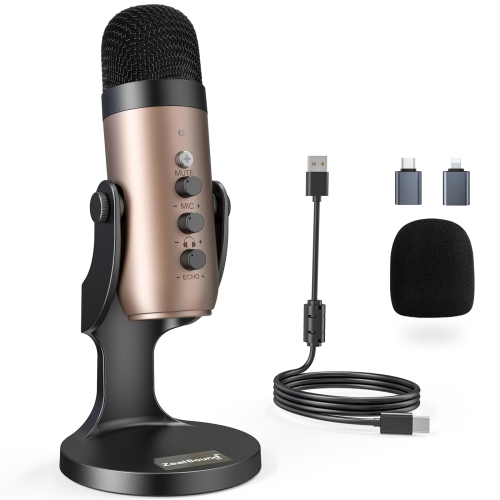
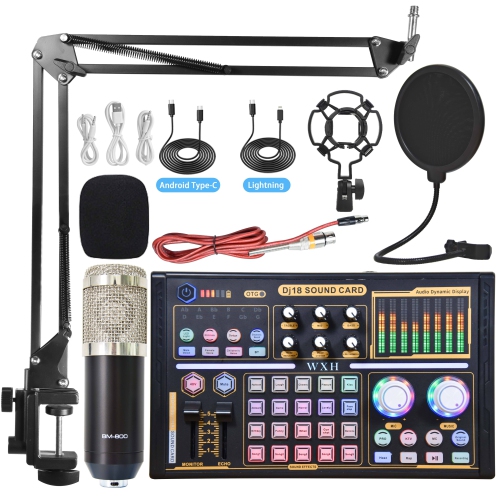
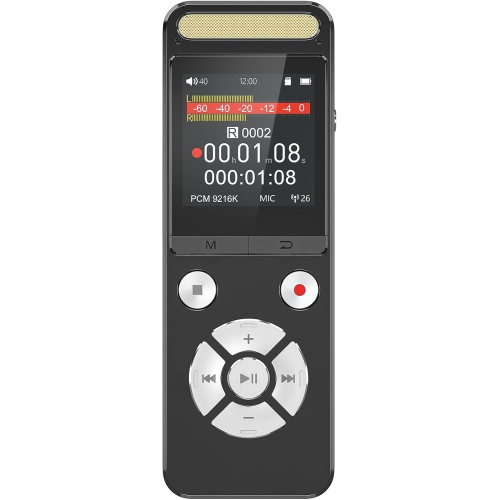
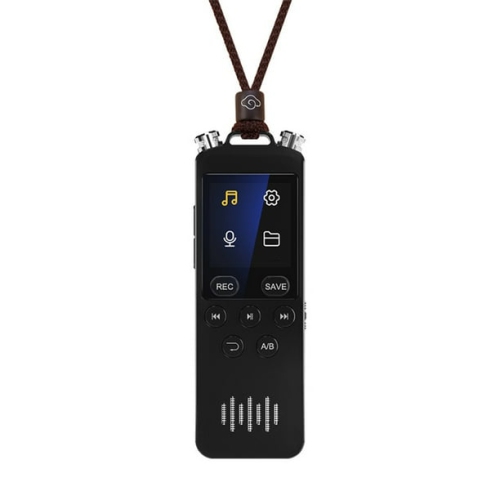
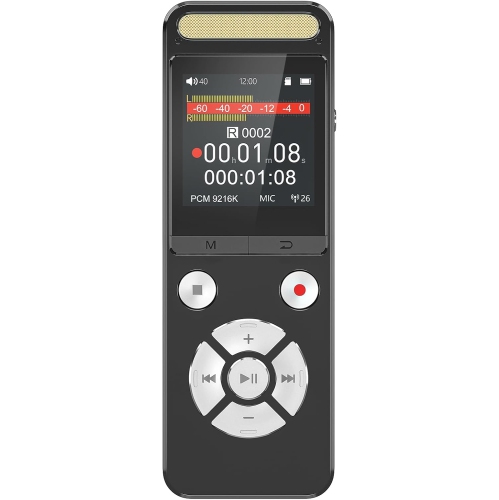
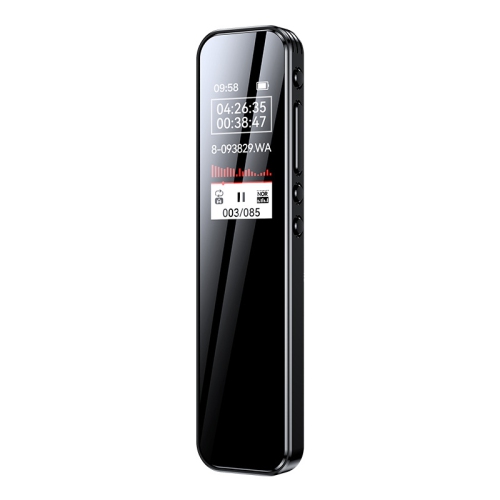
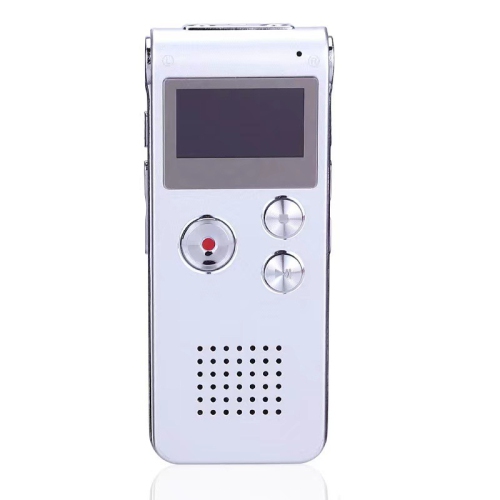
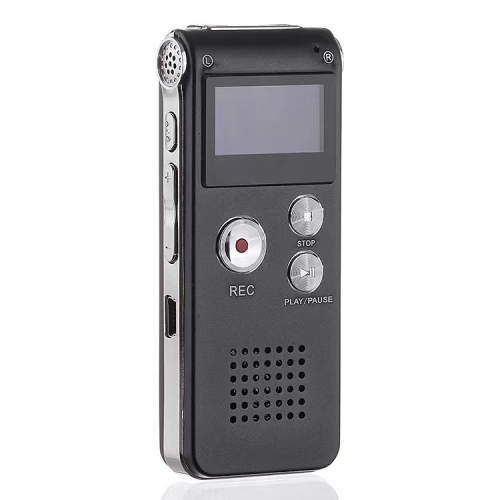
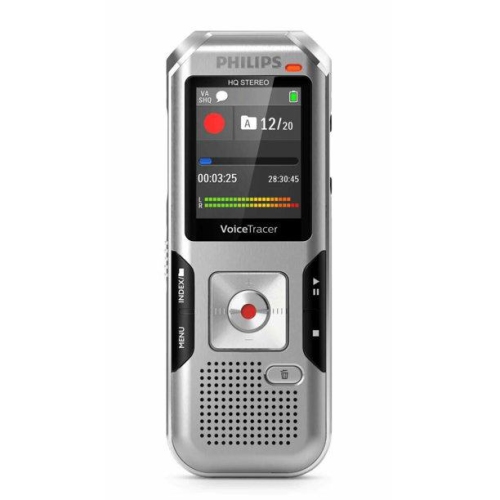
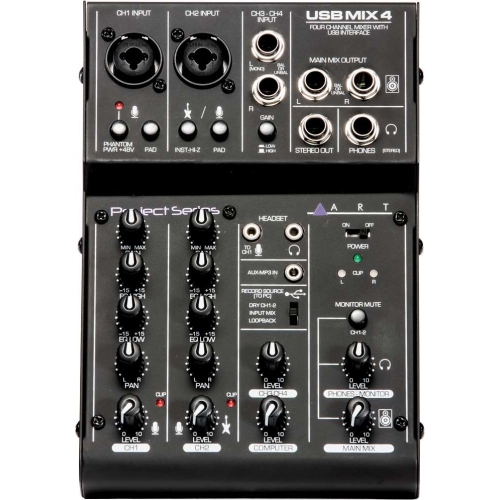
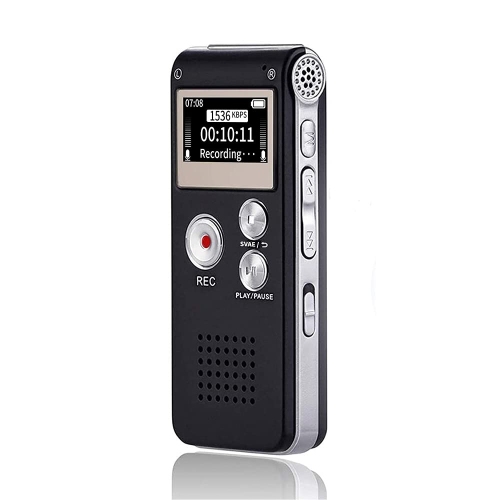
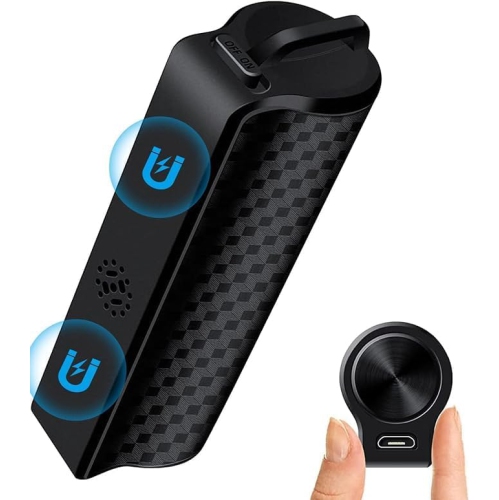
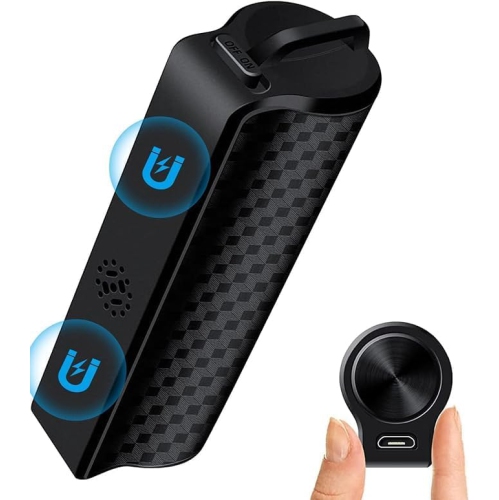
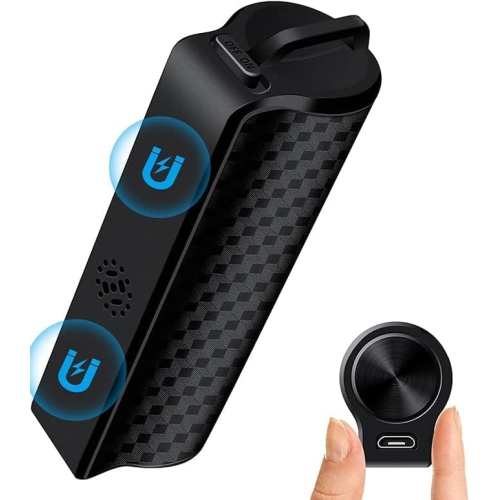
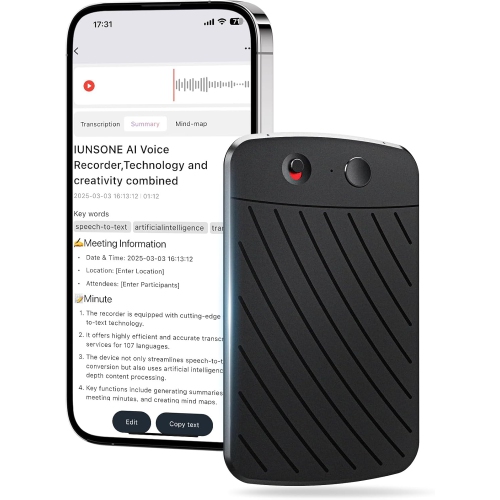
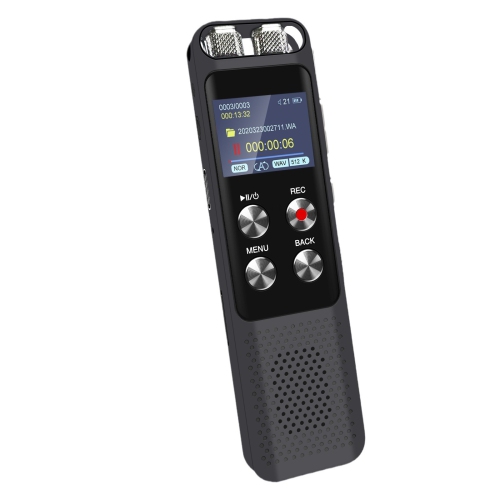
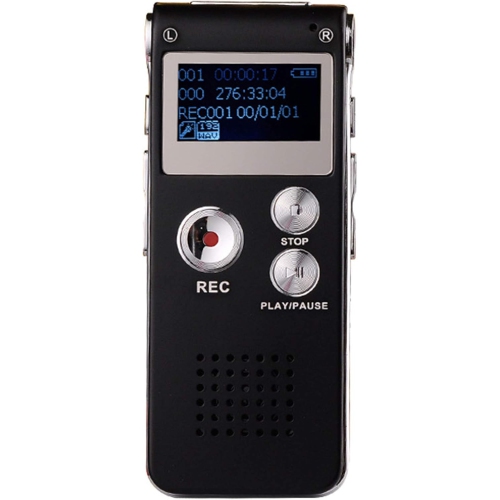
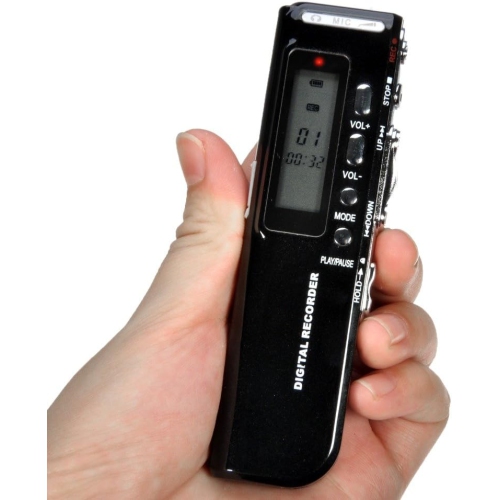
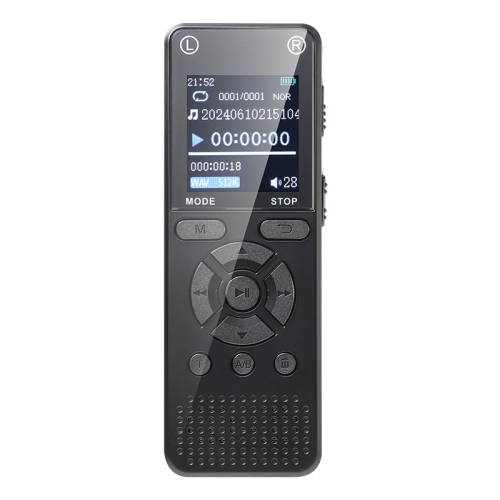
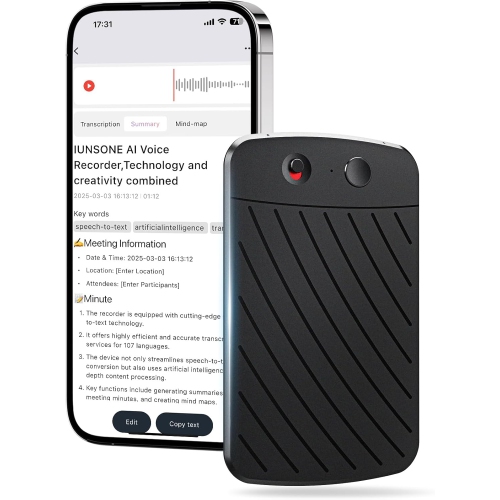
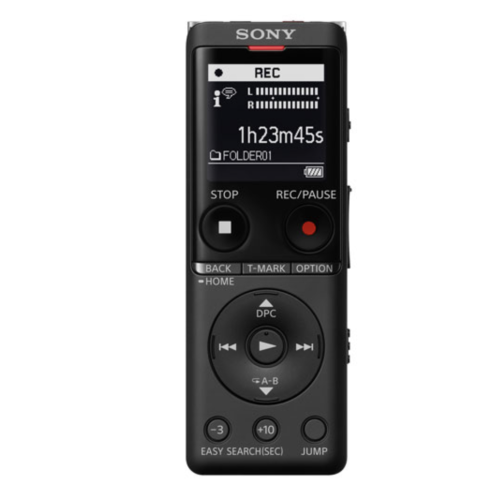
Podcast recorders help turn spoken ideas, interviews, conversations, and live discussions into clear audio that is ready for editing and sharing. They can be useful for established podcasters, first-time creators, journalists, teachers, musicians, business owners, and anyone building an audio series from home or on the move. Some are compact, portable recording devices designed for solo work and field interviews, while others are built for multi-person sessions with several microphone connections, separate headphone controls, and hands-on adjustment during recording. There are also software-based recording options that support remote conversations, often capturing each participant on a separate local track so an unstable internet connection is less likely to affect the finished recording. The right choice depends on how and where you plan to work. A solo creator recording in a quiet room may need only a simple setup with one microphone input, while a roundtable show may benefit from multiple XLR inputs, individual volume controls, and enough headphone outputs for every guest. If you record interviews at libraries, offices, community spaces, or outdoors, a lightweight recorder with a built-in microphone, long battery life, and sturdy controls can be easier to manage than a full studio arrangement. A device that supports high-quality uncompressed audio gives you more flexibility when adjusting levels and removing unwanted sounds during editing, while automatic level protection can help prevent sudden laughter, applause, or a raised voice from distorting the recording. For creators who prefer a computer-based workflow, compatibility with recording, editing, video, and livestreaming software may be just as important as the hardware itself.
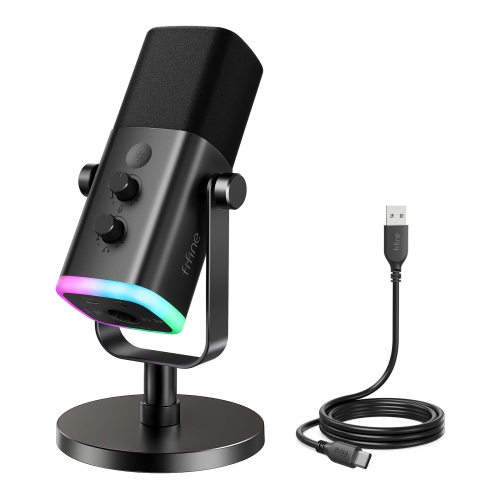
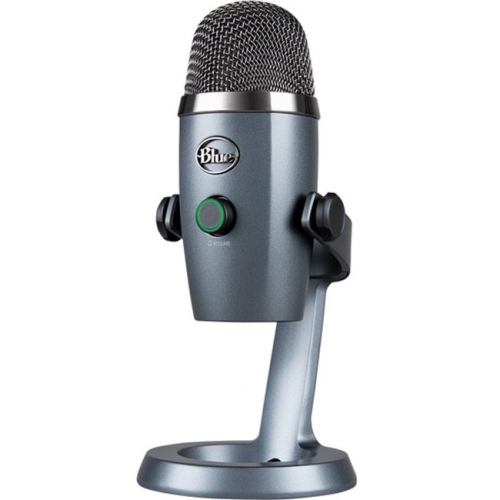
When comparing podcast recorders, start with the number and type of inputs you expect to use. XLR connections are common for professional microphones and can support microphones that require phantom power, while combination inputs may accommodate different cables and equipment as your setup develops. A recorder with two inputs can suit a host and guest, but a larger panel discussion may call for four or more. Headphone monitoring is another important consideration because it lets you catch hum, room noise, cable problems, or a microphone that has been placed too far away before the conversation is over. Look for independent headphone volume controls when several people will be recording together, since each speaker may prefer a different listening level. Storage and file transfer also affect day-to-day convenience. Memory card recording can make a portable setup quick to start, whereas direct computer connectivity may fit a home studio where files need to move immediately into an editing program. Features such as multitrack recording, built-in mixing, noise reduction, limiter controls, and markers can make post-production more efficient, particularly when a show includes music, sound effects, or several speakers. For remote interviews, consider whether the service or software records separate audio and video tracks, supports the resolution you need, and allows guests to join without a complicated setup. Video podcasters and livestreamers may also want camera compatibility, direct streaming support, and a workflow that can send a polished conversation to platforms where their audience already watches. A useful place to explore complementary equipment is Home Recording Studio Tools For Podcasters, where microphones, headphones, stands, cables, and other studio essentials can help complete a recording space.
Podcast recorders can make thoughtful gifts for aspiring hosts, students working on media projects, relatives who enjoy interviewing family members, or friends who have talked about starting a local, hobby, or business podcast. They are also practical for people who already record but want a more organised setup for travel, guest sessions, or recording away from a desk. Before buying, consider the recipient’s comfort with technology and the kind of recordings they are most likely to make. A beginner may appreciate straightforward controls, clear indicators, and a setup that can be used without a long technical learning curve. Someone with more experience may value detailed input control, multitrack files, expandable connections, and the ability to integrate the recorder with existing microphones and computers. Accessories can make a noticeable difference: closed-back headphones help with monitoring, a stable stand keeps microphones at a consistent distance, and a windscreen can reduce harsh breath sounds or outdoor noise. Room placement matters too. Even a capable recorder will capture echoes from bare walls, kitchen appliances, traffic, or a rattling desk, so recording in a smaller furnished room and keeping the microphone close to the speaker can improve clarity. During the cooler months, a podcast recorder can be a convenient way to maintain a creative routine indoors, record a warm conversation beside a desk, or capture remote guests who are joining from home. Whether the goal is an audio-only series, a filmed interview, a live discussion, or occasional voice notes for a future project, choosing equipment around the intended recording environment will make each session easier to start and the final result more enjoyable to hear.
When comparing podcast recorders, start with the number and type of inputs you expect to use. XLR connections are common for professional microphones and can support microphones that require phantom power, while combination inputs may accommodate different cables and equipment as your setup develops. A recorder with two inputs can suit a host and guest, but a larger panel discussion may call for four or more. Headphone monitoring is another important consideration because it lets you catch hum, room noise, cable problems, or a microphone that has been placed too far away before the conversation is over. Look for independent headphone volume controls when several people will be recording together, since each speaker may prefer a different listening level. Storage and file transfer also affect day-to-day convenience. Memory card recording can make a portable setup quick to start, whereas direct computer connectivity may fit a home studio where files need to move immediately into an editing program. Features such as multitrack recording, built-in mixing, noise reduction, limiter controls, and markers can make post-production more efficient, particularly when a show includes music, sound effects, or several speakers. For remote interviews, consider whether the service or software records separate audio and video tracks, supports the resolution you need, and allows guests to join without a complicated setup. Video podcasters and livestreamers may also want camera compatibility, direct streaming support, and a workflow that can send a polished conversation to platforms where their audience already watches. A useful place to explore complementary equipment is Home Recording Studio Tools For Podcasters, where microphones, headphones, stands, cables, and other studio essentials can help complete a recording space.
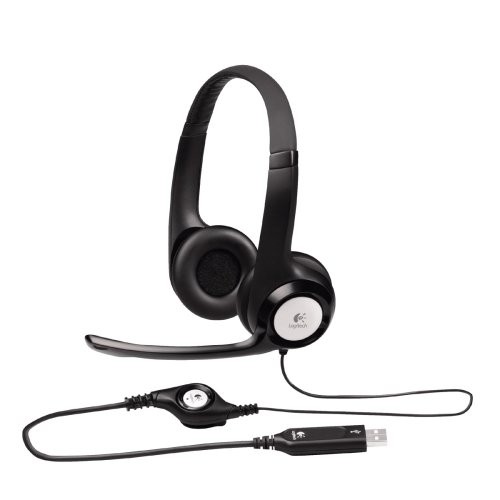
Podcast recorders can make thoughtful gifts for aspiring hosts, students working on media projects, relatives who enjoy interviewing family members, or friends who have talked about starting a local, hobby, or business podcast. They are also practical for people who already record but want a more organised setup for travel, guest sessions, or recording away from a desk. Before buying, consider the recipient’s comfort with technology and the kind of recordings they are most likely to make. A beginner may appreciate straightforward controls, clear indicators, and a setup that can be used without a long technical learning curve. Someone with more experience may value detailed input control, multitrack files, expandable connections, and the ability to integrate the recorder with existing microphones and computers. Accessories can make a noticeable difference: closed-back headphones help with monitoring, a stable stand keeps microphones at a consistent distance, and a windscreen can reduce harsh breath sounds or outdoor noise. Room placement matters too. Even a capable recorder will capture echoes from bare walls, kitchen appliances, traffic, or a rattling desk, so recording in a smaller furnished room and keeping the microphone close to the speaker can improve clarity. During the cooler months, a podcast recorder can be a convenient way to maintain a creative routine indoors, record a warm conversation beside a desk, or capture remote guests who are joining from home. Whether the goal is an audio-only series, a filmed interview, a live discussion, or occasional voice notes for a future project, choosing equipment around the intended recording environment will make each session easier to start and the final result more enjoyable to hear.
Top selling and popular products
-
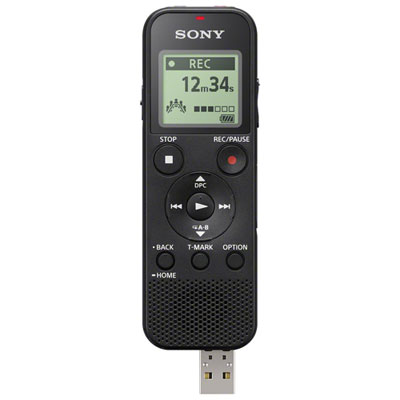 Your price for this item is $99.99
 -
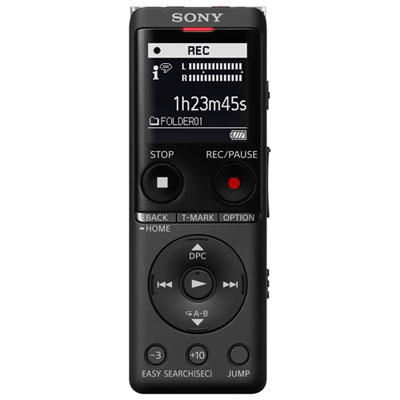 Your price for this item is $179.99
 -
 Your price for this item is $259.99
 -
 Your price for this item is $93.99
 -
 Your price for this item is $99.99
 -
 Your price for this item is $249.99
 -
 Your price for this item is $35.99
 -
 Your price for this item is $229
Discover more categories related to Podcast Recorders
Top Collections:
Pokemon Centers, Kindle Devices, Apple iPhones 16, Canon G7X Cameras, iPhone 15 Apple, Alarm Clock, Flip Phones, Refurbished Apple Laptops, iPhone 14 256GB, Lightweight On-Ear USB-C Headphones
Some products may be subject to Environmental Handling Fees
(EHF) depending on your province.
Learn more about EHFs.