Professional Wireless Microphones
Looking to take your audio game to the next level? Look no further than our collection of professional wireless microphones. Whether you're a musician, public speaker, or content creator, these high-quality microphones are designed to deliver crystal-clear sound and unmatched versatility. Say goodbye to tangled cables and limited mobility – with wireless technology, you can move freely while still enjoying top-notch audio performance. From sleek handheld options to discreet lapel mics, our range of professional wireless microphones has something for every need and budget. Get ready to amplify your voice and make a lasting impression with these cutting-edge audio tools.
Sort
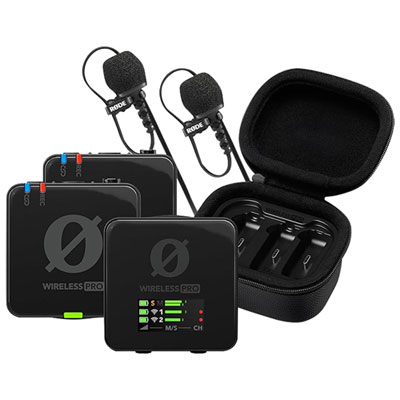
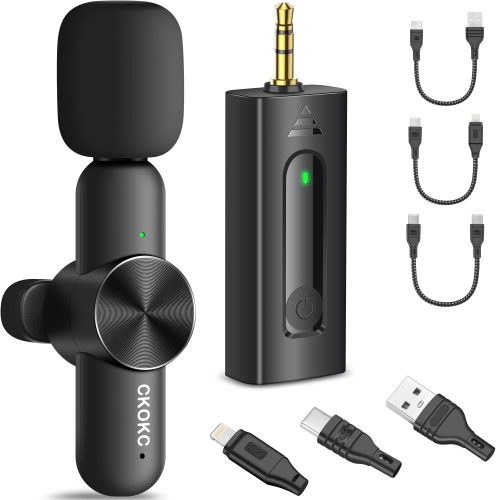

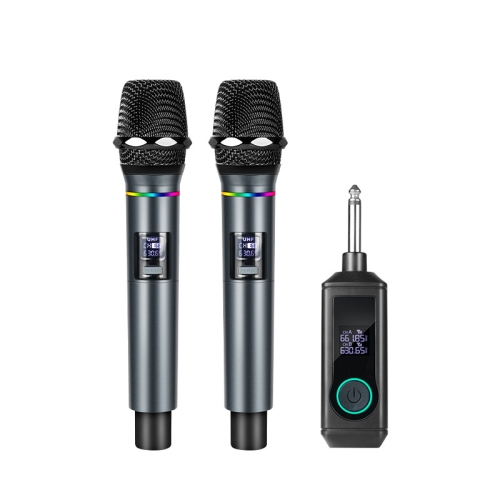
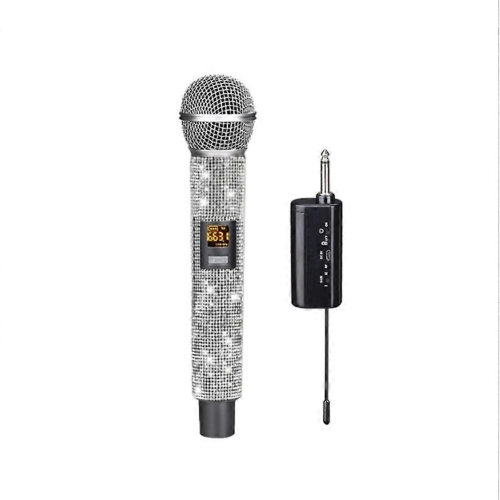
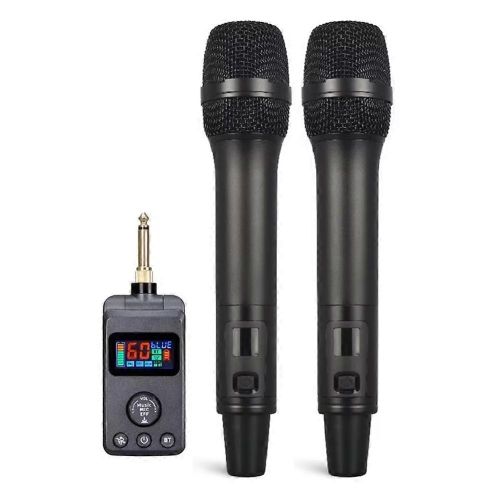


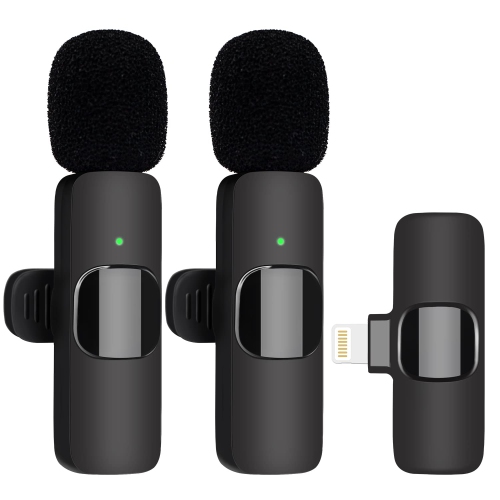
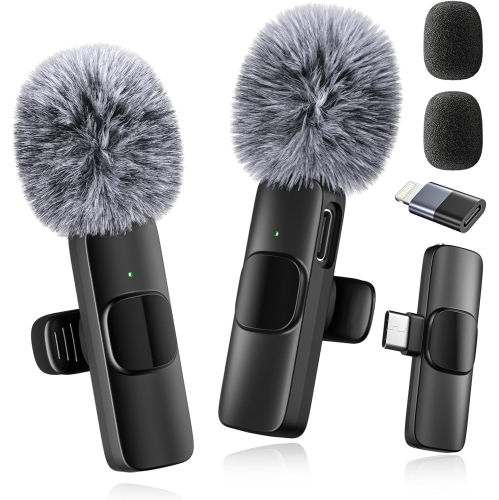
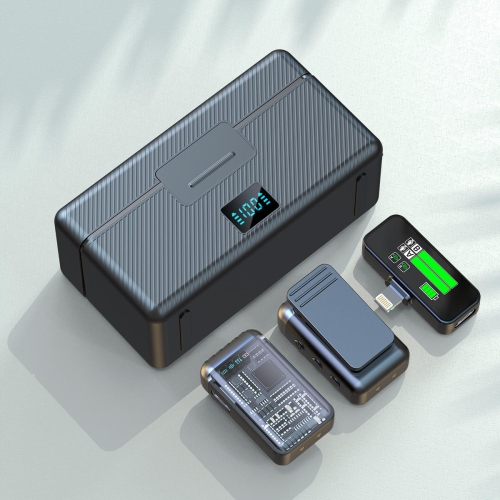
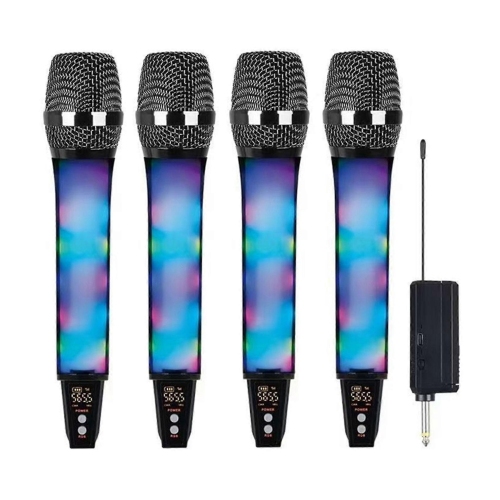
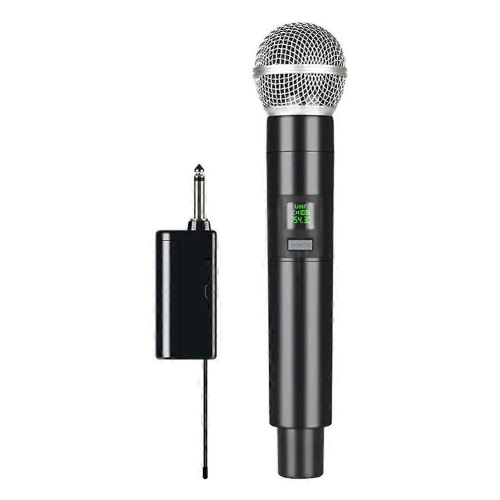
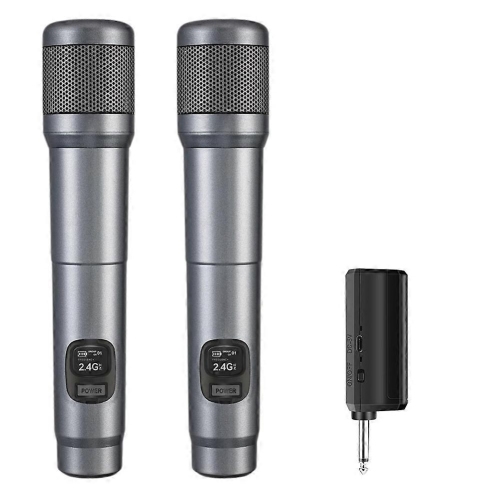
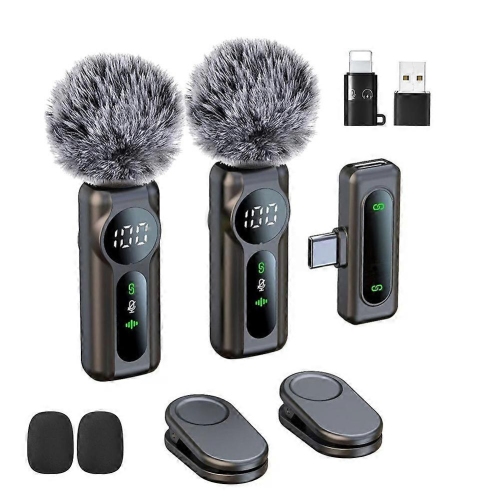
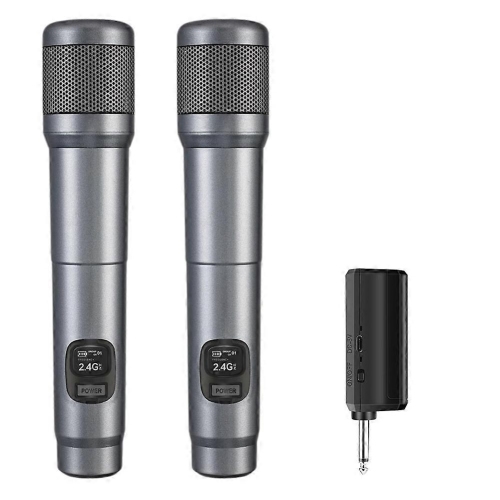
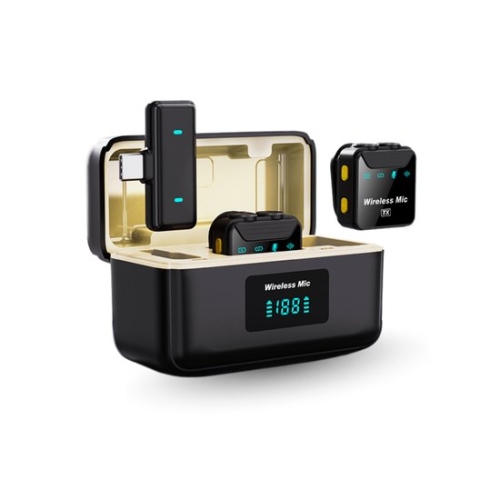
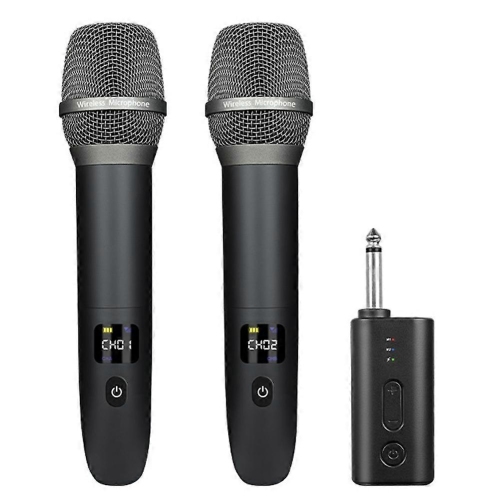
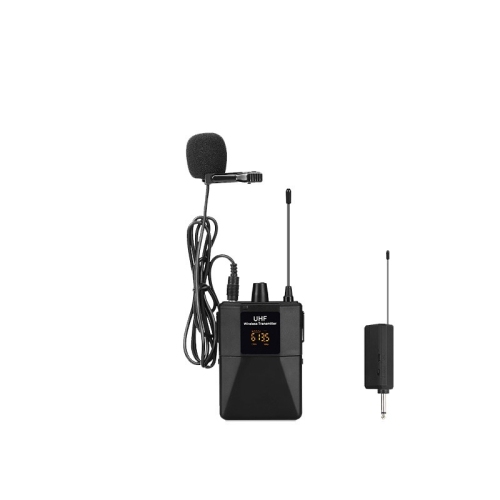
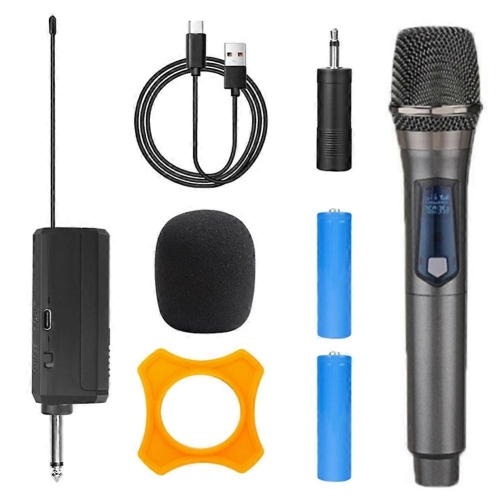

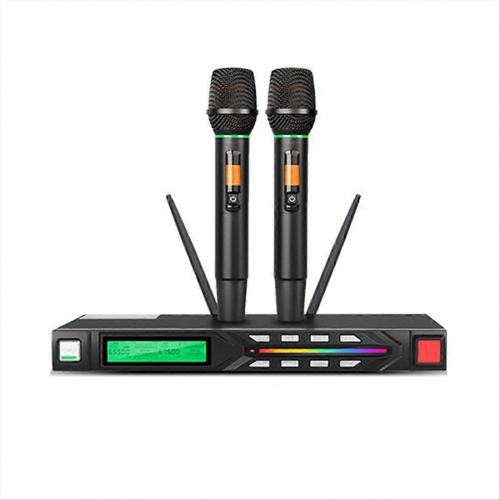
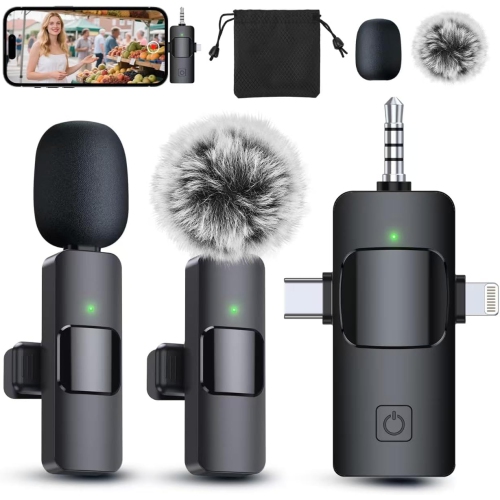
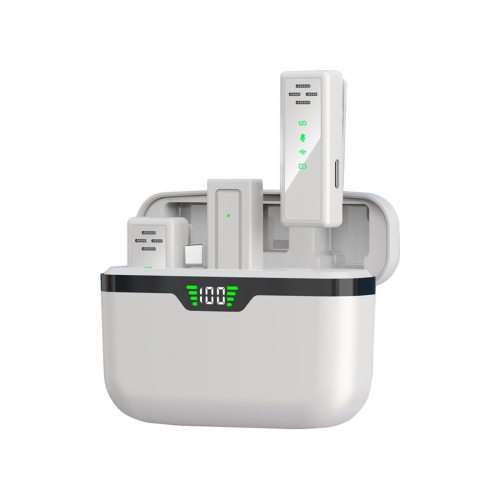


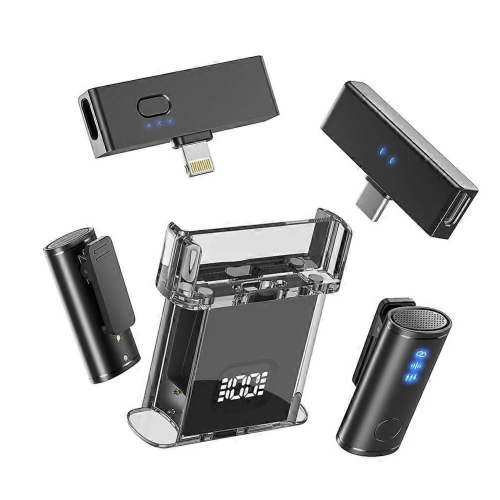

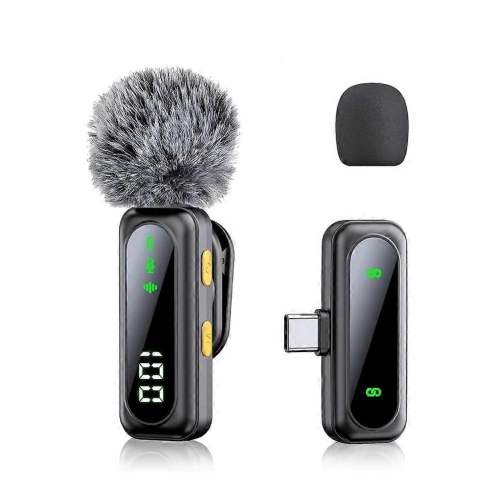

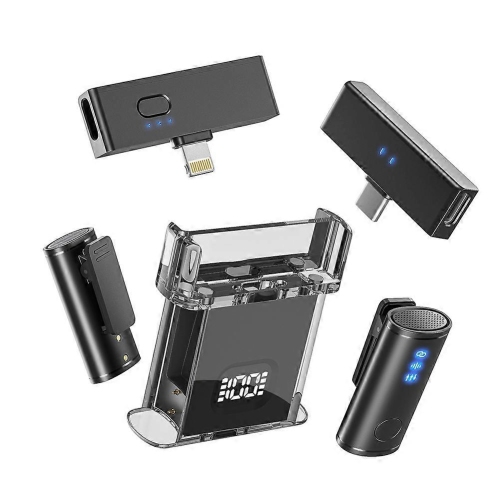
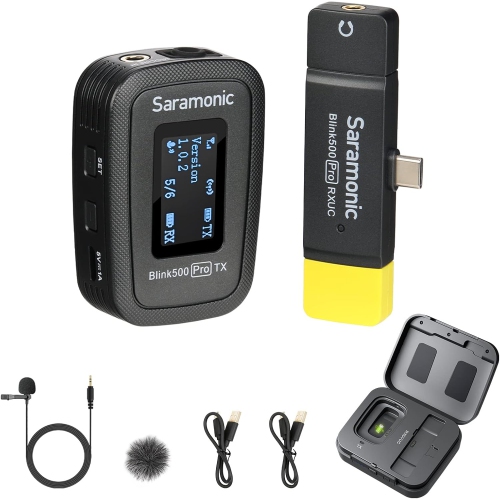
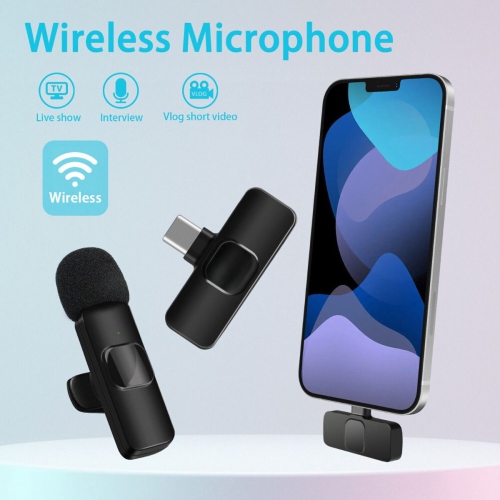
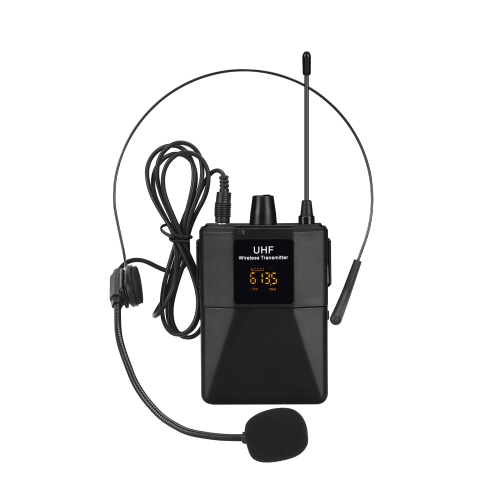

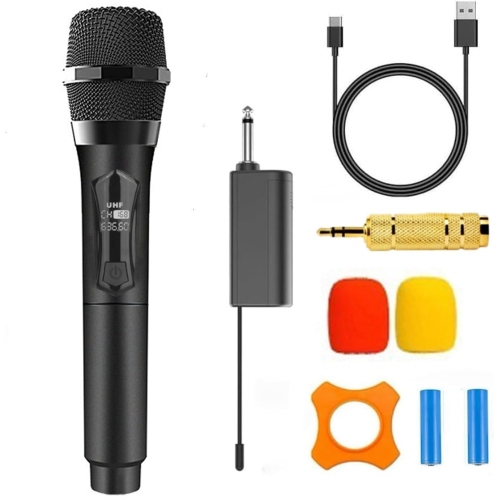

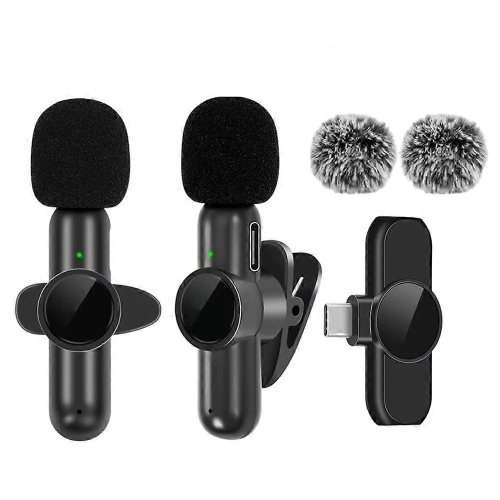
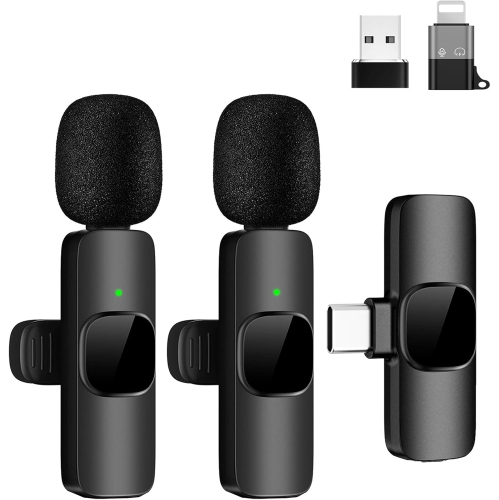
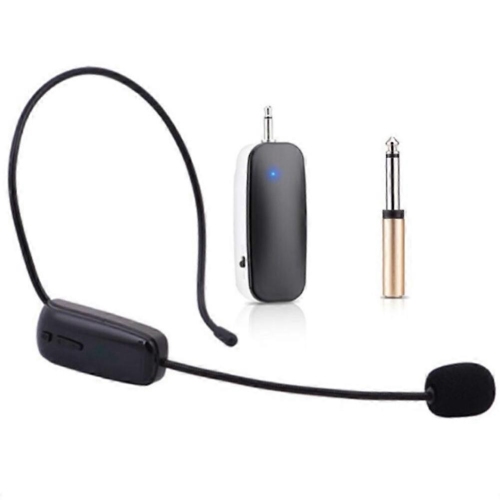

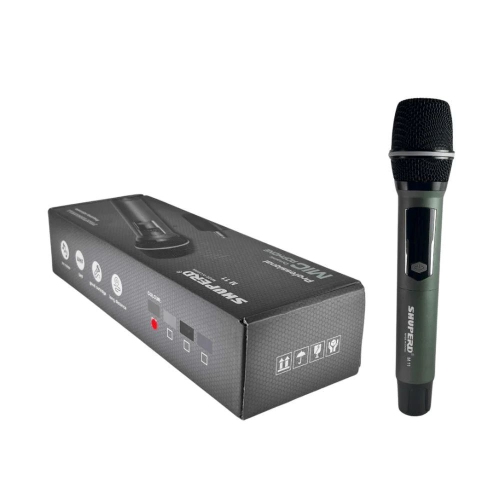

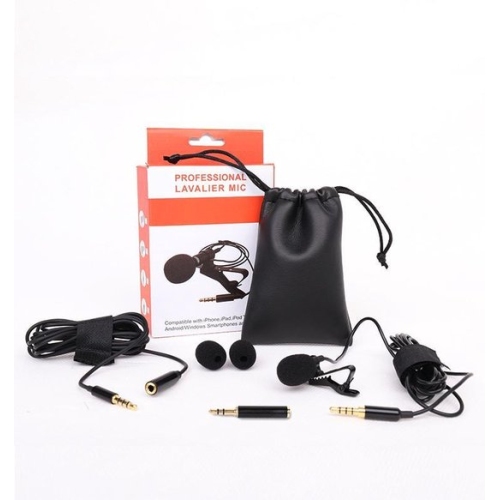
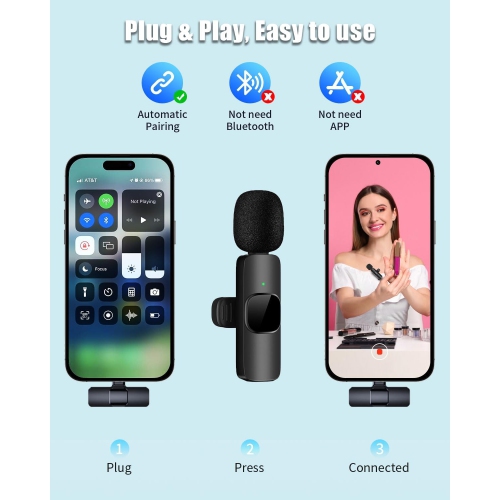
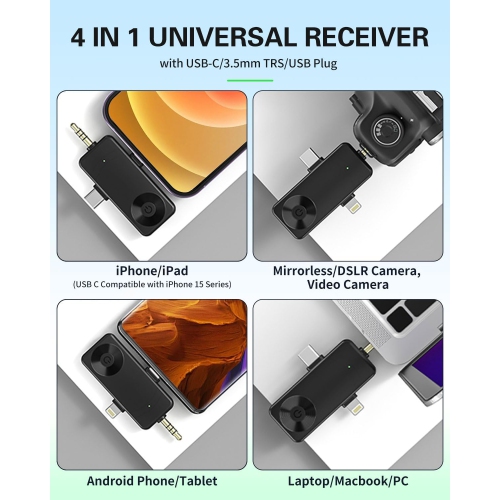
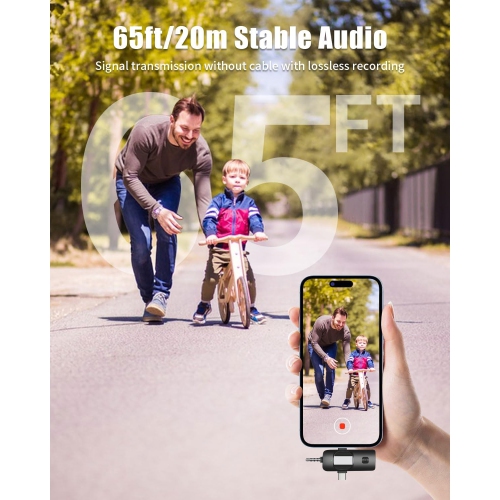
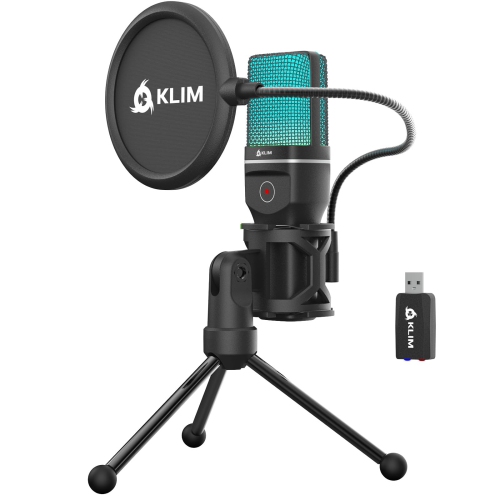

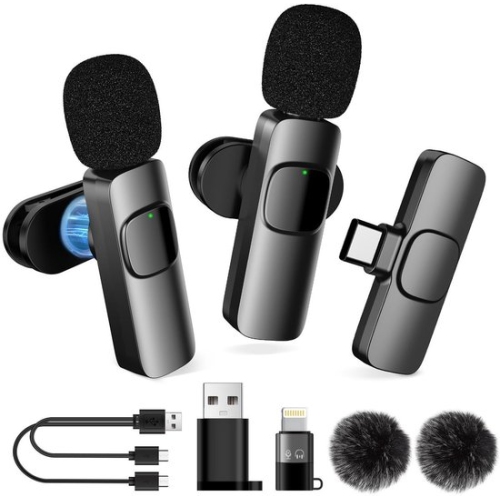
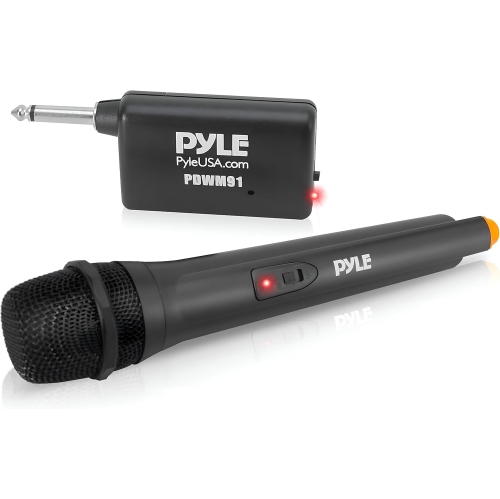
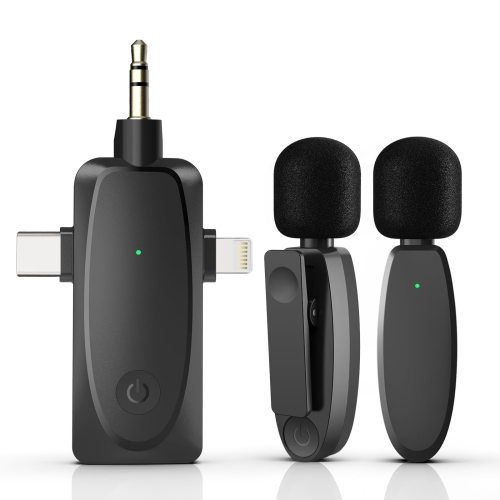

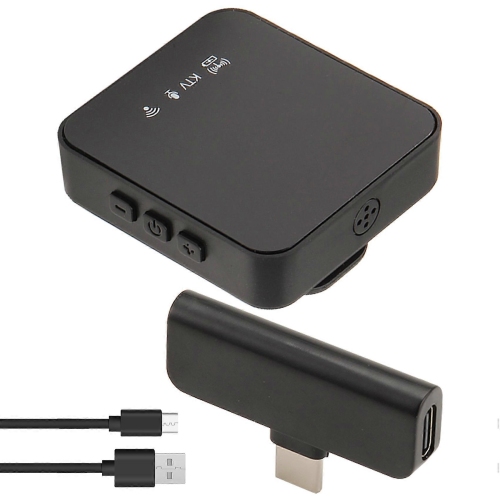
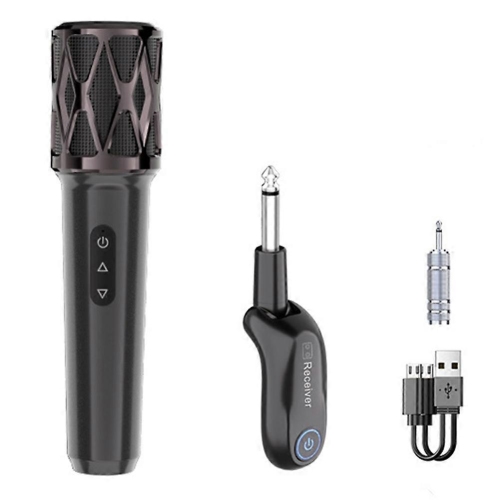

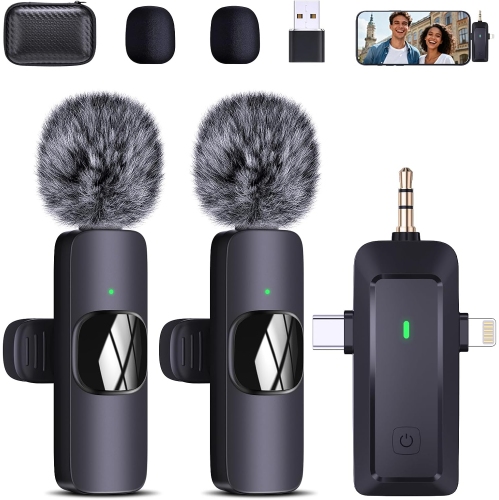

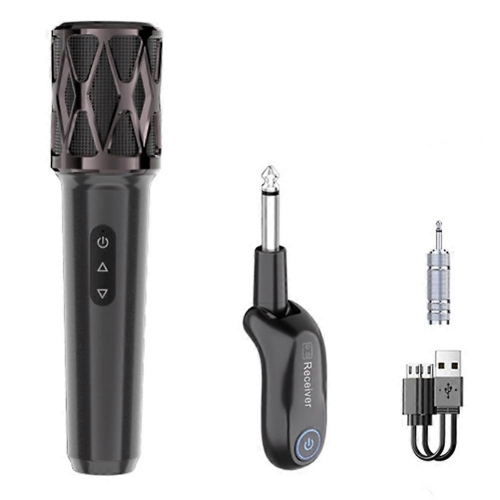
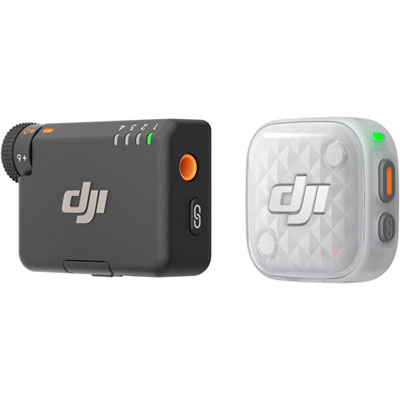
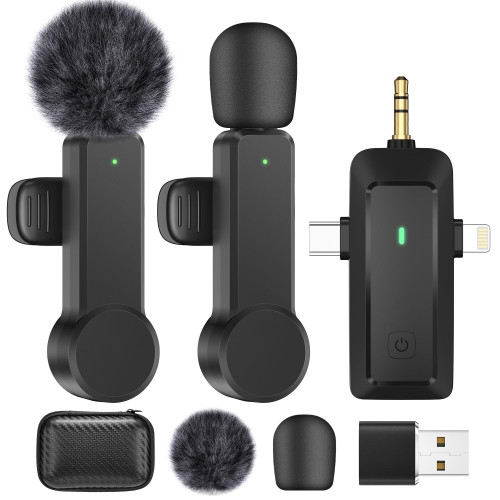

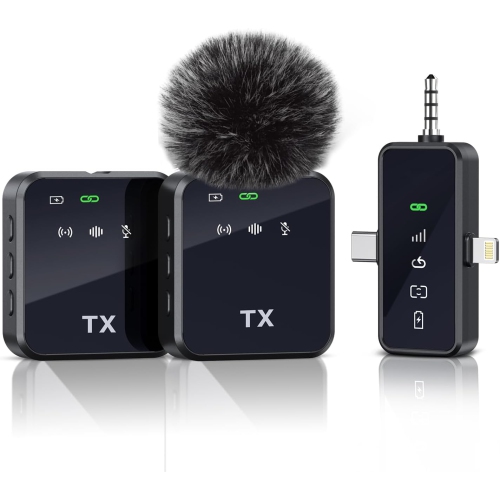
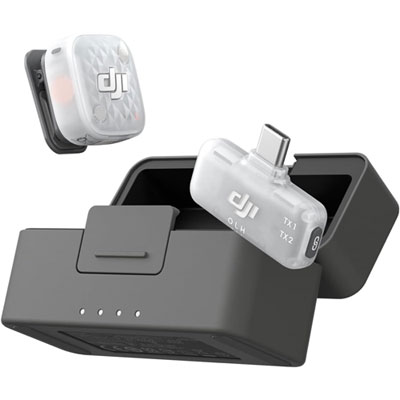
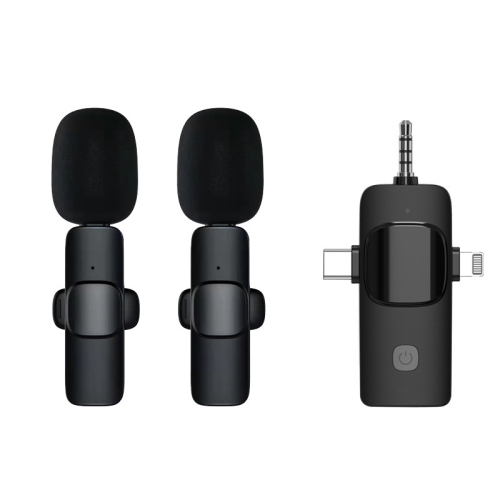




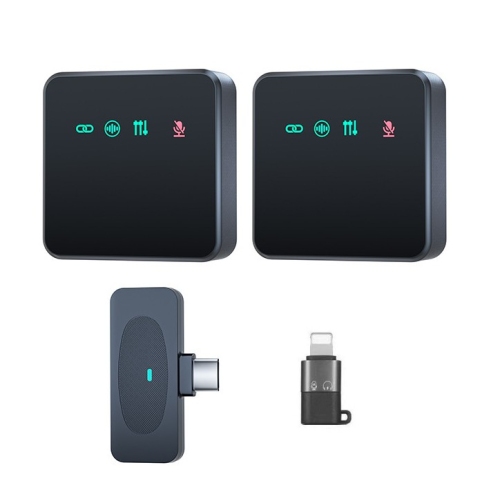
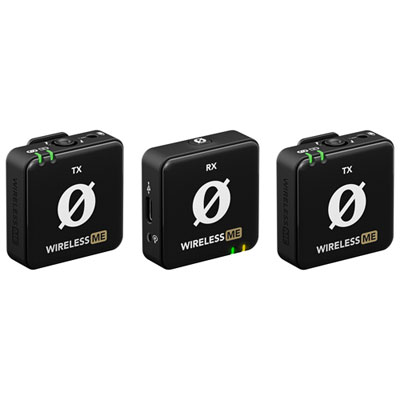
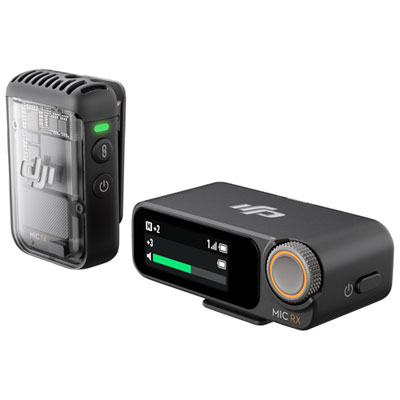


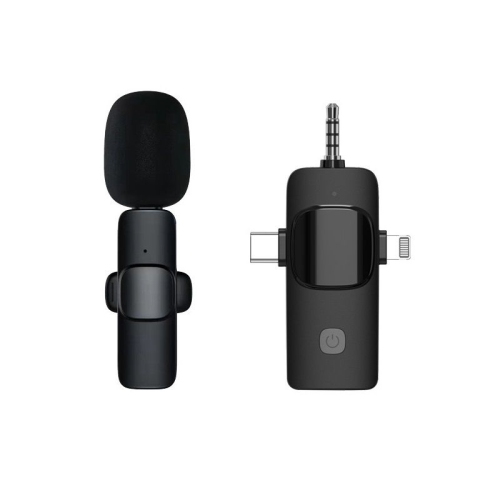
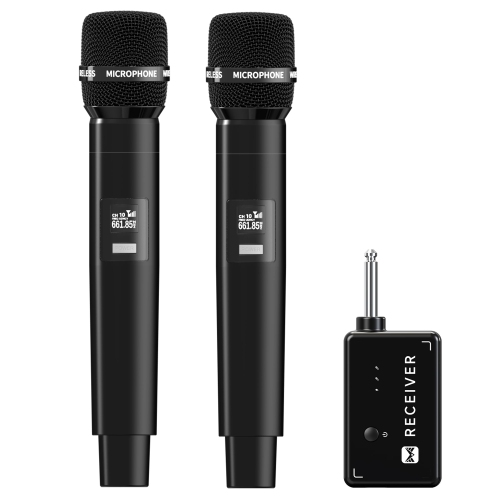
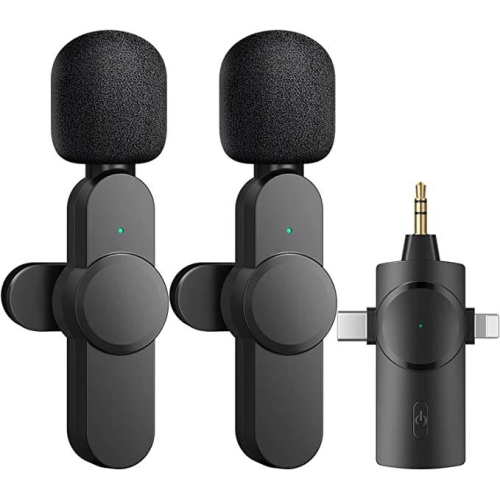

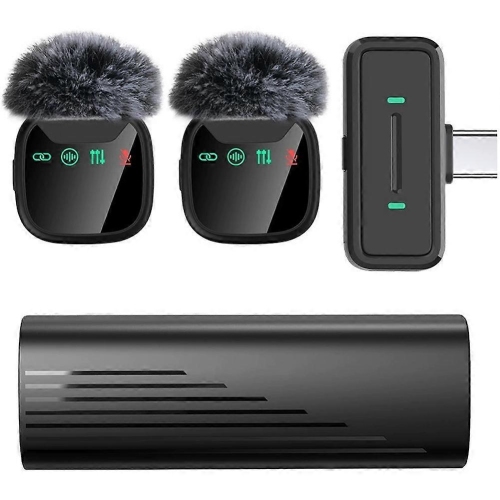


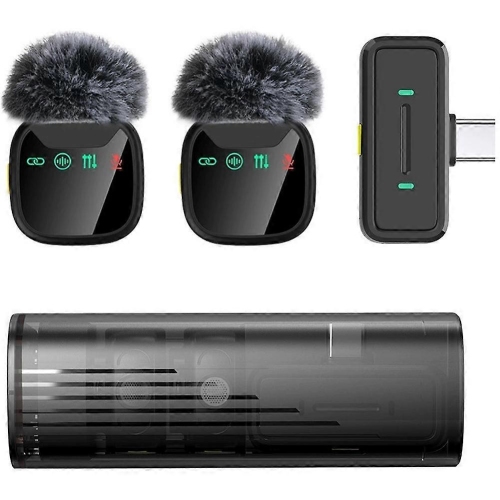
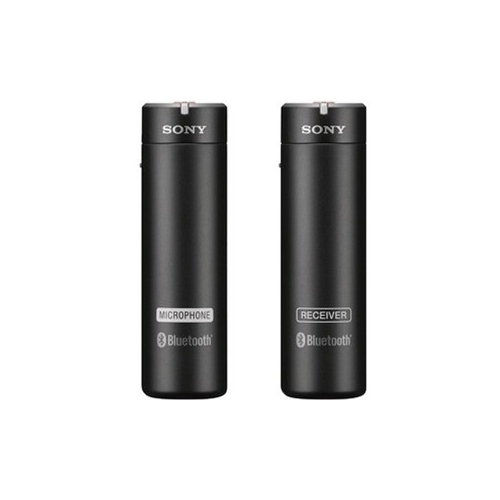
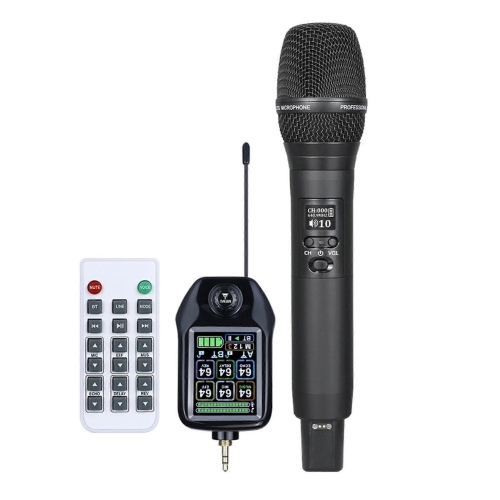
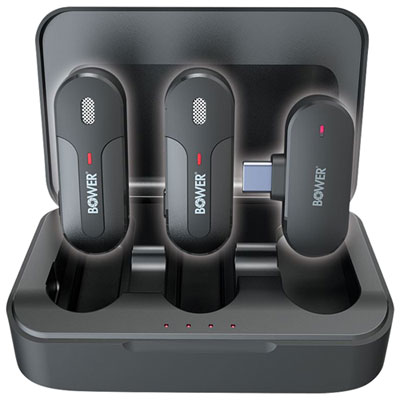
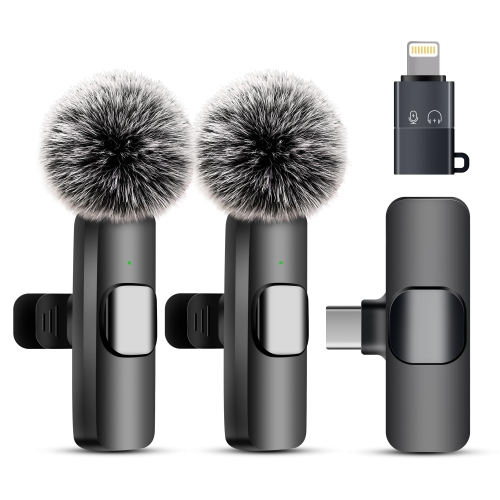
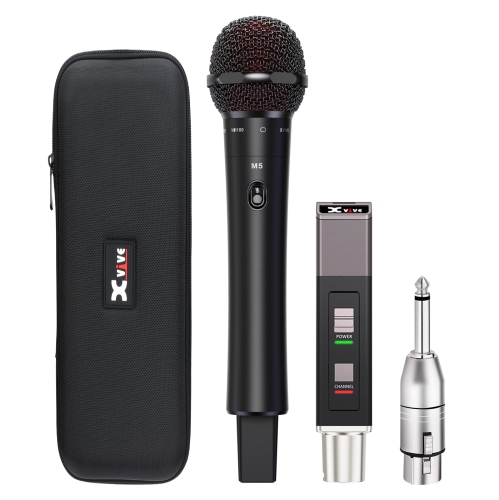
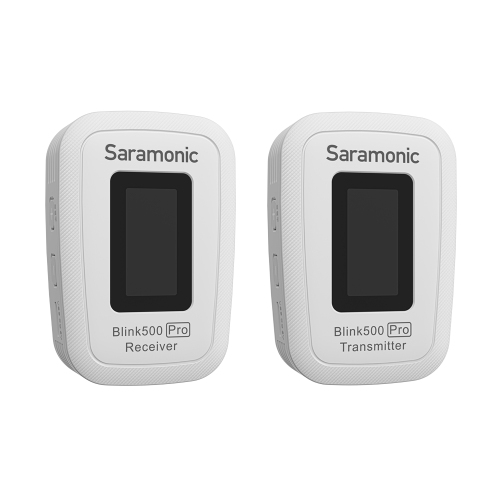

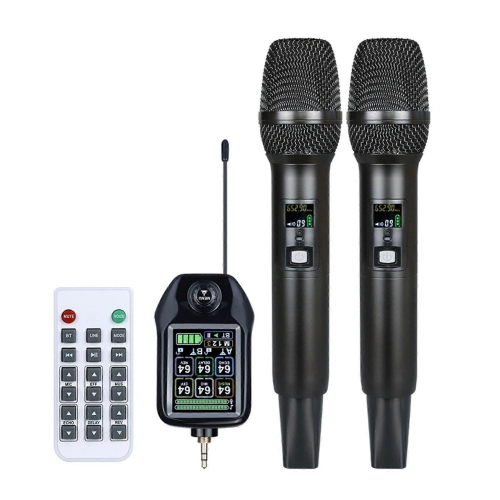
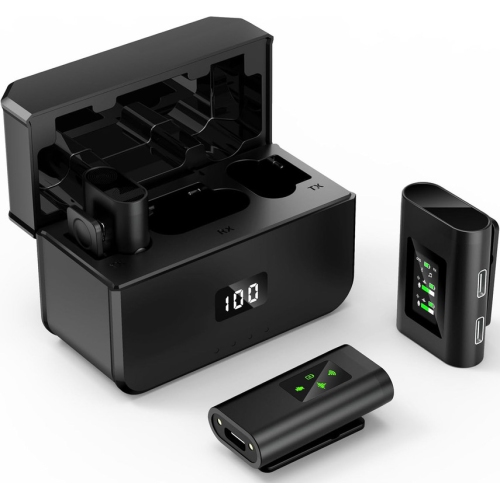
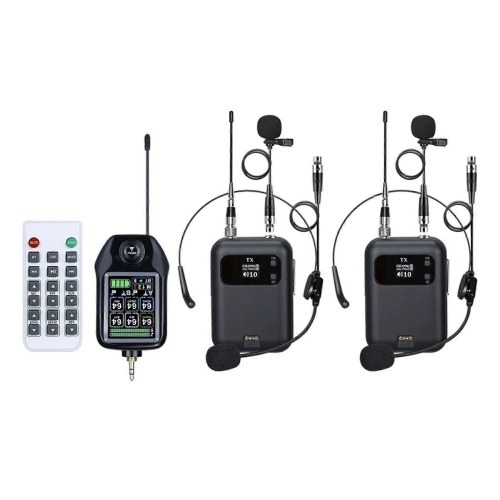
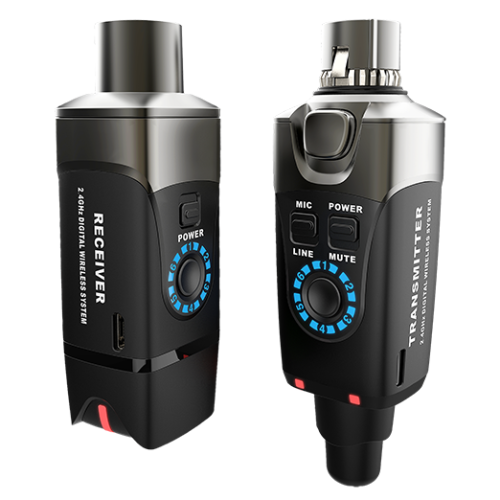
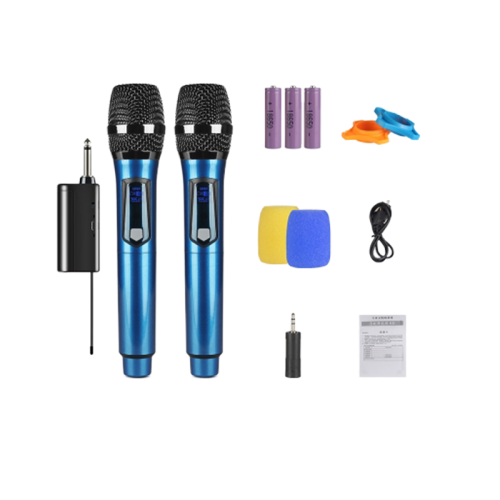
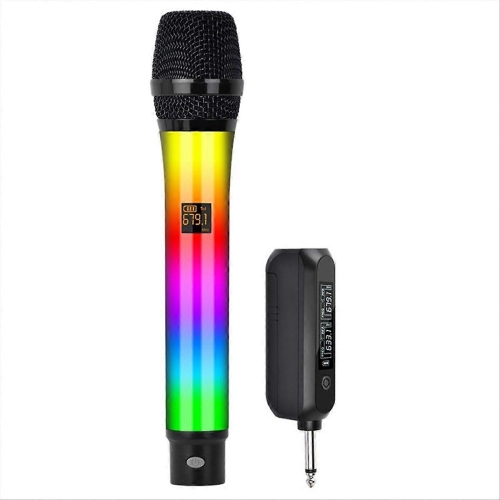


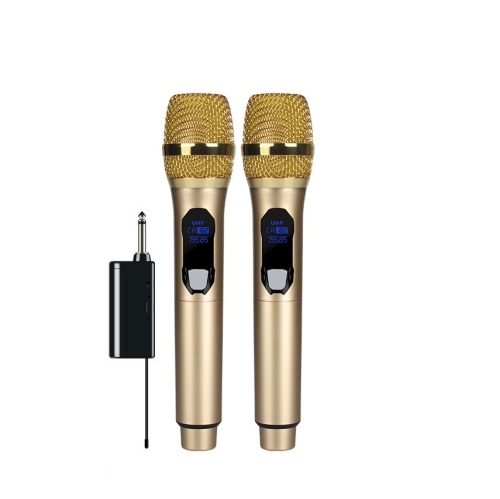
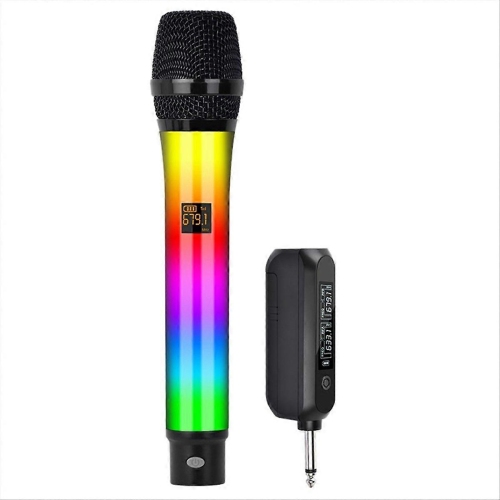
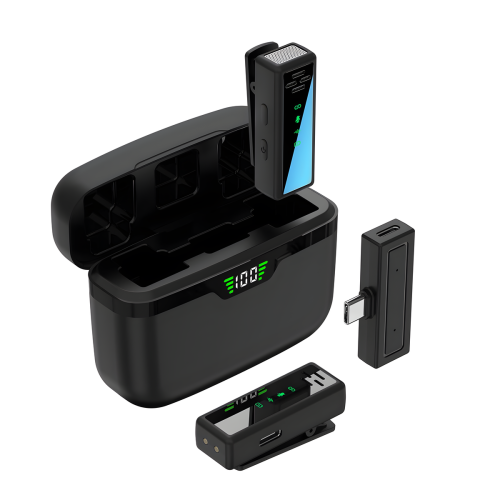
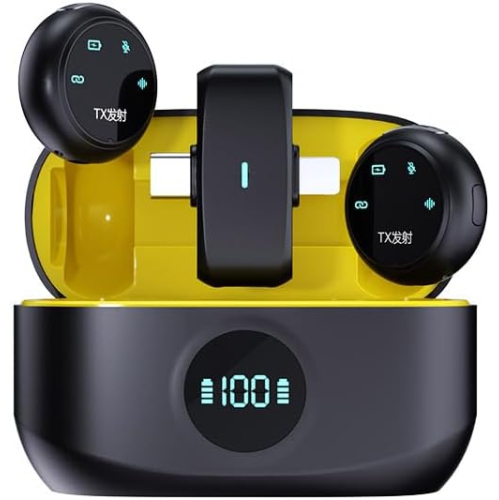
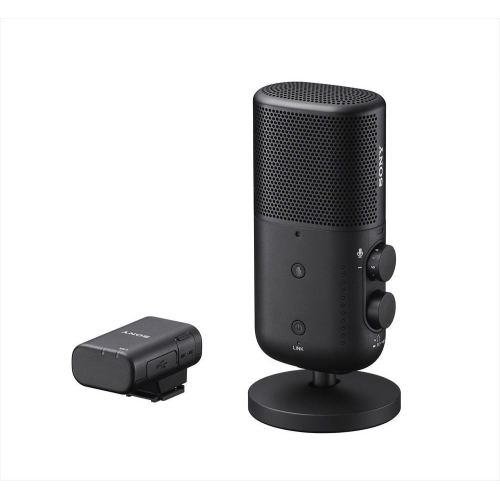
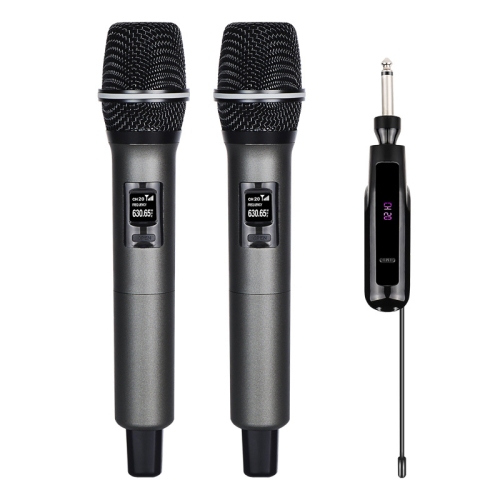

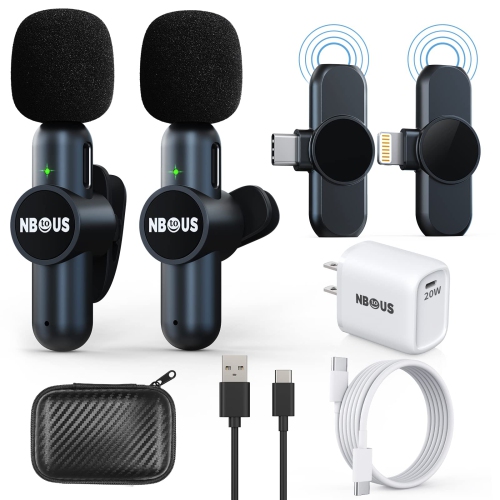
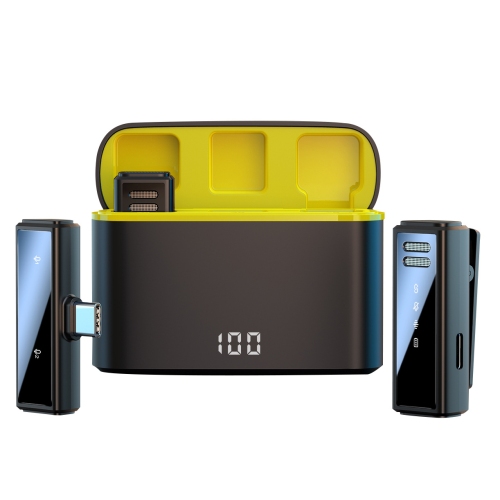
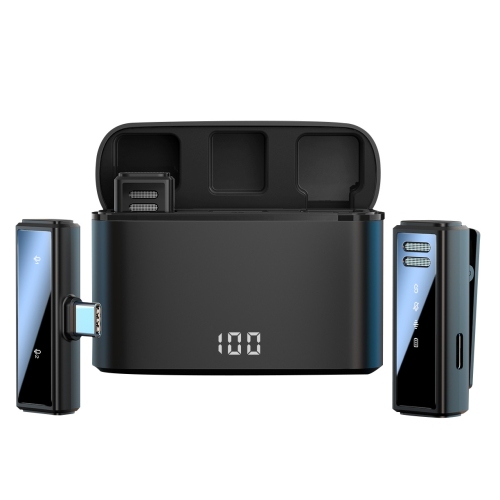
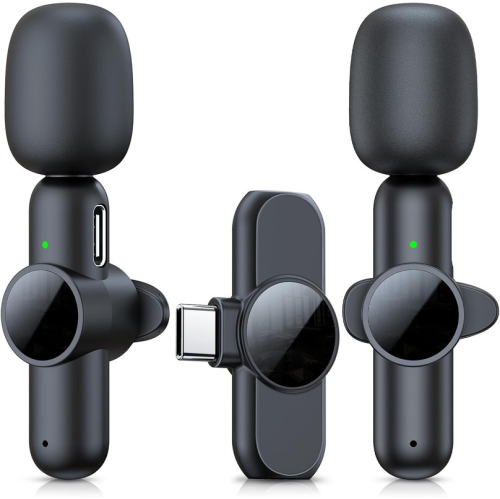
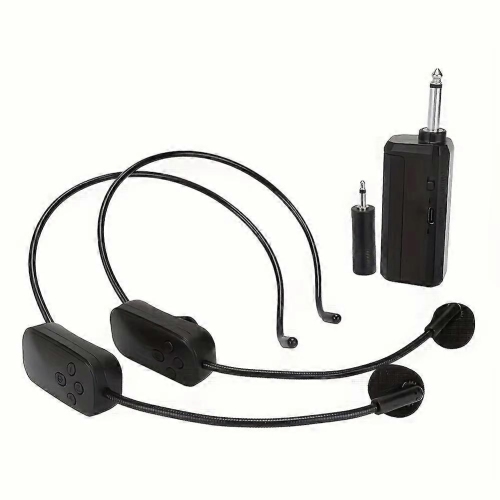
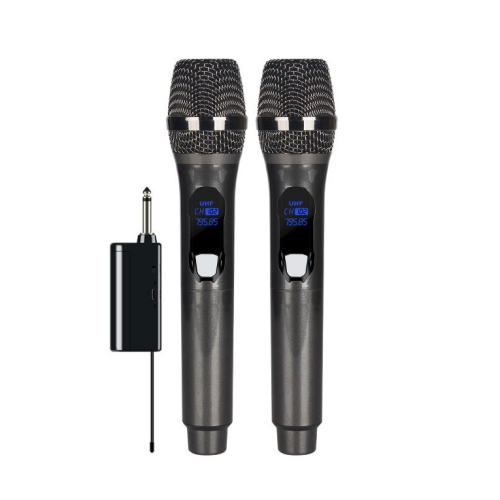
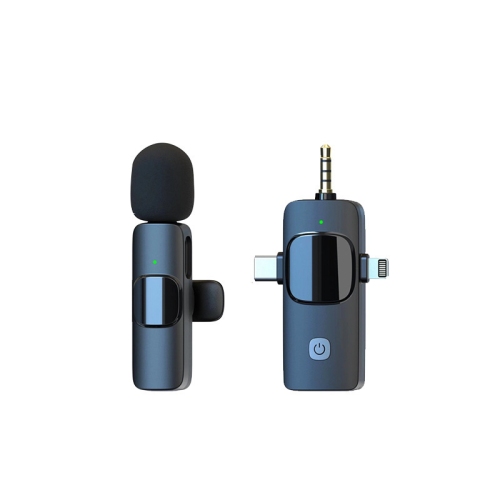
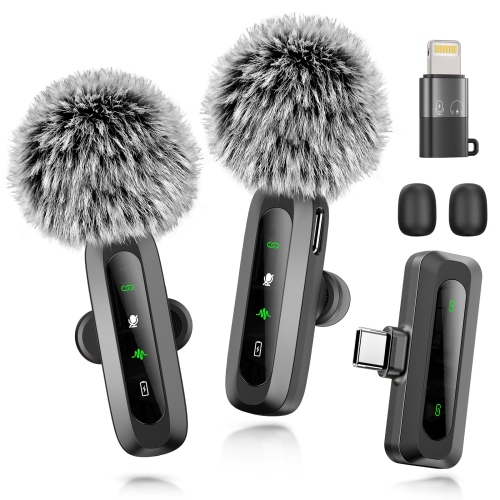
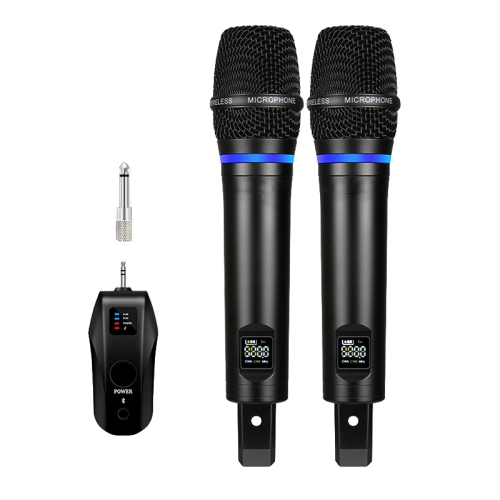
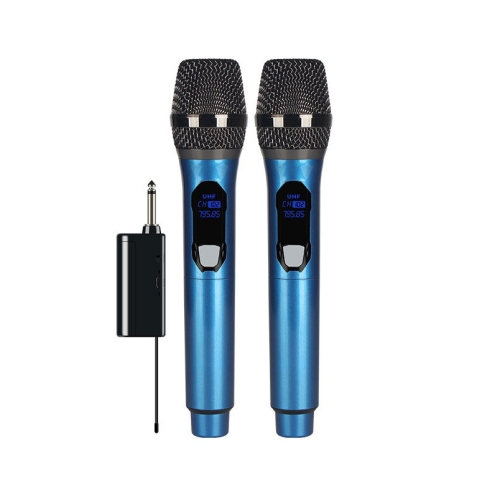
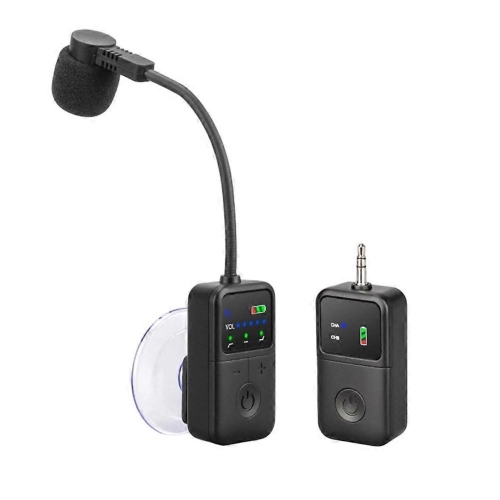
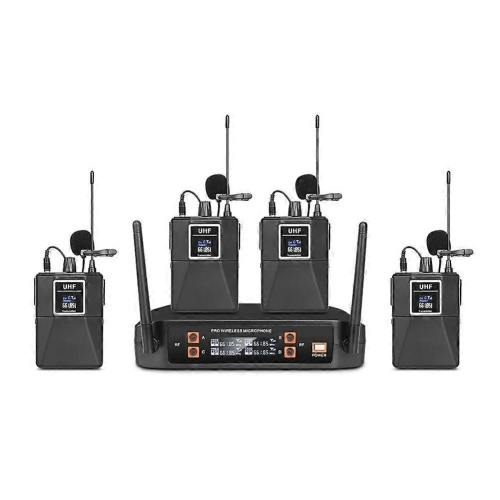

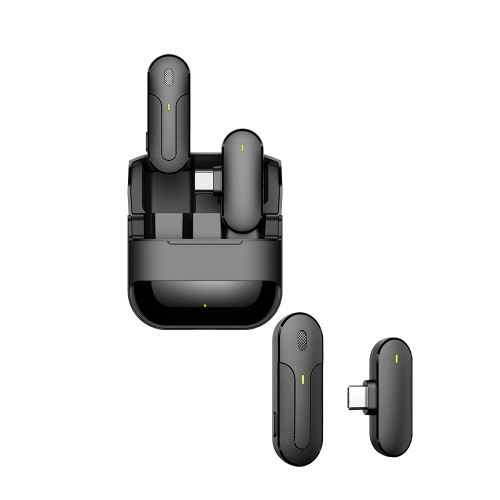
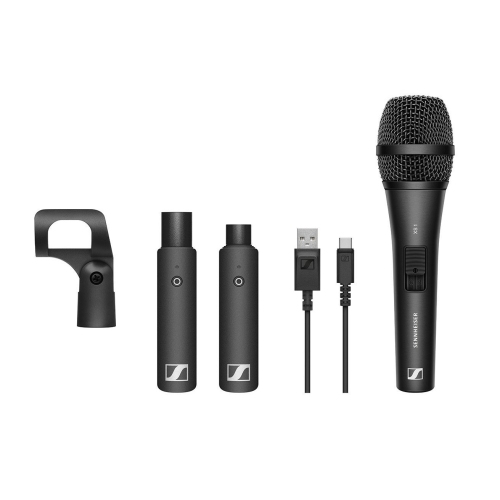
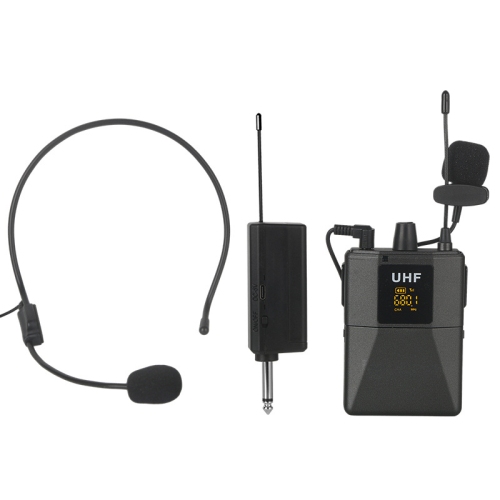
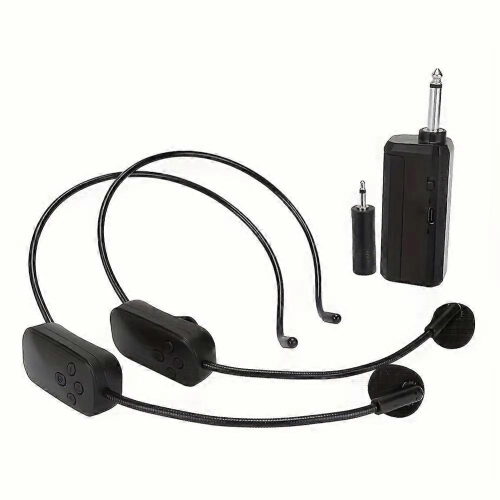
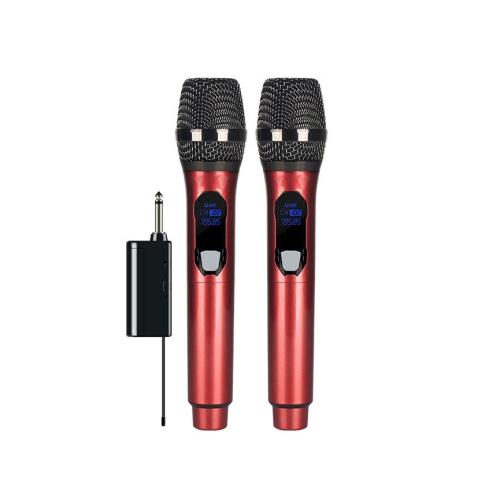
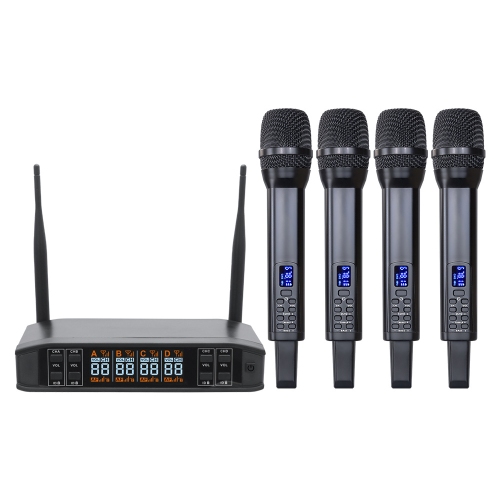

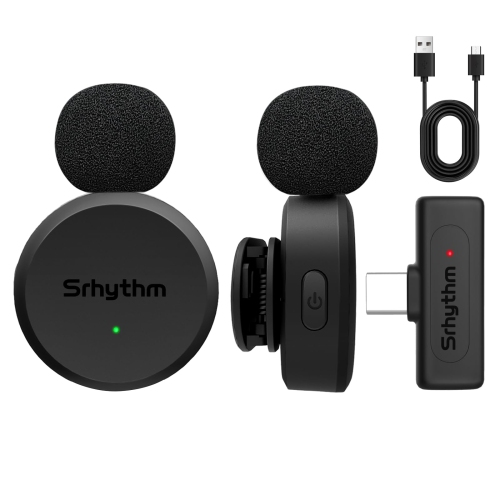

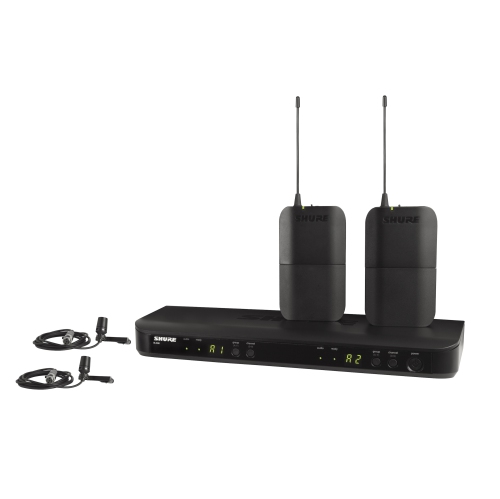
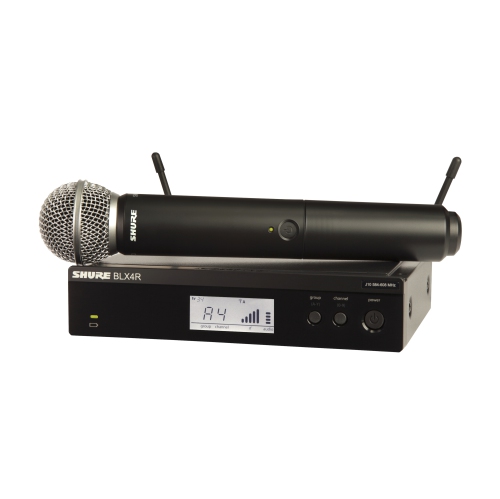
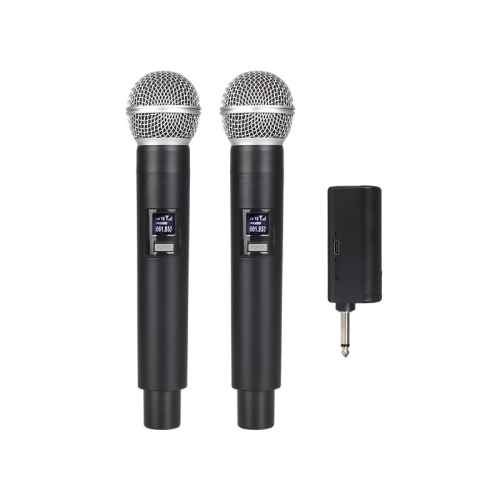
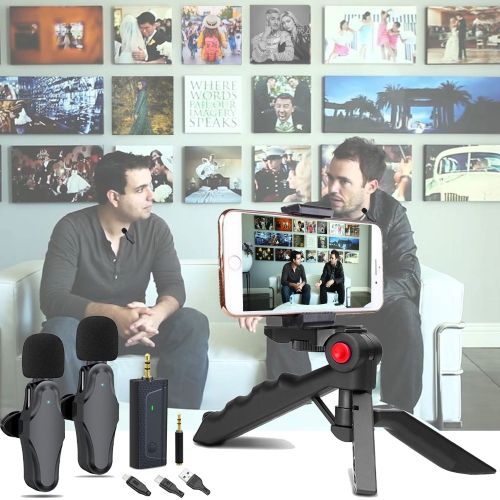
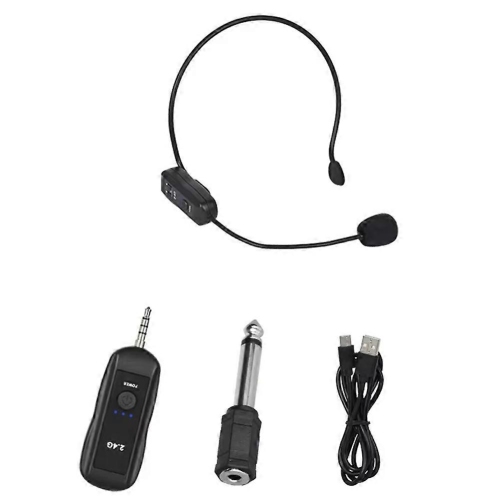
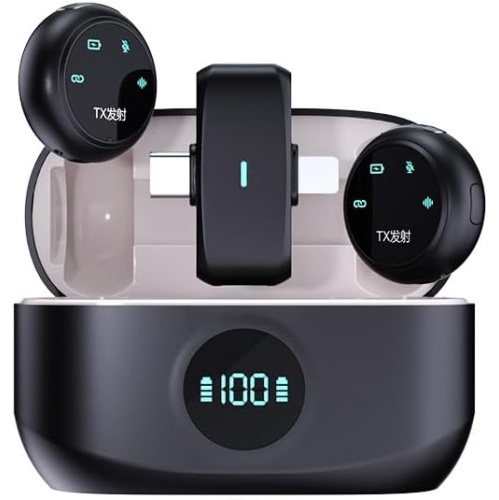


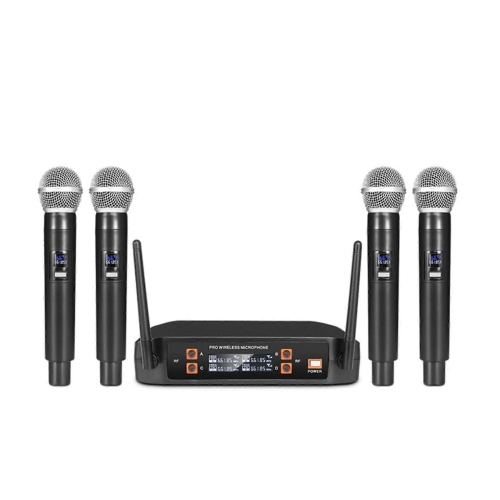
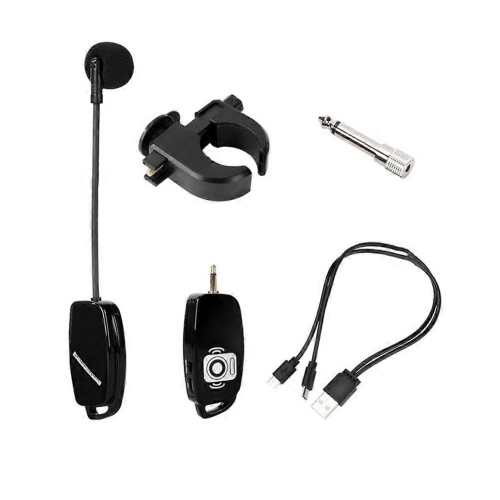
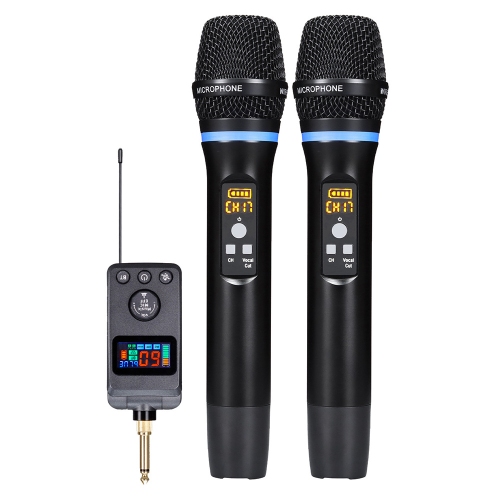
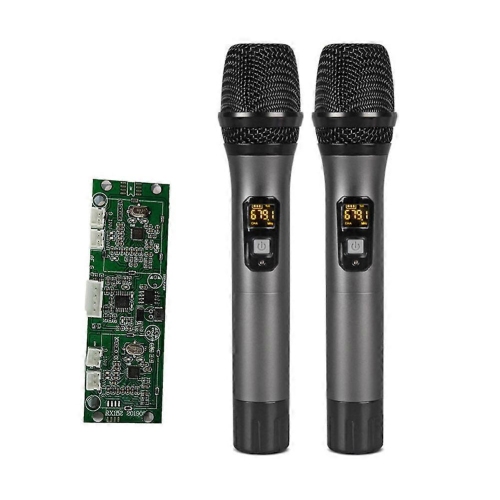

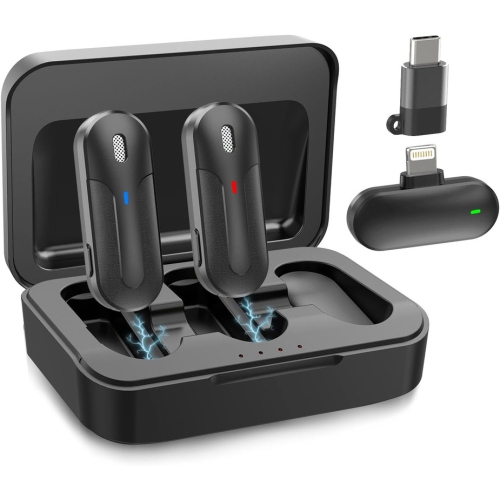
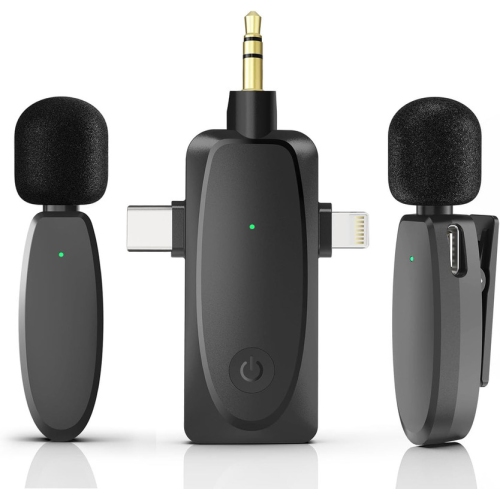
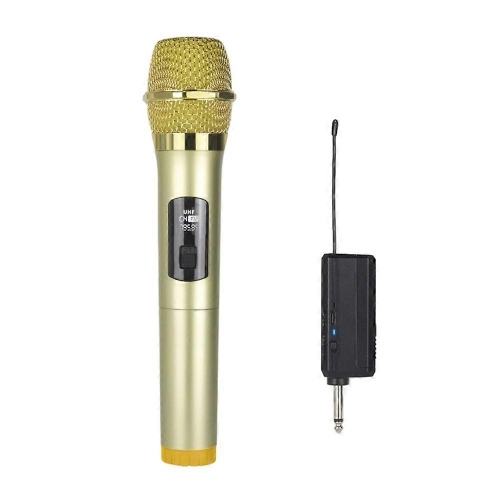
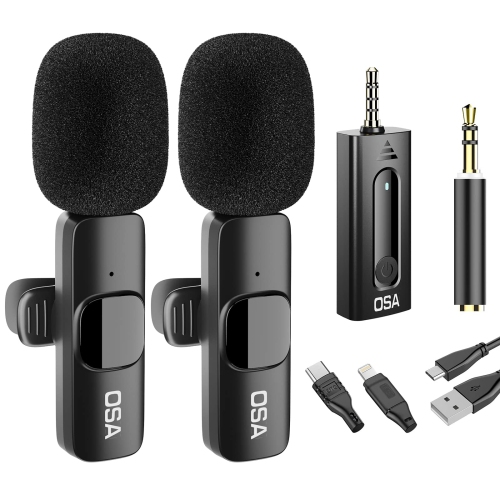
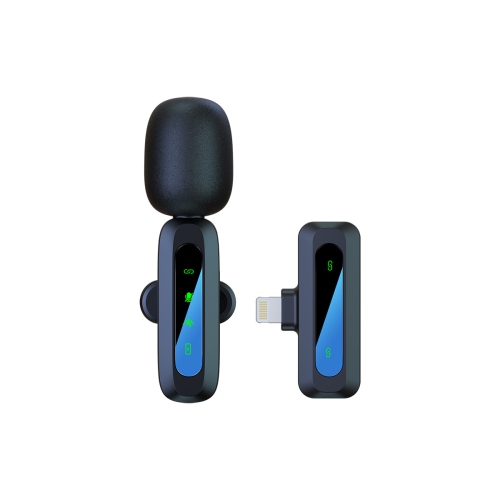
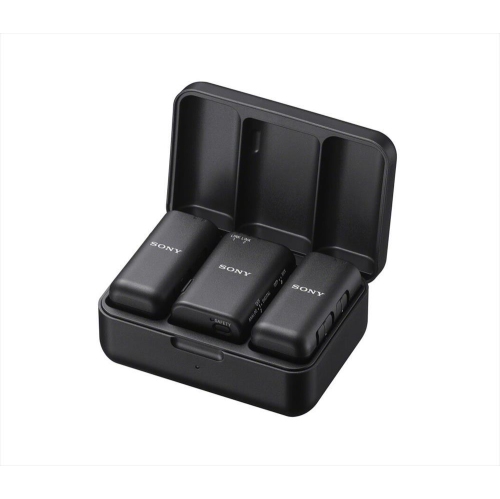
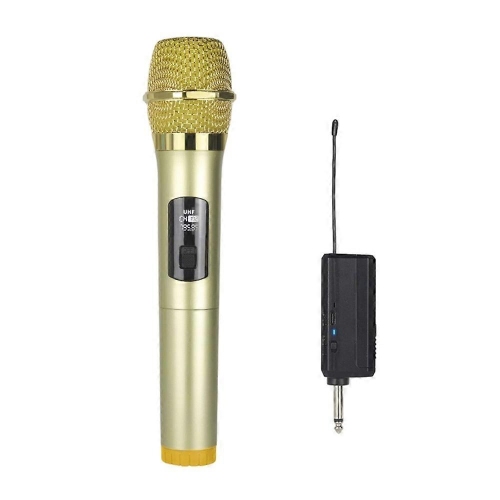
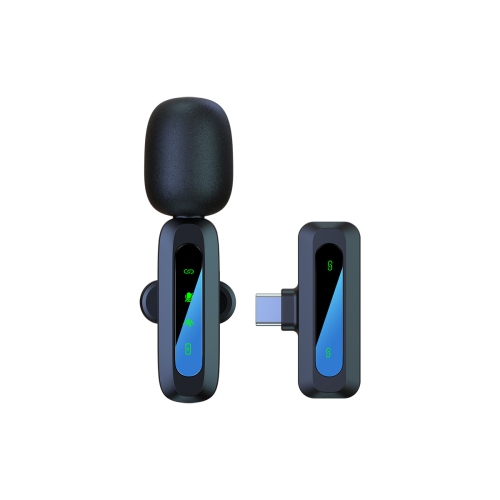



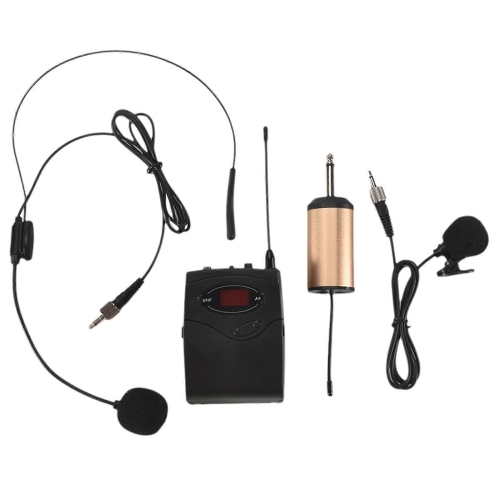

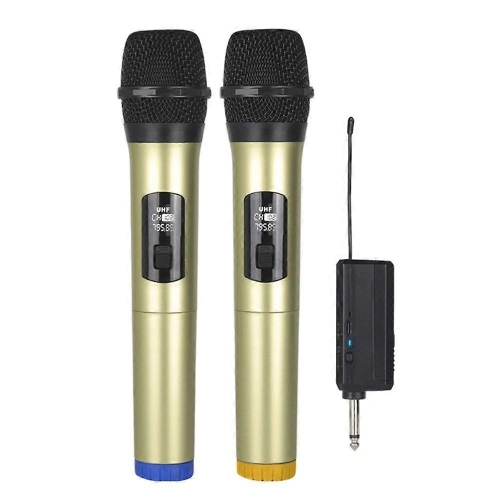
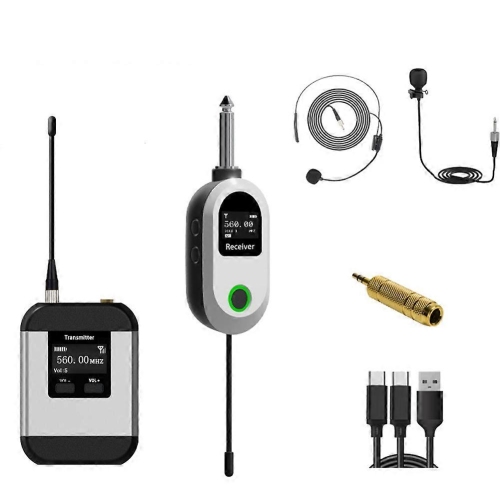
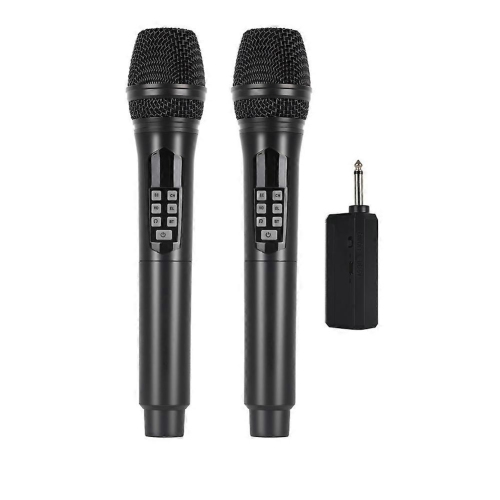

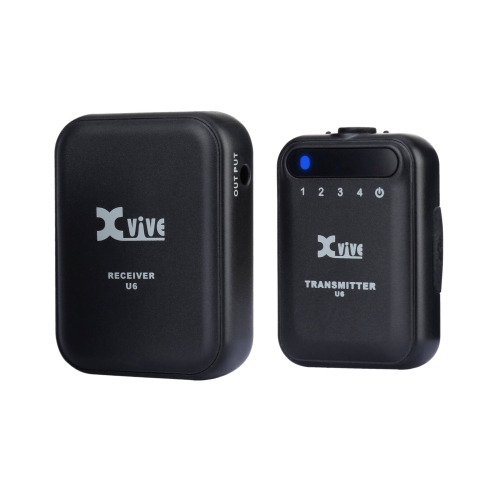
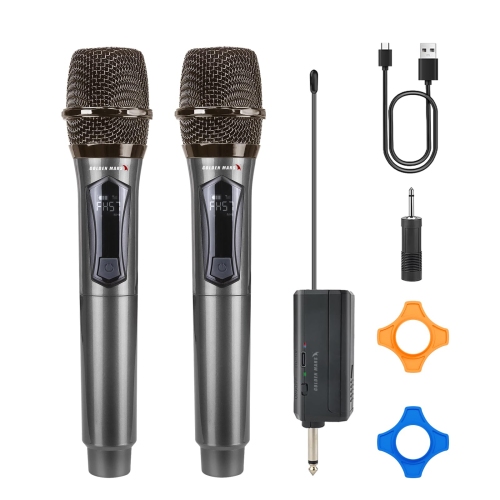
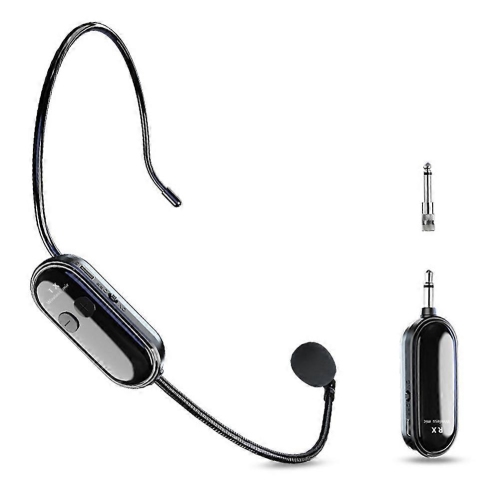
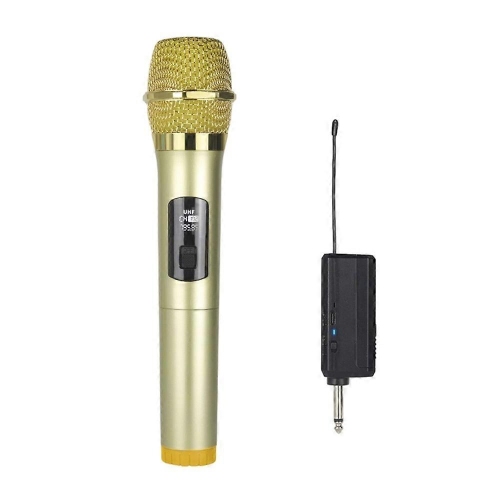
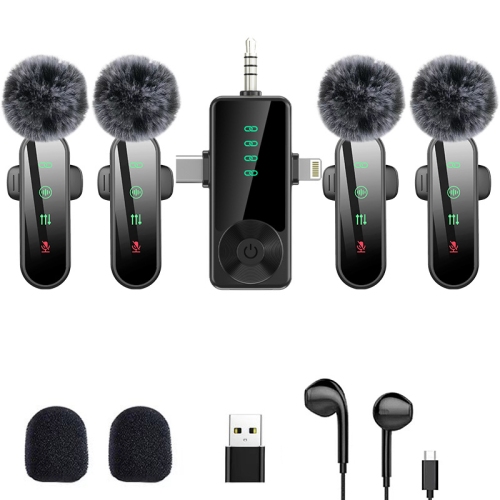
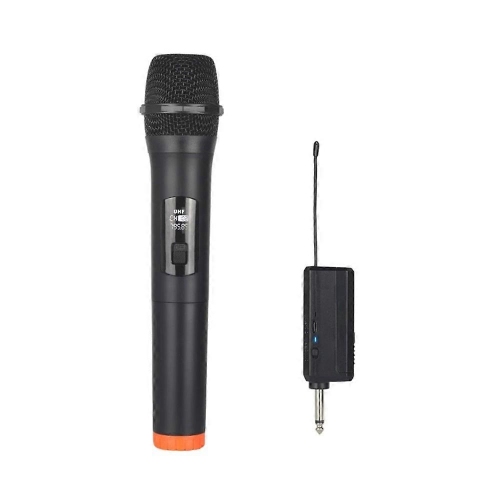
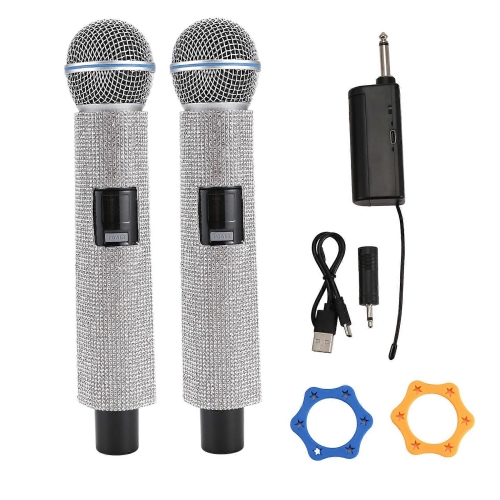
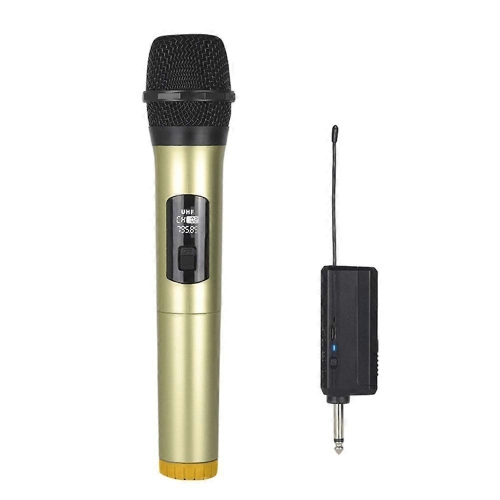
Reliable wireless sound for stages, classrooms, and productions
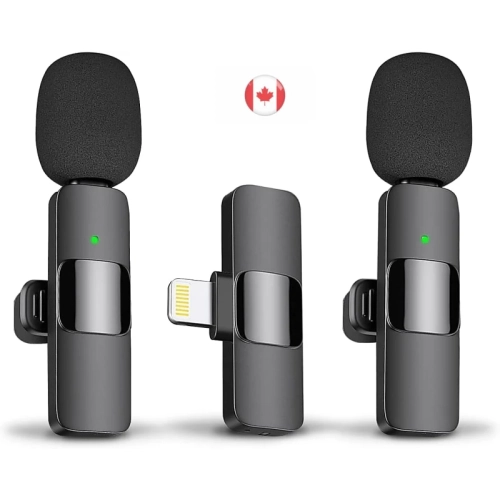
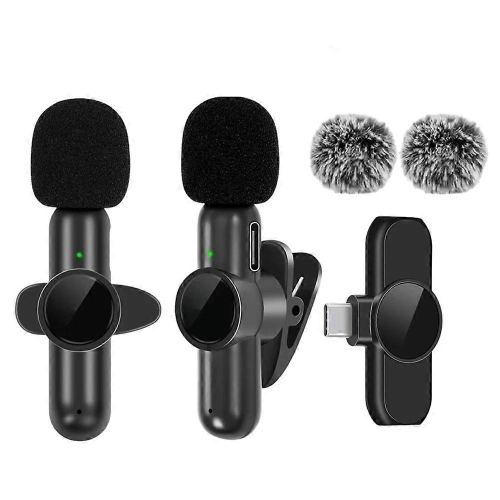
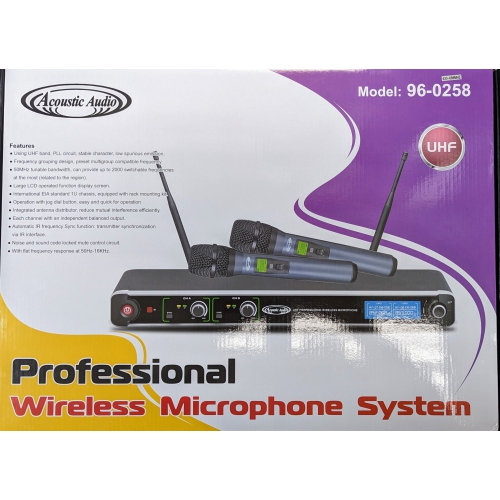
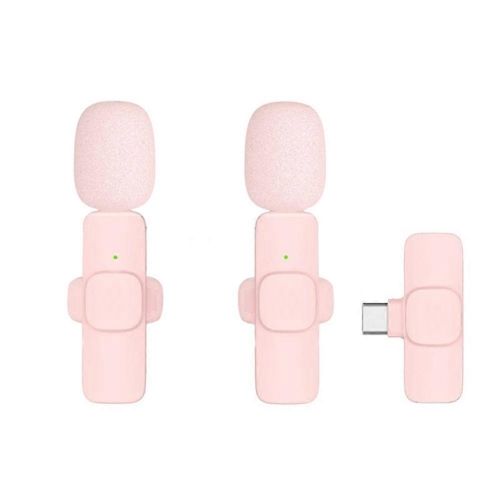
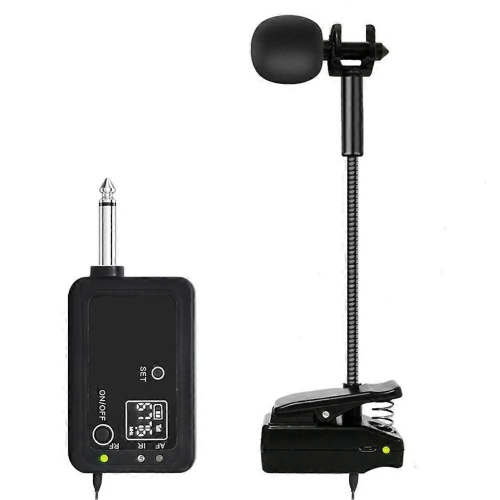
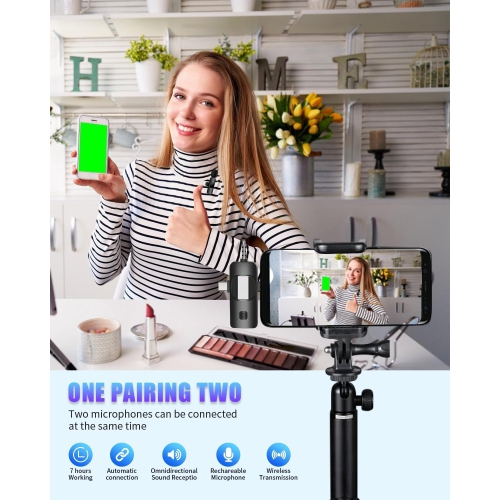
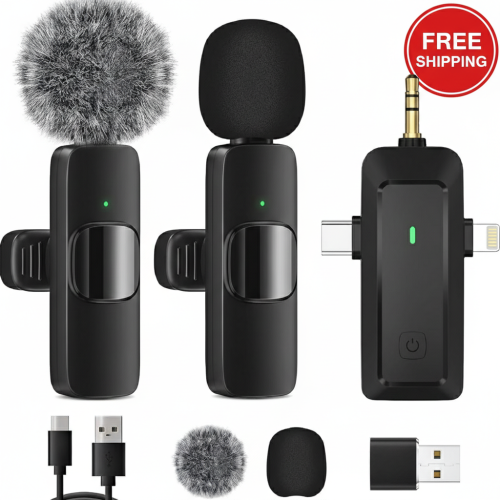
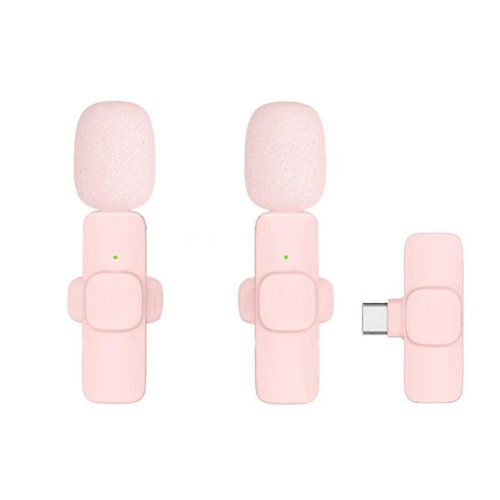
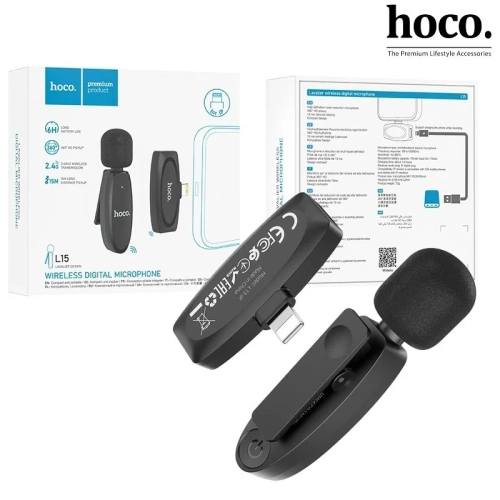
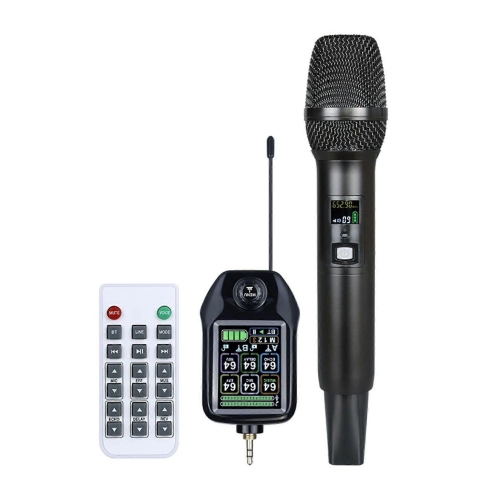
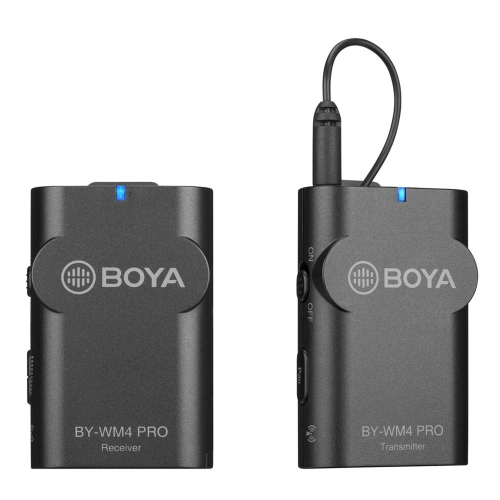
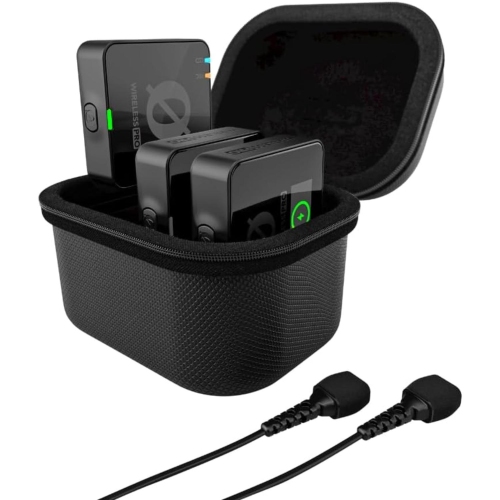
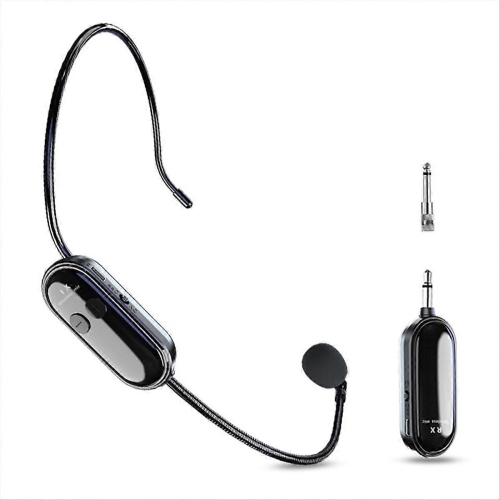
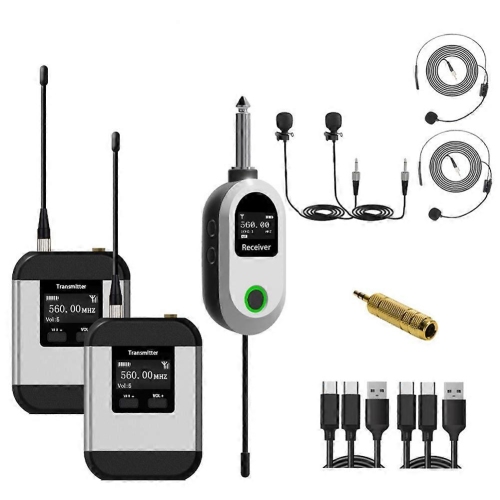
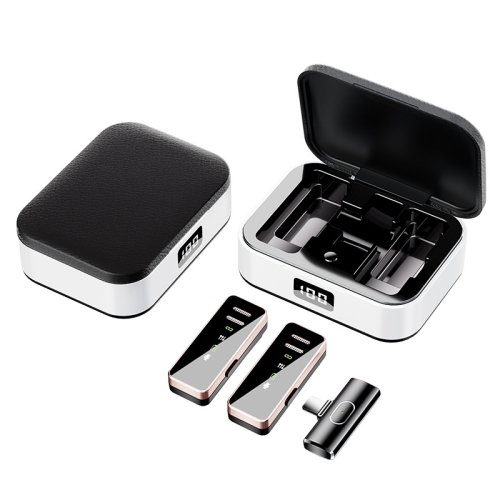
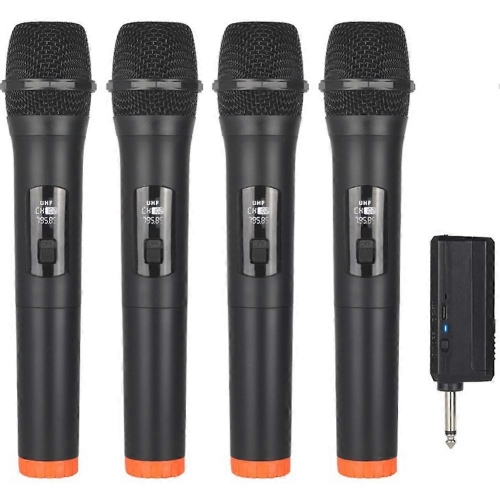
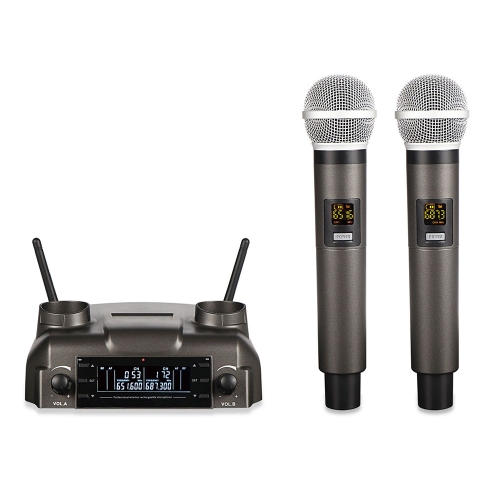
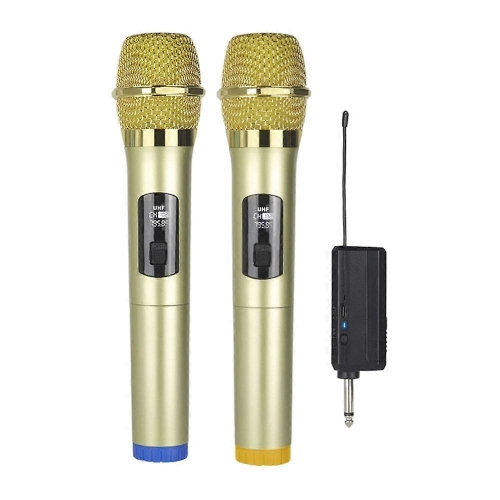
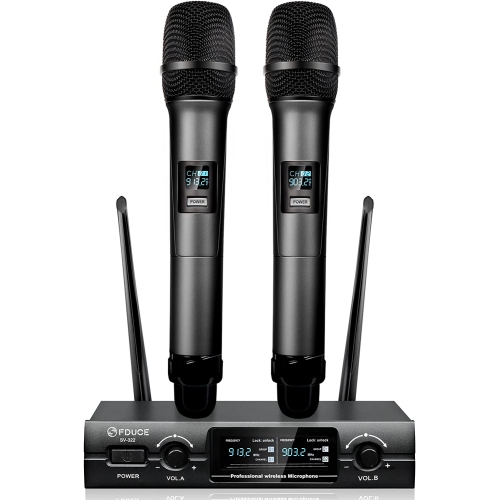
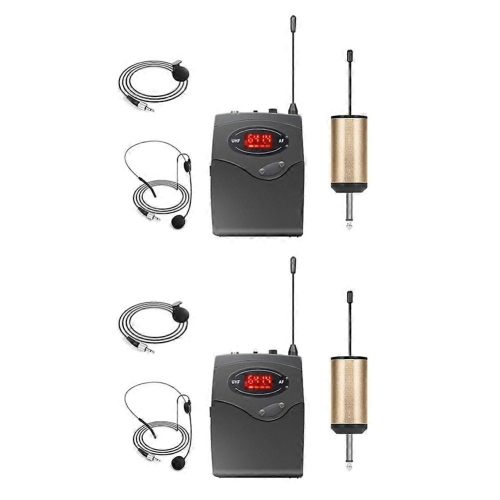
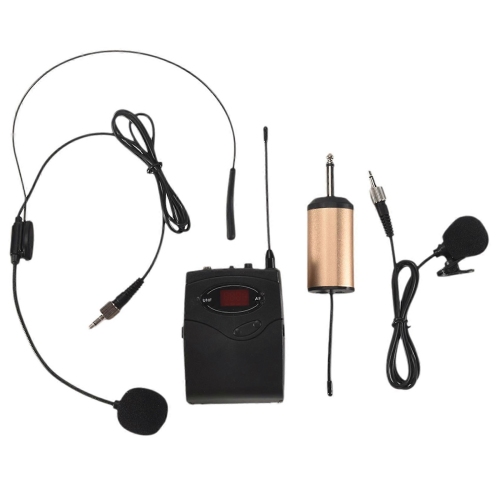
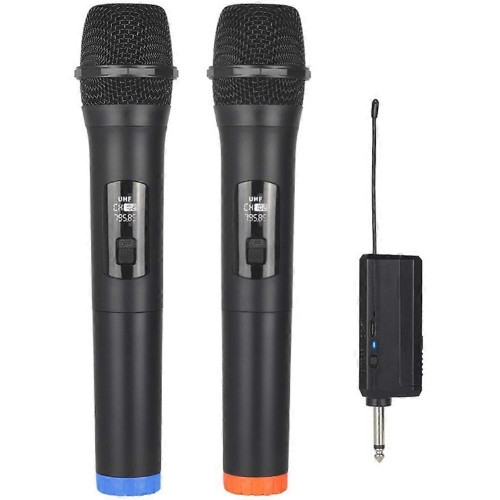
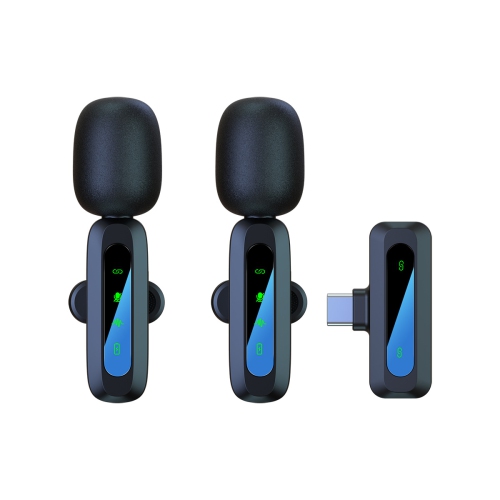
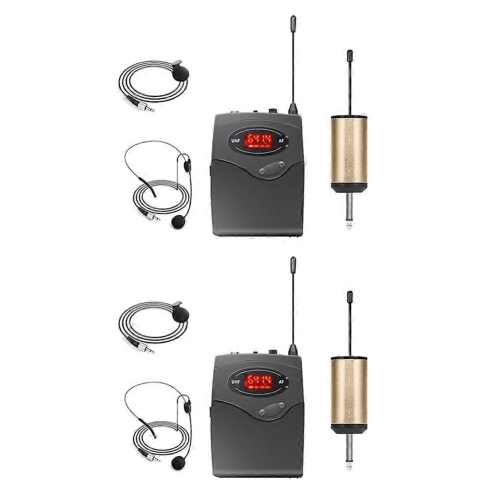
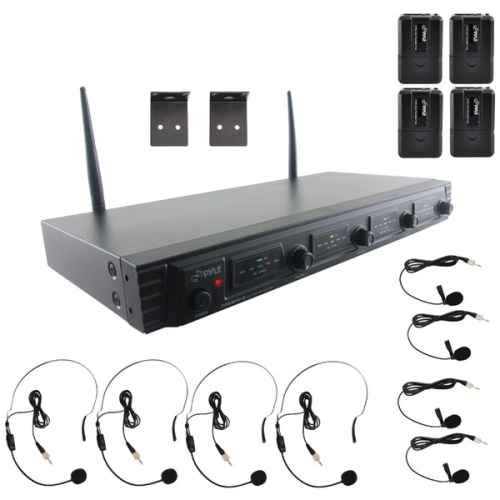
Professional wireless microphones give performers, presenters, instructors, and production teams the freedom to move naturally without cables crossing a stage or trailing across a set. They are designed for situations where clear speech, reliable vocal pickup, and a polished appearance matter, from live music and theatre to corporate presentations, worship services, school productions, weddings, and video shoots. A complete system generally includes a microphone or transmitter, a receiver, and the accessories needed to connect the receiver to a mixer, powered speaker, camera, or recording interface. Handheld transmitters are a familiar choice for singers, hosts, auctioneers, and public speakers because they are easy to pass between people and allow the user to control microphone distance. Bodypack systems work with a lavalier or headset microphone, leaving the hands free for demonstrations, instruments, presentations, or choreography. For a discreet setup, browse Wireless Lavalier Systems. When choosing professional wireless microphones, start by considering the setting, the number of people using the system, and the type of performance or production involved. A solo vocalist may need one dependable handheld system, while a theatre group, conference venue, or event company may require several coordinated channels that can operate together without unwanted noise or signal conflicts.
Sound quality and transmission technology are central to the buying decision. Digital wireless systems can deliver detailed audio with low noise and consistent clarity, while professional UHF systems remain popular for their dependable range and broad compatibility in live performance spaces. Specifications such as bit depth, frequency response, operating range, latency, and encryption can help indicate how a system will perform, but real-world setup matters just as much. A microphone that sounds excellent in a quiet room may require careful gain adjustment in a busy venue filled with lighting equipment, mobile devices, metal structures, and other wireless signals. Look for a receiver with clear status information, straightforward frequency coordination, and outputs suited to the equipment already in use. Diversity reception can help maintain a stable connection by reducing the chance of a brief drop-out as the performer moves around. Battery life is also important, particularly for long events where replacing batteries between sets is inconvenient. Rechargeable options can be useful for frequent users, while standard replaceable batteries may be preferable for touring teams or emergency backup kits. Consider how the system will be transported and stored as well. Rack-mountable receivers suit fixed installations and larger production setups, whereas compact receivers are easier to pack for mobile presentations, videography, and small venue work. Accessories such as spare batteries, microphone clips, windscreens, charging docks, carrying cases, antenna distribution equipment, and compatible cables can make the system easier to operate and help prevent interruptions when a performance or recording session is underway.
Professional wireless microphones can be a practical purchase for anyone who needs to speak or perform while keeping both hands and the surrounding space clear. A fitness instructor can demonstrate movements without standing beside a stationary microphone, while a teacher can move between desks and maintain a consistent voice level. At a wedding or community event, a handheld system can make speeches and announcements easier to hear from the back of the room. Videographers often choose lavalier microphones for interviews and headset microphones for presenters who need discreet, close-miked audio. Musicians may prefer a handheld transmitter matched to their vocal style, especially when they move across a stage or interact with an audience. These systems can also make thoughtful gifts for singers, public speakers, content creators, drama students, DJs, and family members who regularly host events. The best choice depends on the recipient’s equipment, experience, and preferred way of working, so check connector types and system compatibility before purchasing. For a shared venue, prioritise simple controls and repeatable setup; for a touring performer, focus on durability, battery access, range, and the ability to coordinate multiple systems. For recording, pay close attention to the receiver’s camera or interface connection, monitoring options, and whether the system supports onboard recording or backup audio. Before an important event, test the microphone at the same distance and volume expected during the performance, walk through the full coverage area, and keep a charged backup ready. With the right combination of microphone style, receiver features, frequency management, and accessories, a professional wireless microphone system can make voices sound confident and present while allowing the person behind the microphone to concentrate on the audience, the performance, or the story being told.
Top selling and popular products
-
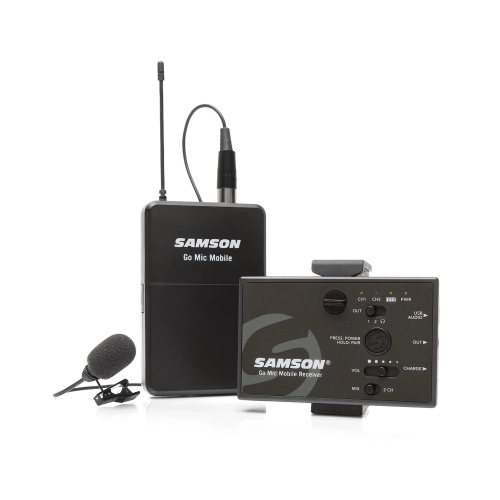 Your price for this item is $210.68
-
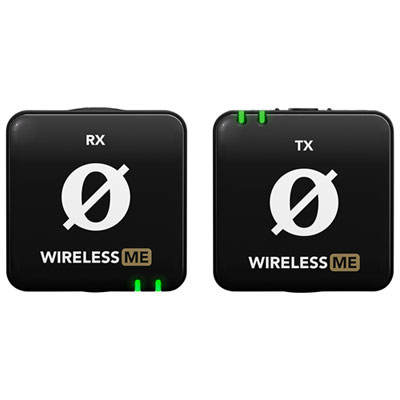 Your price for this item is $209.99
-
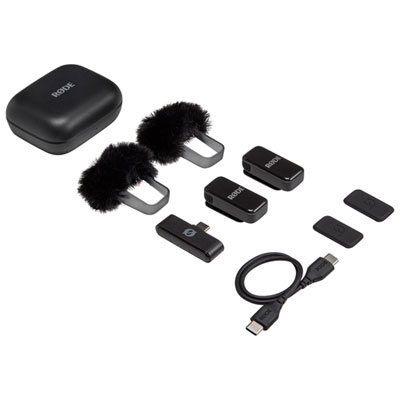 Your price for this item is $139.99
-
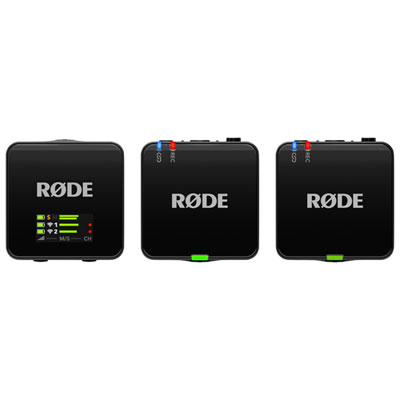 Your price for this item is $279.99
-
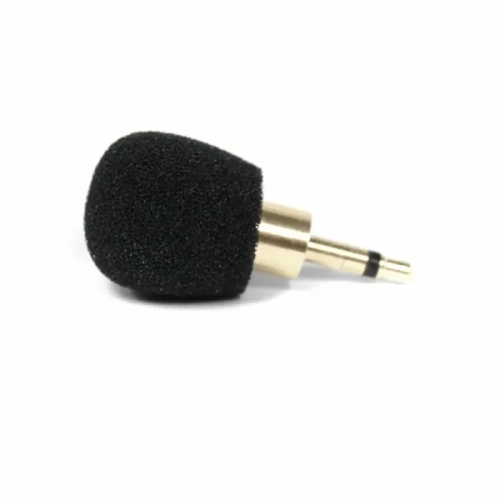 Your price for this item is $118.9
-
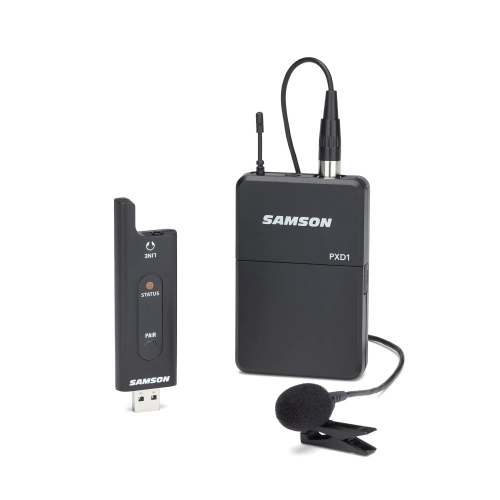 Your price for this item is $189.99
-
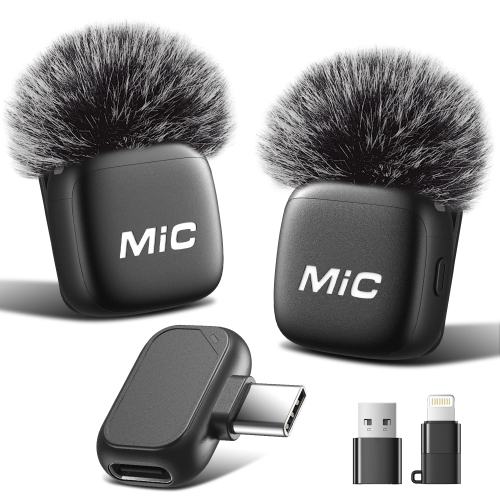 Your price for this item is $138.99
-
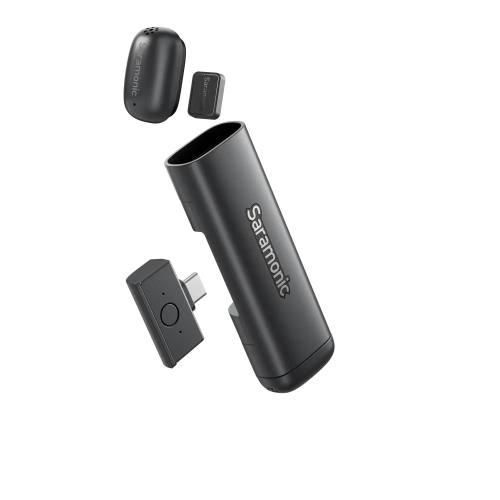 Your price for this item is $69.99
Discover more categories related to Professional Wireless Microphones

Top Collections:
Pokemon Centers, Kindle Devices, Best Budget Office Chairs, Canon G7X Cameras, Apple iPhones 16, Samsung Galaxy Phones, Refurbished Apple Laptops, Laptops for Students, iPhone 15 Apple, Budget Smartphones
Some products may be subject to Environmental Handling Fees
(EHF) depending on your province.
Learn more about EHFs.