Wireless Microphone Systems for Churches
Wireless Microphone Systems for Churches provide seamless audio solutions designed to enhance every service, sermon, and performance. These systems offer reliable sound transmission, helping speakers, singers, and musicians connect clearly with the congregation. Whether outfitting a small chapel or a large sanctuary, the right wireless microphone setup ensures your message is heard with clarity and professionalism. Explore a range of options tailored to meet the unique needs of your worship space and elevate every gathering with dependable audio technology.
Sort
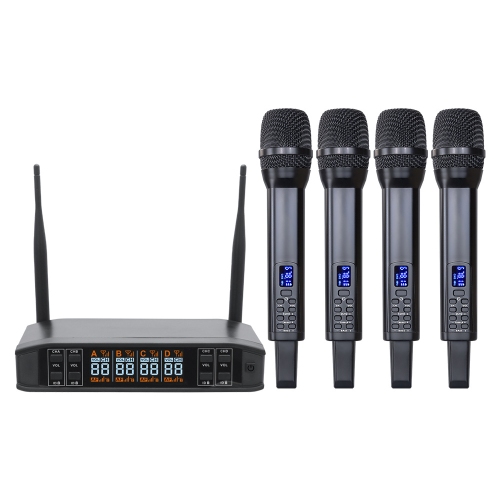
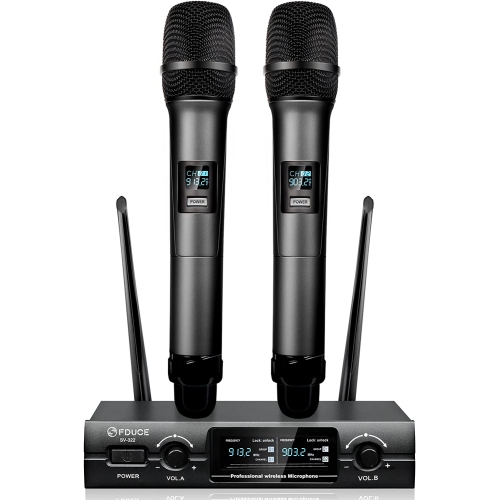
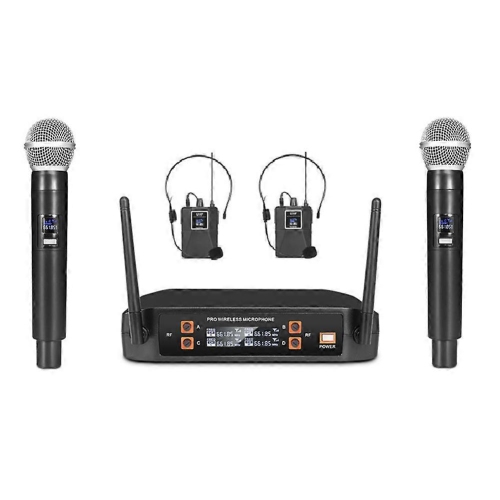
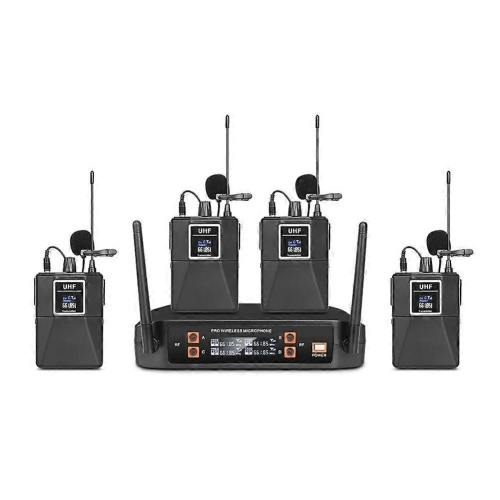


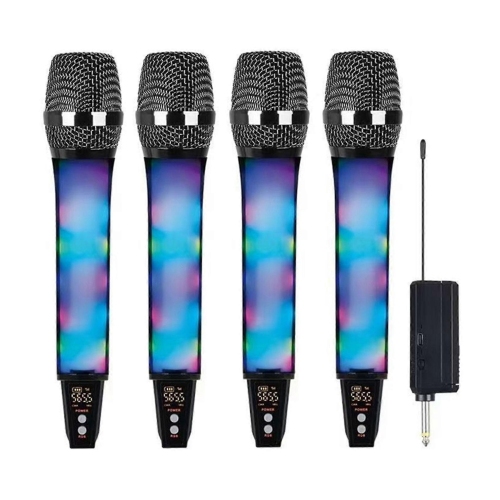
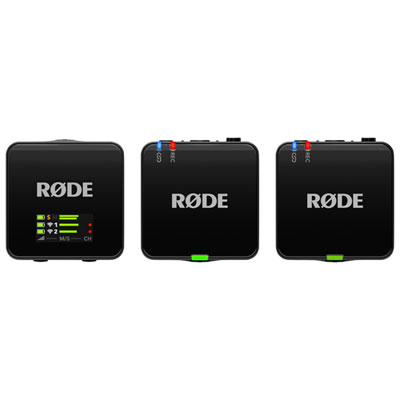

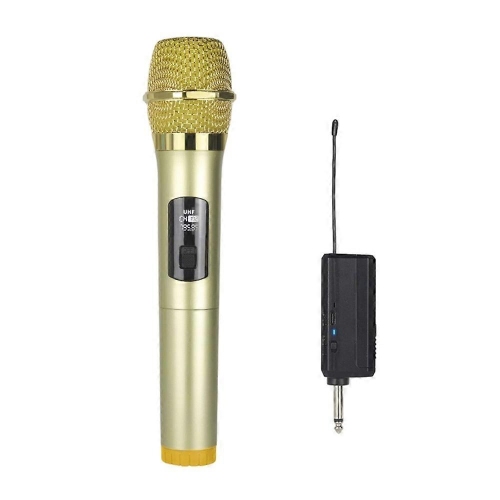

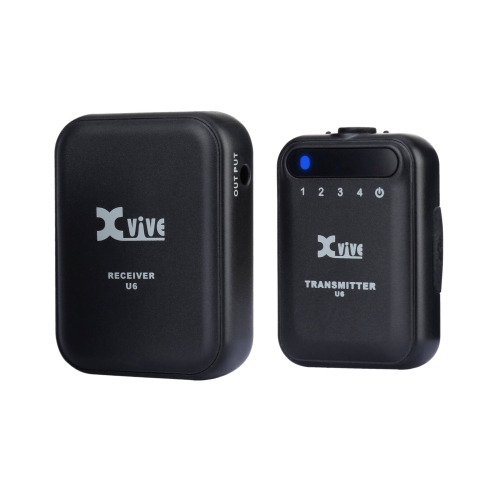
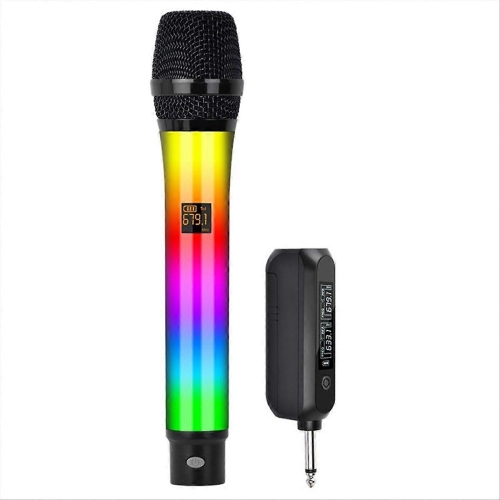
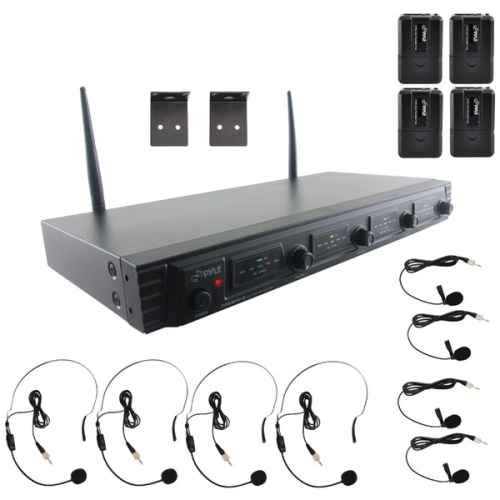
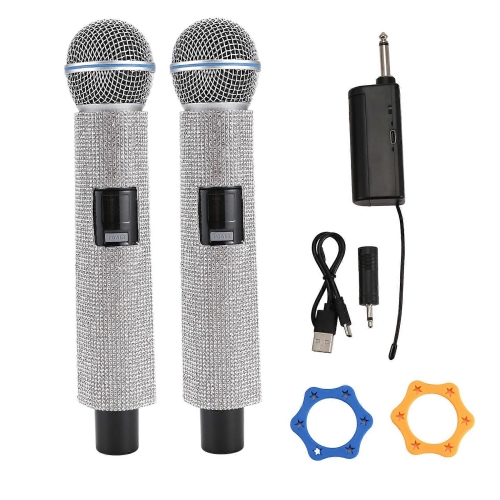

Clear speech with room to move during services
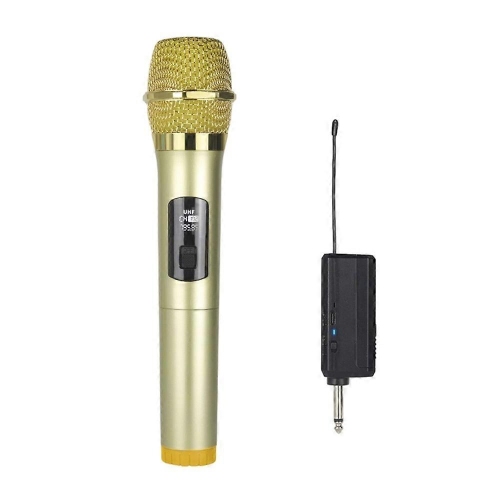
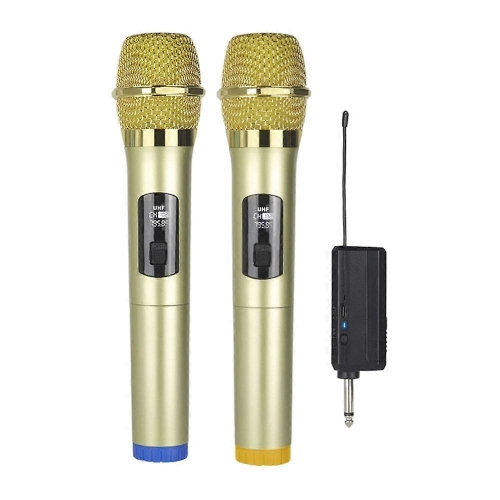
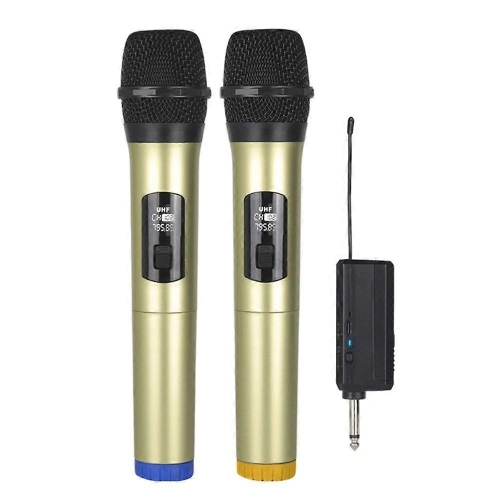
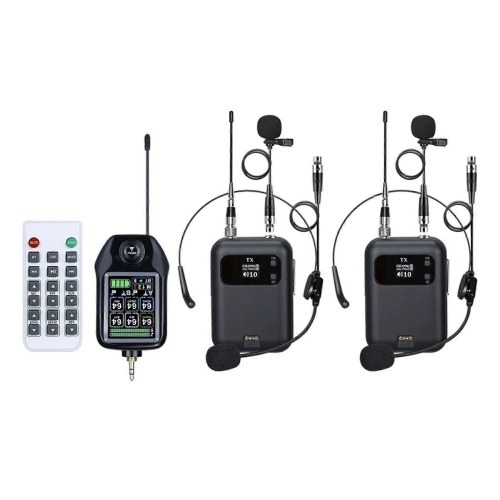
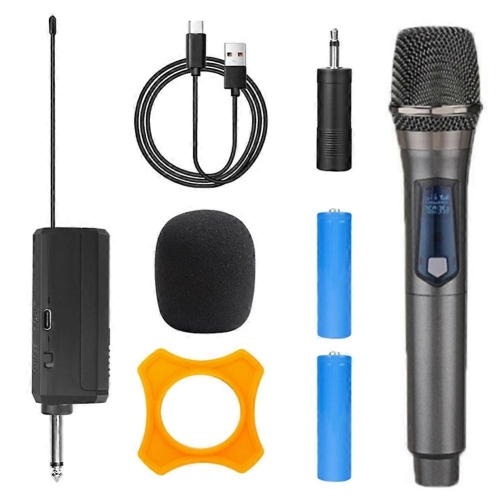
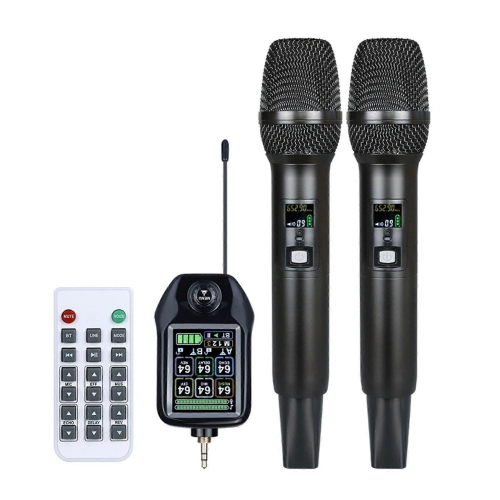
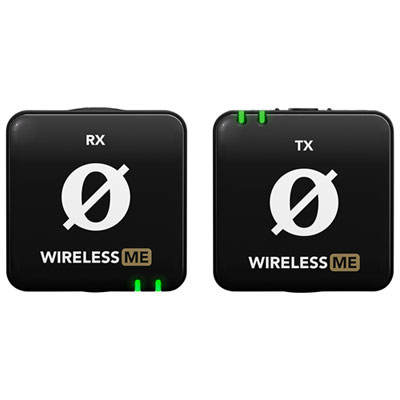
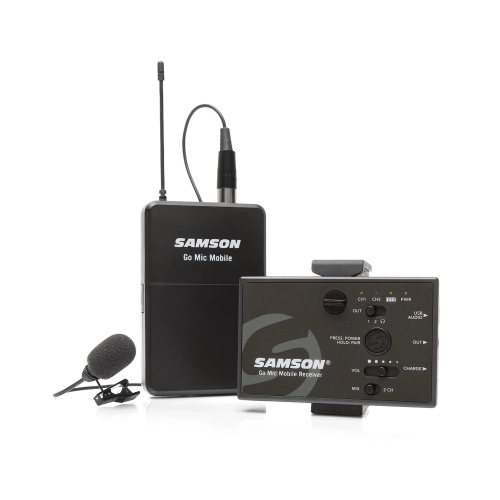
Wireless microphone systems for churches carry speech and singing from a microphone to a sound system without a cable tethering the person holding or wearing it. They support sermons, scripture readings, worship music, weddings, memorial services, and community gatherings, giving pastors, readers, and vocalists room to move while remaining audible to the congregation. A typical system includes a microphone, a transmitter, and a receiver that connects to a mixer or compatible powered speaker. Handheld wireless microphones usually contain the transmitter within the handle, while lavalier and headset microphones commonly connect to a bodypack worn at the waist or secured inside clothing. Each format suits a different role. A handheld microphone is practical for a visiting speaker, a soloist, or several readers taking turns at a lectern because it can be passed between people without adjusting clothing clips. A lavalier, also called a lapel microphone, offers a discreet appearance and leaves both hands free for holding a service book or making gestures. Its placement matters: a capsule clipped where a robe, necklace, or jacket brushes against it can pick up distracting rustling. A headset or earset keeps the capsule near the mouth as the wearer turns toward different sections of the congregation, helping maintain a more consistent speaking level. Fit is particularly important during longer services, with adjustable ear hooks, lightweight frames, and secure cables contributing to comfort. A single-ear design can feel unobtrusive, while a dual-ear frame may provide a steadier fit for an active speaker. For churches with several users, the ease of adjusting and cleaning a shared headset deserves as much attention as its appearance. The most suitable microphone style depends on how it will be used, rather than the size of the building alone. A small chapel with an animated preacher may benefit from a well-fitted headset, while a larger sanctuary with rotating guest readers may find handheld microphones simpler to manage. Clear mute indicators and accessible controls also help unfamiliar users feel comfortable before they begin speaking.
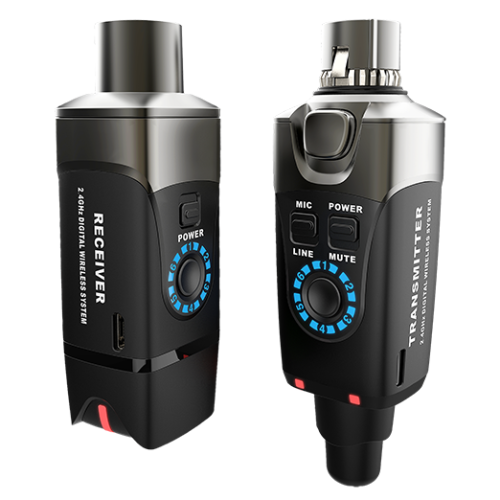
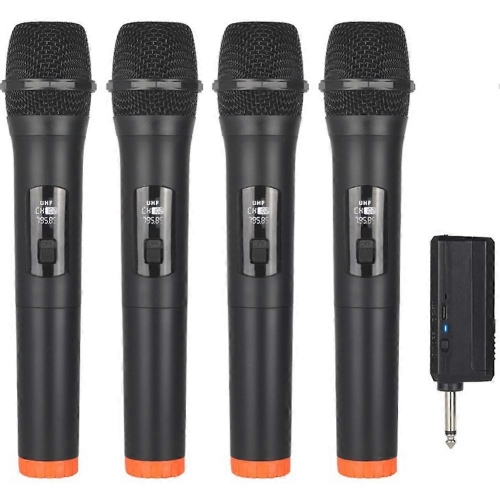
The number of people who need to speak or sing at the same time determines the required channel count. A pastor, two vocalists, and a reader using separate microphones simultaneously generally need four compatible receiver channels, with each transmitter operating on its own coordinated frequency or supported wireless channel. A dual-channel receiver can serve two compatible transmitters, but the number of included microphones and the supported operating combinations depend on the system. For churches planning to expand, compatibility involves more than matching a manufacturer name: transmitters and receivers must support the same system family, frequency band, and transmission format. UHF and 2.4 GHz systems have different practical considerations. UHF systems can offer flexible frequency selection, but usable frequencies vary by location and must comply with Canadian spectrum requirements. Systems operating in the 2.4 GHz band share that space with Wi-Fi and other devices, making local wireless traffic an important consideration. Neither a digital label nor a long advertised range guarantees an uninterrupted connection in every sanctuary. Stone walls, metal structures, crowded seating, and a receiver tucked inside a cabinet can affect reception. Published range figures often reflect favourable conditions rather than a route from the front platform to a distant foyer. Receiver placement with a clear path to the transmitters, correctly positioned antennas, and compatible antenna accessories can improve reliability. Depending on the system, diversity reception can help reduce dropouts, while frequency scanning and transmitter synchronization can simplify setup for volunteer sound teams. Churches comparing Professional Wireless Microphones may find features such as readable receiver displays, adjustable output levels, and battery status monitoring especially useful during services with several participants. Connections deserve equal attention: balanced XLR outputs commonly suit church mixing consoles, while other output types may require suitable cables or adapters. Separate outputs for each microphone give the sound operator individual control over voices. A combined output may suit a simpler setup, but offers less flexibility when one singer needs a different level from another.
Sound quality in a church depends on microphone placement, room acoustics, loudspeaker position, and mixer settings as well as the wireless system itself. Hard floors, tall ceilings, and bare walls can leave words lingering in the room, so capturing a clear voice close to its source is often more helpful than simply increasing the volume. Directional handheld microphones can limit pickup from certain directions when held and aimed correctly, although the pickup pattern varies by capsule. Keeping a handheld microphone at a steady distance from the mouth helps avoid sudden level changes; cupping the grille can alter its response and increase feedback risk. A headset’s close placement can provide more usable level before feedback than a more distant lapel microphone in some setups, but no wireless format eliminates feedback on its own. Keeping microphones away from loudspeakers and stage monitors, muting unused channels, and setting levels during a sound check all support clearer reinforcement. For services streamed or captured for later listening, receiver audio normally feeds a mixer or audio interface rather than connecting directly to a camera or computer without checking compatibility. Everyday handling also shapes long-term usefulness. Metal housings and sturdy grilles can stand up well to regular use, while lightweight bodypacks may be more comfortable beneath vestments; construction, weight, and secure battery doors all deserve consideration. Replaceable windscreens, clothing clips, and detachable microphone cables can make routine upkeep easier where the design supports them. Cleaning should follow the manufacturer’s directions, with care taken to keep moisture away from capsules, connectors, and transmitter electronics. Cables last longer when loosely coiled rather than sharply bent around a bodypack, and padded storage helps protect microphones between gatherings. Battery runtime needs to cover rehearsals and the full service, not just the sermon. Charged compatible batteries, clearly labelled transmitters, and an accessible backup microphone help volunteers handle transitions calmly. Together, comfortable fit, dependable reception, appropriate channel capacity, and straightforward controls make wireless church microphones useful tools for keeping attention on the words and music.
Top selling and popular products
-
 Your price for this item is $303.46
-
 Your price for this item is $219.99
-
 Your price for this item is $114.99
-
 Your price for this item is $399.99
-
 Your price for this item is $542.64
-
 Your price for this item is $109.99
-
 Your price for this item is $249
-
 Your price for this item is $31.47
Discover more categories related to Wireless Microphone Systems for Churches

Top Collections:
Pokemon Centers, Kindle Devices, Best Budget Office Chairs, Canon G7X Cameras, Apple iPhones 16, Samsung Galaxy Phones, Refurbished Apple Laptops, Laptops for Students, iPhone 15 Apple, Budget Smartphones
Some products may be subject to Environmental Handling Fees
(EHF) depending on your province.
Learn more about EHFs.