Rhythm Instruments
Looking to add a little rhythm and melody to your life? Look no further than our collection of rhythm instruments. Whether you're a seasoned musician or just starting out, these instruments are sure to bring out your inner beatmaker. Explore the world of rhythm with our range of instruments that are perfect for solo performances, jam sessions, or even joining a band.
Sort
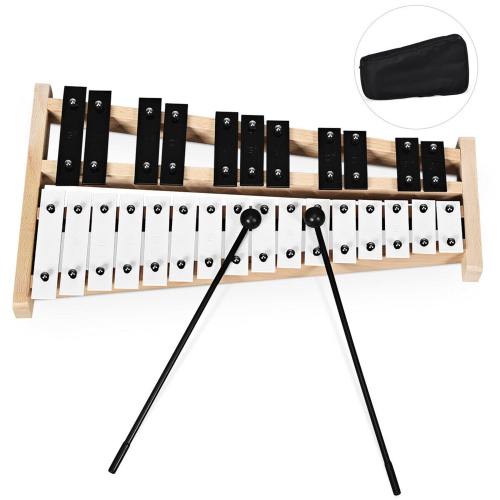
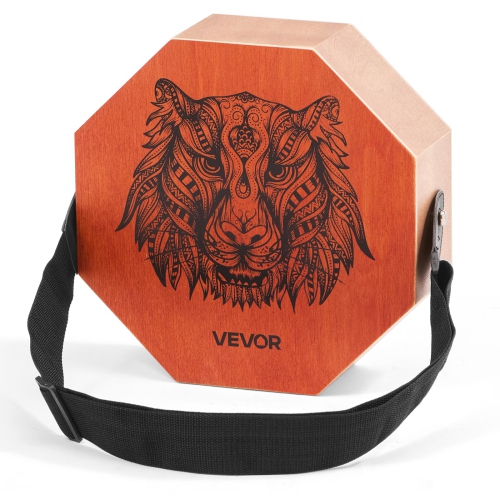
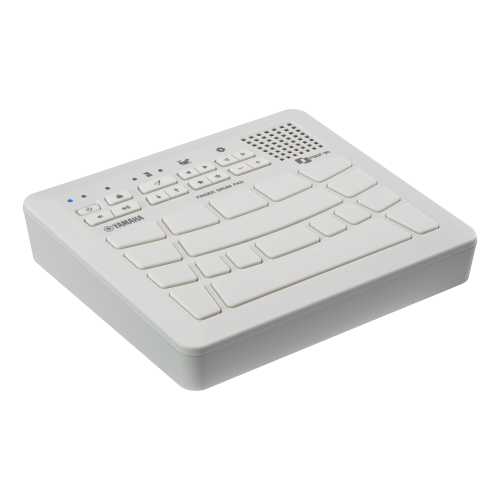
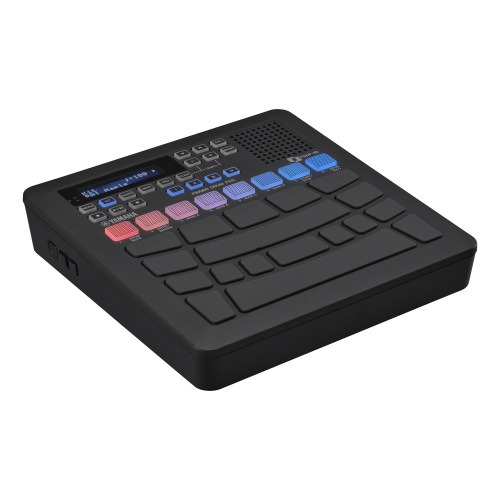



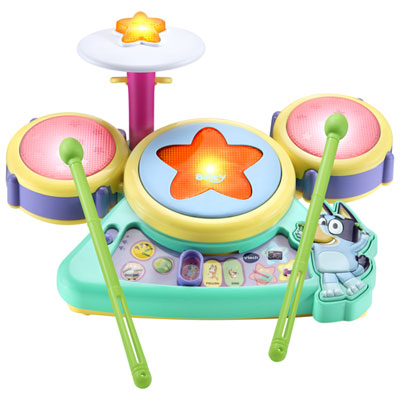
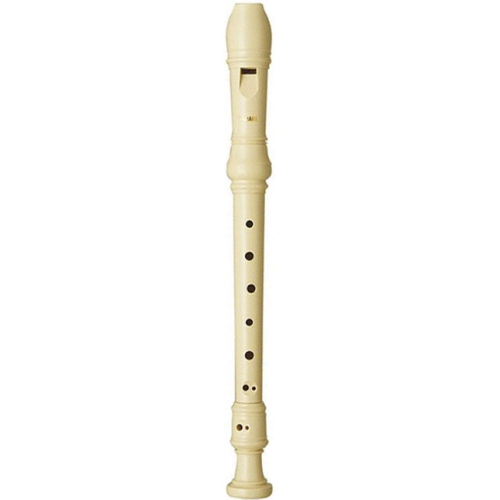
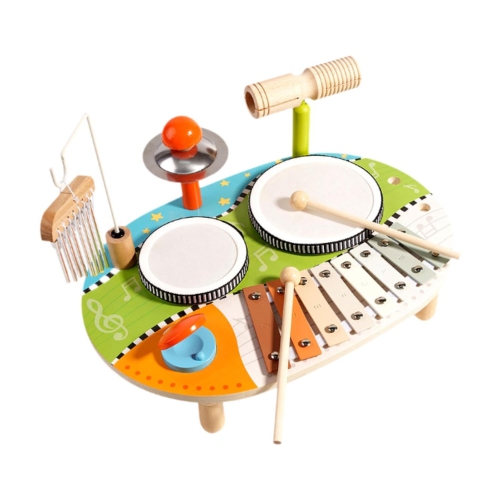
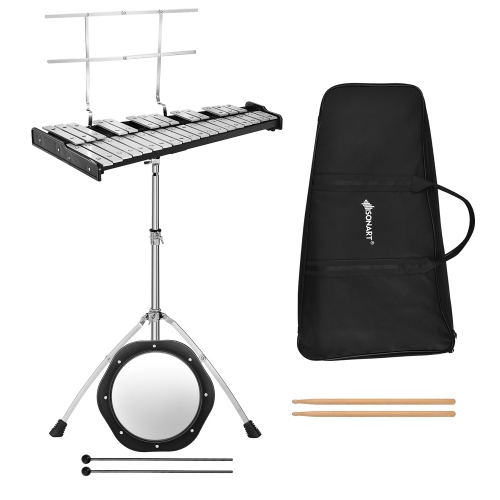
Beats, textures, and expressive sounds for every player
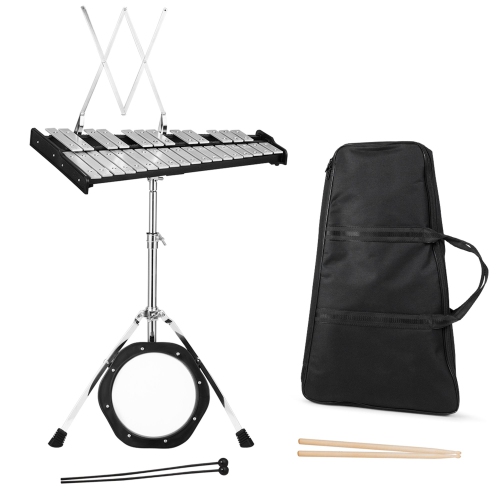
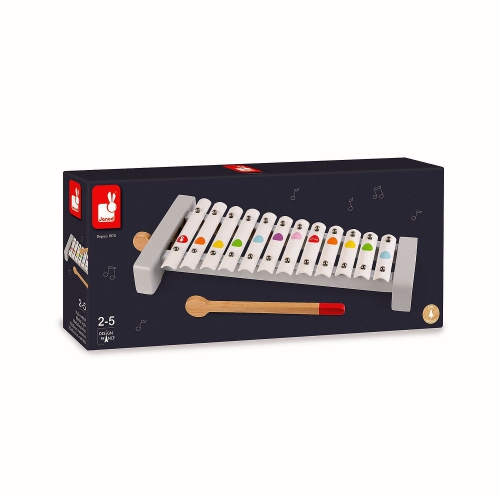
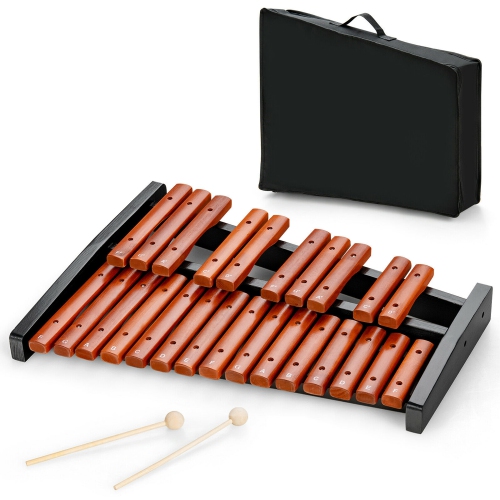
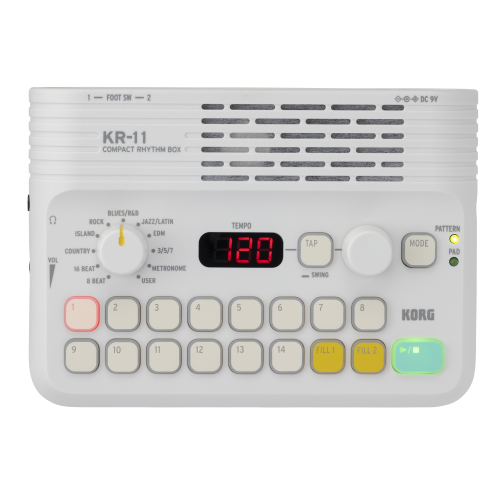
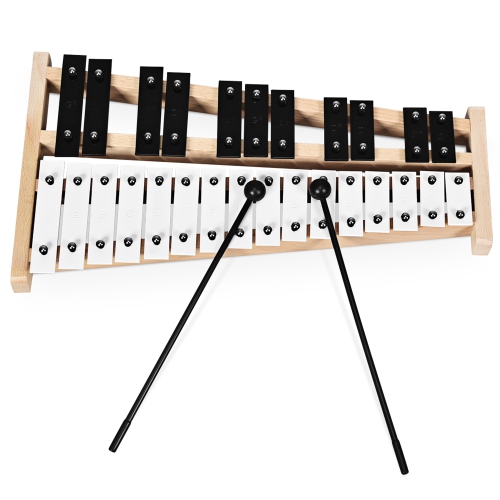
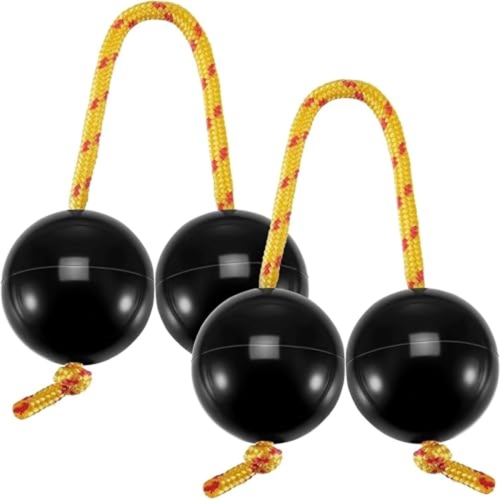
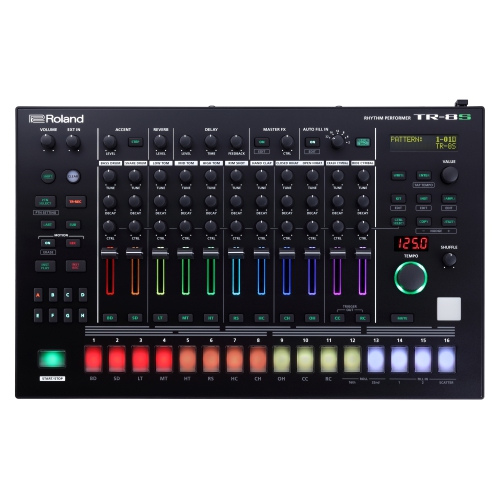
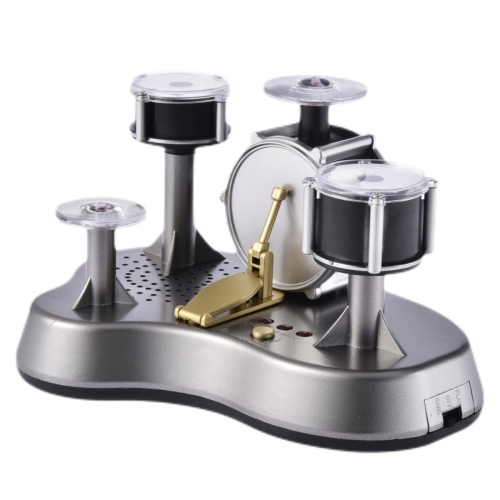
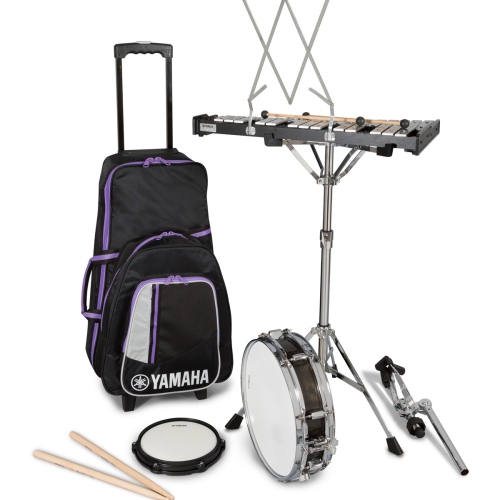
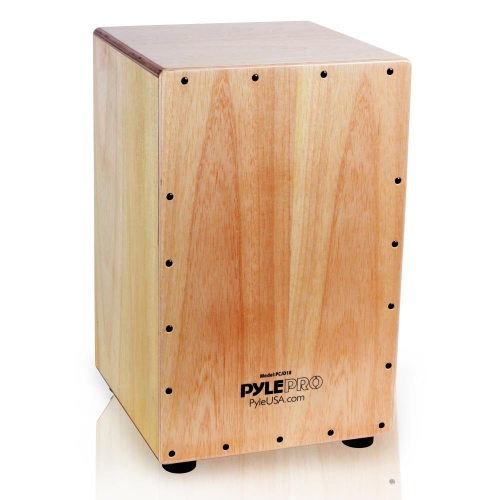
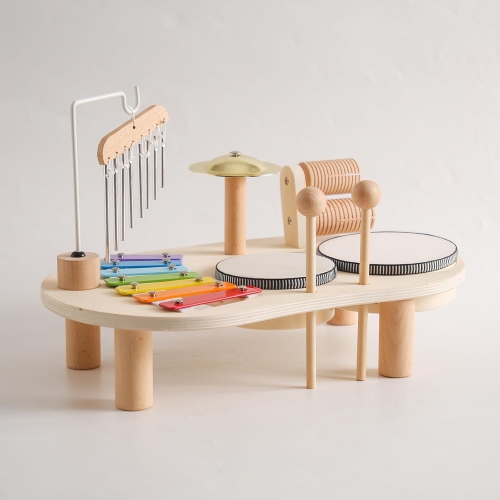
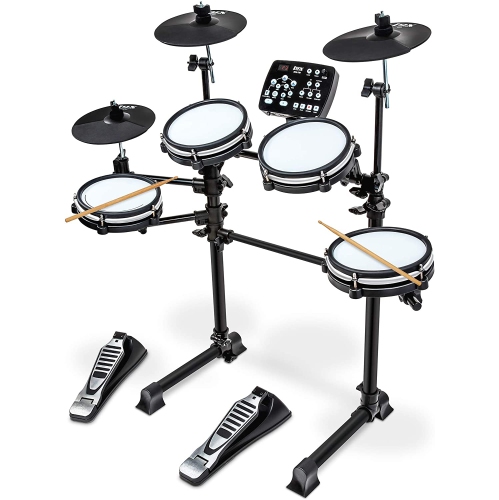
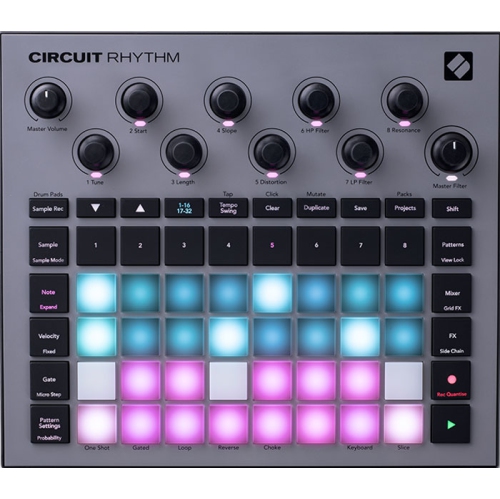
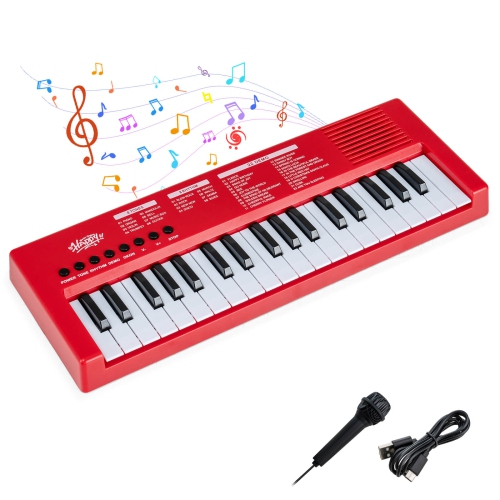
Rhythm instruments are percussion tools that create the beat, pulse, accents, and groove that help hold music together. Unlike melodic instruments, which are designed to play a sequence of distinct notes, rhythm instruments are often used to establish timing, add texture, emphasize changes, and encourage movement. This broad category includes drums such as snare drums, bass drums, bongos, and congas, along with handheld instruments including shakers, maracas, egg shakers, tambourines, castanets, and jingle sticks. It also includes woodblocks, claves, triangles, cymbals, guiros, sand blocks, and compact electronic rhythm boxes. Each type produces a different character: a drum can provide a deep, steady foundation; a shaker can add a soft, continuous pulse; claves and woodblocks create crisp, clicking patterns; while a triangle or cymbal can bring a bright accent that cuts through an ensemble. For a broader selection of drums, hand percussion, classroom instruments, and related accessories, explore Percussion Instruments. These instruments are used in school music rooms, community ensembles, marching groups, studios, worship settings, dance classes, cultural performances, and informal jam sessions at home. They can also be useful for songwriters and producers who want to build a groove from the hands-on feel of a real performance. A simple shaker pattern may be all that is needed to make an acoustic recording feel more lively, while a frame drum, bongo, or conga can add a warm, expressive rhythm beneath guitars, keyboards, or voices. Because many rhythm instruments are intuitive to play, they can be welcoming for beginners while still offering experienced musicians plenty of room to develop timing, dynamics, coordination, and personal style.
When choosing rhythm instruments, consider the sound you want, the player’s experience level, the available space, and how the instrument will be used. Handheld shakers and small blocks are easy to store and carry, making them convenient for lessons, travel, family music-making, and casual performances. Drums and larger hand percussion provide more projection and physical expression, but they may need a stable playing area and careful attention to volume. For a young learner, an instrument with a comfortable size, a manageable weight, and a clear response can make early practice feel rewarding rather than frustrating. Adults may prefer a more substantial drum, a collection of complementary percussion pieces, or an electronic rhythm unit that offers a variety of built-in patterns for practice and composition. Sound is also an important consideration: wood produces a dry, natural click; metal creates ringing, bright tones; stretched drum heads offer a range of low and high sounds depending on where and how they are struck; and filled shakers produce different textures based on their shape, size, and contents. Look for comfortable grips, secure construction, smooth edges, and surfaces that can withstand regular handling, especially when instruments will be shared in classrooms or group activities. A compact set of varied rhythm instruments can be a practical choice when several people want to play together, allowing one person to keep a steady pulse while others add accents, fills, or repeated patterns. In a home setting, soft-touch playing techniques, lighter instruments, and considerate practice times can help keep music enjoyable for everyone nearby. Electronic rhythm boxes may suit musicians who want adjustable tempo controls, selectable beat patterns, headphones, or a compact setup, while traditional acoustic instruments are often chosen for their tactile response and the natural variation that comes from each strike, shake, scrape, or tap.
Rhythm instruments can make thoughtful gifts for children exploring music, adults returning to a creative hobby, performers expanding an existing setup, and families looking for an activity they can enjoy together during the cooler months or as the weather warms. They are especially useful for introducing children to musical ideas without requiring them to read notation before they begin. Clapping along with a drum, repeating a shaker pattern, or taking turns with a triangle can help develop listening skills, concentration, fine motor control, and a sense of steady timing. Teachers and group leaders may use them for call-and-response exercises, movement activities, cultural music lessons, and ensemble work in which every participant has a clear role. At home, rhythm instruments can turn an ordinary singalong into a shared performance: one person keeps the beat, another adds a gentle rattle, and someone else marks the end of each phrase with a bright accent. More experienced players can use them to study syncopation, practise subdivisions, layer grooves, or experiment with the relationship between silence and sound. A tambourine may be shaken lightly for a subtle shimmer or struck firmly for a pronounced backbeat; a guiro can create a rasping texture by scraping its ridges at different speeds; and castanets can produce quick, articulate clicks when played with controlled finger movements. The best choice depends on whether the priority is portability, volume, versatility, traditional acoustic character, or digital convenience. With the right instrument, practice can become a physical and memorable experience, from the satisfying low thump of a drum in a rehearsal space to the small, precise click of claves in a living room. Rhythm instruments invite participation at nearly any skill level and can bring structure, energy, and connection to lessons, performances, creative projects, and everyday music-making.
When choosing rhythm instruments, consider the sound you want, the player’s experience level, the available space, and how the instrument will be used. Handheld shakers and small blocks are easy to store and carry, making them convenient for lessons, travel, family music-making, and casual performances. Drums and larger hand percussion provide more projection and physical expression, but they may need a stable playing area and careful attention to volume. For a young learner, an instrument with a comfortable size, a manageable weight, and a clear response can make early practice feel rewarding rather than frustrating. Adults may prefer a more substantial drum, a collection of complementary percussion pieces, or an electronic rhythm unit that offers a variety of built-in patterns for practice and composition. Sound is also an important consideration: wood produces a dry, natural click; metal creates ringing, bright tones; stretched drum heads offer a range of low and high sounds depending on where and how they are struck; and filled shakers produce different textures based on their shape, size, and contents. Look for comfortable grips, secure construction, smooth edges, and surfaces that can withstand regular handling, especially when instruments will be shared in classrooms or group activities. A compact set of varied rhythm instruments can be a practical choice when several people want to play together, allowing one person to keep a steady pulse while others add accents, fills, or repeated patterns. In a home setting, soft-touch playing techniques, lighter instruments, and considerate practice times can help keep music enjoyable for everyone nearby. Electronic rhythm boxes may suit musicians who want adjustable tempo controls, selectable beat patterns, headphones, or a compact setup, while traditional acoustic instruments are often chosen for their tactile response and the natural variation that comes from each strike, shake, scrape, or tap.
Rhythm instruments can make thoughtful gifts for children exploring music, adults returning to a creative hobby, performers expanding an existing setup, and families looking for an activity they can enjoy together during the cooler months or as the weather warms. They are especially useful for introducing children to musical ideas without requiring them to read notation before they begin. Clapping along with a drum, repeating a shaker pattern, or taking turns with a triangle can help develop listening skills, concentration, fine motor control, and a sense of steady timing. Teachers and group leaders may use them for call-and-response exercises, movement activities, cultural music lessons, and ensemble work in which every participant has a clear role. At home, rhythm instruments can turn an ordinary singalong into a shared performance: one person keeps the beat, another adds a gentle rattle, and someone else marks the end of each phrase with a bright accent. More experienced players can use them to study syncopation, practise subdivisions, layer grooves, or experiment with the relationship between silence and sound. A tambourine may be shaken lightly for a subtle shimmer or struck firmly for a pronounced backbeat; a guiro can create a rasping texture by scraping its ridges at different speeds; and castanets can produce quick, articulate clicks when played with controlled finger movements. The best choice depends on whether the priority is portability, volume, versatility, traditional acoustic character, or digital convenience. With the right instrument, practice can become a physical and memorable experience, from the satisfying low thump of a drum in a rehearsal space to the small, precise click of claves in a living room. Rhythm instruments invite participation at nearly any skill level and can bring structure, energy, and connection to lessons, performances, creative projects, and everyday music-making.
Top selling and popular products
-
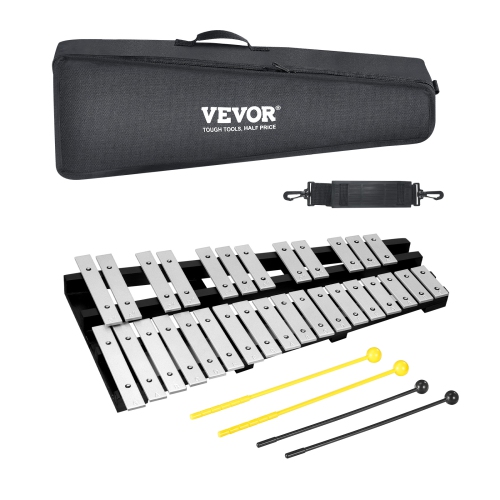 Your price for this item is $67.99
 -
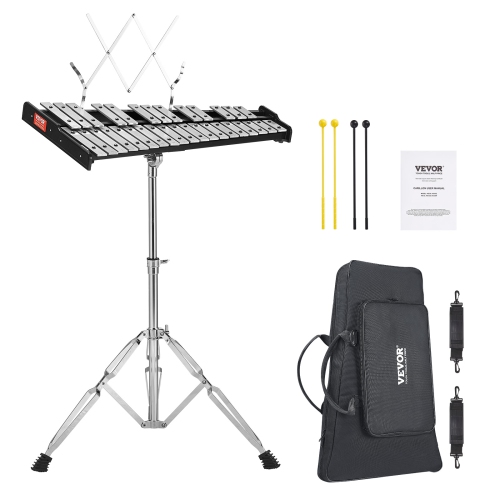 Your price for this item is $112.9
 -
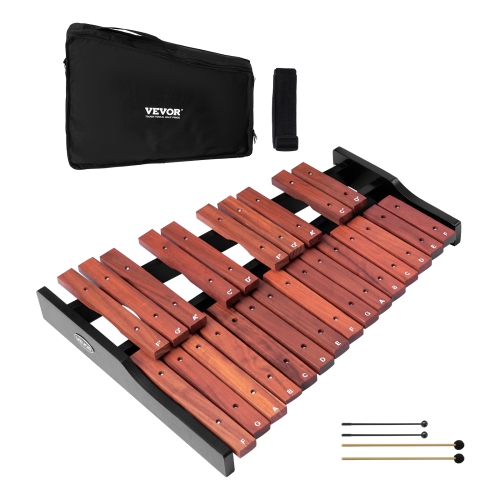 Your price for this item is $88.9
 -
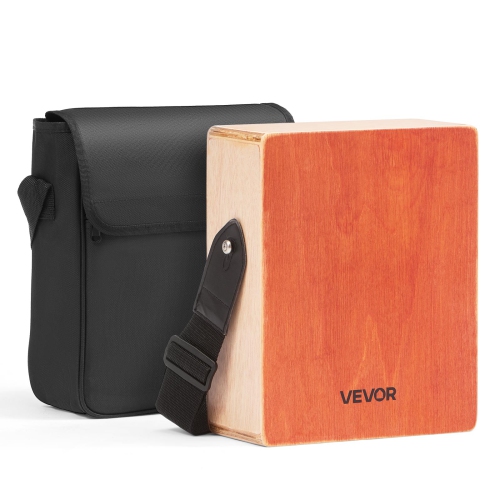 Your price for this item is $42.29
 -
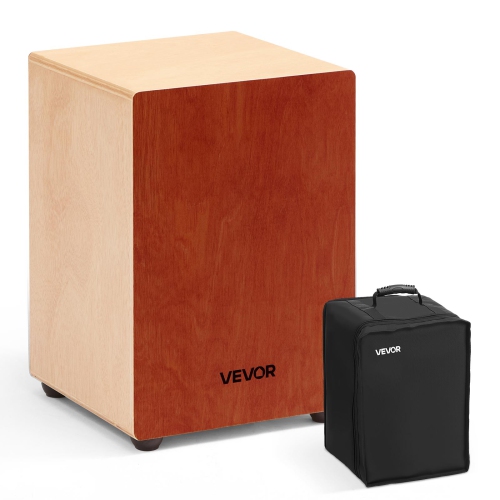 Your price for this item is $98.9
 -
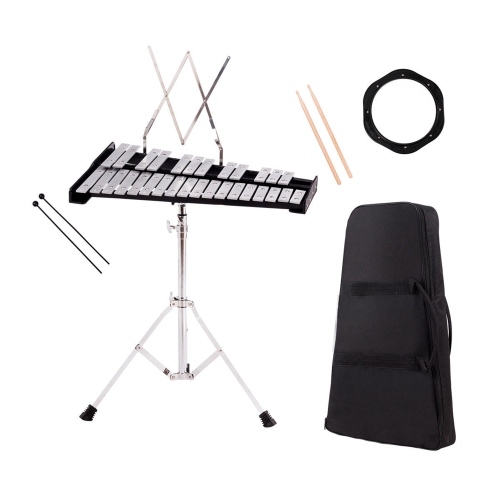 Your price for this item is $136.99
 -
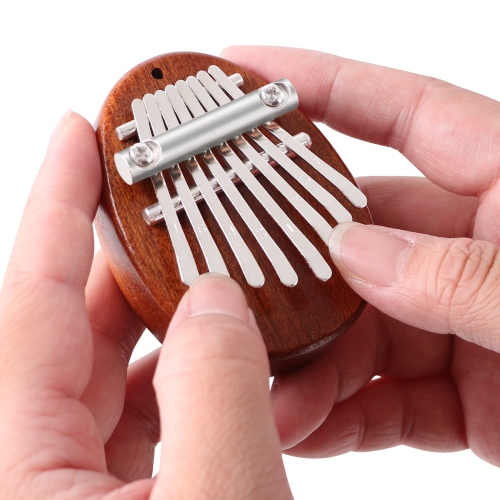 Your price for this item is $37.99
 -
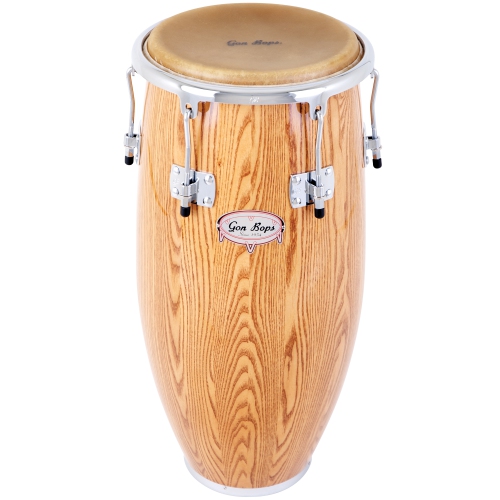 Your price for this item is $1342.33
Discover more categories related to Rhythm Instruments
Top Collections:
Pokemon Centers, Kindle Devices, Best Budget Office Chairs, Apple iPhones 16, Best Laptops for Writers, iPhone 15 Apple, Canon G7X Cameras, Refurbished Apple Laptops, Alarm Clock, Motorola Razr Phones
Some products may be subject to Environmental Handling Fees
(EHF) depending on your province.
Learn more about EHFs.