Percussion Instruments
Whether you're a seasoned musician or just starting to explore the world of music, percussion instruments are an essential part of any ensemble. From the rhythmic beats of drums to the melodic tones of xylophones, our collection of percussion instruments offers a wide range of options to suit every musical style and skill level. Discover the power and versatility of percussion as you browse through our selection, where you'll find everything from traditional drum sets to handheld instruments that add a unique flair to your performances. Get ready to unleash your creativity and make some serious beats with our diverse range of percussion instruments.
Sort

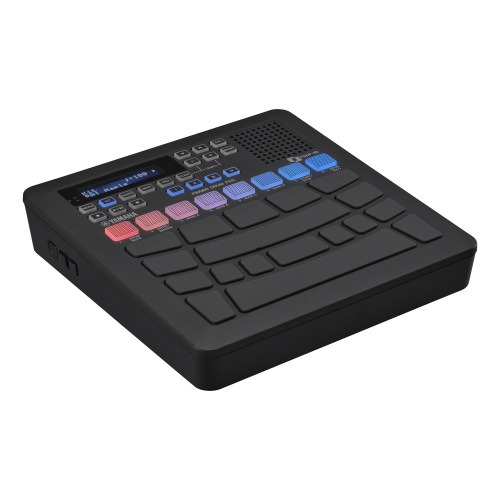
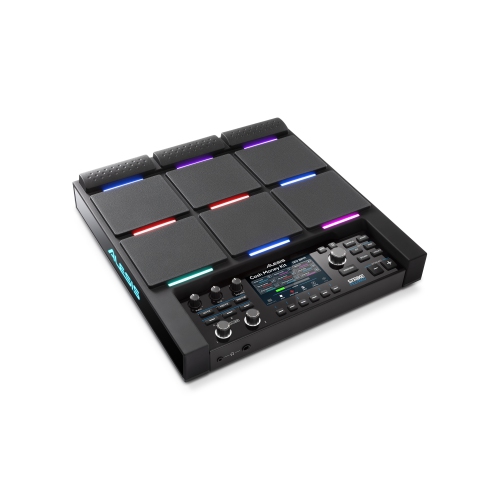
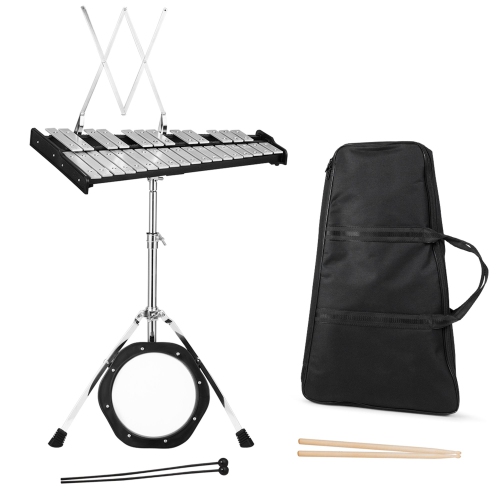
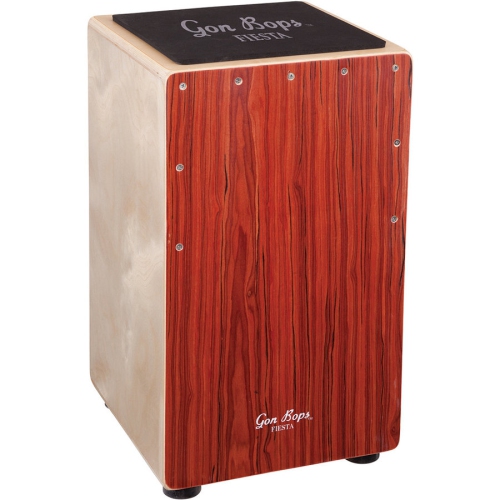
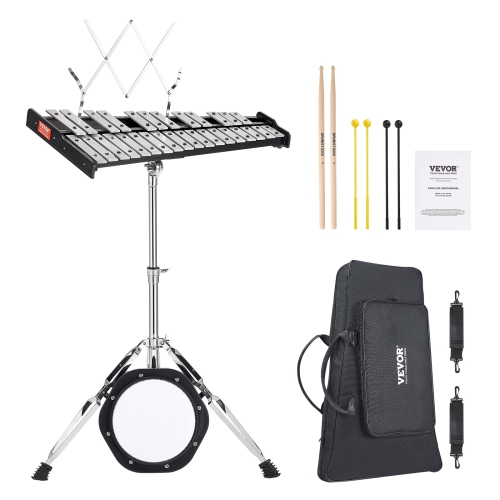
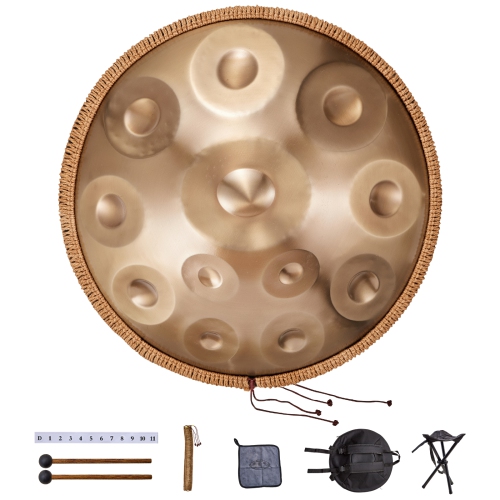
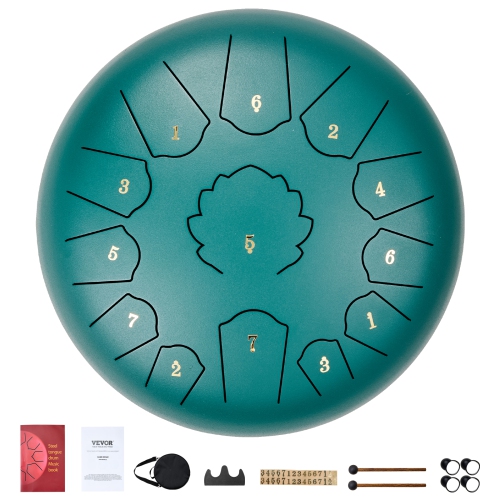
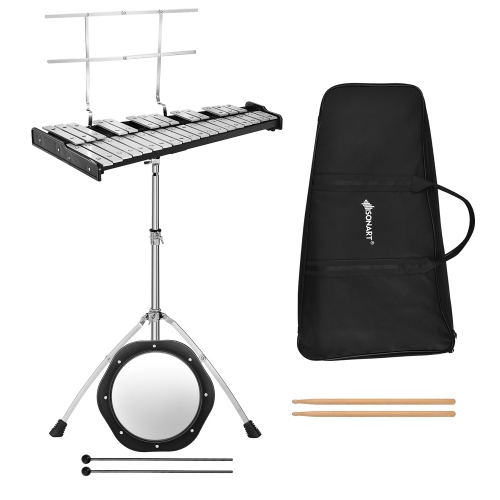
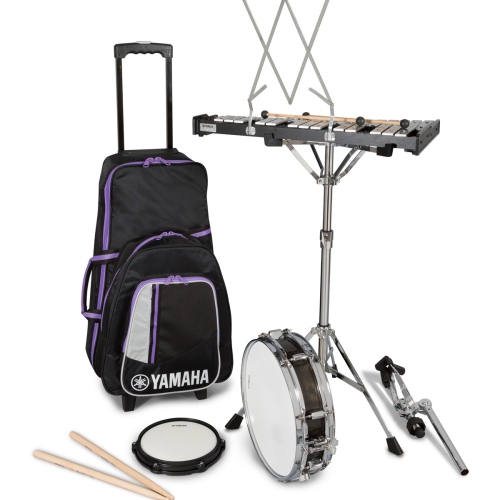
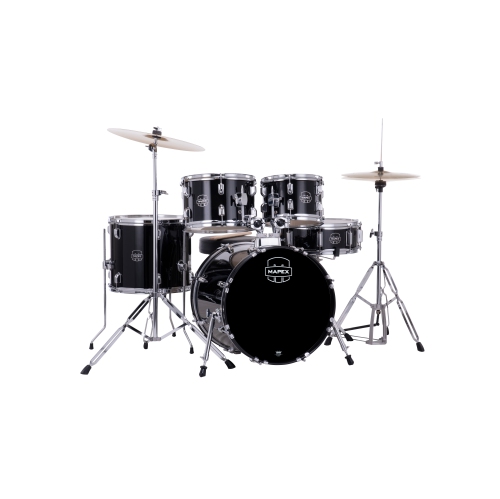
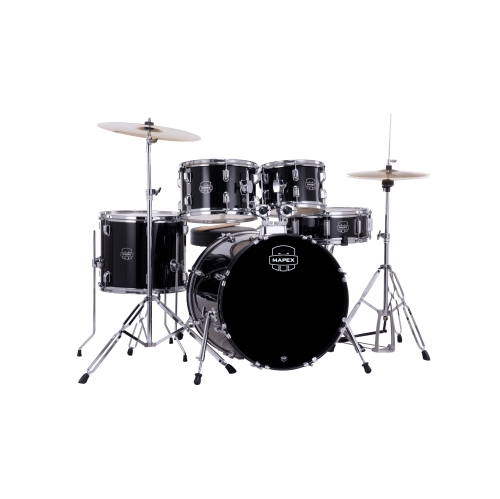
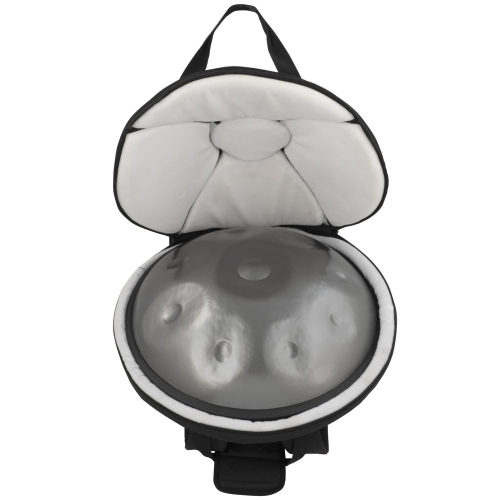



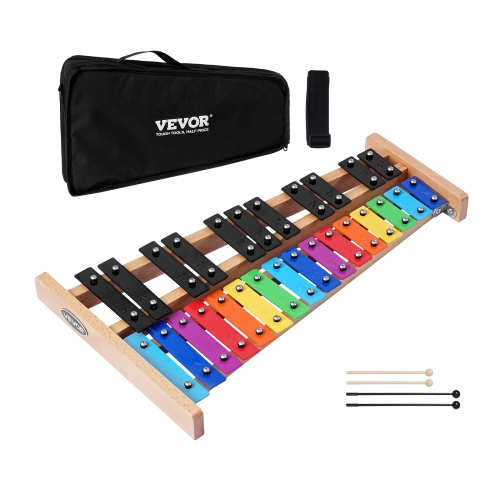
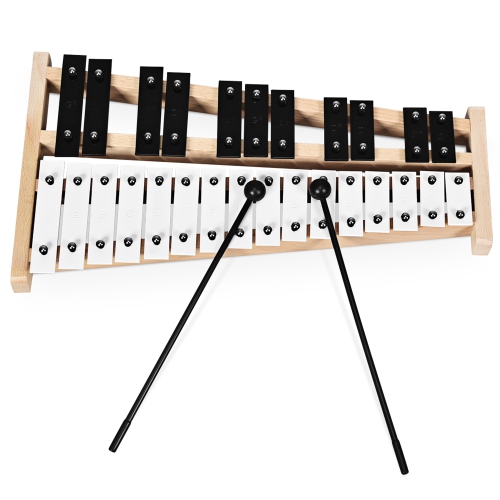
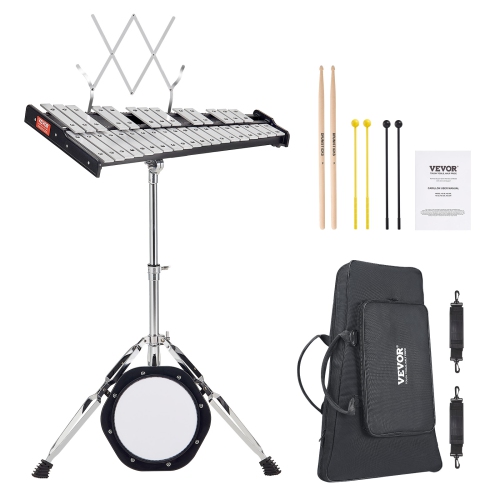
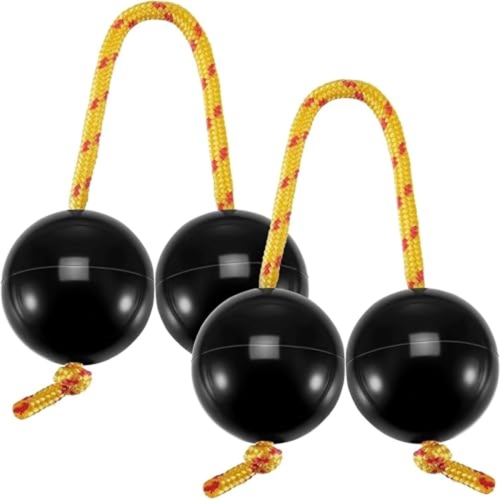
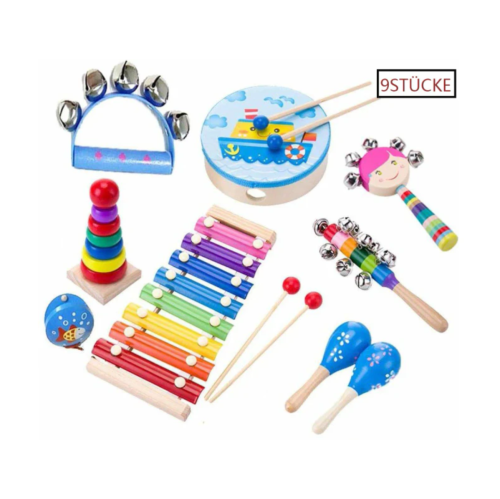
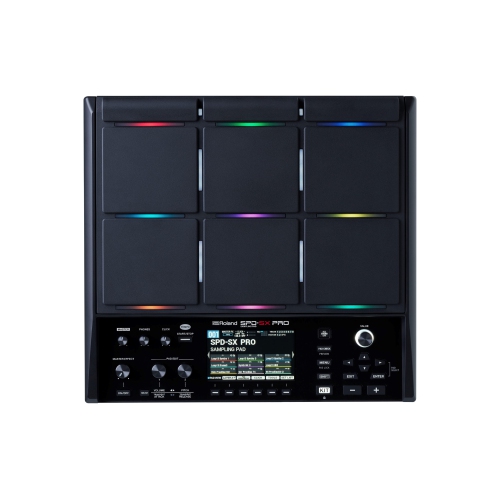
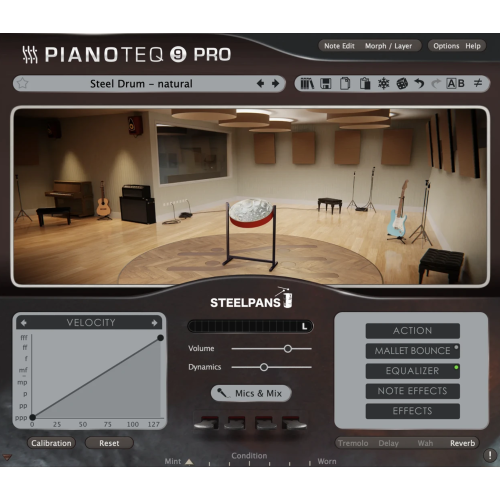
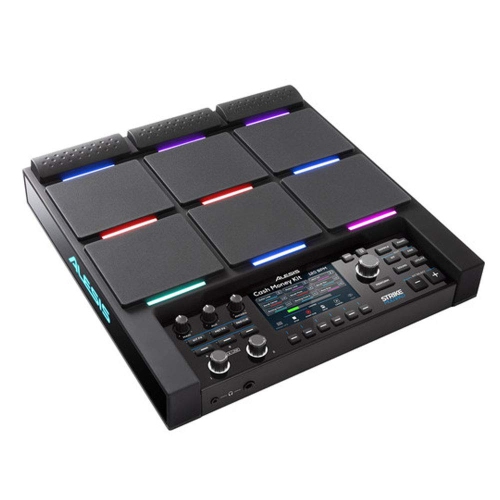
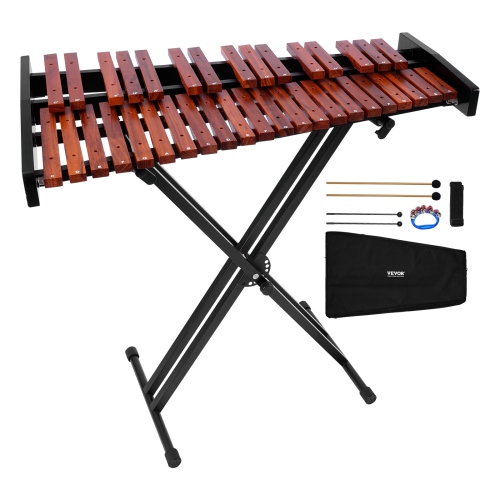
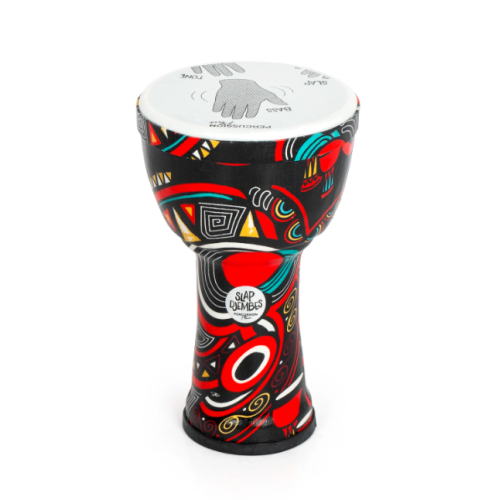
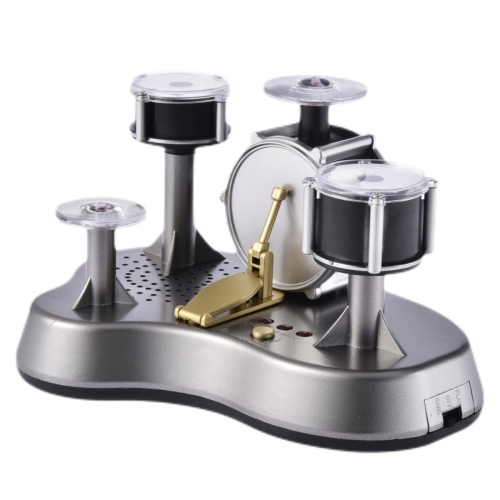
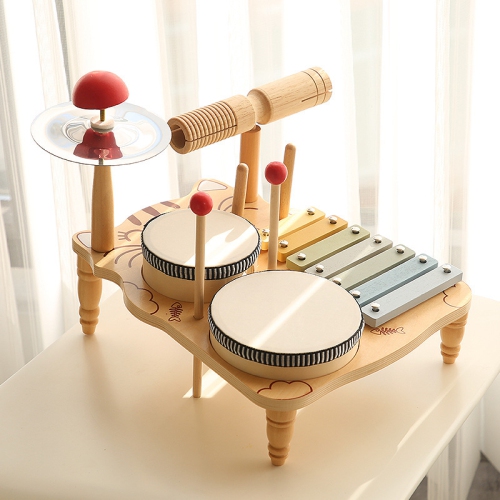

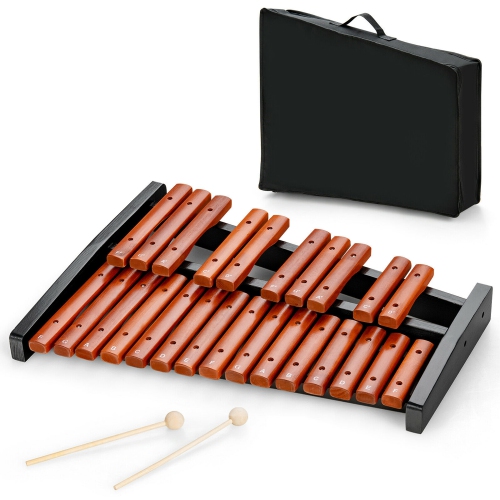
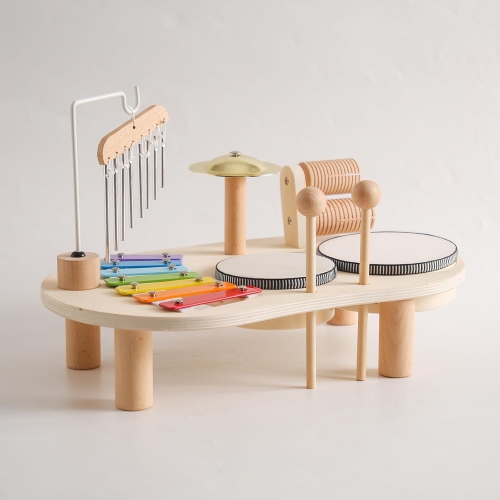

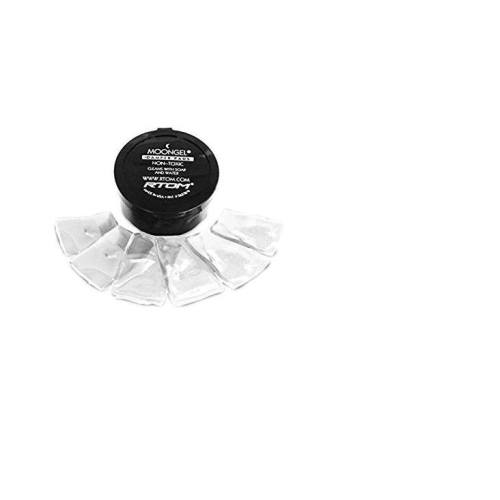
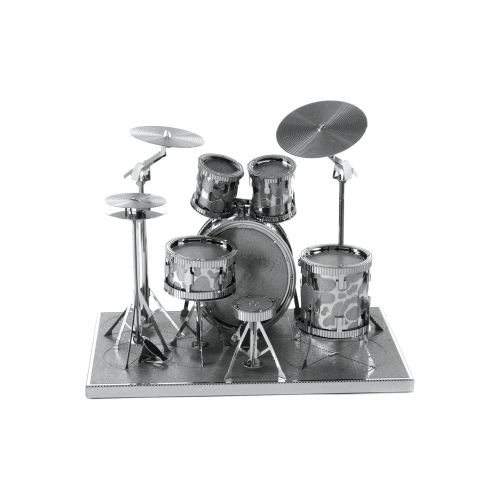
How percussion turns movement into rhythm and melody
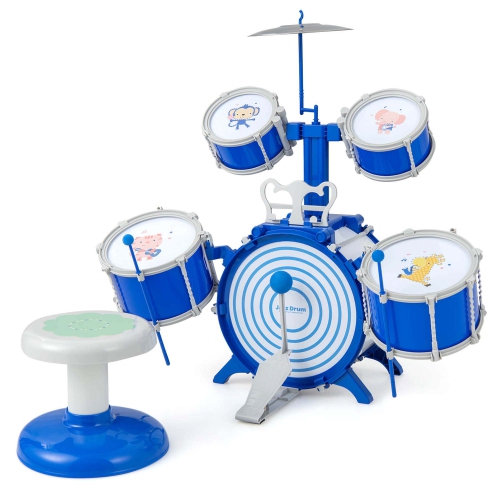
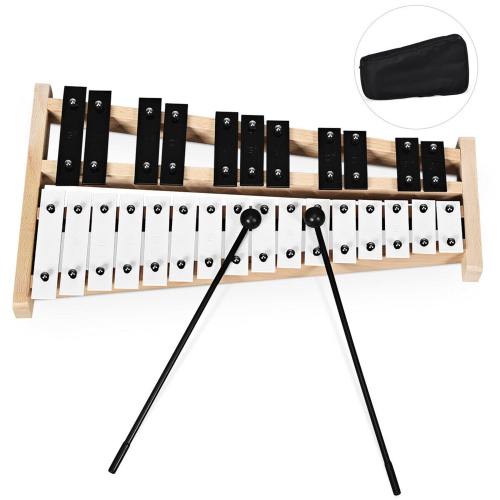
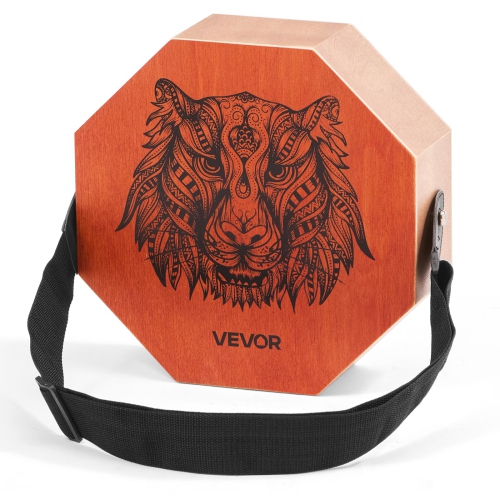
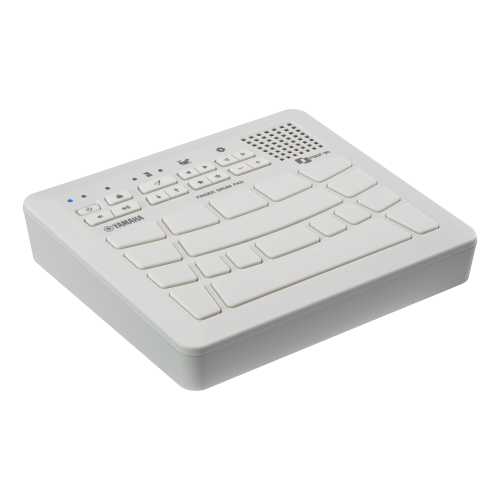
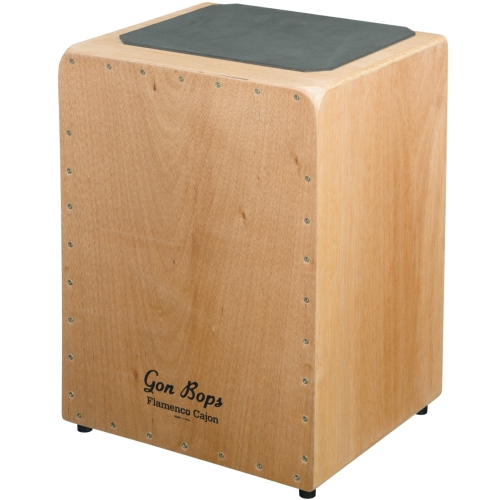
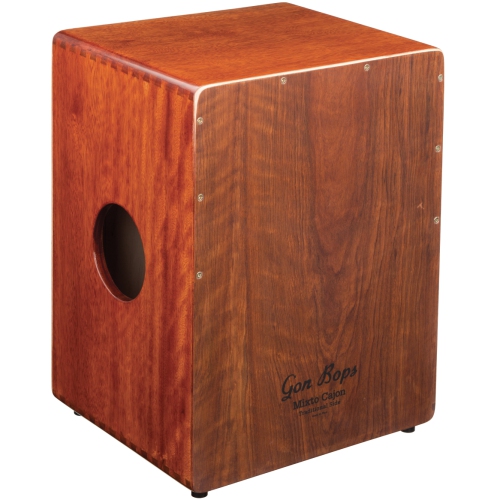
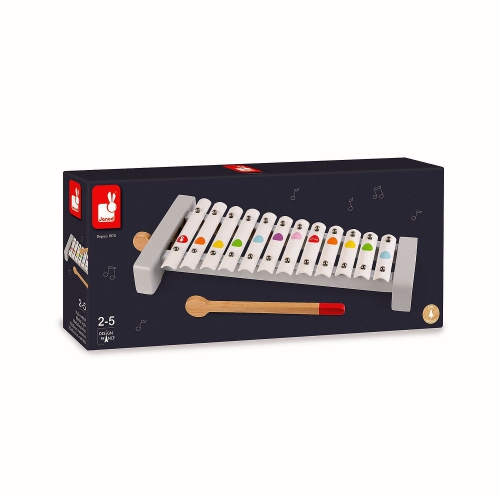
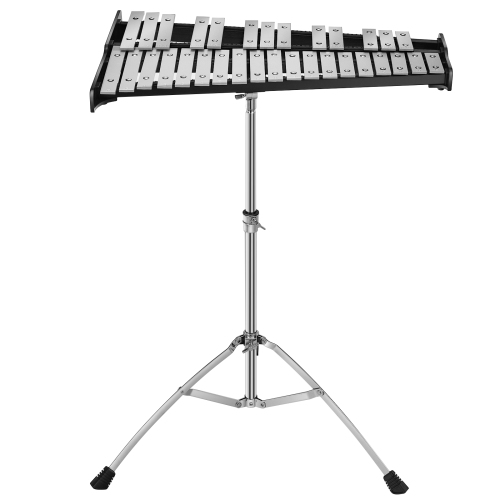
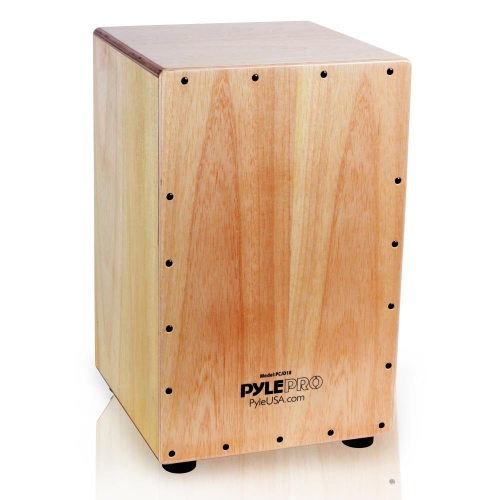
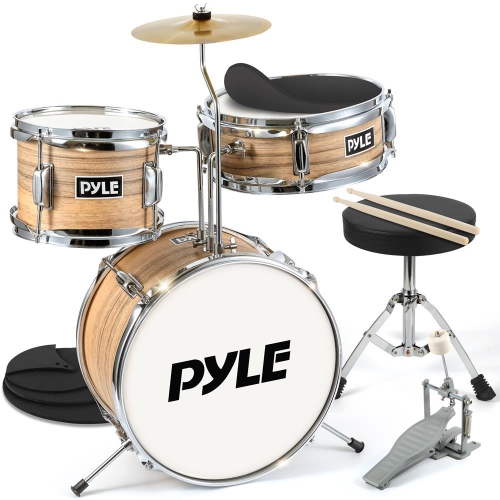
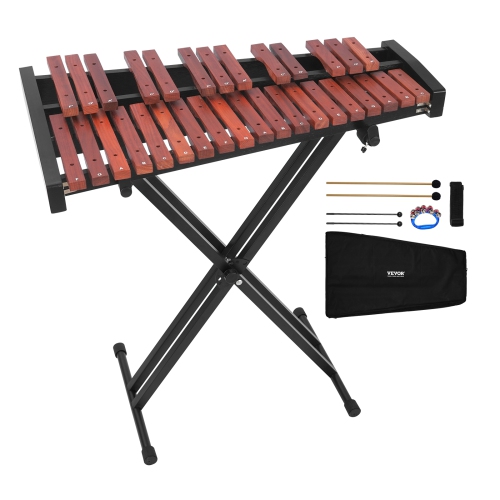
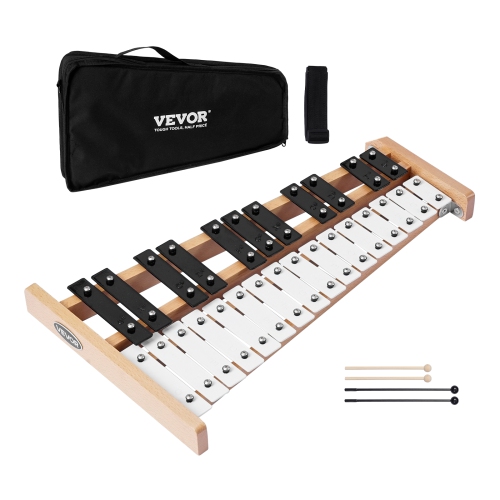
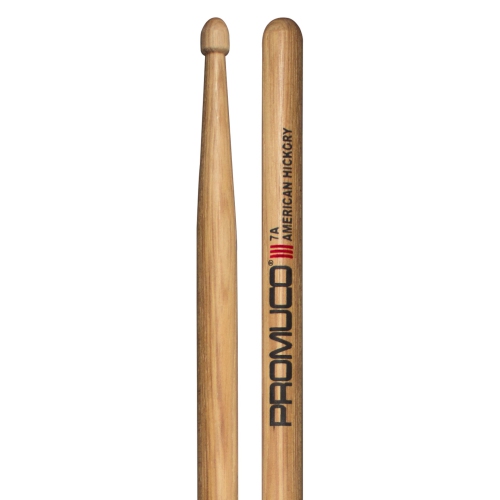
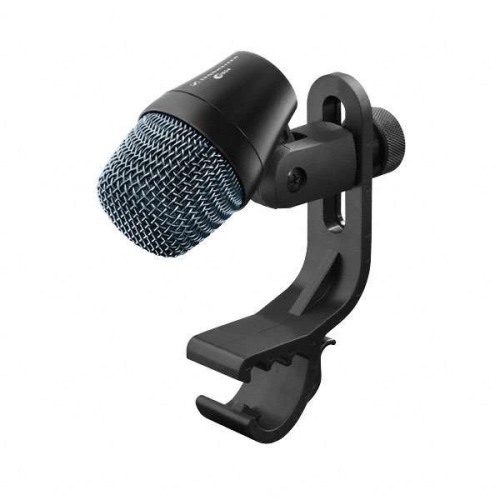
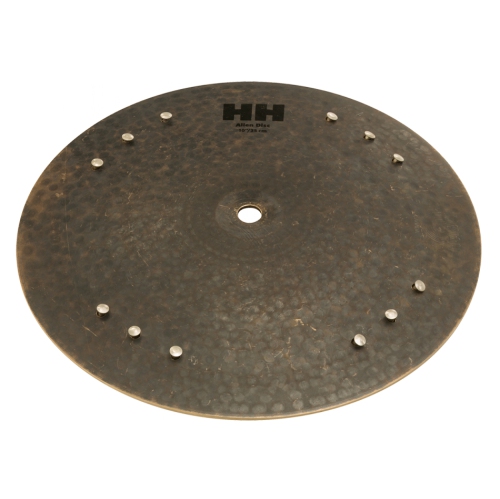
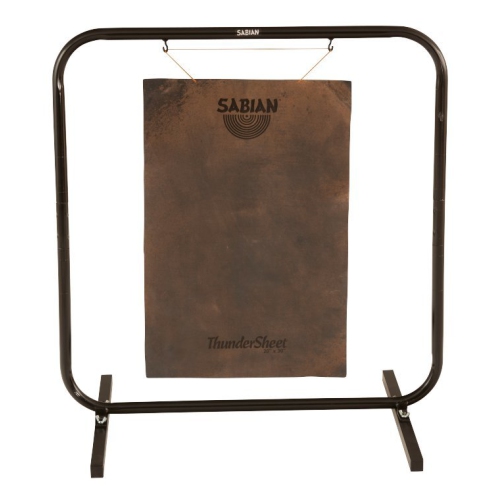
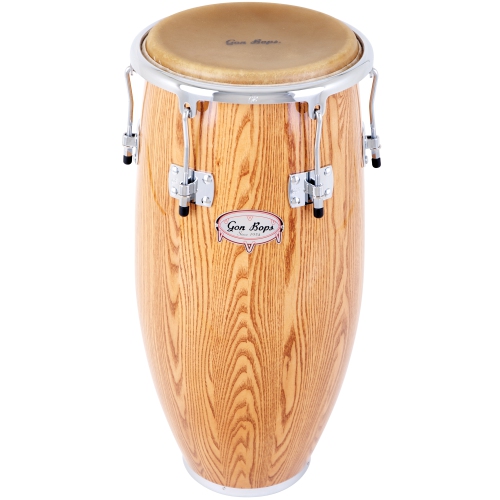
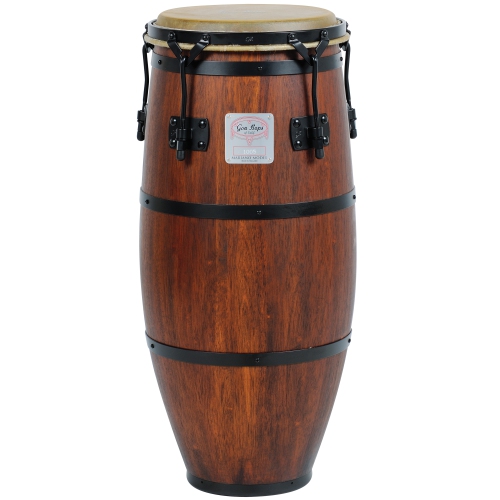
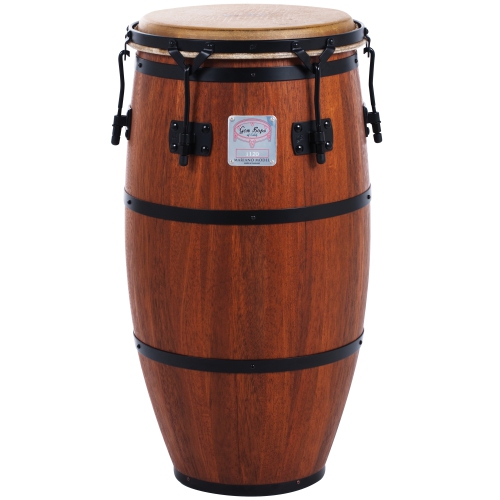
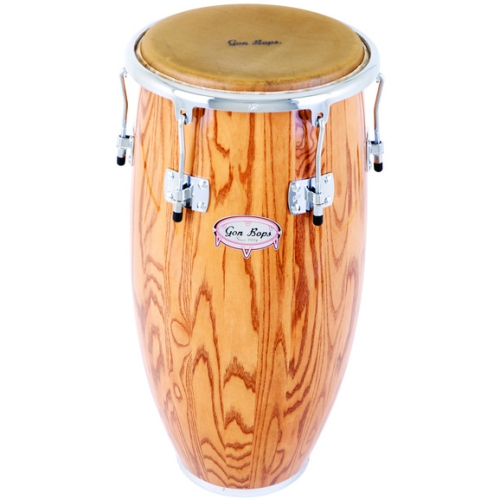
Percussion instruments make sound when they are struck, shaken, or scraped, giving music its pulse, rhythmic texture, and, in many cases, melody. The family includes drums, cymbals, shakers, tambourines, triangles, and instruments with tuned bars, such as xylophones and marimbas. Two broad groups describe how acoustic percussion produces sound: membranophones use a stretched membrane, or drumhead, that vibrates when played, while idiophones produce sound through the vibration of the instrument’s body. A hand drum belongs to the first group; a woodblock or cymbal belongs to the latter. Percussion can also be described as pitched or unpitched. Pitched instruments, including glockenspiels, marimbas, and timpani, produce identifiable musical notes. Unpitched instruments, including most shakers, snare drums, and crash cymbals, contribute rhythm and tonal colour without usually playing a defined melody. Unpitched does not mean that every sound is the same: a large hand drum can produce a deep central tone and a brighter sound near its rim, while different cymbal sizes create distinct voices within a drum setup. These differences make percussion useful across orchestral music, jazz, rock, folk, and many other musical traditions. A steady shaker pattern can bring movement to an acoustic song without overwhelming the vocals, while a crisp tambourine accent can lift a chorus. Related rhythm instruments offer further ways to explore pulse, accents, and group playing. For beginners, the appeal often lies in the immediate connection between a movement and a sound. More experienced players may focus on touch, articulation, tuning, and the space each sound occupies in an arrangement. From a quiet practice corner to a school music room or rehearsal space, the right type of percussion depends on whether the goal is to keep time, shape a groove, play melodies, or add occasional accents. Even a simple repeating pattern offers room to develop control, since consistent volume and evenly spaced beats depend on careful listening as much as hand movement.
Materials, dimensions, and construction all influence how a percussion instrument sounds and feels. Wooden shells and bodies vary in density, thickness, and design, so the wood species alone does not determine their voice. Shell depth, drumhead tension, and playing technique also affect attack, resonance, and projection. Metal instruments can range from a short, bright accent to a broad wash of sound, depending on their alloy, profile, thickness, and size. Natural-hide drumheads respond to changes in humidity and temperature and may need more attention to maintain their feel and tuning. Synthetic heads are generally more consistent through those changes, although their sound and response still depend on construction and tension. For tuned percussion, bar material, tuning accuracy, note range, and any resonators beneath the bars help determine suitability for practice or ensemble playing. Fit matters just as much as tone. A drum held between the knees should sit securely without forcing the legs into an awkward position, and a seated box drum should have dimensions and a weight capacity appropriate to the player. A shaker that feels comfortable for a few beats may feel tiring after several minutes if it is too large or heavy. Younger players benefit from manageable sizes, smooth edges, secure components, and age-appropriate designs without accessible small parts. For standing instruments, adjustable supports can help position the playing surface at a comfortable height, with relaxed shoulders and enough room for natural arm movement. Sticks, beaters, and mallets also change the playing experience: a soft mallet can draw a rounded tone from a suitable surface, while a harder tip can create a more defined attack. The appropriate choice depends on the instrument, since unsuitable beaters can damage heads, bars, or finishes. In a small room, control at low volume may matter more than carrying power. For ensemble use, a clear attack and the ability to project can help rhythmic details remain audible alongside other instruments.
Intended use helps bring practical details into focus, whether percussion is for individual practice, music lessons, group sessions, or performance. Someone developing timing at home may appreciate a compact setup that is easy to put away, while a school or shared rehearsal room benefits from sturdy construction and surfaces that can be cleaned according to the manufacturer’s directions. Instruments that travel frequently need secure handles or fittings where applicable, along with cases or bags suited to their shape. A padded bag helps protect against everyday scuffs, but heavier instruments and frequent transport may call for more rigid protection. Durability involves the parts that receive repeated contact as well as the main body: rims, tension fittings, mounting points, and moving components should remain secure during normal playing. Replaceable drumheads and accessible fittings can make ongoing maintenance more practical. After use, a soft, dry cloth can remove fingerprints and surface moisture from many finishes, while natural hide, unfinished wood, and certain metals may require more specific care. Household cleaners and abrasive polishes can harm finishes or alter playing surfaces, so cleaning methods should match the material. Storage away from direct heat, prolonged dampness, and abrupt temperature changes helps protect wooden parts, heads, and adhesives. During the cooler months, instruments brought in from a cold vehicle benefit from time to adjust before tuning or playing. Household sound levels deserve attention too: an instrument that seems modest in a rehearsal room can feel much louder in a small bedroom, particularly when it produces sharp, ringing tones. Practice pads and compatible muting accessories can reduce some playing noise, though they do not reproduce every aspect of an open acoustic sound. Hearing protection is important around loud percussion, especially during extended sessions. As gifts, percussion instruments can suit curious beginners, students, and established musicians, provided the choice matches the recipient’s age, space, and musical interests. A beginner may value an approachable instrument for exploring steady beats, while an experienced player may appreciate a contrasting tone that fits naturally into an existing setup.
Materials, dimensions, and construction all influence how a percussion instrument sounds and feels. Wooden shells and bodies vary in density, thickness, and design, so the wood species alone does not determine their voice. Shell depth, drumhead tension, and playing technique also affect attack, resonance, and projection. Metal instruments can range from a short, bright accent to a broad wash of sound, depending on their alloy, profile, thickness, and size. Natural-hide drumheads respond to changes in humidity and temperature and may need more attention to maintain their feel and tuning. Synthetic heads are generally more consistent through those changes, although their sound and response still depend on construction and tension. For tuned percussion, bar material, tuning accuracy, note range, and any resonators beneath the bars help determine suitability for practice or ensemble playing. Fit matters just as much as tone. A drum held between the knees should sit securely without forcing the legs into an awkward position, and a seated box drum should have dimensions and a weight capacity appropriate to the player. A shaker that feels comfortable for a few beats may feel tiring after several minutes if it is too large or heavy. Younger players benefit from manageable sizes, smooth edges, secure components, and age-appropriate designs without accessible small parts. For standing instruments, adjustable supports can help position the playing surface at a comfortable height, with relaxed shoulders and enough room for natural arm movement. Sticks, beaters, and mallets also change the playing experience: a soft mallet can draw a rounded tone from a suitable surface, while a harder tip can create a more defined attack. The appropriate choice depends on the instrument, since unsuitable beaters can damage heads, bars, or finishes. In a small room, control at low volume may matter more than carrying power. For ensemble use, a clear attack and the ability to project can help rhythmic details remain audible alongside other instruments.
Intended use helps bring practical details into focus, whether percussion is for individual practice, music lessons, group sessions, or performance. Someone developing timing at home may appreciate a compact setup that is easy to put away, while a school or shared rehearsal room benefits from sturdy construction and surfaces that can be cleaned according to the manufacturer’s directions. Instruments that travel frequently need secure handles or fittings where applicable, along with cases or bags suited to their shape. A padded bag helps protect against everyday scuffs, but heavier instruments and frequent transport may call for more rigid protection. Durability involves the parts that receive repeated contact as well as the main body: rims, tension fittings, mounting points, and moving components should remain secure during normal playing. Replaceable drumheads and accessible fittings can make ongoing maintenance more practical. After use, a soft, dry cloth can remove fingerprints and surface moisture from many finishes, while natural hide, unfinished wood, and certain metals may require more specific care. Household cleaners and abrasive polishes can harm finishes or alter playing surfaces, so cleaning methods should match the material. Storage away from direct heat, prolonged dampness, and abrupt temperature changes helps protect wooden parts, heads, and adhesives. During the cooler months, instruments brought in from a cold vehicle benefit from time to adjust before tuning or playing. Household sound levels deserve attention too: an instrument that seems modest in a rehearsal room can feel much louder in a small bedroom, particularly when it produces sharp, ringing tones. Practice pads and compatible muting accessories can reduce some playing noise, though they do not reproduce every aspect of an open acoustic sound. Hearing protection is important around loud percussion, especially during extended sessions. As gifts, percussion instruments can suit curious beginners, students, and established musicians, provided the choice matches the recipient’s age, space, and musical interests. A beginner may value an approachable instrument for exploring steady beats, while an experienced player may appreciate a contrasting tone that fits naturally into an existing setup.
Top selling and popular products
-
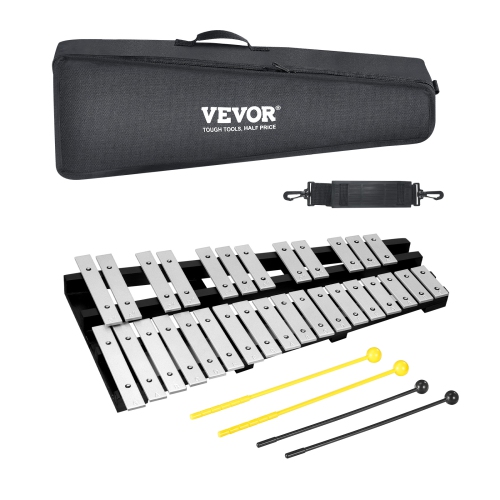 Your price for this item is $67.99
 -
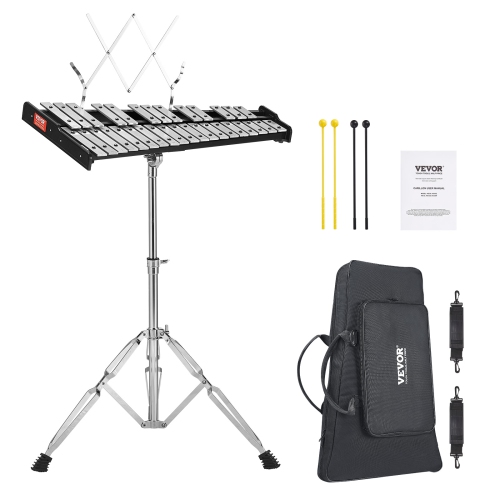 Your price for this item is $112.9
 -
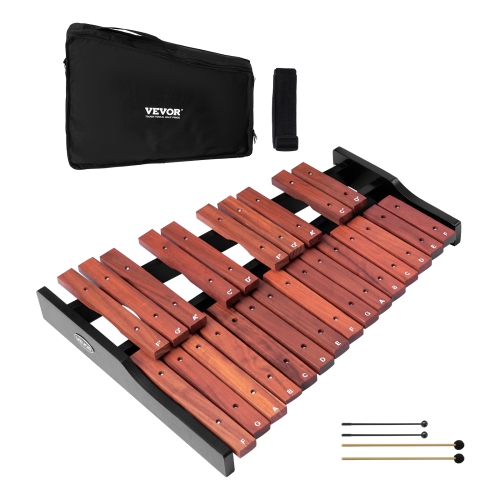 Your price for this item is $88.9
 -
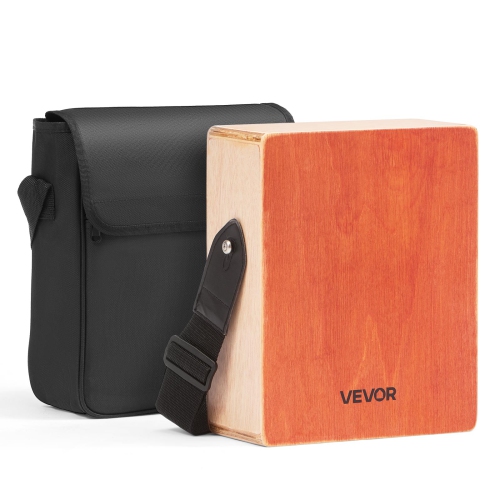 Your price for this item is $42.29
 -
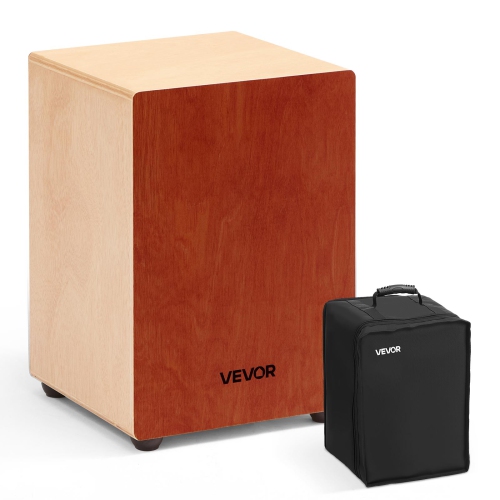 Your price for this item is $98.9
 -
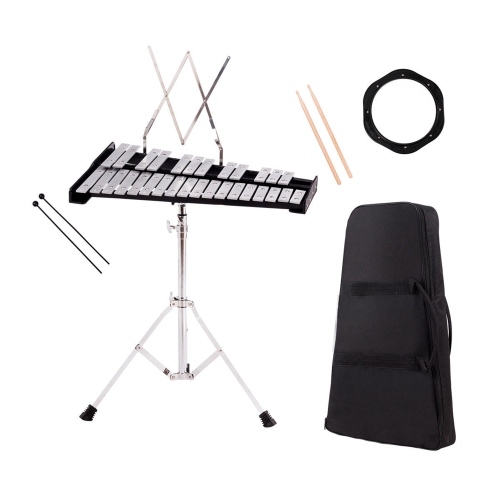 Your price for this item is $136.99
 -
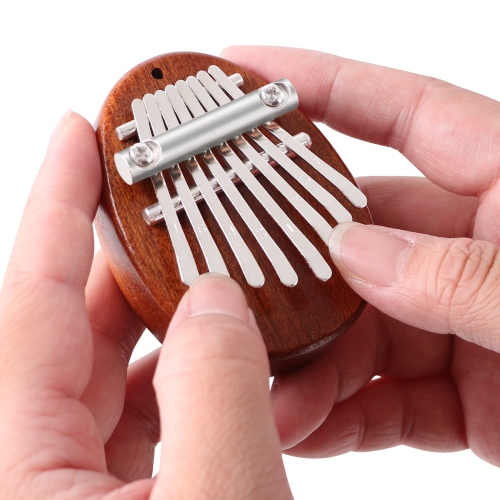 Your price for this item is $37.99
 -
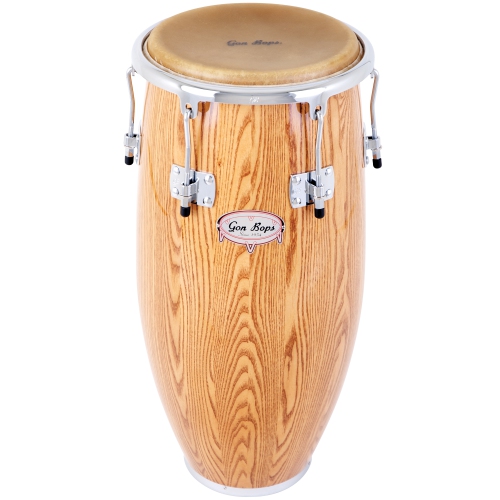 Your price for this item is $1342.33
Discover more categories related to Percussion Instruments
Top Collections:
Pokemon Centers, Kindle Devices, Best Budget Office Chairs, Apple iPhones 16, Best Laptops for Writers, iPhone 15 Apple, Canon G7X Cameras, Refurbished Apple Laptops, Alarm Clock, Motorola Razr Phones
Some products may be subject to Environmental Handling Fees
(EHF) depending on your province.
Learn more about EHFs.