Shotgun Microphones
Capture crisp and clear audio with our selection of shotgun microphones. Ideal for capturing sound from a specific direction while minimizing background noise, these highly directional mics are perfect for professional videographers, content creators, and musicians looking to elevate their recordings. Whether you're shooting a film, recording a podcast, or capturing live performances, our range of shotgun microphones offers top-notch quality and performance to enhance your audio production experience.
Sort
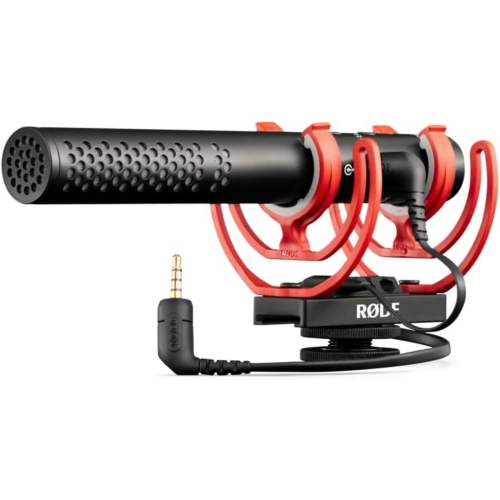


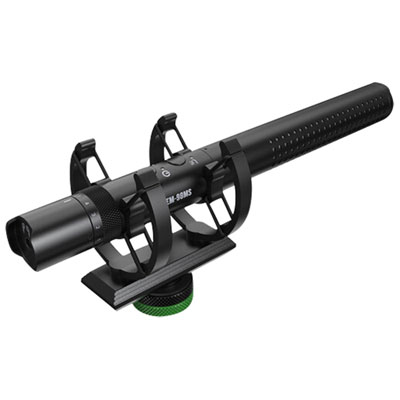
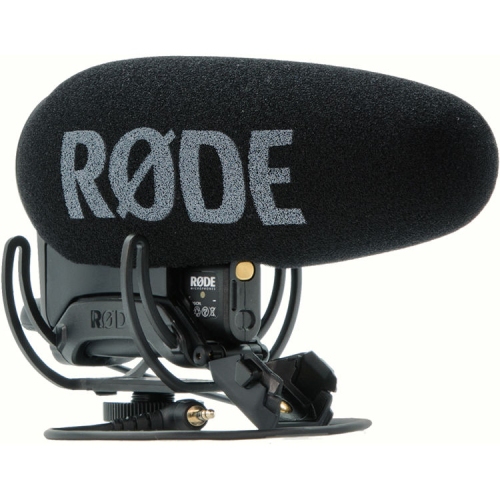
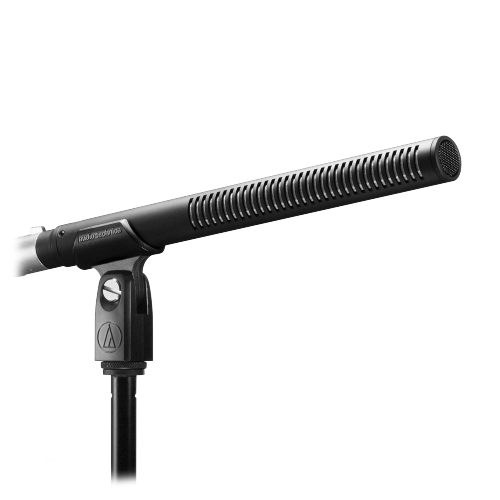

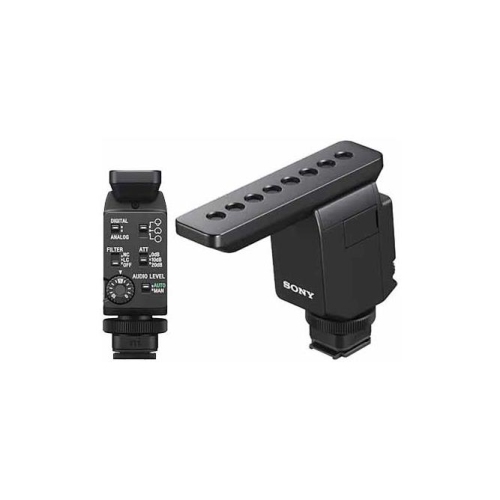


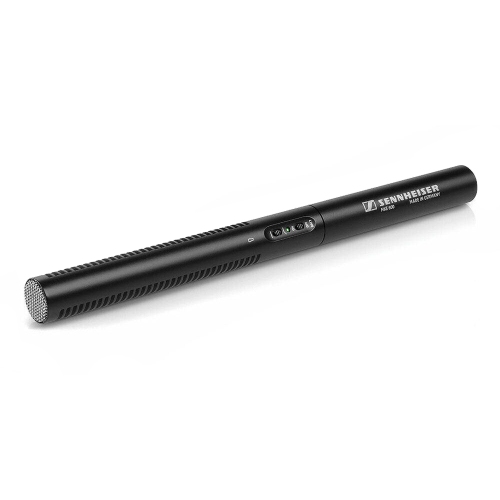

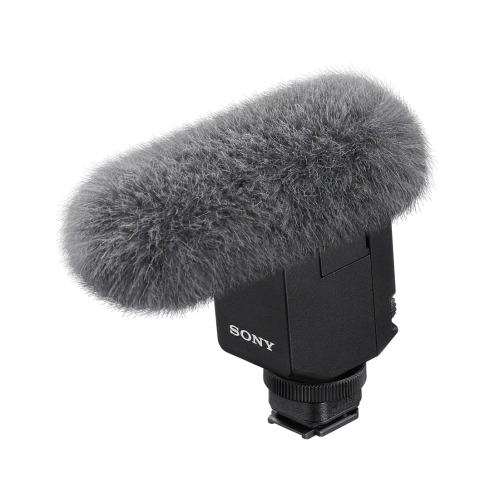
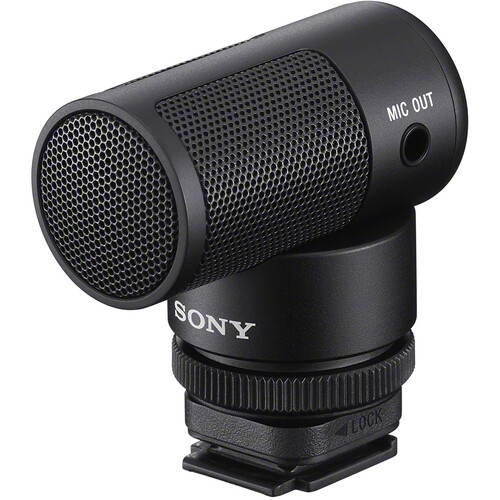


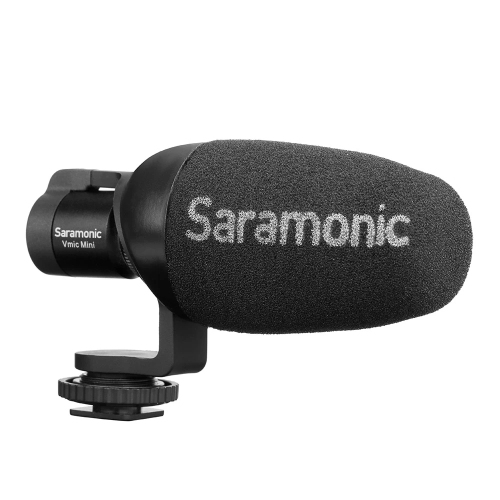

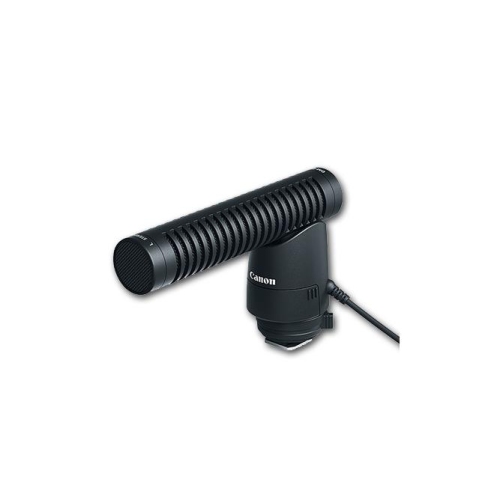

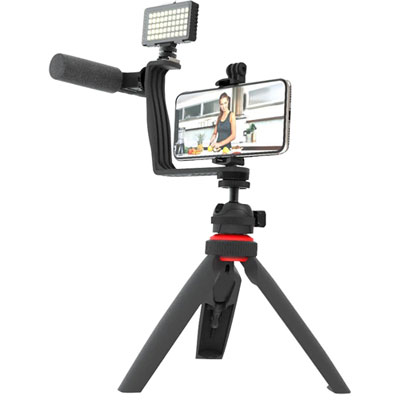

Focused dialogue depends on direction, placement, and power
Shotgun microphones are designed for recording clear, focused sound when the subject is in front of the microphone and unwanted noise is coming from the sides or behind. Their long, narrow shape is more than a visual signature: the interference tube in front of the microphone capsule uses carefully spaced slots to reduce off-axis sound while allowing sound from the front to reach the element with greater clarity. This highly directional pickup pattern makes shotgun microphones useful for video production, interviews, documentaries, short films, live events, news gathering, voice-over work, and other situations where the microphone needs to stay close to the subject without appearing in the frame. A filmmaker might mount one on a camera for a quick outdoor interview, while a sound recordist may suspend one on a boom pole just above an actor’s head to capture dialogue naturally. The closer the microphone can be placed to the intended sound source, the more direct and present the recording will usually sound. Positioning it just outside the camera’s view, aimed towards the speaker’s chest or mouth, can help produce fuller dialogue than placing it far away on the camera itself. The microphone’s direction matters as well: turning the front of the microphone towards the speaker and keeping the rear pointed towards the loudest background noise can improve isolation. Shotgun microphones are especially helpful when a scene includes traffic, air-conditioning, nearby conversations, or the lively ambience of a public space, although they cannot completely remove unwanted sounds and still require thoughtful placement. Indoors, reflective walls and ceilings can affect the recording, so a shorter directional microphone or a carefully treated room may be more suitable than an extremely long model. Outdoors, wind protection is essential because even a light breeze can create deep rumbling or harsh bursts that overpower speech. Foam windscreens are useful for light airflow, while furry wind covers provide additional protection during breezier conditions and moving shots.
Choosing a shotgun microphone begins with considering how it will connect to the rest of the recording setup. Microphones with a 3.5 mm connection are convenient for many cameras, compact video devices, and portable recording equipment, making them a practical choice for casual filmmaking, school projects, travel videos, interviews, and social media content. Models with an XLR connection are commonly selected for professional cameras, audio recorders, mixers, and boom-pole setups, particularly when a crew needs balanced audio cables, longer cable runs, or more control over gain and monitoring. Some microphones require power supplied through the connected equipment, such as phantom power, while others use an internal battery or a rechargeable power source. Checking the power requirements before purchasing helps prevent compatibility problems on a shoot. It is also worth considering the microphone’s length, weight, sensitivity, and mounting system. A compact microphone can be easier to handle on a small camera rig and less tiring during a long handheld recording session, while a longer microphone may offer a narrower pickup pattern in suitable conditions. A shock mount helps reduce handling noise and vibration from the camera or boom pole, and a secure mount can make it easier to keep the microphone consistently aimed at the subject. Headphones are another valuable part of the setup because they allow the operator to hear hum, clothing rustle, wind interference, distortion, or a loose connection while recording instead of discovering the problem during editing. People who create interviews, wedding videos, podcasts with visual content, classroom recordings, short films, travel stories, or behind-the-scenes footage may appreciate the control and flexibility of a shotgun microphone. It can also be a thoughtful gift for a new videographer, film student, journalist, content creator, or hobbyist who is ready to improve dialogue quality beyond the built-in microphone on a camera or mobile device. For recording wider musical performances or capturing a more spacious left-and-right image, shoppers may also want to explore Stereo Microphones, which are intended for a different style of sound capture.
The best choice depends on the recording environment, the equipment already owned, and the level of control expected during production. Someone who records mostly indoor interviews may prioritize a natural voice response, manageable length, and compatibility with a boom pole or camera mount. A creator who works outdoors during the cooler months may place greater importance on wind protection, rugged construction, secure connections, and reliable operation when moving between locations. For run-and-gun filming, a microphone that is quick to attach and simple to power can keep attention on the story rather than on setup. For planned productions, a professional XLR microphone paired with a recorder, boom pole, shock mount, and headphones can provide more flexibility for positioning and monitoring. It is also helpful to consider the microphone’s pickup pattern and off-axis response rather than judging it by length alone. Directional microphones work best when the operator can aim them accurately, and a long microphone will not automatically make a distant speaker sound close or eliminate background noise. Clothing, room reflections, wind, traffic, and the speaker’s distance all influence the final recording. A useful habit is to monitor a short test before beginning the main take, listening for excessive room echo, low-frequency rumble, electrical noise, or a voice that sounds thin because the microphone is pointed incorrectly. Keeping the microphone just above or below the frame, maintaining a consistent distance, and recording at an appropriate level can make editing much easier. Whether it is being used for a quiet conversation in a home studio, dialogue on a busy outdoor set, or a spontaneous interview during a day of travel, a shotgun microphone gives creators a focused way to capture speech while keeping the equipment discreet. With the right connection, mounting accessories, wind protection, and placement technique, it can become a dependable part of a camera kit for both first projects and more advanced productions.
Top selling and popular products
-
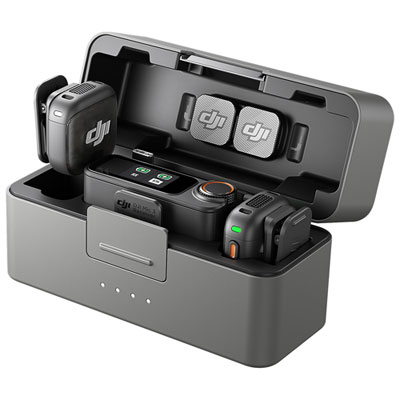 Your price for this item is $385.99
-
 Your price for this item is $149.99
-
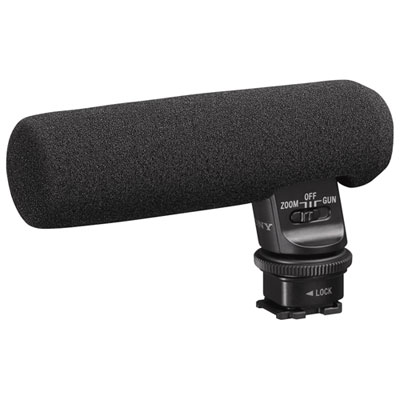 Your price for this item is $129.97
-
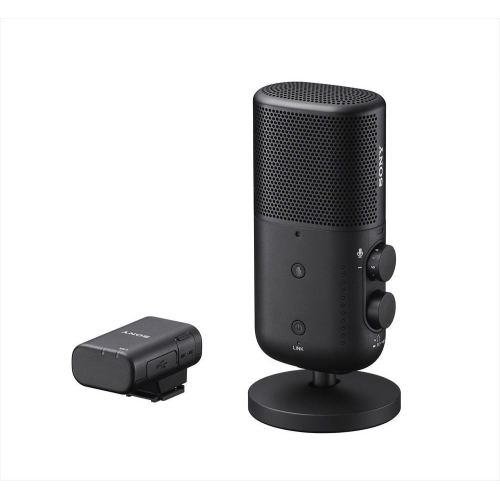 Your price for this item is $568
-
 Your price for this item is $218
-
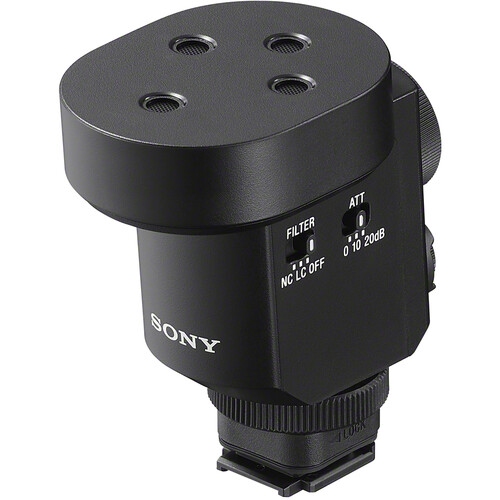 Your price for this item is $468
-
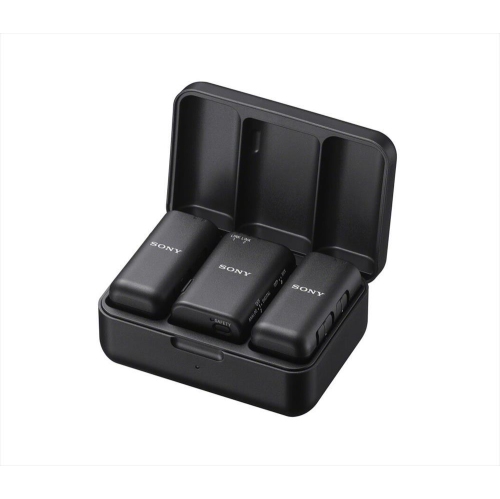 Your price for this item is $628
-
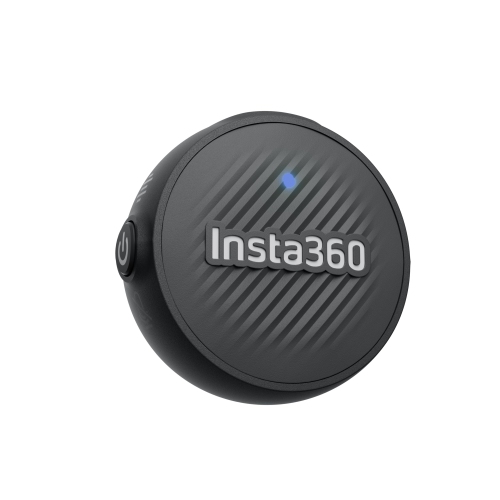 Your price for this item is $99.99
Discover more categories related to Shotgun Microphones
Top Collections:
Pokemon Centers, Kindle Devices, Best Budget Office Chairs, Canon G7X Cameras, Apple iPhones 16, Samsung Galaxy Phones, Refurbished Apple Laptops, Laptops for Students, iPhone 15 Apple, Budget Smartphones
Some products may be subject to Environmental Handling Fees
(EHF) depending on your province.
Learn more about EHFs.