Stereo Microphones
Capture the rich and immersive sounds of your surroundings with our wide selection of stereo microphones. Whether you're a professional filmmaker looking to enhance the audio quality of your videos or an aspiring musician wanting to capture every note and nuance, our range of stereo microphones offers exceptional clarity and depth. From compact options for on-the-go recording to high-end models with advanced features, we have the perfect microphone to suit your needs. Elevate your audio recording experience and unlock a world of sonic possibilities with our top-notch stereo microphones.
Sort


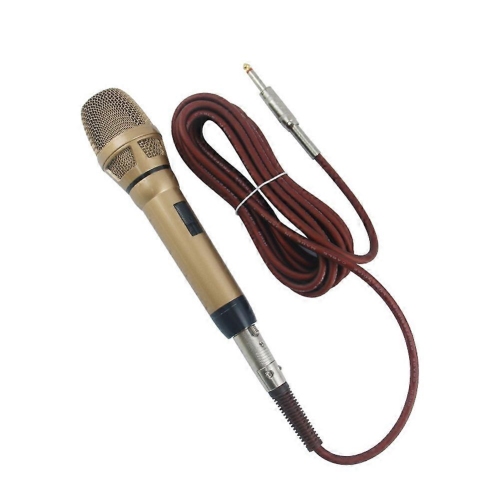
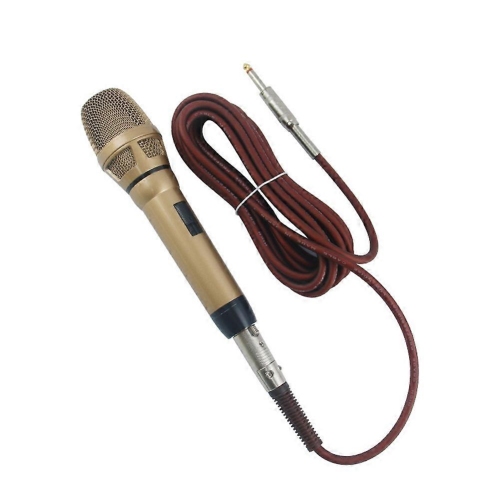
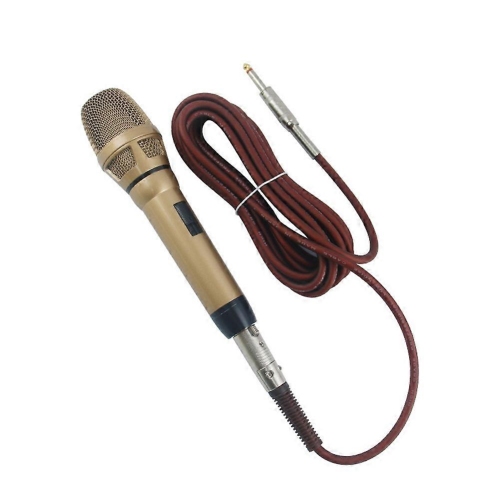
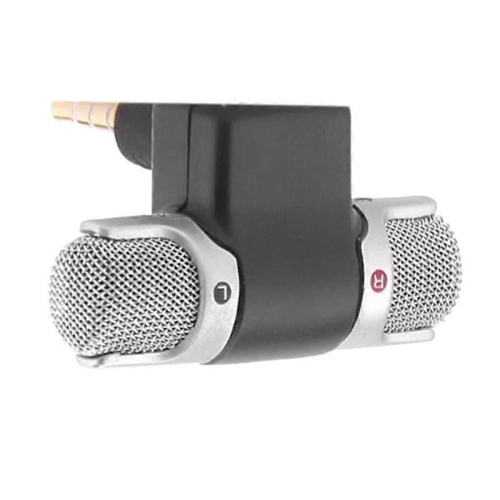
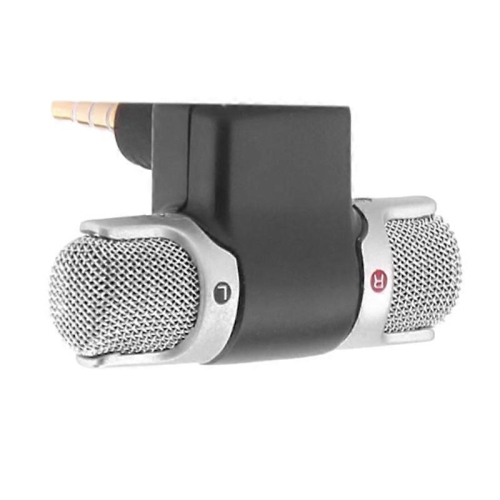
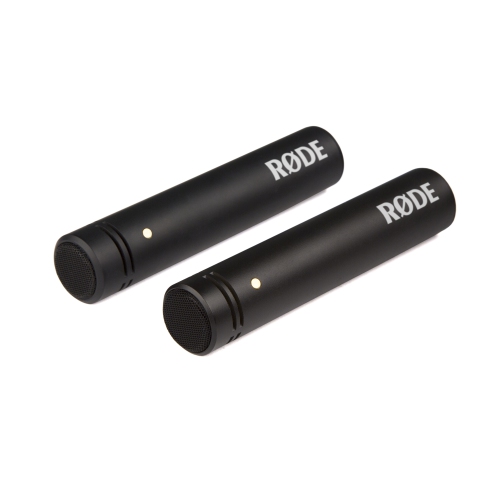
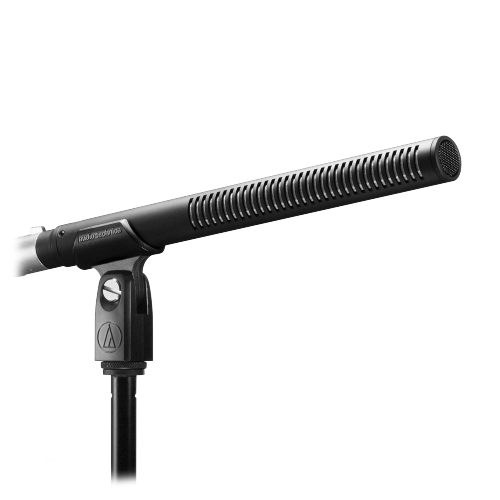


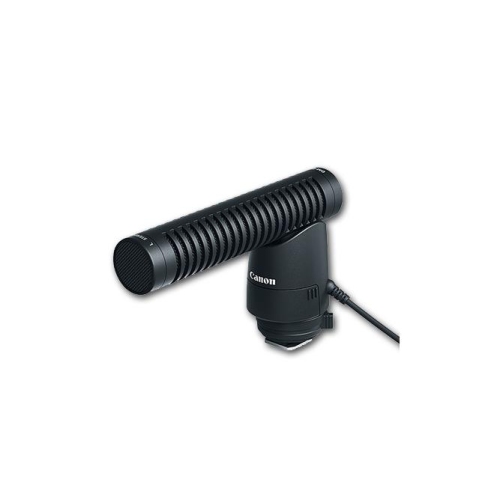

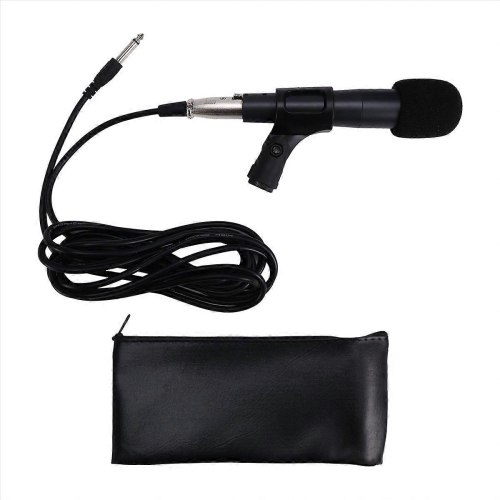

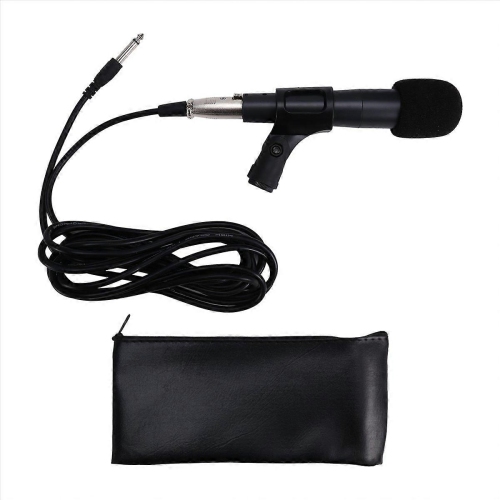
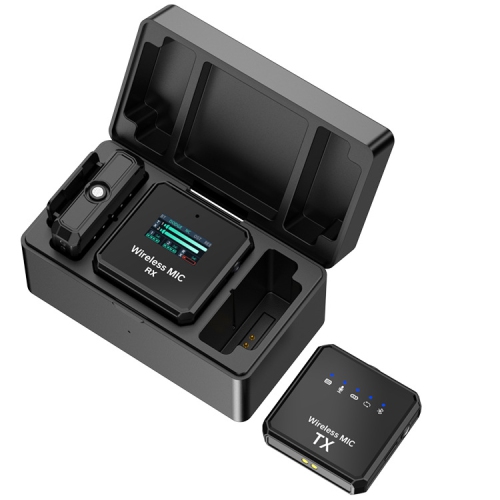
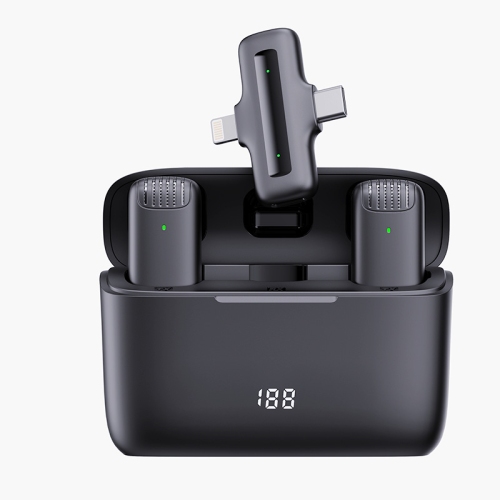

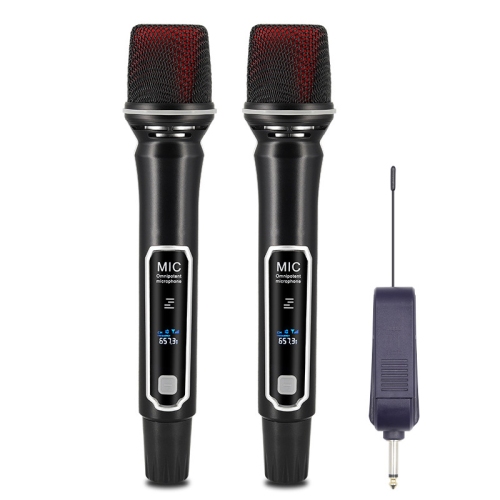

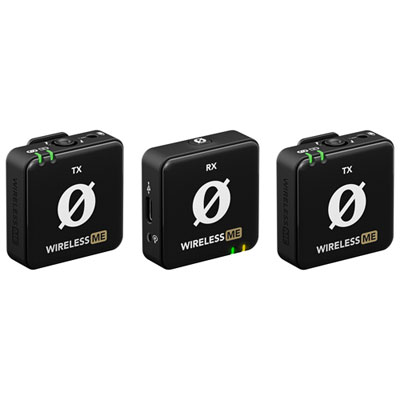
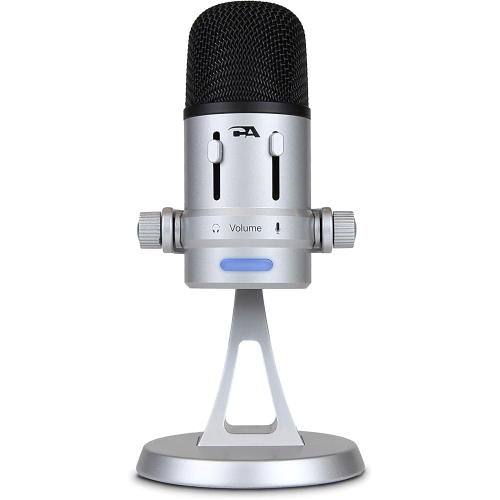
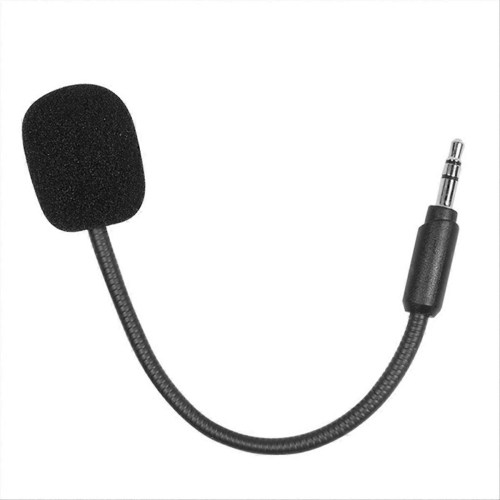
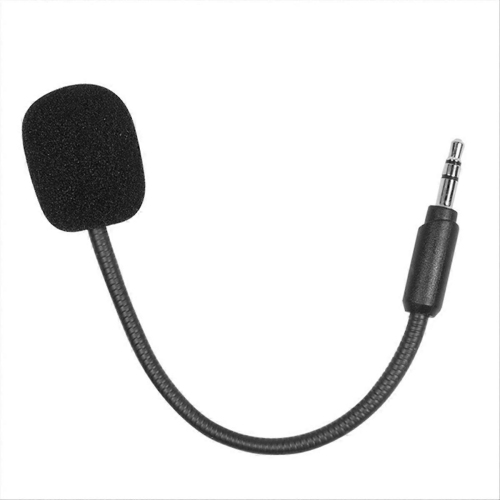
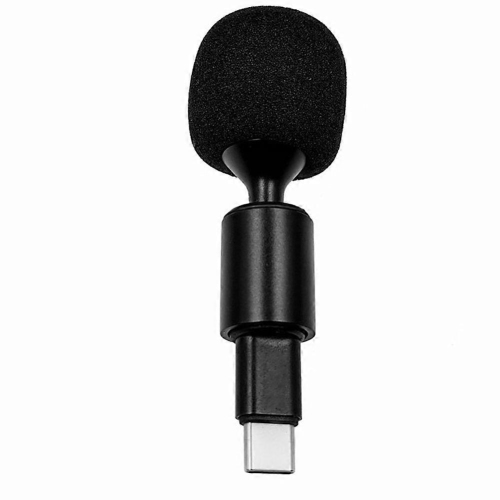
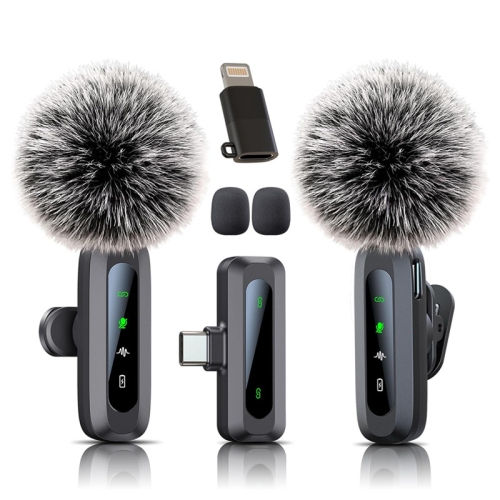
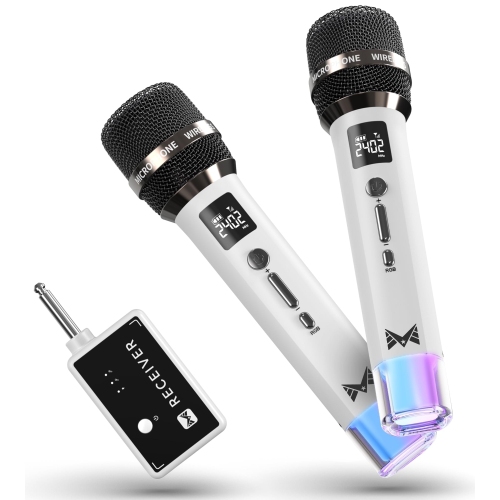
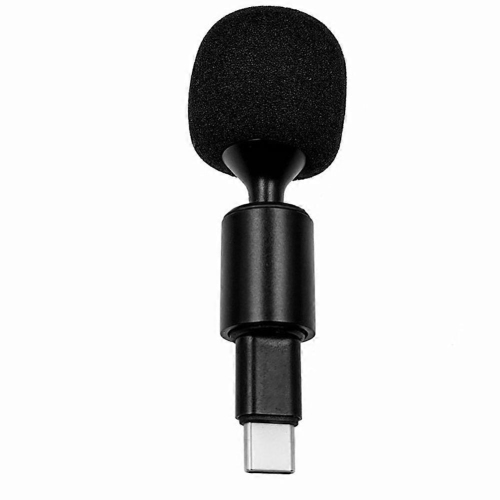
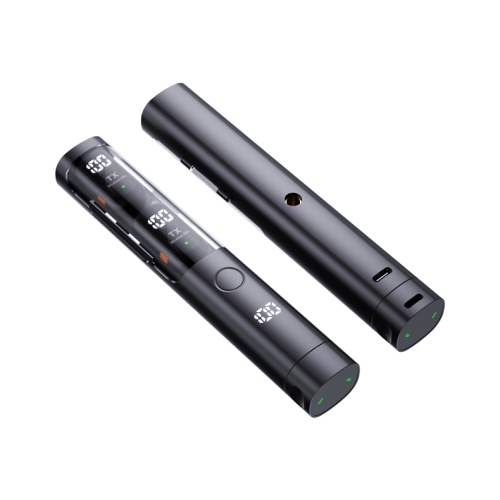


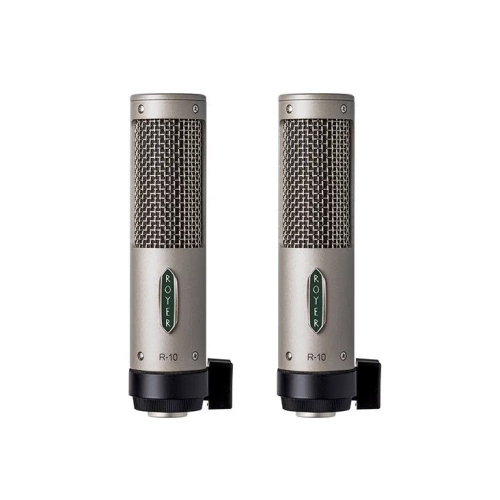
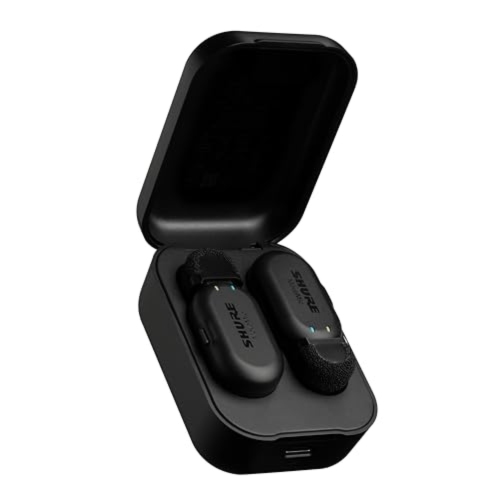


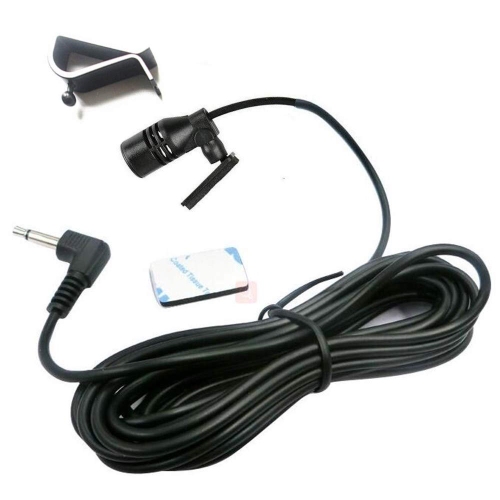
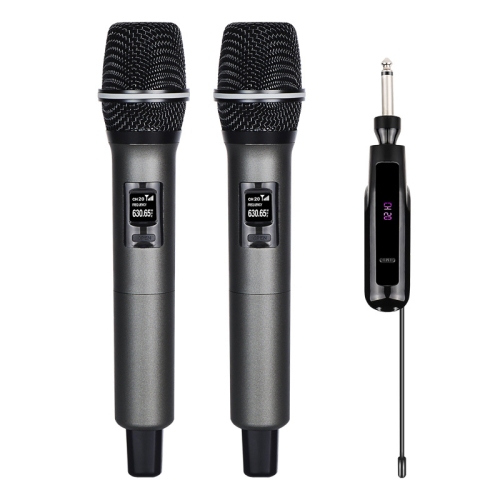
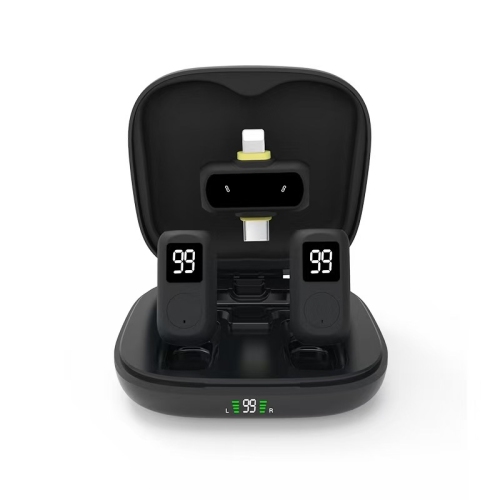
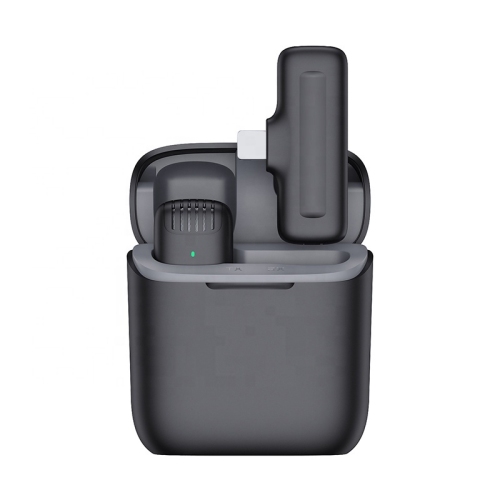
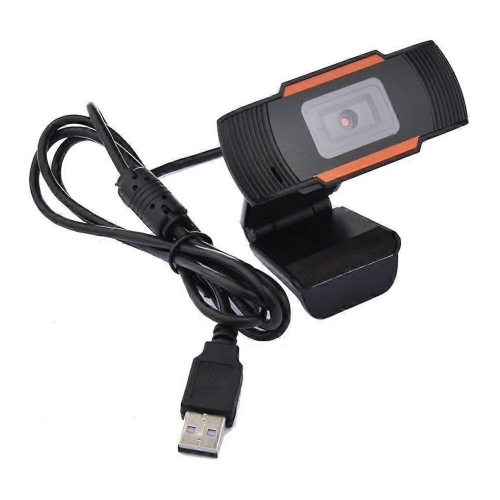
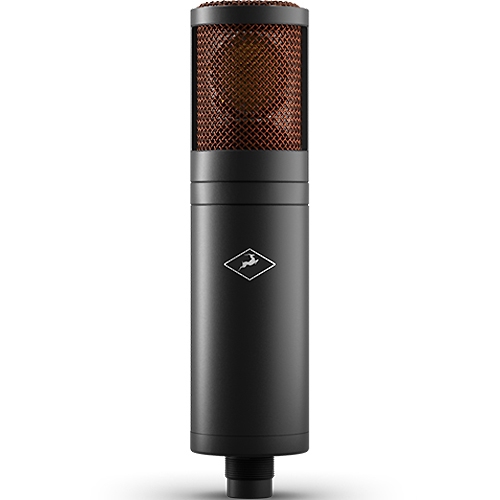

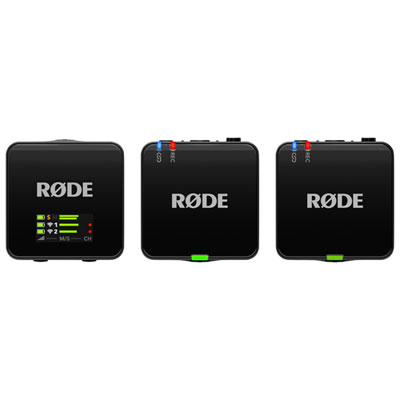

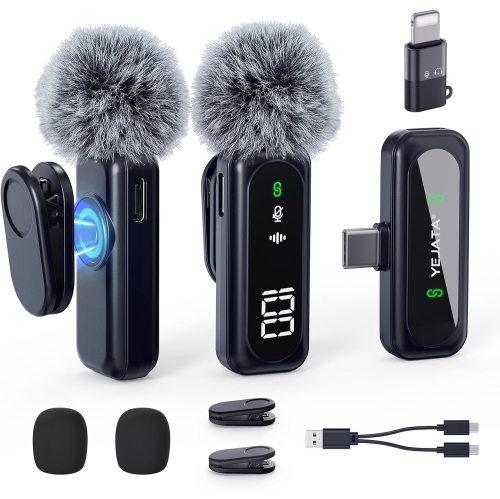
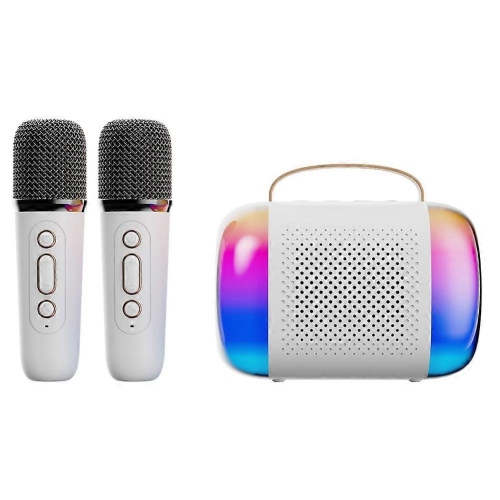

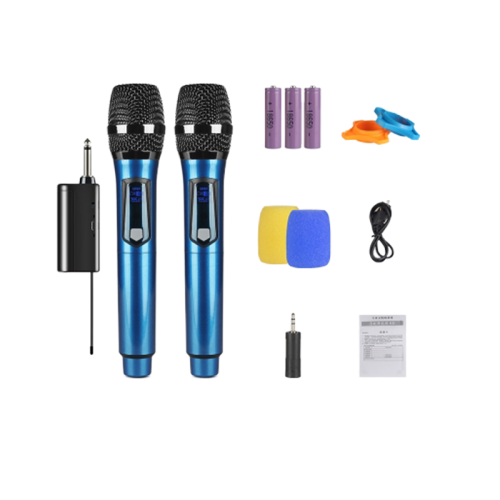

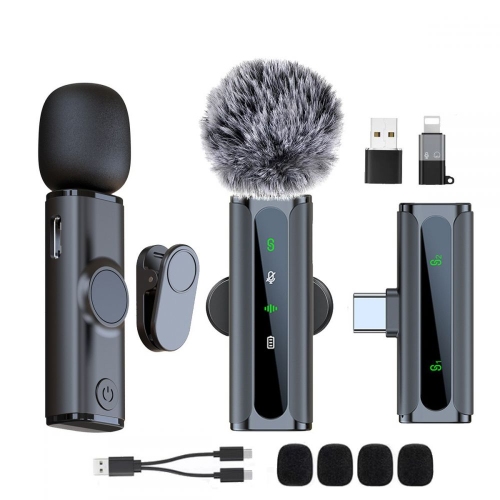
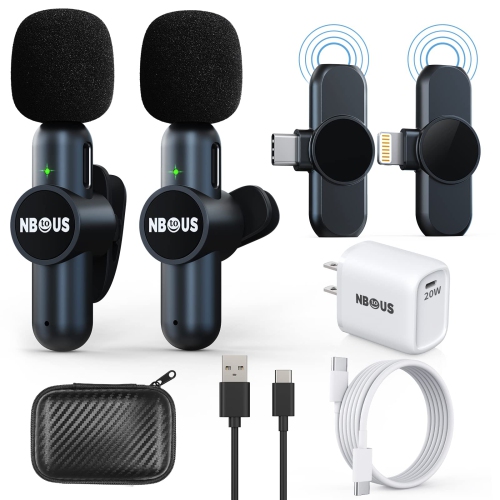

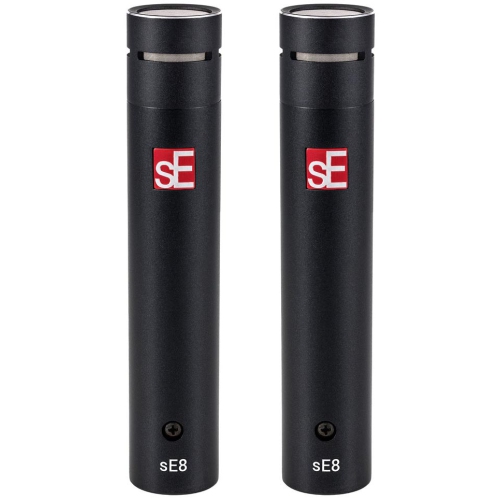

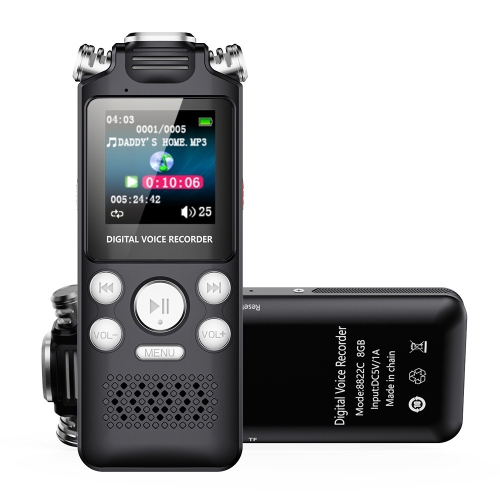


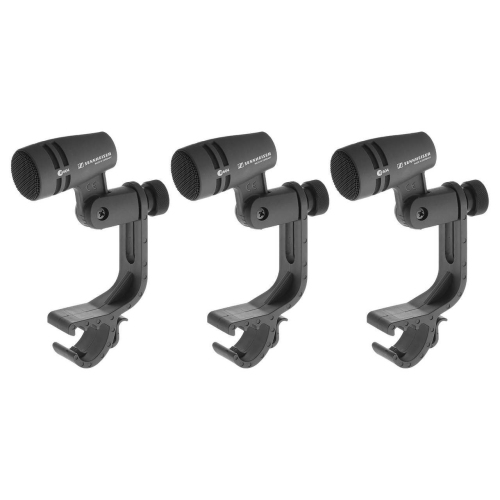


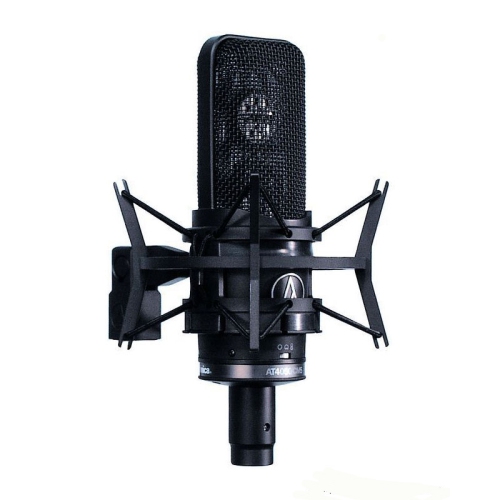

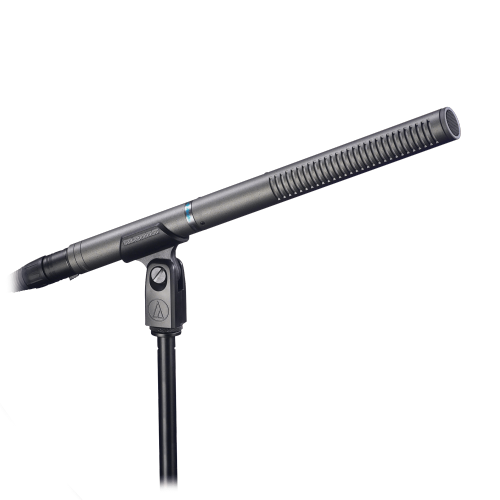

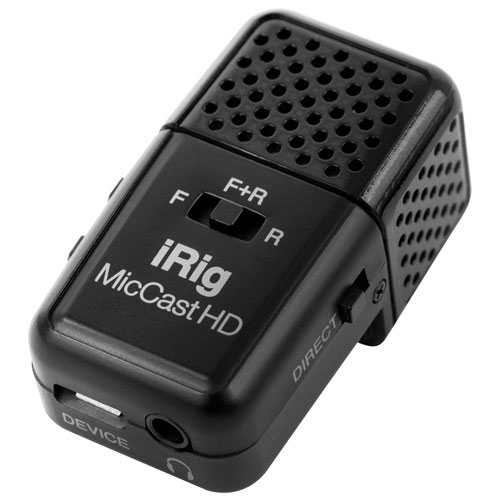
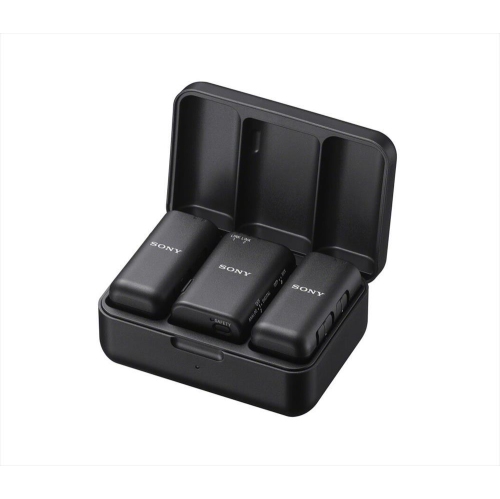
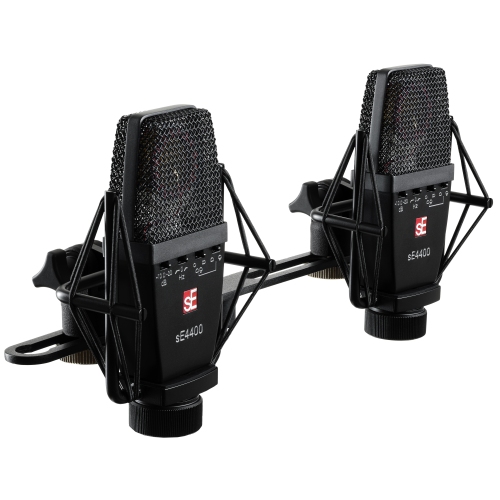
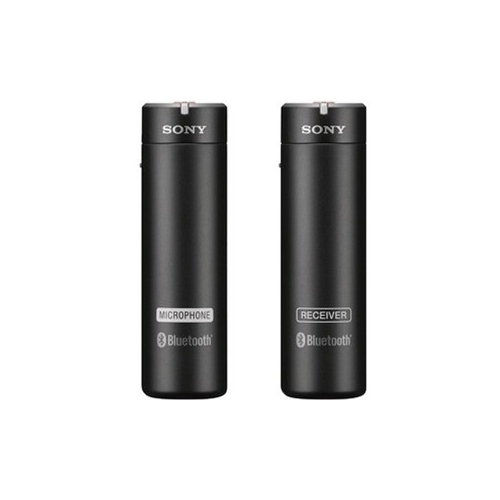
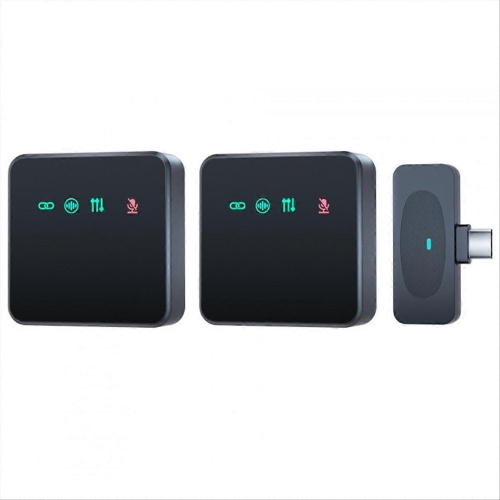
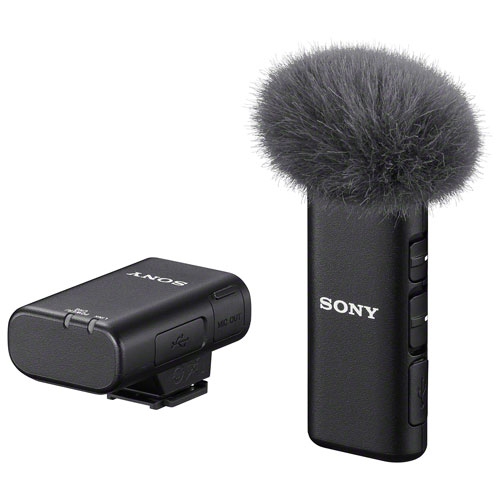
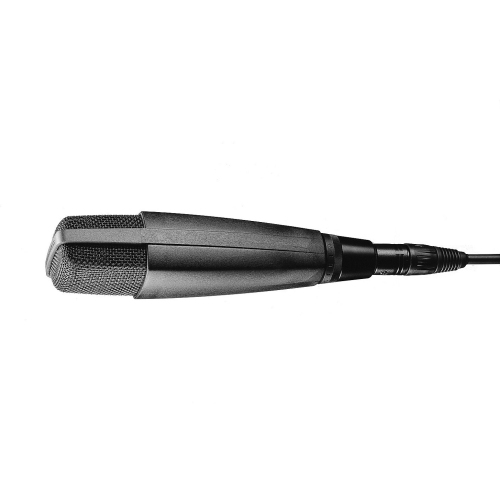
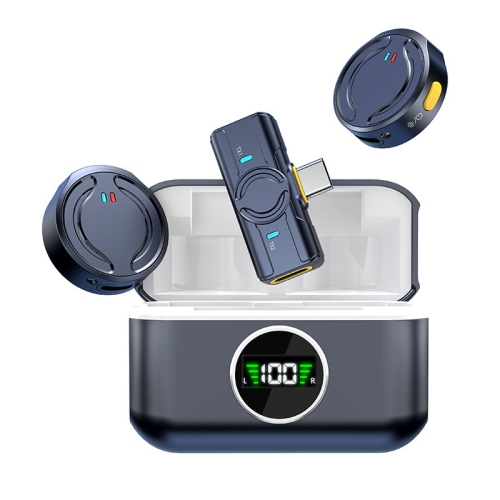
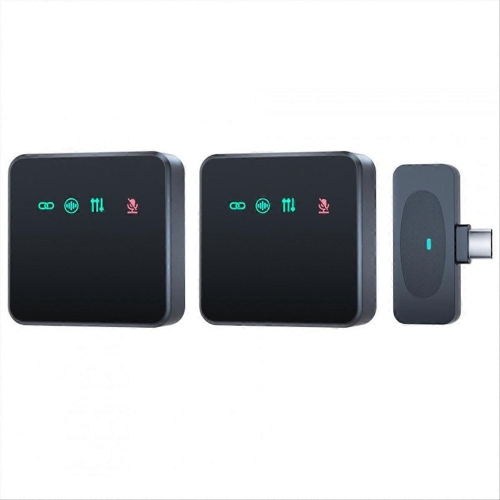
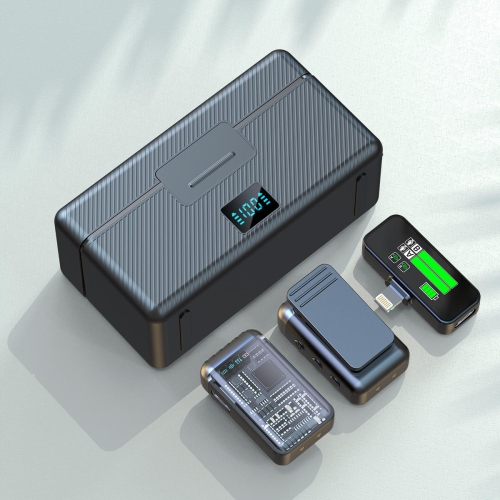


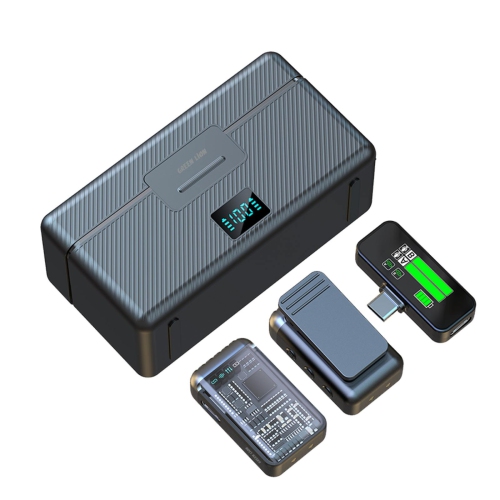
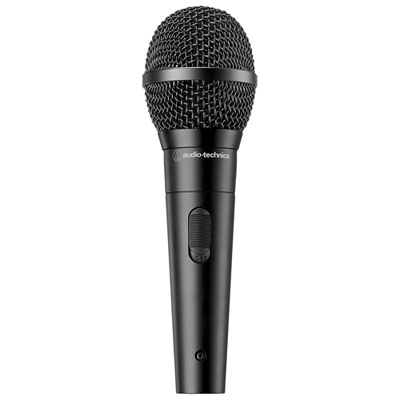

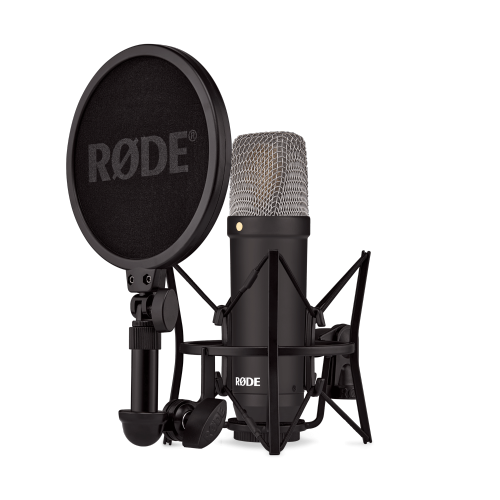
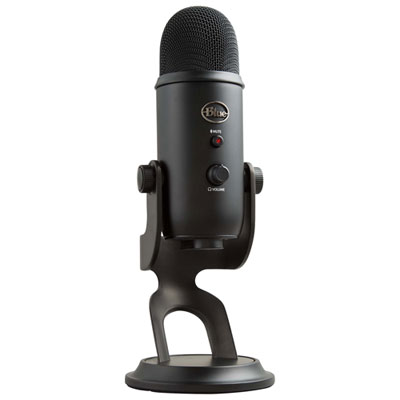
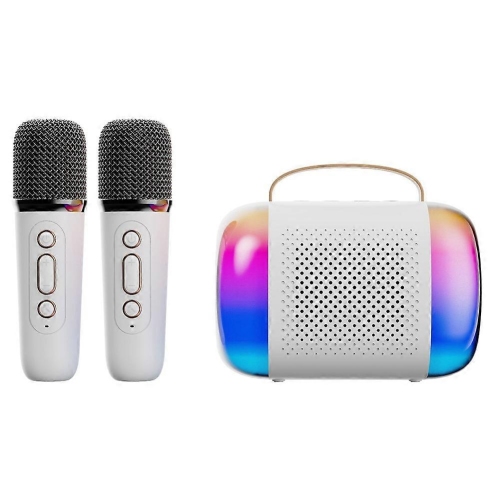


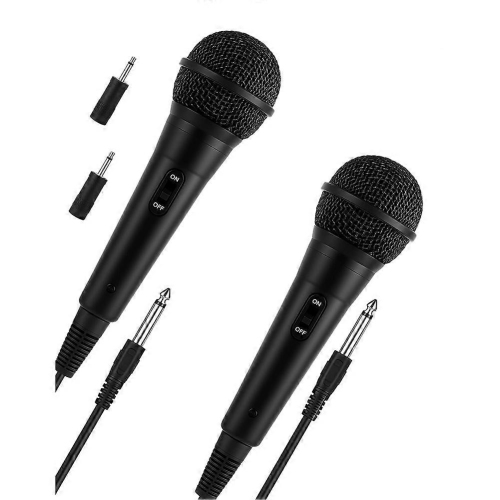

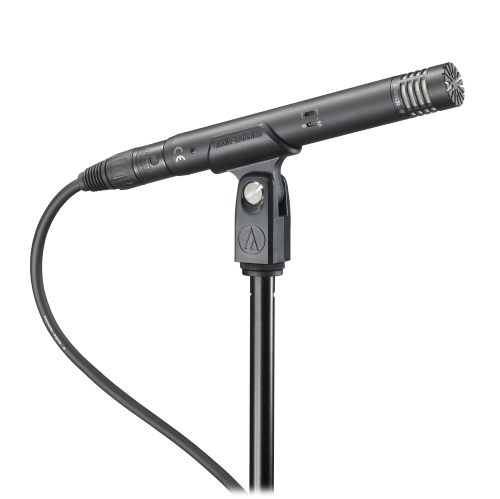
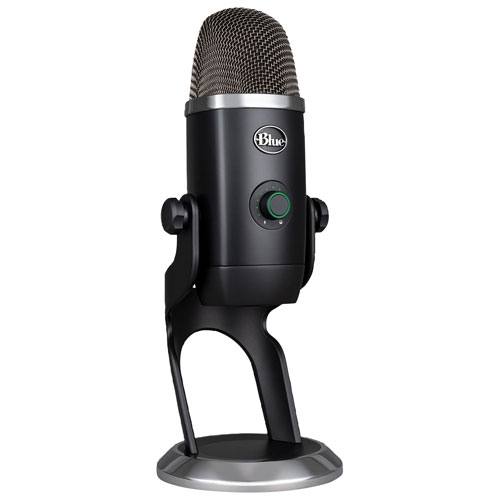

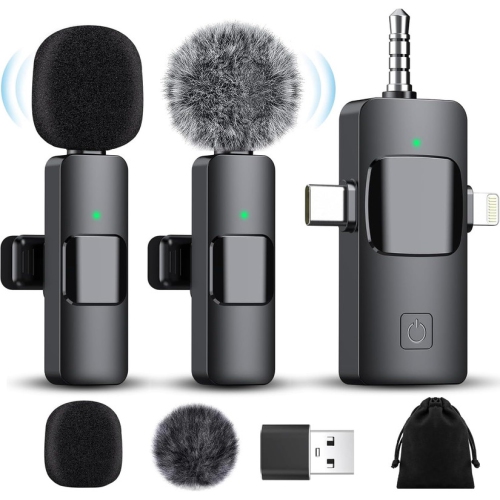
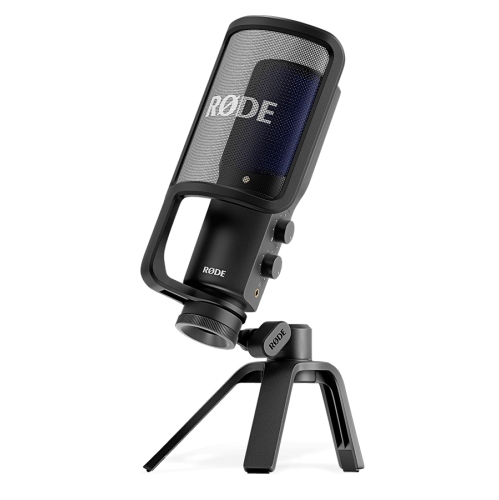


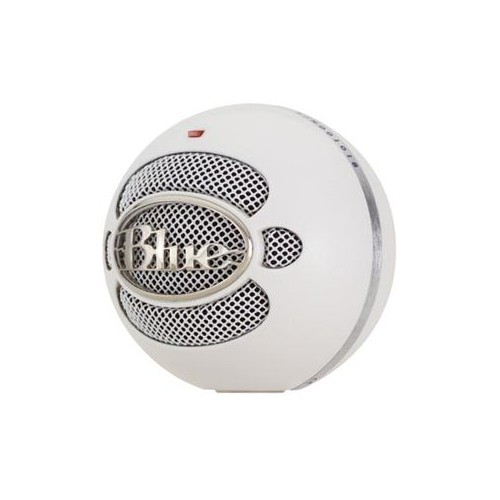


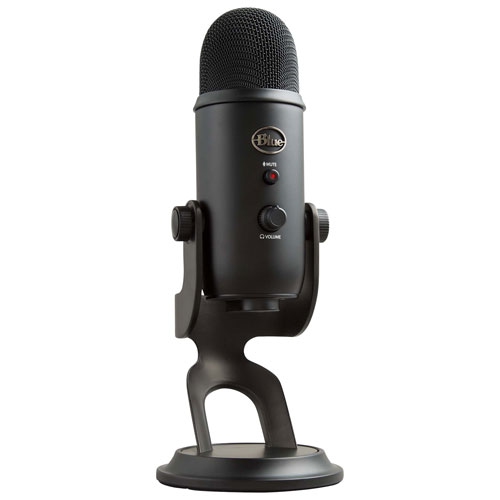
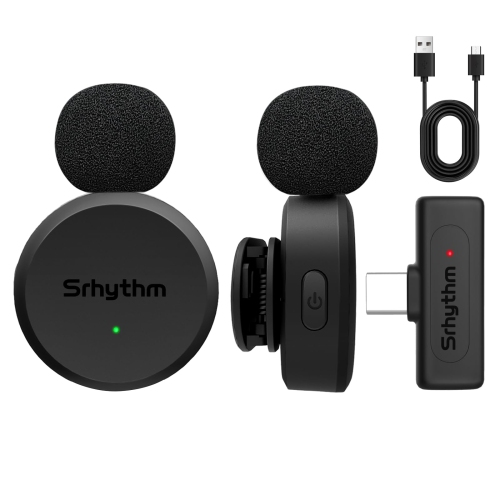
Immersive stereo sound for concerts, podcasts, and nature
Stereo microphones capture two channels of sound at the same time, creating a sense of width, space, and direction that a single-channel microphone cannot reproduce on its own. Inside a stereo microphone are two separate capsules, each assigned to the left or right channel, allowing a recording to reflect the way people naturally hear an environment. A guitar may sit slightly to one side, applause may spread across the room, and birdsong may appear to come from different points in a wooded area rather than from one central location. This realistic sense of position makes stereo microphones useful for recording live music, rehearsals, interviews in natural surroundings, video productions, travel memories, sound effects, podcasts with multiple participants, and atmospheric recordings. They can also add depth to voiceover or acoustic instrument recordings when the surrounding room contributes to the character of the performance. For shoppers comparing stereo microphones, the first consideration is how and where the microphone will be used. A compact model designed for a camera or portable recorder may be a convenient choice for creators who move between locations, while a studio-oriented microphone may offer more detailed sound and greater control when connected to an audio interface or mixer. Check the connector type, cable requirements, included mounting hardware, and power needs before making a selection. Some stereo microphones use plug-in power supplied by a compatible camera or recorder, while condenser designs may require phantom power from an audio interface, mixer, or dedicated recording device. Matching the microphone to the equipment already in use helps avoid unexpected adapters, incompatible connections, or recordings that are quieter than expected. It is also worth considering the size and weight of the microphone, especially when it will be attached to a camera, handheld recorder, boom, or stand for extended periods. A lightweight option can make a noticeable difference during a long walk, a full day of filming, or a live performance where the microphone needs to remain in position without causing strain.
The arrangement of the capsules influences the character of the stereo image. In an X/Y configuration, two directional capsules are positioned close together, often at an angle, to capture the left and right channels from nearly the same point. This layout provides a focused, stable stereo image and generally helps reduce phase problems if the recording is later combined into mono. It is well suited to musicians, presenters, and field recordists who want convincing width without a complicated setup. Mid-Side designs use a forward-facing capsule together with a side-facing capsule and can offer flexible control over the amount of stereo spread during editing. This can be helpful for video creators or sound designers who want to adjust the balance between a central subject and the surrounding ambience after recording. Spaced-pair, or A/B, arrangements place the capsules farther apart to create a broad, open soundstage. They can produce an impressive sense of scale for choirs, orchestras, room ambience, and environmental sound, but careful placement is important because differences in distance and timing can create phase cancellation or an unnatural image. Some microphones use a Blumlein-style arrangement for a particularly spacious and room-sensitive result, making the acoustics of the recording location an important part of the final sound. Directionality matters as well. Cardioid patterns emphasize sound arriving from the front and can help reduce unwanted noise behind the microphone, while broader patterns capture more of the surrounding room. A microphone with adjustable pickup patterns may be useful for creators whose projects change from one recording session to the next, although additional controls can add complexity. Before recording, use headphones to listen for traffic, air conditioners, handling noise, clothing rustle, and reflections from hard walls. A windscreen can help outdoors, and a shock mount or secure camera shoe can reduce bumps and vibrations. Keeping the microphone at a suitable distance is equally important: moving it closer usually increases the direct sound, while moving it farther away brings more room ambience into the recording. A brief test recording can reveal channel imbalance, excessive background noise, or an overly wide image before the main performance begins.
Stereo microphones can be a practical addition to many creative setups and a thoughtful gift for musicians, videographers, podcasters, students, travellers, and anyone who enjoys documenting real-world sound. A budding filmmaker might use one to give outdoor scenes more depth, capturing footsteps on a path, distant conversation, and the changing texture of the surroundings. A musician can record an acoustic instrument or small ensemble with a more natural sense of space, while a live-event recorder can preserve the energy of applause and audience reaction around the main performance. For family recordings, a stereo microphone can make a school concert, spoken memory, or holiday gathering feel more immediate when played back through headphones or speakers. During the warmer seasons, portable recording gear can accompany walks, camping trips, festivals, and outdoor performances; during the cooler months, it can be equally useful for indoor concerts, home studios, rehearsals, and video projects created at a desk. When choosing among stereo microphones, think about the intended recording device, the expected environment, and the amount of control the user wants during editing. A simple plug-in design may suit someone who values quick setup, whereas an experienced creator may prefer manual gain control, selectable patterns, higher maximum sound pressure handling, or a connector designed for professional audio equipment. Sensitivity and self-noise affect how clearly quiet sources are captured, while maximum sound pressure level indicates how well the microphone can handle loud instruments or live events without distortion. Consider storage and transport as well: a protective case, detachable cable, foam windscreen, or included stand adapter can make regular use easier. Stereo recordings are often enjoyed through headphones, but checking them in mono remains a useful habit because some playback systems, broadcasts, and online platforms may narrow the stereo field. With thoughtful placement, suitable power, and a compatible recording device, a stereo microphone can preserve not only the main sound but also the atmosphere around it, making recordings feel more spacious, natural, and connected to the place where they were made. Shoppers exploring related recording options may also wish to browse Studio Microphones for microphones suited to more controlled vocal, instrument, and content-creation setups.
Top selling and popular products
-
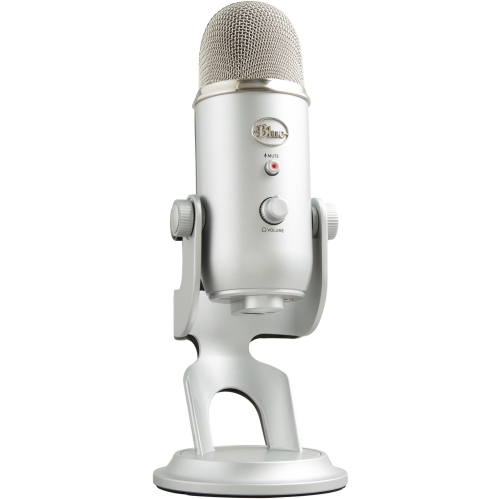 Your price for this item is $204.37
-
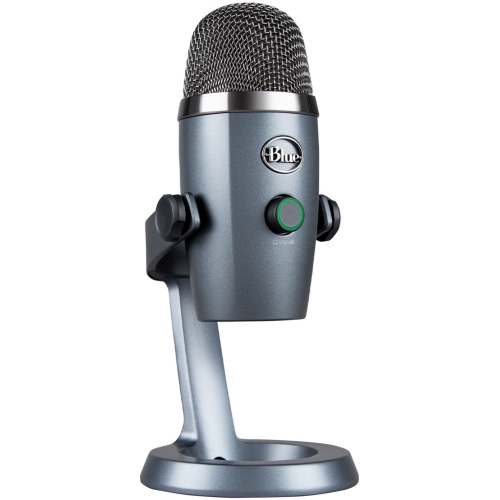 Your price for this item is $155.37
-
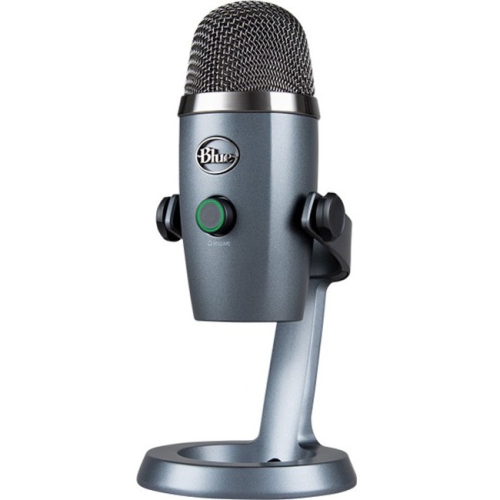 Your price for this item is $152.68
-
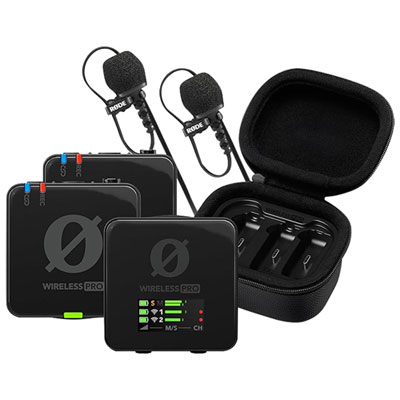 Your price for this item is $419.99
-
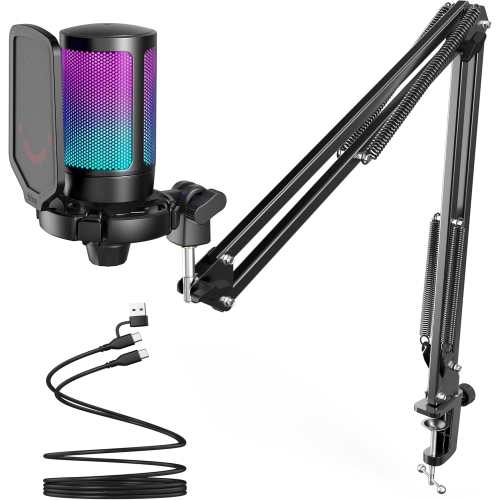 Your price for this item is $79.99
-
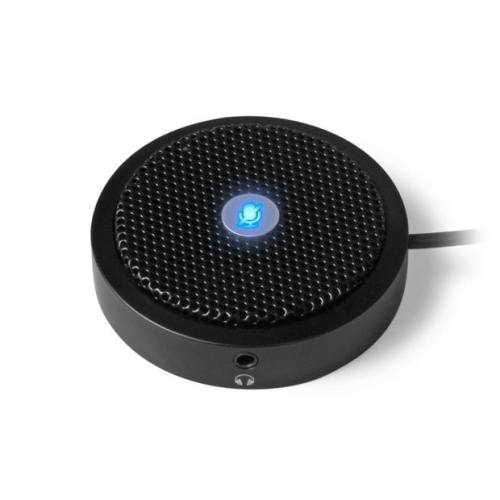 Your price for this item is $75.35
-
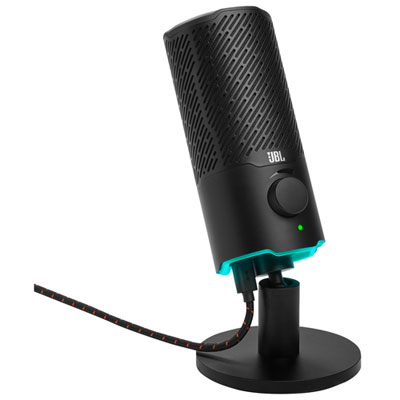 Your price for this item is $139.99
-
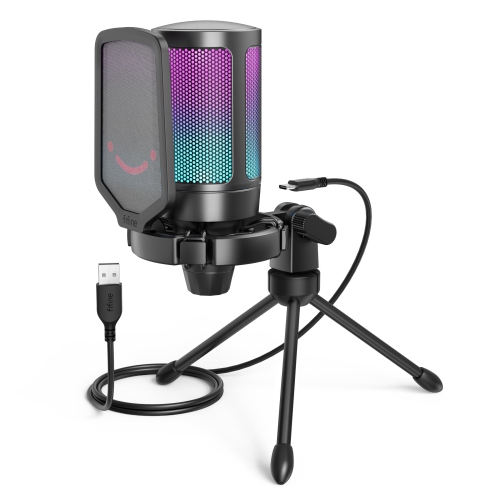 Your price for this item is $62.99
Discover more categories related to Stereo Microphones
Top Collections:
Pokemon Centers, Kindle Devices, Best Budget Office Chairs, Canon G7X Cameras, Apple iPhones 16, Samsung Galaxy Phones, Refurbished Apple Laptops, Laptops for Students, iPhone 15 Apple, Budget Smartphones
Some products may be subject to Environmental Handling Fees
(EHF) depending on your province.
Learn more about EHFs.