Shure SM7
Discover the versatility and performance of the Shure SM7, a top choice for audio professionals and enthusiasts alike. Whether you're setting up a home studio, enhancing your podcast recordings, or elevating your live sound experience, the Shure SM7 delivers reliable results across a range of applications. Explore options designed to meet your needs and take your audio projects to the next level with the trusted quality of the Shure SM7.
Sort

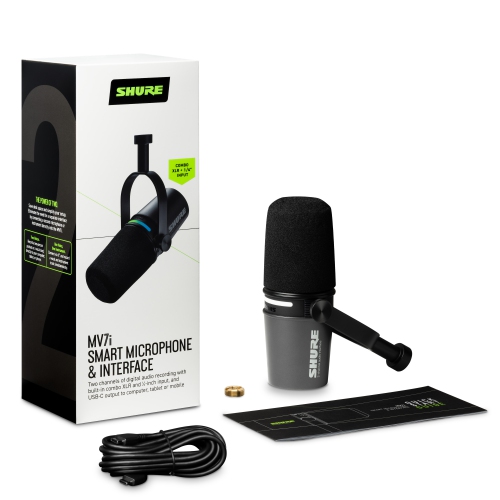


The setup behind a full-bodied broadcast vocal sound
Broadcast-style dynamic microphones bring a close, full-bodied vocal sound to podcasts, livestreams, voiceovers, and studio sessions. Their moving-coil design turns sound into an electrical signal without the externally powered capsule circuitry used in condenser microphones, making them a practical choice for focused speech and expressive singing. A cardioid pickup pattern favours sound arriving from the front while reducing sensitivity to sound from the sides and, especially, the rear. That directional response helps keep attention on a presenter’s voice rather than a keyboard, computer fan, or conversation elsewhere in the room, although no microphone can completely remove unwanted sound. Placement and the balance between voice level and room noise still matter. In a spare bedroom with a hard floor and bare walls, speaking fairly close to the microphone can make the voice more prominent than distant reflections; curtains, a rug, and soft furnishings can also help soften the space. The familiar broadcast sound comes from a combination of microphone design, speaking distance, vocal delivery, and the rest of the audio setup, rather than from the microphone alone. Working close to a directional microphone generally increases bass through the proximity effect, giving some voices extra warmth but making others sound heavier than intended. A little more distance can restore clarity, while speaking slightly across the front instead of directly into it can soften forceful breath sounds. These qualities suit solo hosts, interviewers, audiobook narrators, remote presenters, and musicians who want a consistent vocal presence. A gaming creator talking over a quiet soundtrack may value clear speech and reduced room pickup, while a singer delivering a powerful chorus may appreciate a dynamic design that handles loud vocals comfortably. For longer sessions, a microphone positioned on a suitable stand leaves hands free for a keyboard, script, or instrument, helping the setup feel natural rather than forcing the speaker to lean towards a desk.
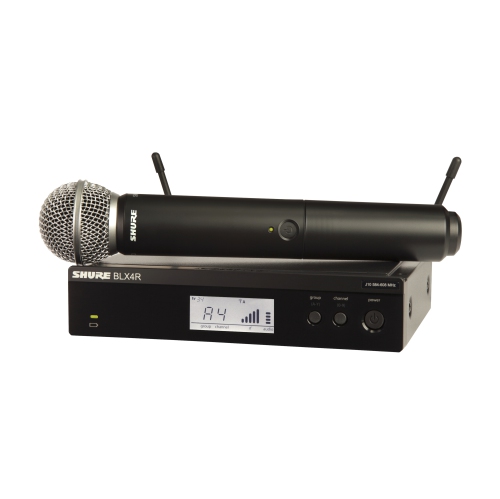
The connection and amplification requirements are just as important as the microphone’s sound. An XLR microphone normally connects to an audio interface, mixer, or dedicated microphone preamp rather than plugging straight into a computer’s USB port. For computer-based work, the interface converts the microphone’s analogue signal into digital audio and may also provide headphone monitoring. Passive broadcast dynamic microphones can have relatively low output, so quiet speech often calls for substantial clean preamp gain. The useful amount depends on the microphone’s sensitivity, the distance from the speaker, the loudness of the performance, and the noise performance of the connected equipment. A gain control turned high is not automatically a problem; audible hiss, insufficient level, or distortion are more meaningful signs that the signal path needs attention. An inline gain booster can help certain setups, but it is not an automatic requirement when an interface already provides enough low-noise gain. Passive moving-coil microphones generally do not need phantom power, while active circuitry in a microphone or an inline booster may require it. Checking the power requirements of each component avoids confusing the needs of the microphone capsule with those of an added amplifier. Some broadcast designs also offer switches that adjust bass response or upper-midrange presence, providing a way to shape a voice before applying software processing. Those adjustments can be useful for reducing excessive low-end weight or bringing consonants forward, but they do not replace suitable positioning. Closed-back headphones help a speaker hear mouth noise, plosives, and changes in distance without playing the audio through speakers near the microphone. Direct monitoring through an interface can also reduce the distracting delay that sometimes occurs when listening through software. In a two-person conversation, separate microphones and inputs give each voice its own level control, particularly when one guest speaks softly and the other projects across the table. For performers comparing a fixed studio setup with a handheld wireless approach, Shure SM58 Wireless offers a related starting point for a different style of vocal setup, where freedom of movement may matter more than maintaining a seated speaking position.
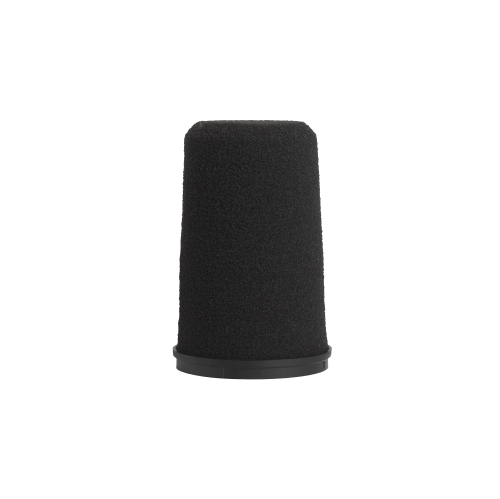
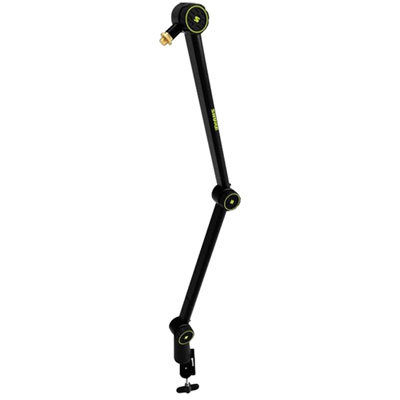
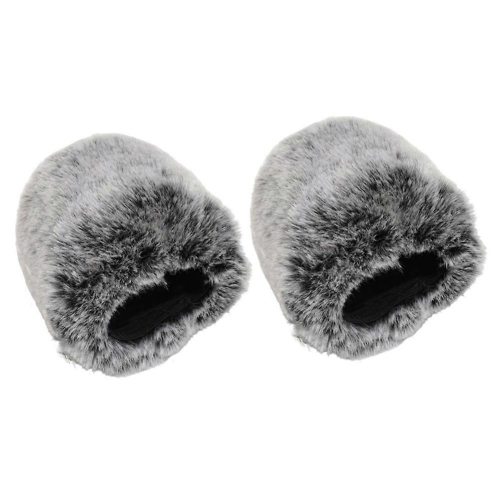
Physical construction and mounting determine how comfortably a broadcast microphone fits into everyday use. A substantial metal housing can stand up well to regular studio handling, while a protective grille and foam windscreen help shield the capsule and soften breath reaching its surface. Dynamic construction is generally robust, but drops, moisture, and strain on the connector can still cause damage. Heavier microphones need a desk arm or stand with an appropriate load rating, including enough capacity for any mounting hardware and accessories. A mount that slowly droops during a session can be frustrating, especially when a presenter needs to stay on camera or follow a script. Thread compatibility, the space around the XLR socket, and the microphone’s adjustment range all affect fit. On a compact desk, an arm that reaches in from the side may keep the screen visible and leave space for notes; beside a piano or guitar, a floor stand may provide more flexible placement without transferring desk taps. Cable length should allow comfortable movement without pulling on the connector, with enough slack at the microphone for angle changes. Keeping cables clear of chair wheels and walkways also reduces accidental tugs. Built-in vibration isolation can help limit handling noise, although knocks through a desk or stand may still be audible. Care is usually straightforward: wipe the exterior gently with a dry, soft cloth, keep liquids away from the grille and connector, and follow the manufacturer’s directions for cleaning or replacing removable foam. A damp windscreen should dry completely before it is refitted, and the microphone should be kept covered or stored in a dry place between sessions. In shared setups, individual windscreens can make routine hygiene easier. These microphones can be thoughtful gifts for someone developing a podcast, practising voice acting, or building a home studio, provided the recipient has compatible audio equipment and a suitable mount. For someone who spends hours speaking, singing, or teaching online, the most useful setup combines a clear vocal sound with comfortable positioning, dependable connections, and controls that are easy to manage throughout a session.
Top selling and popular products
-
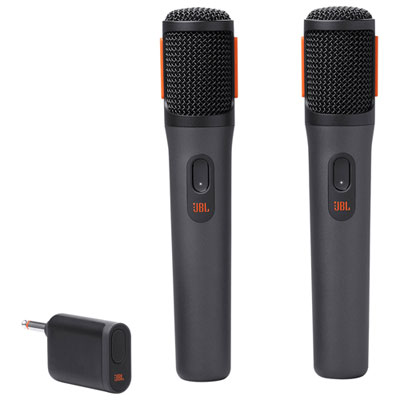 Your price for this item is $199.99
-
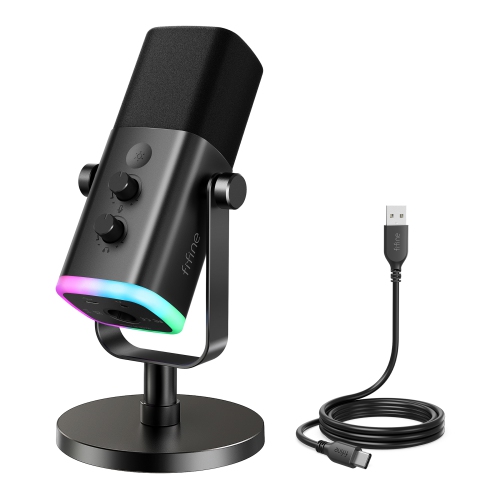 Your price for this item is $83.99
-
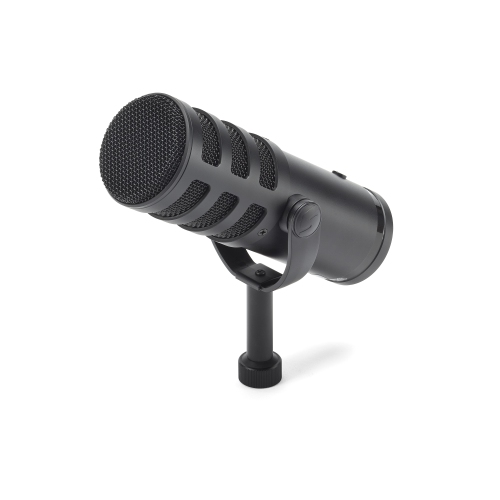 Your price for this item is $265
-
 Your price for this item is $149.99
-
 Your price for this item is $245
-
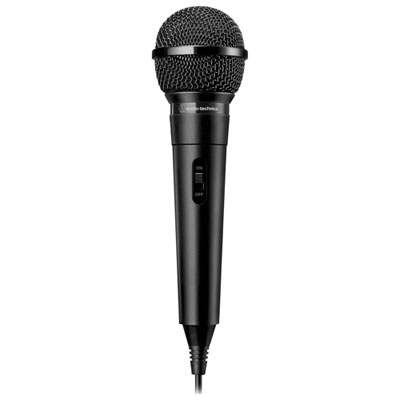 Your price for this item is $24.99
-
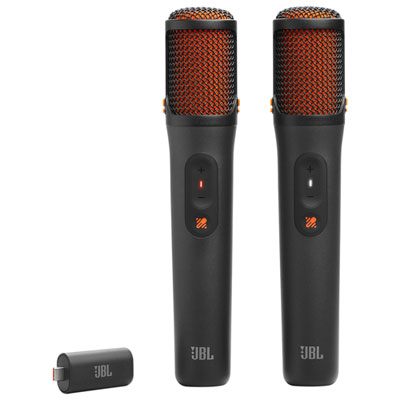 Your price for this item is $229.99
-
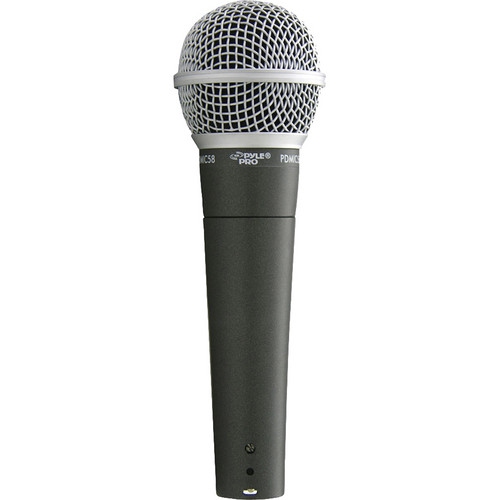 Your price for this item is $29.99
Discover more categories related to Shure SM7


Top Collections:
Pokemon Centers, Best Cameras for Sports Photography, Kindle Devices, Samsung Galaxy Phones, Canon G7X Cameras, Pokémon 30th Celebration Cards, Refurbished Apple Laptops, iPhone 15 Apple, Laptops for Students, Budget Smartphones
Some products may be subject to Environmental Handling Fees
(EHF) depending on your province.
Learn more about EHFs.