Shure Aonic
Discover the exceptional audio experience offered by Shure Aonic. Designed for those who value sound quality and comfort, these products are perfect for music lovers, professionals, and anyone seeking reliable performance. Explore a range of options to find the ideal fit for your listening needs. Elevate your everyday audio with Shure Aonic and enjoy clarity in every note.
Sort




Focused listening starts with the right fit and isolation
Wireless noise-cancelling headphones and sound-isolating earphones offer different ways to bring focused listening into everyday life, from following a bass line on the train to hearing the texture of a vocal performance at home. Designs influenced by stage and studio listening often emphasize clear musical detail, secure fit, and control over how much outside sound reaches the listener. Over-ear headphones surround the ears with cushioned pads, creating a physical seal that can support a full, immersive presentation without placing anything inside the ear canal. Active noise cancellation adds microphones and electronic processing to reduce certain outside sounds, particularly steady, low-frequency noise such as the hum of a train or aircraft cabin. It does not remove every conversation or sudden sound, and its effectiveness depends partly on the fit of the ear cups. Sound-isolating earphones take a different approach: soft sleeves seal the ear canal to reduce incoming sound without relying on electronic cancellation. This distinction matters for listeners who prefer a compact wired setup, want fewer charging requirements, or like the close fit of an in-ear design. Wireless earphones combine that portable format with cable-free listening, although their battery needs and controls differ from those of wired versions. Neither format is automatically better for every listener. Someone who enjoys a complete album at a desk may appreciate roomy ear cups, while a frequent traveller may prefer earphones that fit into a small protective case. Sound character also varies, with differences in bass weight, vocal presence, and the sense of space around instruments. A familiar recording with natural voices, acoustic instruments, and quieter passages can make those differences easier to hear than a track chosen only for its heavy bass. Where supported, adjustable sound settings can tailor the balance to personal preference, while ambient listening features provide a way to hear more of the surroundings without fully removing the headphones. These features are useful conveniences, not substitutes for paying attention around traffic or other hazards.
Comfort comes from the relationship between the design and the person wearing it, especially when listening sessions stretch beyond a short commute. For over-ear headphones, headband adjustment, clamping pressure, ear-cup depth, and cushion shape all affect how the weight feels over time. Glasses can change the seal around the pads, and a fit that feels comfortable for a few minutes may become distracting during a long film or an afternoon of concentrated work. Cushions covered in leather-like materials generally wipe clean easily, while fabric-covered surfaces can feel different against the skin and may require more careful cleaning. The exact materials and care requirements vary by design. With in-ear earphones, the sleeve is a central part of both comfort and sound. Silicone tips are often straightforward to clean according to the supplied care directions, while compressible foam tips adapt to the shape of the ear canal and need periodic replacement as they wear. A weak seal can make bass sound thin and let in more outside noise; increasing the volume does not correct the underlying fit. Different tip sizes may be needed for each ear. An over-the-ear cable route can help keep compatible earphones secure and reduce the feeling of a cable pulling downward, particularly when the listener turns their head or moves between tasks. Durability also involves the less noticeable details: hinges that move smoothly, strain relief where cables enter the housing, and connectors that are not placed under constant tension. Detachable cables and replaceable cushions can make routine wear easier to address when compatible replacements are supported. A protective case helps prevent ear tips from collecting debris and keeps headphone pads from being crushed in a packed bag. After use, a gentle wipe with a soft cloth and storage in a clean, dry place help keep contact surfaces comfortable. Cleaning liquids should not enter acoustic openings or charging ports, and foam, mesh, and electronic components should only be cleaned using methods specified for their materials.
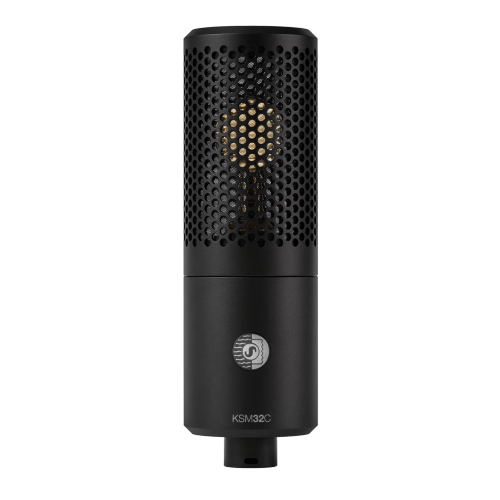
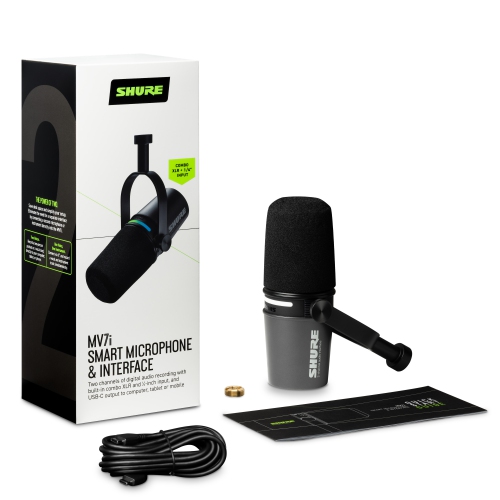
Everyday convenience depends just as much on connections and controls as it does on sound. Bluetooth headphones suit listeners who move between a phone, tablet, and computer, but features such as simultaneous device connections, automatic switching, and app-based adjustments depend on the particular design and the connected devices. Touch or button controls can make playback and calls easier to manage without reaching for a phone, although control placement is worth considering for anyone who frequently adjusts their headphones. Microphone performance also varies: a voice that sounds clear in a quiet room may be less distinct beside a busy road. Battery-life figures are best understood alongside the conditions used to measure them, since listening volume, calls, noise cancellation, and other processing can affect the time between charges. For wireless earphones, the charge held by the earpieces is separate from the extra charging capacity of the case. Wired listening remains useful for people who want a simple connection without a listening battery to manage, or who need monitoring for recording and editing. A home studio built around a Shure SM7 microphone can use wired headphones connected to a compatible audio interface for playback and monitoring. A wired connection avoids Bluetooth transmission delay, though recording software and interface settings can still introduce latency. Closed-back headphones and well-sealed earphones can also help limit playback escaping into a nearby microphone, without guaranteeing complete silence outside the ear cups. Connection types deserve attention before any setup comes together, since headphone plugs, adapters, charging cables, and microphone connections serve different purposes. As a gift, headphones or earphones are most personal when they match an established routine: a music enthusiast settling into attentive listening, a student sharing a study space, or someone recording spoken audio at home. Familiarity with the recipient’s preferred fit and devices matters more than assuming that a larger design or a longer feature list will suit them better. The most satisfying listening setup is one that feels comfortable, works reliably with the equipment already in use, and makes it easy to return to favourite music, films, and conversations.
Top selling and popular products
-
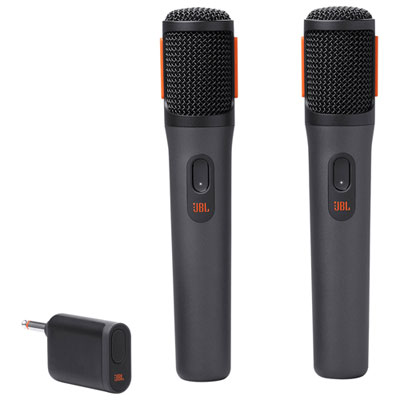 Your price for this item is $199.99
-
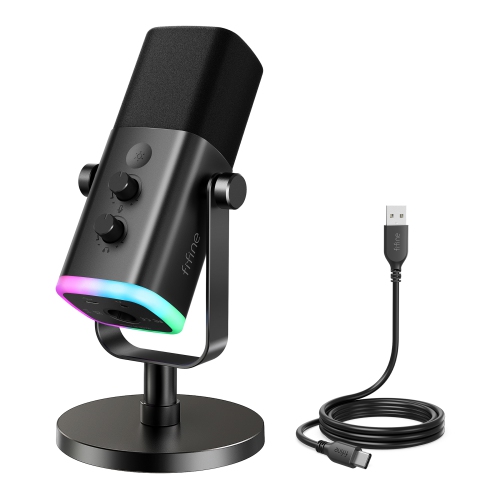 Your price for this item is $83.99
-
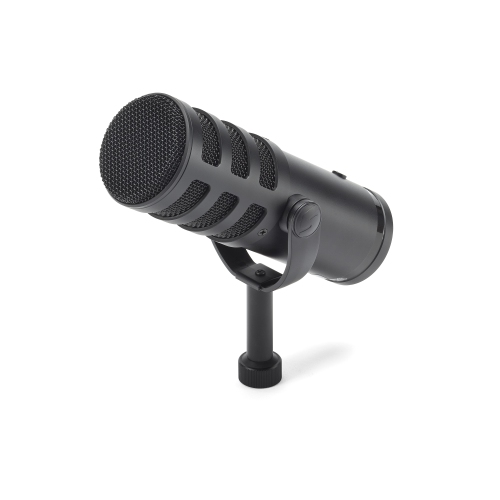 Your price for this item is $265
-
 Your price for this item is $149.99
-
 Your price for this item is $245
-
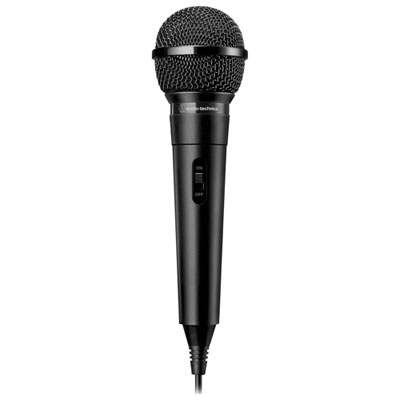 Your price for this item is $24.99
-
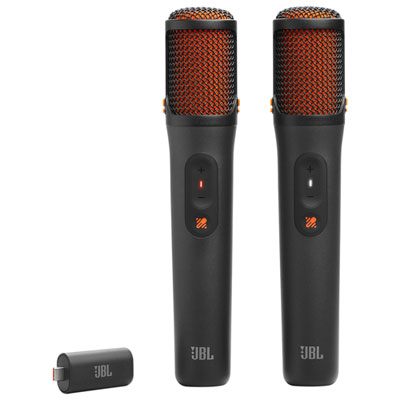 Your price for this item is $229.99
-
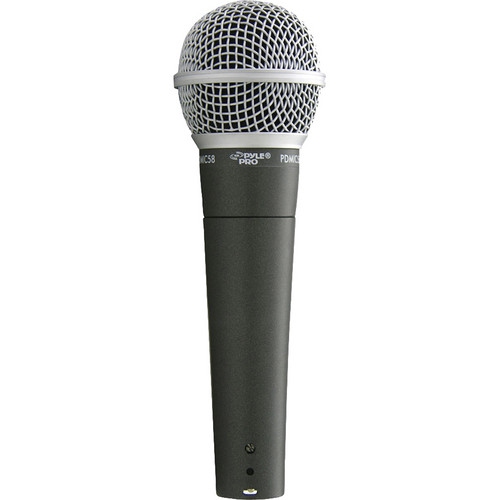 Your price for this item is $29.99
Discover more categories related to Shure Aonic



Top Collections:
Pokemon Centers, Best Cameras for Sports Photography, Kindle Devices, Samsung Galaxy Phones, Canon G7X Cameras, Pokémon 30th Celebration Cards, Refurbished Apple Laptops, iPhone 15 Apple, Laptops for Students, Budget Smartphones
Some products may be subject to Environmental Handling Fees
(EHF) depending on your province.
Learn more about EHFs.