Stage Guitars
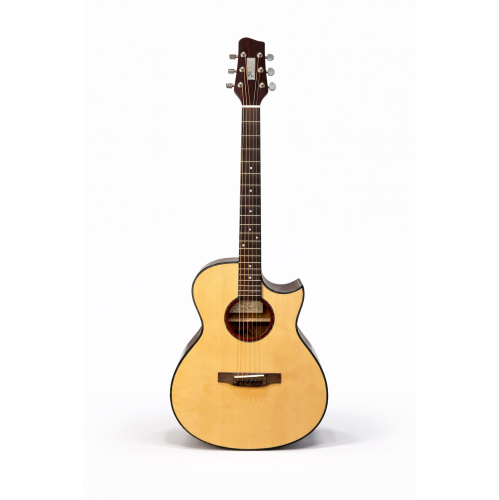
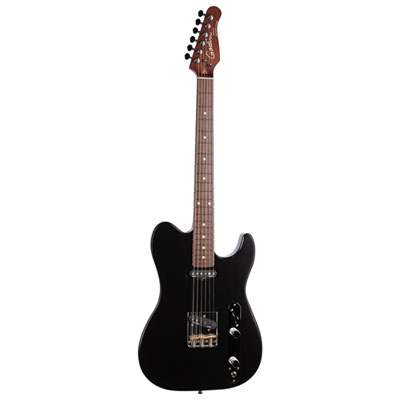
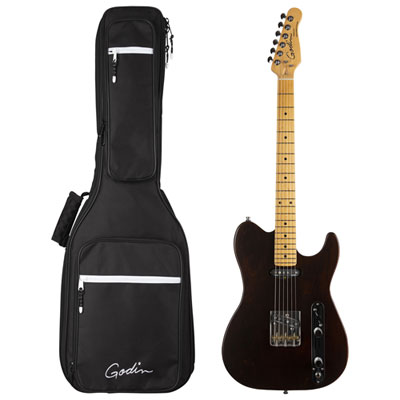
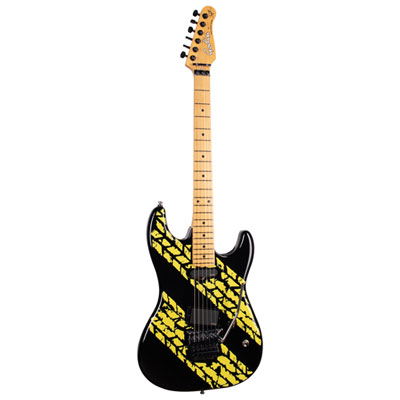
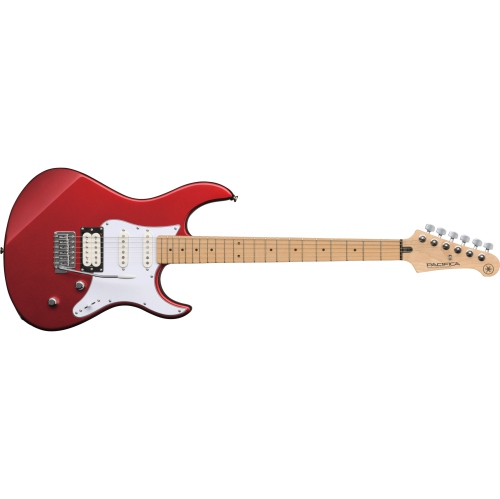
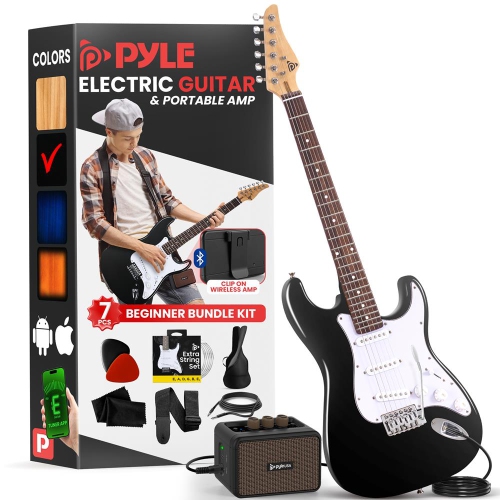
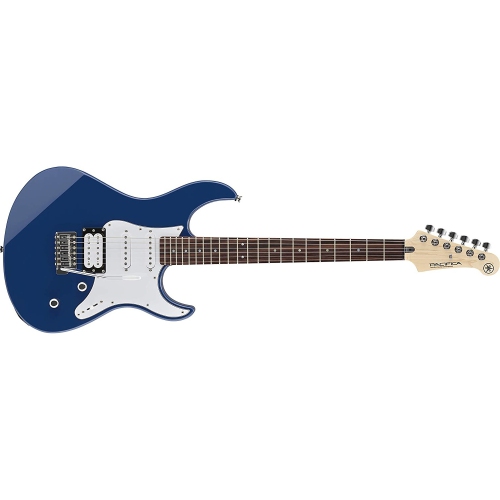
Looking to rock the stage with your guitar skills? Look no further than our collection of stage guitars. Whether you're a seasoned performer or just starting out, these instruments are designed to deliver exceptional sound quality and performance. With a wide range of styles, features, and finishes to choose from, you'll find the perfect stage guitar to suit your unique playing style and personality. Get ready to take center stage and captivate your audience with the power and versatility of our stage guitars.
Sort
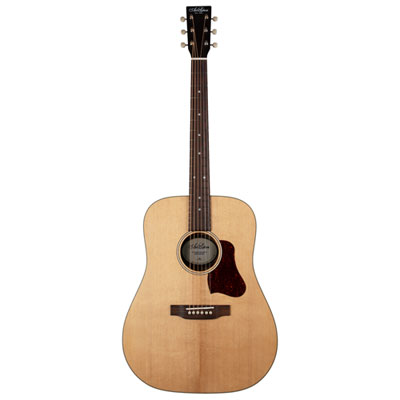
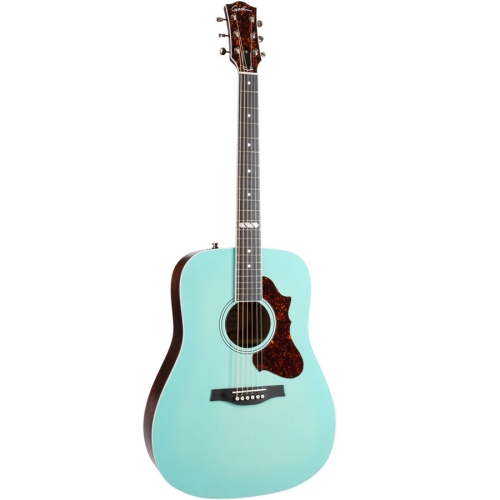
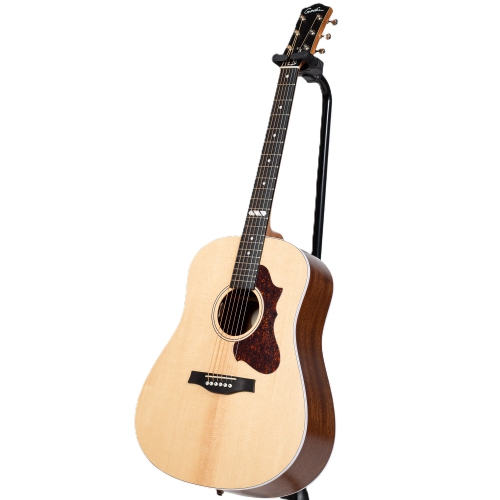
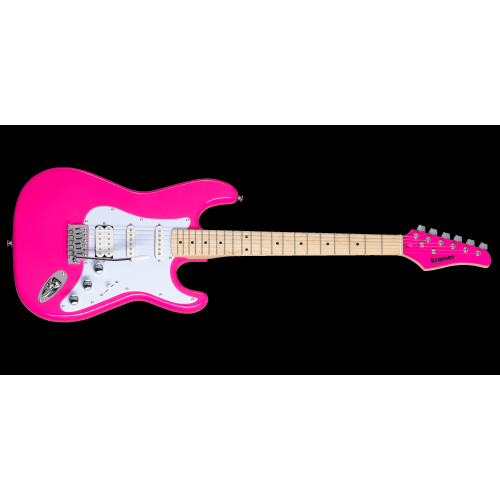

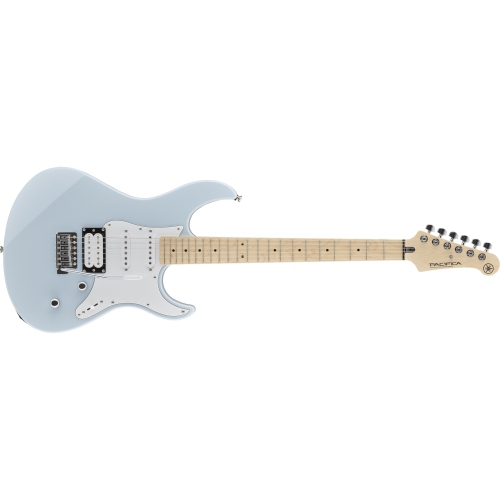
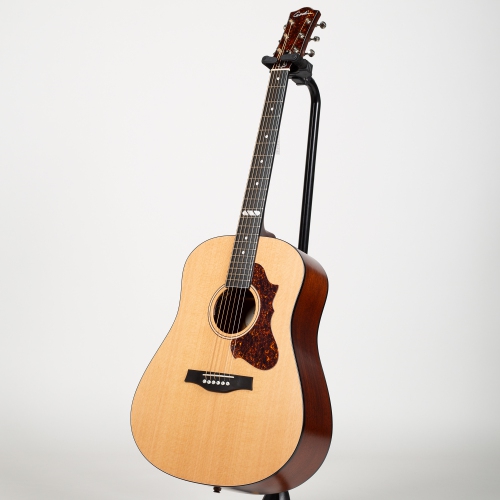
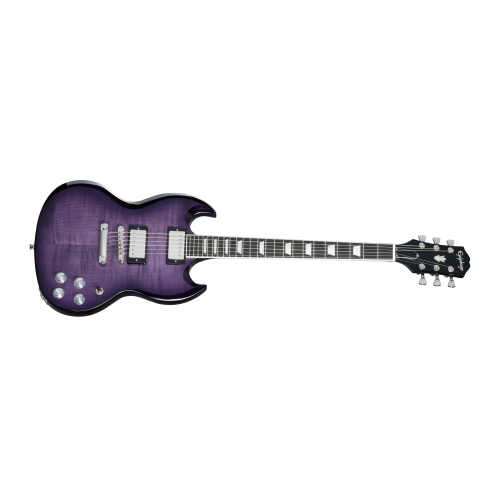
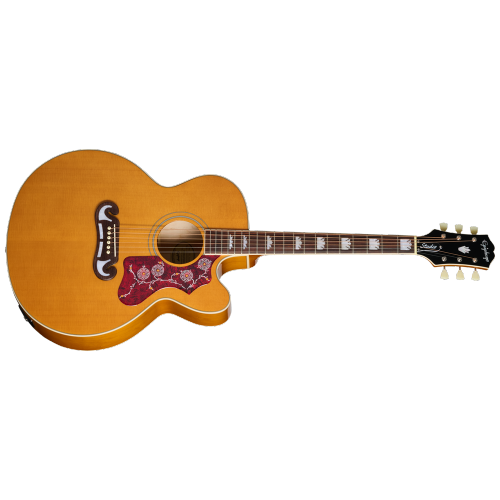

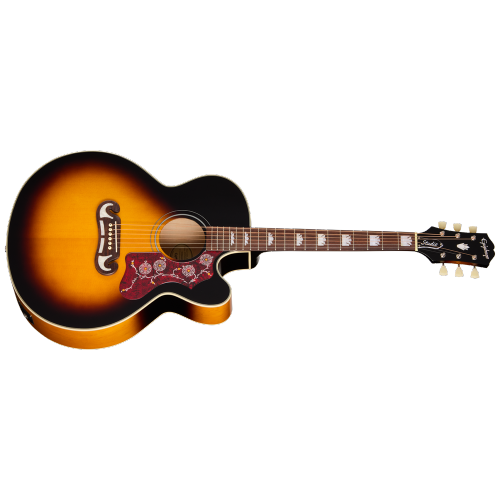

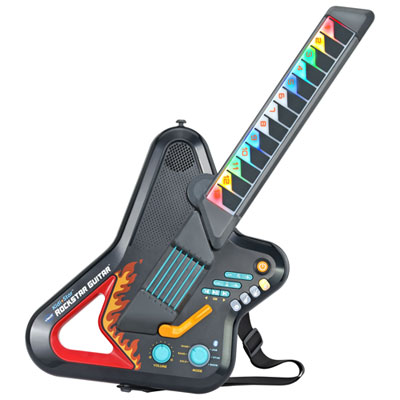
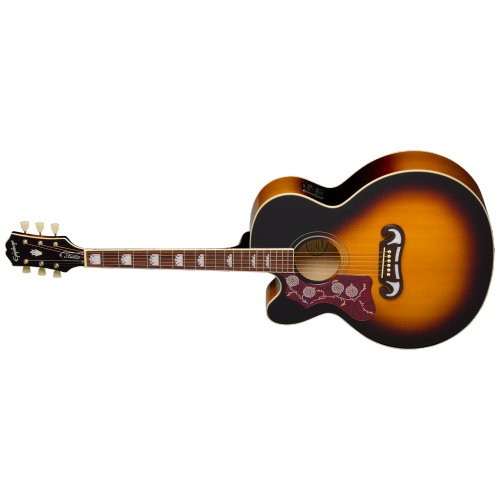
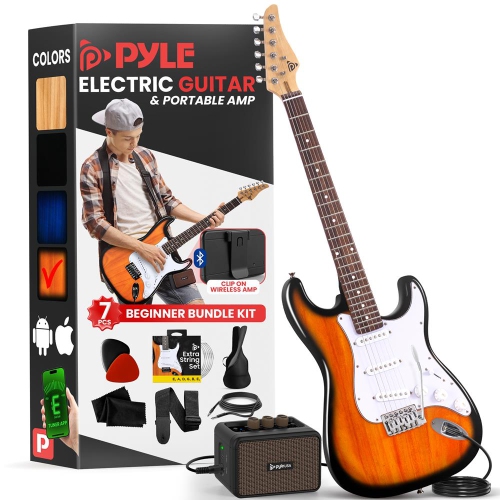
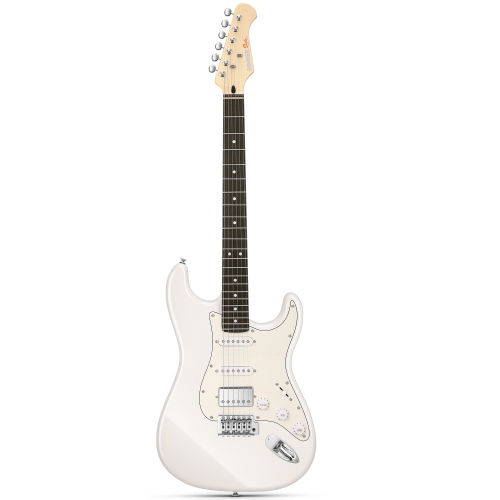
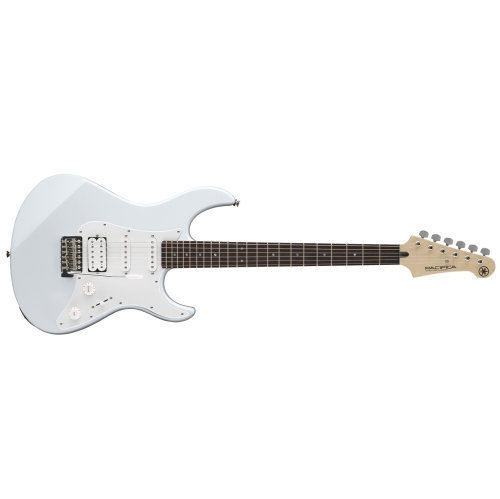
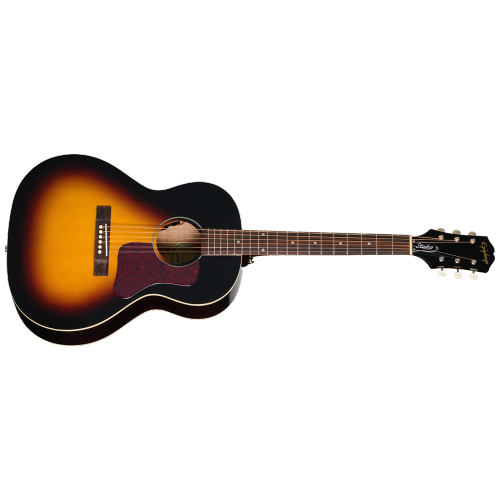
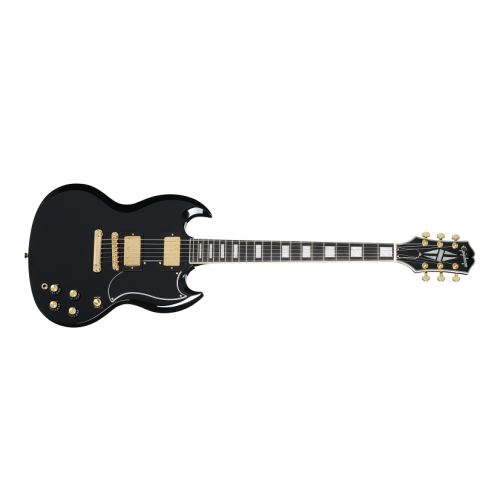
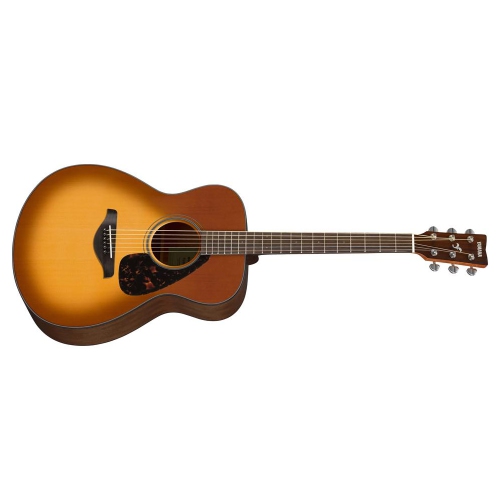
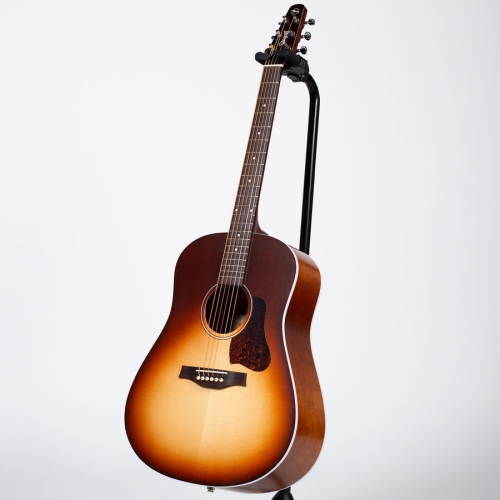
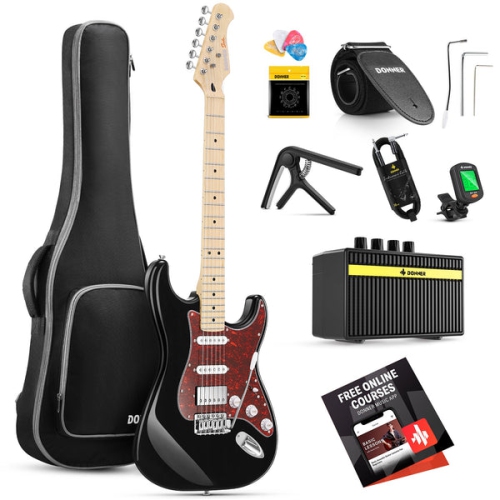
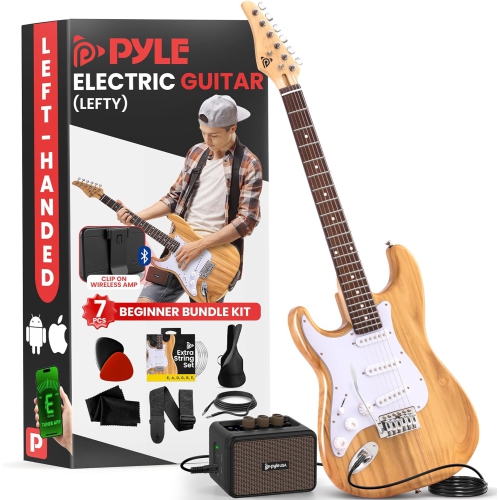




What to consider for reliable amplified guitar performance
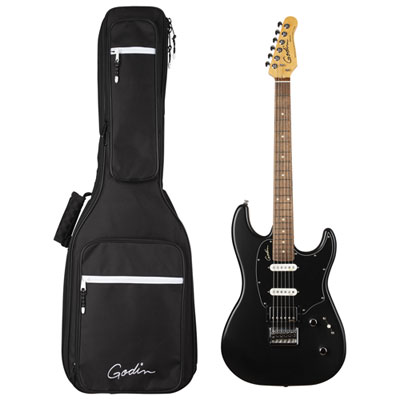
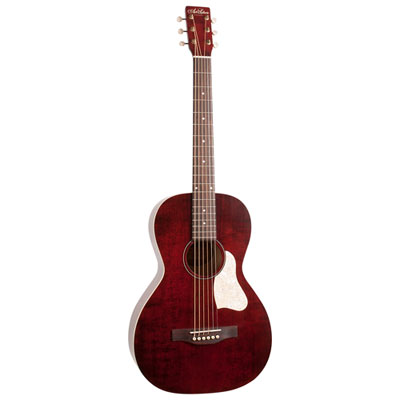
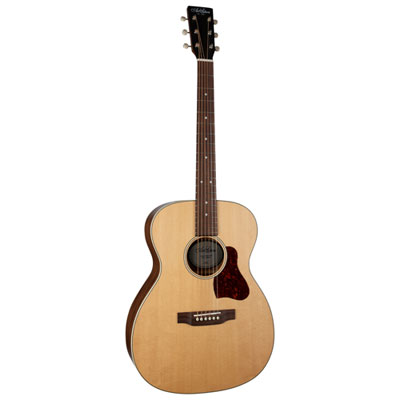
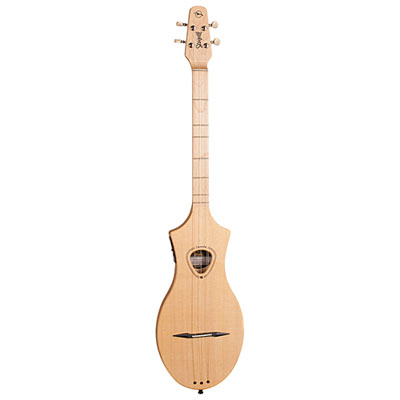
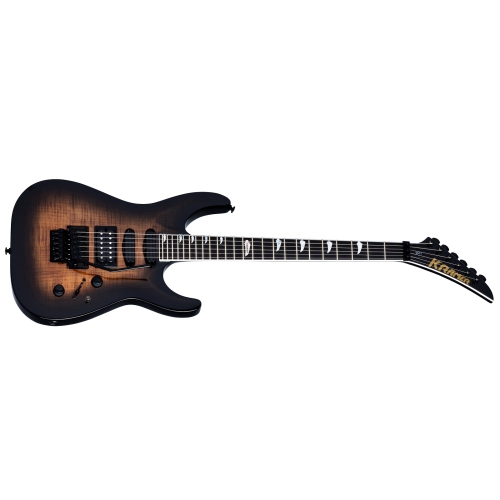
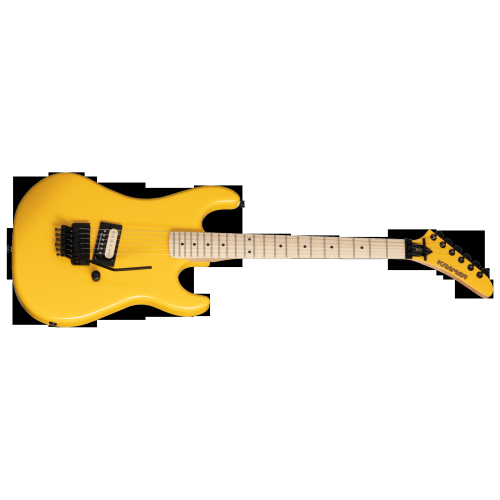
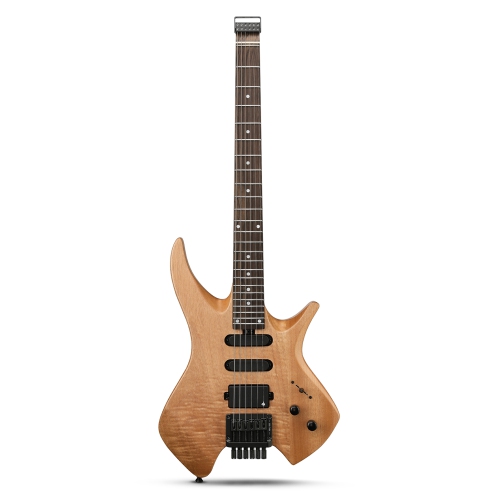
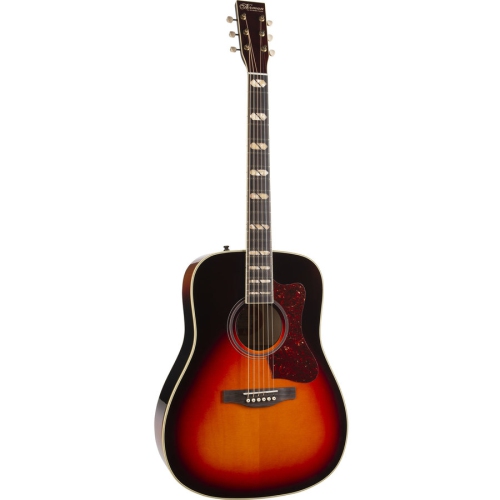
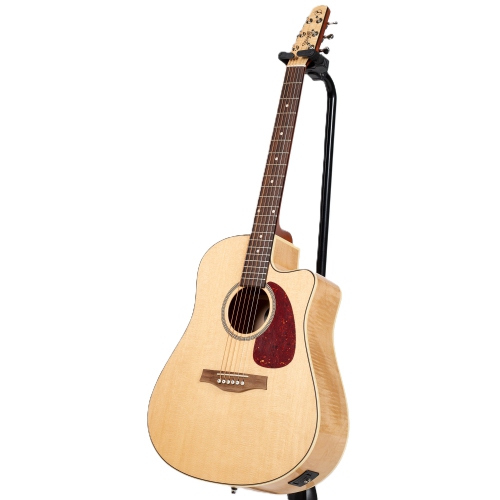
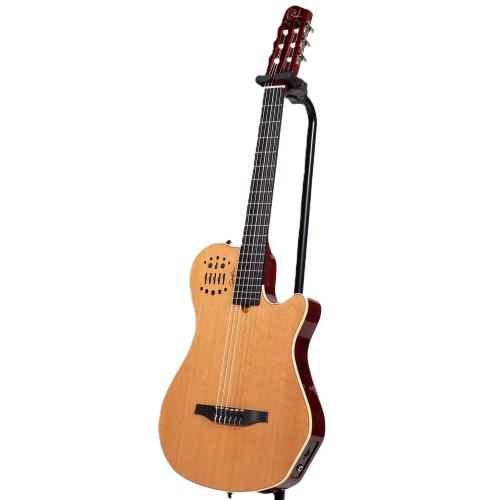
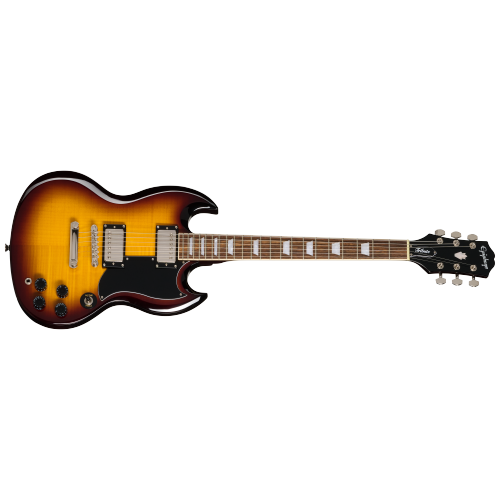
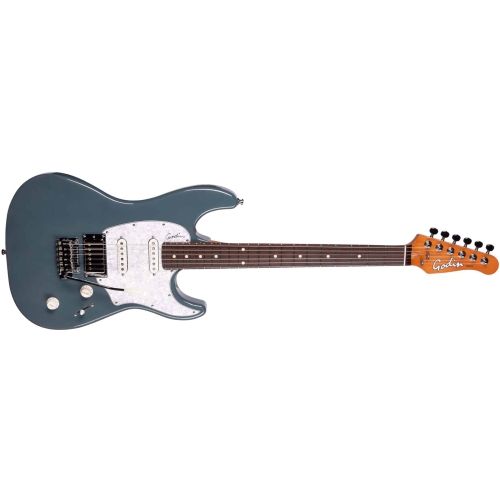
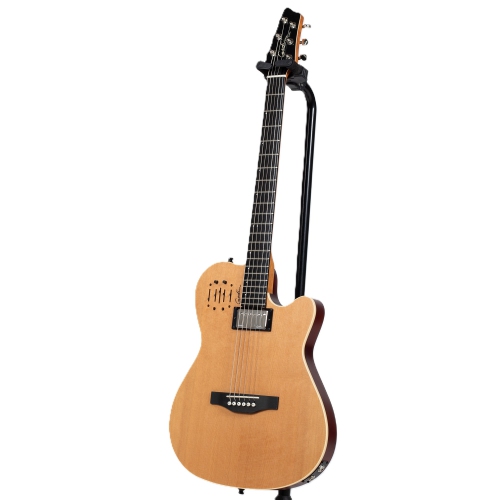
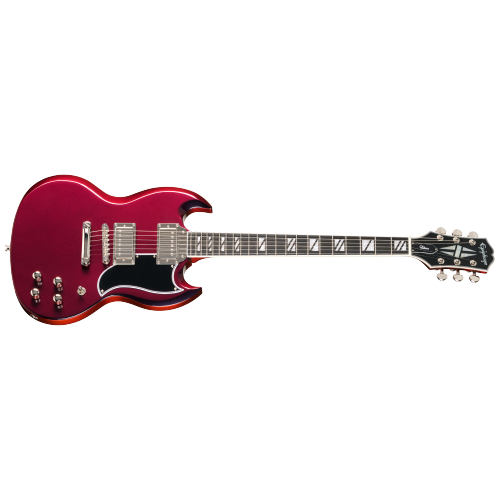
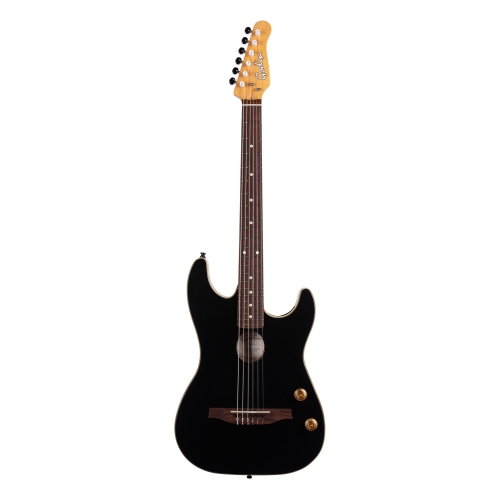
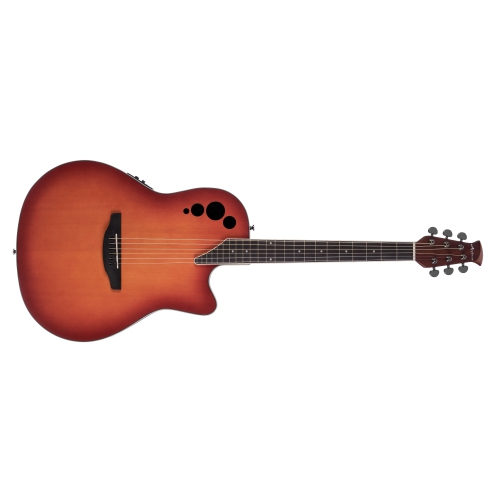
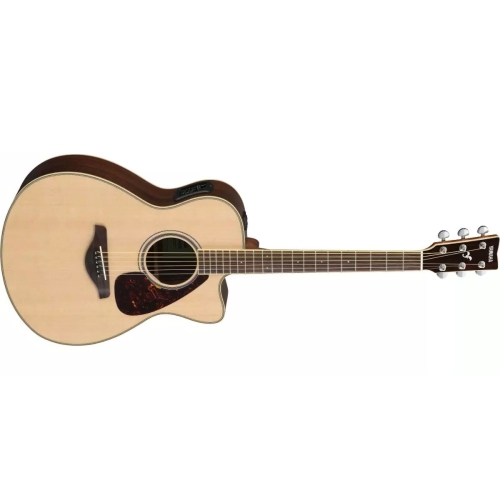
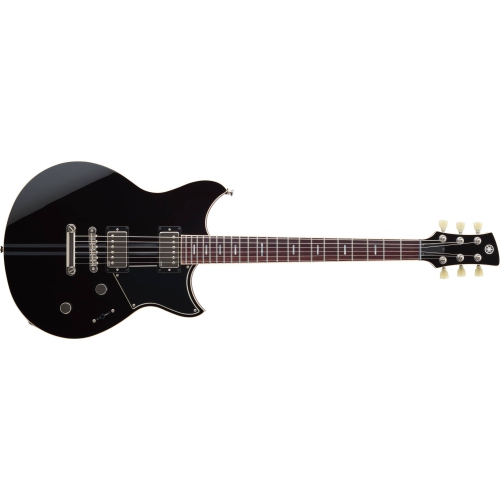
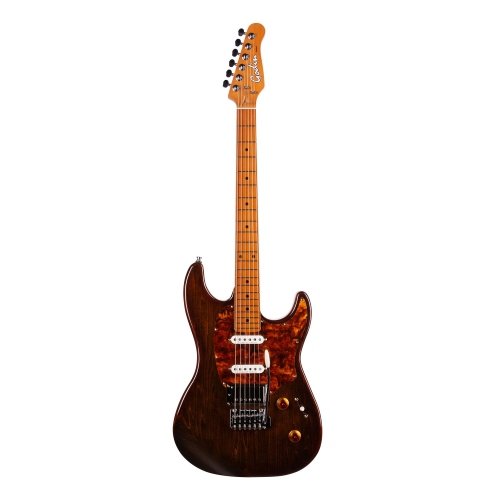
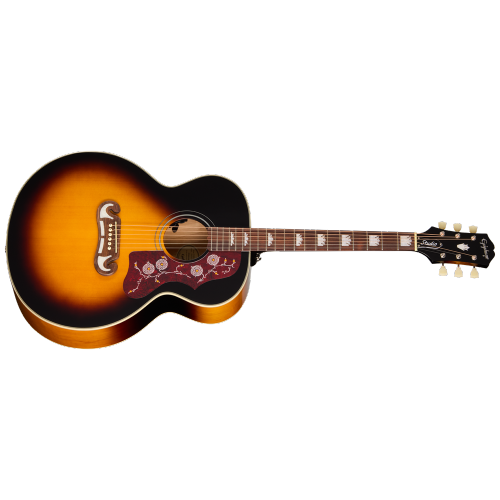
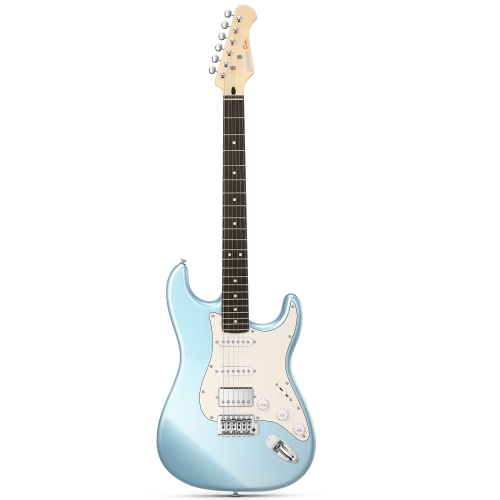
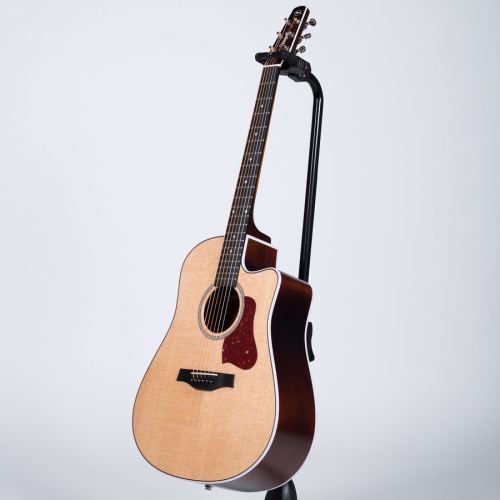
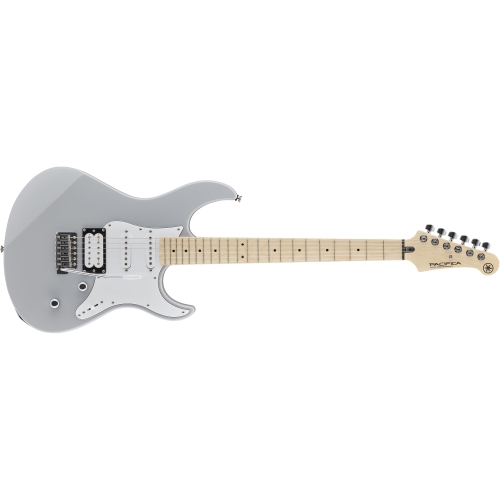
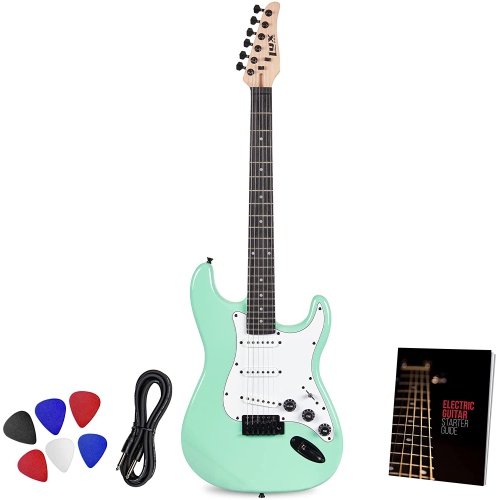
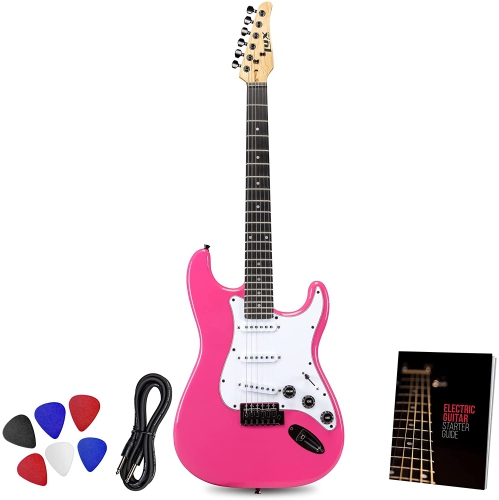
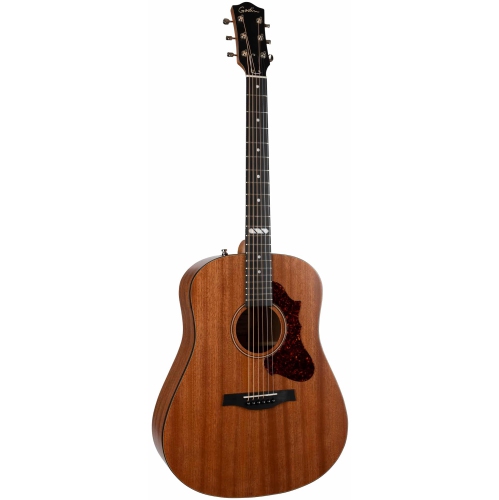
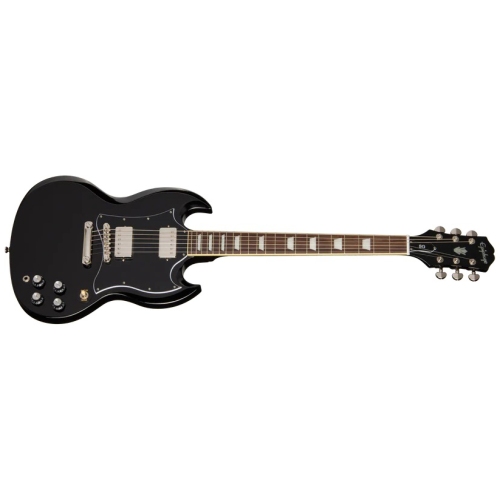
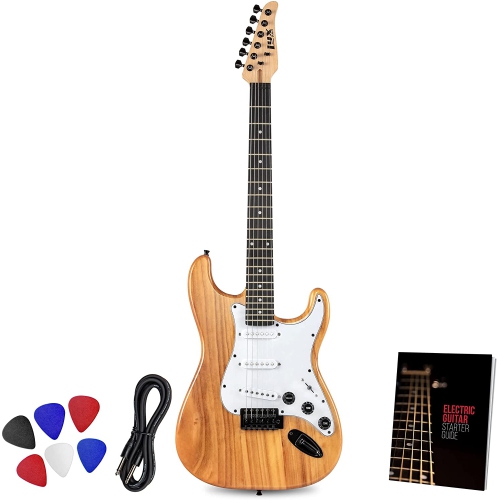
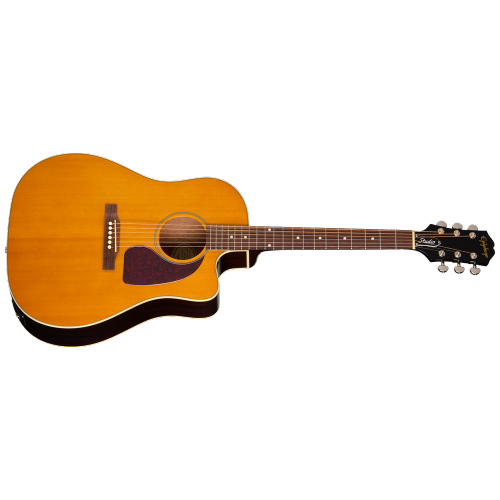
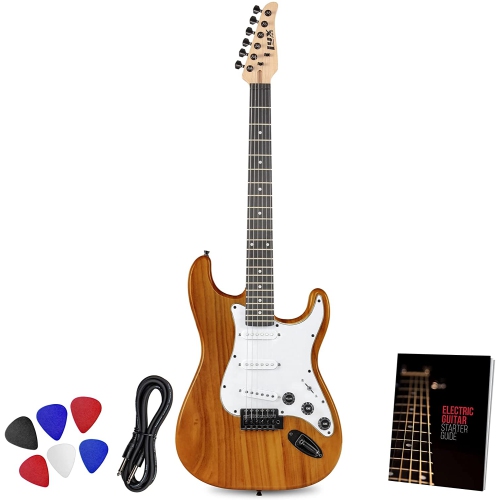
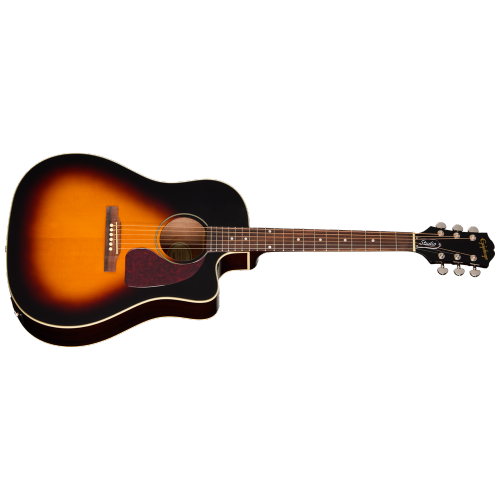
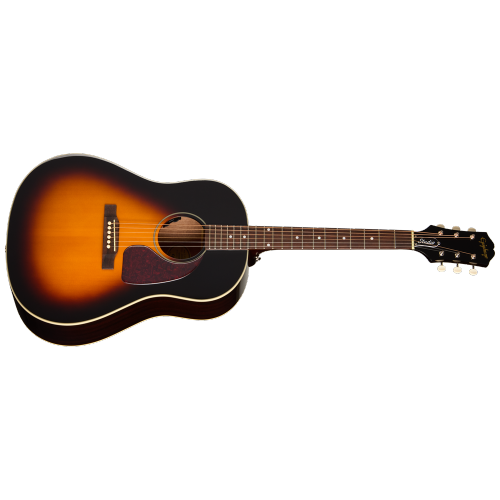
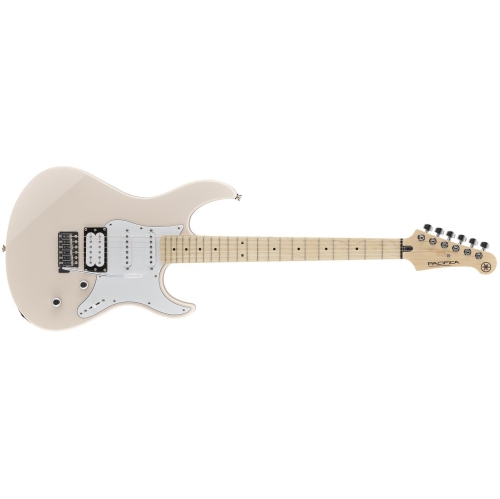
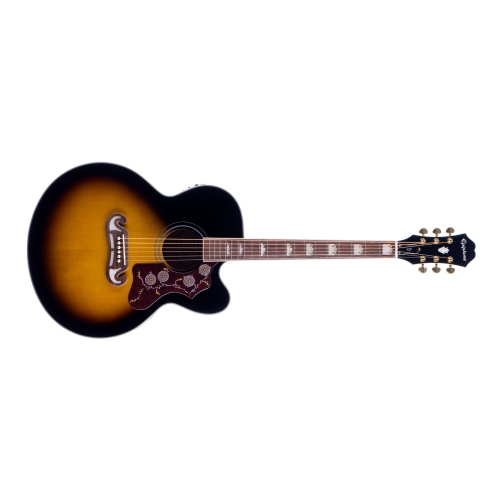
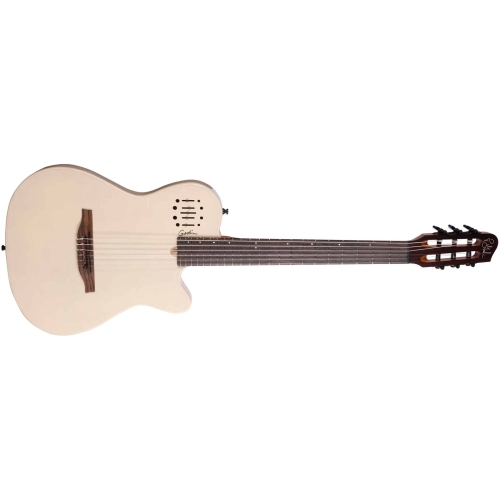
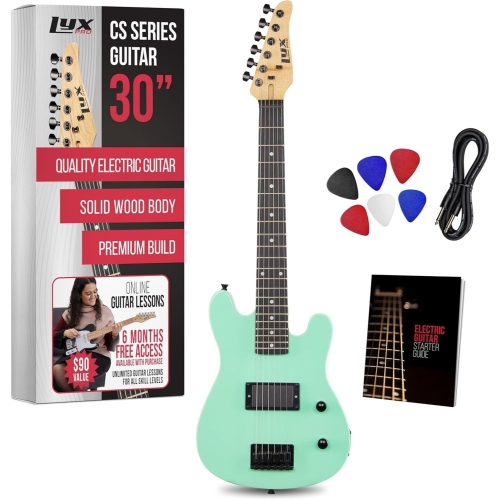
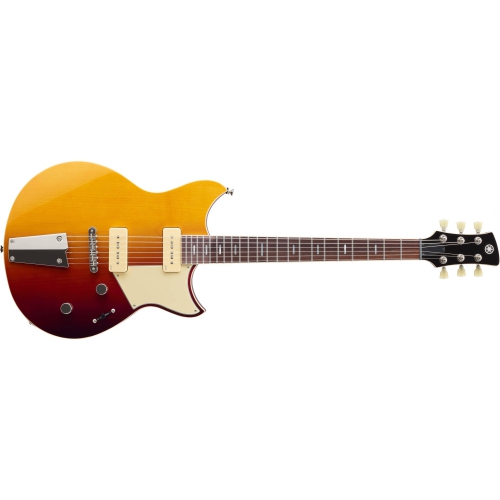
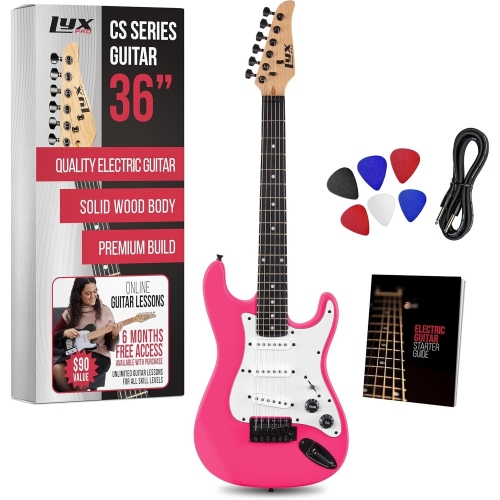
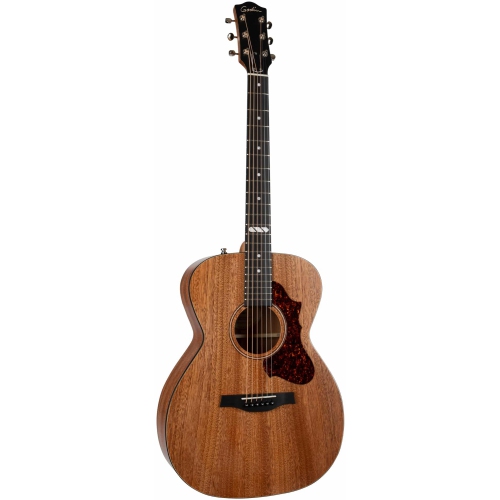
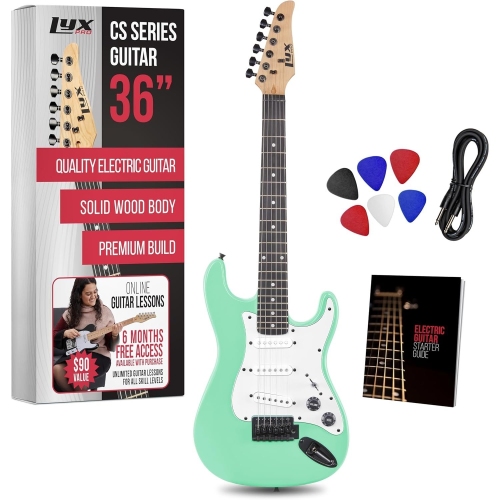
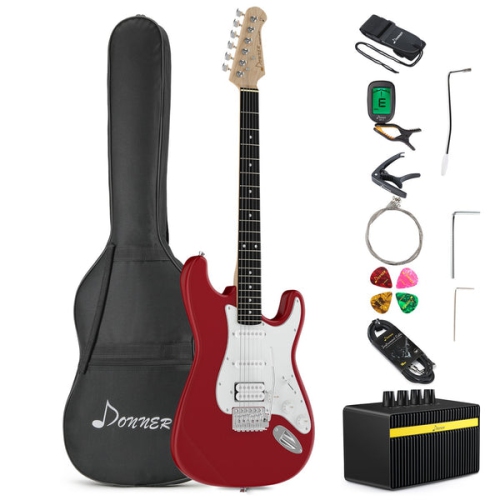
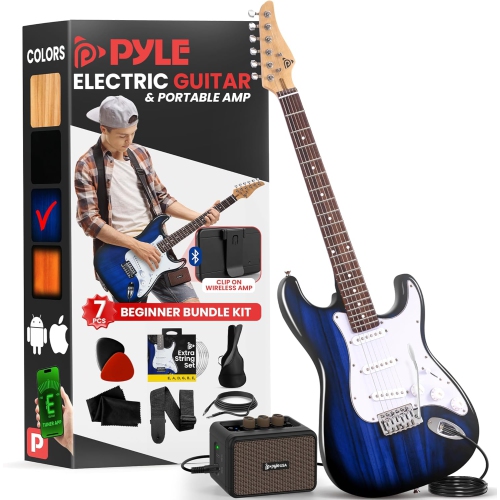
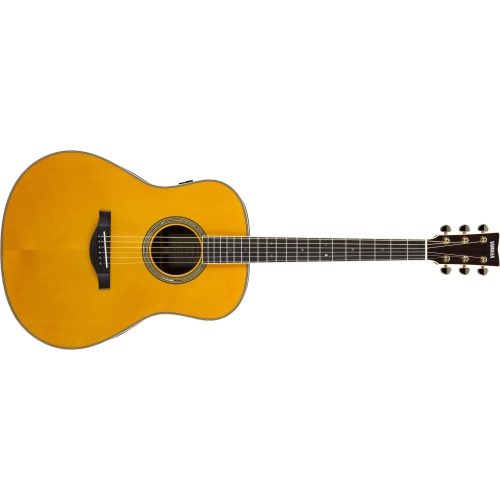
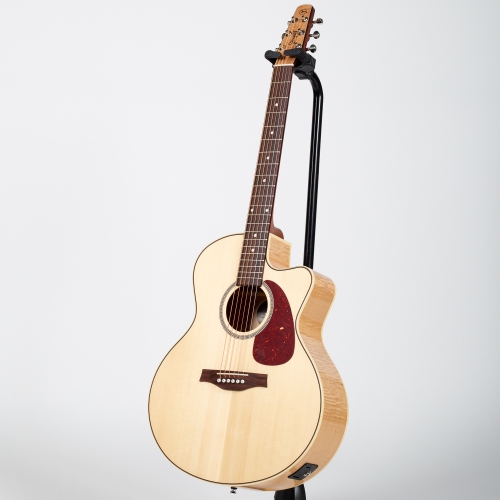
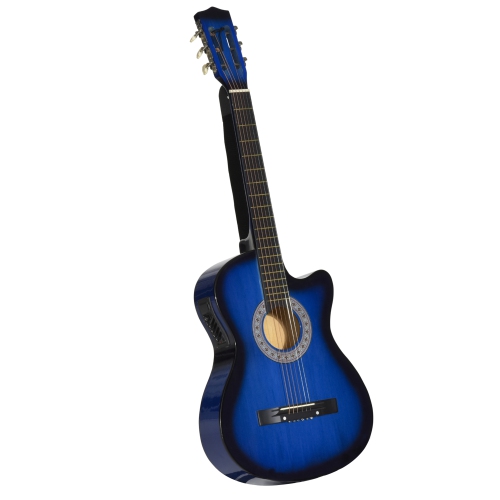
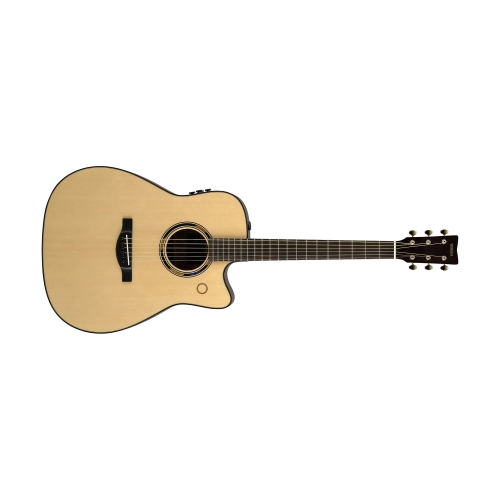
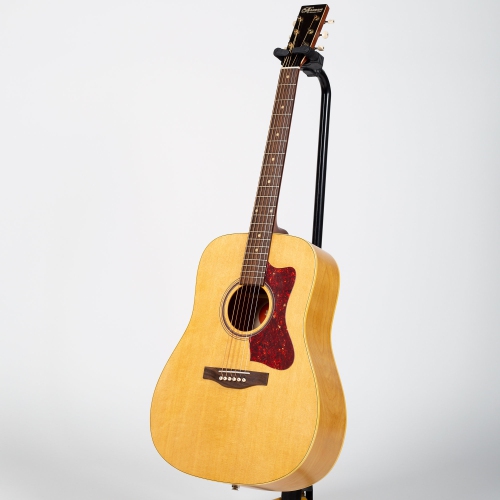
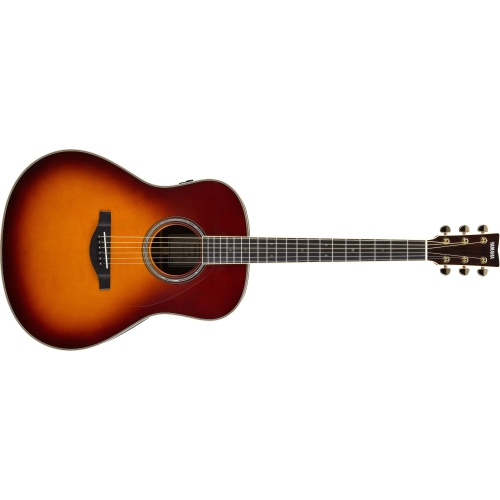
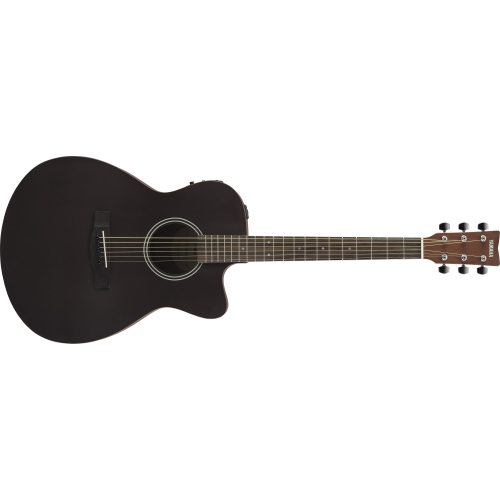
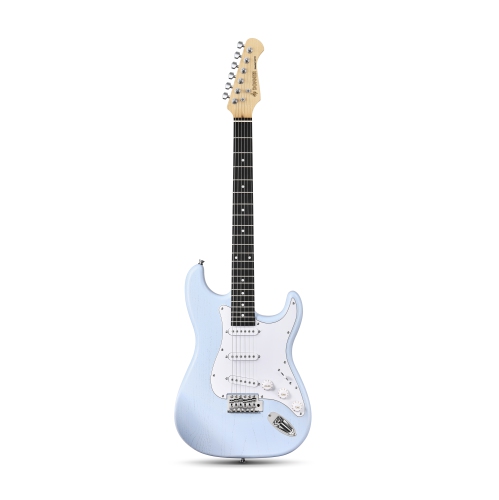
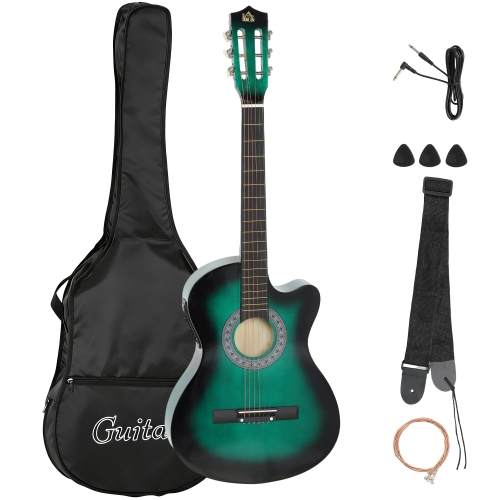
Stage guitars are designed for players who need a dependable, expressive instrument that can hold its own under live-performance conditions. Unlike a traditional acoustic guitar intended mainly for quiet rooms or recording, a stage-focused model is built around clear amplified sound, practical controls, comfortable handling, and resistance to feedback. This category can include acoustic-electric guitars, nylon-string electric-acoustic instruments, chambered designs, and other guitars shaped for connection to an amplifier, PA system, acoustic effects unit, or mixing console. A nylon-string stage guitar is especially appealing to players who want the rounded, vocal quality of classical-style strings with a neck and body designed for modern live playing. Many use a slimmer neck profile and a more familiar fingerboard radius, making transitions easier for steel-string or electric guitarists while preserving the soft attack and warm character associated with nylon strings. For musicians comparing stage-ready instruments with other performance equipment, the broader selection of Professional Guitars can also provide useful context. Whether the setting is a coffeehouse, theatre, worship space, outdoor patio, rehearsal room, or full concert stage, the right guitar should feel comfortable during an entire set and respond predictably each time it is plugged in.
When choosing a stage guitar, start with the way it will be used. A player performing with a loud band may place feedback resistance at the top of the list, while someone singing and playing in a small room may care more about natural acoustic response and easy access to volume and tone controls. Fully or partially chambered bodies, braced tops, and carefully managed internal resonance can help reduce booming low frequencies and the sudden howl that occurs when an amplified guitar hears too much of its own sound from a speaker. Pickup systems vary, but many stage guitars combine an undersaddle piezo pickup with body sensors or an internal microphone to capture both string definition and the wider movement of the soundboard. Blend controls can be useful for shaping that balance, while onboard volume, bass, mid, and treble controls allow quick adjustments between songs without reaching for a pedalboard or asking a sound technician to make every correction. A phase switch can help tame feedback in difficult rooms by changing the relationship between the guitar and speaker signal. It is also worth considering the output connection, battery access, tuner function, strap placement, and whether the controls are easy to read beneath bright stage lights. Finish and construction matter as well. Instruments that may travel between heated venues, cooler vehicles, and changing backstage environments benefit from stable materials, a secure neck joint, durable hardware, and a finish that can handle the ordinary knocks of stands, cables, and packed cases. A guitar that sounds beautiful but shifts noticeably with temperature or humidity can become frustrating when a set depends on reliable tuning.
Playability is just as important as electronics. Look for a neck shape that supports the player’s usual technique, whether that means wide-spaced classical fingerpicking, quick chord changes, percussive tapping, or a blend of nylon-string phrasing and contemporary acoustic rhythms. A comfortable body depth can make long rehearsals less tiring, particularly for performers who stand with the guitar for several hours. Cutaway access is helpful when melodies and chord voicings move into the upper register, while a balanced body can prevent the neck from pulling away from the player during a performance. Consider the strings supplied with the instrument, the availability of replacements, and the cost and skill involved in restringing a nylon-string model. Nylon strings may feel gentler under the fingertips and can suit players recovering from hand fatigue, beginners developing their technique, or experienced guitarists looking for a different colour in their arrangements. Stage guitars can also make thoughtful gifts for musicians who play open mics, community events, lessons, church services, or family gatherings, especially when the recipient has been relying on a standard acoustic guitar and wants more control over amplified sound. A gift buyer can make the choice more personal by considering the player’s preferred string type, whether they usually perform seated or standing, and whether they already own an amplifier, cable, tuner, or padded gig bag. During the warmer and cooler parts of the year, allow a new instrument time to adjust gradually to its surroundings, keep it protected when travelling, and avoid leaving it in a hot car or near a heat source. With suitable care and a setup matched to the player, a stage guitar can become the instrument that is always ready by the door: polished enough for a formal performance, practical enough for rehearsal, and expressive enough to turn a quiet room into a memorable live moment.
When choosing a stage guitar, start with the way it will be used. A player performing with a loud band may place feedback resistance at the top of the list, while someone singing and playing in a small room may care more about natural acoustic response and easy access to volume and tone controls. Fully or partially chambered bodies, braced tops, and carefully managed internal resonance can help reduce booming low frequencies and the sudden howl that occurs when an amplified guitar hears too much of its own sound from a speaker. Pickup systems vary, but many stage guitars combine an undersaddle piezo pickup with body sensors or an internal microphone to capture both string definition and the wider movement of the soundboard. Blend controls can be useful for shaping that balance, while onboard volume, bass, mid, and treble controls allow quick adjustments between songs without reaching for a pedalboard or asking a sound technician to make every correction. A phase switch can help tame feedback in difficult rooms by changing the relationship between the guitar and speaker signal. It is also worth considering the output connection, battery access, tuner function, strap placement, and whether the controls are easy to read beneath bright stage lights. Finish and construction matter as well. Instruments that may travel between heated venues, cooler vehicles, and changing backstage environments benefit from stable materials, a secure neck joint, durable hardware, and a finish that can handle the ordinary knocks of stands, cables, and packed cases. A guitar that sounds beautiful but shifts noticeably with temperature or humidity can become frustrating when a set depends on reliable tuning.
Playability is just as important as electronics. Look for a neck shape that supports the player’s usual technique, whether that means wide-spaced classical fingerpicking, quick chord changes, percussive tapping, or a blend of nylon-string phrasing and contemporary acoustic rhythms. A comfortable body depth can make long rehearsals less tiring, particularly for performers who stand with the guitar for several hours. Cutaway access is helpful when melodies and chord voicings move into the upper register, while a balanced body can prevent the neck from pulling away from the player during a performance. Consider the strings supplied with the instrument, the availability of replacements, and the cost and skill involved in restringing a nylon-string model. Nylon strings may feel gentler under the fingertips and can suit players recovering from hand fatigue, beginners developing their technique, or experienced guitarists looking for a different colour in their arrangements. Stage guitars can also make thoughtful gifts for musicians who play open mics, community events, lessons, church services, or family gatherings, especially when the recipient has been relying on a standard acoustic guitar and wants more control over amplified sound. A gift buyer can make the choice more personal by considering the player’s preferred string type, whether they usually perform seated or standing, and whether they already own an amplifier, cable, tuner, or padded gig bag. During the warmer and cooler parts of the year, allow a new instrument time to adjust gradually to its surroundings, keep it protected when travelling, and avoid leaving it in a hot car or near a heat source. With suitable care and a setup matched to the player, a stage guitar can become the instrument that is always ready by the door: polished enough for a formal performance, practical enough for rehearsal, and expressive enough to turn a quiet room into a memorable live moment.
Top selling and popular products
-
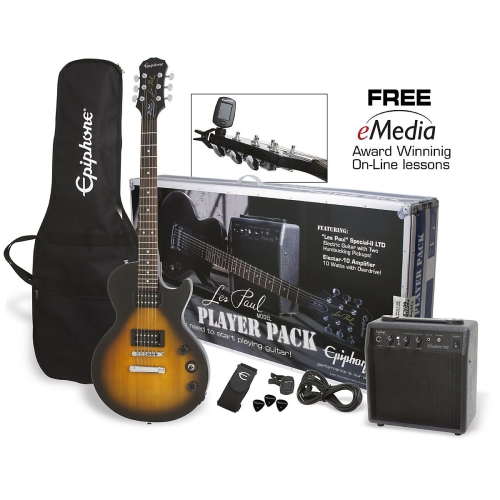 Your price for this item is $494.49
 -
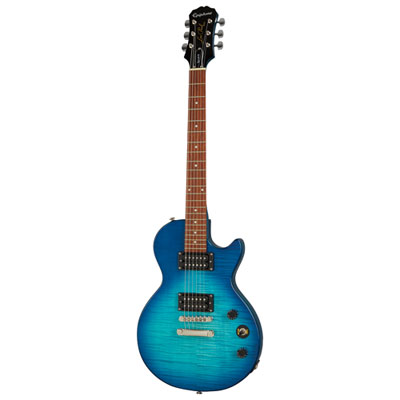 Your price for this item is $379.99
 -
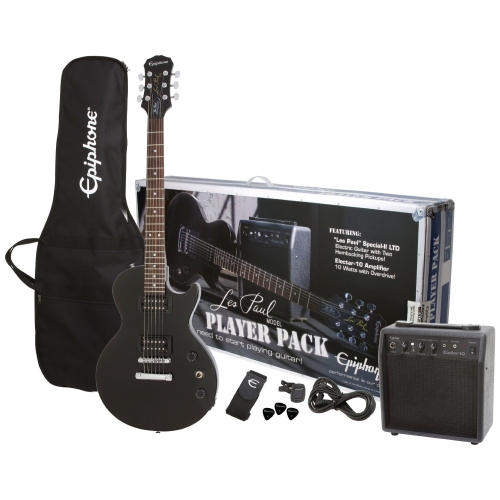 Your price for this item is $494.49
 -
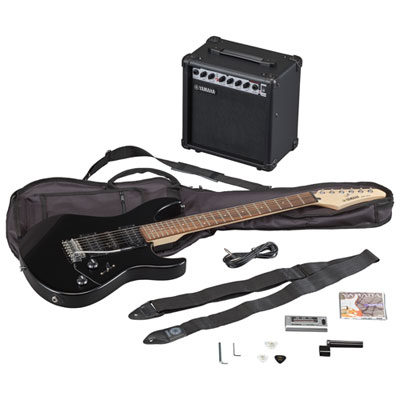 Your price for this item is $349.99
 -
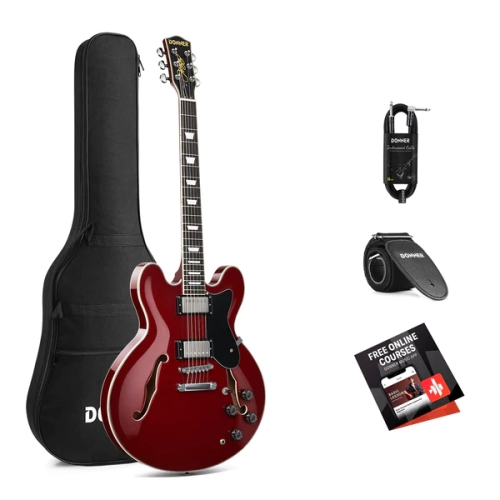 Your price for this item is $395.99
 -
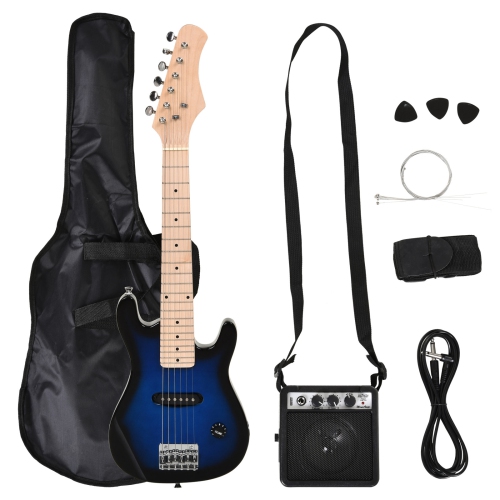 Your price for this item is $124.99
 -
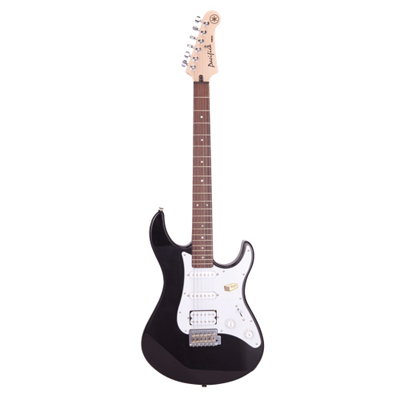 Your price for this item is $299.99
 -
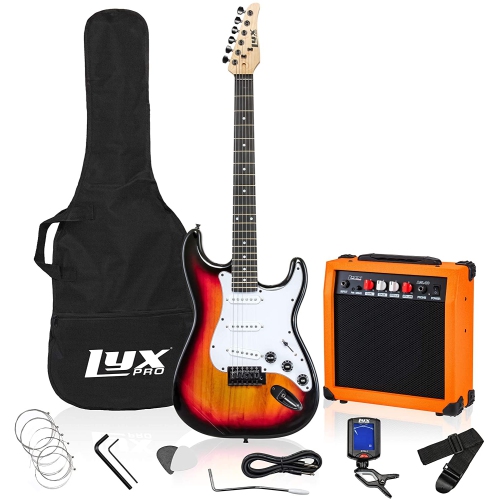 Your price for this item is $239.99
Discover more categories related to Stage Guitars
Top Collections:
Pokemon Centers, Best Cameras for Sports Photography, Kindle Devices, Samsung Galaxy Phones, Canon G7X Cameras, Pokémon 30th Celebration Cards, Refurbished Apple Laptops, iPhone 15 Apple, Laptops for Students, Budget Smartphones
Some products may be subject to Environmental Handling Fees
(EHF) depending on your province.
Learn more about EHFs.