Stereo Guitar Effects
Enhance your guitar-playing experience with our selection of stereo guitar effects. From lush reverbs to dynamic delays, these effects pedals are designed to add depth and dimension to your sound. Whether you're a seasoned musician looking to expand your sonic palette or a beginner exploring new ways to express yourself, our range of stereo guitar effects offers versatility and creativity at your fingertips. Dive into a world of rich tones and immersive textures with these innovative pedals, which will take your music to the next level.
Sort
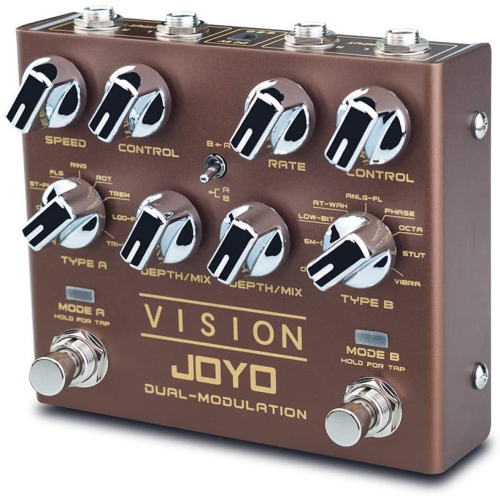
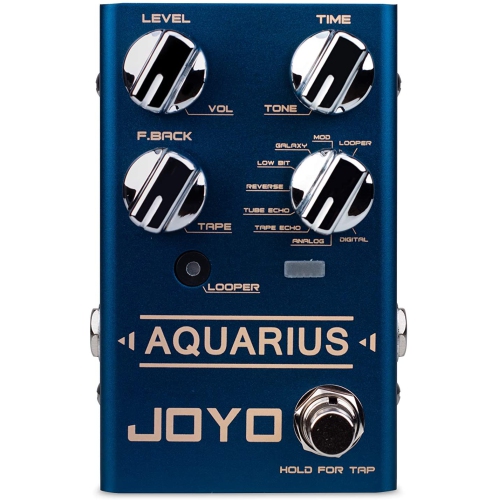
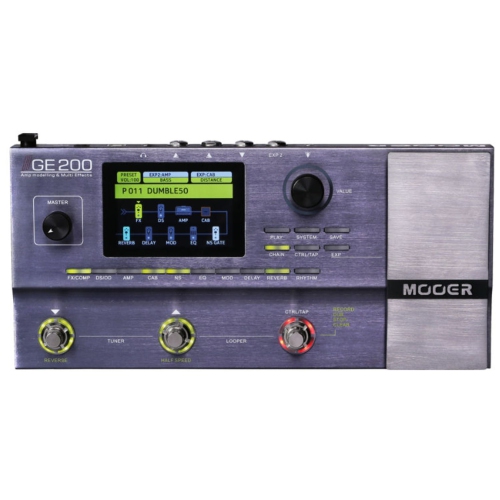
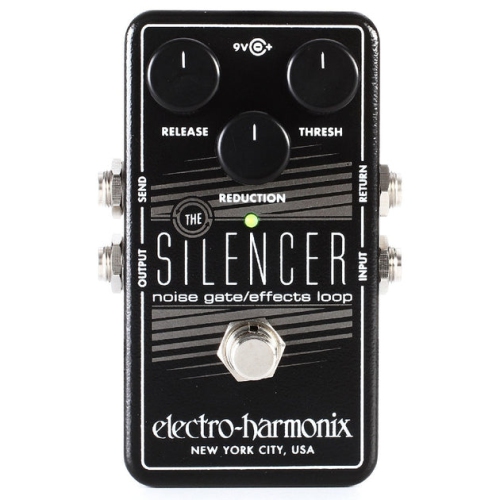


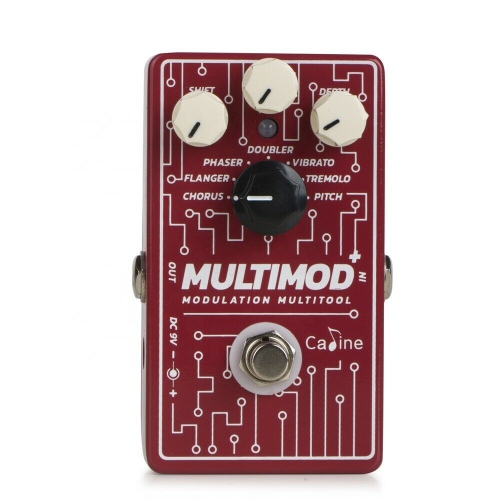
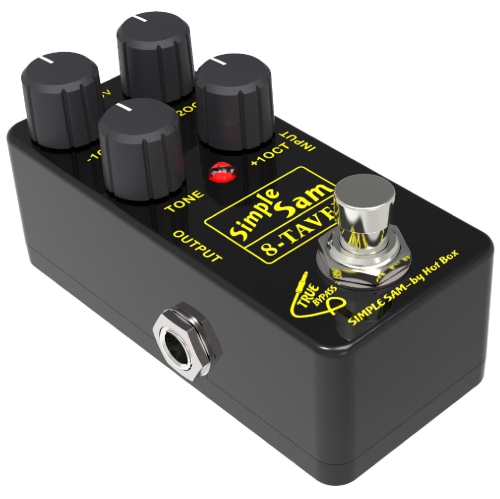
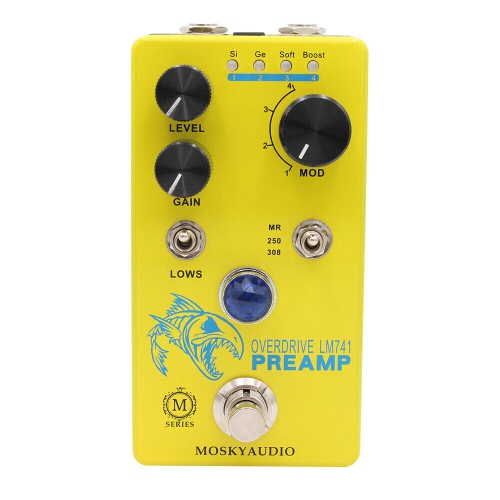
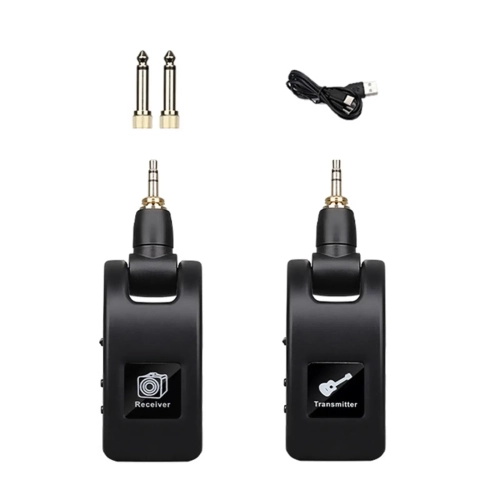
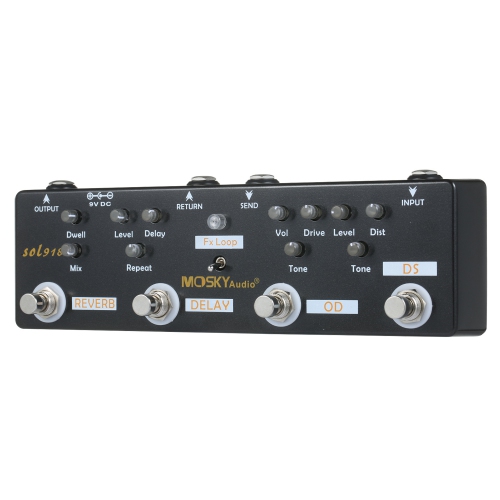
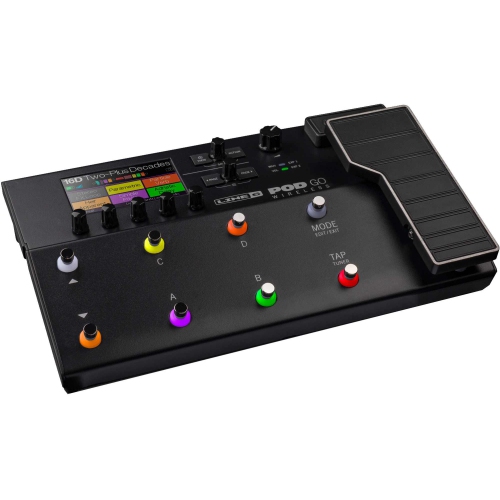
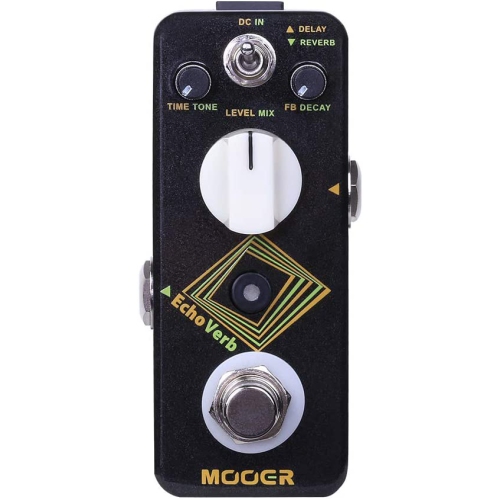
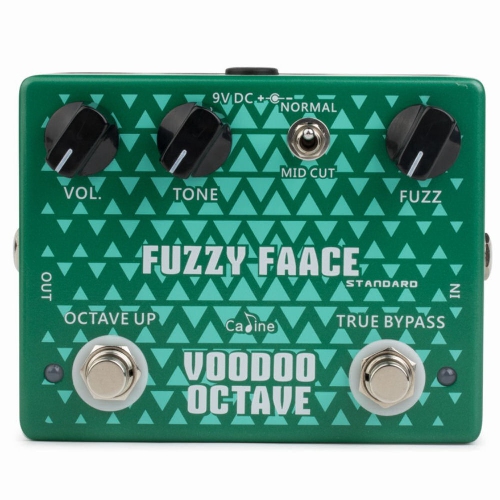
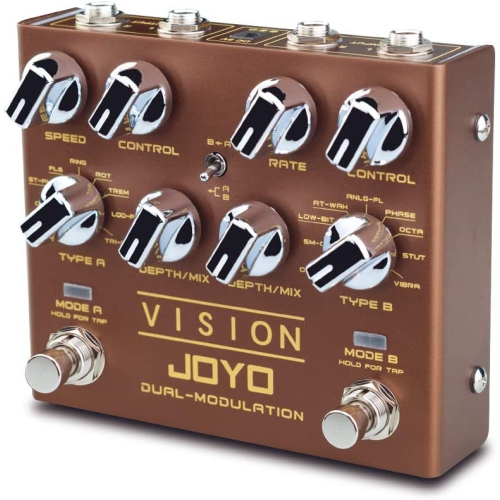
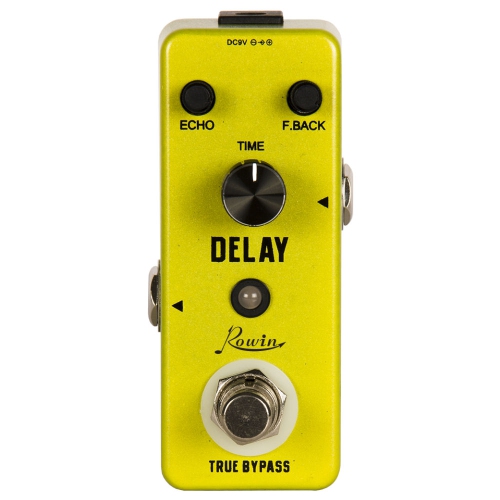


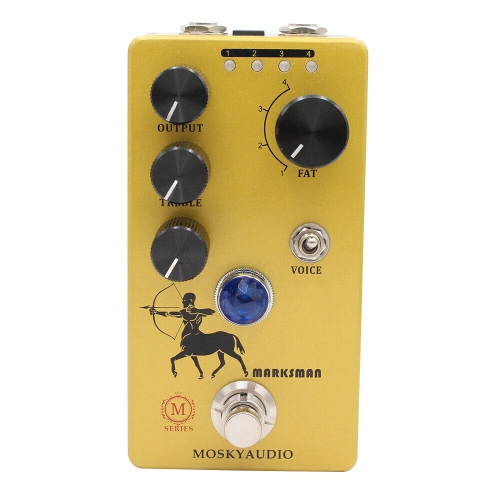
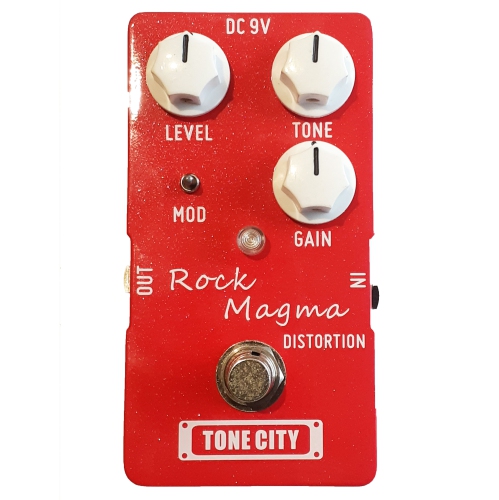
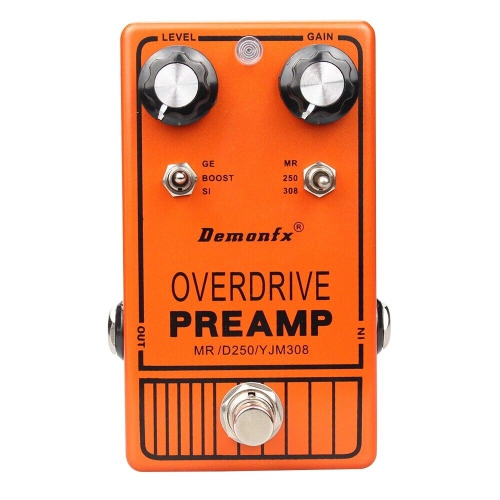

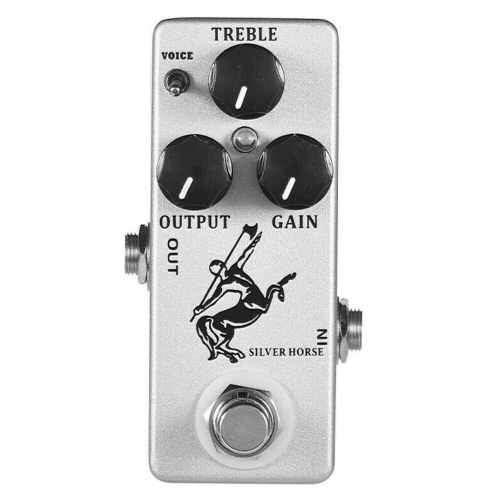
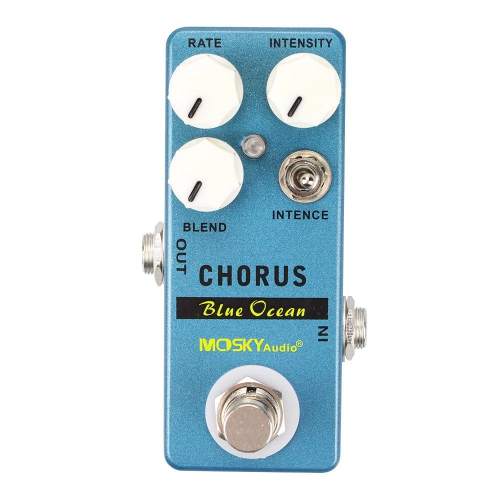

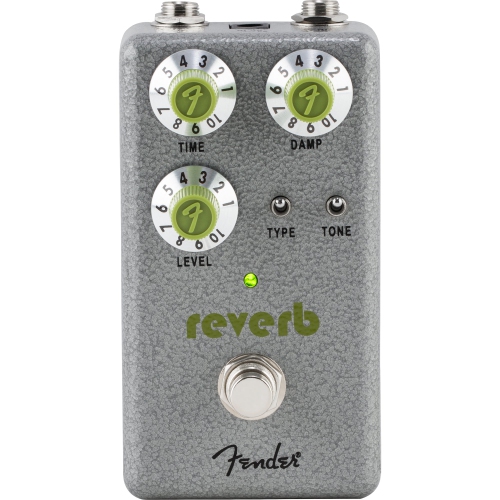
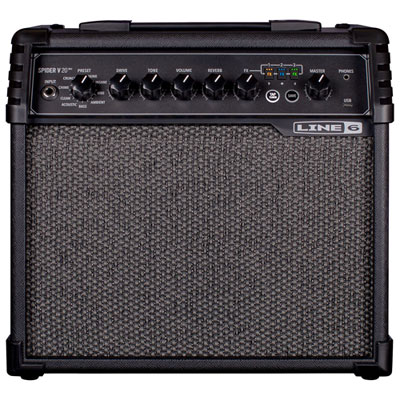
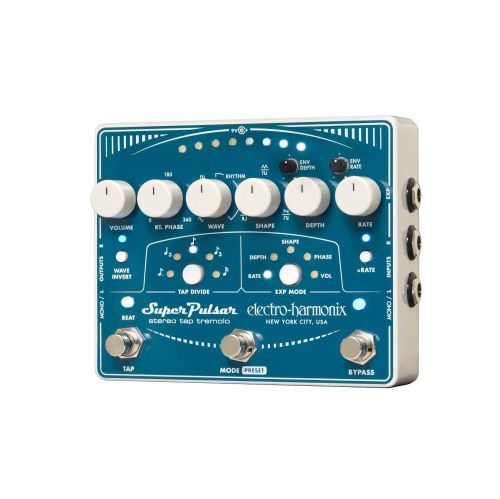
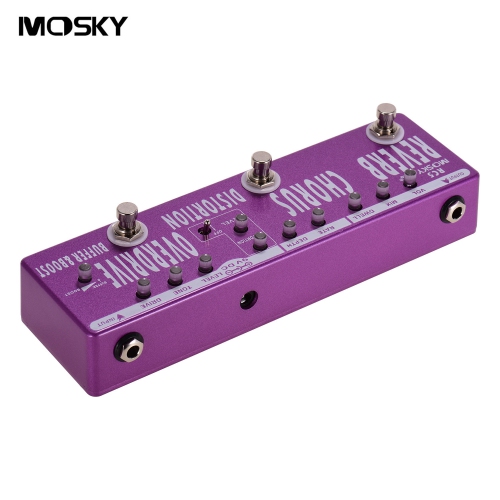
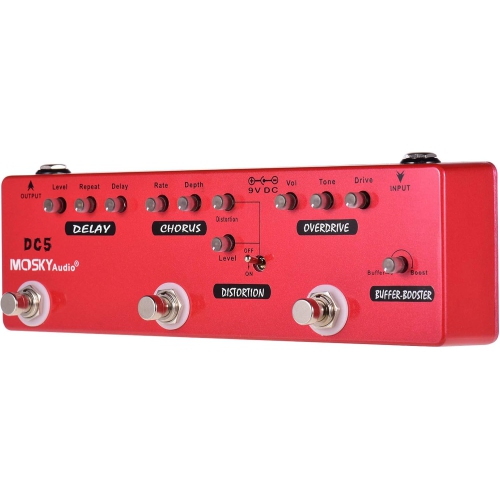
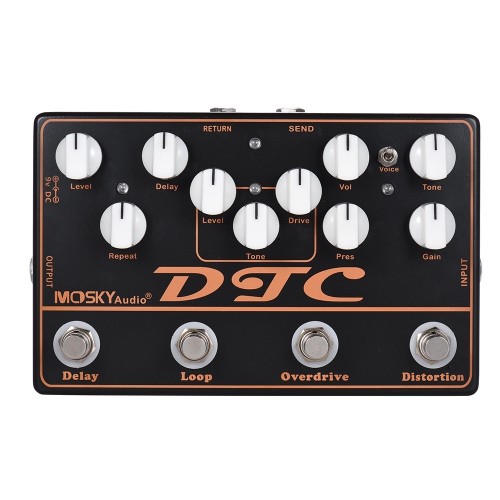
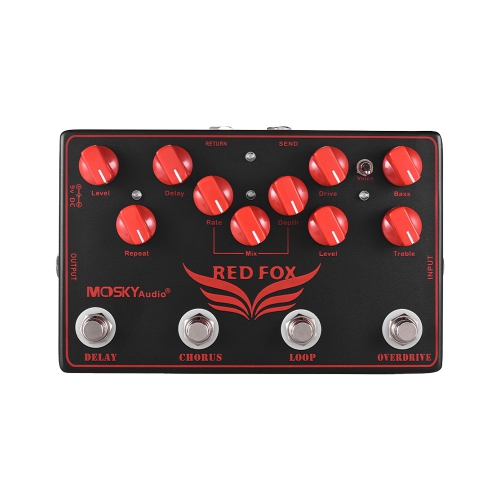
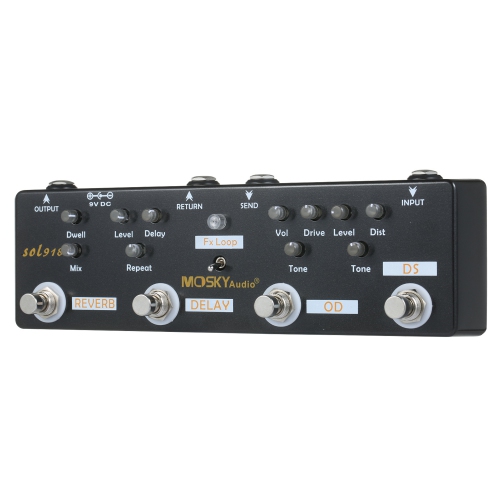
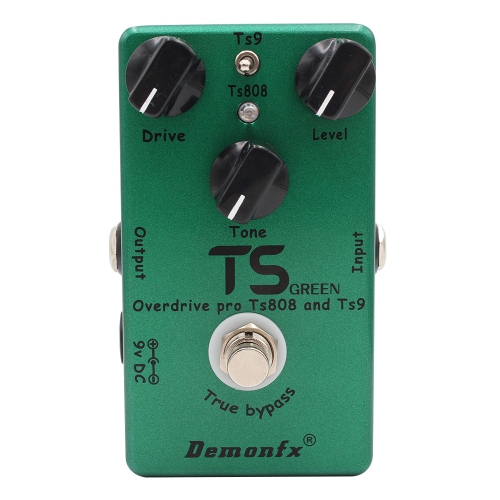
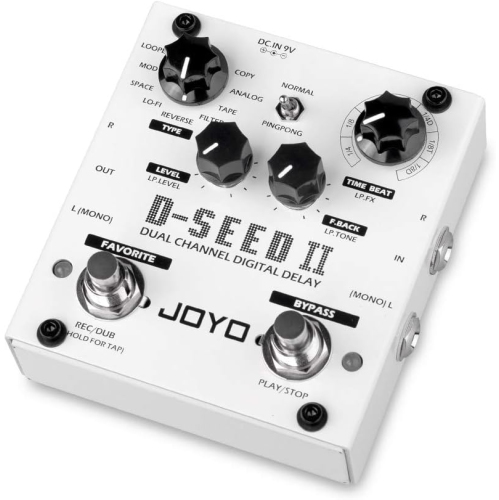
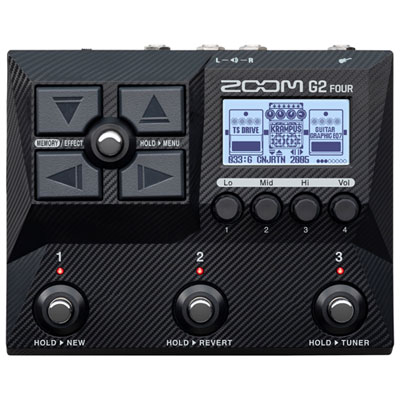
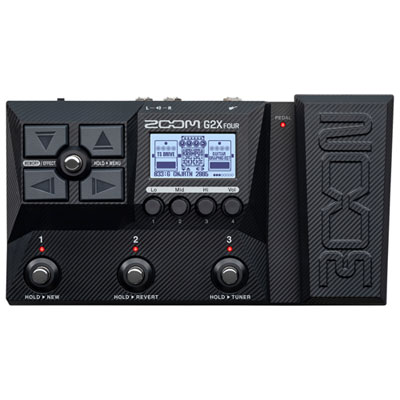
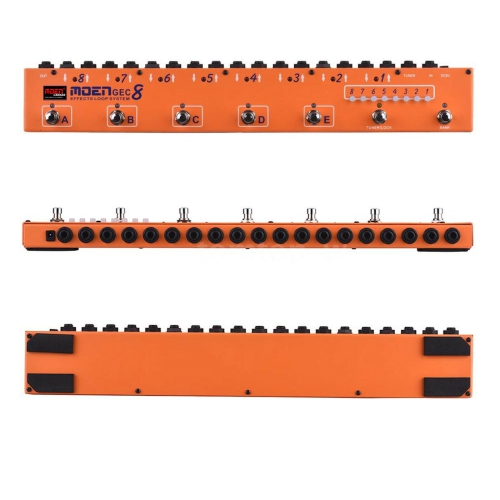
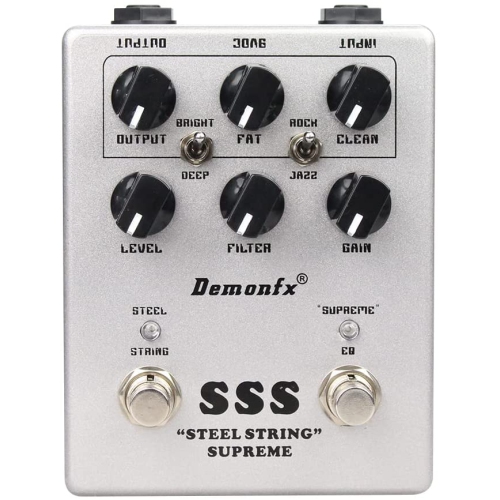

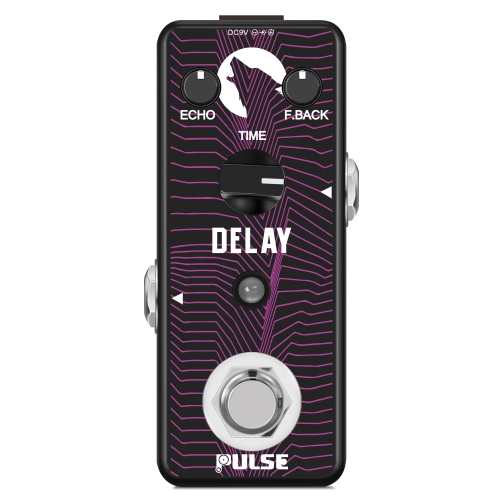
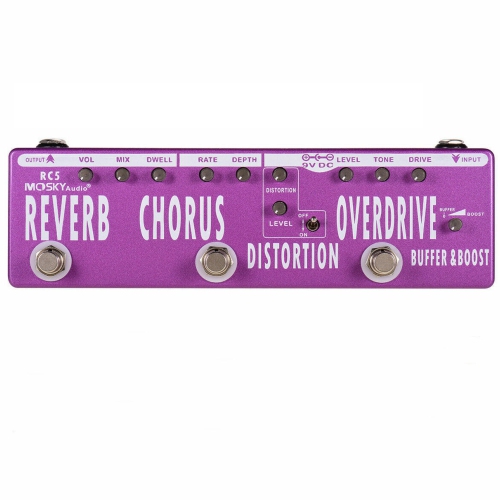
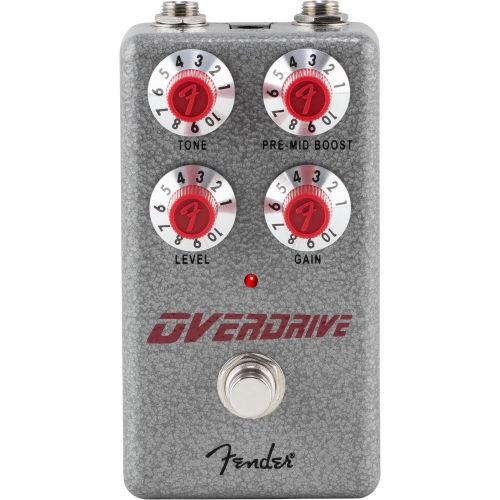
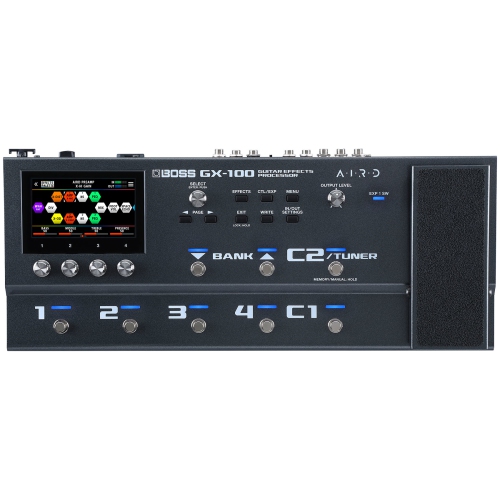
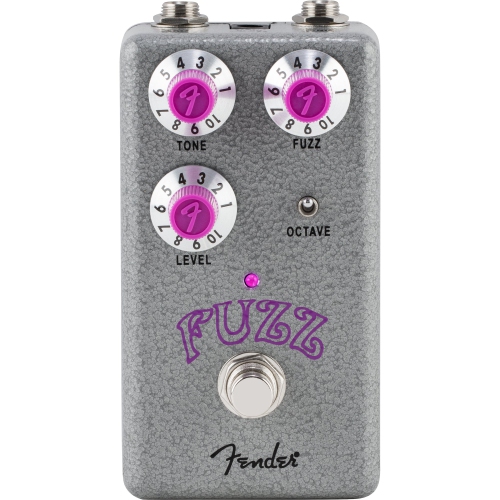
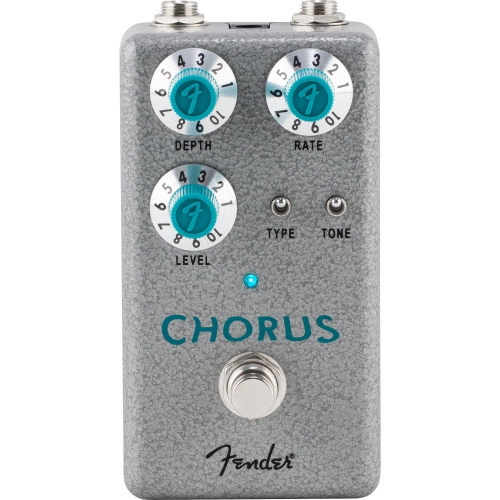
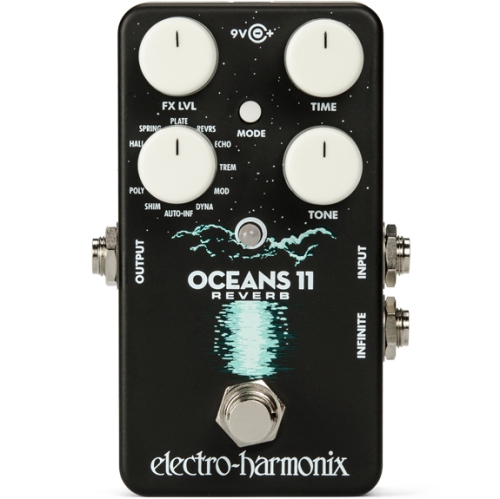
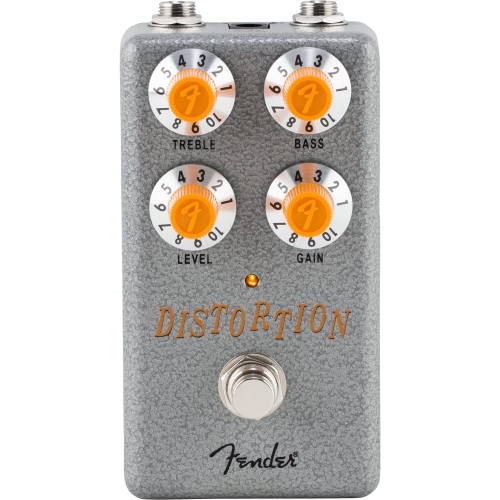
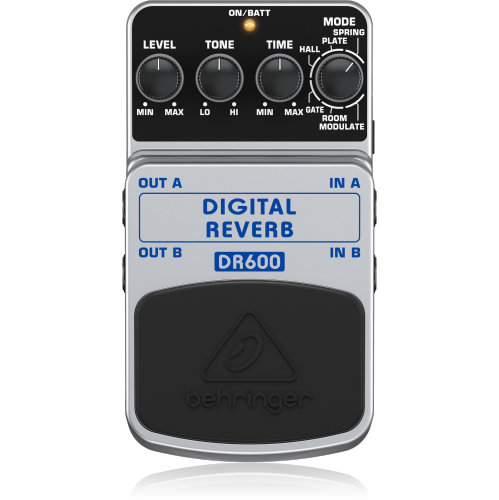
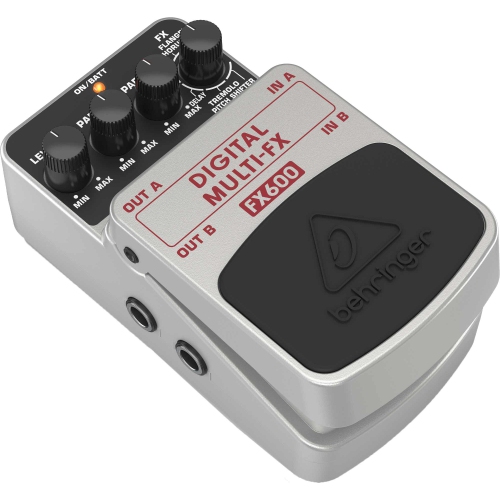
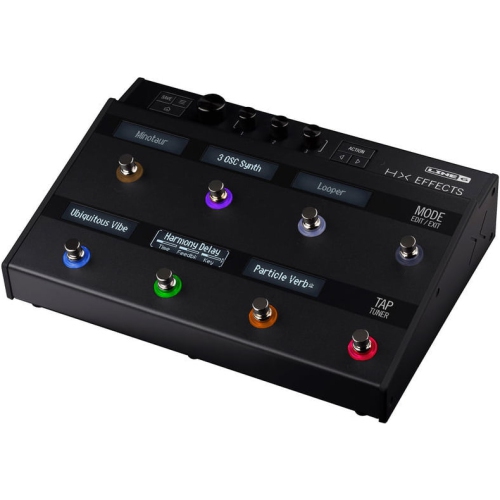
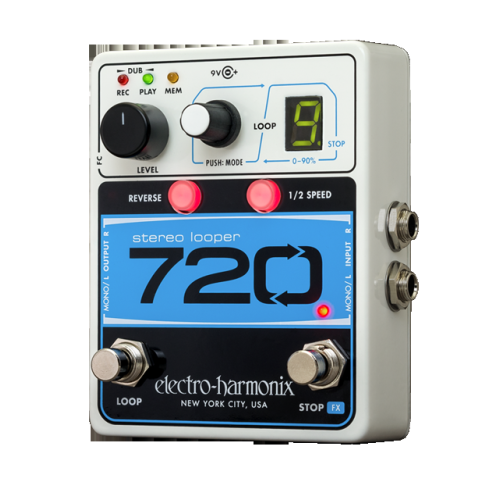
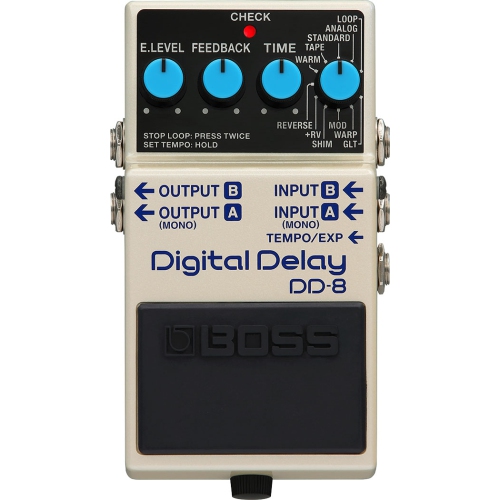
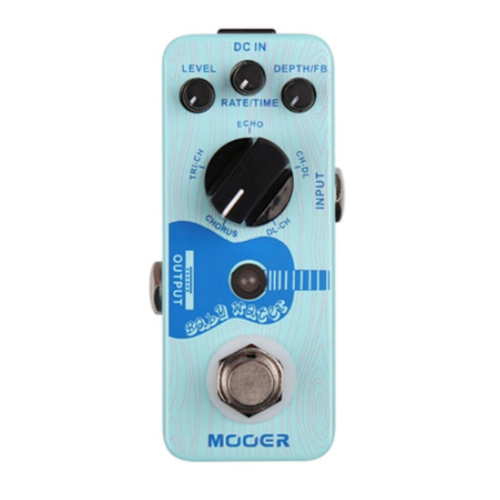
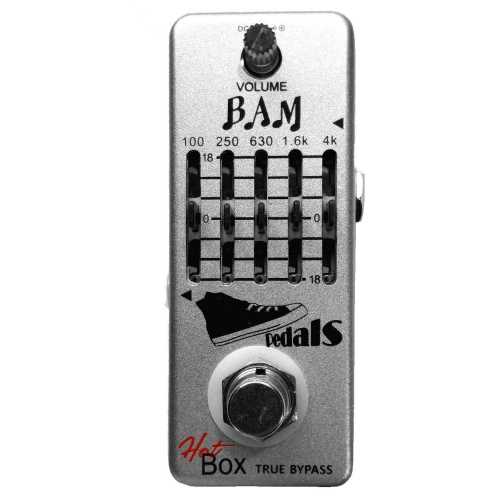
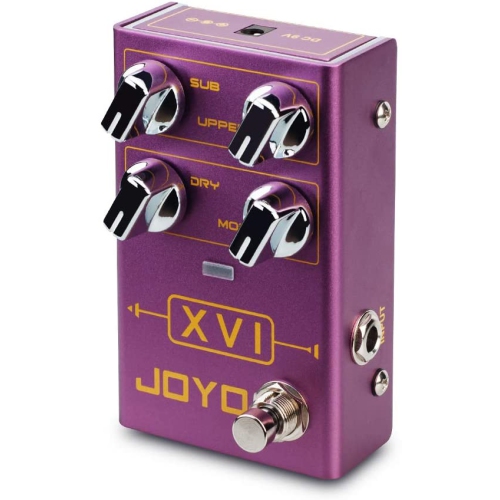
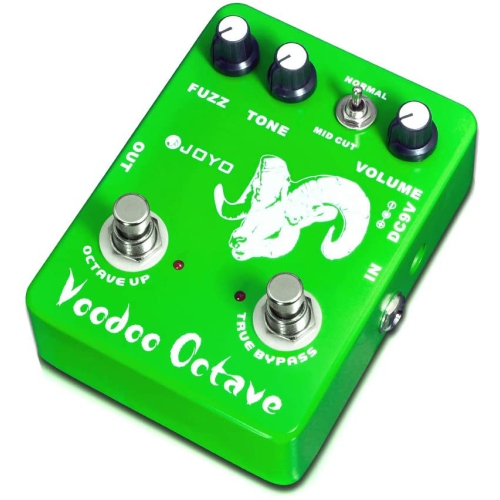
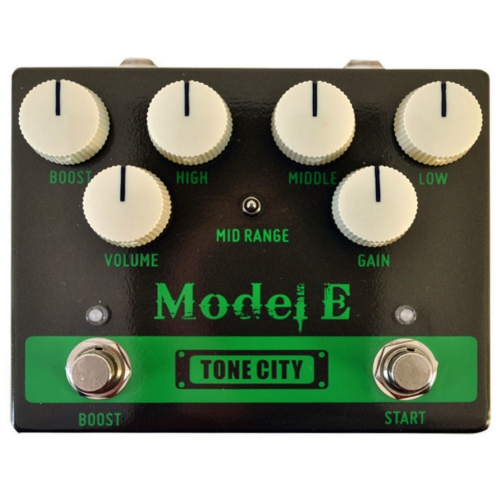
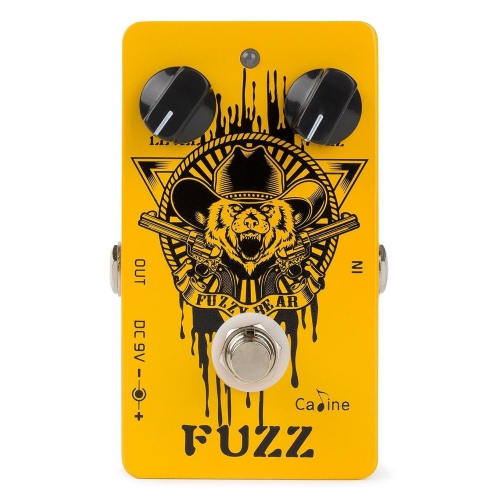
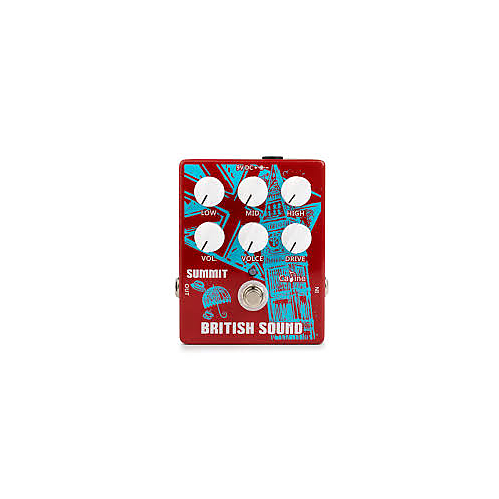
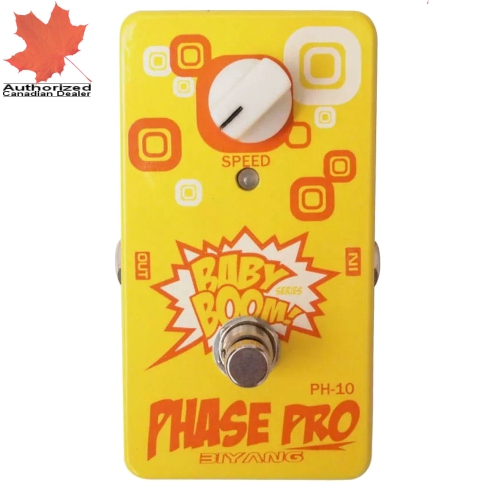
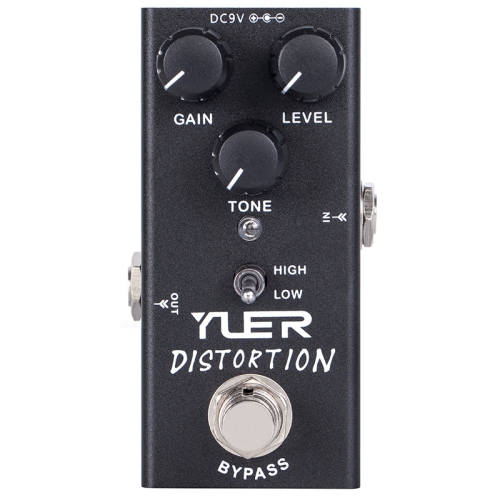

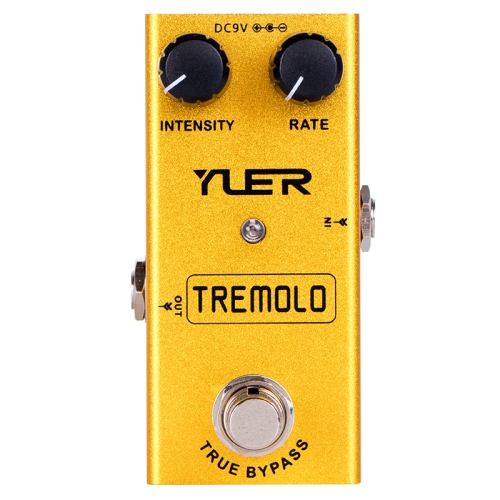
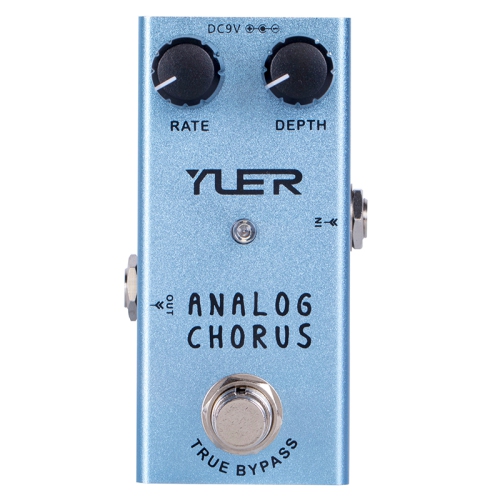
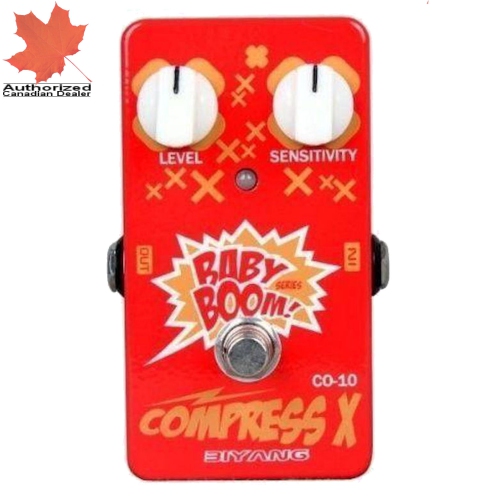
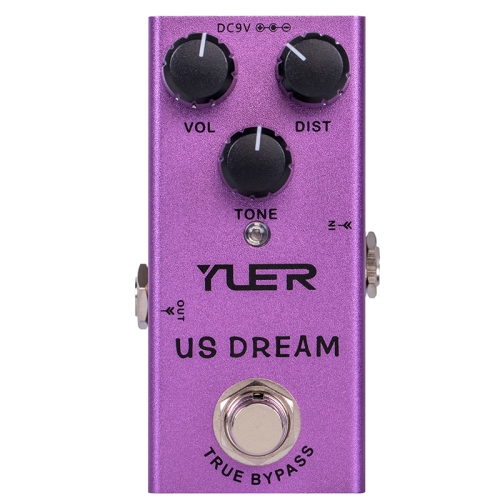
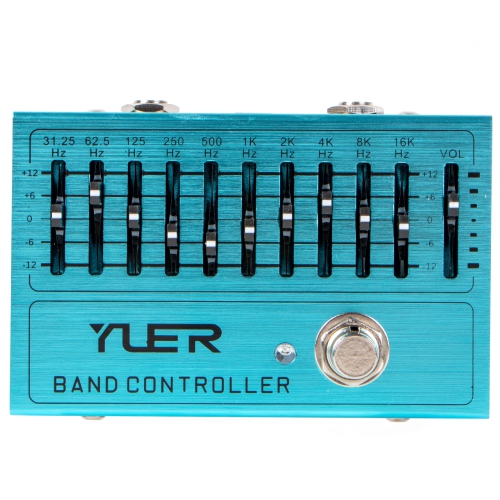
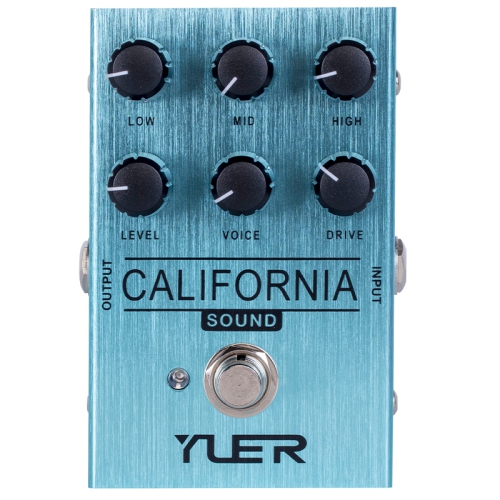
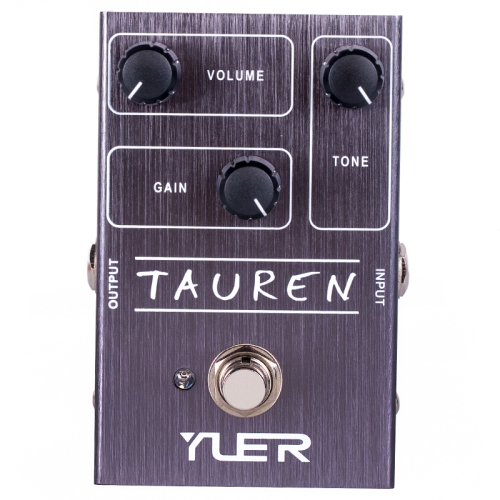
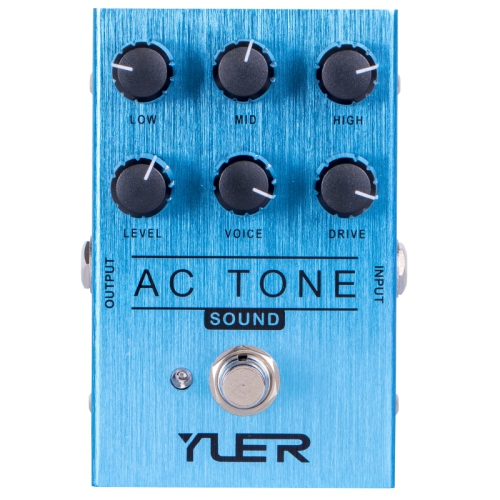
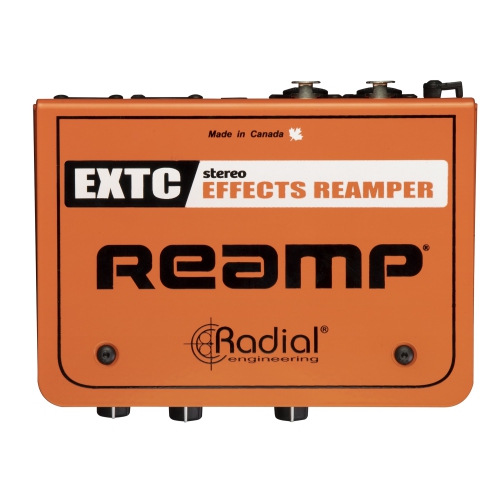
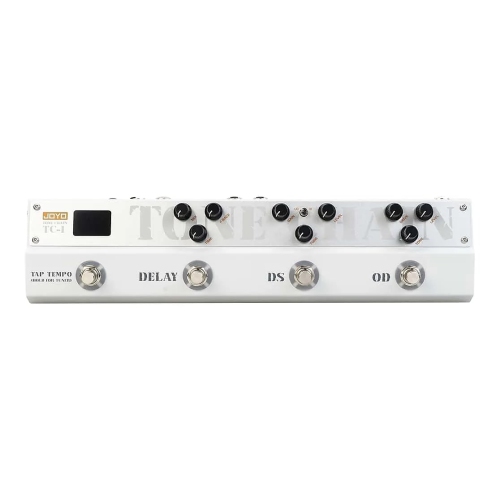
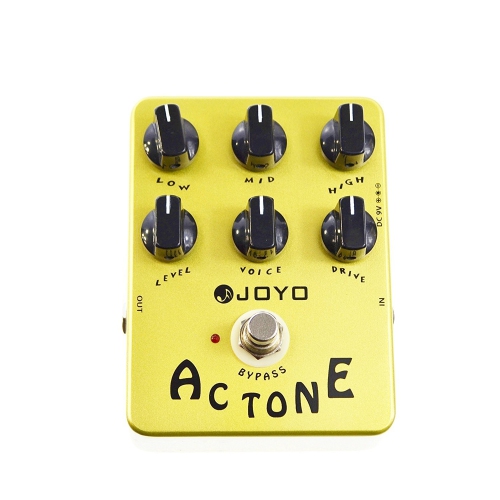
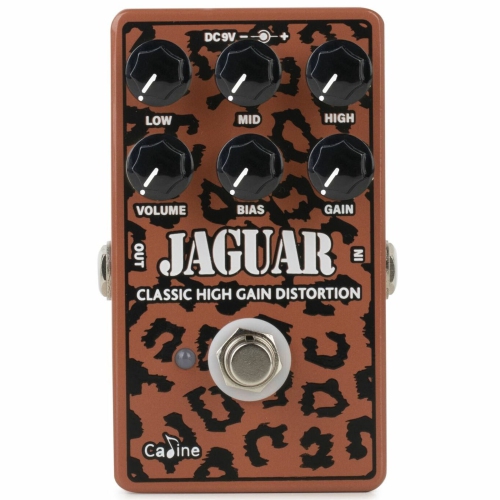
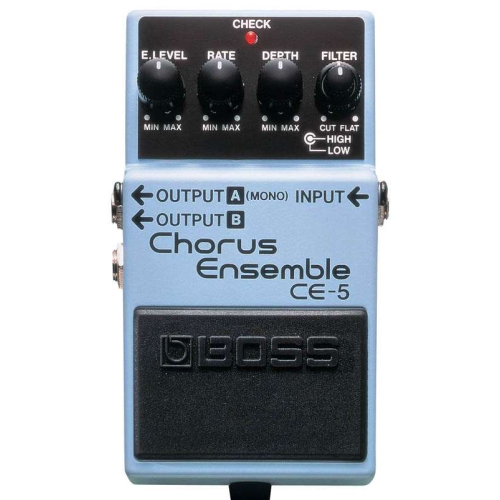
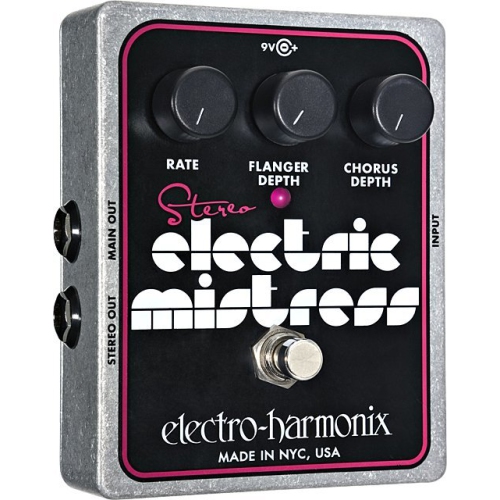
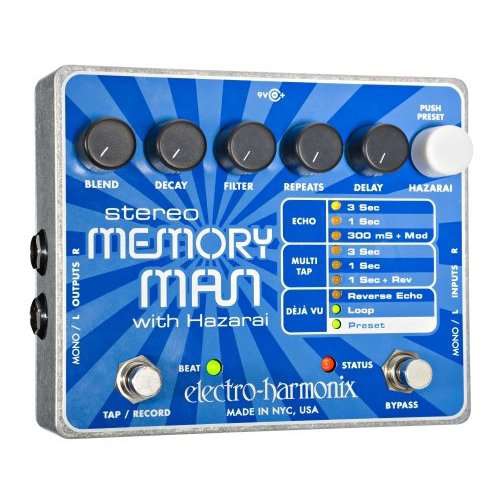
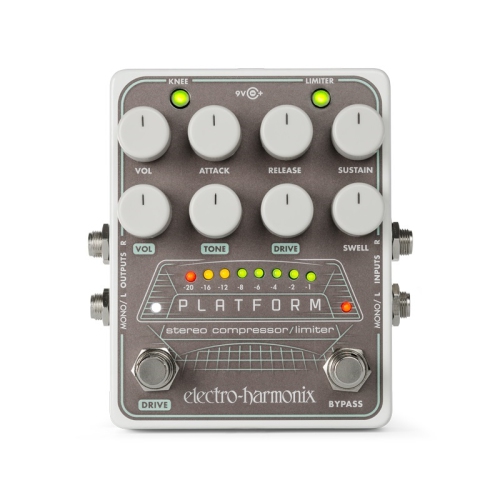
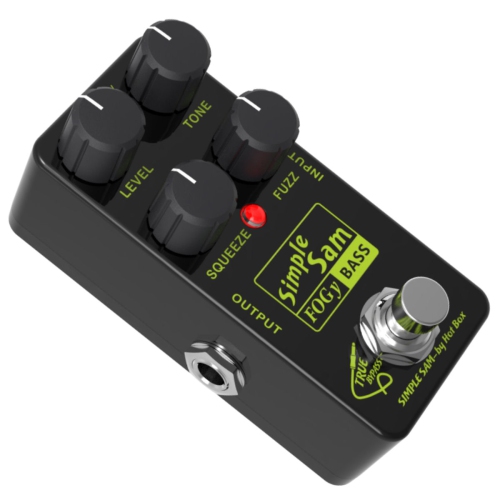
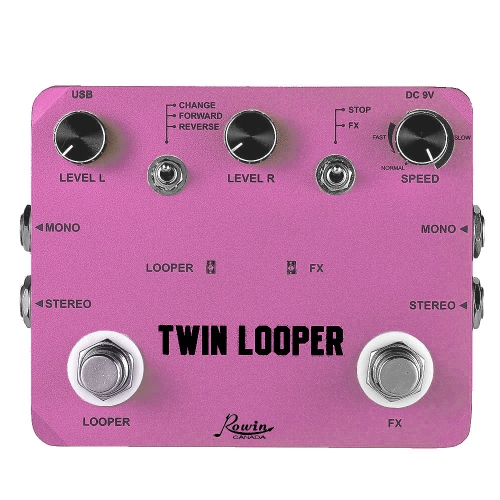
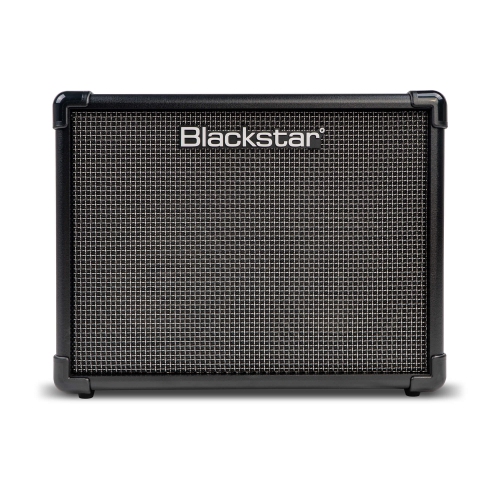
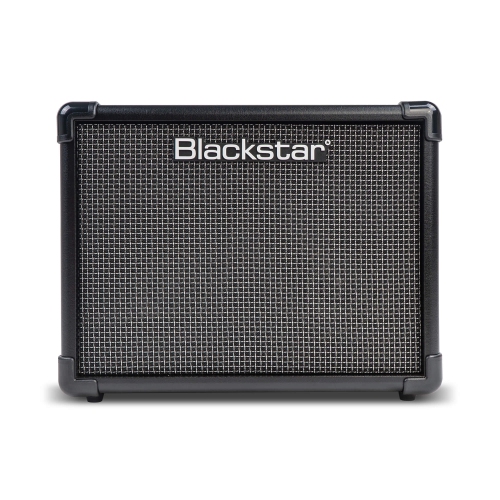

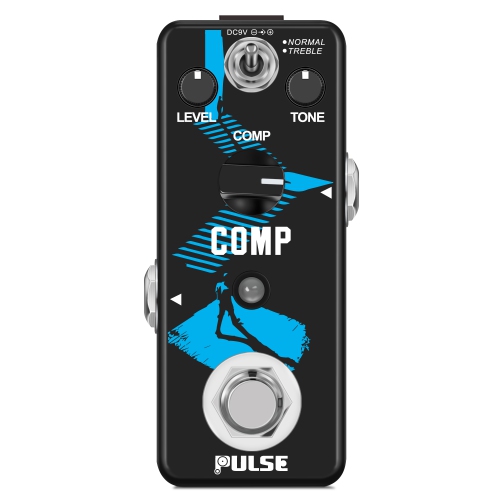
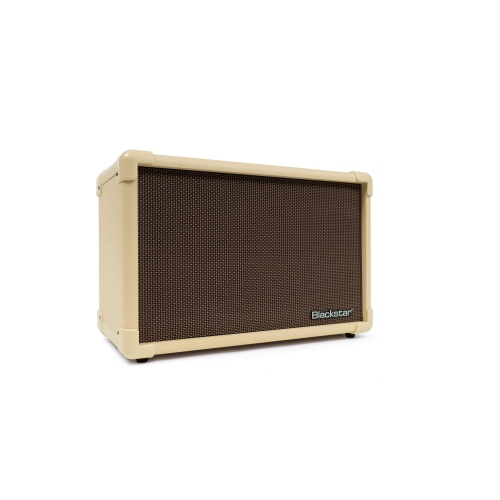
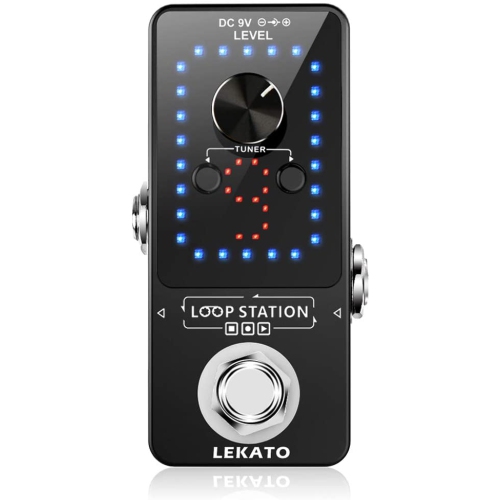
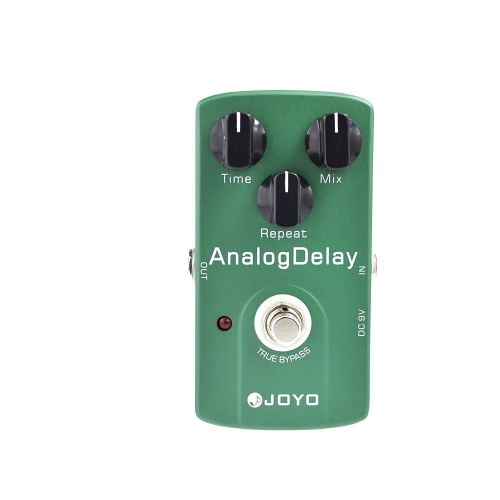
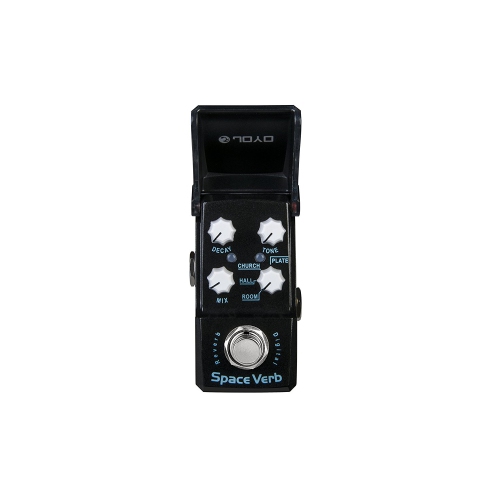
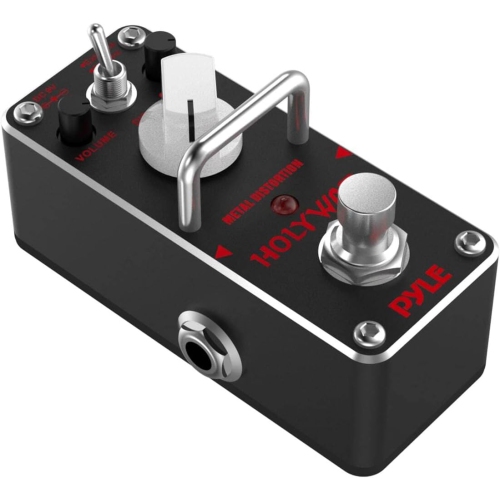

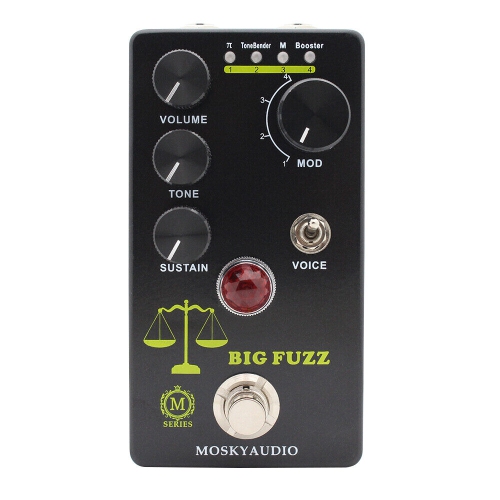
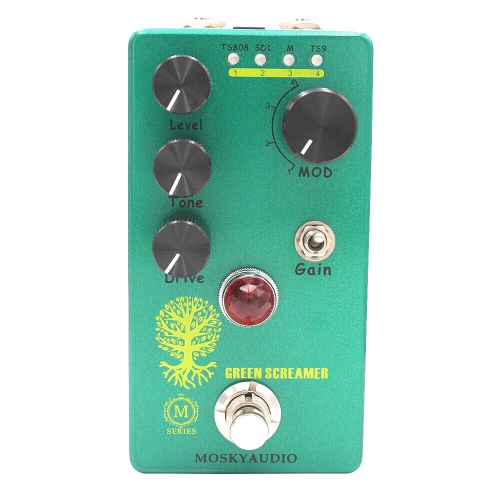
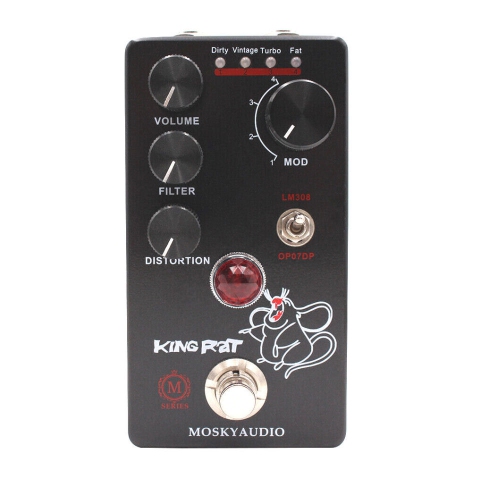
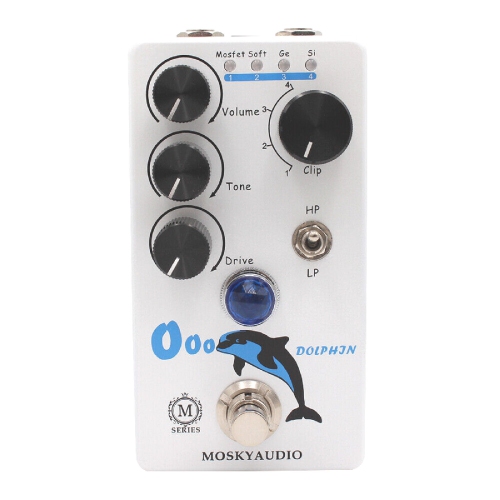
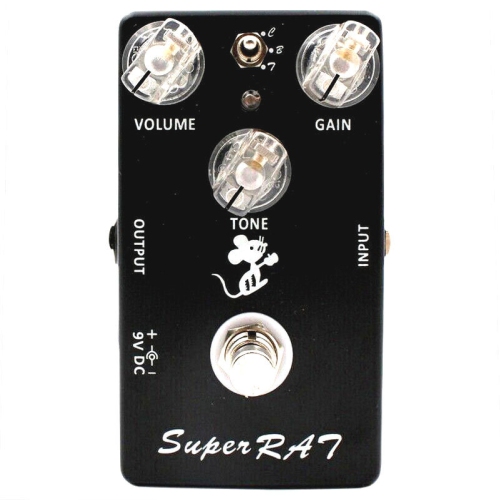
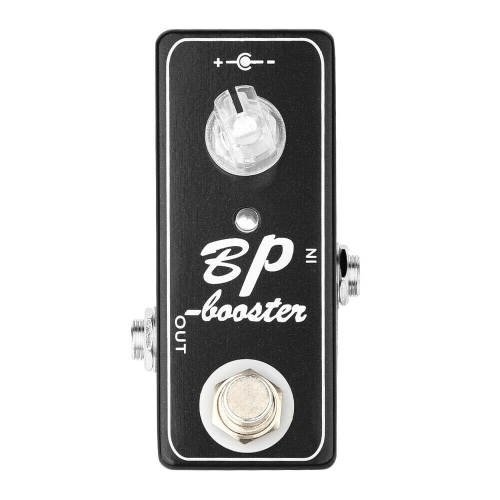
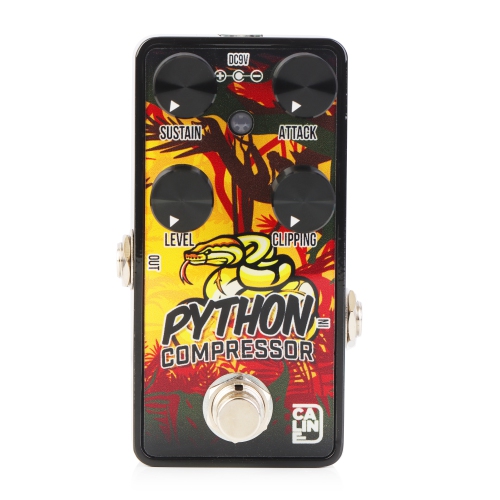
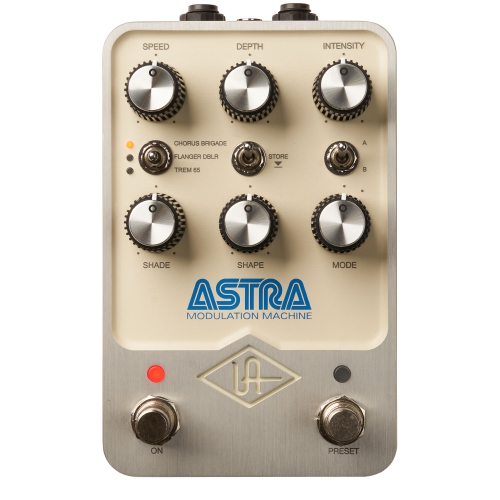
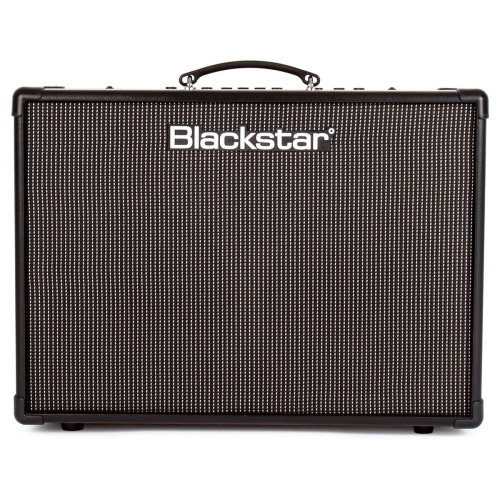
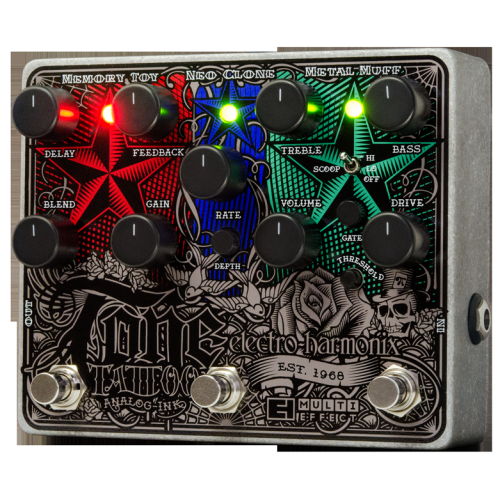
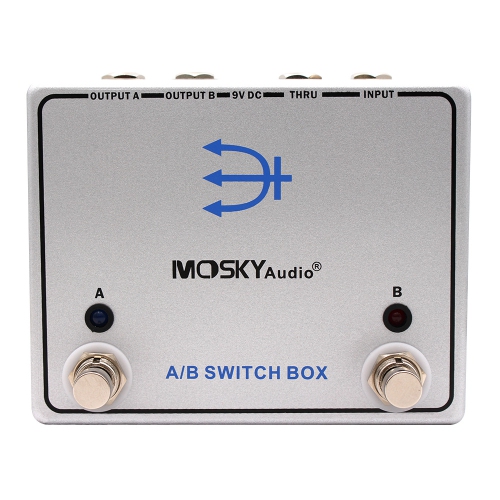
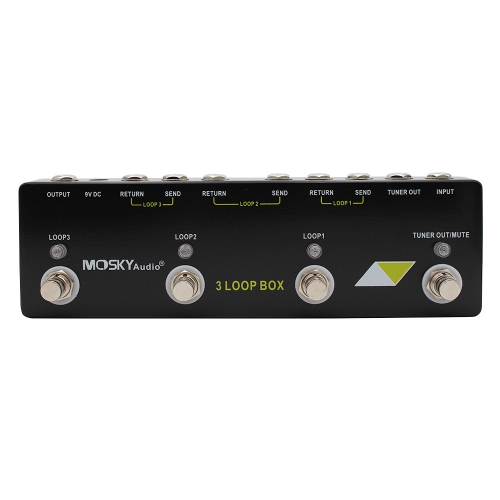
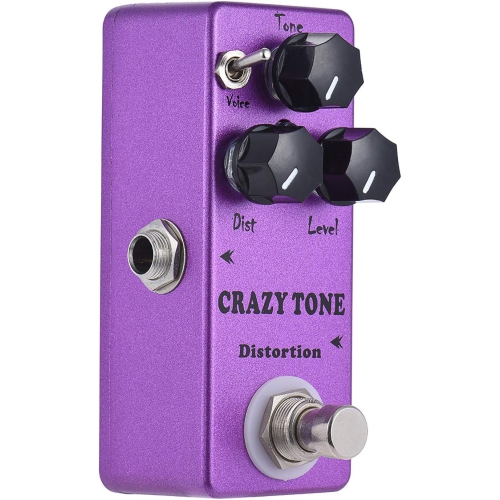
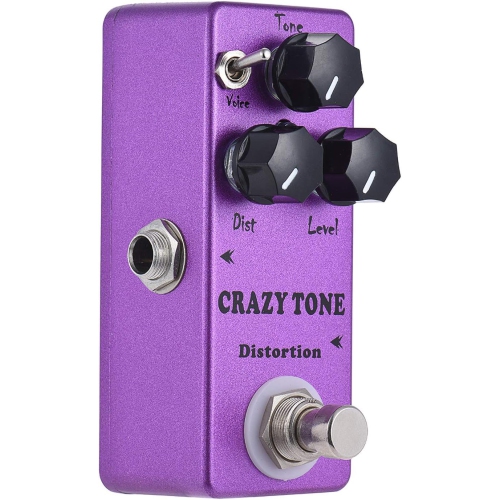
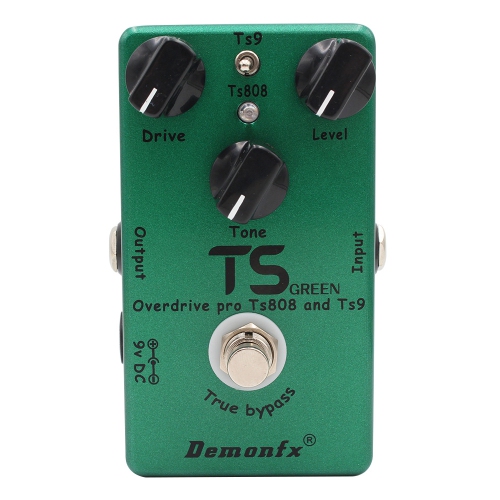
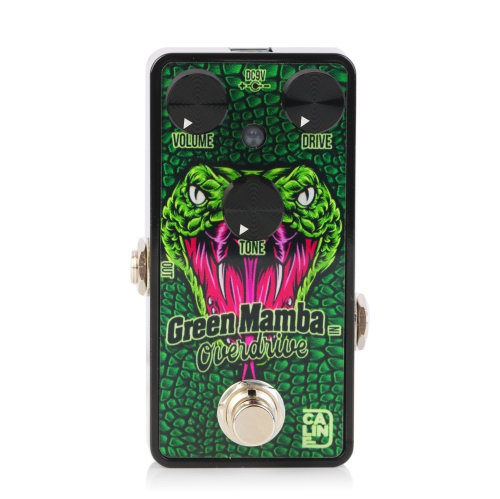
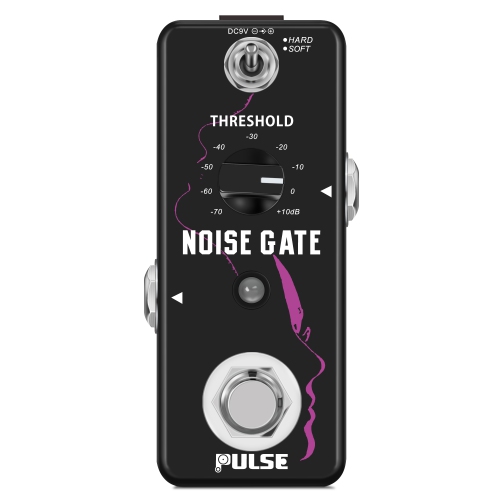
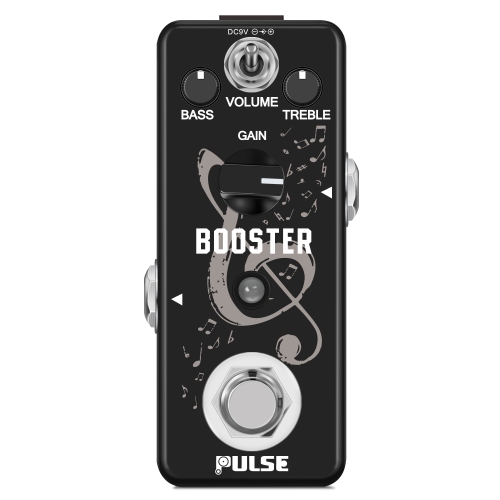
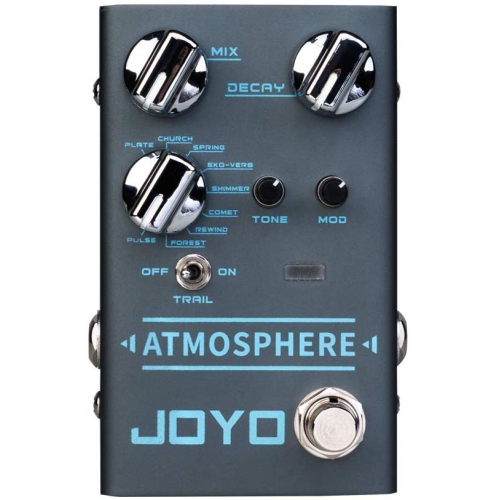
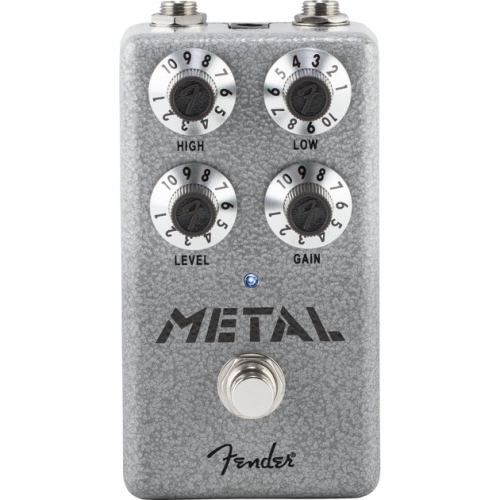
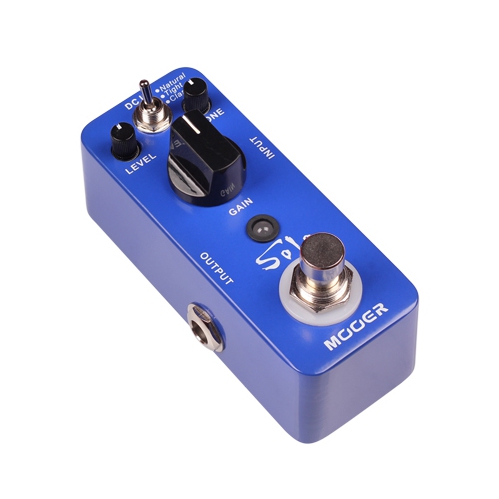
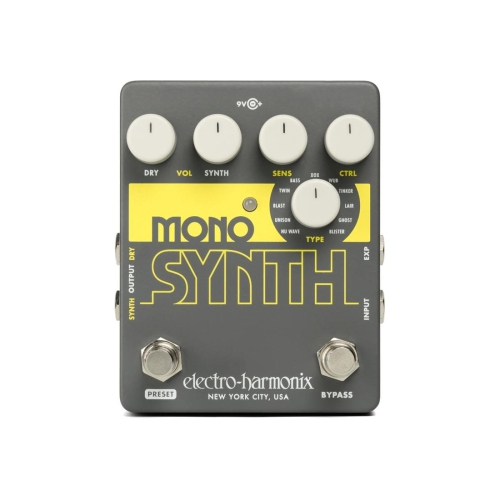
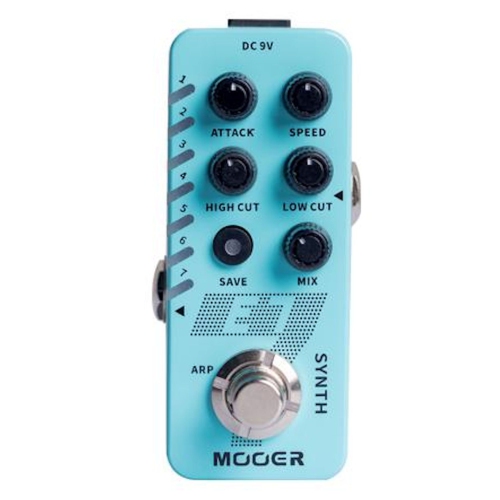
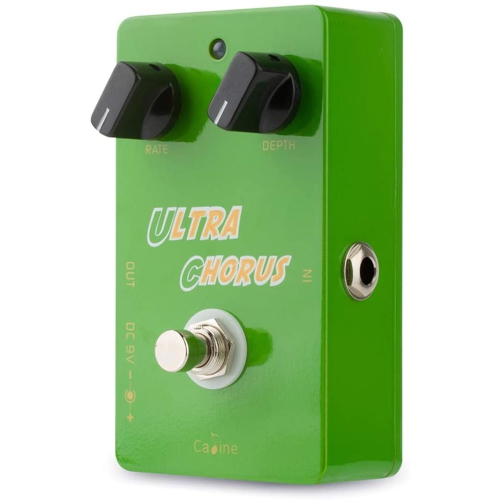
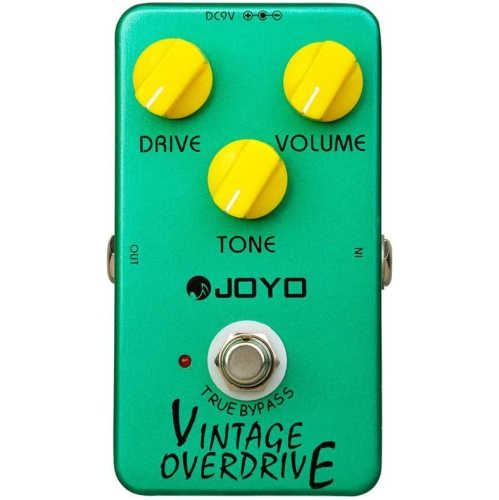
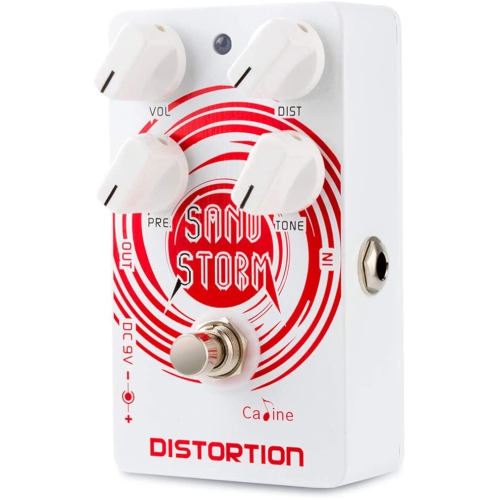
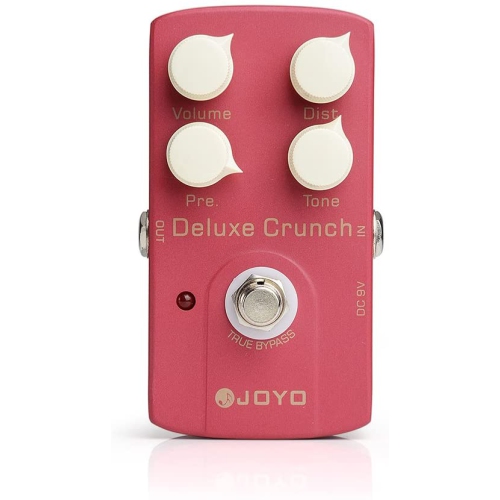
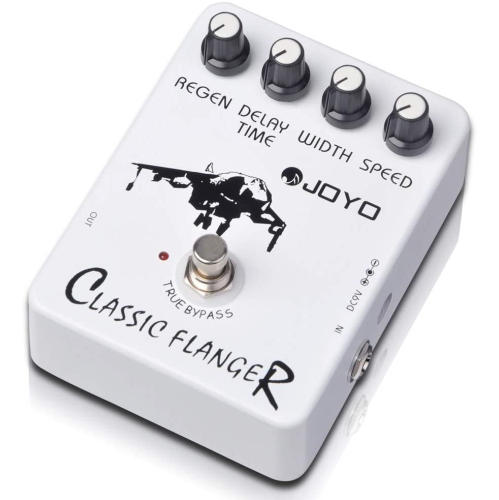

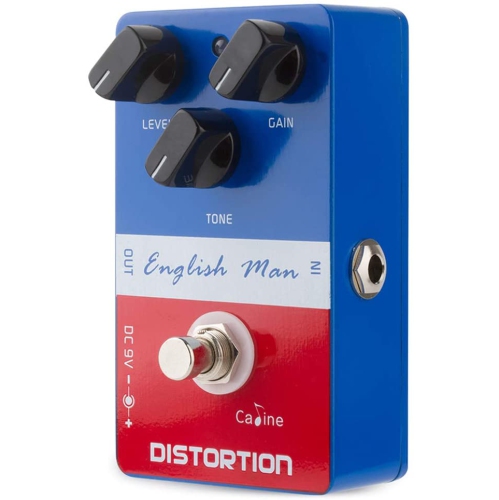
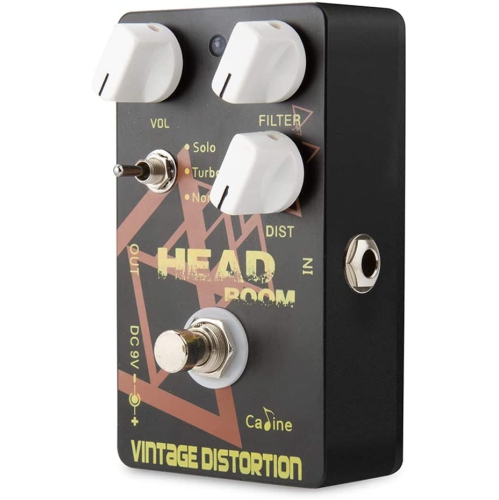

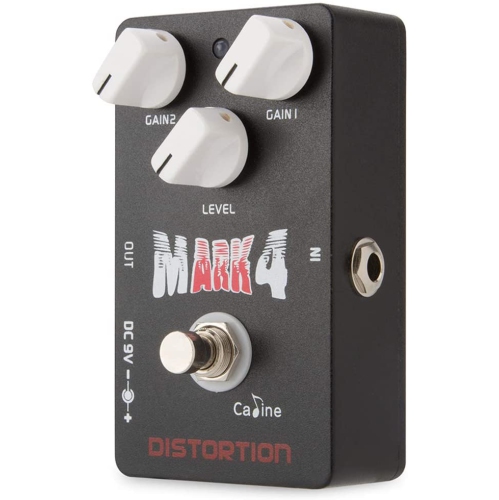
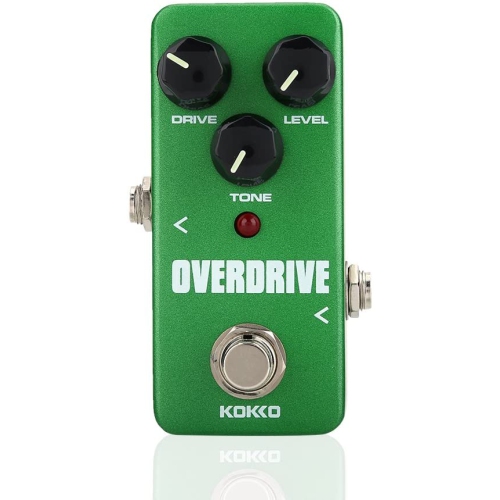
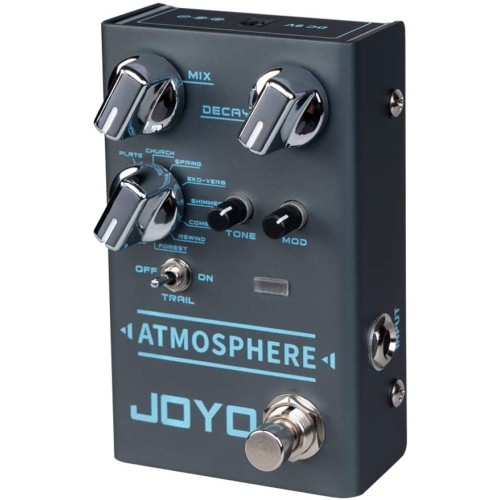
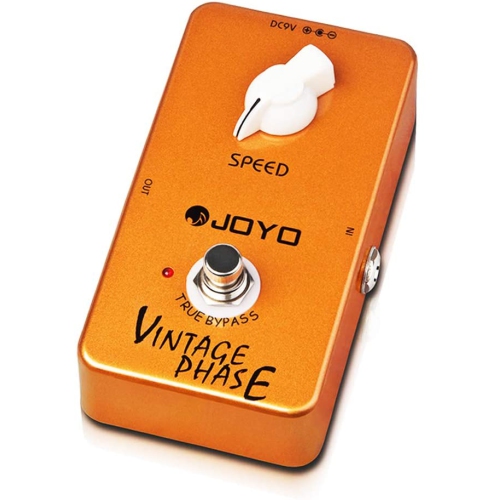

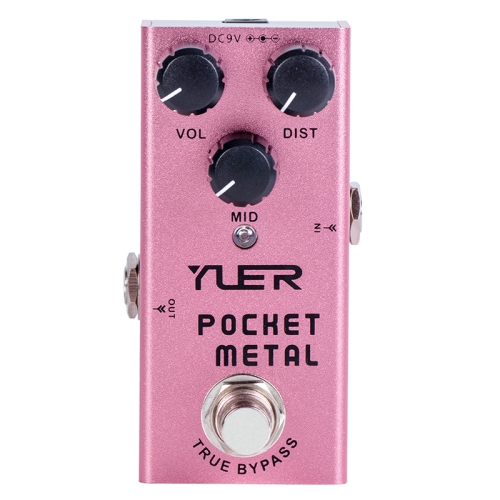
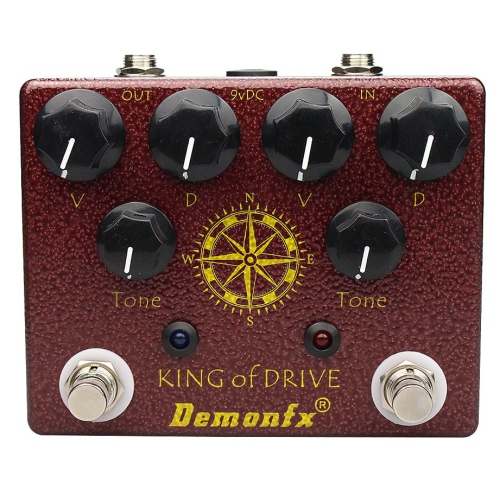
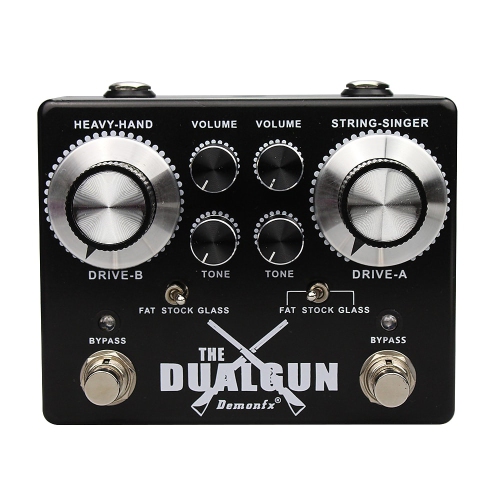
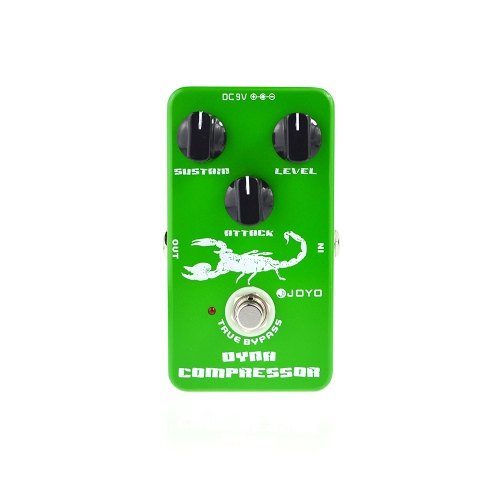

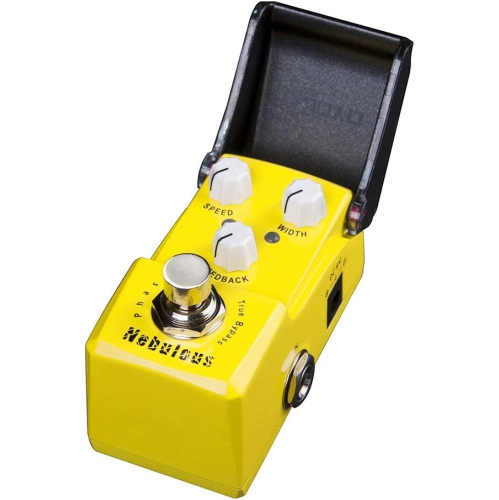
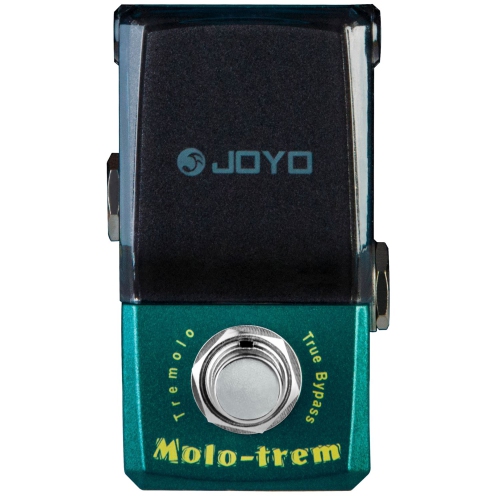
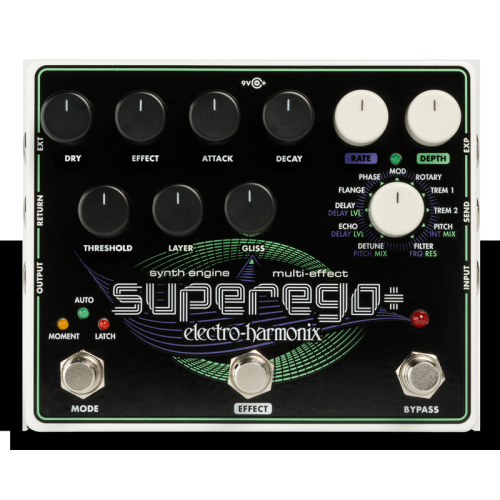

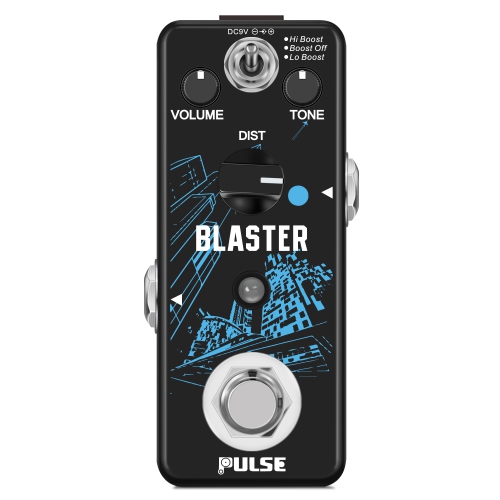
Wider guitar tones through thoughtful stereo signal routing
Stereo guitar effects are designed to give your playing a broader, more dimensional presentation by dividing the signal into left and right channels. Instead of sending an identical sound to one destination, a stereo effect can shape each side with different timing, pitch movement, volume, or ambience. The result may be a delay that travels from left to right, a chorus that creates a gently shifting width, or a reverb that lets the guitar bloom across the entire stereo field. These effects can add depth to clean chords, make sustained notes feel more spacious, and help individual parts sit comfortably in a recording or performance. Stereo guitar effects are often used by players working with two amplifiers, a stereo audio interface, a mixing console, or powered speakers, but many can also be used with a single amplifier in a conventional mono setup. When shopping, check the input and output connections, the available modes, and whether the effect preserves a mono signal when only one output is connected. Some units process the left and right channels independently, while others split or duplicate the signal after applying one shared effect. Both approaches can be useful, depending on the sound you want and the rest of your setup. A player recording at home may appreciate wide, detailed ambience through headphones or studio monitors, while someone rehearsing with a compact amplifier may prefer an effect that offers straightforward mono operation alongside stereo outputs for future expansion. Browse the broader range of Electric Guitar Effects to compare different effect types and signal-routing options.
A stereo guitar effects setup works best when the rest of the signal chain is planned with equal care. Begin by considering where the effect will sit: overdrive and distortion are commonly placed before modulation, delay, and reverb, while a dedicated effects loop can keep time-based effects clearer after the amplifier’s preamp section. A stereo delay may offer separate controls for left and right timing, feedback, or level, making it possible to create a measured ping-pong repeat or a subtle offset that simply widens the sound. Stereo reverb can spread the initial reflection and decay across both channels, giving sustained chords a larger sense of depth without making the dry guitar disappear. Chorus, flanger, phaser, and other modulation effects may use different phase relationships or movement on each side, producing everything from a gentle shimmer to a pronounced swirling texture. Pay attention to the difference between stereo output and true stereo processing. A device with two outputs does not always change the left and right channels independently, so read the specifications carefully if channel-to-channel movement is central to your playing style. It is also worth checking bypass behaviour, latency, tap-tempo support, expression-pedal compatibility, preset storage, and the power requirements. For live use, two amplifiers or two mixer channels are needed to hear the full spread; placing both amplifiers too close together can reduce the sense of separation, while positioning them with care can make the effect easier to perceive. For recording, a stereo interface with two available inputs allows the left and right outputs to be captured separately, giving you more control over balance and width during mixing. Headphones are useful for checking detail, but always test the sound through the speakers you plan to use, since room placement and speaker distance can change how wide the effect feels.
These products can suit a wide range of guitarists, from players building their first pedalboard to experienced musicians refining a recording rig. A beginner may start with a versatile unit that combines several effect styles and offers clear controls, then add dedicated stereo processing as their preferences develop. A songwriter can use spacious delay or reverb to turn a simple progression into a fuller arrangement, while a worship, ambient, indie, pop, or experimental player may rely on stereo movement to create a recognisable atmosphere behind vocals and other instruments. Guitarists who record layered parts can use left-and-right effects to keep doubled tracks distinct, reducing the need to stack every sound in the centre of the mix. Bassists, keyboard players, and other electronic musicians may also find stereo effects useful when the inputs and frequency range are suitable, although guitar-focused controls are usually tailored to the response of guitar pickups and amplifiers. These effects can make thoughtful gifts for a guitarist who enjoys experimenting with tone, especially when you know whether they use a pedalboard, a modelling system, a traditional amplifier, or a computer-based recording setup. If you are choosing for someone else, a unit with familiar connections, clear documentation, and a range of adjustable settings is generally easier to incorporate than a highly specialised effect. For personal use, consider the sounds you already enjoy: short, understated ambience can add polish without changing the character of the guitar, whereas longer delays and expansive modulation can become a defining part of a performance. During the cooler months, a home recording project or rehearsal setup can be an inviting way to explore stereo placement, and a carefully chosen effect can remain useful for practice, composing, live performance, and studio work long after the first experiment. Examine the available controls, outputs, power options, and compatibility with your existing equipment so the final choice supports the way you actually play.
A stereo guitar effects setup works best when the rest of the signal chain is planned with equal care. Begin by considering where the effect will sit: overdrive and distortion are commonly placed before modulation, delay, and reverb, while a dedicated effects loop can keep time-based effects clearer after the amplifier’s preamp section. A stereo delay may offer separate controls for left and right timing, feedback, or level, making it possible to create a measured ping-pong repeat or a subtle offset that simply widens the sound. Stereo reverb can spread the initial reflection and decay across both channels, giving sustained chords a larger sense of depth without making the dry guitar disappear. Chorus, flanger, phaser, and other modulation effects may use different phase relationships or movement on each side, producing everything from a gentle shimmer to a pronounced swirling texture. Pay attention to the difference between stereo output and true stereo processing. A device with two outputs does not always change the left and right channels independently, so read the specifications carefully if channel-to-channel movement is central to your playing style. It is also worth checking bypass behaviour, latency, tap-tempo support, expression-pedal compatibility, preset storage, and the power requirements. For live use, two amplifiers or two mixer channels are needed to hear the full spread; placing both amplifiers too close together can reduce the sense of separation, while positioning them with care can make the effect easier to perceive. For recording, a stereo interface with two available inputs allows the left and right outputs to be captured separately, giving you more control over balance and width during mixing. Headphones are useful for checking detail, but always test the sound through the speakers you plan to use, since room placement and speaker distance can change how wide the effect feels.
These products can suit a wide range of guitarists, from players building their first pedalboard to experienced musicians refining a recording rig. A beginner may start with a versatile unit that combines several effect styles and offers clear controls, then add dedicated stereo processing as their preferences develop. A songwriter can use spacious delay or reverb to turn a simple progression into a fuller arrangement, while a worship, ambient, indie, pop, or experimental player may rely on stereo movement to create a recognisable atmosphere behind vocals and other instruments. Guitarists who record layered parts can use left-and-right effects to keep doubled tracks distinct, reducing the need to stack every sound in the centre of the mix. Bassists, keyboard players, and other electronic musicians may also find stereo effects useful when the inputs and frequency range are suitable, although guitar-focused controls are usually tailored to the response of guitar pickups and amplifiers. These effects can make thoughtful gifts for a guitarist who enjoys experimenting with tone, especially when you know whether they use a pedalboard, a modelling system, a traditional amplifier, or a computer-based recording setup. If you are choosing for someone else, a unit with familiar connections, clear documentation, and a range of adjustable settings is generally easier to incorporate than a highly specialised effect. For personal use, consider the sounds you already enjoy: short, understated ambience can add polish without changing the character of the guitar, whereas longer delays and expansive modulation can become a defining part of a performance. During the cooler months, a home recording project or rehearsal setup can be an inviting way to explore stereo placement, and a carefully chosen effect can remain useful for practice, composing, live performance, and studio work long after the first experiment. Examine the available controls, outputs, power options, and compatibility with your existing equipment so the final choice supports the way you actually play.
Top selling and popular products
-
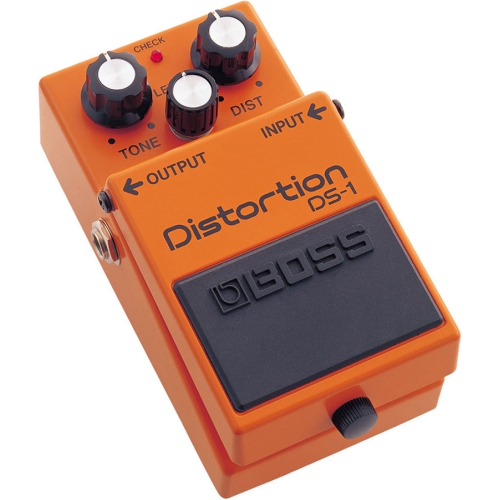 Your price for this item is $89.99
 -
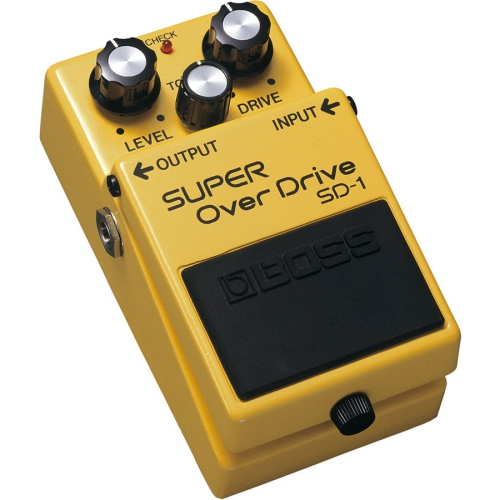 Your price for this item is $89.99
 -
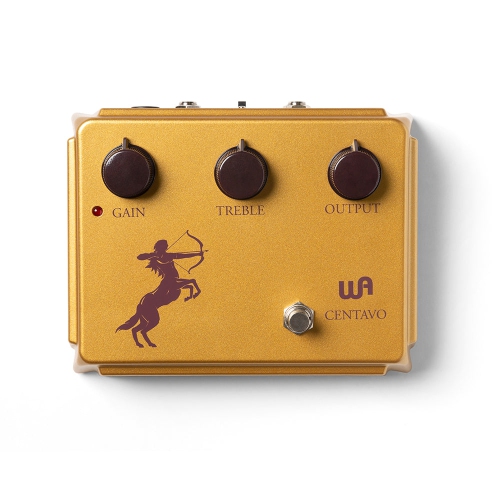 Your price for this item is $289
 -
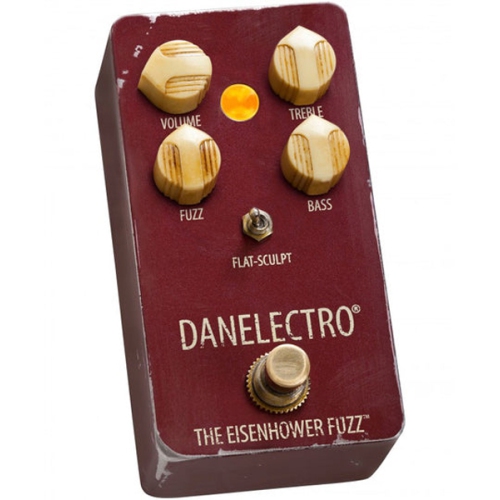 Your price for this item is $164.99
 -
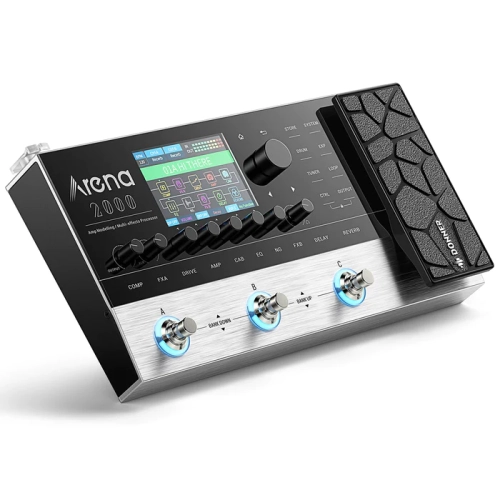 Your price for this item is $209.99
 -
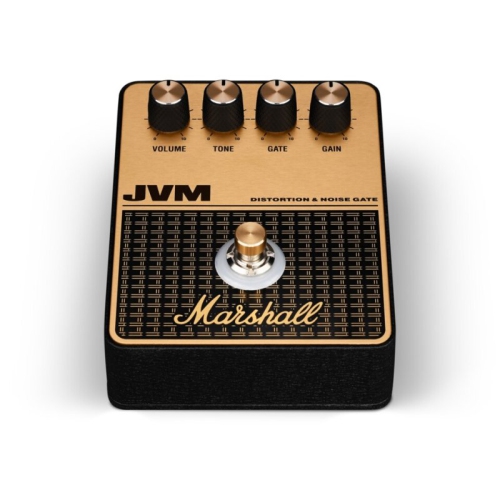 Your price for this item is $249.99
 -
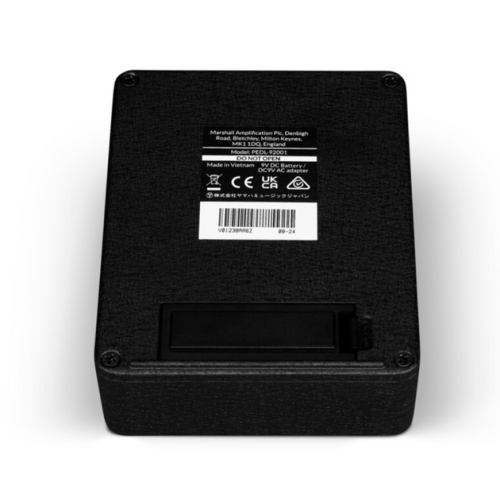 Your price for this item is $249.99
 -
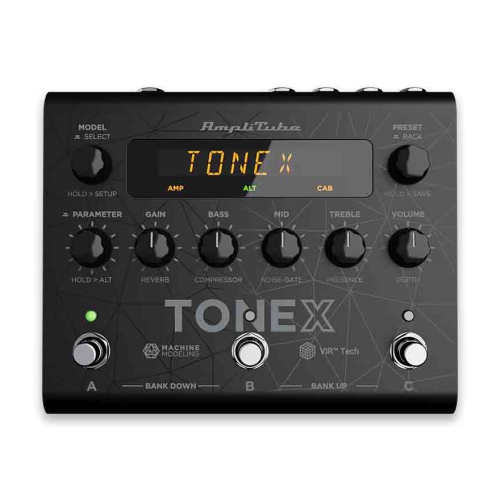 Your price for this item is $599.99
Discover more categories related to Stereo Guitar Effects
Top Collections:
Pokemon Centers, Kindle Devices, Best Budget Office Chairs, Apple iPhones 16, Canon G7X Cameras, iPhone 15 Apple, Alarm Clock, Refurbished Apple Laptops, Flip Phones, Best Laptops for Writers
Some products may be subject to Environmental Handling Fees
(EHF) depending on your province.
Learn more about EHFs.