Toy Grand Pianos
Looking to nurture your child's musical talent? Look no further than our collection of toy grand pianos. These mini-marvels are perfect for little fingers to explore the world of music and unleash their inner maestro. With their sleek design and authentic sound, these toy grand pianos will not only provide hours of entertainment but also help develop crucial cognitive and motor skills. Whether your child dreams of becoming the next Mozart or simply enjoys tinkering with keys, our selection of toy grand pianos offers a range of options to suit every budding musician's needs.
Sort
What to know about keys, sounds and safe play
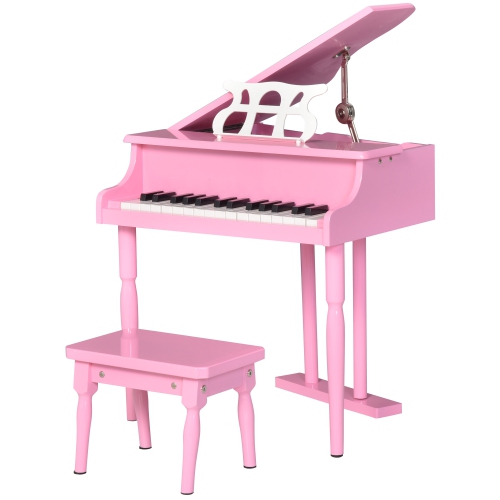
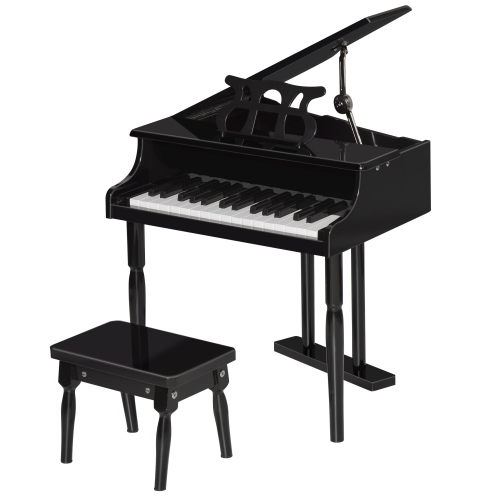
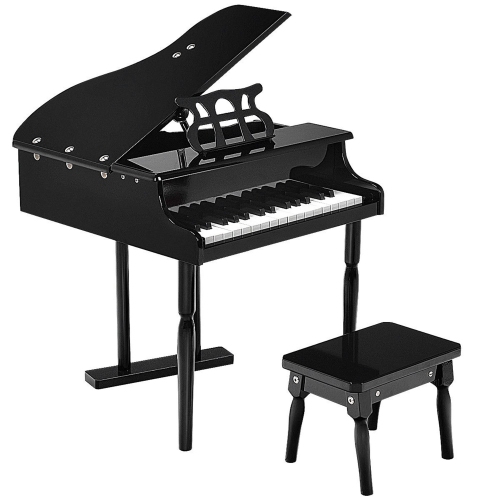
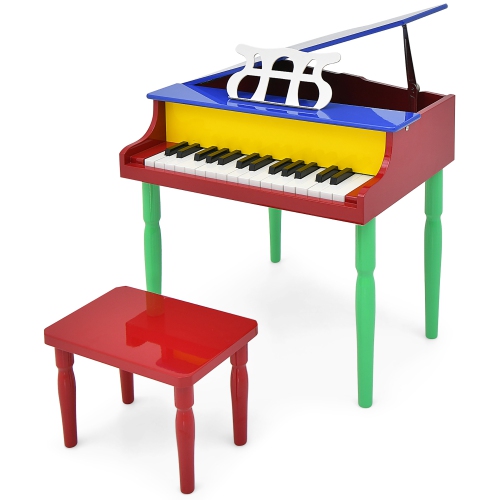
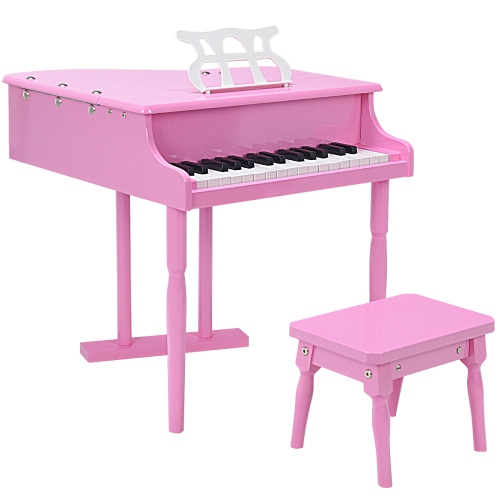
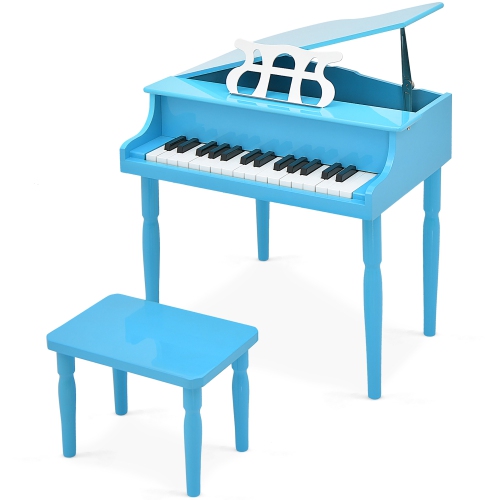
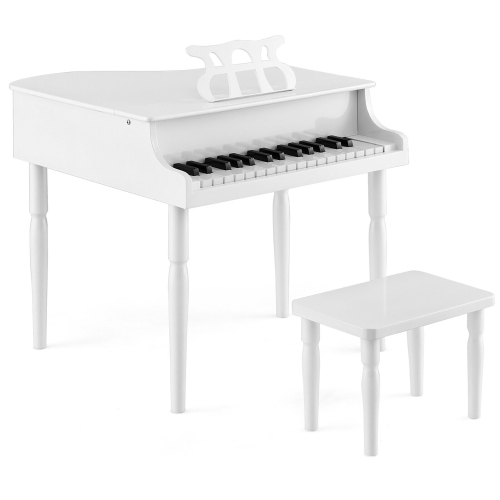
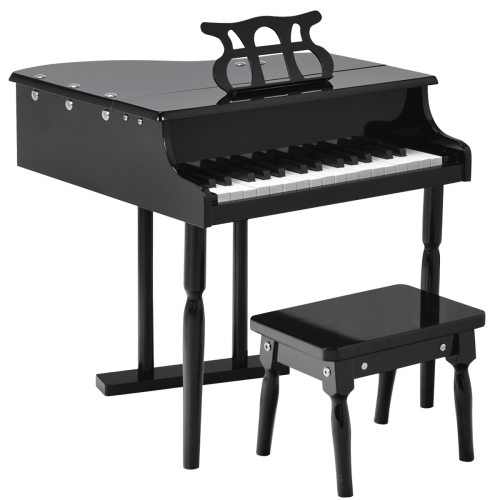
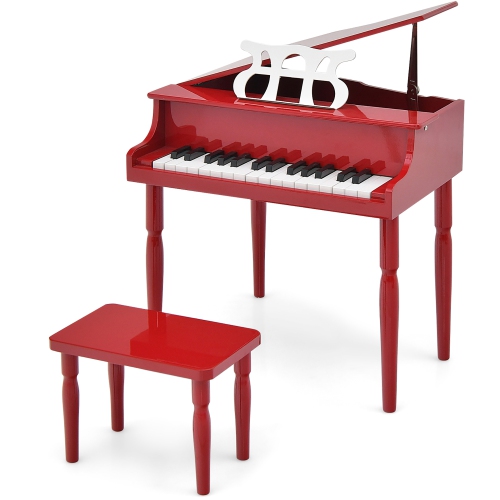
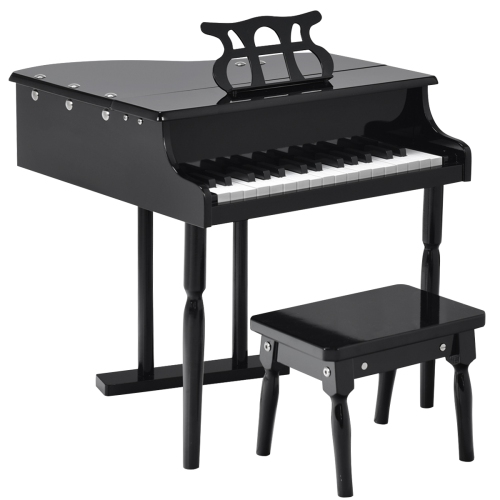
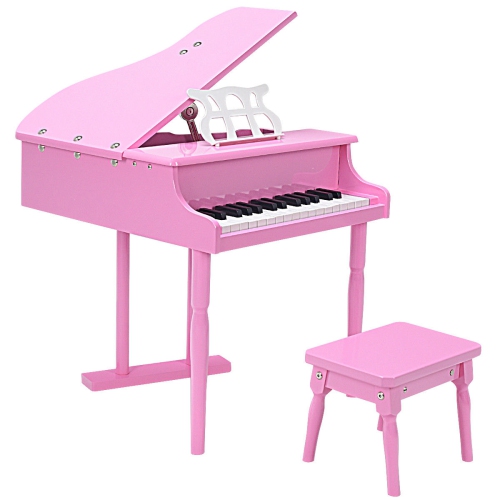
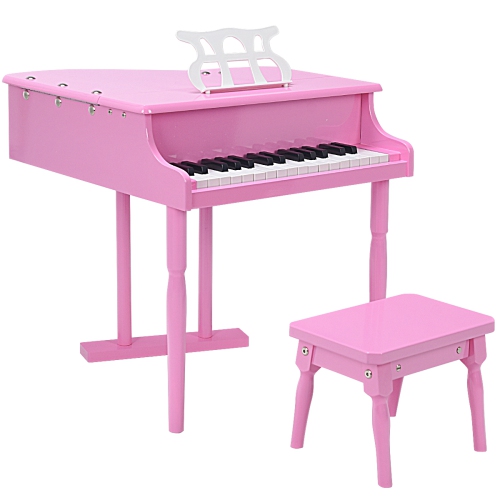
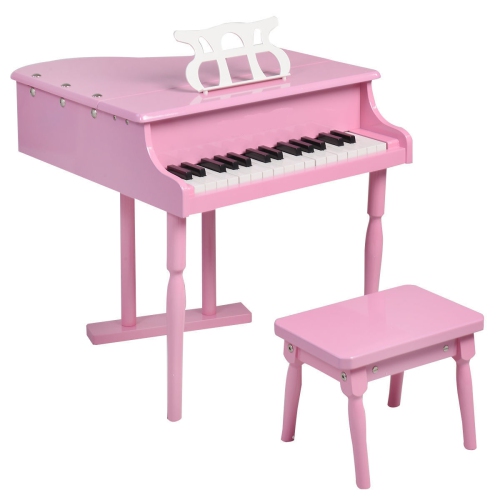
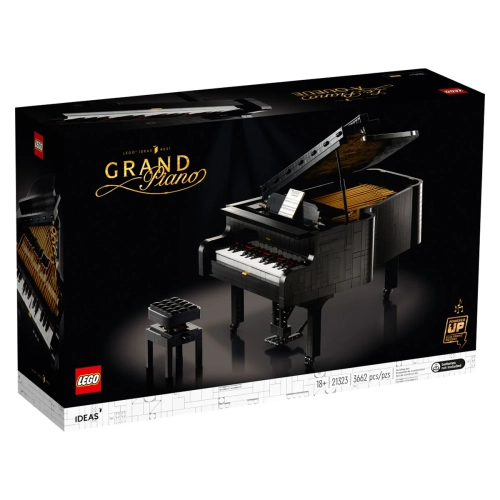
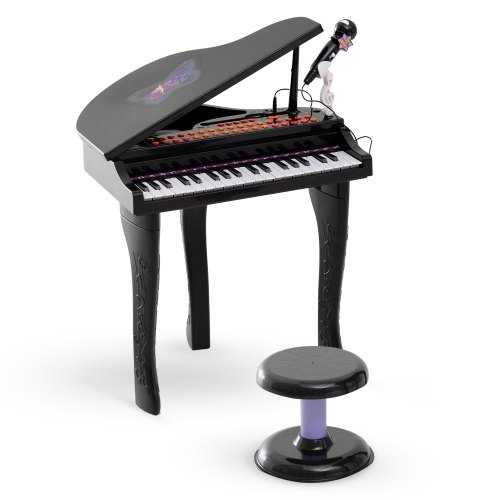
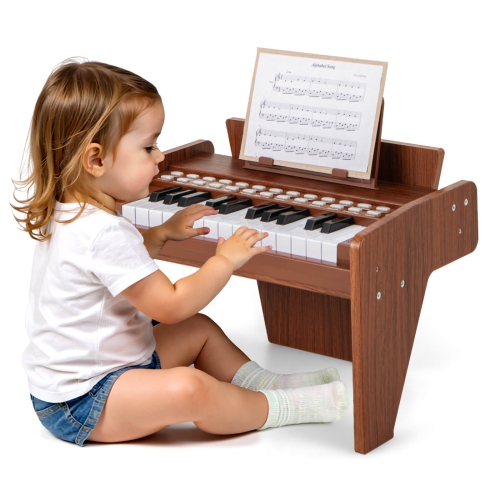
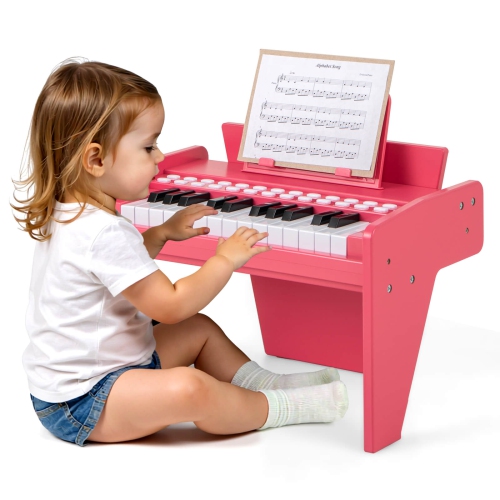
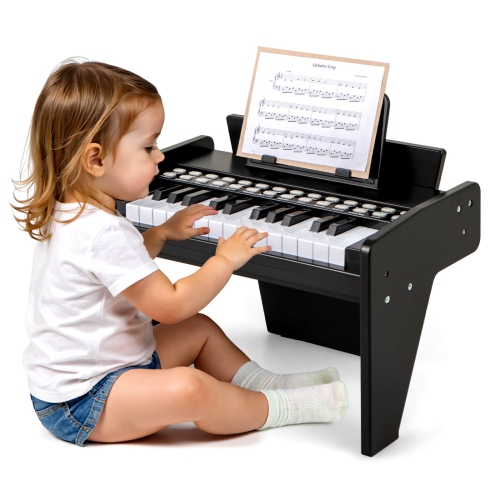
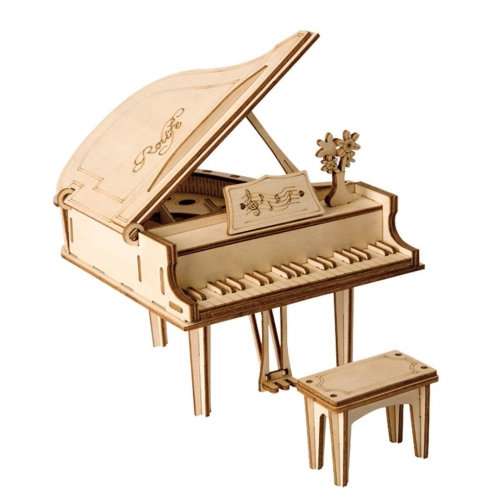
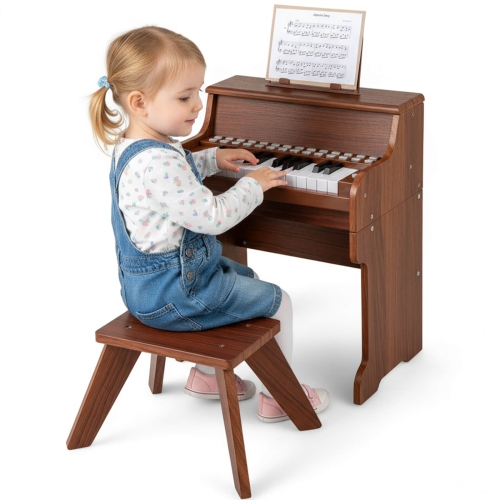
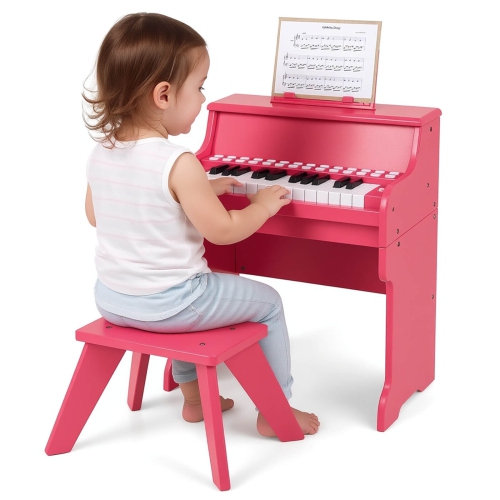
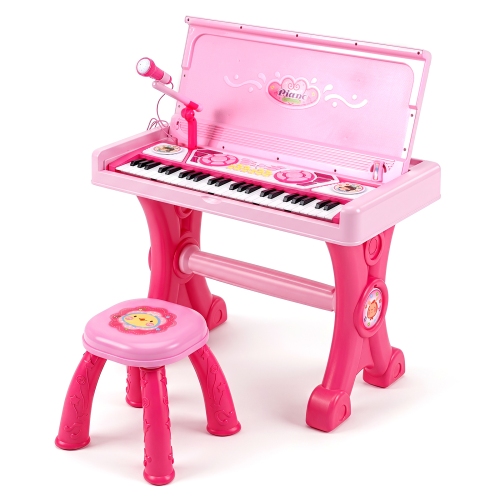
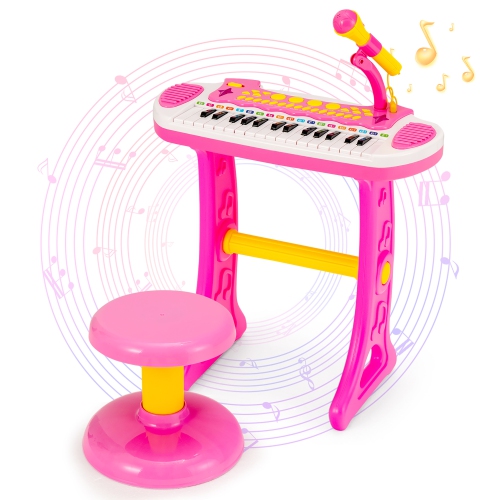
Toy grand pianos bring the shape and presence of a traditional grand piano into a size made for young musicians. With a curved body, raised lid and compact keyboard, these miniature instruments can become an inviting first step into music, whether they sit in a playroom, bedroom or family living space. Most are designed for children and feature approximately 25 to 30 keys, giving little hands enough range to explore high and low notes without the scale or complexity of a full-sized piano. Some acoustic models use internal metal rods or chimes that produce a clear, bell-like tone when the keys are pressed, while electronic versions create sound through built-in speakers and may operate with batteries. The difference can shape the experience: an acoustic toy grand piano offers a simple, tactile connection between each key and its sound, while an electronic model may provide added functions such as volume control, recorded melodies or other sound settings. Both styles can encourage children to experiment with rhythm, pitch and repetition. A child may begin by tapping a single key, then return to the same note until it feels familiar, eventually creating a small tune for a parent, grandparent or stuffed-animal audience. These instruments are often chosen as birthday, holiday or special-occasion gifts because they feel substantial while remaining approachable for beginners. They can also be a thoughtful addition to a child’s first music corner, especially when adults want to introduce musical play without expecting formal lessons or performance. For families exploring a wider range of child-sized instruments, Children's Pianos may offer additional formats and features to compare. Toy grand pianos are not intended to replace a professional piano or provide the same action and tonal range, but they can make music feel immediate, playful and comfortably within reach.
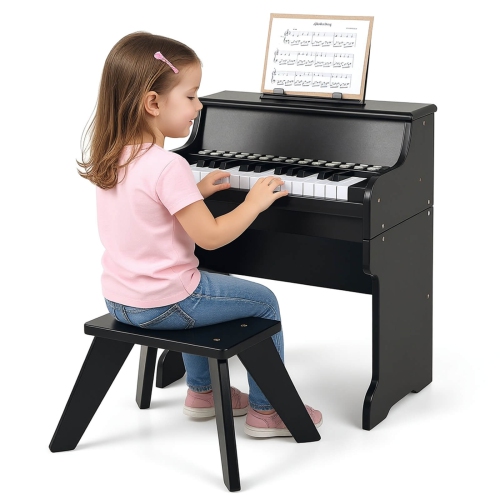
Age suitability is one of the first details to review when choosing a toy grand piano. Many models are intended for toddlers or preschool-aged children, commonly from around three years of age, although the recommended age can vary by design. Check the manufacturer’s guidance, particularly when the piano includes small accessories, removable parts or battery compartments. A sturdy construction is useful for active play, but the instrument should still be placed on a stable, level surface where it cannot easily tip or slide. Rounded corners can help reduce sharp edges around energetic play, and a lid with a slow-close or safety hinge can help protect small fingers from a sudden drop. Look closely at the keyboard height and bench design as well. A matching bench can make the piano feel more inviting and help a child sit comfortably while playing, but it should be positioned so the child can reach the keys without leaning or stretching. For younger children, adult supervision is recommended during play, especially while they are learning how to open and close the lid, handle accessories or change batteries. Wooden toy grand pianos often appeal to families looking for a substantial, furniture-like appearance and a naturally resonant chime. They may suit a quiet room where the gentle notes can be enjoyed without electronic volume settings. Electronic models can be practical in shared homes, apartments or play areas where adjustable volume is helpful. If the piano includes a power switch, volume control, demo songs or recording functions, consider whether those features will add useful variety or create distractions. Some children enjoy pressing every button and discovering each sound; others learn more readily with a straightforward keyboard that keeps attention on the notes. Colour-coded key strips, simple songbooks and visual note guides may help beginners connect a key with a familiar melody before they can read music. These aids are best treated as invitations to explore rather than requirements for success. A child can benefit from copying a short pattern, playing along with a caregiver or inventing a tune of their own.
The best place for a toy grand piano is somewhere it can be used regularly and stored safely between sessions. Positioning it in a visible area can encourage spontaneous play, while keeping it away from heaters, damp locations and busy walkways helps protect the instrument and makes the space easier to navigate. A soft cloth can be used to remove dust from the exterior and keys; always follow the care instructions for the particular finish and avoid applying liquids directly to the keyboard or inside the instrument. For battery-powered models, use the recommended battery type and close the compartment securely after replacing them. Families may also want to establish a simple routine: a few minutes of free play after breakfast, a familiar melody before bedtime or a weekend “concert” for everyone in the room. These small rituals can turn an attractive toy into part of a child’s everyday creative life. Toy grand pianos can support early listening and coordination as children practise pressing one key at a time, compare higher and lower sounds, follow a steady beat or use both hands together. They can also become a social activity, with siblings taking turns, caregivers singing along and children composing playful soundtracks for stories and pretend games. During the cooler months, when indoor activities become especially appealing, a miniature piano can offer an engaging alternative to screen-based entertainment while leaving plenty of room for imagination. When selecting one, compare the recommended age, number of keys, sound type, power requirements, included bench or learning materials, dimensions and safety features. Think about the child’s interests and the setting as much as the appearance: a budding performer may enjoy demo songs and a broad range of sounds, while a child who prefers open-ended play may be happiest with a simple acoustic keyboard and a sturdy bench. With the right fit, a toy grand piano can be more than a decorative playroom piece; it can be a welcoming introduction to making music, sharing ideas and discovering the pleasure of hearing a personal creation come to life.
Age suitability is one of the first details to review when choosing a toy grand piano. Many models are intended for toddlers or preschool-aged children, commonly from around three years of age, although the recommended age can vary by design. Check the manufacturer’s guidance, particularly when the piano includes small accessories, removable parts or battery compartments. A sturdy construction is useful for active play, but the instrument should still be placed on a stable, level surface where it cannot easily tip or slide. Rounded corners can help reduce sharp edges around energetic play, and a lid with a slow-close or safety hinge can help protect small fingers from a sudden drop. Look closely at the keyboard height and bench design as well. A matching bench can make the piano feel more inviting and help a child sit comfortably while playing, but it should be positioned so the child can reach the keys without leaning or stretching. For younger children, adult supervision is recommended during play, especially while they are learning how to open and close the lid, handle accessories or change batteries. Wooden toy grand pianos often appeal to families looking for a substantial, furniture-like appearance and a naturally resonant chime. They may suit a quiet room where the gentle notes can be enjoyed without electronic volume settings. Electronic models can be practical in shared homes, apartments or play areas where adjustable volume is helpful. If the piano includes a power switch, volume control, demo songs or recording functions, consider whether those features will add useful variety or create distractions. Some children enjoy pressing every button and discovering each sound; others learn more readily with a straightforward keyboard that keeps attention on the notes. Colour-coded key strips, simple songbooks and visual note guides may help beginners connect a key with a familiar melody before they can read music. These aids are best treated as invitations to explore rather than requirements for success. A child can benefit from copying a short pattern, playing along with a caregiver or inventing a tune of their own.
The best place for a toy grand piano is somewhere it can be used regularly and stored safely between sessions. Positioning it in a visible area can encourage spontaneous play, while keeping it away from heaters, damp locations and busy walkways helps protect the instrument and makes the space easier to navigate. A soft cloth can be used to remove dust from the exterior and keys; always follow the care instructions for the particular finish and avoid applying liquids directly to the keyboard or inside the instrument. For battery-powered models, use the recommended battery type and close the compartment securely after replacing them. Families may also want to establish a simple routine: a few minutes of free play after breakfast, a familiar melody before bedtime or a weekend “concert” for everyone in the room. These small rituals can turn an attractive toy into part of a child’s everyday creative life. Toy grand pianos can support early listening and coordination as children practise pressing one key at a time, compare higher and lower sounds, follow a steady beat or use both hands together. They can also become a social activity, with siblings taking turns, caregivers singing along and children composing playful soundtracks for stories and pretend games. During the cooler months, when indoor activities become especially appealing, a miniature piano can offer an engaging alternative to screen-based entertainment while leaving plenty of room for imagination. When selecting one, compare the recommended age, number of keys, sound type, power requirements, included bench or learning materials, dimensions and safety features. Think about the child’s interests and the setting as much as the appearance: a budding performer may enjoy demo songs and a broad range of sounds, while a child who prefers open-ended play may be happiest with a simple acoustic keyboard and a sturdy bench. With the right fit, a toy grand piano can be more than a decorative playroom piece; it can be a welcoming introduction to making music, sharing ideas and discovering the pleasure of hearing a personal creation come to life.
Top selling and popular products
-
 Your price for this item is $78.99
 -
 Your price for this item is $89.99
 -
 Your price for this item is $64.99
 -
 Your price for this item is $44.99
 -
 Your price for this item is $29.99
 -
 Your price for this item is $94.99
 -
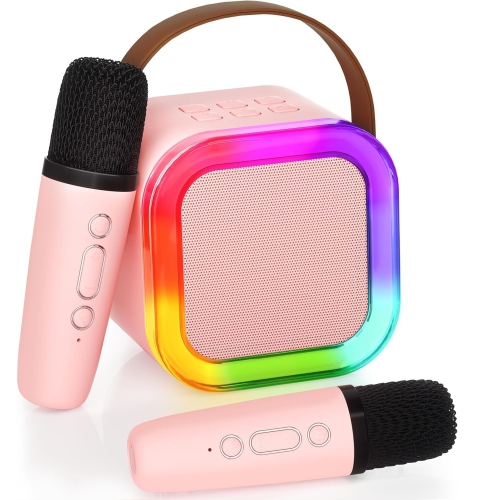 Your price for this item is $90
 -
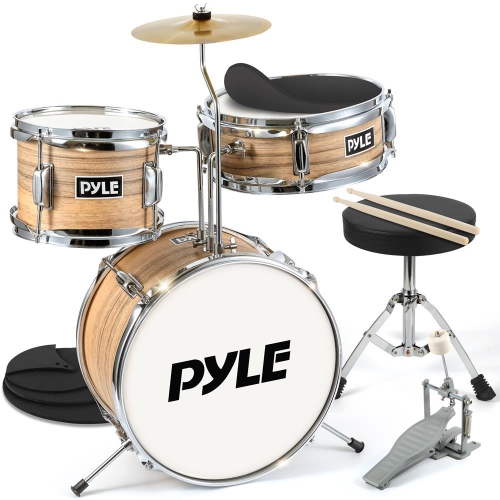 Your price for this item is $159.99
Discover more categories related to Toy Grand Pianos
Top Collections:
Pokemon Centers, Best Cameras for Sports Photography, Kindle Devices, Samsung Galaxy Phones, Canon G7X Cameras, Pokémon 30th Celebration Cards, Refurbished Apple Laptops, iPhone 15 Apple, Laptops for Students, Budget Smartphones
Some products may be subject to Environmental Handling Fees
(EHF) depending on your province.
Learn more about EHFs.