Childrens Pianos
Unlock the world of music for your little ones with our delightful range of children's pianos. Designed to inspire creativity and nurture budding talents, these pianos offer an engaging way for kids to explore melodies and rhythms. Whether you're looking for a playful, colorful design or a more traditional style, you'll find options that cater to every young musician's taste and skill level. Perfect for playrooms or music corners, these instruments are crafted to encourage learning while having fun. Discover how a children's piano can be the perfect first step on your child's musical journey.
Sort
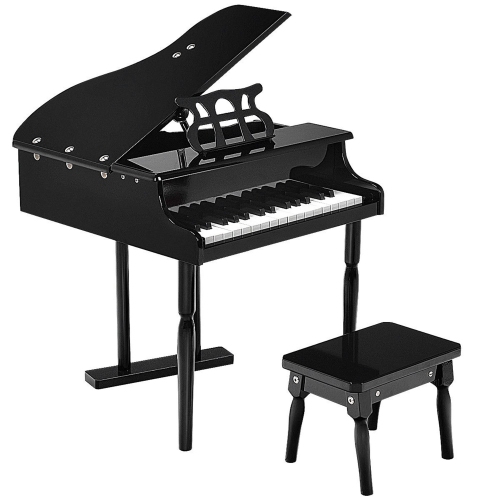
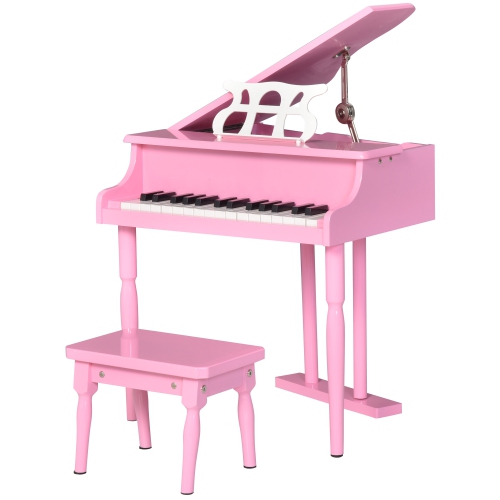
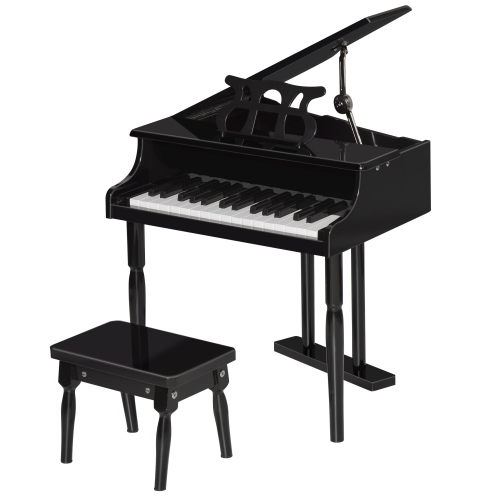
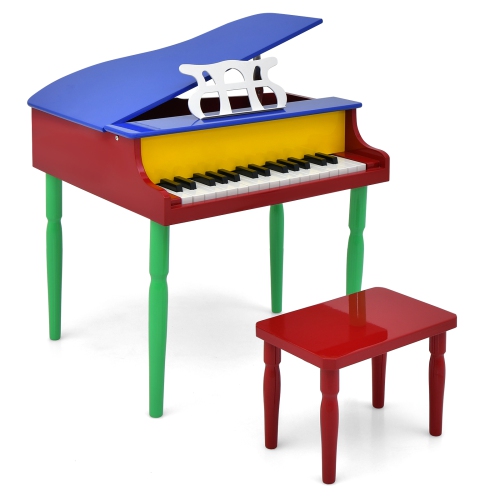
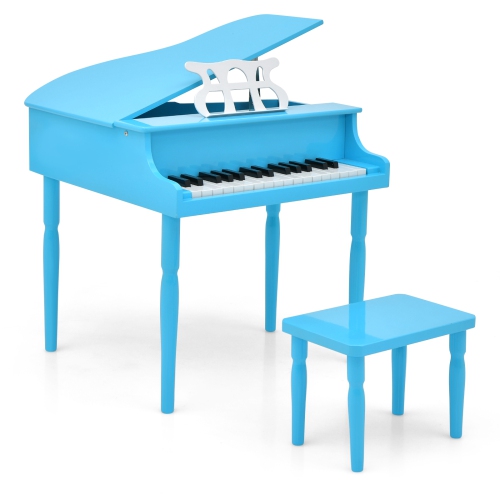
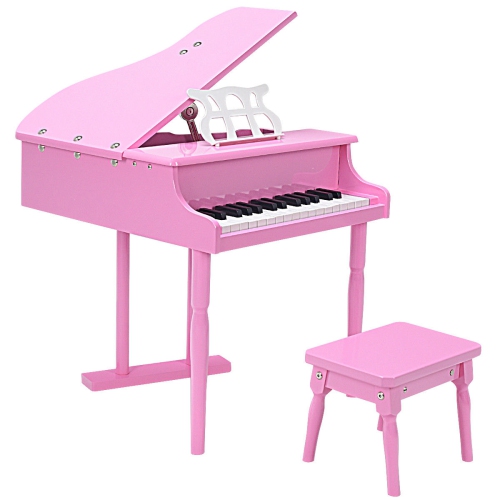
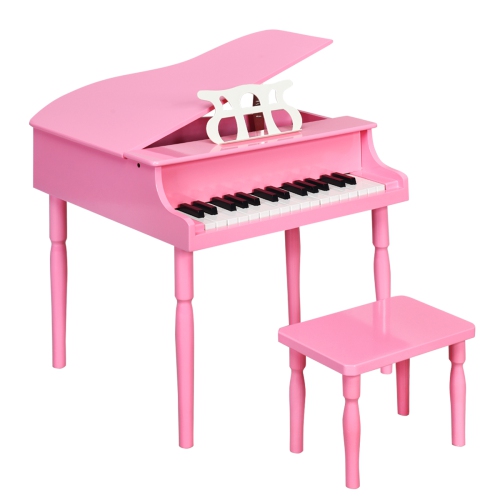
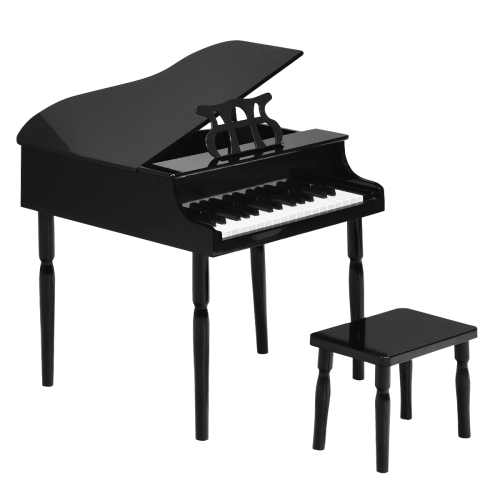
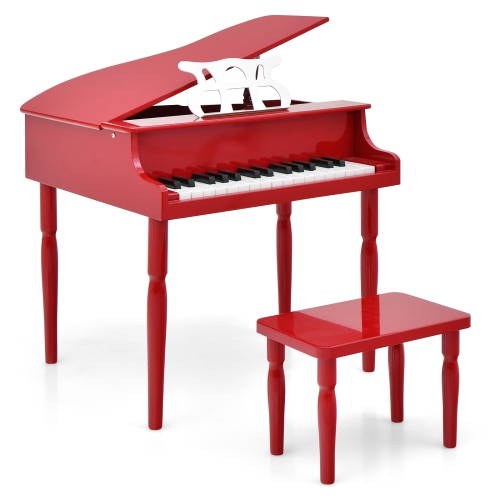
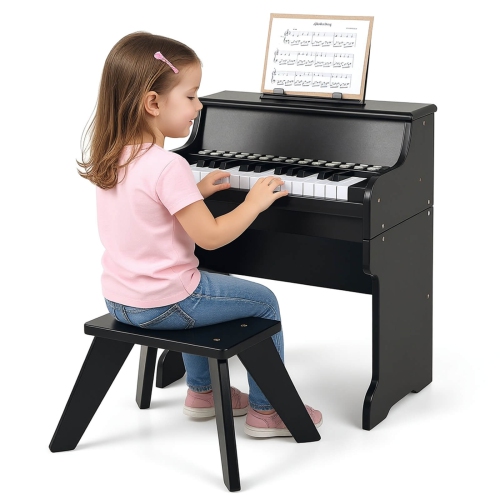
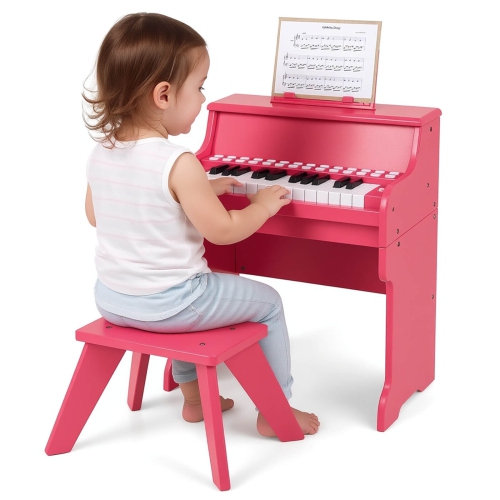
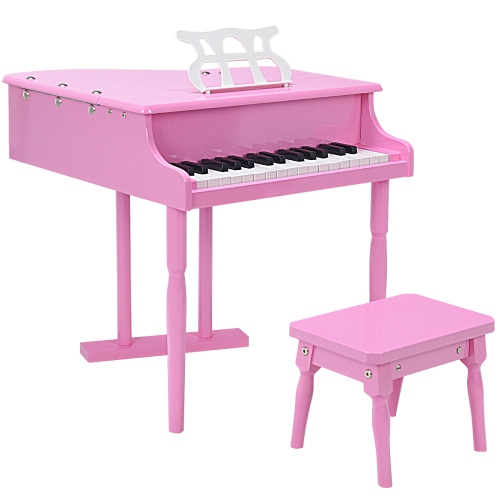
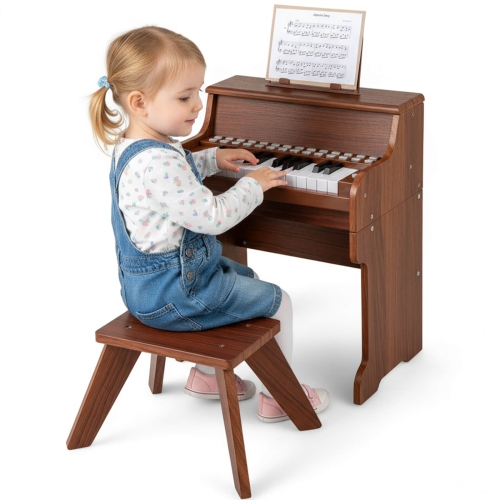
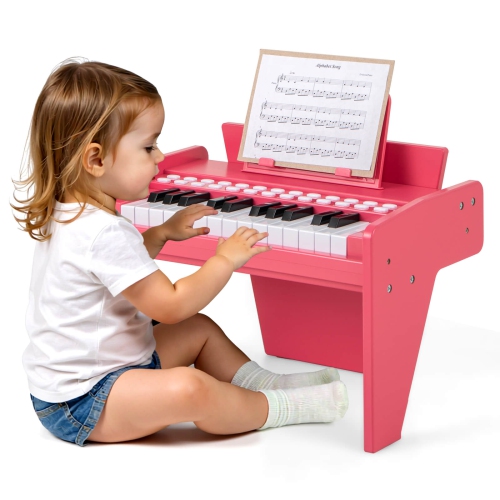
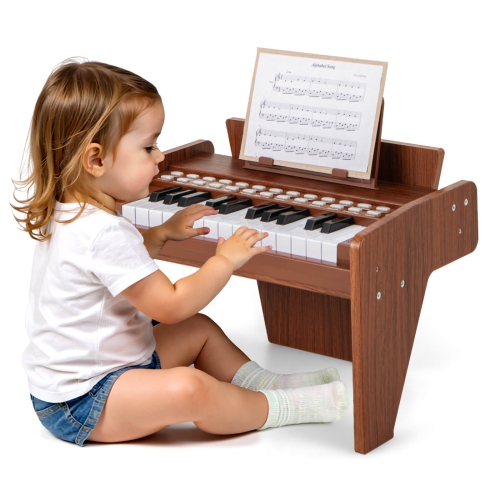
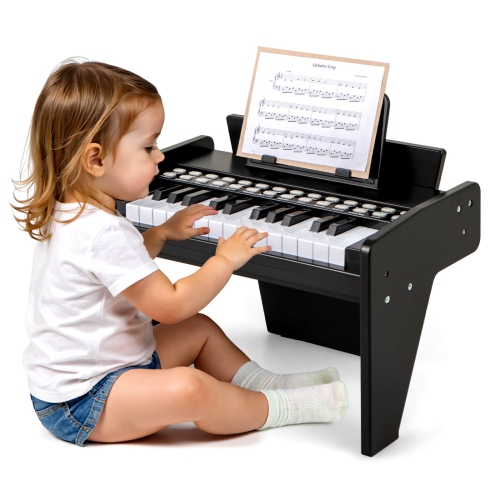

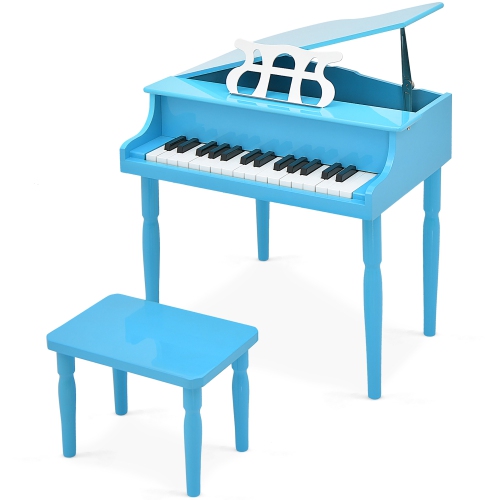
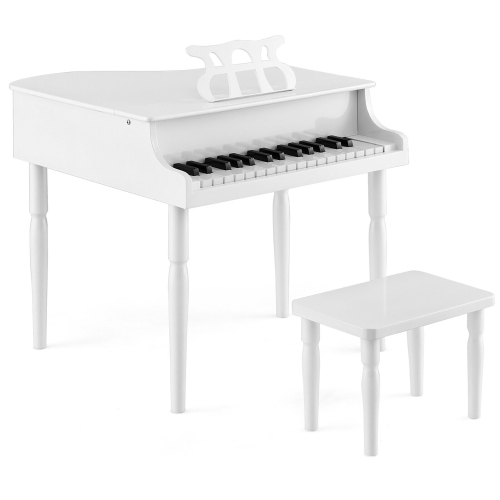
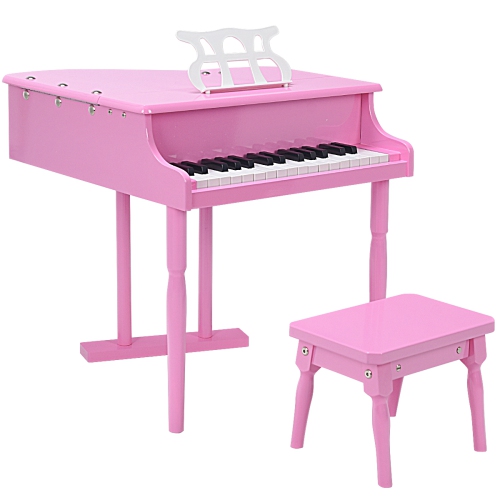
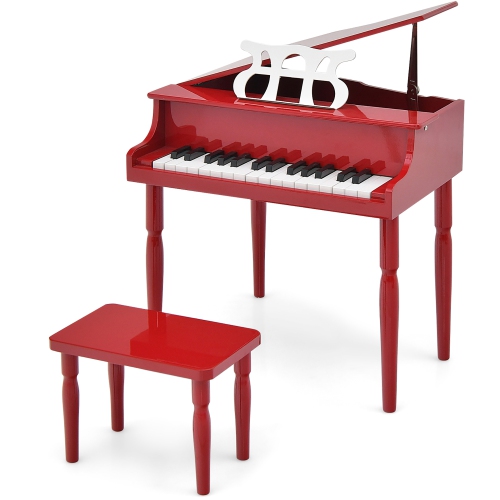
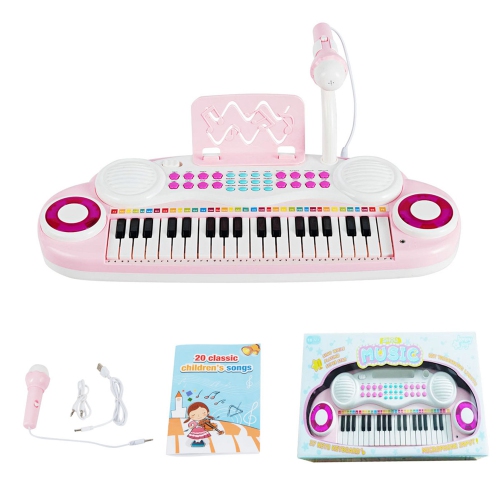
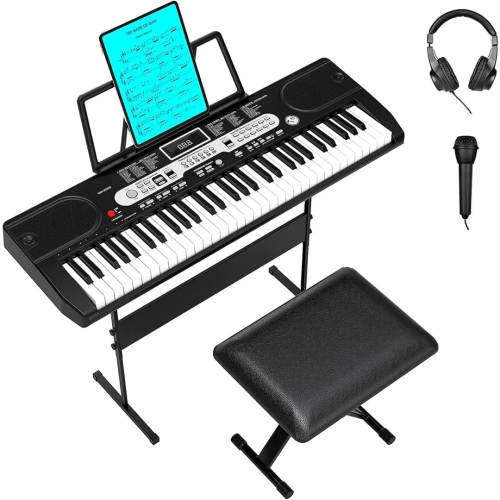
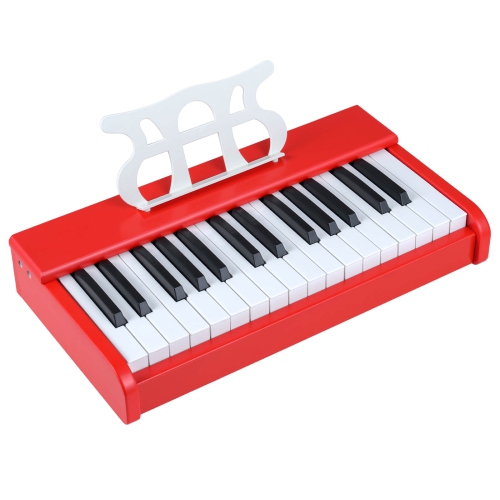
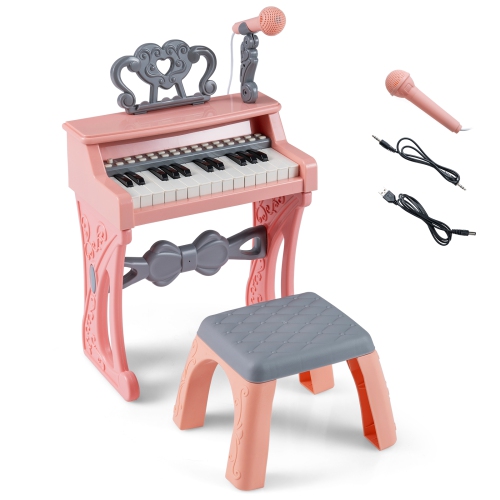
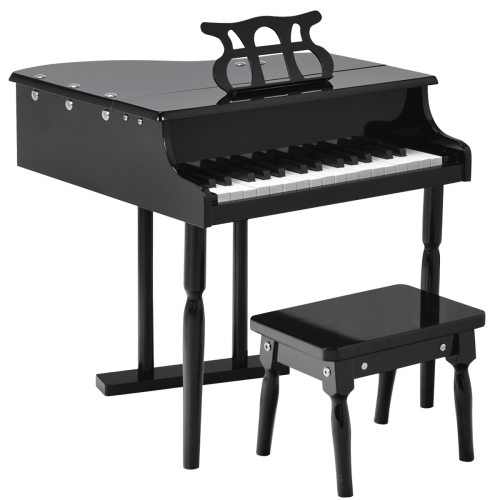
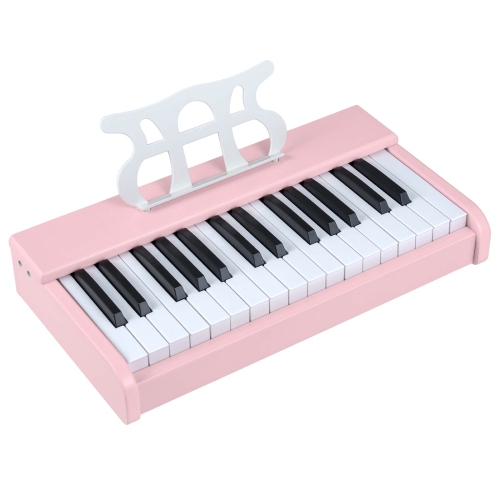
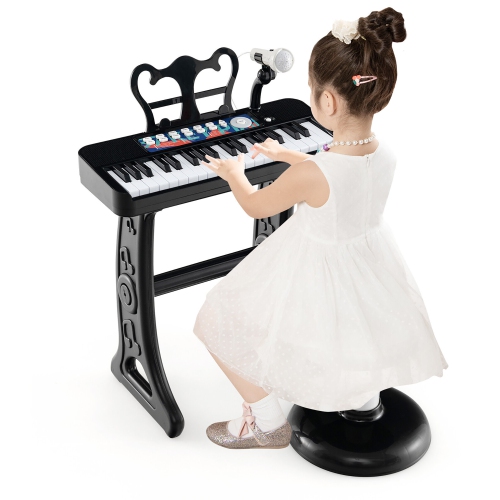
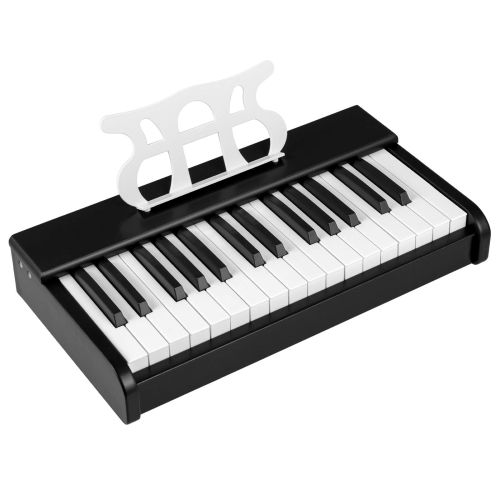

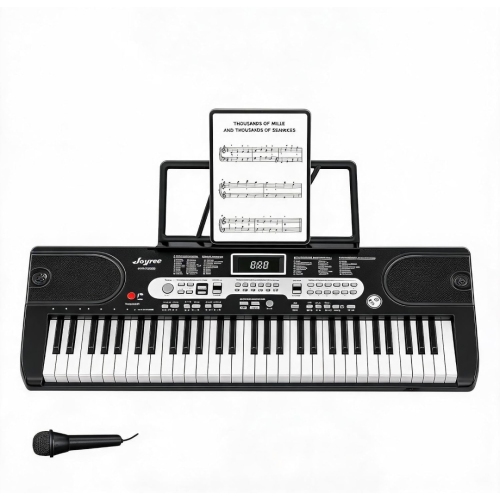
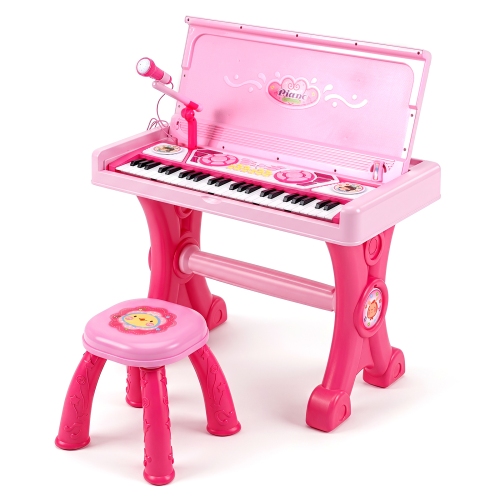
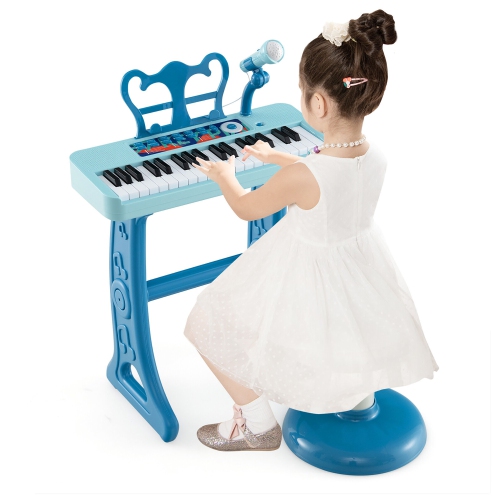
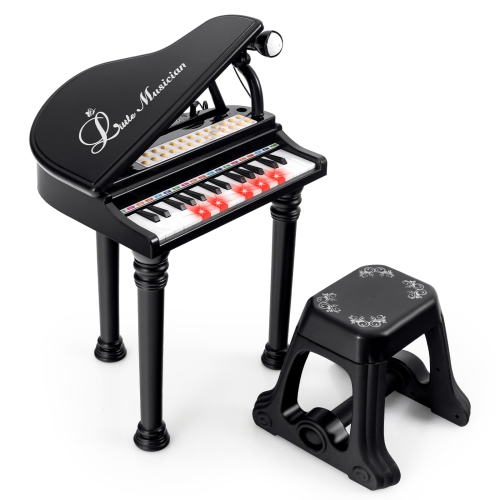
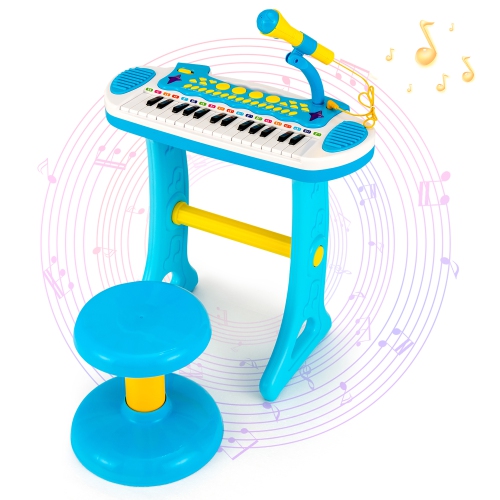
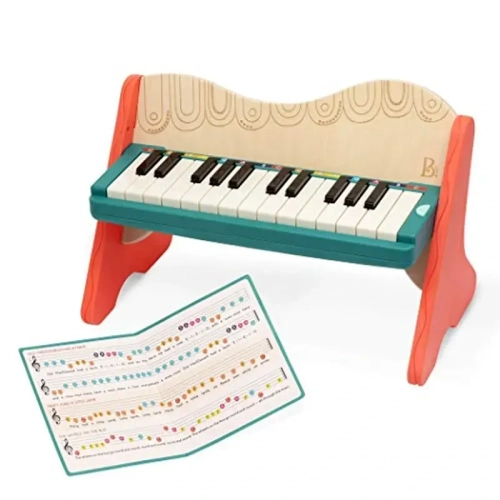
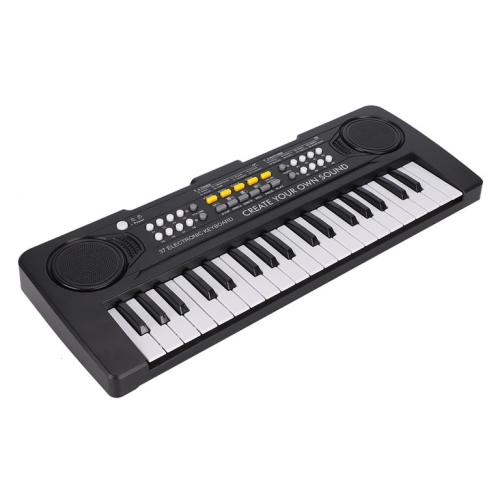
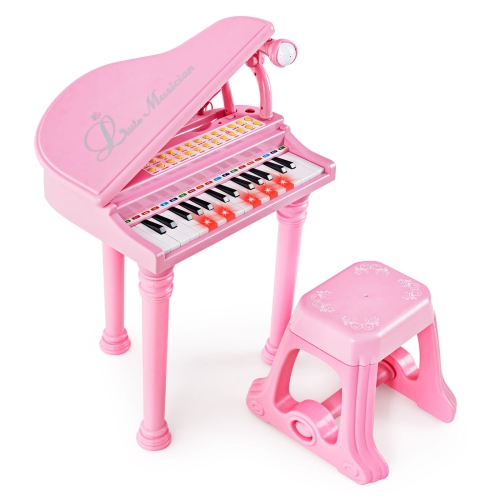

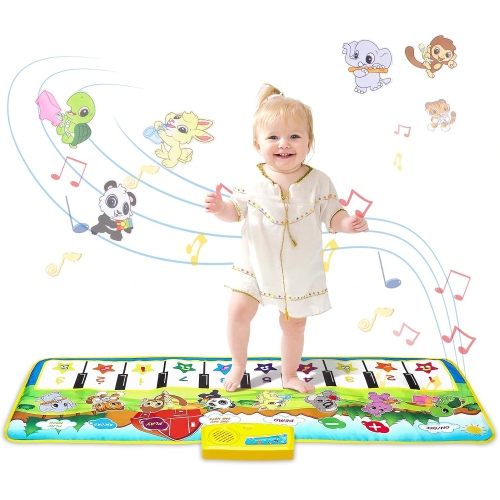
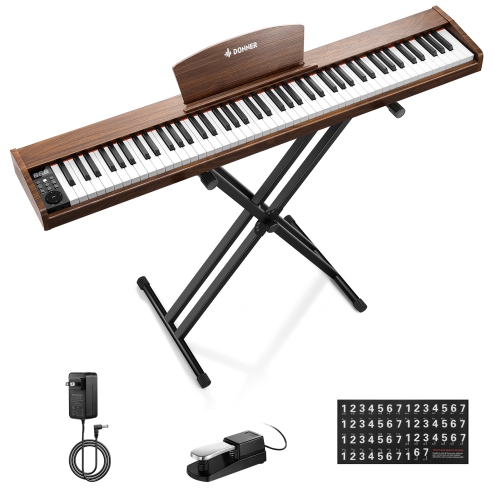
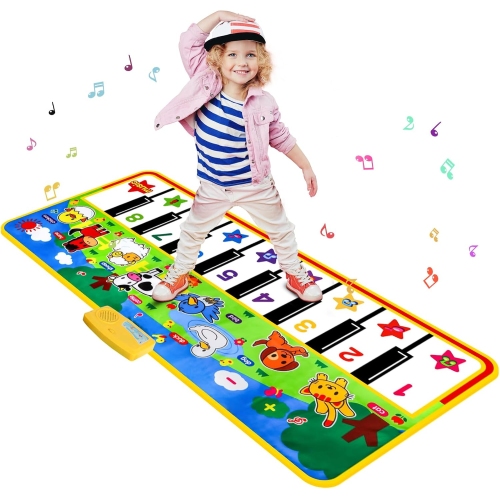
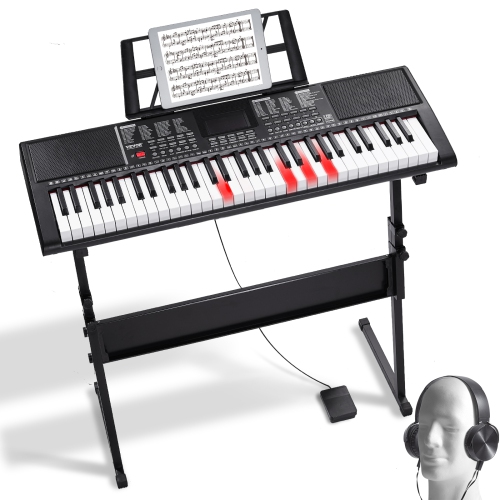
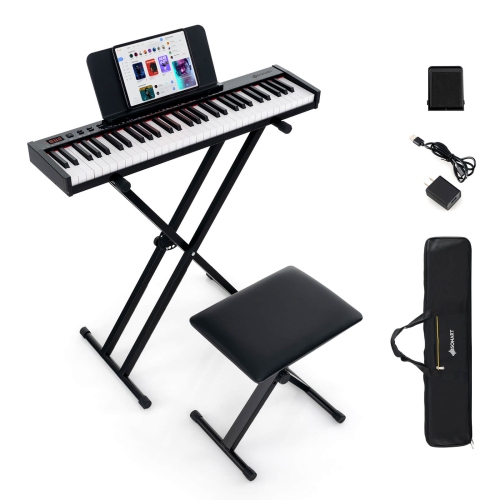
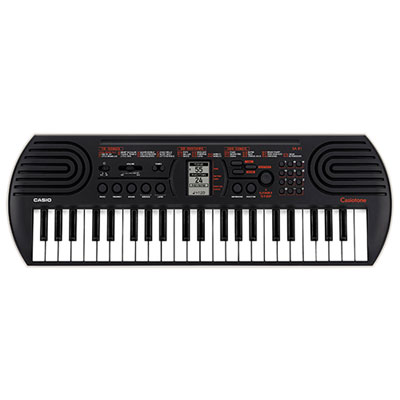
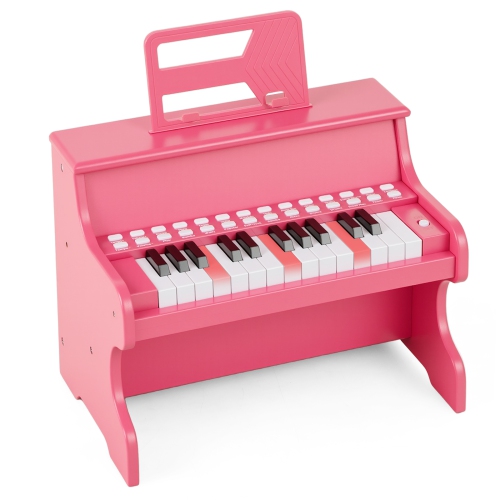
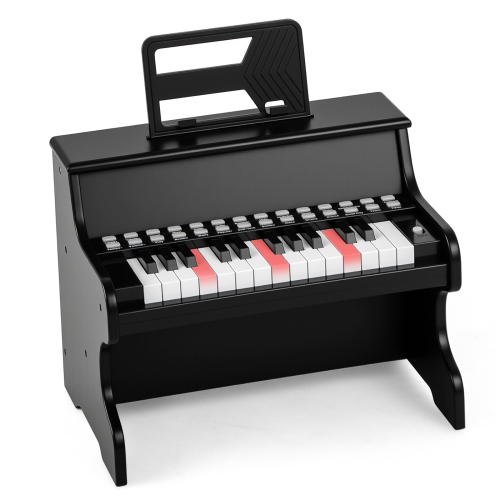

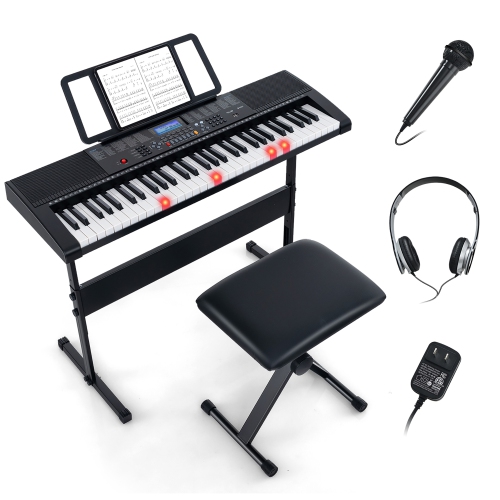
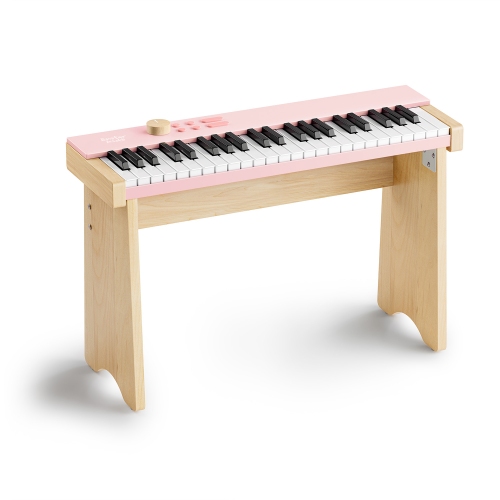
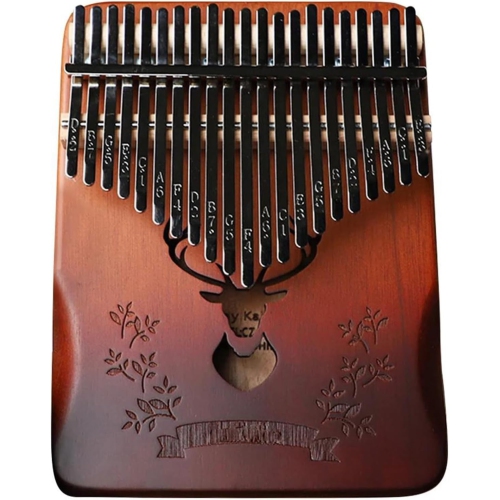
Playful first melodies can grow into confident practice
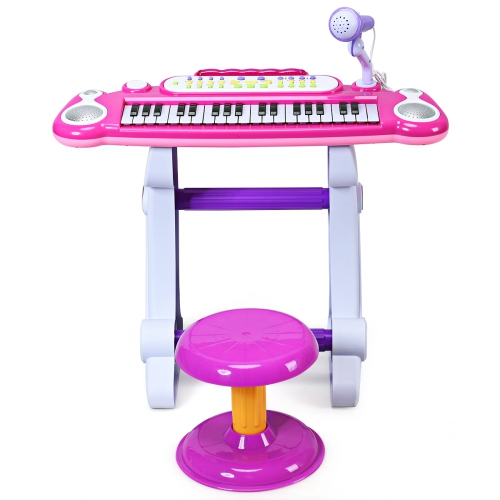
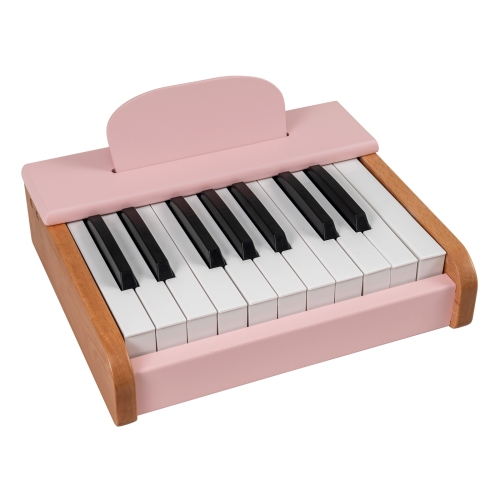
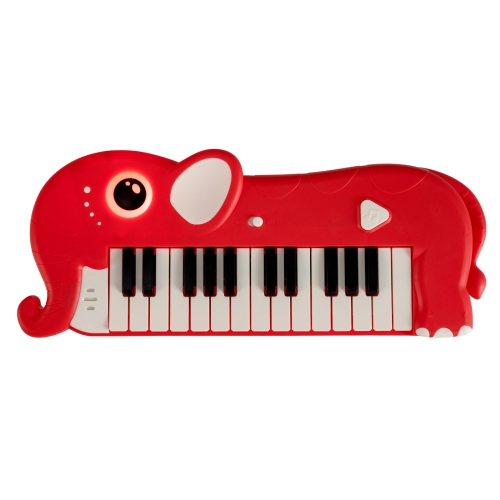
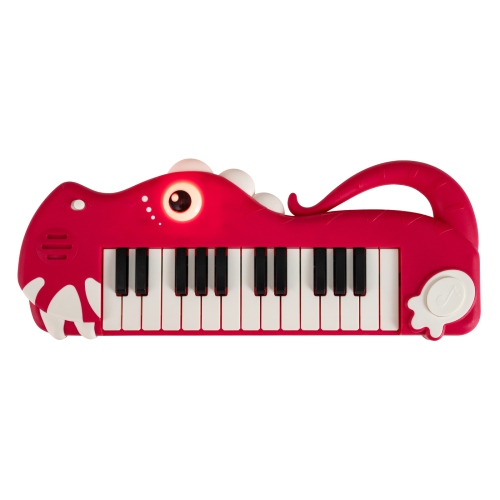
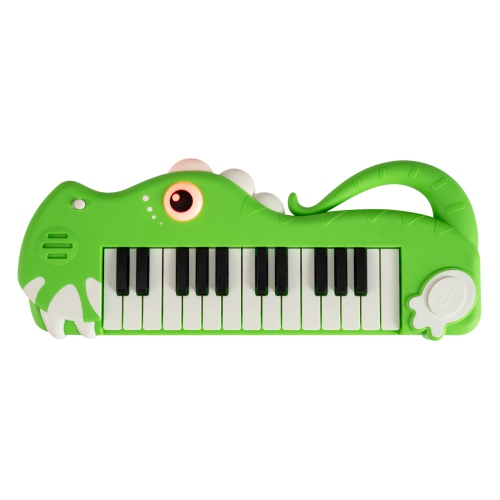
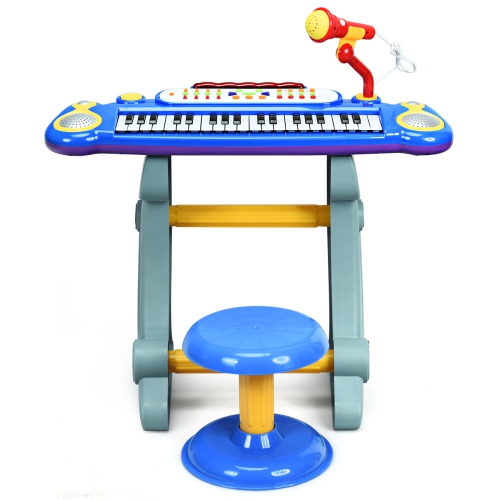
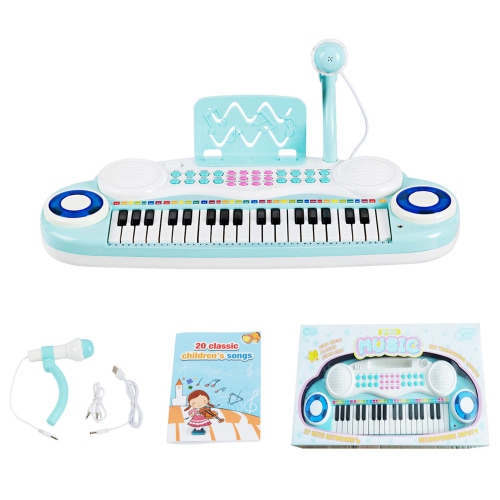
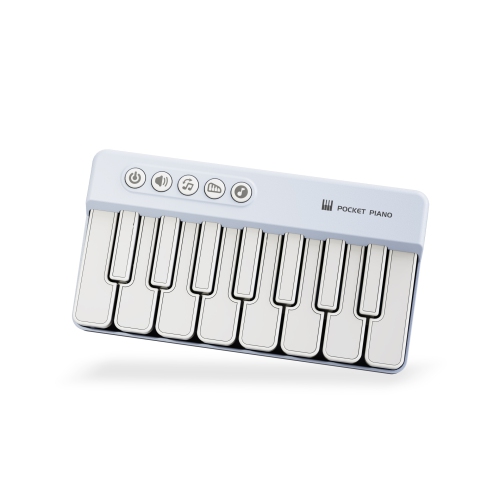
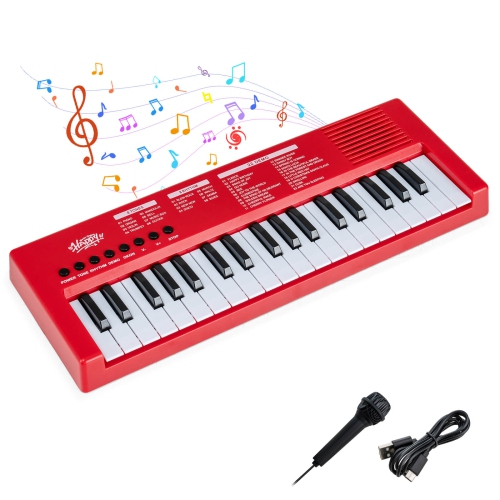
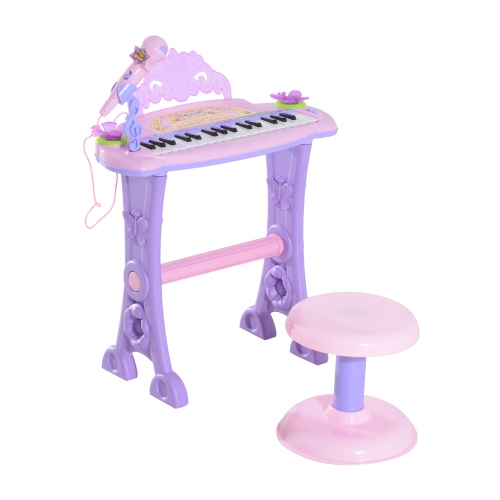
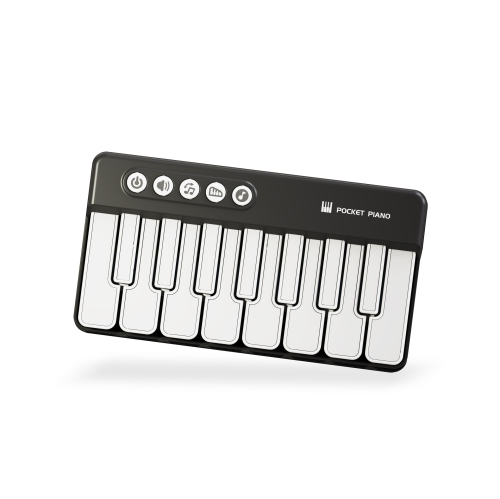
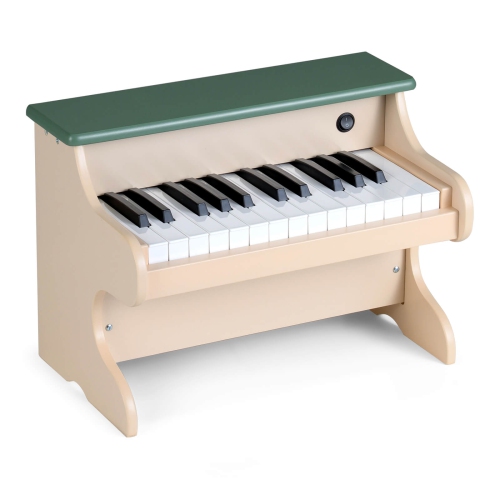
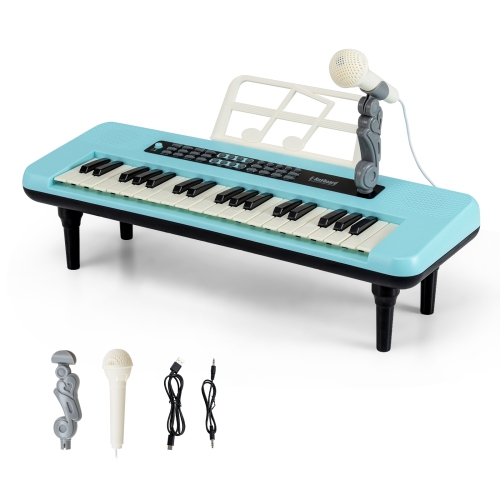
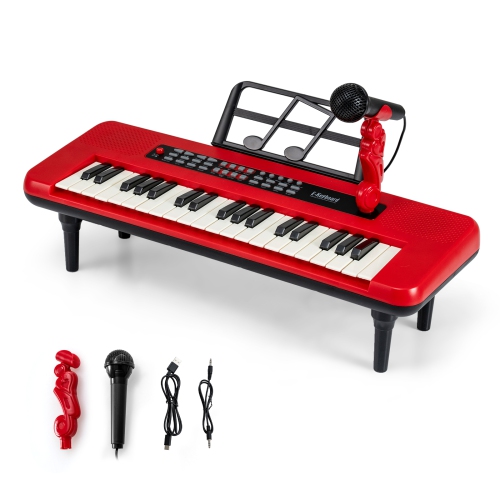
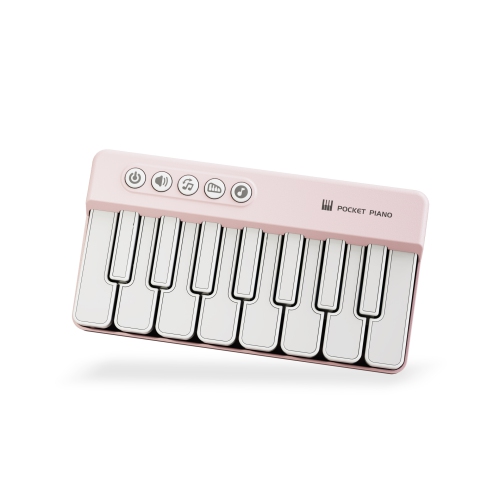
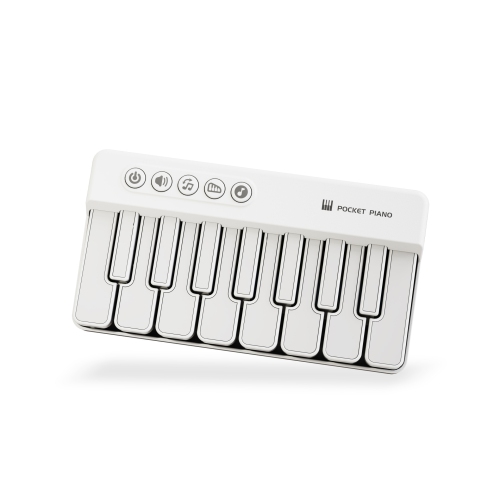
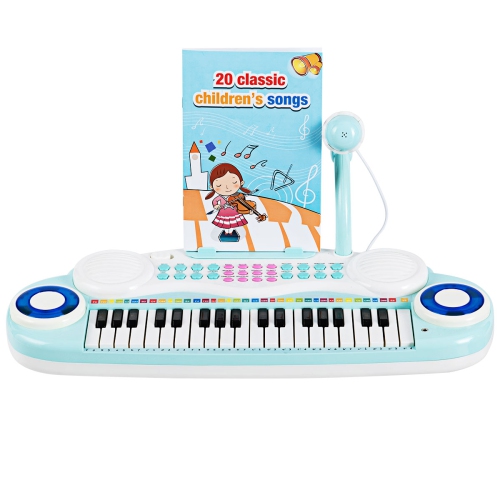
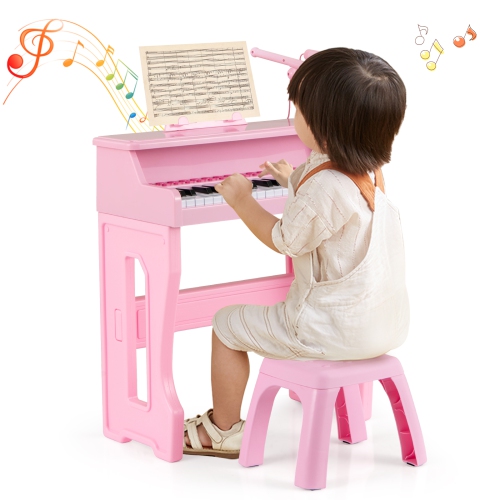
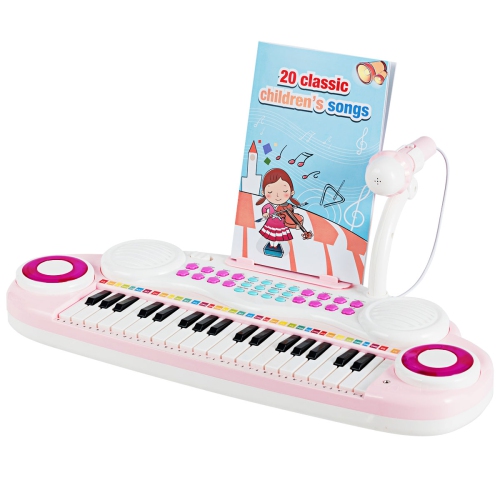
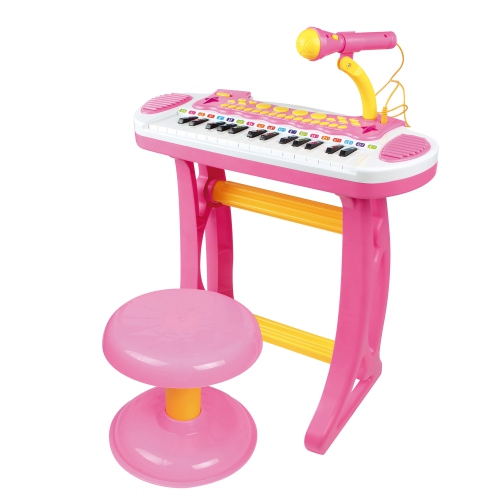
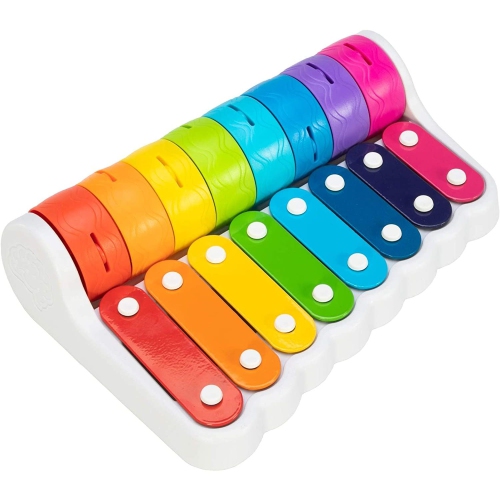
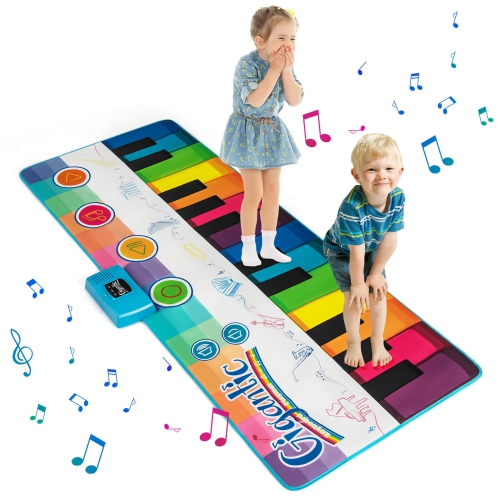
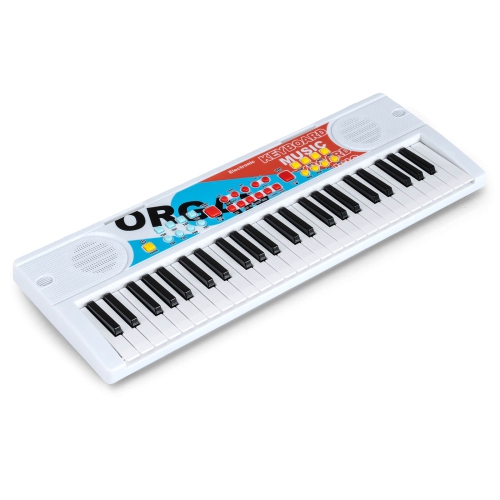
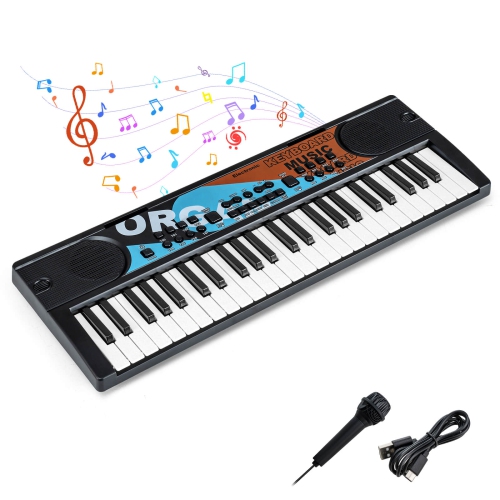
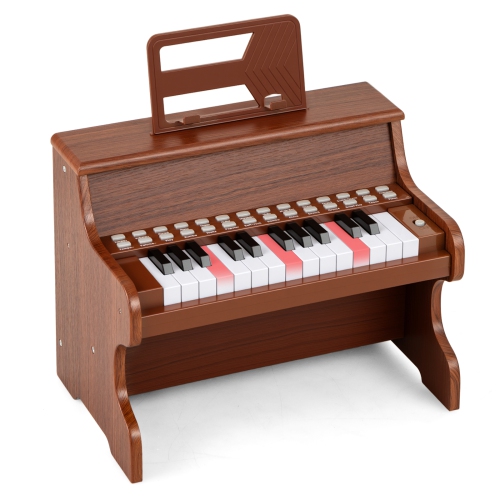
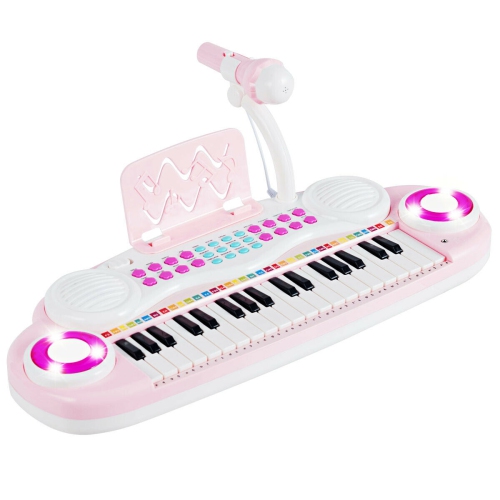
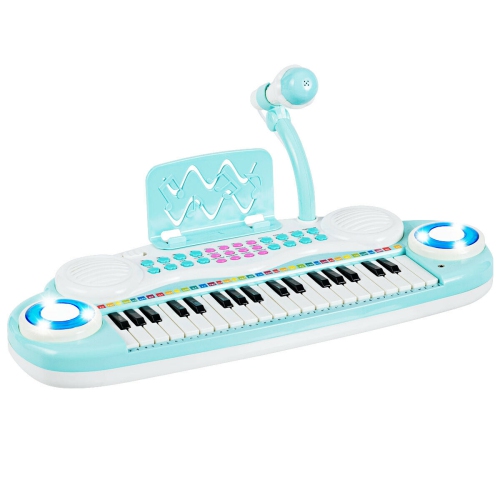
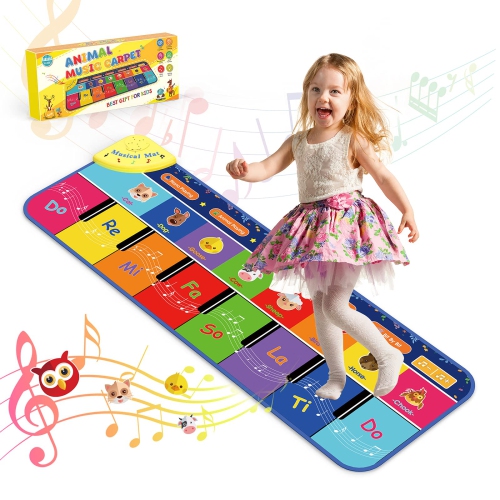
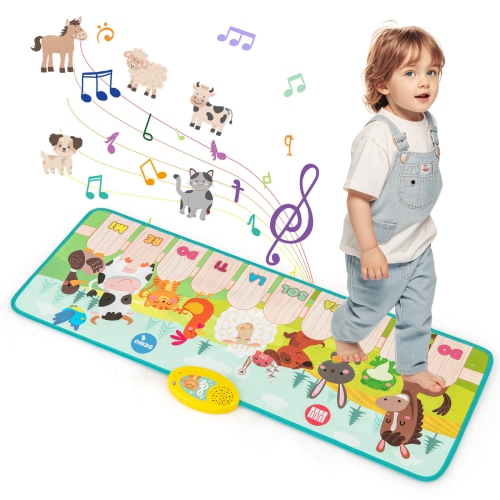
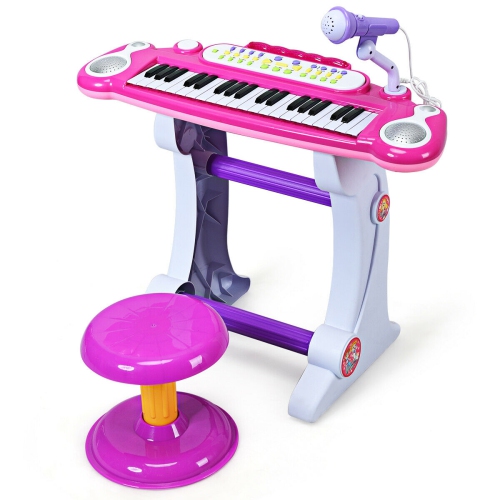
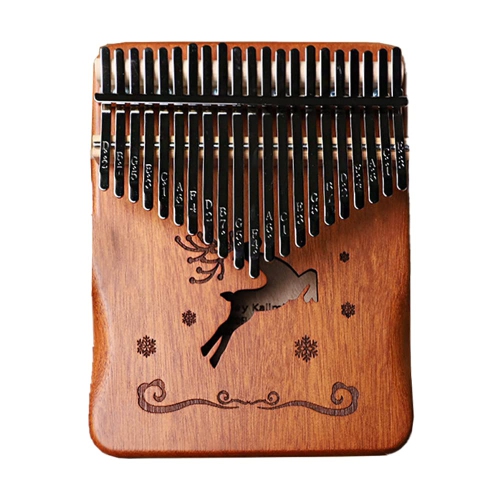
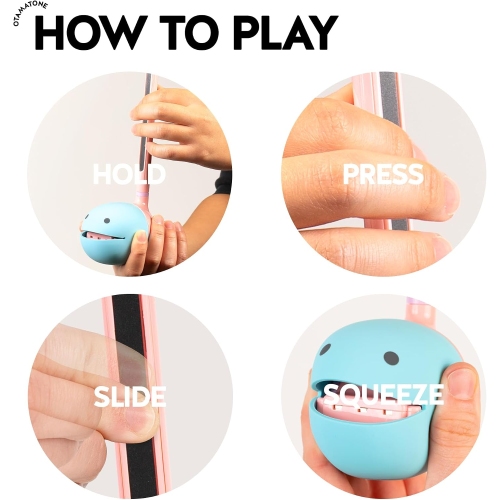
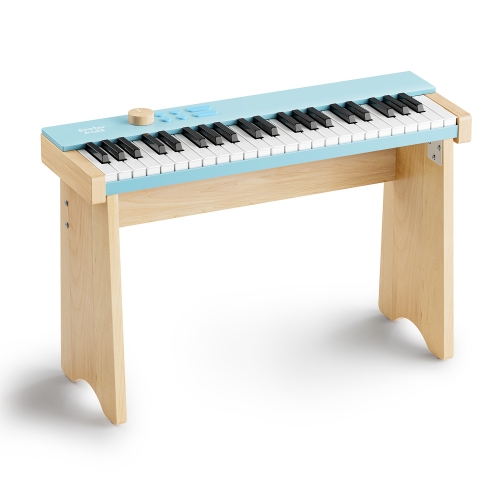
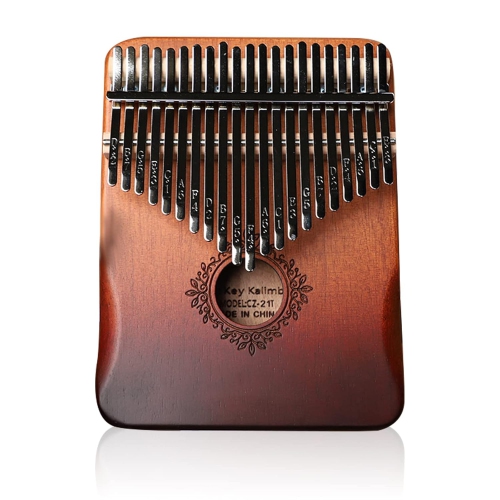
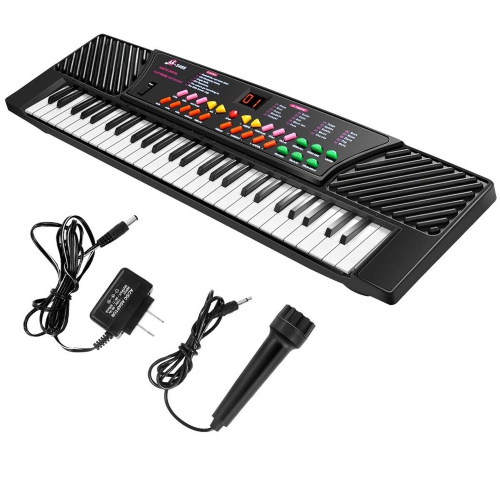
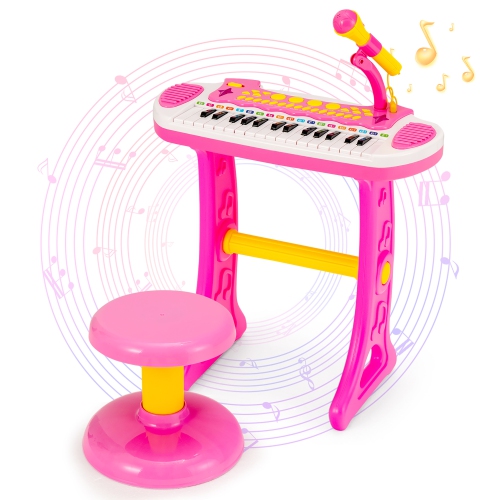
Children’s pianos can turn a quiet corner of the home into a place for tapping, listening, experimenting, and making up little melodies. For toddlers between one and three, the best choice is often a simple, sturdy instrument designed for hands-on discovery rather than formal practice. Large keys, colourful controls, clear sounds, and easy-to-press buttons help young children connect their actions with what they hear. A small tabletop piano can be used during supervised play on the floor, at a low table, or beside a parent who is singing familiar songs. At this age, children may enjoy repeating one note, playing a short pattern, or exploring different tones more than following a tune from beginning to end. Look for smooth edges, durable construction, stable feet, and controls that are easy for small fingers to understand. A built-in microphone, light-up keys, rhythm settings, or recorded songs can add variety, although the most useful features are the ones that invite children to make their own choices. Volume control is especially helpful in shared spaces, and an automatic shut-off can make the instrument easier to manage at the end of playtime. For a birthday, a new-room surprise, or a gift during the cooler months when more time is spent indoors, a children’s piano can offer an engaging activity that does not require a screen. Families looking for a compact instrument with a playful design may also wish to browse Toy Pianos for additional options suited to early musical exploration.
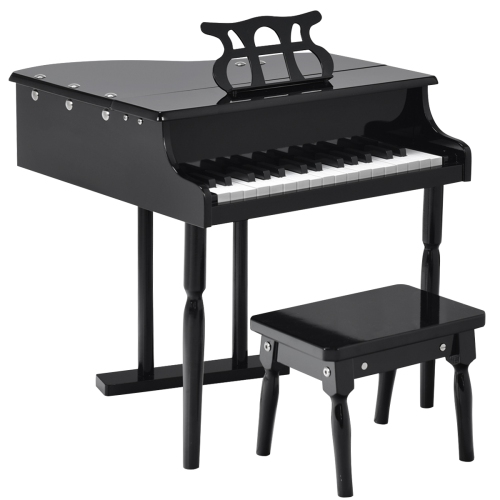
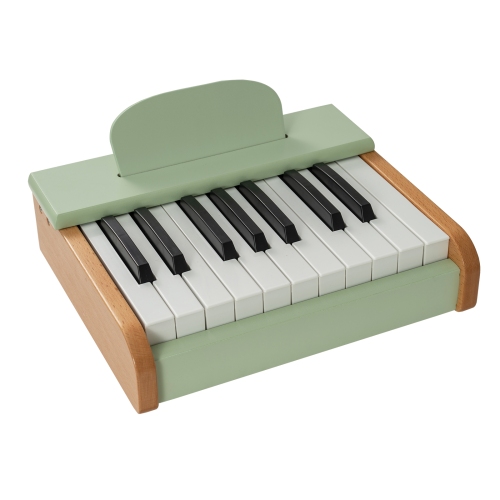
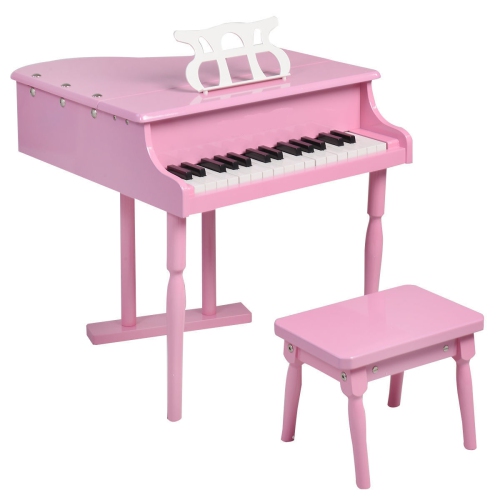
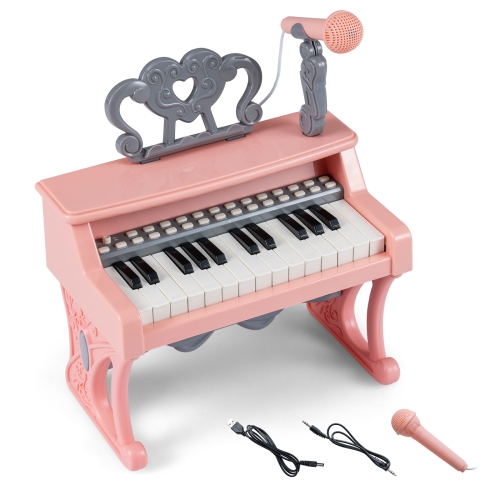
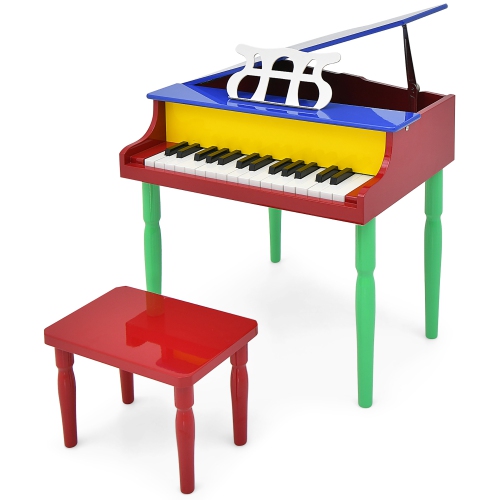
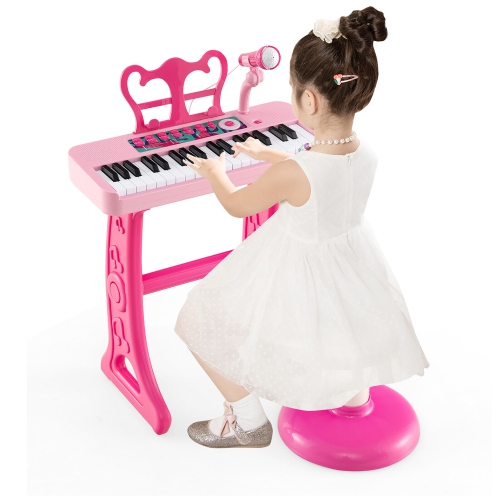
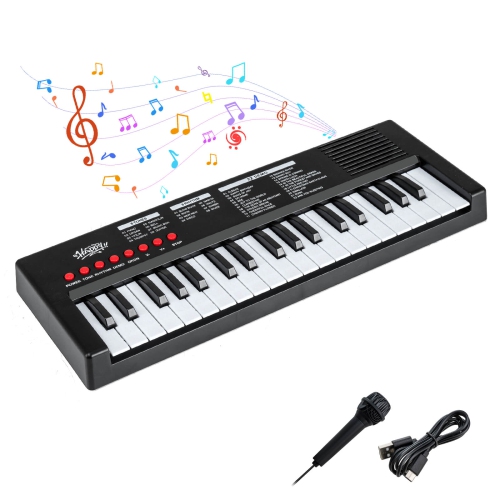
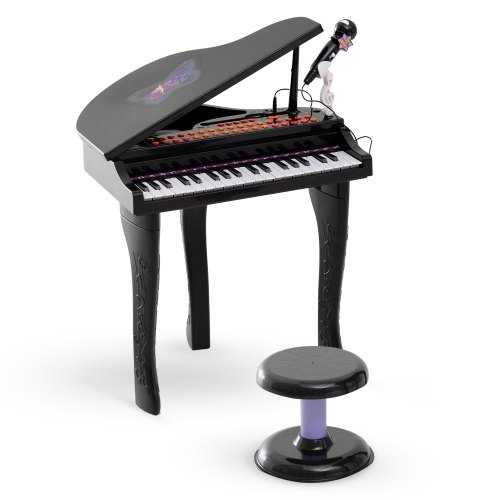
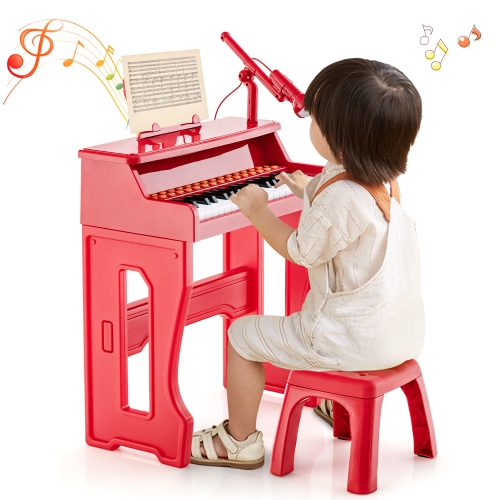
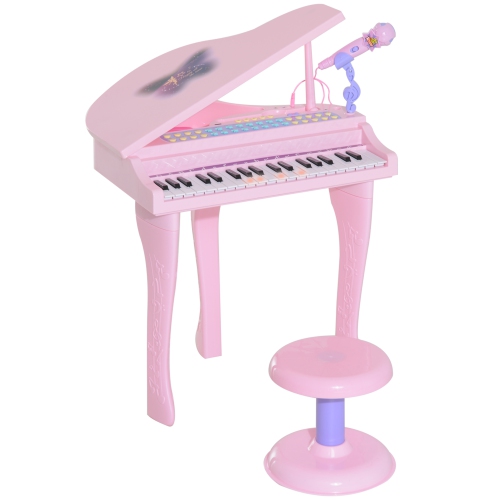
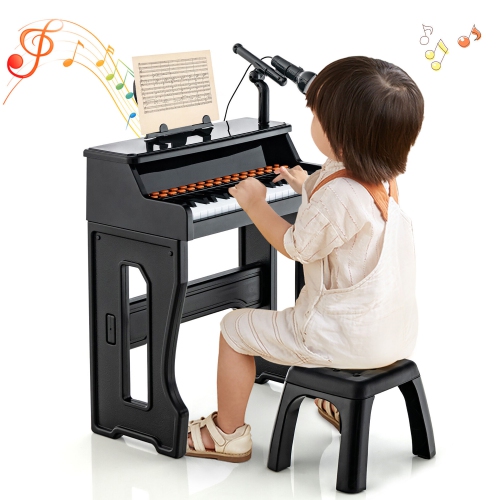
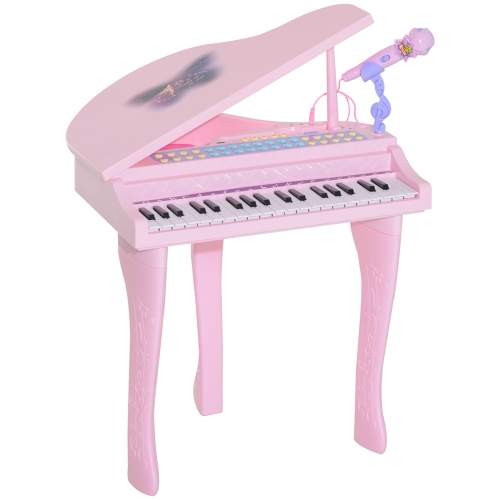
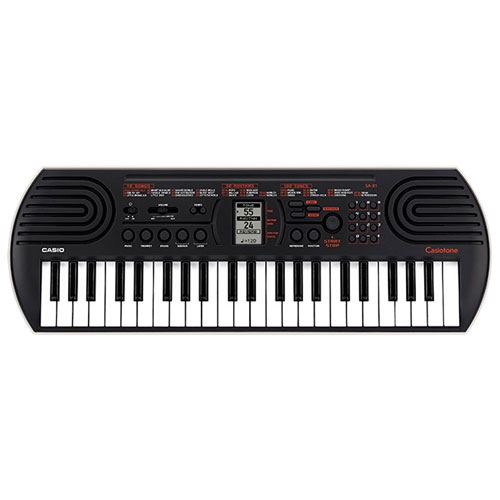
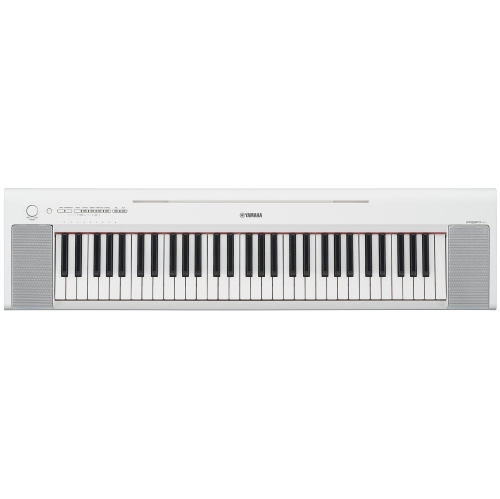
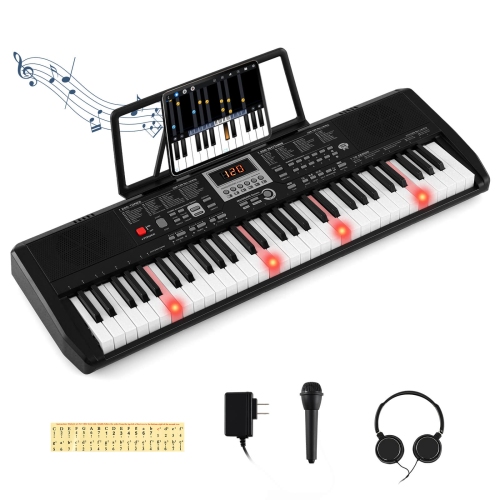
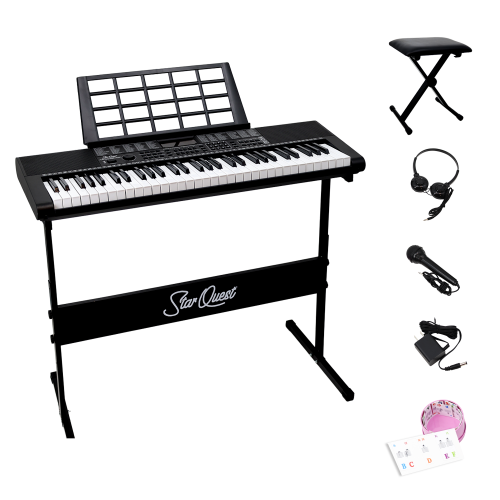
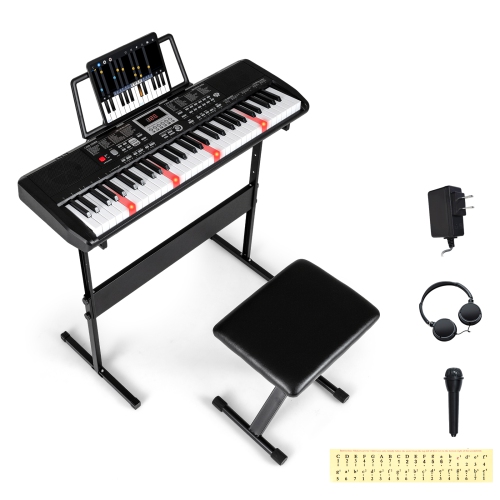
For children around three to six, a piano with roughly 24 to 37 keys can provide more room to play simple melodies while remaining small enough for a bedroom, playroom, or family room. Miniature grand-piano styles can add a special sense of occasion, while compact electronic keyboards may offer recording functions, built-in rhythms, instrument voices, and demonstration songs. Consider how the piano will be used each day. A child who enjoys singing may appreciate a microphone input or vocal effects, while a child who likes to copy songs may prefer clearly labelled keys and a selection of familiar sounds. If the instrument will be moved between rooms, weight, carrying handles, and the amount of floor space needed for a stand are worth checking before purchase. Battery operation can be convenient for play away from an outlet, while an included power adapter may be better for regular use at home. Children beginning to show an interest in lessons can start learning the musical alphabet on the white keys, which run from A through G. Groups of two and three black keys provide useful visual landmarks; Middle C is the white key immediately to the left of a group of two black keys. Simple finger-number exercises can also make early practice feel approachable: the thumb is finger 1, followed by the index finger as 2, middle finger as 3, ring finger as 4, and pinky as 5. Short sessions often work well. Five or ten minutes of copying a rhythm, finding a note, or playing a favourite tune can feel like a game and gradually build familiarity without making music feel like a chore. Adults can sit nearby, clap along, or take turns playing, creating the kind of relaxed encouragement that helps children return to the piano on their own.
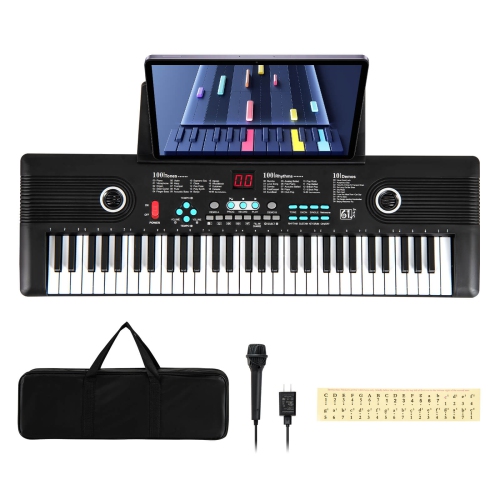
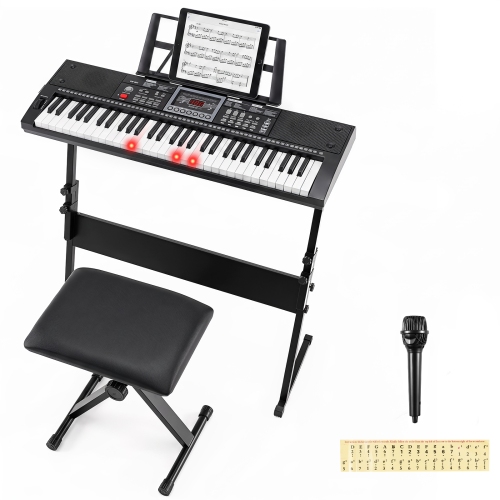
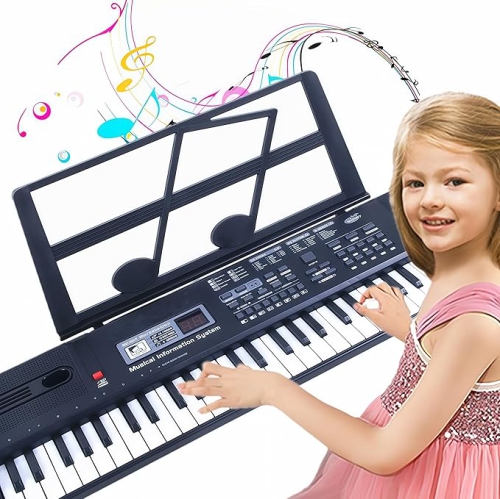
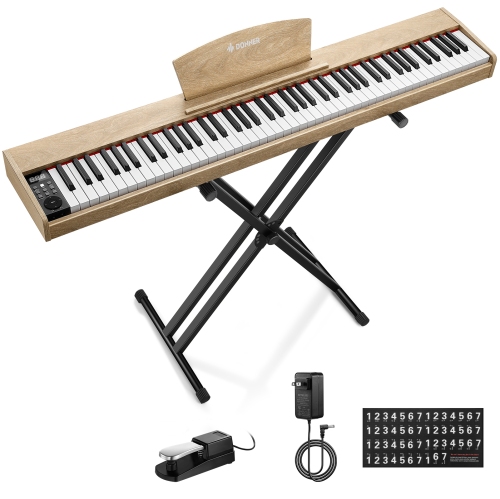
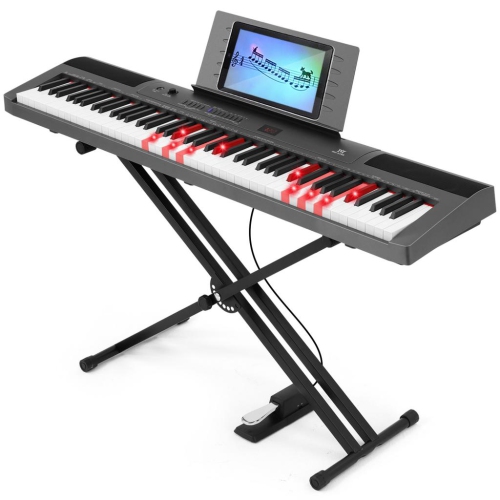
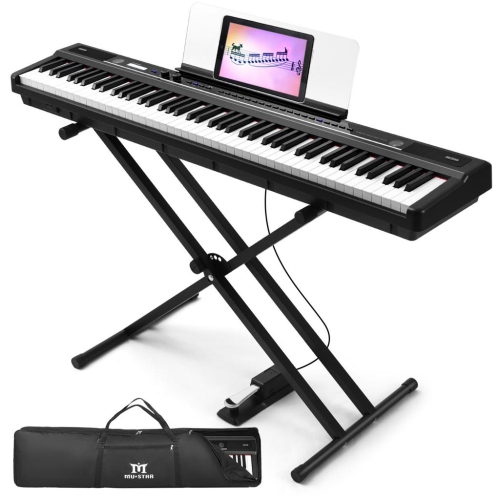
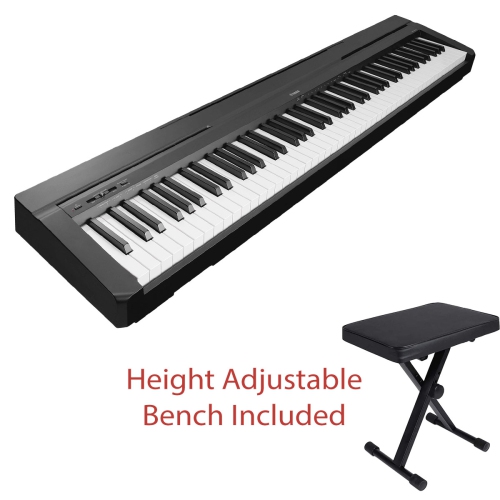
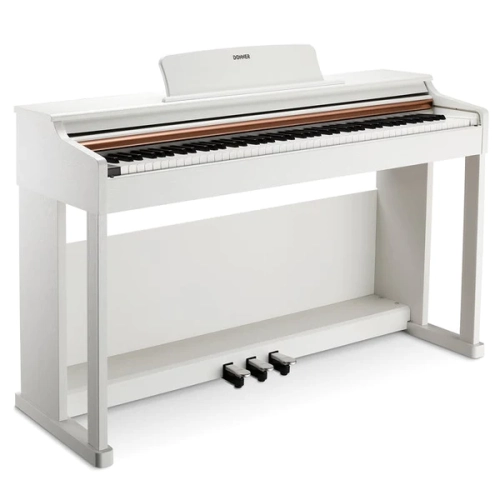
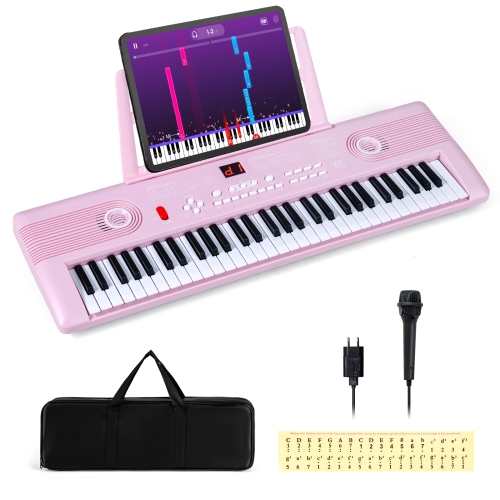
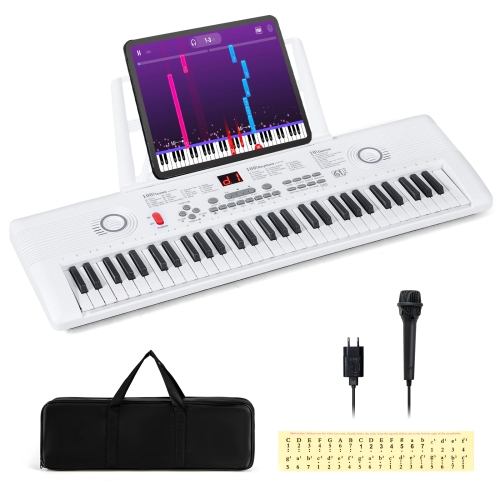
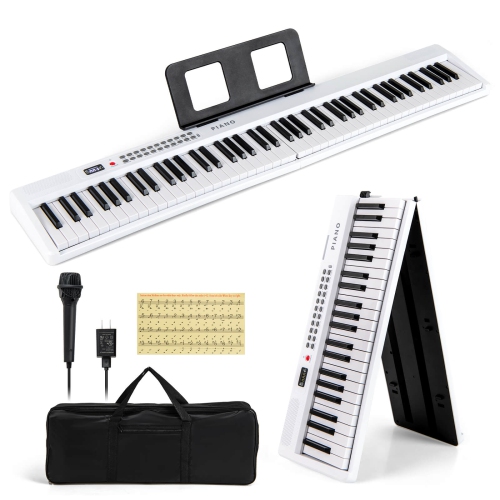
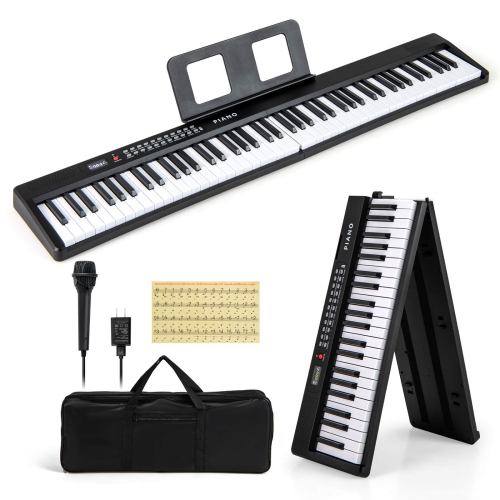
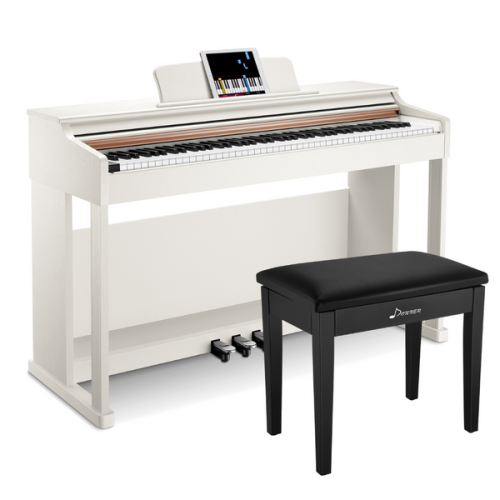
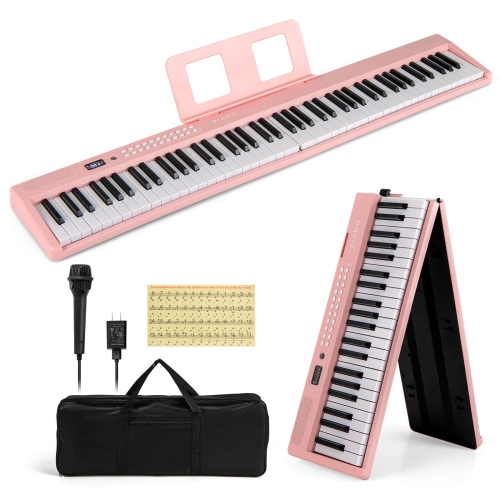
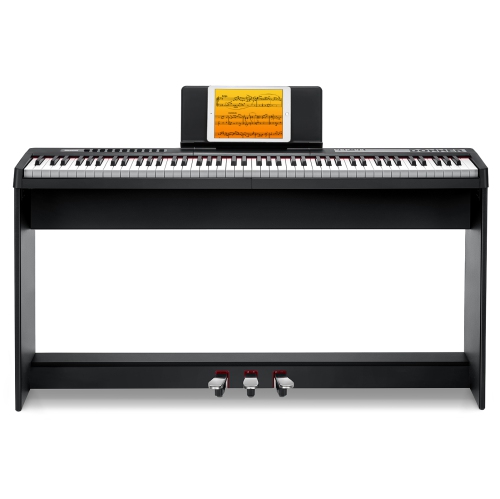
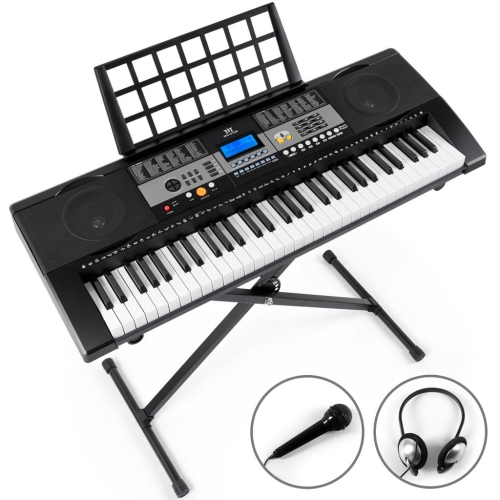
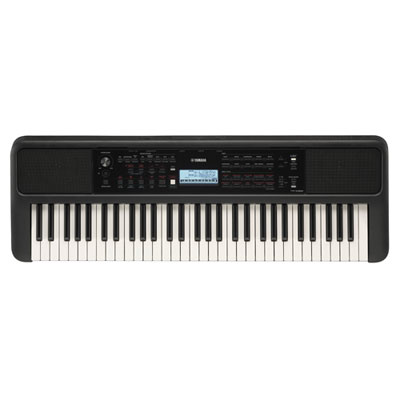
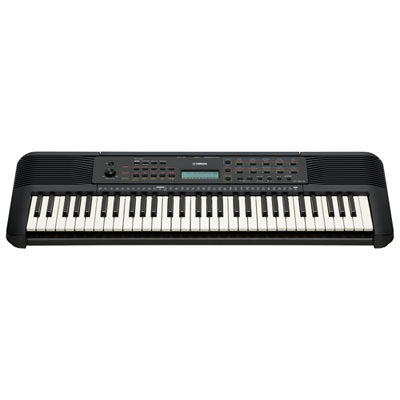
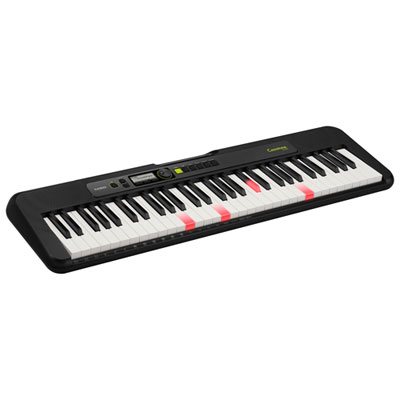
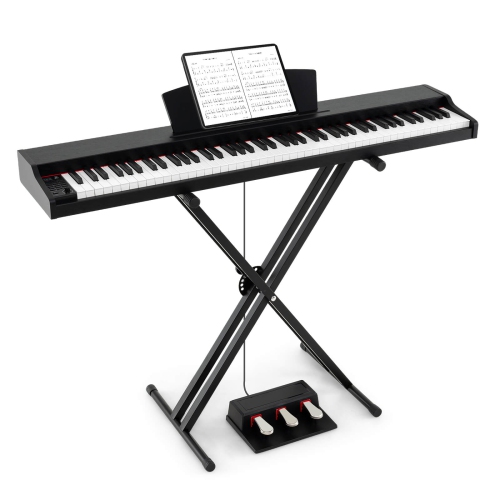
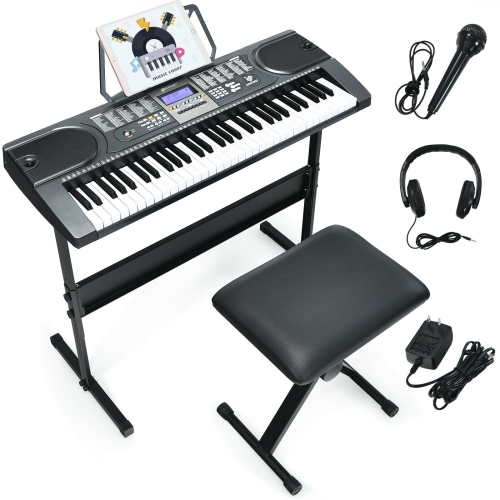
Older children and beginners taking structured lessons may benefit from a larger keyboard with 61 keys or, depending on their instructor’s expectations and available space, a full 88-key digital piano. More keys allow students to play a wider range of notes and practise pieces that use both high and low registers. Touch-sensitive keys respond differently depending on how firmly they are played, helping children begin to understand expression and dynamics. Weighted or semi-weighted keys can provide a playing feel that is closer to an acoustic piano, which may be useful for students working on technique, scales, chords, and repertoire over time. Before choosing a larger instrument, check whether it can fit comfortably in the intended area with enough room for a bench or chair, music stand, and the child’s arms to move freely. A stable stand and suitable seating can support better posture than playing from a sofa or low table, while a headphone connection can make practice more convenient in a busy household. Some digital keyboards include lesson modes, built-in metronomes, recording functions, split-key settings, or compatibility with learning apps that provide guided exercises and real-time feedback through a connected device. These features can make independent practice more inviting, but they are most effective when balanced with time spent listening, reading simple music, and playing without prompts. Children’s pianos can be meaningful gifts for curious beginners, siblings who enjoy making music together, or students who are ready for an instrument at home between lessons. Whether the goal is imaginative play, family singalongs, or a first step toward formal piano study, the right size, key action, sound controls, and accessories can help the instrument grow with the child and make everyday practice feel welcoming.
For children around three to six, a piano with roughly 24 to 37 keys can provide more room to play simple melodies while remaining small enough for a bedroom, playroom, or family room. Miniature grand-piano styles can add a special sense of occasion, while compact electronic keyboards may offer recording functions, built-in rhythms, instrument voices, and demonstration songs. Consider how the piano will be used each day. A child who enjoys singing may appreciate a microphone input or vocal effects, while a child who likes to copy songs may prefer clearly labelled keys and a selection of familiar sounds. If the instrument will be moved between rooms, weight, carrying handles, and the amount of floor space needed for a stand are worth checking before purchase. Battery operation can be convenient for play away from an outlet, while an included power adapter may be better for regular use at home. Children beginning to show an interest in lessons can start learning the musical alphabet on the white keys, which run from A through G. Groups of two and three black keys provide useful visual landmarks; Middle C is the white key immediately to the left of a group of two black keys. Simple finger-number exercises can also make early practice feel approachable: the thumb is finger 1, followed by the index finger as 2, middle finger as 3, ring finger as 4, and pinky as 5. Short sessions often work well. Five or ten minutes of copying a rhythm, finding a note, or playing a favourite tune can feel like a game and gradually build familiarity without making music feel like a chore. Adults can sit nearby, clap along, or take turns playing, creating the kind of relaxed encouragement that helps children return to the piano on their own.
Older children and beginners taking structured lessons may benefit from a larger keyboard with 61 keys or, depending on their instructor’s expectations and available space, a full 88-key digital piano. More keys allow students to play a wider range of notes and practise pieces that use both high and low registers. Touch-sensitive keys respond differently depending on how firmly they are played, helping children begin to understand expression and dynamics. Weighted or semi-weighted keys can provide a playing feel that is closer to an acoustic piano, which may be useful for students working on technique, scales, chords, and repertoire over time. Before choosing a larger instrument, check whether it can fit comfortably in the intended area with enough room for a bench or chair, music stand, and the child’s arms to move freely. A stable stand and suitable seating can support better posture than playing from a sofa or low table, while a headphone connection can make practice more convenient in a busy household. Some digital keyboards include lesson modes, built-in metronomes, recording functions, split-key settings, or compatibility with learning apps that provide guided exercises and real-time feedback through a connected device. These features can make independent practice more inviting, but they are most effective when balanced with time spent listening, reading simple music, and playing without prompts. Children’s pianos can be meaningful gifts for curious beginners, siblings who enjoy making music together, or students who are ready for an instrument at home between lessons. Whether the goal is imaginative play, family singalongs, or a first step toward formal piano study, the right size, key action, sound controls, and accessories can help the instrument grow with the child and make everyday practice feel welcoming.
Top selling and popular products
-
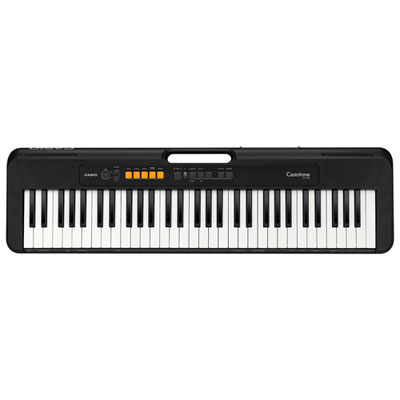 Your price for this item is $149.99
 -
 Your price for this item is $69.99
 -
 Your price for this item is $289.99
 -
 Your price for this item is $129.99
 -
 Your price for this item is $229.95
 -
 Your price for this item is $236.99
 -
 Your price for this item is $199.99
 -
 Your price for this item is $74.99
Discover more categories related to Childrens Pianos
Top Collections:
Pokemon Centers, Best Cameras for Sports Photography, Kindle Devices, Samsung Galaxy Phones, Canon G7X Cameras, Pokémon 30th Celebration Cards, Refurbished Apple Laptops, iPhone 15 Apple, Laptops for Students, Budget Smartphones
Some products may be subject to Environmental Handling Fees
(EHF) depending on your province.
Learn more about EHFs.