Travel Electric Guitars
For musicians on the go, having a travel electric guitar can be a game-changer. Whether you're a seasoned performer looking for a compact option to take on tour or a hobbyist wanting to strum your favorite tunes while on vacation, these portable instruments offer convenience without compromising on sound quality. Designed with lightweight materials and innovative features, travel electric guitars are perfect for jamming sessions in hotel rooms, impromptu performances at the beach, or simply practicing on the road. Discover a range of options that cater to your musical needs and make traveling with your guitar a breeze.
Sort

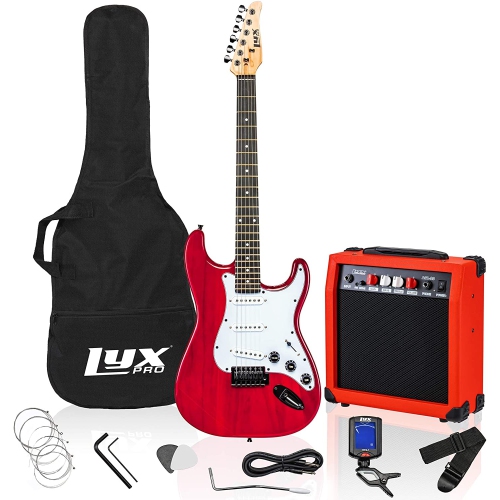
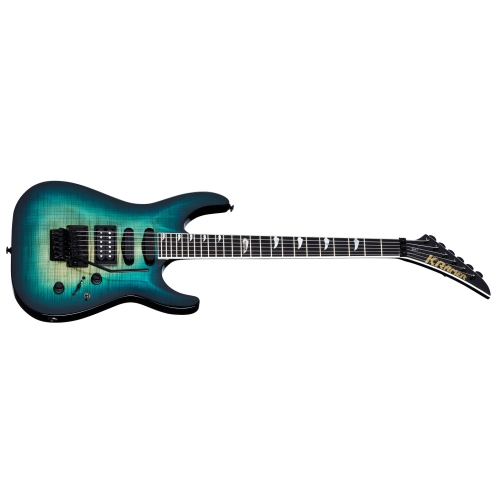
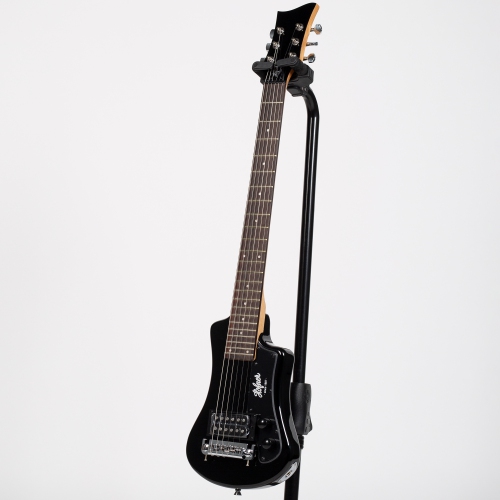
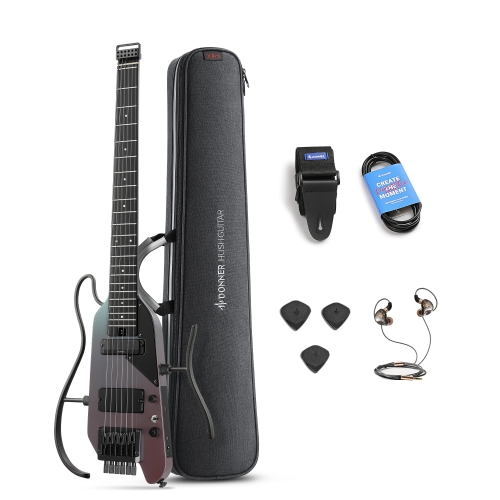
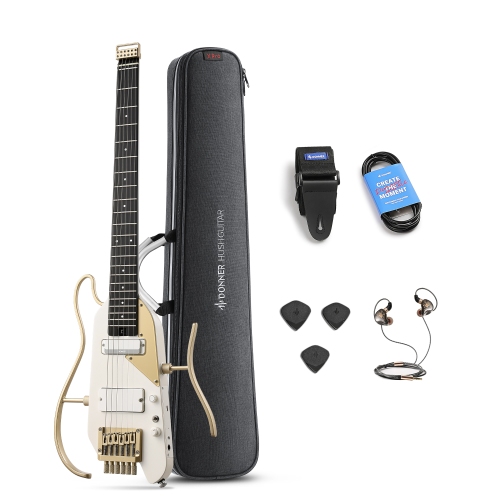
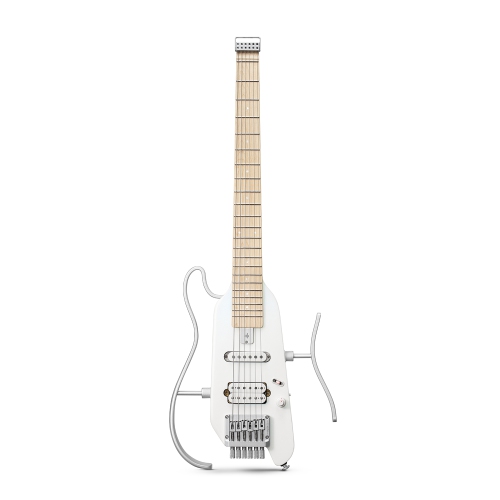
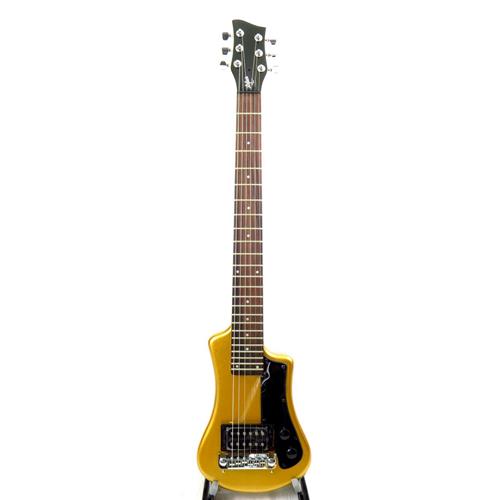
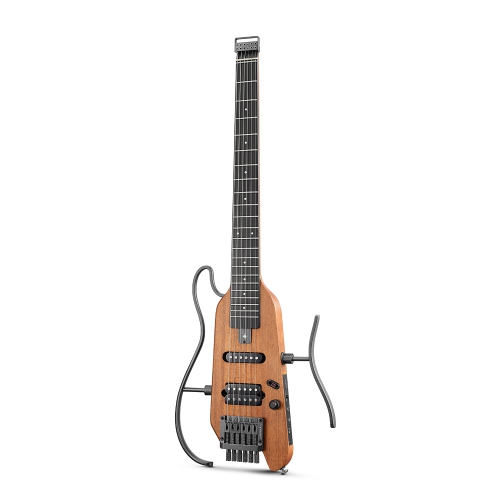
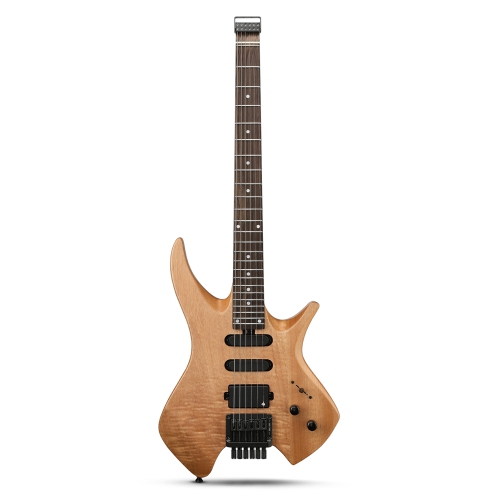
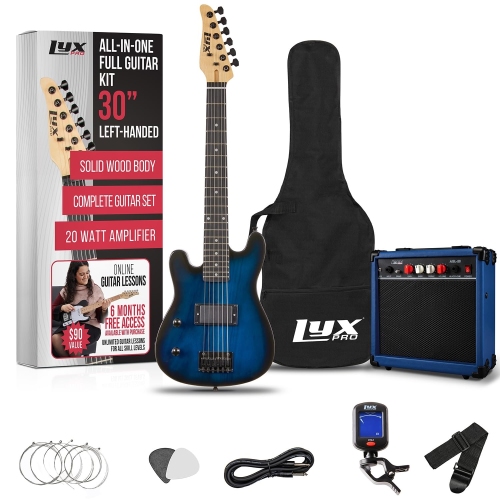
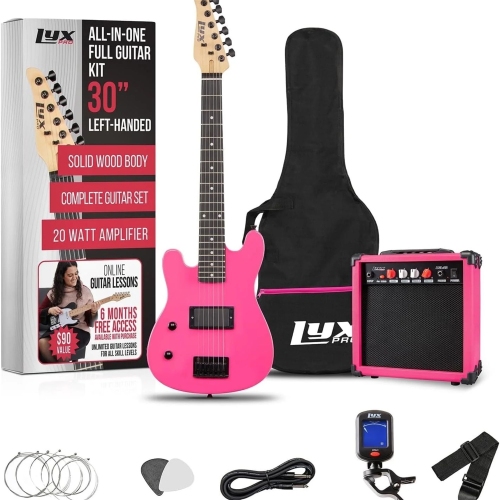
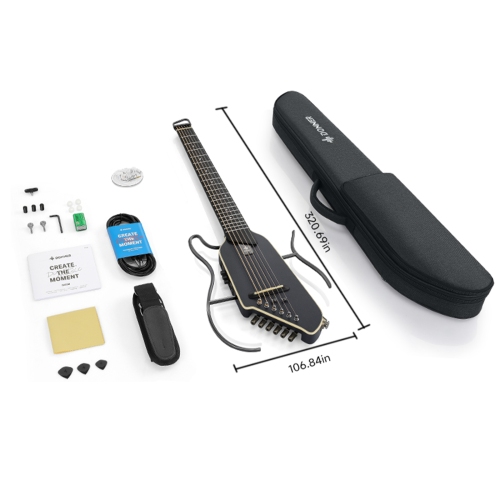
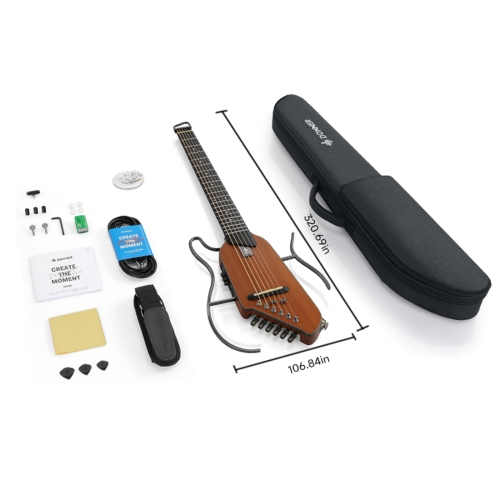
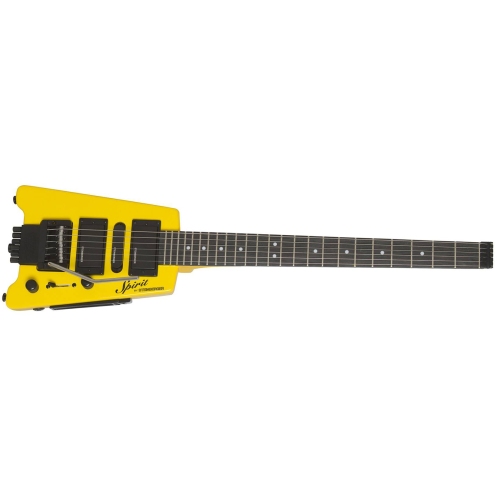
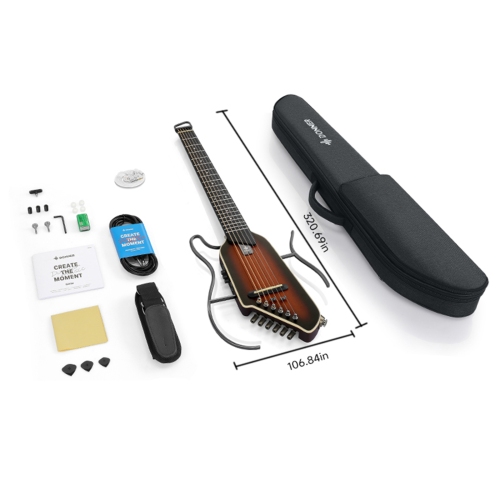
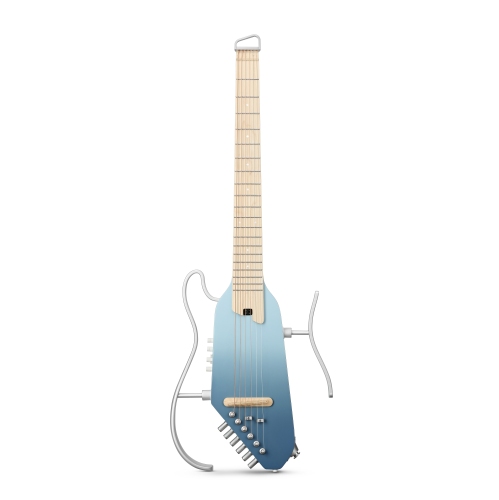
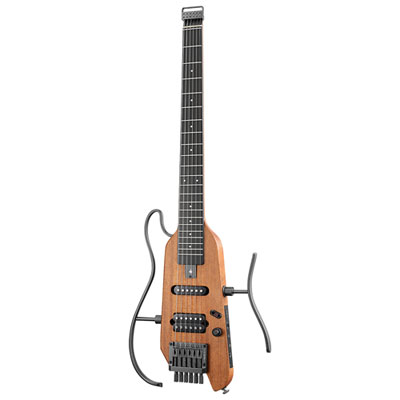
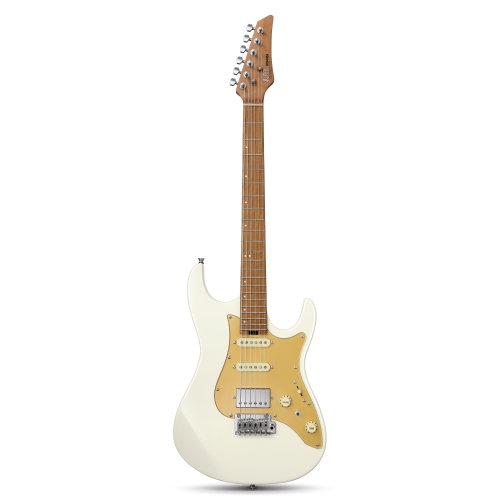
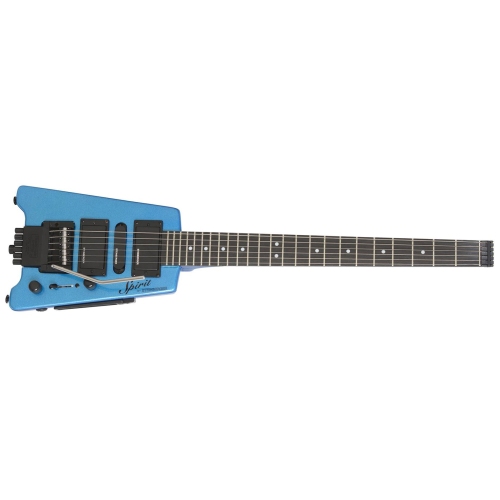
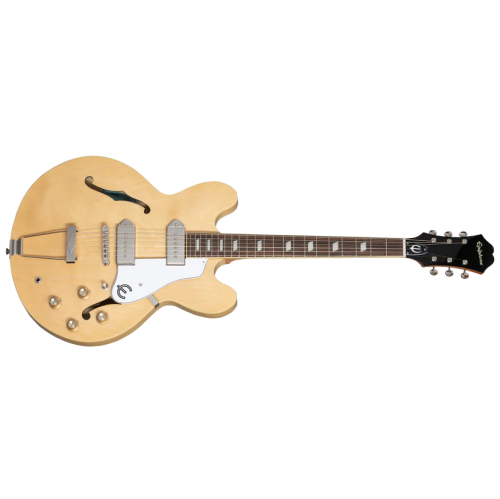
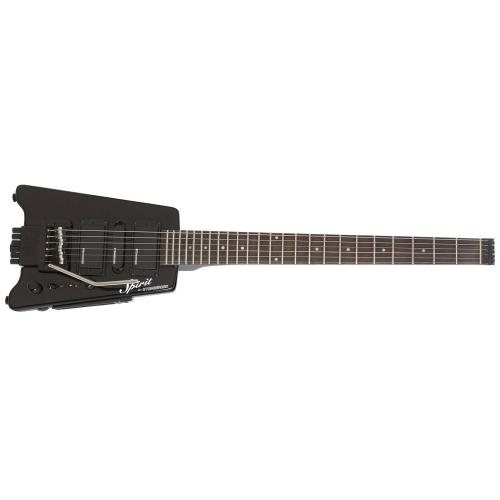
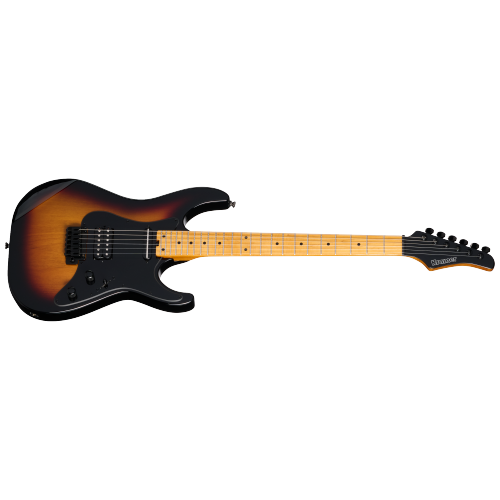
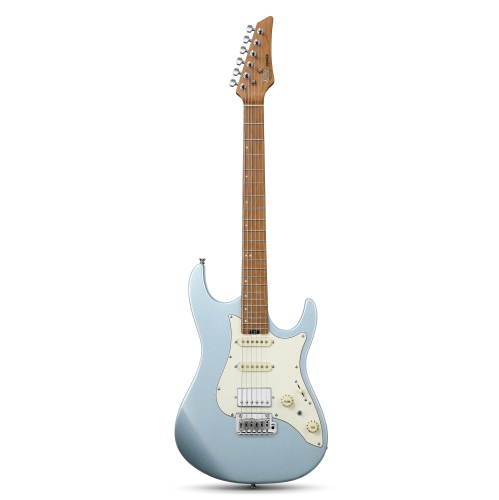

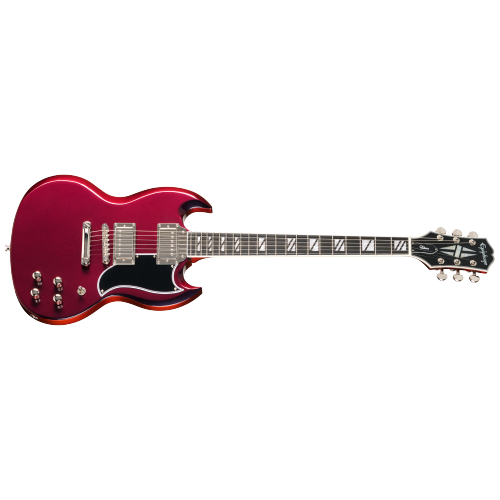
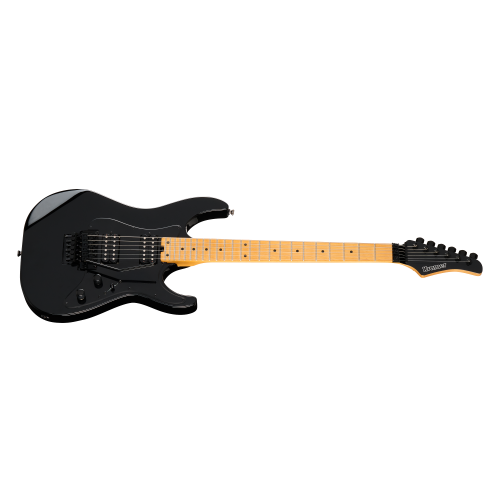
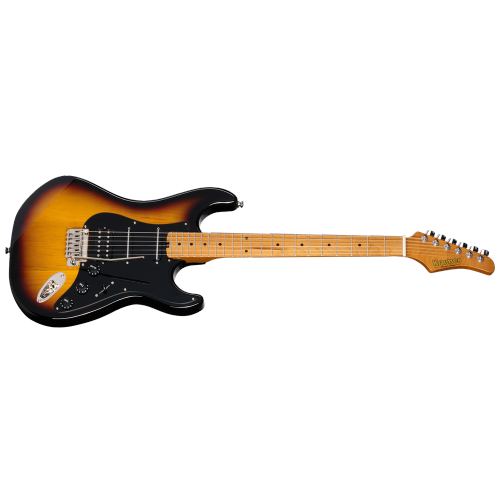
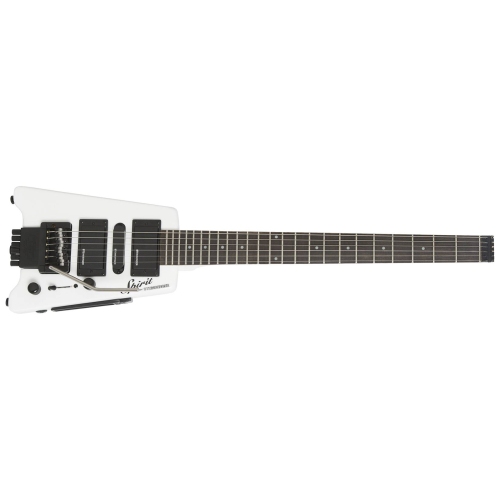
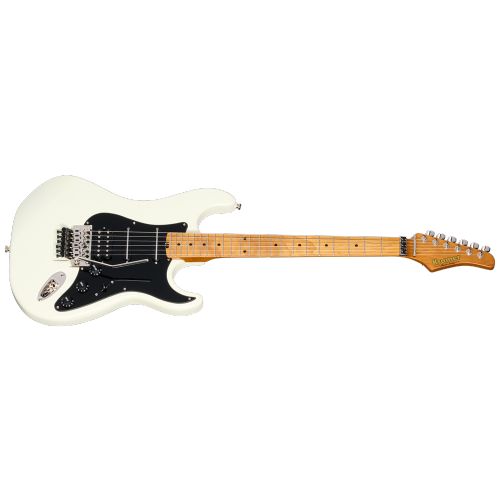
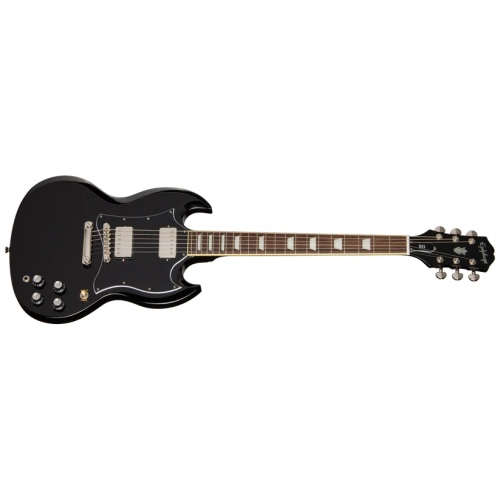
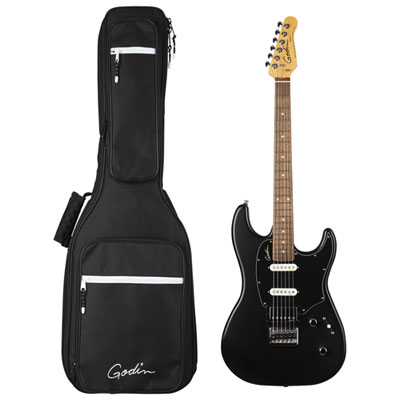

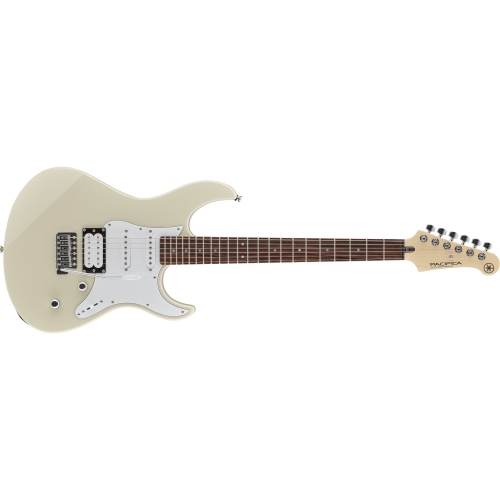
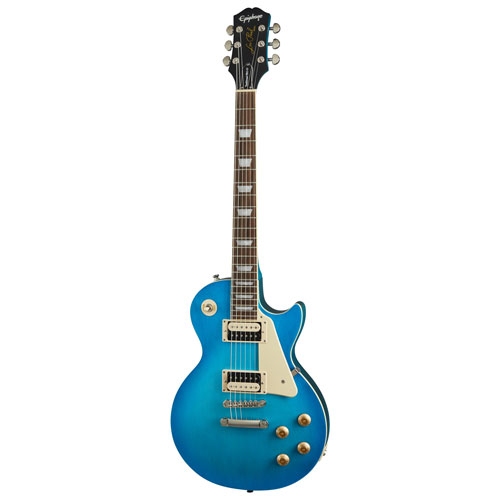
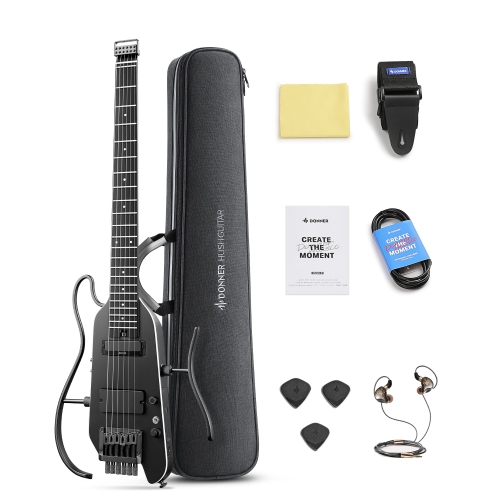
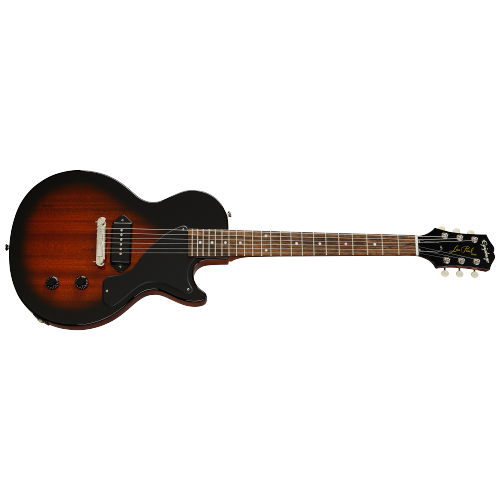
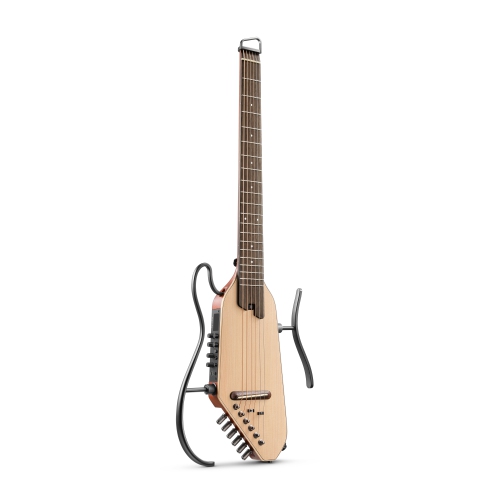

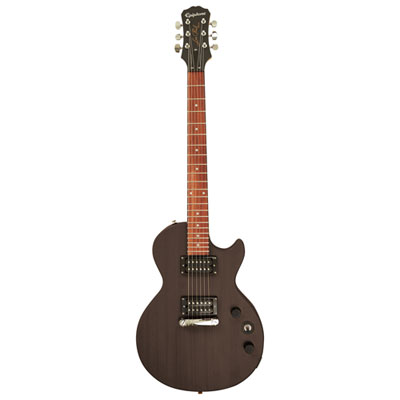
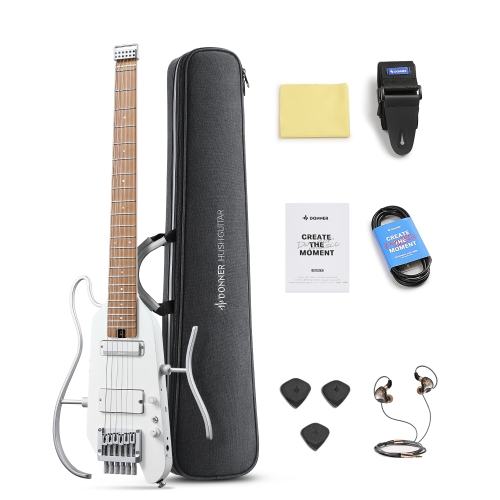
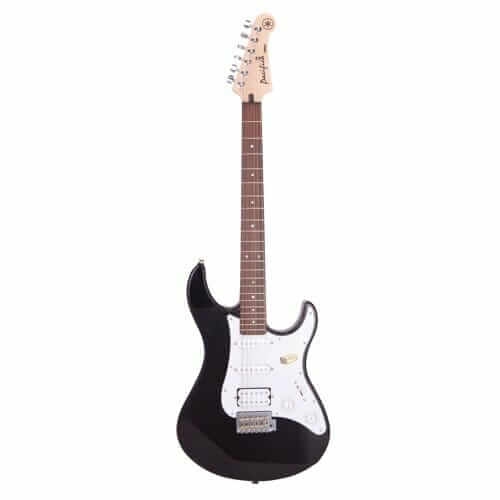
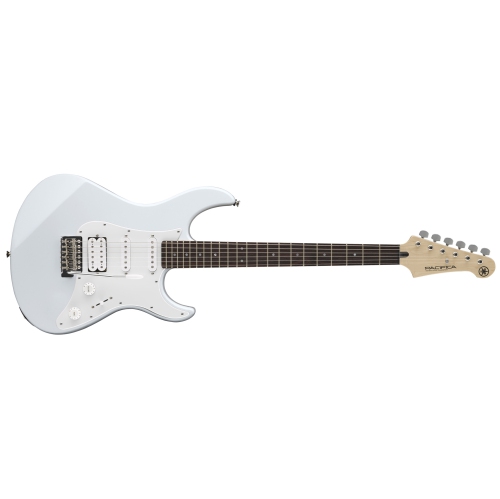


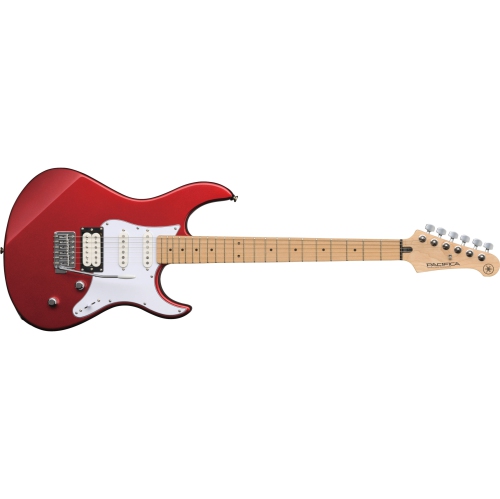
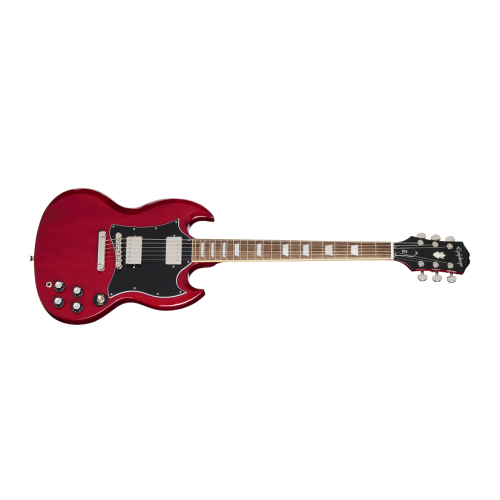
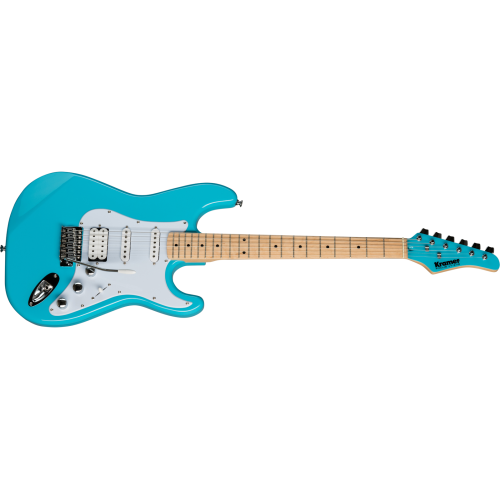
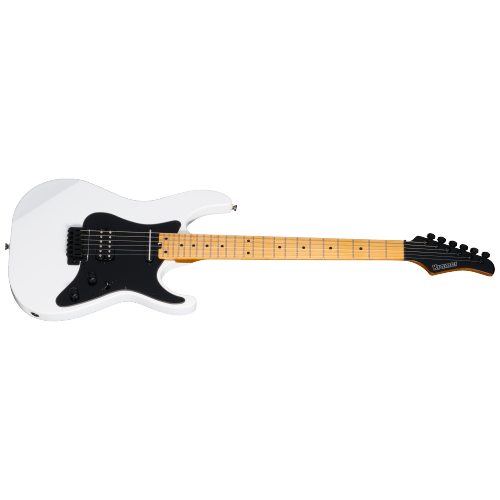
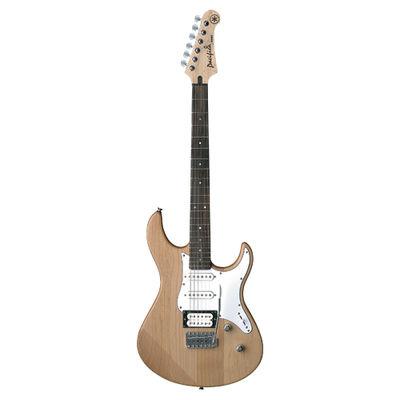
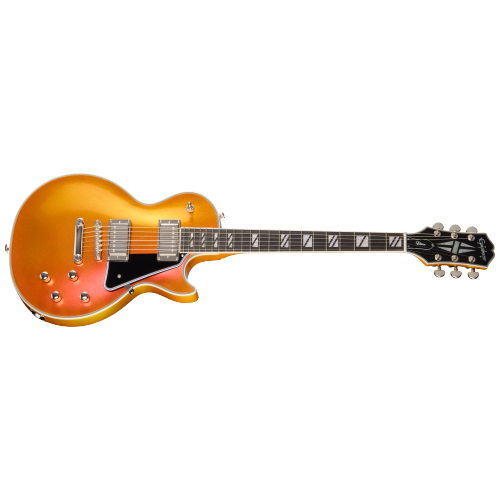
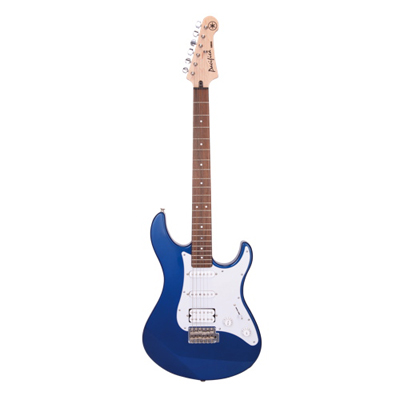
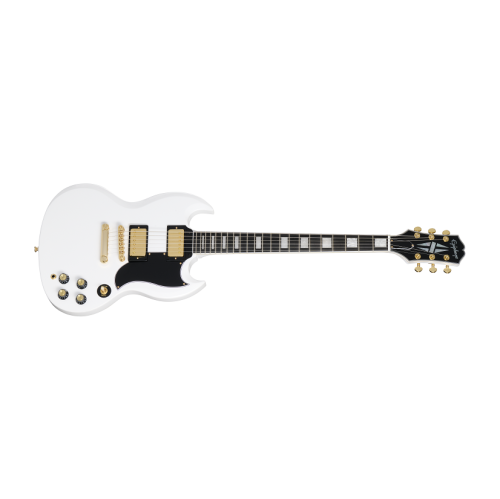
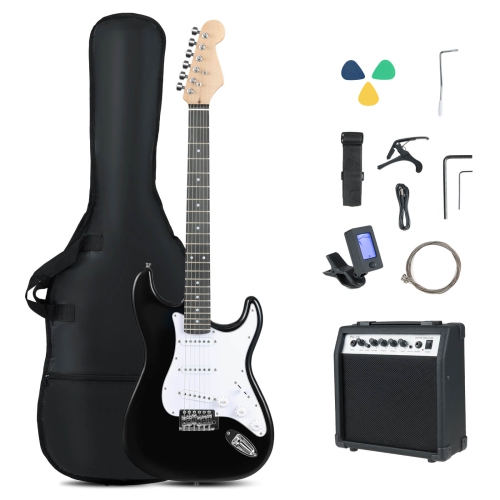
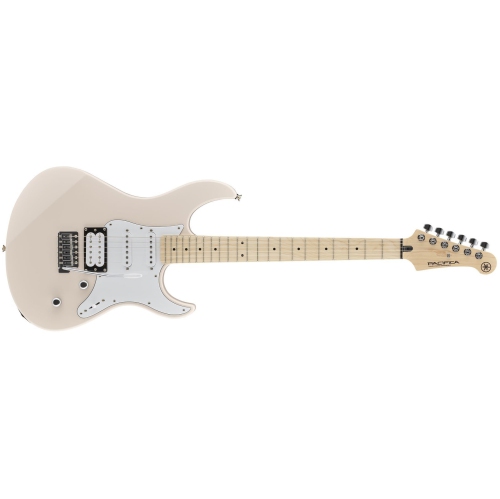
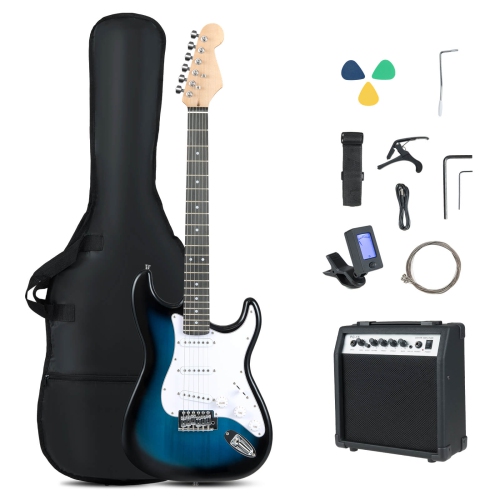

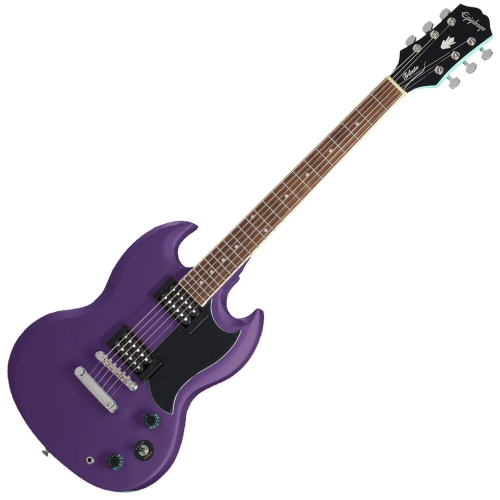
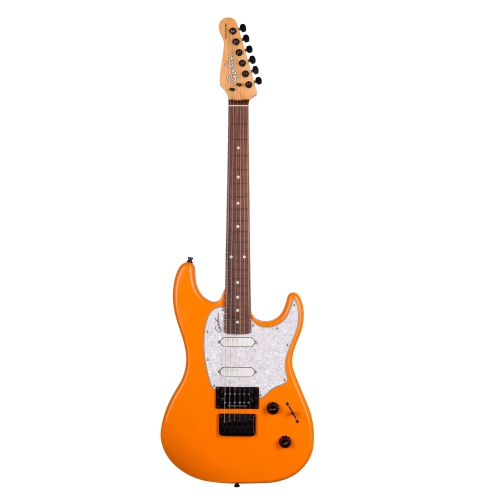
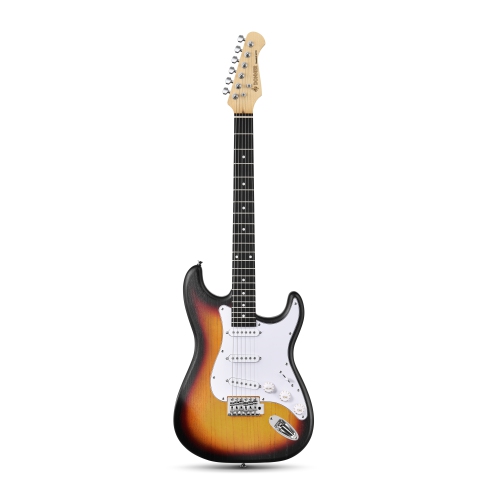
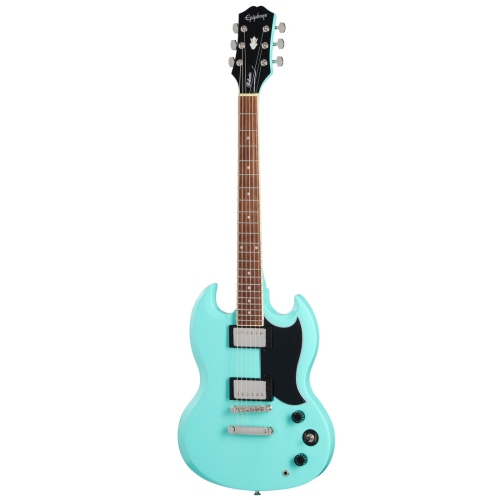
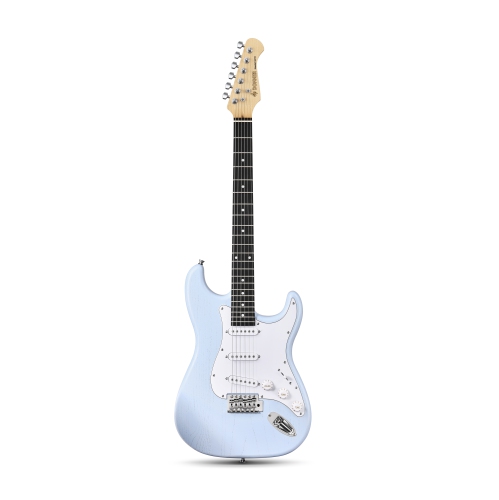
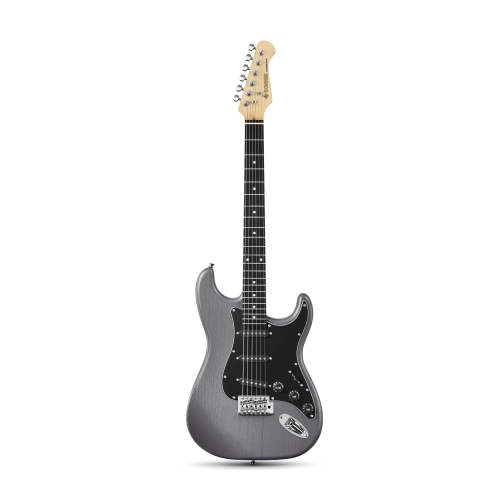
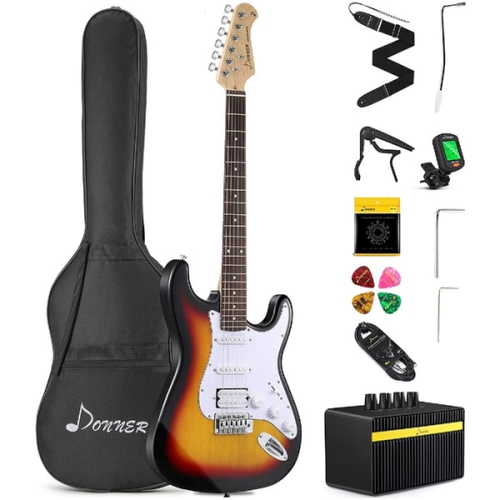
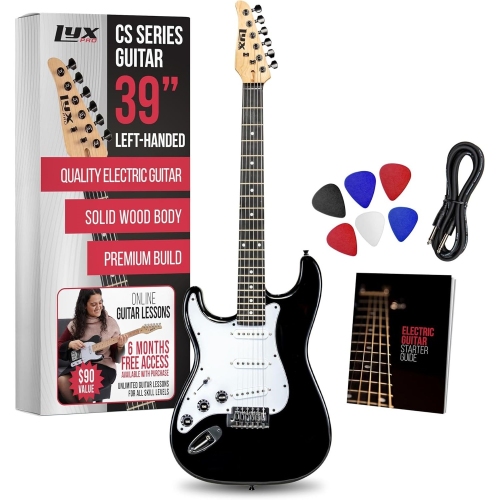
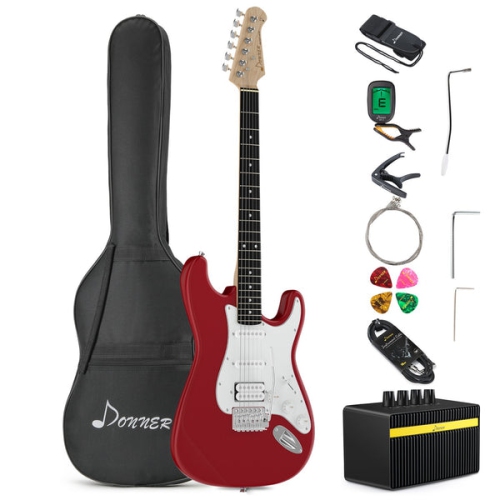
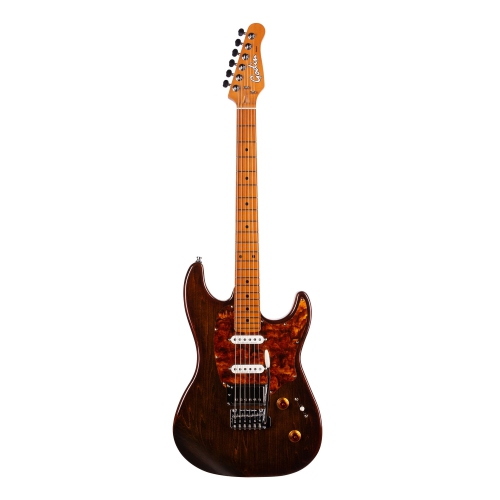
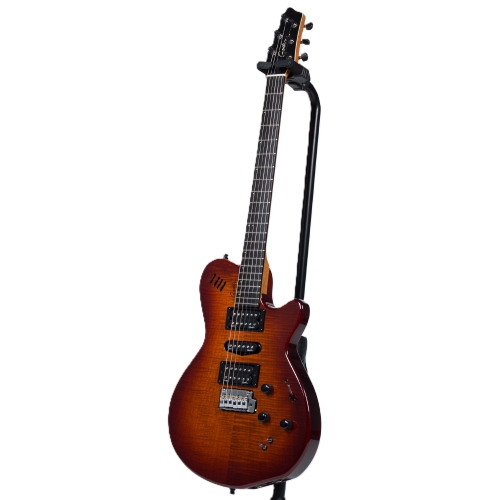
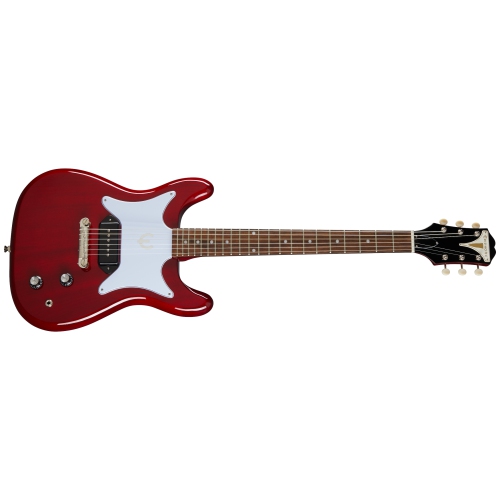
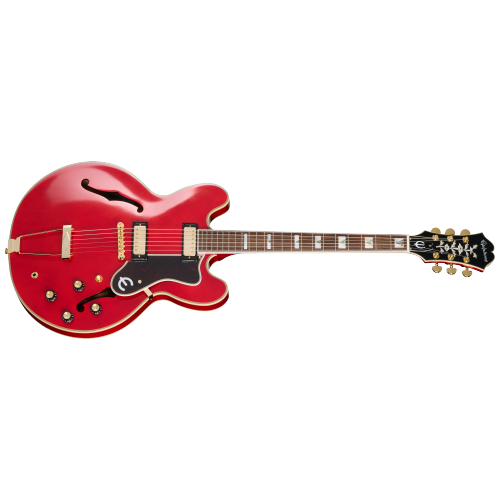
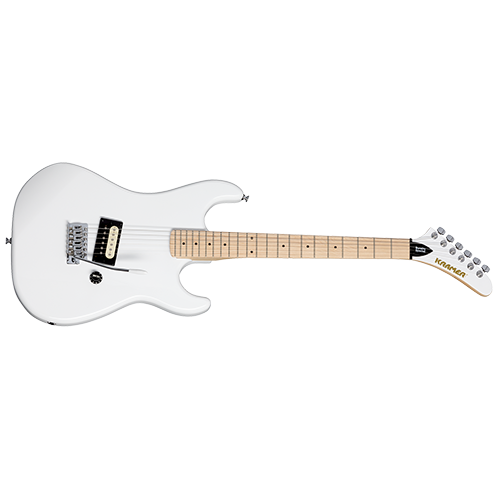
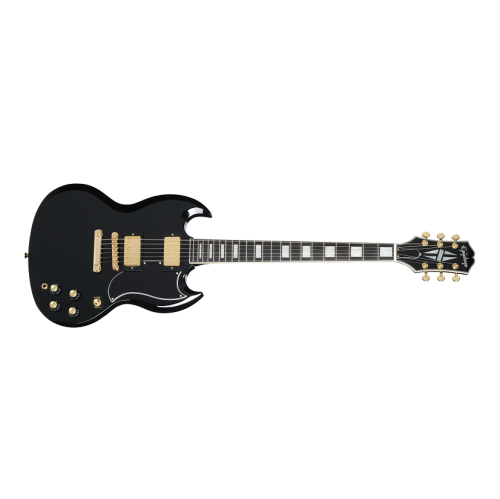
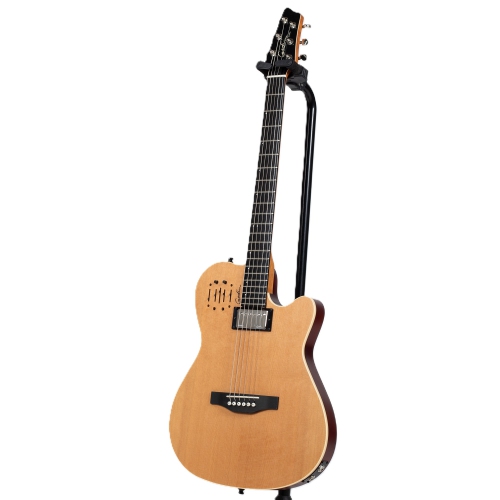

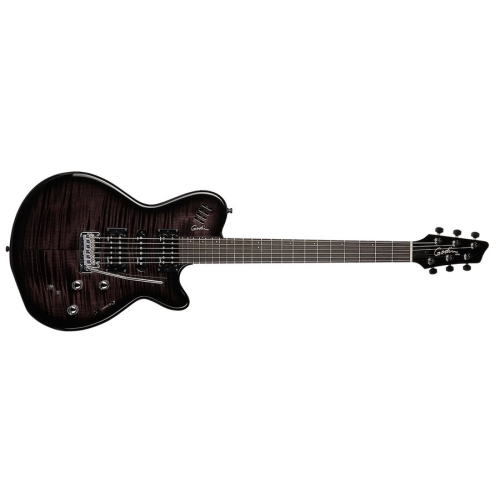
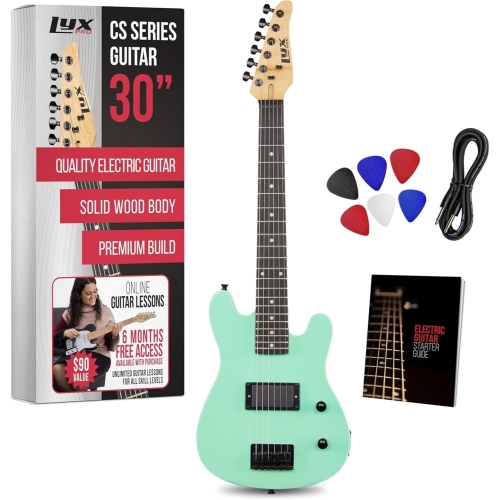
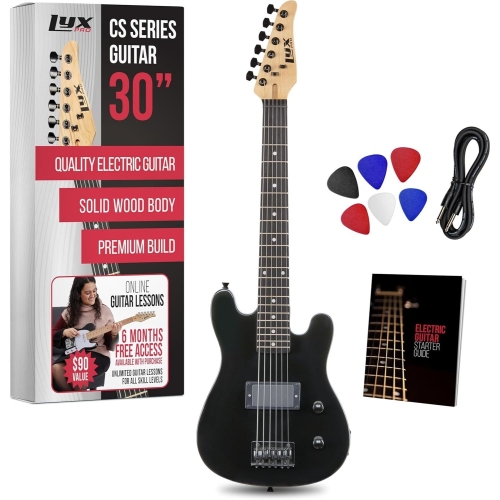
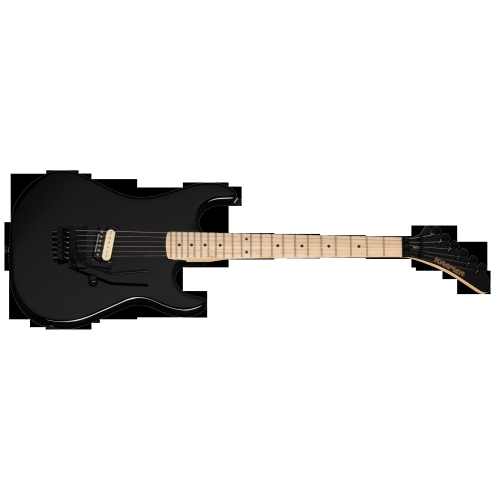
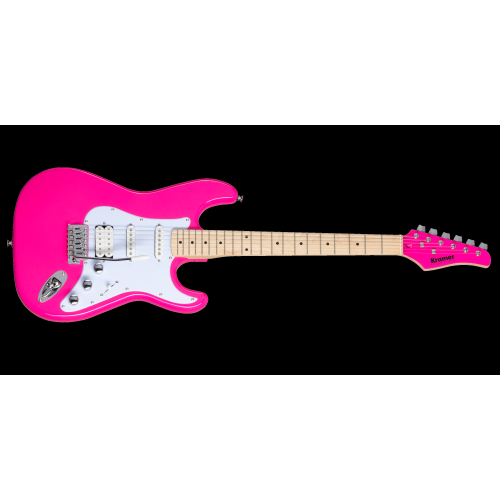
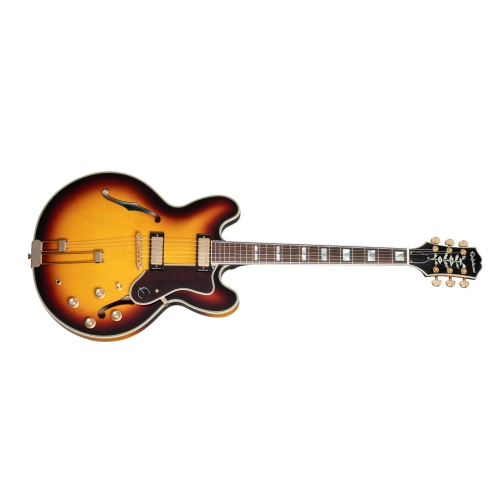

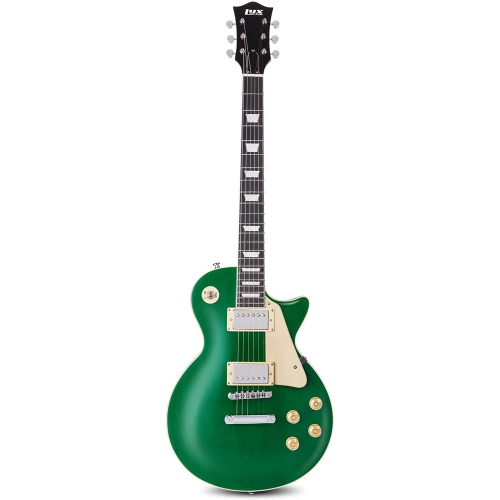
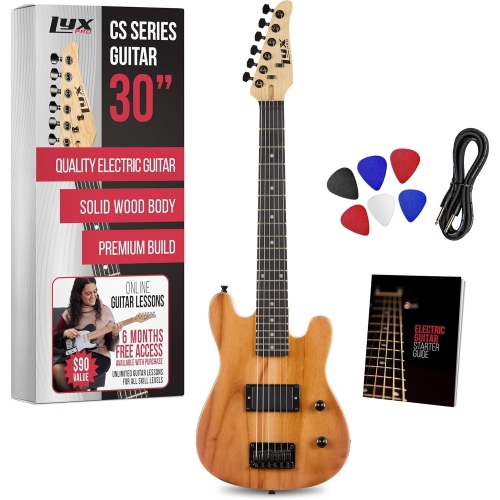
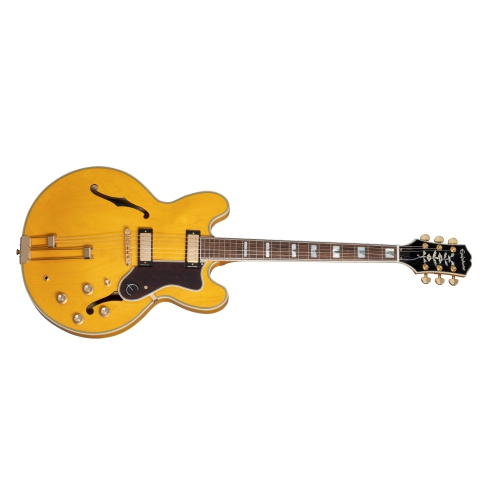

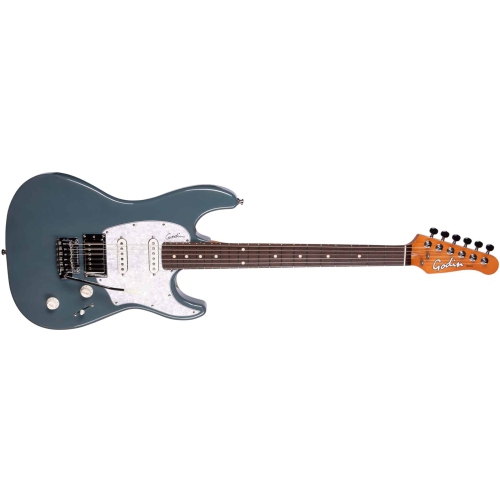
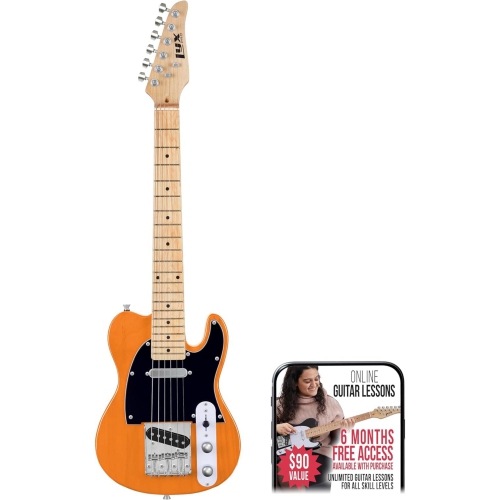
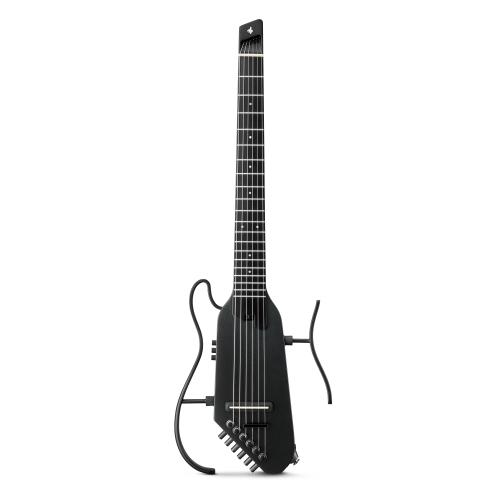
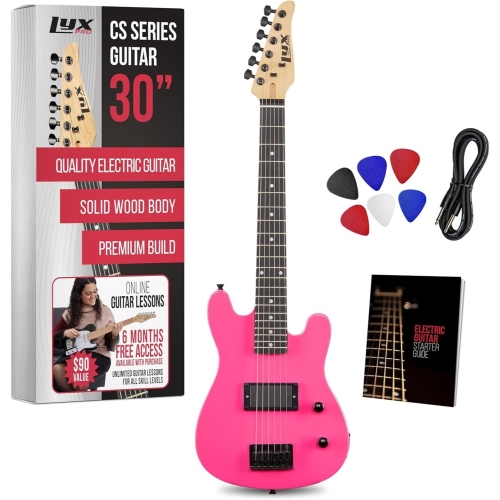

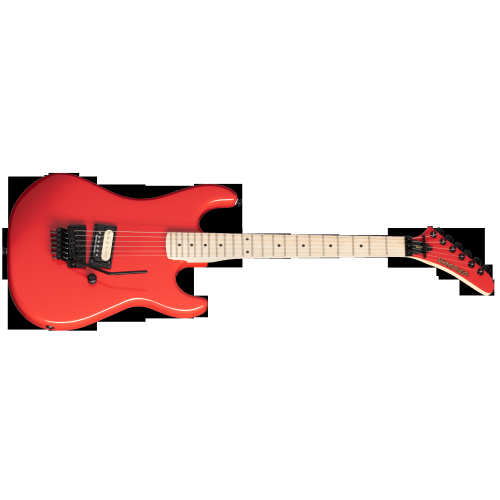
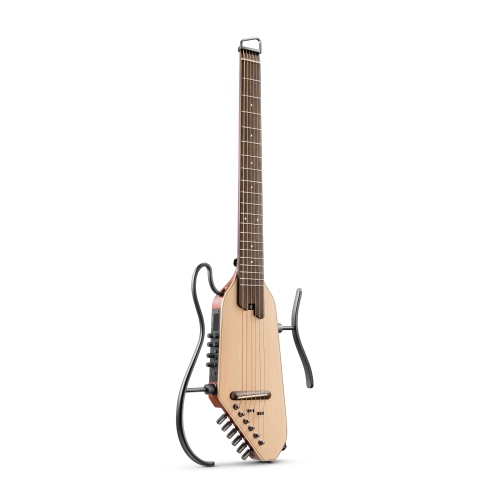
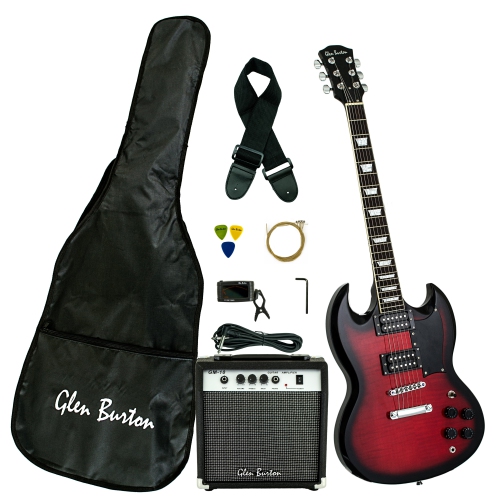
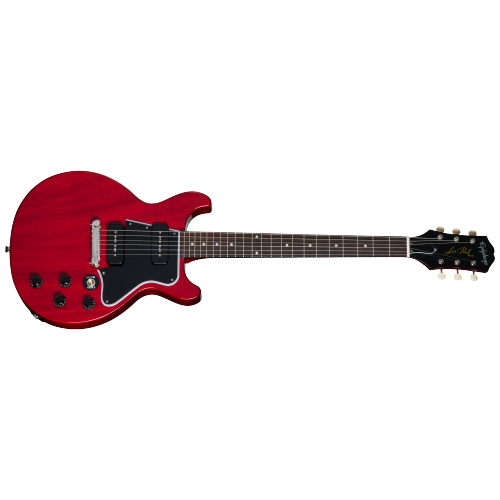
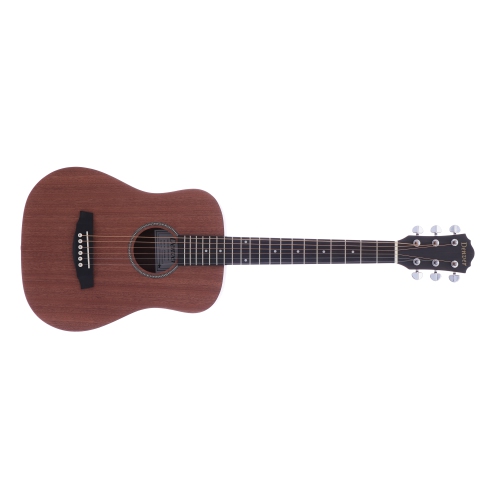
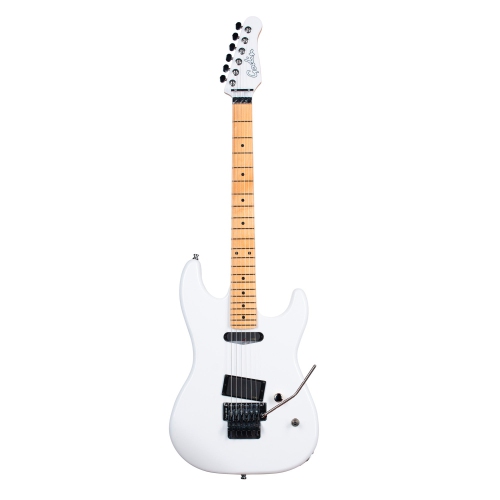
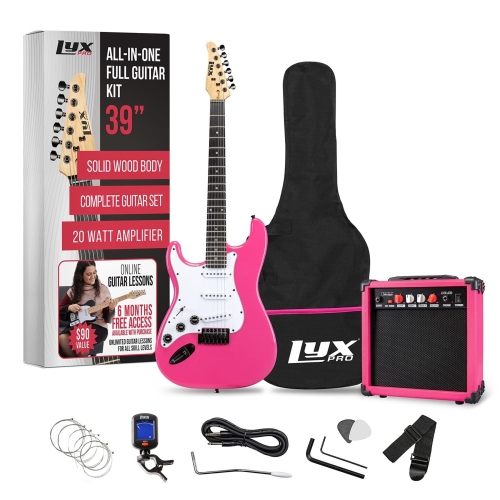
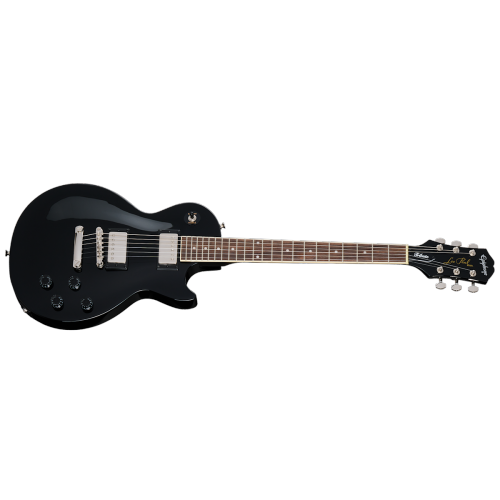
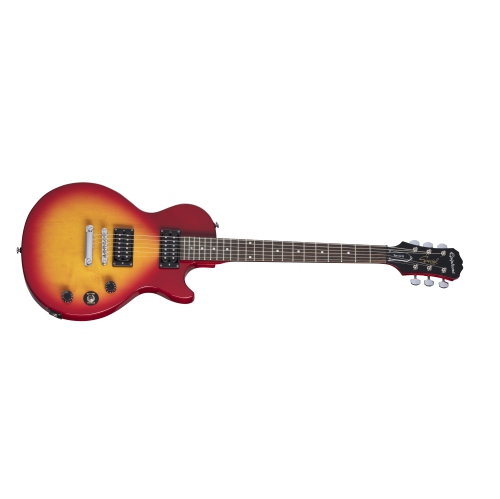
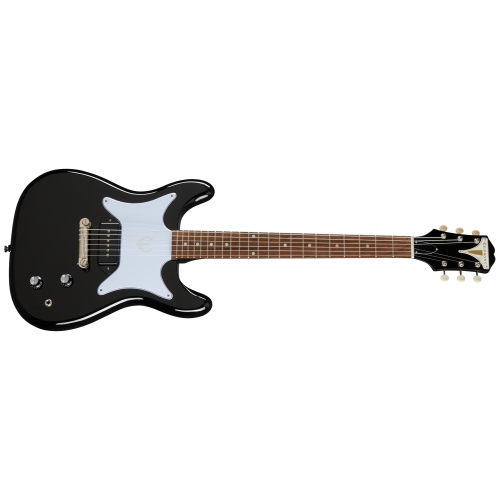
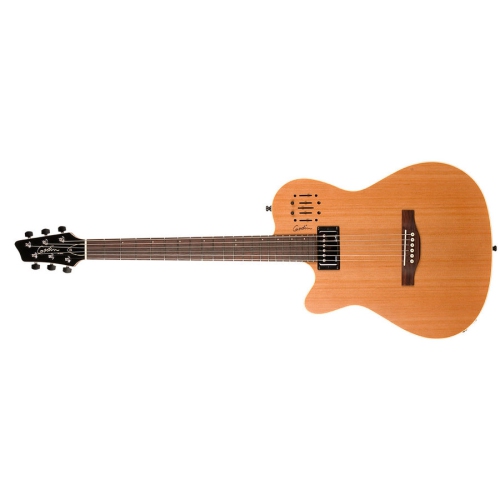
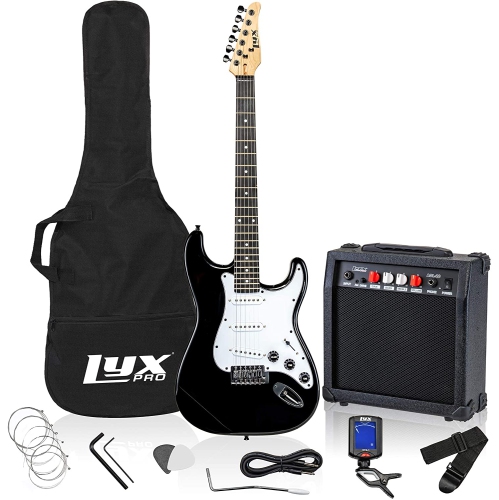
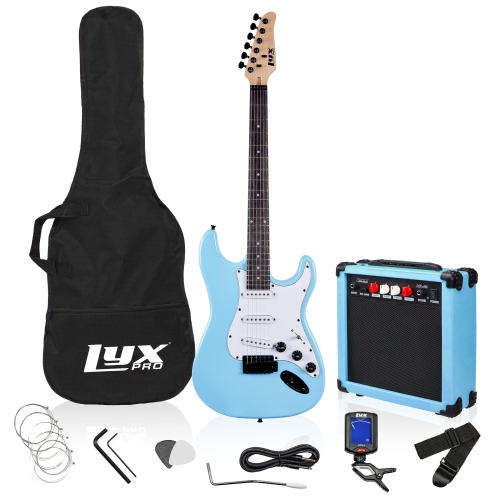
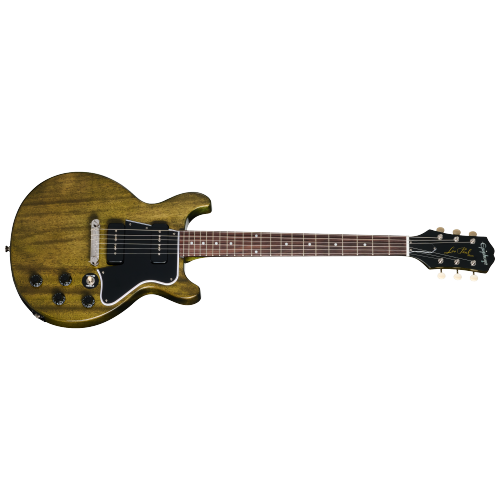
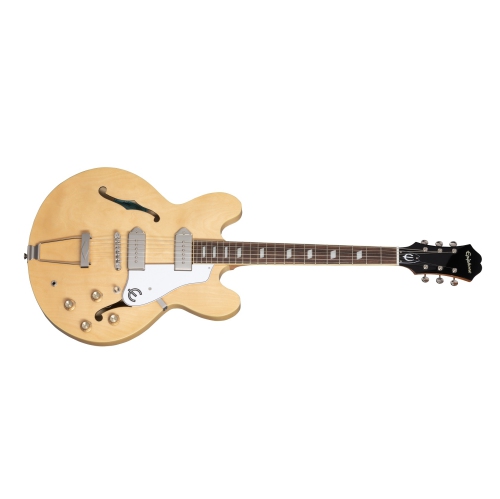
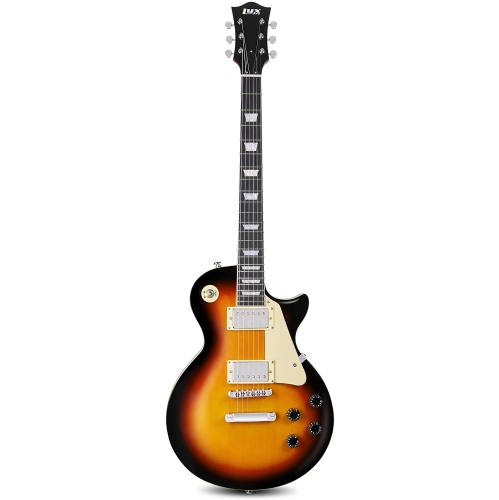
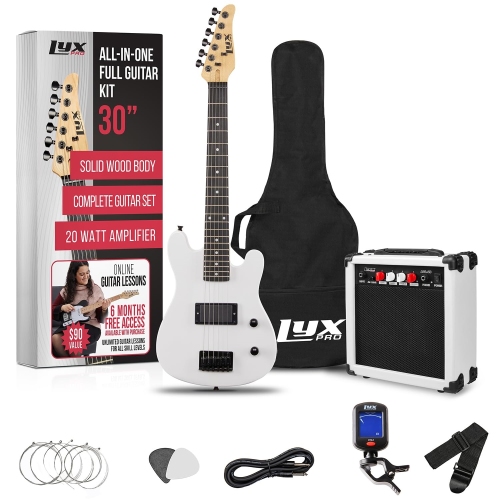
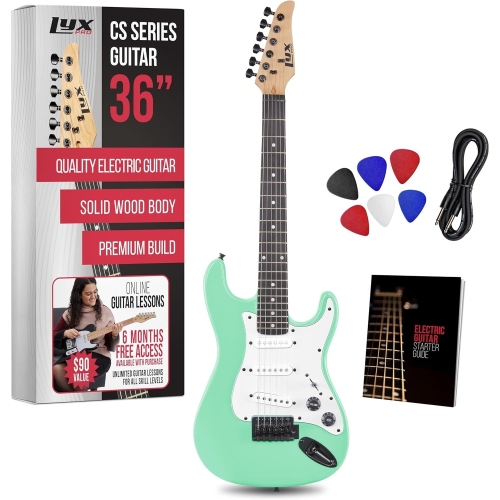
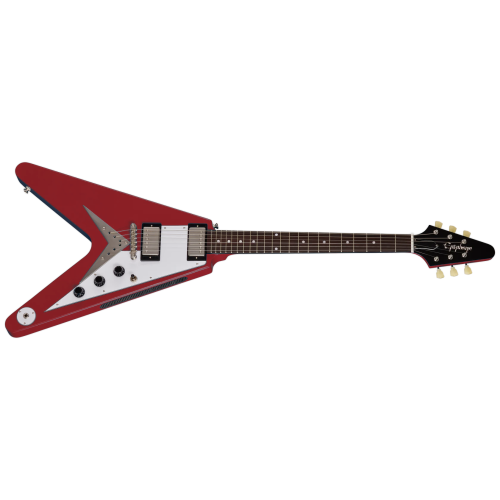
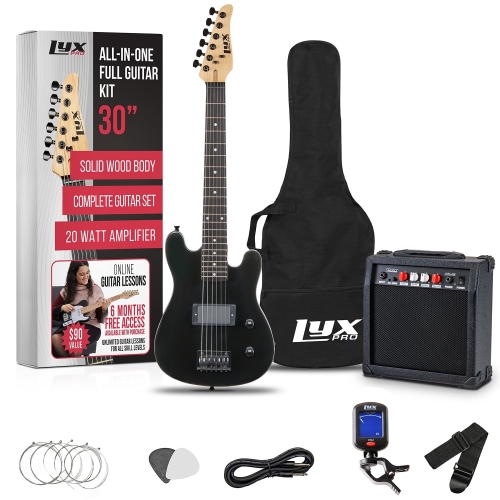
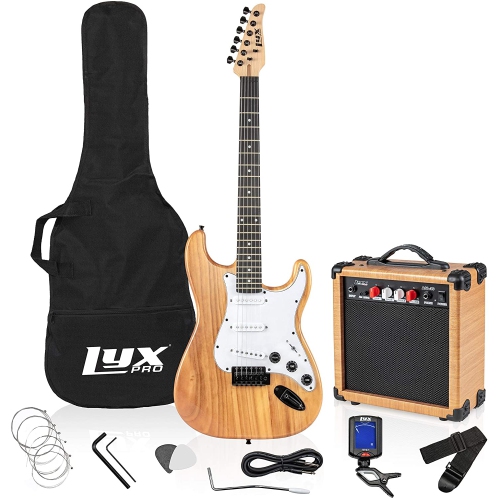

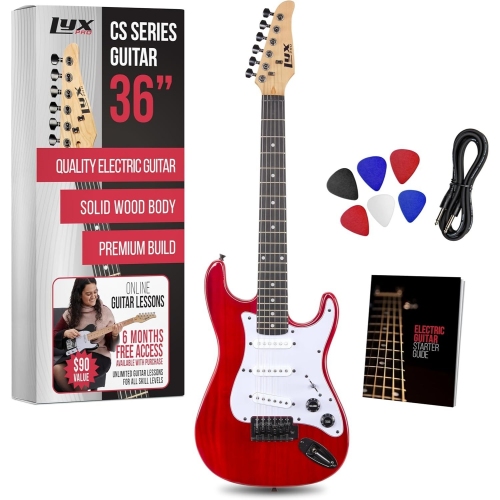
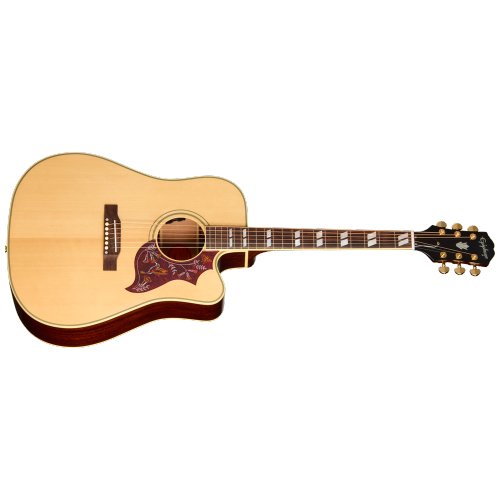
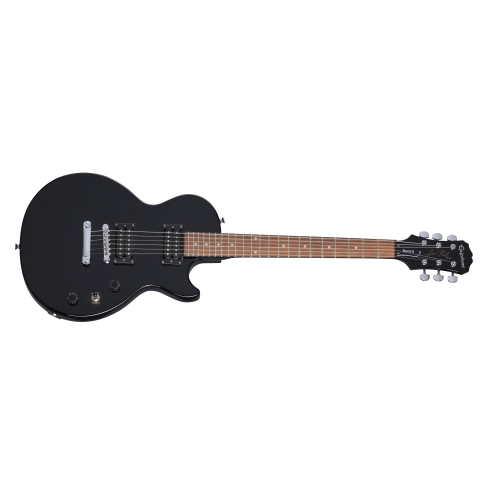
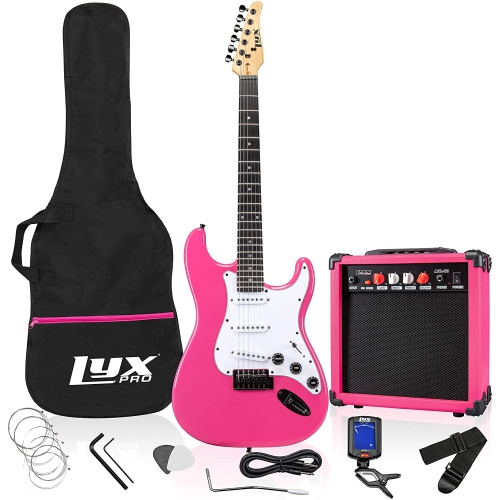
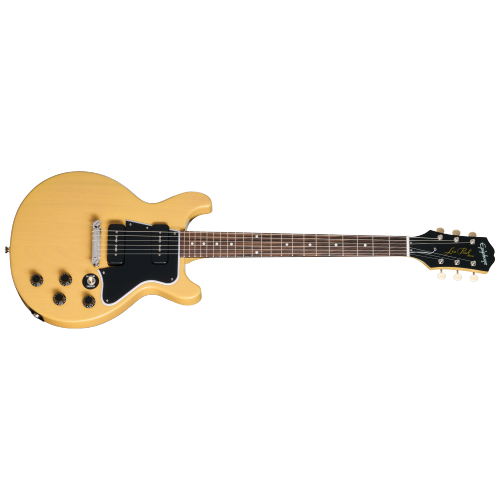
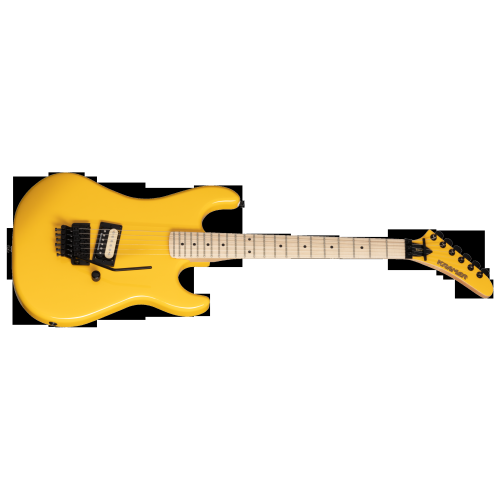
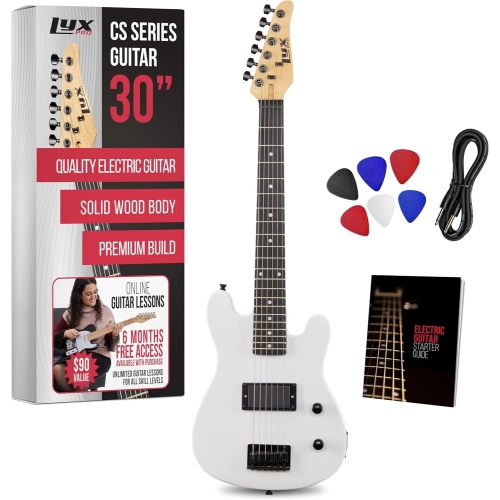

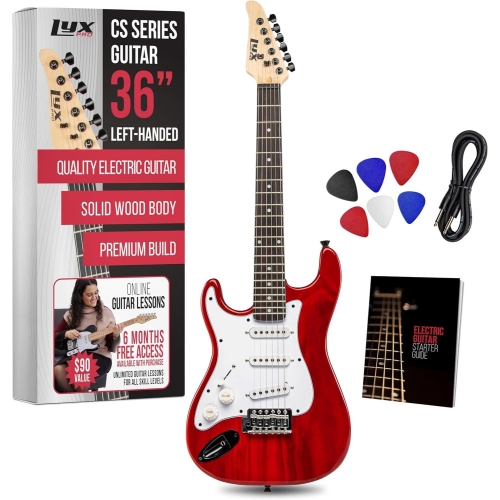
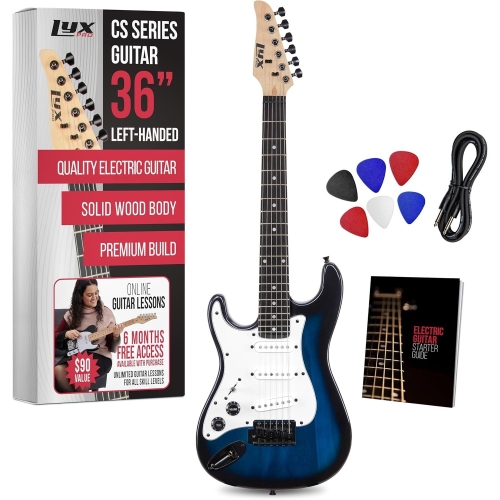
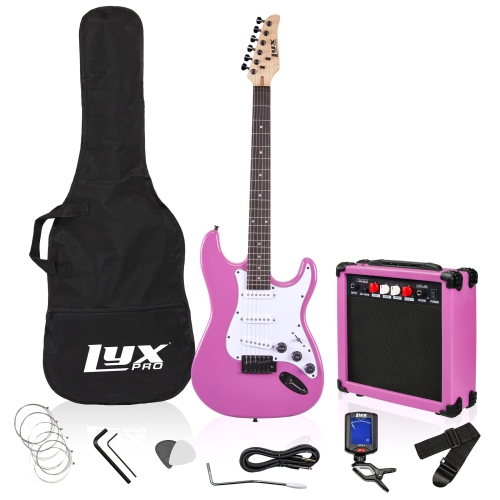

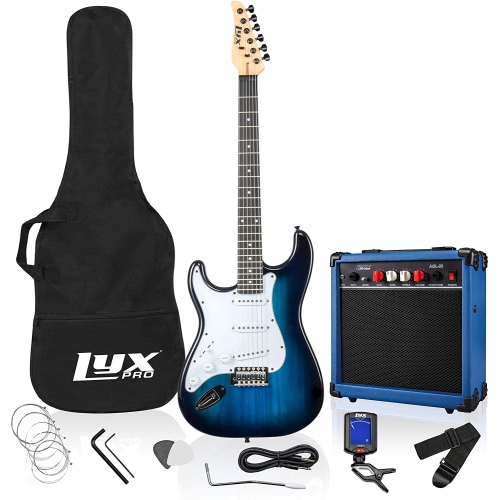
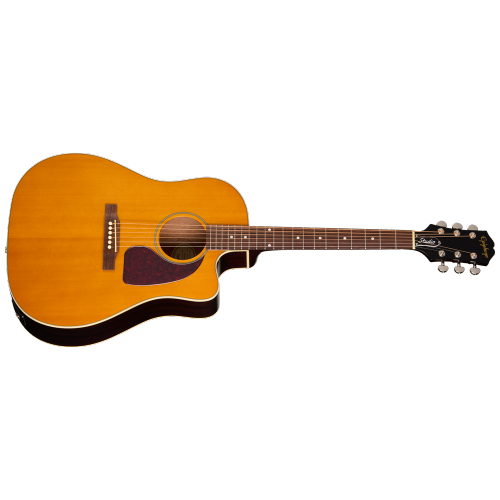
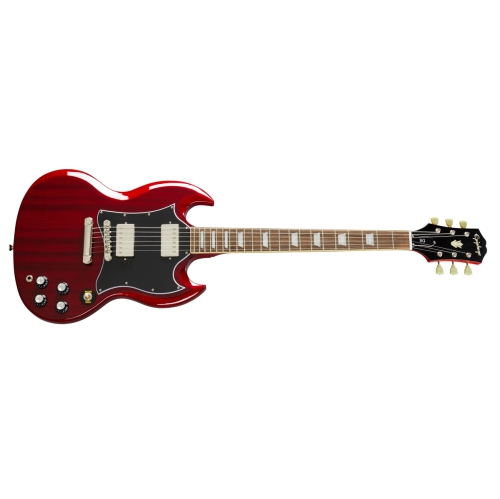


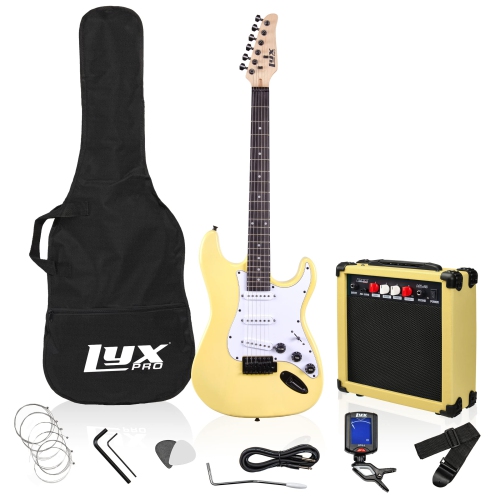
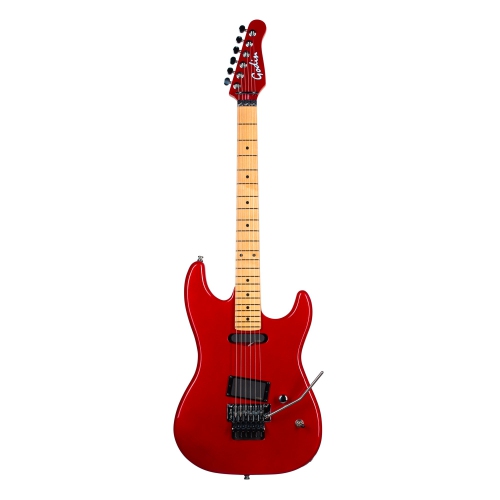
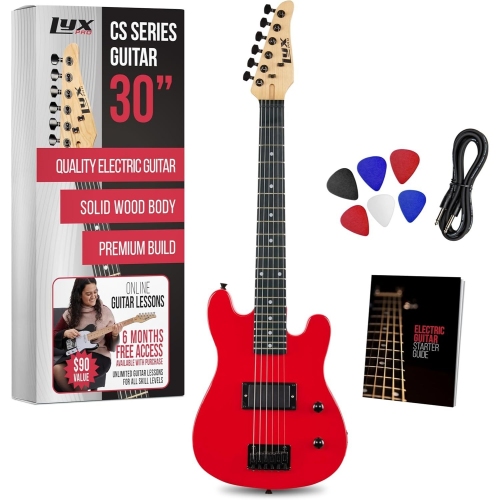
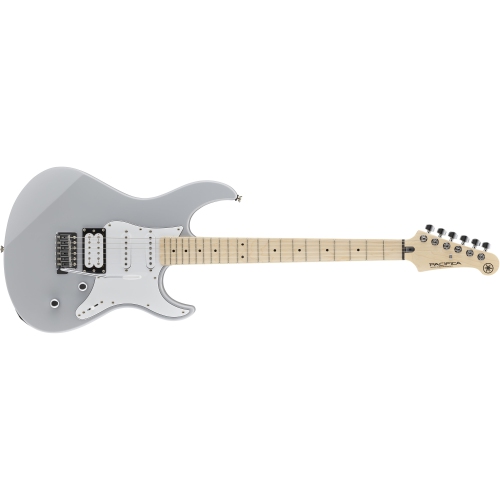
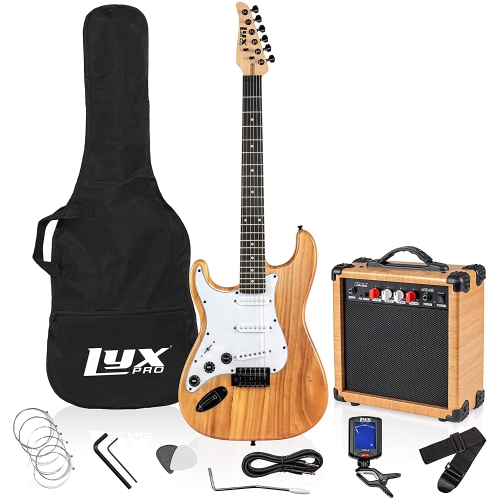
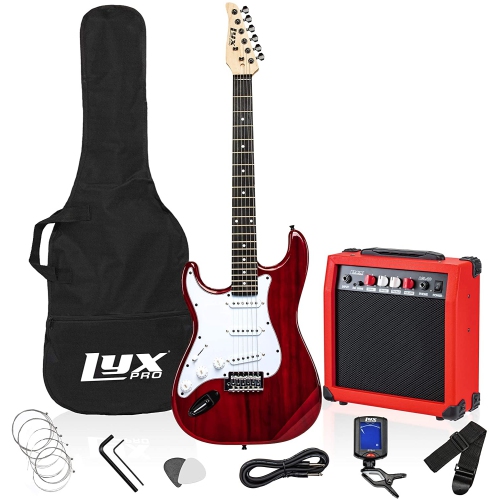



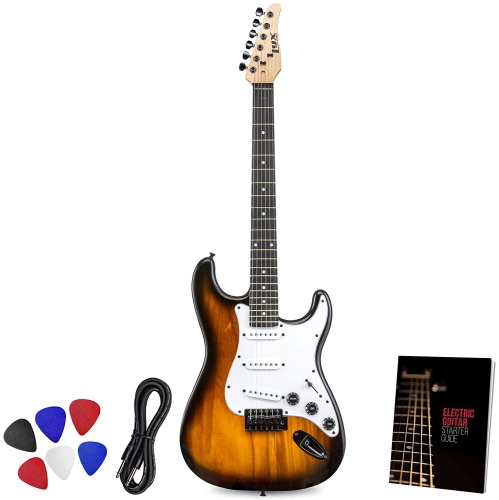
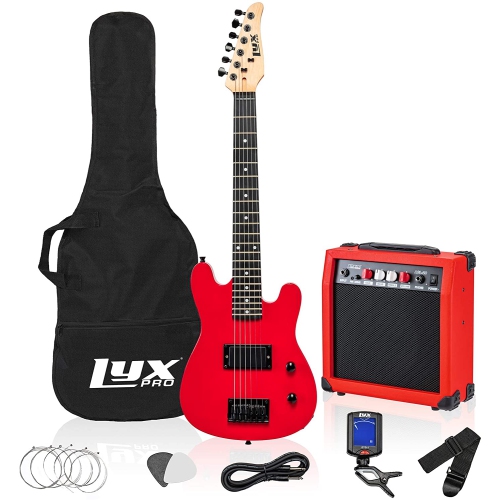
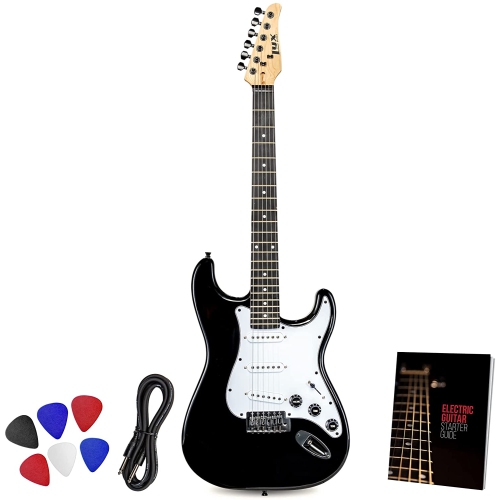
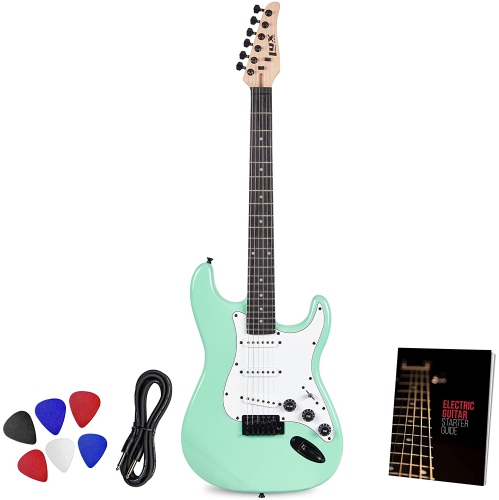
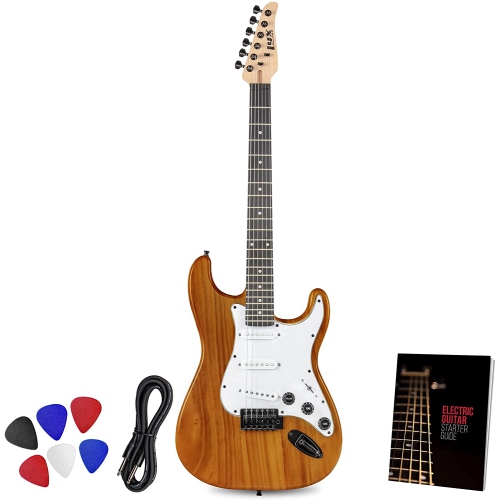
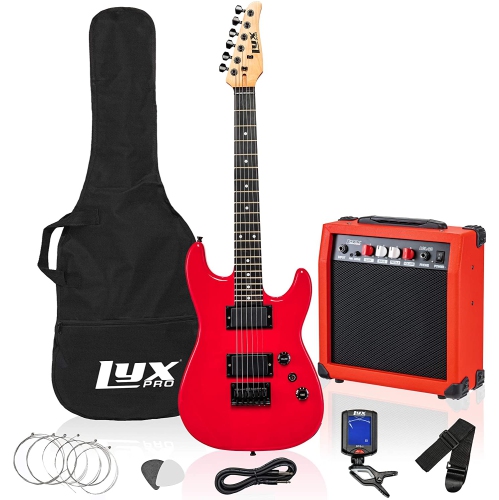
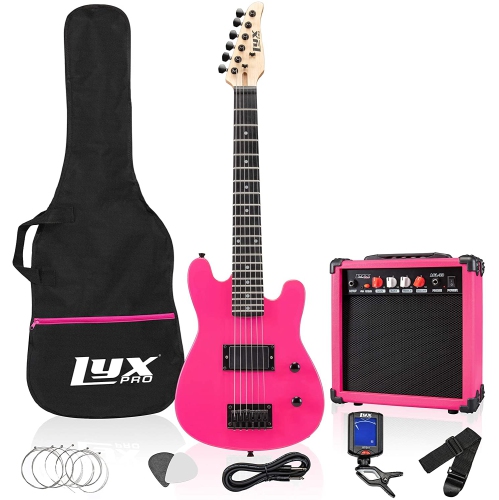
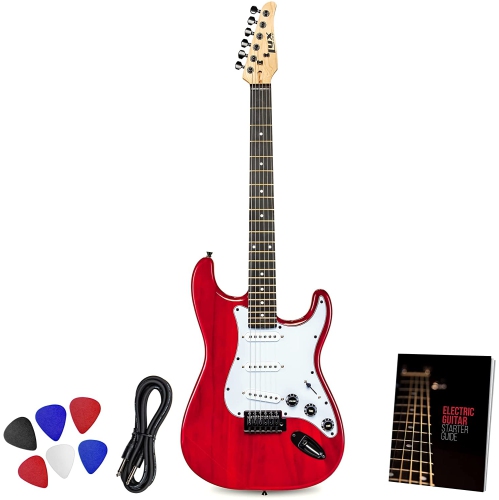
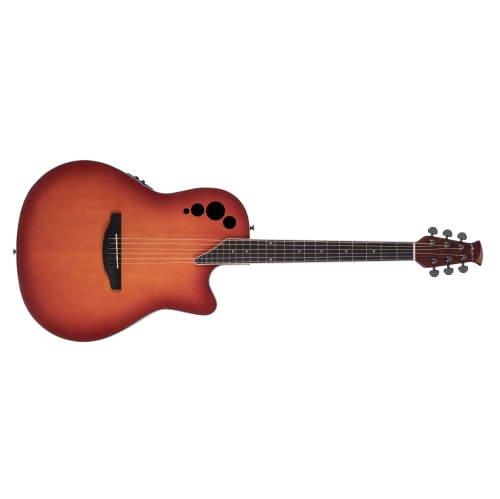
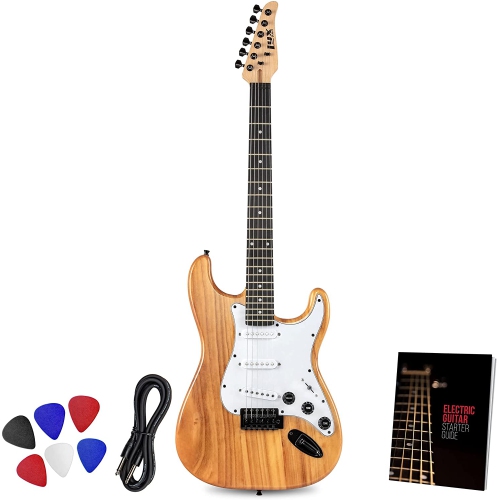
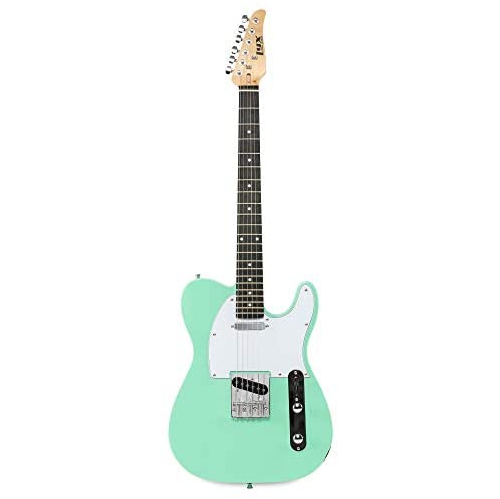
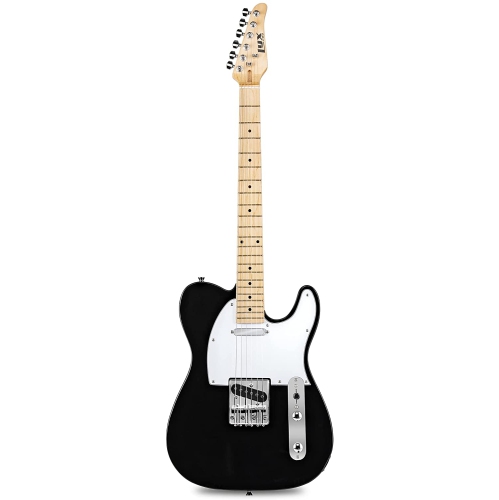
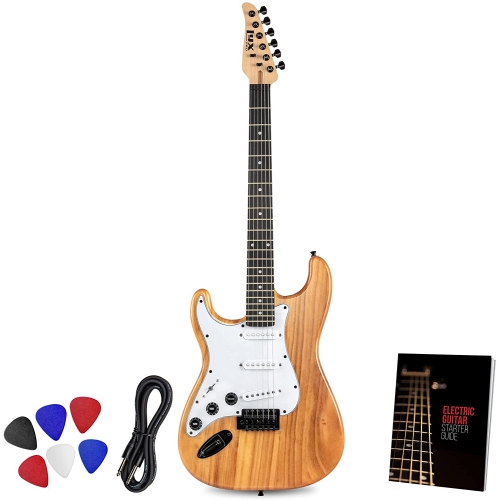

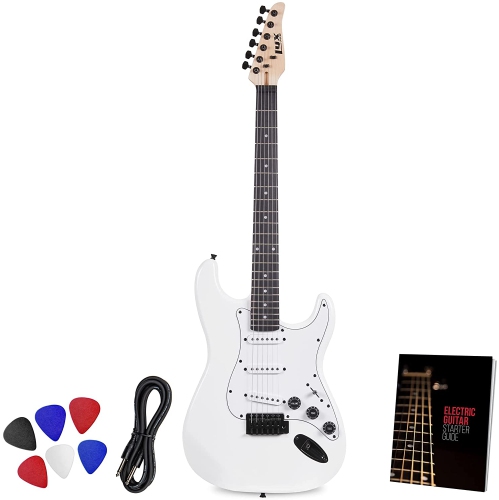
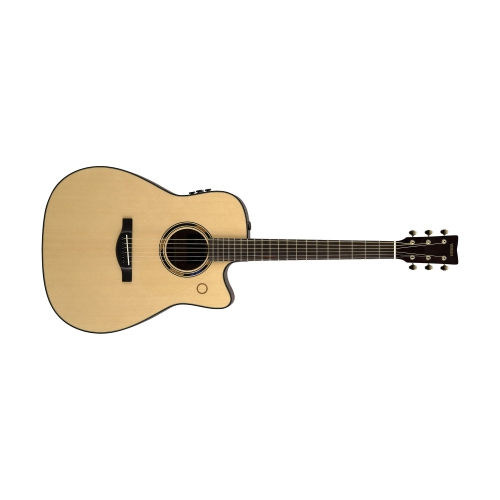
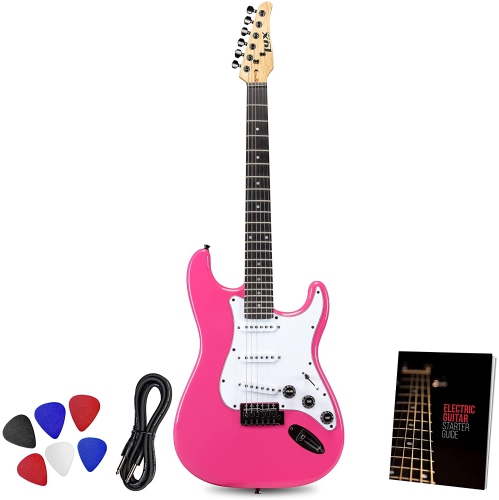


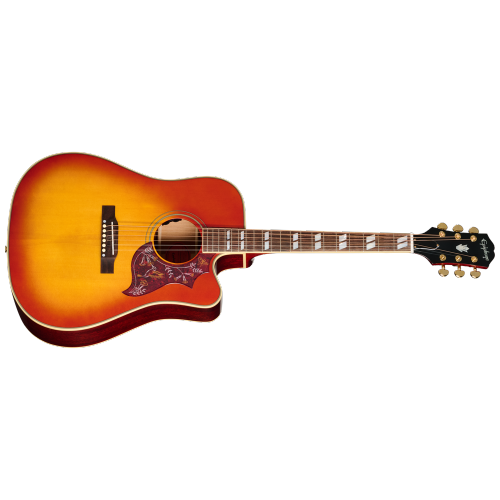

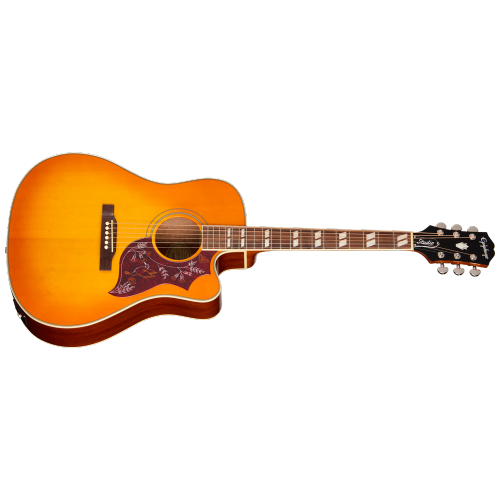
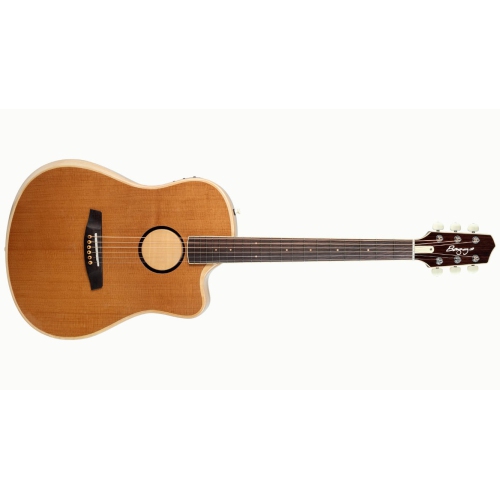
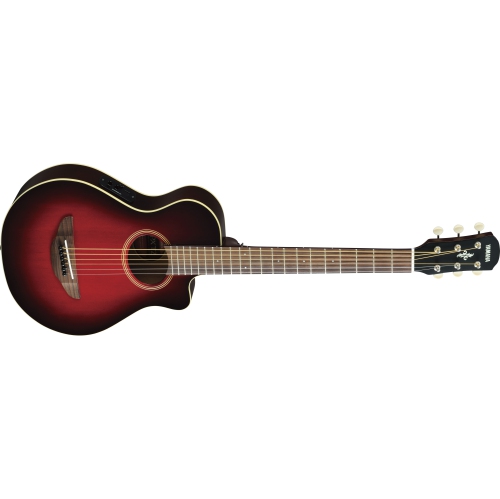
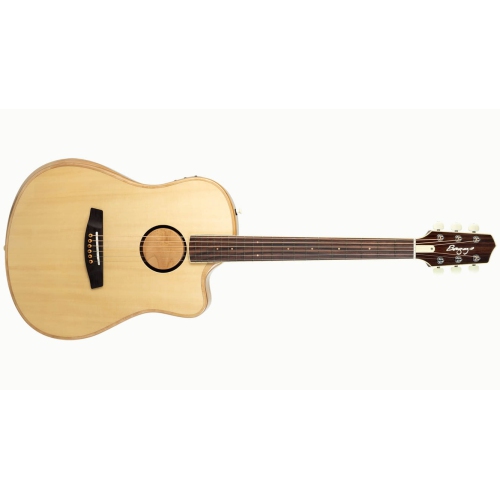
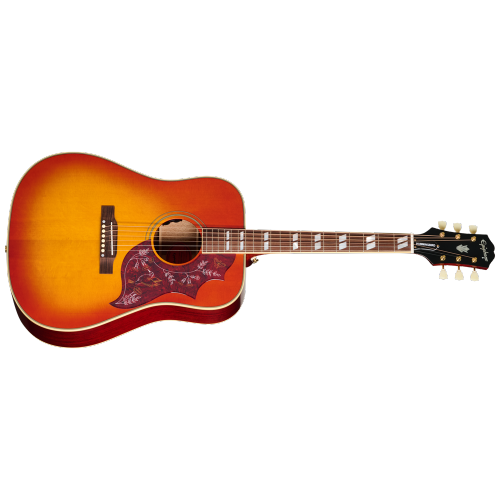
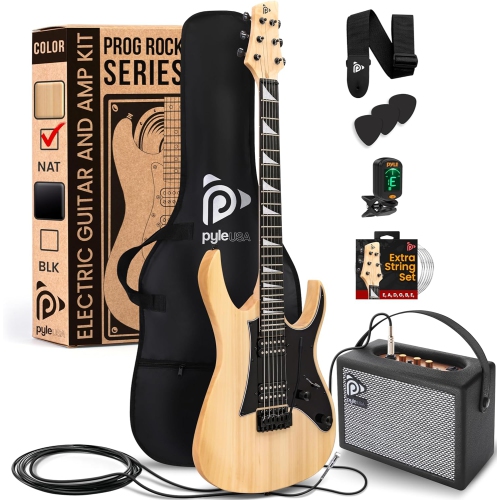
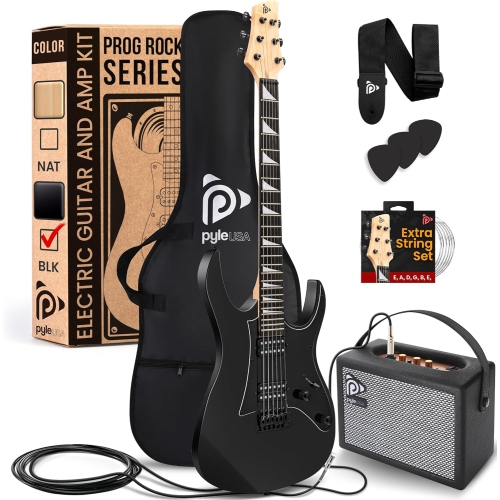
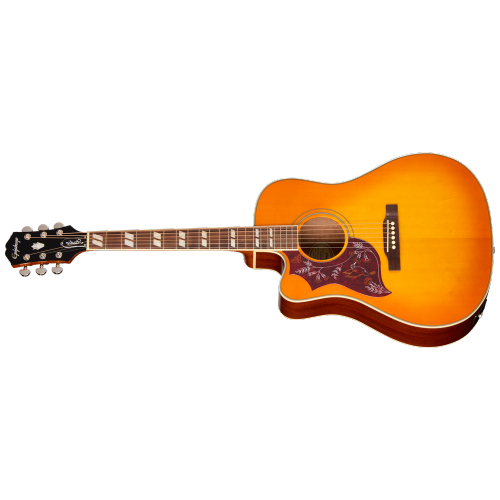
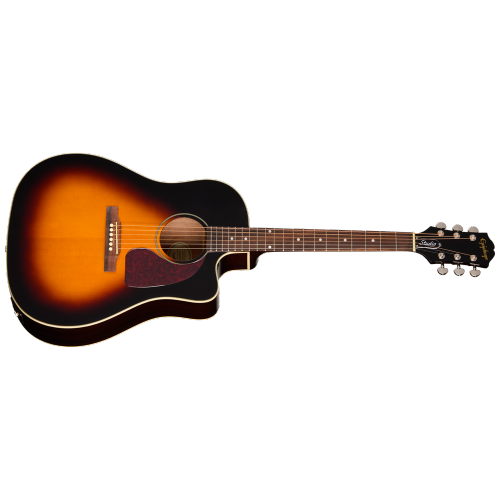
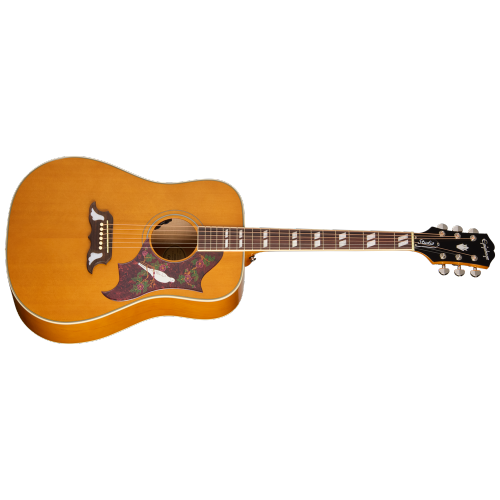
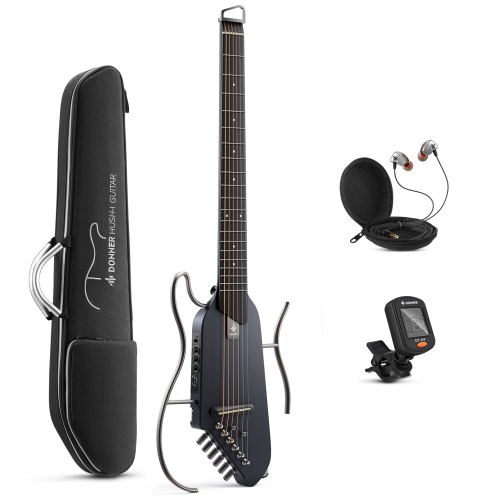
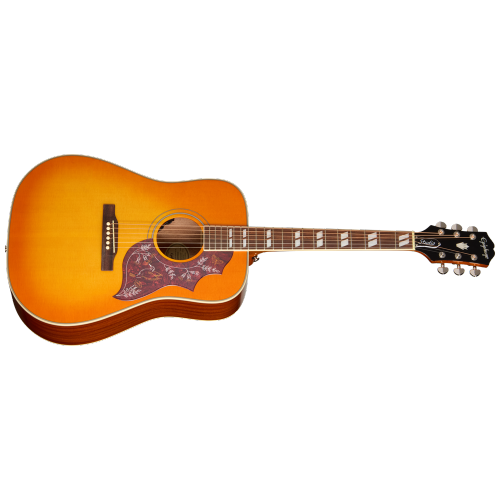
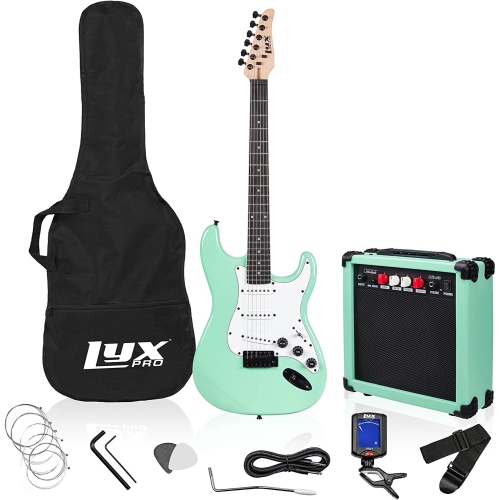
A smaller guitar can still feel familiar
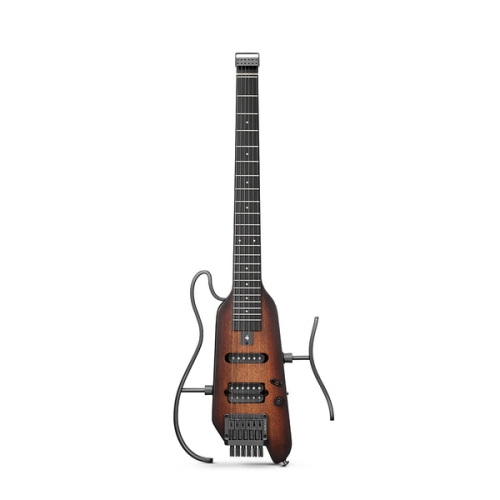
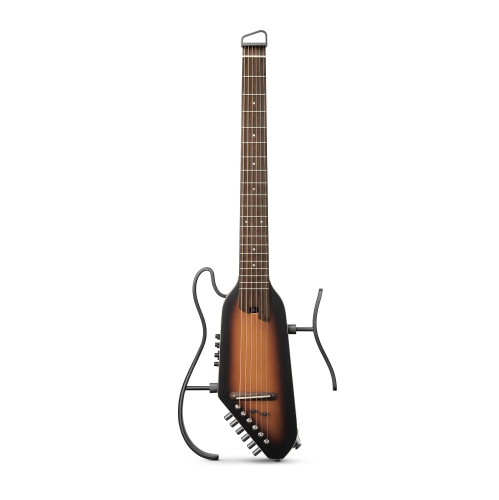
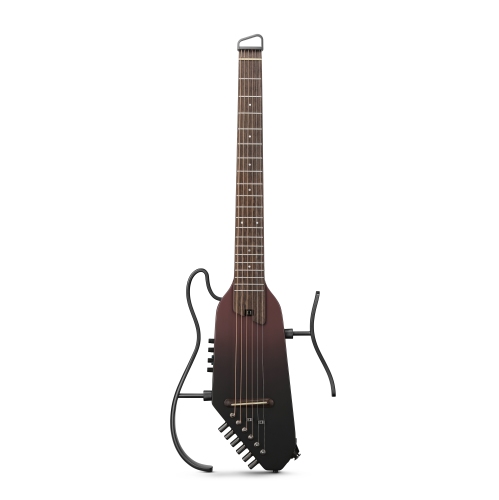
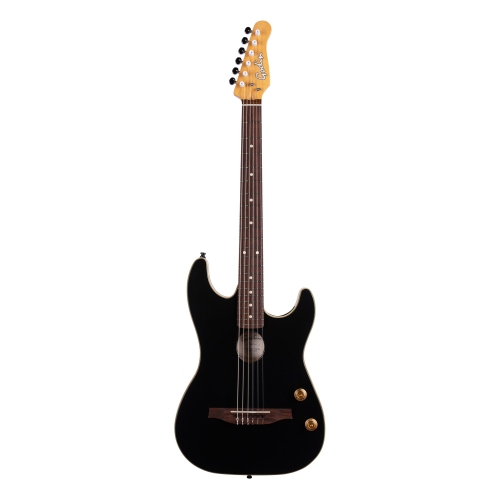
Travel electric guitars bring the feel and amplified sound of an electric guitar into a smaller, easier-to-carry instrument. Their defining feature is portability, achieved through a reduced body, a headless design, detachable supports, a shorter scale length, or a combination of these approaches. A travel guitar is not necessarily a miniature guitar: some retain a full-length playing scale while trimming the space around the strings, so familiar chord shapes, fret spacing, and picking movements remain largely unchanged. This distinction matters for players who want to practise away from home without continually adjusting to a different neck. Scale length is the vibrating distance between the nut and bridge, rather than the instrument’s overall length, and two compact guitars can feel quite different in the hands. A shorter scale generally produces lower string tension at the same tuning and string gauge, while a full-scale design can offer a closer match to a regular electric guitar. These instruments suit hotel-room practice, cottage weekends, lessons across town, and homes where a large guitar case competes with everyday living space. They can also serve as a second instrument for an experienced player or a practical gift for a guitarist who travels frequently. Unlike a travel acoustic guitar, a solid-body travel electric relies on amplification for its intended sound and usually produces relatively little volume unplugged. Quiet practice is possible with suitable headphone equipment, but a headphone output is not a universal feature. Some designs include onboard amplification, while others require a separate headphone amplifier, compatible effects unit, or audio interface. That difference affects what needs to fit into the gig bag alongside the guitar. For a player fitting in a few scales before breakfast or working through a chord progression after arriving at a destination, a compact setup can make practice feel less like unpacking a roomful of equipment.
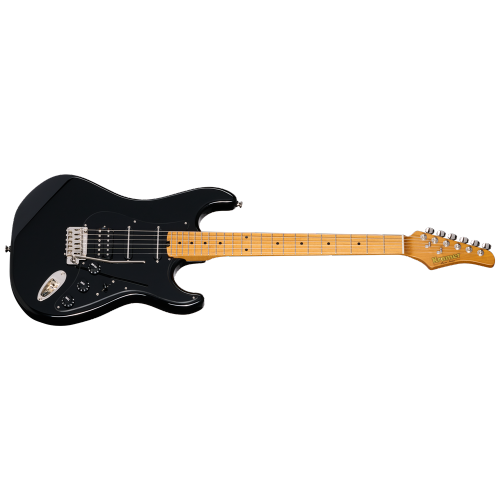
Comfort depends on more than low weight. A small body can be easy to carry yet sit differently against the torso, particularly when there is less wood resting on the thigh. Removable frames, folding supports, and shaped contours can help position the strings naturally for seated playing, while strap-button placement affects balance when standing. The useful comparison is how the instrument supports the picking arm, where the fretting hand reaches the first few frets, and whether the neck stays in position without constant support. Neck profile, fingerboard width, fret size, and access to the upper frets all contribute to a familiar playing feel. A narrow, compact outline does not automatically make a travel electric suitable for a child; reach, weight, and hand comfort still matter. Materials vary, with solid wood bodies, laminated constructions, and composite components offering different combinations of weight, feel, and resistance to everyday wear. Neck construction, fret finishing, hardware quality, and the strength of any removable connections are also important to long-term durability. Headless travel electric guitars move the tuning hardware away from a traditional headstock, reducing overall length and changing the instrument’s balance. Their string-fitting requirements differ by design, so compatibility with ordinary strings or specialised string sets is a useful ownership detail. Traditional small-body designs may offer more familiar tuning hardware and a shape closer to a standard electric guitar. Pickup configuration shapes the amplified sound: single-coil pickups often provide a clear, bright response, while humbuckers typically offer a fuller output with less mains hum. Neither layout limits a guitar to one genre, and the amplifier or effects setup has a substantial influence on the result. Travel electrics can support clean chord work, blues phrasing, rhythm practice, and heavier riffs when paired with appropriate equipment. Players drawn to distorted tones and performance-focused designs may also find useful context in Rock Electric Guitars, although a portable instrument’s comfort and packed dimensions remain central to its role. Bridge design matters too: a fixed bridge generally keeps the setup straightforward, whereas a vibrato system adds expressive possibilities along with additional adjustment considerations.
The most convenient travel setup accounts for the whole package, not just the guitar. A compact instrument paired with a bulky case, several pedals, and a large power supply may be less portable than expected. Padded gig bags keep weight down and can provide organised pockets for a cable, picks, spare strings, and a strap, while a more rigid case offers greater protection against knocks and pressure. Support around the neck and a secure fit help prevent the instrument from shifting during transport. Detachable pieces benefit from separate padded storage so they do not rub against the finish or fingerboard. For air travel, the packed case dimensions and the carrier’s musical-instrument rules matter more than a general claim that a guitar fits in an overhead bin; cabin storage depends on the aircraft, baggage policy, and space on the day. During the cooler months, abrupt temperature changes can affect wooden instruments and their finishes, so allowing a closed case to adjust gradually after coming indoors is a sensible precaution. Extended stays in a cold vehicle, direct heat from a vent, and very dry indoor air are best avoided. Routine care remains familiar: wiping strings and contact surfaces with a clean, dry cloth after playing helps remove perspiration, while appropriate cleaning products protect the finish without leaving residue on hardware. Periodic attention to tuning mechanisms, strap buttons, removable supports, and cable connections can catch looseness before it interrupts a session. A comfortable setup, with suitable string height and accurate intonation, is just as valuable on a travel guitar as on a full-size instrument. Built-in electronics may introduce battery or charging needs, while headphone practice can require an adapter or a particular connection type. Those small details determine whether an evening practice session starts smoothly or stalls over a missing cable. For lessons, personal practice, songwriting, or playing through a compact amplifier at a destination, a well-matched travel electric guitar offers a useful balance of manageable size, dependable construction, and satisfying playability.
Top selling and popular products
-
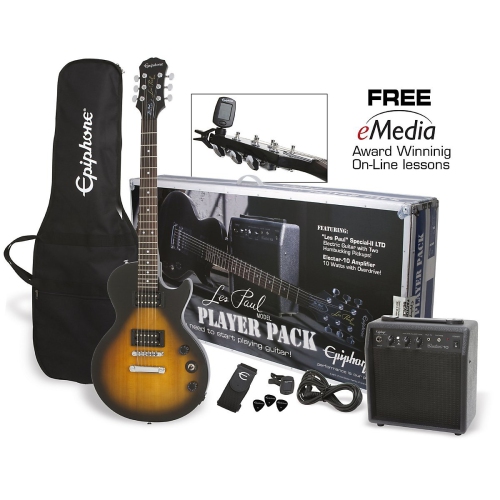 Your price for this item is $494.49
-
 Your price for this item is $379.99
-
 Your price for this item is $494.49
-
 Your price for this item is $349.99
-
 Your price for this item is $395.99
-
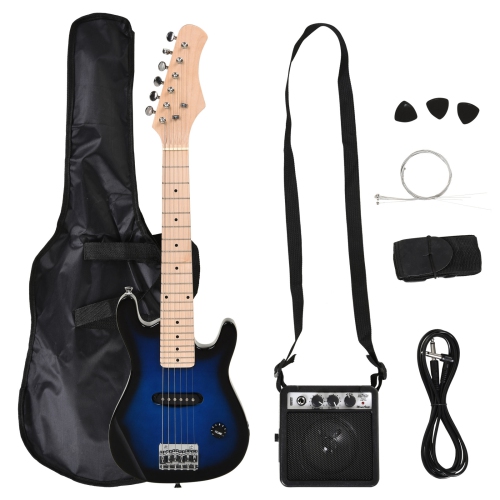 Your price for this item is $124.99
-
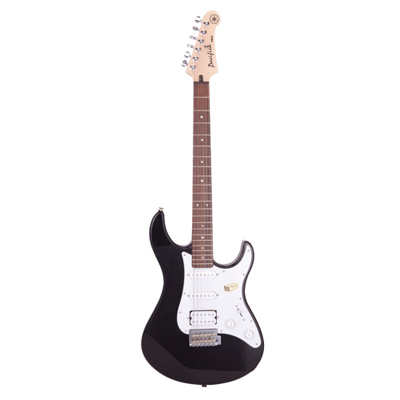 Your price for this item is $299.99
-
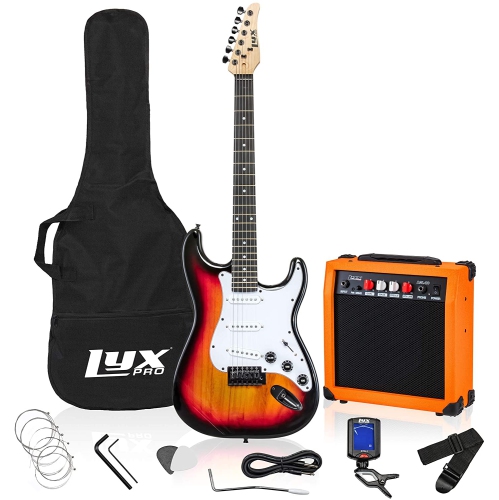 Your price for this item is $239.99
Discover more categories related to Travel Electric Guitars
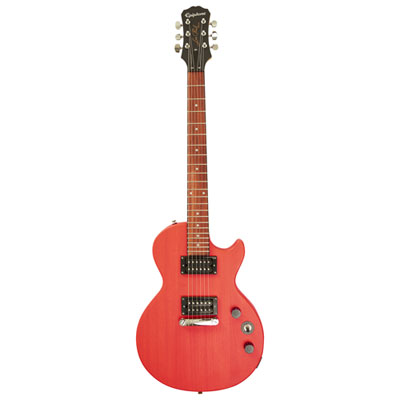
Top Collections:
Pokemon Centers, Best Cameras for Sports Photography, Kindle Devices, Samsung Galaxy Phones, Canon G7X Cameras, Pokémon 30th Celebration Cards, Refurbished Apple Laptops, iPhone 15 Apple, Laptops for Students, Budget Smartphones
Some products may be subject to Environmental Handling Fees
(EHF) depending on your province.
Learn more about EHFs.