Mini Electric Guitars
Dive into our collection of mini electric guitars that pack a powerful punch despite their compact size. Perfect for musicians on the go or those with limited space, these pint-sized instruments deliver big sound and versatility. Whether you're a seasoned guitarist looking for a travel companion or a beginner eager to start shredding, our mini electric guitars are sure to strike the right chord with you. Browse through our selection and find the perfect match for your musical aspirations.
Sort
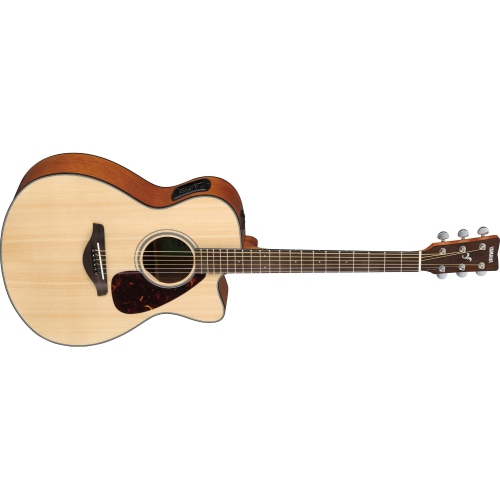
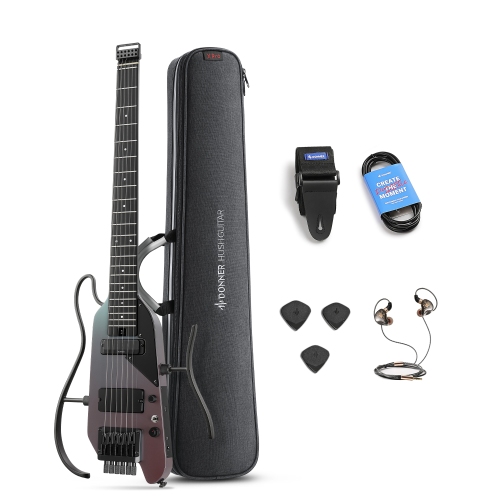
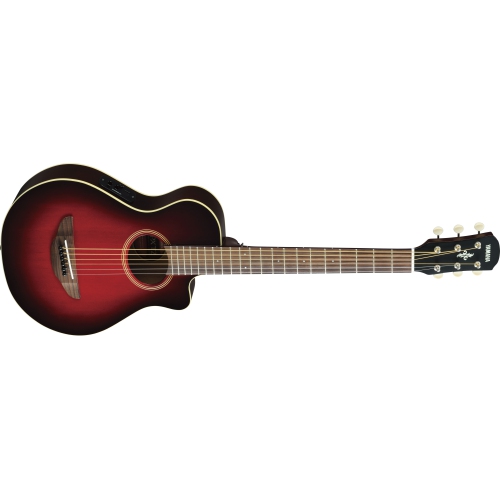
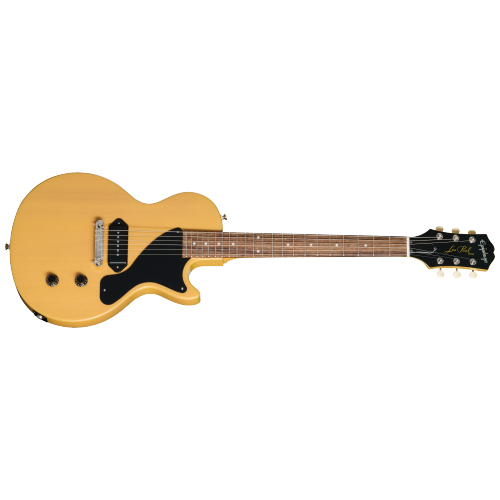
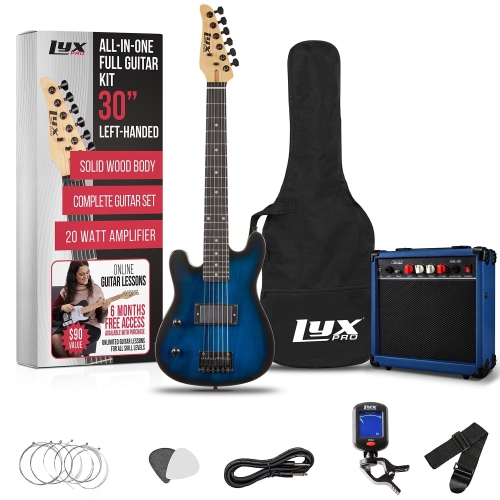
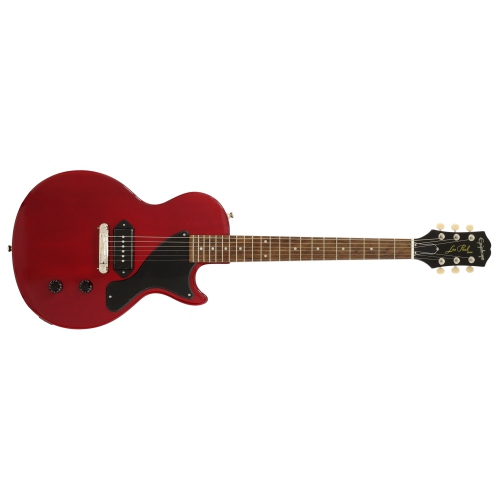
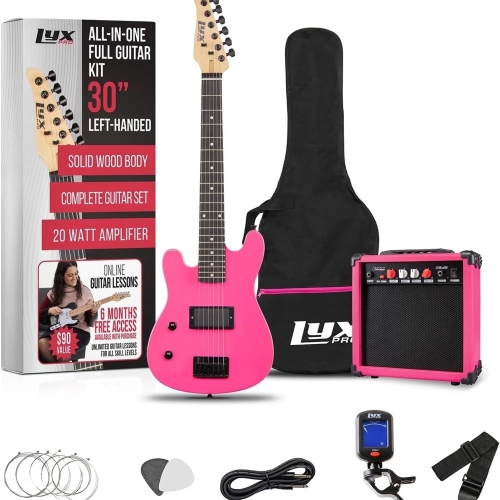
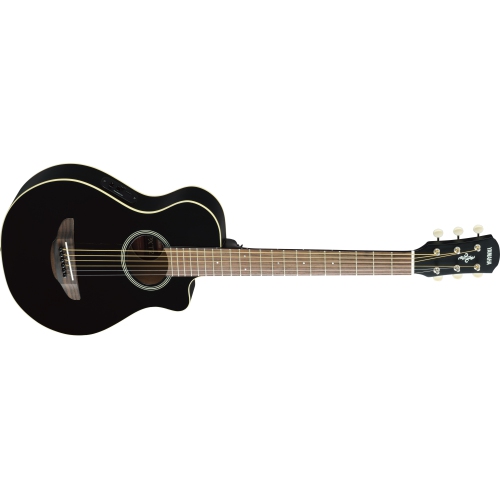

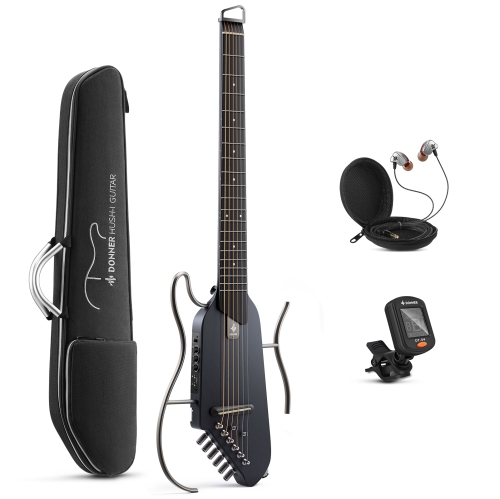
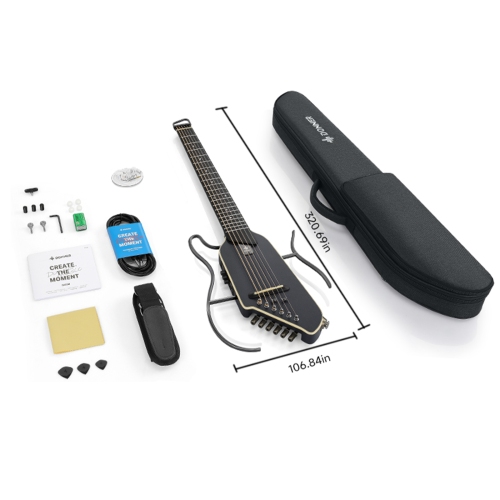
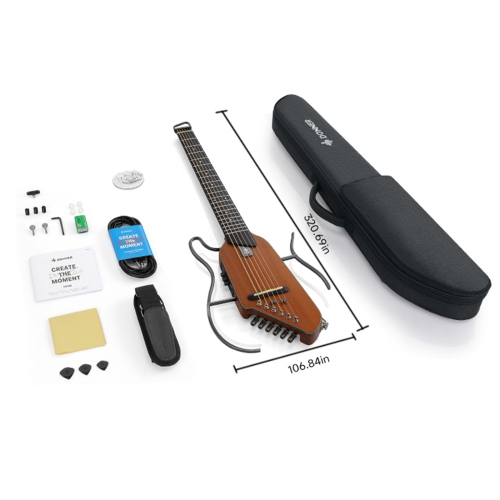
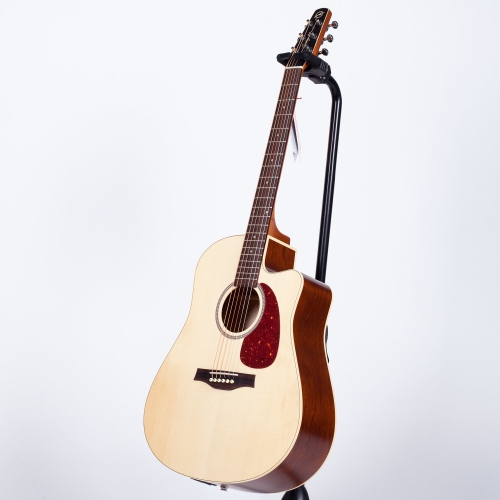
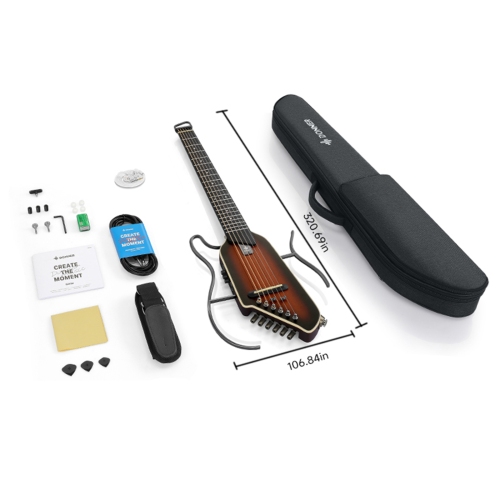
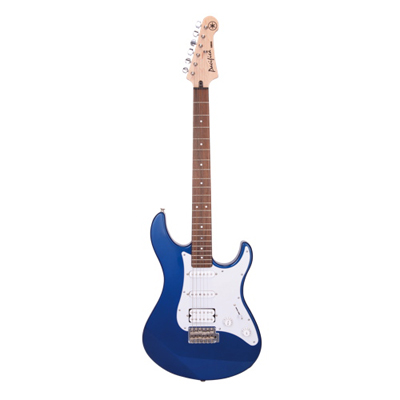
Why shorter scales can make playing more manageable
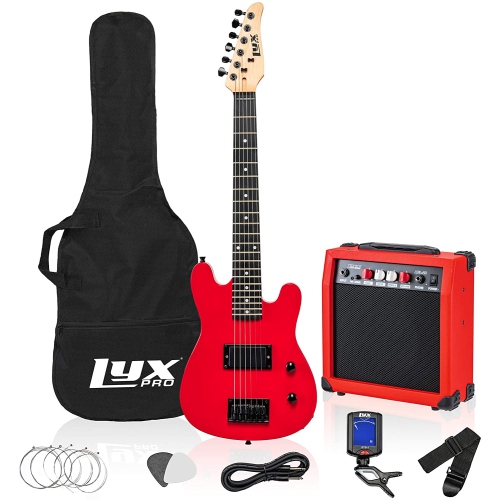
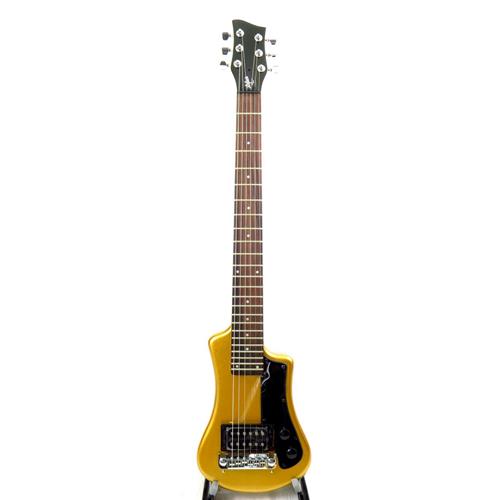
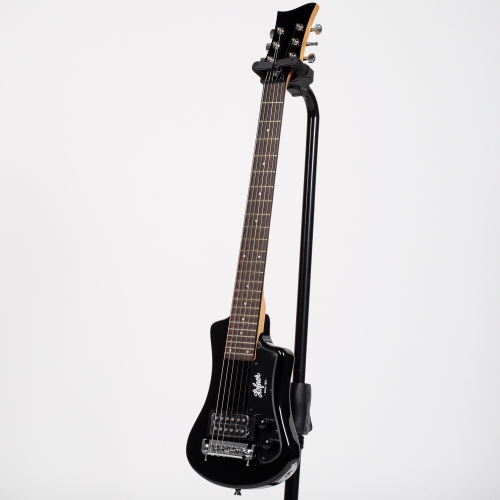
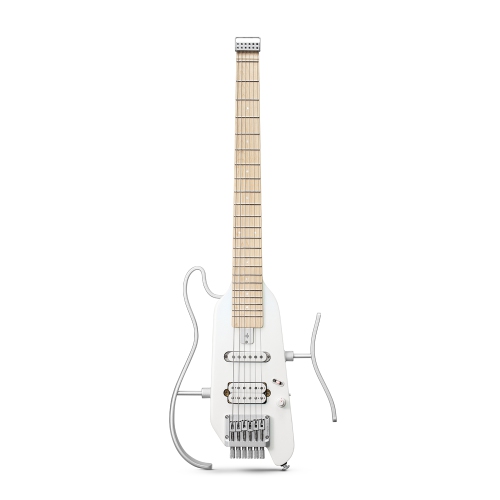
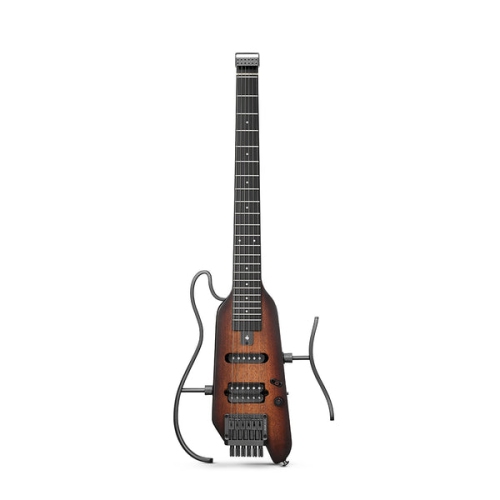
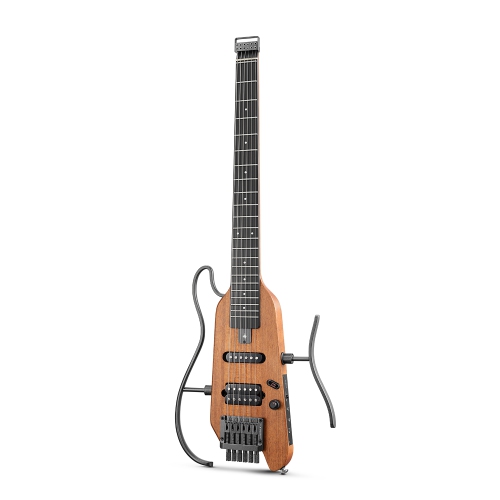
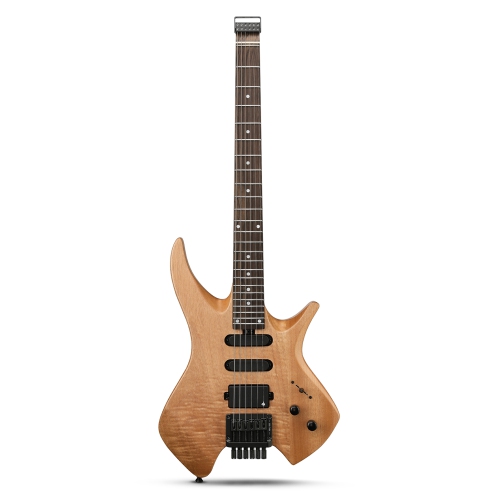
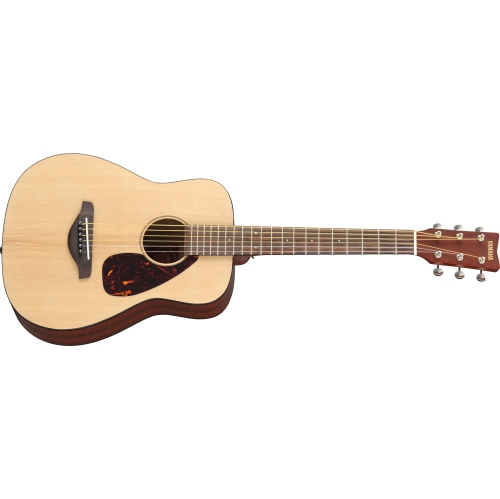
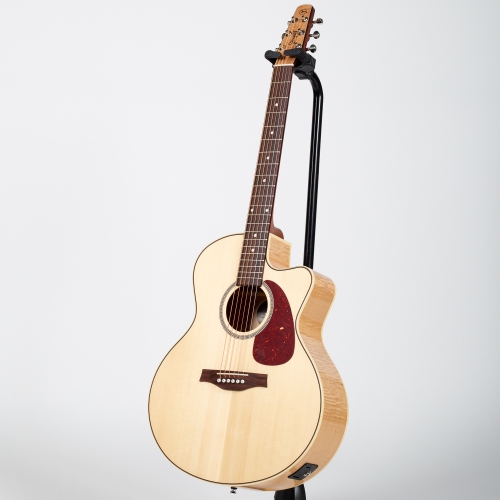
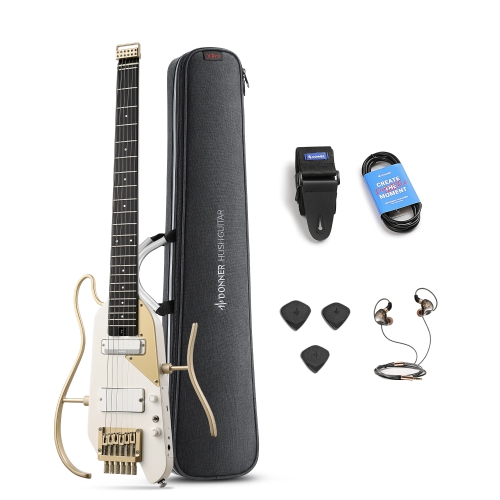
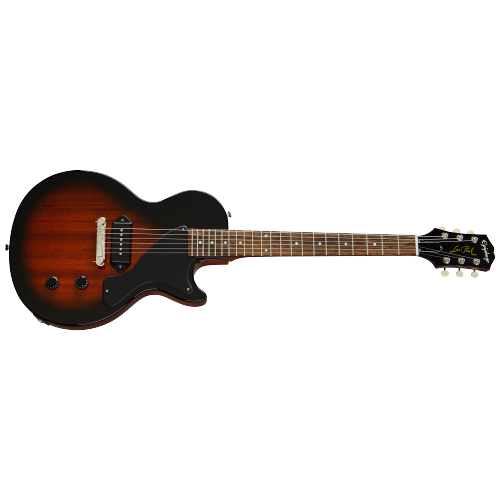
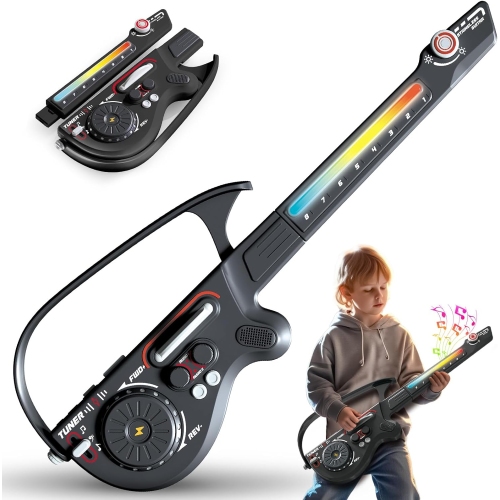
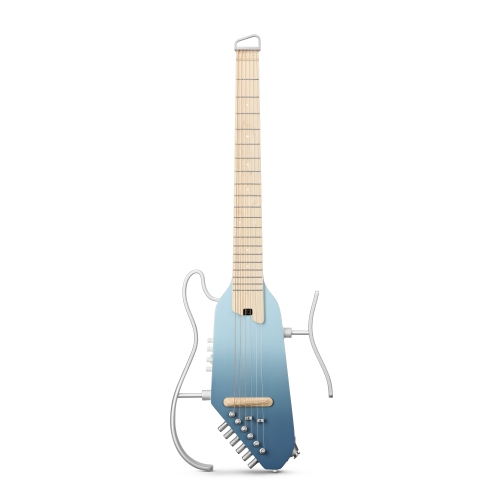
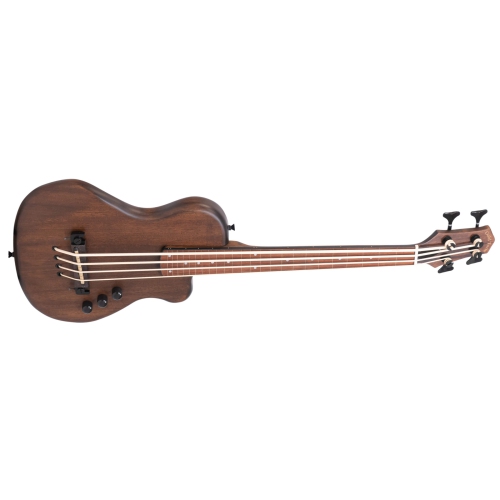
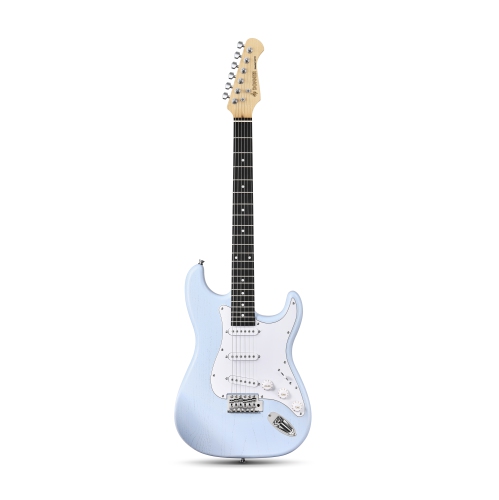
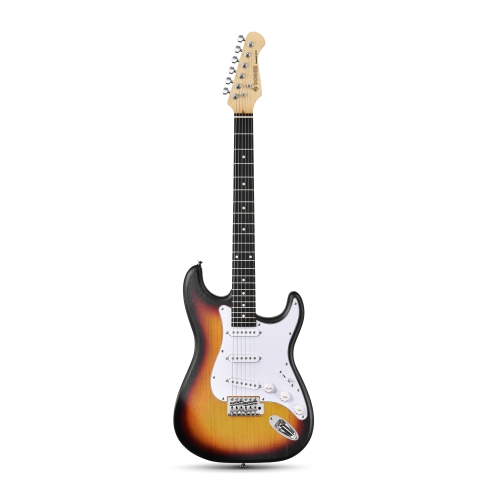
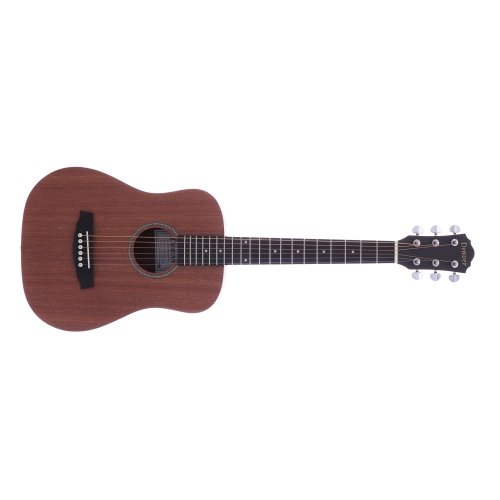
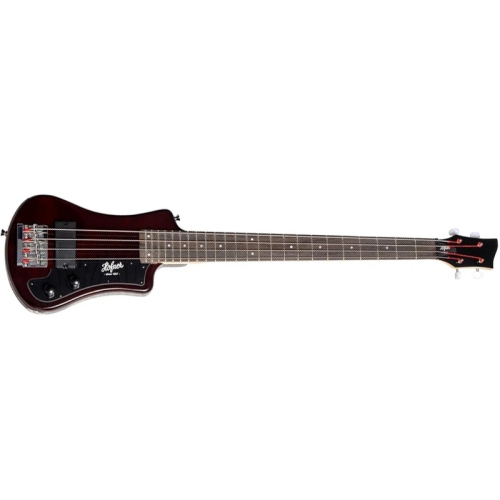
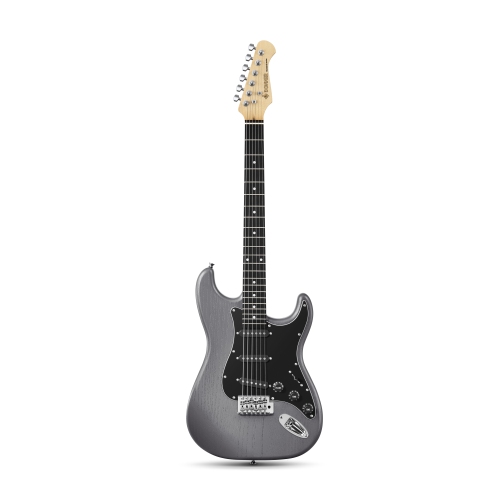
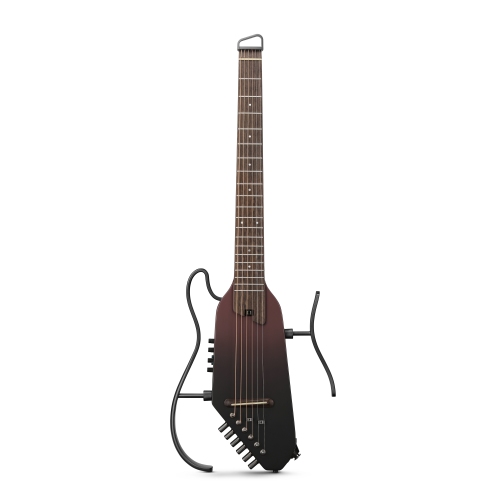
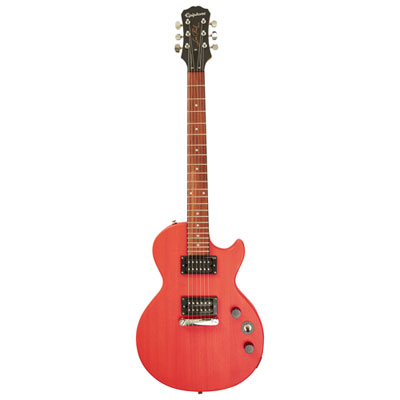
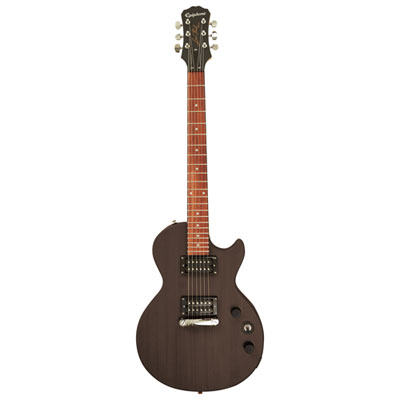
Mini electric guitars bring the feel and sound of an electric instrument into a more compact format. They are built with shorter scale lengths, narrower necks, and reduced overall dimensions, making them easier to hold, carry, and play than many full-size guitars. A typical mini electric guitar may have a scale length in the range of 22.5 to 22.75 inch, compared with approximately 25.5 inch on many standard electric guitars, so the frets are closer together and stretches across the neck can feel more manageable. This can be especially helpful for young players, musicians with smaller hands, and anyone looking for a portable instrument for travel, lessons, rehearsals, or casual playing at home. Some compact models retain six strings and standard tuning, allowing players to use familiar chord shapes, riffs, tabs, and instructional material. Others use a simplified three-string layout designed to make first steps less intimidating, with a narrow neck and fewer strings to navigate. These options can help beginners focus on rhythm, basic melodies, and finger placement while developing comfort with the instrument. Mini electric guitars may also suit experienced players who want a convenient practice guitar that takes up less room beside a desk, in a flat, or in a vehicle. Their smaller bodies can be comfortable when playing on a sofa, at a kitchen table, or during a relaxed acoustic session with an amplifier nearby. For families comparing instruments for a young musician, the range of Electric Guitars for Kids can also provide useful context when considering size, playability, and age-appropriate features.
When choosing a mini electric guitar, start with the player’s age, hand size, playing experience, and intended use. A younger beginner may appreciate a lightweight body, a slim neck, and a straightforward control layout, while an older child or adult learner may prefer a six-string instrument that feels closer to a conventional electric guitar. Scale length affects more than the distance between frets: shorter scales can make bends feel different, change string tension, and influence the overall response of the instrument. Lighter string gauges are often a comfortable match for compact guitars, although the best choice depends on the player’s technique and the guitar’s setup. Intonation is another important consideration, as accurate adjustment helps notes stay in tune as the player moves up the fretboard. Fixed bridges or hardtail tailpieces are often valued for their simple operation and dependable tuning, particularly for beginners who are still learning how to tune and restring an instrument. Look for a solid-feeling neck, smoothly finished frets, tuners that turn evenly, and controls that do not feel loose or difficult to use. The body should rest comfortably against the player without feeling awkwardly heavy or unbalanced. Electronics vary between models. Some compact guitars include a built-in speaker or mini amplifier for quick, self-contained playing, sometimes with simple tone or distortion controls. Others use a standard 1/4-inch output so they can connect to a separate guitar amplifier, headphone setup, effects pedal, or recording interface. A built-in speaker can be convenient for spontaneous practice, while an external amplifier offers greater control over volume, tone, and effects. Check whether the guitar includes required accessories such as a cable, battery, strap, pick, gig bag, or amplifier, since these details can make a meaningful difference to the out-of-box experience.
Mini electric guitars can be a thoughtful gift for a child showing an interest in music, a student beginning lessons, or a seasoned guitarist who enjoys having a compact instrument within easy reach. Their approachable size can make practice feel less like a formal task and more like a natural part of the day: a few chords before school, a melody during a quiet afternoon, or a short session while travelling during the cooler months. For children, adult supervision and suitable volume levels are important, especially when using an amplifier or headphones. A small instrument can encourage regular playing, but comfort and enjoyment matter more than choosing the smallest available option. Players should be able to sit or stand with good posture, reach the controls, and press the strings without excessive strain. It is also useful to consider where the guitar will be played and stored. A compact body is easier to pack for lessons, road trips, visits with family, and rehearsals, while a protective gig bag can help carry the instrument between locations. Beginners may benefit from an electronic tuner, spare strings, picks, a strap, and access to structured lessons or simple song resources. More advanced players might pair a mini electric guitar with a small practice amplifier, multi-effects unit, or recording setup to explore tones without setting up a full-size rig. Although these instruments are smaller, they can still support a broad range of styles, from clean pop melodies and blues phrasing to rock riffs and heavier sounds, depending on the pickups, amplifier, and effects. Comparing the guitar’s scale length, string configuration, bridge design, electronics, included accessories, and overall fit helps ensure that a mini electric guitar feels inviting from the first practice session and remains useful as the player’s confidence grows.
When choosing a mini electric guitar, start with the player’s age, hand size, playing experience, and intended use. A younger beginner may appreciate a lightweight body, a slim neck, and a straightforward control layout, while an older child or adult learner may prefer a six-string instrument that feels closer to a conventional electric guitar. Scale length affects more than the distance between frets: shorter scales can make bends feel different, change string tension, and influence the overall response of the instrument. Lighter string gauges are often a comfortable match for compact guitars, although the best choice depends on the player’s technique and the guitar’s setup. Intonation is another important consideration, as accurate adjustment helps notes stay in tune as the player moves up the fretboard. Fixed bridges or hardtail tailpieces are often valued for their simple operation and dependable tuning, particularly for beginners who are still learning how to tune and restring an instrument. Look for a solid-feeling neck, smoothly finished frets, tuners that turn evenly, and controls that do not feel loose or difficult to use. The body should rest comfortably against the player without feeling awkwardly heavy or unbalanced. Electronics vary between models. Some compact guitars include a built-in speaker or mini amplifier for quick, self-contained playing, sometimes with simple tone or distortion controls. Others use a standard 1/4-inch output so they can connect to a separate guitar amplifier, headphone setup, effects pedal, or recording interface. A built-in speaker can be convenient for spontaneous practice, while an external amplifier offers greater control over volume, tone, and effects. Check whether the guitar includes required accessories such as a cable, battery, strap, pick, gig bag, or amplifier, since these details can make a meaningful difference to the out-of-box experience.
Mini electric guitars can be a thoughtful gift for a child showing an interest in music, a student beginning lessons, or a seasoned guitarist who enjoys having a compact instrument within easy reach. Their approachable size can make practice feel less like a formal task and more like a natural part of the day: a few chords before school, a melody during a quiet afternoon, or a short session while travelling during the cooler months. For children, adult supervision and suitable volume levels are important, especially when using an amplifier or headphones. A small instrument can encourage regular playing, but comfort and enjoyment matter more than choosing the smallest available option. Players should be able to sit or stand with good posture, reach the controls, and press the strings without excessive strain. It is also useful to consider where the guitar will be played and stored. A compact body is easier to pack for lessons, road trips, visits with family, and rehearsals, while a protective gig bag can help carry the instrument between locations. Beginners may benefit from an electronic tuner, spare strings, picks, a strap, and access to structured lessons or simple song resources. More advanced players might pair a mini electric guitar with a small practice amplifier, multi-effects unit, or recording setup to explore tones without setting up a full-size rig. Although these instruments are smaller, they can still support a broad range of styles, from clean pop melodies and blues phrasing to rock riffs and heavier sounds, depending on the pickups, amplifier, and effects. Comparing the guitar’s scale length, string configuration, bridge design, electronics, included accessories, and overall fit helps ensure that a mini electric guitar feels inviting from the first practice session and remains useful as the player’s confidence grows.
Top selling and popular products
-
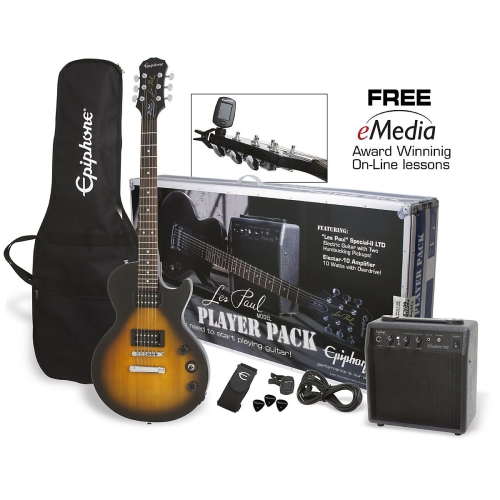 Your price for this item is $494.49
 -
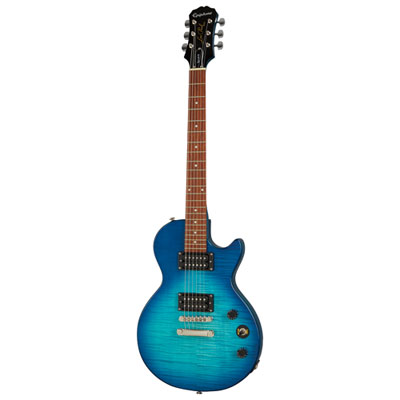 Your price for this item is $379.99
 -
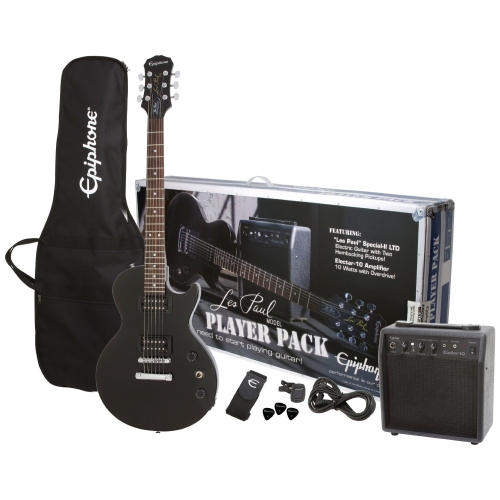 Your price for this item is $494.49
 -
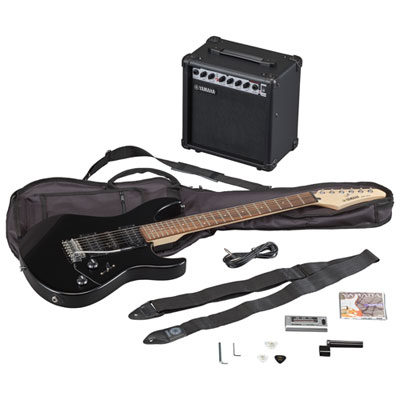 Your price for this item is $349.99
 -
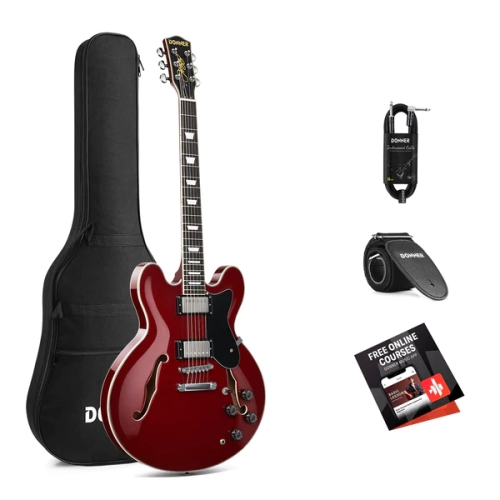 Your price for this item is $395.99
 -
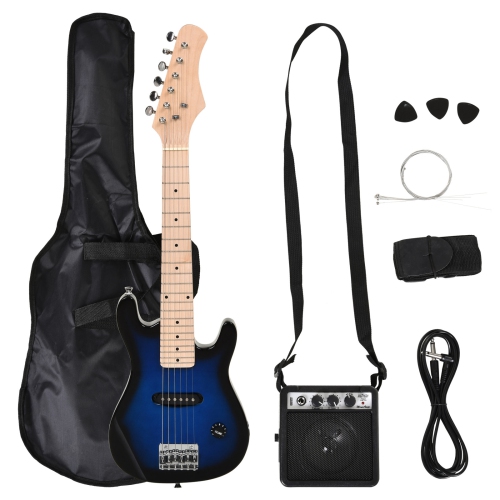 Your price for this item is $124.99
 -
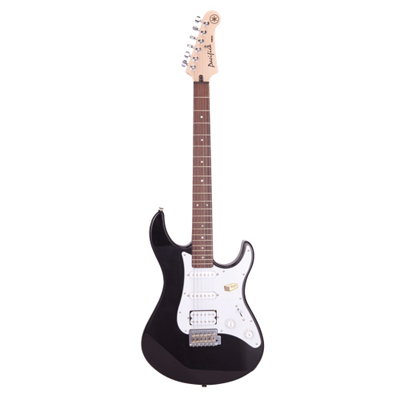 Your price for this item is $299.99
 -
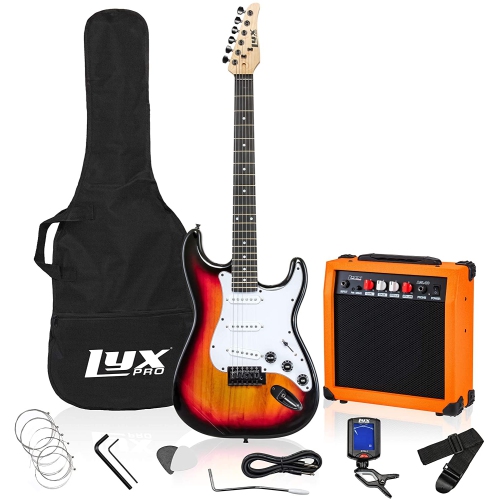 Your price for this item is $239.99
Discover more categories related to Mini Electric Guitars
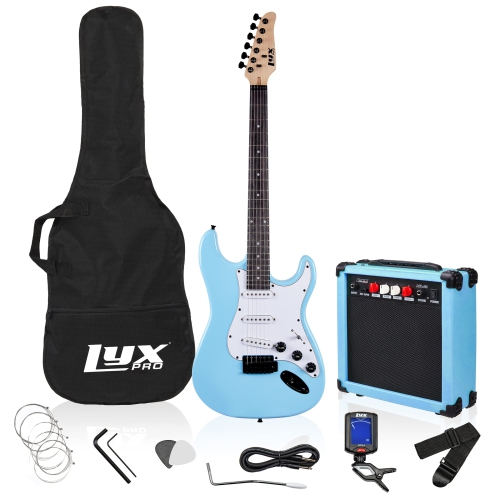
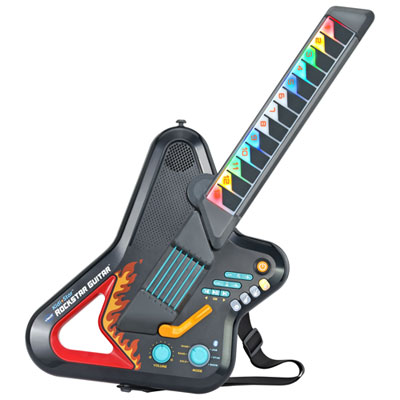
Top Collections:
Pokemon Centers, Best Cameras for Sports Photography, Kindle Devices, Samsung Galaxy Phones, Canon G7X Cameras, Pokémon 30th Celebration Cards, Refurbished Apple Laptops, iPhone 15 Apple, Laptops for Students, Budget Smartphones
Some products may be subject to Environmental Handling Fees
(EHF) depending on your province.
Learn more about EHFs.