Yamaha Black Piano
Looking to add a touch of elegance and sophistication to your home? Our collection of black pianos from Yamaha is sure to impress both musicians and interior design enthusiasts alike. With their sleek and timeless appeal, these pianos exude a sense of class that can elevate any space. Whether you're a professional pianist or simply appreciate the beauty of this instrument, our selection offers a wide range of options to suit your style and budget. Explore and discover the perfect black piano to enhance your home decor.
Sort
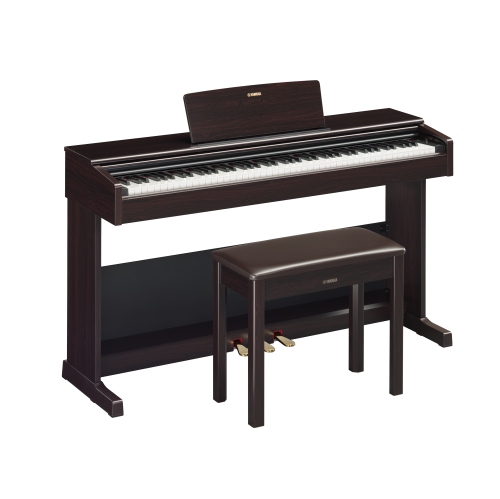
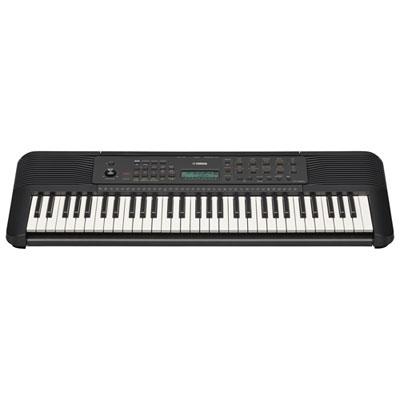
Why piano touch matters as much as appearance
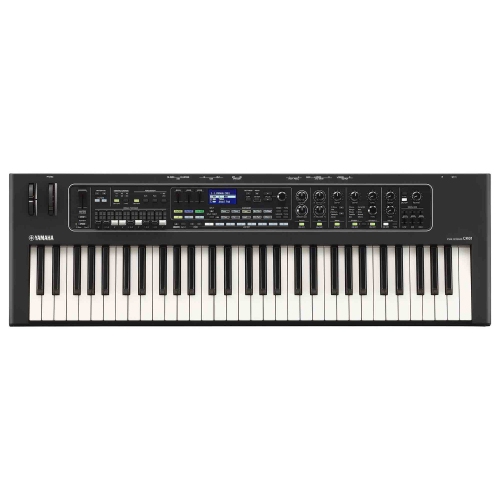
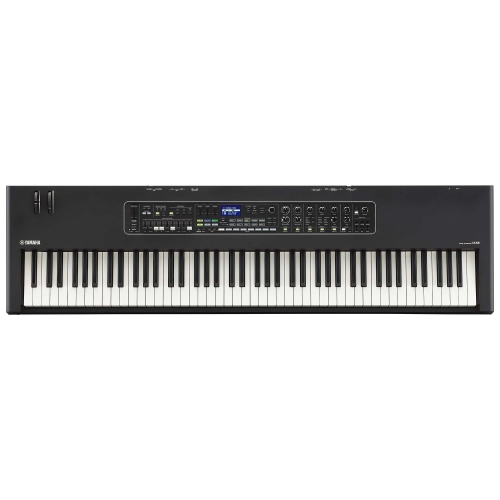
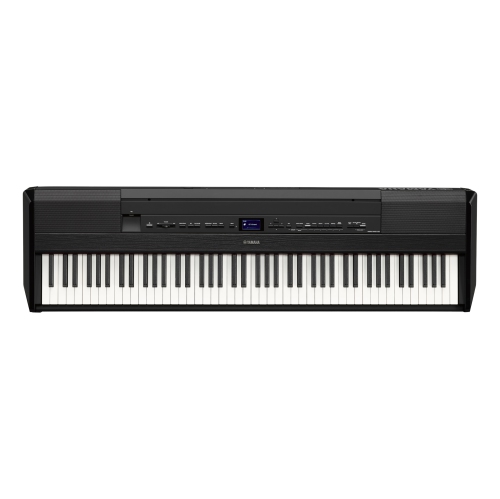
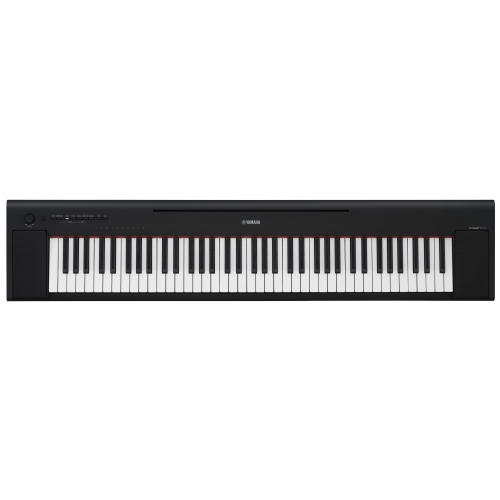
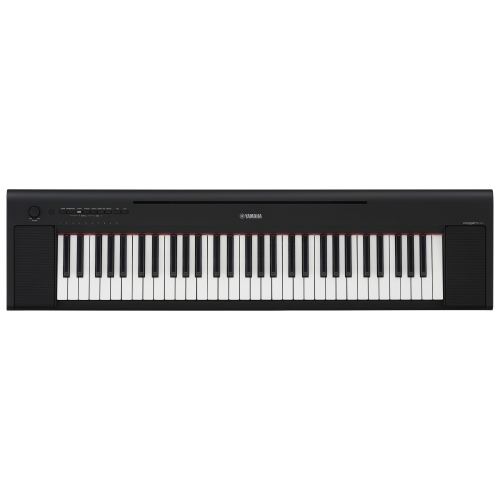
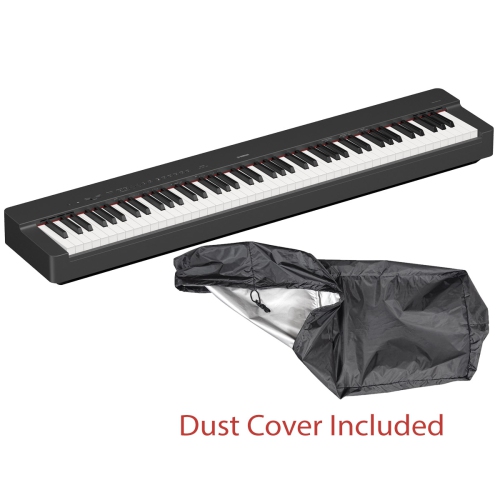
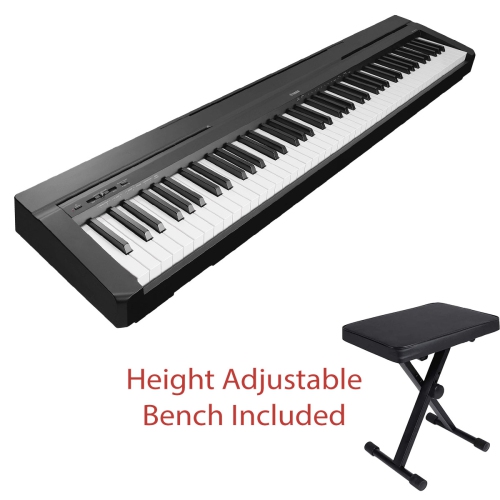
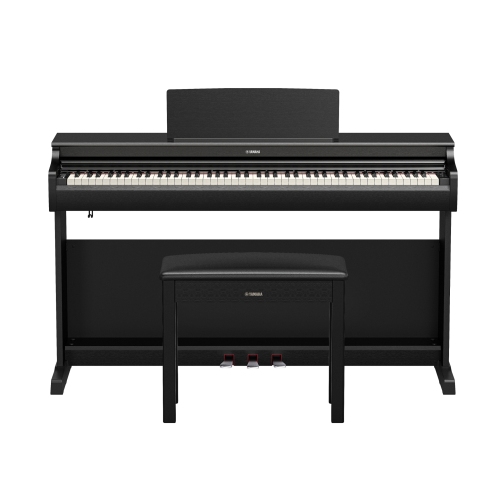
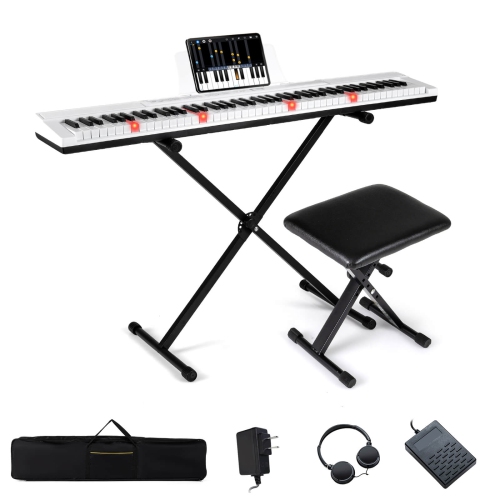
Black pianos bring a classic visual presence to a music room, living room, or dedicated practice space, with designs ranging from compact digital instruments to substantial acoustic uprights and grands. The dark finish can blend into a quiet corner beside a bookcase or create a striking focal point against pale walls and warm wood flooring. Polished ebony has a reflective, formal appearance, while satin and matte black finishes offer a softer look with less glare under a reading lamp. Colour describes the exterior rather than the sound or playing action: two black pianos can feel quite different at the keyboard and serve different musical needs. Digital pianos produce sound electronically through speakers or headphones, while acoustic pianos use hammers to strike strings, with a wooden soundboard helping project the resulting vibration. A portable digital design suits shared rooms and flexible layouts; a cabinet-style digital piano offers a more furniture-like profile and may incorporate a fixed pedal assembly. Acoustic uprights arrange their strings vertically to occupy less floor space than grand pianos, whose horizontal construction requires a larger footprint. For someone learning traditional piano repertoire, a full-size, 88-key keyboard provides the standard range used in much classical, contemporary, and popular piano music. Weighted keys add resistance beneath the fingers, and hammer-action mechanisms aim to reproduce aspects of an acoustic piano’s touch. These details matter during ordinary practice, from holding a melody clearly above a quiet accompaniment to shaping the last few notes of a phrase. Beginners can benefit from a responsive instrument that supports developing technique, while returning players may appreciate familiar key spacing and control after time away from lessons. For shoppers focused on electronic instruments, the Best Yamaha Digital Piano page offers a related starting point. Across piano formats, the most useful distinctions are the playing action, sound production, physical dimensions, and features that suit the player’s daily routine.
A black piano’s suitability for a home depends as much on its proportions and setup as on its appearance. Width and depth measurements tell only part of the story: the bench needs room to slide back, the player needs comfortable access to the pedals, and doors and walkways should remain clear. A grand piano also needs clearance for its lid, while any instrument placed upstairs must be considered in relation to stairways, landings, and safe delivery access. Portable digital pianos can work well in multipurpose spaces, but portability is relative; a weighted keyboard may still be substantial enough to need two people for careful handling. A stable, compatible stand helps prevent movement during energetic passages, and an appropriately adjusted bench lets the player sit with relaxed shoulders, comfortable forearms, and feet supported. Younger learners may need additional foot support rather than stretching towards the floor. Digital cabinets often combine wood-based panels with a decorative finish, while portable housings commonly use moulded materials and metal components. Acoustic construction brings together timber, strings, felt hammers, and a heavy metal frame, making professional moving especially important. For digital playing, built-in speaker quality influences how naturally the sound fills a room, while a headphone connection makes quiet practice possible when someone nearby is studying or sleeping. Connections vary, so compatibility with headphones, a computer, or a learning app depends on the instrument’s actual ports and supported functions. Some digital pianos provide USB or MIDI connectivity, adjustable touch response, a metronome, or layered sounds, but these features are not universal. Polyphony describes how many notes a digital instrument can sound at once, including sustained and layered tones; greater capacity can help preserve detail in dense passages. Pedal behaviour also affects expression. A basic sustain pedal supports everyday practice, while half-pedalling capability and a compatible pedal unit allow more gradual control. These distinctions become noticeable as pieces move beyond simple melodies into richer harmonies and more nuanced phrasing.
Care and placement help a black piano retain both its appearance and its usefulness over years of playing. Glossy surfaces tend to reveal fingerprints and dust, particularly in bright side lighting, while satin finishes can show uneven sheen if rubbed with unsuitable products. A clean, soft cloth and the manufacturer’s care directions are a sensible foundation; household furniture polish, abrasive cleaners, and excess moisture can damage certain finishes or key surfaces. Cleaning liquid should never be sprayed directly onto keys, controls, or openings. Keeping drinks on a separate table reduces the chance of a spill reaching the keyboard, and a suitable cover can help protect an uncovered digital instrument between sessions. Direct sunlight, heat vents, fireplaces, and sudden temperature changes are poor neighbours for a piano. Acoustic instruments are particularly sensitive to changes in indoor humidity because their wooden components respond to moisture levels, which can affect tuning and movement within the action. Indoor heating during the cooler months makes consistent room conditions worth attention. Regular tuning and periodic servicing by a qualified piano technician support an acoustic piano’s performance; digital pianos do not require tuning, though their keys, pedals, speakers, and electrical connections still benefit from careful use. Cables should run away from foot traffic, and portable instruments need a properly fitted protective case when transported. Durability also comes from matching the instrument to its intended role. A permanent cabinet can anchor a family practice area, while a portable format suits a player moving between home, lessons, and small rehearsals. For a music student, a dependable piano can make short daily sessions easier to sustain; for an experienced player, a satisfying action can invite longer stretches exploring familiar pieces. A piano can also be a meaningful gift for a returning musician or a household beginning lessons together, provided the recipient’s space, preferred playing feel, and need for quiet practice are considered. The black finish gives these instruments a versatile visual identity, but lasting enjoyment comes from comfortable touch, expressive sound, and a setup that makes sitting down to play feel natural.
Top selling and popular products
-
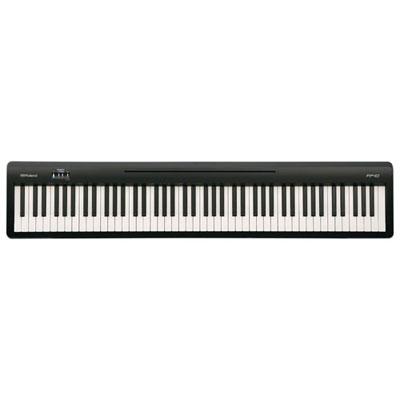 Your price for this item is $779.99
-
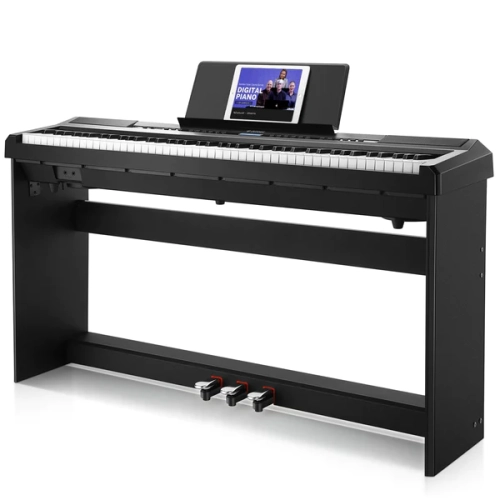 Your price for this item is $479.99
-
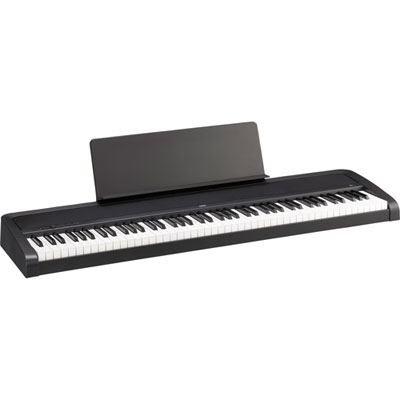 Your price for this item is $699.98
-
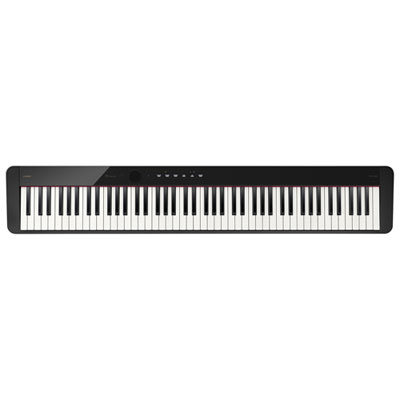 Your price for this item is $849.99
-
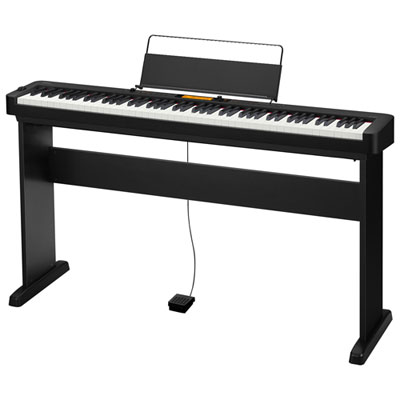 Your price for this item is $869.95
-
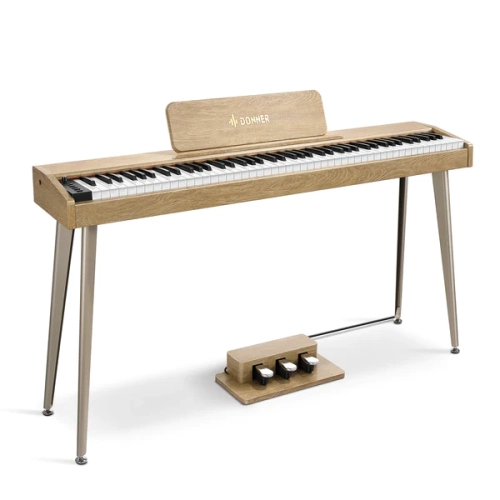 Your price for this item is $415.99
-
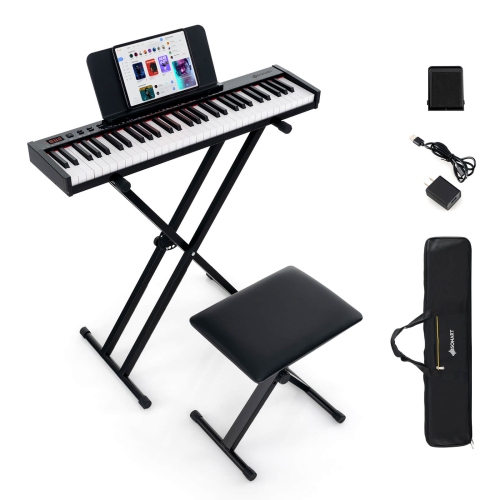 Your price for this item is $189.99
-
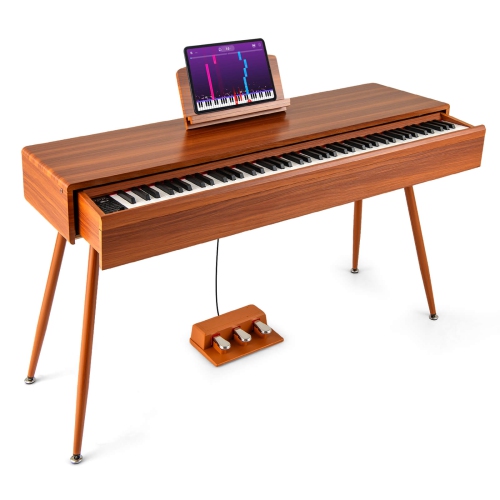 Your price for this item is $571.99
Discover more categories related to Yamaha Black Piano
Top Collections:
Pokemon Centers, Kindle Devices, Best Budget Office Chairs, Canon G7X Cameras, Apple iPhones 16, Samsung Galaxy Phones, Refurbished Apple Laptops, Laptops for Students, iPhone 15 Apple, Budget Smartphones
Some products may be subject to Environmental Handling Fees
(EHF) depending on your province.
Learn more about EHFs.