Mid Century 1 Drawer Nightstands
A nightstand is a must-have for any bedroom. It's the perfect place to set your alarm clock, stash your phone, and keep your reading glasses within easy reach. Here are some great options for mid-century 1-drawer nightstands.
Sort
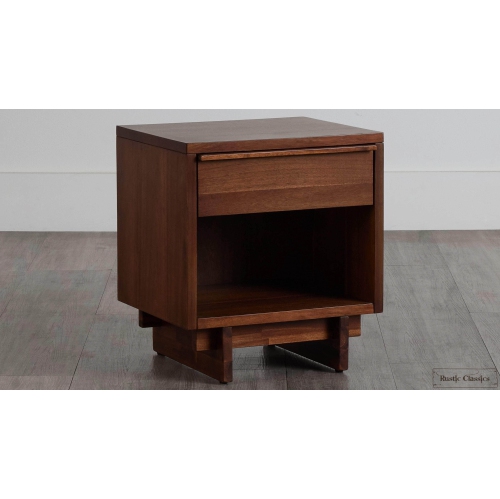
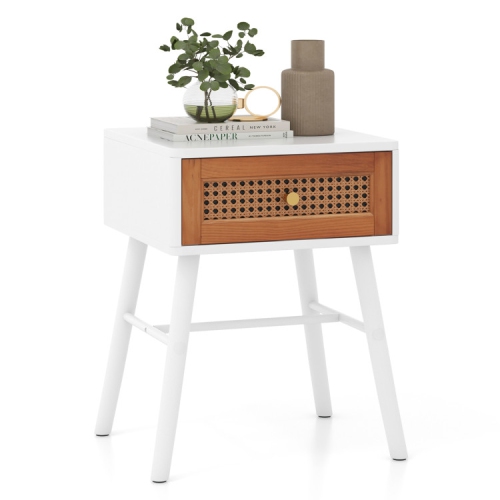
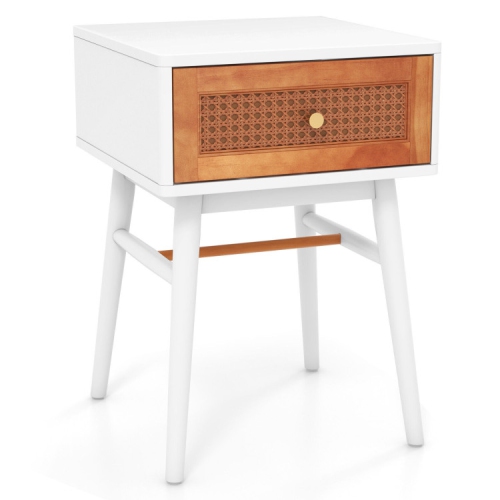
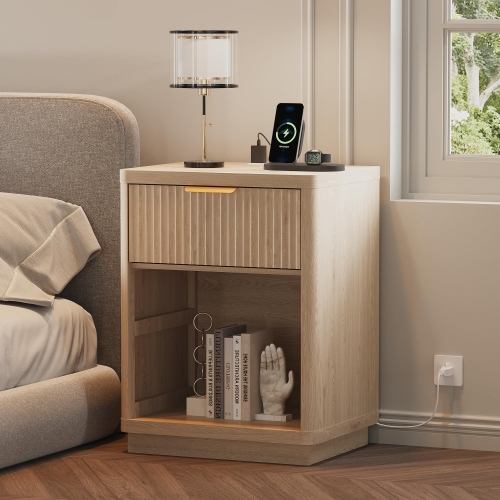
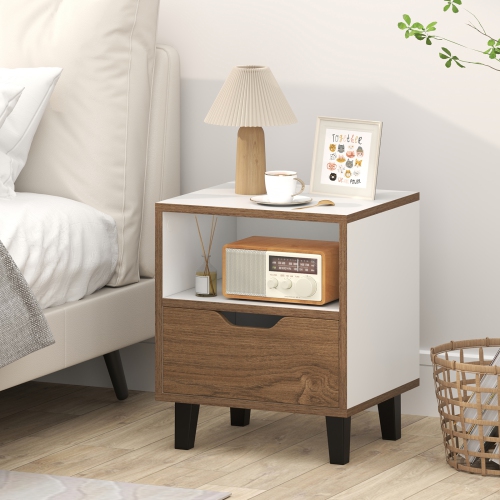
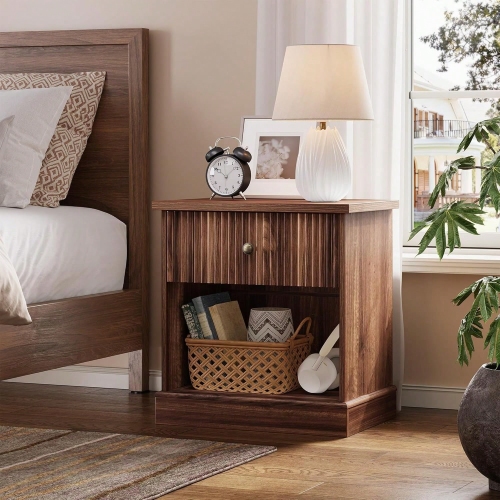
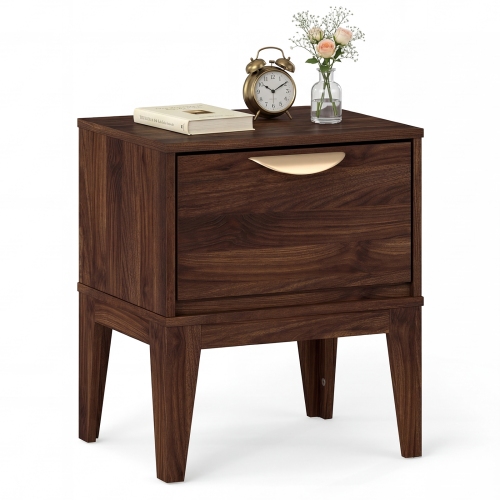
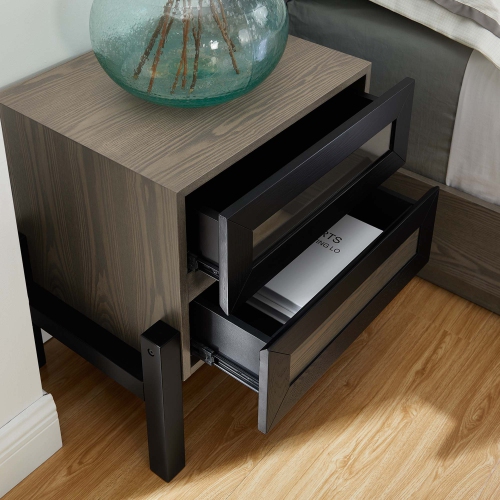
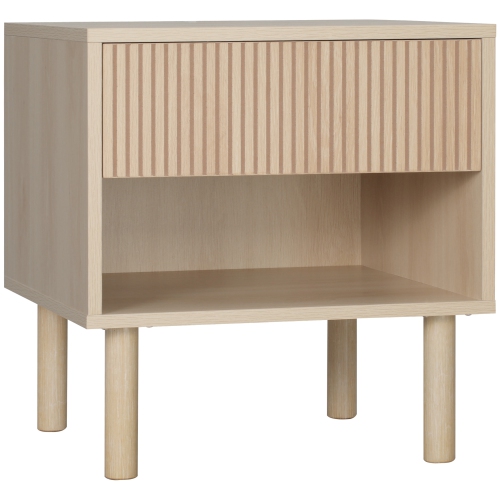
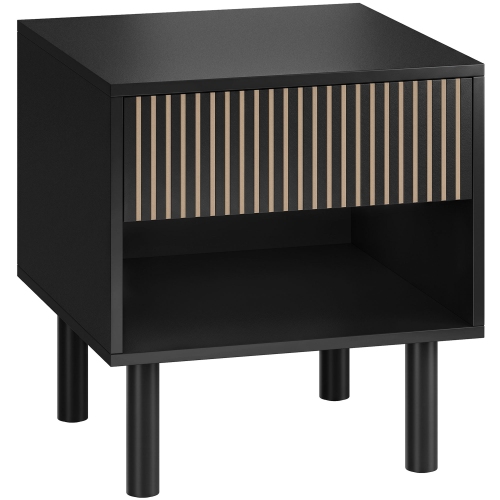
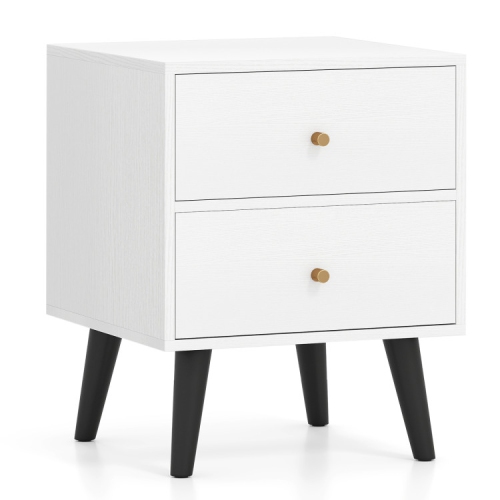
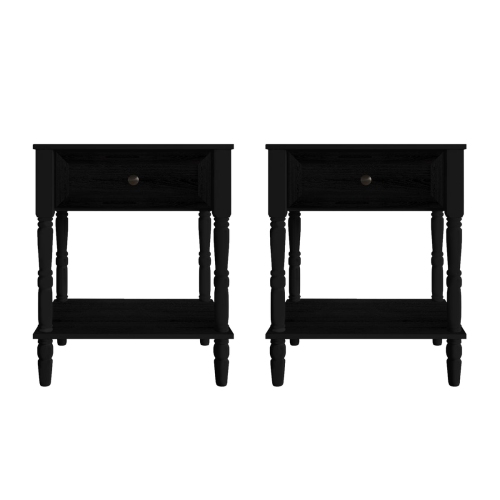
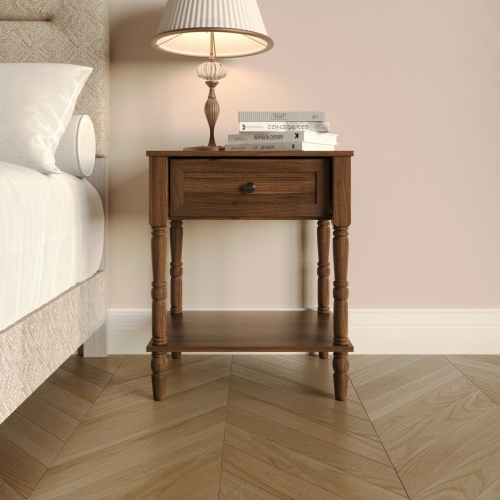
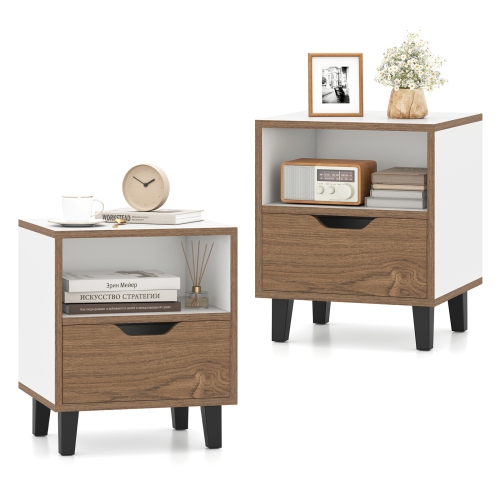

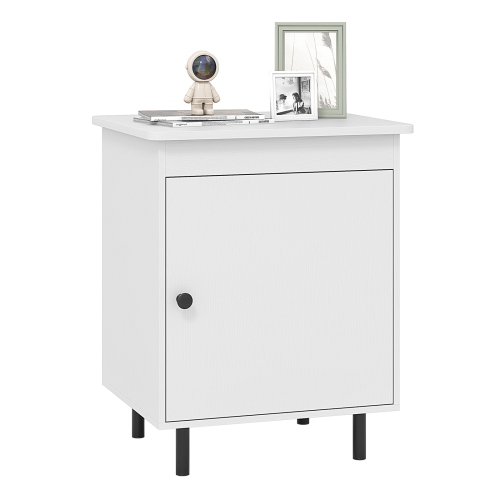
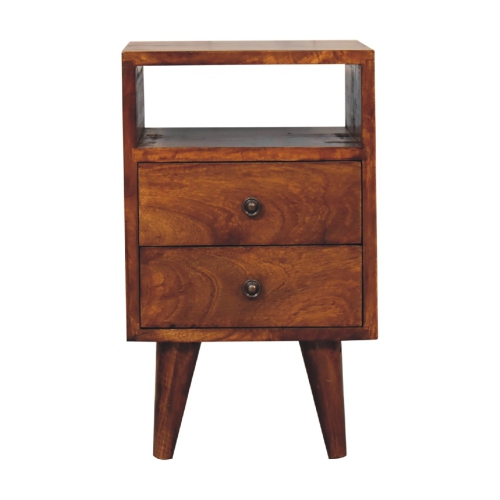
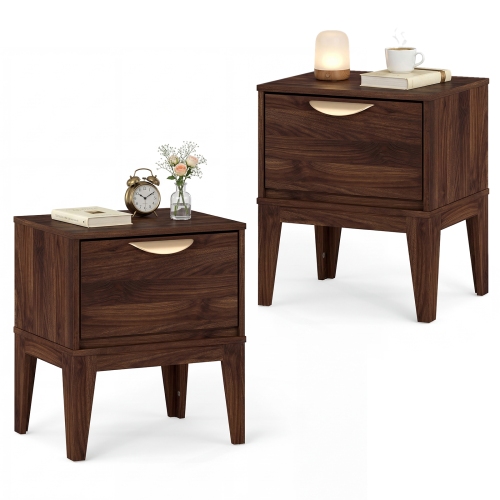
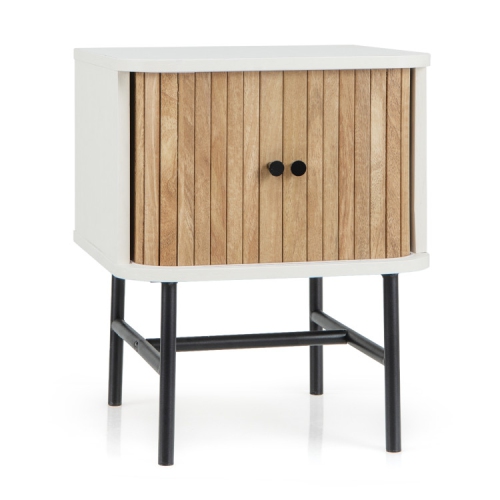
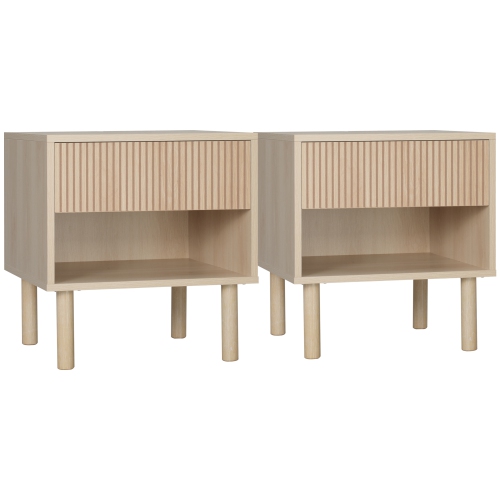
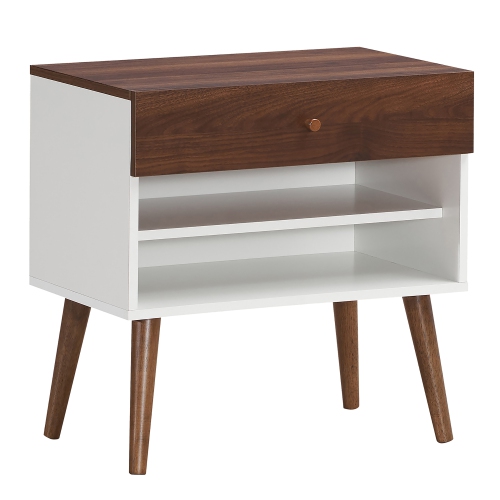

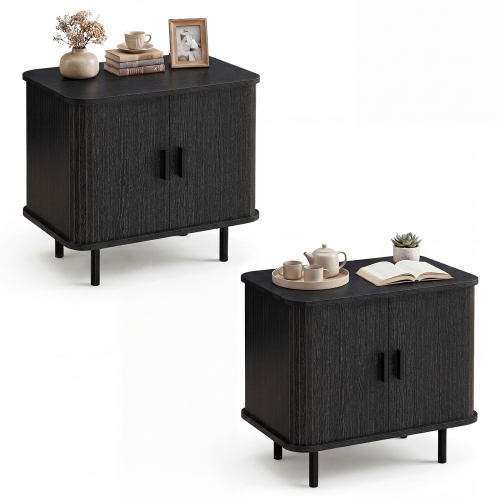
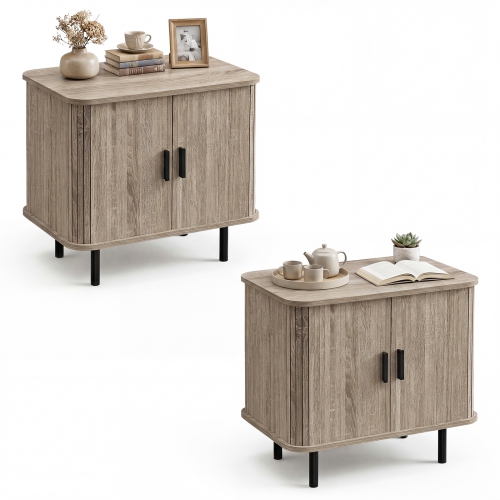

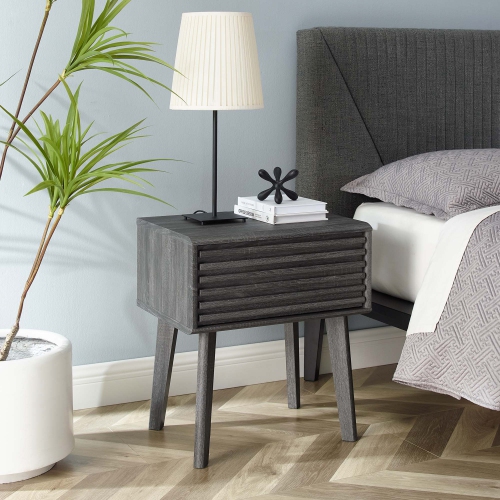
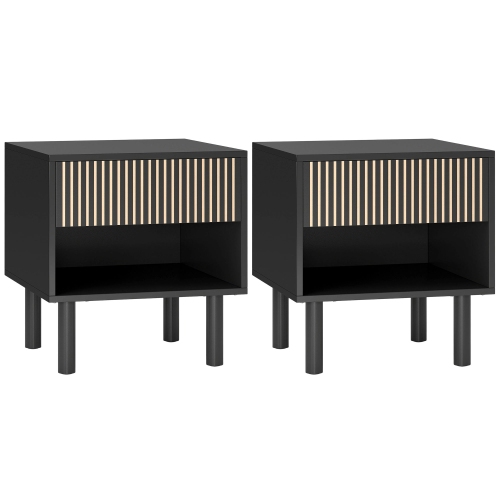
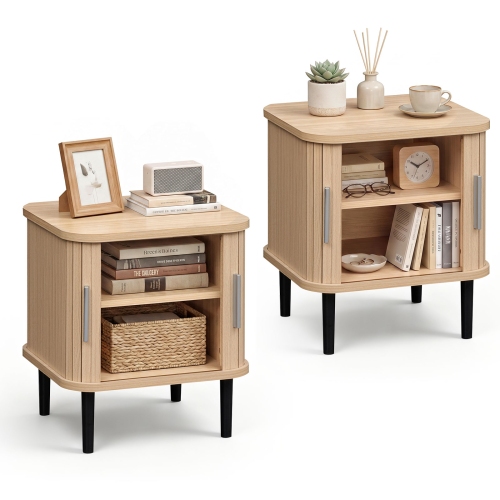
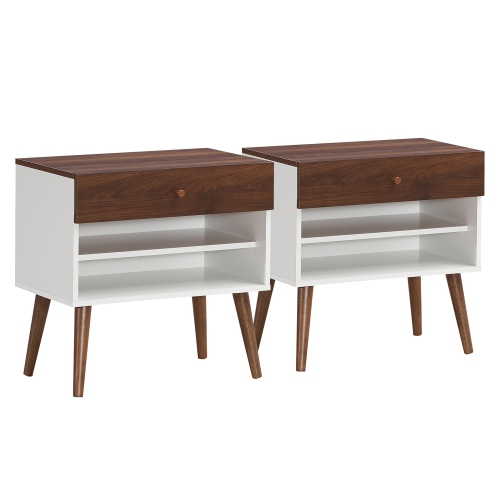
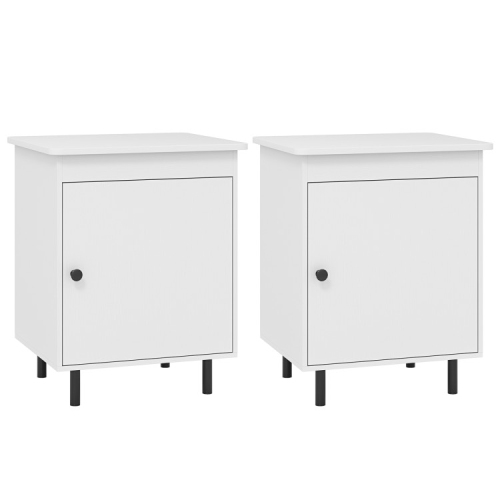
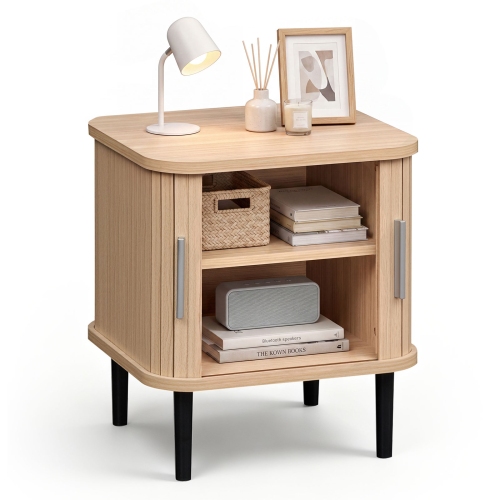
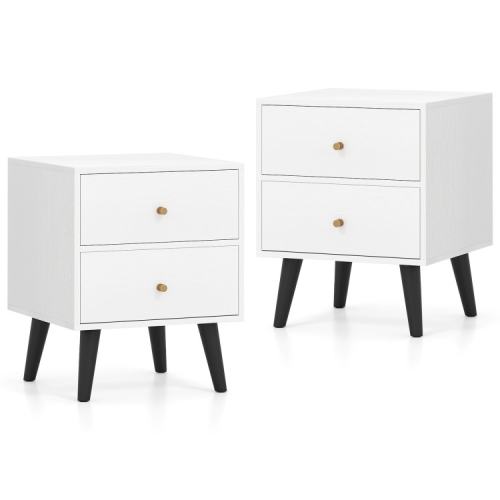
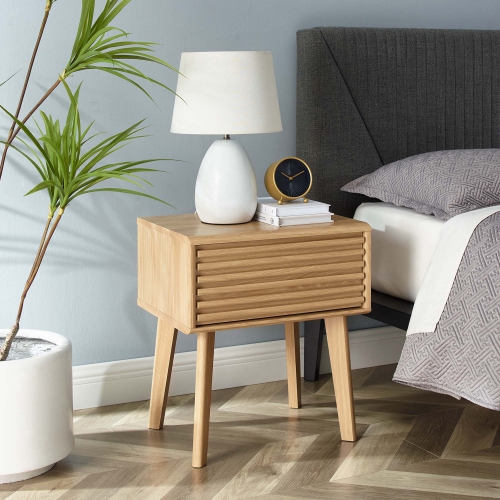
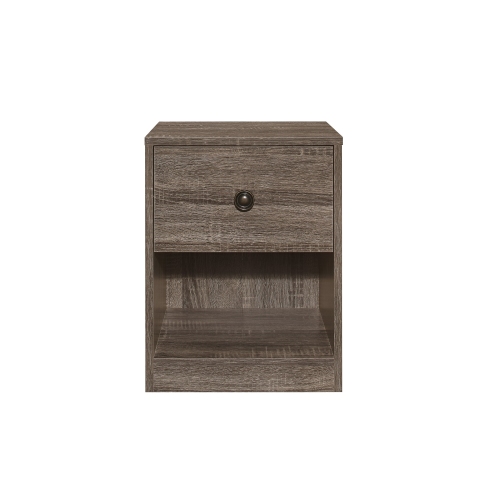
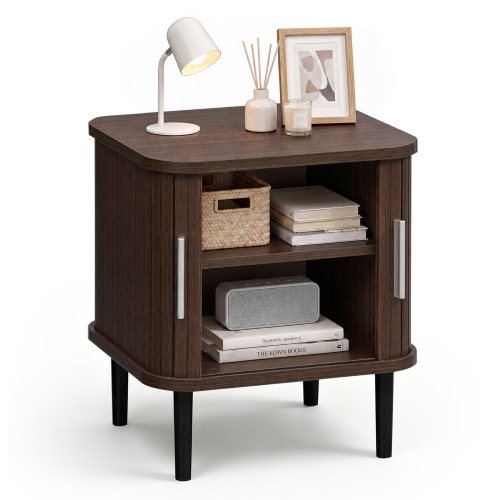
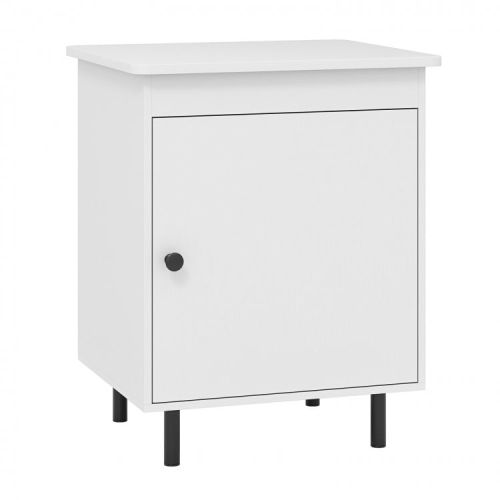
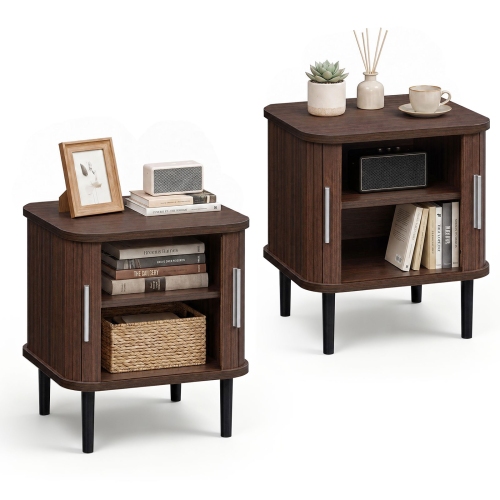
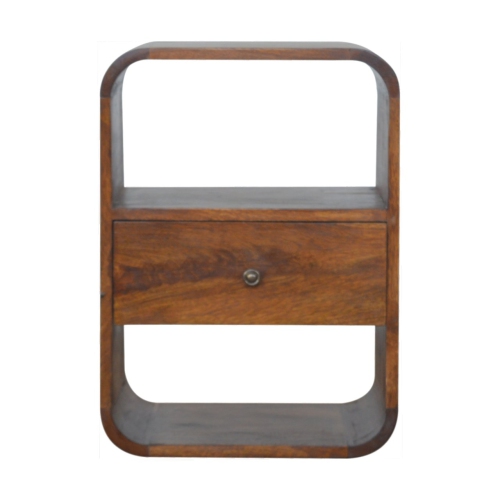
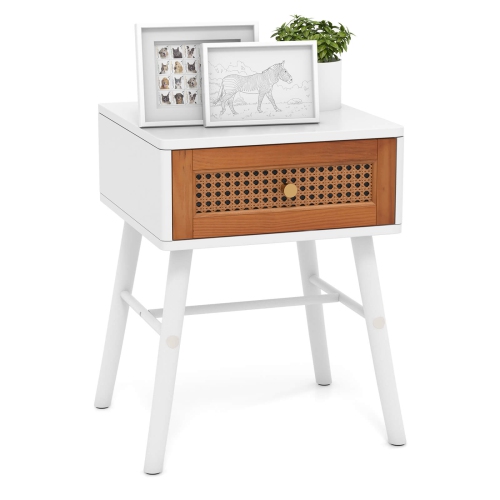
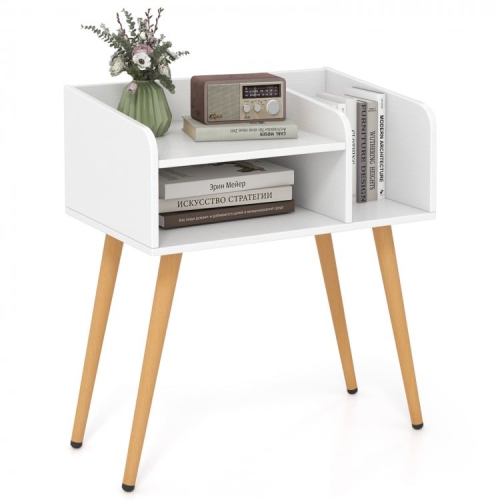
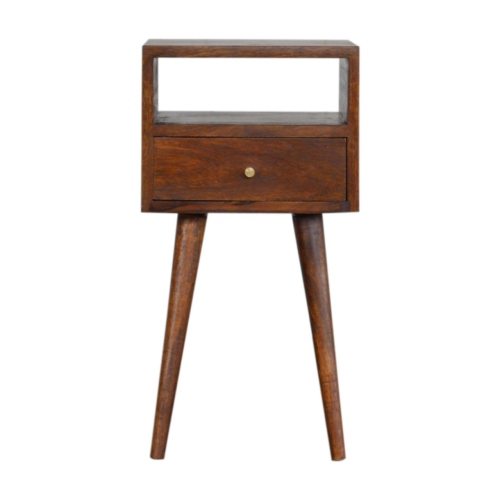
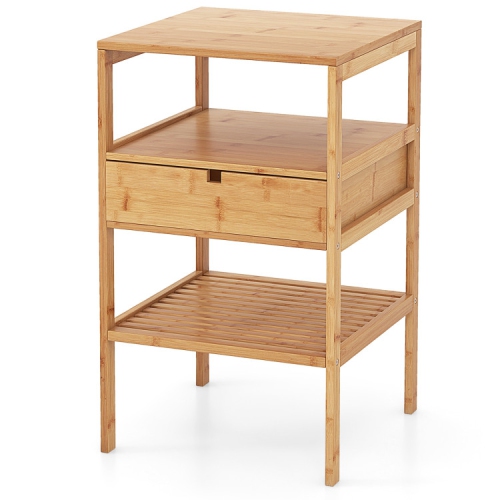
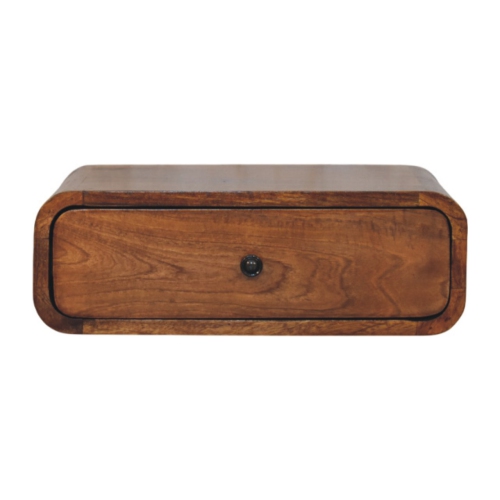
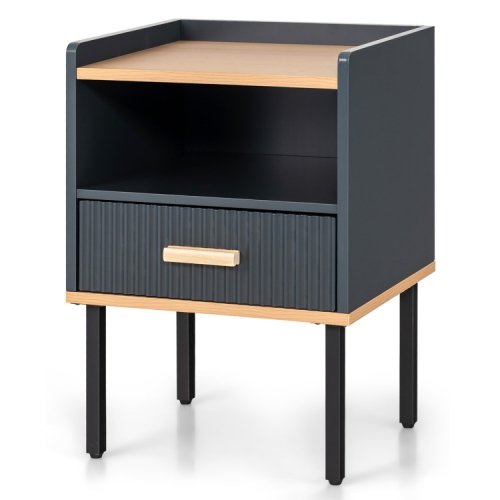
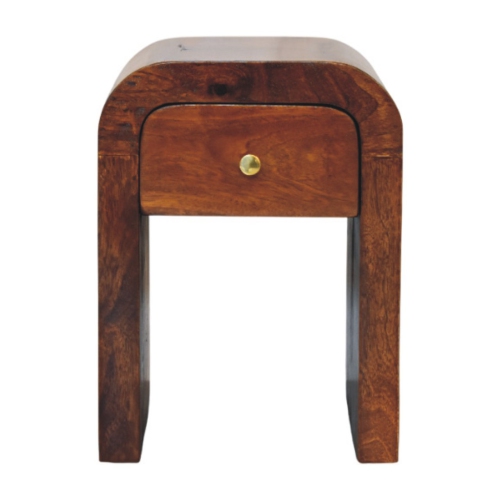

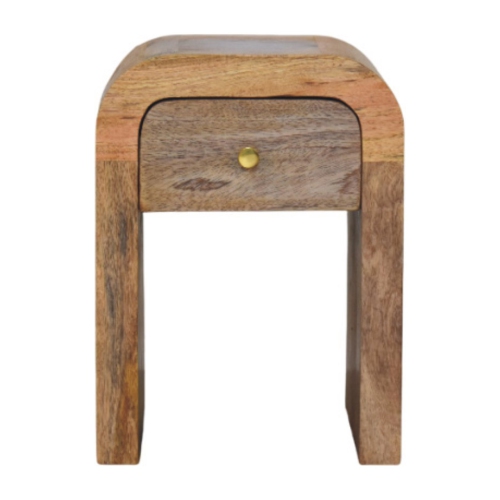
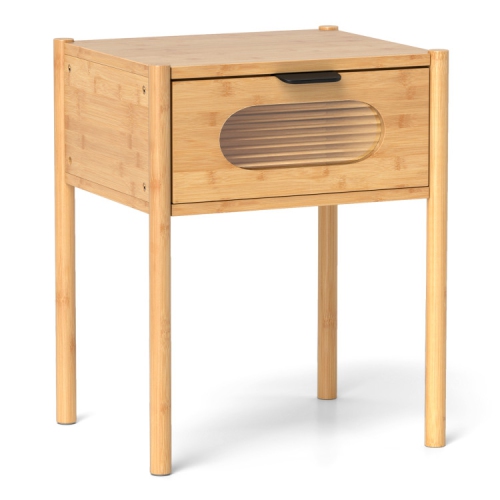
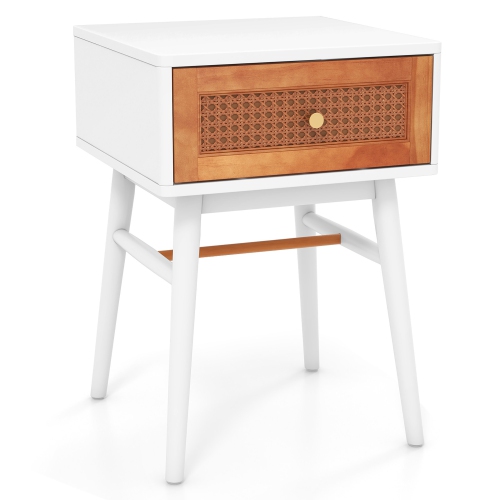
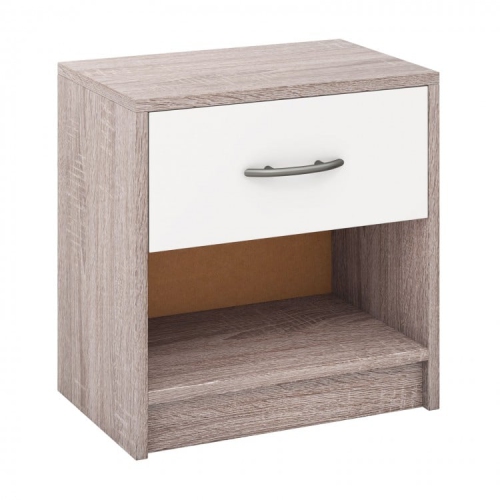
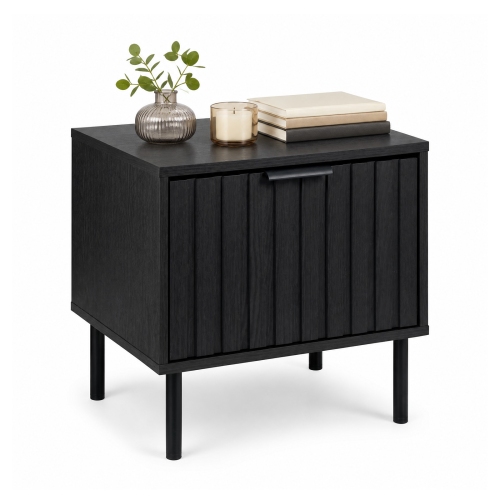
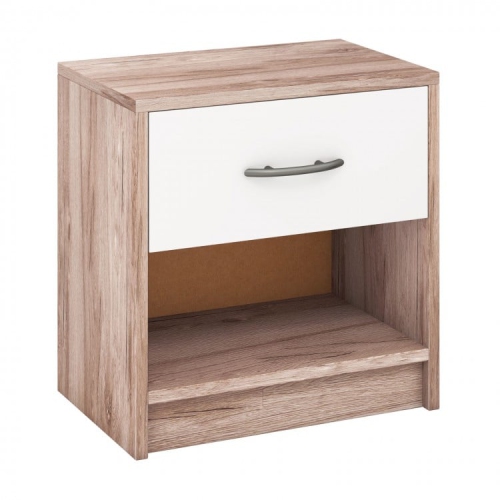
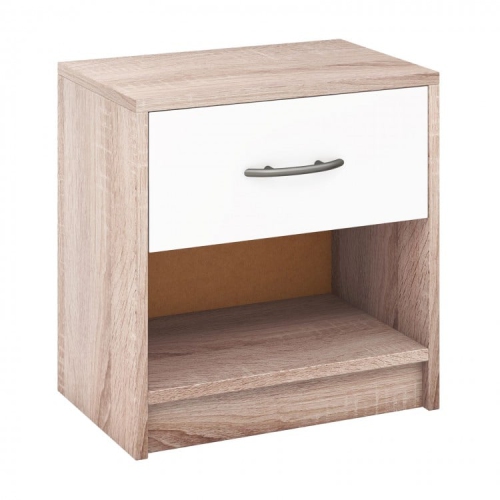
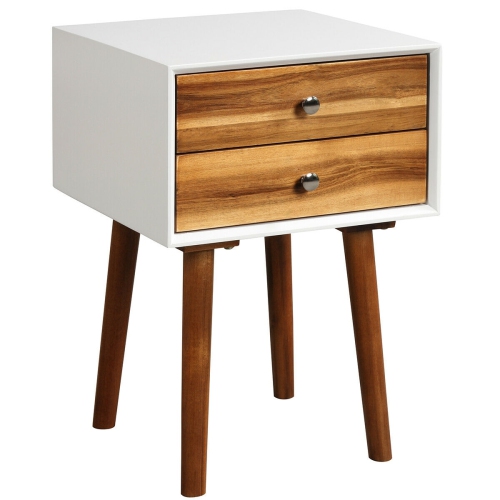

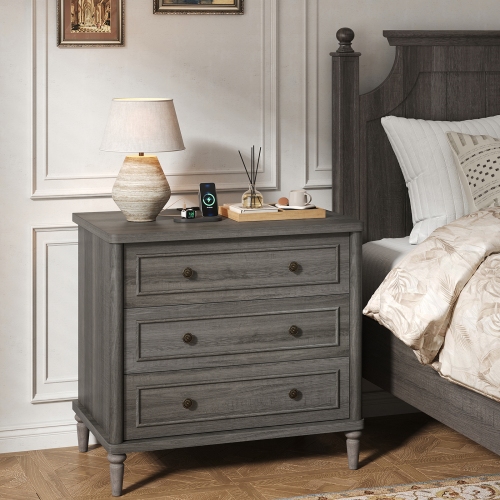
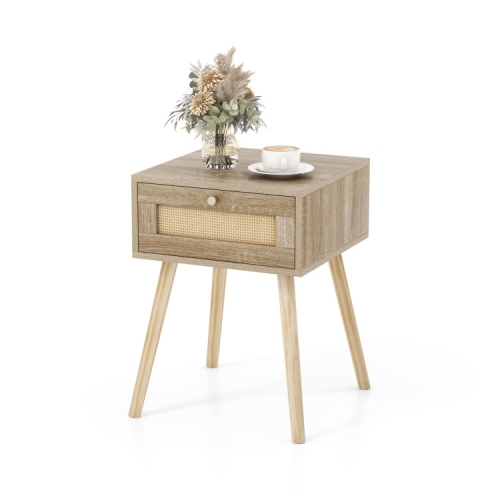
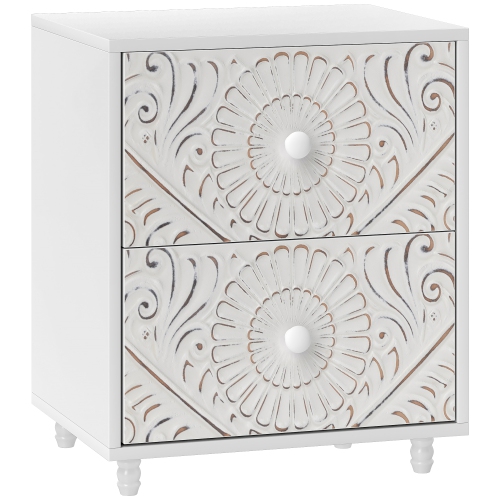
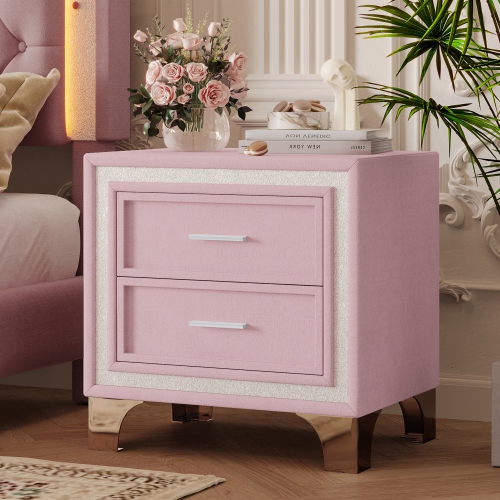
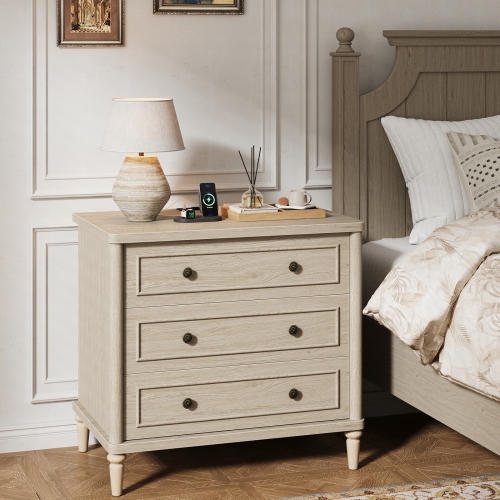
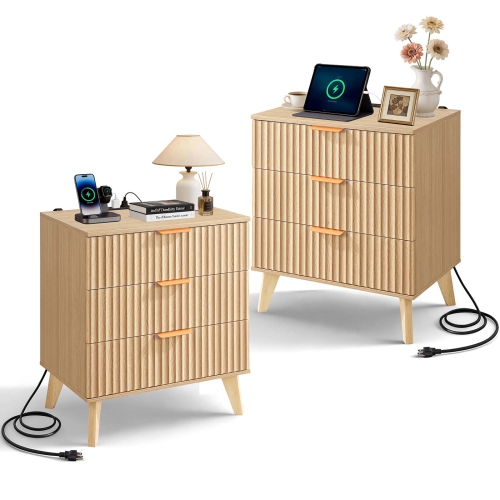
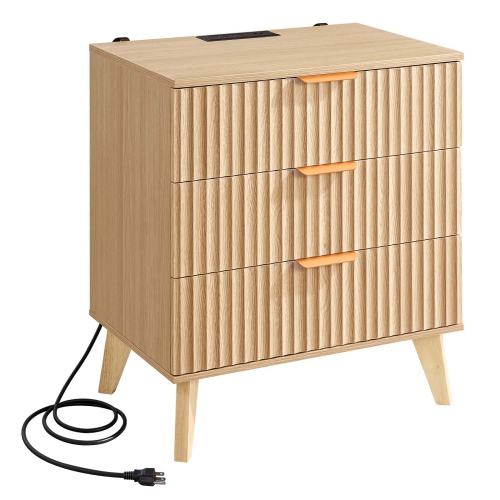
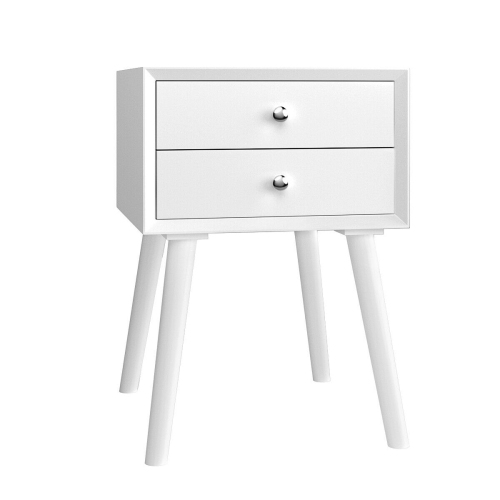
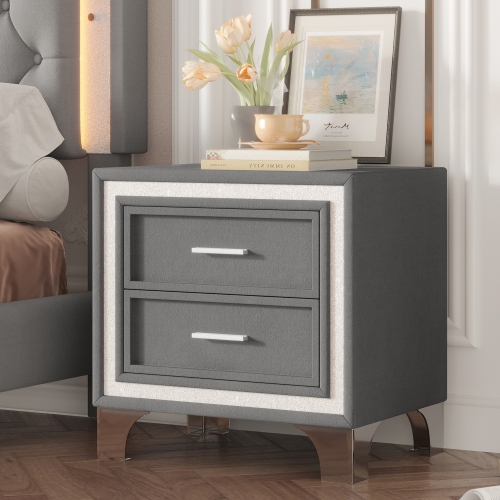
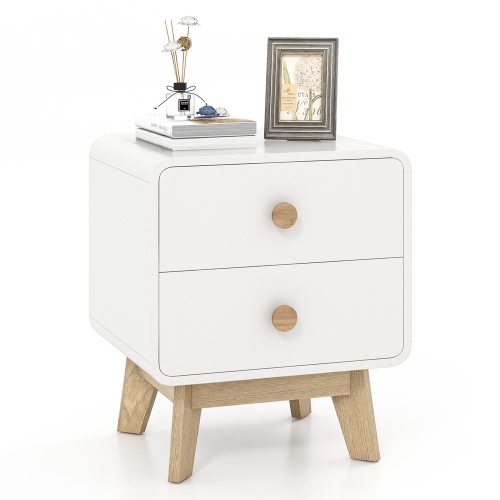
A single drawer with plenty of bedside purpose
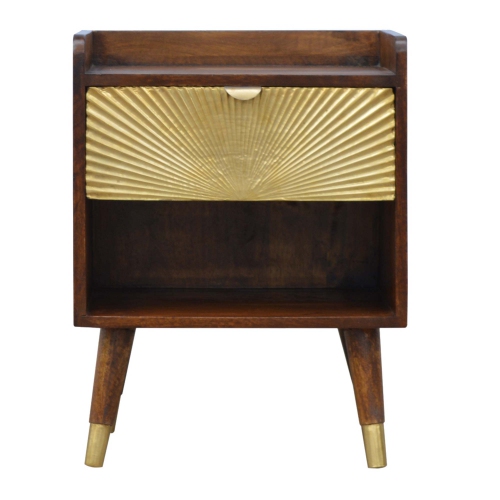
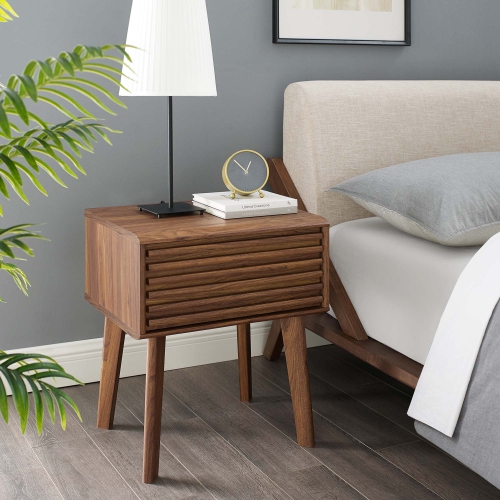
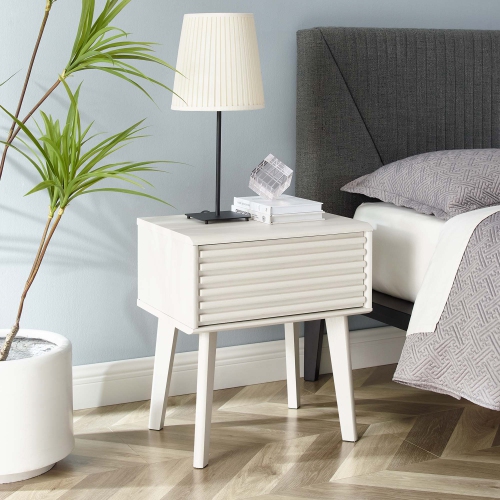
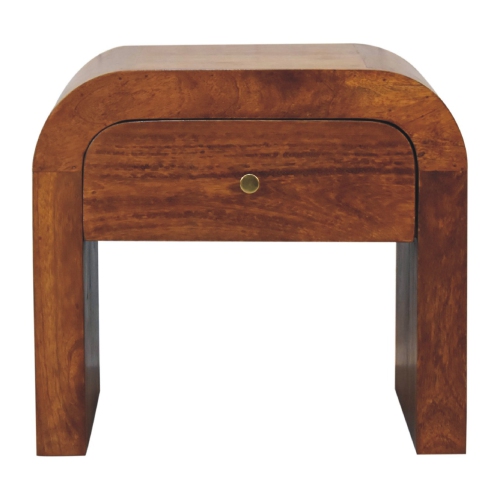
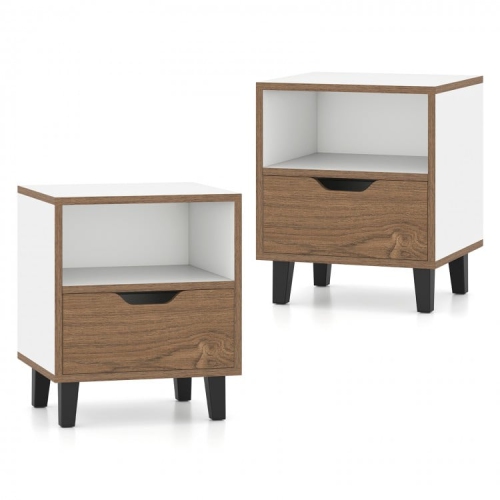
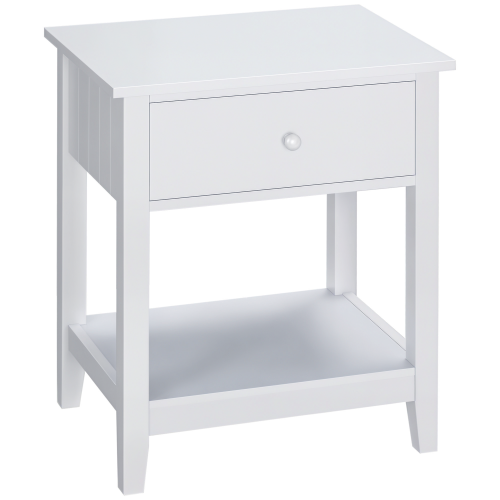
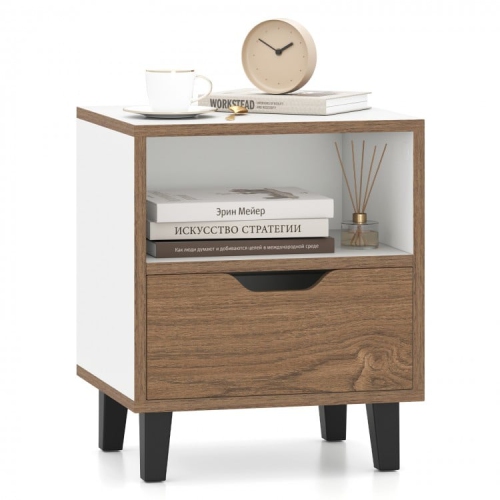
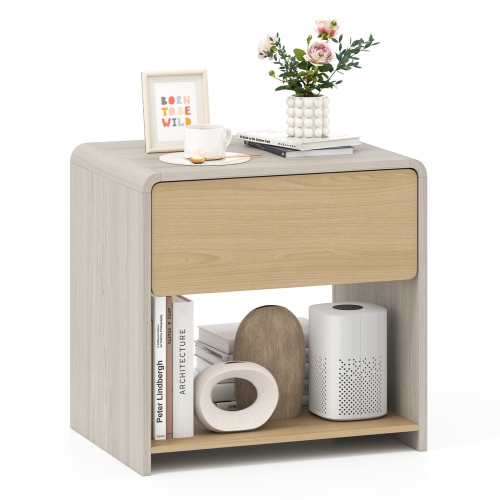
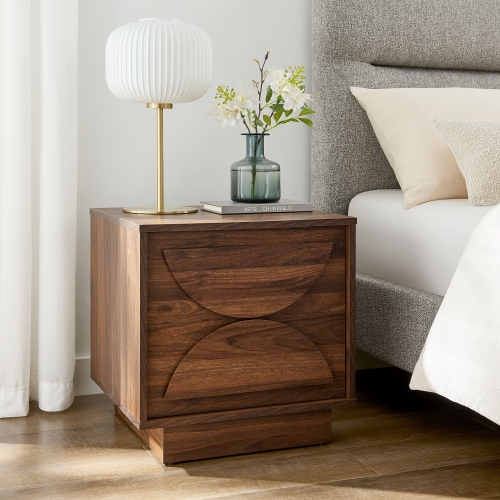
Mid-century 1-drawer nightstands pair the clean lines of mid-century modern furniture with a simple bedside layout: one enclosed drawer, a surface for everyday essentials, and, in some designs, an open shelf beneath the drawer. Their familiar details include tapered or splayed legs, restrained hardware, warm wood tones, and drawer fronts that let the grain take centre stage. The look draws on furniture design associated with the middle of the twentieth century, when practical shapes and balanced proportions helped define modern interiors. Beside a bed, those features create a useful mix of concealed storage and visual lightness. A single drawer can hold reading glasses, a sleep mask, charging cables, or a small notebook, leaving the top clear for a lamp and a glass of water. An open lower shelf adds room for a book or a shallow basket, though a closed-front design may suit anyone who prefers fewer visible belongings. This compact storage arrangement works well in guest rooms, smaller bedrooms, and spaces where a larger bedside chest would crowd the bed. It also suits people who want their most-used belongings within reach without adding more drawers than they need. Not every mid-century nightstand has the same silhouette: some have softly rounded corners and slim pulls, while others use flat fronts, recessed grips, or a more substantial base. A leggy design exposes more floor beneath it, which can make a narrow bedside area feel less enclosed; a broad base gives the piece a more grounded appearance. Wood finishes with visible grain sit comfortably alongside upholstered headboards, woven rugs, and plain cotton bedding. Painted finishes offer a different effect, particularly where the room already contains several wood tones. For a darker contrast against pale walls or light bedding, Black Mid Century Nightstands retain the same understated design language while adding a stronger outline beside the bed.
Fit depends on more than whether a nightstand slides into the gap beside the mattress. A useful starting point is a tabletop close to the height of the mattress surface, making a lamp switch, phone, or water glass easier to reach while lying down. The bed frame alone is not a reliable reference because mattress thickness and any topper affect that final height. Width matters when a bed sits between a wall and a wardrobe, but depth deserves equal attention: a deep cabinet can interrupt the path around the bed even if its front looks compact. Splayed legs may extend beyond the cabinet, so the full footprint matters in a tight space. There also needs to be room for the drawer to open without hitting the bed frame, bedding, or nearby furniture. Inside, usable drawer dimensions are more informative than the size of the drawer front. A shallow compartment may be ideal for glasses and small accessories but less useful for a thick hardcover book. Smooth drawer travel, a comfortable pull, and stops that help prevent accidental removal all contribute to everyday usability. Soft-close hardware, where included, can limit abrupt closing sounds in a shared bedroom. On top, enough space for a stable lamp base and a drink coaster helps keep the arrangement practical rather than crowded. A wall-mounted reading light can free up surface space when the nightstand is especially narrow. Designs with built-in charging connections can simplify a bedside setup, but the connection types, cable route, and distance to a wall outlet still matter. A pair of matching nightstands creates symmetry around a shared bed, while two pieces with similar heights and compatible finishes can work with different storage needs on either side. In a guest room, the same single-drawer format gives visitors a place to put small personal belongings away while keeping the tabletop easy to use. Beyond the bedroom, its proportions may also suit a compact reading corner, provided the height works with the adjacent chair.
Materials and construction influence how a mid-century one-drawer nightstand looks, feels, and wears over time. Solid wood often shows natural variation in grain and colour, so two pieces in the same finish may not look identical. Its response to moisture also makes careful placement and routine care important. Wood veneer provides a thin layer of real wood over a supporting core, allowing a visible grain pattern without requiring every panel to be solid timber. Veneered furniture should not be treated as though it can withstand repeated sanding, since the surface layer may be thin. Engineered wood with a laminate or other applied finish can provide a uniform appearance and a straightforward wipe-clean surface, depending on the finish. No material alone guarantees durability; secure joints, well-attached legs, drawer construction, and the quality of the surface finish all play a part. A nightstand used daily benefits from a drawer that moves evenly and a base that sits firmly without rocking. Assembly requirements vary, with some designs needing only the legs and hardware attached and others requiring the cabinet and drawer to be built. Enough room to assemble the piece on a protected surface helps prevent scratches before it reaches the bedside. Once in place, coasters protect against water rings, and a small tray can keep jewellery or loose objects from rubbing directly against the top. For routine cleaning, a soft cloth and the care method specified for the finish are usually the best starting points. Spills should be wiped up promptly, and excess water should not be left around drawer edges or panel seams. Harsh cleaners and abrasive pads can damage finishes, while prolonged direct sunlight may alter the colour of some wood surfaces. Felt pads beneath decorative objects can help reduce scuffs, and suitable floor protectors beneath the legs can protect flooring when the piece is moved. These practical details make the style useful beyond its retro appearance: a well-proportioned nightstand offers accessible storage, a dependable bedside surface, and a design that can remain at home as bedding, lighting, and other room details change.
Top selling and popular products
-
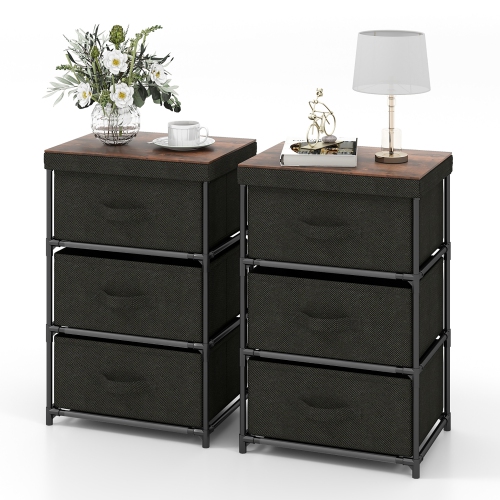 Your price for this item is $99.99
-
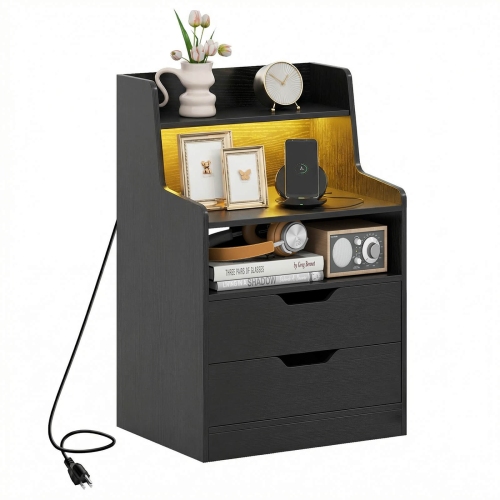 Your price for this item is $107.99
-
 Your price for this item is $188.99
-
 Your price for this item is $79.99
-
 Your price for this item is $218.49
-
 Your price for this item is $119.99
-
 Your price for this item is $260.94
-
 Your price for this item is $169.99
Discover more categories related to Mid Century 1 Drawer Nightstands

Top Collections:
Best Black Friday Deals This Year, Best Black Friday Deals On Electronics, Kindle Devices, Dyson Airwrap, Best Cameras for Sports Photography, Best Budget Office Chairs, Canon G7X Cameras, PS5 Pro Consoles, Best Black Friday Deals On Apple Products, XBOX One S Consoles
Some products may be subject to Environmental Handling Fees
(EHF) depending on your province.
Learn more about EHFs.