Mid Century Modern 2 Drawer Nightstands
A nightstand is a piece of furniture that's essential for any bedroom. It's the perfect place to set your alarm clock, read a book, or just relax with a drink. Here are some of the best mid-century modern 2-drawer nightstands on the market today.
Sort

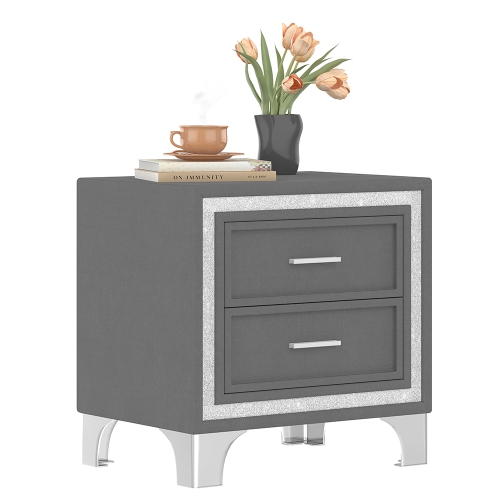
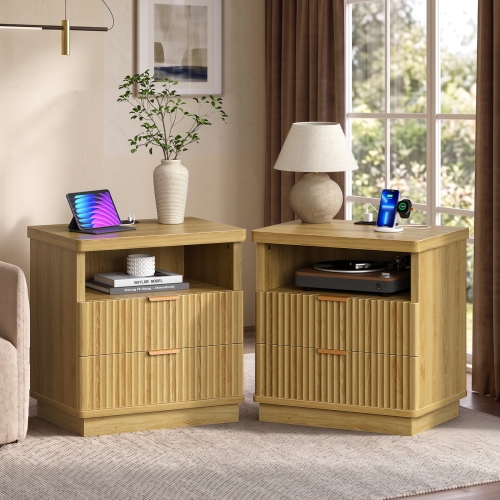
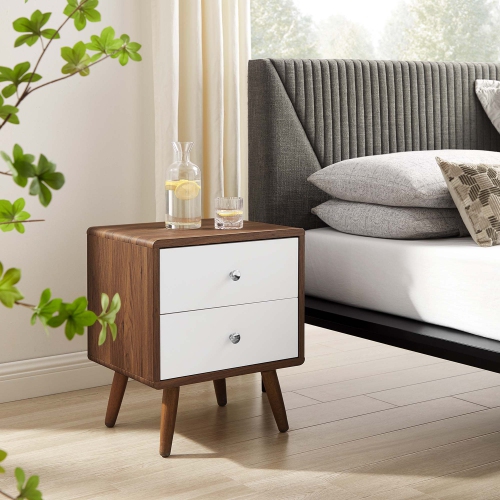
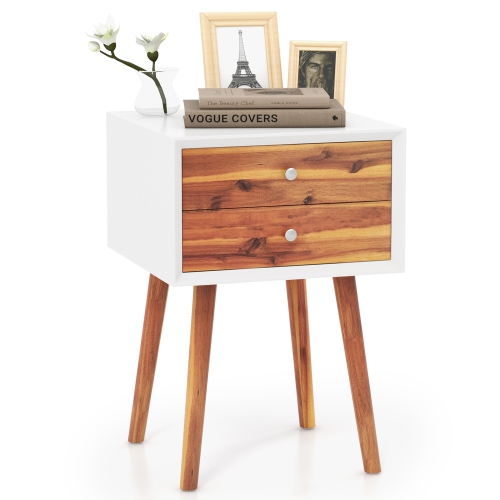

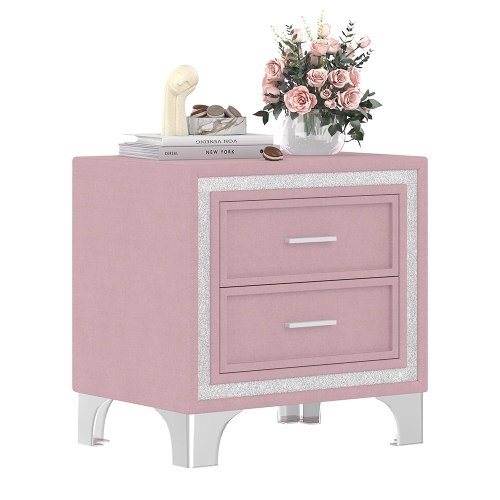
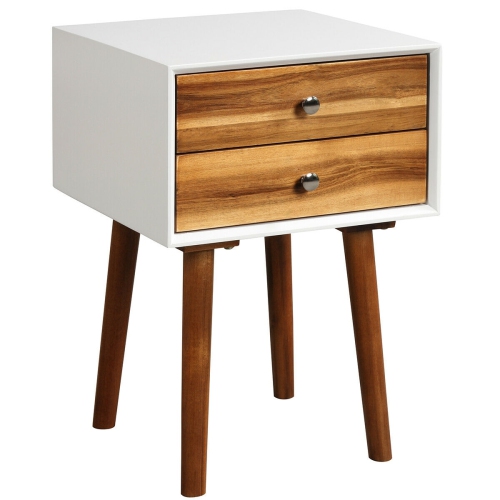
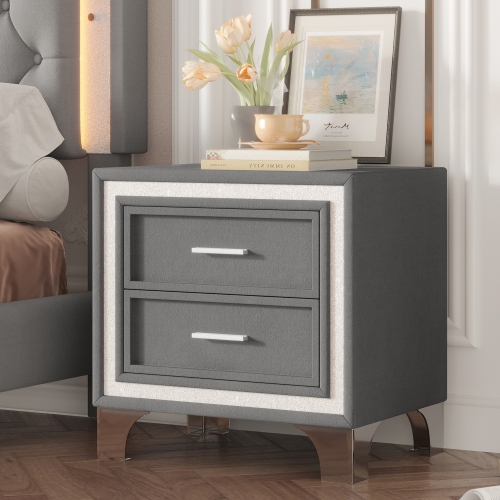
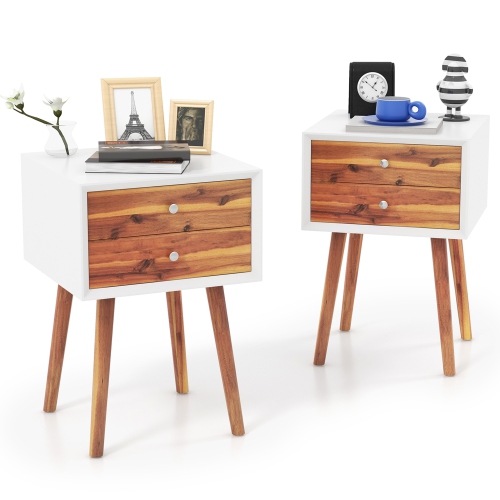
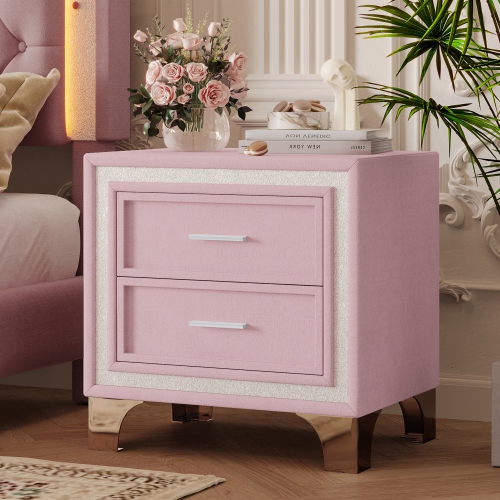
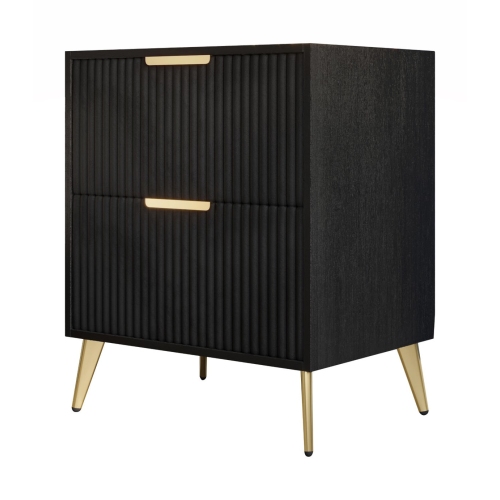
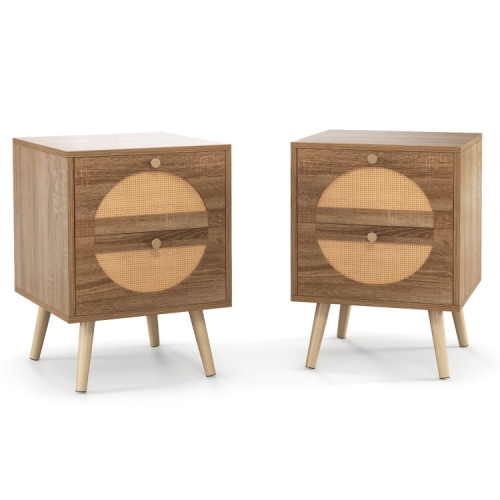
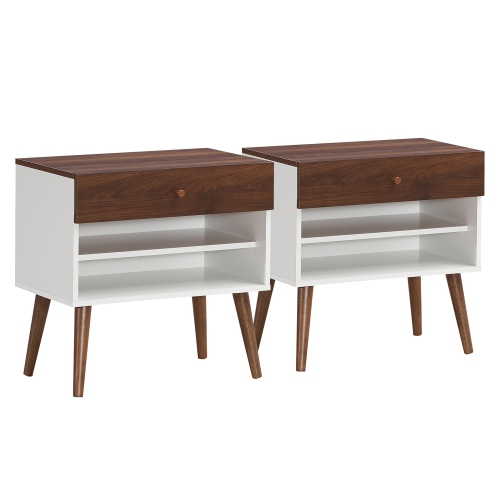
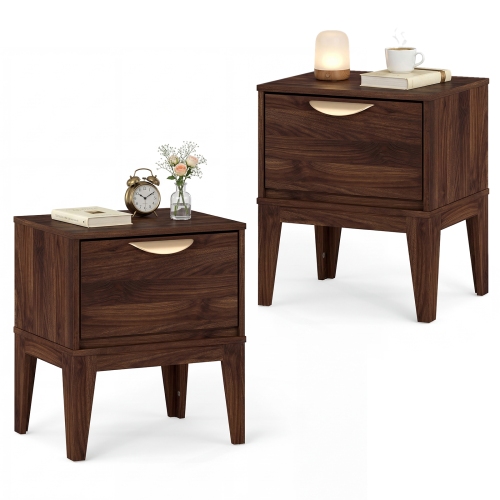
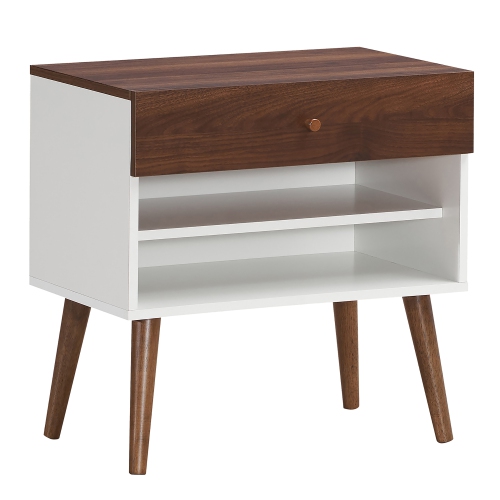
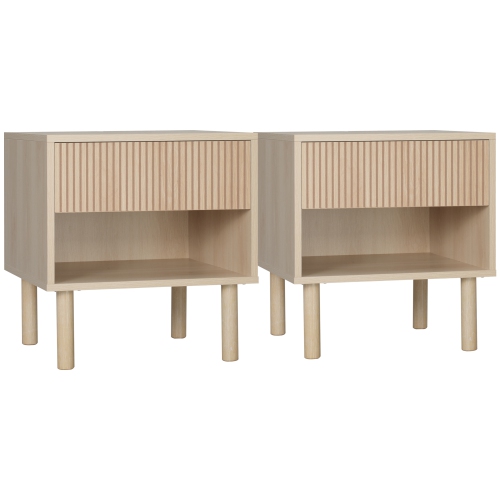
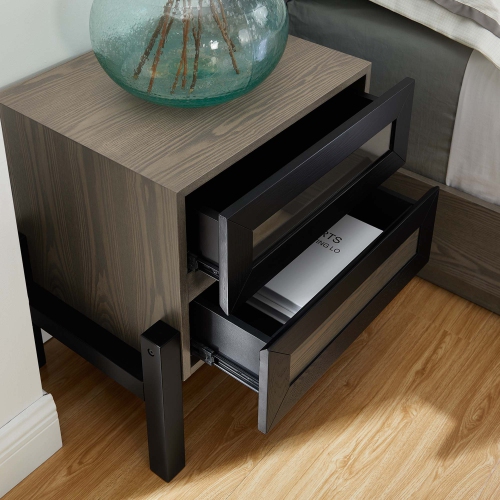
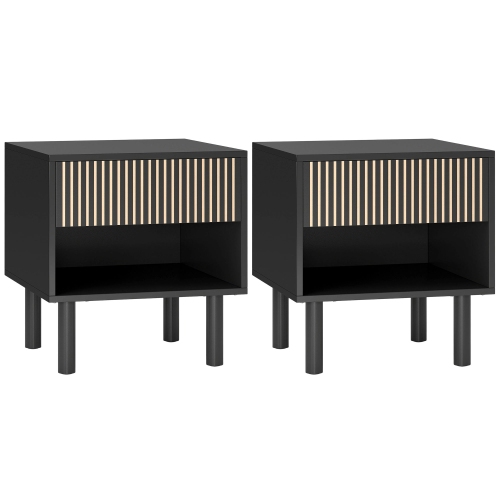
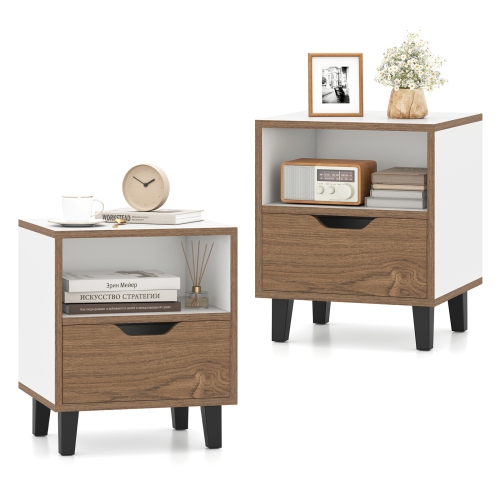
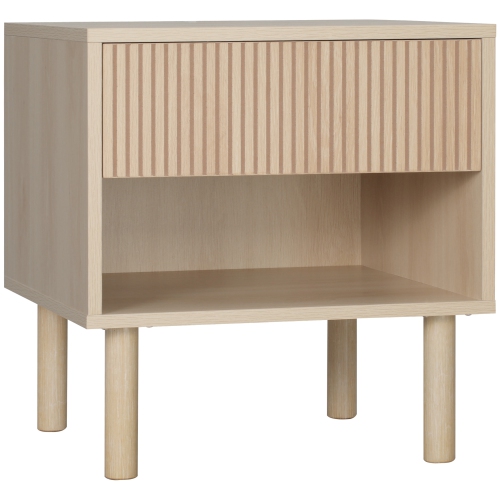
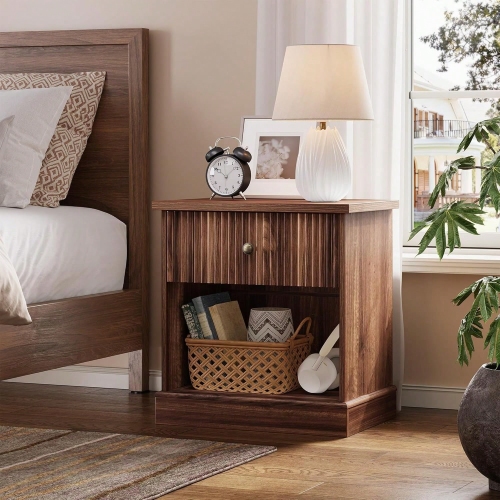

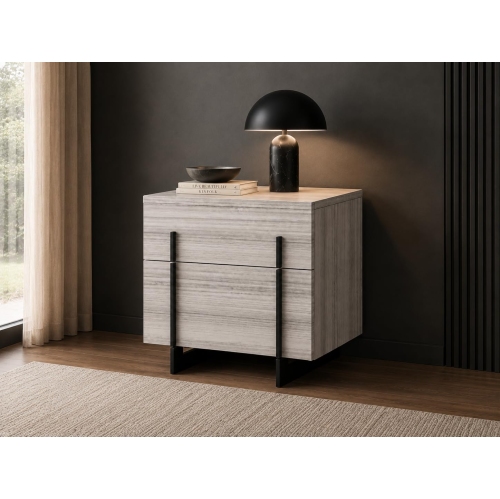
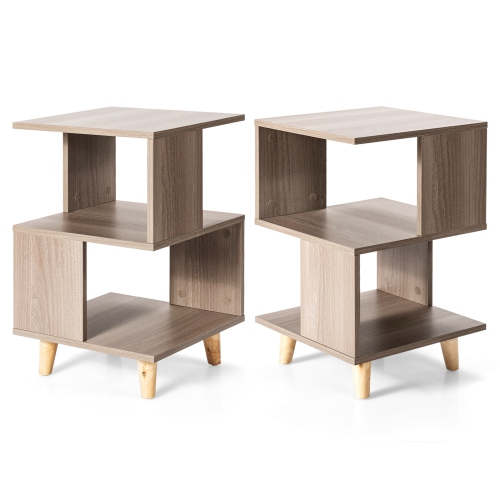
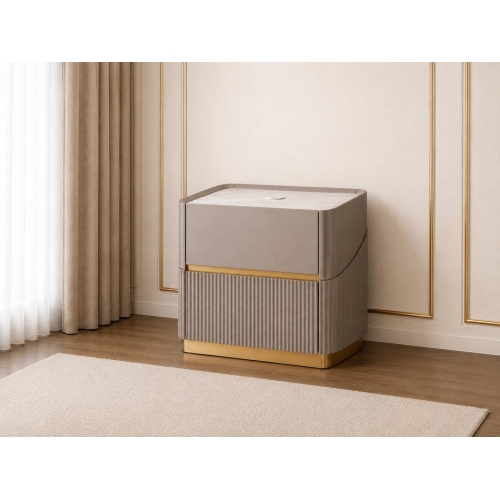
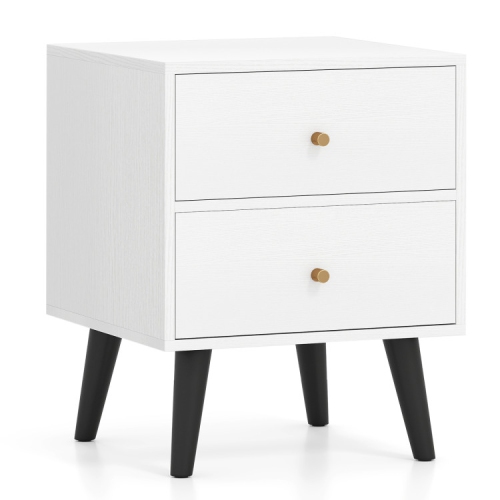
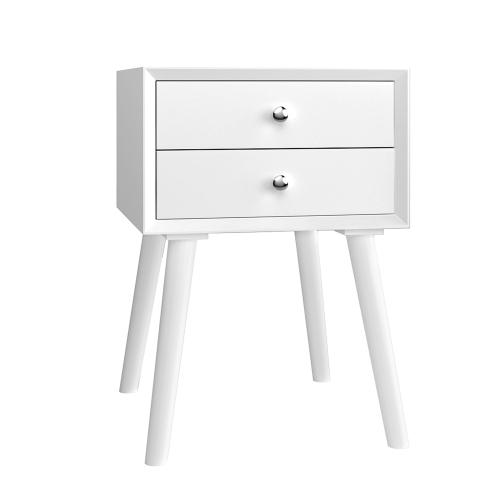
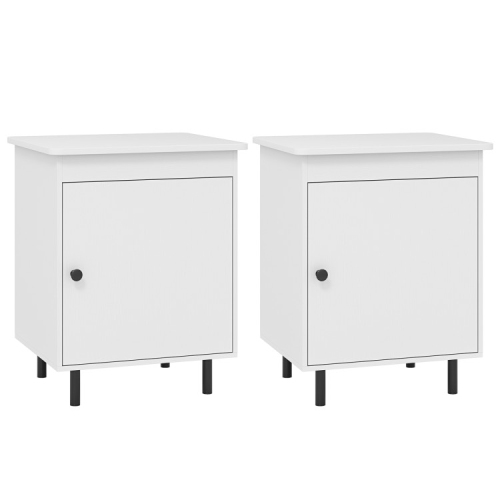
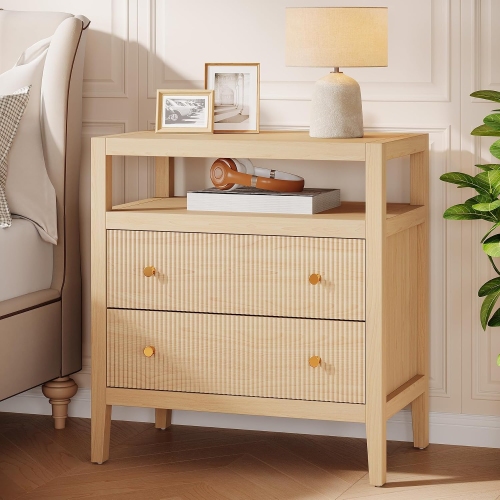
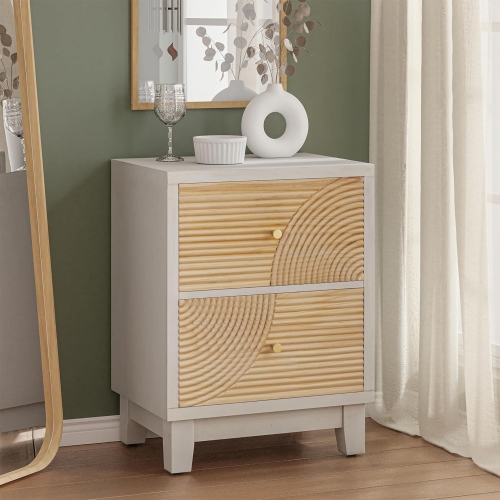

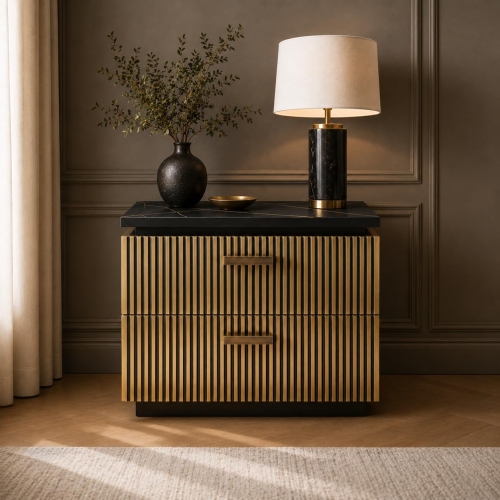
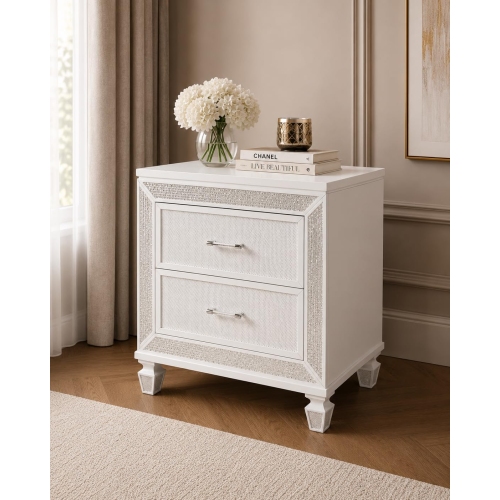
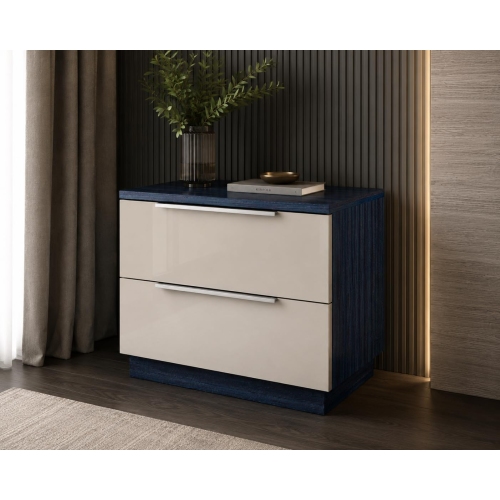
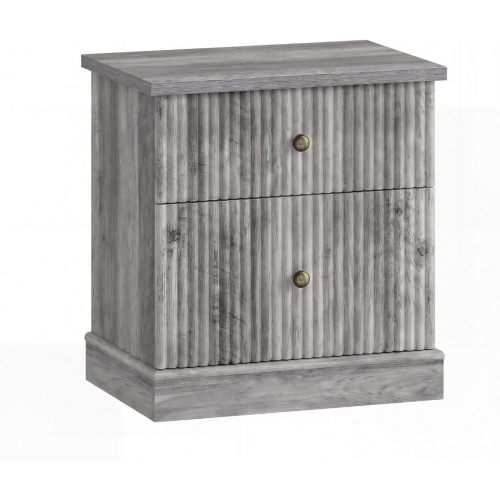
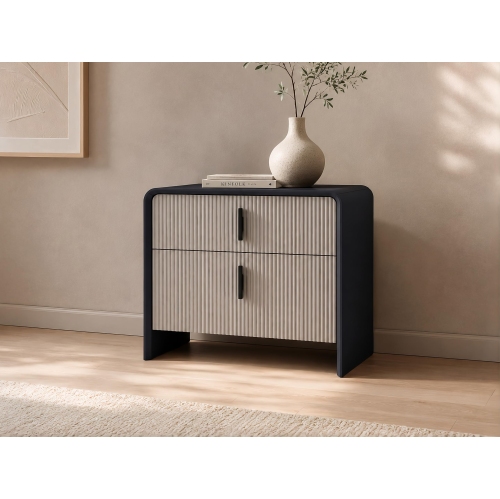
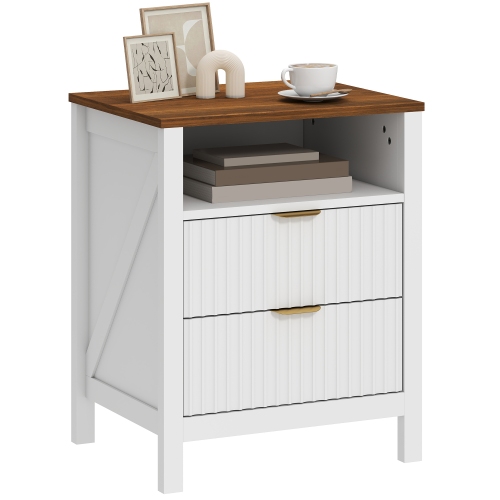
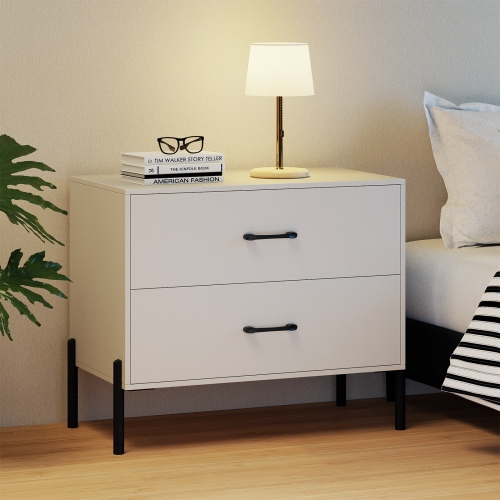
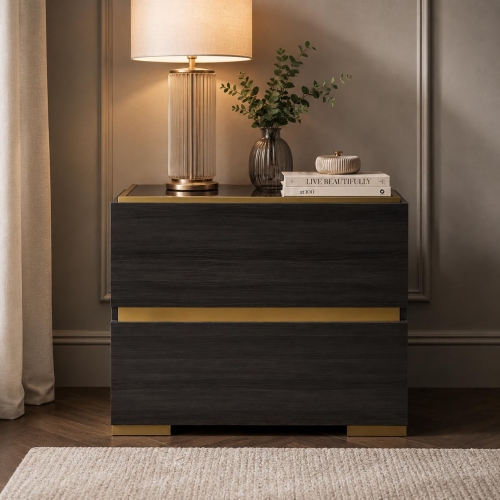
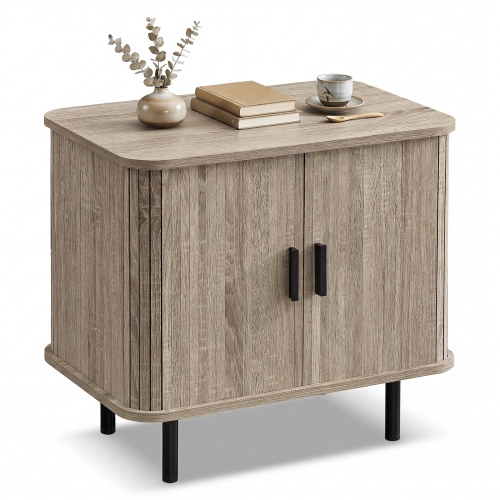
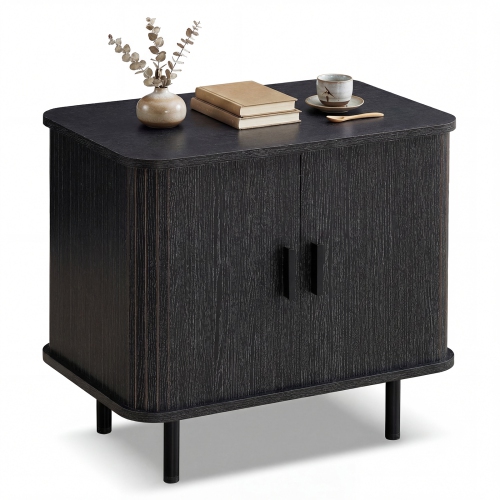
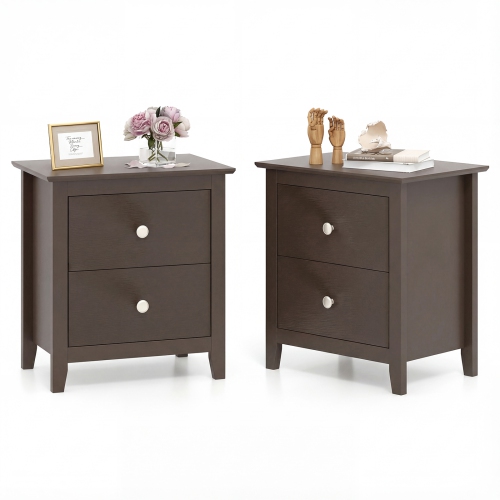
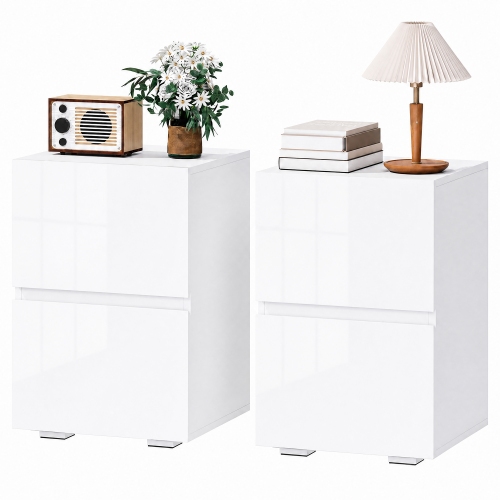
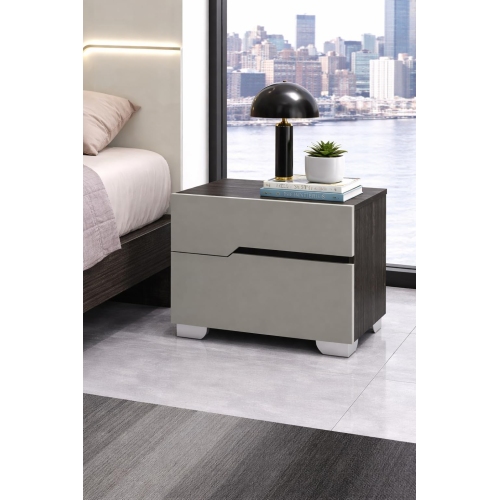
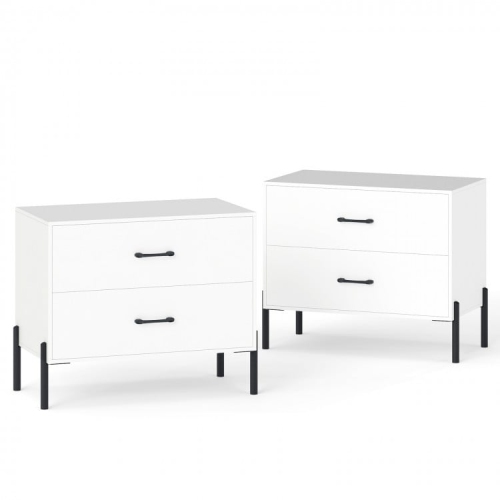
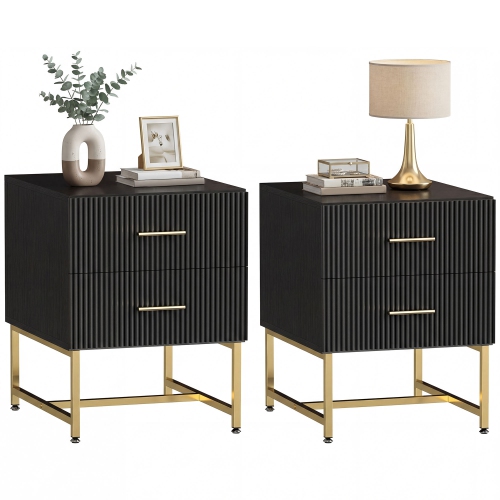
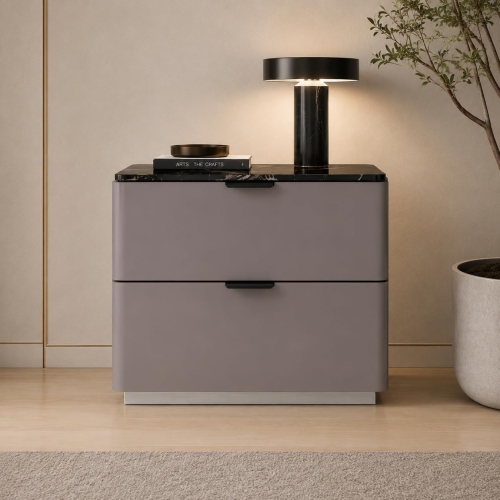
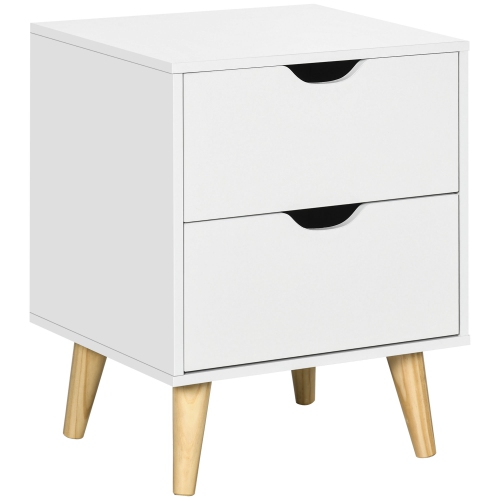
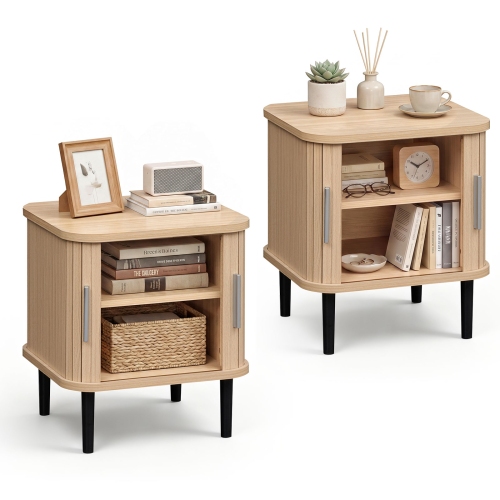
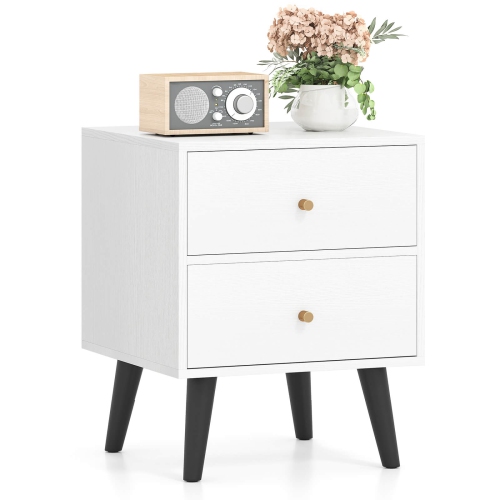
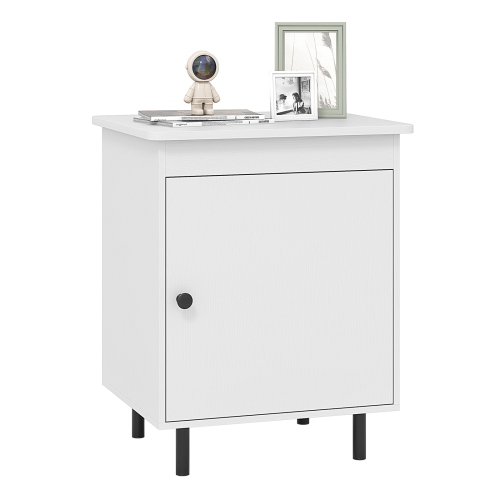
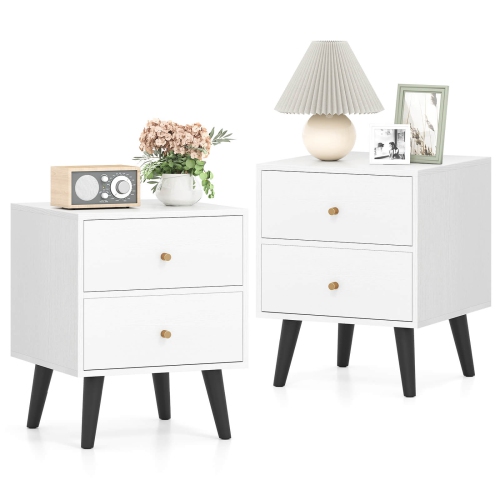
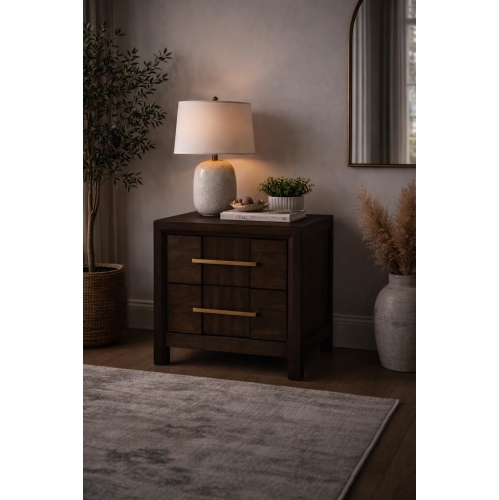
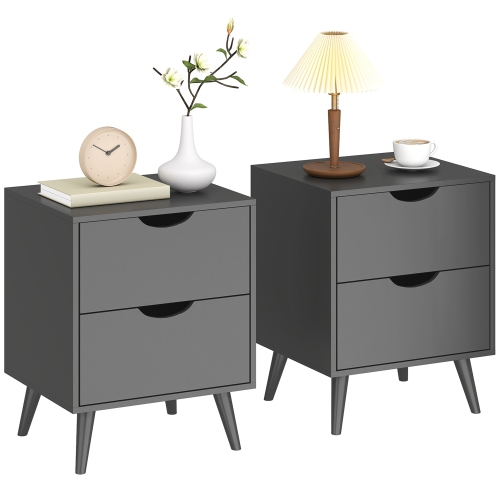
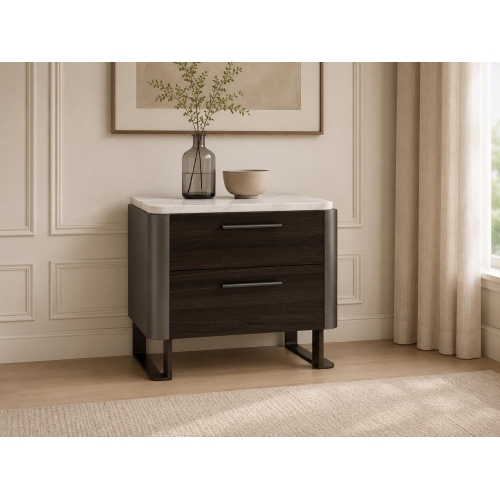
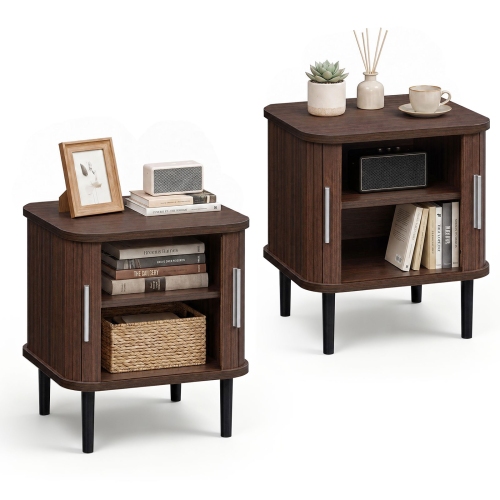
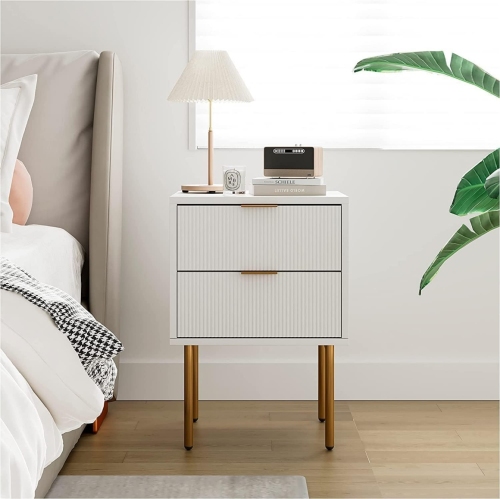
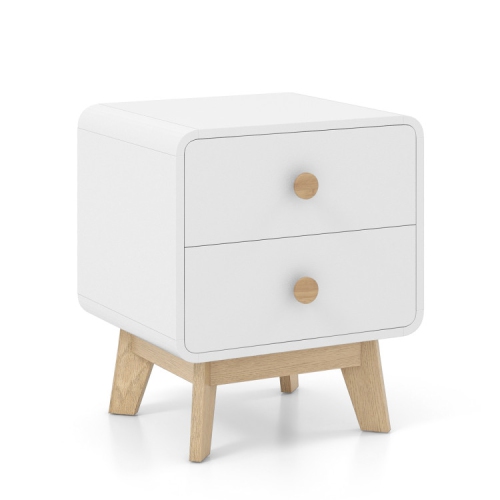
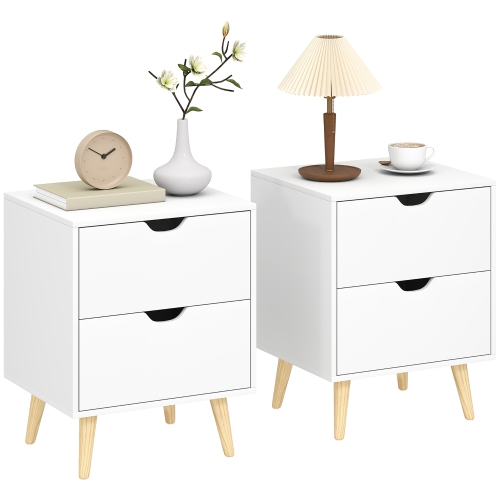
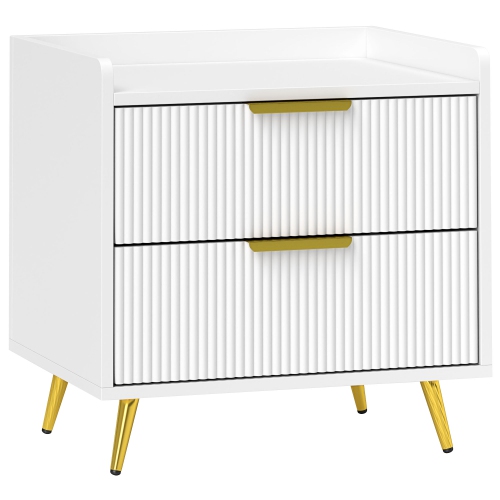
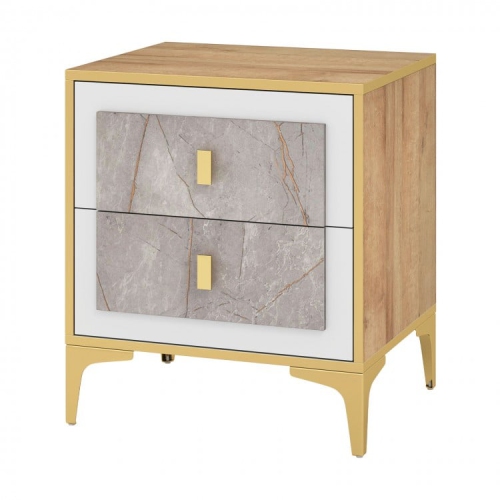
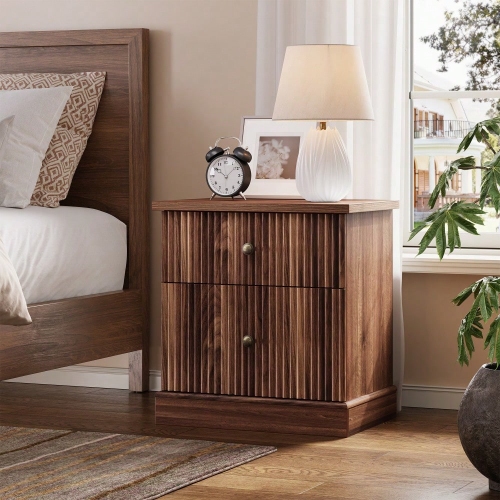
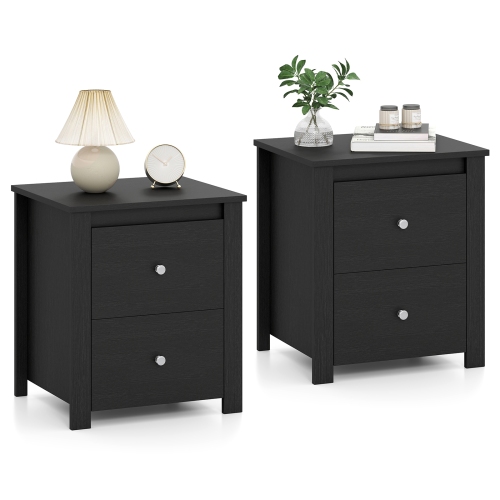
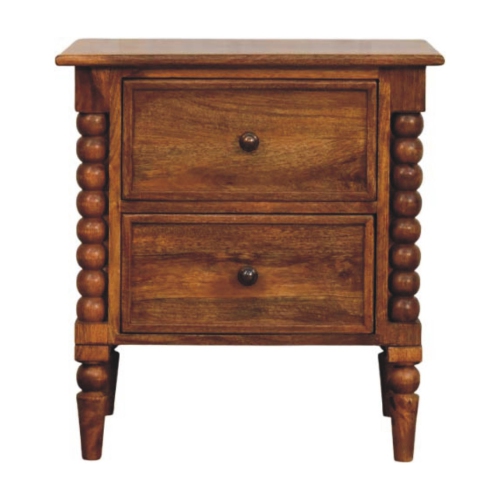
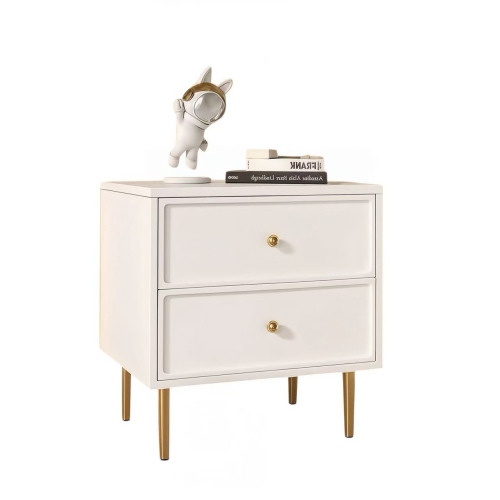
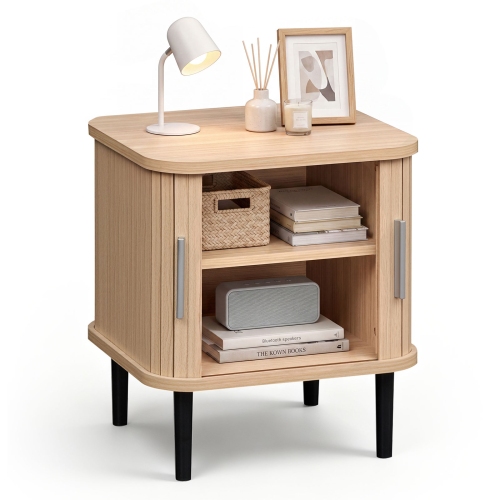
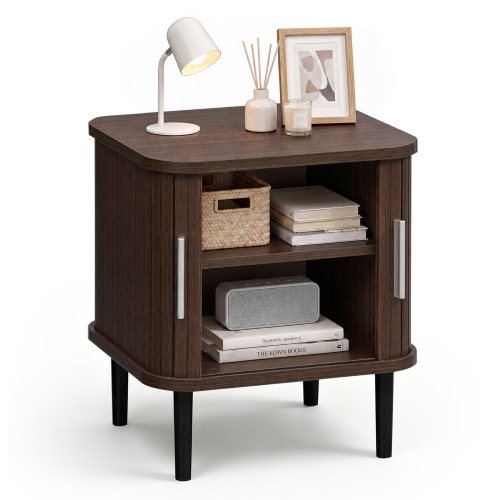
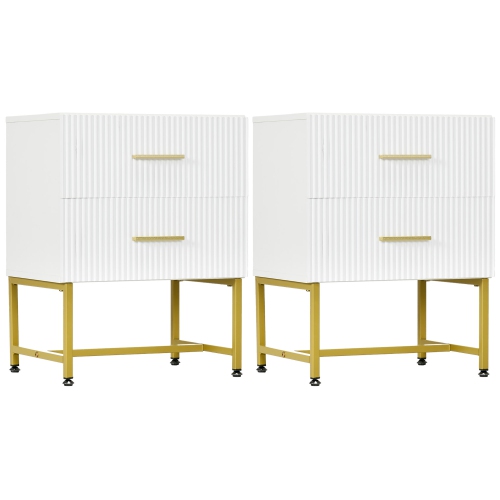
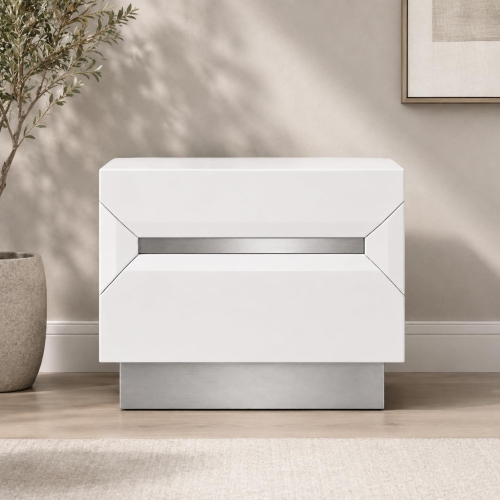
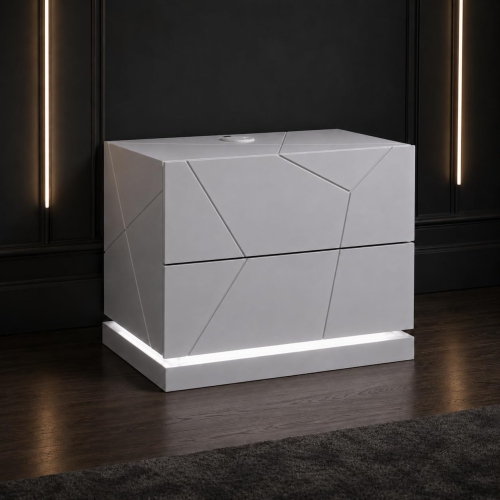
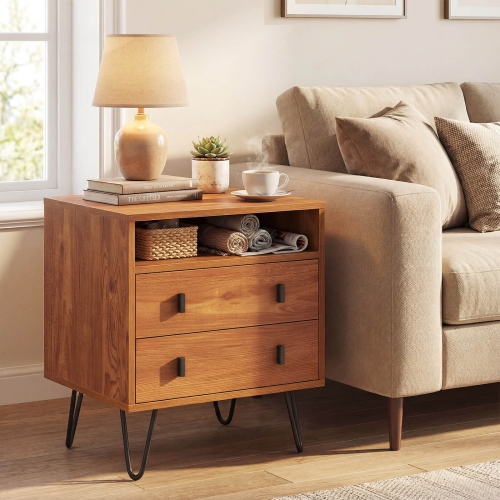
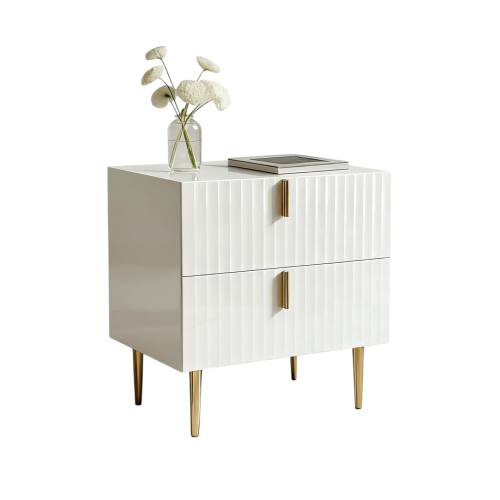
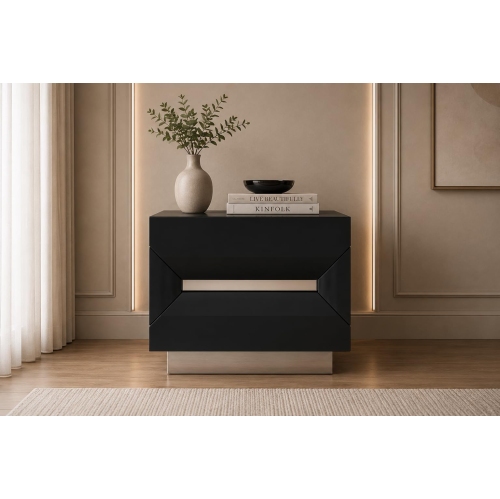
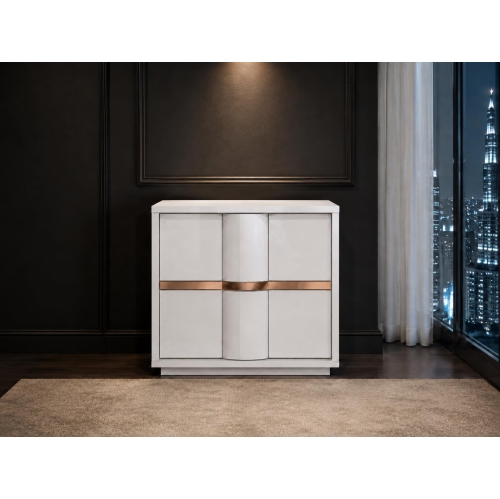
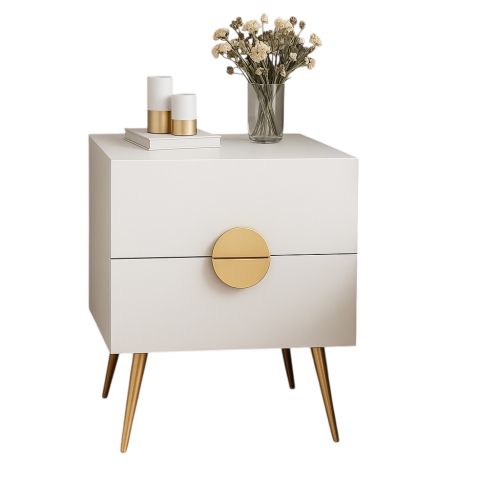


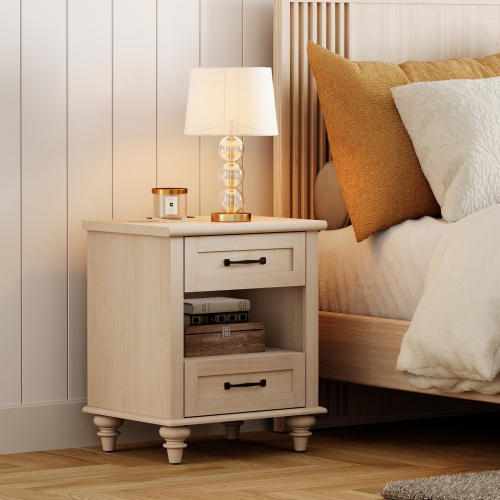
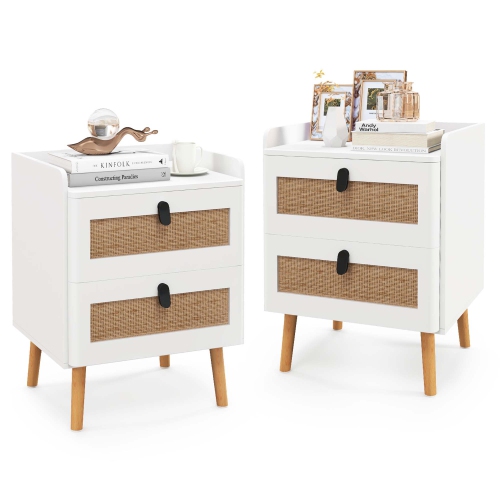
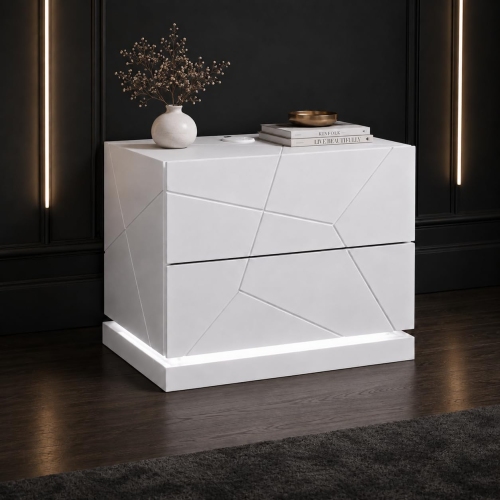
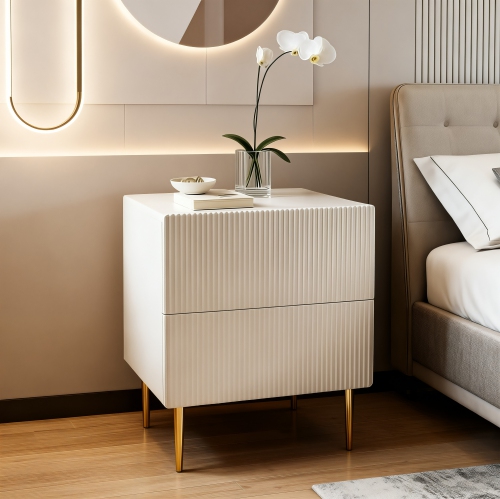
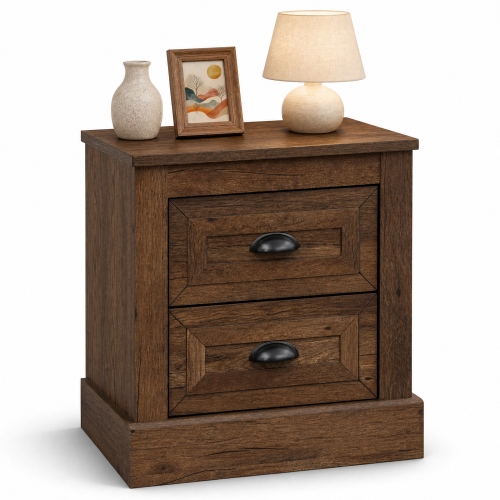
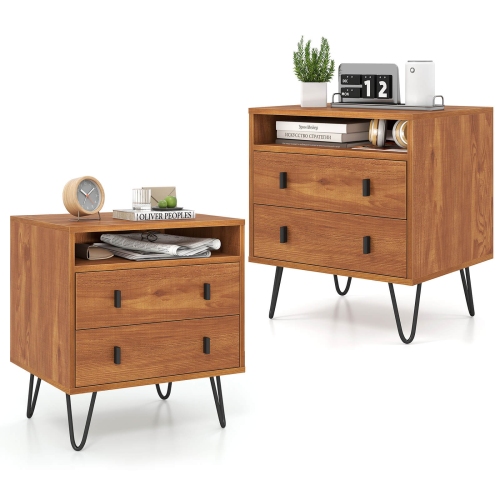
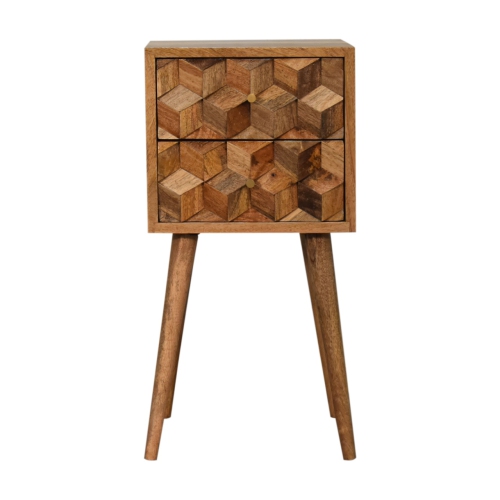
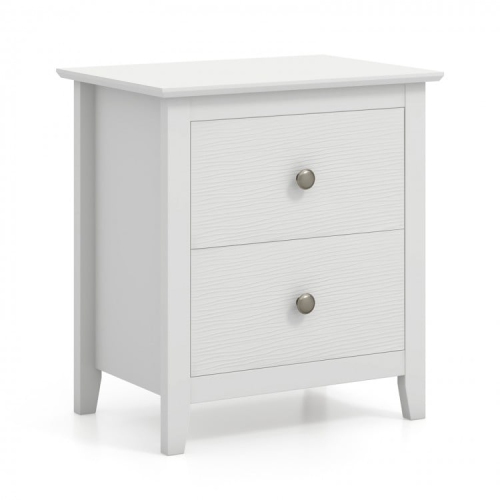
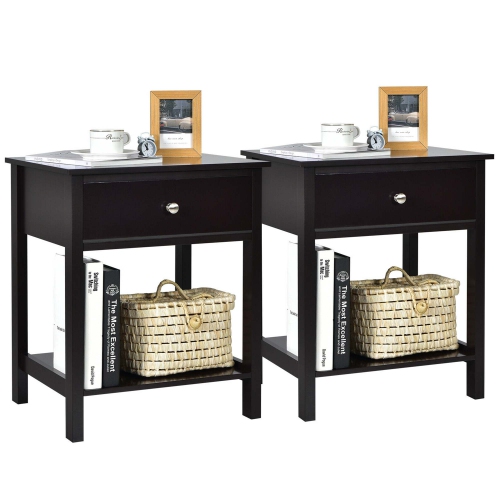
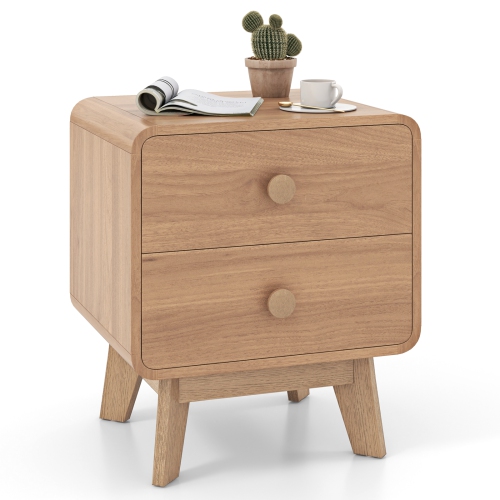
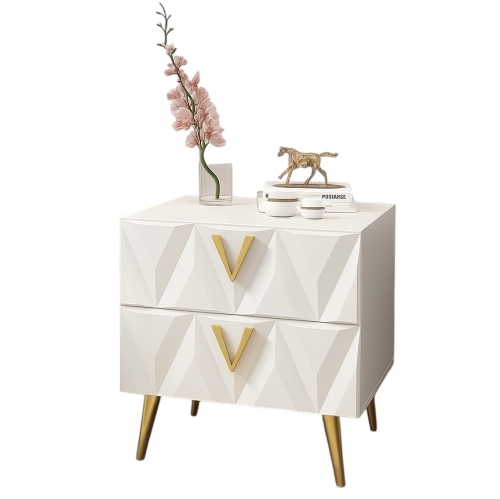
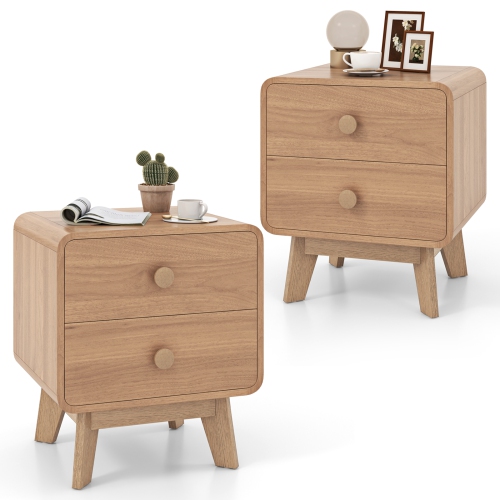
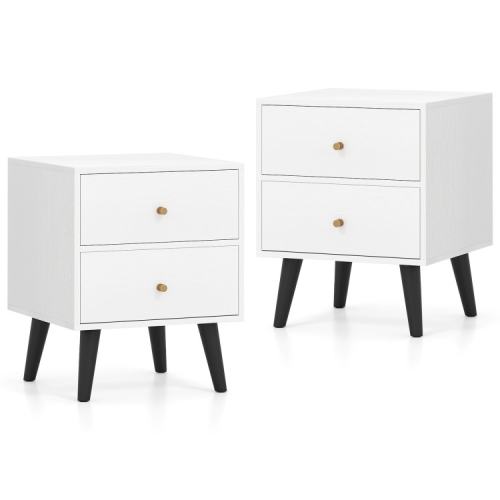
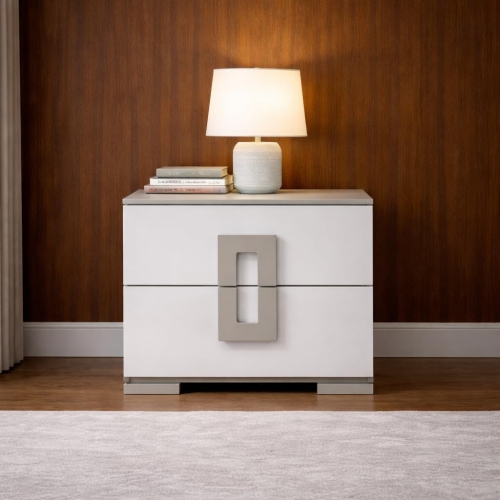
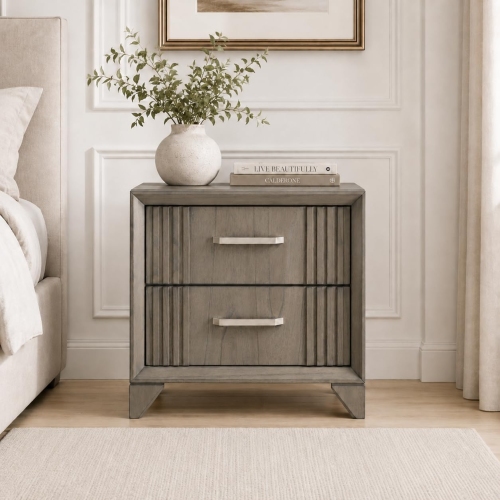
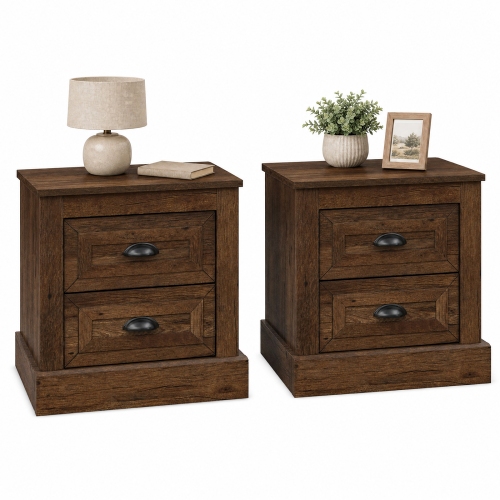
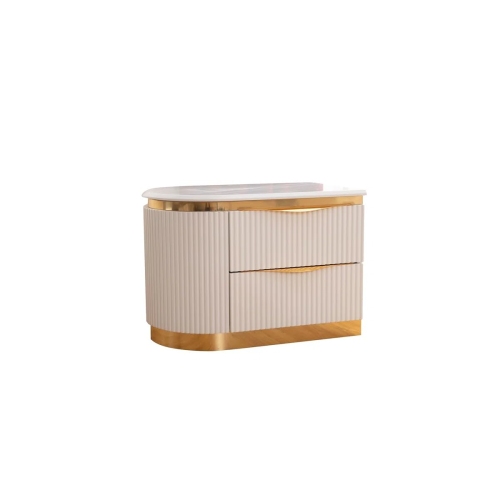
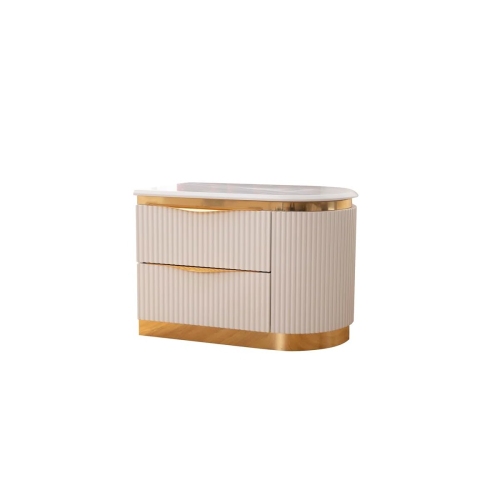

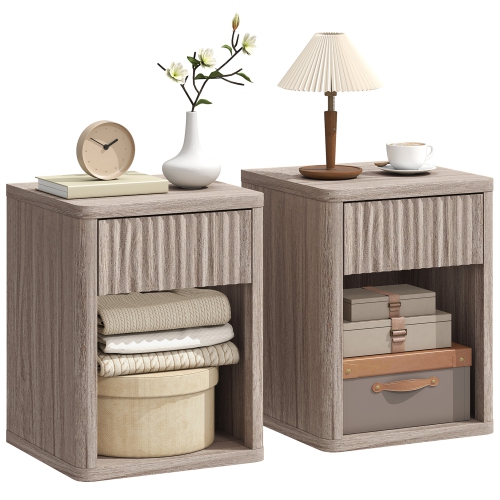
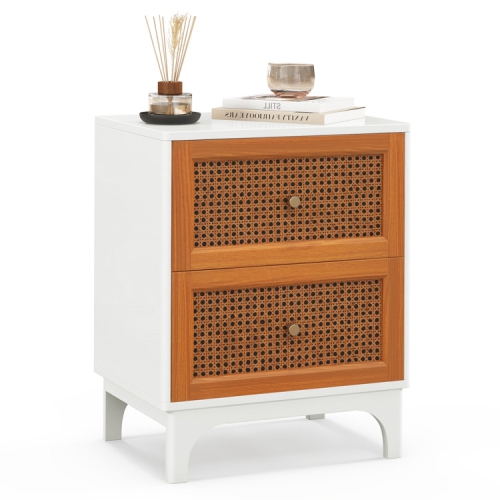

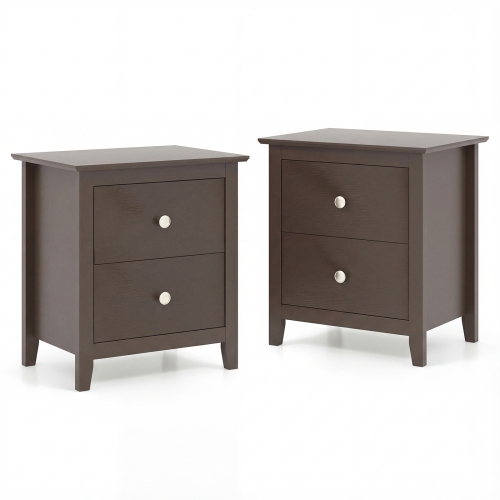
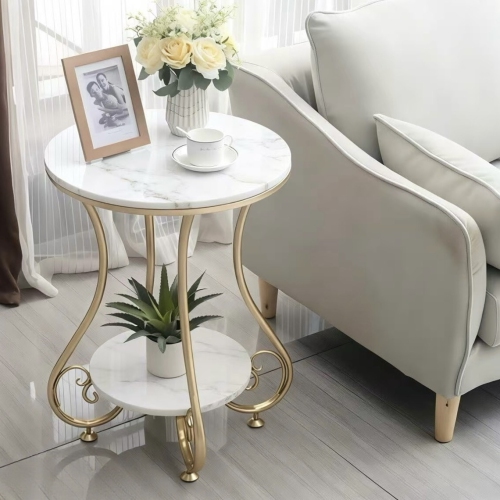
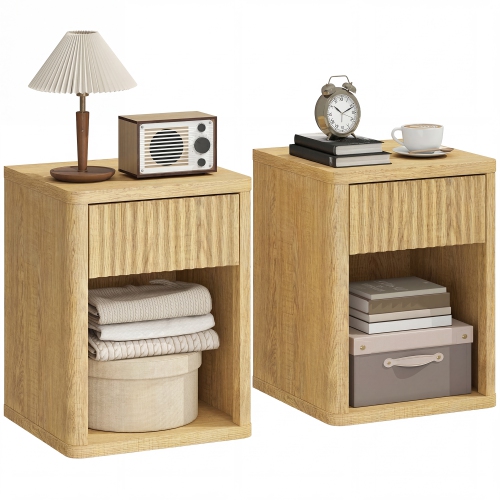
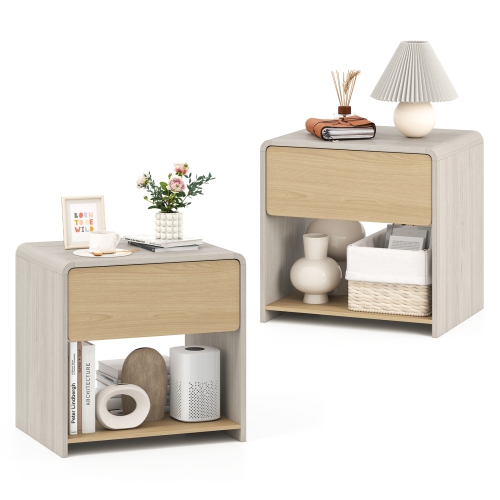
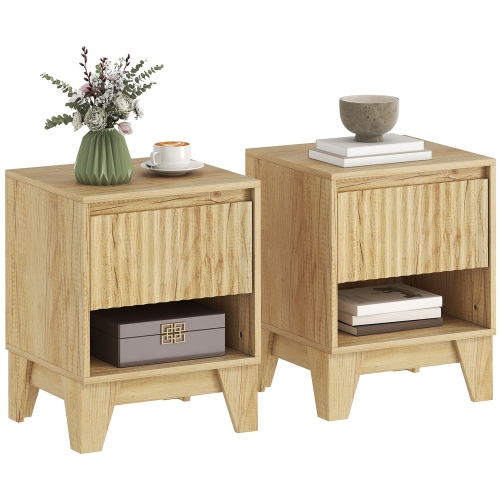
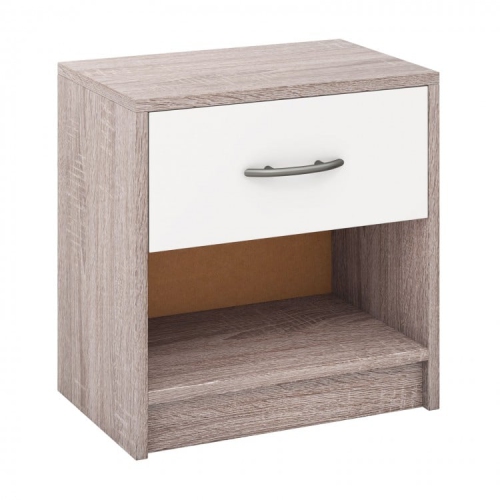
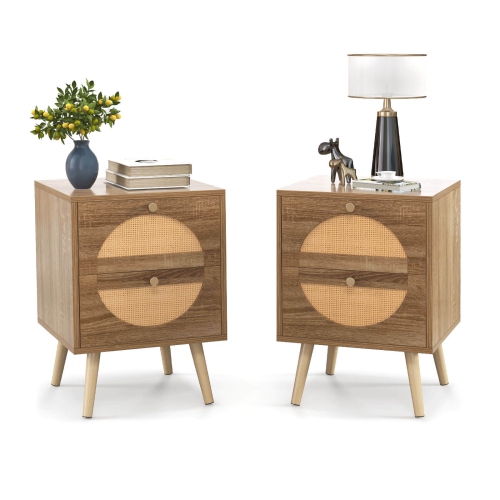
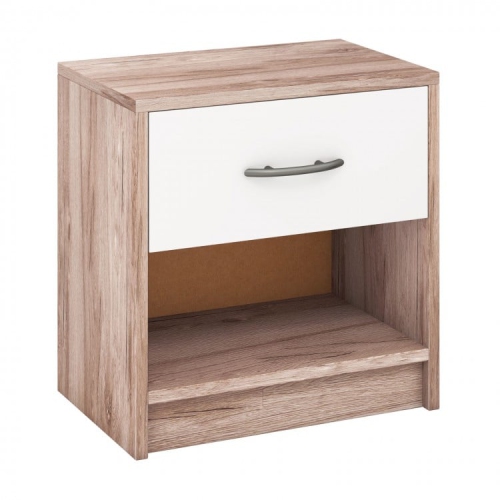
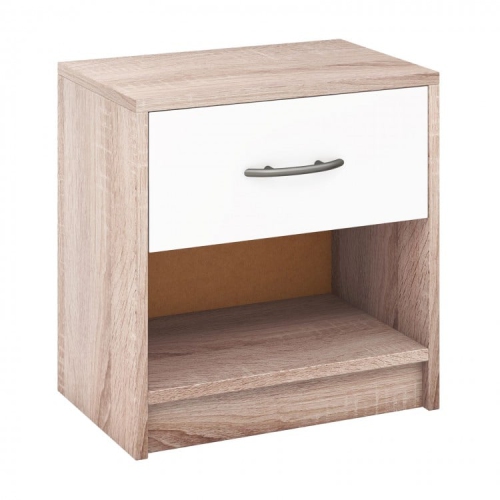
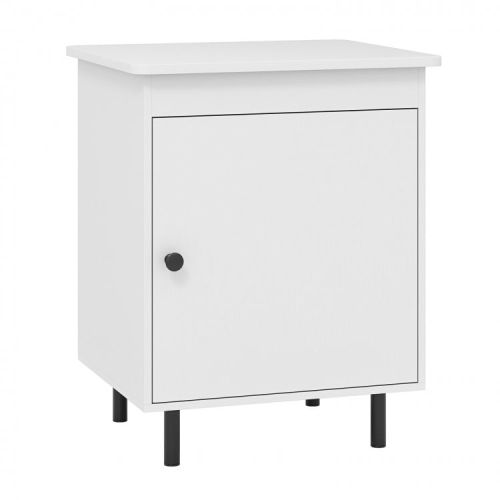
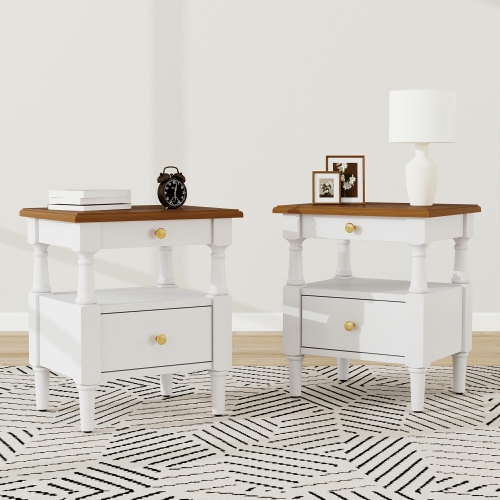
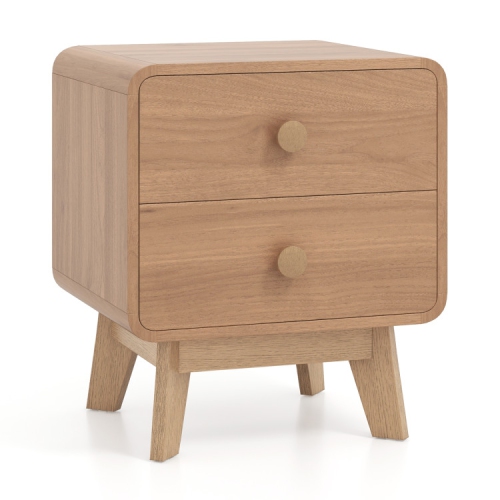
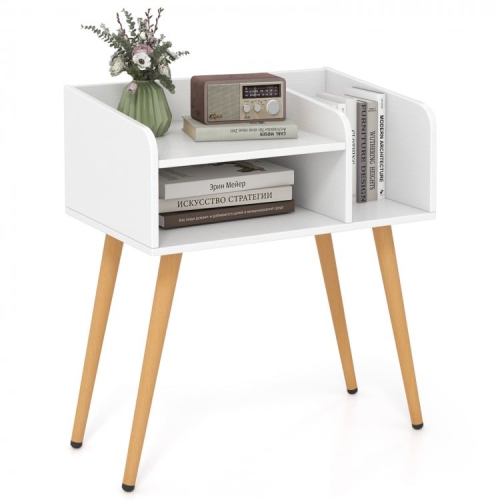
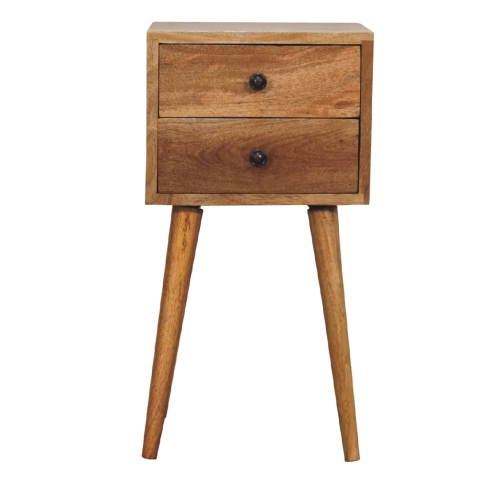

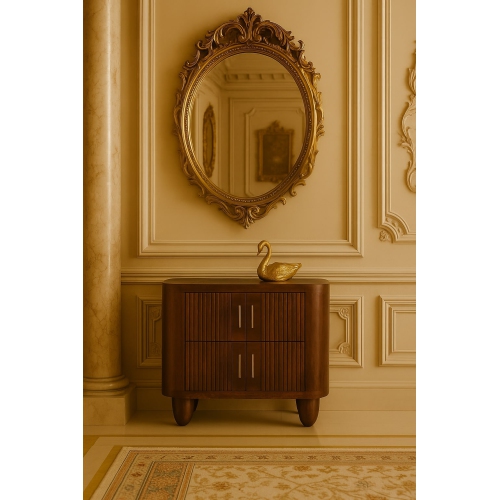
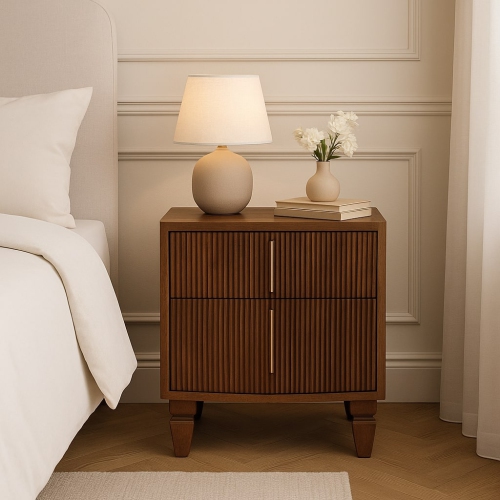
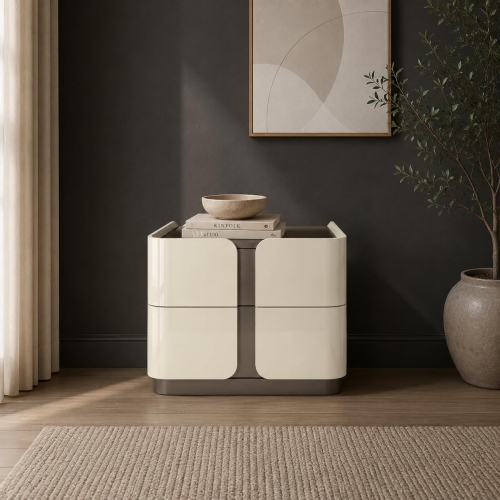
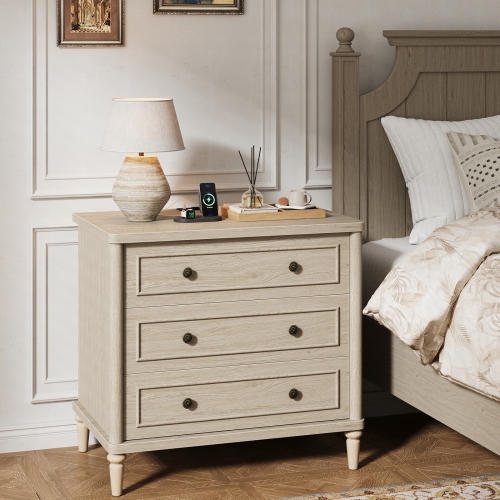
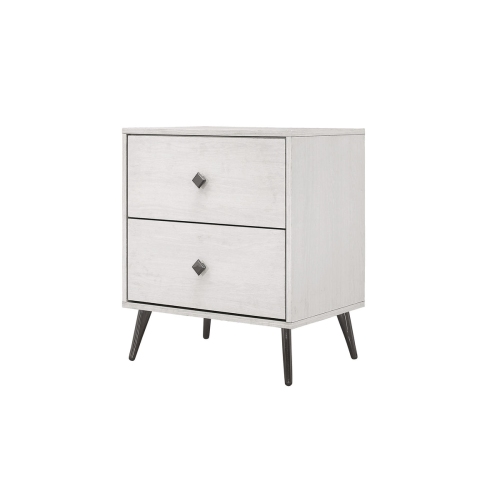
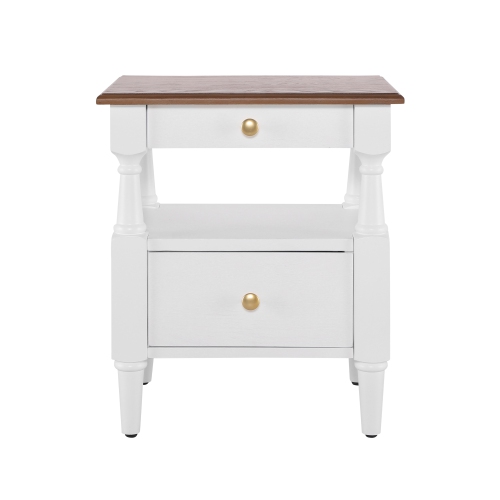

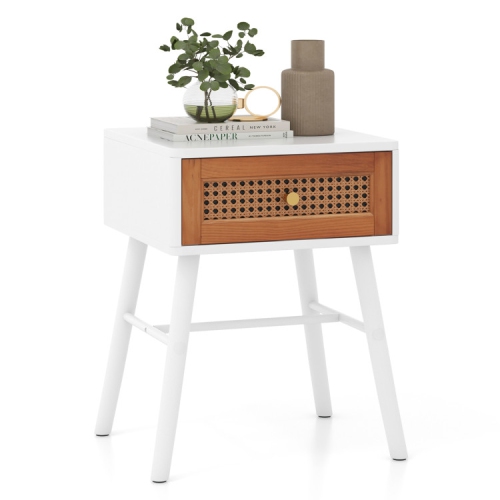
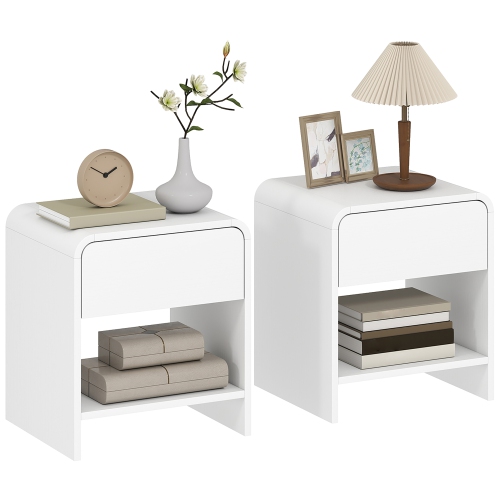
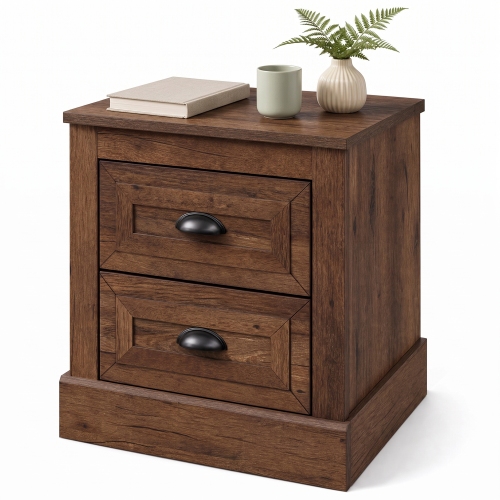
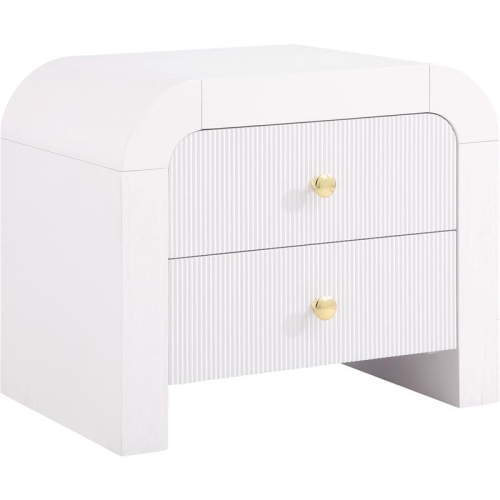
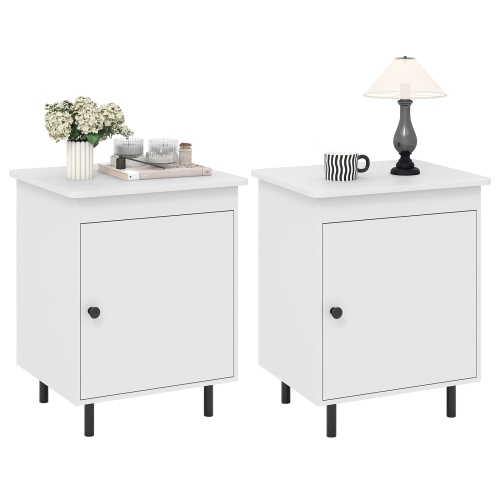
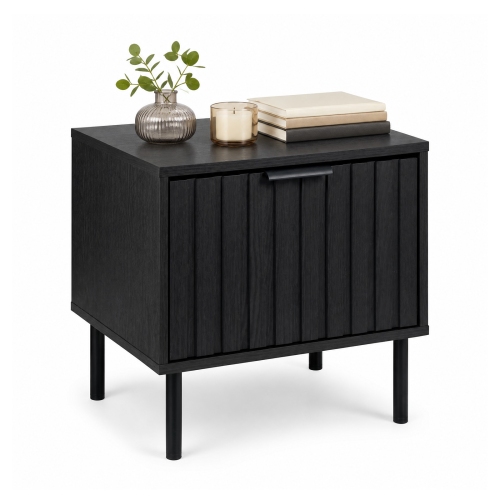
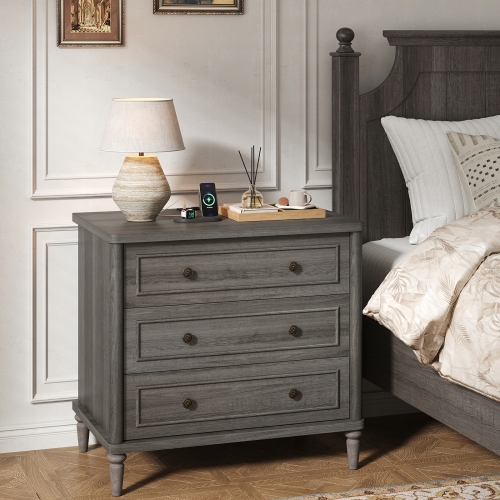
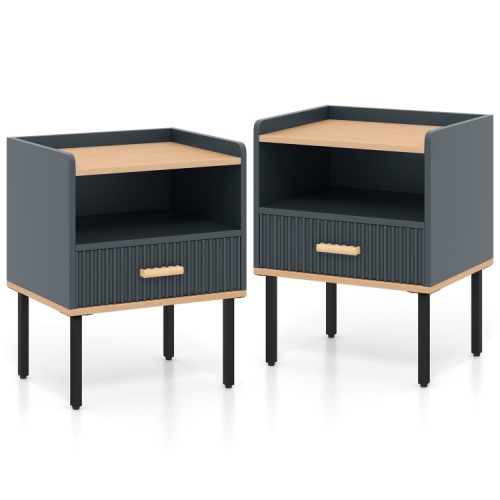
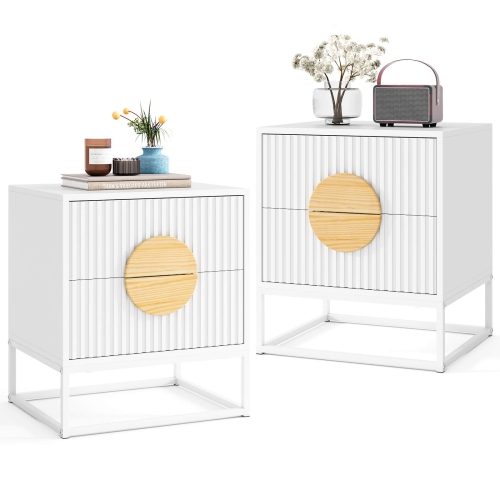
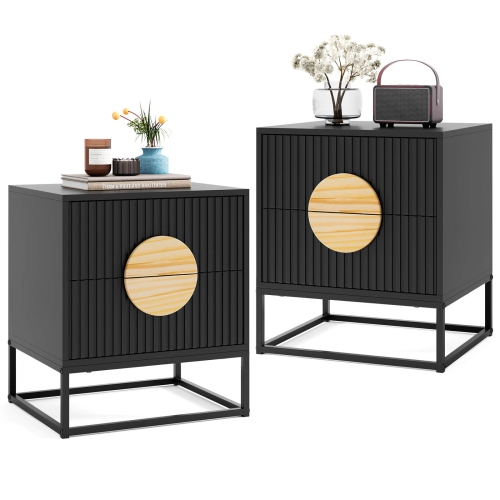
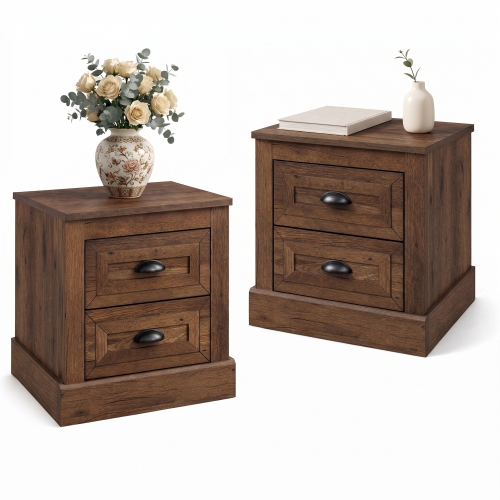
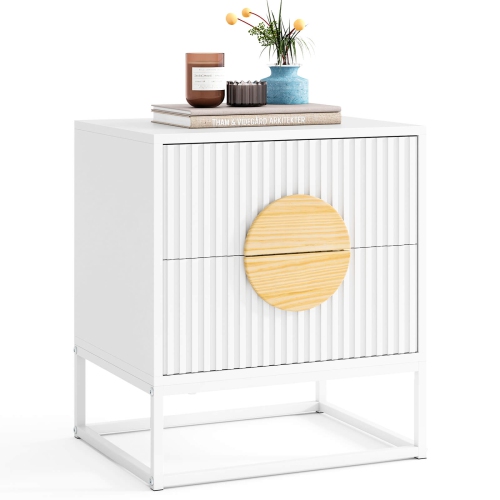
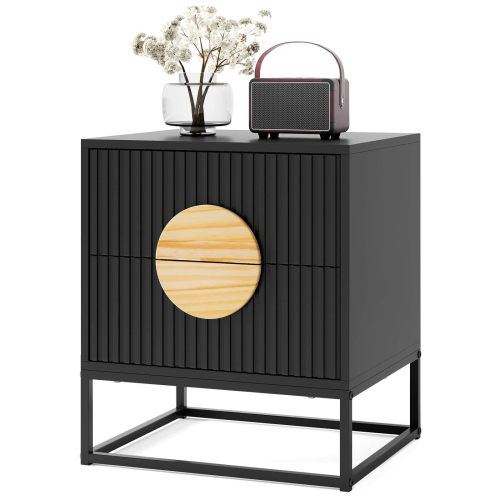

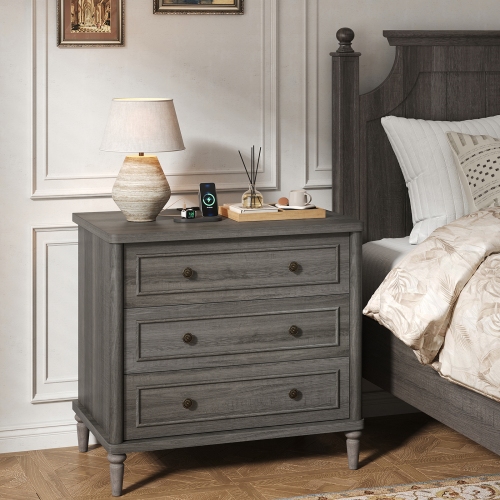
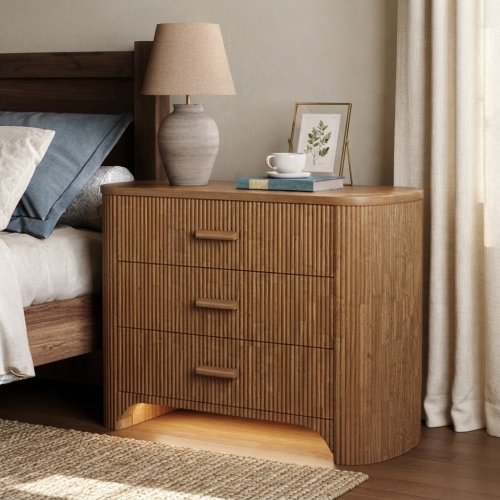
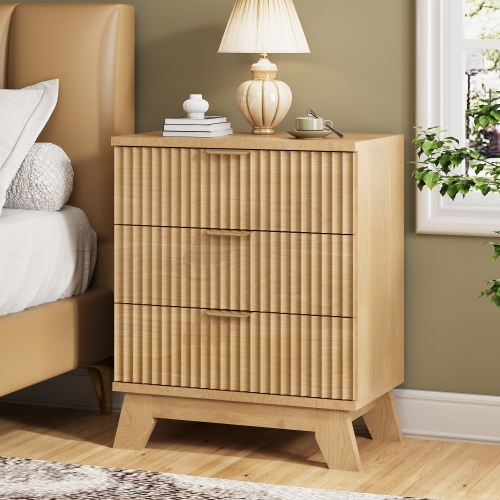
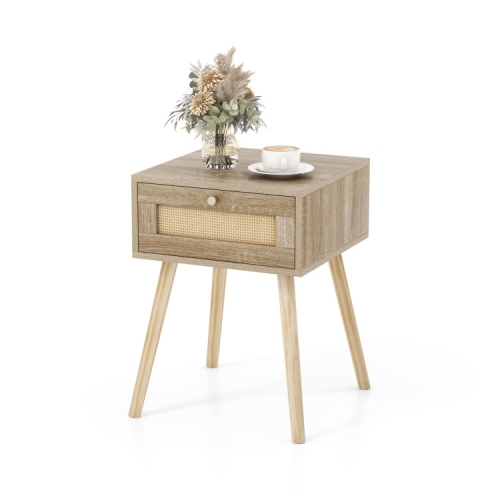
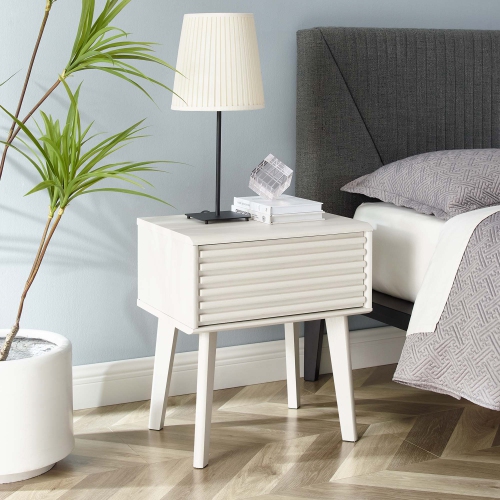
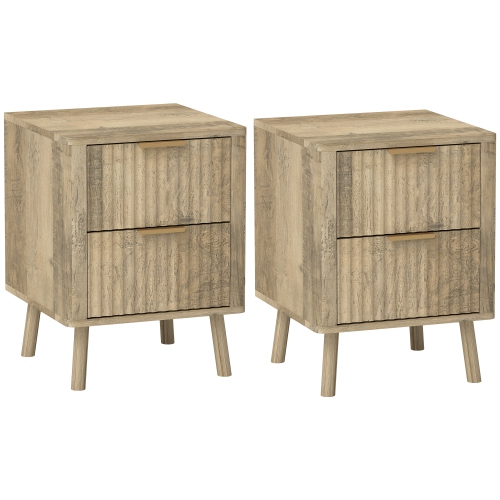
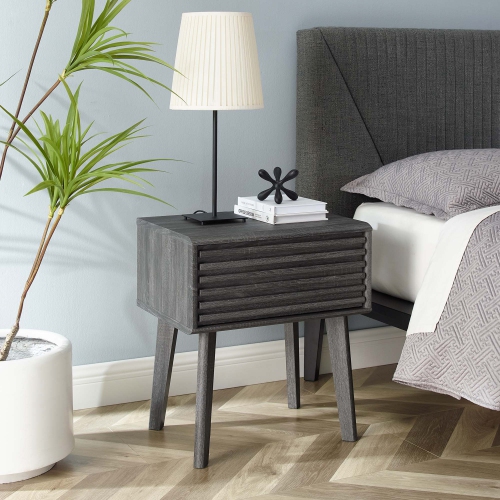
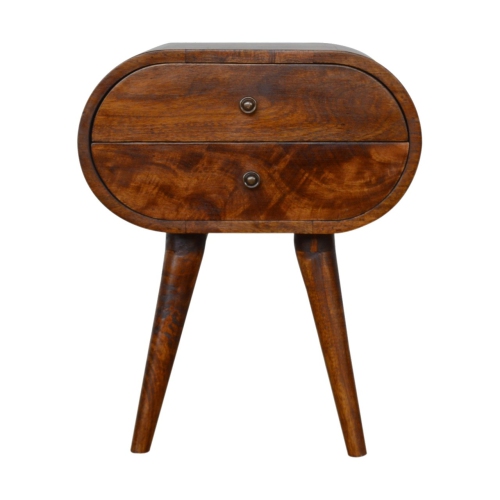
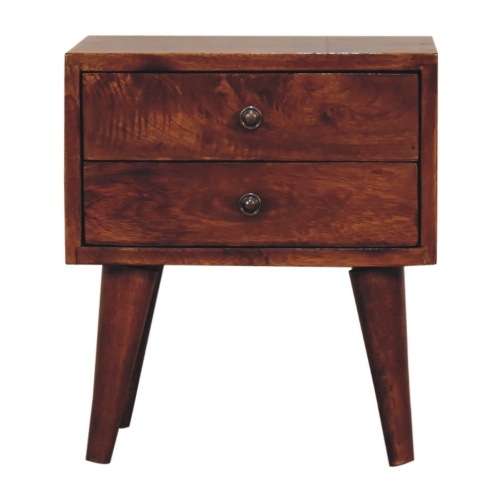
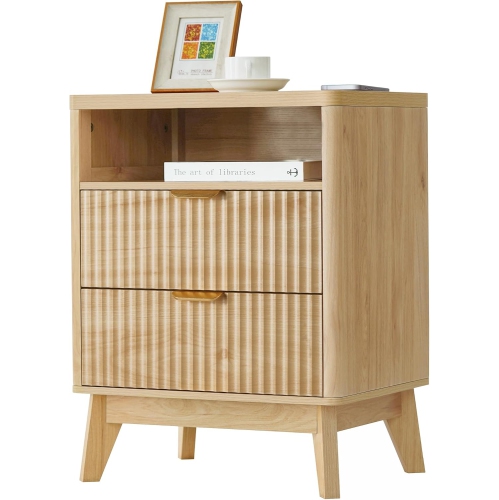
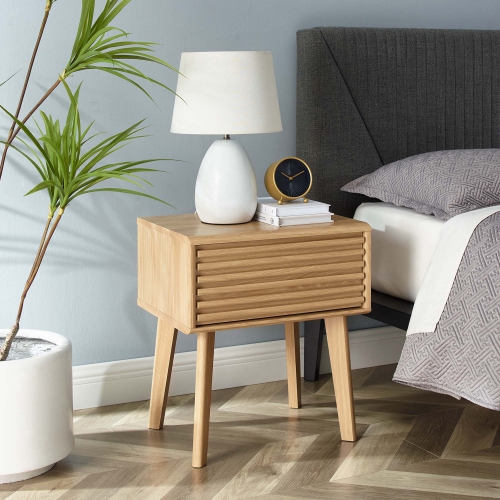
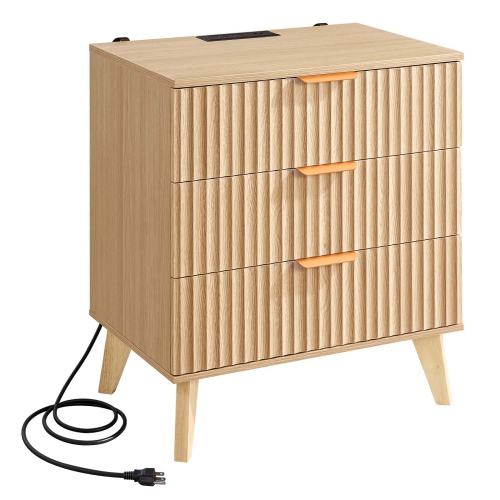
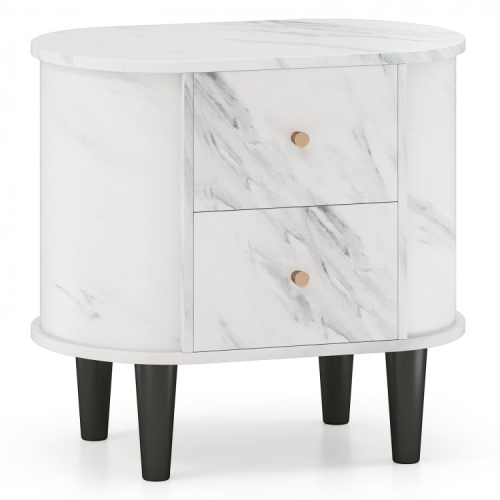
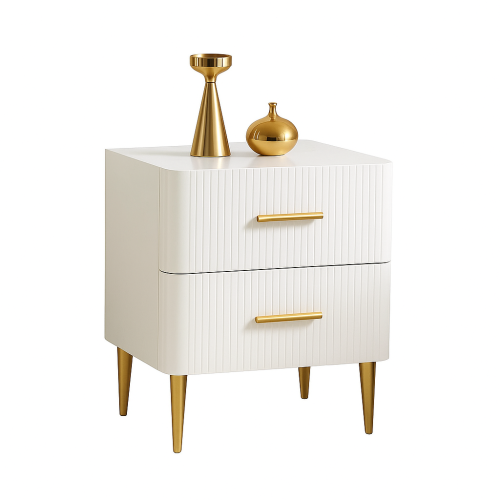
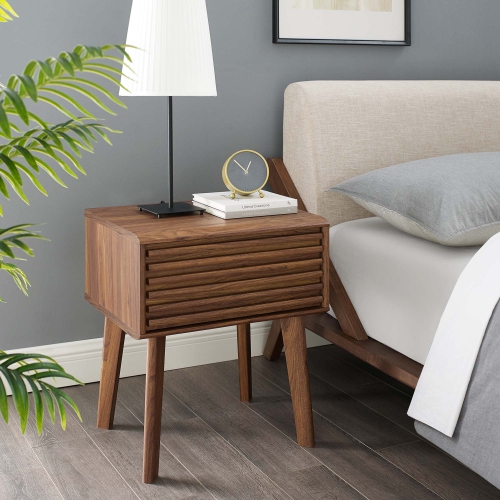
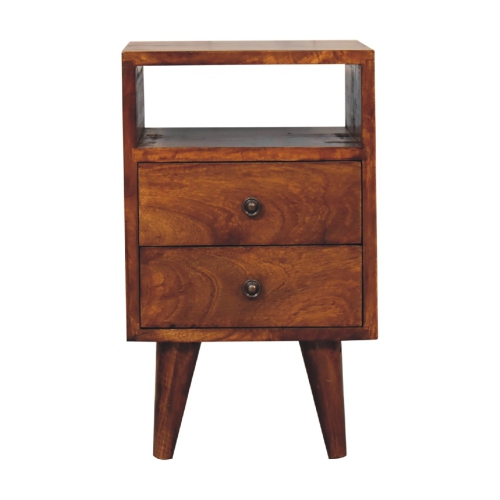
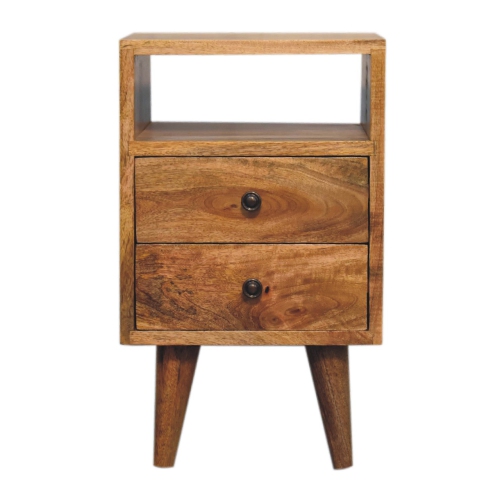
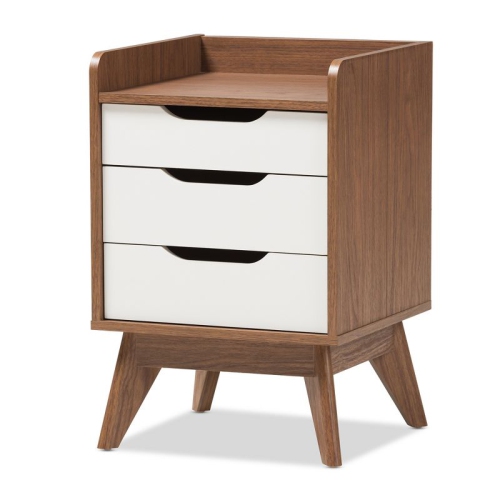
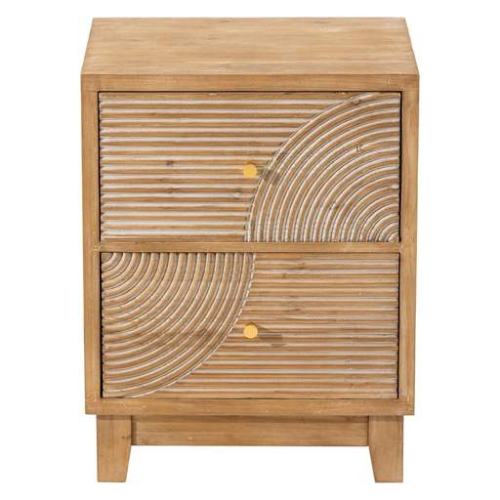
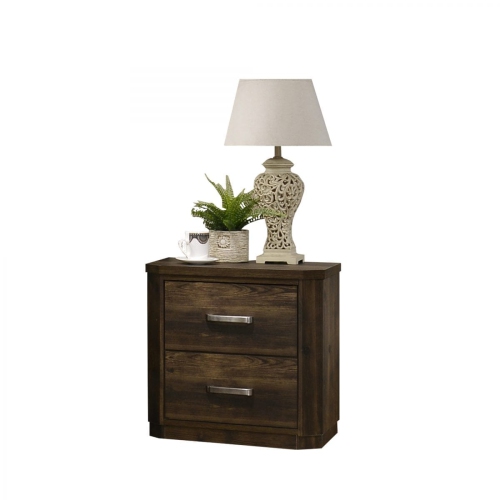
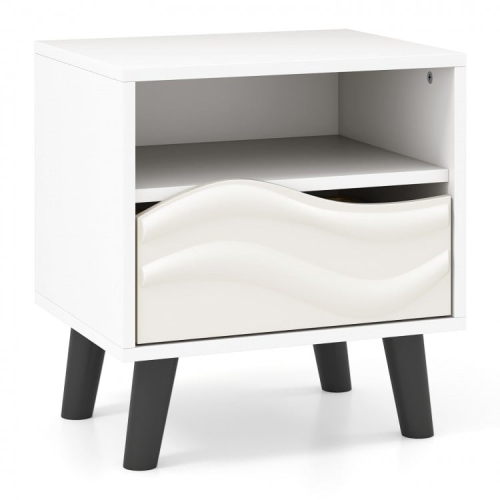

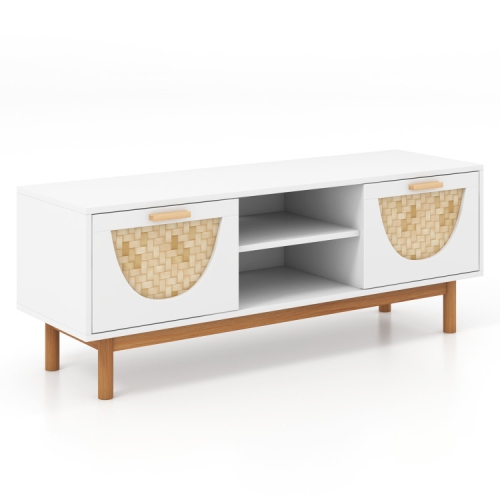
Warm wood character meets practical bedside storage
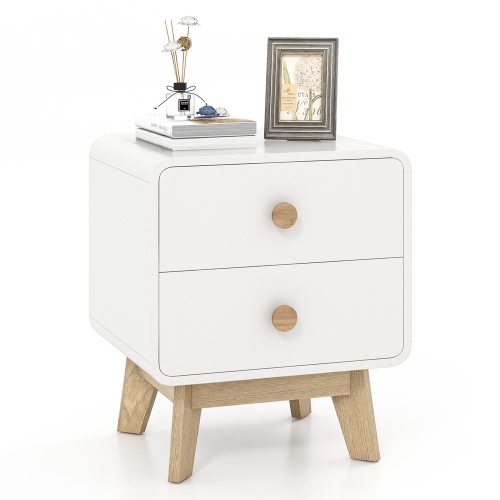
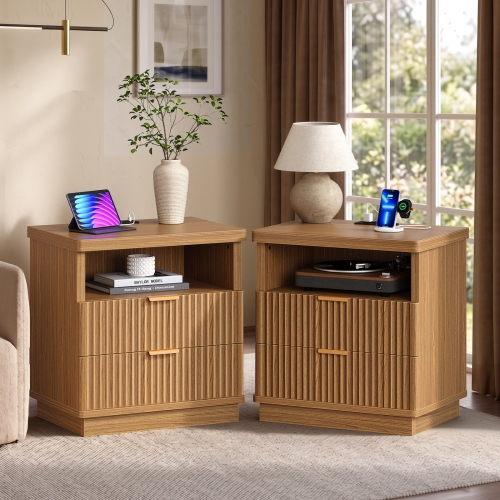
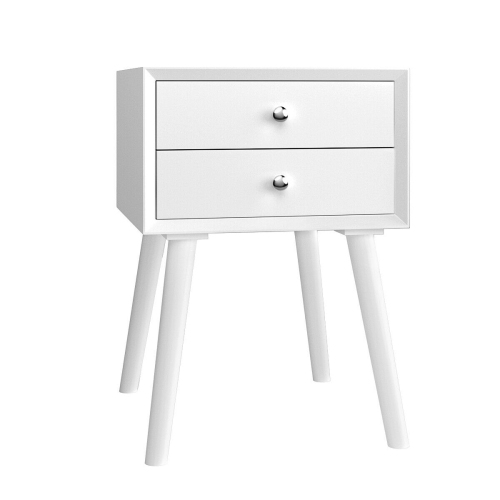
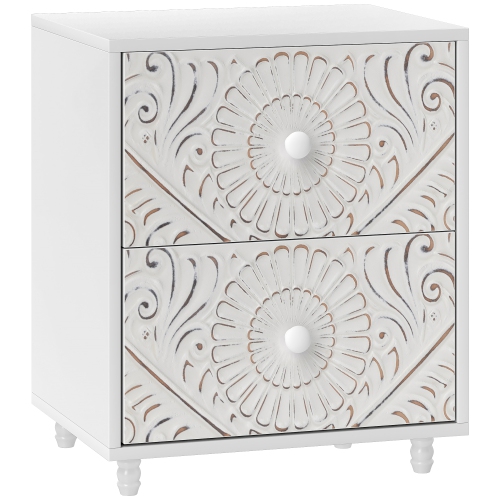
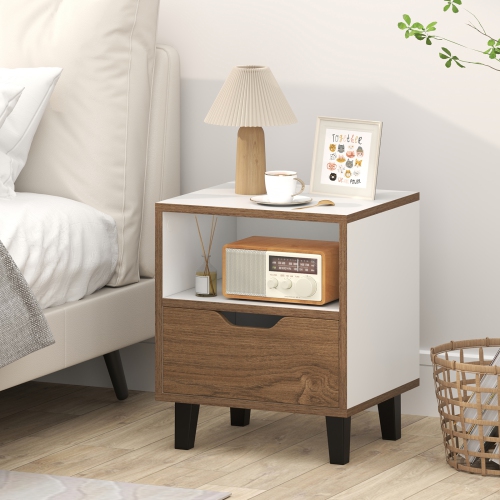
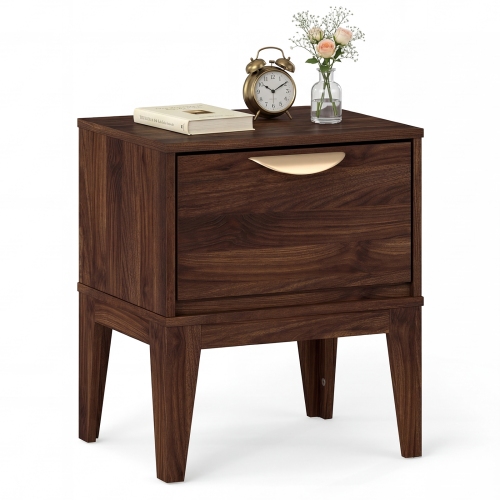
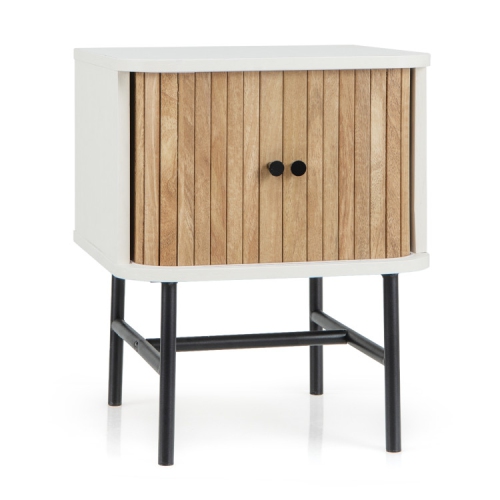
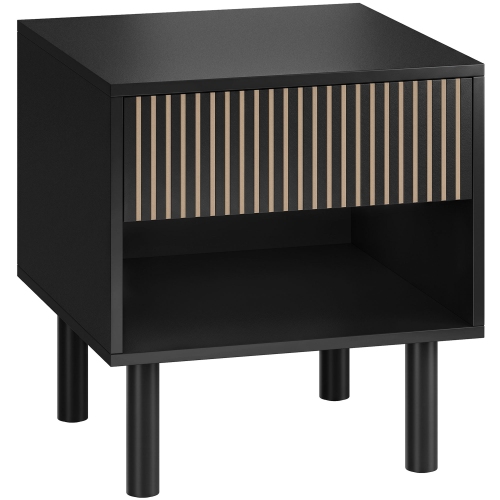
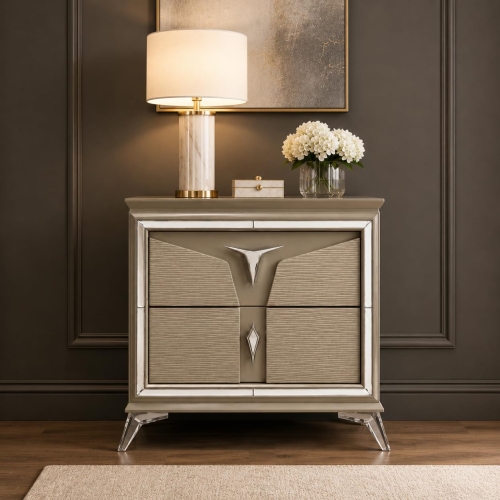
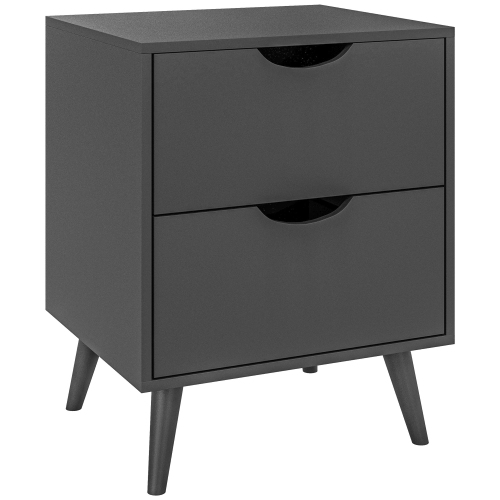
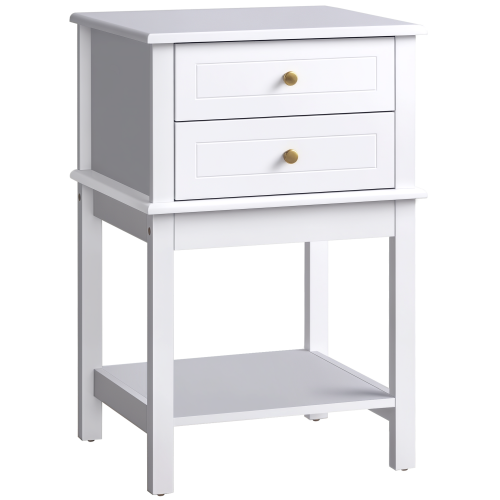
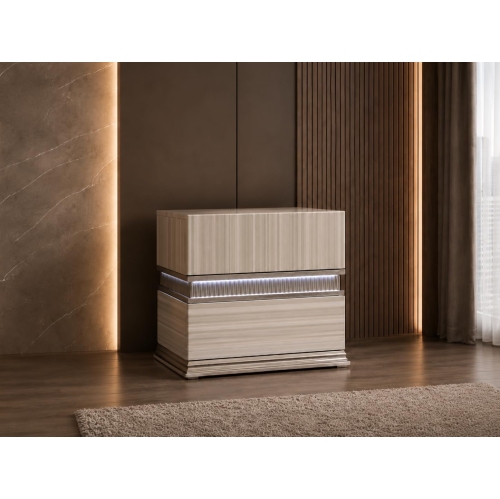
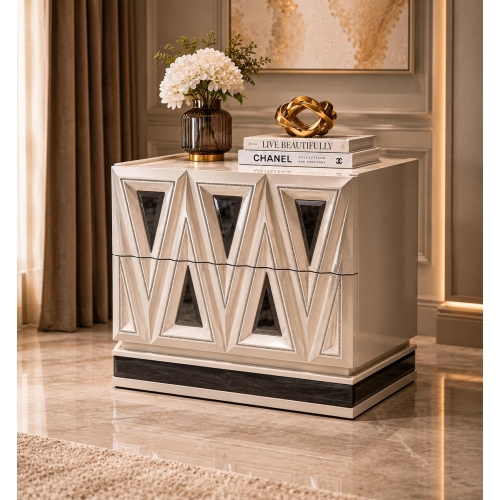
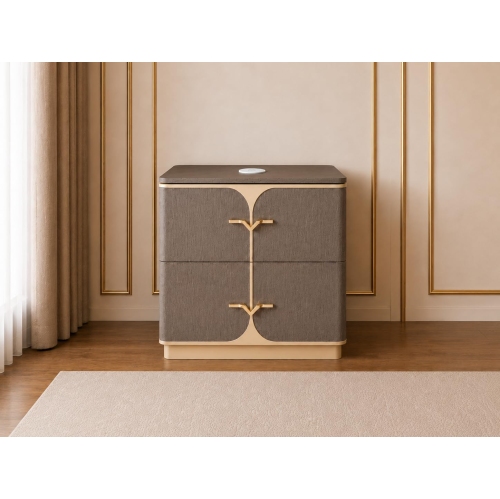
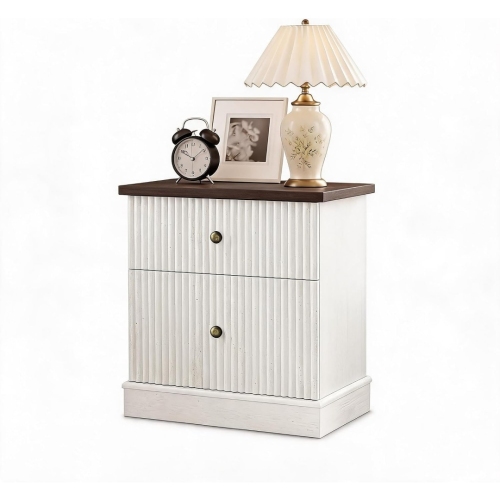
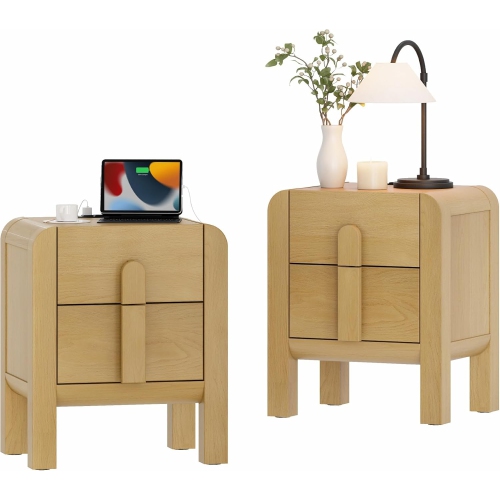
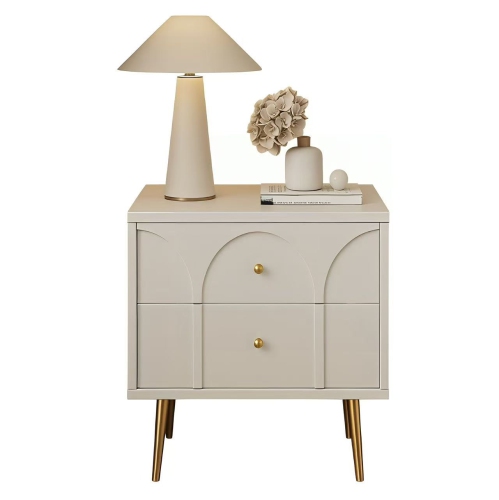
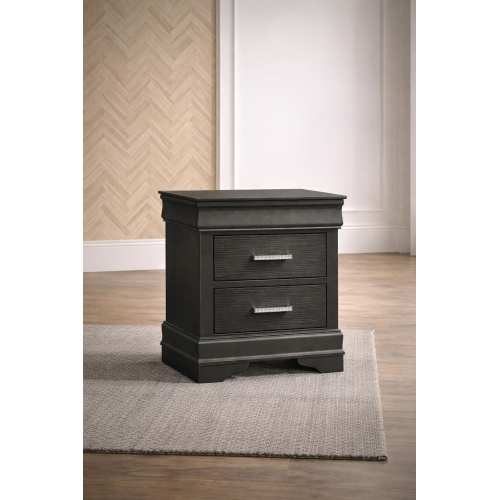
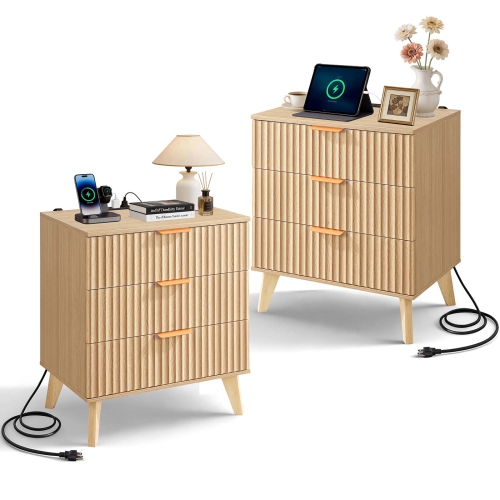
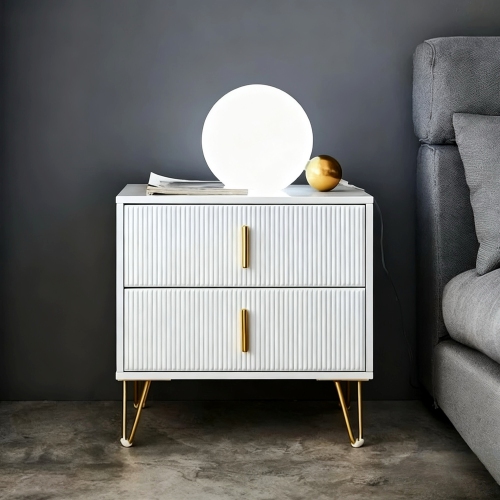
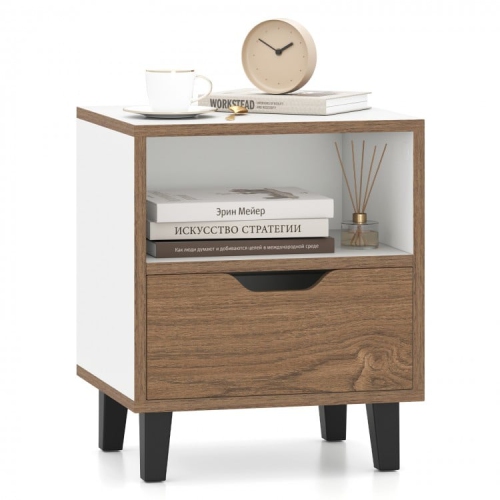
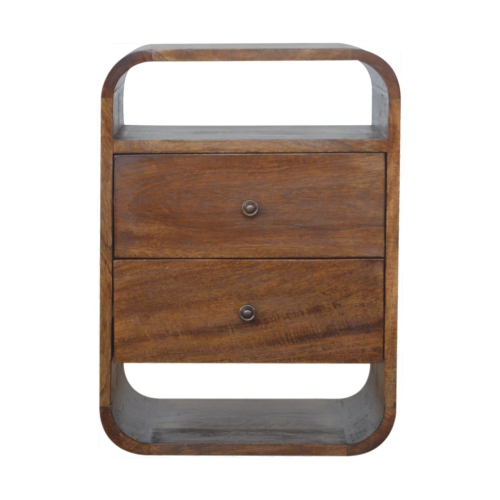
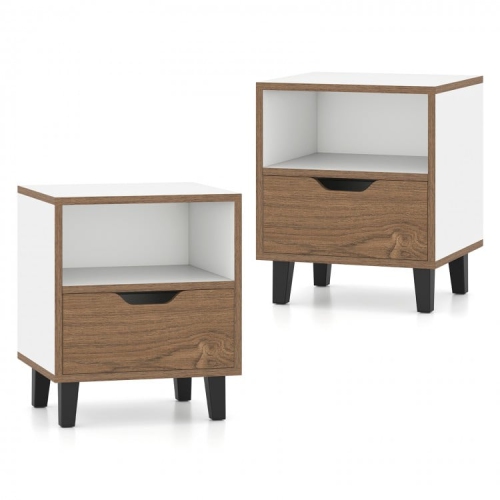
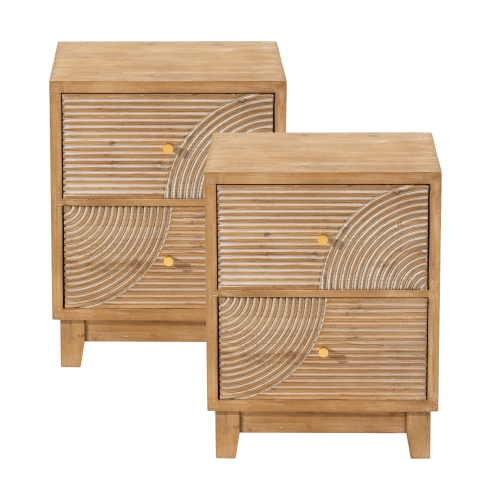
Mid-century modern 2-drawer nightstands bring clean-lined storage and warm, furniture-focused detail to the bedside. Drawing on design associated with the middle of the twentieth century, they typically combine a compact cabinet with tapered or splayed legs, restrained hardware, and an emphasis on wood grain. The raised base gives the cabinet a lighter appearance, while two enclosed drawers keep everyday belongings out of sight. Here, “two-drawer” describes the storage layout of each nightstand, not the number of nightstands in a set. Familiar finishes include walnut brown, oak-inspired neutrals, and teak-like golden tones, alongside white, black, and mixed-finish designs. A finish name describes appearance rather than necessarily identifying the wood species, so construction details matter as much as colour. Solid wood can show natural variations in grain and tone, while real wood veneer provides a thin layer of wood over a supporting core. Engineered wood, including medium-density fibreboard and particleboard, is also used for cabinet panels and drawer components, often with painted, laminated, or veneered surfaces. These materials have different care requirements, and overall durability depends on the quality of the construction, finish, joints, and hardware rather than a single material label. Solid wood legs, slim metal supports, recessed pulls, wooden knobs, and understated metal handles each give the same basic shape a different character. Rounded corners and curved drawer fronts soften the silhouette; flat fronts and straight edges create a more architectural look. Some interpretations feature fluted or textured fronts, though a quieter surface keeps the focus on proportion and grain. Compared with the broader styling of Modern 2 Drawer Nightstands, mid-century-inspired designs tend to emphasize warm wood tones, raised bases, and subtly angled details. That combination sits comfortably beside an upholstered headboard, a simple wooden bed frame, or a painted dresser without requiring every piece in the bedroom to match. Repeated details, such as a similar wood undertone or a shared metal finish, can make different pieces feel connected.
The appeal of two drawers is practical as well as visual: they divide bedside storage into separate spaces without adding the height of a small chest. An upper drawer can hold reading glasses, a charging cable, a notebook, or other frequently reached-for belongings, while a lower drawer can accommodate less-used accessories. Usable drawer dimensions determine what fits; a deep-looking cabinet does not always have equally deep drawers because the back panel, runners, and cabinet structure occupy space. Smooth movement, accessible handles, and drawers that sit evenly when closed contribute to comfortable daily use. Metal runners and wooden slides have different operating characteristics, while soft-close mechanisms are a feature to confirm rather than assume. For the tabletop, the relevant measurement is the clear surface left after a lamp or other bedside essential is in place. A compact top may suit a phone and a small lamp, whereas a wider surface gives a water glass and an open book more separation. Height is especially noticeable in use. A nightstand top approximately level with the mattress, or slightly above it, generally makes belongings easier to reach than a surface far below the bed. The mattress, bed base, and any topper all contribute to that relationship. Width and depth affect the room differently: a narrow cabinet preserves space beside the bed, while a shallower one can leave more room along a walkway. Splayed legs may extend beyond the cabinet body, making the full footprint important near a doorway or a tight corner. Drawer fronts also need clearance to open without catching bedding or meeting nearby furniture. In a shared bedroom, the space on each side of the bed may differ, so identical nightstands are not always the most comfortable arrangement. Similar heights and related finishes can create visual balance even when widths differ. Where a nightstand includes a cable opening or built-in charging feature, its position and connection requirements help determine whether it suits the room’s outlet layout.
Mid-century modern two-drawer nightstands work in primary bedrooms, guest rooms, and smaller sleeping spaces where enclosed storage helps keep the bedside surface uncluttered. Their modest scale can be useful beside a low-profile bed, although the actual measurements remain more important than the style name. In a guest room, an empty drawer gives visitors somewhere to put personal belongings, and a clear tabletop leaves room for a phone, glasses, and a drink. A pair can frame a bed with a consistent rhythm, while a single nightstand can suit a room with access from only one side. Everyday care helps preserve both appearance and function. A soft cloth removes dust from the top, drawer fronts, and legs; spills are best wiped up promptly rather than left around seams or hardware. Coasters help protect the finish from glass rings, and a small tray can keep frequently handled objects from repeatedly rubbing the same area. Cleaning products should suit the stated surface finish, since painted panels, laminate, veneer, and oiled wood do not all tolerate the same treatment. Excess moisture, abrasive pads, and harsh cleaners can damage many furniture surfaces. Direct sunlight may gradually alter wood tones, and prolonged contact with heat can mark some finishes. Raised legs make the floor underneath more accessible, although the clearance varies and may not accommodate every cleaning tool. For assembled furniture, secure leg connections, aligned runners, and correctly tightened fasteners support a steady cabinet and even drawer movement. Load limits apply to both the tabletop and the drawers, and heavy belongings should not be treated as interchangeable with lightweight bedside accessories. Manufacturer-specified anchoring and safety directions remain important, particularly in homes with children; open drawers are not steps or seats. Over time, checking for loose hardware and avoiding overloaded drawers can help maintain smooth operation. With proportions that suit the bed, storage that fits everyday belongings, and a finish that works with neighbouring furniture, this style offers a distinctive bedside presence without needing elaborate accessories or a fully coordinated bedroom suite.
Top selling and popular products
-
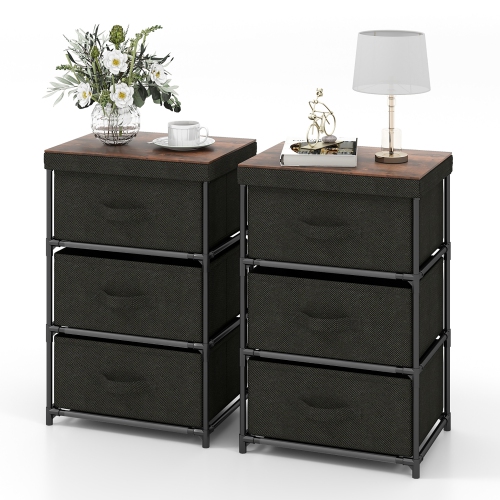 Your price for this item is $99.99
-
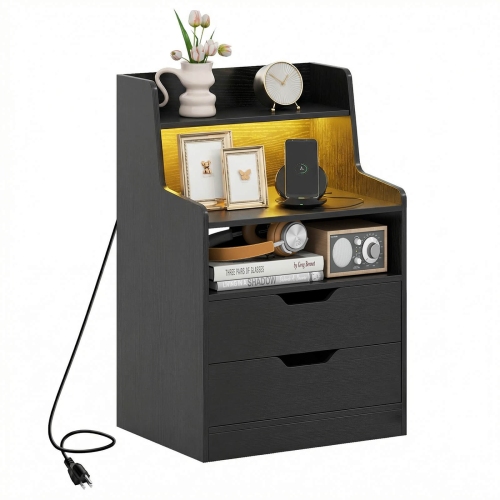 Your price for this item is $107.99
-
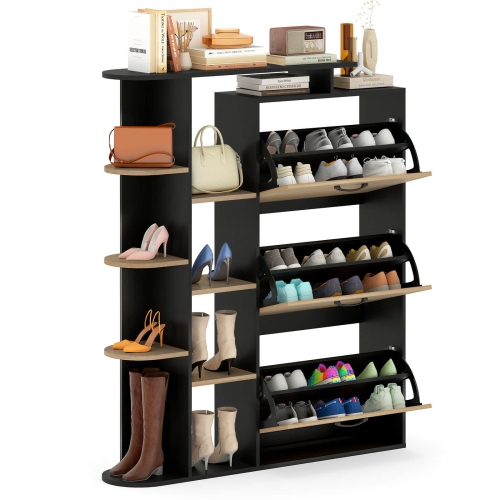 Your price for this item is $188.99
-
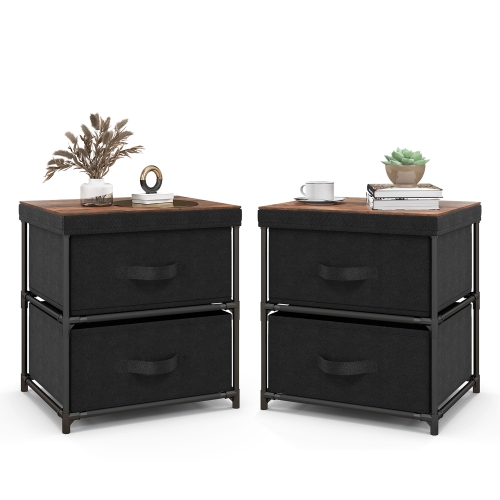 Your price for this item is $79.99
-
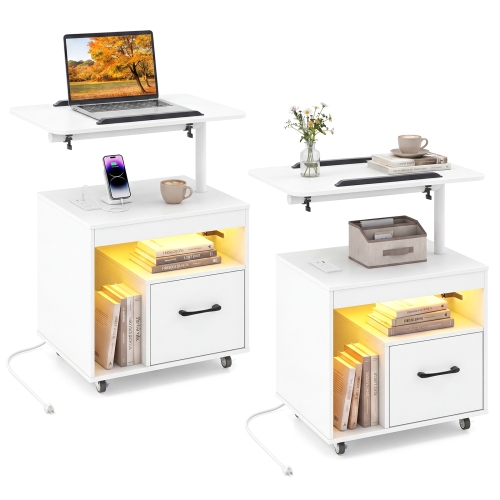 Your price for this item is $218.49
-
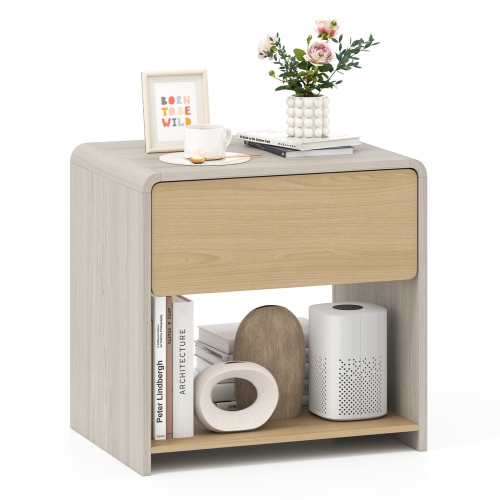 Your price for this item is $119.99
-
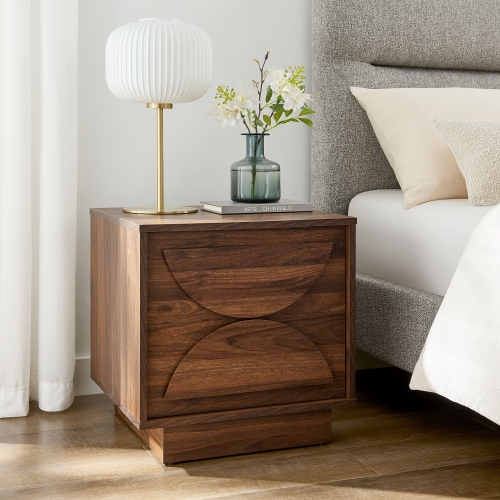 Your price for this item is $260.94
-
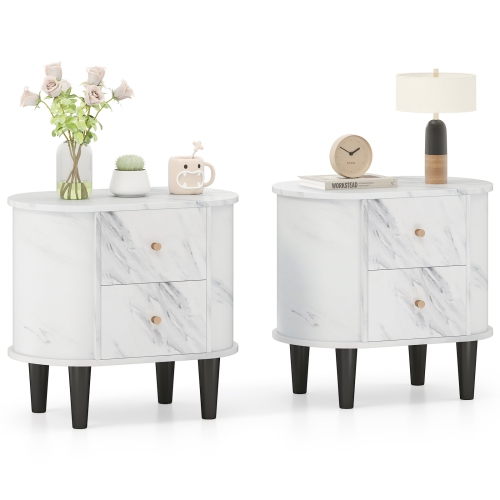 Your price for this item is $169.99
Discover more categories related to Mid Century Modern 2 Drawer Nightstands
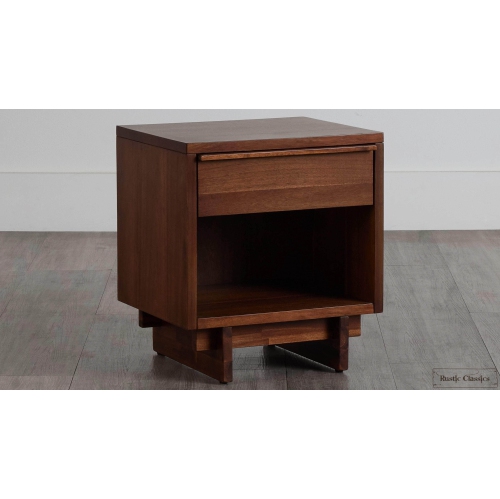
Top Collections:
Best Black Friday Deals This Year, Best Black Friday Deals On Electronics, Kindle Devices, Dyson Airwrap, Best Cameras for Sports Photography, Best Budget Office Chairs, Canon G7X Cameras, PS5 Pro Consoles, Best Black Friday Deals On Apple Products, XBOX One S Consoles
Some products may be subject to Environmental Handling Fees
(EHF) depending on your province.
Learn more about EHFs.