Nursery Diaper Stations

Nursery diaper stations provide a dedicated space for everyday diaper changes. Compare options with your room layout, available floor space, and storage needs in mind. Consider the changing height and where you’ll keep diapers, wipes, and other essentials so they’re easy to reach while caring for your baby.
Read More

Sort

A changing space with everyday essentials within reach

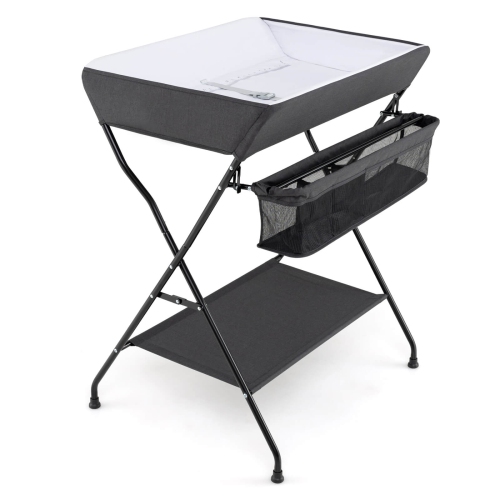
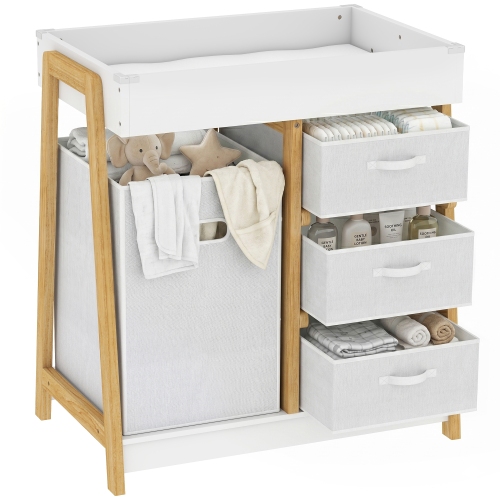
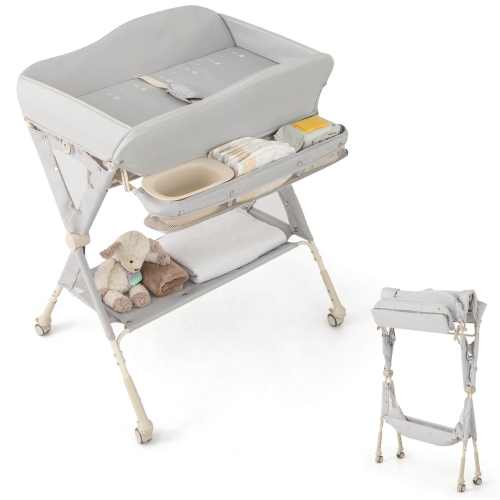
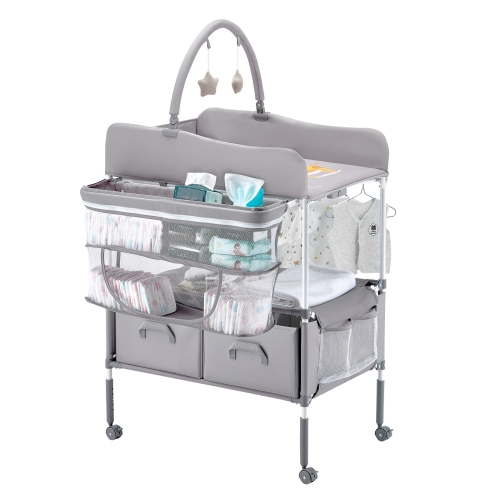
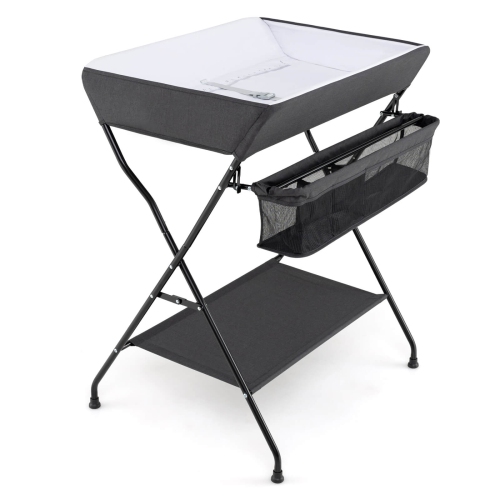
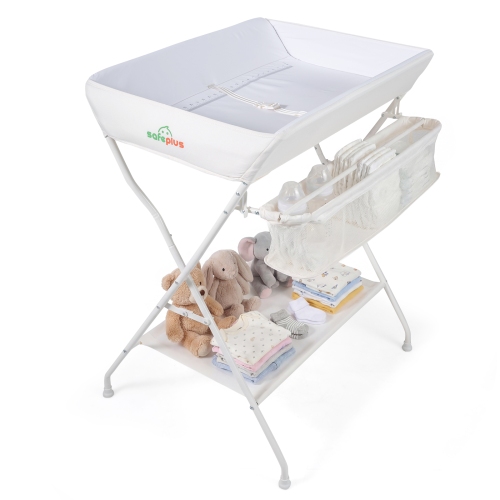
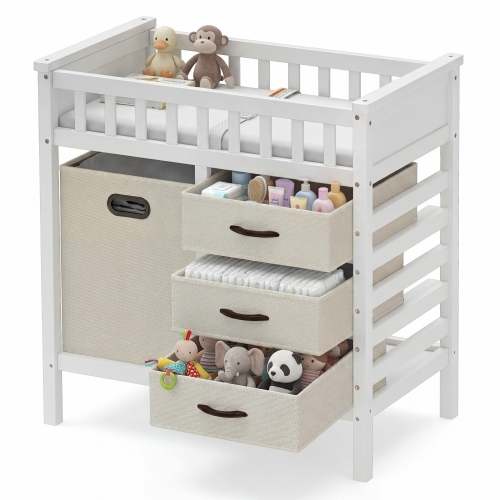
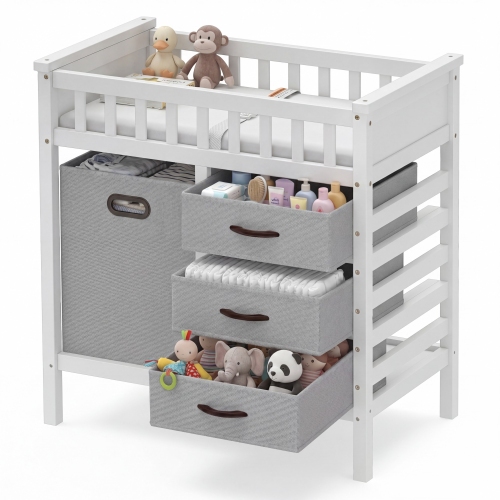
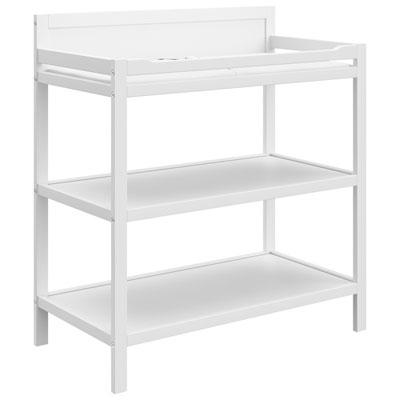
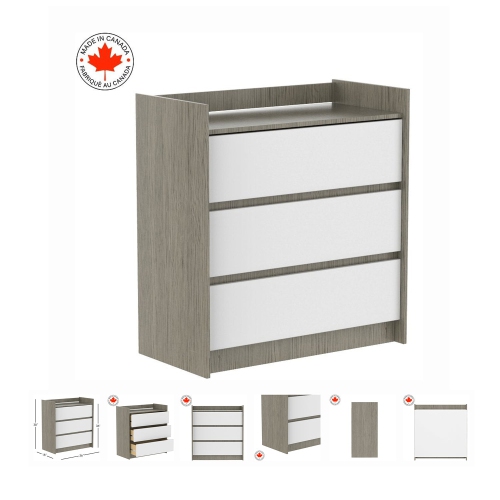
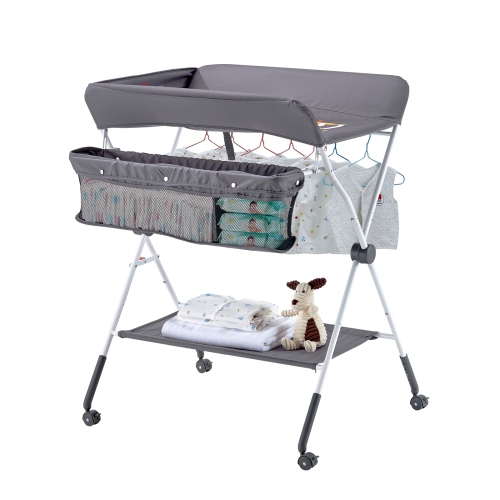
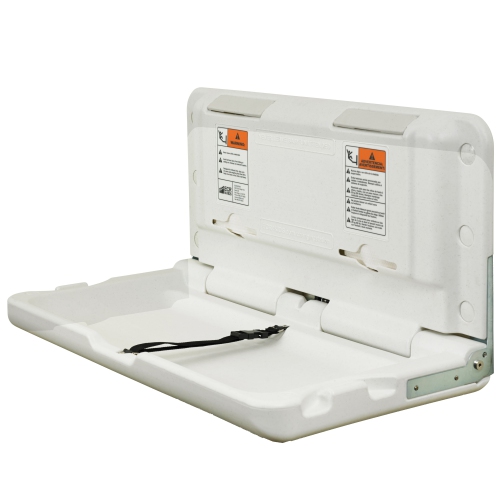
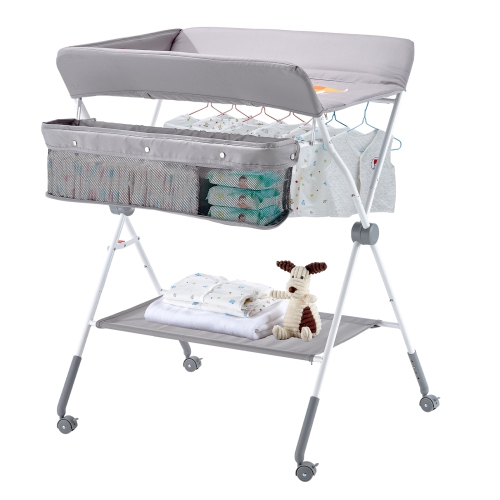
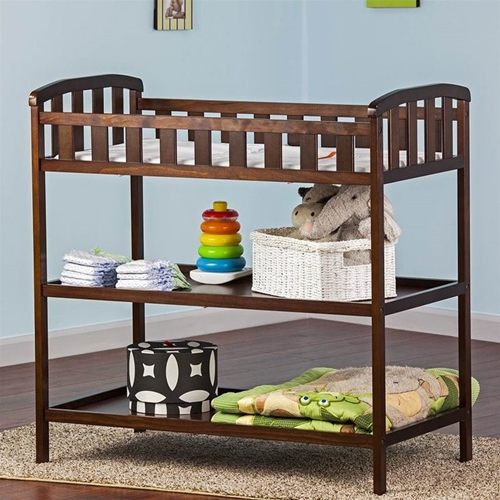
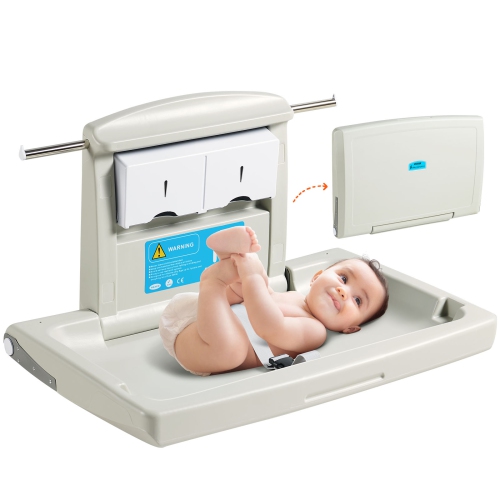
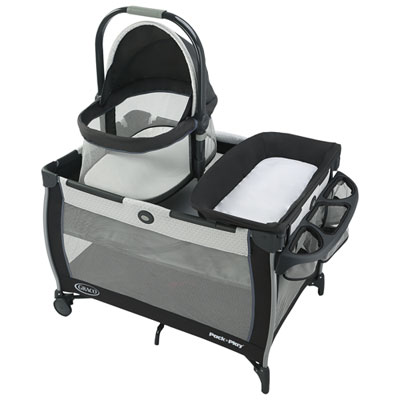
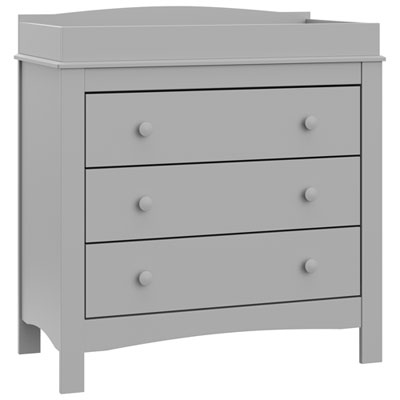
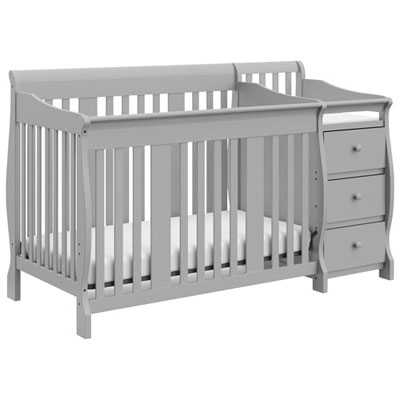
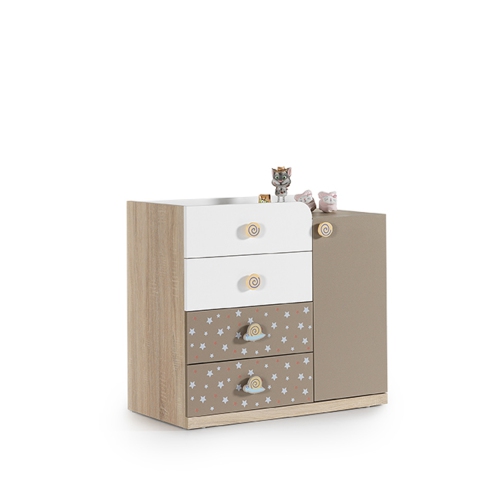
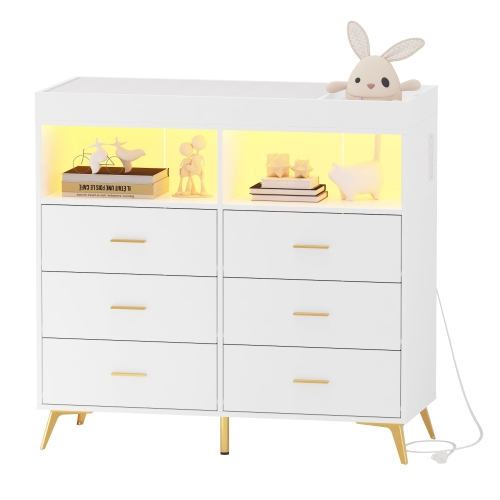
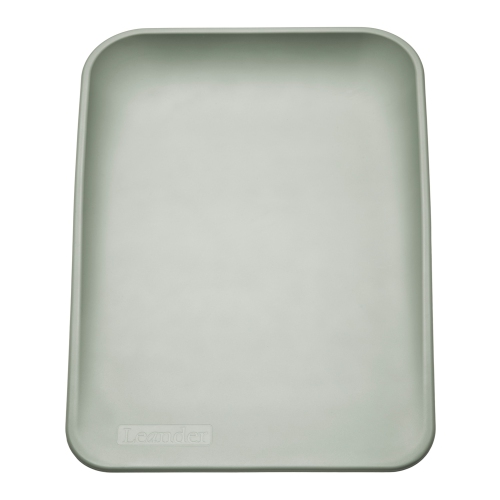
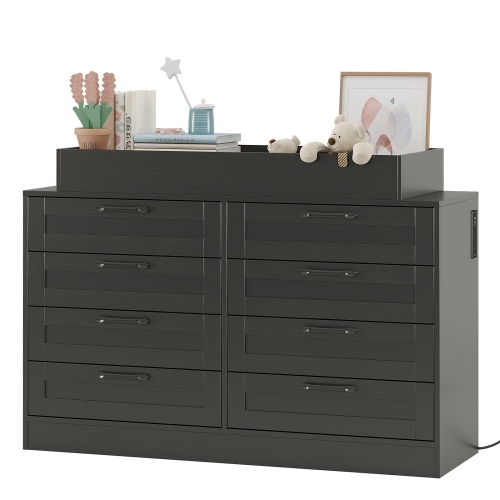
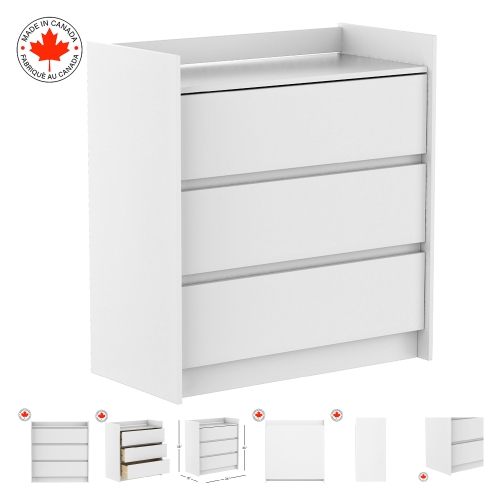
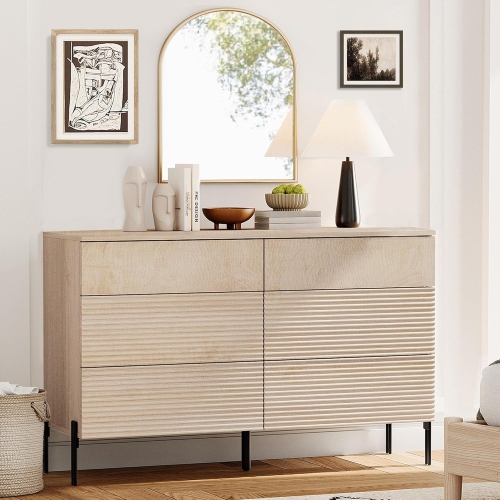
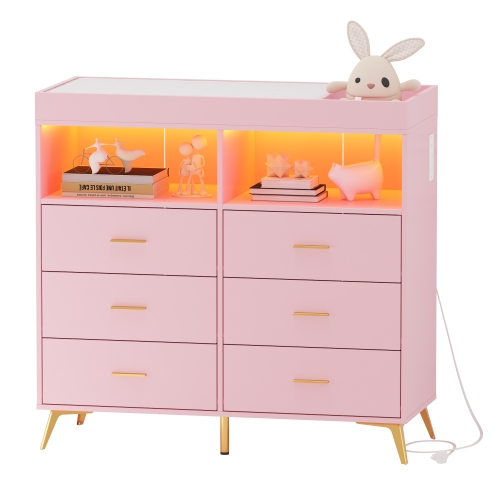
Nursery diaper stations bring a stable changing surface and organized storage together in one dedicated spot for everyday baby care. A practical setup keeps diapers, wipes, clean clothing and other essentials within an adult’s reach, so a fresh outfit is close by when a routine change turns into a bigger cleanup. The main options include freestanding changing tables, dressers designed to accept a compatible changing top, and folding stations intended for spaces where permanent furniture may not fit. Each serves a slightly different purpose. An open-shelf changing table makes supplies easy to see, while a dresser-style station offers enclosed storage and may continue to hold clothing after its changing attachment is no longer needed. Folding designs can suit a shared room or a second caregiving space, provided they are fully opened and secured as directed before use. A comfortable working height depends on the adult using the station; there is no single height that suits every caregiver. A surface around waist level can reduce the need to bend deeply, but the overall dimensions, access and manufacturer’s intended use matter just as much. In a smaller nursery, the space needed to open drawers or reach a lower shelf can be as important as the furniture’s footprint. A clear approach also helps when carrying a baby, especially beside a cot, bedroom door or rocking chair. Placement should keep the changing area away from windows, blind cords, heaters and anything a baby could pull down. For parents sharing care with grandparents or other adults, a straightforward layout makes the space easier to use consistently. A clean pad, a reachable stack of diapers and a separate place for soiled clothing can be more useful than a crowded surface full of accessories. The best fit is a station that supports the household’s daily routine without making the room difficult to move through.
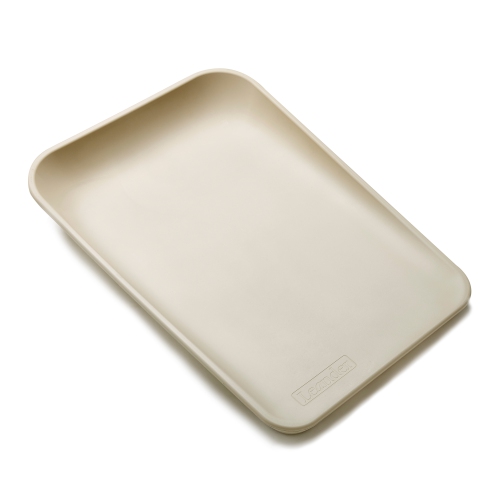
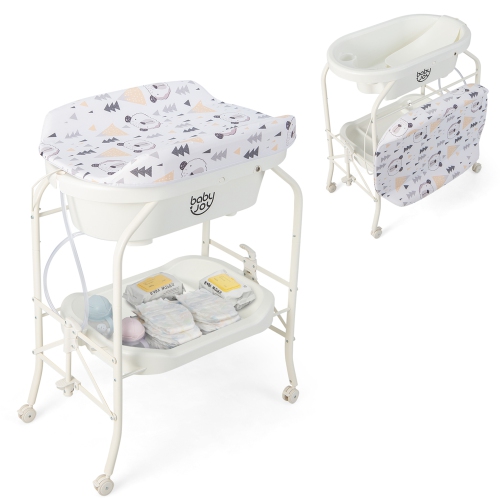
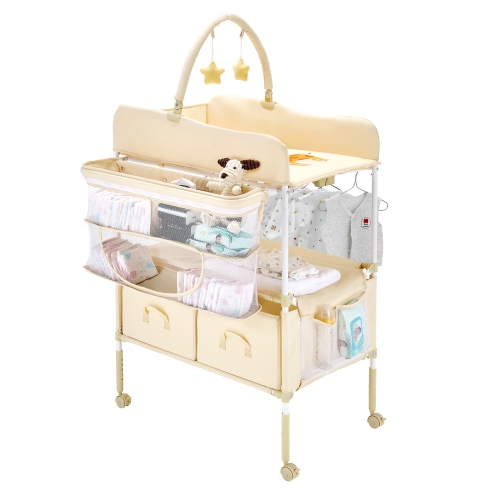
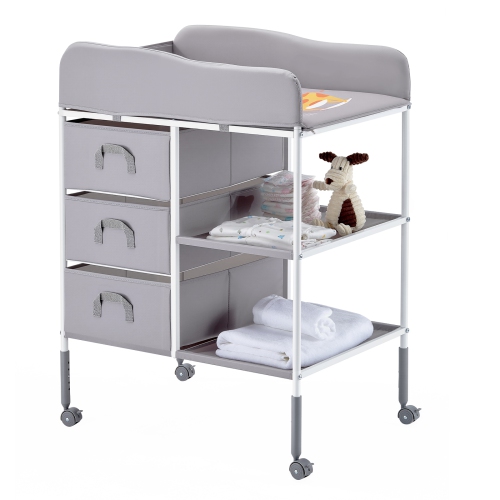
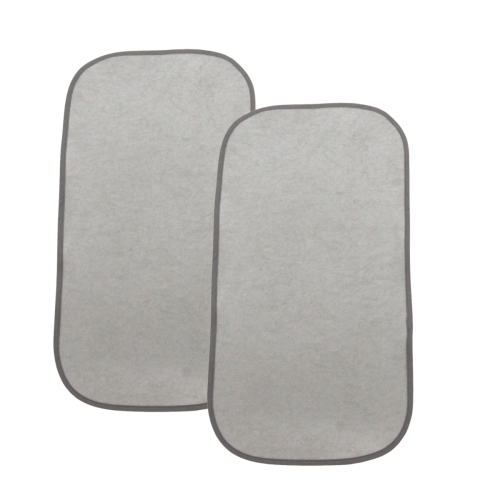
Materials and construction influence how a nursery diaper station feels, how it handles repeated cleaning and how well it stands up to daily use. Solid wood, engineered wood and metal frames have different finishes, weights and care requirements, so the details of the construction deserve attention alongside appearance. Smooth edges, secure hardware and a stable base are important qualities in furniture used several times a day. Painted or laminated surfaces should be cared for according to the manufacturer’s directions, particularly around joints and edges where standing moisture may cause damage. A wipe-clean changing surface can make small messes easier to manage, but water-resistant and waterproof descriptions are not interchangeable; seams, covers and underlying padding may require different care. Removable fabric covers add softness and may be machine washable, though washing instructions vary. Having a clean spare cover ready is helpful when one needs laundering. Any changing pad, liner or cover should fit the station as intended, without bunching, sliding or interfering with its safety features. Extra padding is not automatically more comfortable or appropriate, and accessories should only be added when permitted by the manufacturer. Raised sides and restraint straps can be useful design features, but neither replaces attentive supervision. A baby should never be left unattended on an elevated changing surface, even briefly, and keeping one hand on the baby helps maintain contact during a change. If supplies are out of reach, the baby needs to come along rather than remain on the station. Furniture anchoring, where specified, is another important part of installation, particularly for dresser-style designs that may attract a climbing child later. Stations with wheels require attention to their locking mechanisms and should only be moved in accordance with their instructions, never with a baby on the changing surface. Folding frames likewise need secure locking points before use. Stated weight, age and developmental limits apply to the changing function, even when the furniture itself can remain useful for longer.

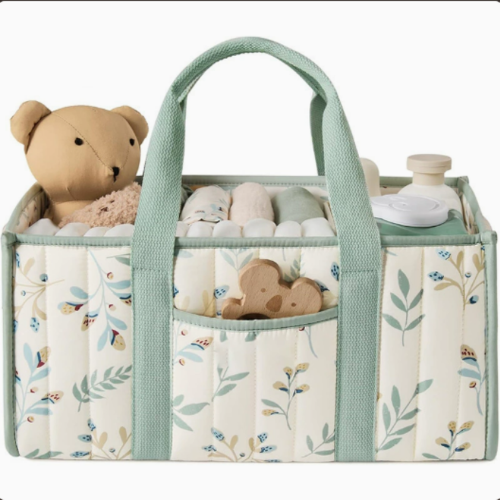
Storage is most helpful when it reflects what happens during an ordinary diaper change. Diapers and wipes belong where an adult can reach them easily while maintaining contact with the baby, with creams and other care supplies kept beyond the child’s reach. A divided drawer can separate small essentials, while a nearby basket can hold spare sleepers, bodysuits and a fresh changing-pad cover. Lower shelves may work well for unopened supplies or larger packages, but frequently used necessities should not require crouching or turning away. Open storage offers a quick view of what needs replenishing; drawers can keep the room looking tidier and protect clean clothing from everyday dust. The right balance depends on the furniture layout and the caregiver’s habits rather than the number of compartments alone. Complementary Nursery Organizers can help separate clothing sizes, group care supplies or make use of nearby storage without crowding the changing surface. Anything attached to the station should be compatible with its design and should not affect stability or create a reachable hazard. For households using cloth diapers, space for clean inserts and a suitable container for used diapers may be part of the arrangement. For disposable diapers, a nearby disposal solution can simplify cleanup, with its placement chosen to keep the surrounding floor clear. A separate laundry hamper is useful for the unexpected outfit change, especially when several caregivers share the same space. These everyday details also make diaper-station accessories thoughtful gifts for new parents or grandparents preparing a room for visits. Washable covers and appropriately sized storage pieces are easier to coordinate when the recipient’s furniture dimensions and preferences are known. Larger furniture gifts benefit from checking room measurements and assembly needs beforehand. As a baby grows, adjustable storage and removable changing components can help the space adapt, but continued use should always follow the furniture’s stated purpose and limits. A well-planned station leaves room for care itself: a steady surface, clean essentials close to hand and enough uncluttered space to dress, soothe and change a baby comfortably.
Read More

FAQ

Some products may be subject to Environmental Handling Fees (EHF) depending on your province. Learn more about EHFs.