Nursery Dresser Changing Tables
A nursery is a place where you'll be spending a lot of time with your new baby, so it's important to have a safe and comfortable place for them to sleep. A good changing table will make the process of changing your baby easier and more convenient. Here are some of our favorites.
Sort
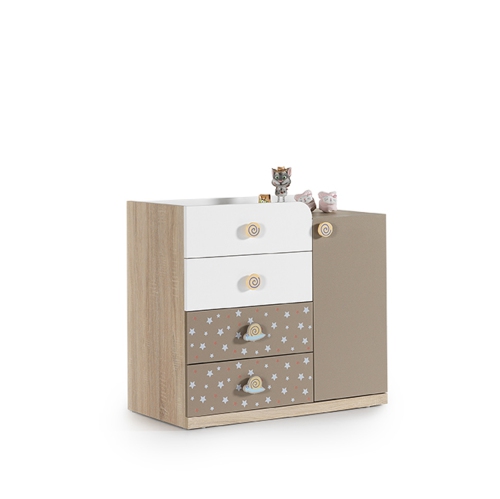
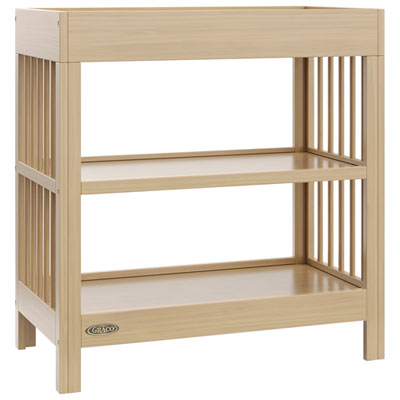

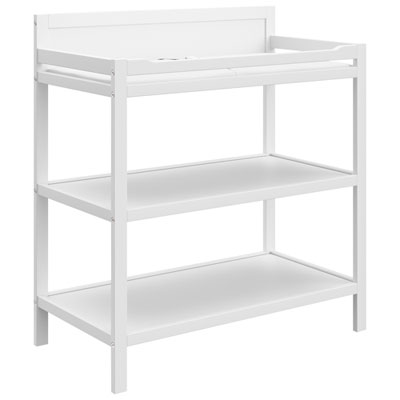
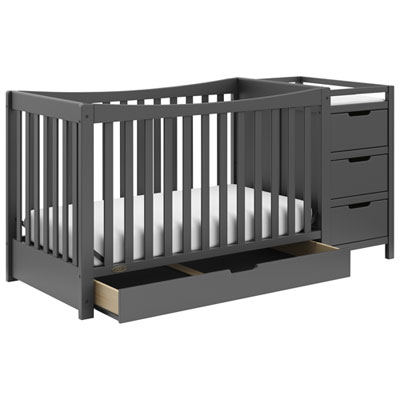

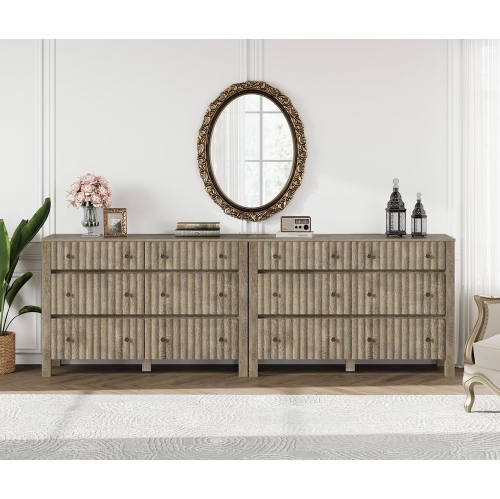
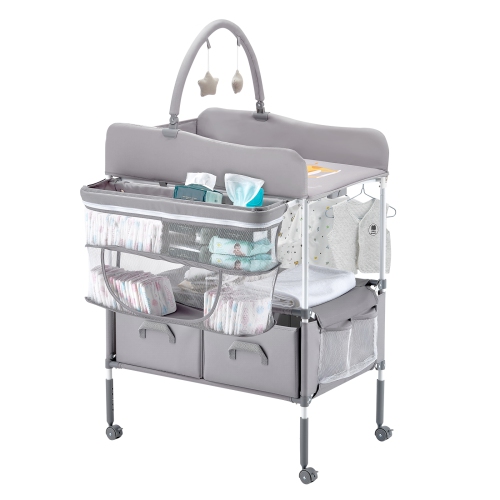
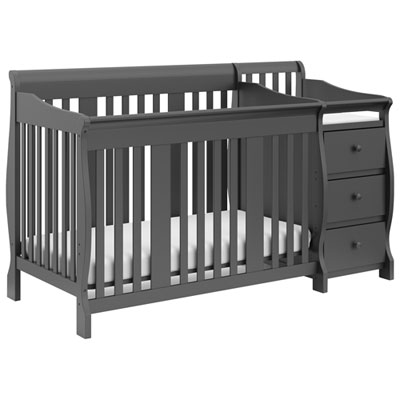
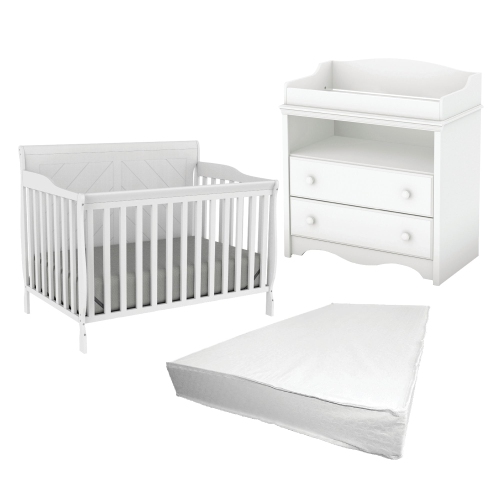

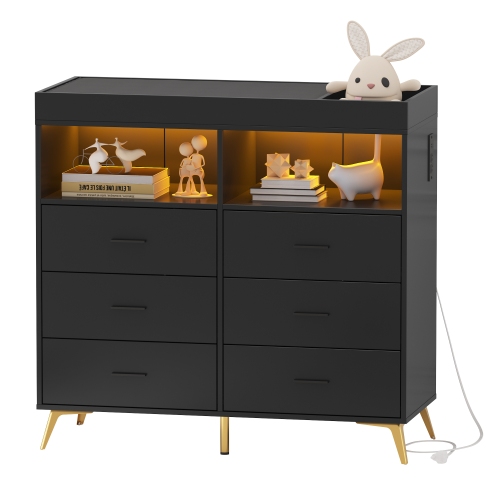
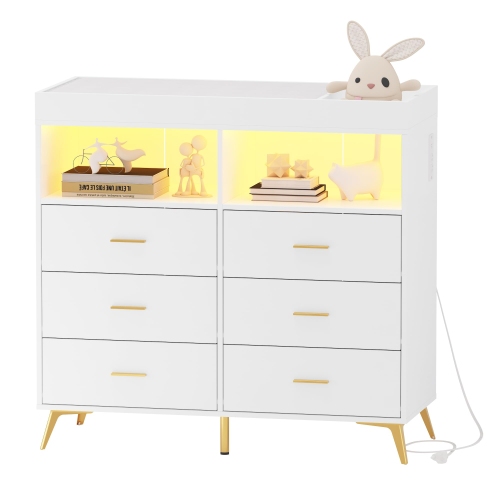
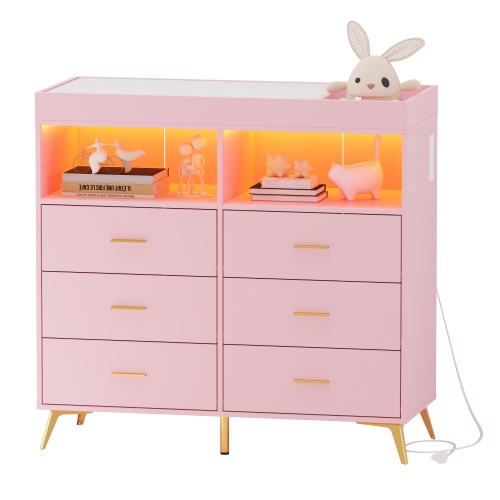
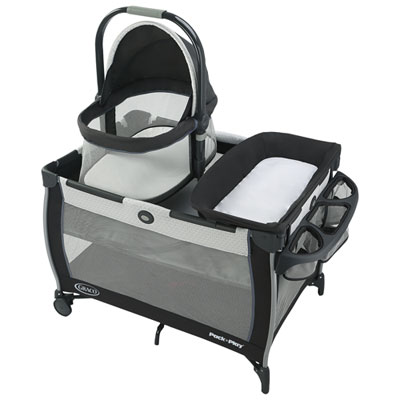
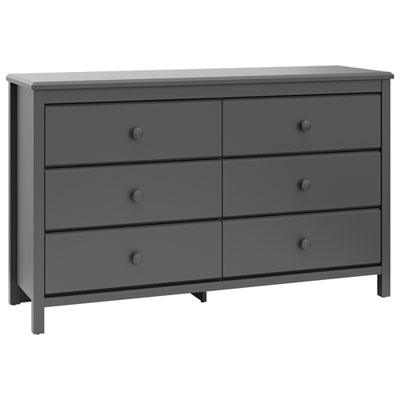
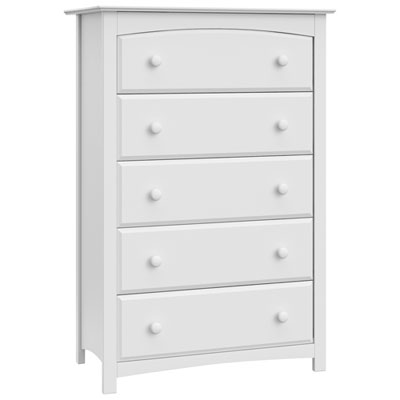
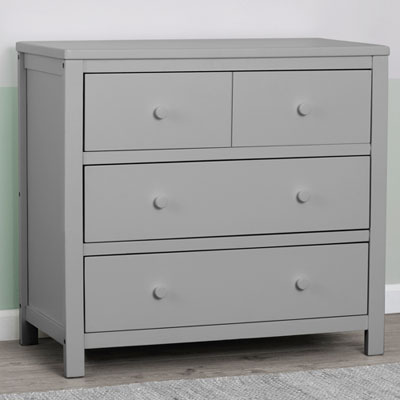
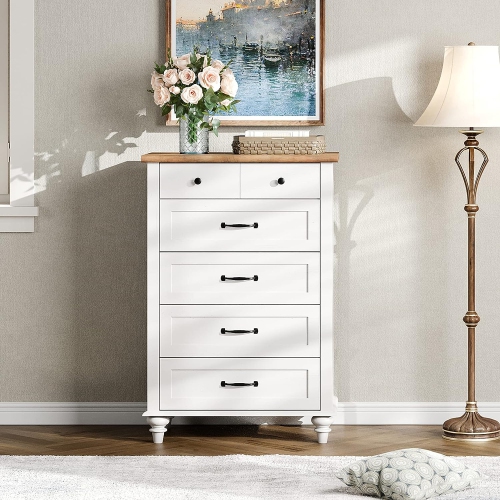
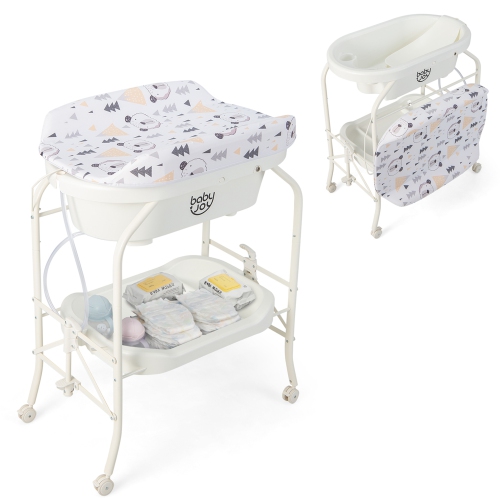
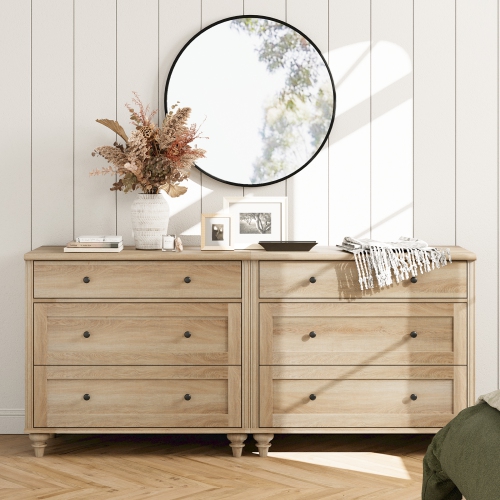
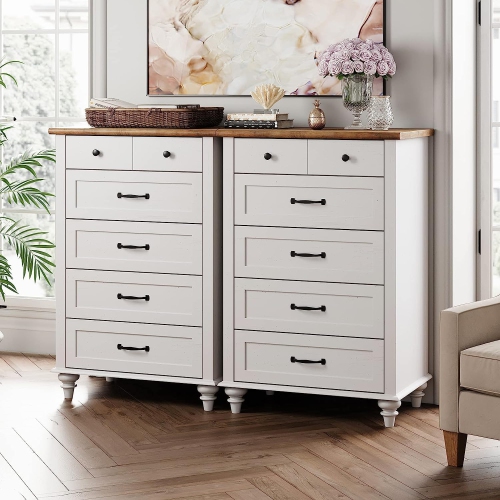

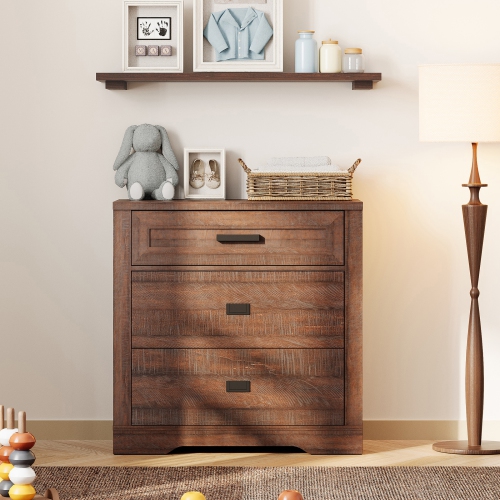
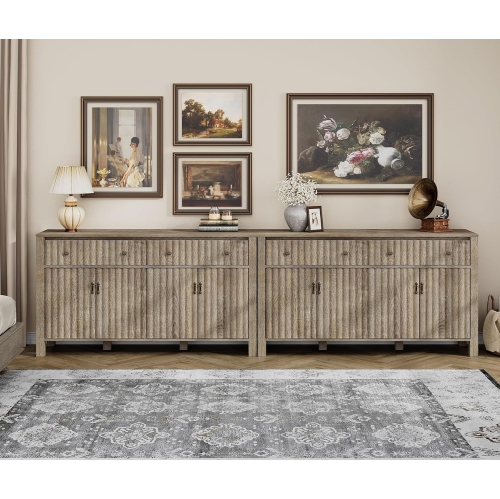
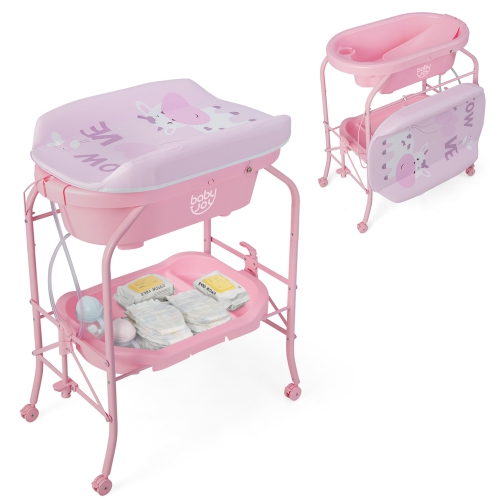
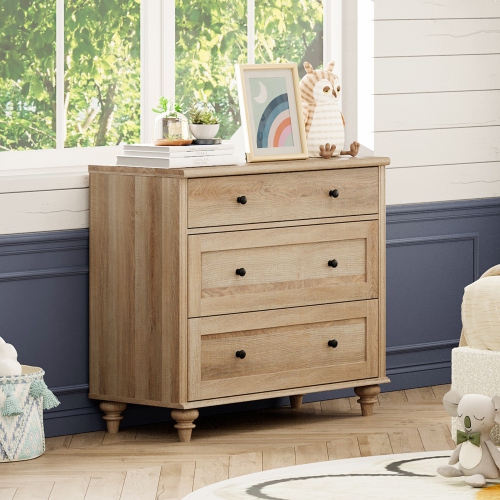
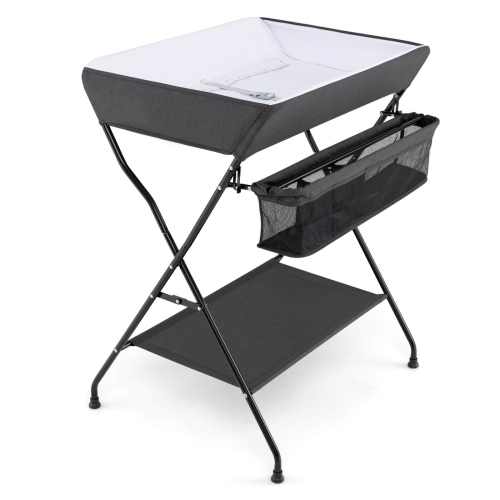
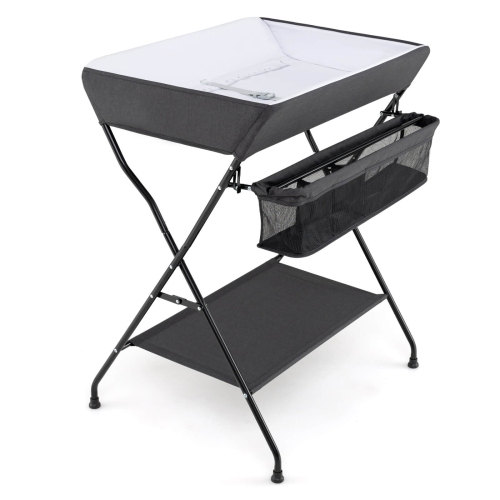
Thoughtful storage and flexible design for everyday nursery care
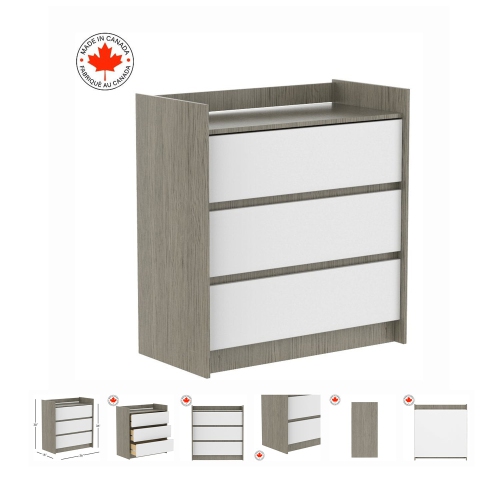
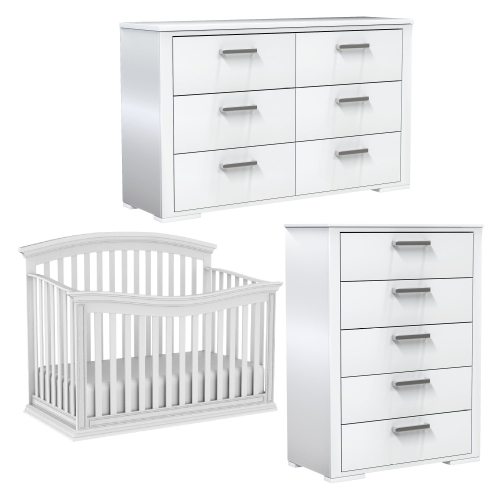
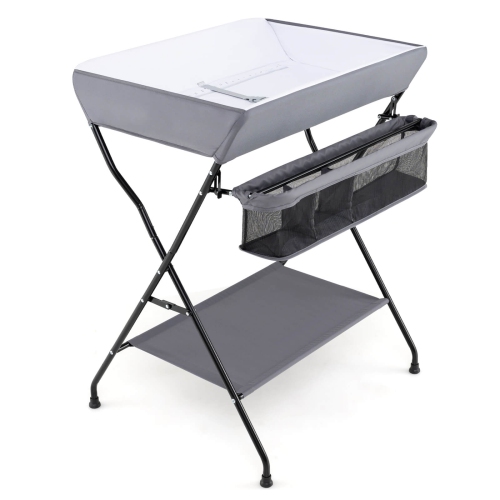
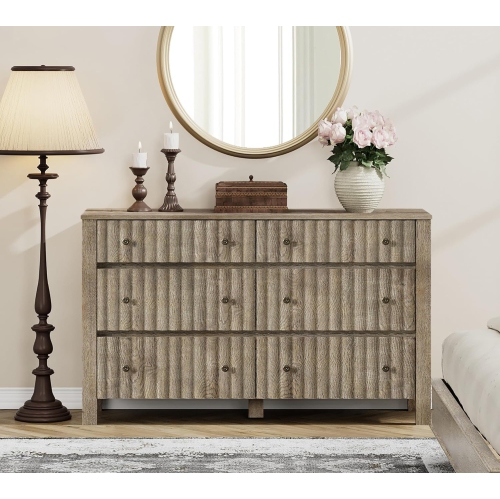
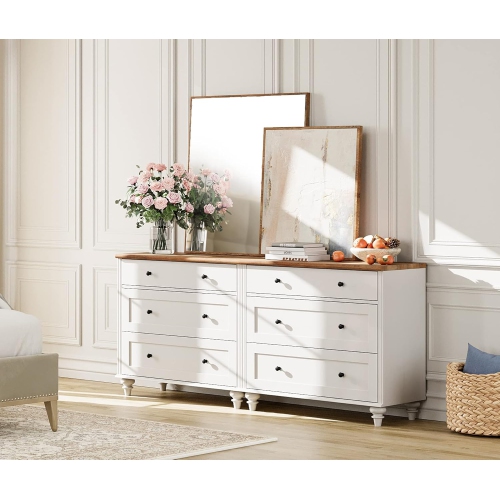
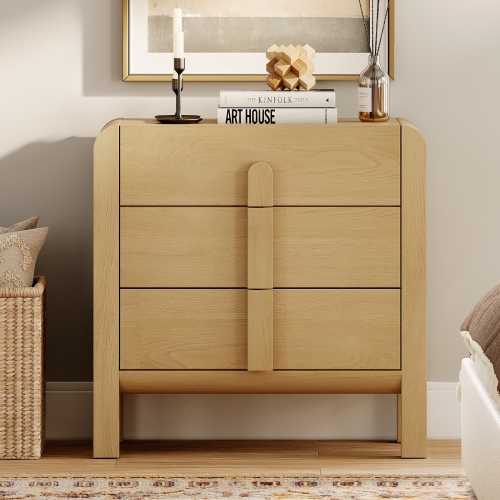
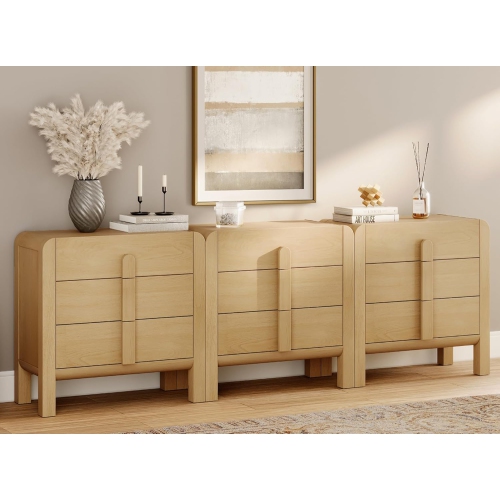
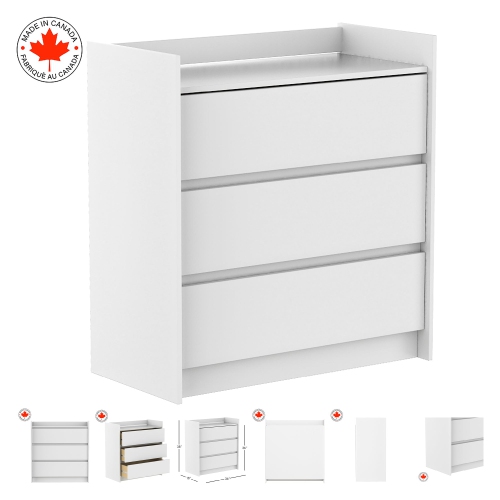
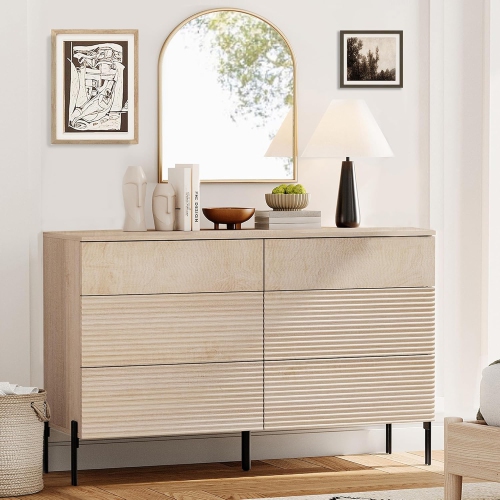
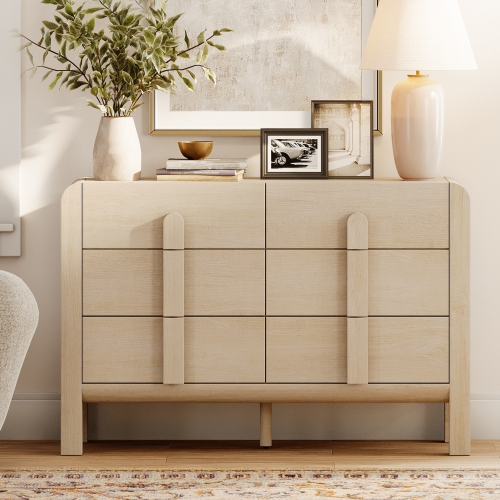
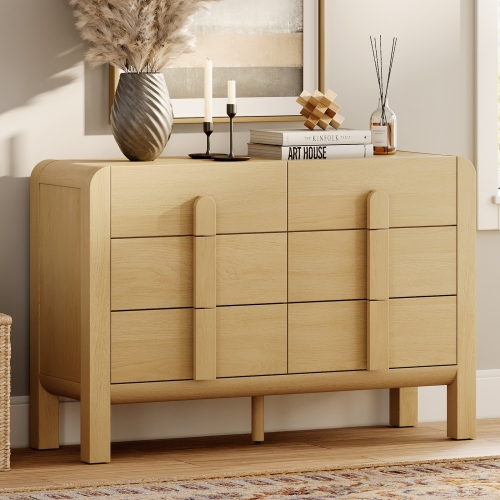
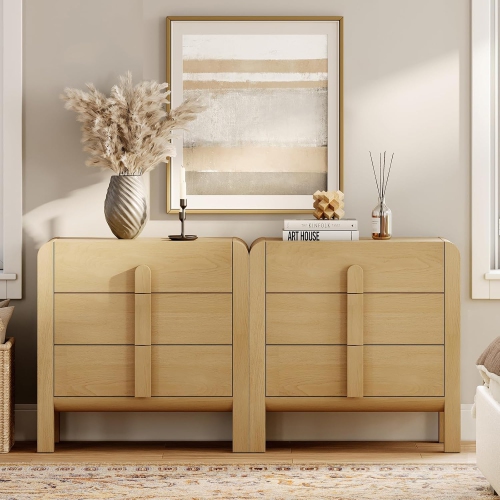
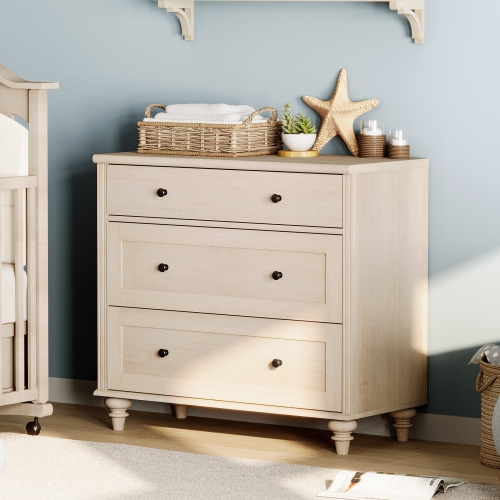
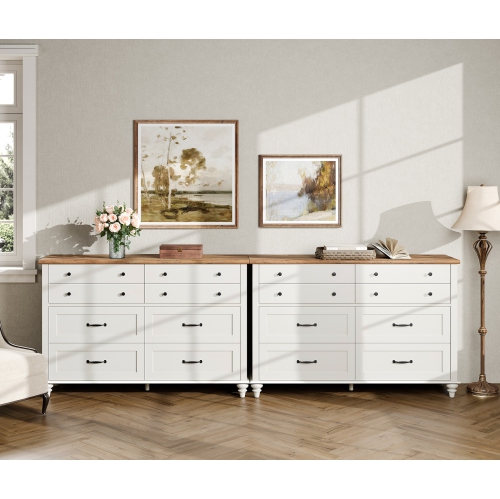
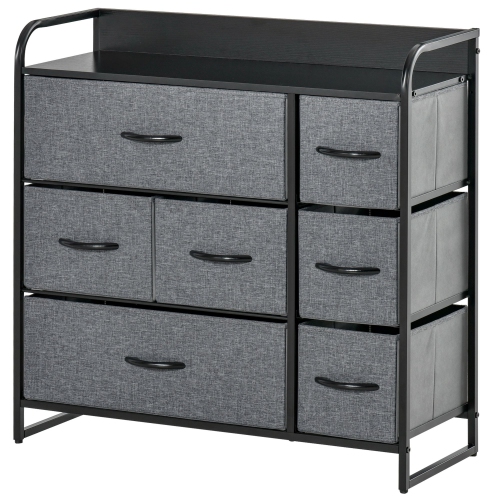
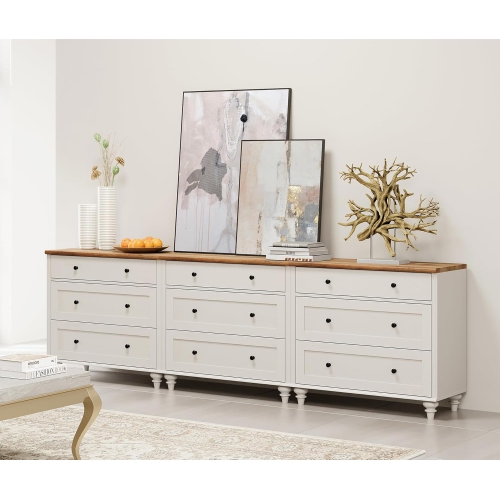
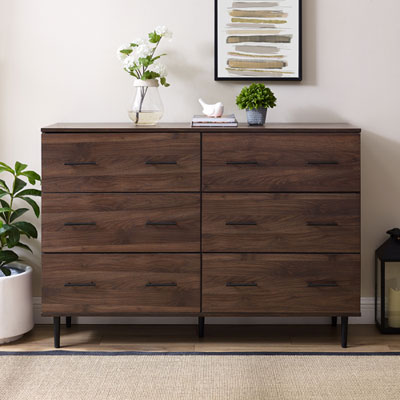
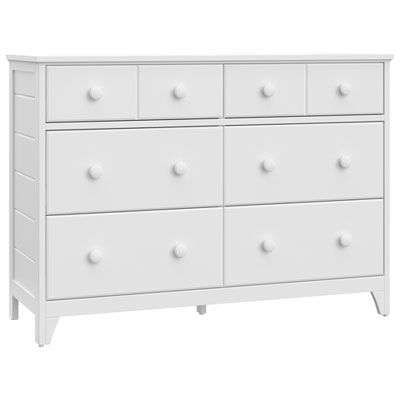
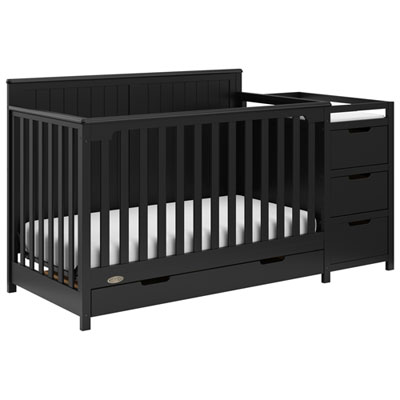
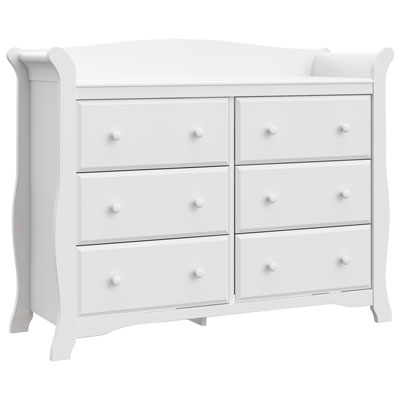
Nursery dresser changing tables combine two everyday nursery essentials in one practical piece of furniture: a dresser for clothing and supplies, plus a secure surface for diaper changes. This 2-in-1 design can be especially useful in a smaller nursery, where every square inch matters, or in a shared bedroom where a separate dresser and changing table would make the room feel crowded. A typical design places a changing tray or contoured changing pad area on top of a dresser, with drawers or open shelving below for bodysuits, sleepers, blankets, wipes, creams, and other frequently used items. Once the diapering stage is over, many models allow the changing tray to be removed so the furniture can continue as a regular bedroom dresser. That longer-term flexibility may appeal to parents planning a nursery that can adapt as their child grows, as well as relatives and friends looking for a useful baby shower or new-baby gift. When choosing a nursery dresser changing table, start by measuring the available wall, floor, and doorway space rather than relying on the listed width alone. Leave enough room for drawers to open fully and for an adult to stand comfortably in front of the changing area. Height also deserves close attention: a raised surface can make repeated diaper changes easier on the back, particularly during the early months when changes happen throughout the day and night. A dresser that sits around waist height for the primary caregiver may feel more comfortable, but the best fit depends on the adults who will use it most often. Consider the changing surface’s width and depth as well. It should accommodate a properly sized changing pad without leaving an unstable overhang, while still leaving accessible room for supplies within arm’s reach.
Storage layout can shape the rhythm of a nursery just as much as the changing surface itself. Deep drawers are helpful for folded clothing, swaddles, and spare bedding, while narrower upper drawers can keep washcloths, socks, bibs, and diapering accessories sorted. Open shelves provide quick visibility for baskets and frequently used items, although enclosed drawers may help keep the room looking tidy and protect contents from dust. Smooth-gliding drawers with sturdy pulls are convenient when one hand is occupied, and drawer stops can help prevent a drawer from being pulled out too far. Look for a stable, well-balanced construction and a changing tray that attaches securely to the dresser rather than simply resting on top. If the unit is designed to convert later, check how the topper is removed and whether the surface underneath is finished for use as a standard dresser. A changing pad should fit the designated area closely, with a firm, wipeable cover and any included restraint used according to the manufacturer’s instructions. Keep creams, wipes, clothing, and other necessities arranged before placing a baby on the surface, since a changing table should never be left unattended while a child is on it. The dresser itself should be assembled carefully on a level floor, with all fasteners tightened and checked after use. Most importantly, use the supplied anti-tip hardware to anchor the unit to a wall, following the installation instructions and selecting appropriate hardware for the wall type. Babies become mobile quickly, and toddlers may pull on drawer handles or climb against furniture, so anchoring is an essential part of setting up a safer nursery. Keep heavier items in lower drawers, avoid placing attractive toys on top, and close drawers when they are not in use. If the changing area will be positioned near a window, heater, crib, or door, consider cords, drafts, heat sources, and traffic through the room before finalizing the layout.
Style can help the dresser changing table feel like part of the nursery rather than a temporary station. Neutral finishes can work with a range of bedding and wall colours, while a darker dresser can provide contrast against light walls and create a defined focal point; shoppers comparing finishes may also want to browse Black Nursery Dressers. Choose a finish that is easy to wipe clean, since small spills, lotion marks, and the occasional diaper mishap are part of everyday use. Rounded edges, recessed or easy-grip handles, and a sturdy top can make the furniture more comfortable to use during bleary overnight changes. Think about where each item will live before filling the drawers: diapers and wipes belong closest to the changing area, clean clothes can be grouped by size, and less frequently used blankets or seasonal layers can go in the lower storage spaces. This arrangement can make a difference during a quiet nighttime change, when soft lighting and a predictable setup are more valuable than searching through several containers. A nursery dresser changing table can also be useful in a grandparent’s home, a shared caregiving space, or a guest room prepared for visiting family, provided the room has enough space for safe access and the unit is anchored properly. For a gift, confirm the recipient’s available measurements, preferred finish, and storage needs before choosing a large piece of furniture; a compact dresser may suit an apartment nursery, while a wider model may be better for a dedicated baby room. Before purchasing, review the assembly requirements, weight capacity, included hardware, changing pad compatibility, drawer dimensions, and conversion details. With the right size, secure installation, accessible storage, and a surface suited to everyday care, a nursery dresser changing table can create an organised home base for diaper changes now and useful clothing storage well beyond the nursery years.
Storage layout can shape the rhythm of a nursery just as much as the changing surface itself. Deep drawers are helpful for folded clothing, swaddles, and spare bedding, while narrower upper drawers can keep washcloths, socks, bibs, and diapering accessories sorted. Open shelves provide quick visibility for baskets and frequently used items, although enclosed drawers may help keep the room looking tidy and protect contents from dust. Smooth-gliding drawers with sturdy pulls are convenient when one hand is occupied, and drawer stops can help prevent a drawer from being pulled out too far. Look for a stable, well-balanced construction and a changing tray that attaches securely to the dresser rather than simply resting on top. If the unit is designed to convert later, check how the topper is removed and whether the surface underneath is finished for use as a standard dresser. A changing pad should fit the designated area closely, with a firm, wipeable cover and any included restraint used according to the manufacturer’s instructions. Keep creams, wipes, clothing, and other necessities arranged before placing a baby on the surface, since a changing table should never be left unattended while a child is on it. The dresser itself should be assembled carefully on a level floor, with all fasteners tightened and checked after use. Most importantly, use the supplied anti-tip hardware to anchor the unit to a wall, following the installation instructions and selecting appropriate hardware for the wall type. Babies become mobile quickly, and toddlers may pull on drawer handles or climb against furniture, so anchoring is an essential part of setting up a safer nursery. Keep heavier items in lower drawers, avoid placing attractive toys on top, and close drawers when they are not in use. If the changing area will be positioned near a window, heater, crib, or door, consider cords, drafts, heat sources, and traffic through the room before finalizing the layout.
Style can help the dresser changing table feel like part of the nursery rather than a temporary station. Neutral finishes can work with a range of bedding and wall colours, while a darker dresser can provide contrast against light walls and create a defined focal point; shoppers comparing finishes may also want to browse Black Nursery Dressers. Choose a finish that is easy to wipe clean, since small spills, lotion marks, and the occasional diaper mishap are part of everyday use. Rounded edges, recessed or easy-grip handles, and a sturdy top can make the furniture more comfortable to use during bleary overnight changes. Think about where each item will live before filling the drawers: diapers and wipes belong closest to the changing area, clean clothes can be grouped by size, and less frequently used blankets or seasonal layers can go in the lower storage spaces. This arrangement can make a difference during a quiet nighttime change, when soft lighting and a predictable setup are more valuable than searching through several containers. A nursery dresser changing table can also be useful in a grandparent’s home, a shared caregiving space, or a guest room prepared for visiting family, provided the room has enough space for safe access and the unit is anchored properly. For a gift, confirm the recipient’s available measurements, preferred finish, and storage needs before choosing a large piece of furniture; a compact dresser may suit an apartment nursery, while a wider model may be better for a dedicated baby room. Before purchasing, review the assembly requirements, weight capacity, included hardware, changing pad compatibility, drawer dimensions, and conversion details. With the right size, secure installation, accessible storage, and a surface suited to everyday care, a nursery dresser changing table can create an organised home base for diaper changes now and useful clothing storage well beyond the nursery years.
Top selling and popular products
-
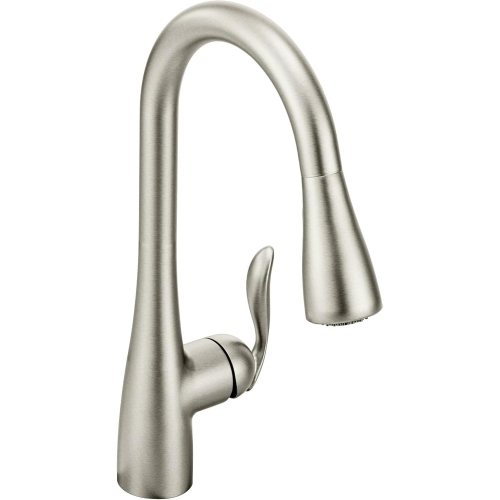 Your price for this item is $426.55
 -
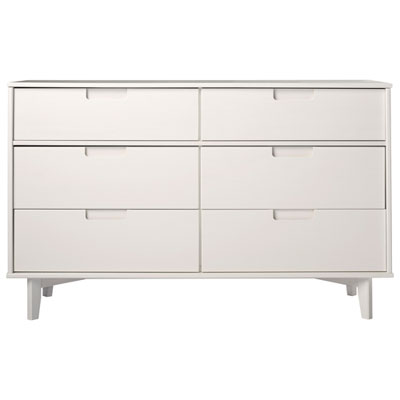 Your price for this item is $569.99
 -
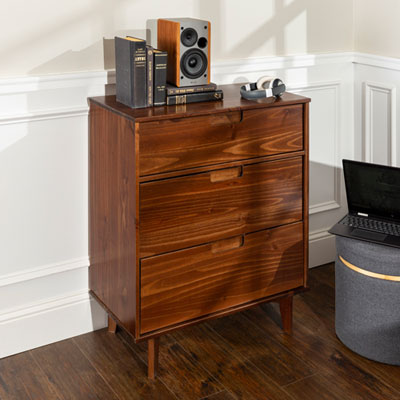 Your price for this item is $364.99
 -
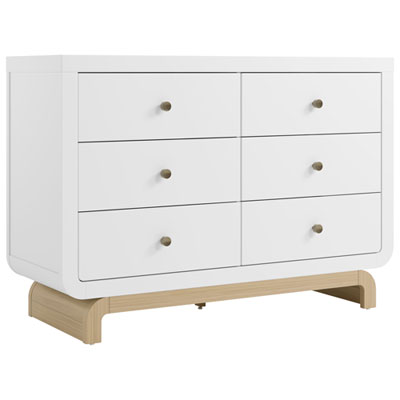 Your price for this item is $899.99
 -
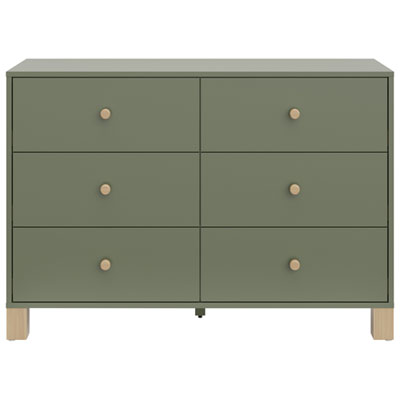 Your price for this item is $639.98
 -
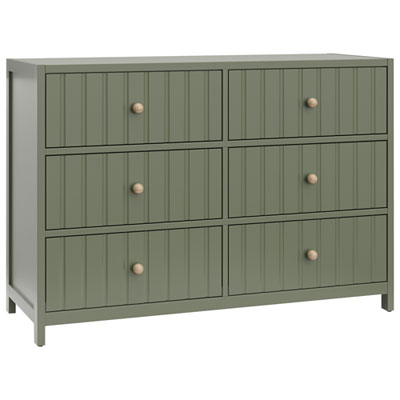 Your price for this item is $699.99
 -
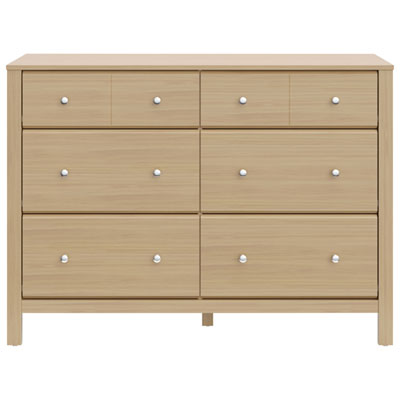 Your price for this item is $399.99
 -
 Your price for this item is $886.99
Discover more categories related to Nursery Dresser Changing Tables
Top Collections:
Best Laptops for Video Editing, Pokemon Centers, Samsung Z Fold, Kindle Devices, Best Cell Phones Under $300, Best Laptops for Writers, Best Budget Office Chairs, Best Cell Phones Under $500, Best Laptop Computers for Students, iPhone 15 Apple
Some products may be subject to Environmental Handling Fees
(EHF) depending on your province.
Learn more about EHFs.