Small Nursery Furniture
A nursery is a place where you can spend a lot of time with your new baby. These small pieces of furniture for your nursery are comfortable, durable, and look great. Here are some small pieces of nursery furniture that will help your little one's arrival go smoothly.
Sort
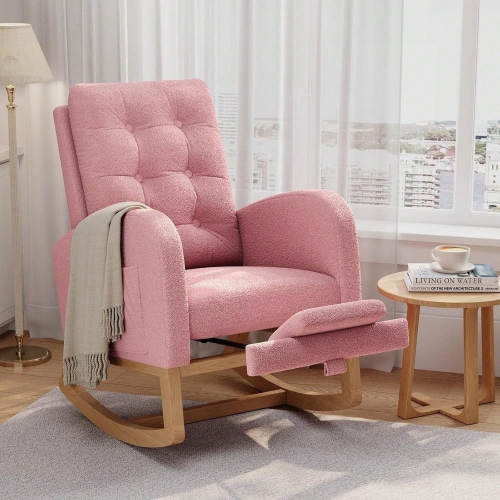

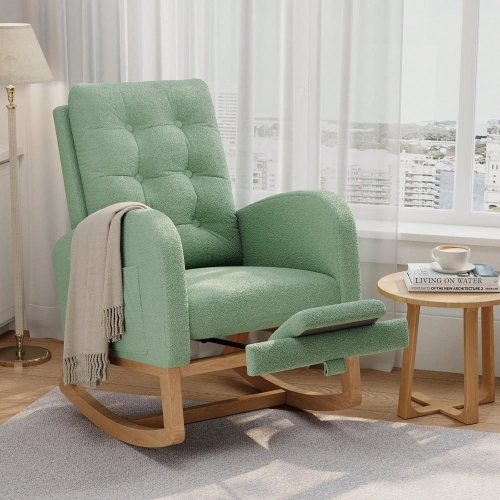
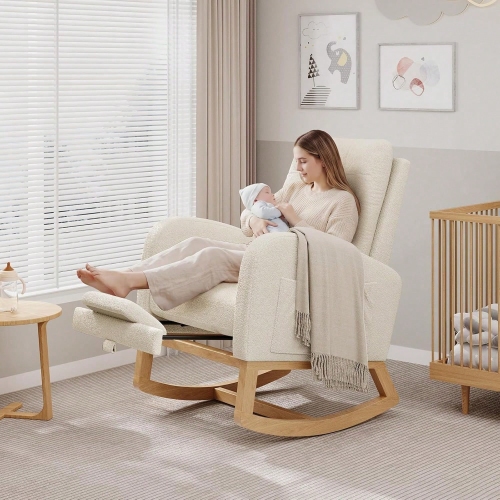


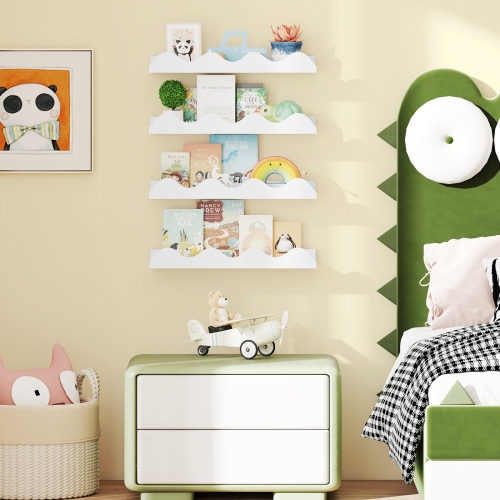


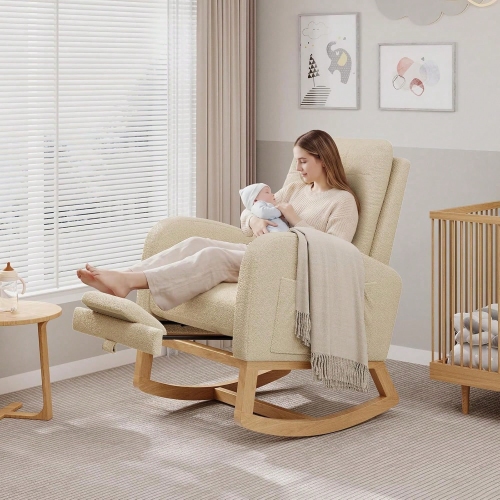
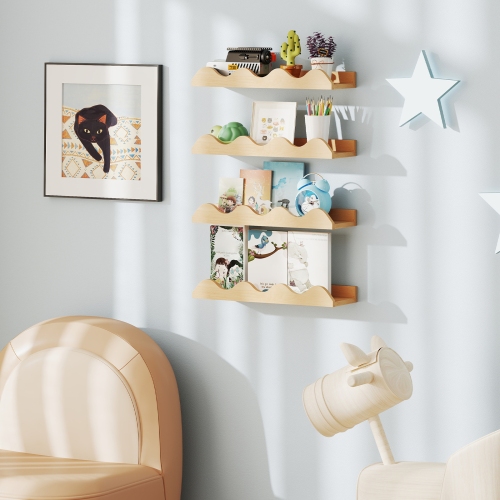
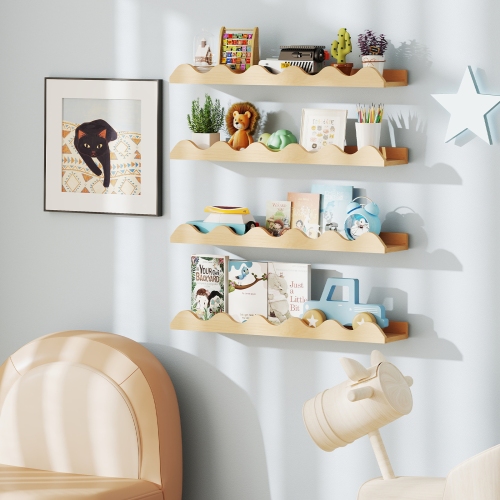
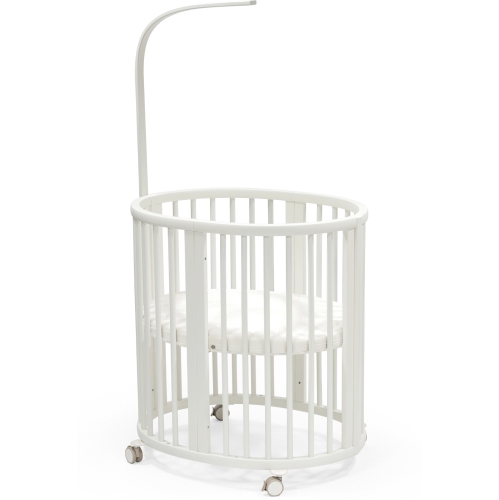




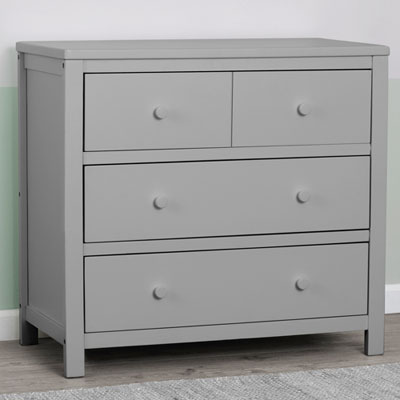
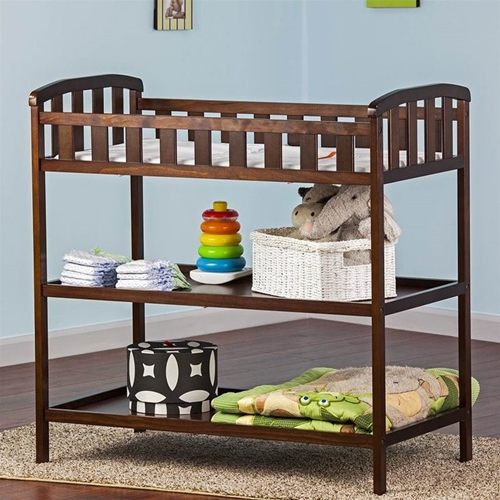


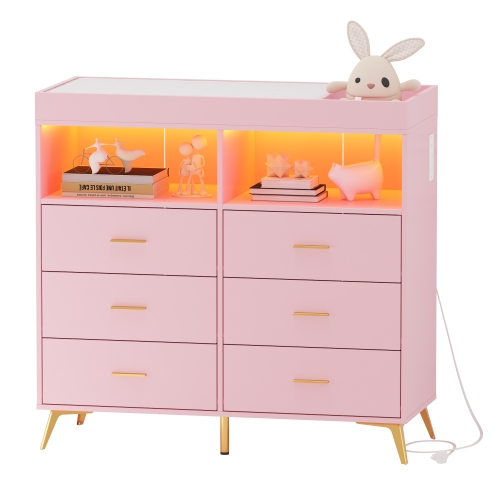

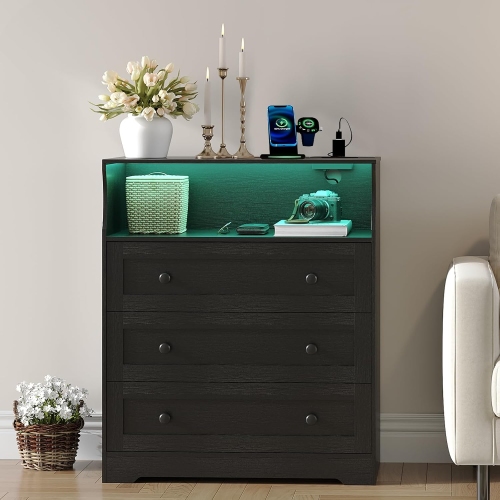
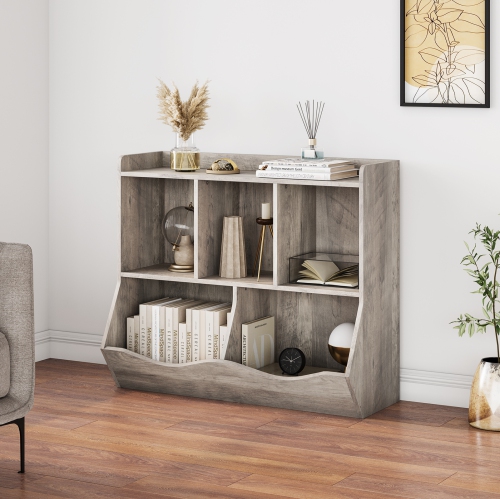
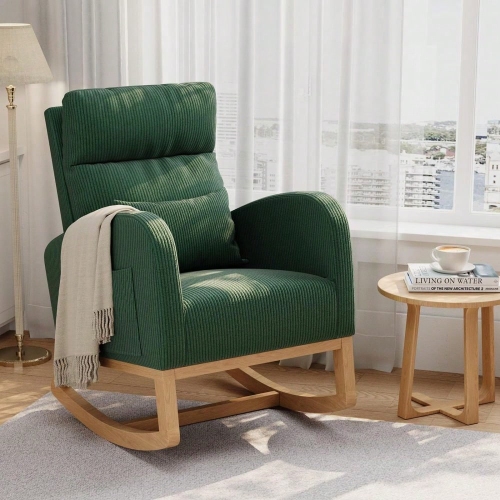
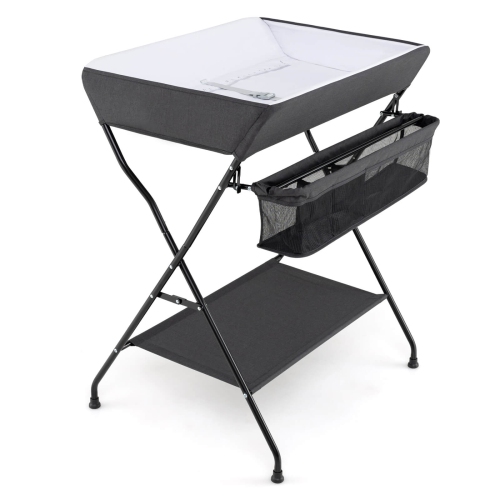


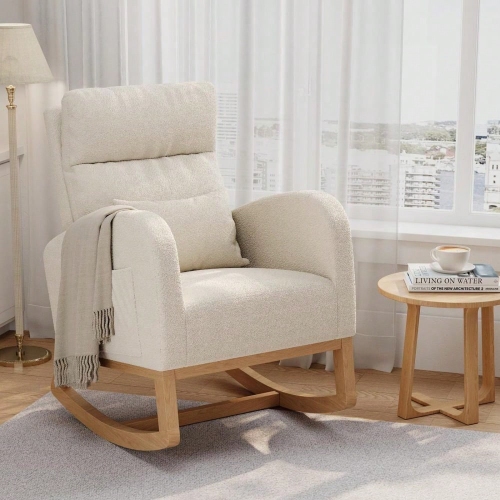

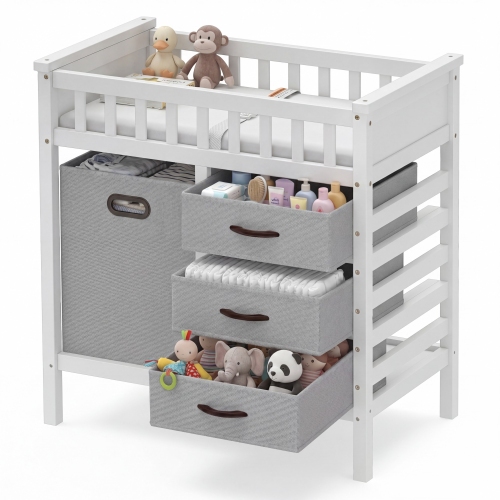
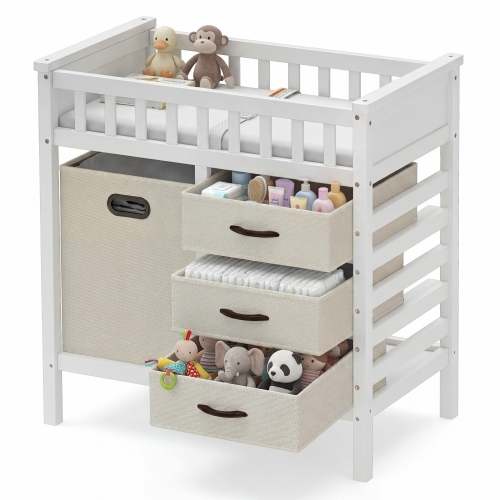
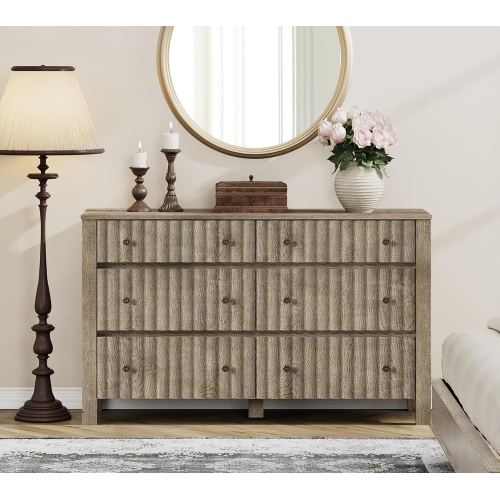


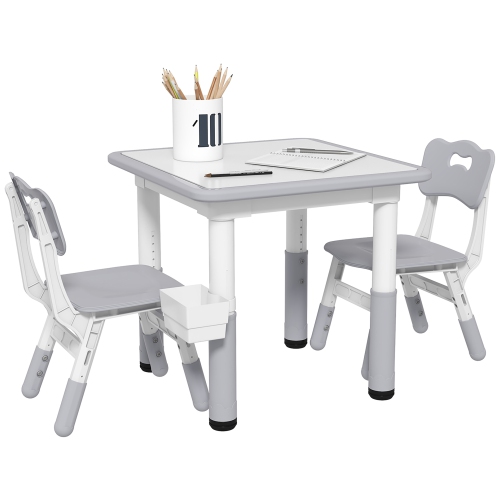
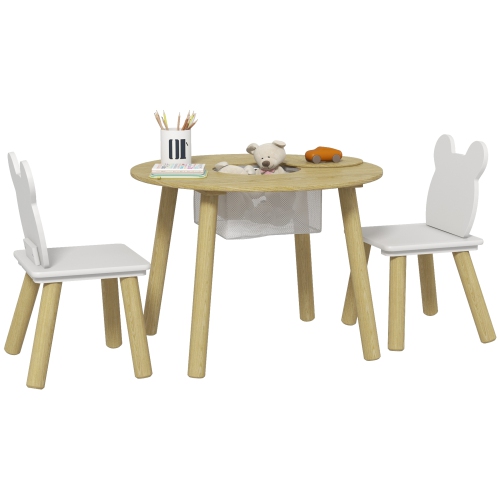



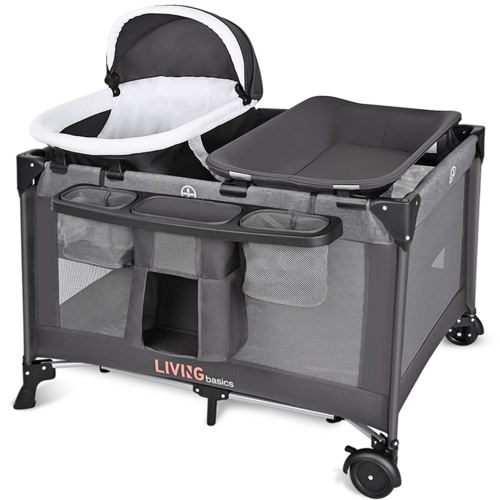

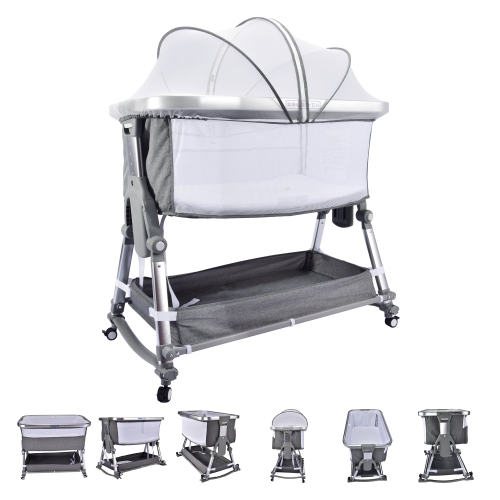



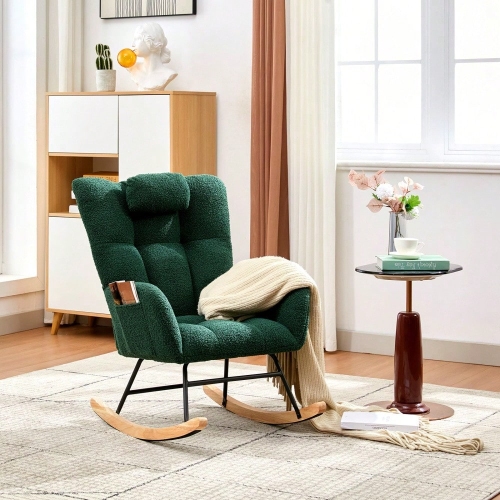
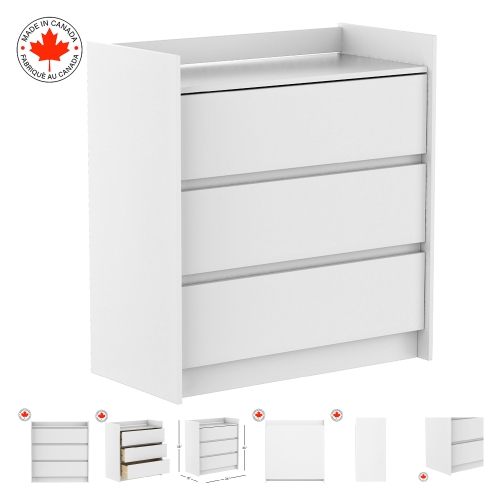
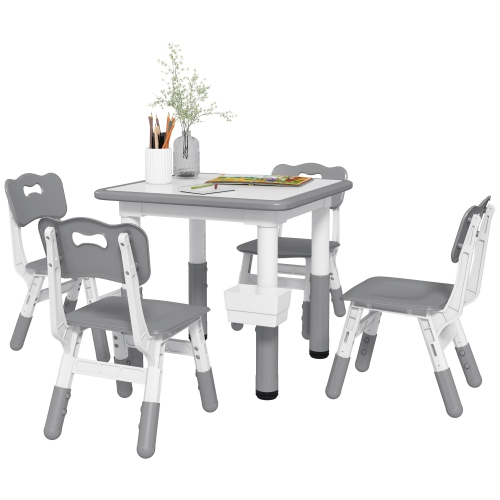


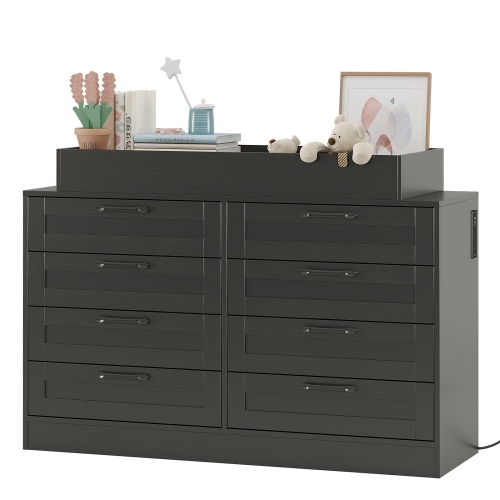


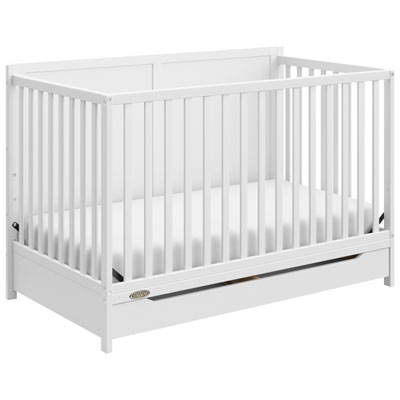
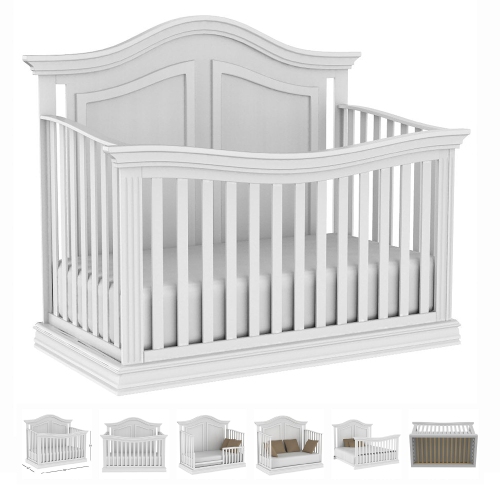

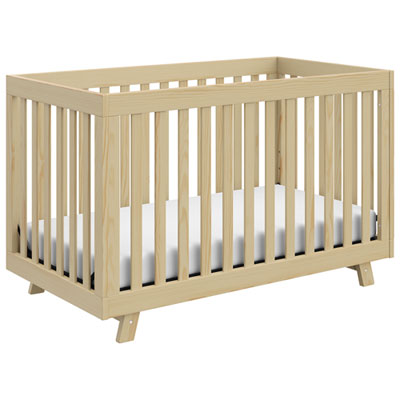


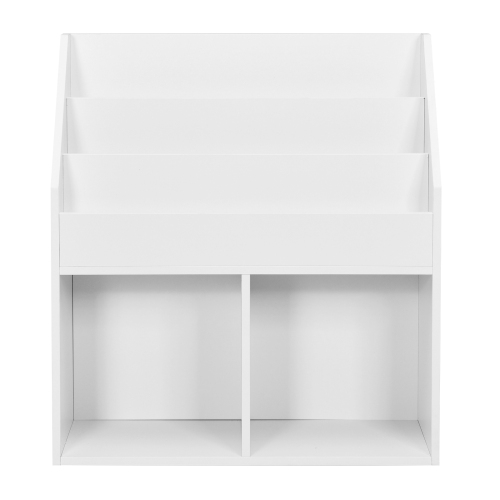
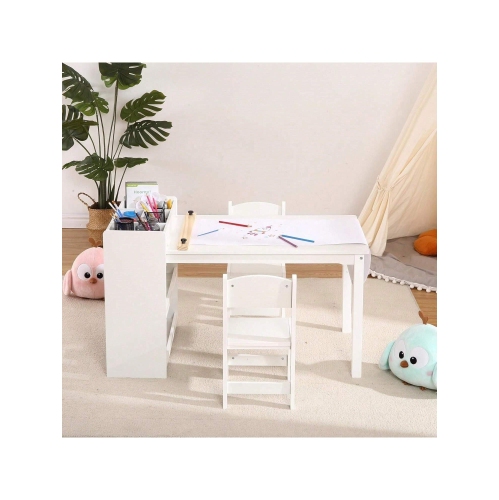
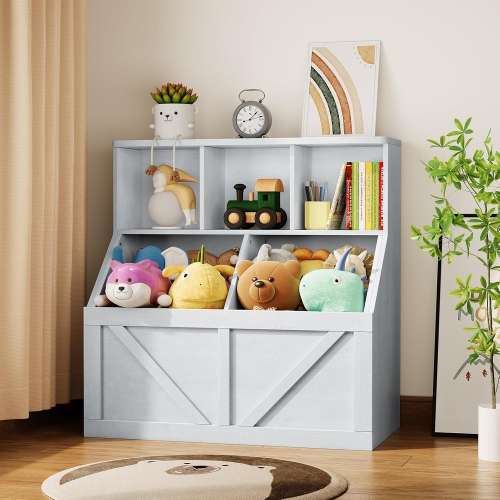
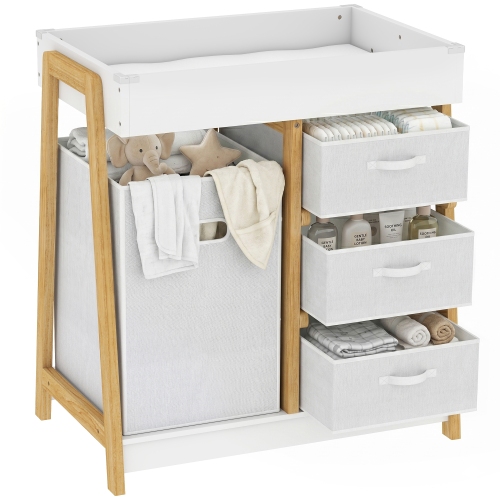

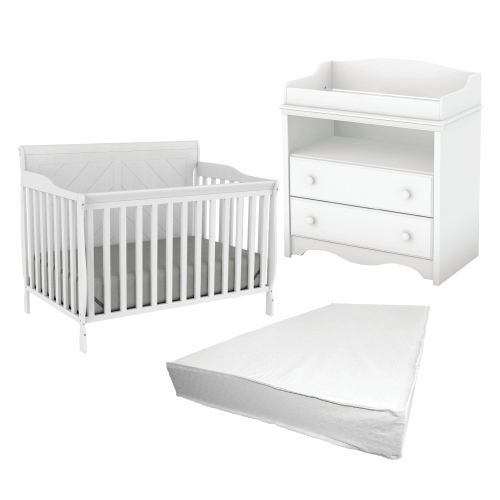
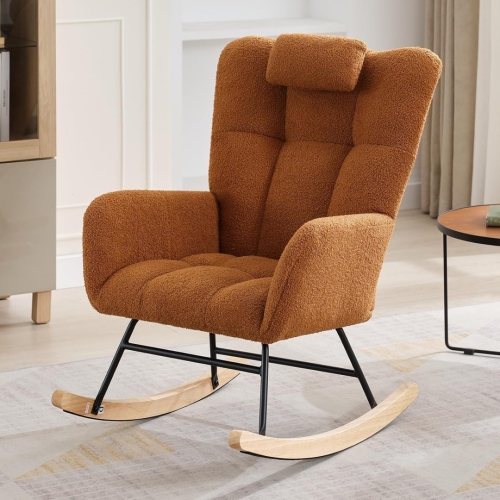
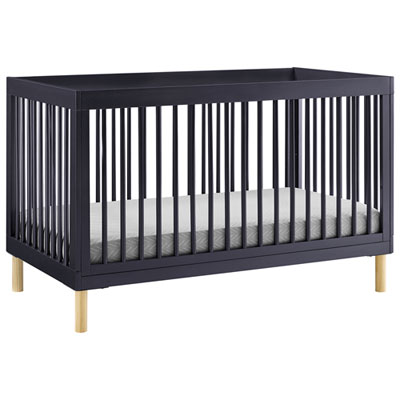
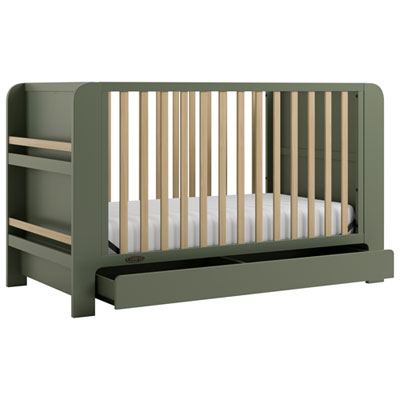

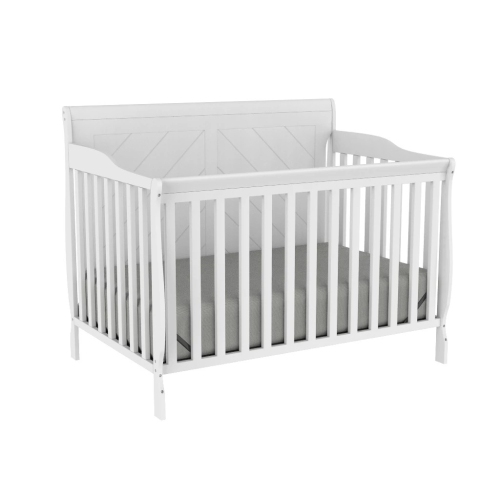


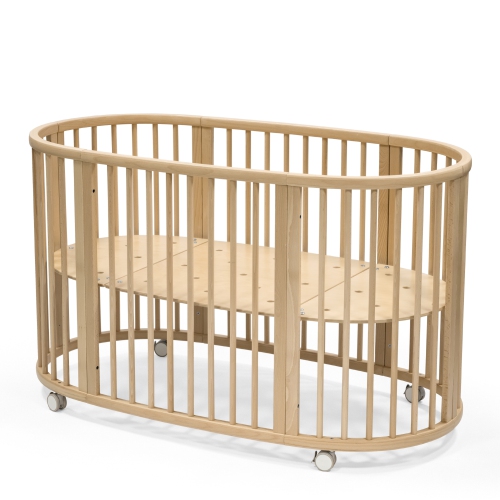
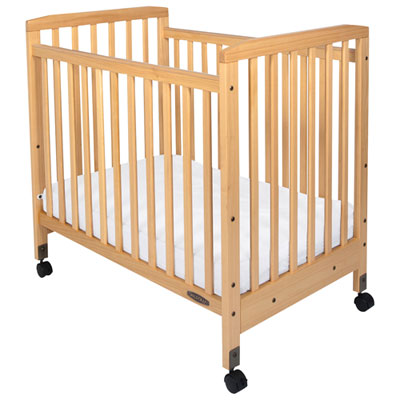
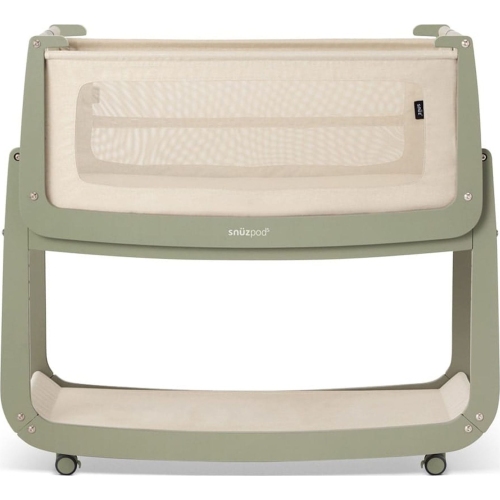

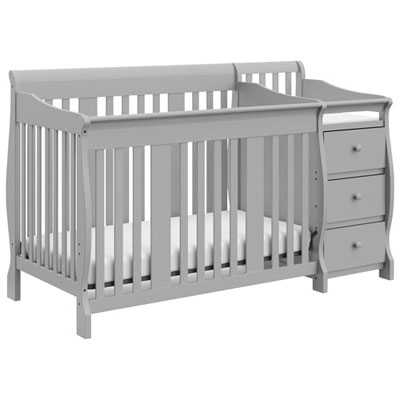


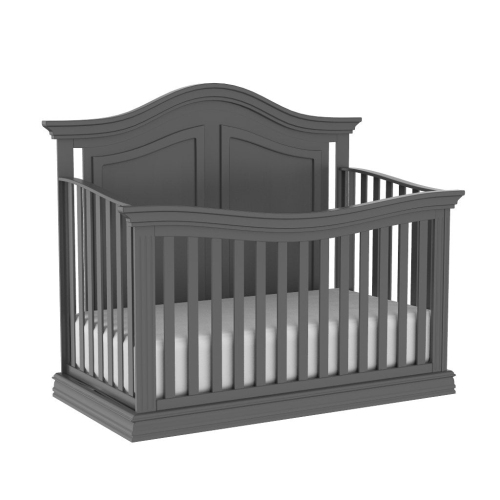
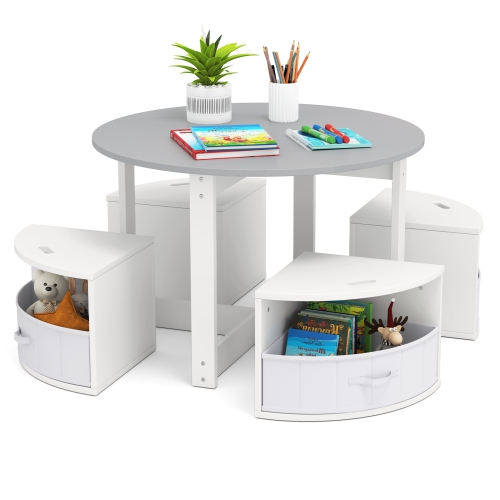
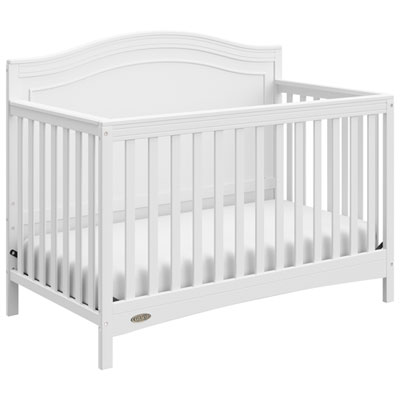
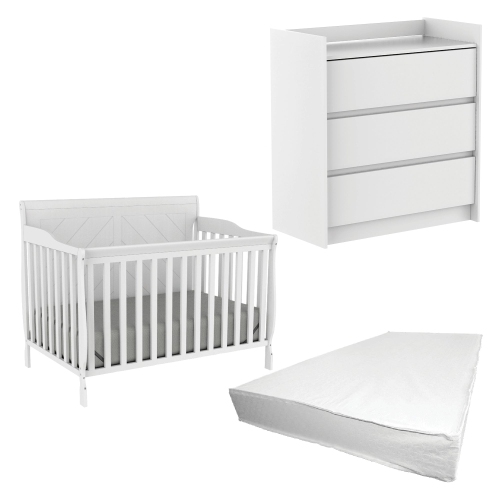
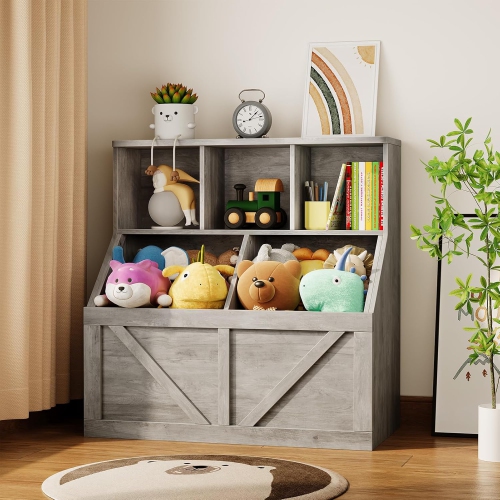
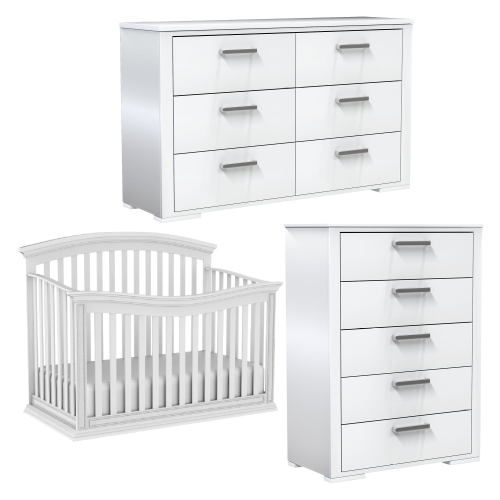


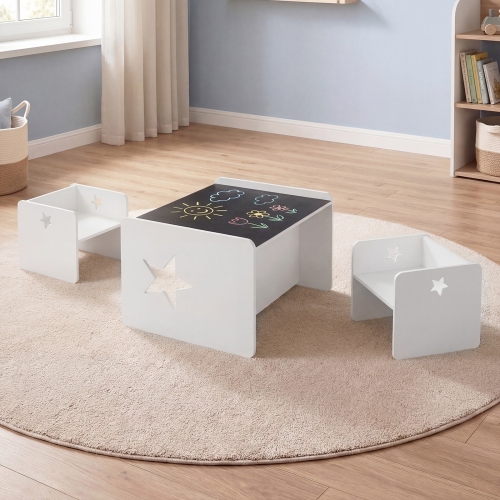

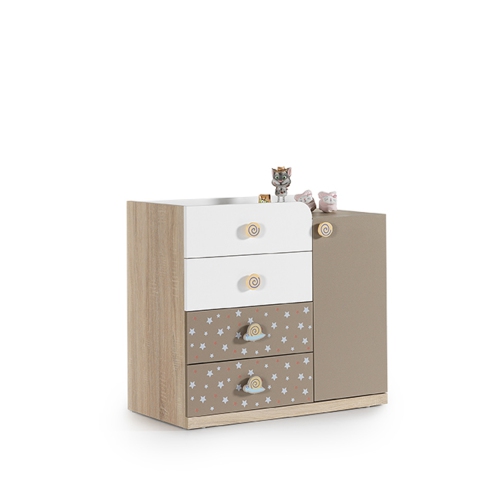
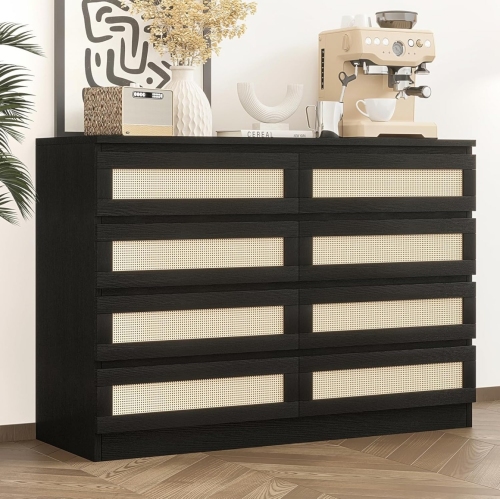
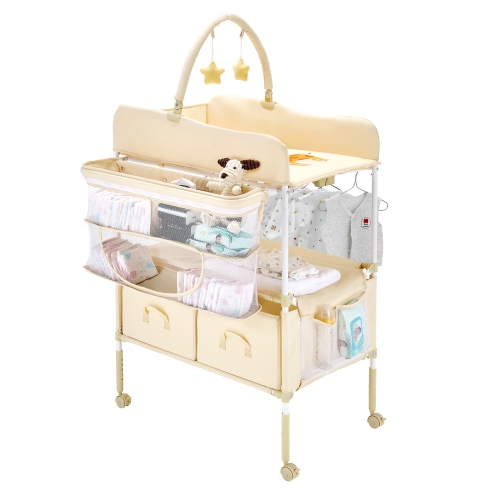
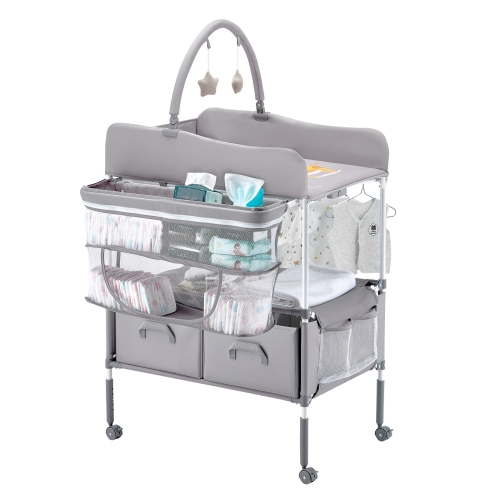
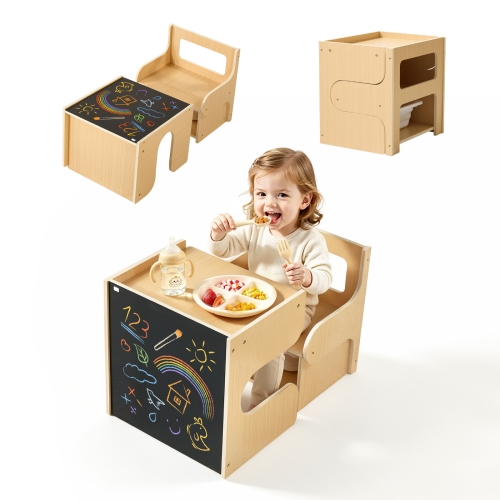
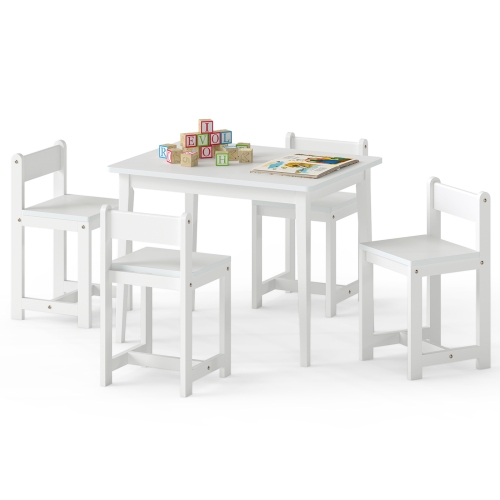
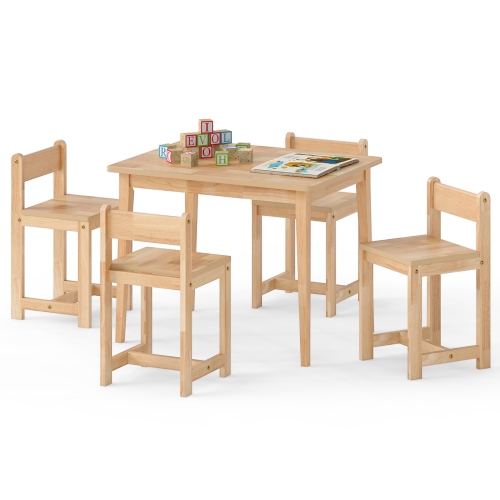

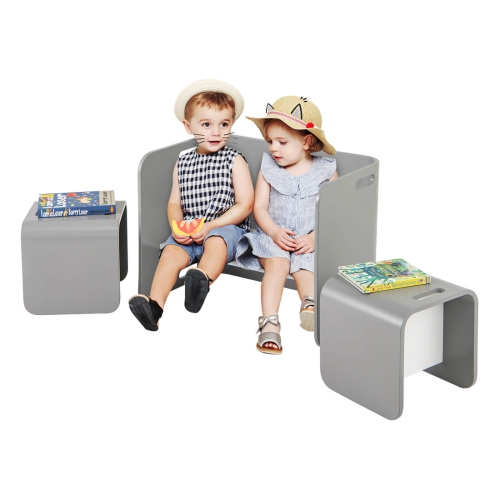
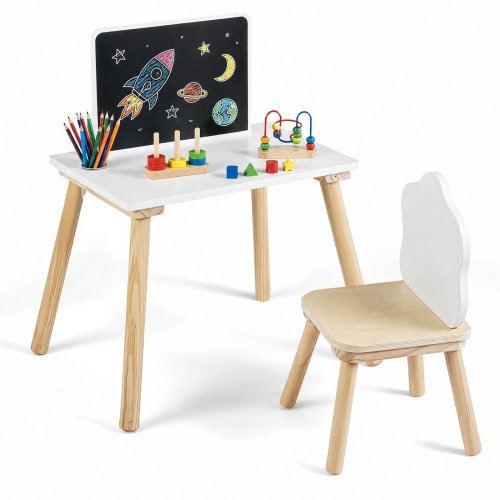
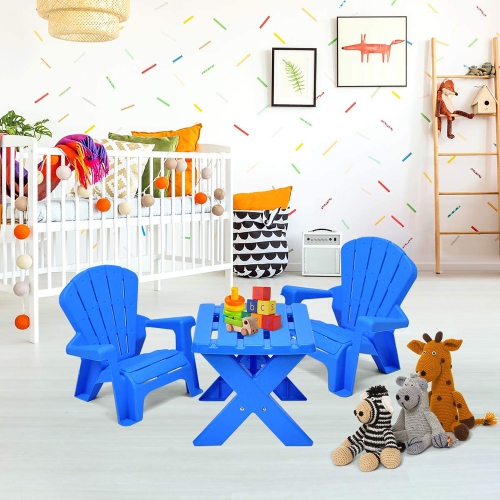
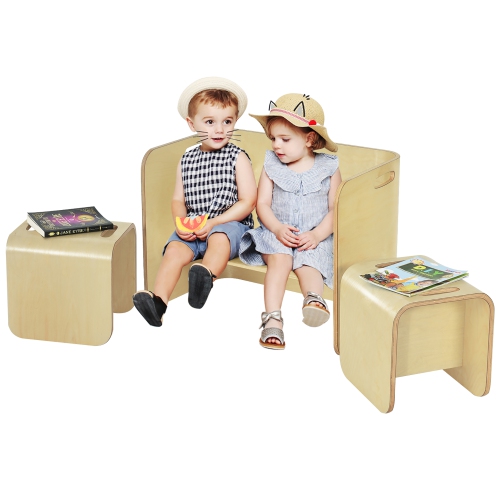
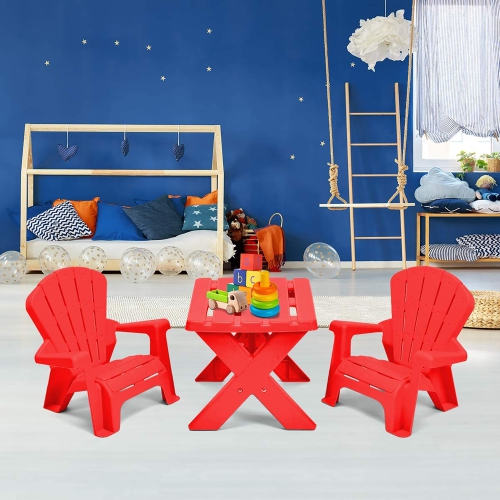
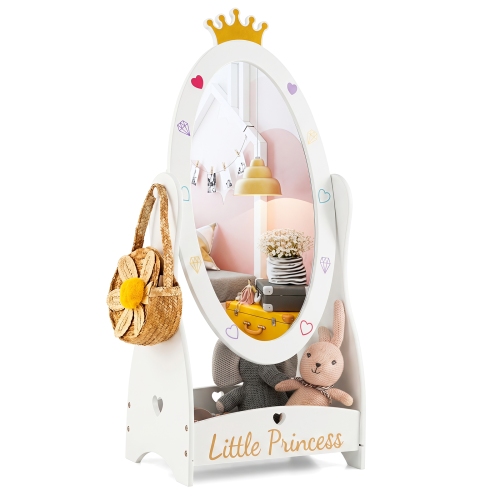


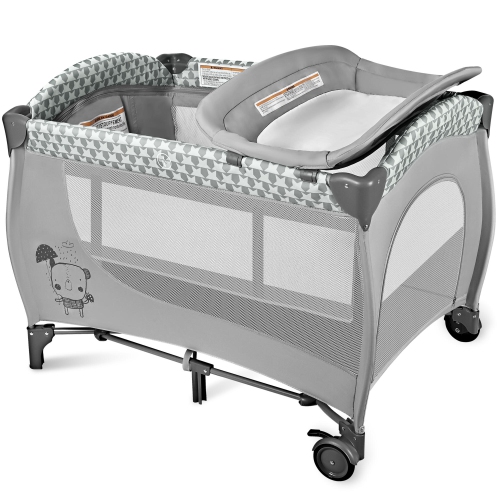

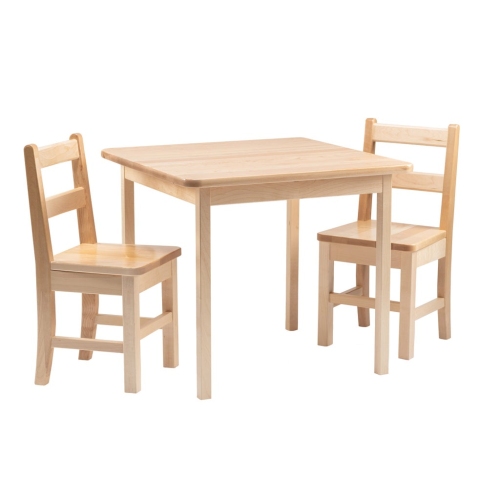
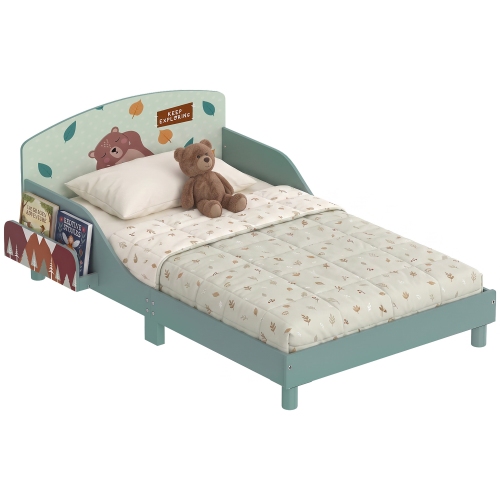

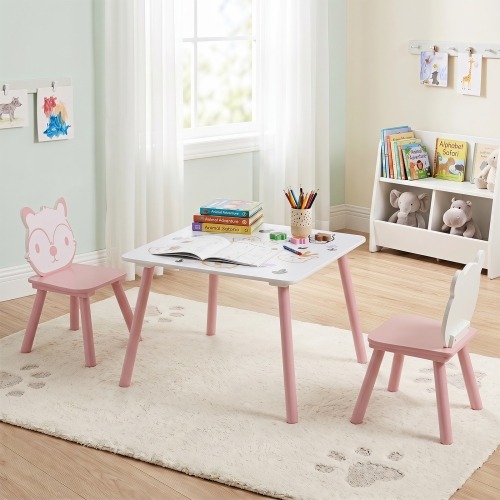
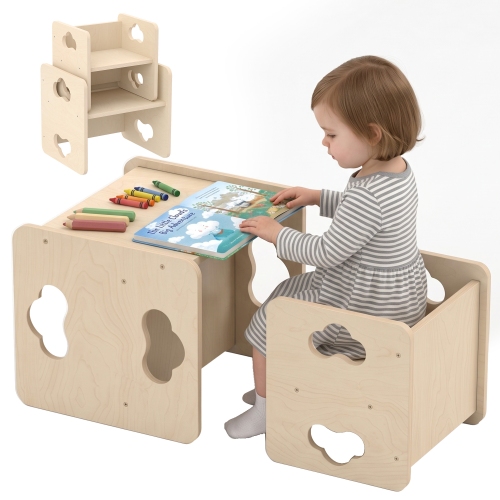


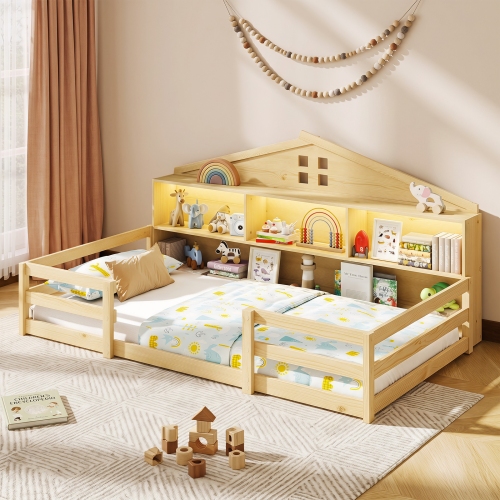


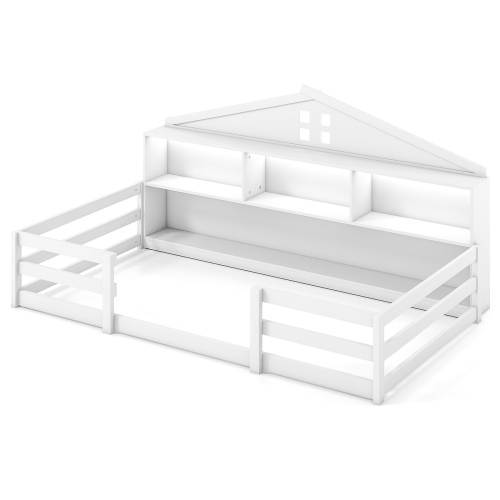
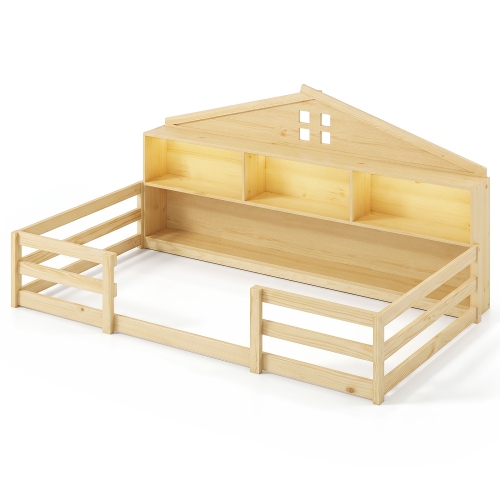
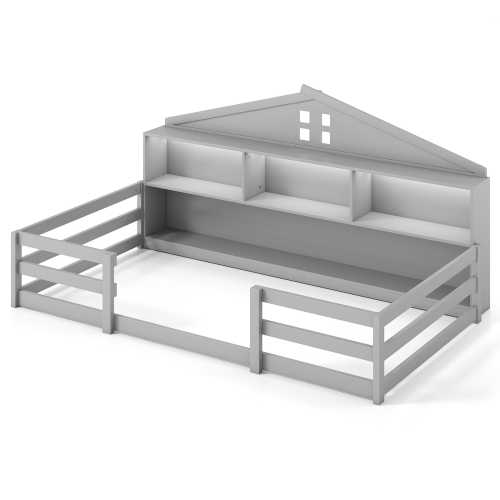

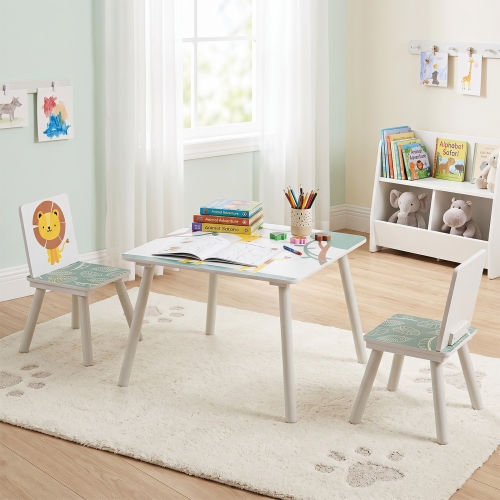

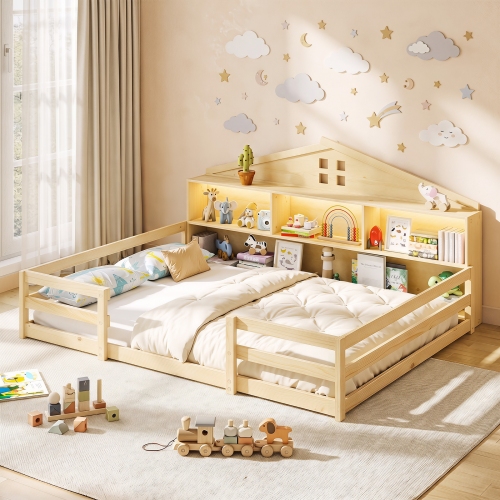
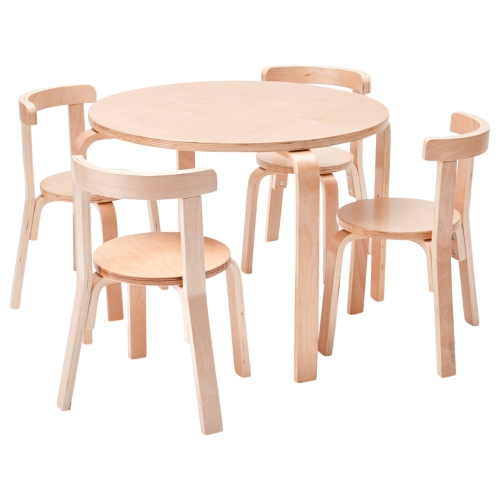
Compact furniture that leaves room for nursery routines
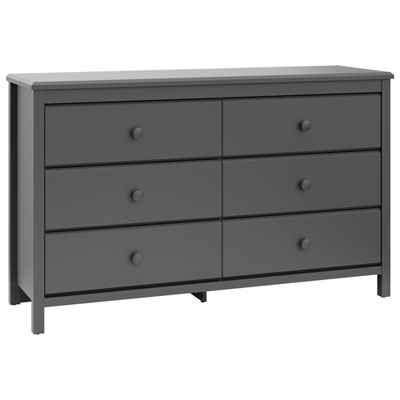
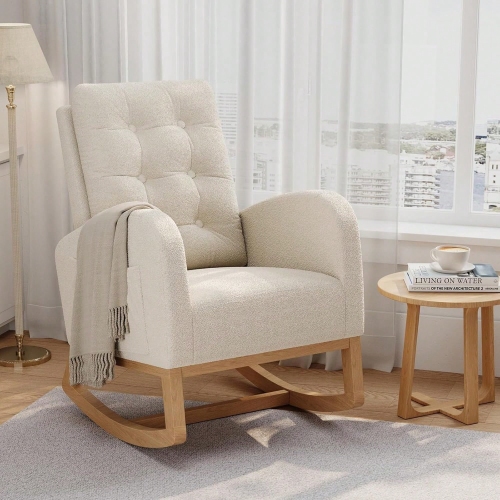
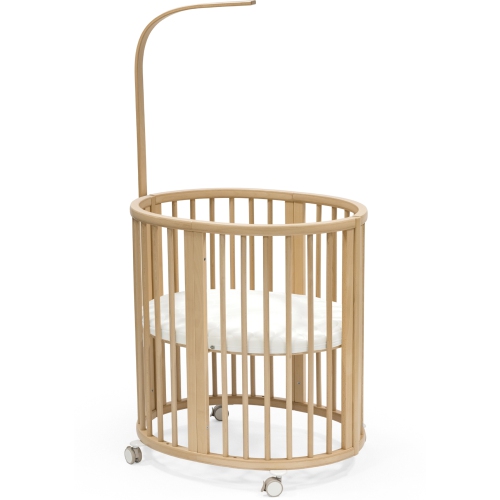
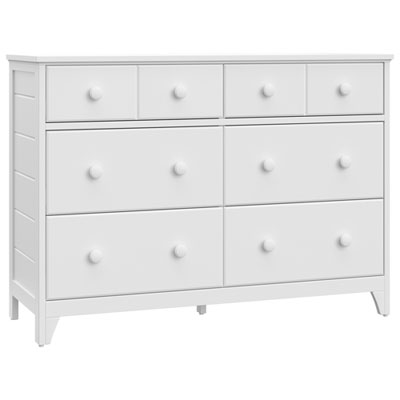
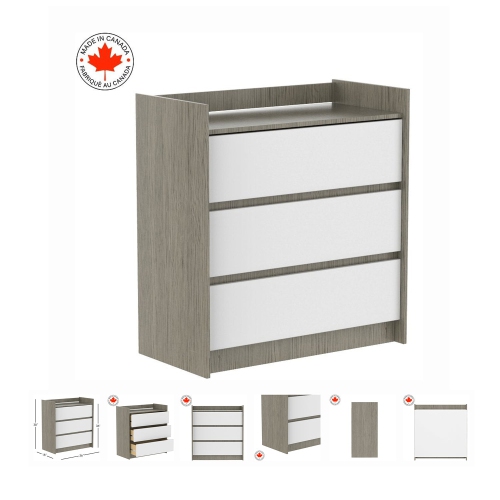
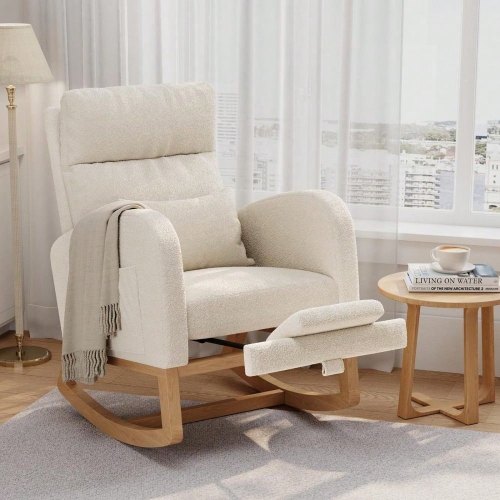
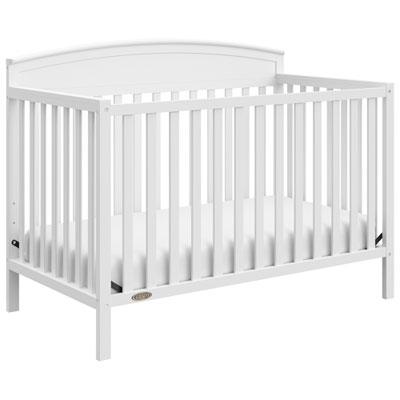
Small nursery furniture brings sleeping, changing, storage, and feeding spaces into a room without letting any one function take over. Compact cribs, narrow dressers, purpose-built changing units, and slim nursery chairs can suit an apartment, a smaller bedroom, or a nursery that shares space with a parent’s bedroom. The most useful pieces save floor space while leaving enough room for everyday movements: opening a drawer with a baby on one arm, standing up comfortably after a feed, or walking to the crib without stepping around a footstool. A smaller footprint is only part of the fit. Drawer extension, door swings, chair movement, and the space needed to reach clothing or changing supplies all affect how comfortably furniture works together. Tall storage makes use of wall height, while a low, narrow dresser may fit beneath an unobstructed section of wall and keep frequently used clothing easy to reach. Compact cribs can leave more space beside the sleep area, but their dimensions, mattress requirements, and limits vary. Any crib should meet applicable Canadian safety requirements and be used with the firm, flat mattress specified for it, with no gaps around the edges. A clear sleep surface with a fitted sheet, free of pillows, loose blankets, toys, and padded accessories, matters more than a coordinated arrangement. Furniture placement also makes a difference in a close-fitting room: cribs belong away from windows, blind cords, curtain cords, and anything a child could pull down. For families planning beyond the newborn stage, convertible furniture may offer continued use, although each configuration has its own requirements and may need additional components. Compact does not necessarily mean suitable for longer use, so age, height, weight, and developmental limits remain important. A nursery feels more manageable when its furniture suits both the room and the routines of the people caring for the child.
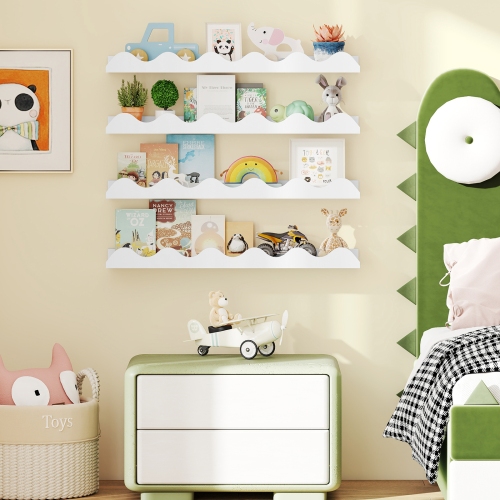
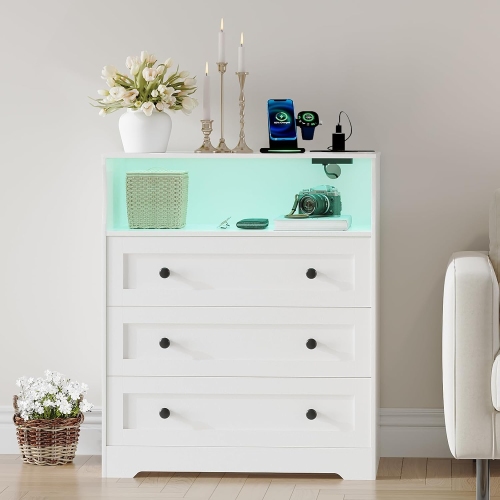
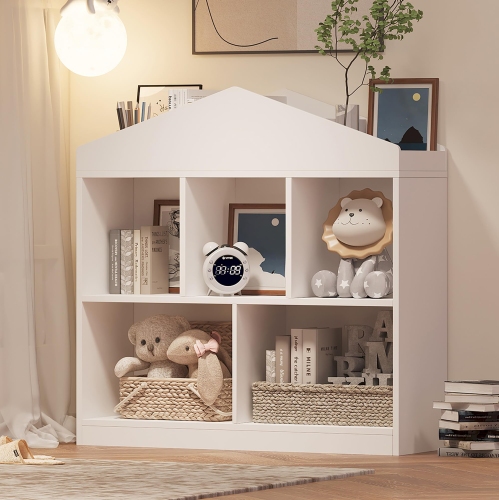
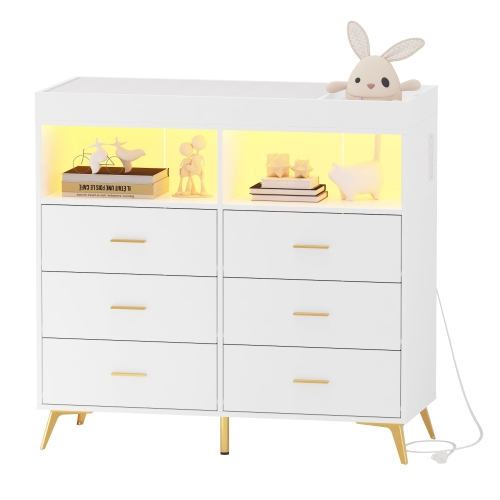
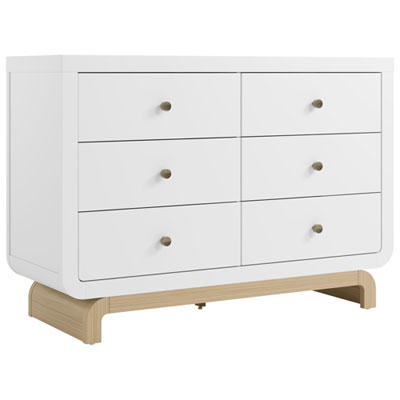
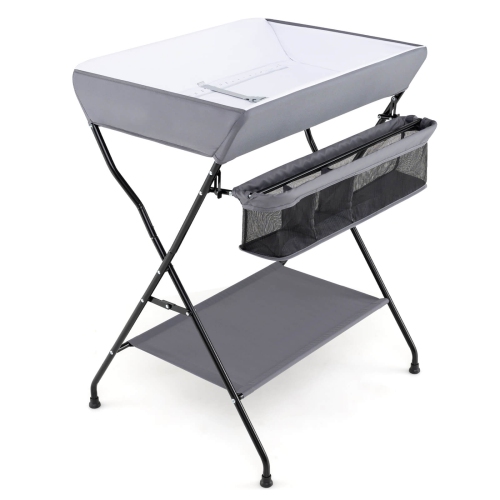
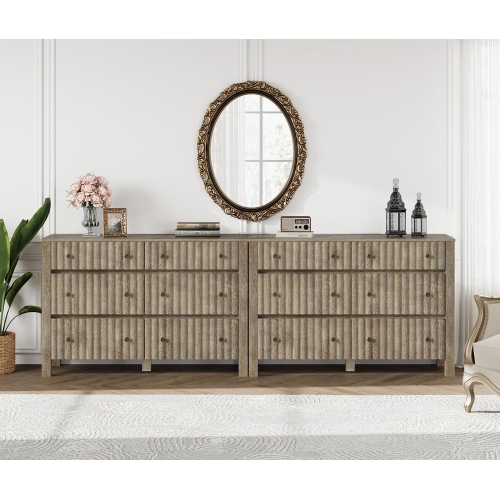
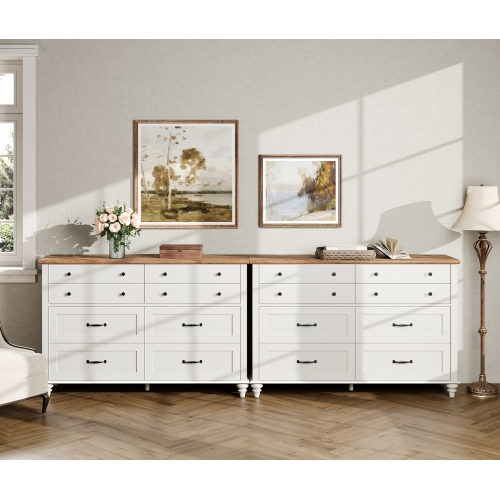
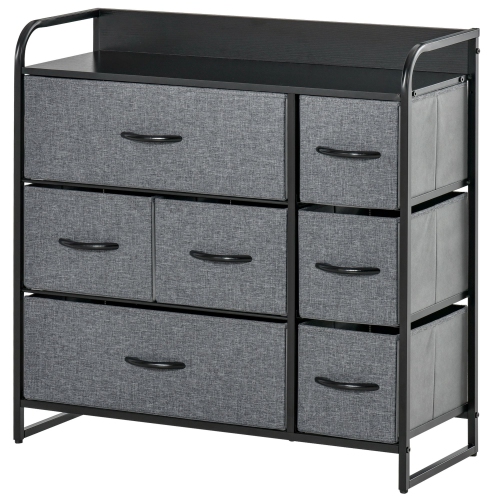
Storage and changing furniture often do the most work in a small nursery. A compact dresser can hold folded sleepers, bodysuits, and feeding cloths without the depth of a large bedroom chest, while drawer dividers help separate tiny garments that otherwise disappear into a pile. Interior dimensions are worth considering alongside exterior measurements: thick framing, shallow drawers, and fixed compartments can affect how much usable storage a piece provides. A dresser designed to accept a compatible changing attachment can combine two functions within one footprint, provided the complete setup is approved by the manufacturer and assembled as directed. An ordinary dresser should not be treated as a changing station simply because a pad fits on top. On a raised changing surface, supplies need to be within the caregiver’s reach, and a hand should remain on the baby at all times; a safety strap is not a substitute for supervision. Open storage can make clean cloths and spare covers easy to find, while closed drawers keep the room visually quieter and protect folded clothing from everyday dust. Neither arrangement replaces safe storage for creams, medicines, and other supplies that children should not access. Wall shelves can hold lightweight belongings without occupying floor space, but their fixings must suit the wall and intended load, and placement should keep stored objects out of a child’s reach and away from the crib. Dressers and other furniture that could tip need to be secured according to the manufacturer’s instructions, even before a baby begins pulling up or climbing. Materials influence both appearance and daily upkeep. Solid wood, wood veneers, and engineered wood each have different construction and care requirements; secure joints, stable bases, smooth edges, and drawers that operate properly are useful details across materials. Sealed, wipeable surfaces are practical around spills and changing supplies. Gentle cleaning with a soft cloth and the recommended cleaner helps preserve the finish, while drying spills promptly can limit swelling or marking, particularly along seams and edges. Care instructions matter as much as the initial look when furniture will be used several times a day.
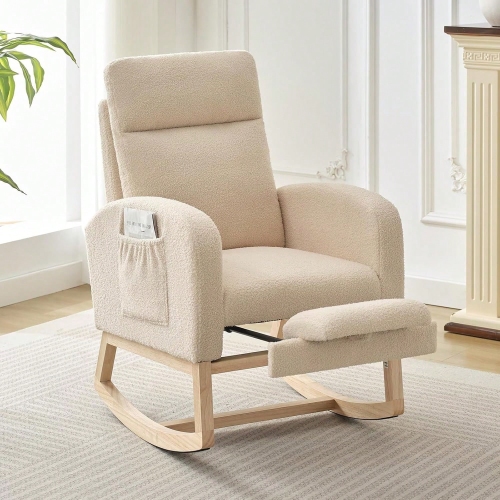
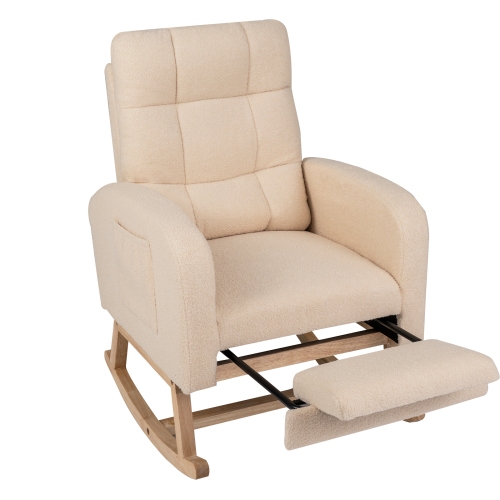
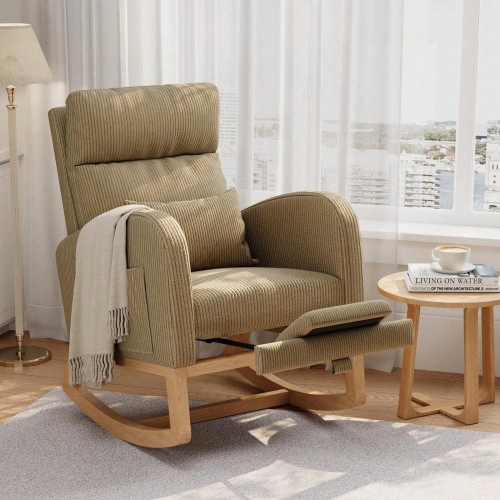
Seating adds another layer of comfort to a small nursery, particularly when feeds, settling, and bedtime stories happen in the same corner. A compact glider or rocker can offer a supportive place to sit without the width of an oversized armchair, but its full range of movement needs clear space. A chair that fits neatly when still may need additional room behind it when reclining or beneath it when a footrest opens. Seat height, depth, back support, and armrest position affect comfort more directly than a slim silhouette alone. Caregivers should be able to sit with support and rise without squeezing between furniture or leaning on the crib. Upholstery also deserves attention: tightly woven fabric, accessible seams, and removable covers where specified can make routine care simpler, although cleaning methods differ by material. Feeding chairs are for an awake caregiver; a baby should be returned to their own appropriate sleep space rather than sleeping with an adult in a chair. Visually, small nursery furniture can feel coordinated without every piece matching. Similar proportions, repeated wood tones, and a restrained colour palette help a narrow dresser, compact crib, and upholstered chair sit comfortably together. For a light, consistent finish across the room, White Nursery Furniture offers a related direction that pairs easily with natural wood tones and colourful textiles. Practical details still lead the choice: accessible handles, clear assembly instructions, replaceable components where offered, and surfaces that tolerate their intended cleaning routine support everyday use. Compact furniture can also be a thoughtful gift for expectant parents or caregivers furnishing a dedicated room, especially when room measurements and preferred finishes have been confirmed beforehand. Keeping assembly documents and checking fasteners as directed helps maintain furniture over time. The result is a room with space for its essential routines, where clothing has a place, the sleep area stays clear, and caregivers can move comfortably through the day.
Top selling and popular products
-
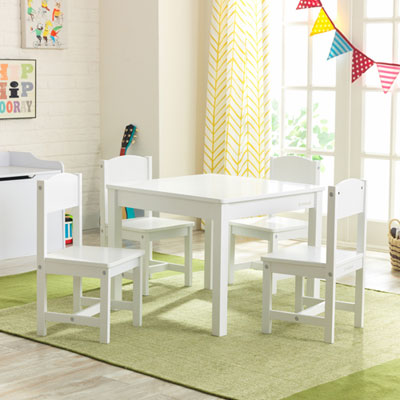 Your price for this item is $199.99
-
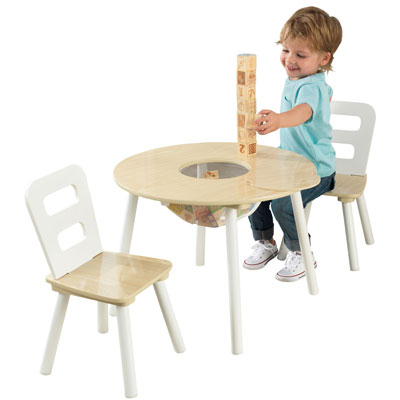 Your price for this item is $109.99
-
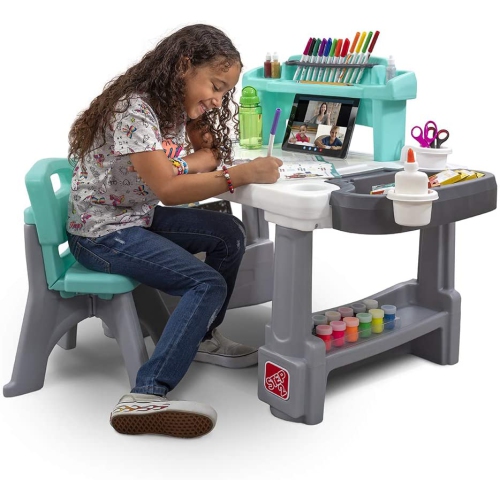 Your price for this item is $395.66
-
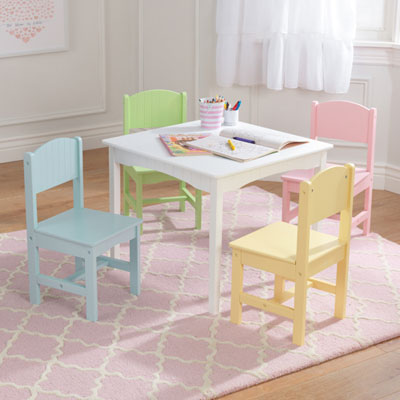 Your price for this item is $165.98
-
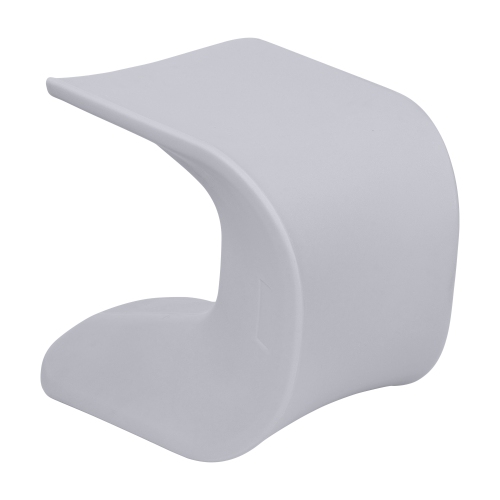 Your price for this item is $174.99
-
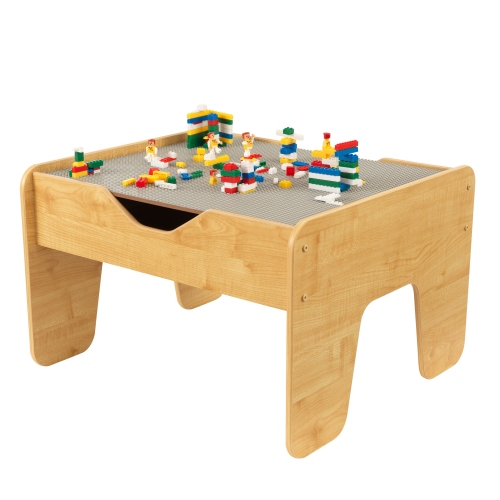 Your price for this item is $89.99
-
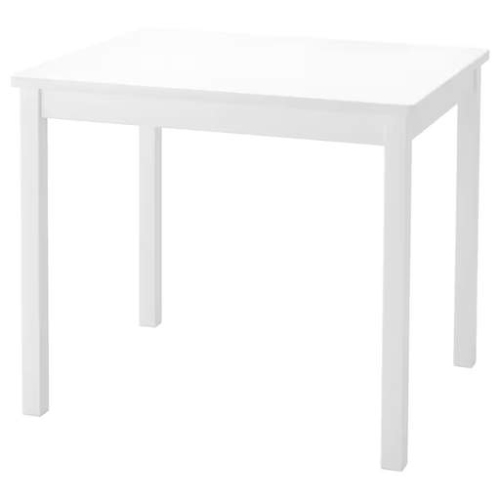 Your price for this item is $96.99
-
 Your price for this item is $124.99
Discover more categories related to Small Nursery Furniture
Top Collections:
Pokemon Centers, Kindle Devices, Best Cameras for Sports Photography, Pokémon 30th Celebration Cards, Apple iPhones 16, Canon G7X Cameras, iPhone 15 Apple, Flip Phones, Samsung Galaxy Phones, Alarm Clock
Some products may be subject to Environmental Handling Fees
(EHF) depending on your province.
Learn more about EHFs.