Black Nursery Dressers
The nursery is the most important room in your home for the care and development of your child. It's where you'll be able to get some much-needed rest and relaxation, as well as spend time with your little one. A good nursery dresser is essential for keeping everything organized and safe. Here are some great options in black.
Sort
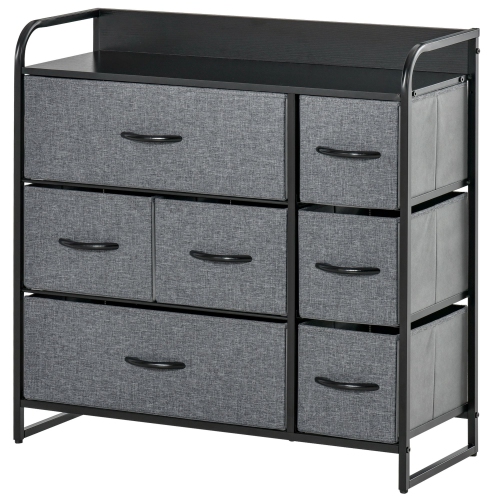

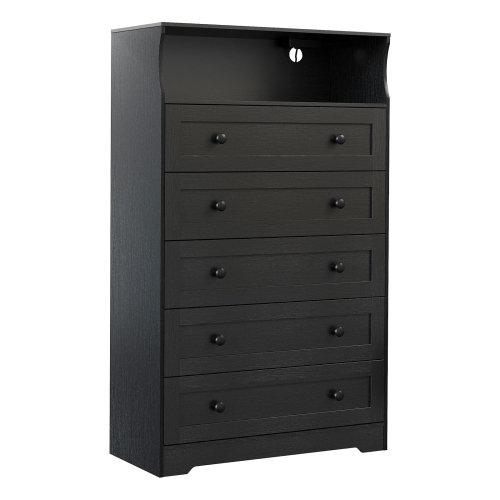
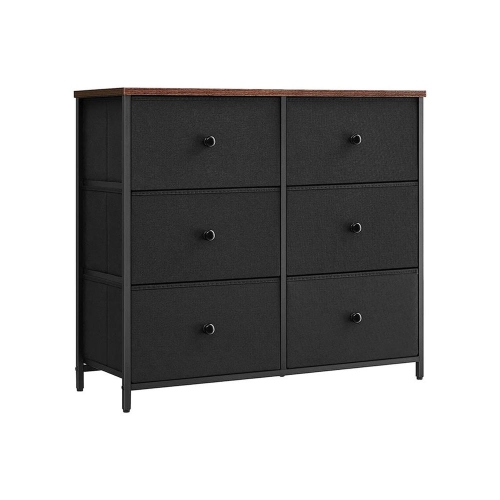
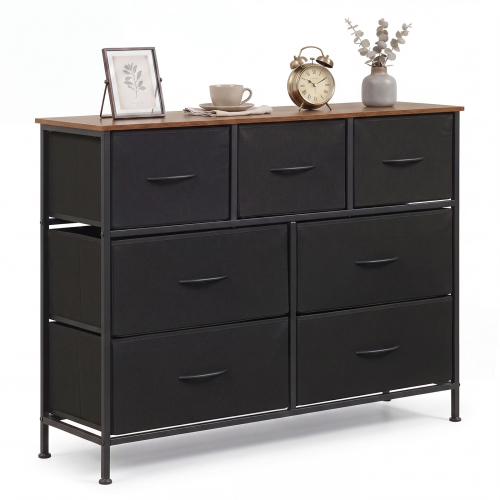
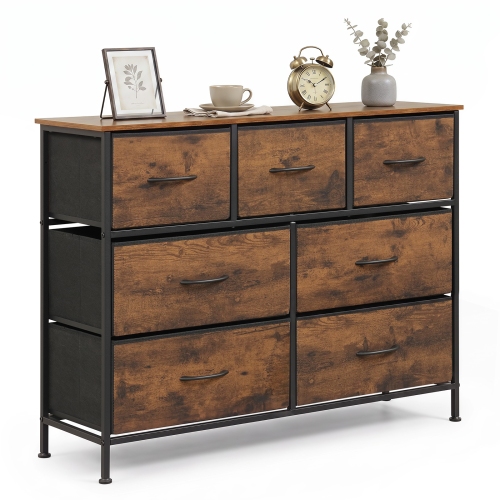
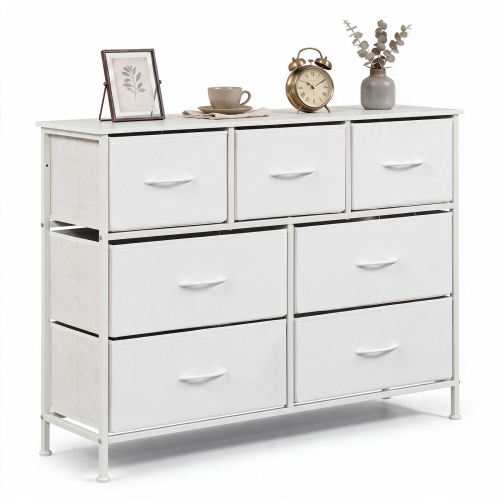
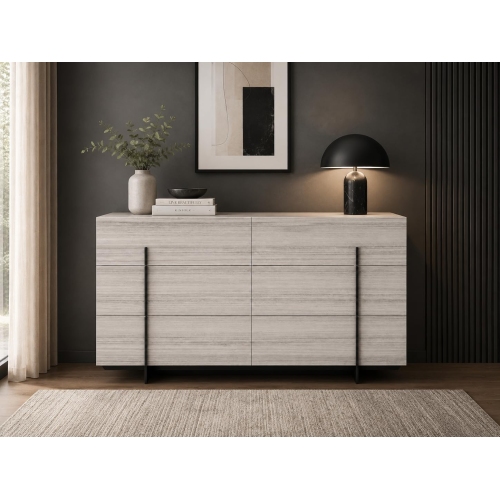
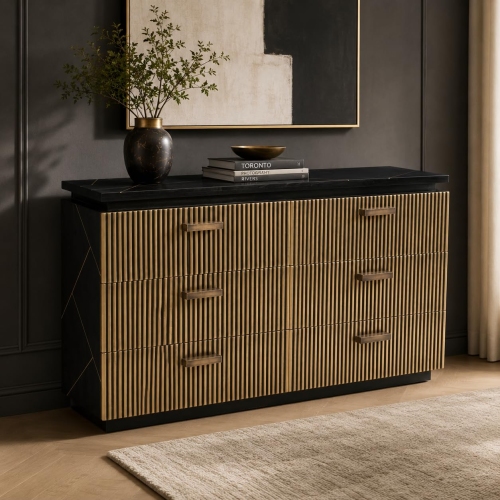
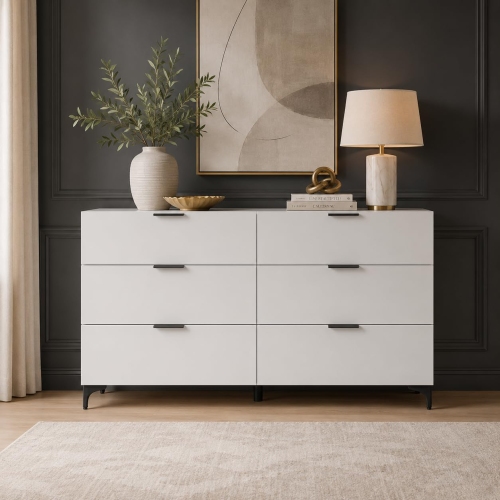
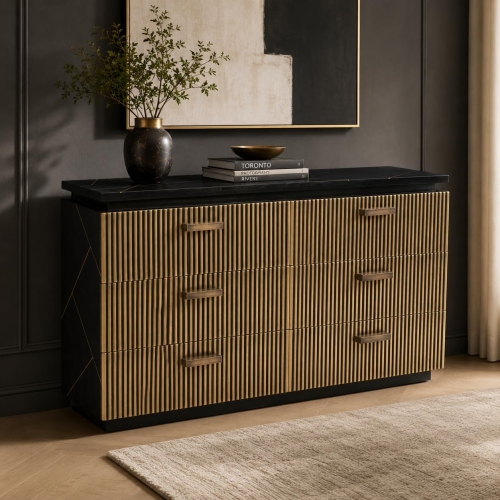
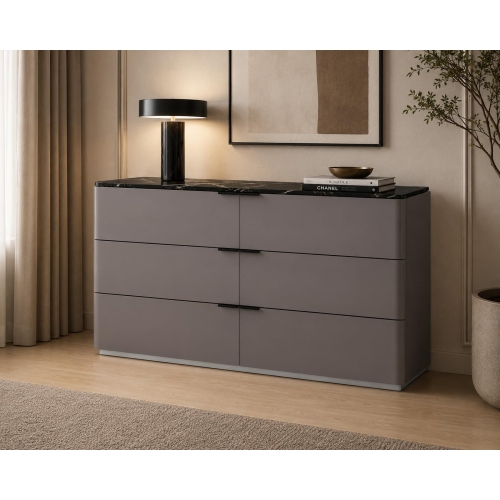
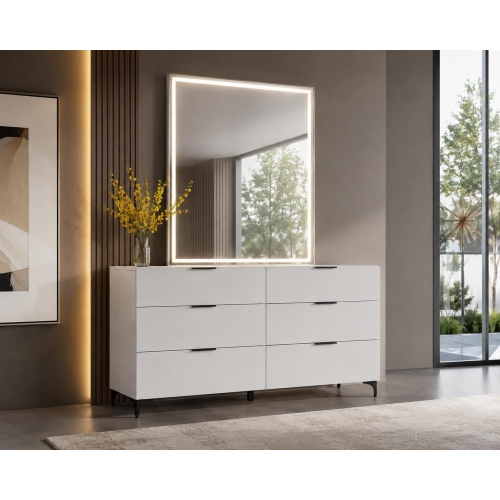
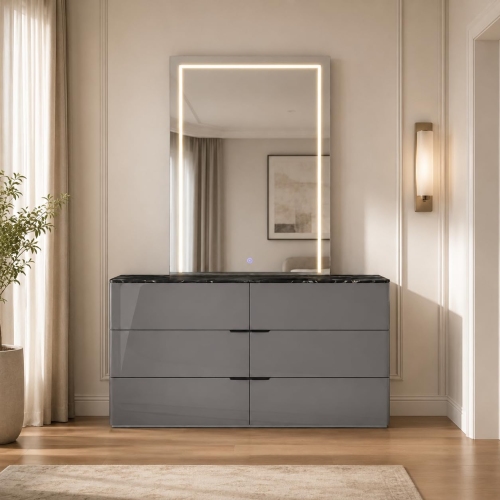
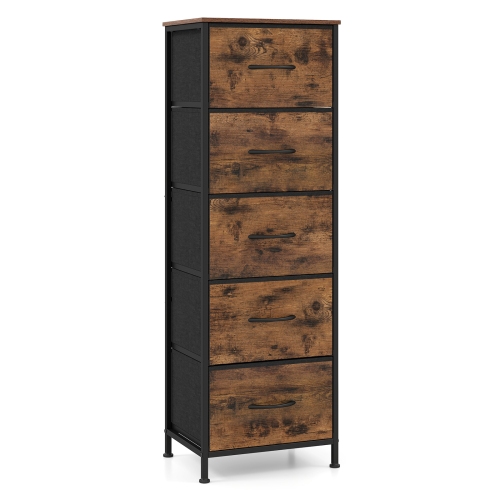
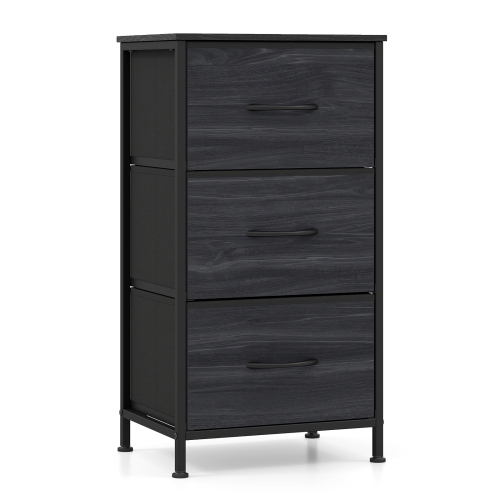
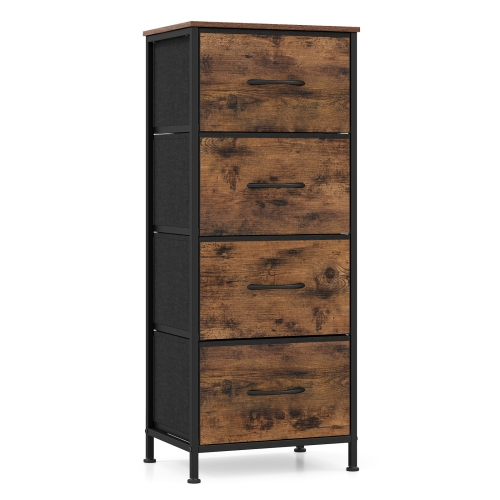
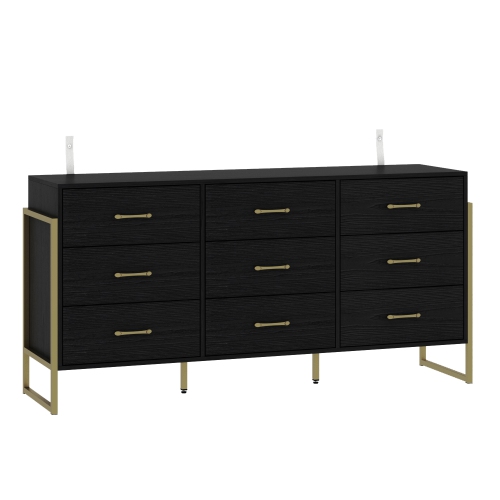
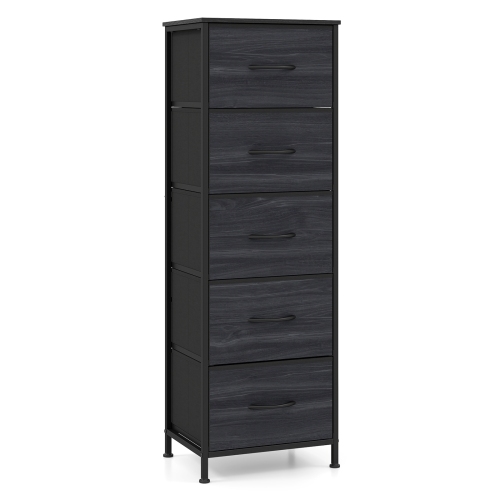
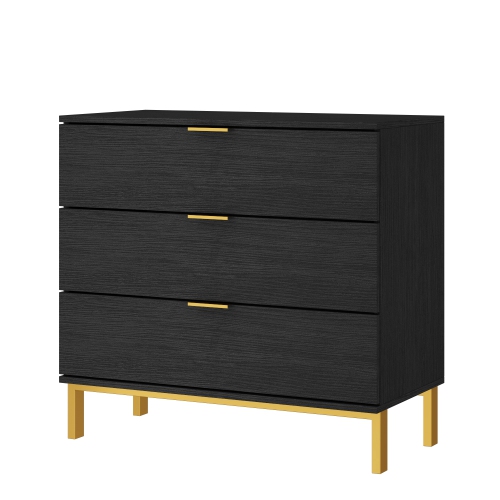
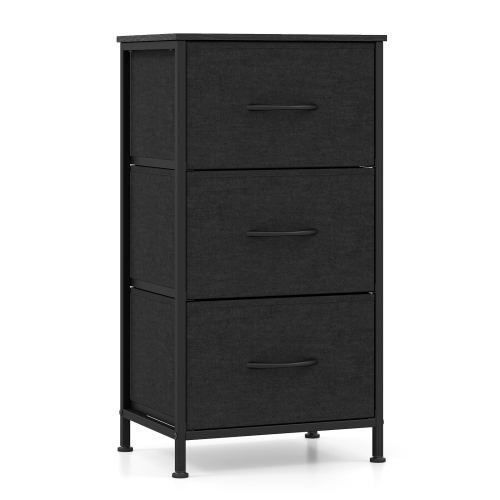
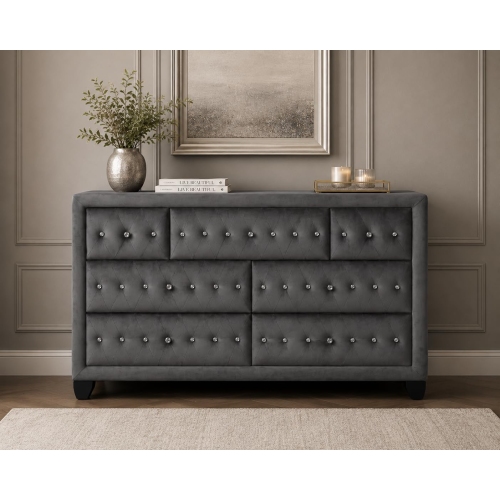
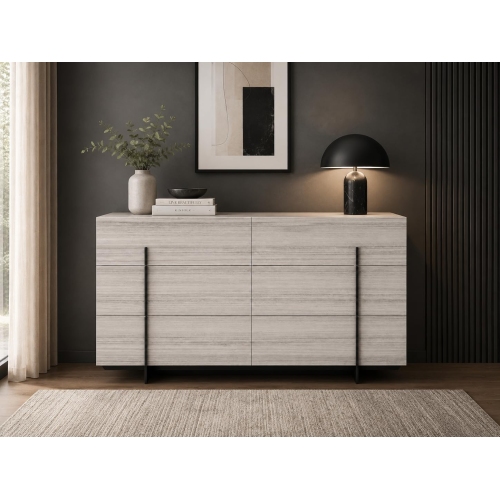

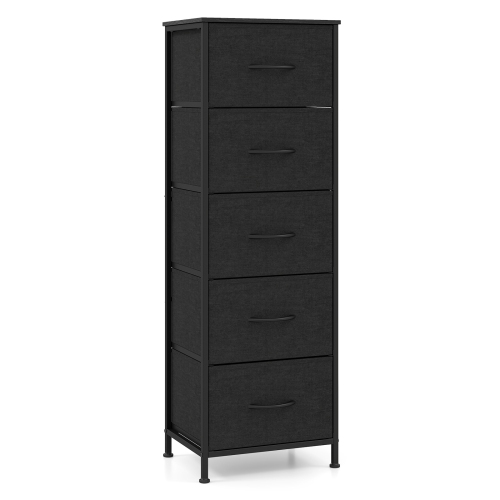
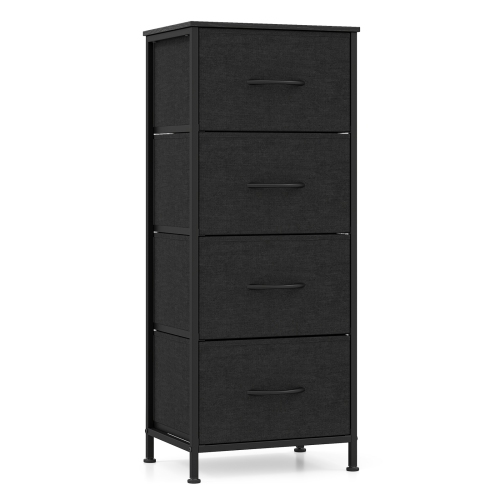
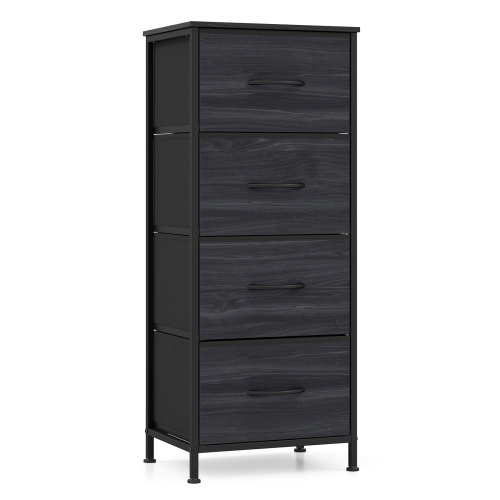


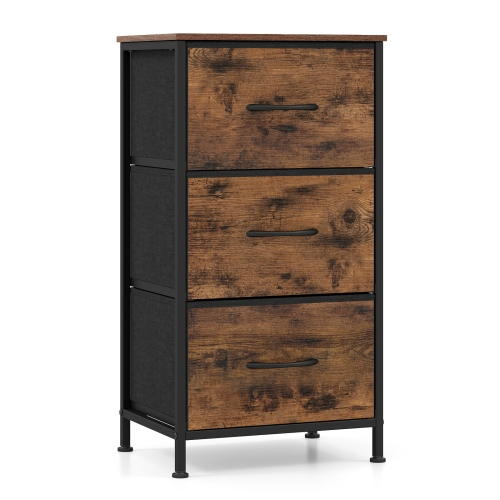
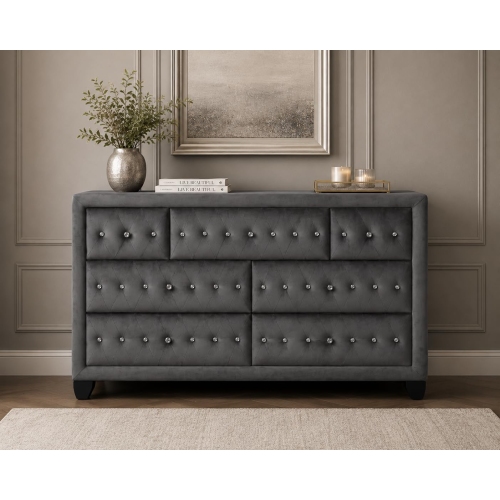
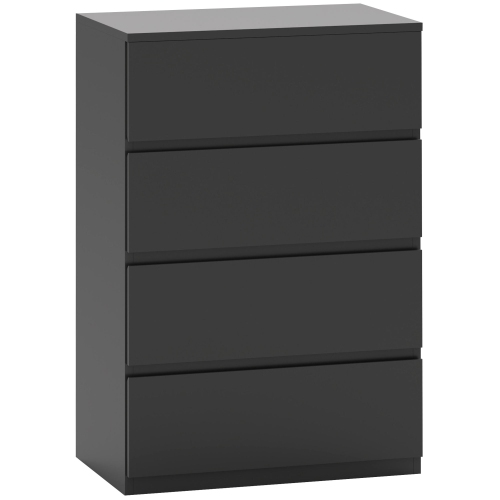
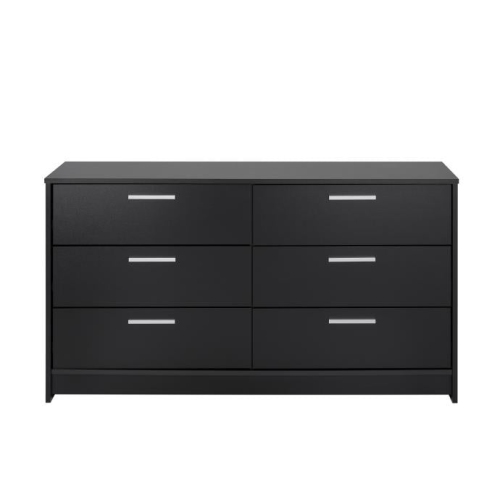
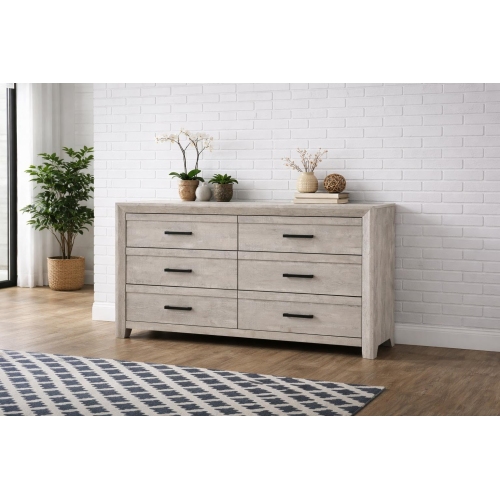


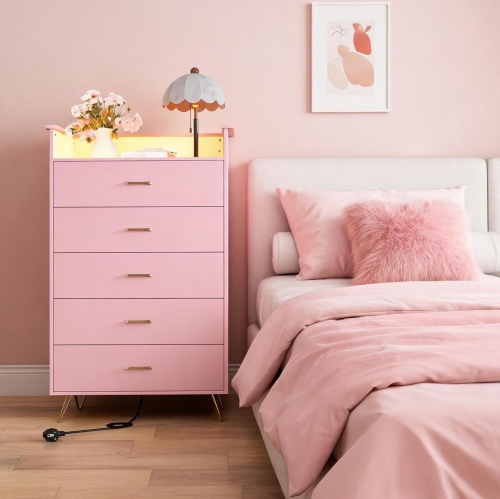


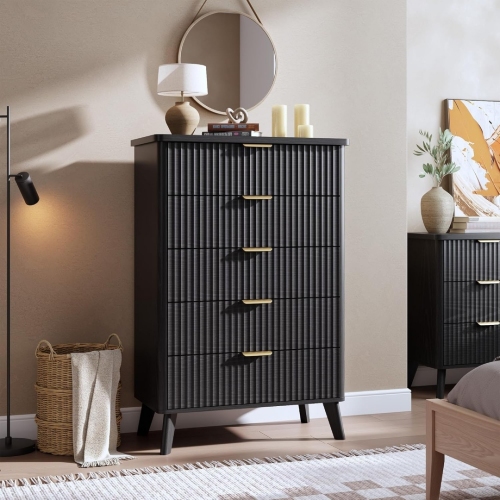
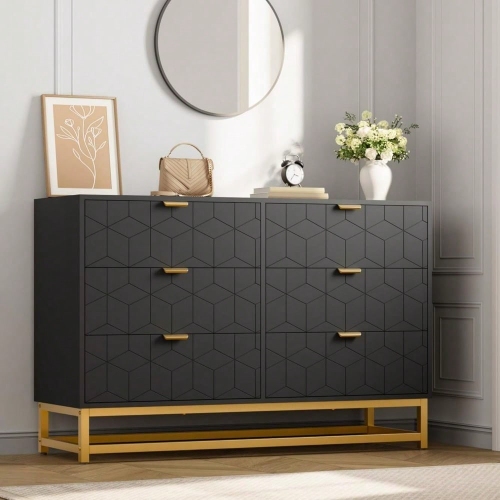

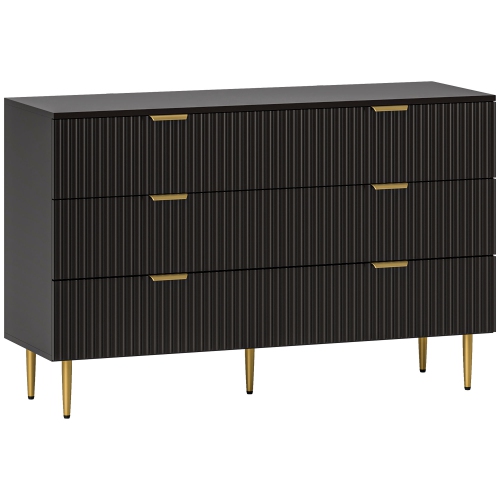
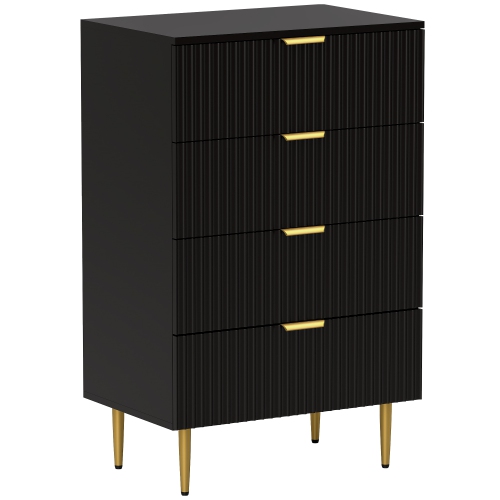
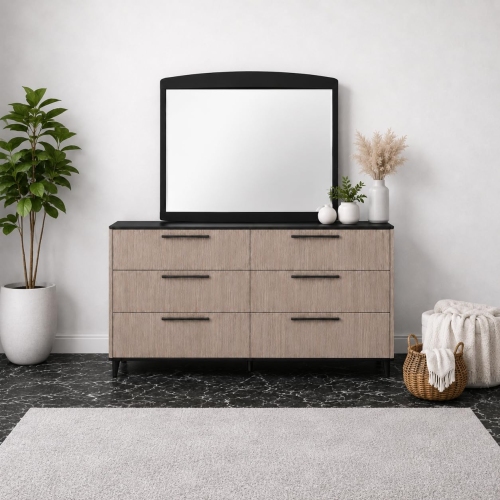
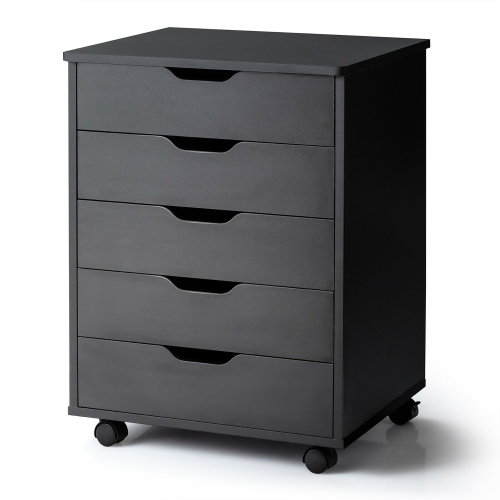
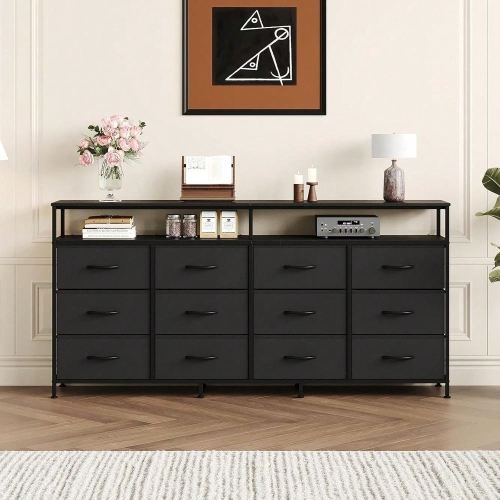

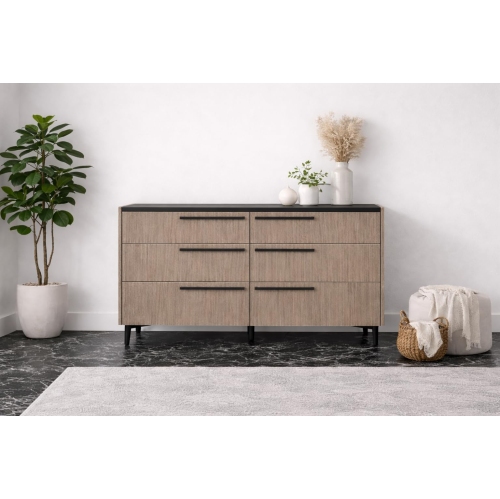

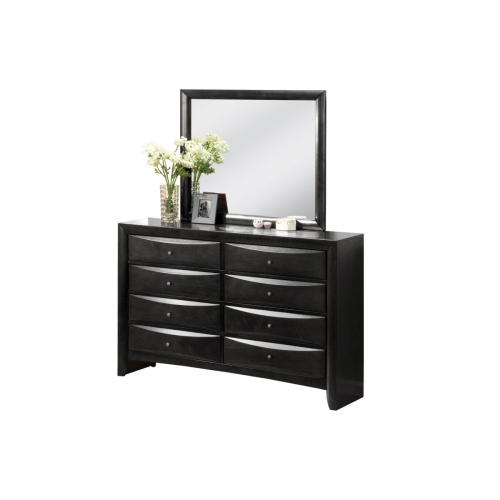
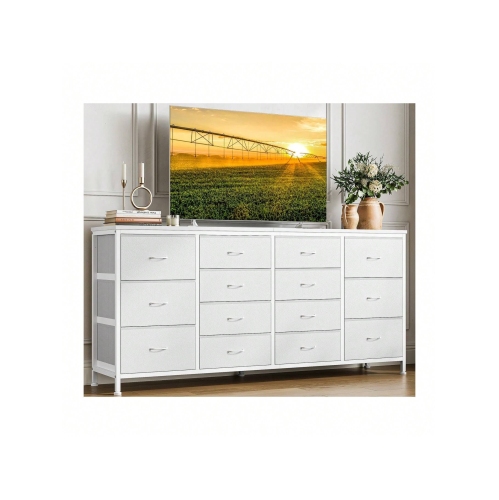

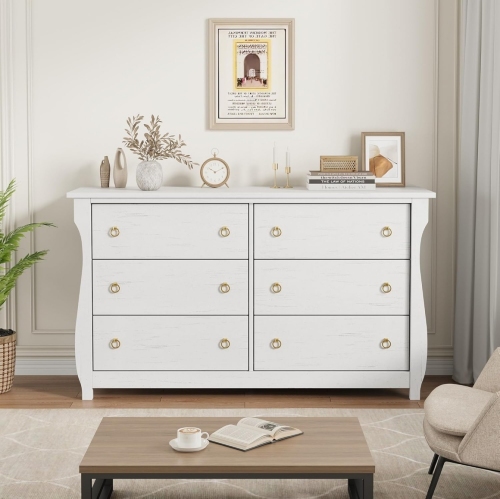
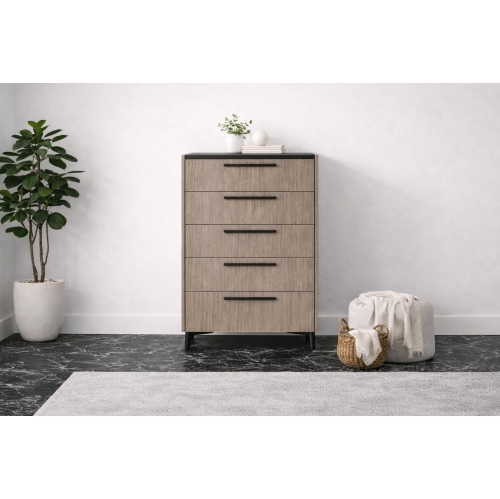

A dark focal point with storage for growing wardrobes
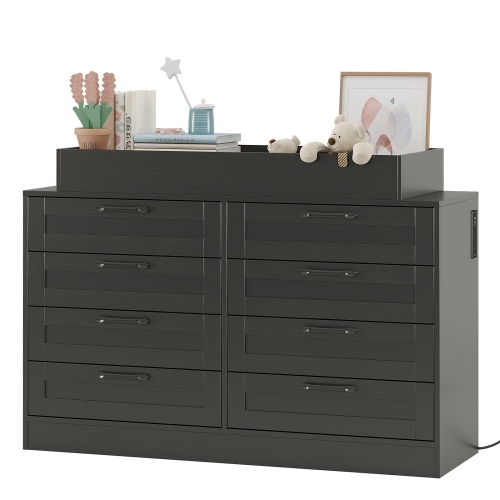
Black nursery dressers bring practical clothing storage and a strong visual anchor to a baby’s room. Their dark finish can sit comfortably beside a pale wood crib, soften the sweetness of pastel bedding, or carry through a room with black picture frames and simple metal accents. Against white or cream walls, a black dresser creates a clear focal point without relying on bright colour or elaborate detailing. Matte finishes tend to give the furniture a quieter appearance, while satin and glossier surfaces catch more light and make edges and drawer fronts stand out. The shape matters just as much as the finish: flat drawer fronts suit a clean, modern space, while framed fronts, curved feet, and rounded knobs lend a more traditional feel. Black also works well beyond the nursery stage, making a dresser suitable for a child’s bedroom as clothing sizes, bedding, and personal tastes change. For a compact room, the most useful proportions depend on the space around the furniture, not simply the number of drawers. A wide, low dresser spreads storage across an easy-to-reach surface but takes up more wall space; a narrower chest leaves more room beside it but may put upper drawers beyond a comfortable reach. Measurements should account for baseboards, nearby doorways, and the full extension of open drawers. There should be enough clearance to stand in front of the dresser and sort laundry without blocking the room’s main walking path. In a shared bedroom, a wider arrangement can make it easier to give each child a separate section. In a nursery with a small wardrobe, deeper drawers can take on folded clothing and spare linens that would otherwise occupy shelves. The best fit leaves room for everyday movement, including carrying a baby between the crib, dressing area, and doorway, rather than filling every available stretch of wall.
Inside a nursery dresser, the drawer layout shapes how smoothly daily routines run. Small bodysuits, socks, bibs, and washcloths can disappear in a large compartment, so shallow upper drawers or removable dividers help keep these essentials visible. Deeper lower drawers are useful for sleepwear, spare fitted sheets, and clothing in the next size up. For parents and caregivers putting away frequent loads of laundry, a simple arrangement often proves easier to maintain than an elaborate sorting system: everyday clothing in one section, bedding in another, and less frequently used pieces below. Drawer dimensions deserve a closer look than drawer count alone, since thick side panels and hardware can reduce usable space. Smooth runners, comfortable handles, and drawers that open without catching make a noticeable difference when reaching for a clean outfit. Some designs include soft-close mechanisms or systems that limit how many drawers can open at once, though these features do not replace wall anchoring. Materials also affect the dresser’s weight, feel, and long-term care. Solid wood can show natural grain beneath a dark stain, while painted wood, wood veneer, and engineered wood can create different surface textures and degrees of uniformity. A black finish does not identify the underlying material, so construction details matter when comparing durability and maintenance needs. Secure joints, well-supported drawer bases, and firmly attached hardware are especially useful in furniture opened several times a day. Care depends on the manufacturer’s directions, but routine cleaning commonly involves a soft cloth, lightly dampened when appropriate, followed by prompt drying. Pools of water, abrasive pads, and harsh cleaners can damage certain finishes or edges. Dust and pale lint may be more noticeable against black, making a gentle wipe helpful during regular room cleaning. Felt pads beneath suitable tabletop accessories can reduce rubbing, while lifting objects instead of dragging them helps protect the surface. Checking handles and drawer fittings periodically can also catch looseness before it becomes an everyday nuisance.
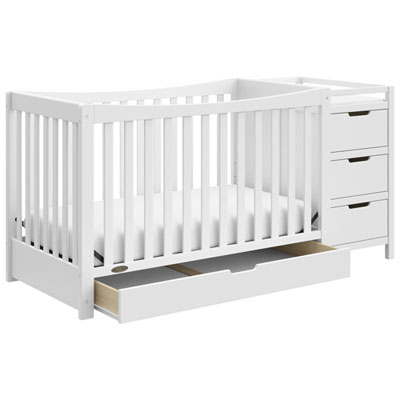
A dresser can serve as dedicated clothing storage or, when specifically designed and approved for that purpose, form part of a changing station. For rooms where combining these functions makes sense, Nursery Dresser Changing Tables offer a related furniture category to consider. An ordinary dresser should not be assumed suitable for changing a baby simply because a changing pad fits on top. Compatibility, secure attachment, the changing surface’s dimensions, and the manufacturer’s age and weight limits all matter. A purpose-designed removable changing top can allow the same furniture to function as a conventional dresser later, provided it is used and removed according to its instructions. During changes, frequently used supplies should be within the caregiver’s reach so there is no need to step away or stretch across the baby. Babies must never be left unattended on a raised changing surface, and a restraint does not replace hands-on supervision. Wall anchoring is equally important for nursery dressers, whether or not they have a changing attachment. Secure the furniture using the manufacturer’s specified anti-tip system and fasteners appropriate to the wall construction; where the correct installation is unclear, qualified help is worthwhile. Anchoring reduces tip-over risk but does not make drawers safe to climb. Toys and other tempting objects are better kept off the dresser top, and the furniture should be positioned away from windows and blind cords. These practical details help a black nursery dresser remain useful as a baby becomes a mobile toddler with a growing interest in handles and drawers. For grandparents setting up a room for visits, or relatives considering a substantial baby gift, confirming the room measurements, storage needs, and parents’ preferred style helps ensure the furniture suits the household. A thoughtfully chosen dresser supports ordinary moments as much as the finished look of the room: a fresh sleeper within reach, folded sheets in their own drawer, and a clear place for the next stack of clean clothes.
Top selling and popular products
-
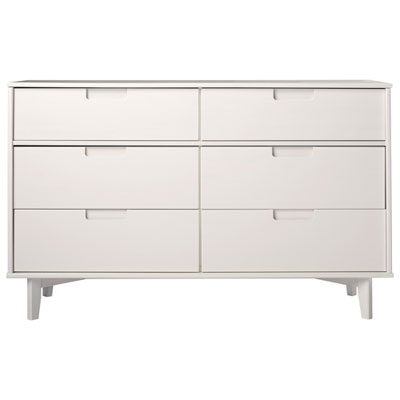 Your price for this item is $569.99
-
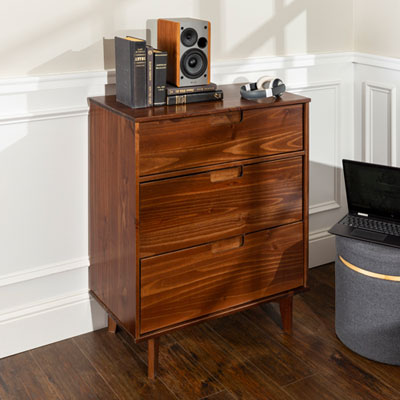 Your price for this item is $364.99
-
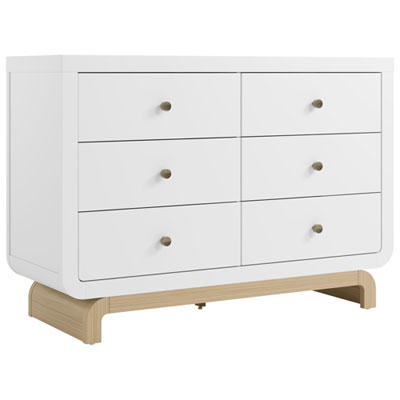 Your price for this item is $899.99
-
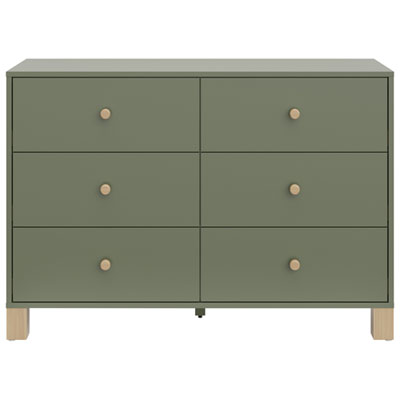 Your price for this item is $699.99
-
 Your price for this item is $699.99
-
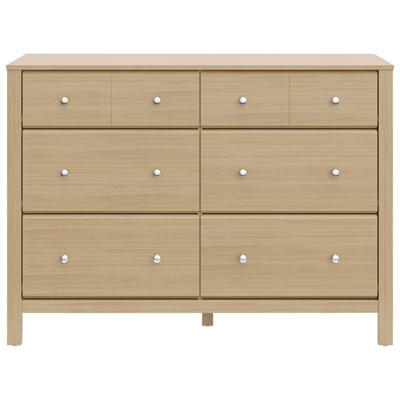 Your price for this item is $399.99
-
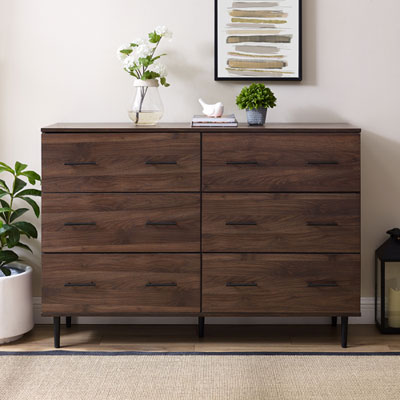 Your price for this item is $886.99
-
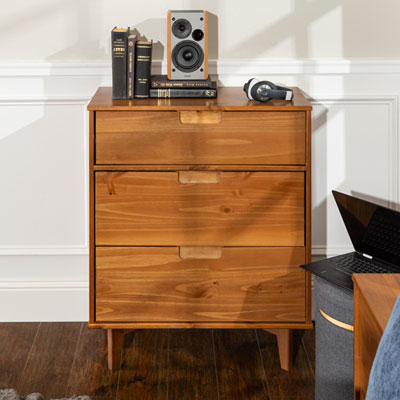 Your price for this item is $364.99
Discover more categories related to Black Nursery Dressers
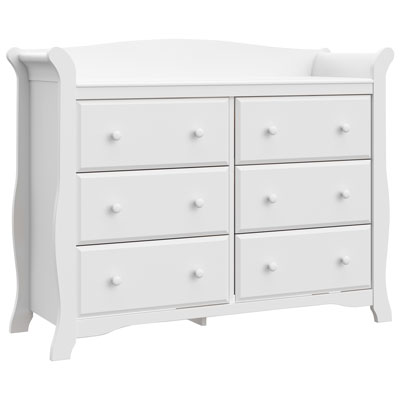
Top Collections:
Pokemon Centers, Kindle Devices, Best Cameras for Sports Photography, Pokémon 30th Celebration Cards, Apple iPhones 16, Canon G7X Cameras, iPhone 15 Apple, Flip Phones, Samsung Galaxy Phones, Alarm Clock
Some products may be subject to Environmental Handling Fees
(EHF) depending on your province.
Learn more about EHFs.