Doctor Office Furniture
Doctor's offices are a place where you can go to get medical advice and treatment for various medical conditions. The furniture in your doctor's office should be designed to help you relax, feel comfortable, and get the best possible care. Here are some of our favorites.
Sort



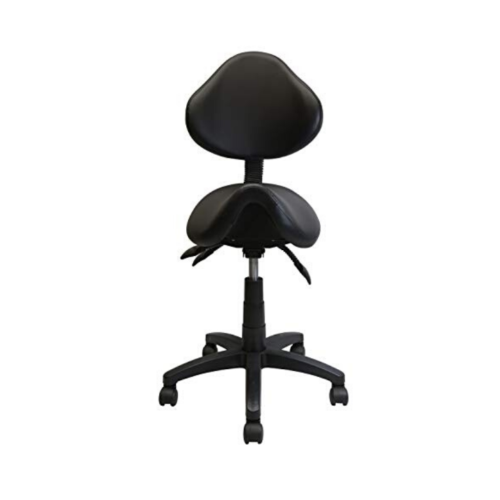
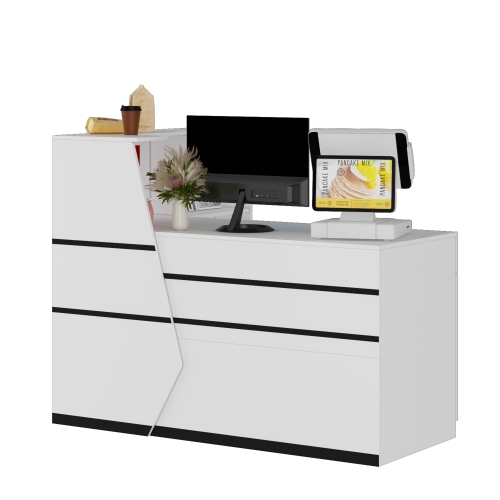

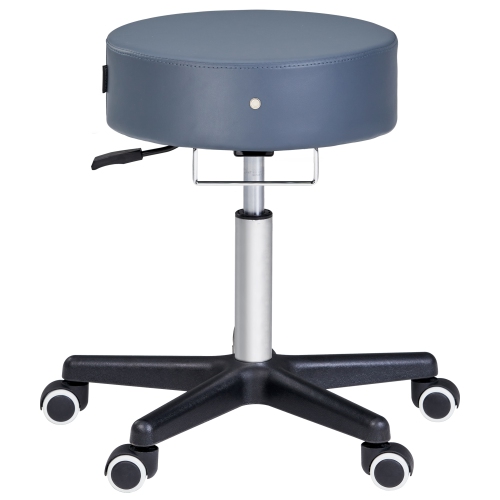
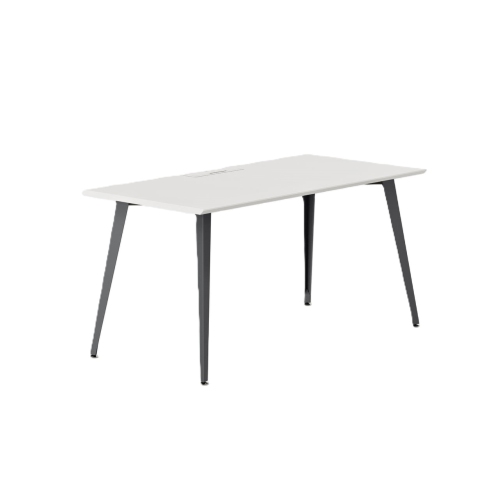
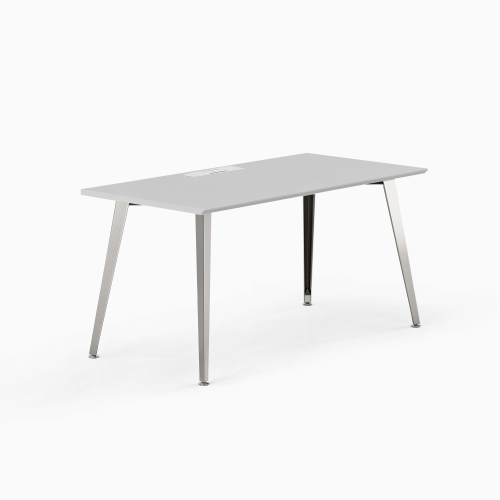
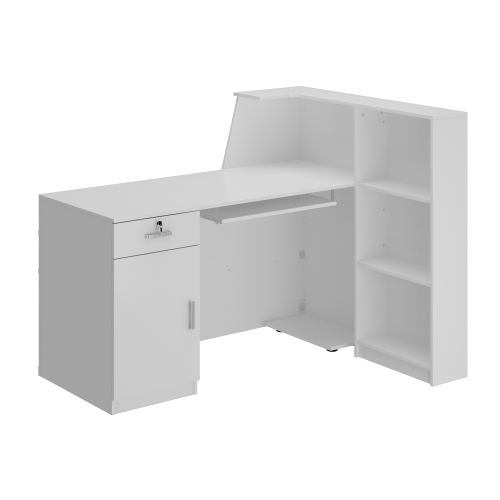
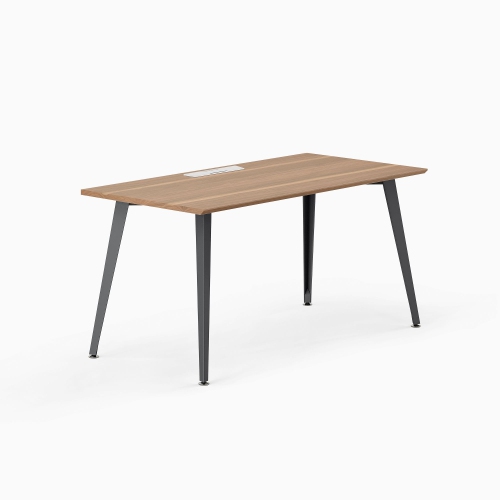
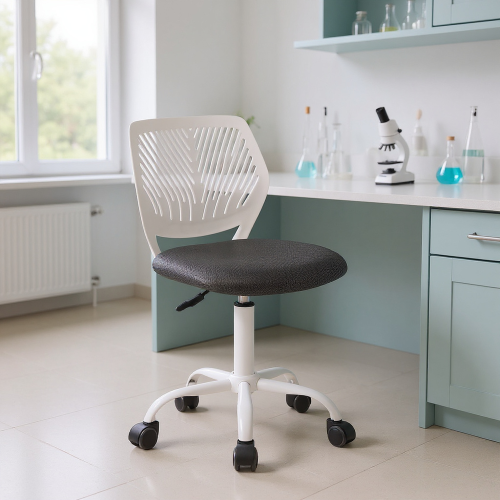
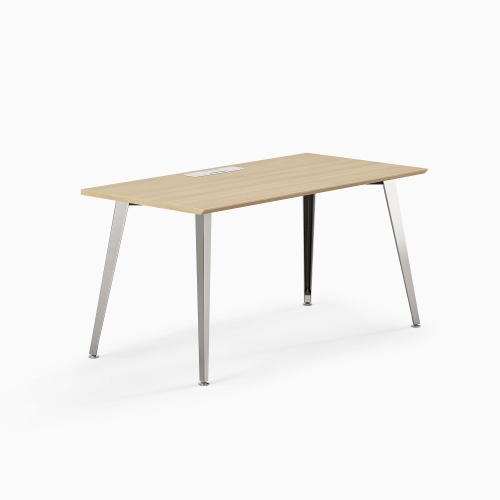
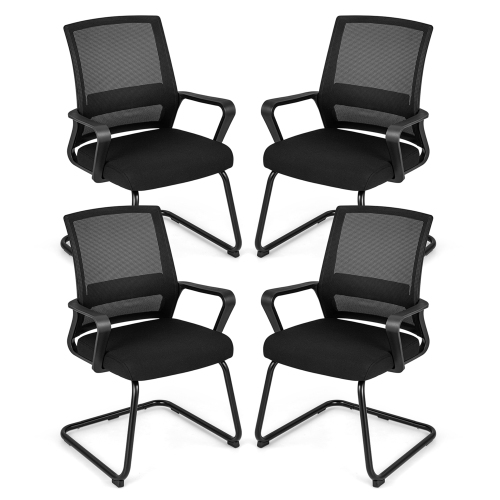
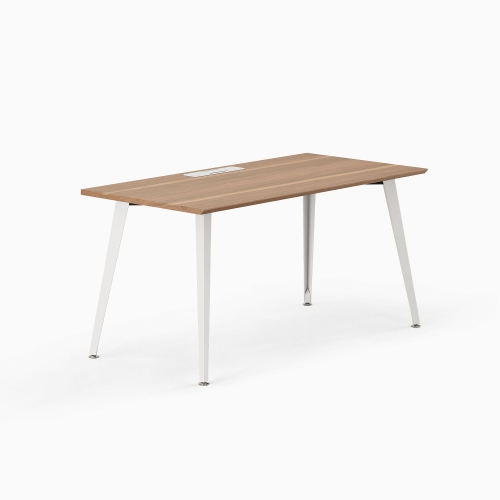
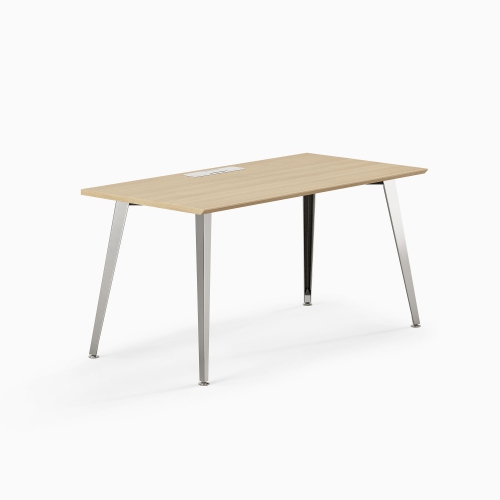
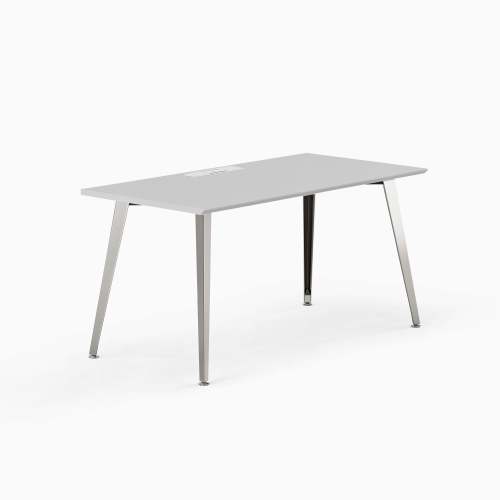

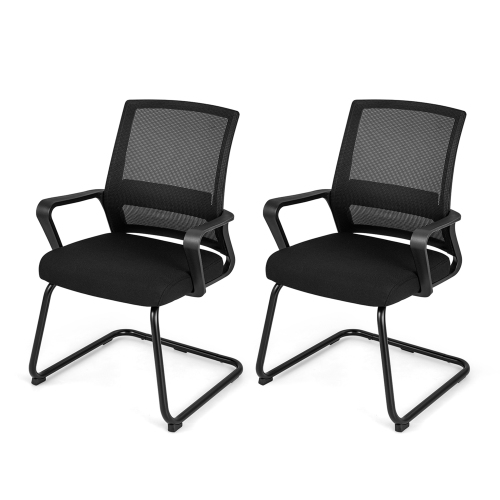
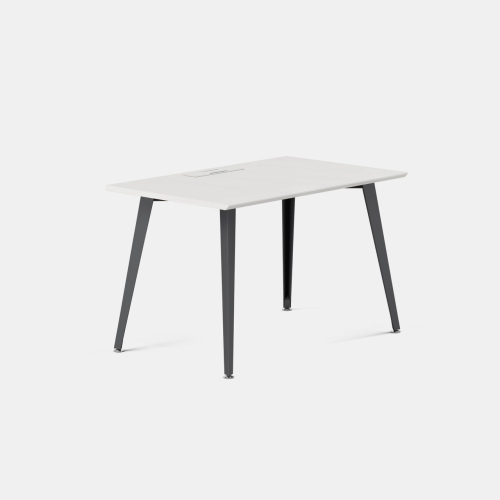
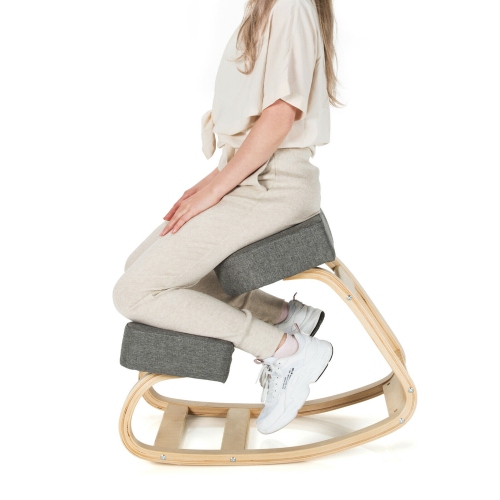
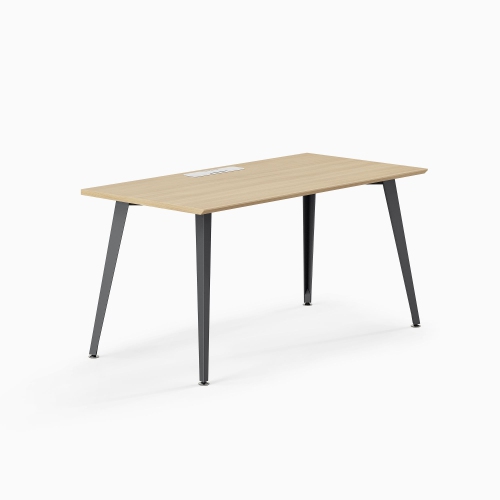
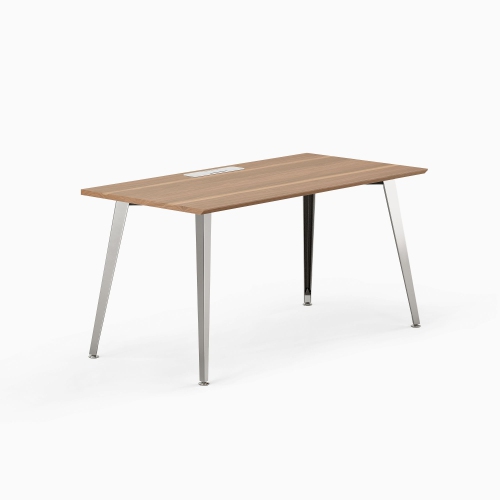

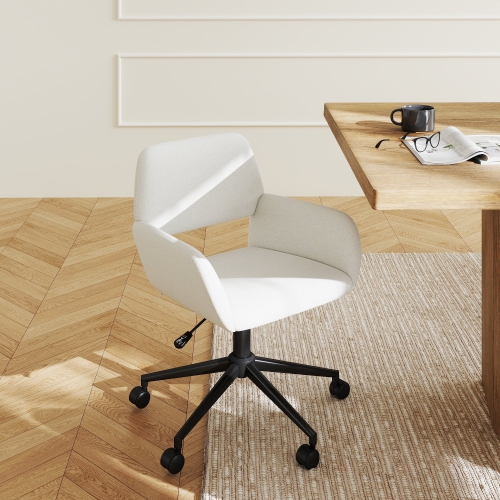
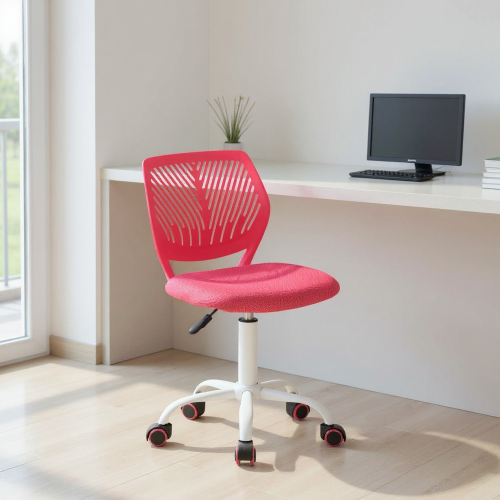
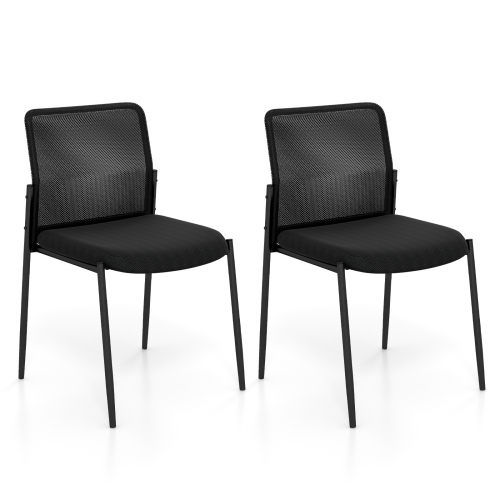
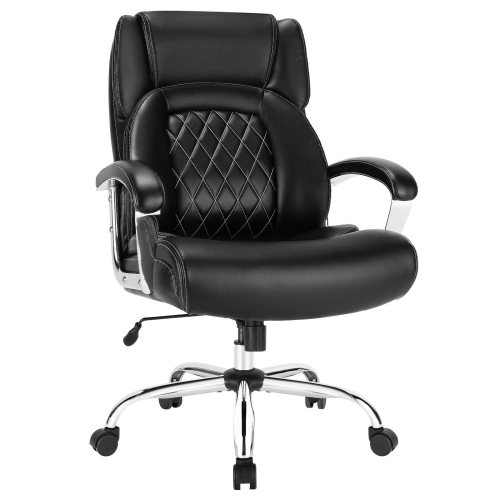
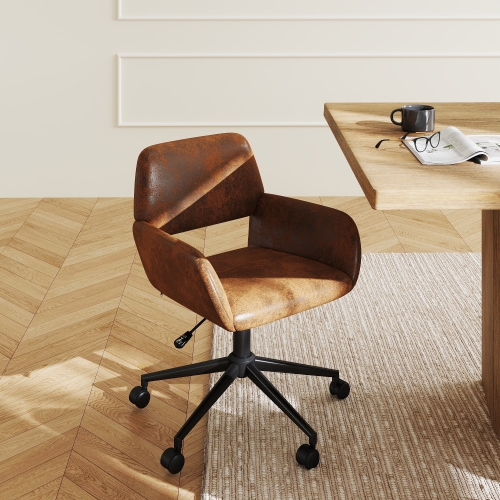
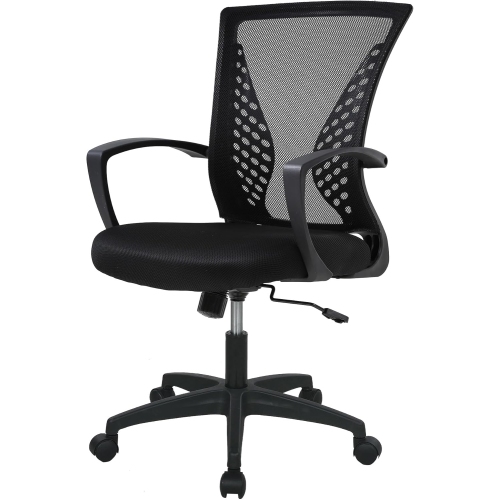
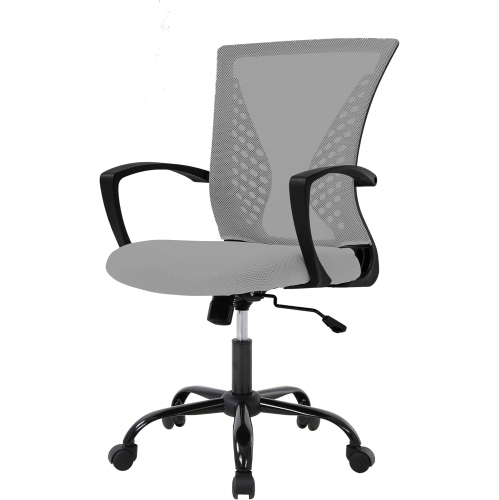
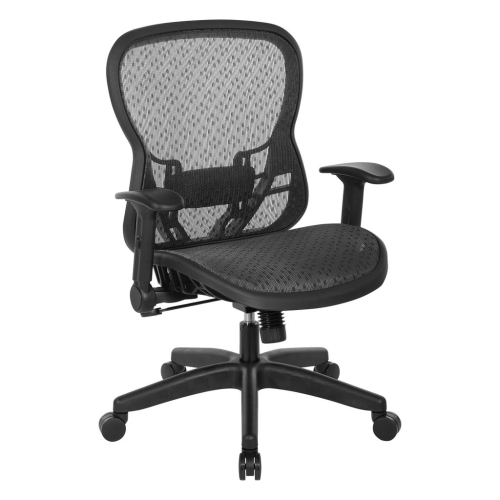
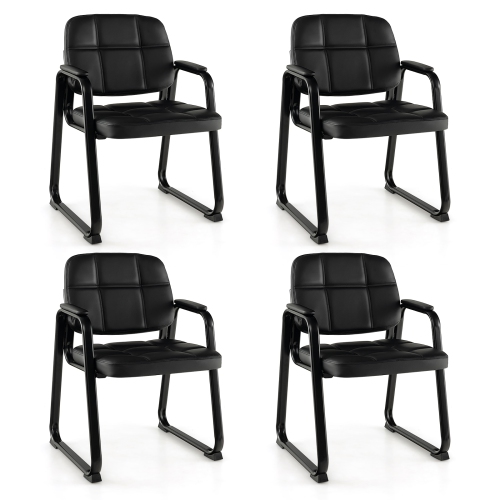
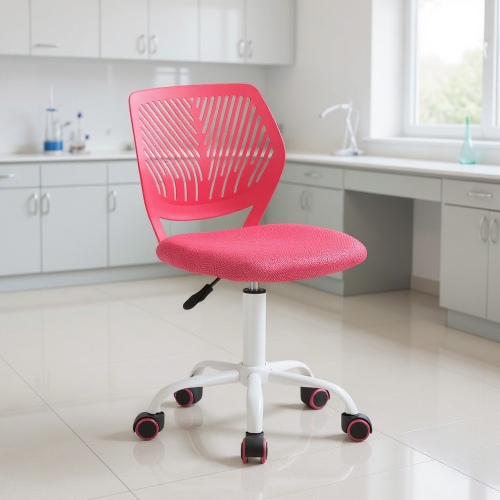
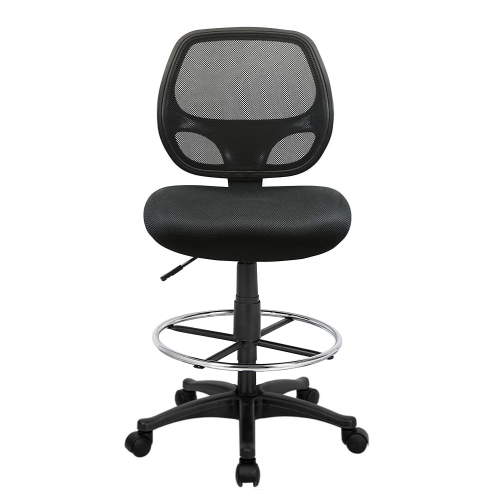
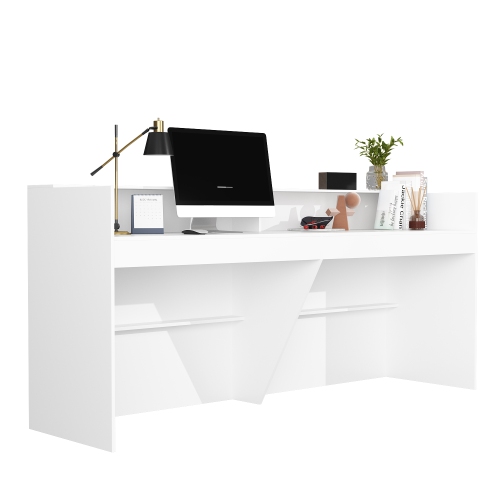
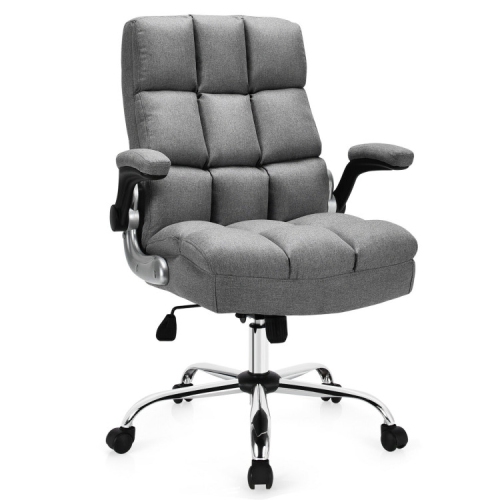
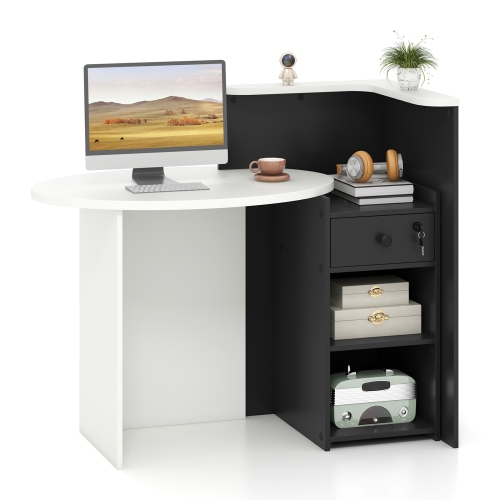
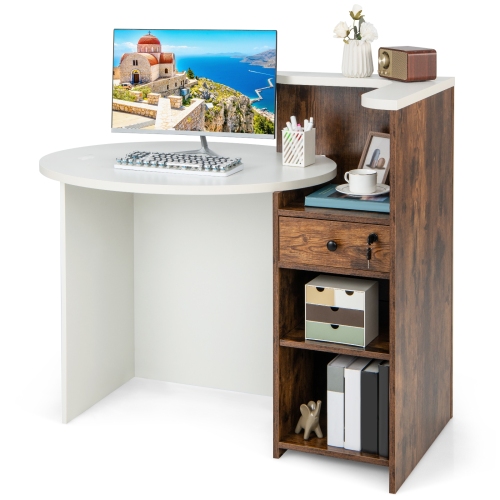
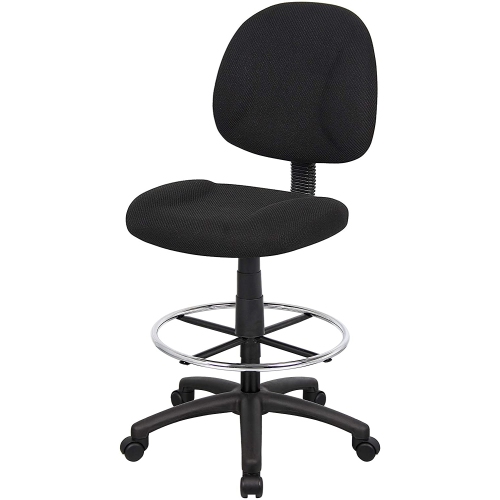
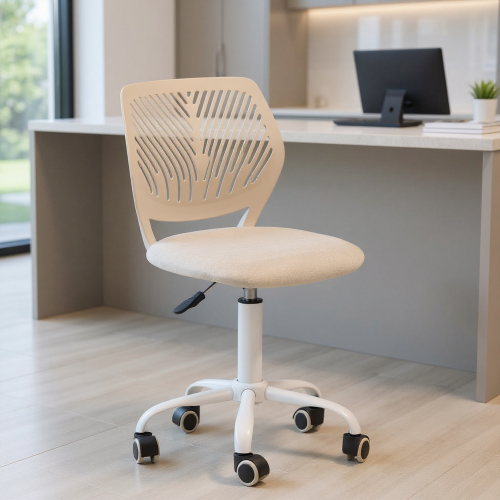


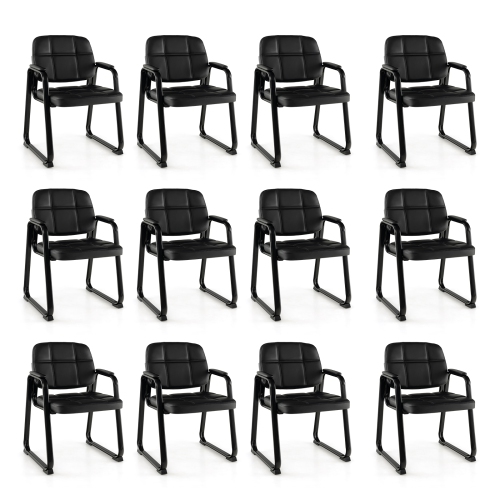
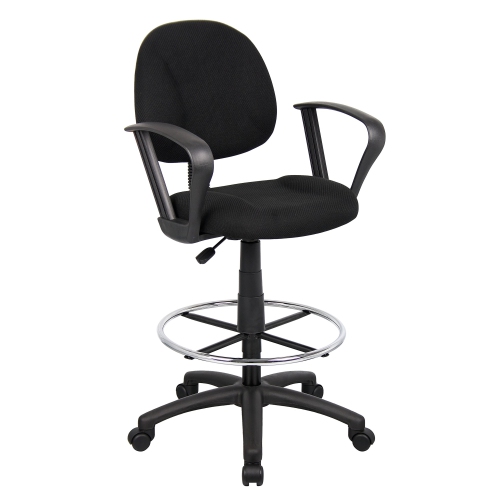
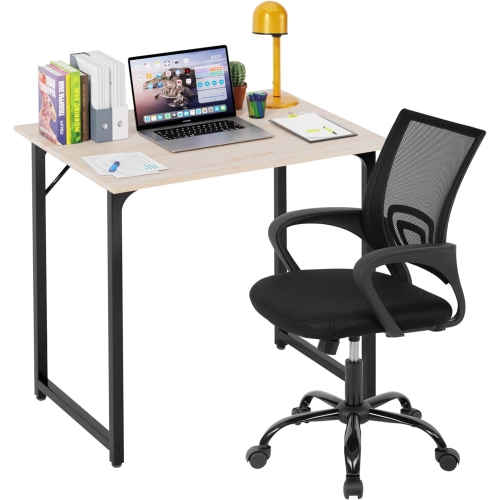
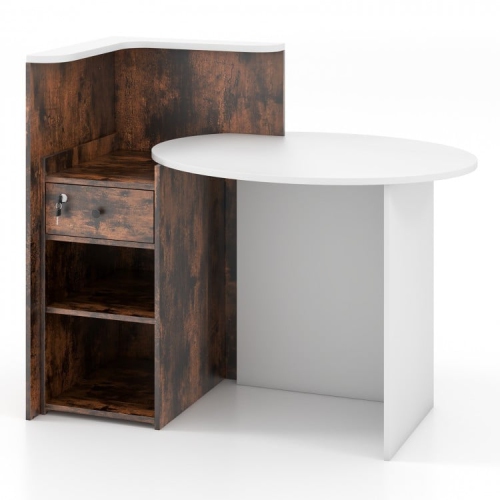
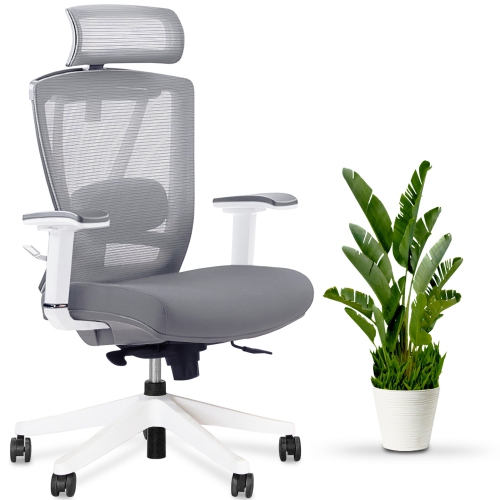
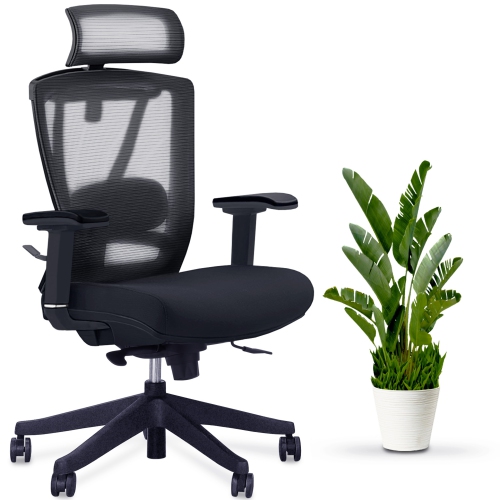
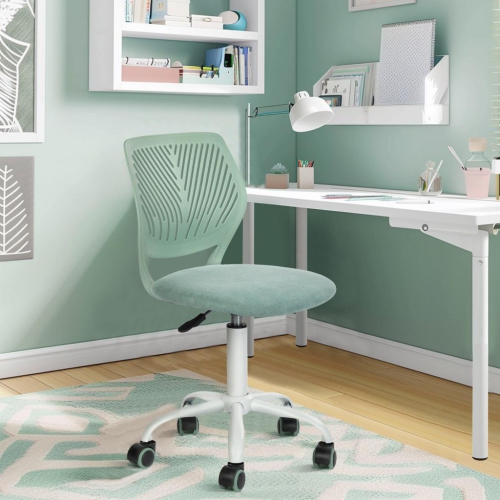
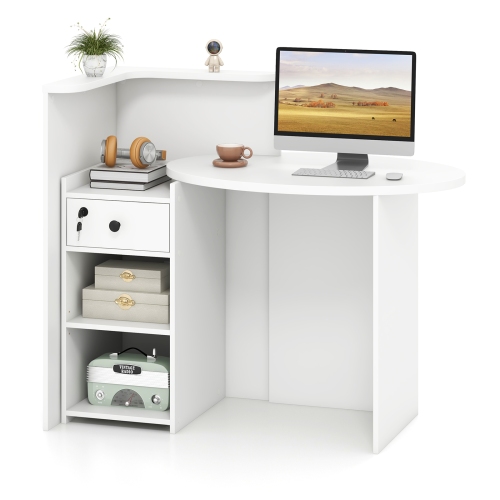

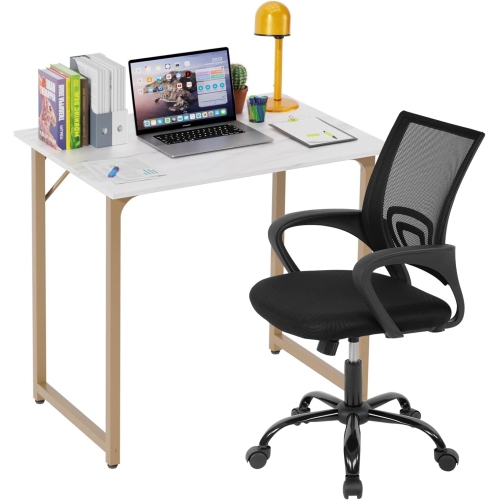
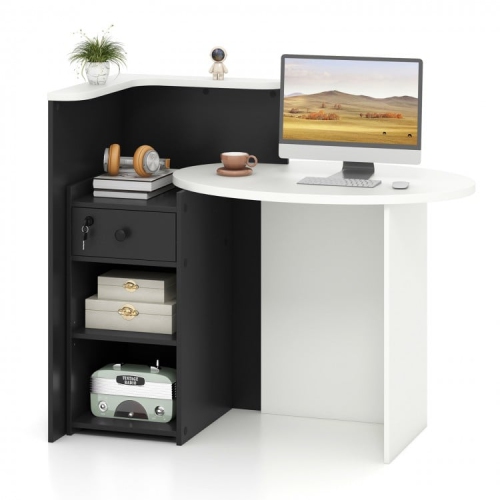
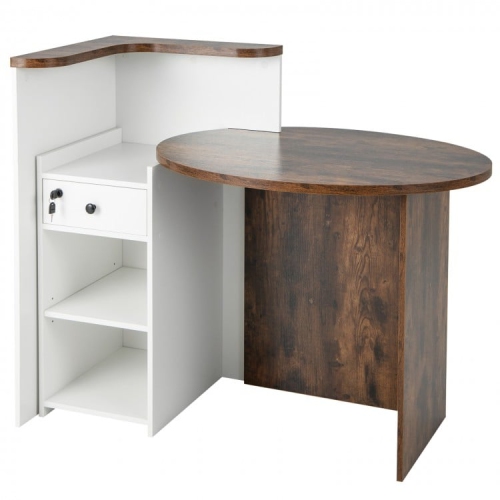
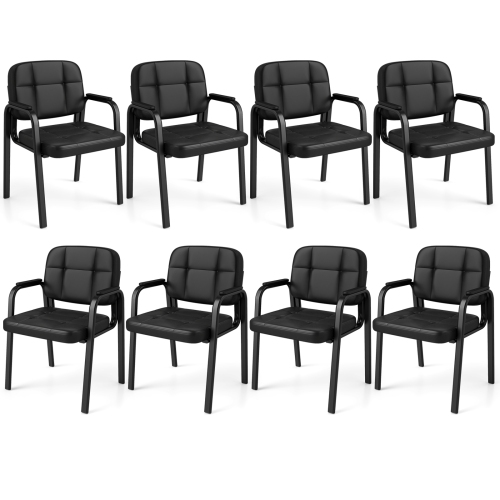
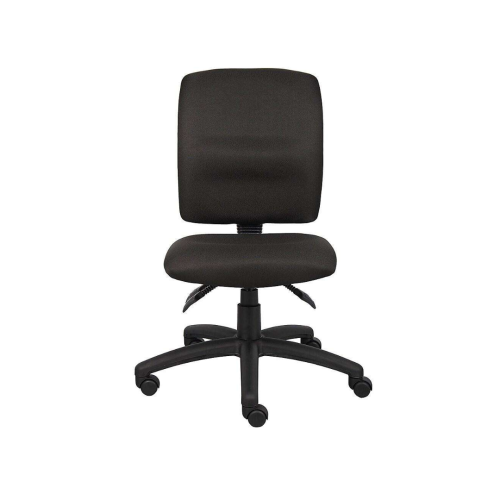
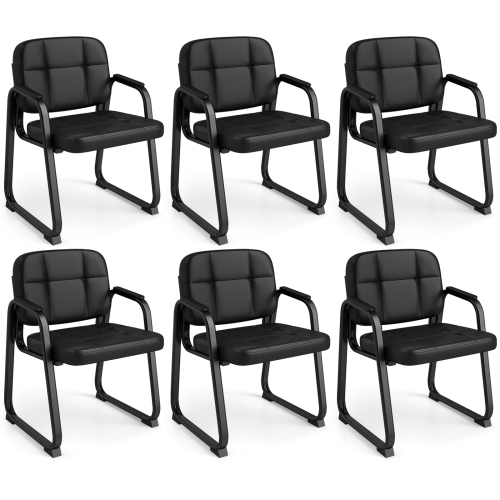
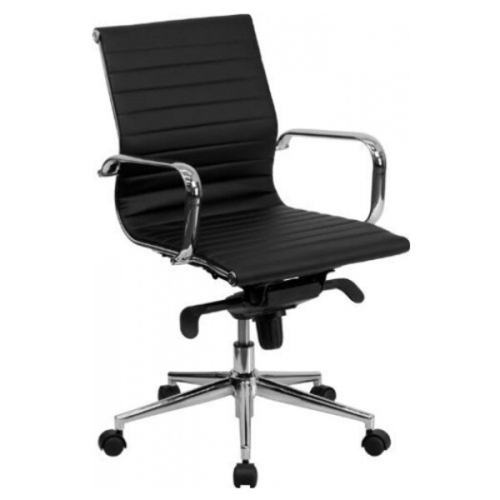

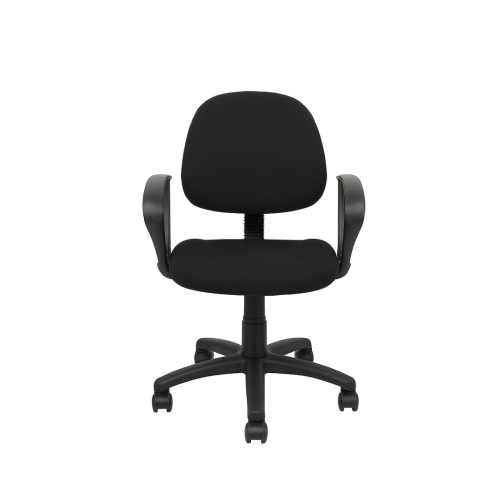
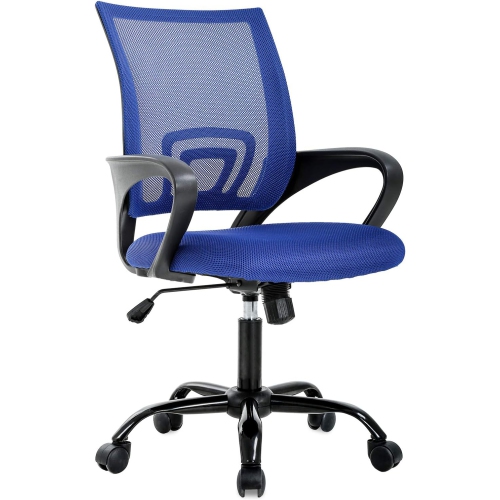
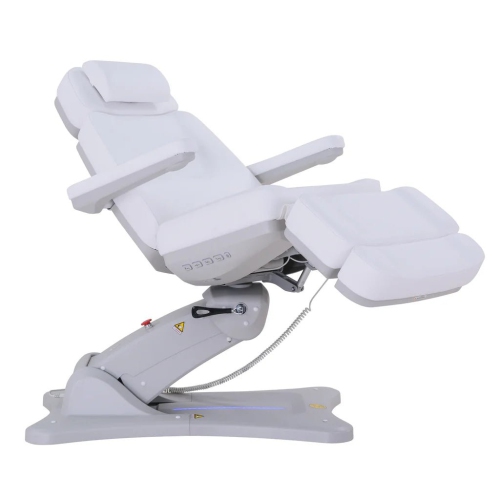
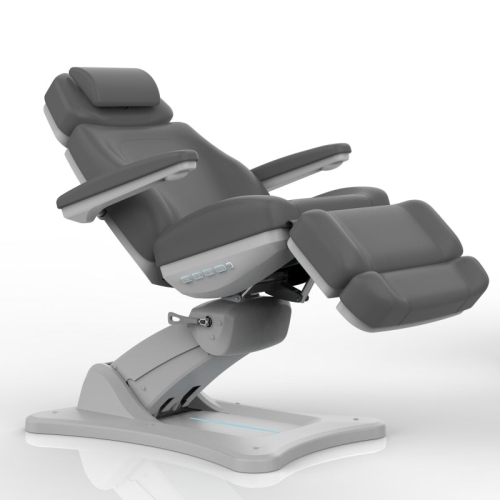
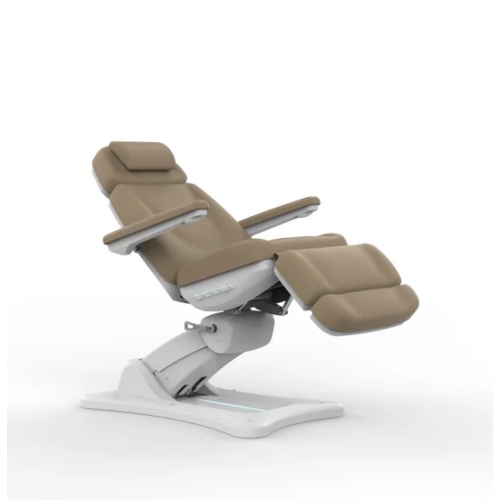
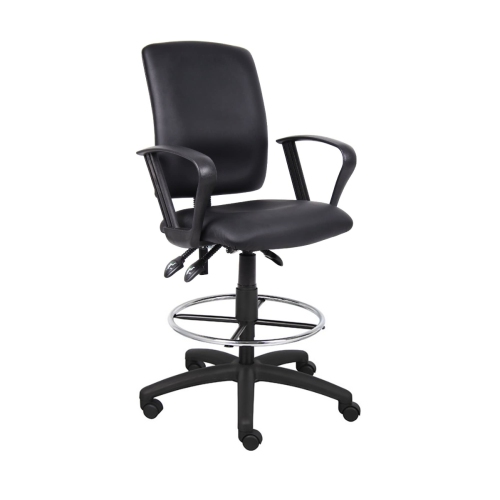
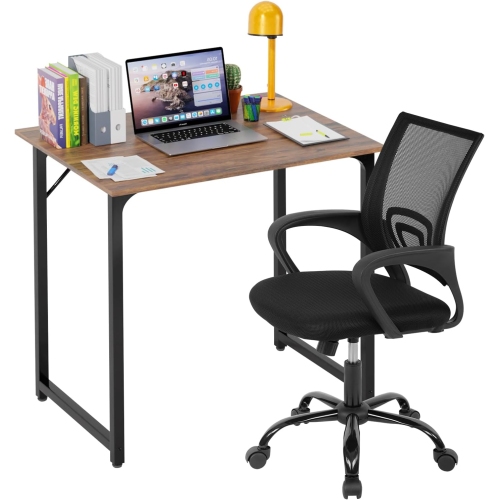
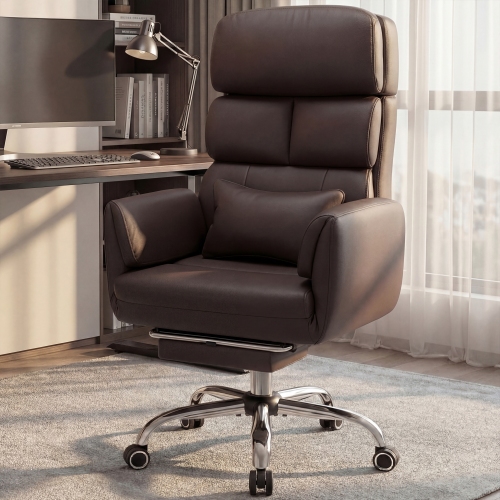
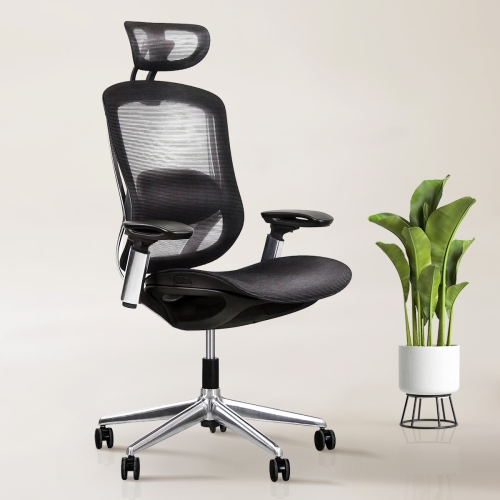
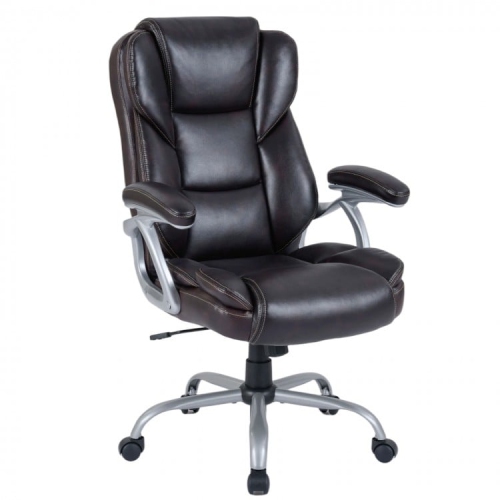
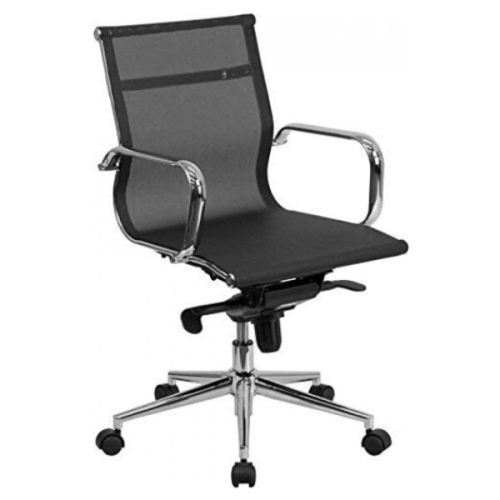
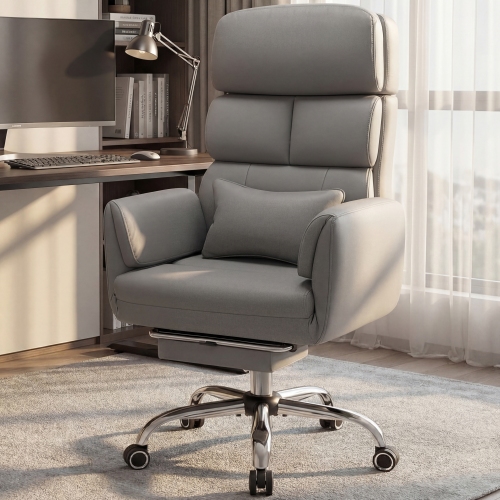
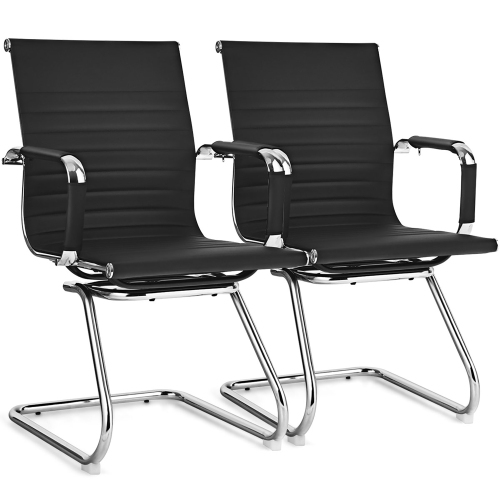
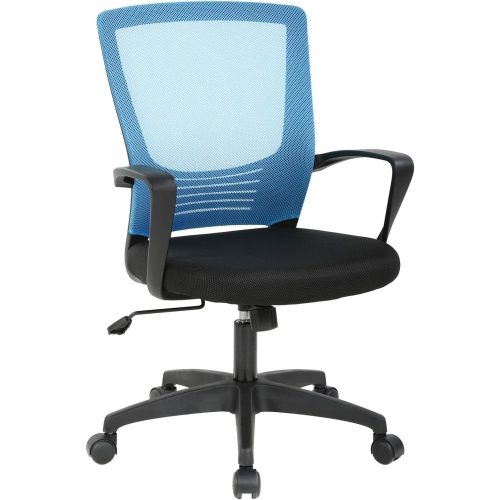
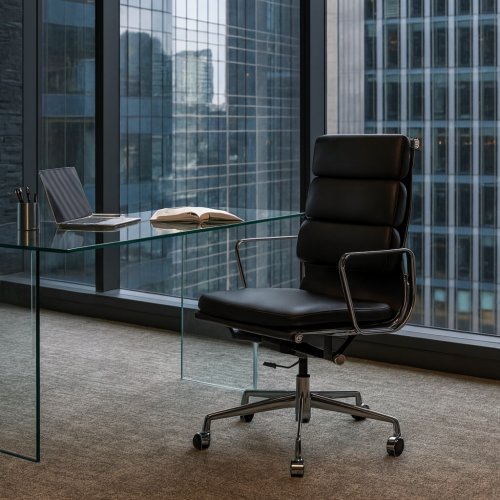
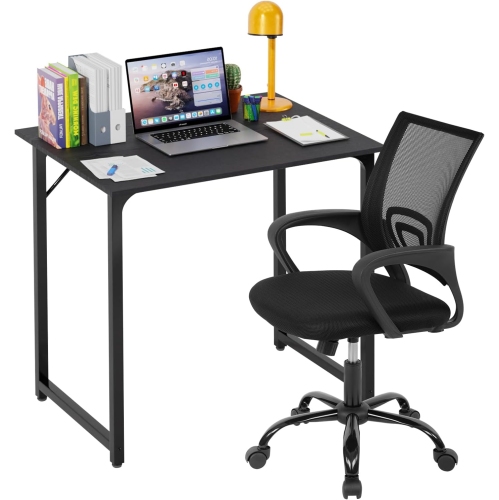
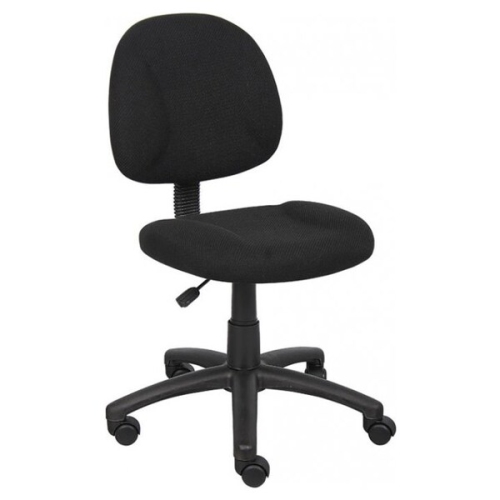
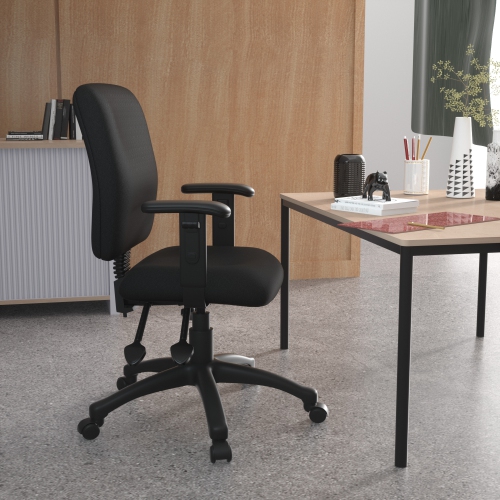
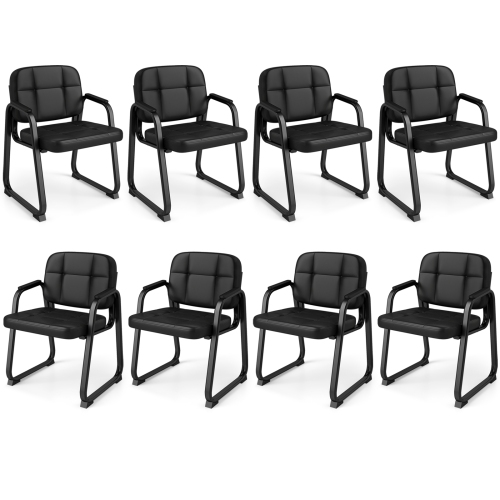
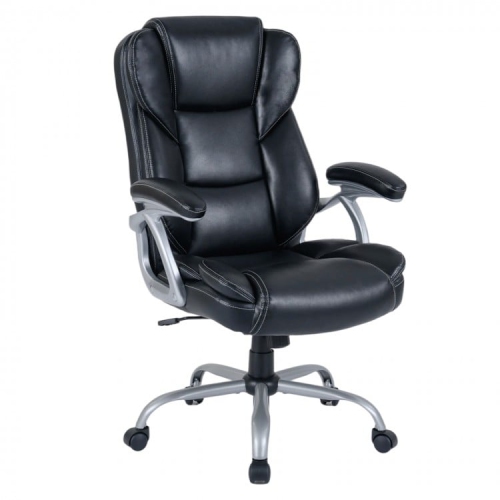
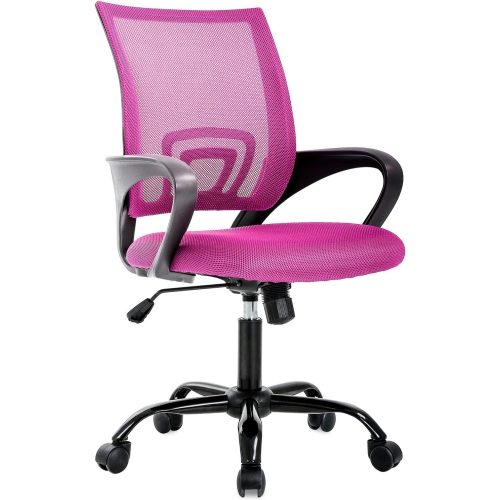
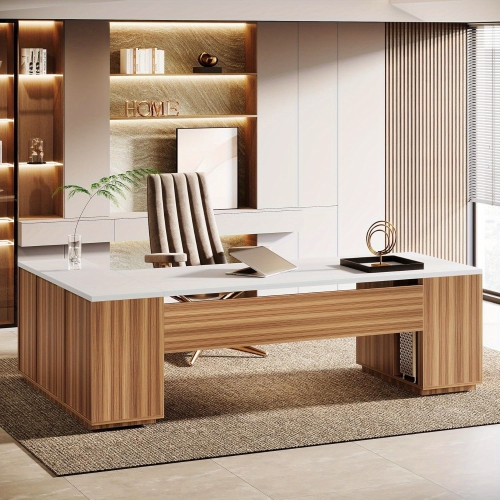
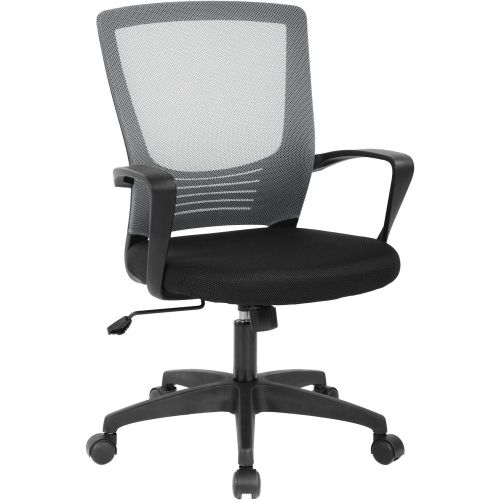
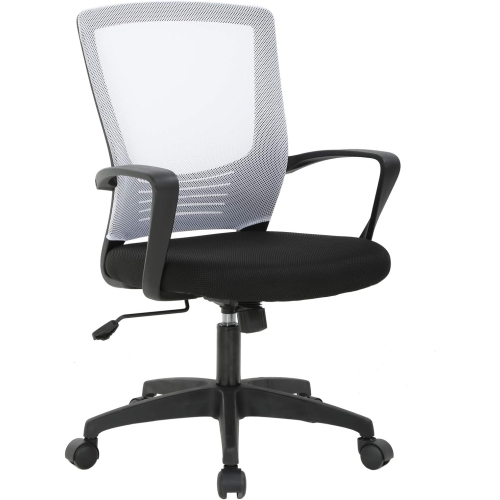
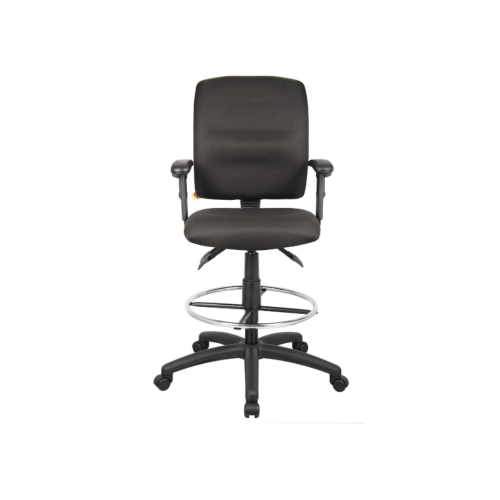
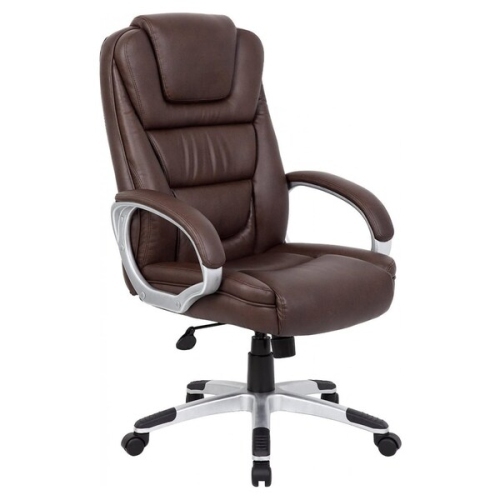
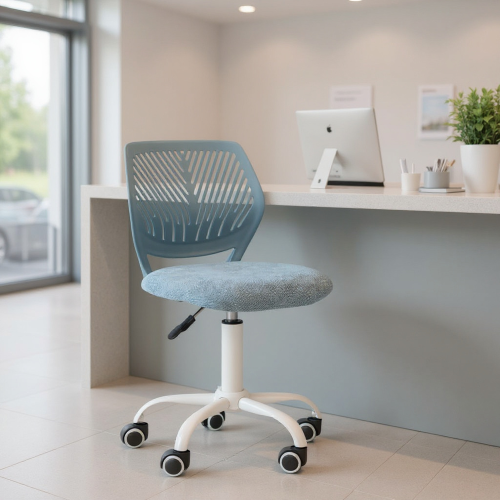
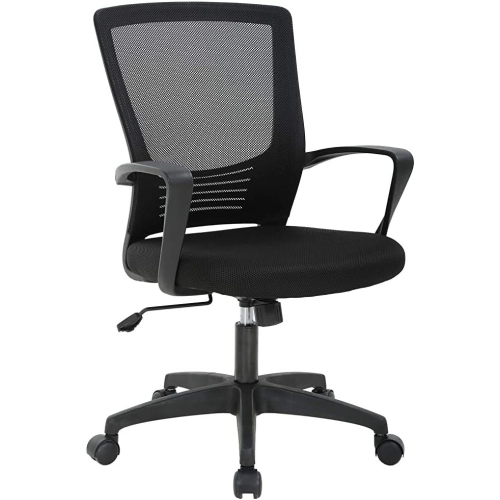
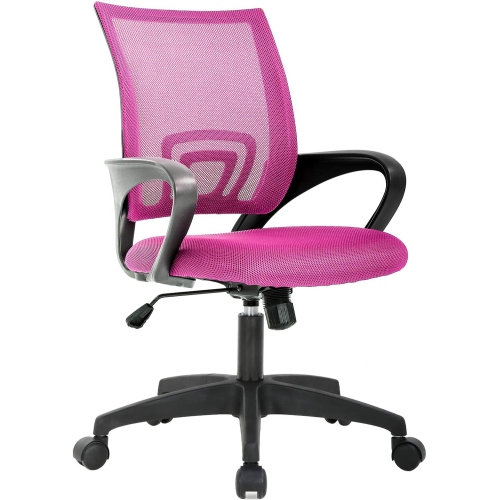
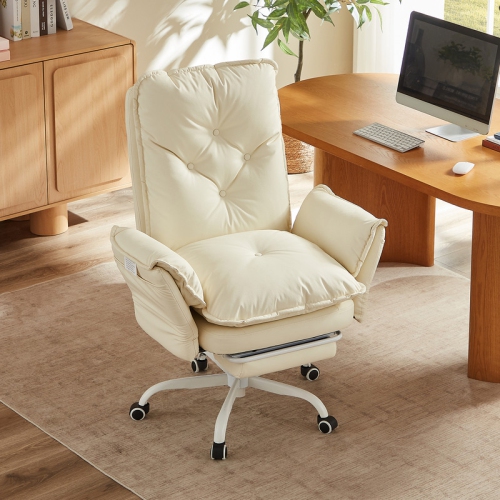
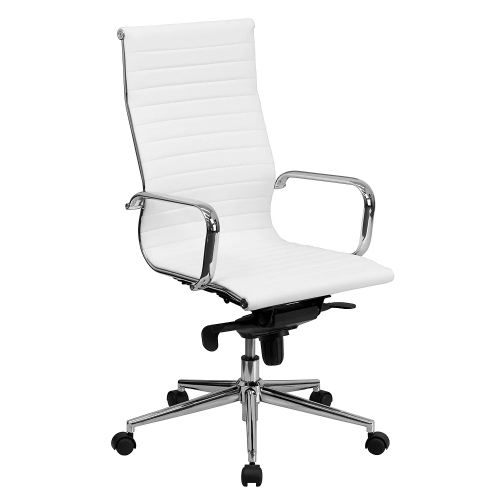
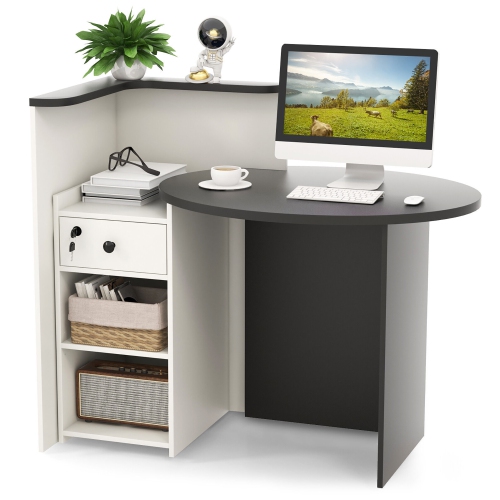
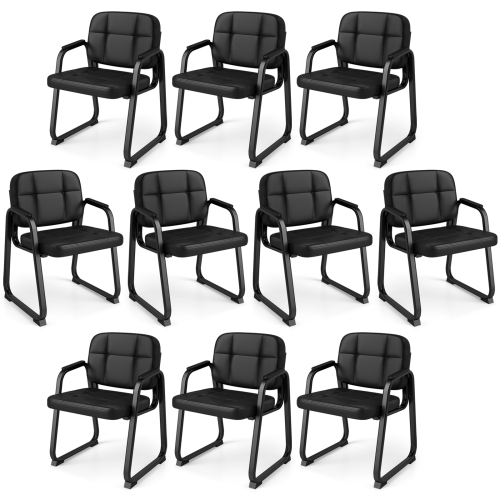
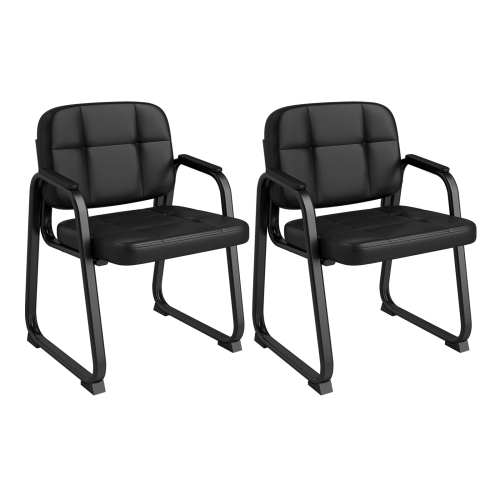
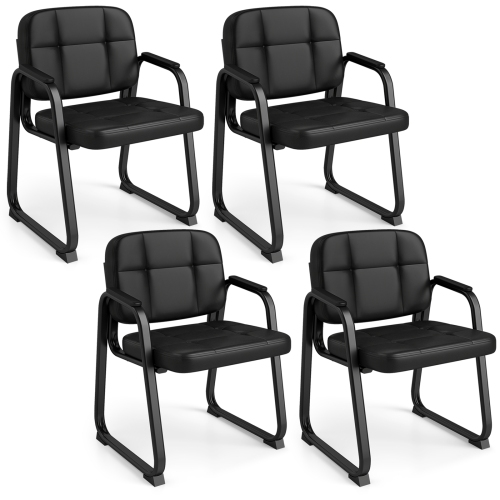
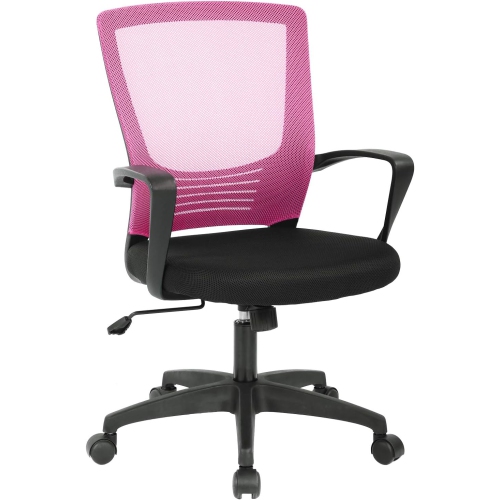
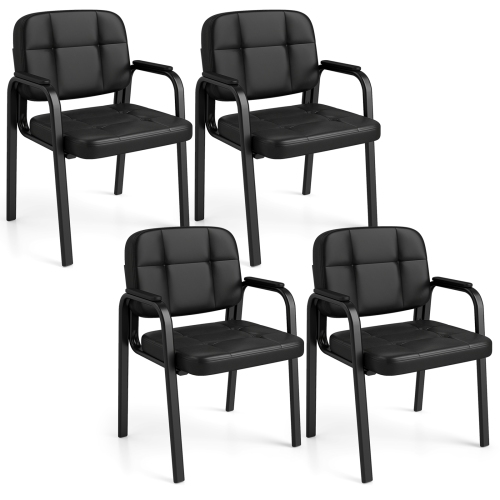

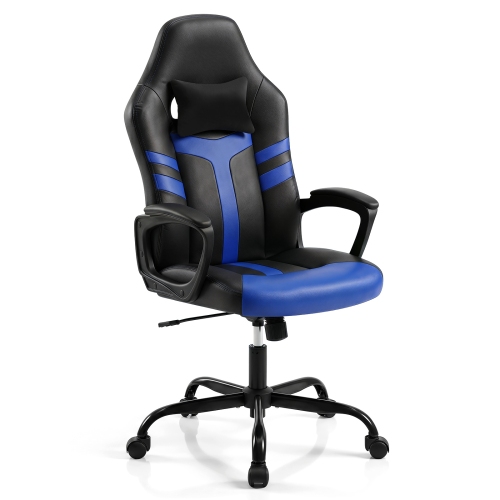
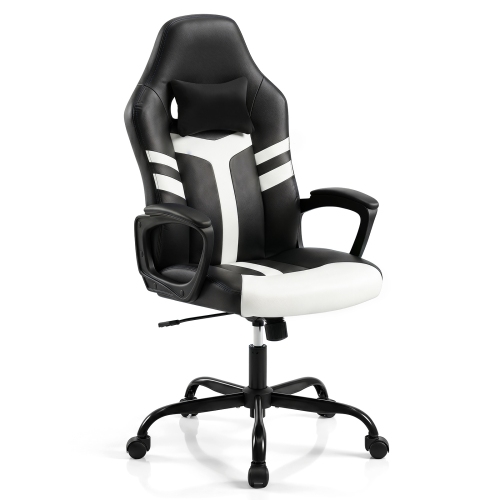
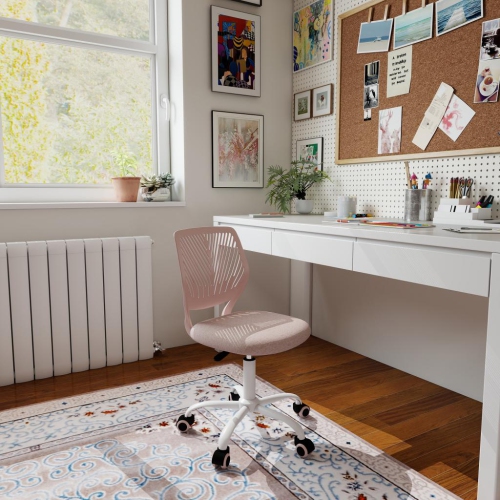
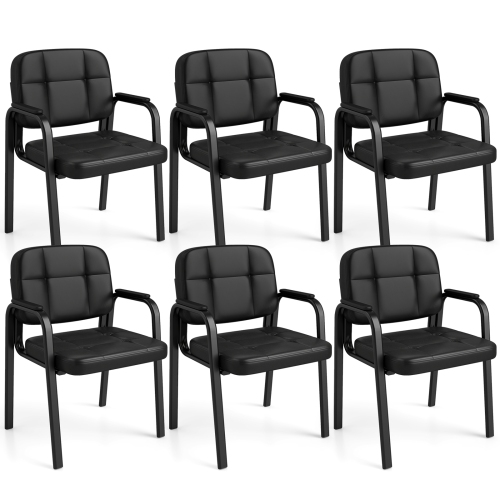
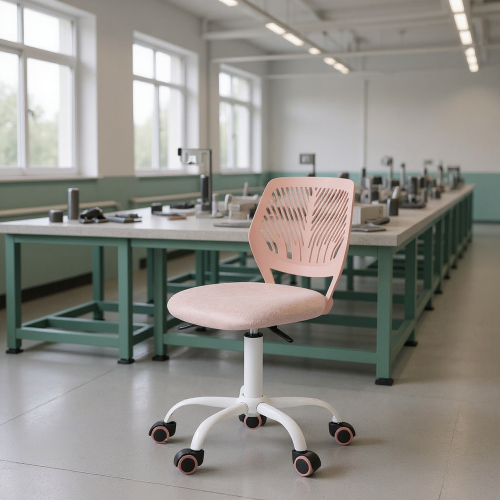
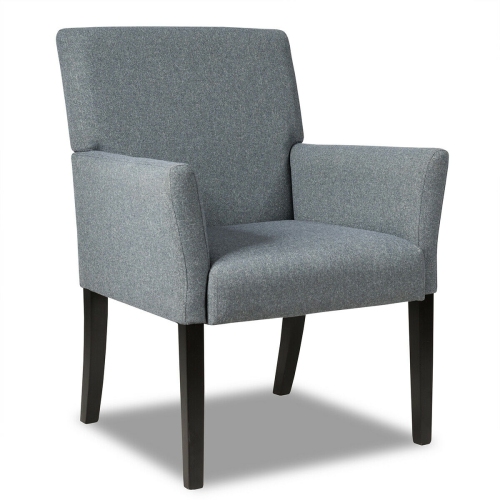
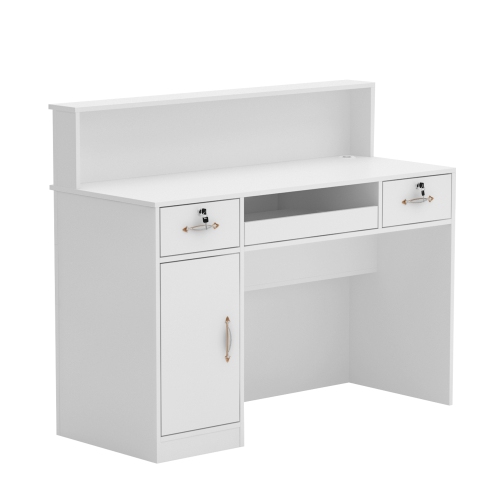
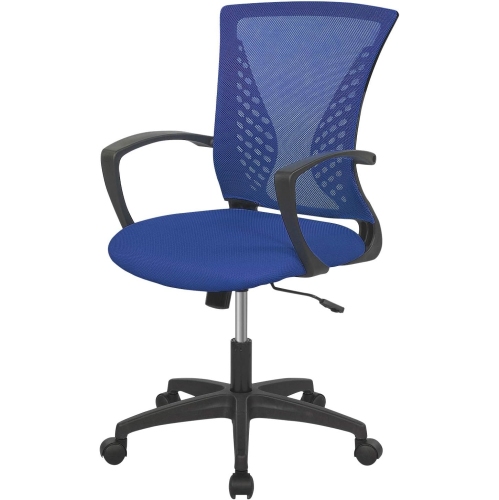
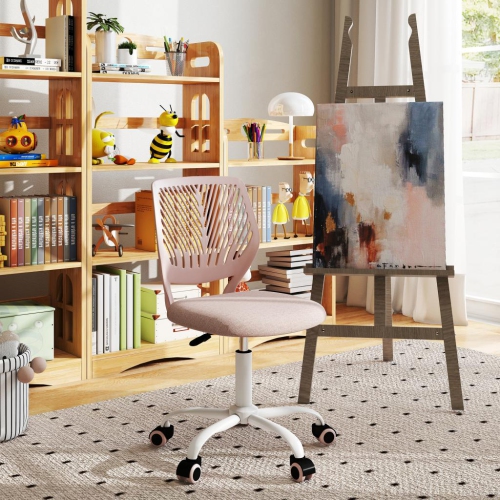
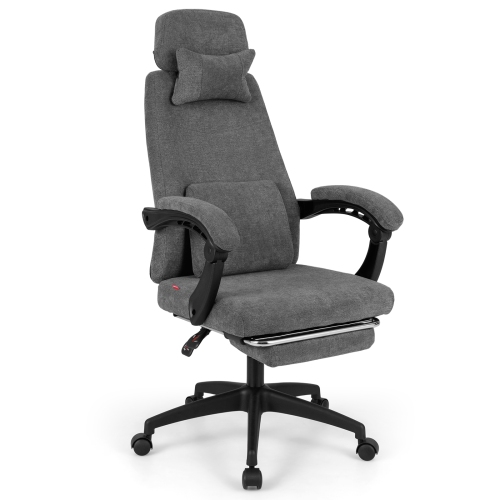
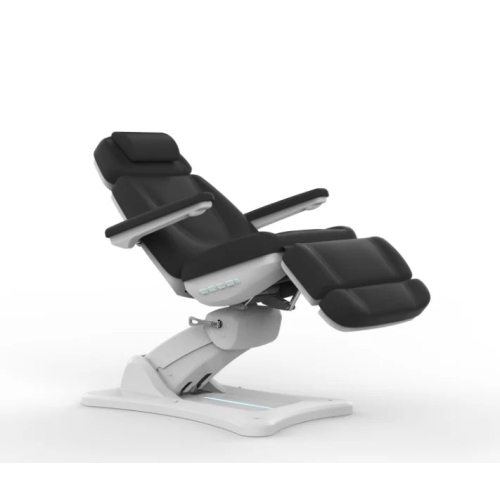
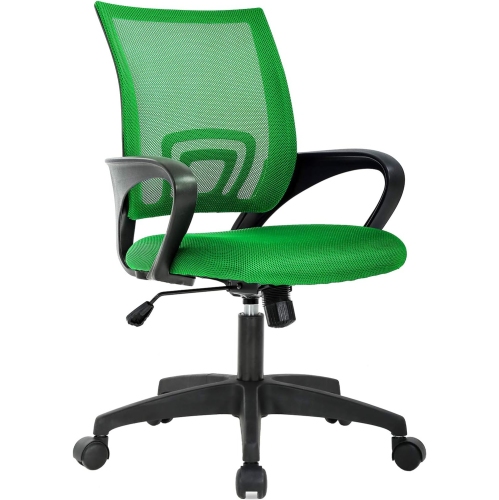
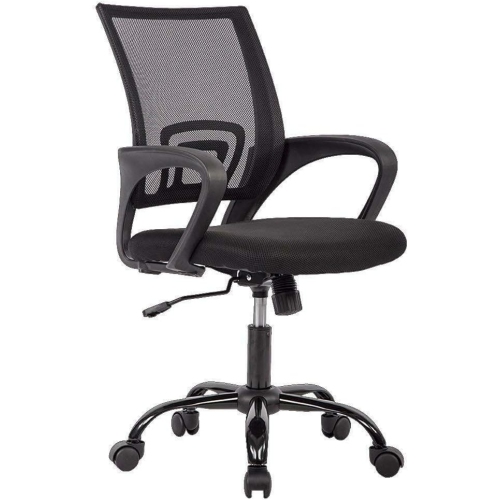
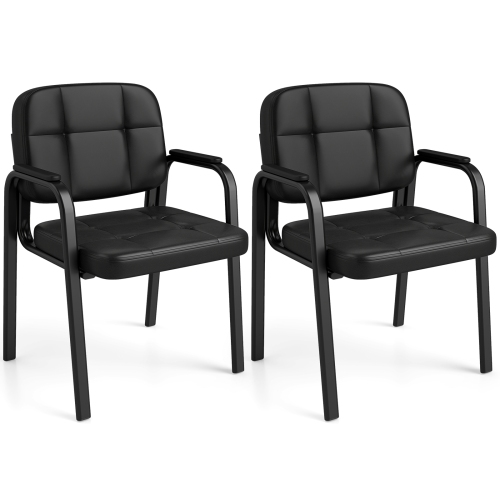
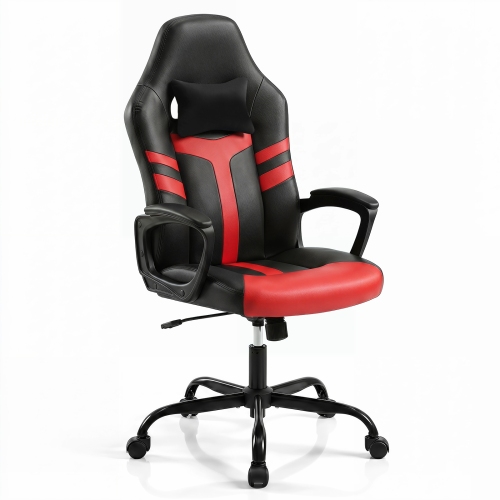
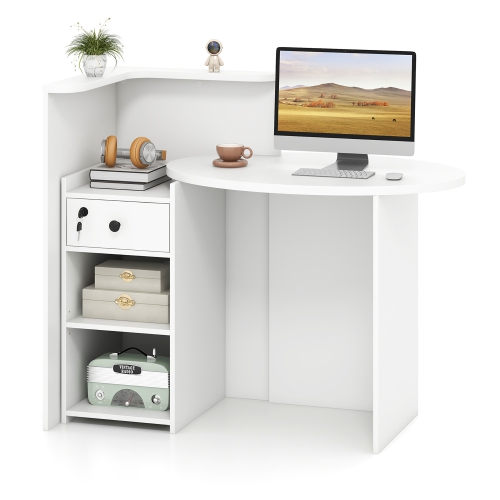

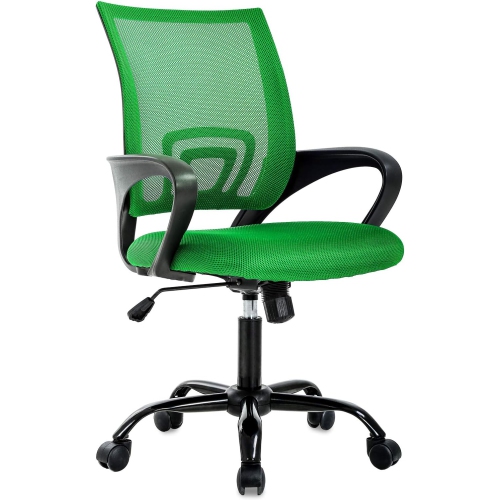
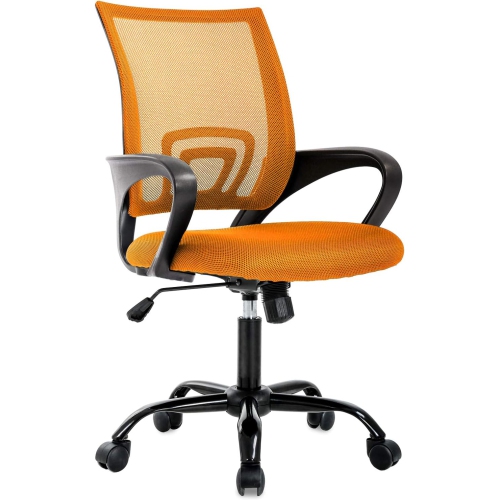
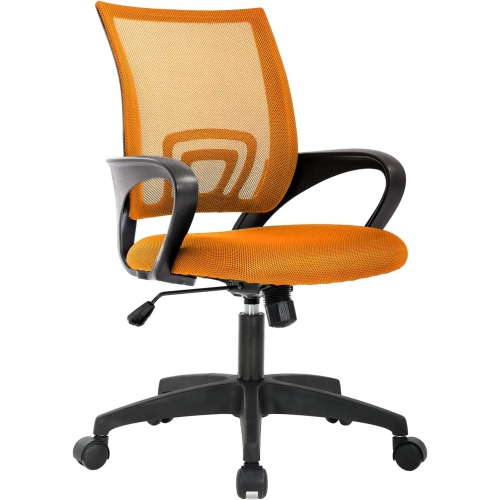

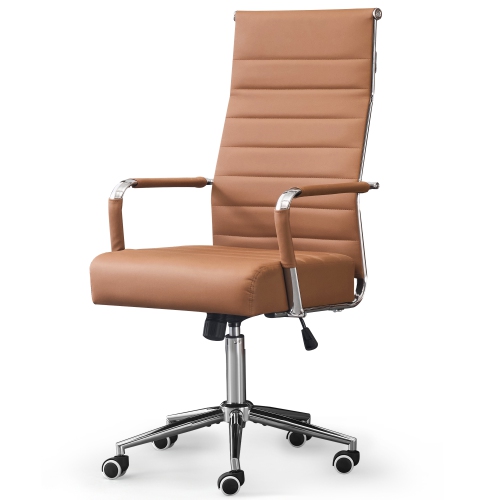
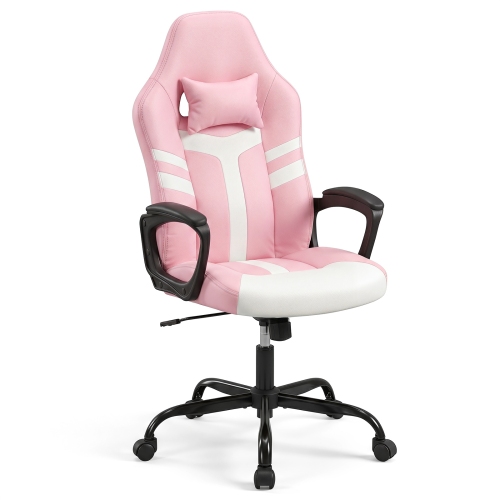
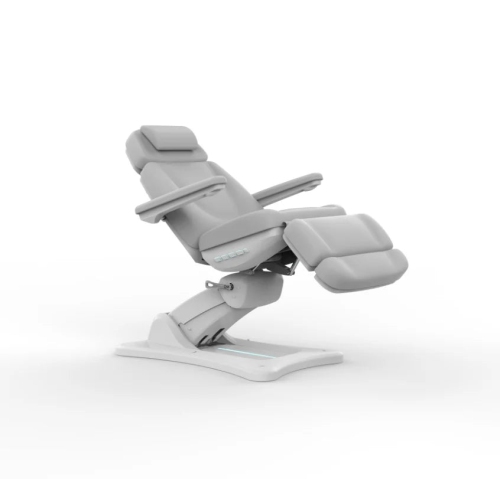
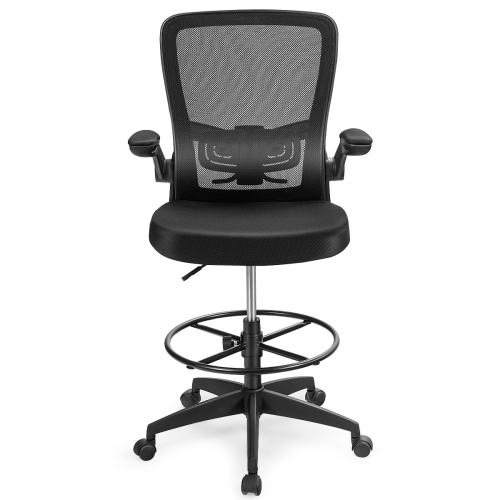
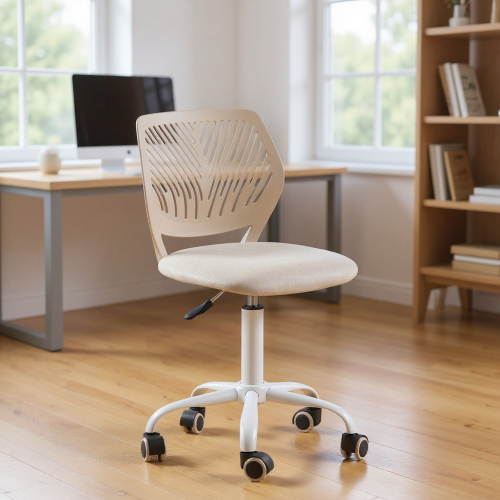
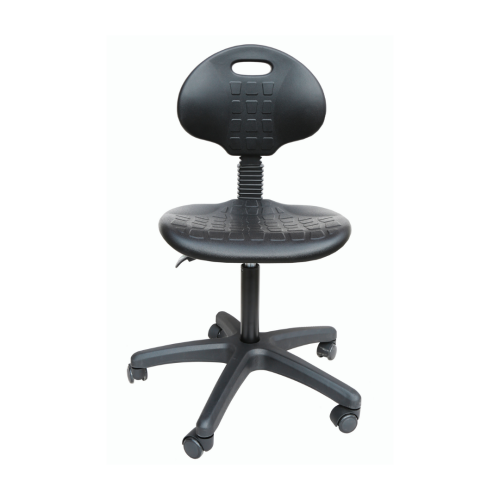
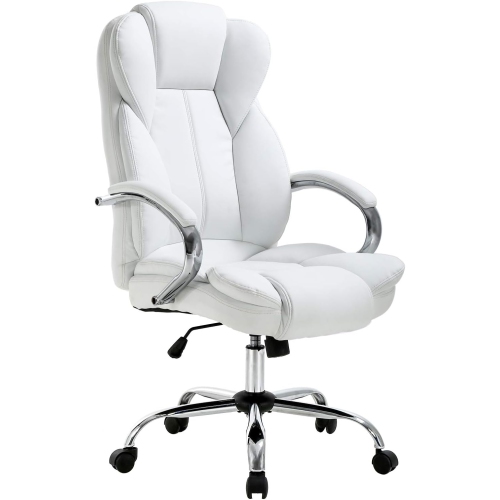
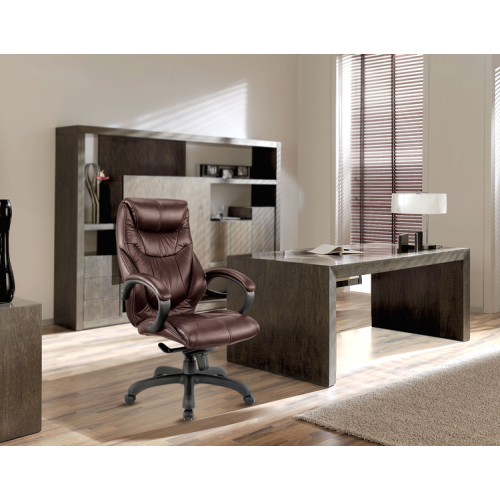
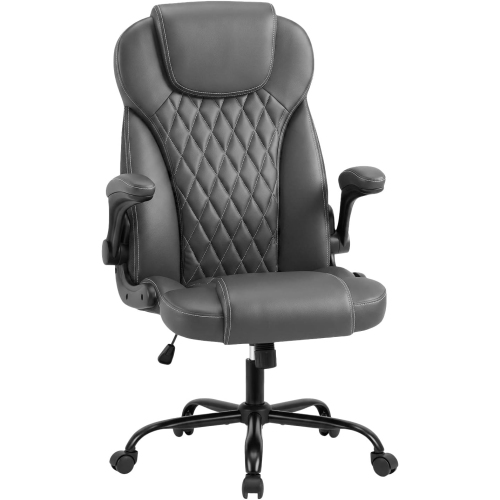
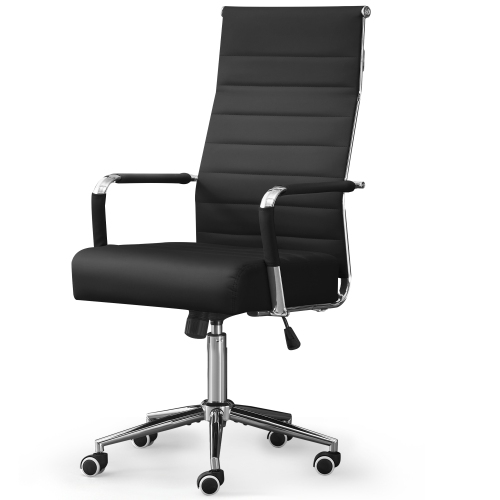
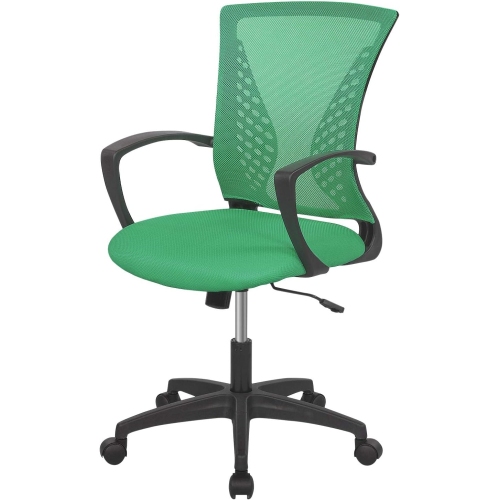

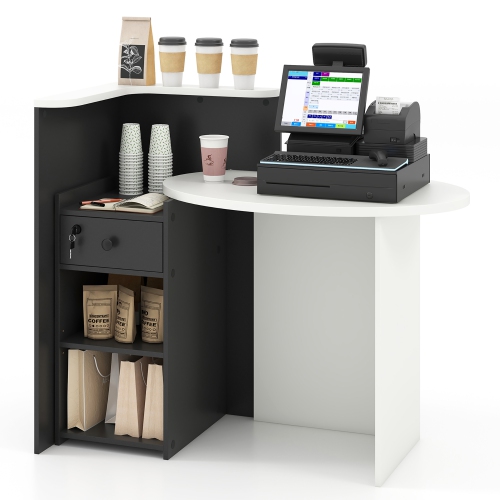
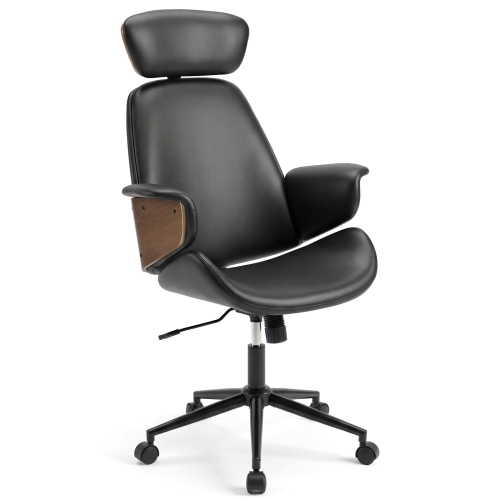
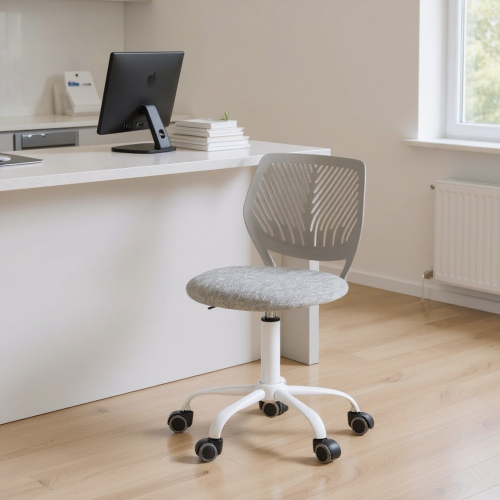
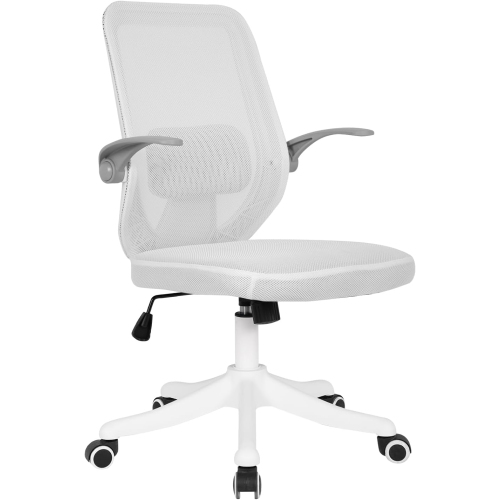
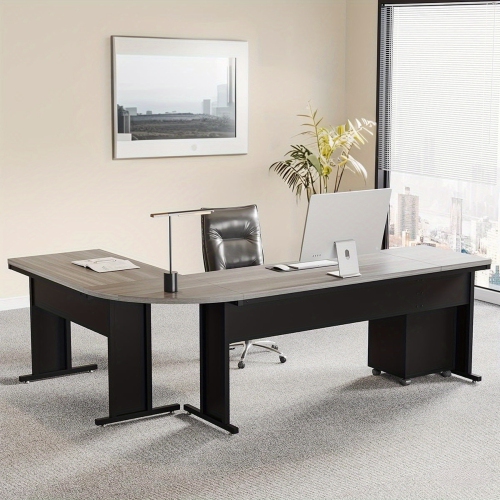
Furniture that supports patients, practitioners and clinic staff
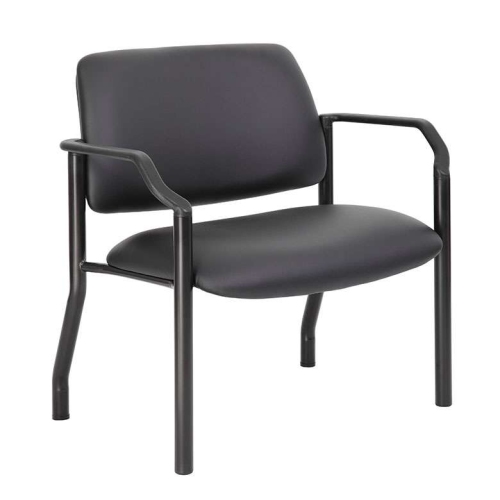
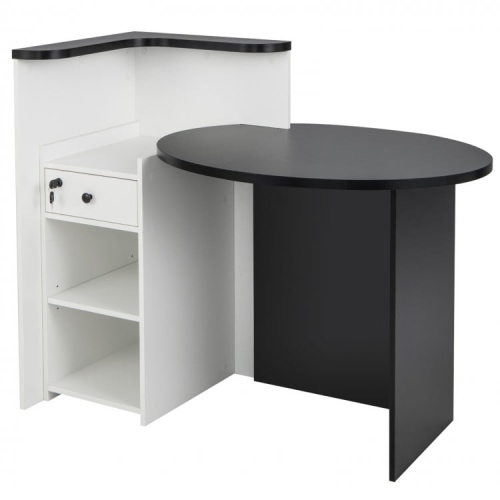
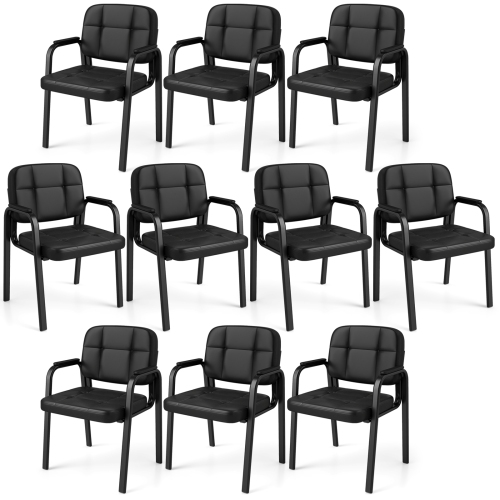
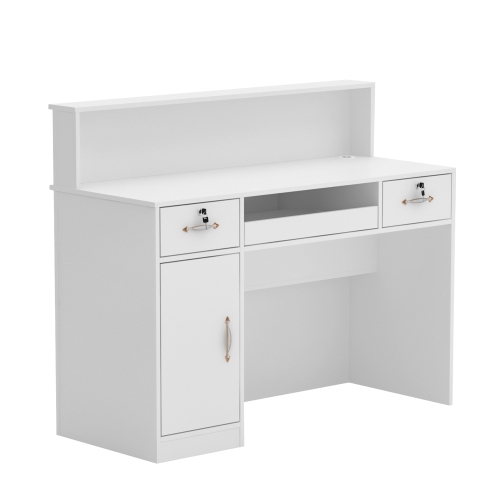
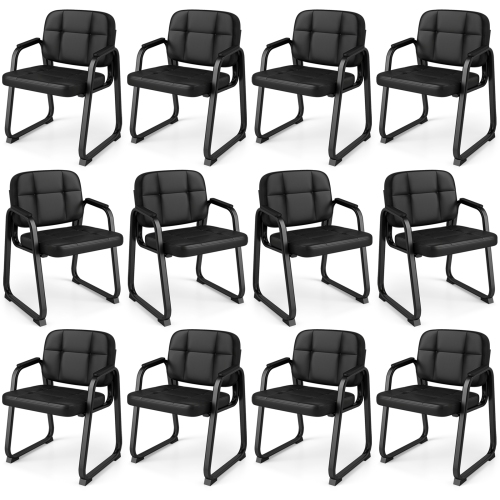
Doctor office furniture helps create a practical, welcoming setting for patients, practitioners, reception staff and other healthcare professionals. A well-furnished clinic needs to support several different experiences within the same space: a calm first impression at reception, comfortable seating while patients wait, efficient consultations at the front desk, focused administrative work in private offices and safe, organized care in examination rooms. When choosing furniture for a medical practice, consider the size and layout of each room, the amount of daily traffic and the different needs of patients who may have limited mobility, injuries or other accessibility requirements. Waiting room seating should be supportive, stable and easy to arrange without blocking walkways, entrances or service counters. Chairs with durable, wipeable upholstery can make routine cleaning more convenient, while varied seating heights and generous spacing can help accommodate a wider range of visitors. A reception desk should give staff enough room for computers, phones, documents and other equipment, while providing a comfortable surface for completing forms or speaking with patients. Features such as a patient-facing ledge, accessible counter height and organized storage can improve the flow of check-in and check-out. In smaller clinics, modular pieces can help make better use of available floor space and allow the reception area to adapt as staffing or patient volume changes. Even details such as rounded corners, stable bases and easy-to-clean surfaces can contribute to a more comfortable and manageable environment throughout the day.
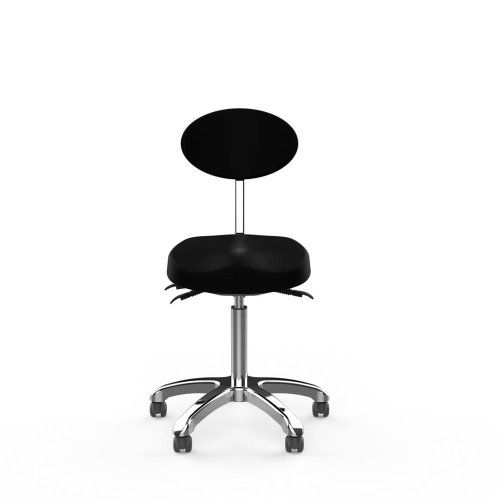
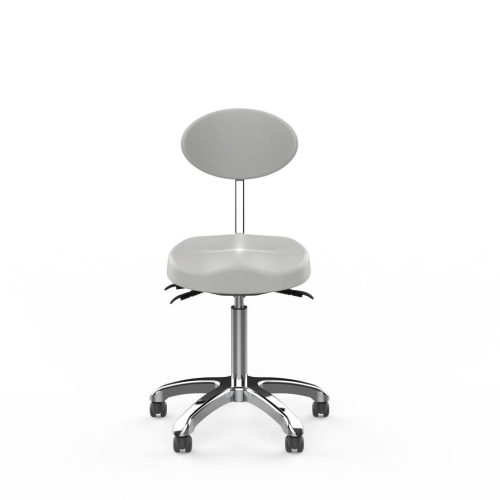
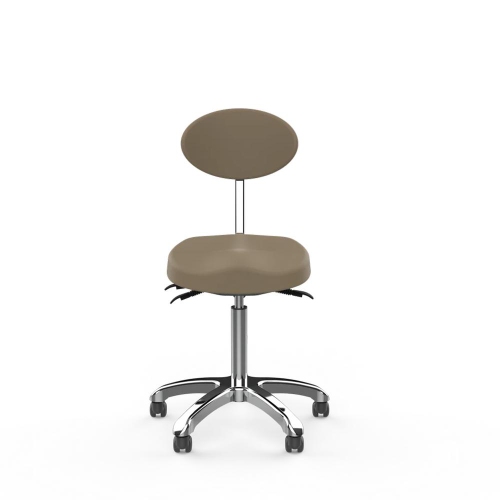
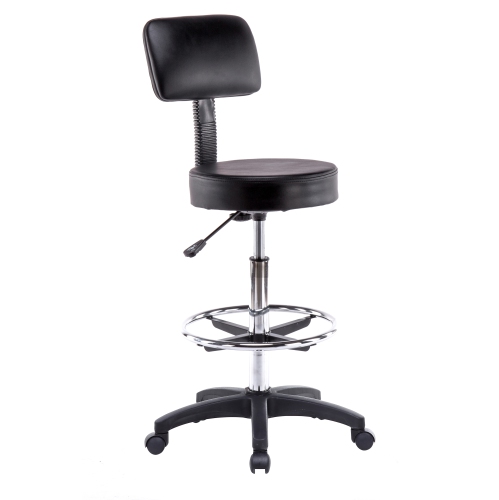
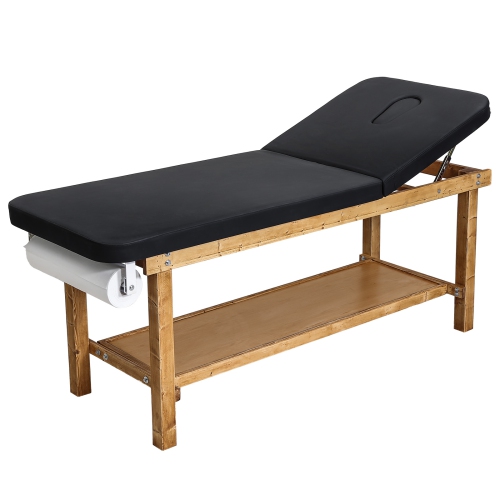
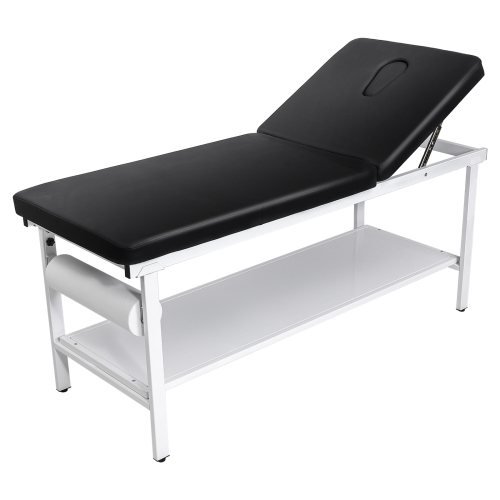
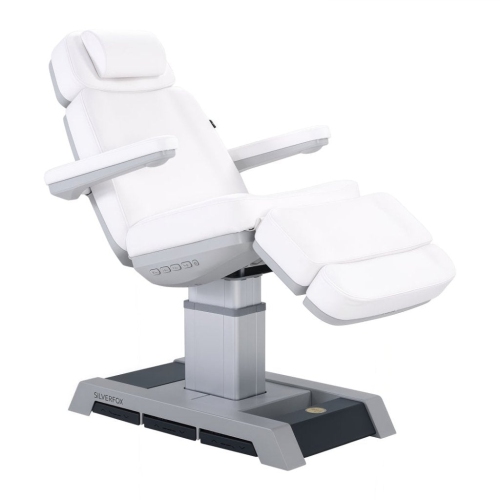
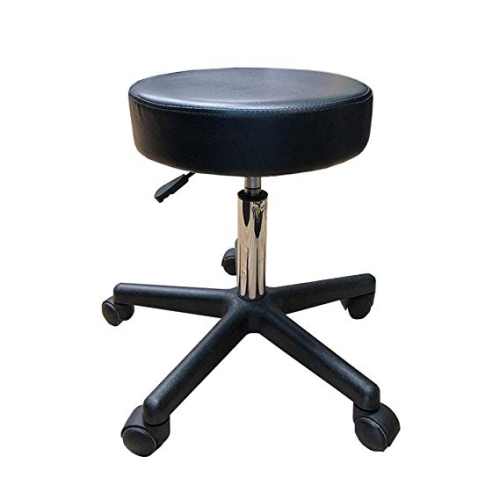
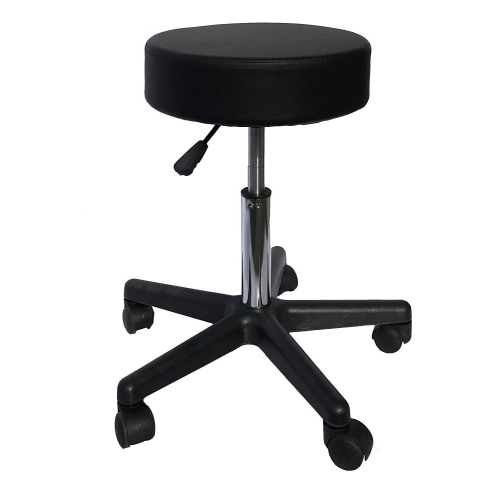
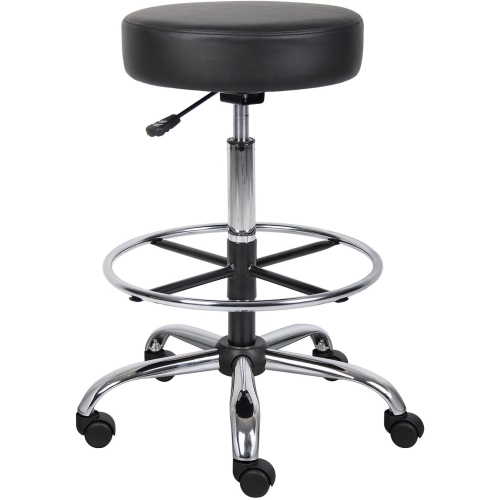
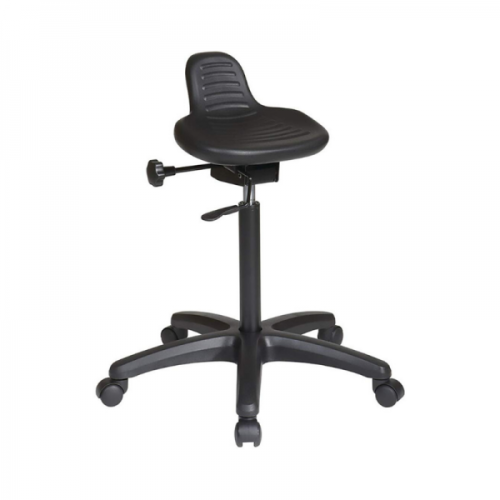
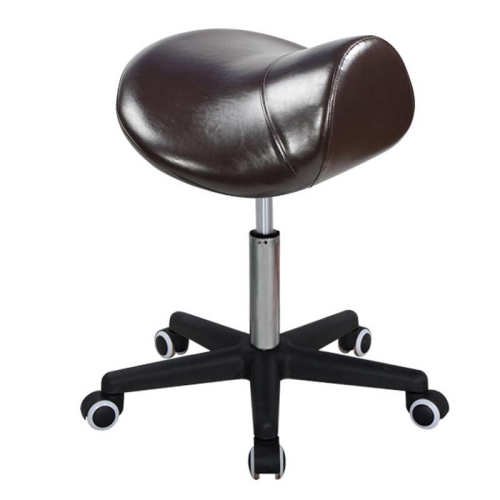
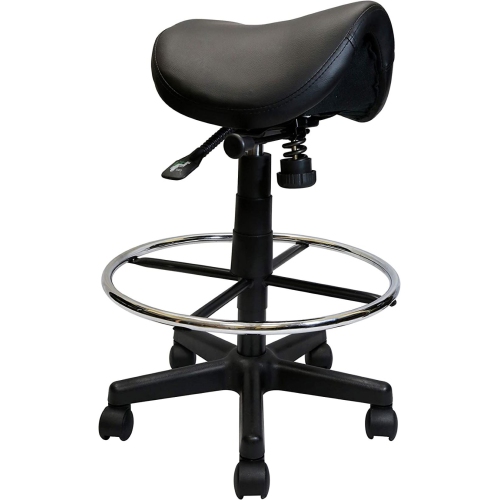
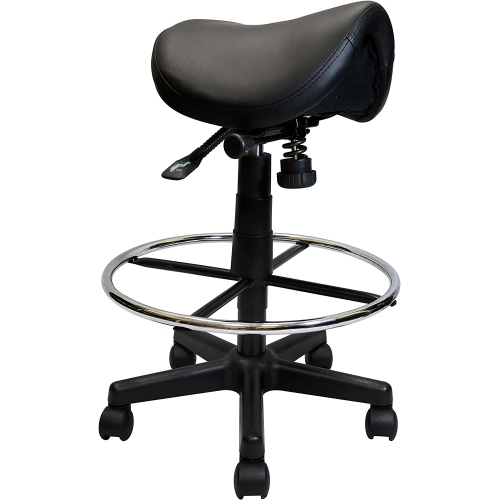
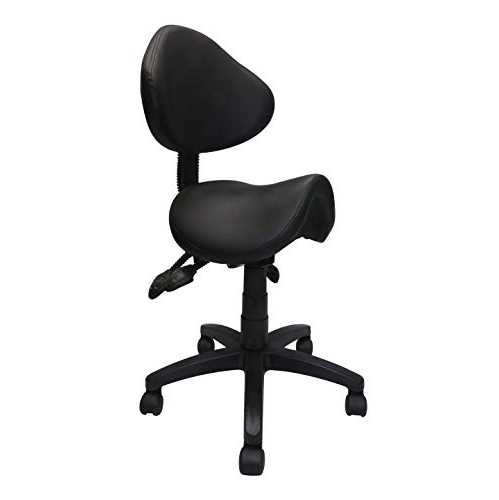
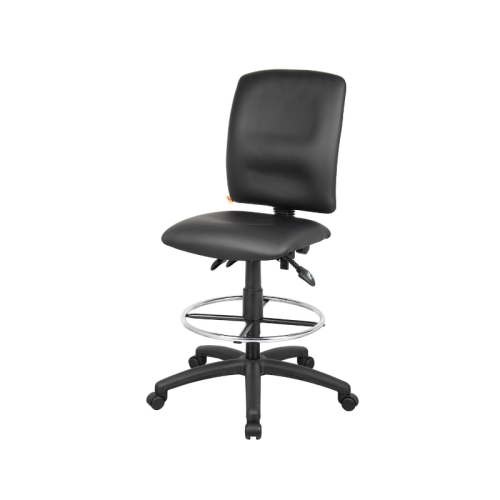
Examination rooms have their own furniture requirements because every item needs to support clinical work, patient comfort and efficient movement. Adjustable examination tables can help practitioners position patients appropriately during assessments, while steps or supportive accessories may make it easier for some patients to get on and off safely. A physician’s stool or task chair should allow comfortable posture during close examinations and provide enough adjustability for different users and working heights. Storage is also important: cabinets, carts and shelving can keep frequently used supplies close at hand without crowding the room or leaving equipment in walkways. Lockable storage may be useful for protecting documents, supplies or other items that should remain secured when the room is unattended. Look for materials and finishes that can withstand frequent cleaning according to the manufacturer’s care instructions, including upholstery and surfaces that are smooth, sealed or otherwise easy to wipe down. In a busy practice, heavy-duty construction, dependable casters and reinforced frames can matter just as much as appearance. The best arrangement leaves clear space around the examination area, gives staff room to move, and keeps essential tools within reach without making the patient feel surrounded by equipment. Doctors, nurses, physiotherapists, specialists and visiting practitioners may all use these furnishings differently, so adjustable features can be especially valuable in clinics with multiple staff members or shared rooms. Furniture selected for a family practice may also need to accommodate children, caregivers and mobility aids, while a specialist clinic may place greater emphasis on privacy, equipment access or longer consultation times.
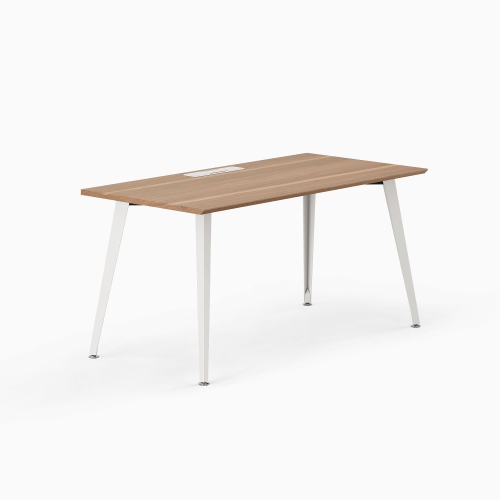
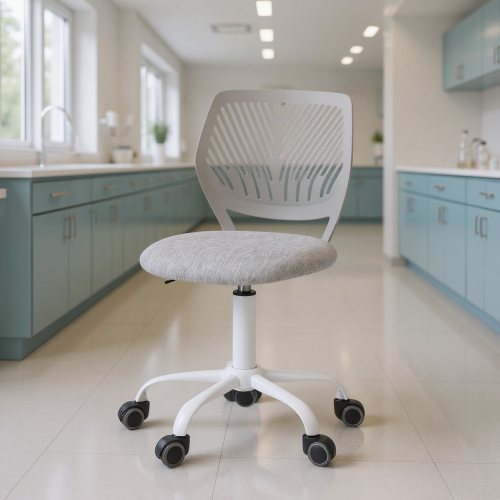
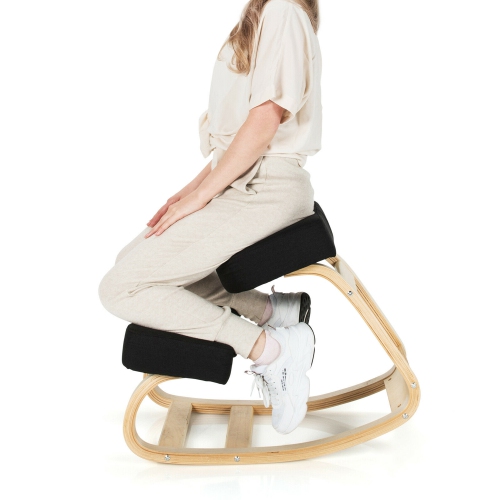
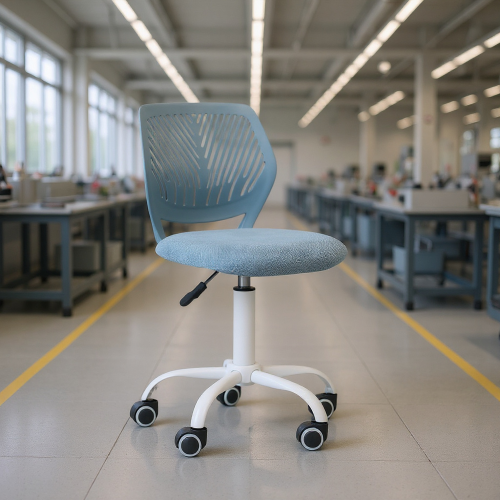
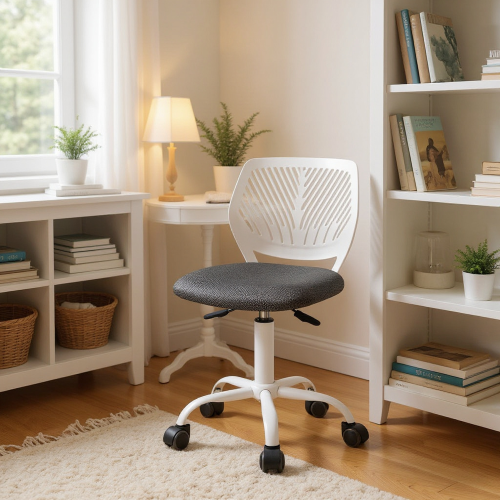
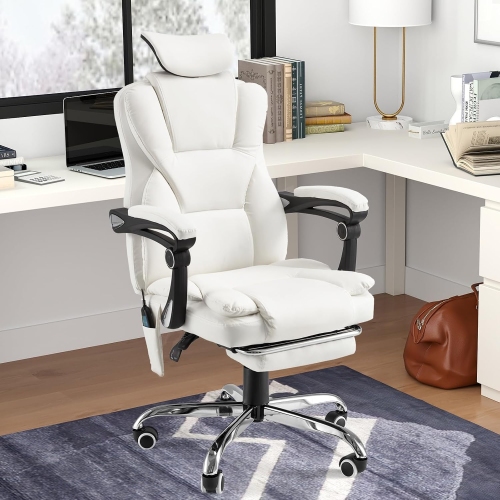
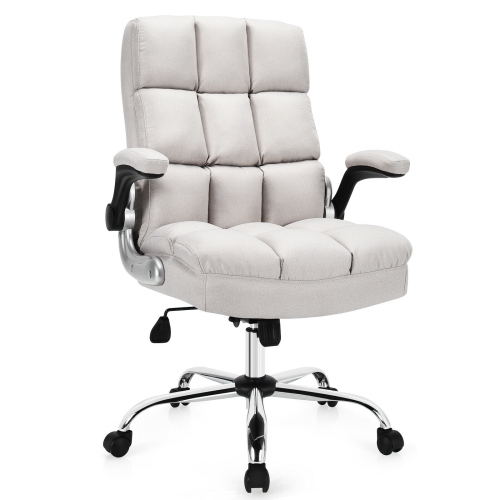
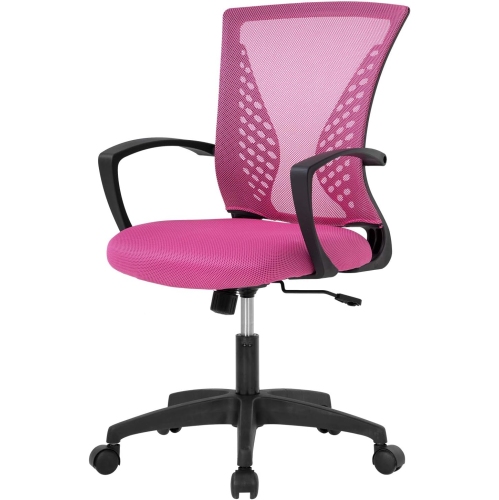
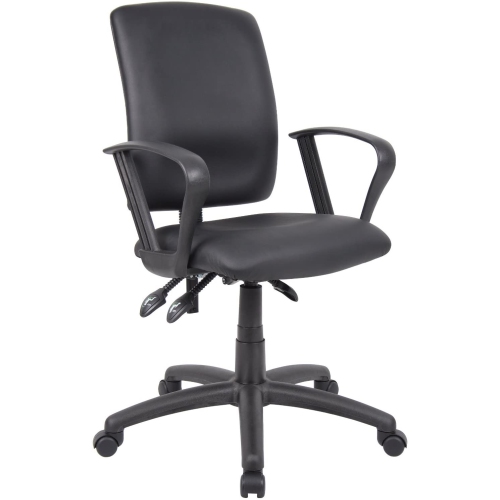
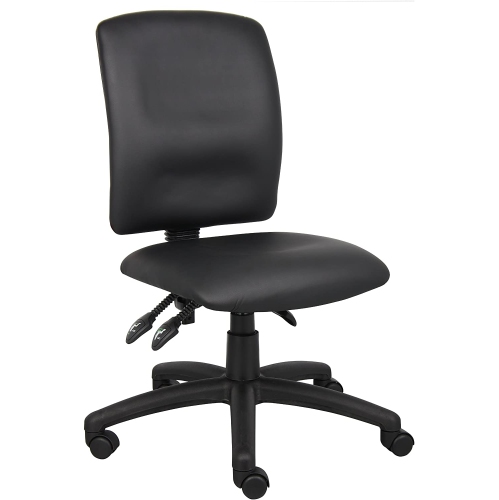
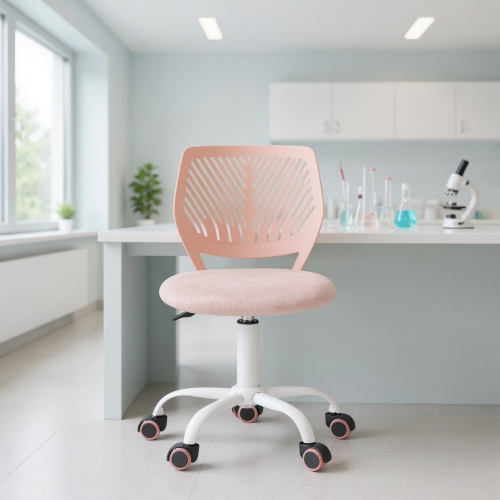
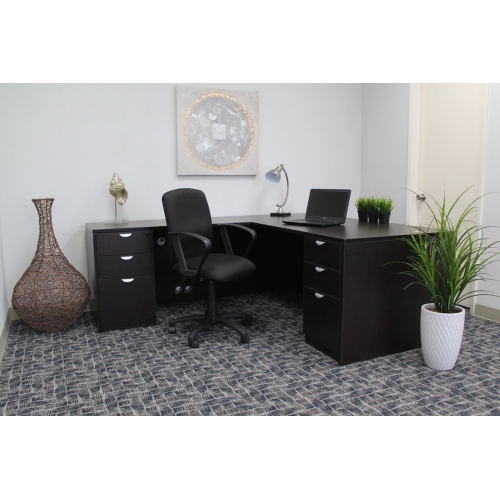
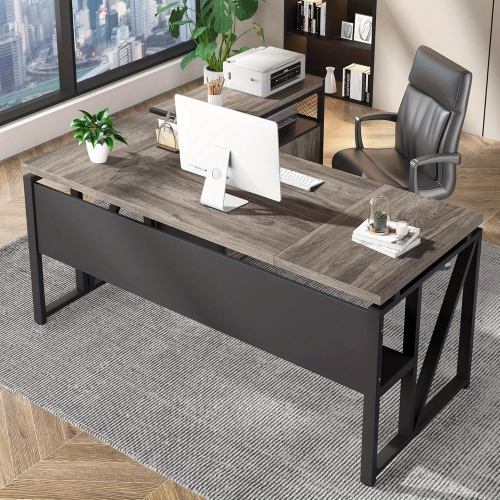
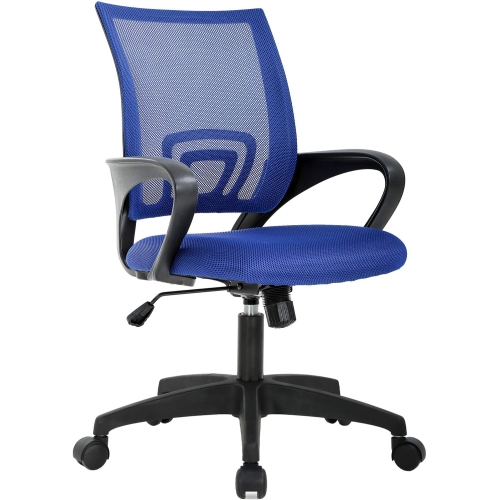
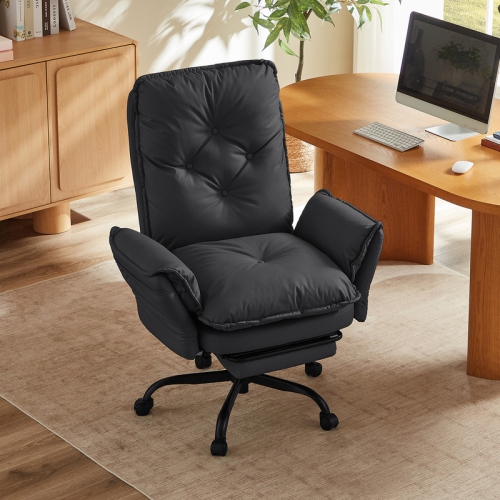
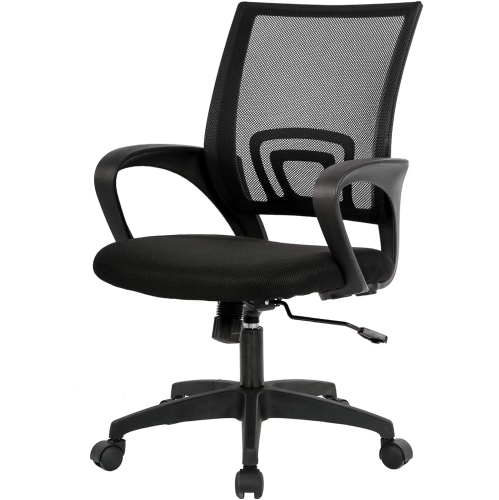
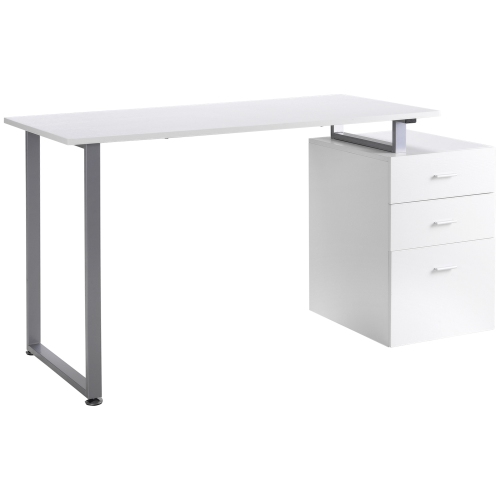
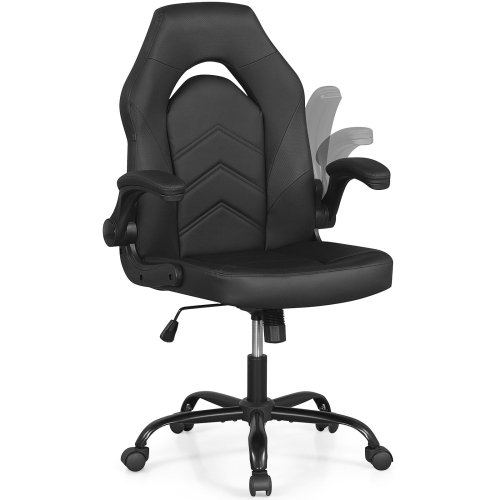
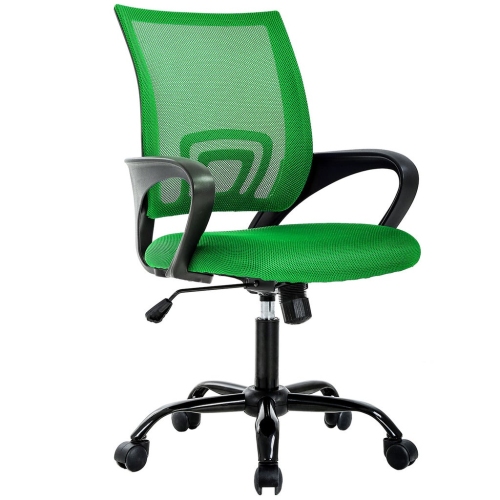
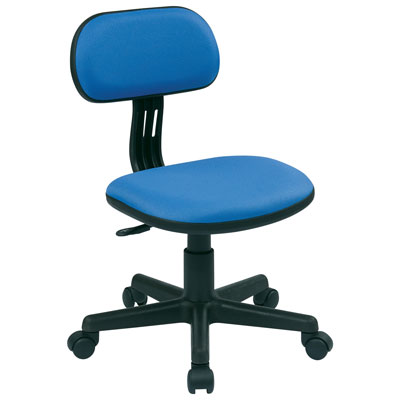
Private offices and administrative areas benefit from furniture that supports concentration, documentation and extended computer use. An ergonomic task chair with adjustable seat height, back support and arm positioning can help staff maintain a more comfortable working posture during appointments, charting and billing tasks. A desk should provide enough surface area for monitors, keyboards, paperwork and office equipment without making the room feel crowded. Integrated cable management can reduce loose cords around work areas, and drawers or lockable cabinets can help keep patient records and office materials organized. Consider how doors, filing units and storage cabinets open before finalizing a layout, particularly in compact rooms where every centimetre affects movement. Doctor office furniture may also be used in consultation rooms, staff workrooms, education spaces and multi-purpose treatment areas, so flexible pieces can be useful when a clinic has changing schedules or shared facilities. School administrators, clinic managers, medical office assistants and healthcare professionals may find adjacent workplace seating useful in reception, records or training areas; a School Office Chair can offer another seating option when furnishing a learning or administrative space connected to a healthcare setting. Across the clinic, coordinate furniture dimensions and finishes so the environment feels consistent without sacrificing function. During the cooler months, patients may arrive wearing bulky coats or using mobility equipment, making open pathways and uncluttered seating areas particularly helpful. Before purchasing, measure doorways, lifts and room dimensions, check weight capacities and review assembly requirements. It is also wise to confirm that the furniture suits the clinic’s cleaning routine, storage needs and expected level of use. With thoughtful planning, doctor office furniture can help staff work efficiently while giving patients a clearer, calmer and more comfortable experience from reception through consultation.
Top selling and popular products
-
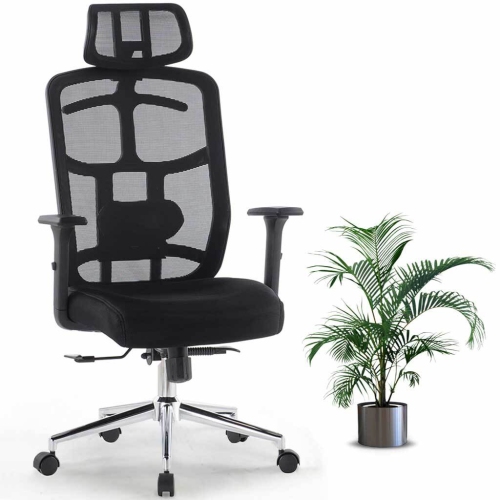 Your price for this item is $129.99
-
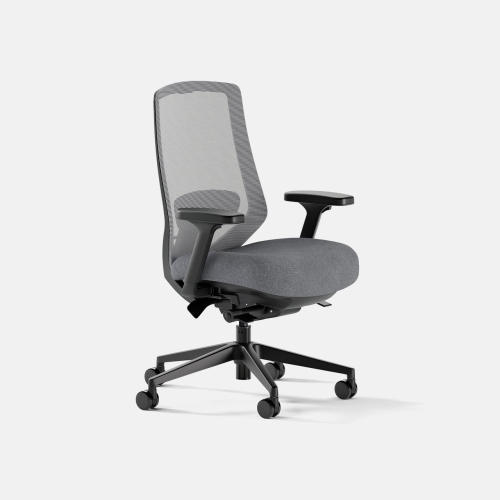 Your price for this item is $539.1
-
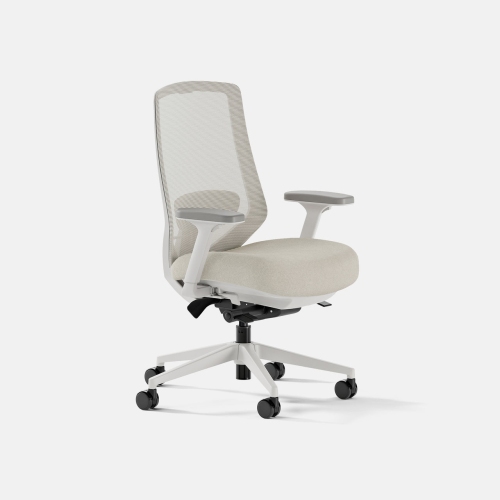 Your price for this item is $539.1
-
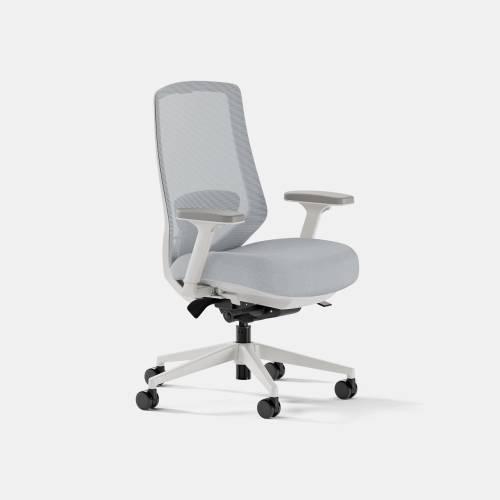 Your price for this item is $539.1
-
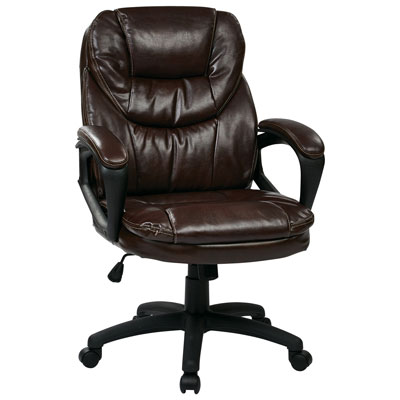 Your price for this item is $459.99
-
 Your price for this item is $343.2
-
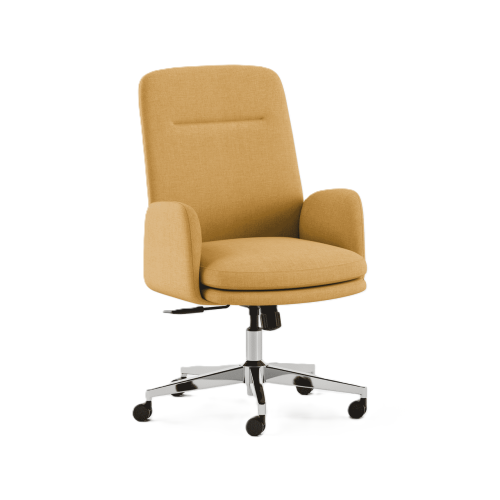 Your price for this item is $343.2
-
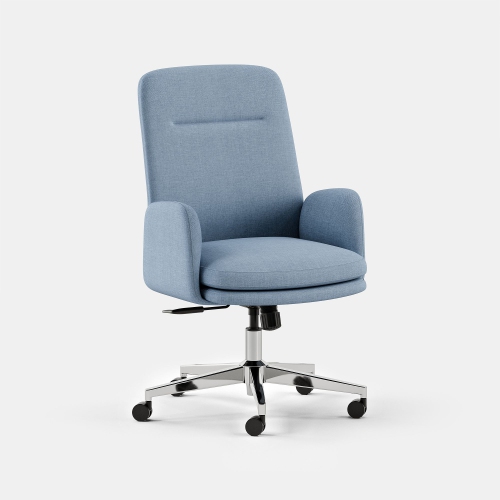 Your price for this item is $343.2
Discover more categories related to Doctor Office Furniture
Top Collections:
Best Black Friday Deals This Year, Best Black Friday Deals On Electronics, Kindle Devices, Dyson Airwrap, Best Cameras for Sports Photography, Best Budget Office Chairs, Canon G7X Cameras, PS5 Pro Consoles, Best Black Friday Deals On Apple Products, XBOX One S Consoles
Some products may be subject to Environmental Handling Fees
(EHF) depending on your province.
Learn more about EHFs.