Home Office Desks with Storage
Whether you're a student, a professional, or just someone who likes to work at home, having a home office is a great way to stay productive and organized. But with all the clutter that comes with working from home, it's important to have a desk that can keep up with your needs. Here are some of our top picks for home office desks with storage.
Sort
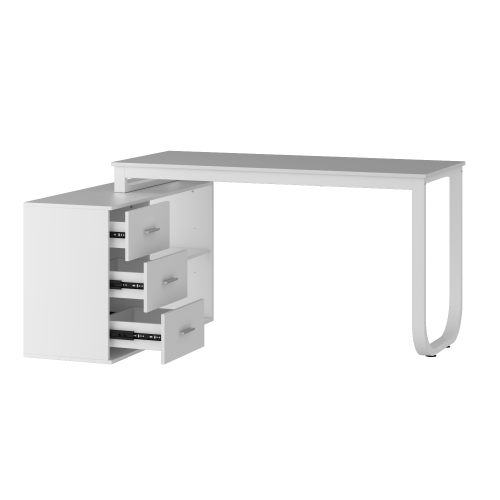
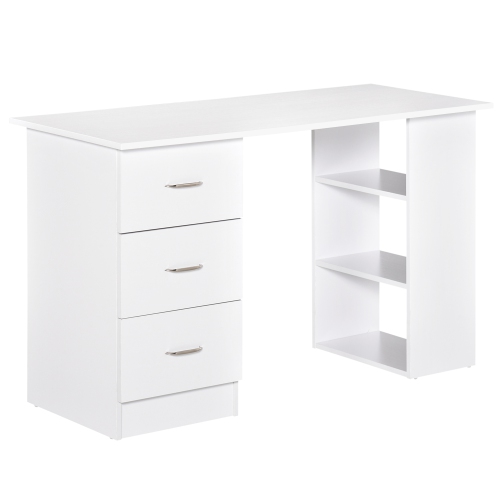
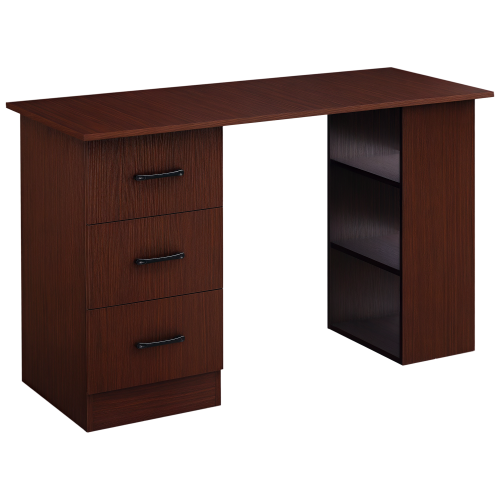

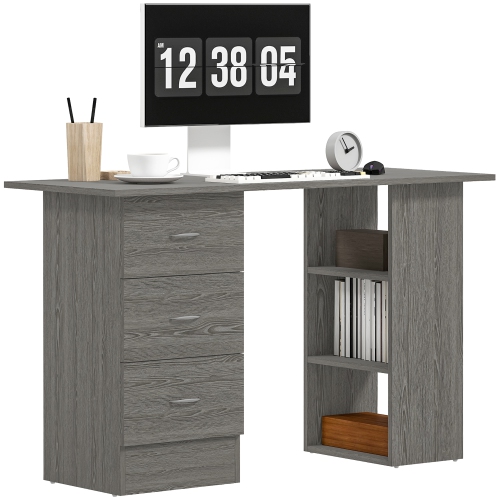

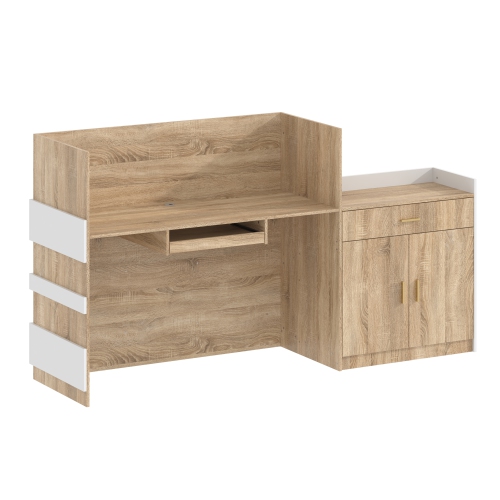
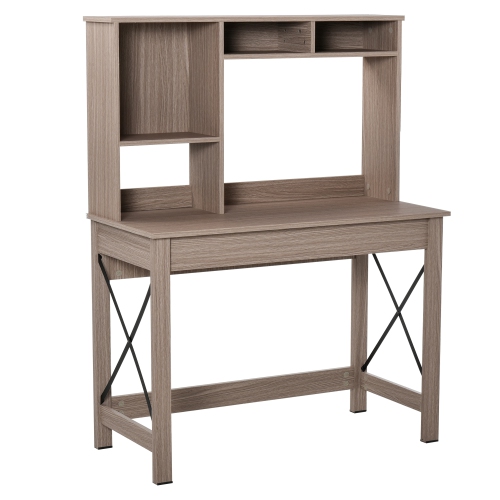
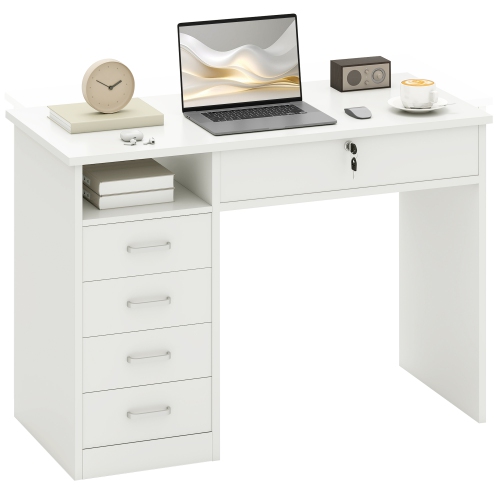
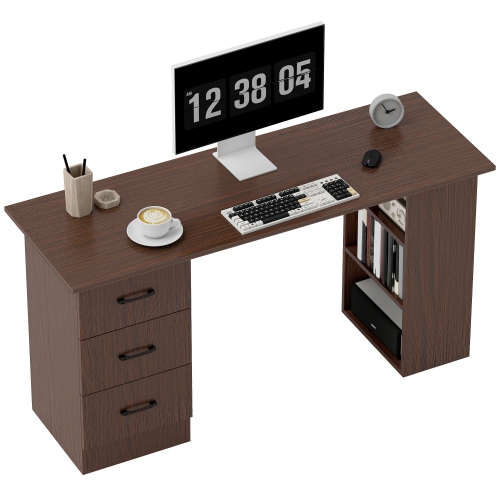

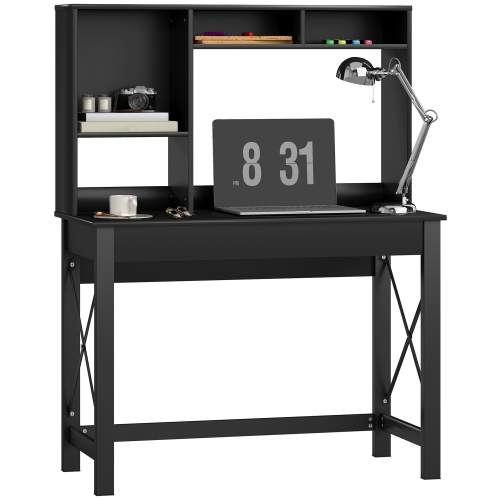
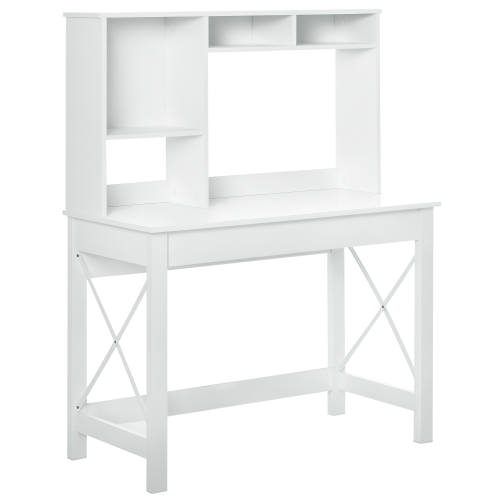
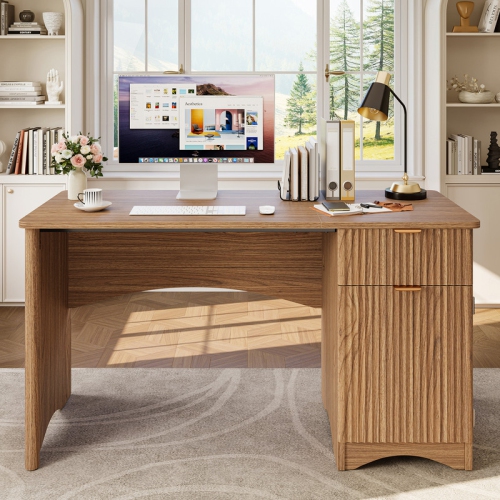
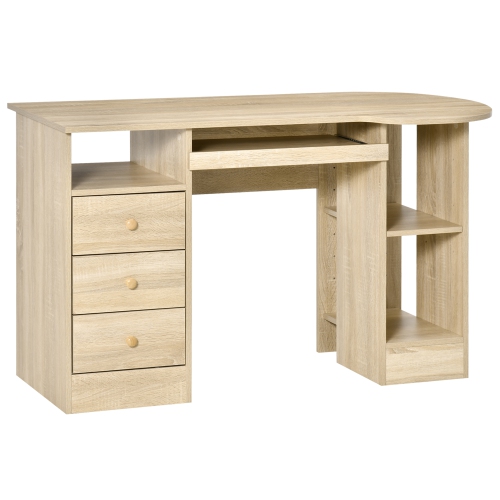
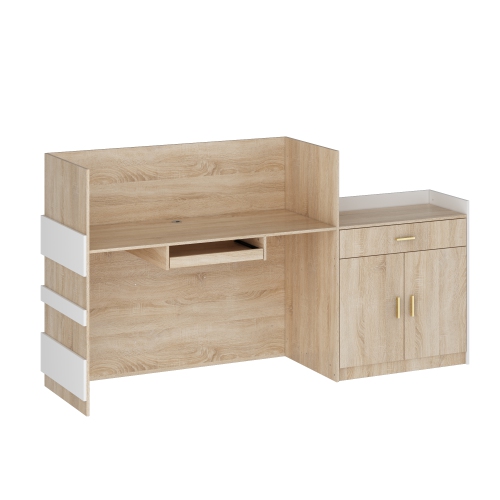
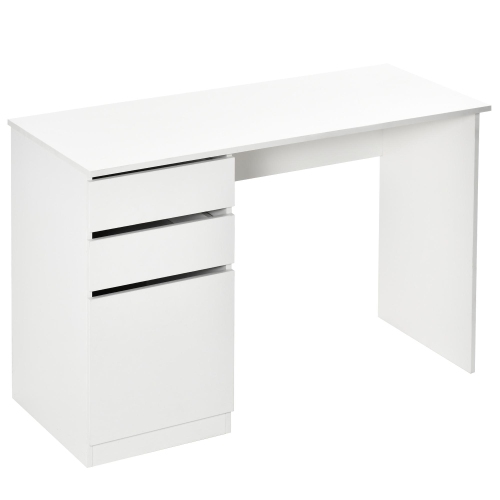


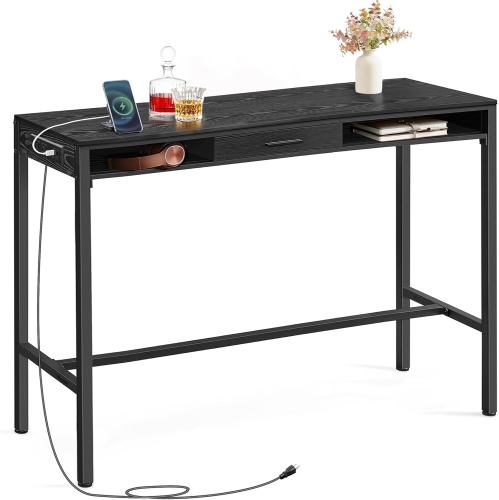


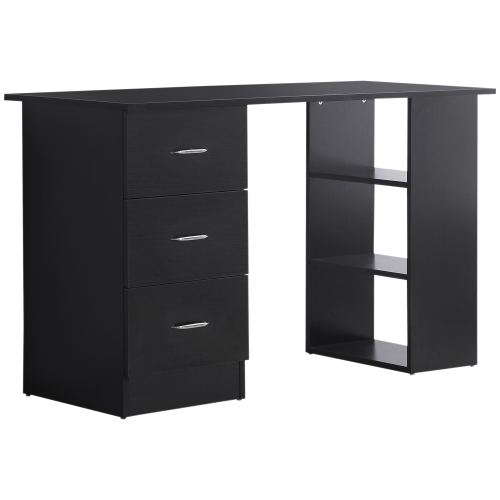

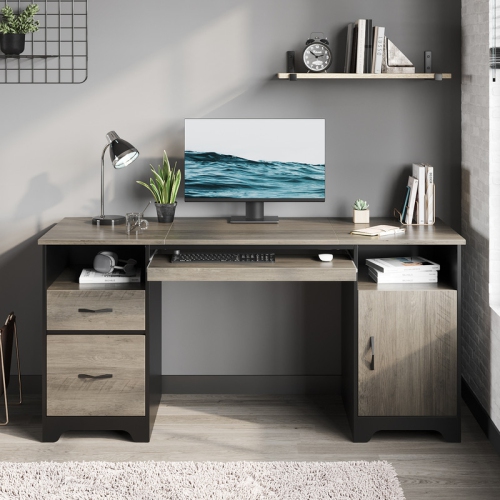
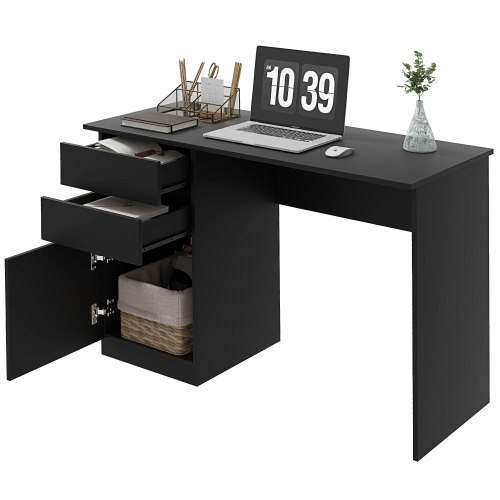
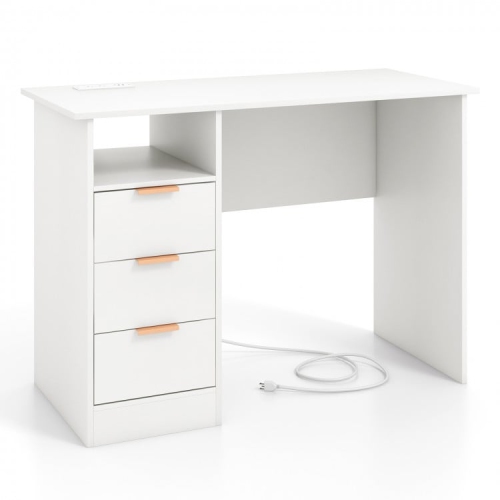
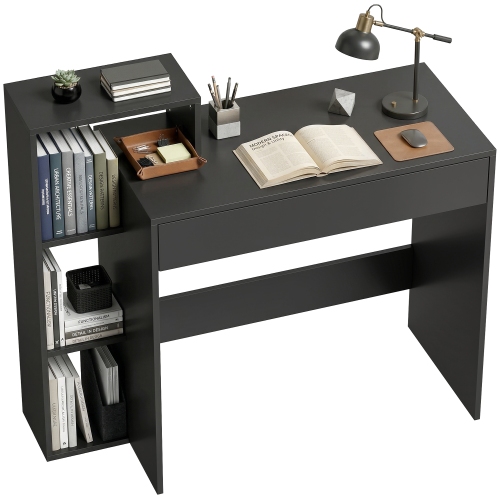
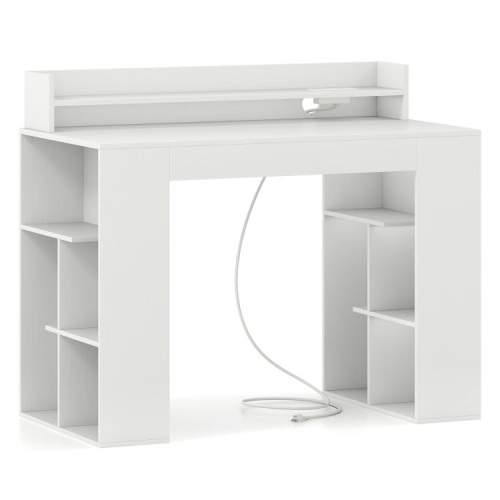

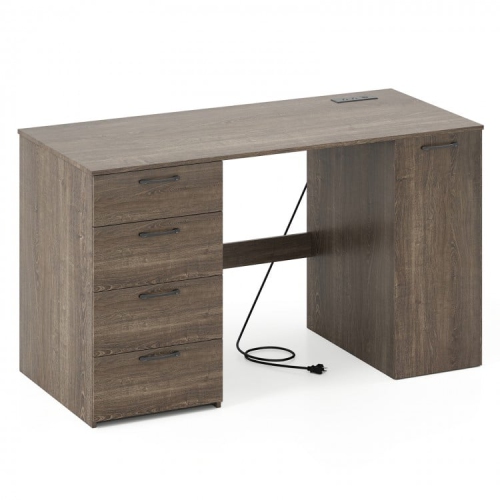
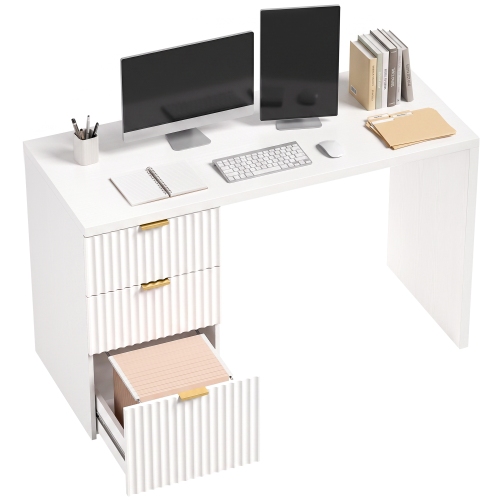
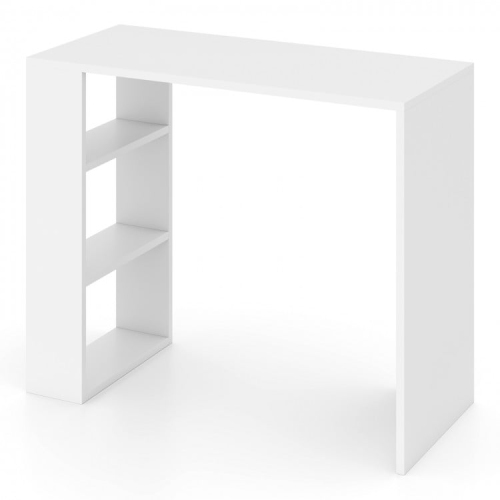
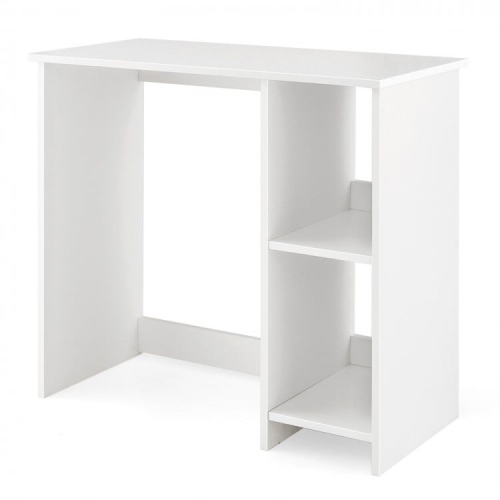
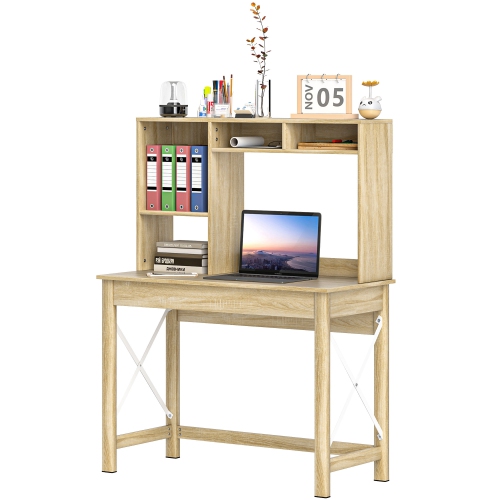
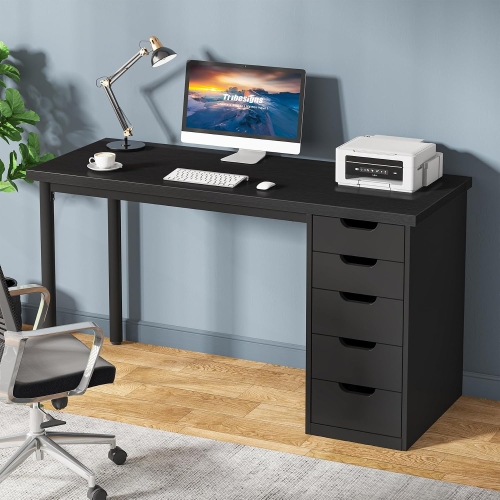
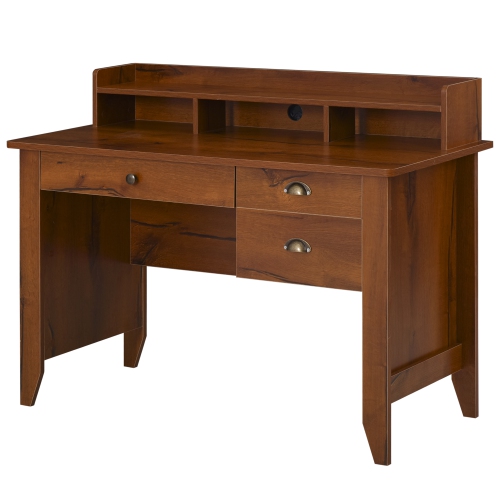
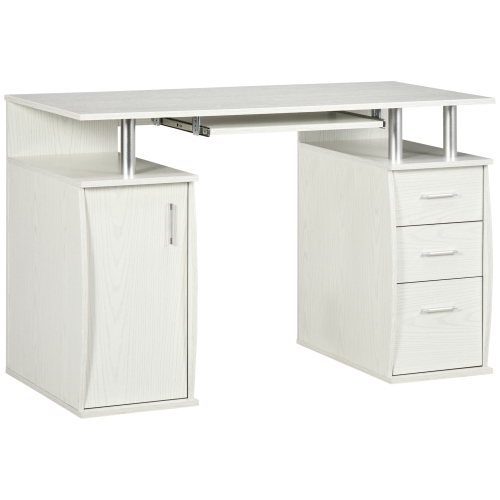
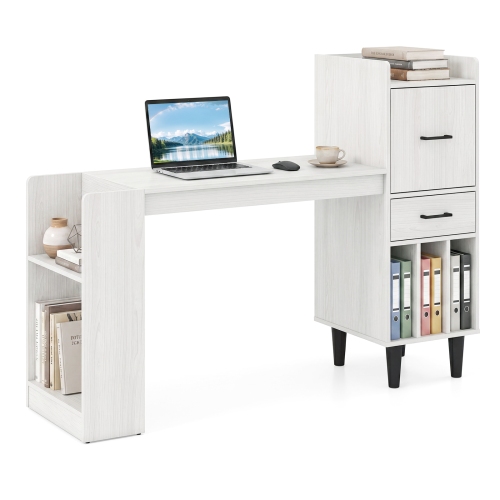
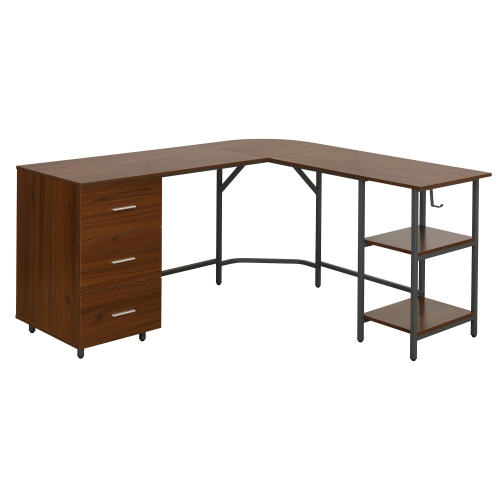
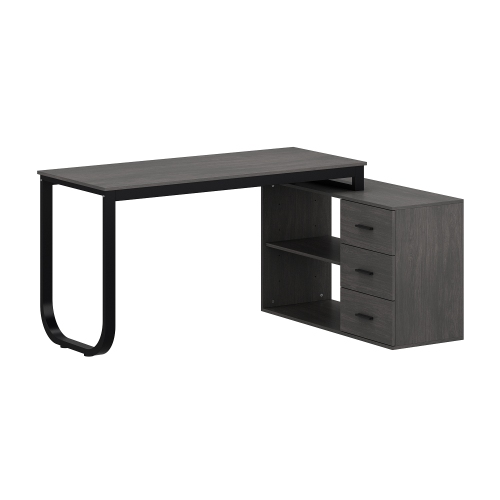
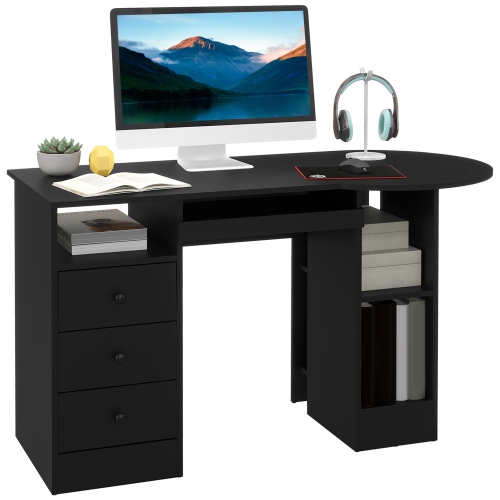
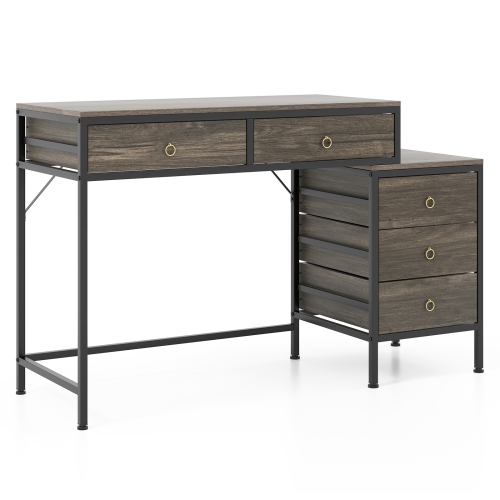
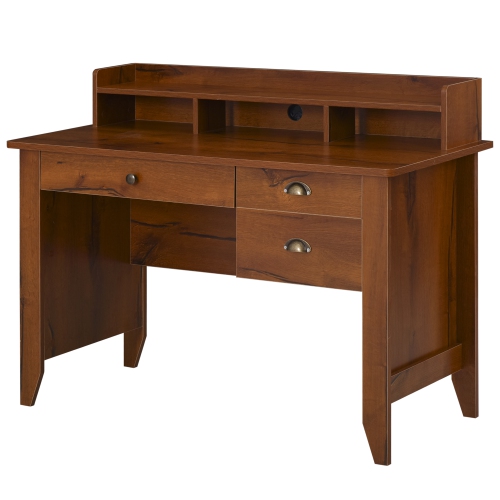
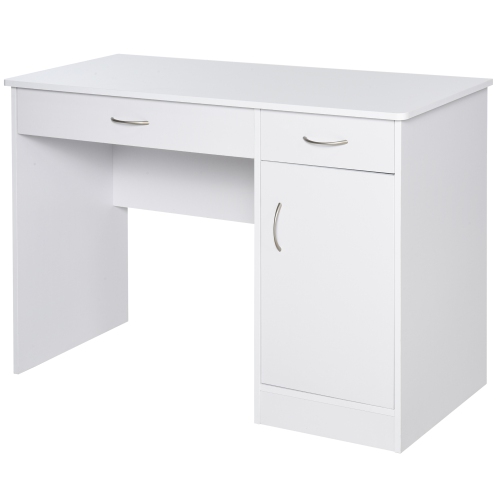

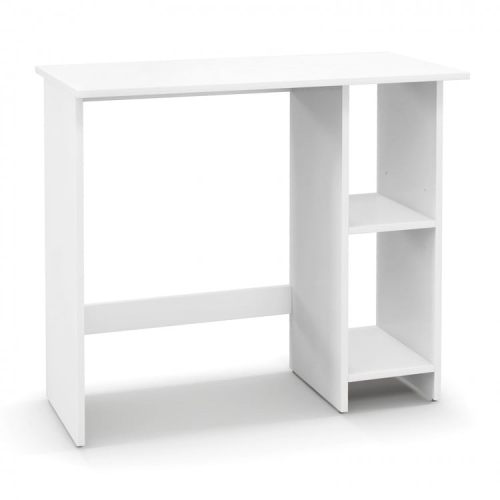

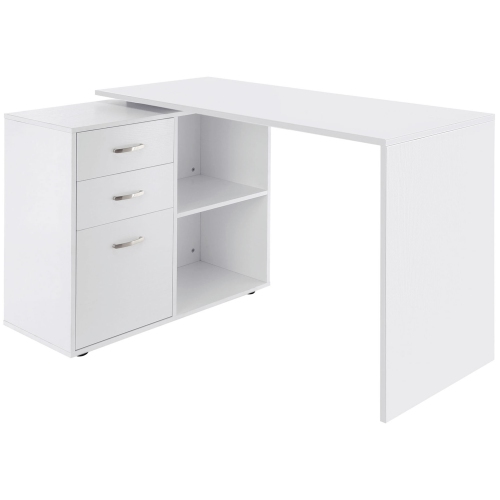
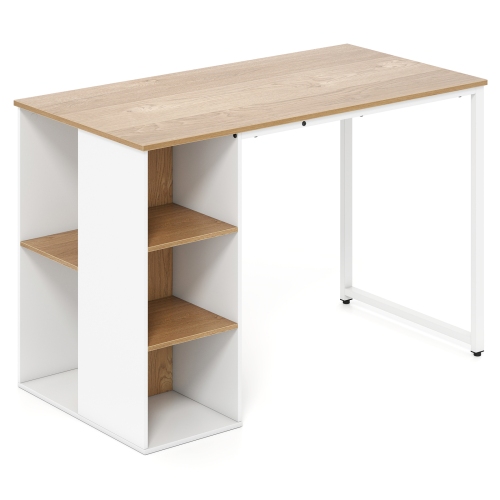
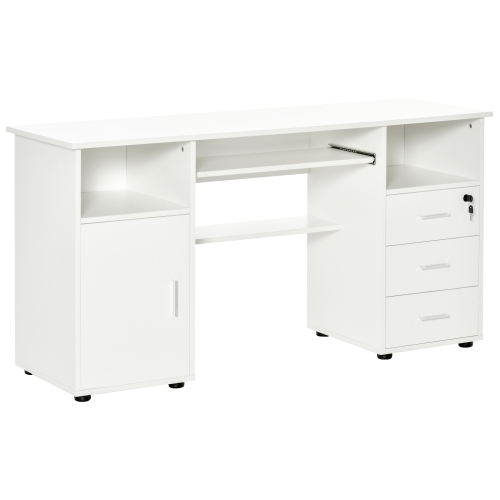
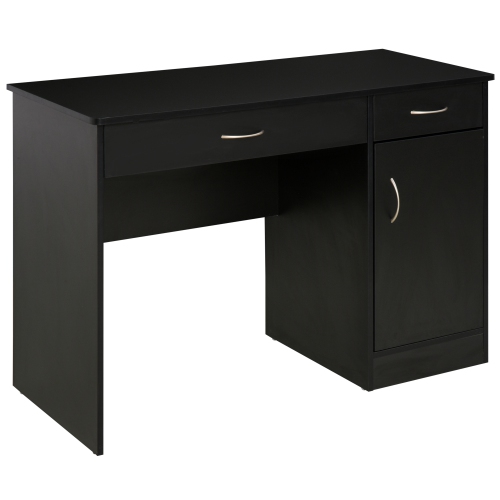
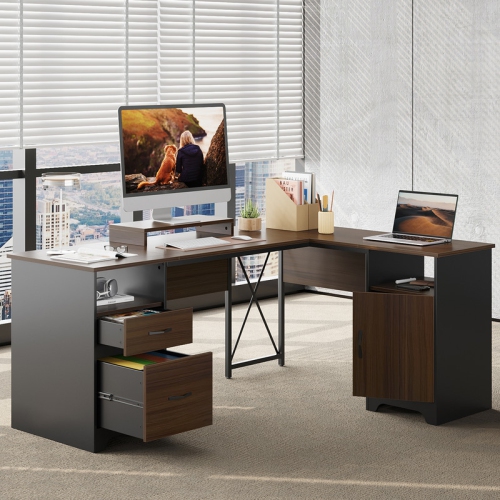
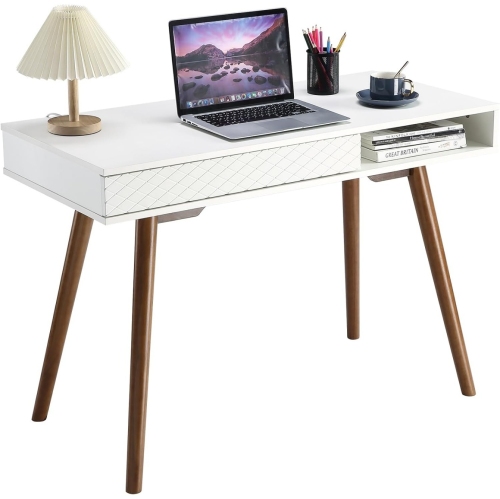
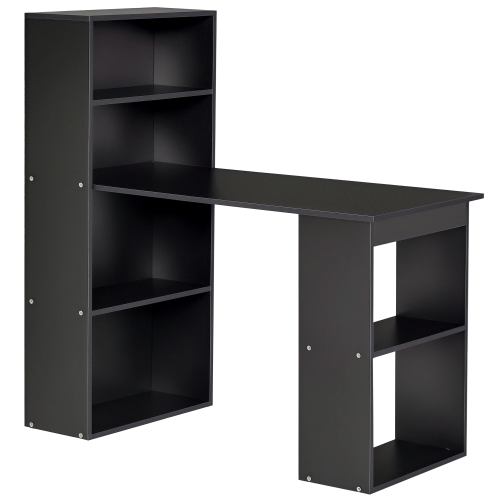
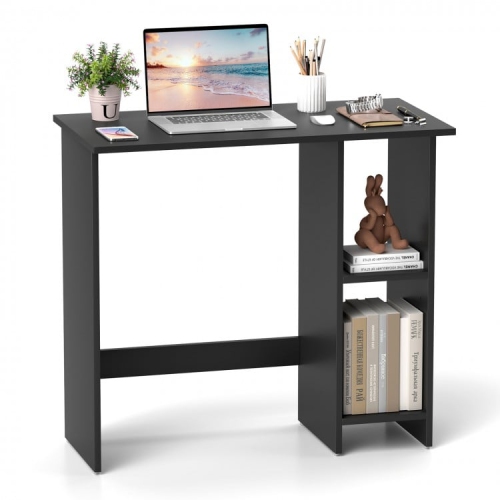
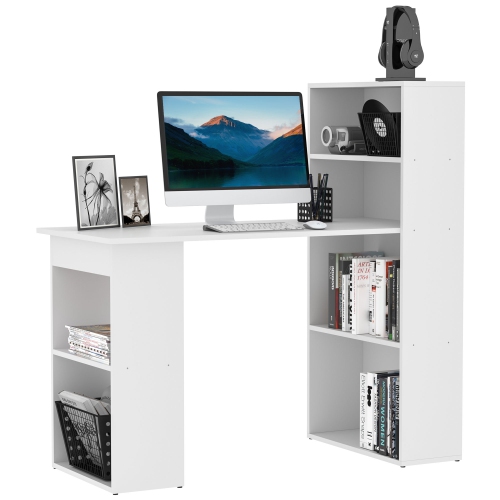
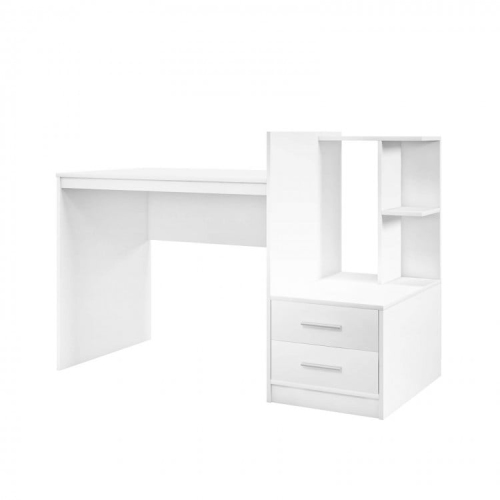
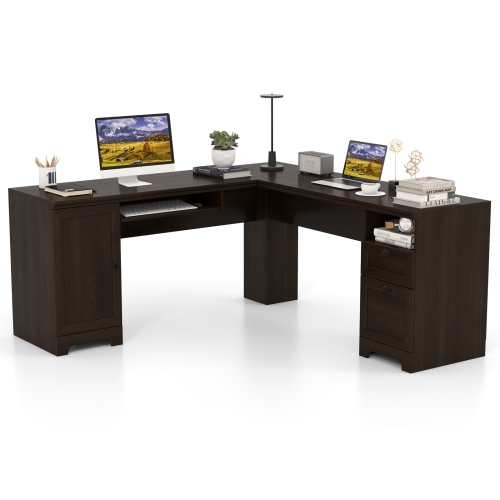
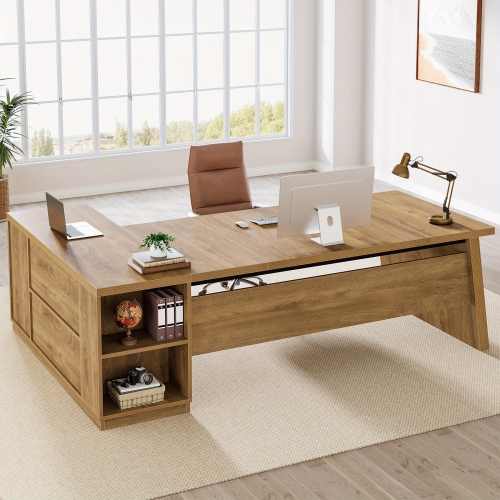
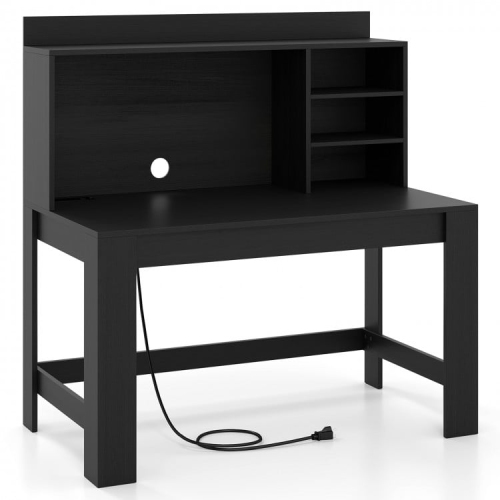
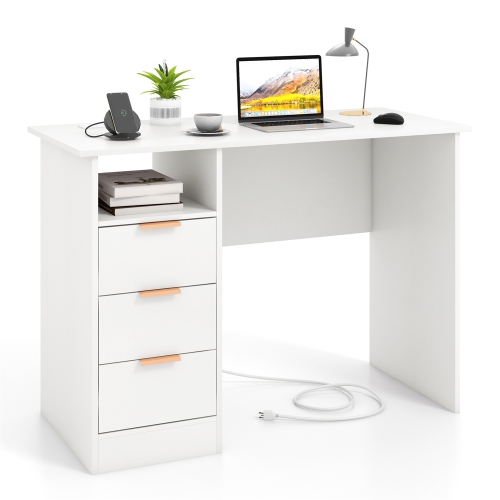
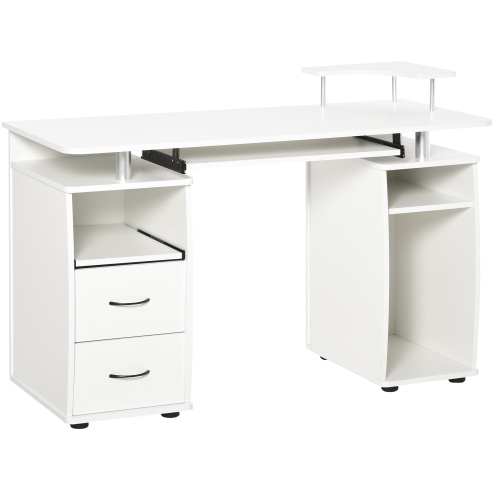
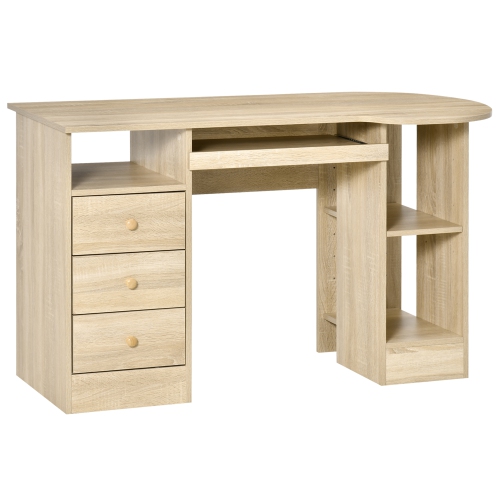


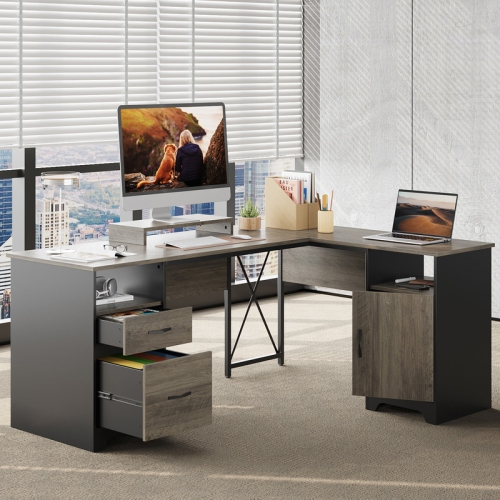
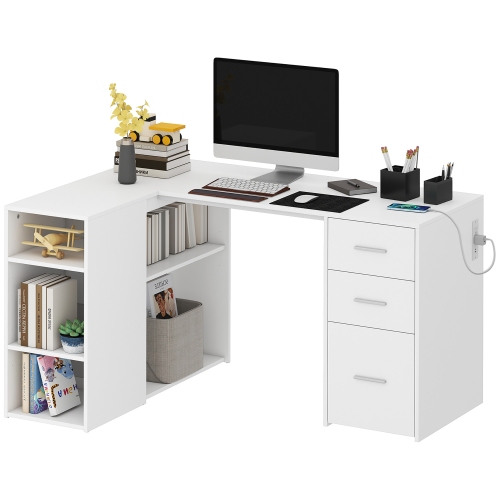
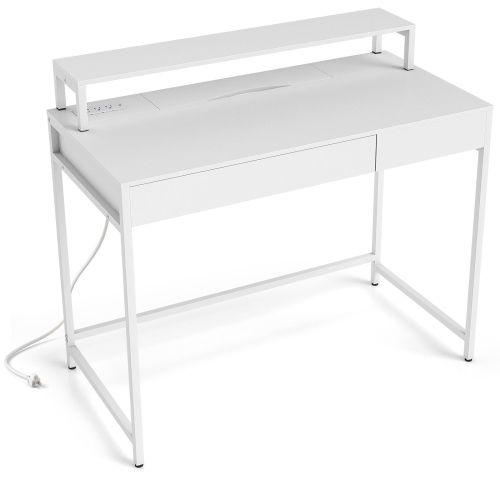
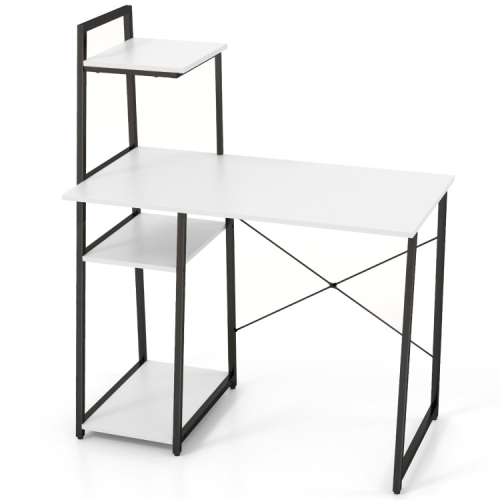
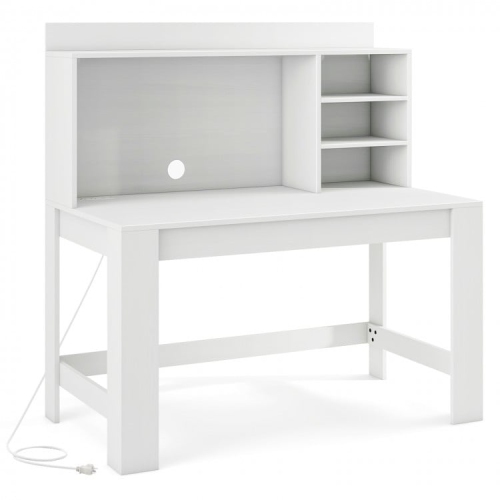
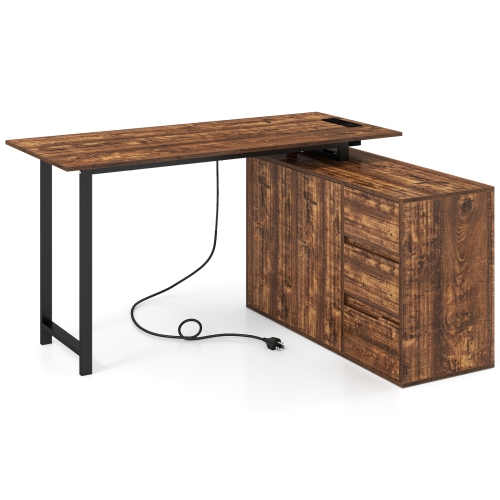
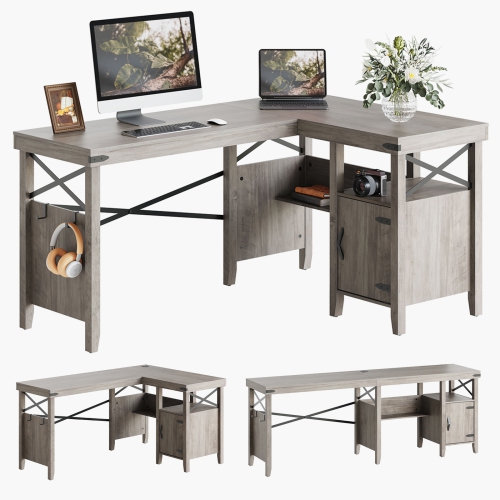


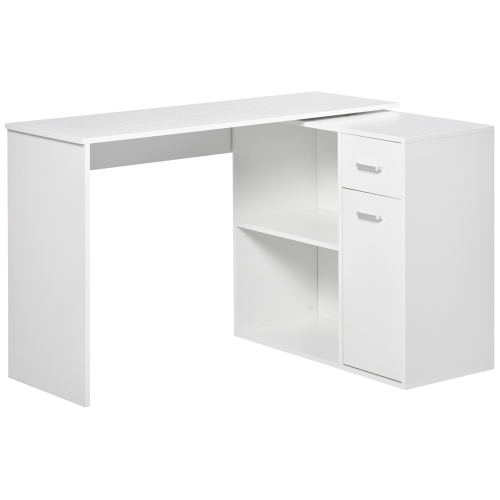
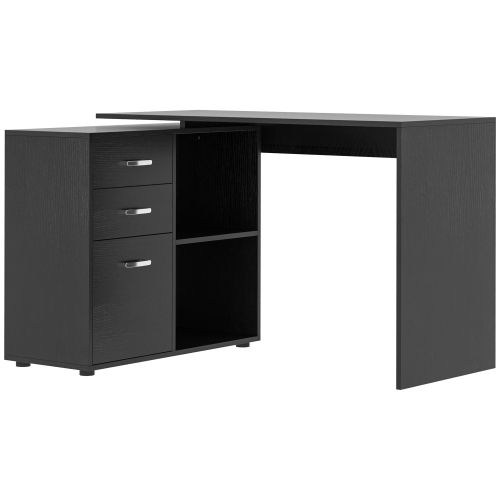
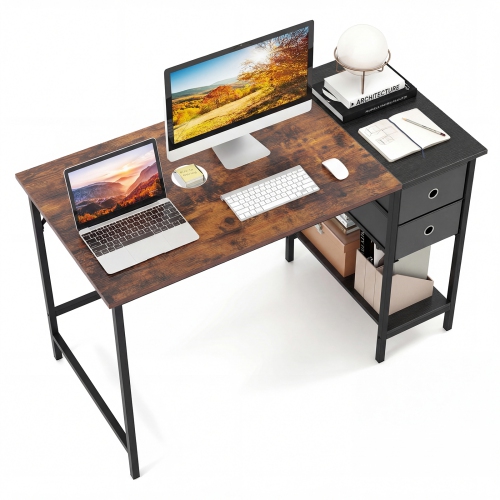
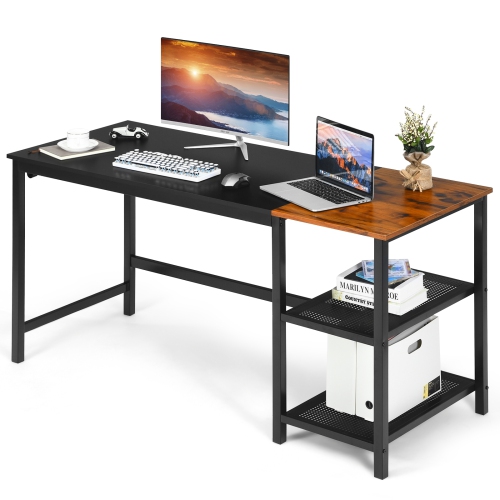
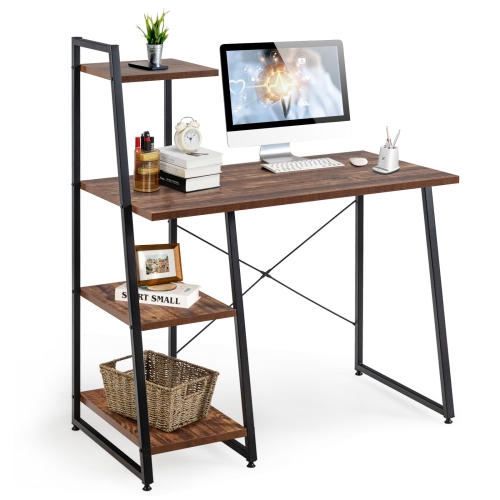

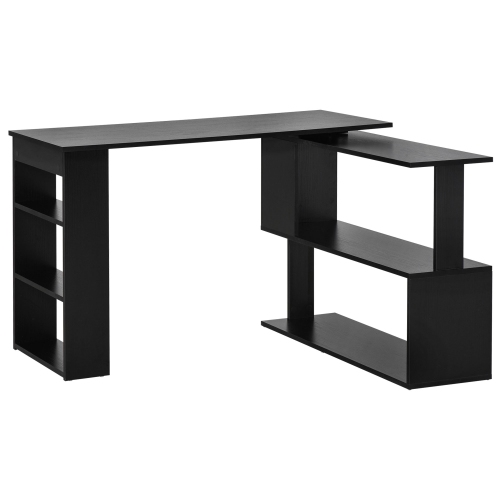
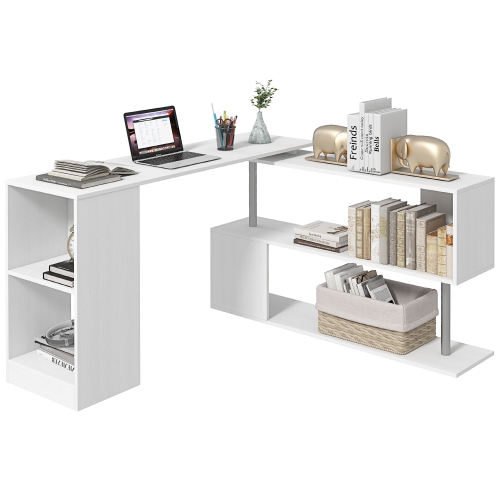
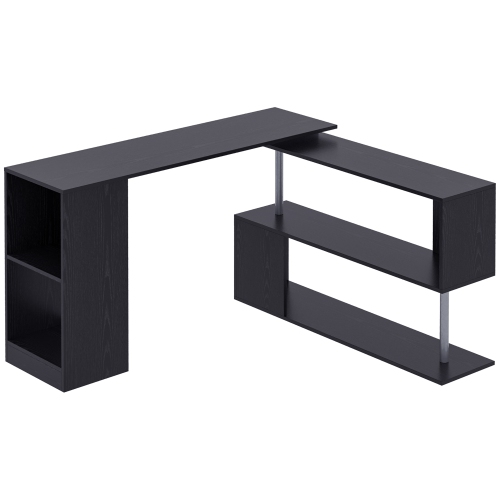
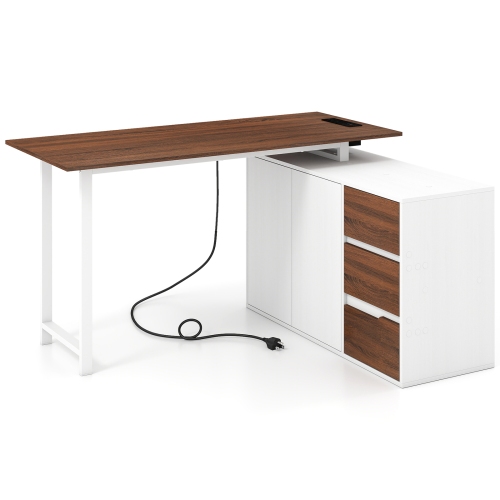
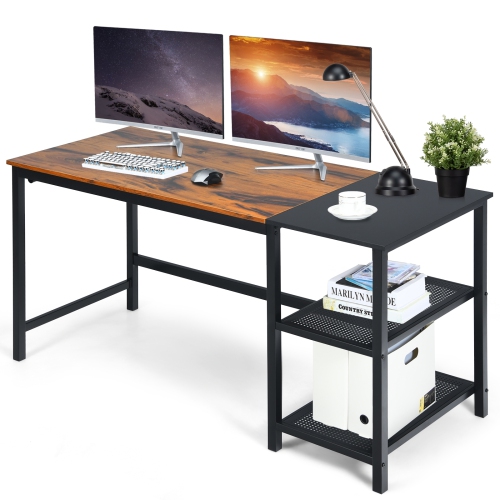
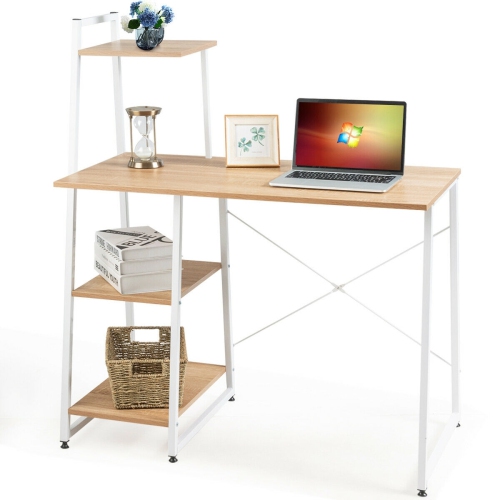
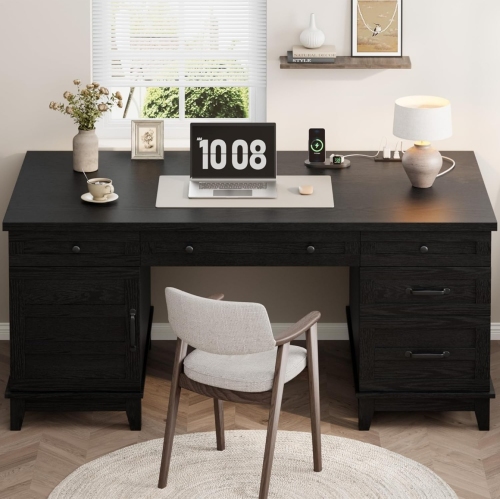

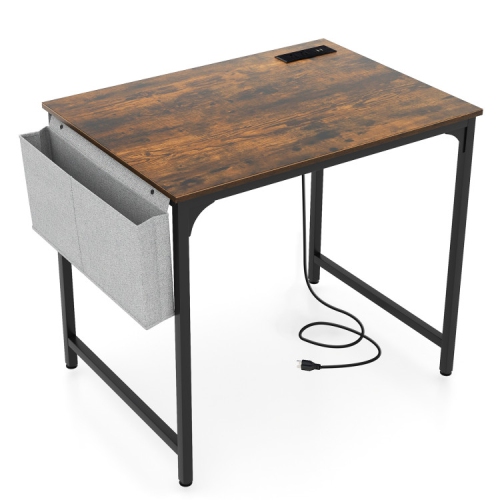
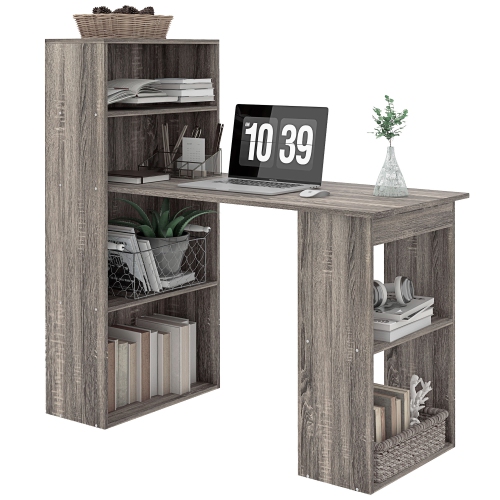
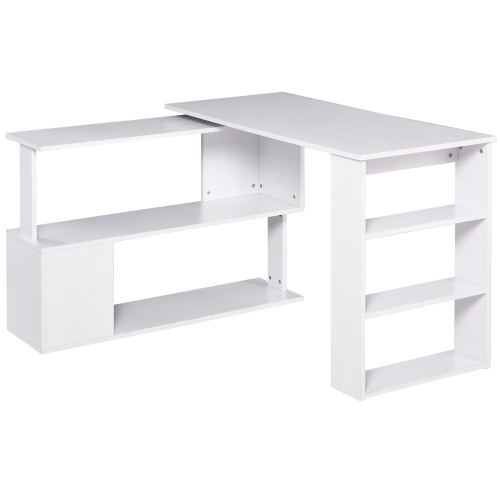
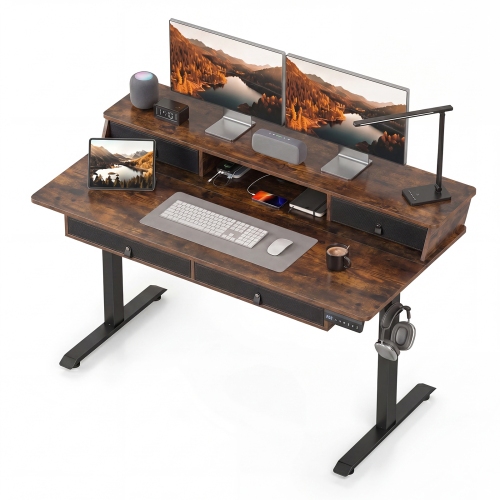
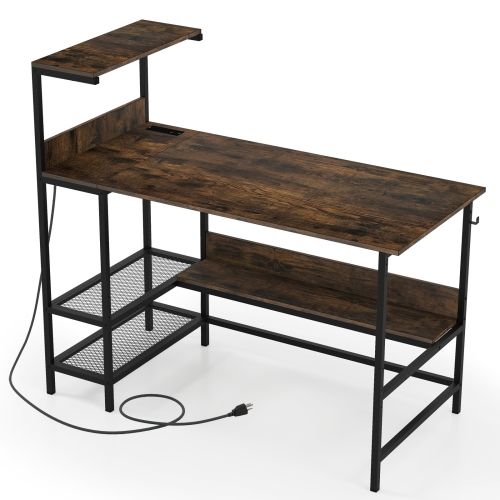
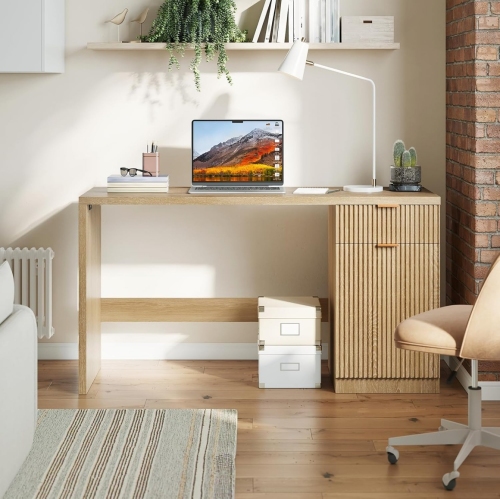
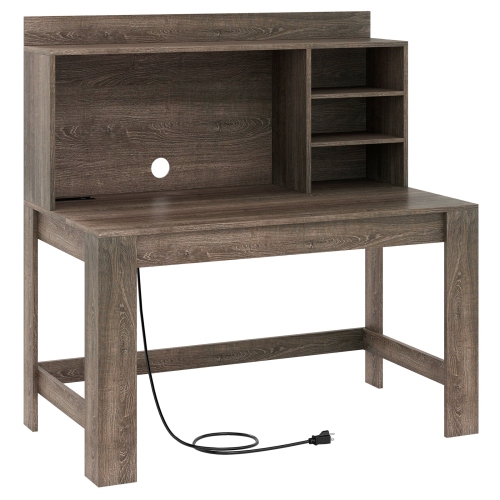
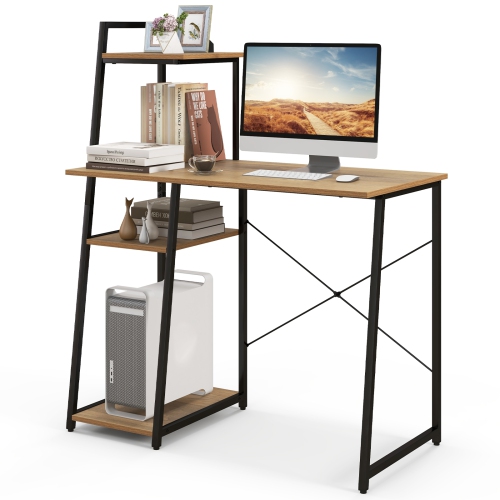
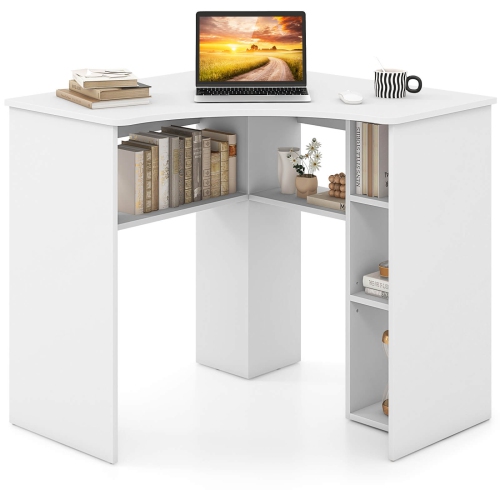
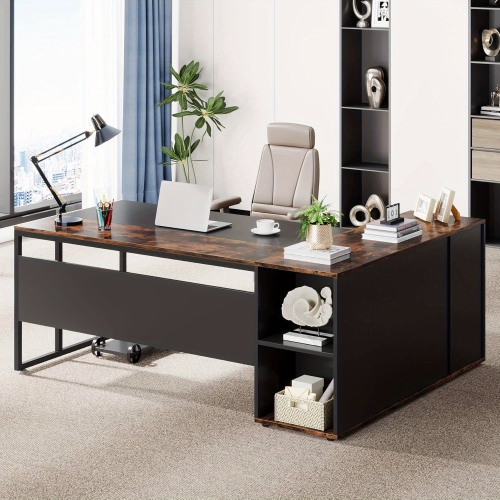
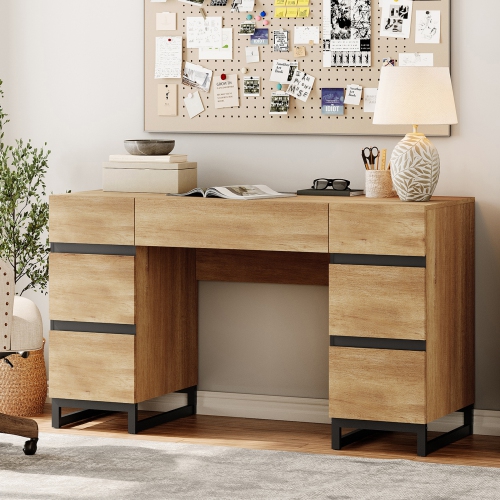

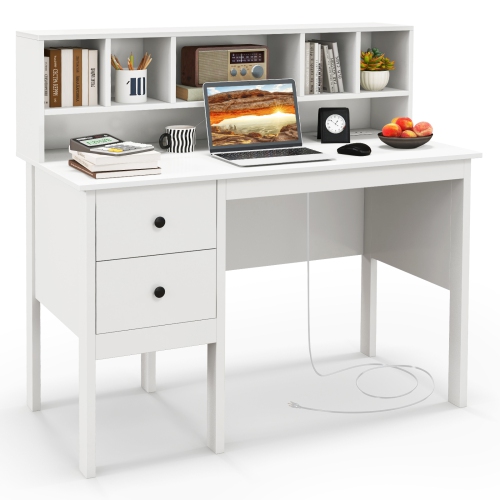
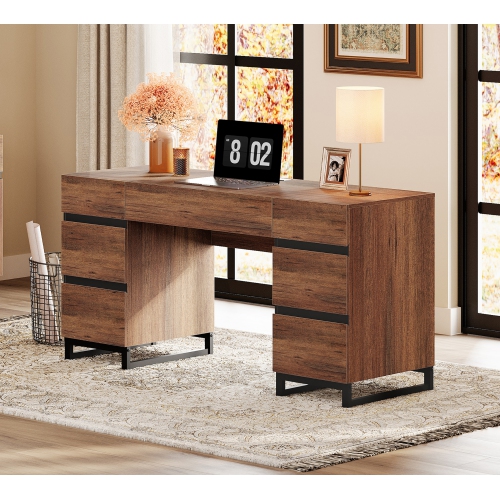
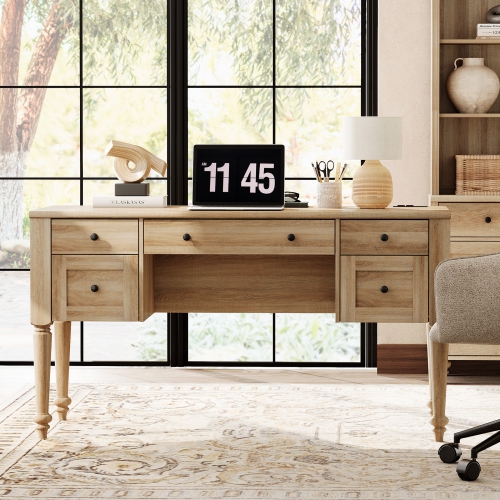
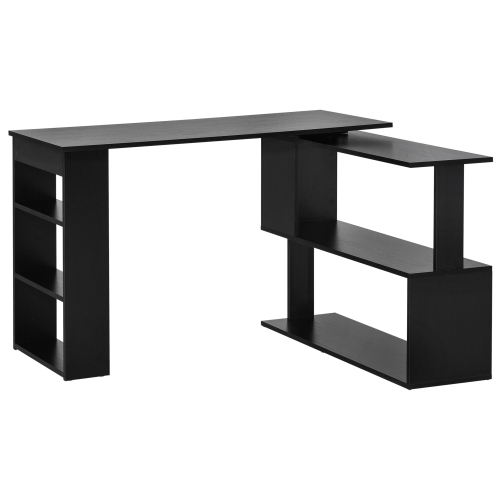
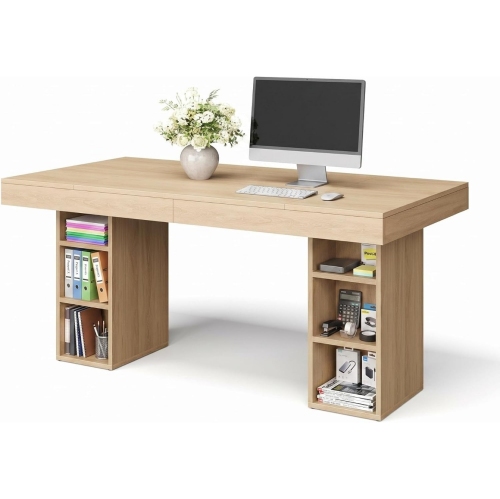
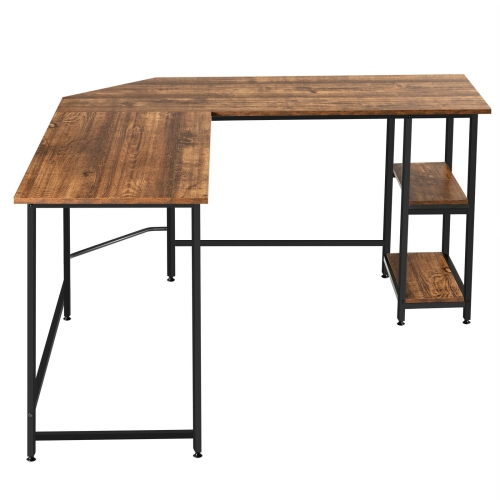
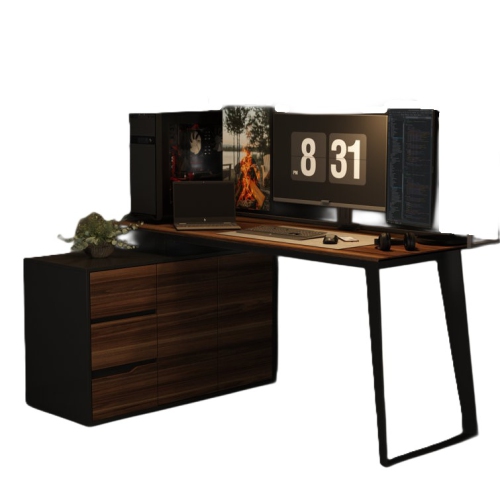
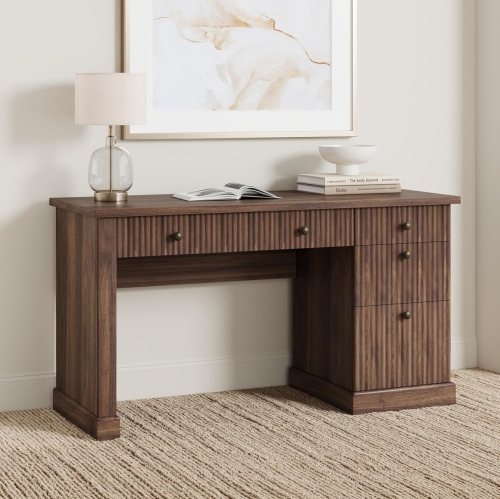

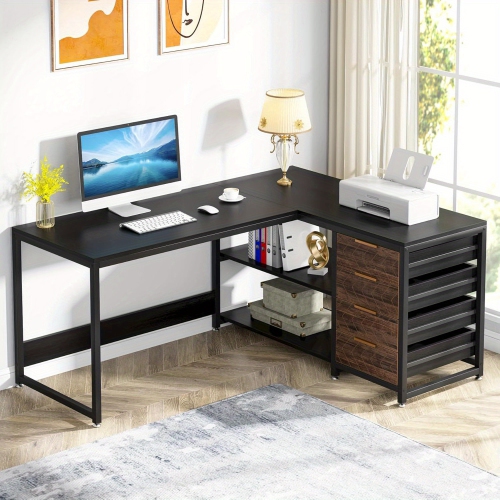
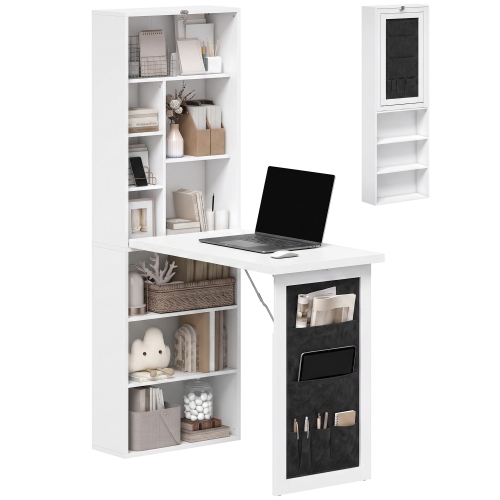
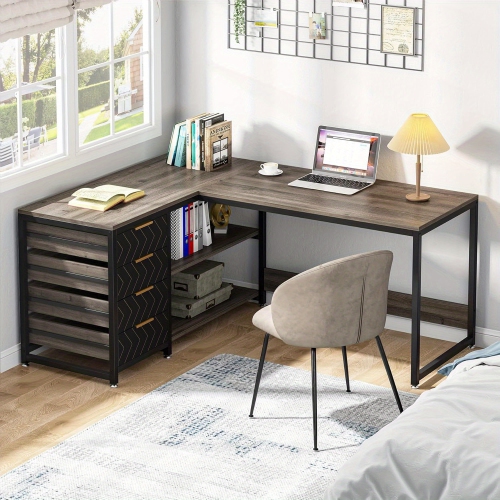
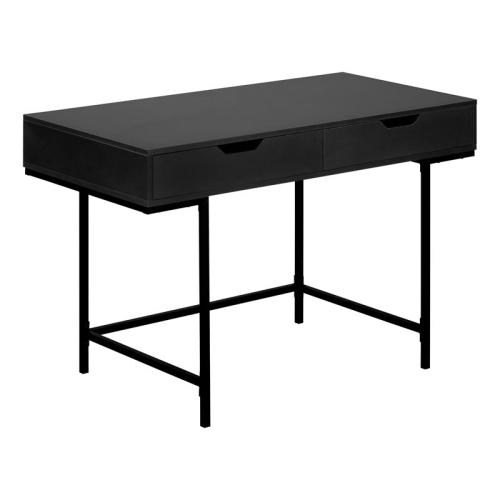
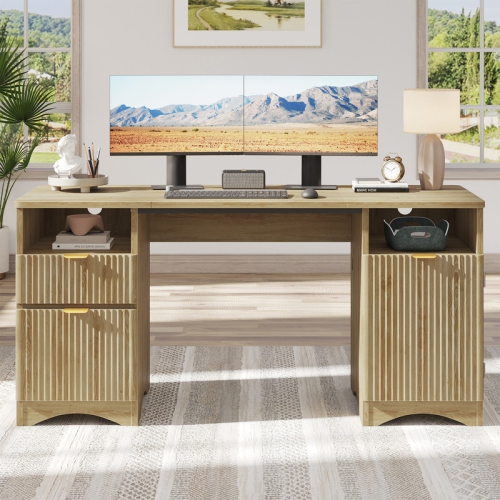
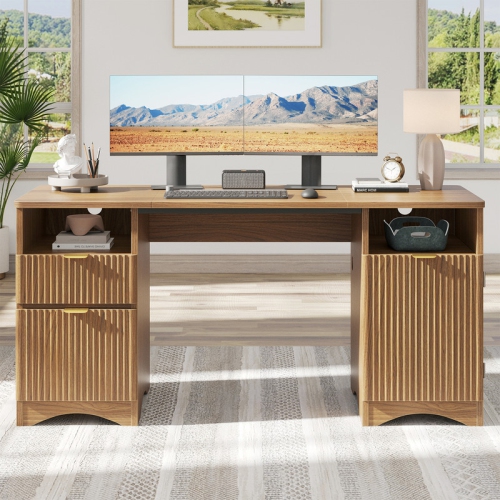
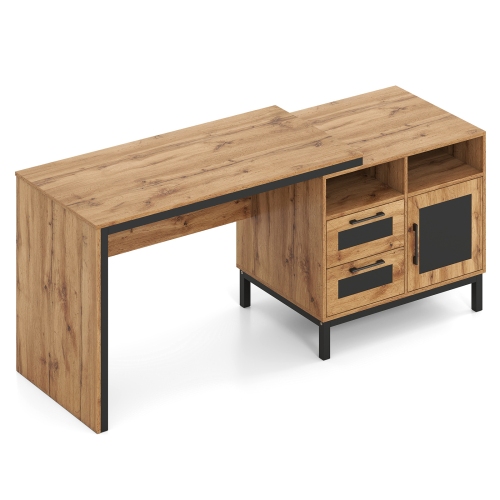
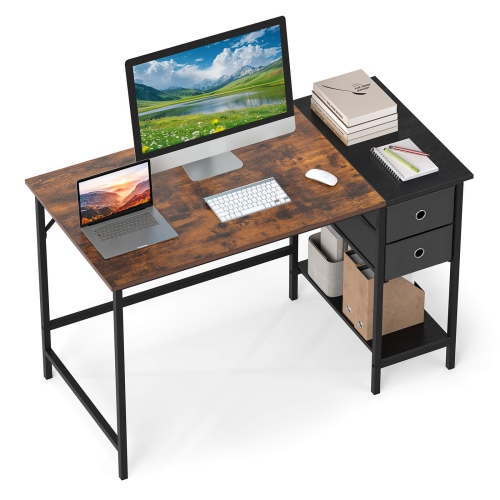
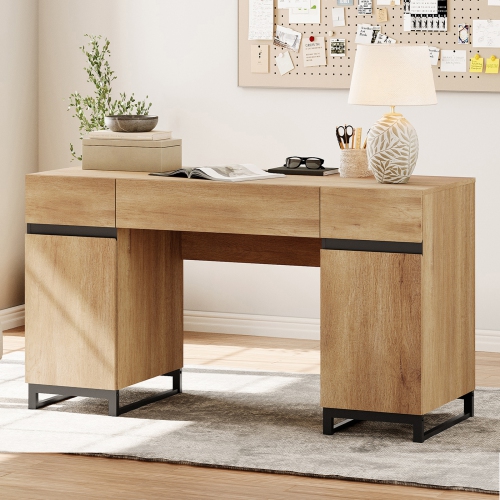
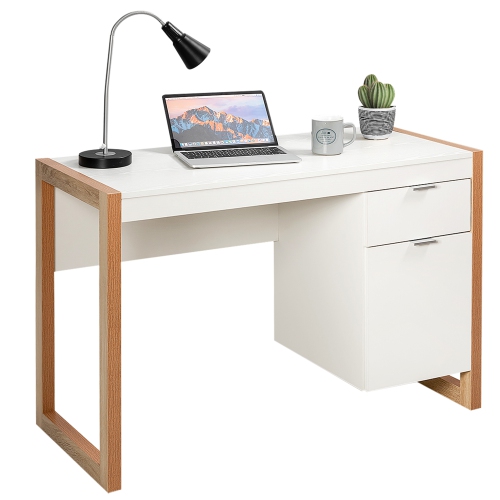
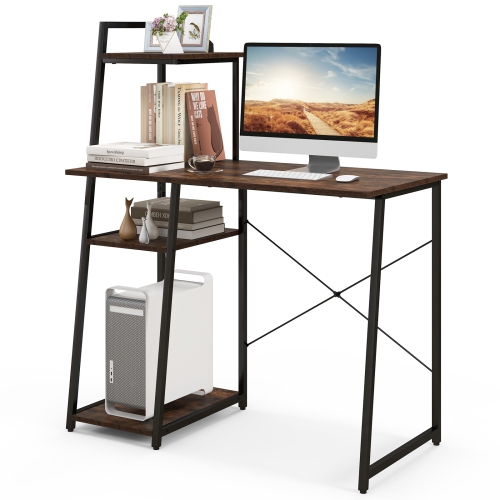
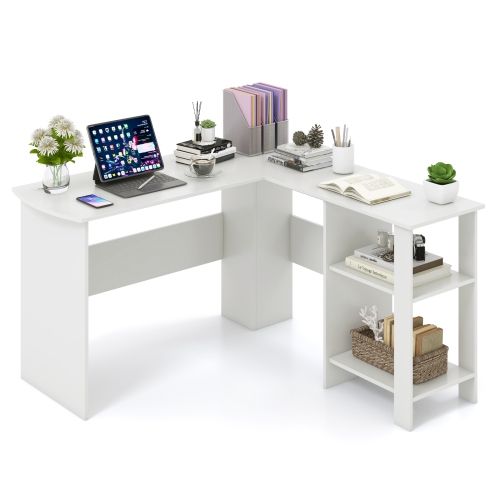
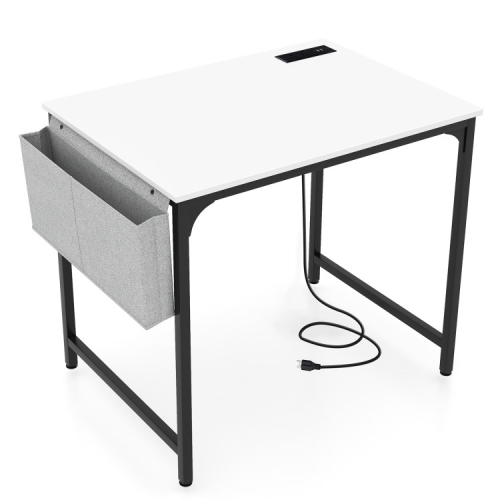
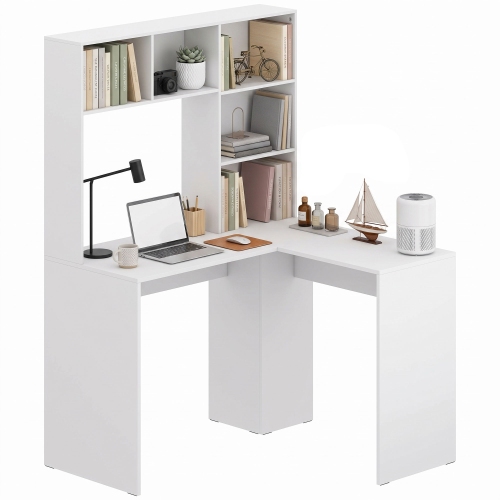
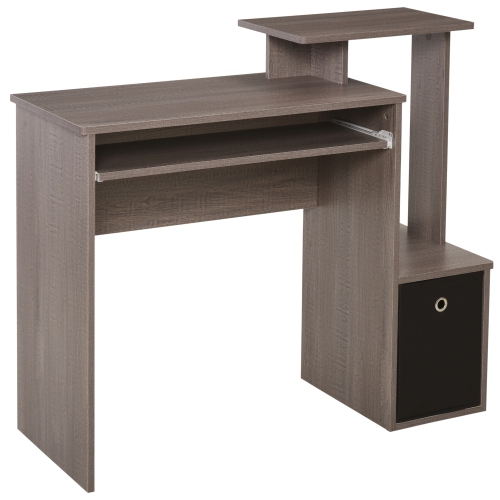
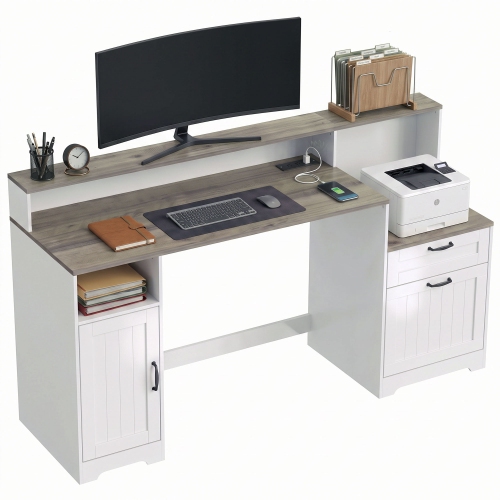

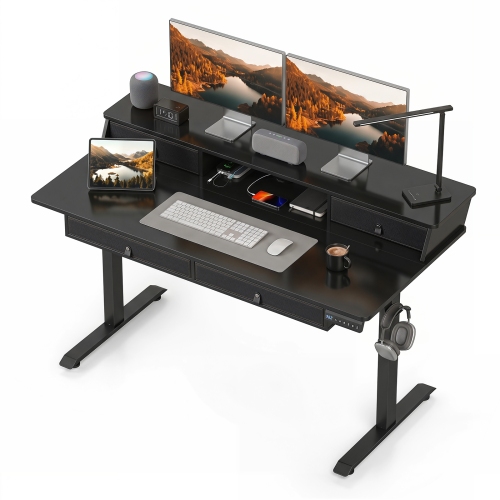
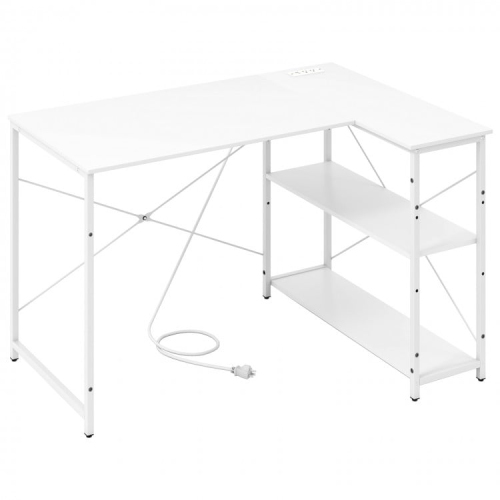
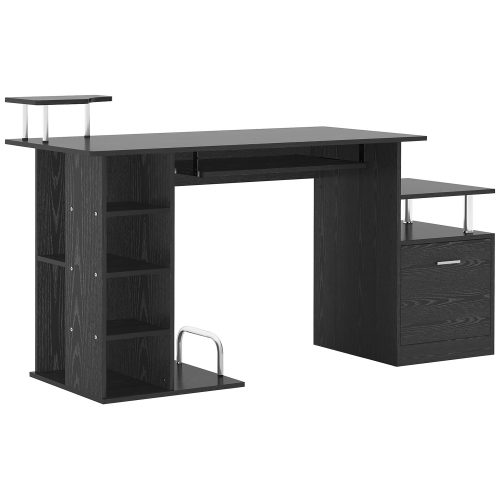

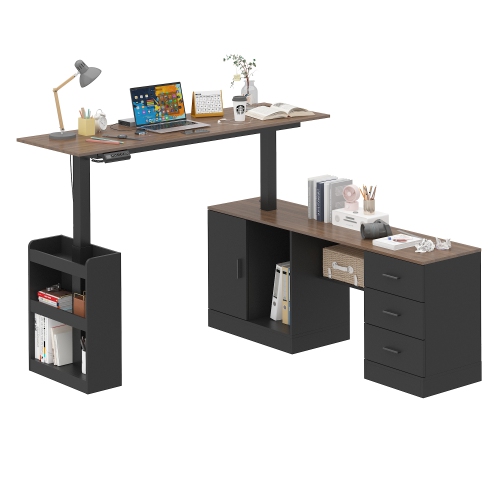
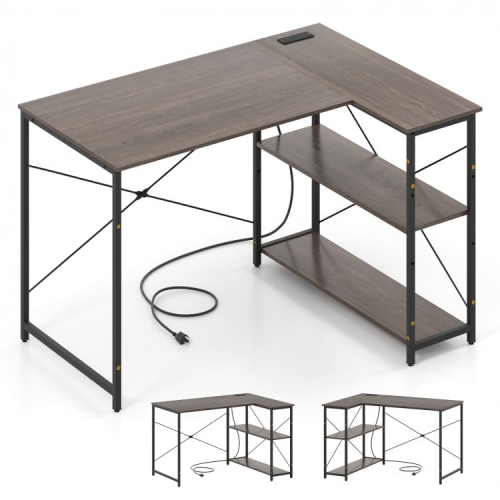
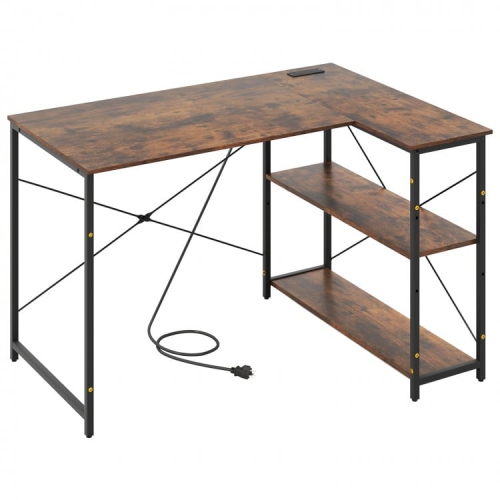
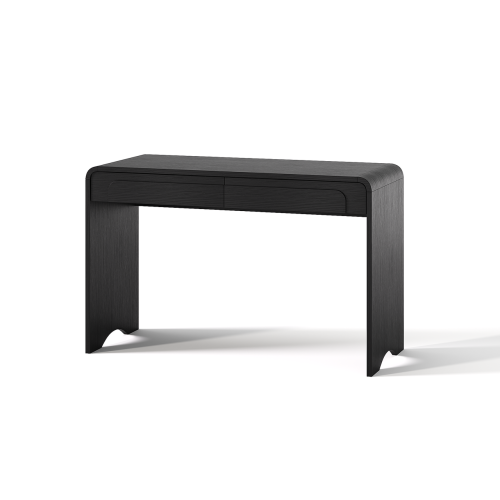
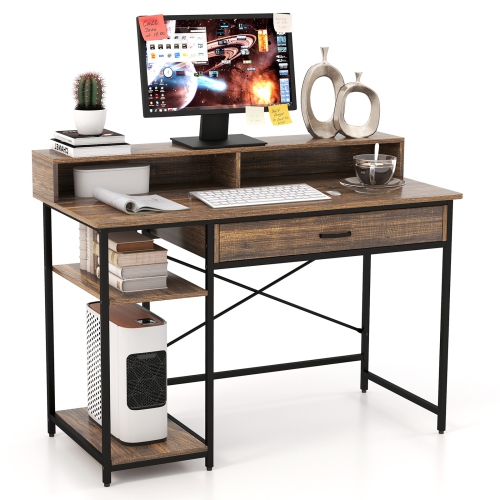


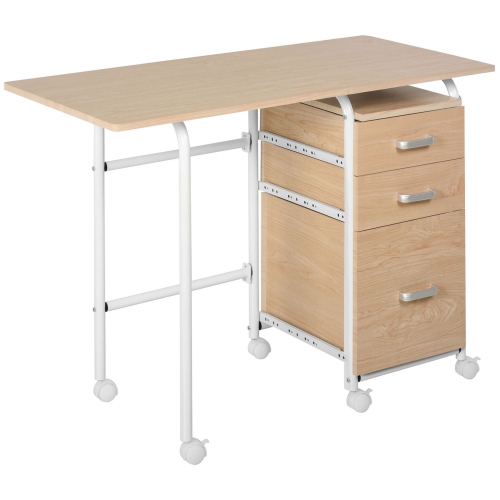

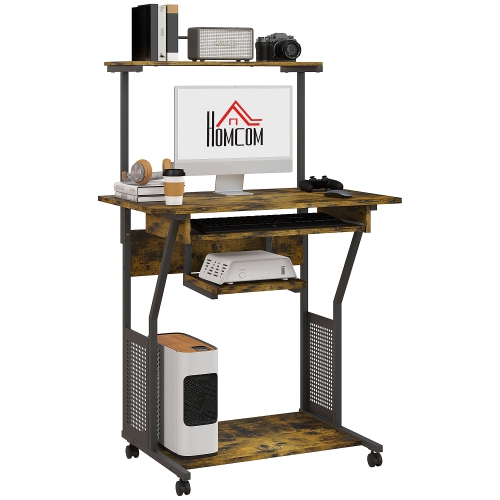
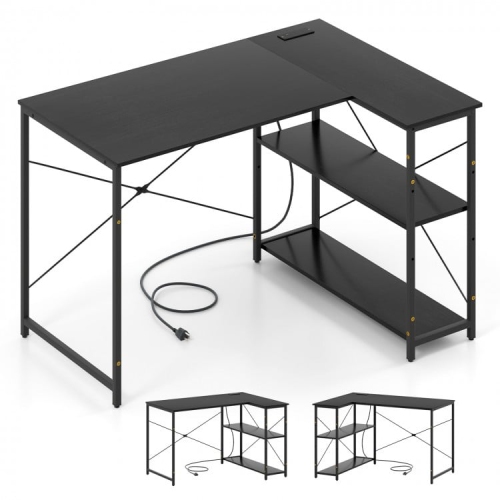
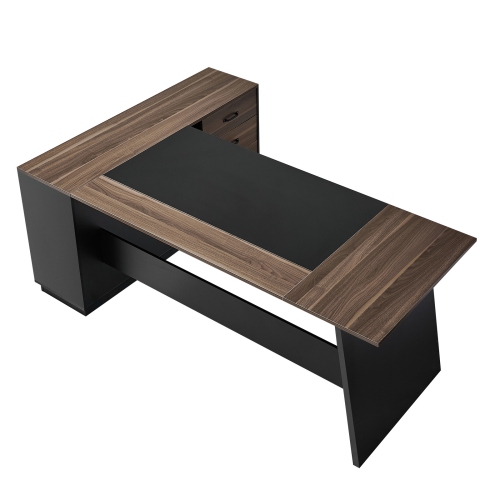

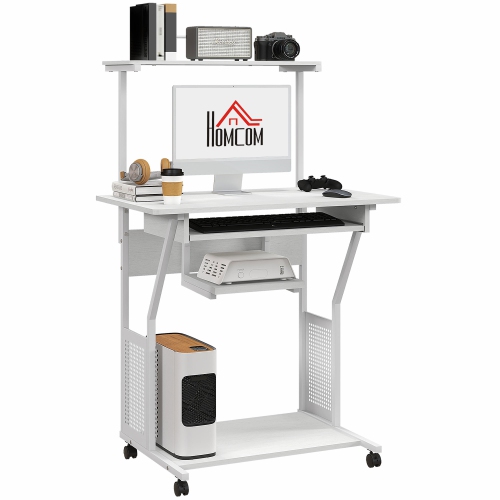
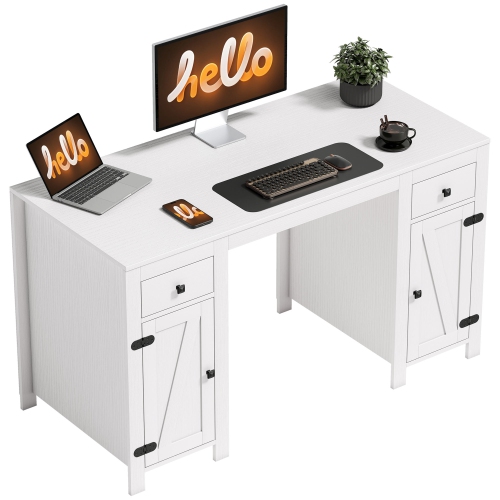

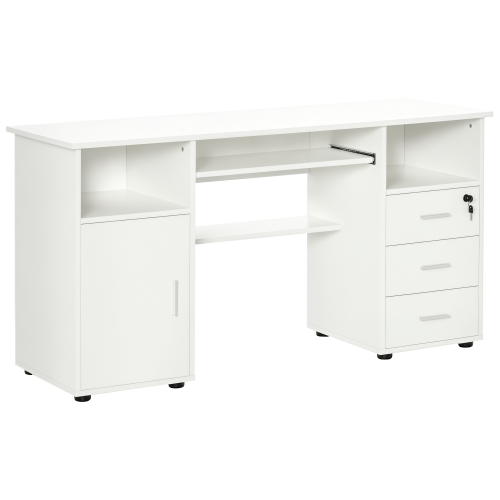
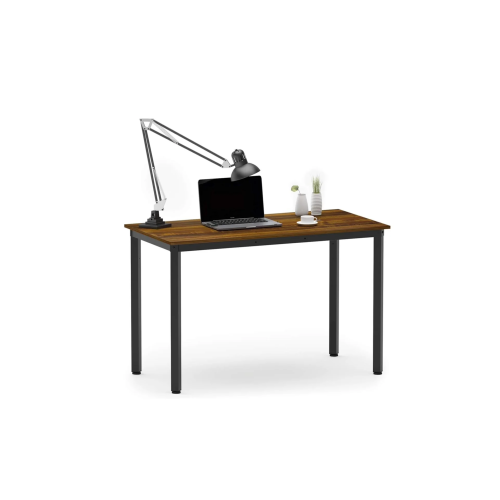


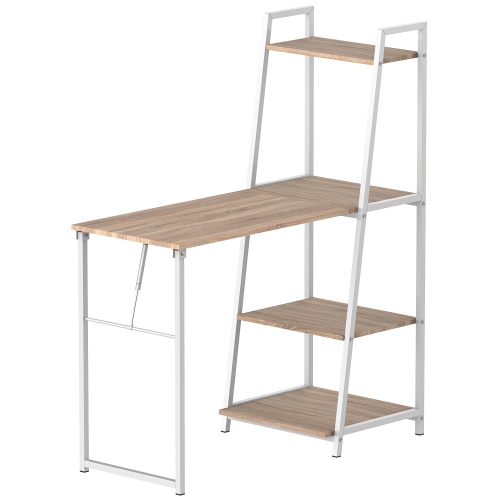
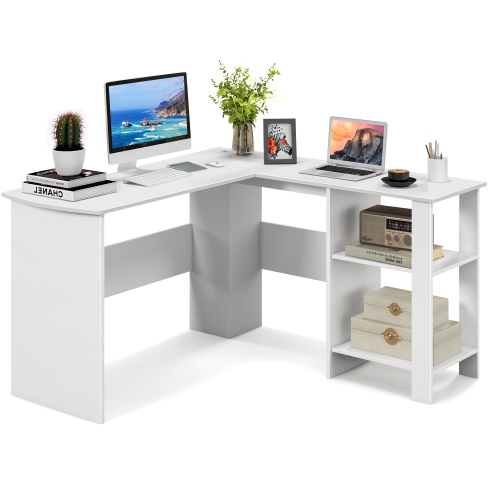

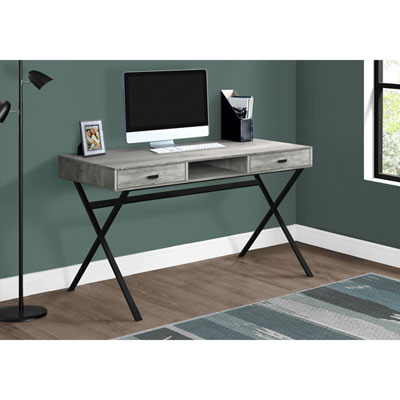
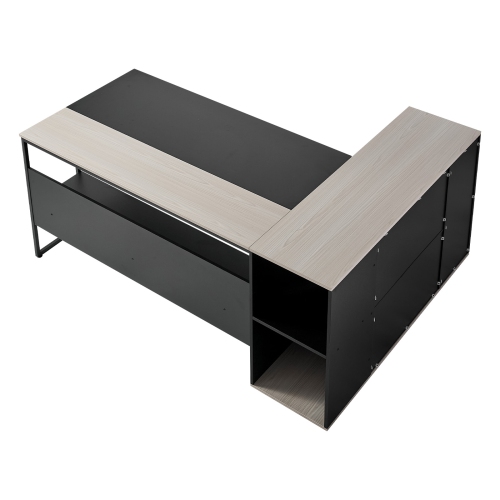
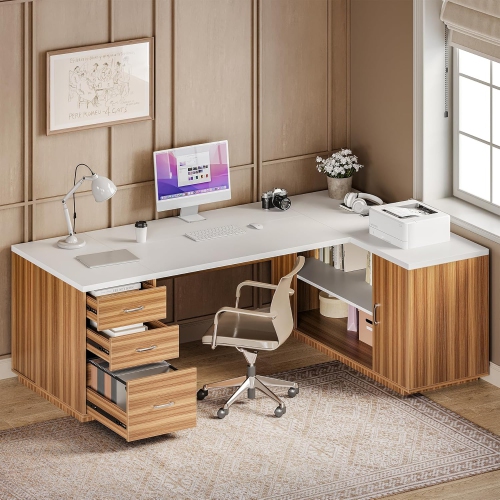

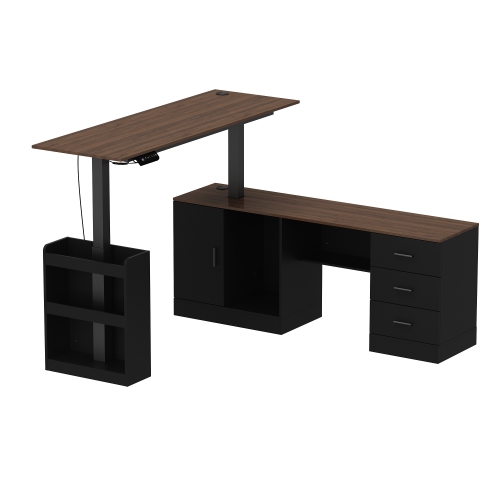

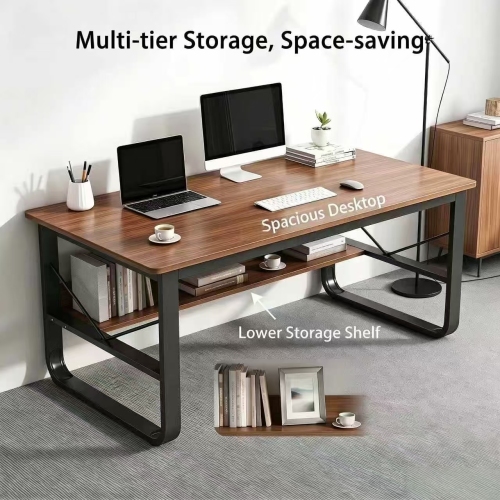
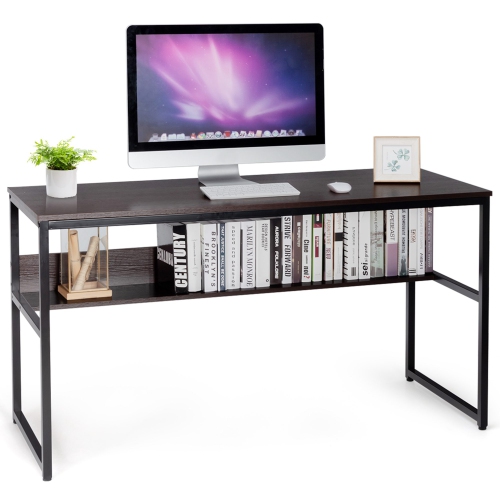

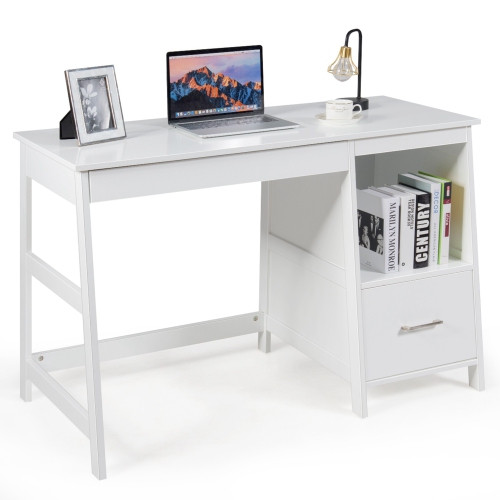
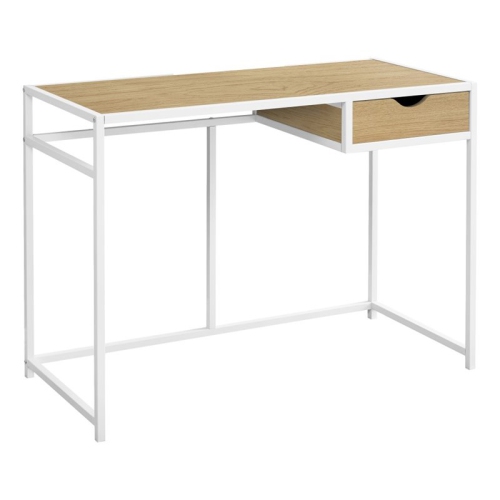
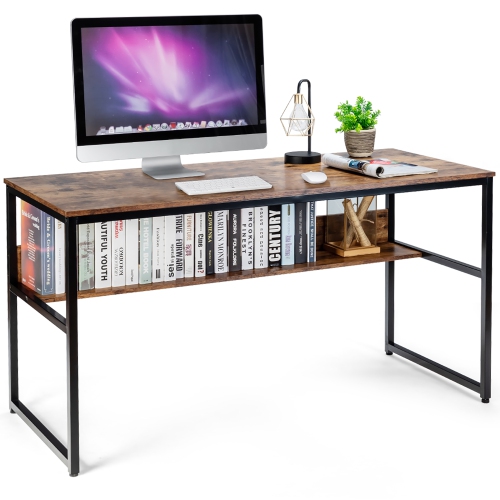
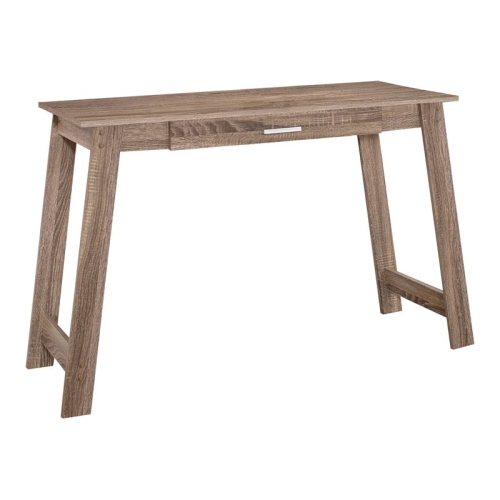


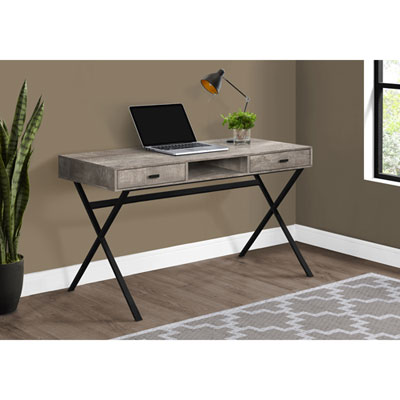
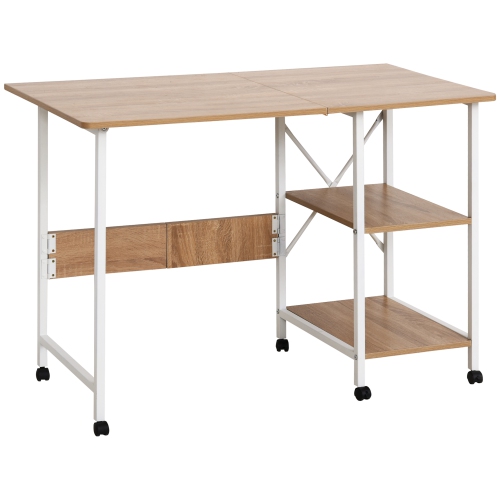
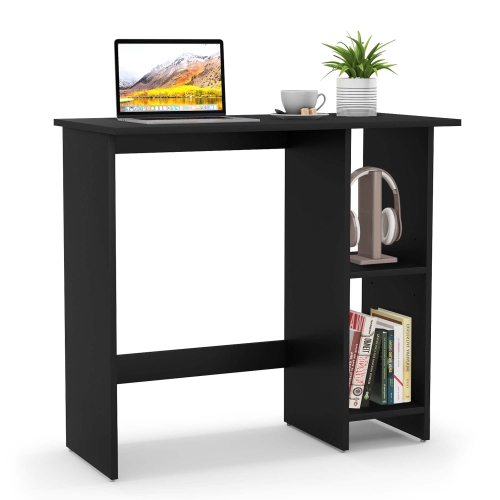

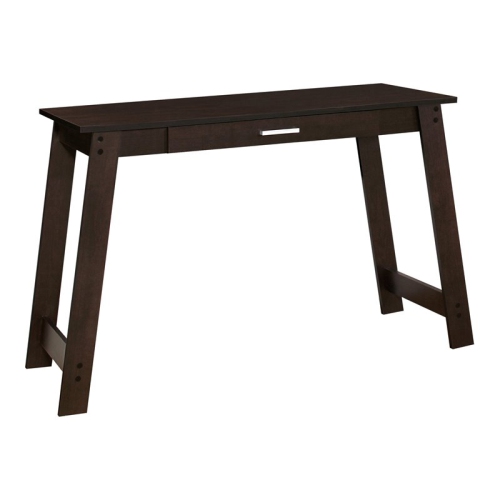
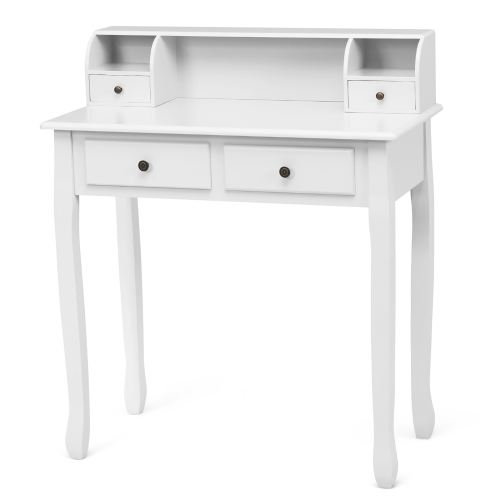
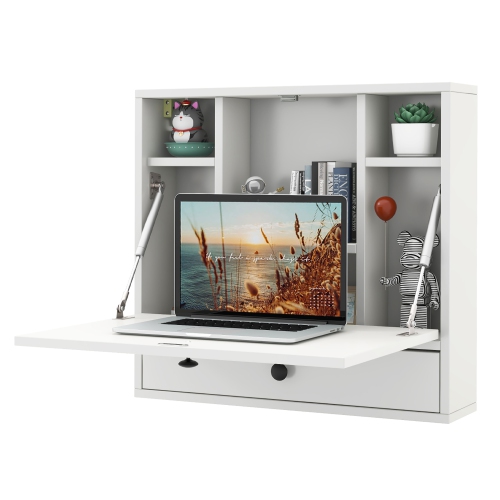
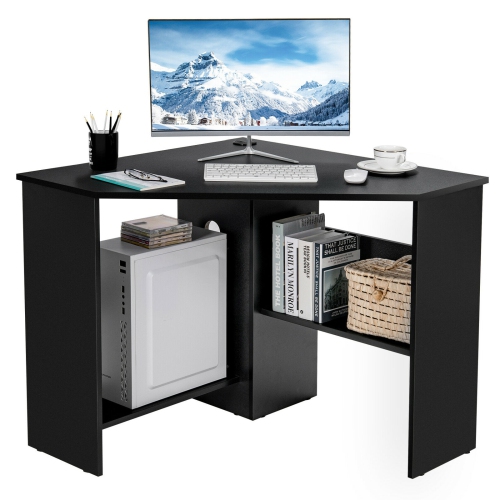
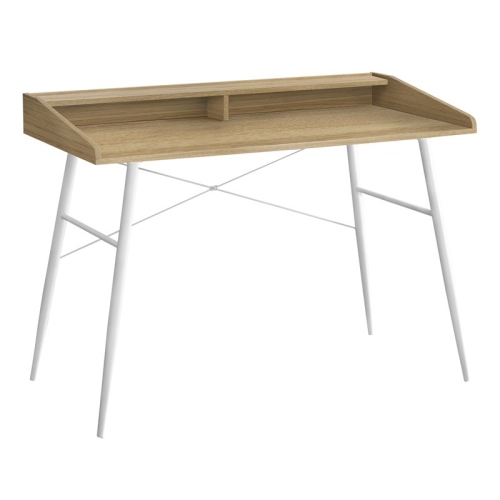
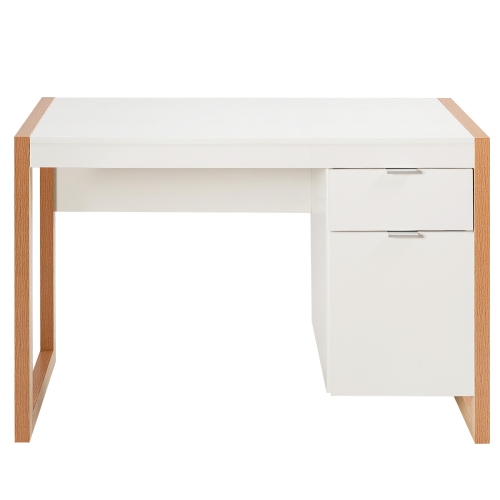
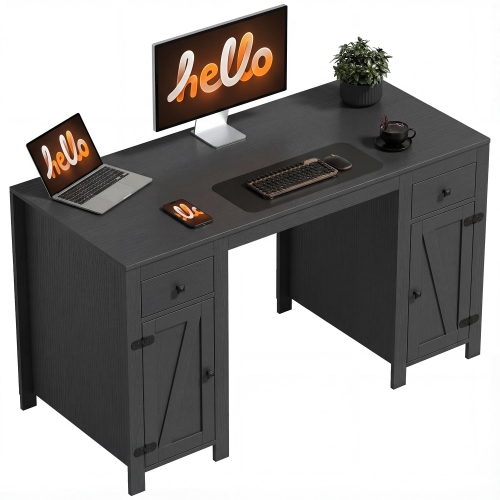
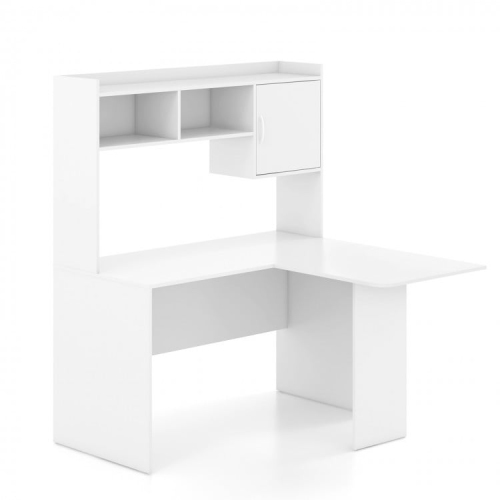
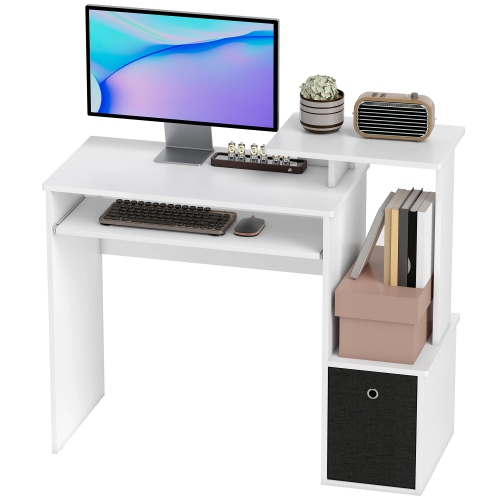
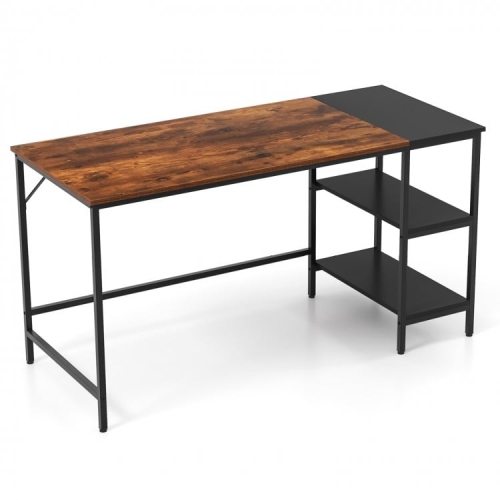
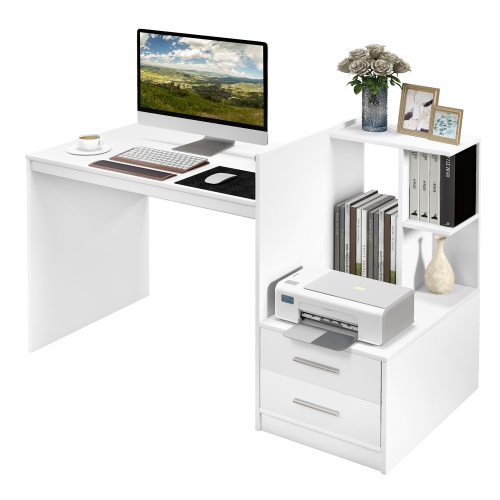
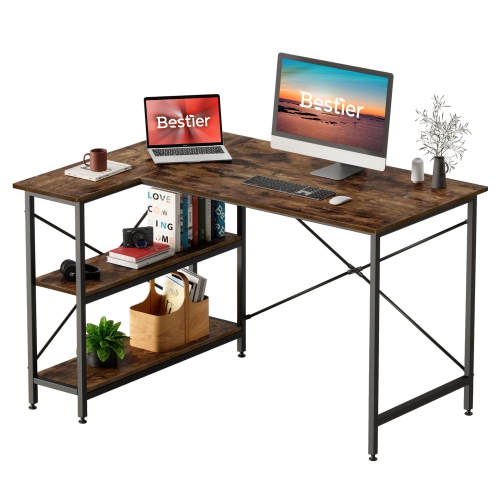
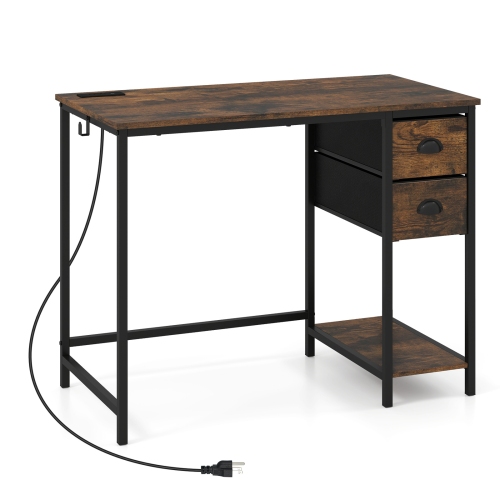
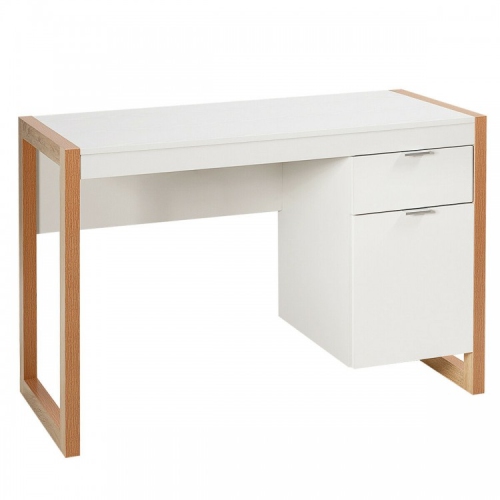
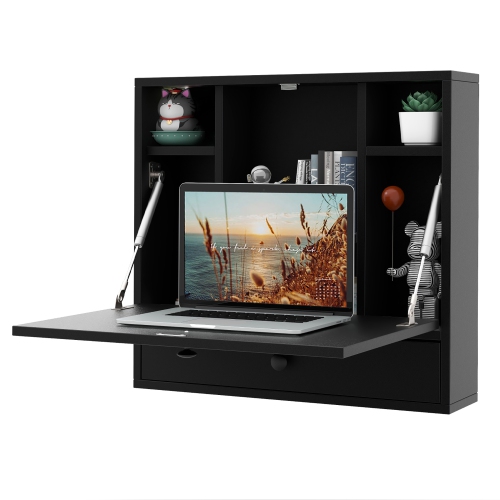
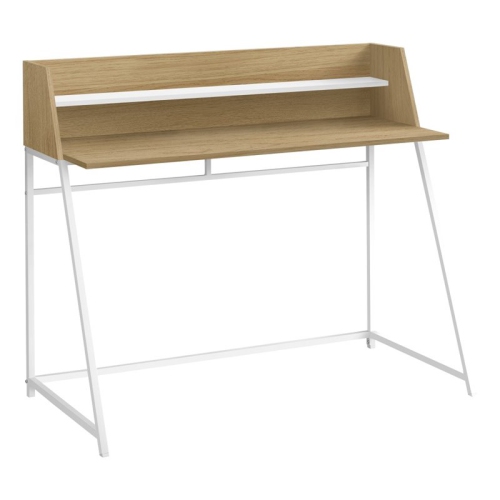
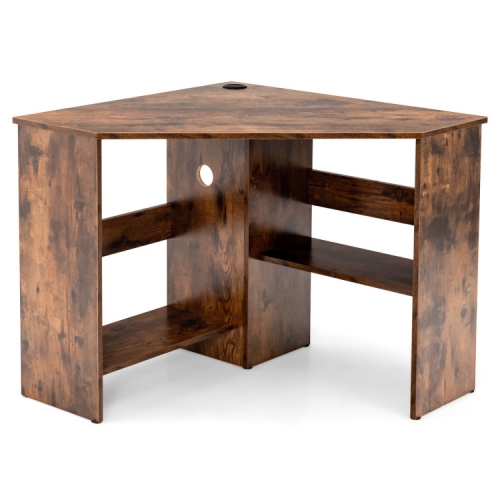

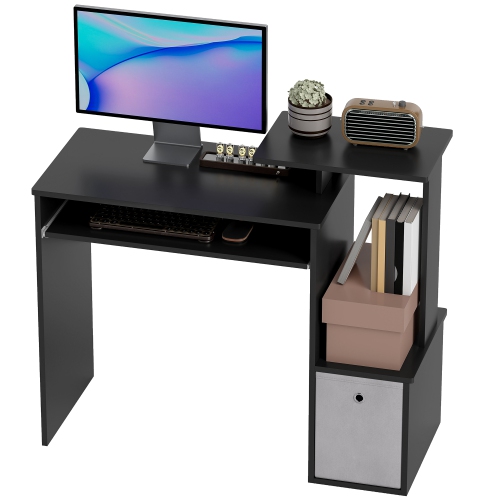
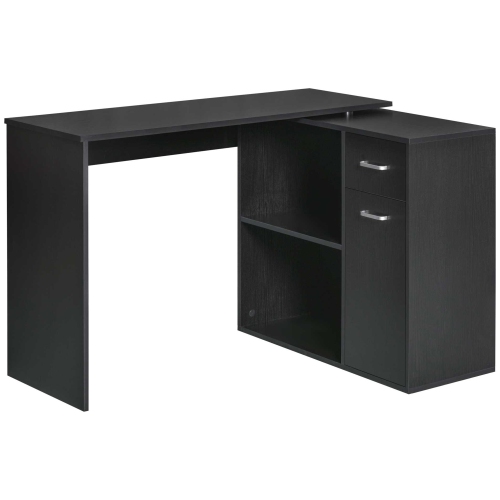
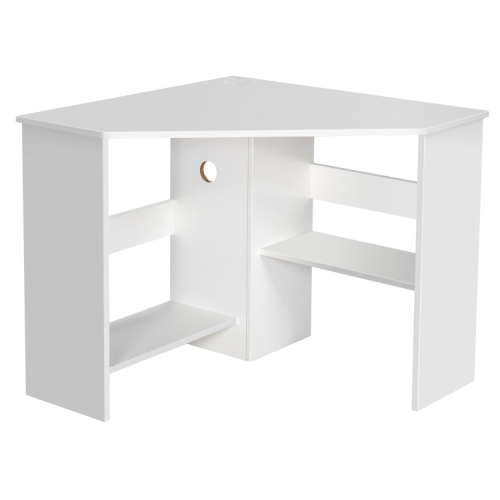
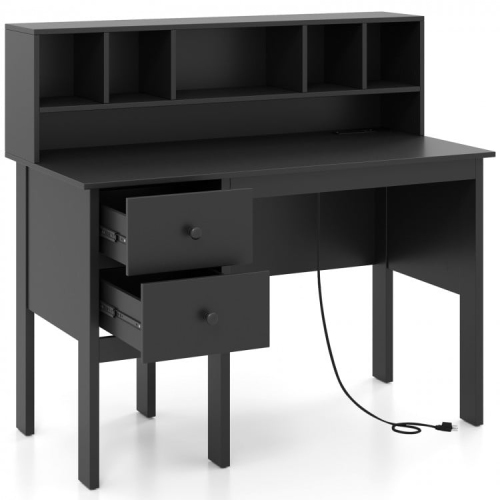


Supplies within reach and more room on your desktop
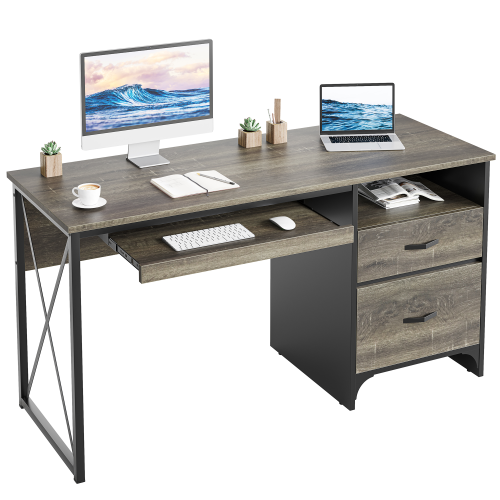
Home office desks with storage combine a work surface with drawers, shelves, cabinets, or cubbies that keep everyday supplies close at hand. Built-in storage gives stationery, paperwork, and electronics a place to land, leaving more room on the desktop for a computer, a notebook, and the task in front of you. The most useful arrangement depends on what needs to stay within reach and what is better tucked away. Shallow drawers suit pens, charging cables, sticky notes, and other small essentials, especially when fitted with dividers that prevent everything from sliding into a single pile. Deeper drawers can hold bulkier supplies, while a file drawer may support hanging folders for household records or work documents. File compatibility matters: a drawer designed for letter-size folders does not necessarily accommodate legal-size paperwork. Open shelves make frequently used books and baskets easy to reach, while enclosed cabinets keep stacks of paper and spare accessories out of sight. A cupboard can also give equipment a dedicated spot, provided its dimensions, ventilation, and cable access suit what is being stored. For someone working from home throughout the week, a mix of open and closed storage can separate active projects from reference materials. A student may find that shelving for textbooks and a drawer for writing supplies cover most daily needs. In a shared household workspace, separate compartments make it easier to keep school assignments, bills, and work notes from getting mixed together. Desks with hutches add storage above the work surface, using vertical space rather than spreading across the floor, although shelf height should leave adequate clearance for a monitor. Storage beneath the desktop can be convenient, but it should not take over the space needed for knees and feet. A well-proportioned desk makes it possible to sit comfortably, reach essential supplies, and put work away at the end of the day without turning the desktop into a permanent holding area.
Size and layout shape how naturally a storage desk fits into a home. A rectangular desk can sit along a wall in a spare bedroom or occupy one end of a living room, while an L-shaped desk offers adjoining surfaces for different activities. One side might hold a monitor and keyboard, with the other left clear for reviewing documents or writing by hand. Corner placement can make good use of an awkward room layout, but the full footprint still needs to allow movement around nearby doors, furniture, and heating vents. Desktop width is only part of the fit: depth affects the space between a screen and the seated user, and drawer units can reduce usable legroom. Allowing space for a chair to pull back and for drawers or cabinet doors to open fully helps prevent a setup that looks tidy but feels cramped in daily use. On reversible designs, the storage section may be assembled on either side, which can be helpful when a wall, doorway, or preferred seating position limits access. That flexibility varies by design, so the permitted configurations are worth checking. A desk intended for a laptop and occasional paperwork has different space requirements from one supporting two monitors, a full-size keyboard, and reference books. Raised monitor shelves can free up surface space, though their height and depth need to suit both the screen and the user. Anyone using a monitor arm should also check the desktop thickness, edge clearance, and mounting requirements, particularly when a rear panel or hutch is present. Cable openings and channels help route cords away from writing space, while built-in outlets or USB ports, where included, can bring connections closer to the work area. Their placement and charging specifications matter as much as their presence. For a room that also needs separate filing or shelving, complementary Home Office Storage can extend the organization beyond the desk without requiring every supply to fit beneath the work surface.
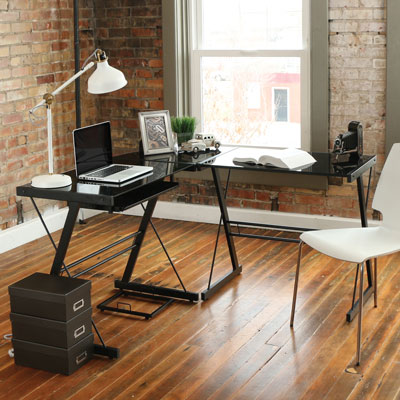
Materials and construction influence a desk’s appearance, upkeep, and ability to handle daily use. Solid wood brings visible grain and natural variation, while wood veneer offers a real-wood surface over a supporting core. Engineered wood with a laminate or melamine finish is common in storage desks and can provide a smooth, easy-to-wipe work surface; resistance to scratches, moisture, and heat depends on the finish and construction. Metal frames can provide support and a slimmer visual profile, although overall steadiness also relies on secure joints, suitable bracing, and correct assembly. A glass desktop has a lighter visual presence but shows fingerprints readily and benefits from careful handling around its edges. Across materials, sturdy drawer bottoms, smoothly operating runners, well-aligned hinges, and securely attached handles all contribute to a desk that feels dependable. Weight limits should be considered separately for the desktop, shelves, and drawers, especially when storing heavy books or supporting computer equipment. Tall hutches and other designs supplied with wall restraints need to be secured according to the manufacturer’s instructions. Routine care is usually straightforward: remove dust with a soft cloth, wipe spills promptly, and use cleaning products approved for the surface. A desk mat can reduce wear beneath a mouse and keyboard, while a coaster helps keep drink rings away from the finish. Excess water, abrasive pads, and hot mugs placed directly on an unprotected surface can cause damage that is difficult to disguise. In a multipurpose room, the finish and storage style also affect how the desk looks when the working day is over. Lighter finishes can keep a compact corner feeling open, wood tones add warmth, and darker surfaces can give a dedicated office a more defined presence. Closed drawers help a living-room workspace settle back into the room, while accessible shelving suits someone who regularly reaches for books or project materials. Whether used for remote work, studying, creative projects, or managing household paperwork, a desk with thoughtfully arranged storage supports a workspace that is comfortable to use and easier to keep in order.
Top selling and popular products
-
 Your price for this item is $304.99
-
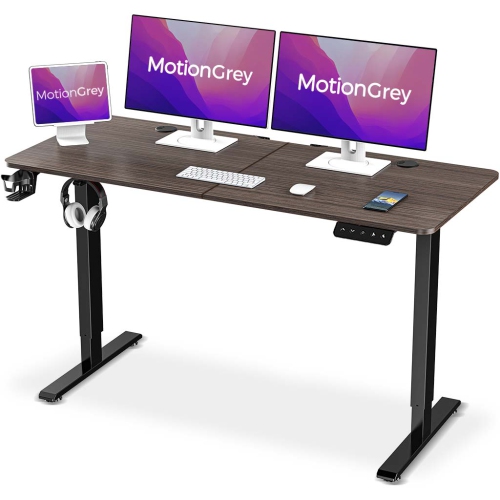 Your price for this item is $142.92
-
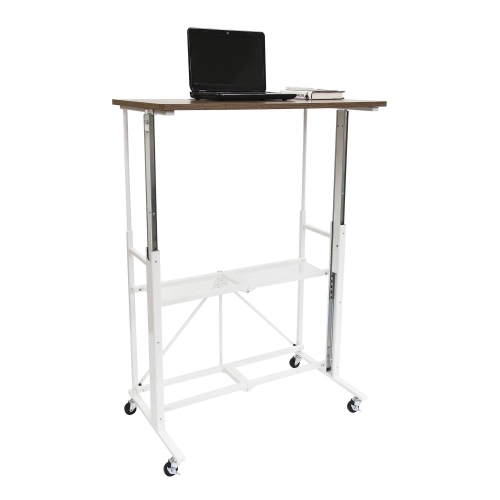 Your price for this item is $248.99
-
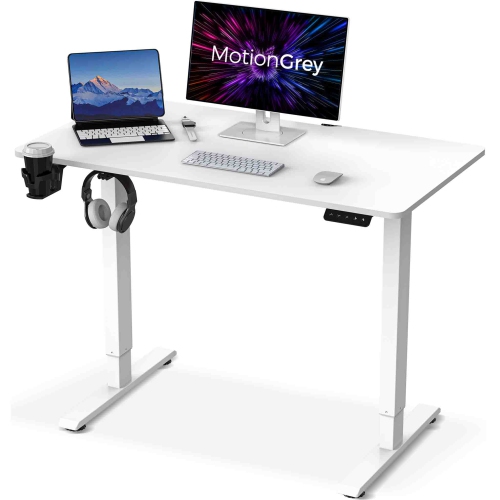 Your price for this item is $133.91
-
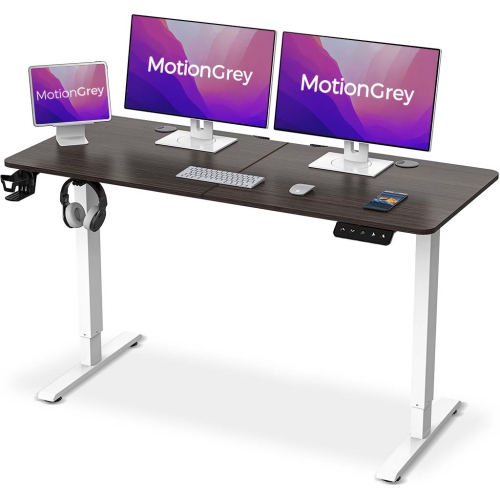 Your price for this item is $158.99
-
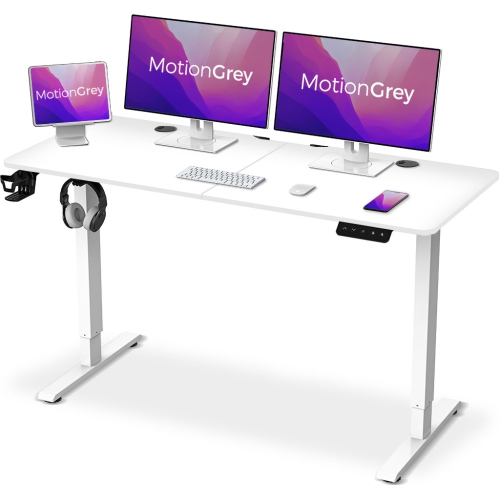 Your price for this item is $142.94
-
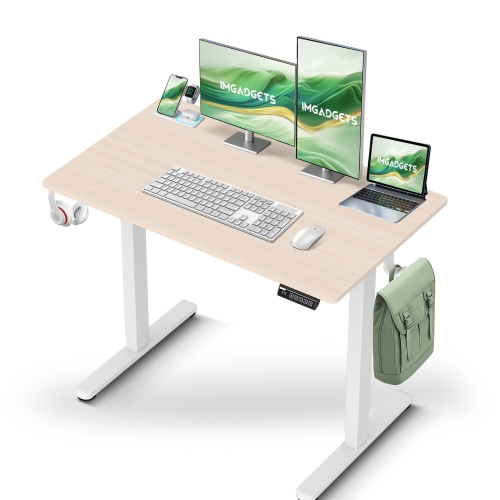 Your price for this item is $119.99
-
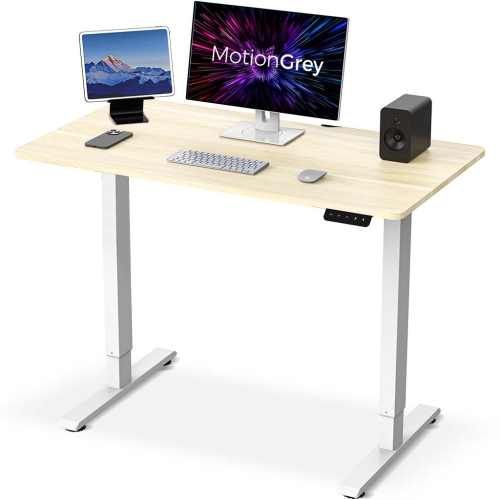 Your price for this item is $133.91
Discover more categories related to Home Office Desks with Storage

Top Collections:
Pokemon Centers, Best Cameras for Sports Photography, Kindle Devices, Samsung Galaxy Phones, Canon G7X Cameras, Pokémon 30th Celebration Cards, Refurbished Apple Laptops, iPhone 15 Apple, Laptops for Students, Budget Smartphones
Some products may be subject to Environmental Handling Fees
(EHF) depending on your province.
Learn more about EHFs.