5 Mil Laminating Pouches
Looking to protect and preserve your important documents? Look no further than our selection of 5-millimeter laminating pouches. Whether you need to laminate business cards, ID badges, or important certificates, 5 Mil Laminating Pouches offer the perfect solution for almost all your laminating needs. These pouches are designed to keep your documents safe from dirt, dust, and moisture. Explore our selection of sizes and shapes to find the perfect pouch for your project.
Sort




A firmer feel for documents used every day
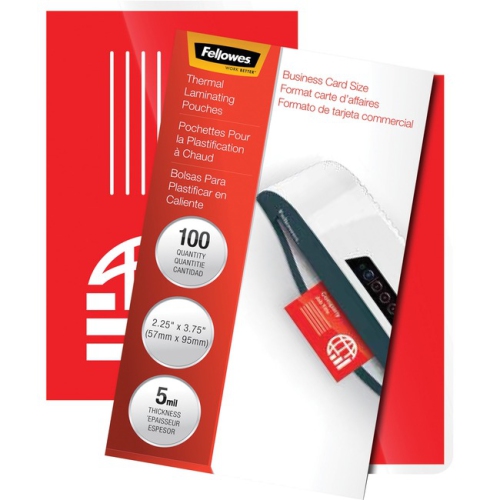
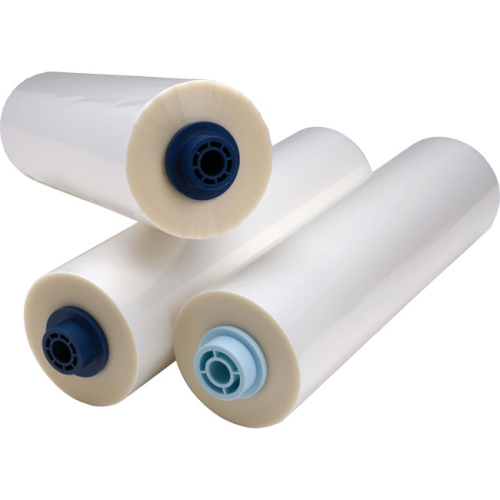
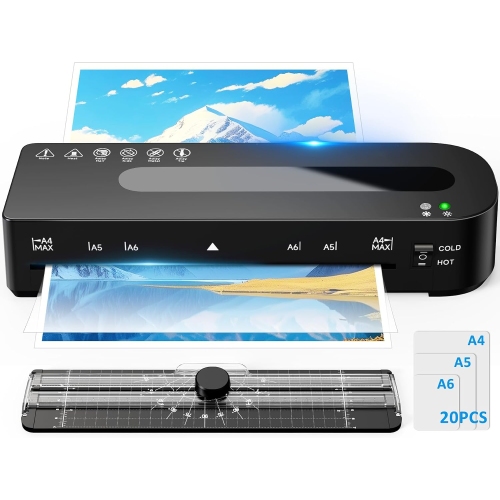
5 mil laminating pouches give paper documents a protective plastic covering with a firmer, more substantial feel than thinner laminating film. A mil is one-thousandth of an inch, so 5 mil equals 0.005 inch, or approximately 127 microns. In most pouch specifications, this measurement describes the thickness of each side, not the combined thickness of the finished document. The result is a useful balance of structure and flexibility: a laminated schedule feels sturdier in the hand, while a classroom activity sheet remains easy to carry in a folder. These pouches are commonly used for frequently handled materials such as menus, signs, instruction sheets, identification cards, and reference charts. They help reduce damage from everyday handling, including creased edges, surface marks, and accidental splashes, provided the document has a continuous seal around its edges. For offices, classrooms, shops, and home workspaces, that extra protection can make information easier to keep clean and use repeatedly. Pouch size matters just as much as thickness. Letter, legal, photo, card, and larger document formats accommodate different projects, but the paper needs to fit inside with enough clear film around every edge to form a proper seal. The usable document dimensions and the pouch’s outer dimensions are not necessarily the same. A close-fitting pouch gives a small card a tidy finish, while a larger format can accommodate a notice or a sheet with multiple small pieces arranged inside. Those pieces still need sufficient space between them if they will be cut apart after laminating. Machine compatibility is another important distinction: a thermal laminator must support 5 mil pouches and accept the pouch’s full width. A machine designed only for thinner film may not seal a thicker pouch correctly. Thermal and self-sealing formats also use different sealing methods, so thickness alone does not establish whether a pouch suits a particular setup.
The materials and surface finish influence how a laminated document looks and feels in daily use. Thermal pouches commonly combine a clear polyester outer film with a heat-activated adhesive layer that bonds around the inserted paper as it passes through a compatible laminator. The outer film adds strength and a wipeable surface, while a well-formed seal helps keep moisture away from the paper edges. Compared with 3 mil film, 5 mil film generally produces a firmer result, although the stiffness of the finished piece also depends on the paper or card inside. A thin printed sheet and a heavier card will not feel identical after laminating, even when the pouch thickness is the same. Glossy finishes can make colours appear vivid and give photos, illustrations, and presentation materials a polished look. Matte finishes reduce reflections, which can be helpful for text viewed beneath overhead lighting. Neither finish automatically guarantees that a document will photograph or scan without glare, so surface choice matters for materials that need to be read by a camera or scanner. For a café menu, clear text and an easy-to-clean surface may be the priority; for a teaching aid, bold colours and legible diagrams may matter more. Printed barcodes and small type should remain crisp, with enough contrast to be read through the film. Any ink should be fully dry before sealing to reduce the chance of smearing or trapping moisture. Thermal lamination is not suitable for every original document: heat-sensitive receipts, delicate artwork, and papers with special coatings can react poorly to processing. Important originals, including documents with security features or long-term preservation requirements, are often better kept unaltered, with a copy laminated for everyday reference. Ordinary laminating pouches should not be assumed to provide archival protection, resistance to fading, or complete waterproofing simply because they create a clear plastic covering.
The appeal of 5 mil laminating pouches is especially clear wherever the same information passes through many hands. A shared equipment checklist can sit beside a printer, a cleaning schedule can hang in a staff area, and a set of classroom matching cards can move from desk to desk without exposing bare paper to every touch. At home, laminated recipe cards offer a practical way to keep cooking instructions readable near a busy preparation area, while labels can help identify storage bins and craft supplies. Some finished surfaces work well with suitable dry-erase markers, making them useful for reusable checklists or practice sheets, but erasability depends on the pouch finish and marker combination. Testing a small area first helps avoid permanent staining. Protection also has limits: repeated sharp folds, punctures, abrasive cleaning, or prolonged contact with liquid can damage the film or compromise the seal. A soft cloth, lightly dampened when appropriate, is generally gentler than a scouring pad or strong solvent, and finished pieces should be dried after cleaning. Flat storage helps prevent curling, while keeping laminated sheets away from excessive heat helps preserve their shape. Rounded corners can make frequently handled cards more comfortable to hold, provided trimming leaves the sealed border intact. Finished thermal projects also benefit from cooling on a flat surface before being stacked or put into use. For batch projects, pouch quantity is best matched to the number of documents and their sizes rather than thickness alone; a set of small labels presents different handling needs from a collection of full-page notices. Where an application calls for a more substantial protective covering, Heavy Duty Laminating Pouches offer another category to consider, with the same need to check dimensions and machine compatibility. For everyday documents that need added body without an excessively stiff finish, 5 mil laminating pouches provide a practical middle ground, helping printed information stay presentable, readable, and easier to handle through repeated use.
Top selling and popular products
-
 Your price for this item is $45.68
-
 Your price for this item is $71.68
-
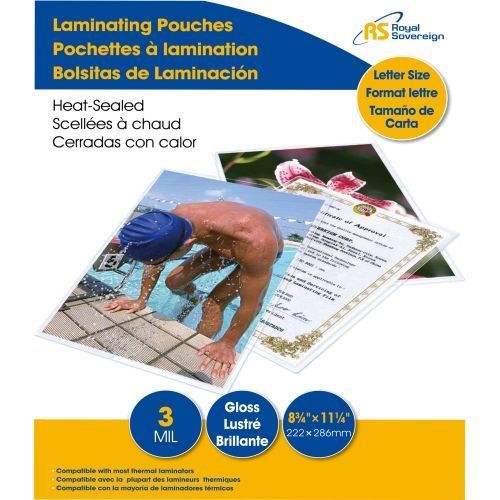 Your price for this item is $64.68
-
 Your price for this item is $26.98
-
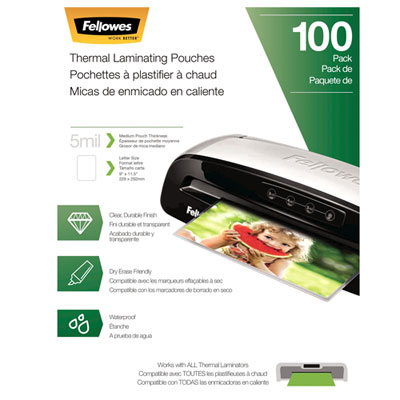 Your price for this item is $34.99
-
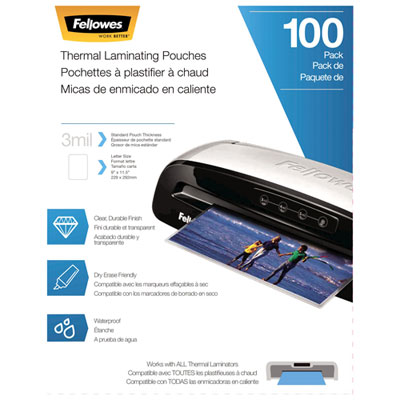 Your price for this item is $24.99
-
 Your price for this item is $39.99
-
 Your price for this item is $39.99
Discover more categories related to 5 Mil Laminating Pouches
Top Collections:
Pokemon Centers, Best Cameras for Sports Photography, Kindle Devices, Samsung Galaxy Phones, Canon G7X Cameras, Pokémon 30th Celebration Cards, Refurbished Apple Laptops, iPhone 15 Apple, Laptops for Students, Budget Smartphones
Some products may be subject to Environmental Handling Fees
(EHF) depending on your province.
Learn more about EHFs.