Heavy Duty Laminating Pouches
Heavy duty laminating pouches are the ideal choice for protecting important documents, photos, and projects from everyday wear and tear. Perfect for both home and office use, these pouches help keep your materials looking clean and professional. With a variety of sizes and thicknesses available, heavy duty laminating pouches offer a reliable solution for preserving everything from ID cards to presentation materials. Find the right option to ensure your papers stay secure and presentable in any environment.
Sort


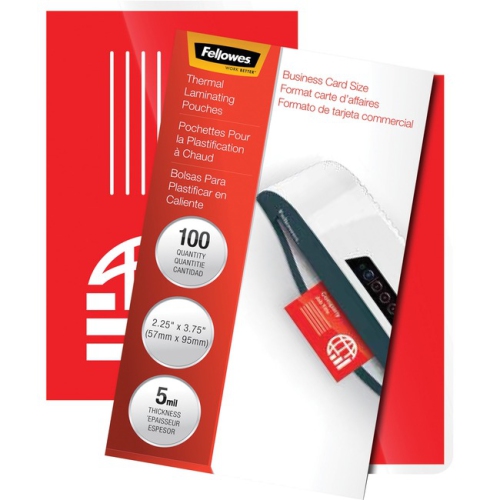


Added protection for pages handled again and again
Heavy duty laminating pouches are designed for documents and printed materials that need more protection than a standard office sheet can provide. Made with thicker film, these thermal pouches create a firm, sealed finish that helps guard paper against moisture, fingerprints, scuffs, bending and everyday handling. Most heavy duty options are available in 5 mil or 10 mil thickness per side, with 5 mil offering a noticeable increase in rigidity for frequently handled pages and 10 mil providing an especially substantial, card-like feel. A 5 mil letter-size pouch is a practical choice for notices, checklists, reference sheets and classroom materials that are handled often, while a 10 mil pouch is well suited to items such as identification badges, menus, luggage tags, signage and frequently reused instruction cards. Packs of 100 are common, and prices often fall between approximately $20 and $70 depending on the pouch size, thickness, finish and pack quantity. Before choosing, check both the dimensions of the item and the maximum pouch thickness supported by the laminator. Standard letter-size pouches are made for 8.5 x 11 inch pages, but pouches are also available for smaller cards, photographs, labels, menus and other common formats. Leave an even clear border around the paper so the pouch can form a complete seal, and avoid trimming too close to the printed material after laminating. A sealed edge is what helps keep air and moisture away from the contents, so allowing a modest margin around every side is an important part of achieving a durable result.
The finish can make a meaningful difference depending on where and how the laminated item will be used. Clear glossy pouches bring out colour and make charts, illustrations, photographs and signs look bright, but they can reflect overhead lighting in classrooms, reception areas or display spaces. A protective matte finish can reduce glare and make text easier to read under bright lights, making it a useful consideration for menus, instructional cards, schedules and reference sheets. When using heavy gauge pouches, allow the laminator to reach its recommended operating temperature before feeding the first item. Place the paper squarely inside the pouch, keeping the sealed edge aligned with the laminator’s entry point, then feed it without pushing or pulling. Thicker 10 mil material can take longer to heat and may require a laminator specifically rated for that thickness, so reviewing the machine specifications is essential. Laminating one sheet at a time generally produces a smoother result, while overfilling the machine or using a pouch that is too thick may lead to incomplete sealing, cloudy areas or jams. After the pouch exits, place it on a flat surface for a short time so the laminate can cool evenly. Heavy duty pouches are useful in homes, offices, schools, libraries, childcare settings, retail counters, hospitality spaces and workshops. Teachers may use them for classroom labels, visual schedules, reusable activity cards and frequently handled learning aids. Office teams can protect reference documents, process instructions, desk signs and visitor information. Families may laminate chore charts, emergency contact information, travel documents or activity sheets for use during the cooler months and throughout changing routines. Small businesses can use sealed menus, price lists, appointment information and service instructions where printed materials need to look presentable after repeated handling.
Choosing the right pouch begins with matching the thickness and size to the job rather than simply selecting the thickest option available. A lighter heavy duty option can be easier to feed through compatible laminators and may be more flexible for pages that need to be stored in folders or binders. Extra-thick 10 mil pouches are a better fit for items expected to stand up to constant handling or occasional movement between locations, such as badges, tags and durable signage. Consider whether the finished piece needs to fold, fit into a sleeve or pass through a slot, since thicker laminate can add substantial rigidity around the original paper. It is also worth checking whether the pouch is intended for hot thermal laminating, as heavy duty thermal pouches are made for laminators that use heat to activate the adhesive. They are not interchangeable with cold-laminating sheets or self-sealing covers. Keep pouches stored flat in a dry area and handle them by the edges to help prevent dust from settling on the inner surfaces before use. For a polished finish, print on clean, dry paper with adequate ink coverage and allow freshly printed pages to dry before enclosing them. Items created for children, public spaces or shared work areas benefit from rounded corners after laminating, which can make the finished edges more comfortable to handle. If the project involves school materials, a selection of Classroom Laminating Pouches may also be useful for organizing durable learning resources. With the right size, finish and thickness, heavy duty laminating pouches can turn ordinary pages into sturdy, reusable materials that remain easier to clean, carry and reference through busy daily use.
Top selling and popular products
-
 Your price for this item is $45.68
-
 Your price for this item is $71.68
-
 Your price for this item is $64.68
-
 Your price for this item is $26.98
-
 Your price for this item is $34.99
-
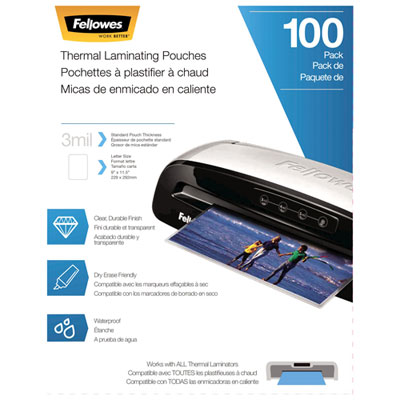 Your price for this item is $24.99
-
 Your price for this item is $39.99
-
 Your price for this item is $39.99
Discover more categories related to Heavy Duty Laminating Pouches
Top Collections:
Pokemon Centers, Best Cameras for Sports Photography, Kindle Devices, Samsung Galaxy Phones, Canon G7X Cameras, Pokémon 30th Celebration Cards, Refurbished Apple Laptops, iPhone 15 Apple, Laptops for Students, Budget Smartphones
Some products may be subject to Environmental Handling Fees
(EHF) depending on your province.
Learn more about EHFs.