Address Labels
Looking to add a touch of organization and convenience to your daily life? Look no further than our wide selection of address labels. Whether you're sending out invitations, mailing packages, or simply keeping track of your personal correspondence, address labels are an essential tool for streamlining your mailings. With various sizes, styles, and designs available, you can find the perfect labels to suit your needs and add a personal touch to your envelopes. From elegant and sophisticated to fun and whimsical, our Office Stationery is sure to make a lasting impression. Explore our collection today and make addressing envelopes a breeze!
Sort

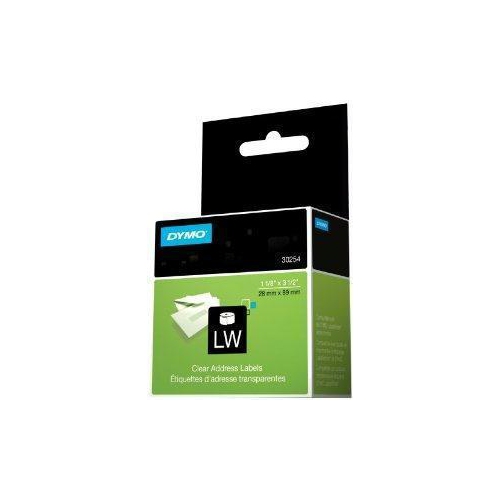
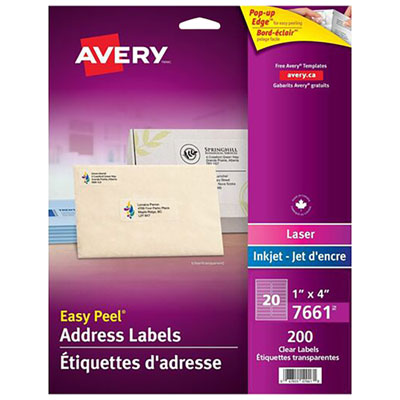
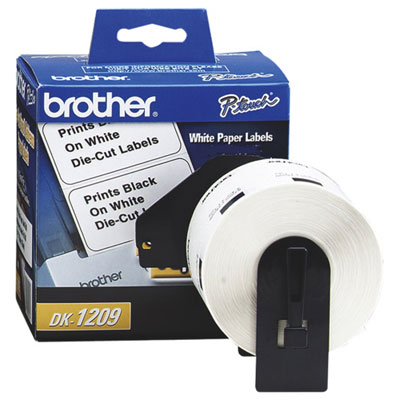
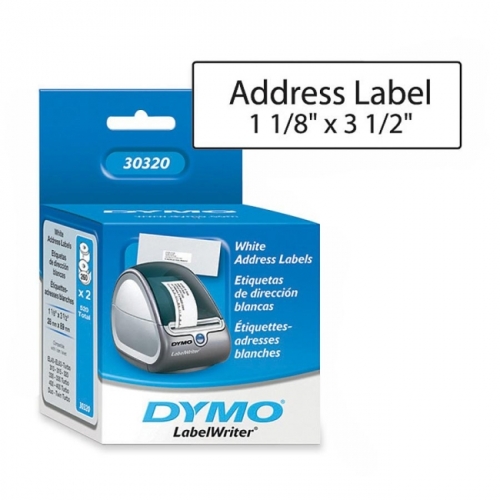
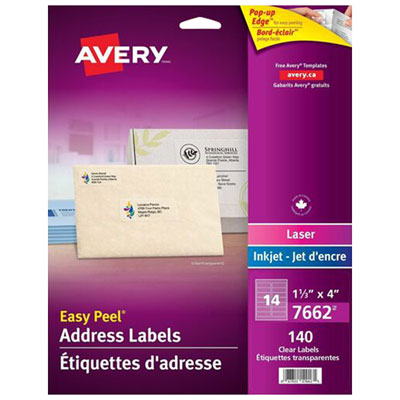




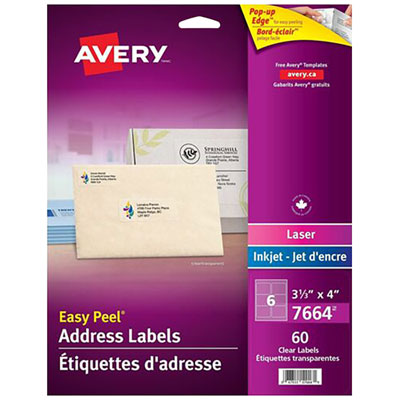
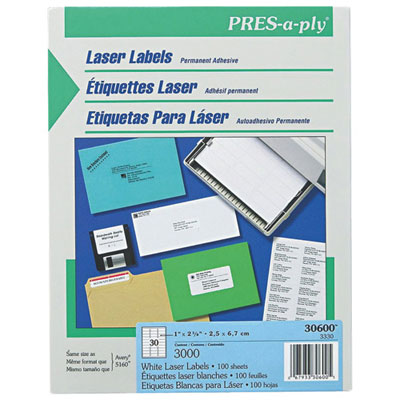
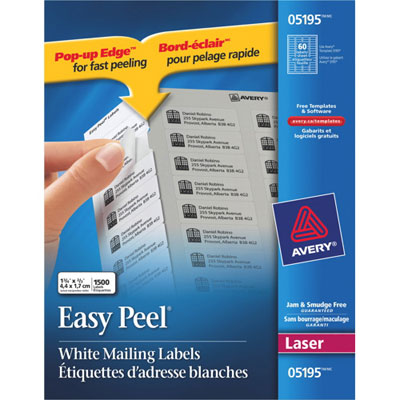
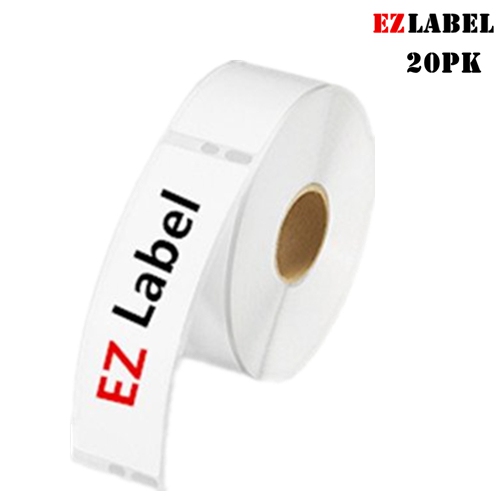
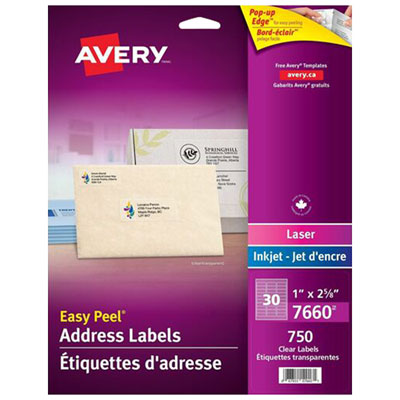


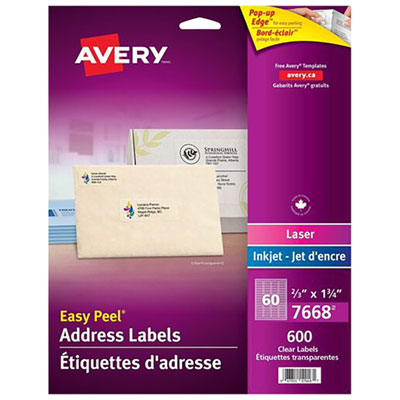
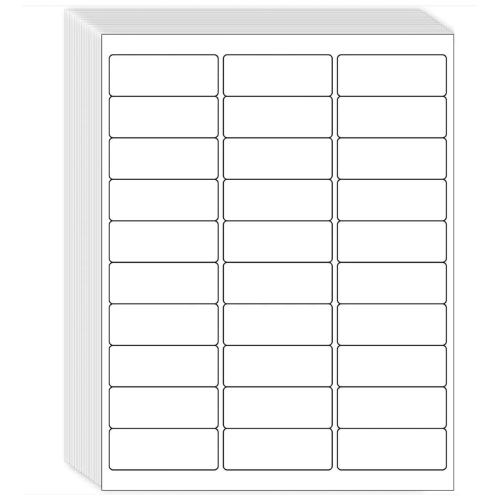

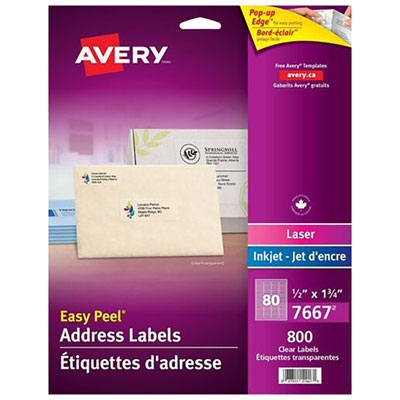
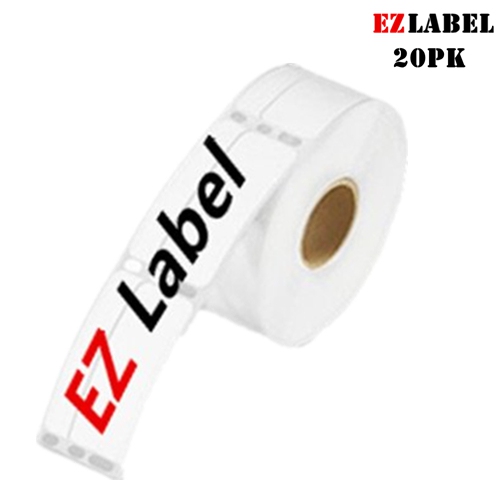

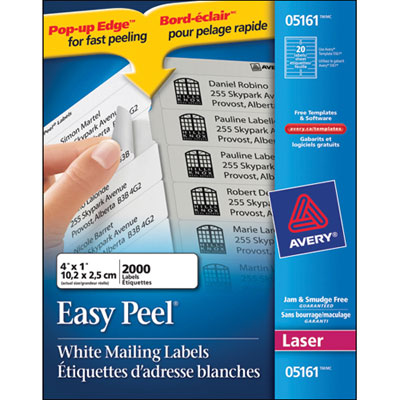
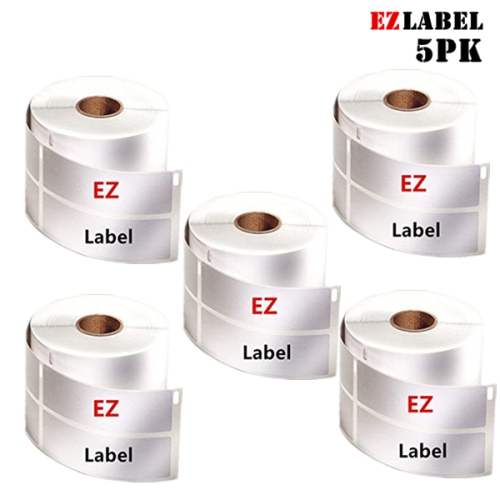
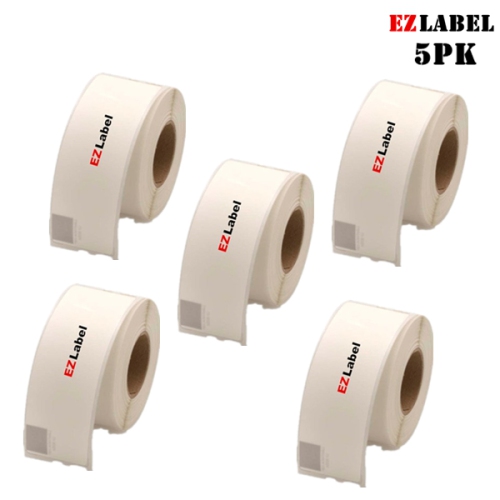
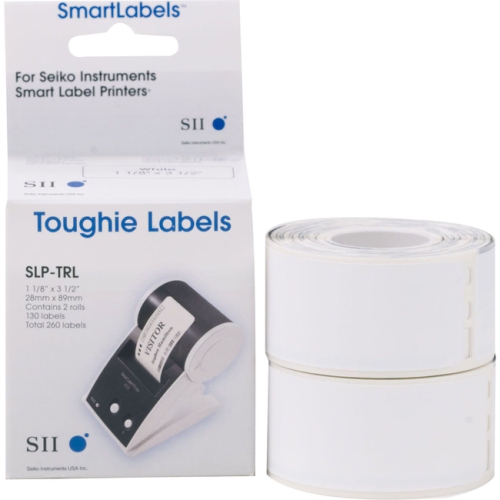
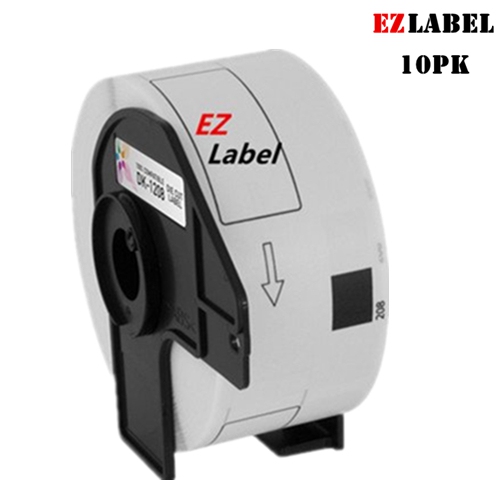
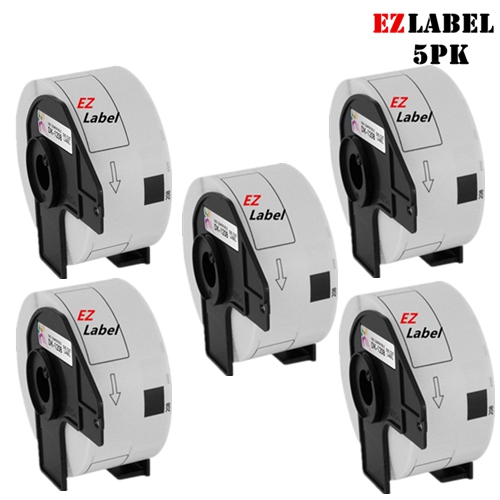
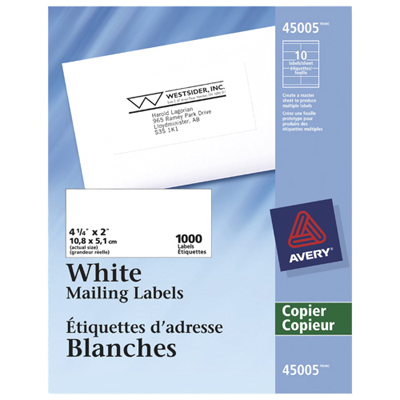
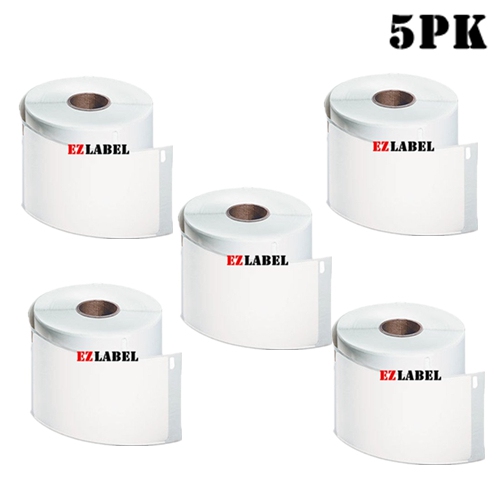
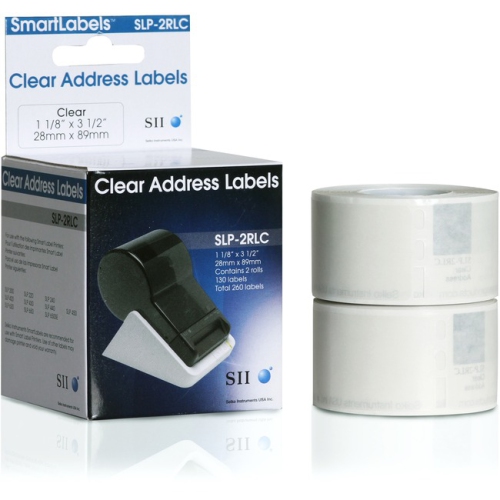
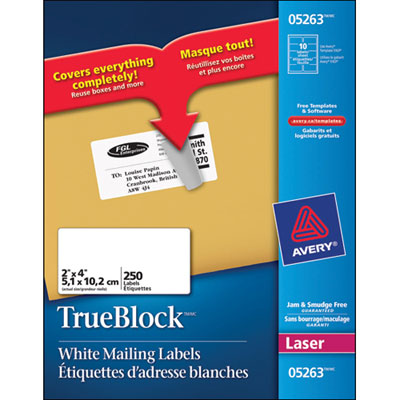
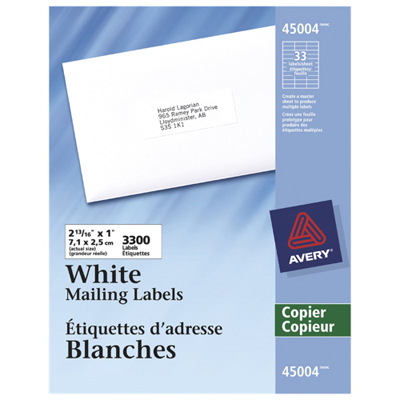
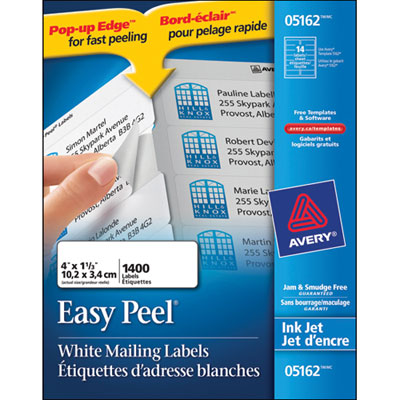
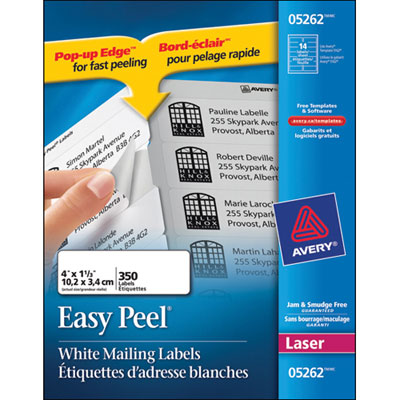
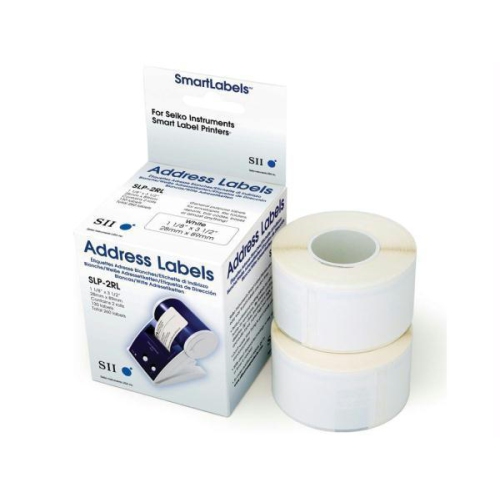

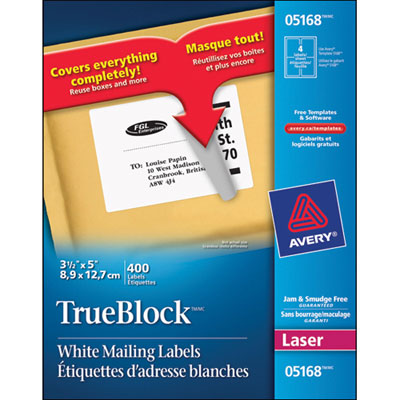
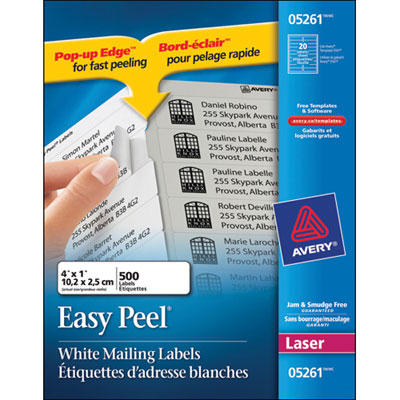
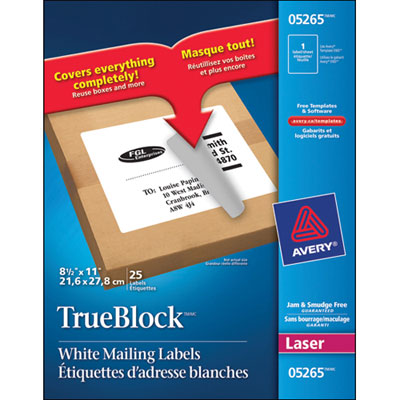
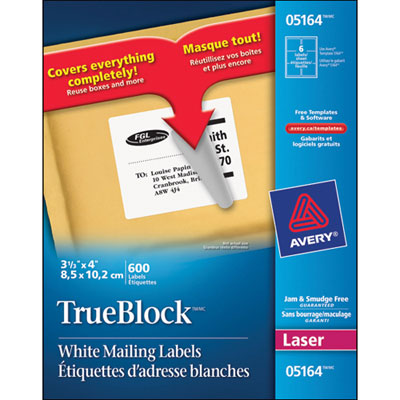
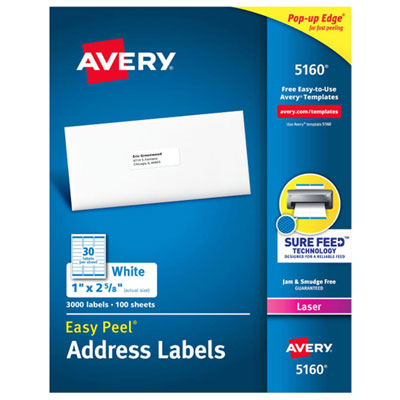
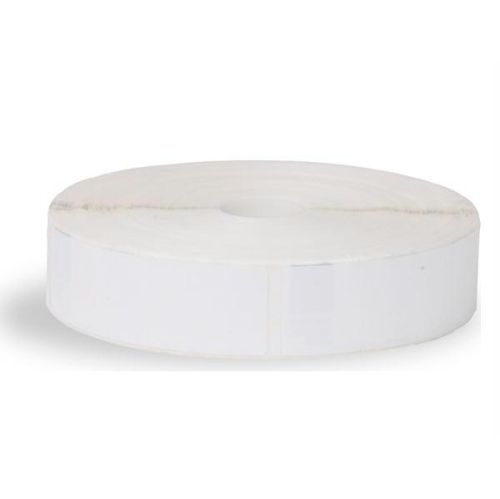
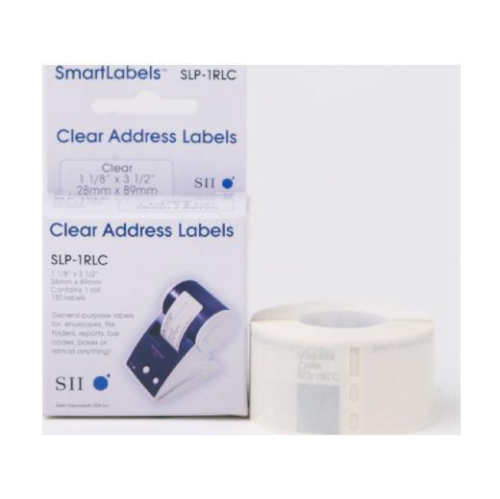
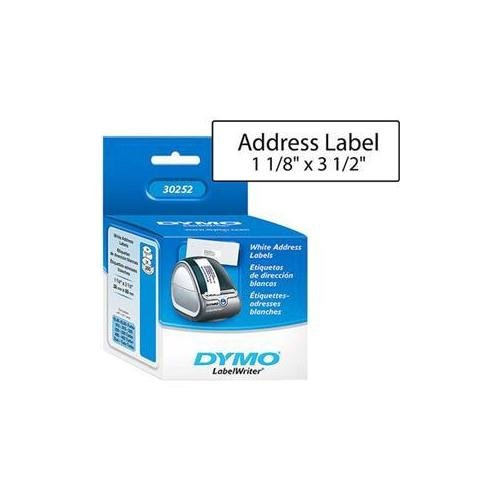
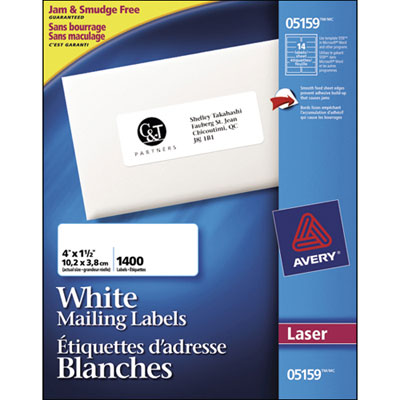
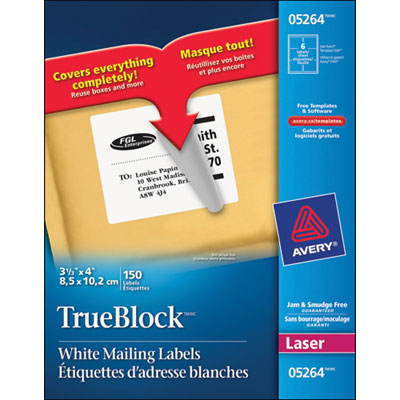
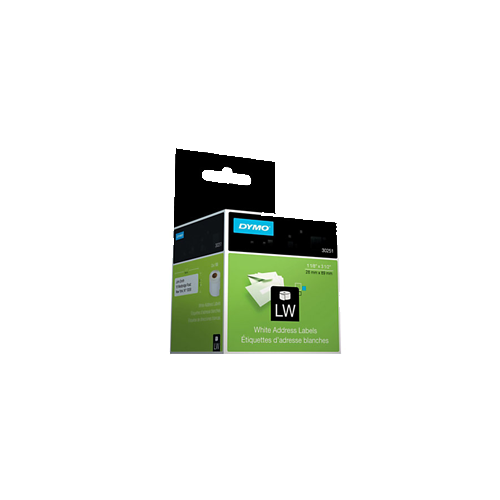
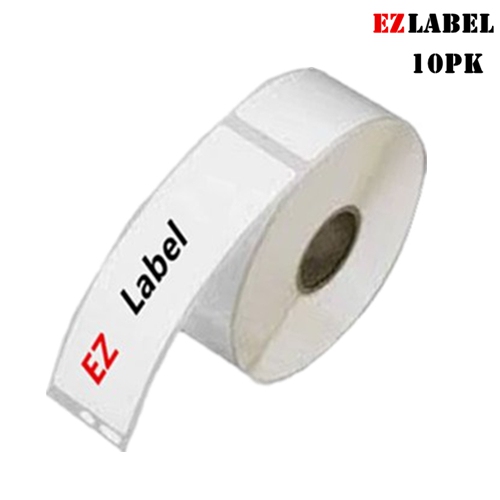
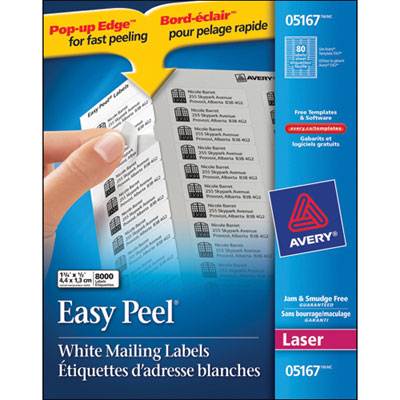
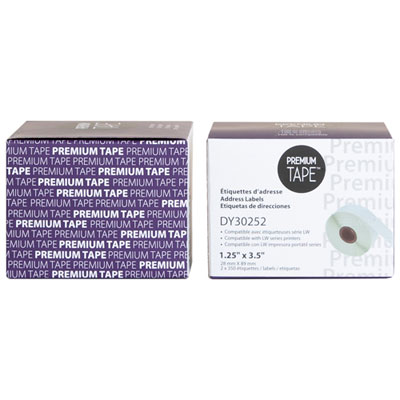
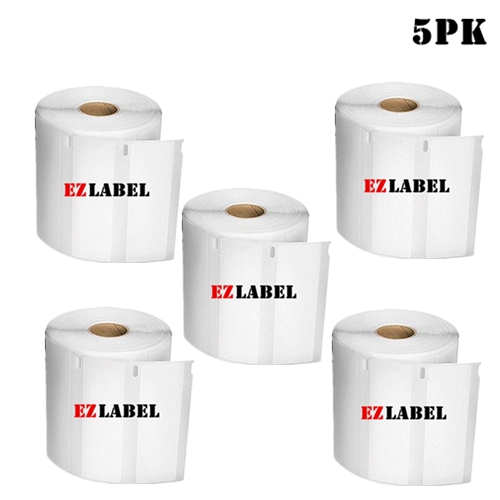
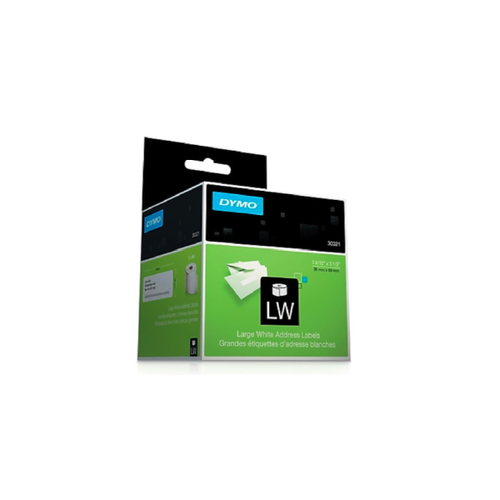
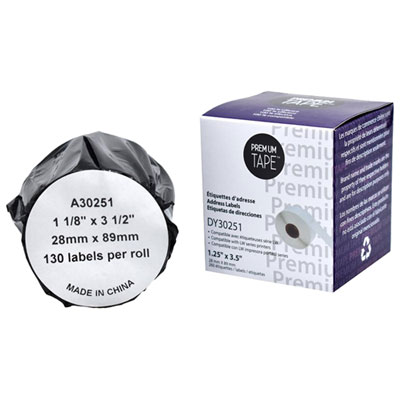
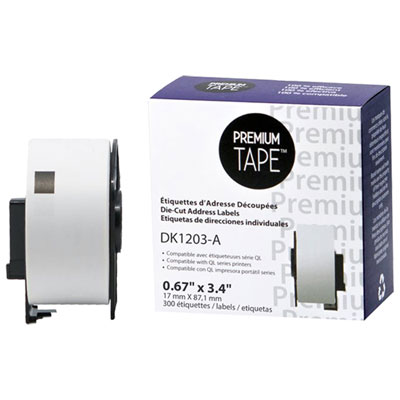
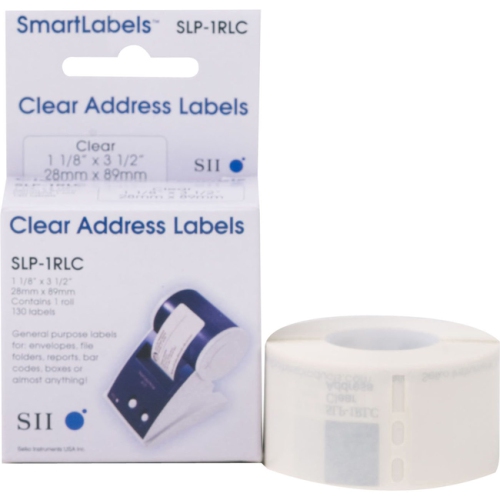
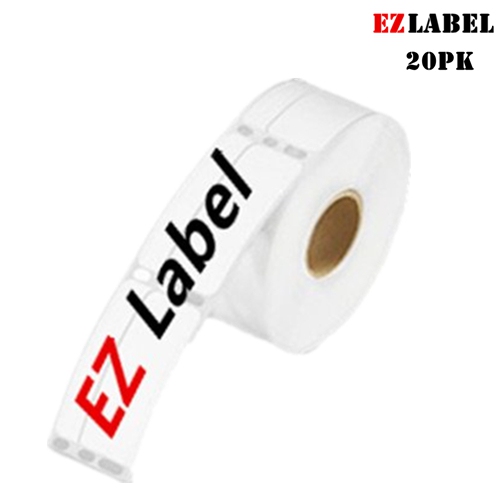
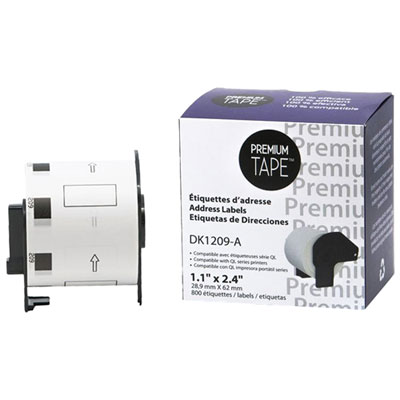
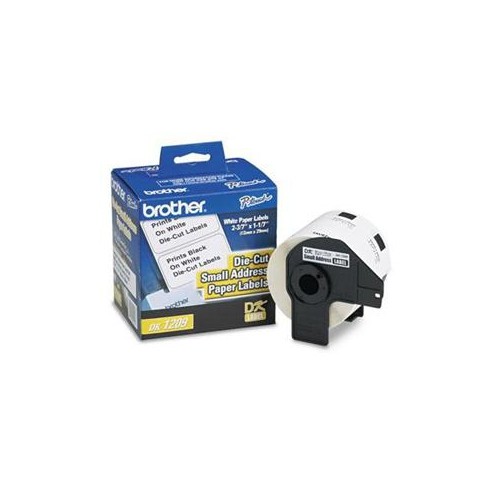
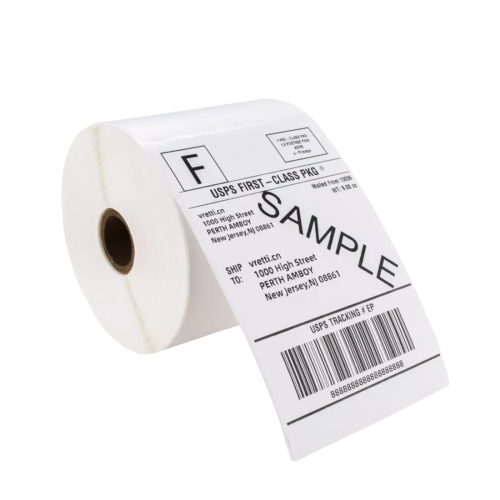
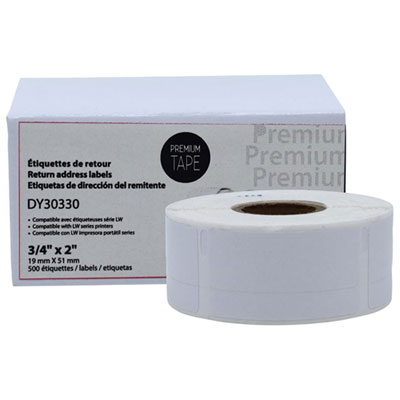
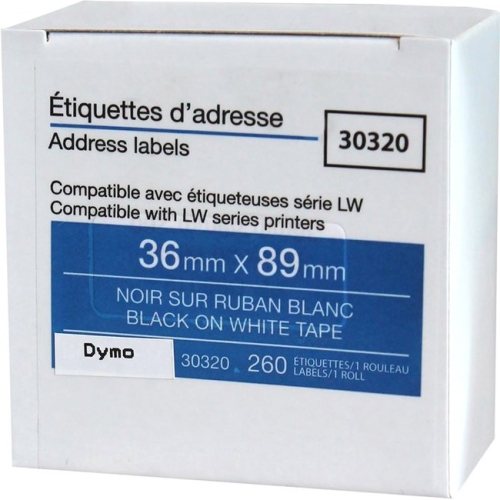
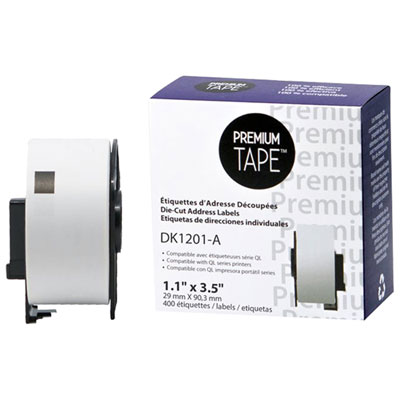
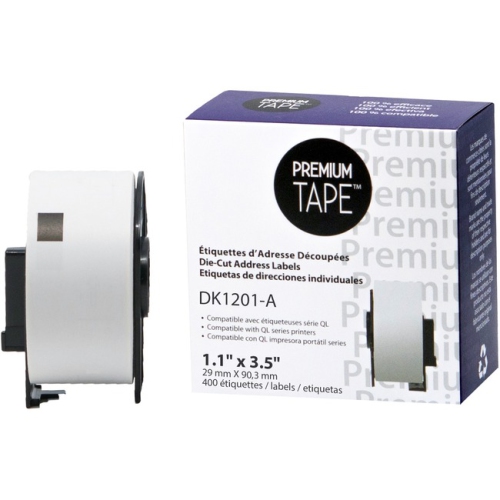
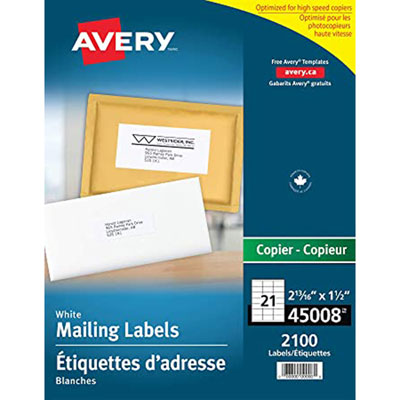
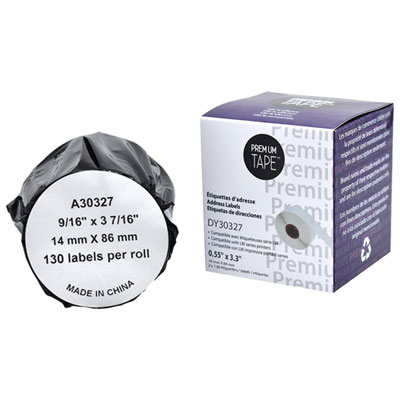

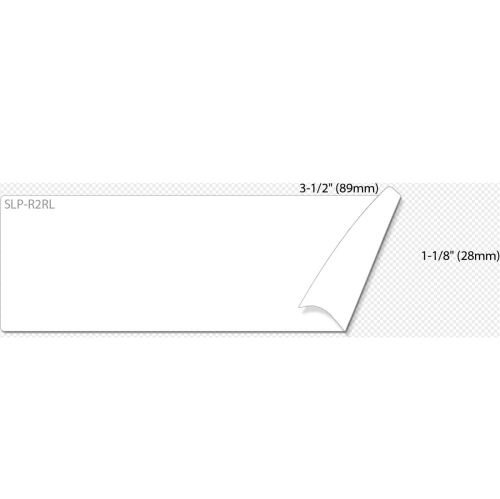
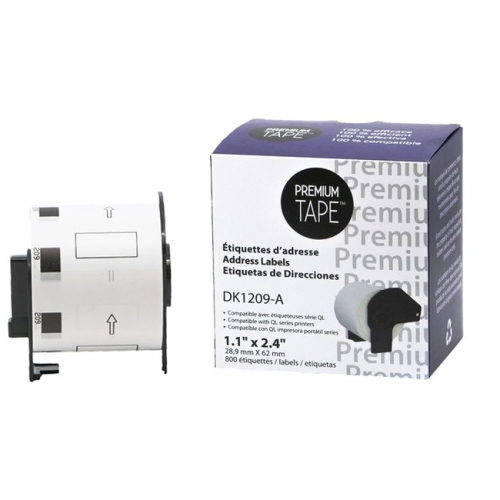
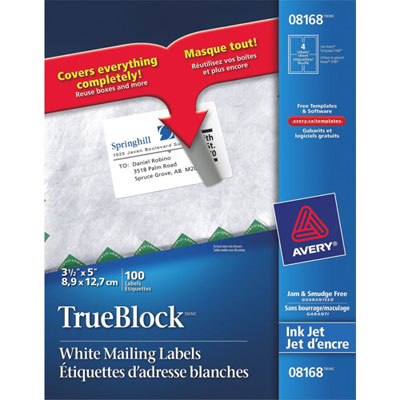
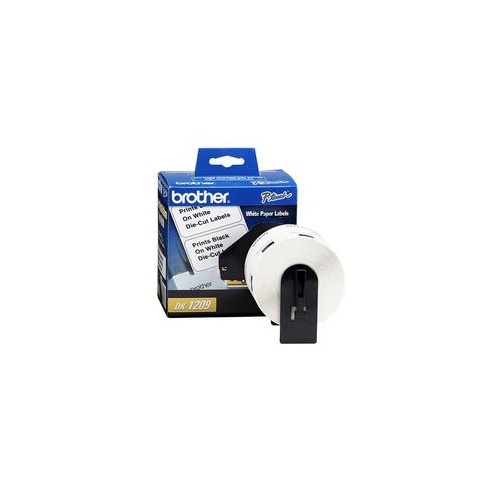



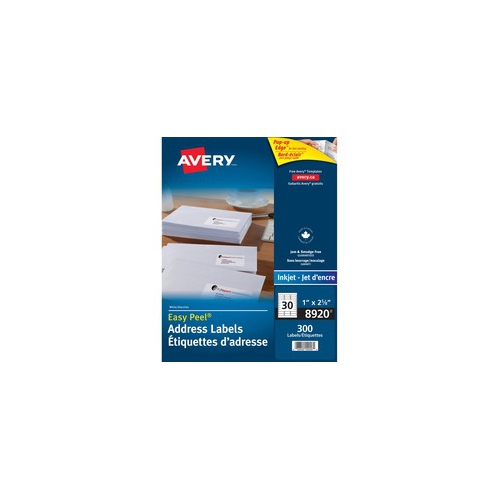
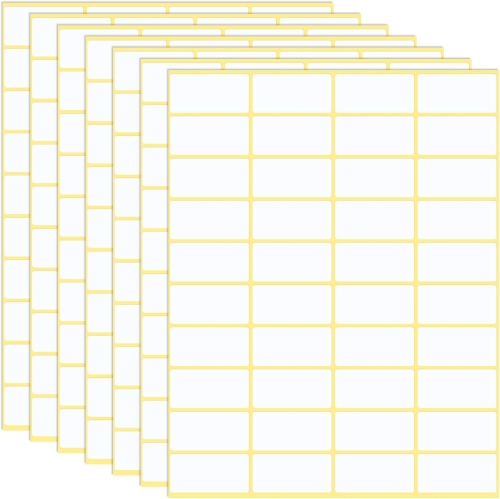
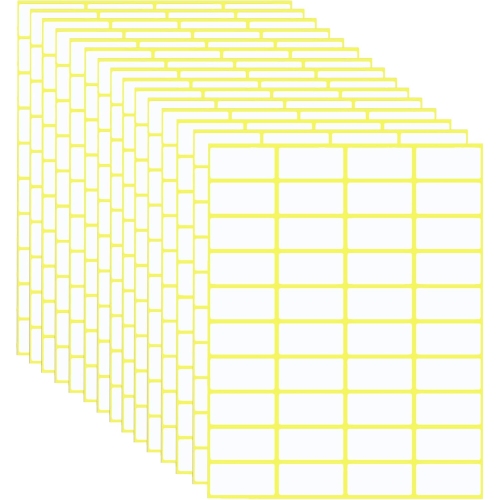
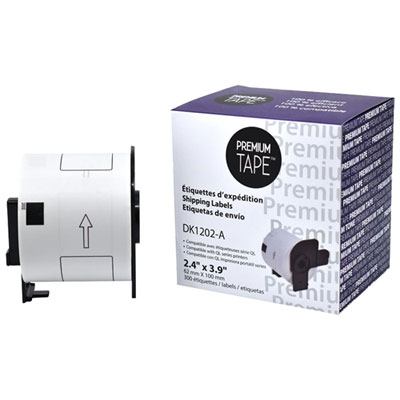
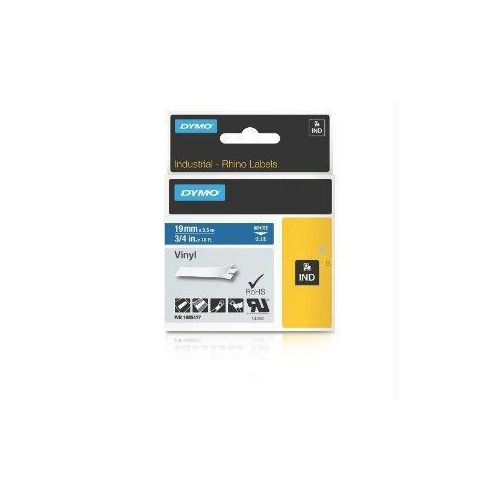
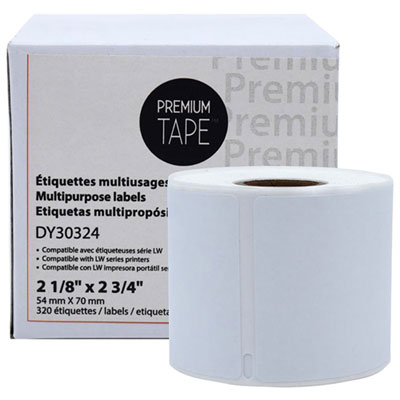
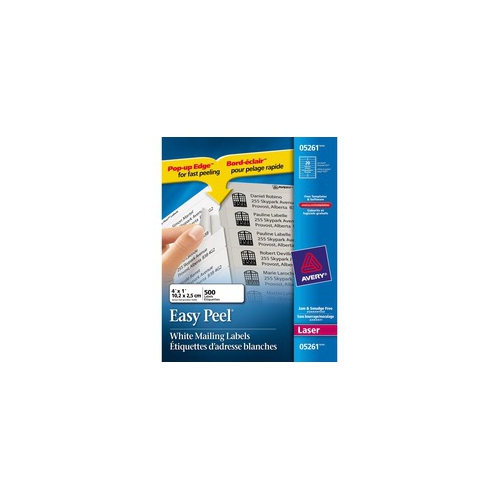
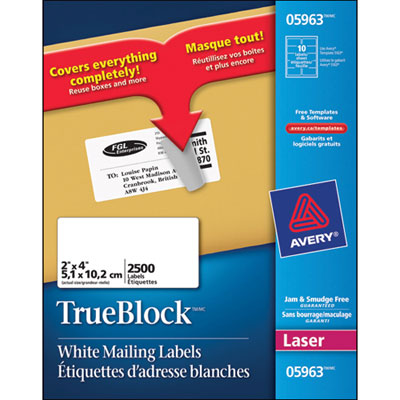
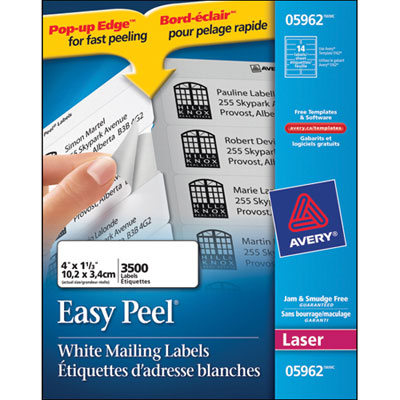
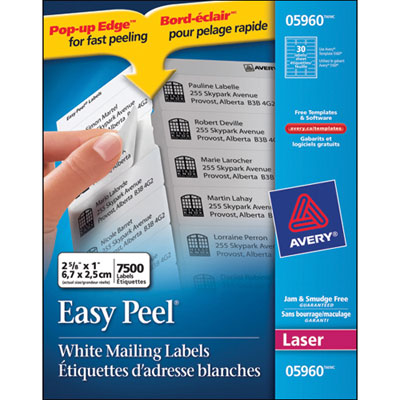
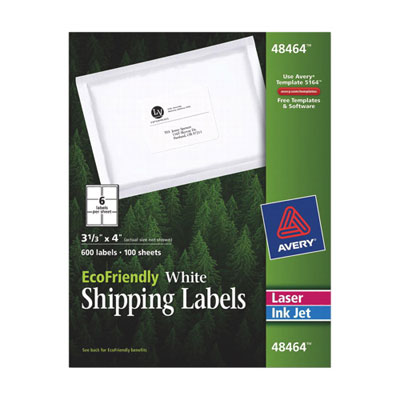
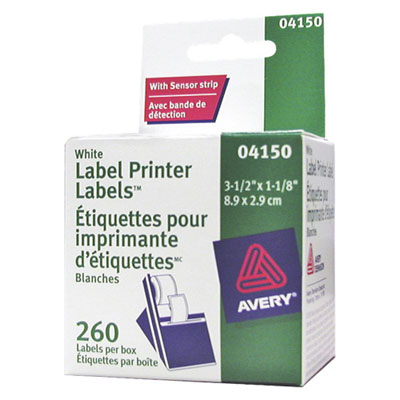
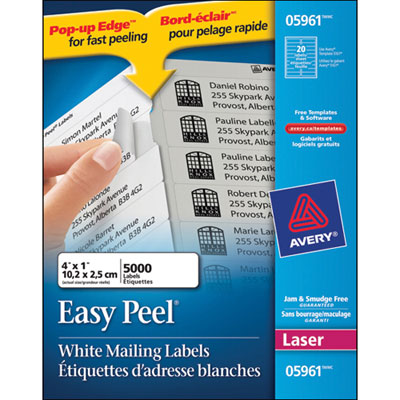

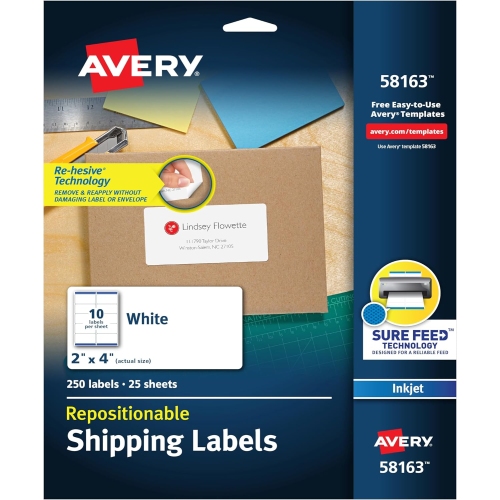
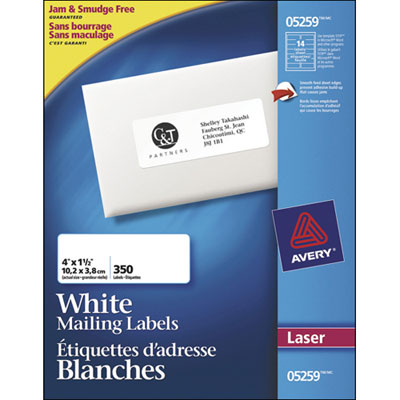
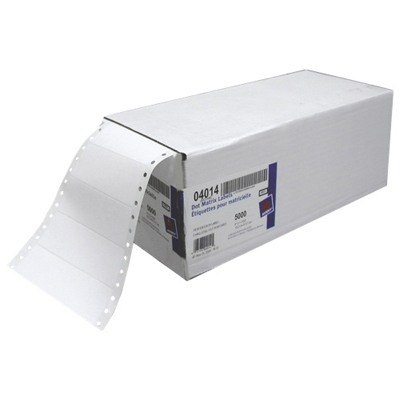
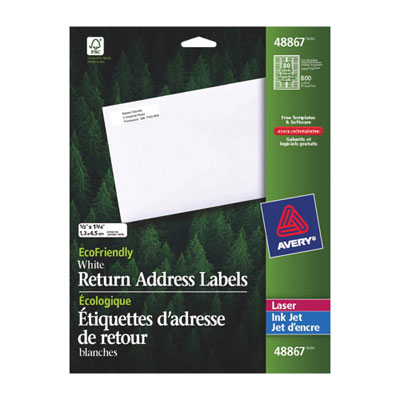

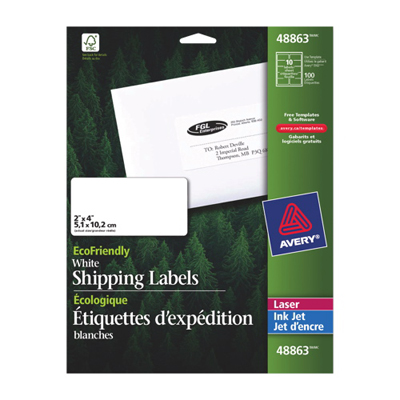
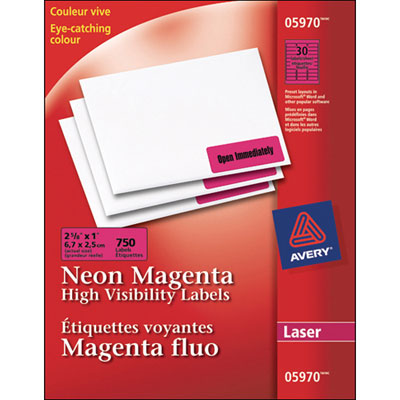
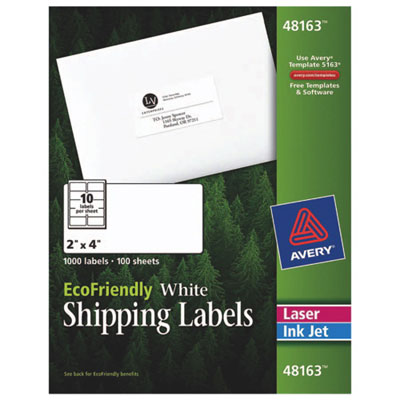
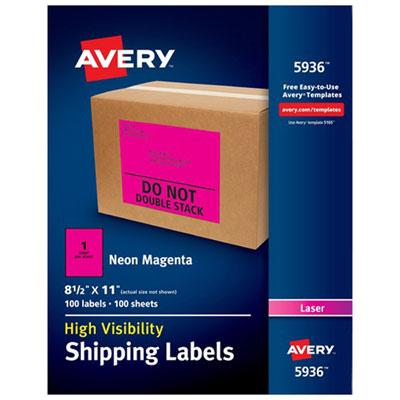
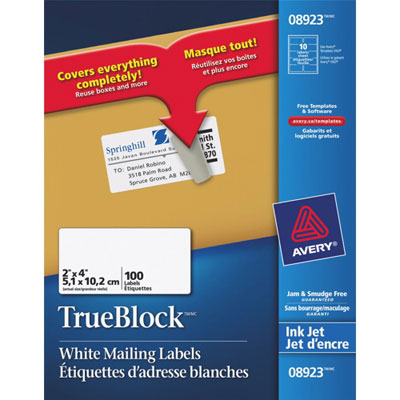
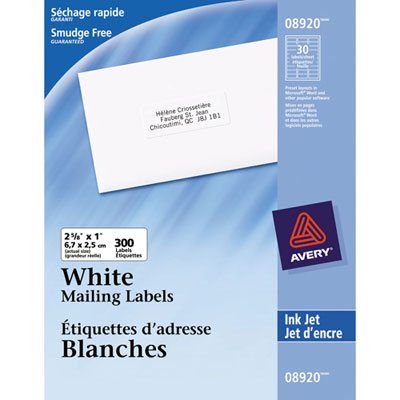

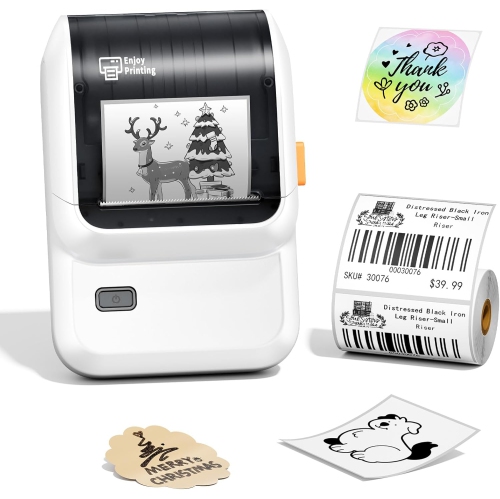
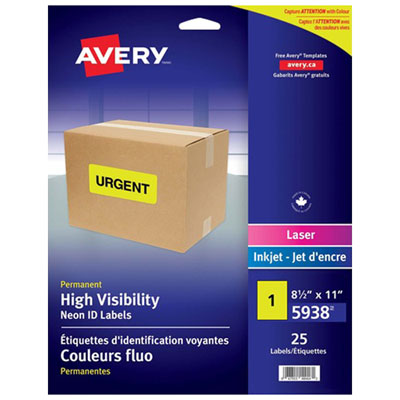

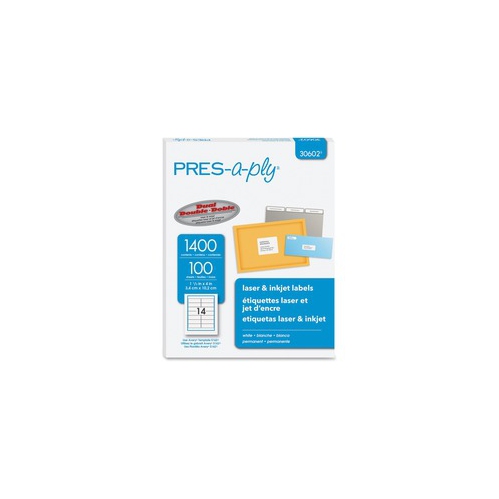

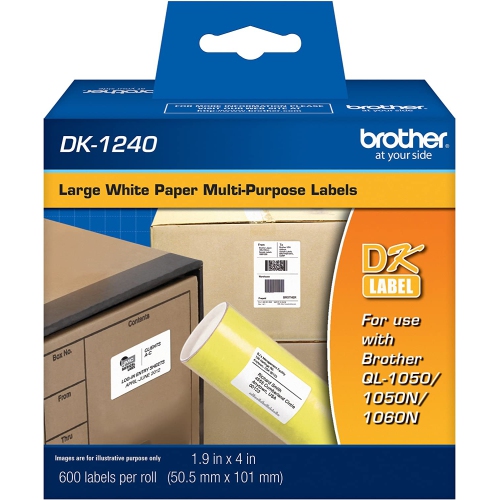
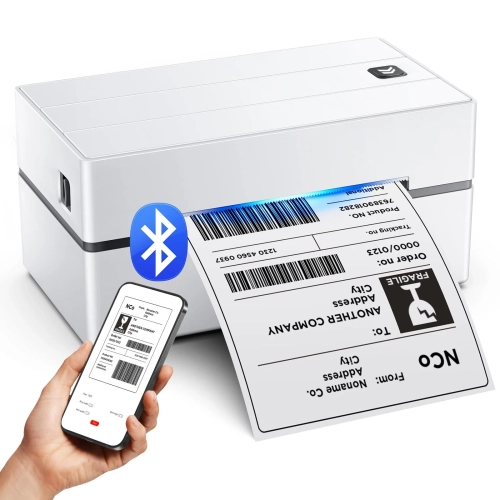
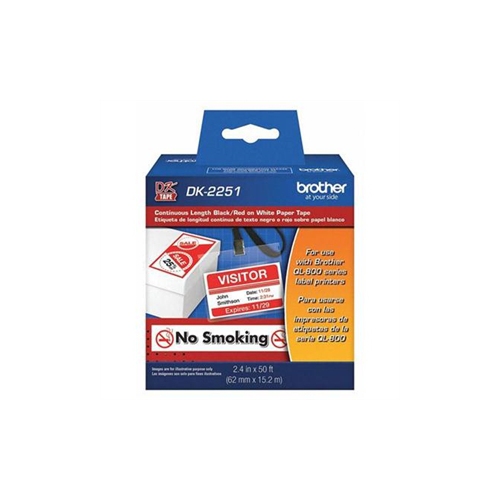
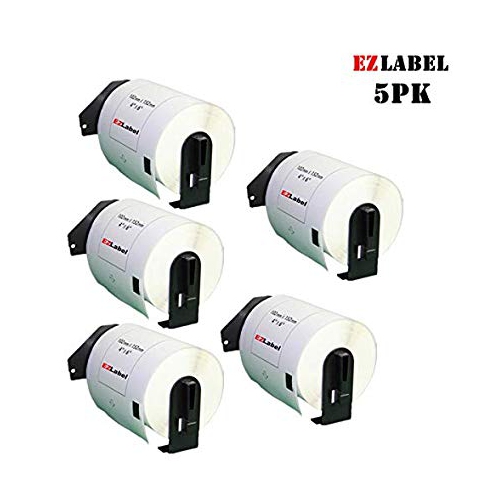
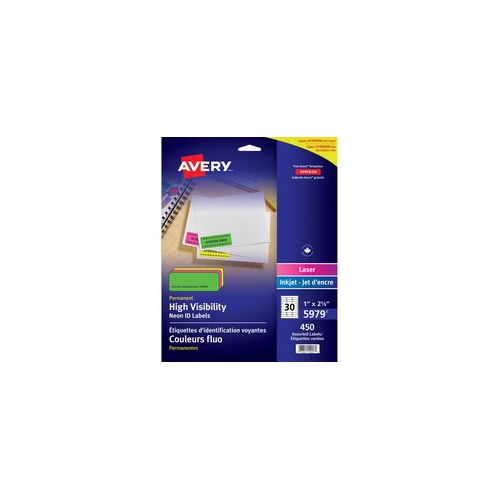
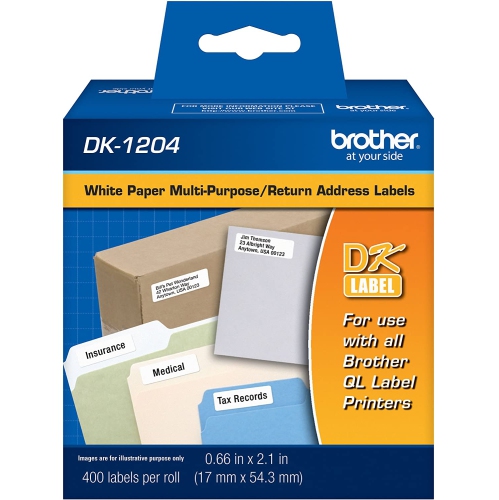
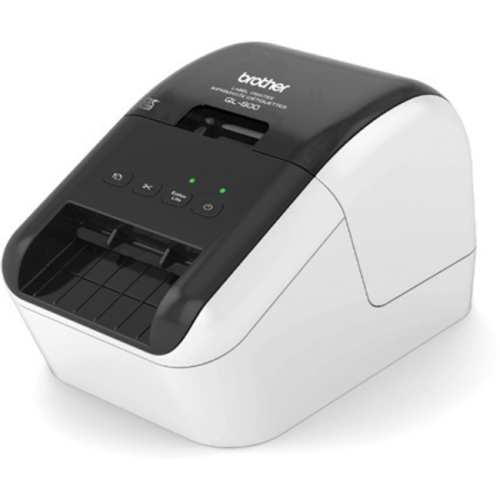
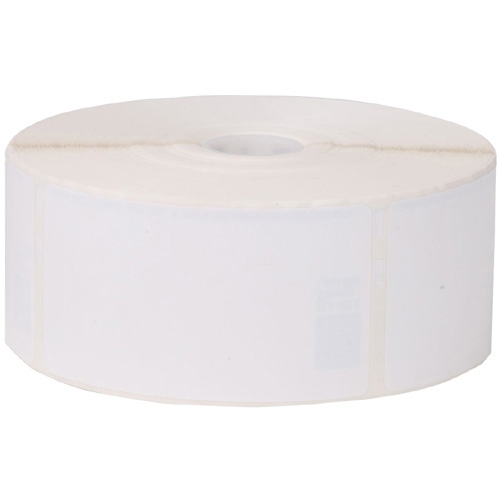
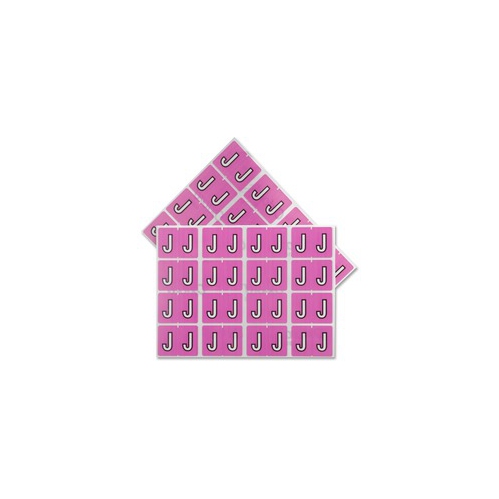
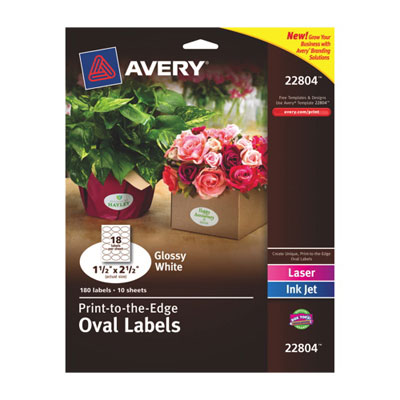
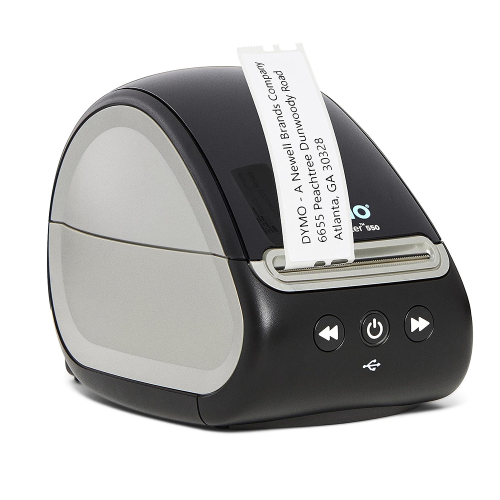
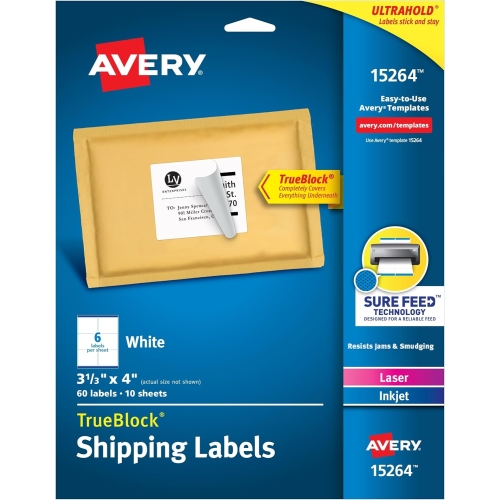

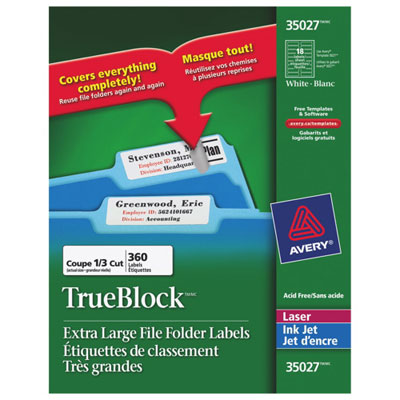
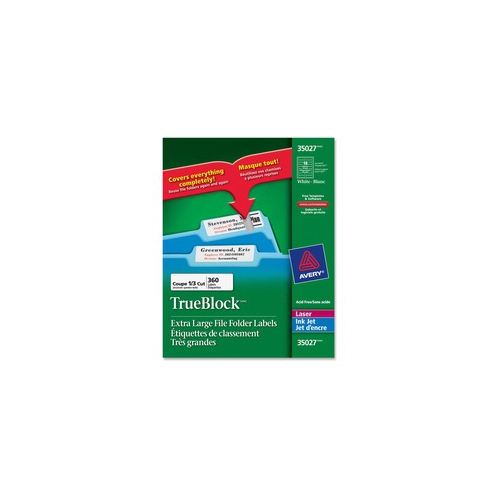

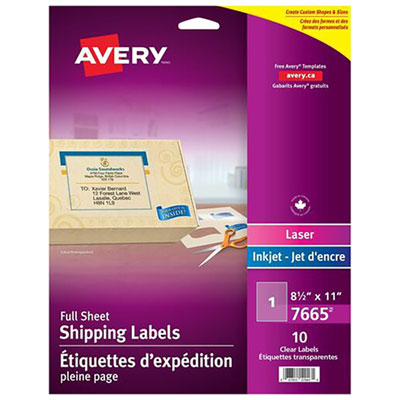
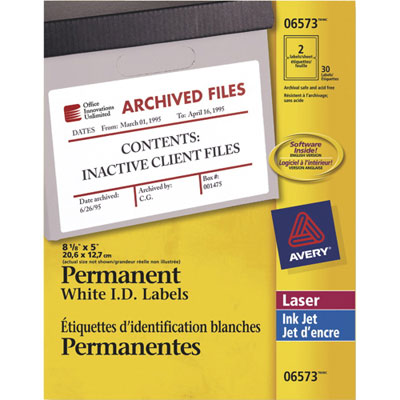
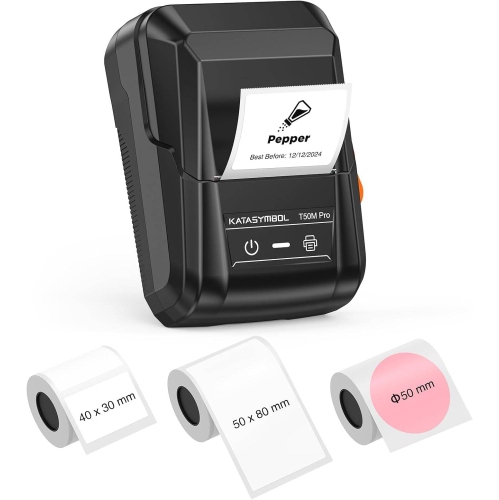
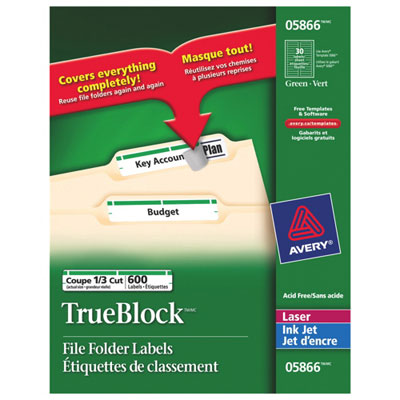
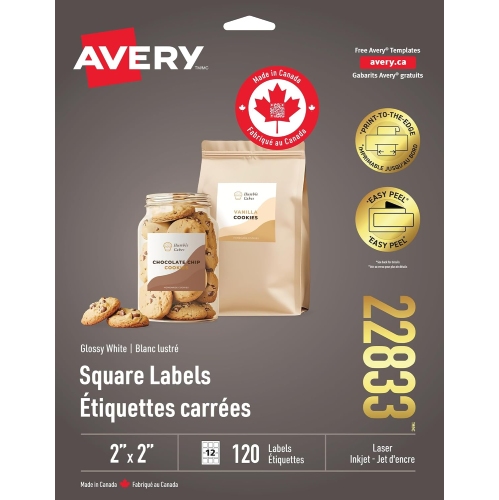
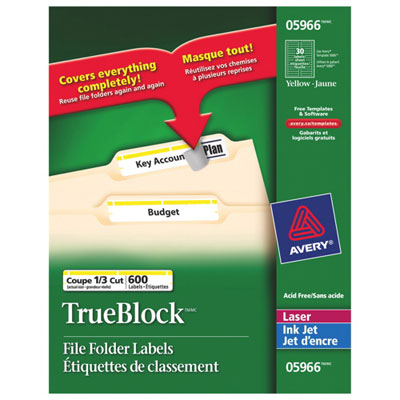


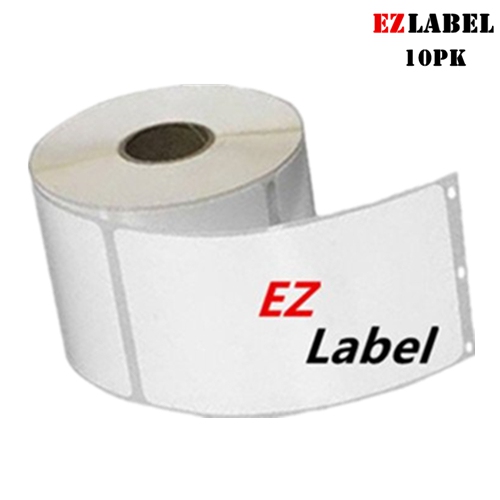
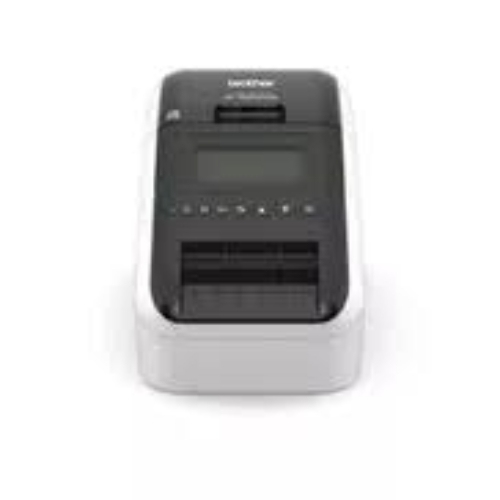


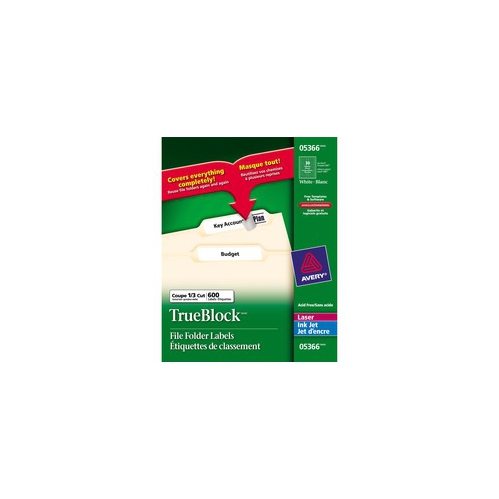
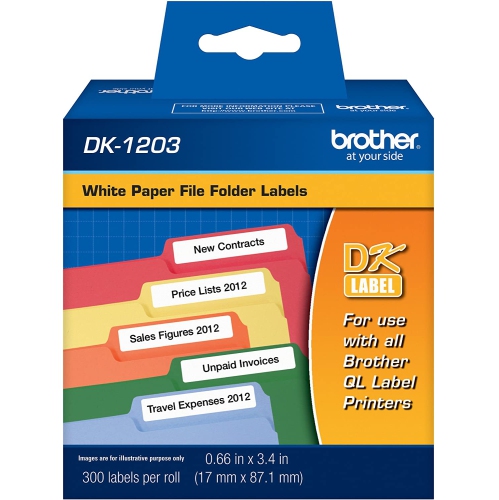
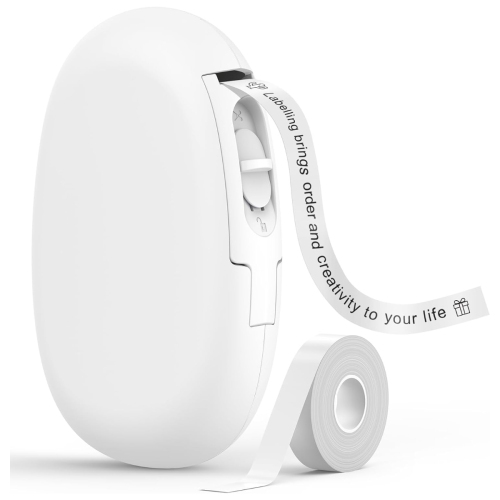
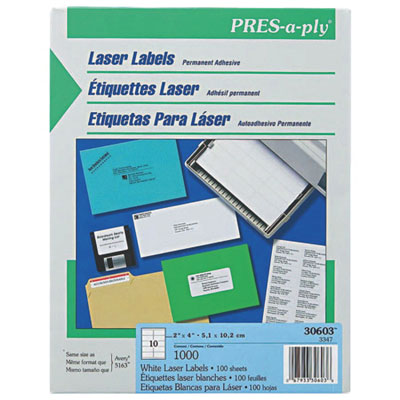

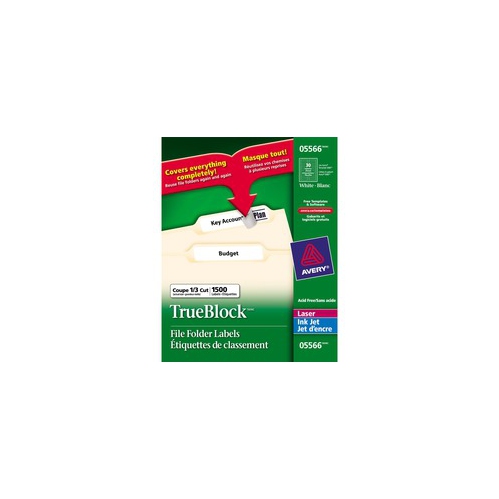
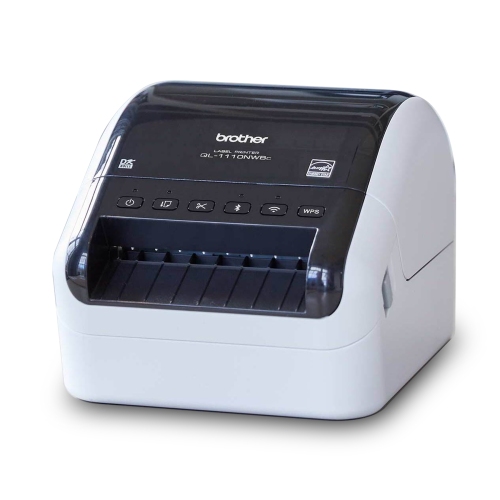
Small label details that make every mailing clearer
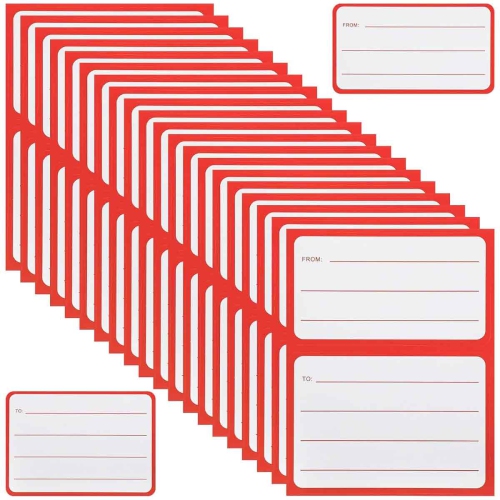
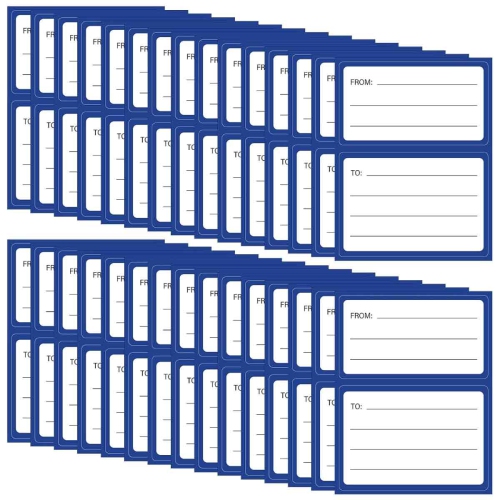
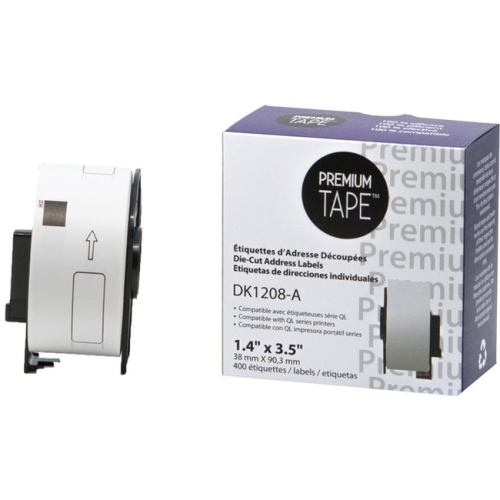
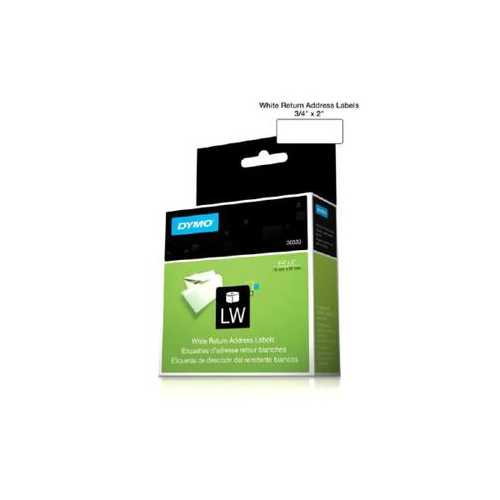
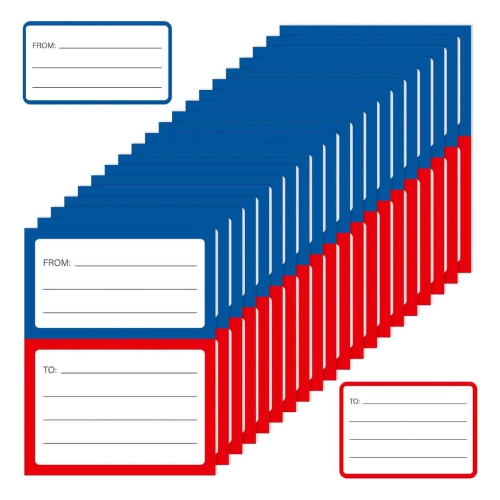
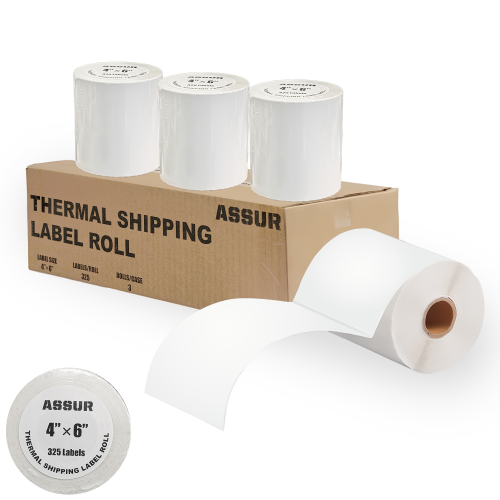
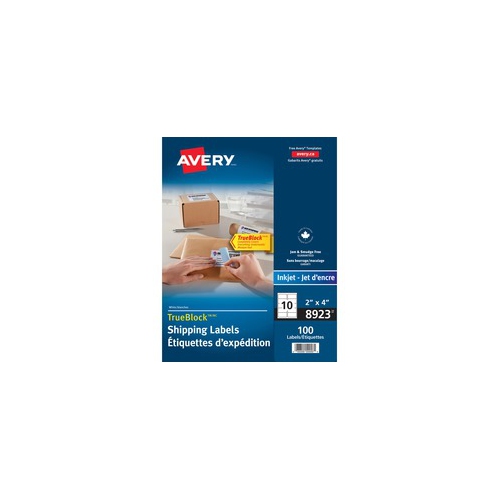
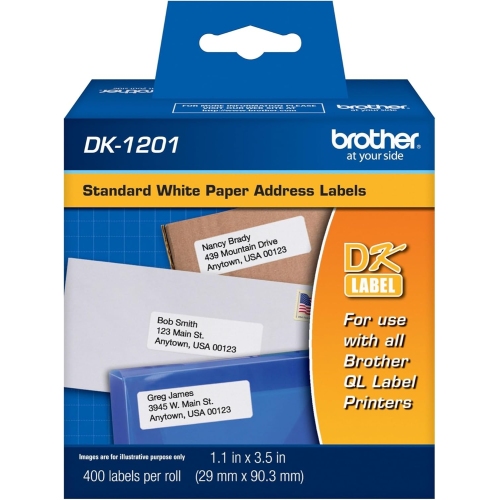
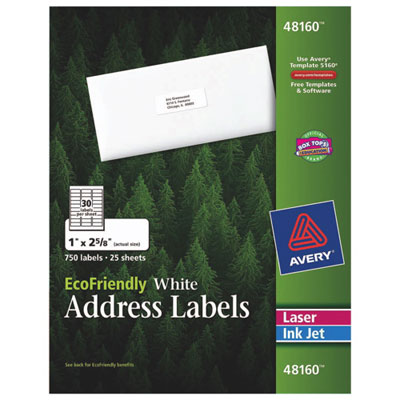
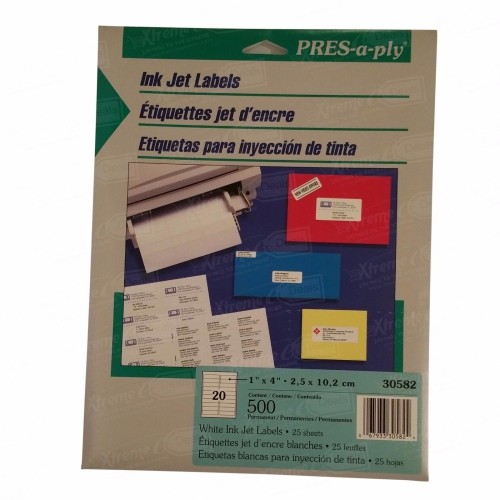
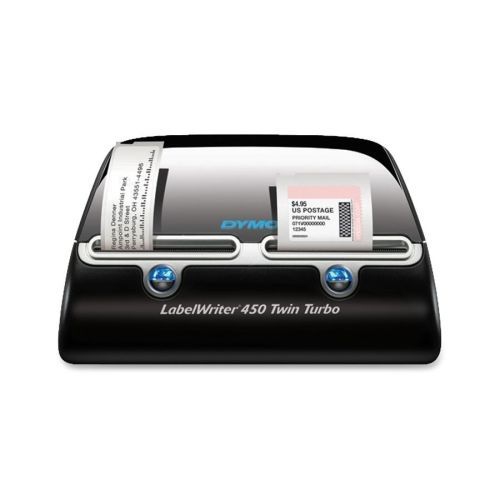
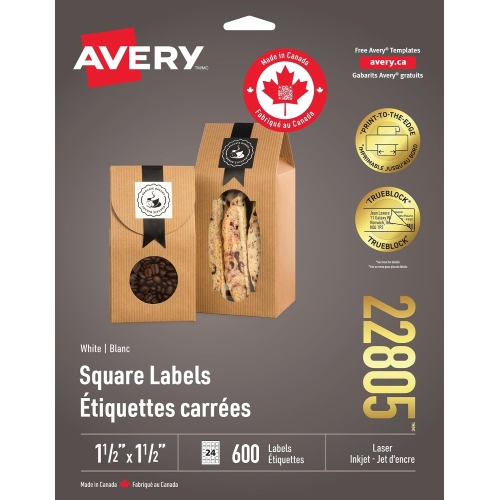
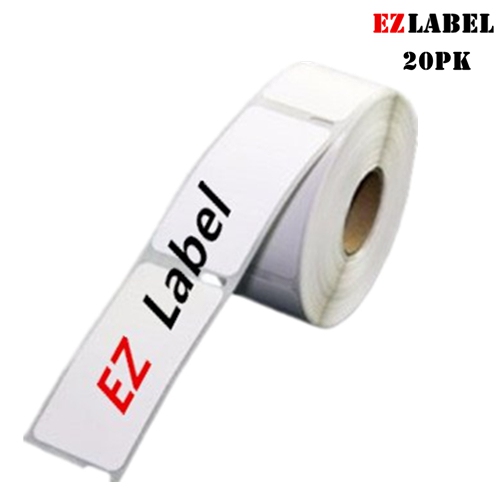
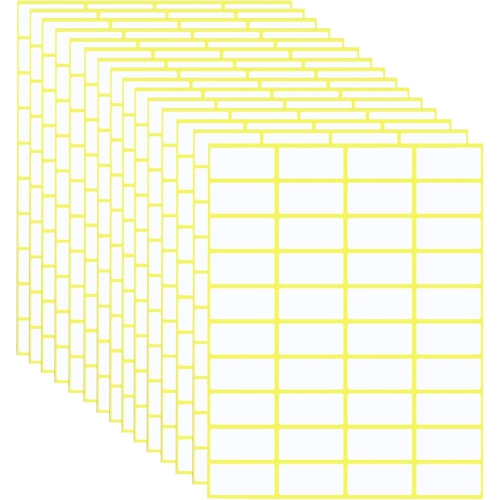
Address labels are adhesive labels used to display recipient or return addresses on envelopes, parcels, and other mailed correspondence. They give everyday mail a neat, consistent appearance and reduce the need to write the same details repeatedly. Blank printable address labels suit households and offices that need to change names or destinations from one mailing to the next, while preprinted formats are useful for a frequently used return address. Handwritten labels offer another practical option for occasional correspondence or packages prepared away from a printer. The right format depends on how much information needs to fit and where the label will be placed. A compact return address label can sit neatly in the upper-left corner of an envelope, while a larger recipient label leaves room for an apartment number, company name, or international address. The usable writing area matters more than the overall size alone: a label that looks spacious may have a border or rounded corners that reduce the room for text. White labels provide strong contrast for dark lettering, while clear labels allow the colour of an envelope to show through for a more understated finish. For printed labels, sheet size, label dimensions, and printer compatibility all need to match the intended setup. Sheet labels are commonly used with compatible inkjet or laser printers, whereas roll labels generally require a label printer designed for that roll size and printing method. These formats are not automatically interchangeable. The number of labels per sheet or roll also affects how they fit into a routine, whether that means preparing a few personal letters or handling regular business correspondence. A useful choice leaves enough space for readable type without making the label awkwardly large for its envelope. Consistent spacing between address lines helps distinguish the recipient, street address, municipality, province, and postal code, particularly when several pieces of mail are being prepared together. For Canadian destinations, a clearly printed postal code with a space between its two groups of characters helps keep the address easy to read.
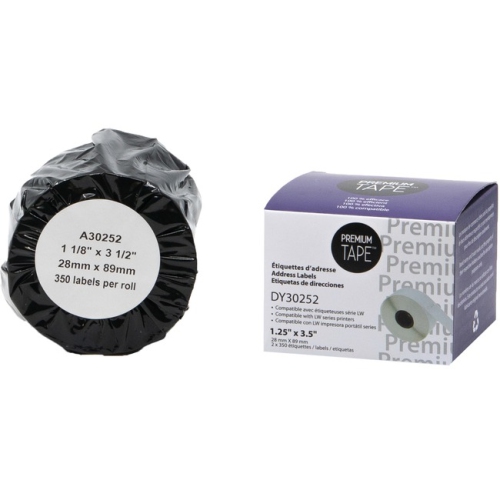
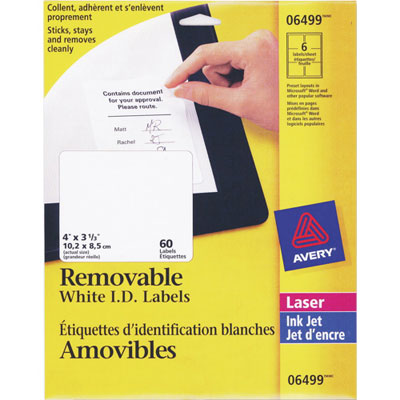
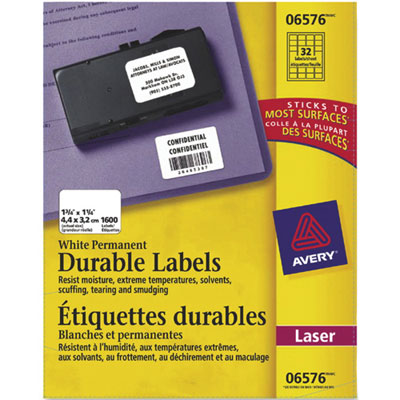
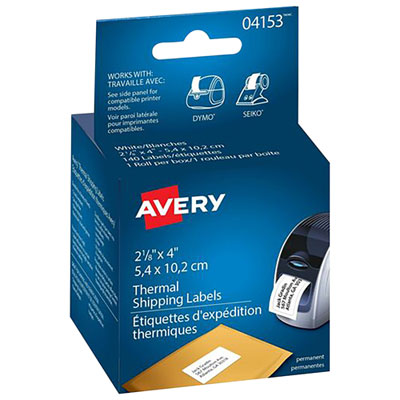
Materials and adhesive performance make a noticeable difference once an address label moves beyond the printer tray. Paper labels are well suited to many ordinary envelopes and cardboard parcels, offering a familiar surface for printed text or handwriting. Matte finishes can be easier to write on, provided the pen or marker is compatible with the label surface. Film-based labels may offer greater resistance to tearing or moisture, but those properties depend on the material and coating rather than appearance alone. Water-resistant does not necessarily mean waterproof, and a durable label surface does not guarantee that every ink will resist smudging. Printer-specific compatibility remains important: inkjet label coatings are designed to receive liquid ink, while laser-compatible labels must tolerate the heat used to bond toner. Direct thermal labels use a heat-sensitive surface and do not require ink or toner, but their printed text can darken or fade after exposure to heat or strong light. For any format, the stated printer and media requirements are more reliable than assuming that all adhesive paper behaves the same way. Adhesive strength should also suit the task. Permanent adhesive is generally appropriate when an address needs to stay attached throughout handling, while removable adhesive is better suited to temporary identification where clean removal matters. Even a strong adhesive works best on a clean, dry, reasonably smooth surface. On a padded mailer, a flat section gives the label better contact than a crease or fold; on a carton, placing it away from a seam helps keep the address intact when the box flexes. A label applied over rough fibres, dust, or a raised edge may lift sooner than expected. Care before use matters too. Keeping unused sheets flat in their original packaging helps protect their edges and reduces curling, while storing rolls according to their stated requirements helps preserve both the adhesive and printable surface. Freshly printed inkjet labels may need drying time before handling, especially on glossy or clear finishes. These small details help keep an address readable from the moment an envelope is prepared until it reaches its destination.
Address labels fit naturally into home stationery drawers, shared office supply cupboards, and small-business packing stations. A household may use return address labels for personal letters, invitations, and thank-you notes, while an office may need recipient labels for documents sent to clients or other locations. Clubs and community organizations can benefit from a consistent layout when preparing membership correspondence, and people moving home may use updated labels to keep their new contact details clear. For someone who enjoys handwritten correspondence, personalized address labels can also be a thoughtful addition to a stationery gift, provided the name and address are confirmed before printing. The practical details behind a polished result are often straightforward. A printing template should match the exact label dimensions and layout, including the spaces between labels and the margins around the sheet. A template with the correct number of labels is not necessarily a precise fit. A plain-paper test print can reveal alignment problems before an adhesive sheet is used, particularly when the first row looks correct but later rows drift out of position. Printer scaling settings can also change the fit, so printing at the template’s intended size is important. For larger mailings, software with mail-merge functions can place different recipient details into the same layout from a contact list. Checking apartment numbers, postal codes, duplicate entries, and line breaks beforehand helps prevent errors that a tidy design cannot fix. Readability remains more useful than elaborate styling: a clear typeface, adequate text size, and strong contrast make an address easier to identify on both plain and patterned envelopes. Recipient and return addresses should be visually distinct, with enough separation to avoid confusion. For tasks beyond mailing, Label Stickers relate to broader identification needs such as marking folders, storage containers, and office supplies. Address labels serve a more focused purpose, bringing the right combination of writable space, print compatibility, and secure adhesion to correspondence. Matching those qualities to the envelope, parcel, and mailing routine helps produce a clear, dependable result without adding unnecessary complexity.
Top selling and popular products
-
 Your price for this item is $70.99
-
 Your price for this item is $64.99
-
 Your price for this item is $70.99
-
 Your price for this item is $30.99
-
 Your price for this item is $57.68
-
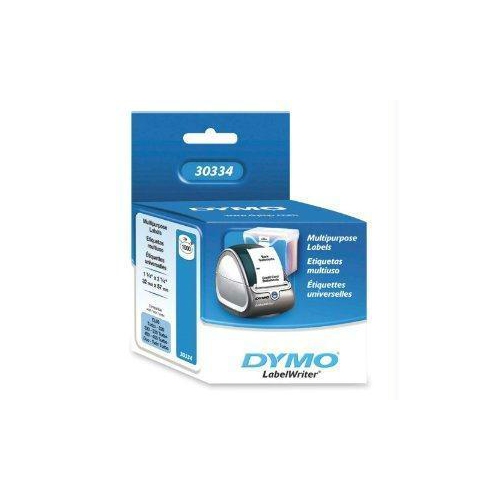 Your price for this item is $86.68
-
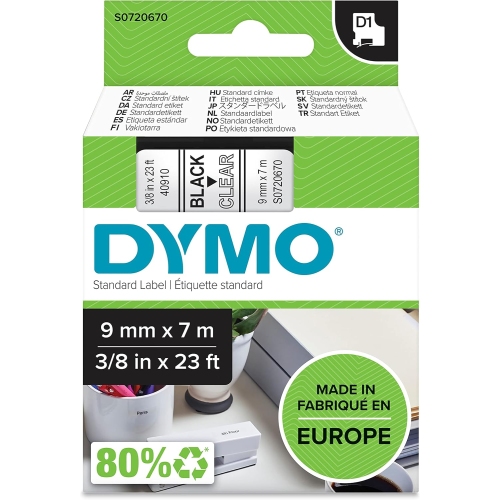 Your price for this item is $29.99
-
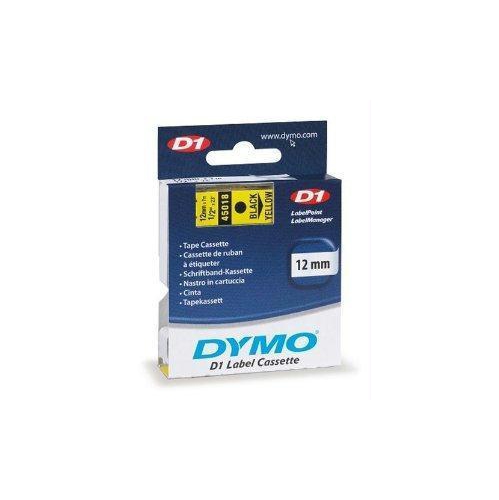 Your price for this item is $32.68
Discover more categories related to Address Labels
Top Collections:
Best Black Friday Deals This Year, Best Black Friday Deals On Electronics, Kindle Devices, Pokemon Centers, Best Black Friday Deals On Apple Products, Best Cameras for Sports Photography, Dyson Airwrap, Pokémon 30th Celebration Cards, Apple iPhone 17 Pro, Canon G7X Cameras
Some products may be subject to Environmental Handling Fees
(EHF) depending on your province.
Learn more about EHFs.