Professional Address Labels
Professional Address Labels offer a polished solution for organizing mail, packages, and important documents with ease. Designed to provide a clean and consistent look, these labels help streamline your mailing process whether you’re managing business correspondence or personal shipments. With Professional Address Labels, achieving a sharp and professional appearance for all your envelopes and parcels is simple and efficient. Explore options that make addressing tasks more convenient and visually appealing for any office or home setting.
Sort
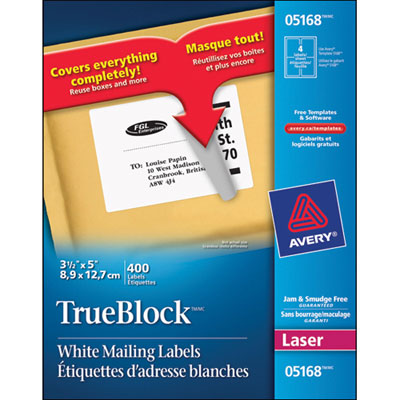

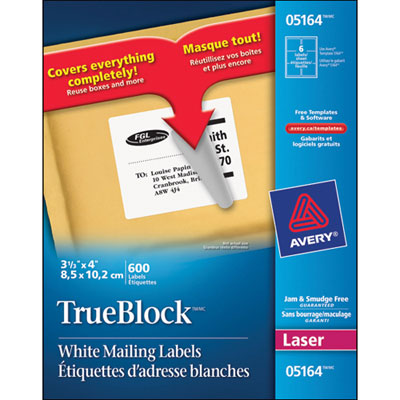
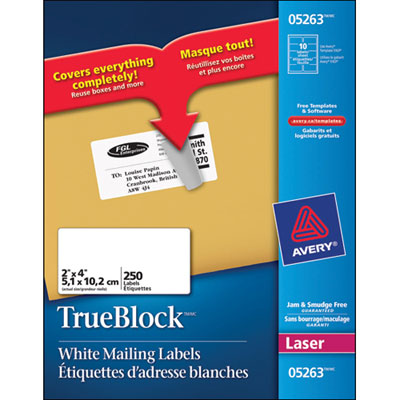
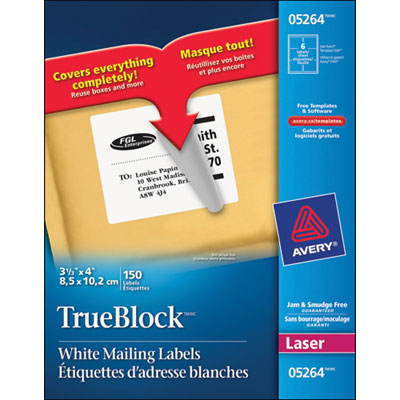
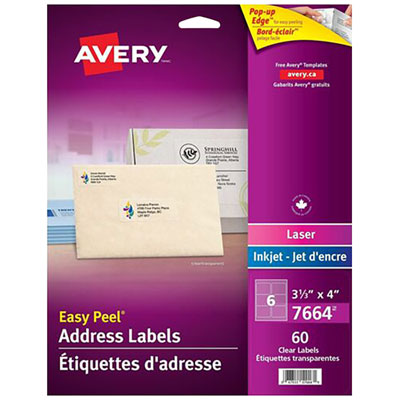
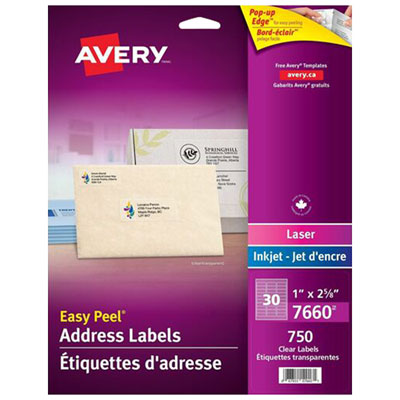
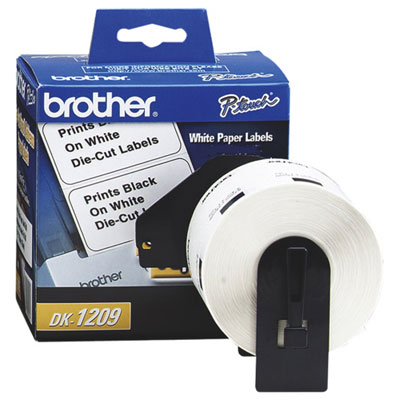

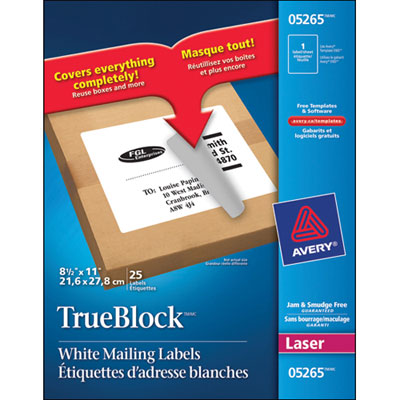
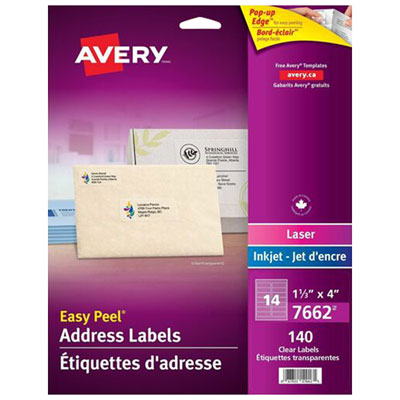
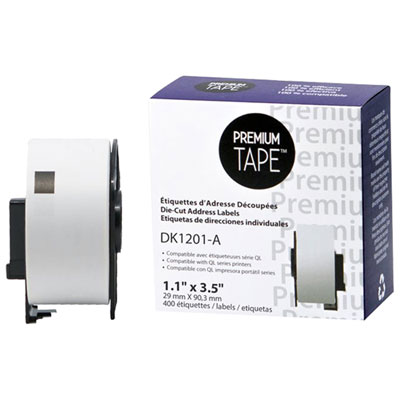
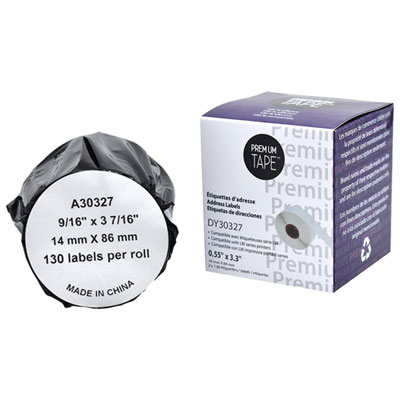
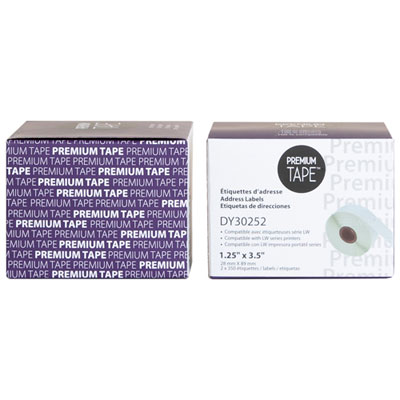
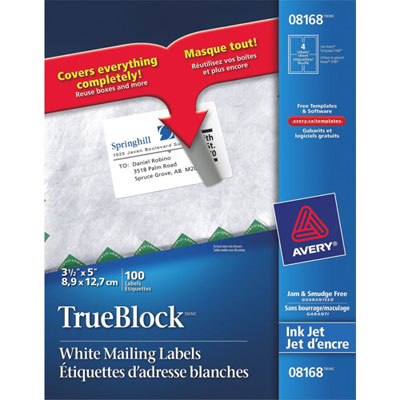
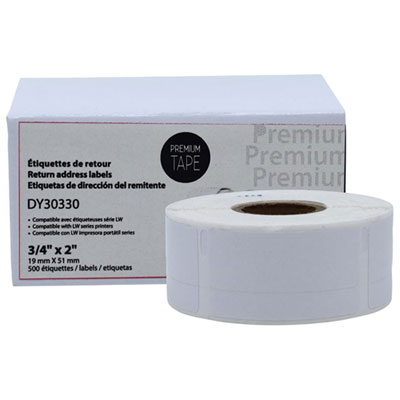
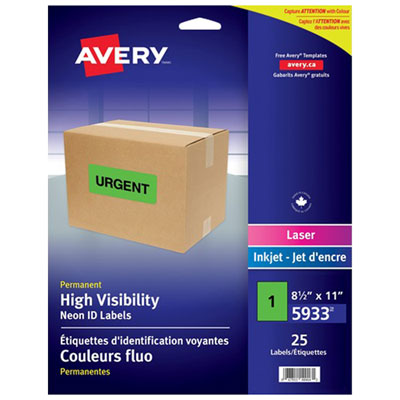
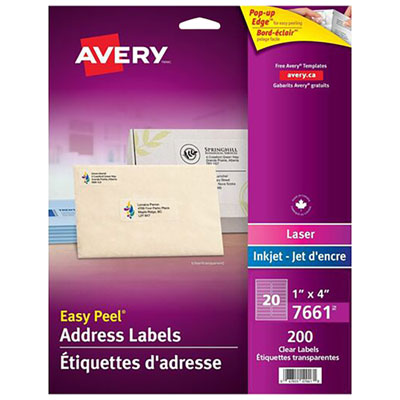
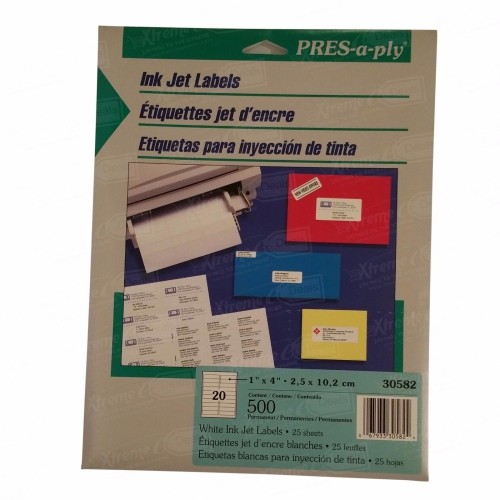
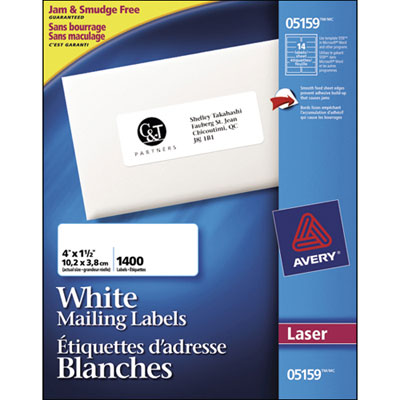
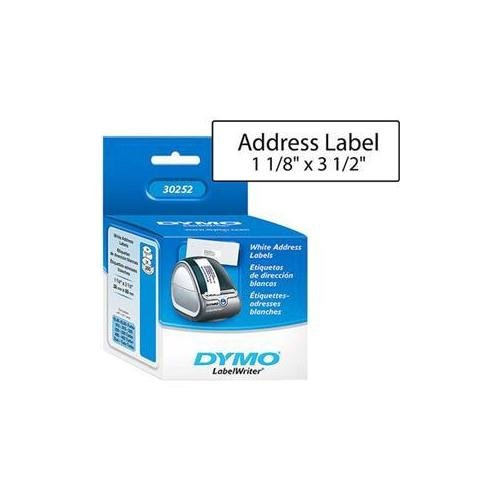
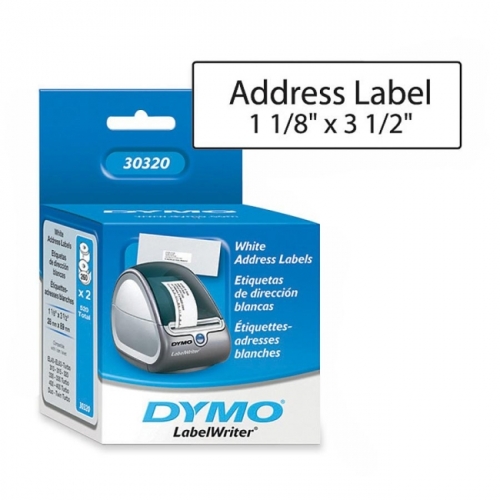
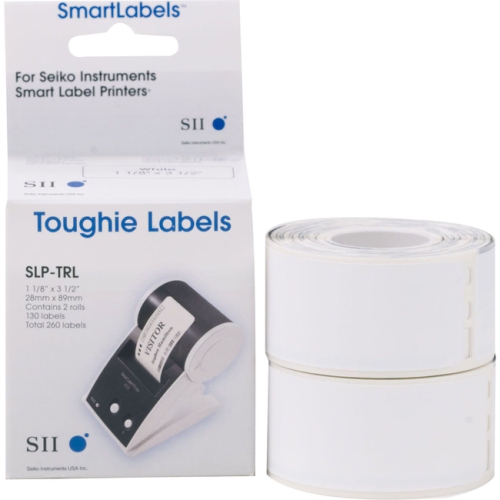
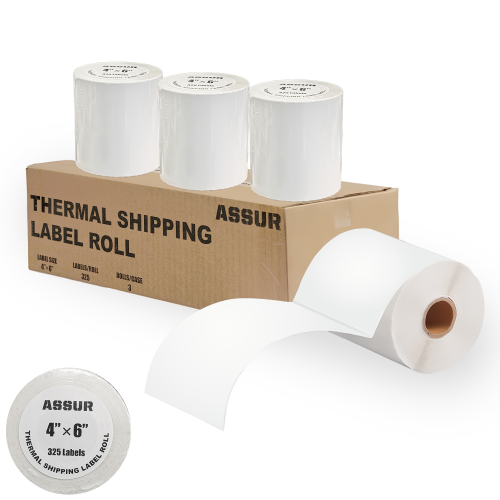
The details that give business mail a professional finish
Professional address labels give business mail a clear, consistent finish, whether the envelope contains a client welcome letter, an invoice, a contract, or a routine notice. Their purpose is practical as well as visual: a readable delivery address helps distinguish the recipient’s details, while a neatly placed return address identifies the sender without competing with postage or other mailing information. The everyday value of Address Labels is especially apparent when several people prepare correspondence for the same organization. A consistent layout keeps outgoing envelopes looking coordinated even when names, departments, and destinations change. A common sheet-label format measures 1 inch by 2-5/8 inch, offering room for many everyday mailing addresses when the type size and spacing suit the content. That format is not a universal fit, however. An address with a long organization name, a department, or additional delivery details may need a larger label to remain comfortably readable. Compact return-address formats suit a different purpose, leaving more of the envelope clear while keeping sender information easy to find. For Canadian correspondence, a clear layout includes the recipient’s name, the appropriate unit and street information or postal box details, and the municipality, province or territory abbreviation, and postal code. Canadian postal codes have a space between their two groups of three characters, rather than a hyphen. Consistent spacing matters more than decorative lettering, particularly where a suite number or postal code could otherwise appear crowded. Dark text on a light background provides straightforward contrast, and a restrained logo can identify a business without overwhelming the delivery details. The result suits offices, independent professionals, community organizations, and home-based businesses that want everyday correspondence to look considered and easy to process. Matching the label’s proportions to the envelope also creates a tidier finish, with enough space around the address to keep it visually separate from seams, windows, and printed graphics.
Materials and adhesive determine how an address label looks, feels, and holds up once applied. Matte paper has a familiar, understated appearance that works well for routine business correspondence, and suitable surfaces can also accept handwritten additions. Coated paper can produce a smoother finish, although its suitability for ink, toner, or handwriting depends on the label’s specifications. Film-based labels may offer added resistance to moisture or tearing, but those properties should be confirmed for the particular material rather than assumed from appearance alone. A glossy surface is not automatically waterproof, and a durable label face does not guarantee that the printed address will resist smudging. The label material, printing method, and adhesive all contribute to the finished result. Permanent adhesive is generally suited to mail that needs its address to stay attached through normal handling. Removable adhesive serves a different purpose, such as temporary identification, and may not provide the same hold for correspondence moving through a delivery network. Adhesion also varies with the surface underneath. A clean, dry, smooth envelope offers different conditions from a textured mailing carton, a flexible pouch, or a coated package. Dust, fibres, oil, and pronounced surface texture can prevent parts of the adhesive from making full contact. On a small parcel, a flat panel provides a more suitable placement area than a fold, corner, or opening flap, where movement can lift an edge. Opaque white labels can help keep the address distinct from printing beneath them, while clear labels create a less visible border but depend on the underlying surface for contrast. For confidential correspondence, opacity can be useful when covering an existing marking, although a label should not be treated as a secure way to conceal sensitive information. Professional presentation comes from this combination of appropriate material, reliable attachment, and legible print, rather than from a decorative finish alone.
Printer compatibility is another important distinction among professional address labels, particularly for offices that prepare mail in batches. Inkjet-compatible sheets are designed to receive liquid ink, while laser-compatible sheets must tolerate the heat involved in toner printing. Some labels support both methods, but compatibility needs to be stated rather than inferred from the sheet’s size or finish. Roll labels likewise need to match the intended printer’s dimensions and printing technology; they are not interchangeable with ordinary desktop printer sheets. For sheet printing, a template that matches the exact label layout helps keep each address within its boundaries. Label width and height are only part of that fit: the gaps between labels, page margins, sheet size, and printer settings also affect alignment. A plain-paper test can reveal misplaced text before adhesive sheets are used, especially when a document has been resized or moved between software programs. Keeping text away from the label’s edges leaves room for small variations in printer feeding and makes longer addresses less likely to be clipped. Clean type, sensible line spacing, and a consistent position for the sender’s details often look more professional than several fonts or a large graphic. In a busy office, saved layouts and carefully maintained address records can support repeat mailings without retyping every envelope. A consultant sending agreements, a property manager preparing notices, and a volunteer coordinator posting member correspondence may all benefit from that consistency, even though their mailing volumes differ. Address labels can identify a recipient or sender, but they do not replace postage, tracking information, or a carrier-required shipping label. Between print runs, flat storage in the original packaging helps protect sheets from dust, curling, and damaged edges. Following the manufacturer’s handling directions, including any restrictions on feeding partially used sheets, supports more dependable printing. These practical details help labels remain a useful part of an organized mailing routine, from a handful of carefully prepared envelopes to recurring batches of business correspondence.
Top selling and popular products
-
 Your price for this item is $70.99
-
 Your price for this item is $64.99
-
 Your price for this item is $70.99
-
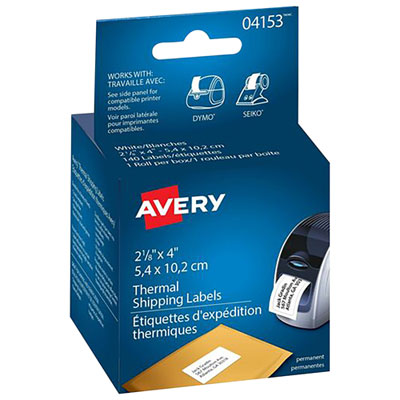 Your price for this item is $30.99
-
 Your price for this item is $57.68
-
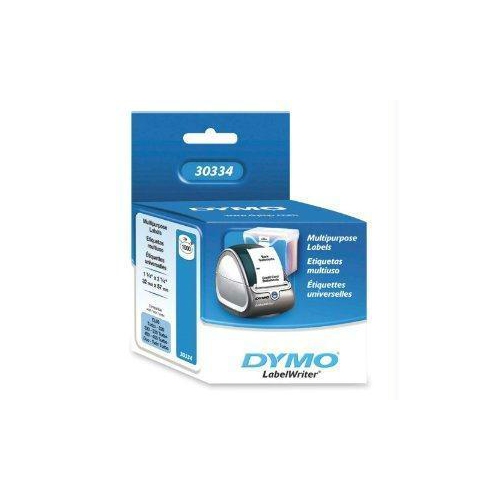 Your price for this item is $86.68
-
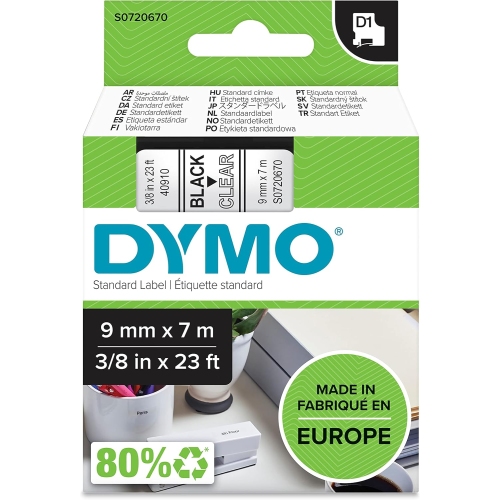 Your price for this item is $29.99
-
 Your price for this item is $32.68
Discover more categories related to Professional Address Labels
Top Collections:
Best Black Friday Deals This Year, Best Black Friday Deals On Electronics, Kindle Devices, Pokemon Centers, Best Black Friday Deals On Apple Products, Best Cameras for Sports Photography, Dyson Airwrap, Pokémon 30th Celebration Cards, Apple iPhone 17 Pro, Canon G7X Cameras
Some products may be subject to Environmental Handling Fees
(EHF) depending on your province.
Learn more about EHFs.