Adhesive Glues
Discover the perfect adhesive solution for all your bonding needs with our extensive selection of adhesive glues. Whether tackling a home improvement project, crafting, or repairing everyday items, our range of high-quality adhesives ensures a strong and reliable hold. From versatile options suitable for various materials to specialized glues designed for specific applications, you'll find the ideal product to make your tasks easier and more efficient. Explore our collection and experience the convenience and durability that a top-notch adhesive glue can provide.
Sort





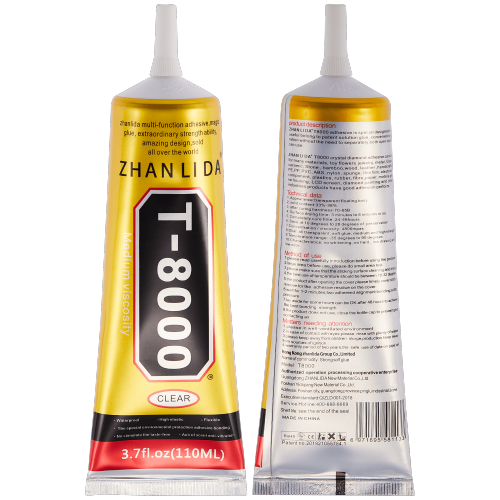


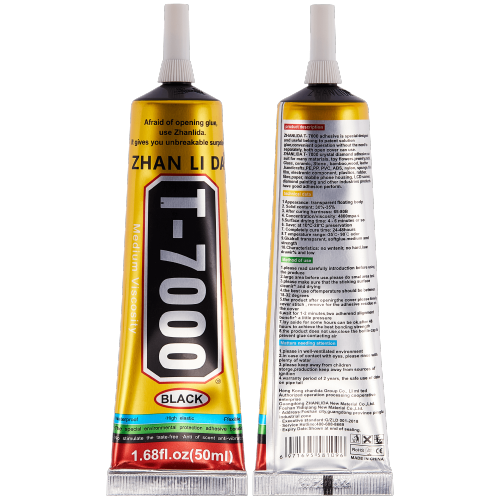
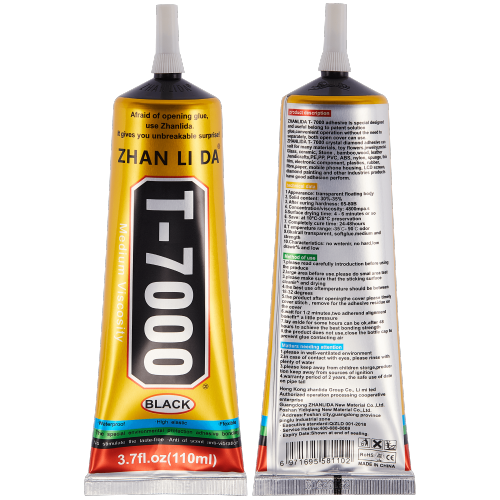


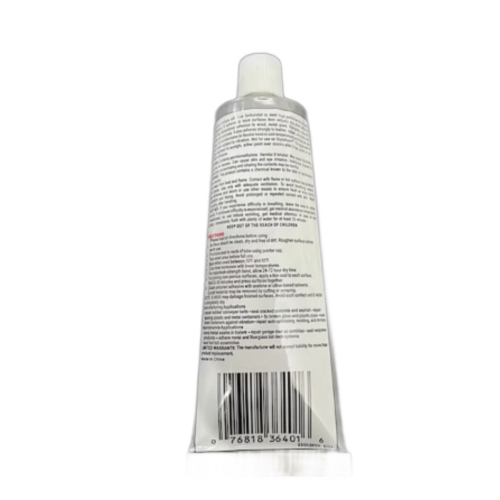




























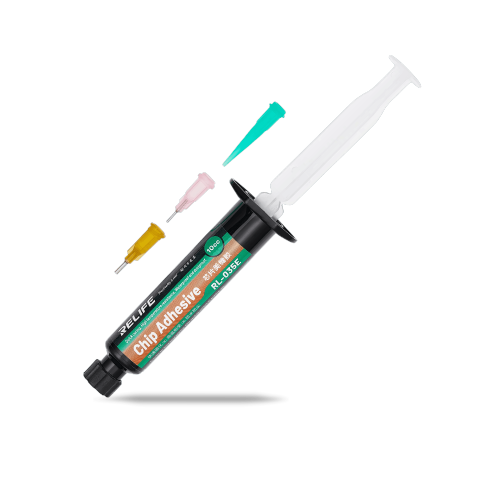

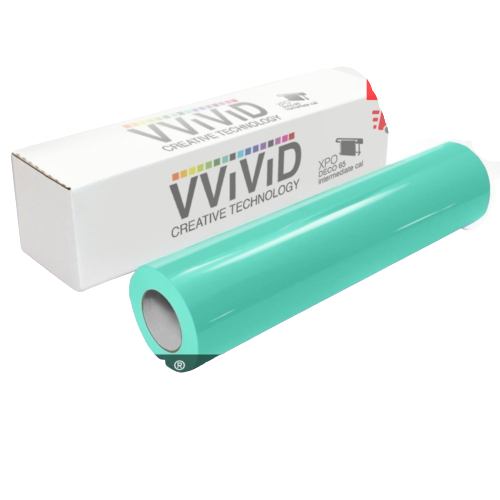
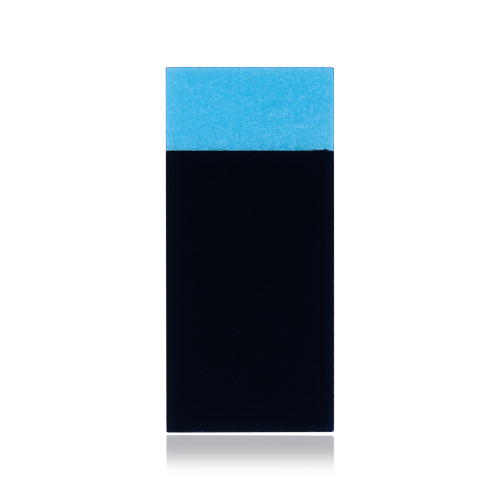


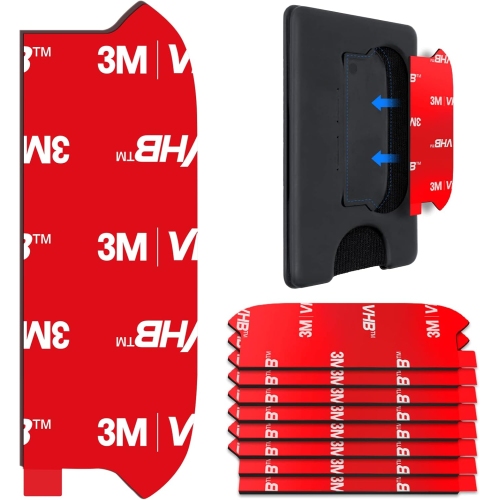












Why glue strength is only part of the story
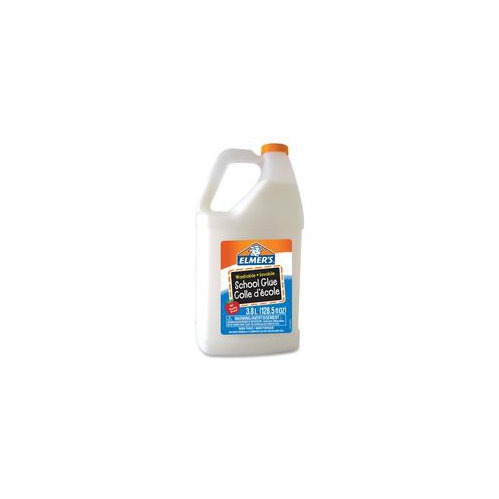
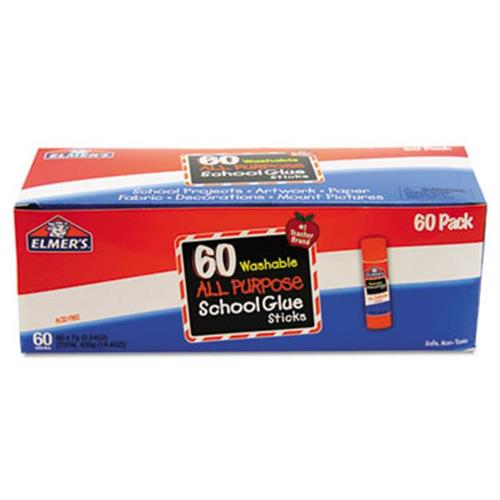
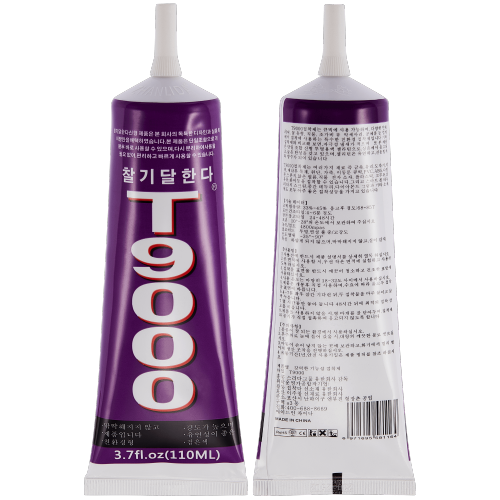
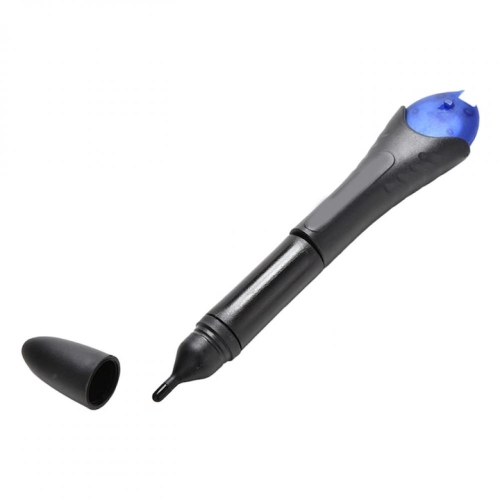
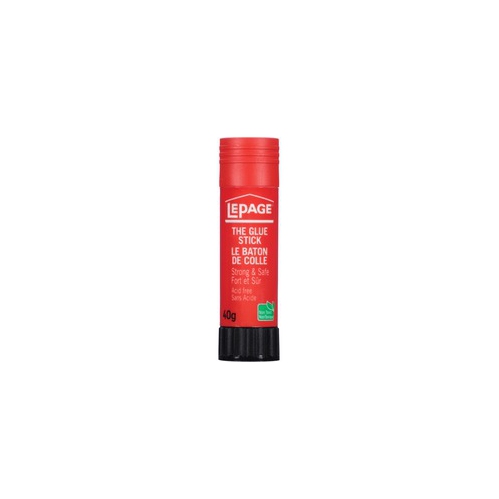
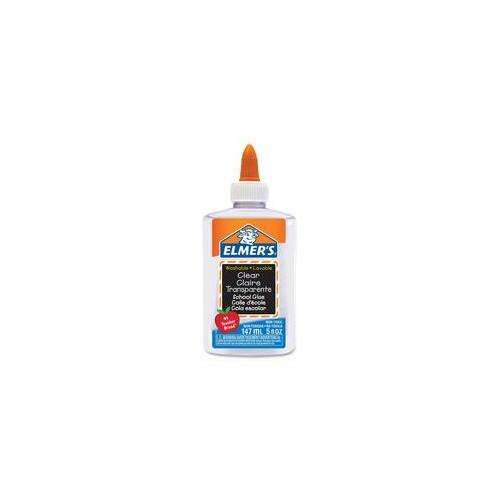
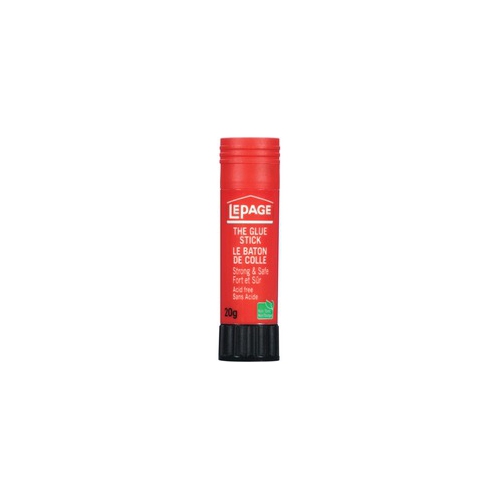
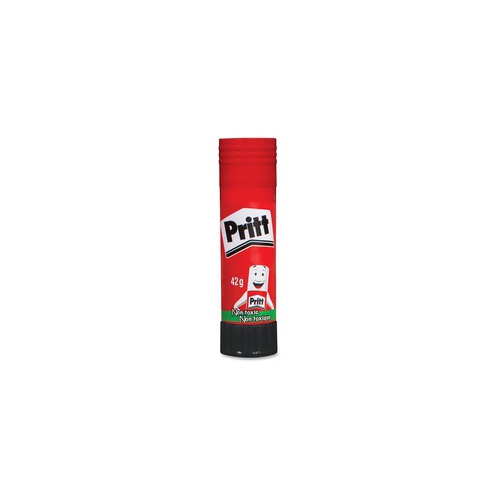
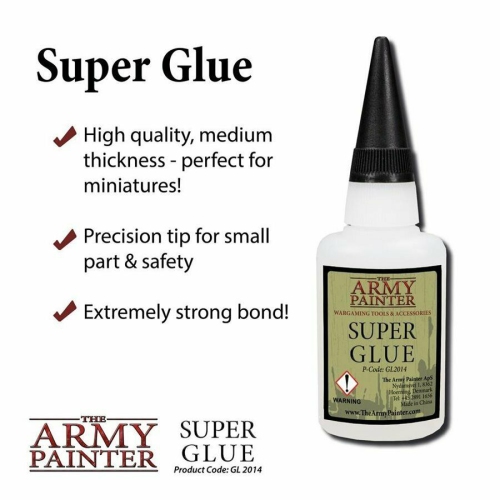
Adhesive glues join materials by forming a bond between their surfaces, with different formulas suited to paper, wood, metal, ceramic, glass, fabric, and certain plastics. The most suitable adhesive depends on the materials being joined, how closely the pieces fit, and whether the finished bond will face moisture, heat, movement, or weight. A neat paper seam needs different properties from a wooden joint under daily strain or a flexible fabric edge that bends with every use. For crafts, school assignments, and everyday office tasks, paper adhesives offer a practical balance of controlled application and a tidy finish. Glue Sticks are particularly useful for lightweight paper work, where a thin, even layer can help limit the rippling associated with excess liquid glue. Liquid craft glues can suit more textured or absorbent materials, although drying time and compatibility vary by formula. Wood glues are intended for woodworking joints, commonly bonding bare, porous surfaces that fit closely together. Many PVA wood glues can be sanded after curing, while their suitability for moisture exposure depends on the stated rating. Cyanoacrylate adhesives, often called super glue, are useful for small, close-fitting repairs on compatible materials where a fast-setting bond is helpful. Thin formulas can flow into narrow gaps, while gels offer more placement control on edges and vertical surfaces. Two-part epoxy combines a resin and hardener and can suit mixed-material repairs or gaps that a thin adhesive cannot bridge, provided the formula is rated for the intended surfaces. Construction adhesives serve a different purpose, often creating a thicker bond for building materials and larger household projects. These categories are not interchangeable: a strong bond on unfinished wood does not establish that the same formula will hold reliably on smooth glass or a flexible plastic surface. For household repairs, hobbies, and workshop tasks alike, material compatibility is a more useful starting point than a broad claim of strength. The adhesive’s technical details help distinguish a formula meant for a lightweight craft from one intended for a more demanding repair.
The way an adhesive handles can matter as much as its cured strength, especially when the visible finish is part of the project. A narrow applicator helps place a small bead along a model component or a fine line around a broken ceramic edge, while a brushable consistency suits broader coverage. Thicker gels and pastes tend to stay where placed, but they may leave a noticeable seam if the joined surfaces have little room between them. Clear-drying formulas can be useful where glue remains visible, though clear does not necessarily mean invisible: surface texture, trapped bubbles, and changes over time can still affect the appearance. Paintability and sandability also vary, and a cured glue line may absorb stain differently from the surrounding wood. For furniture touch-ups and other visible work, that difference can matter long after the bond has set. Working time describes the period available for positioning parts before the adhesive begins to set; handling strength and full cure are separate stages. A quick-setting formula can hold a tiny component in place promptly, while a longer working time gives more room to align several pieces or adjust a broad joint. Even a bond that feels firm may need substantially more time before carrying a load or encountering water. Surface condition influences results too. Dust, grease, loose paint, and old adhesive can leave the glue attached to a weak layer rather than to the material itself. Some non-porous surfaces need preparation specified by the adhesive manufacturer, while delicate finishes may be damaged by abrasion or solvents. Plastics deserve particular attention because their composition varies widely. Polyethylene and polypropylene, for example, often require a specialist adhesive or a compatible primer, and some formulas can mark transparent plastics or damage foam. A small test on a hidden area can reveal staining, softening, or poor adhesion before the main application. For porous materials, absorption can also affect coverage and the amount of adhesive needed, making the surface description on the label especially relevant.
Durability is best understood in relation to the finished object’s everyday use. A rigid adhesive may suit a stable joint, but repeated bending can call for a flexible bond that moves with fabric, rubber, or other compatible materials. Bonds also respond differently to pulling, sliding, peeling, and impact, so a formula described as strong is not automatically suitable for every type of stress. Moisture resistance needs similar attention: water-resistant and waterproof ratings are not equivalent, and neither should be assumed to permit continuous immersion unless the manufacturer specifies it. Outdoor use adds exposure to sunlight and temperature changes, while cooler storage or application conditions can affect flow, setting time, and curing. A garage workspace during the cooler months may therefore present different conditions from a heated craft room. Construction tasks and load-bearing repairs may need mechanical fasteners as well as adhesive; glue should not replace required fixings or an approved repair method. Around the home, everyday care can help protect a completed bond. Cleaning products, dishwasher heat, soaking, and repeated washing may weaken an adhesive that was not designed for those conditions. Repairs involving food-contact surfaces, drinking vessels, or frequently heated objects require explicit suitability for that use, rather than an assumption based on a clear finish or a waterproof claim. Safe handling is another important consideration for families, students, hobbyists, and anyone keeping glue in a shared workspace. Age guidance, ventilation requirements, skin and eye precautions, and storage directions differ between formulas. Fast-bonding adhesives can bond skin rapidly, and some adhesives require protective equipment or produce vapours during use. Child-appropriate craft activities need an adhesive labelled for the task and suitable supervision. Between projects, tightly closed containers and clean applicators help reduce drying at the opening, while storage within the stated temperature range helps preserve usability. For someone who enjoys model making, paper crafts, or small woodworking projects, an adhesive suited to their preferred materials can be a thoughtful addition to a hobby gift. Whether the aim is a crisp paper edge, an aligned wooden joint, or a discreet household repair, the most useful adhesive combines compatible materials, manageable application, and a cured bond suited to the task.
Top selling and popular products
-
 Your price for this item is $59.99
-
 Your price for this item is $59.99
-
 Your price for this item is $69.99
-
 Your price for this item is $52
-
 Your price for this item is $49.99
-
 Your price for this item is $32.37
-
 Your price for this item is $14.79
-
 Your price for this item is $16.79
Discover more categories related to Adhesive Glues

Top Collections:
Pokemon Centers, Pokémon 30th Celebration Cards, Best Budget Office Chairs, Kindle Devices, Best Cameras for Sports Photography, Canon G7X Cameras, Best Black Friday Deals On Electronics, Best Laptops for Writers, iPhone 15 Apple, Jackery Power Stations
Some products may be subject to Environmental Handling Fees
(EHF) depending on your province.
Learn more about EHFs.