Alphabetical Notebook Dividers
Alphabetical Notebook Dividers make organizing notes, documents, and files simple and efficient. Perfect for students, professionals, and anyone looking to streamline paperwork, these dividers help keep information easily accessible. With options designed to fit a variety of binder sizes and styles, finding the right solution for your organizational needs is straightforward. Browse a wide selection of Alphabetical Notebook Dividers to keep your workspace tidy and your materials well-ordered.
Sort
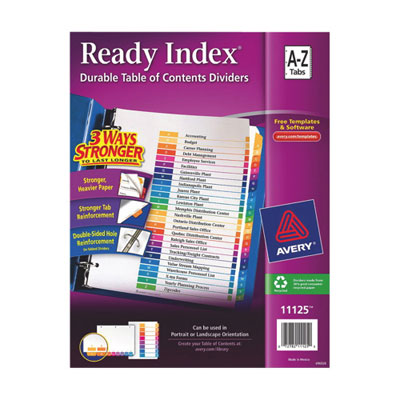
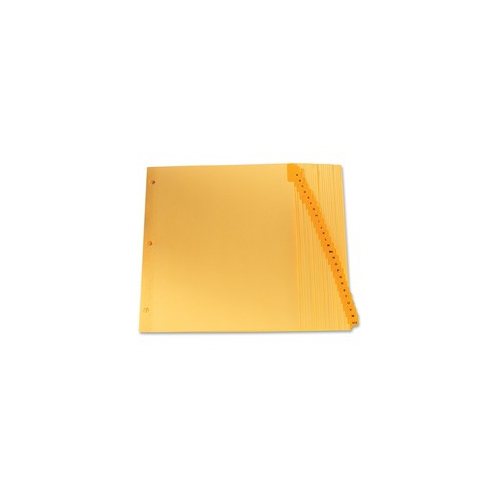
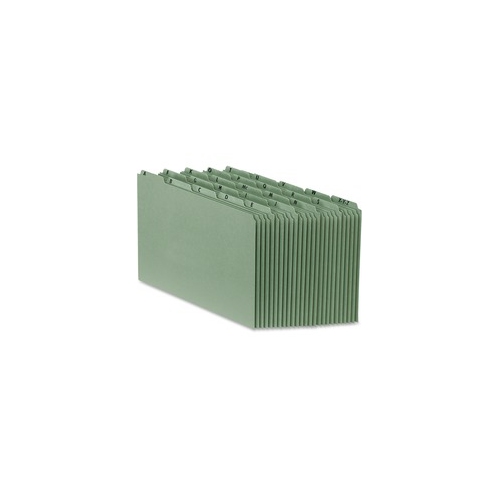
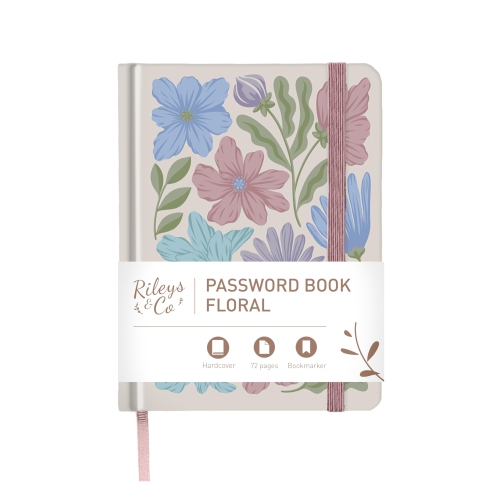
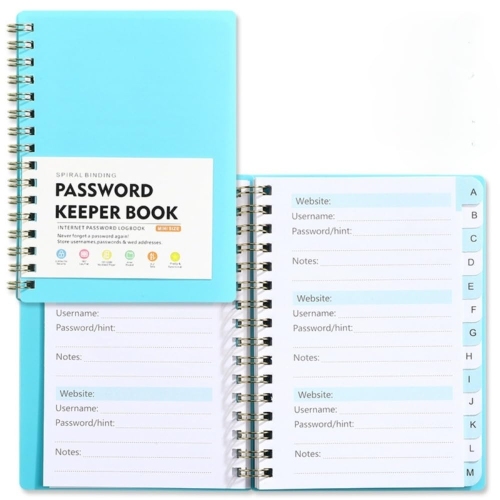
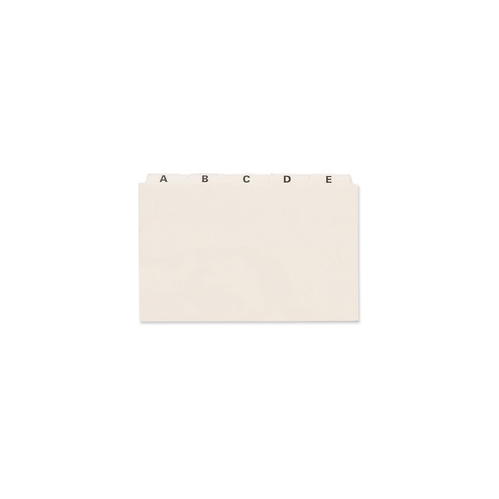
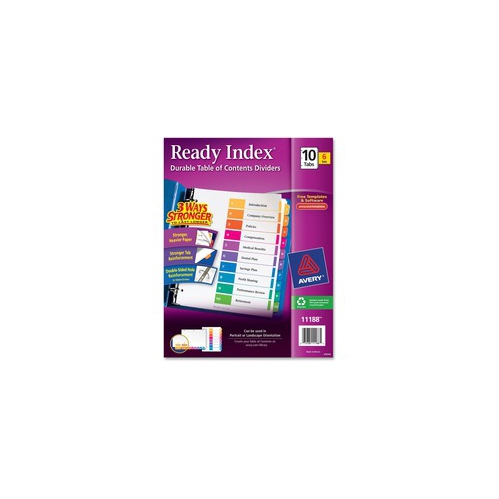
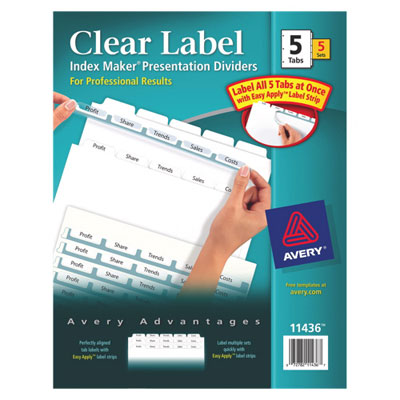
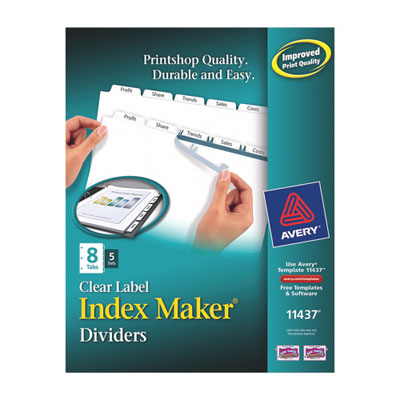
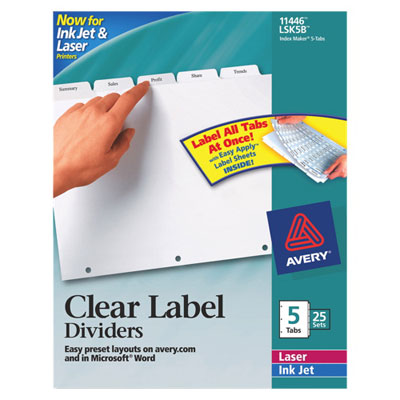
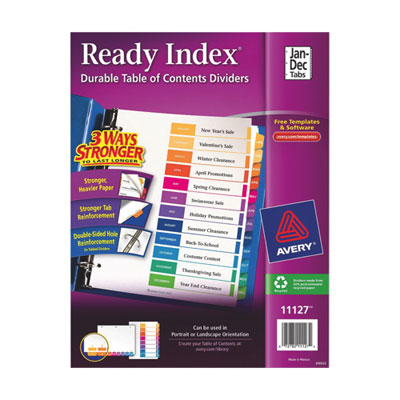
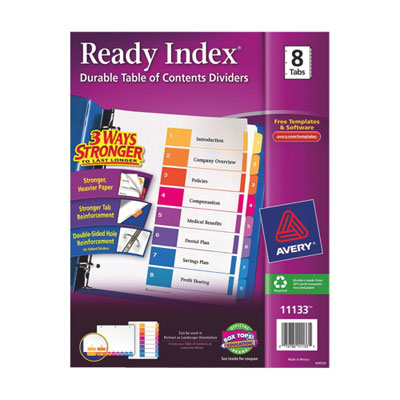
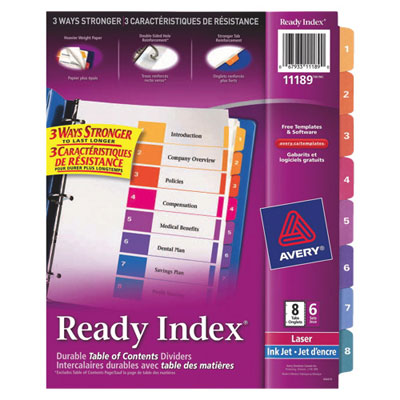
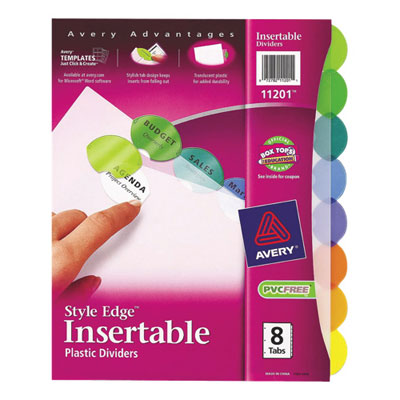
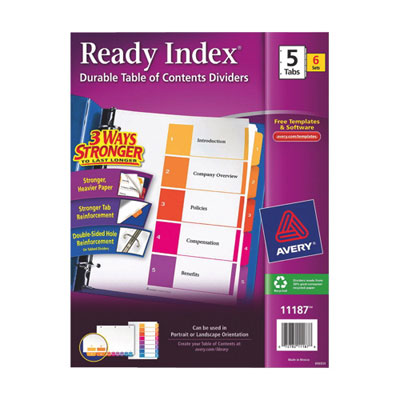
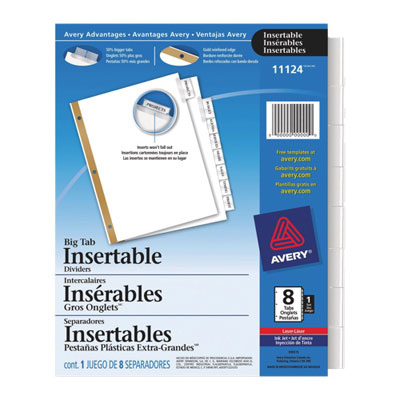
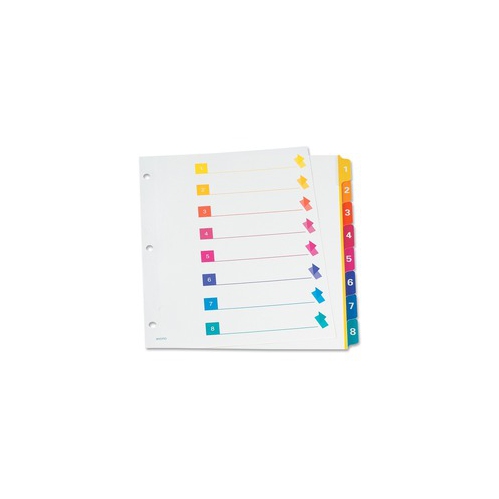
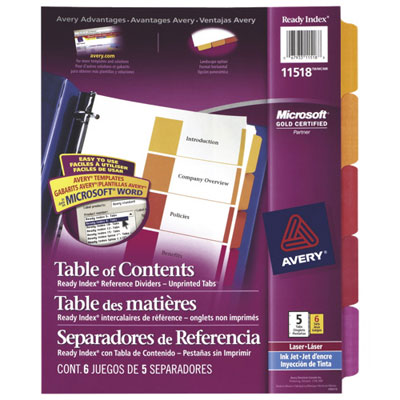
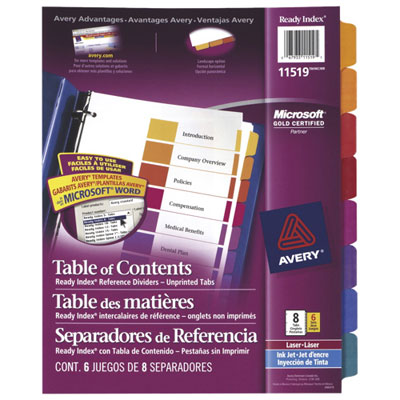
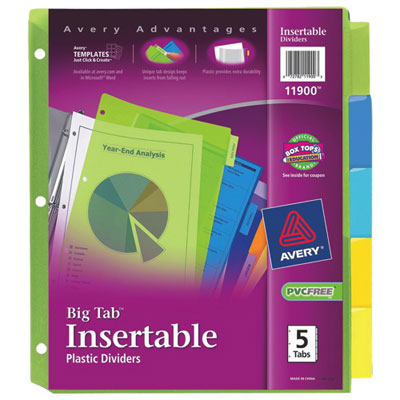
Letter tabs make growing notebooks easier to navigate
Alphabetical notebook dividers separate notes, contacts, and reference pages into labelled sections from A to Z, making a familiar notebook or binder easier to navigate. Instead of searching through a thick stack of pages, a reader can turn straight to the letter associated with a surname, subject, business, or keyword. That structure suits information that grows over time rather than following a fixed sequence: client details, vocabulary lists, household contacts, research notes, and hobby references all fit naturally into an alphabetical system. A student might file biology terms by name, while a small-business owner might keep supplier notes beside the corresponding letter tab. At home, a binder of appliance information can be arranged by appliance type, with dishwasher notes under D and washing machine details under W. The most useful arrangement is one that matches how the person using the notebook remembers the information. Alphabetical divider sets may give each letter its own tab or combine several letters on a single tab, so the number of sections matters as much as the A-to-Z label. Individual letter tabs offer more precise separation for larger collections; grouped letters take up less space and can suit slimmer notebooks or smaller reference files. Some layouts combine less frequently used letters, making the printed letter sequence worth checking against the intended contents. Bold lettering, clear contrast, and staggered tab positions help keep each section visible along the page edge. Letters printed on both sides can also make it easier to move backwards through an open binder without repeatedly turning it around. For people who prefer a consistent, ready-labelled layout, Preprinted Tab Dividers offer a related way to separate paperwork without handwriting every section label. An alphabetical arrangement is especially useful when different people need to find the same information, since the section names remain familiar even as the pages inside change.
Fit determines whether alphabetical dividers work comfortably with the pages and binding already in use. Standard letter-size paper measures 8.5 by 11 inches, but a divider designed for those sheets usually needs additional width for its tabs. A binder cover should protect those tabs without pressing or bending them when closed. Sheet protectors add another consideration: their outer edges can hide ordinary tabs, while wider dividers designed to extend beyond protective sleeves can keep the letters visible. Page size and binding type need to match independently. A letter-size, three-hole-punched divider belongs in a compatible ring binder; it will not automatically fit a discbound notebook, a compact six-ring organiser, or a spiral-bound notebook. Hole spacing, hole shape, and the distance between the punched edge and the tabs all affect how the divider turns and sits against the paper. In fixed-binding notebooks, compatible attachable or repositionable indexing formats may be more suitable than punched divider sheets. Material changes the feel and durability of the setup, too. Cardstock dividers give sections a firm, paper-like boundary and may provide room for handwritten notes where the surface is uncoated. Plastic dividers generally tolerate frequent handling and incidental moisture better than uncoated paper, although they do not make the contents waterproof. Laminated tabs add protection at the point most often pinched and pulled, while reinforced punched edges help limit tearing around binder rings. Those details become noticeable in a frequently opened contact binder or a reference notebook carried between home, work, and school. Thicker dividers can feel sturdier, but they also occupy more ring capacity and add weight. A full alphabet set needs enough room for both the dividers and the pages between them to turn freely. Neutral shades can keep a shared office binder visually simple, while coloured sections provide an additional cue when locating a familiar letter. On either style, readable lettering matters more than colour alone, particularly when several tabs overlap in a packed notebook or sit under uneven desk lighting.
Everyday usefulness also depends on how the alphabetical sections accommodate real paperwork. A contact notebook sorted by surname stays easier to use when every entry follows that convention, rather than mixing first names, company names, and job titles without a clear pattern. A recipe binder might work better by dish name than by ingredient, especially when one recipe contains several ingredients that could suggest different letters. For study notes, a short reference entry can point to a longer explanation elsewhere in the notebook, keeping related concepts connected without copying entire pages into multiple sections. Alphabetical dividers support these arrangements by providing stable reference points, while removable pages allow busy sections to expand. Not every letter needs the same amount of paper: names, technical terms, or project topics often cluster unevenly, and spare sheets can be kept near the back until needed. Pocket-style divider formats, where present, can hold small loose papers temporarily, though bulky contents may make nearby pages harder to turn. An index or contents sheet can clarify any special filing choices for a shared binder, such as whether businesses are listed under their full names or their commonly used abbreviations. Care is straightforward but helps preserve the parts that receive the most wear. Turning a divider close to its reinforced edge rather than tugging sharply on the tab reduces strain, and properly closed binder rings help prevent punched holes from catching. Paper and cardstock should be kept dry; suitable plastic surfaces can usually be wiped gently with a soft, lightly dampened cloth and dried before the binder is closed, following any supplied care directions. Writing on coated surfaces requires a compatible pen or label, since ordinary ink may smear instead of drying cleanly. For someone starting a course, managing a busy household, or building a personal reference library, alphabetical notebook dividers can also be a thoughtful addition to a stationery gift when matched to the recipient’s notebook size and binding. Their value lies in a simple daily convenience: opening a well-used notebook and finding the needed page without disturbing everything around it.
Fit determines whether alphabetical dividers work comfortably with the pages and binding already in use. Standard letter-size paper measures 8.5 by 11 inches, but a divider designed for those sheets usually needs additional width for its tabs. A binder cover should protect those tabs without pressing or bending them when closed. Sheet protectors add another consideration: their outer edges can hide ordinary tabs, while wider dividers designed to extend beyond protective sleeves can keep the letters visible. Page size and binding type need to match independently. A letter-size, three-hole-punched divider belongs in a compatible ring binder; it will not automatically fit a discbound notebook, a compact six-ring organiser, or a spiral-bound notebook. Hole spacing, hole shape, and the distance between the punched edge and the tabs all affect how the divider turns and sits against the paper. In fixed-binding notebooks, compatible attachable or repositionable indexing formats may be more suitable than punched divider sheets. Material changes the feel and durability of the setup, too. Cardstock dividers give sections a firm, paper-like boundary and may provide room for handwritten notes where the surface is uncoated. Plastic dividers generally tolerate frequent handling and incidental moisture better than uncoated paper, although they do not make the contents waterproof. Laminated tabs add protection at the point most often pinched and pulled, while reinforced punched edges help limit tearing around binder rings. Those details become noticeable in a frequently opened contact binder or a reference notebook carried between home, work, and school. Thicker dividers can feel sturdier, but they also occupy more ring capacity and add weight. A full alphabet set needs enough room for both the dividers and the pages between them to turn freely. Neutral shades can keep a shared office binder visually simple, while coloured sections provide an additional cue when locating a familiar letter. On either style, readable lettering matters more than colour alone, particularly when several tabs overlap in a packed notebook or sit under uneven desk lighting.
Everyday usefulness also depends on how the alphabetical sections accommodate real paperwork. A contact notebook sorted by surname stays easier to use when every entry follows that convention, rather than mixing first names, company names, and job titles without a clear pattern. A recipe binder might work better by dish name than by ingredient, especially when one recipe contains several ingredients that could suggest different letters. For study notes, a short reference entry can point to a longer explanation elsewhere in the notebook, keeping related concepts connected without copying entire pages into multiple sections. Alphabetical dividers support these arrangements by providing stable reference points, while removable pages allow busy sections to expand. Not every letter needs the same amount of paper: names, technical terms, or project topics often cluster unevenly, and spare sheets can be kept near the back until needed. Pocket-style divider formats, where present, can hold small loose papers temporarily, though bulky contents may make nearby pages harder to turn. An index or contents sheet can clarify any special filing choices for a shared binder, such as whether businesses are listed under their full names or their commonly used abbreviations. Care is straightforward but helps preserve the parts that receive the most wear. Turning a divider close to its reinforced edge rather than tugging sharply on the tab reduces strain, and properly closed binder rings help prevent punched holes from catching. Paper and cardstock should be kept dry; suitable plastic surfaces can usually be wiped gently with a soft, lightly dampened cloth and dried before the binder is closed, following any supplied care directions. Writing on coated surfaces requires a compatible pen or label, since ordinary ink may smear instead of drying cleanly. For someone starting a course, managing a busy household, or building a personal reference library, alphabetical notebook dividers can also be a thoughtful addition to a stationery gift when matched to the recipient’s notebook size and binding. Their value lies in a simple daily convenience: opening a well-used notebook and finding the needed page without disturbing everything around it.
Top selling and popular products
-
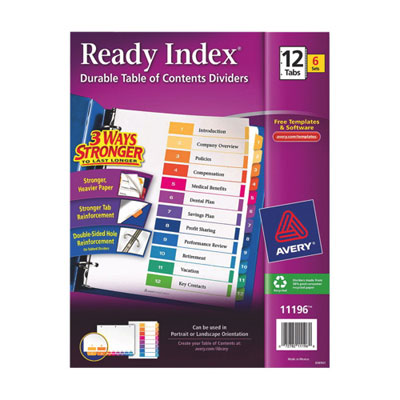 Your price for this item is $29.99
 -
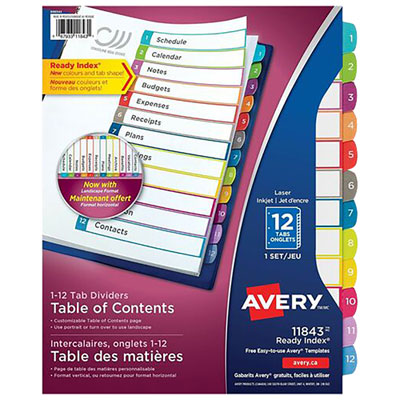 Your price for this item is $4.99
 -
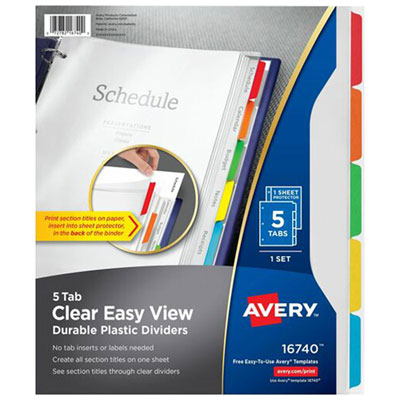 Your price for this item is $4.99
 -
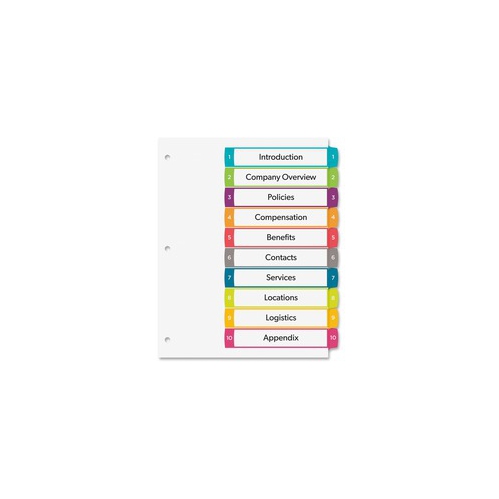 Your price for this item is $4.99
 -
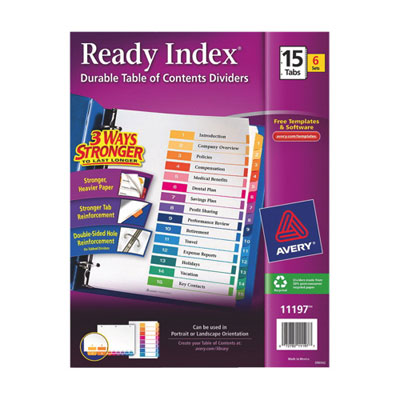 Your price for this item is $36.99
 -
 Your price for this item is $33.99
 -
 Your price for this item is $12.99
 -
 Your price for this item is $3.99
Discover more categories related to Alphabetical Notebook Dividers
Top Collections:
Pokemon Centers, Kindle Devices, Best Budget Office Chairs, Apple iPhones 16, Best Laptops for Writers, iPhone 15 Apple, Canon G7X Cameras, Refurbished Apple Laptops, Alarm Clock, Motorola Razr Phones
Some products may be subject to Environmental Handling Fees
(EHF) depending on your province.
Learn more about EHFs.