Preprinted Tab Dividers
Preprinted Tab Dividers make it easy to keep documents organized and accessible, whether you're managing projects at the office, preparing study materials, or arranging important files at home. With clearly labeled tabs, these dividers help streamline sorting and quick referencing in binders or folders. Explore a variety of Preprinted Tab Dividers designed to fit your organizational needs and add efficiency to any filing system.
Sort
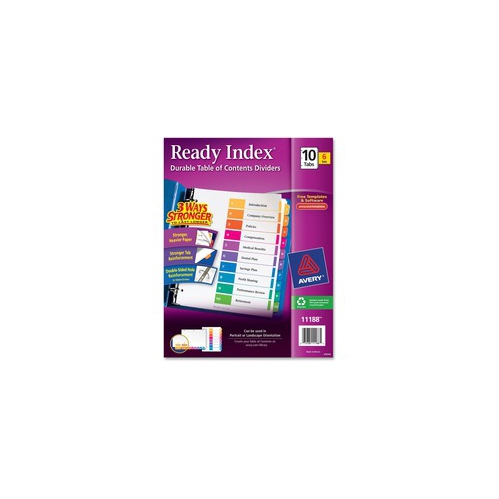
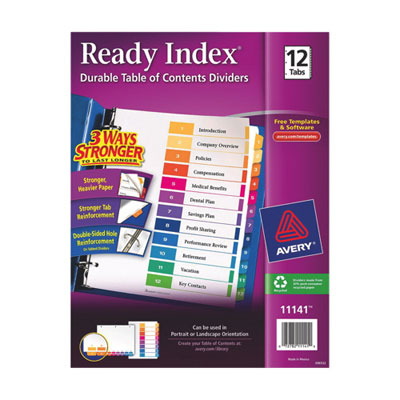
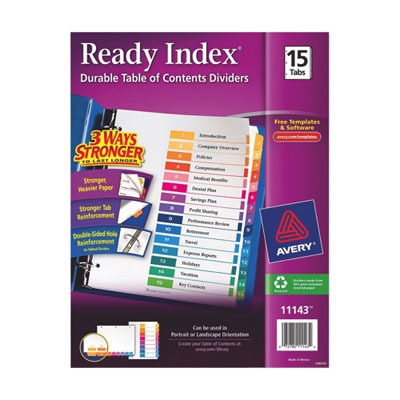
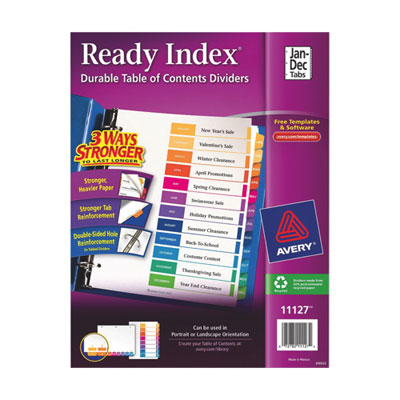
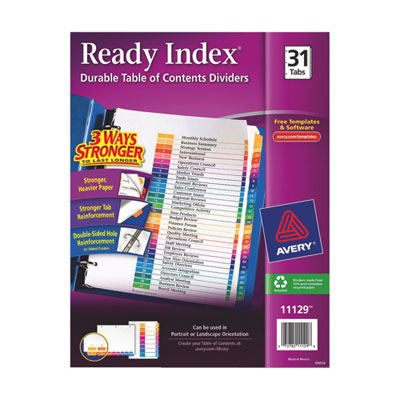
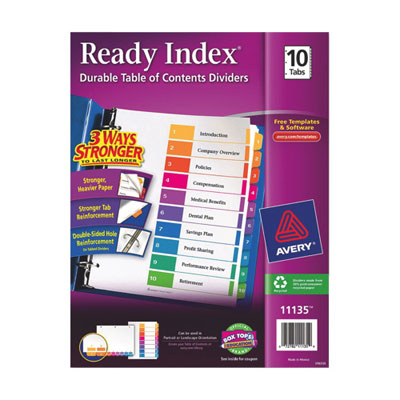
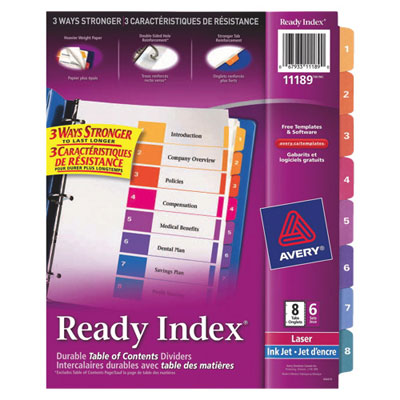
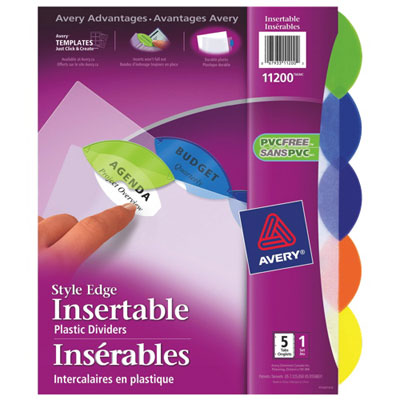
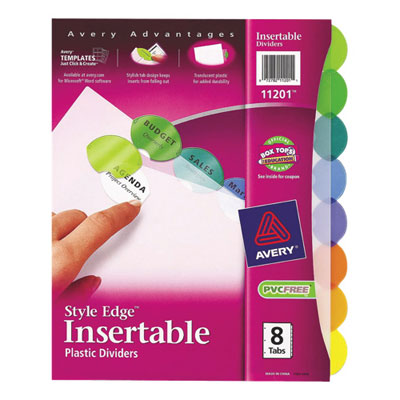
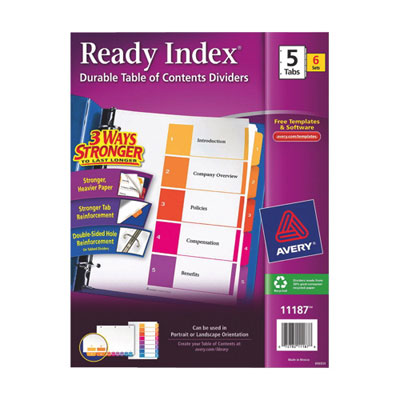
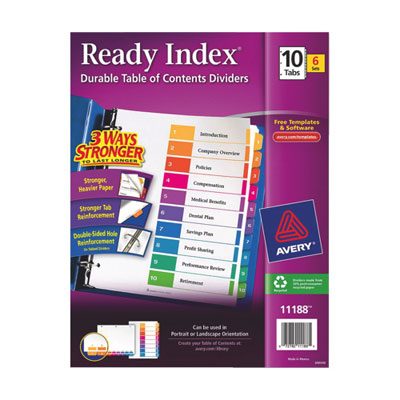
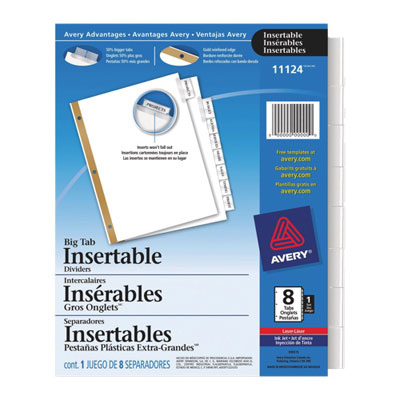
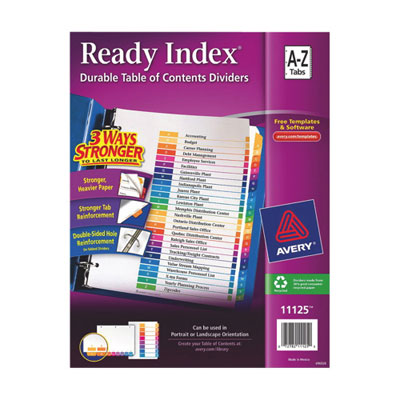
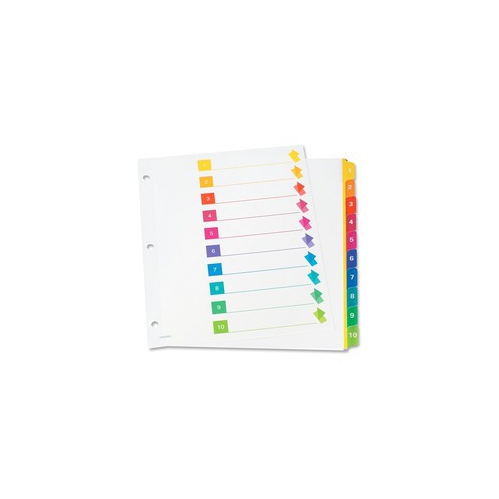

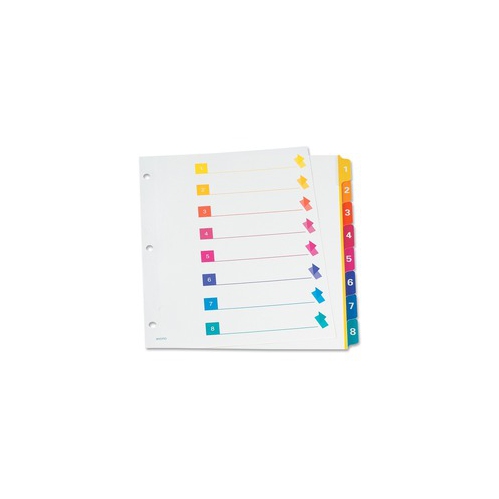
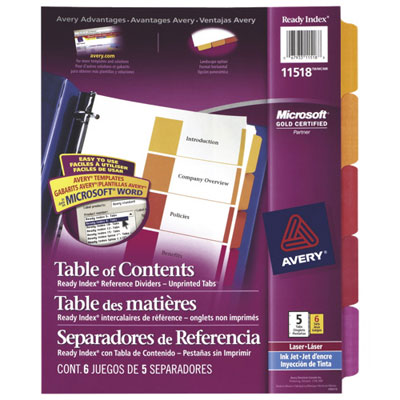
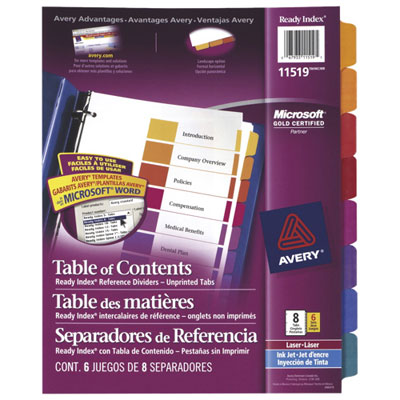
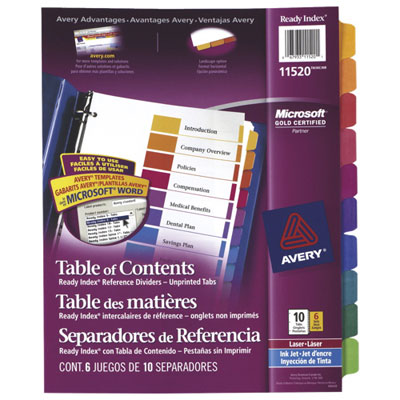
Clearly labelled binder sections without handwritten tabs
Preprinted tab dividers separate binder contents into clearly marked sections using labels that are already printed on the tabs. Rather than writing a heading on each divider or preparing individual inserts, you can organize pages around a consistent alphabetical, numerical, or date-based system. Alphabetical tab dividers typically cover A–Z, with some sets grouping several letters on one tab and others providing more individual sections. They work well for contact lists, customer files, supplier information, and reference material arranged by name or subject. Numbered dividers, including formats such as 1–10, 1–25, and 1–50, suit documents that follow a sequence or use a separate contents page to explain each section. A training binder might assign a number to each module, while a project binder could use numbered sections for plans, approvals, meeting notes, and supporting paperwork. Date-based dividers use printed month names or daily numbers, such as 1–31, to separate recurring paperwork, appointment notes, or scheduled tasks. The most useful label format reflects how someone will look for a document later: by a name, a section number, or a date. Preprinted labels also make shared binders easier to navigate because everyone sees the same headings in the same position, without having to interpret different handwriting. At a reception desk, in a classroom, or beside a home filing area, that consistency can make a frequently opened binder feel less cluttered. These dividers are especially practical for students, teachers, office administrators, and anyone who keeps printed information close at hand. They also give paper collections a clear structure without requiring every section to contain the same number of pages. A slim section for occasional correspondence can sit beside a larger section of forms, with both remaining easy to locate. For numbered systems, a contents sheet at the front connects each printed number to its subject, allowing the section names to change while the tab labels stay the same.
Materials and construction affect how preprinted binder dividers handle daily use. Paper and cardstock dividers offer a familiar page-like feel, with heavier stock generally providing more body when sections are turned. Some have reinforced tabs or a reinforced binding edge to help resist tearing at the points that receive the most handling. Plastic film around punched holes can be particularly useful in a binder that is opened repeatedly, since pages tend to pull against the rings as they turn. Plastic dividers, often made from polypropylene, provide a flexible alternative that can withstand more handling and incidental splashes than uncoated paper. They do not make a binder waterproof, but their surfaces may be easier to wipe clean when used according to the care information supplied. Material choice matters most where the binder will be used: a reference file consulted occasionally places different demands on its dividers than a procedure manual carried between workstations. The tab itself deserves equal attention. Clearly printed characters, good contrast, and enough space around the label help distinguish neighbouring sections at a glance. Double-sided printing allows labels to remain readable from either side of a divider as pages are turned. Coloured tabs can provide an additional visual cue, while a uniform tab colour keeps the emphasis on the printed sequence. Staggered tab positions spread labels down the edge of the binder, although larger sets may repeat positions across several groups. A binder with many narrow tabs offers more sections, but the labels may take a little longer to scan than those on a smaller set with wider tabs. For someone who reaches for the same handful of sections throughout the day, easy-to-read labels and sturdy tabs can matter more than having the highest possible section count. Preprinted text establishes the indexing system, while the divider material, reinforcement, and tab layout determine how comfortably that system holds up to repeated use.
Fit involves more than matching a divider to the approximate size of a sheet of paper. Many preprinted tab dividers are designed for letter-size documents measuring 8.5 by 11 inches and come with three punched holes for compatible ring binders. Other paper formats and punching patterns exist, so the stated sheet size, hole arrangement, and overall divider width need to match the binder and its contents. Tabs usually extend beyond the document edge, which helps them remain visible but also requires enough room inside the binder cover. Sheet protectors add another consideration: their outer edges can hide standard-width tabs, making wider dividers intended for use with protected pages a better fit in some setups. The cover should still close without bending or crushing those extended tabs. Binder capacity matters as well, because dividers add thickness alongside the documents they separate. When rings are packed too tightly, pages become harder to turn and more strain falls on the punched edges. A little room for movement helps keep sections accessible, especially when paperwork is added regularly. In a student binder, preprinted numbers can correspond to subjects, units, or assignments; related back-to-school index tab dividers also suit the broader task of keeping coursework separated and easy to find. At home, alphabetical sections can organize appliance instructions or household reference notes, while date-based sections can arrange recurring forms and appointment paperwork. In an office, the same printed sequence can be repeated across several binders so colleagues can find matching sections without learning a different layout each time. Simple care helps preserve that order. Turning dividers from the page edge rather than repeatedly tugging on a narrow tab reduces stress, and keeping paper dividers away from spills helps prevent curling or softened edges. Plastic surfaces can be wiped gently where permitted, avoiding abrasive cleaning that might damage printed labels. With a suitable fit and a clear indexing scheme, preprinted tab dividers make a binder easier to browse, update, and return to its shelf with every section still in place.
Materials and construction affect how preprinted binder dividers handle daily use. Paper and cardstock dividers offer a familiar page-like feel, with heavier stock generally providing more body when sections are turned. Some have reinforced tabs or a reinforced binding edge to help resist tearing at the points that receive the most handling. Plastic film around punched holes can be particularly useful in a binder that is opened repeatedly, since pages tend to pull against the rings as they turn. Plastic dividers, often made from polypropylene, provide a flexible alternative that can withstand more handling and incidental splashes than uncoated paper. They do not make a binder waterproof, but their surfaces may be easier to wipe clean when used according to the care information supplied. Material choice matters most where the binder will be used: a reference file consulted occasionally places different demands on its dividers than a procedure manual carried between workstations. The tab itself deserves equal attention. Clearly printed characters, good contrast, and enough space around the label help distinguish neighbouring sections at a glance. Double-sided printing allows labels to remain readable from either side of a divider as pages are turned. Coloured tabs can provide an additional visual cue, while a uniform tab colour keeps the emphasis on the printed sequence. Staggered tab positions spread labels down the edge of the binder, although larger sets may repeat positions across several groups. A binder with many narrow tabs offers more sections, but the labels may take a little longer to scan than those on a smaller set with wider tabs. For someone who reaches for the same handful of sections throughout the day, easy-to-read labels and sturdy tabs can matter more than having the highest possible section count. Preprinted text establishes the indexing system, while the divider material, reinforcement, and tab layout determine how comfortably that system holds up to repeated use.
Fit involves more than matching a divider to the approximate size of a sheet of paper. Many preprinted tab dividers are designed for letter-size documents measuring 8.5 by 11 inches and come with three punched holes for compatible ring binders. Other paper formats and punching patterns exist, so the stated sheet size, hole arrangement, and overall divider width need to match the binder and its contents. Tabs usually extend beyond the document edge, which helps them remain visible but also requires enough room inside the binder cover. Sheet protectors add another consideration: their outer edges can hide standard-width tabs, making wider dividers intended for use with protected pages a better fit in some setups. The cover should still close without bending or crushing those extended tabs. Binder capacity matters as well, because dividers add thickness alongside the documents they separate. When rings are packed too tightly, pages become harder to turn and more strain falls on the punched edges. A little room for movement helps keep sections accessible, especially when paperwork is added regularly. In a student binder, preprinted numbers can correspond to subjects, units, or assignments; related back-to-school index tab dividers also suit the broader task of keeping coursework separated and easy to find. At home, alphabetical sections can organize appliance instructions or household reference notes, while date-based sections can arrange recurring forms and appointment paperwork. In an office, the same printed sequence can be repeated across several binders so colleagues can find matching sections without learning a different layout each time. Simple care helps preserve that order. Turning dividers from the page edge rather than repeatedly tugging on a narrow tab reduces stress, and keeping paper dividers away from spills helps prevent curling or softened edges. Plastic surfaces can be wiped gently where permitted, avoiding abrasive cleaning that might damage printed labels. With a suitable fit and a clear indexing scheme, preprinted tab dividers make a binder easier to browse, update, and return to its shelf with every section still in place.
Top selling and popular products
-
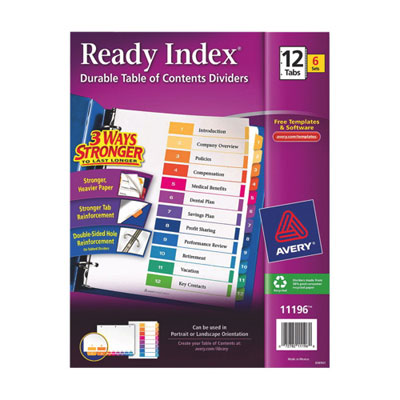 Your price for this item is $29.99
 -
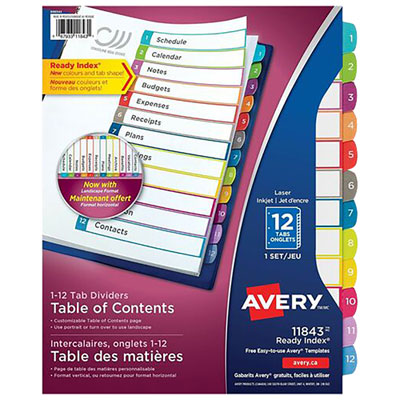 Your price for this item is $4.99
 -
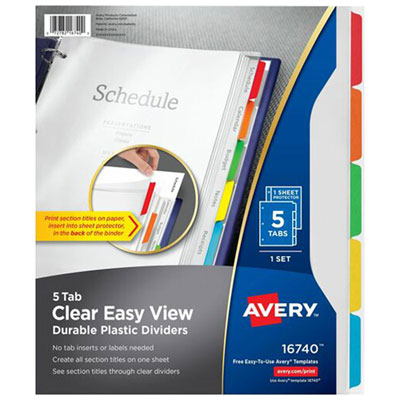 Your price for this item is $4.99
 -
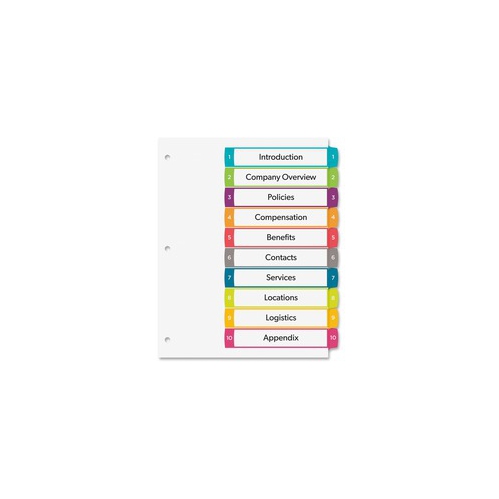 Your price for this item is $4.99
 -
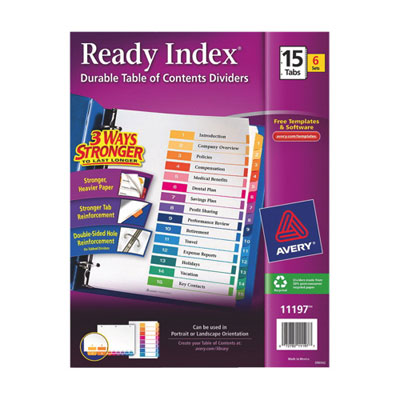 Your price for this item is $36.99
 -
 Your price for this item is $33.99
 -
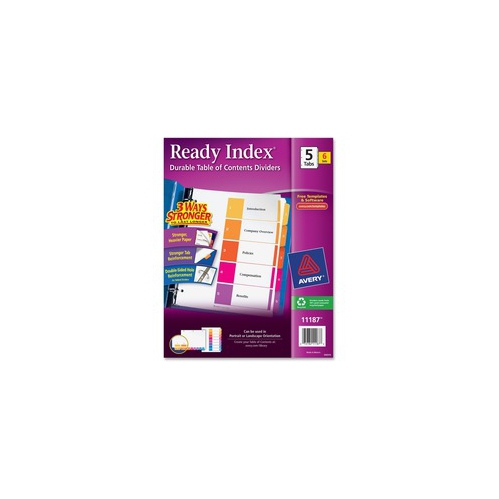 Your price for this item is $12.99
 -
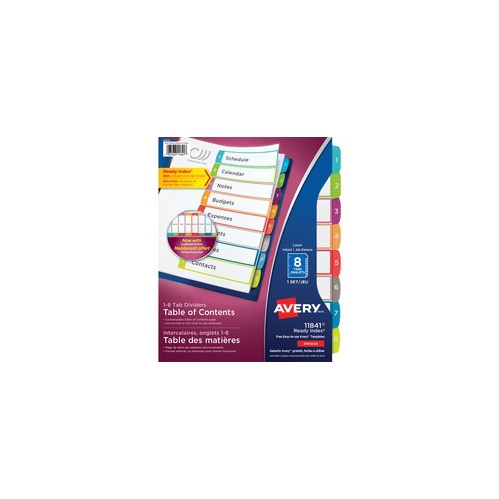 Your price for this item is $3.99
Discover more categories related to Preprinted Tab Dividers
Top Collections:
Pokemon Centers, Kindle Devices, Best Budget Office Chairs, Apple iPhones 16, Best Laptops for Writers, iPhone 15 Apple, Canon G7X Cameras, Refurbished Apple Laptops, Alarm Clock, Motorola Razr Phones
Some products may be subject to Environmental Handling Fees
(EHF) depending on your province.
Learn more about EHFs.