Art Studio Organizers
Transform your creative space into a haven of productivity and inspiration with our selection of art studio organizers. Designed to cater to artists of all levels, these organizers offer the perfect blend of functionality and style. Keep your brushes, paints, sketchbooks, and other supplies neatly arranged and easily accessible, allowing you to focus on unleashing your creativity without the distraction of clutter. Whether you're a professional artist or a passionate hobbyist, our range of organizers will help you maintain an efficient workspace that sparks joy and enhances your artistic endeavors.
Sort
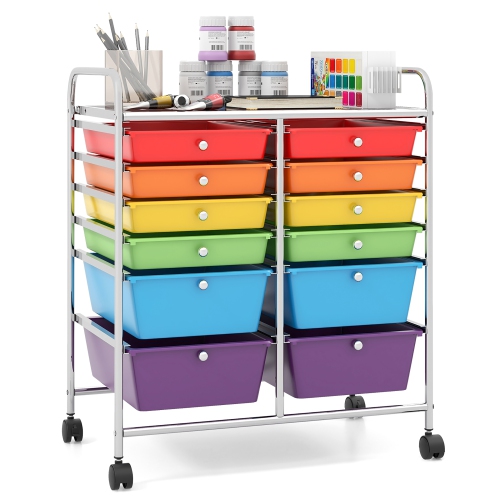
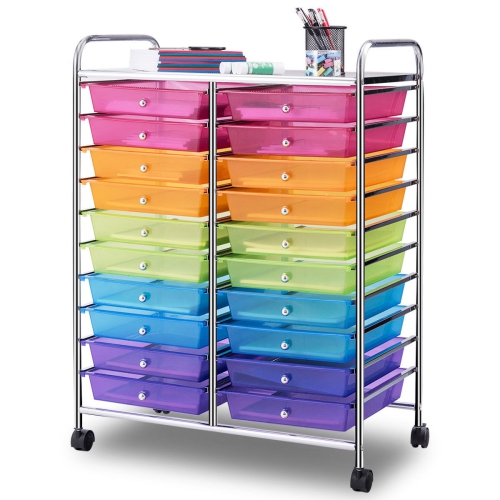
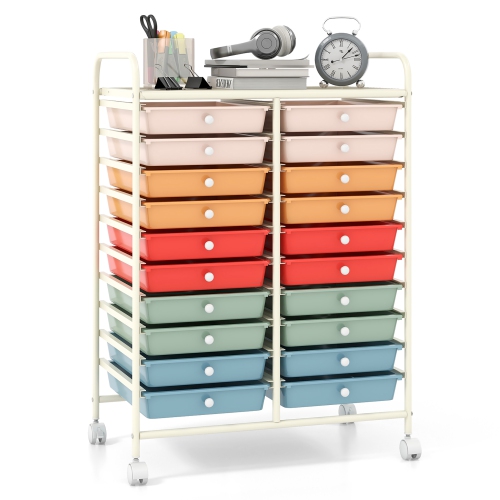

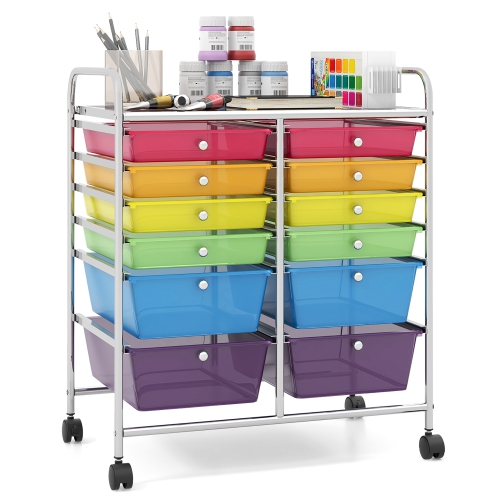
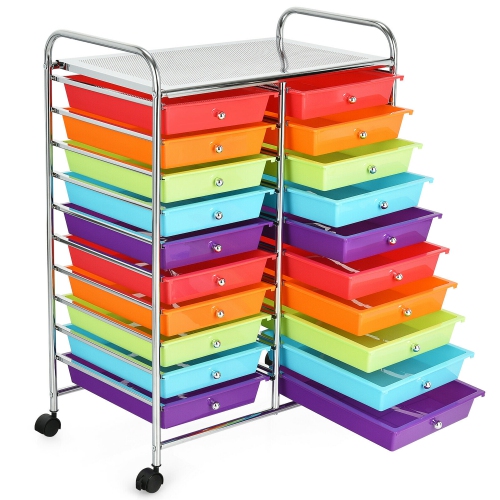
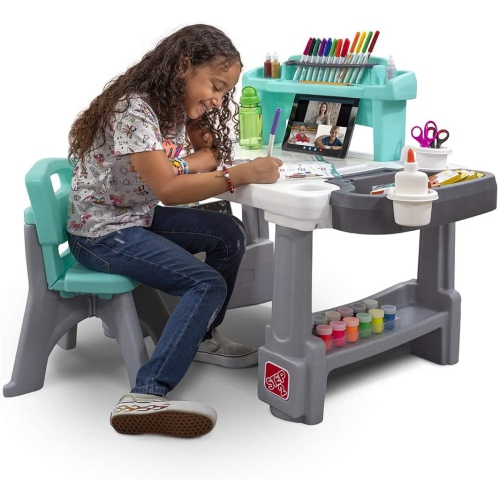
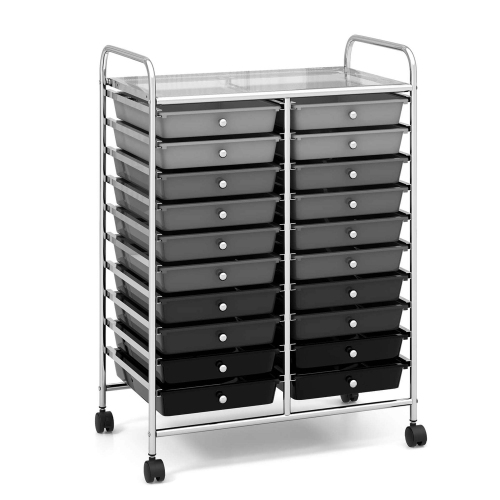

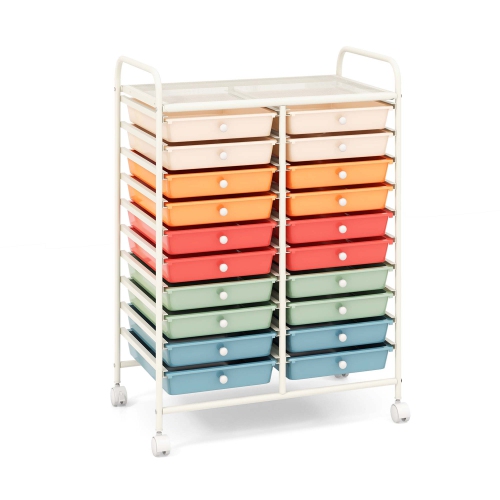
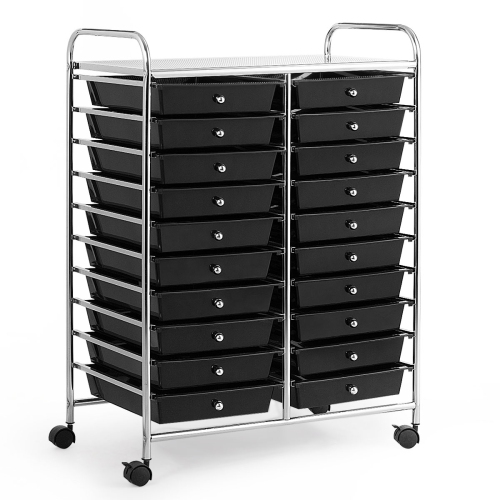
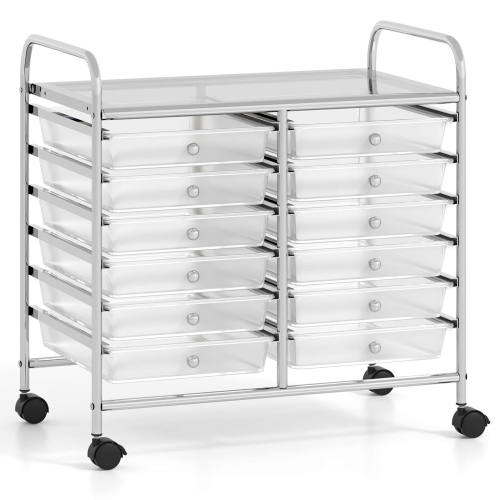
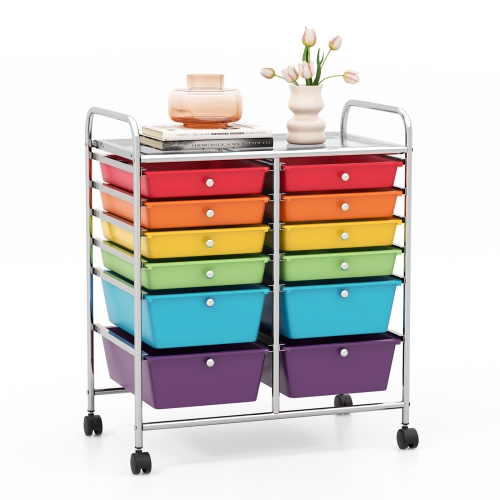
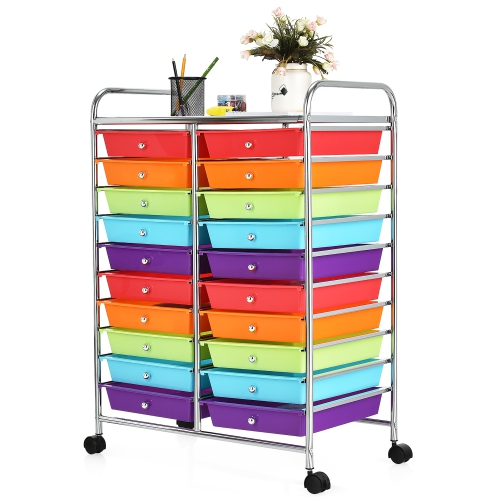
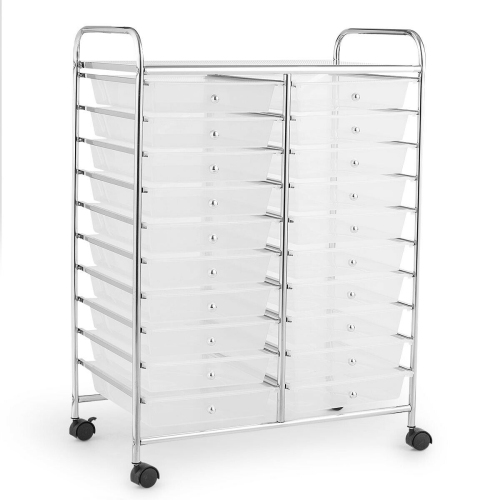
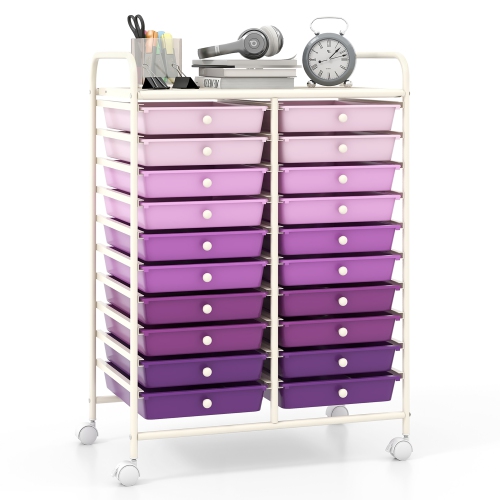
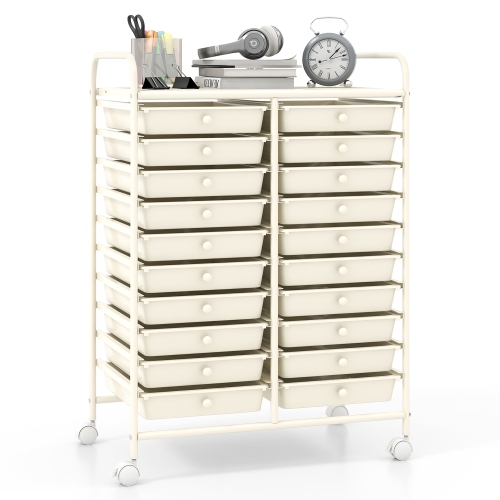
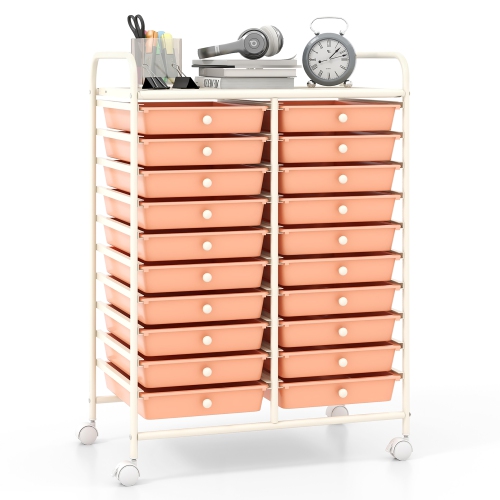
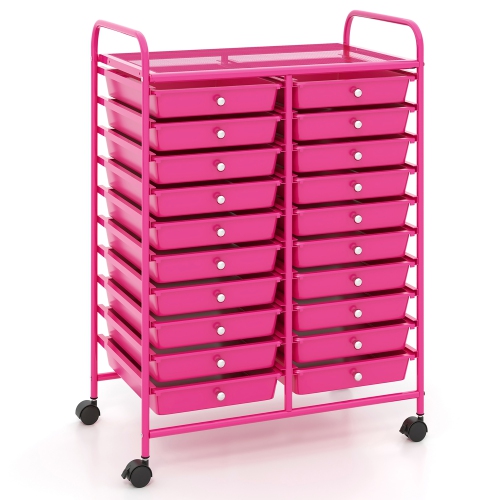
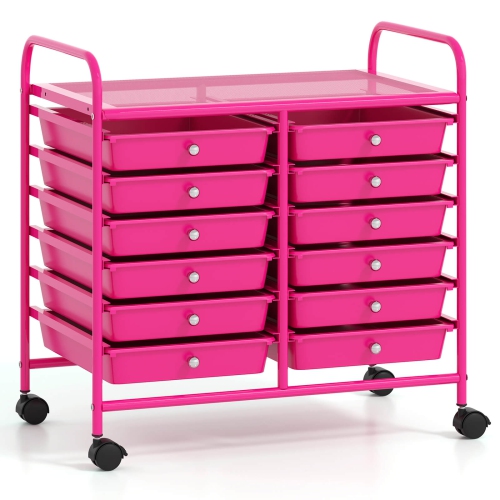
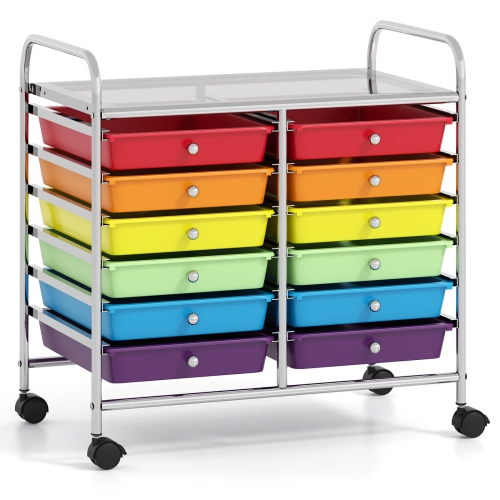
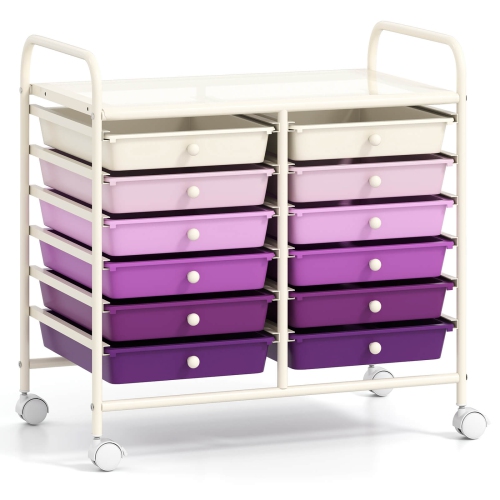
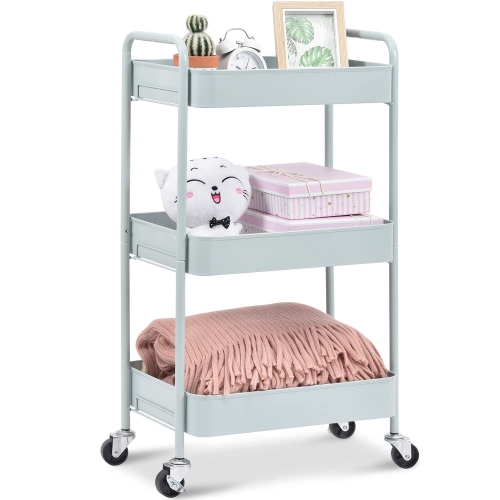

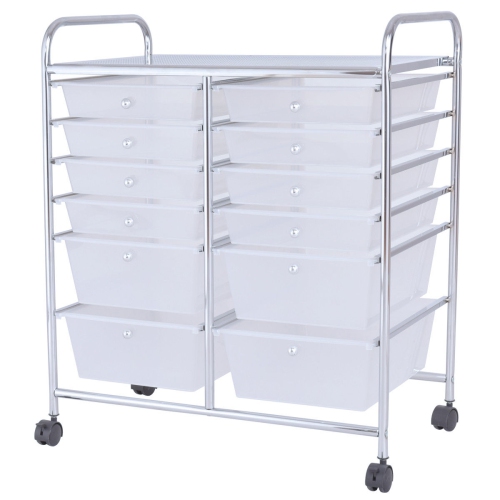
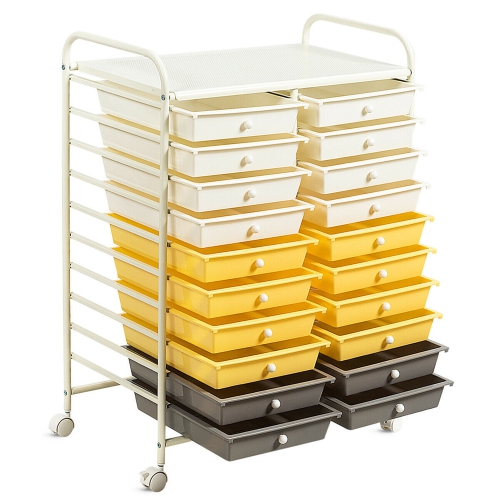
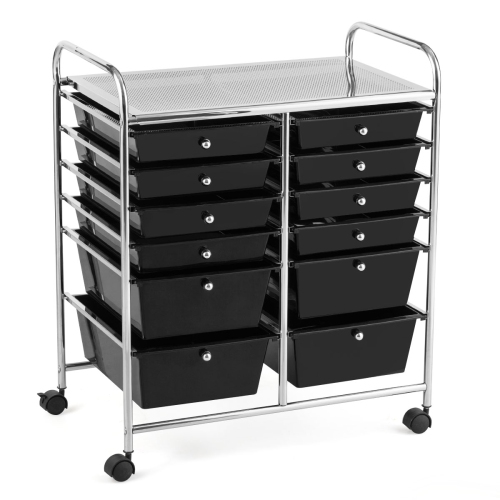
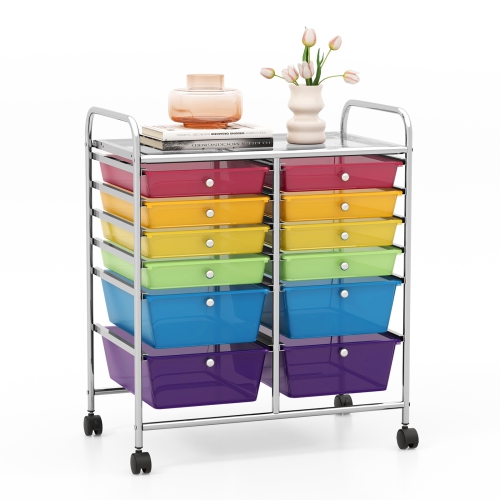
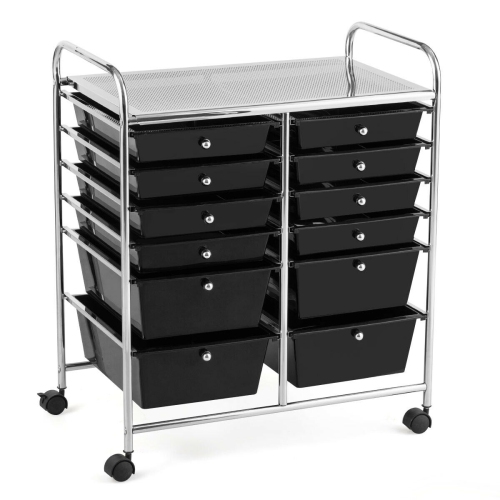
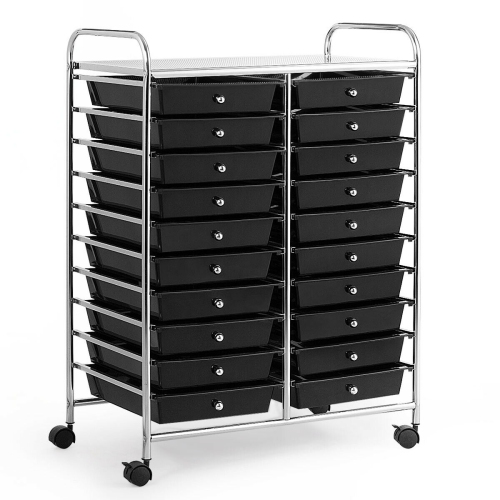
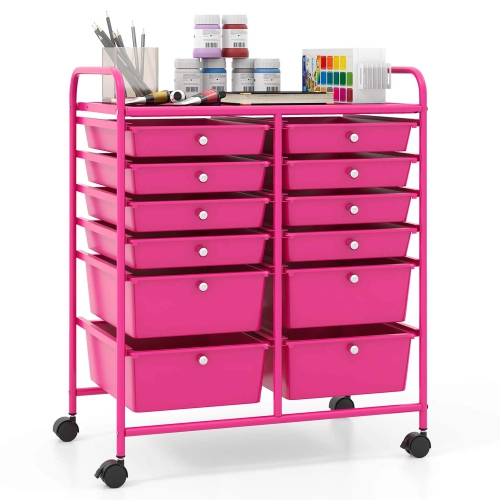
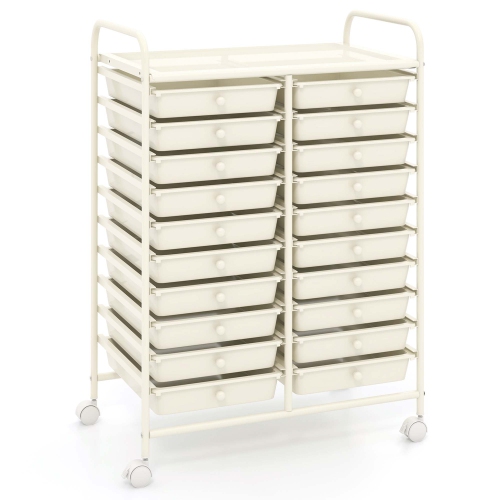
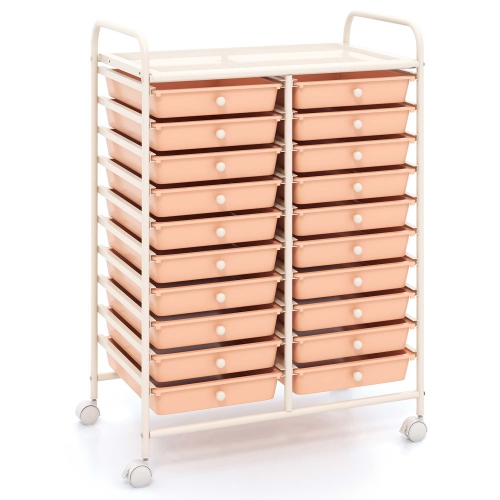
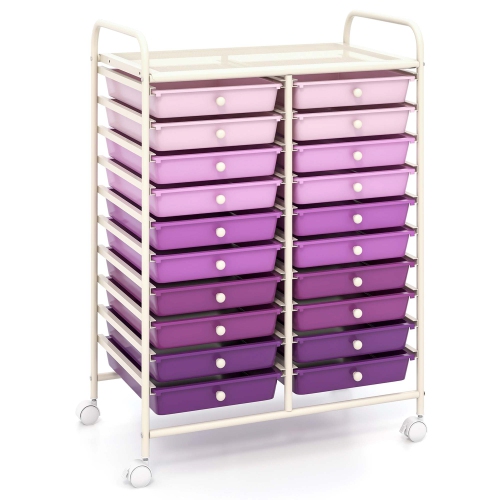
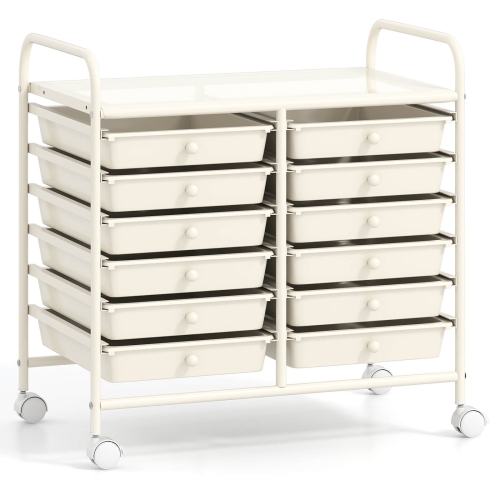
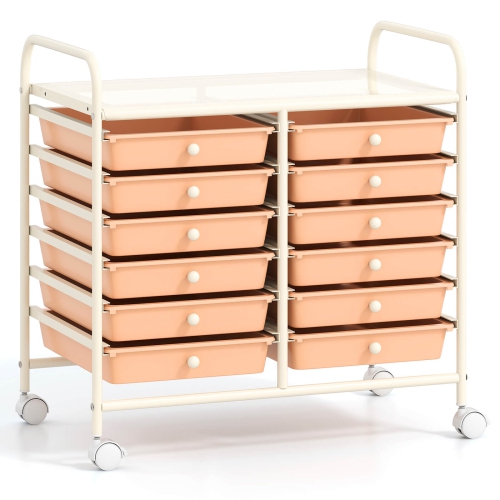
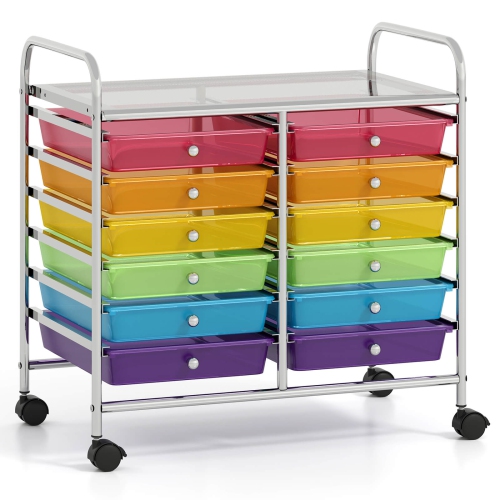
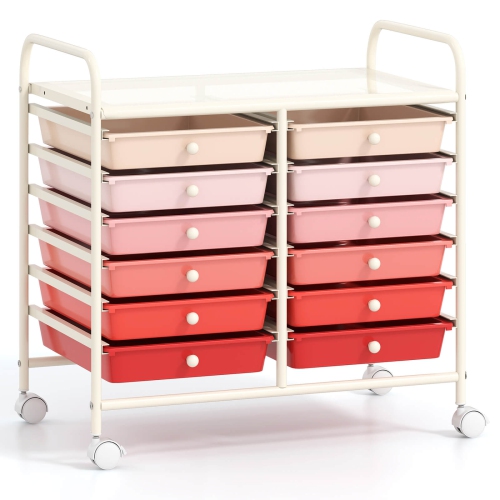
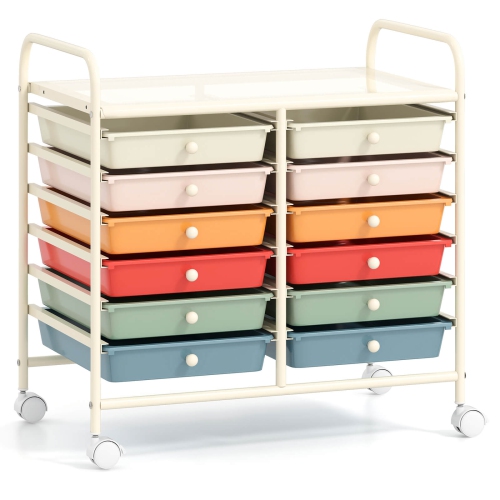
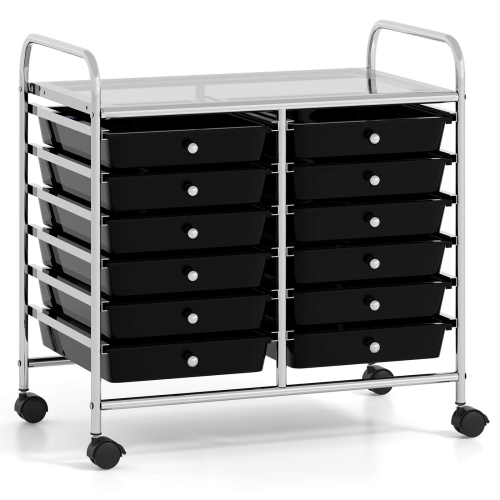
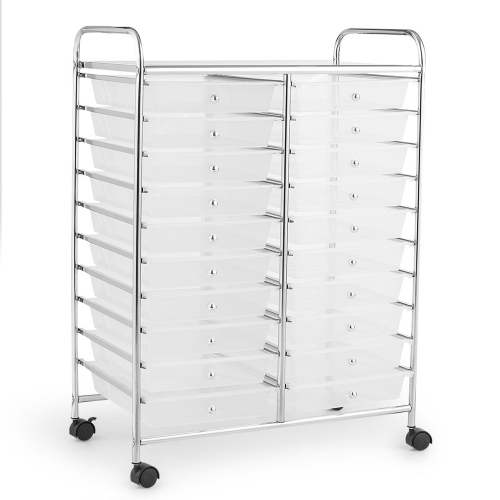
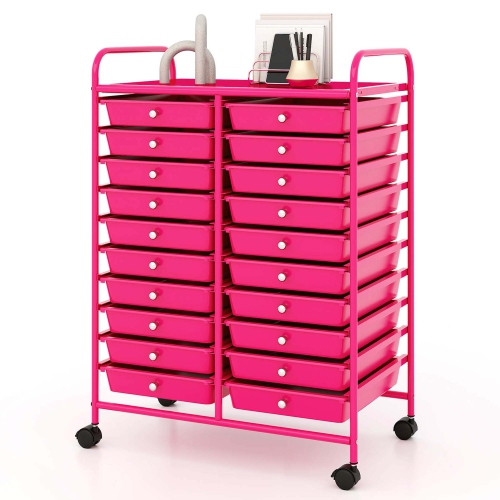
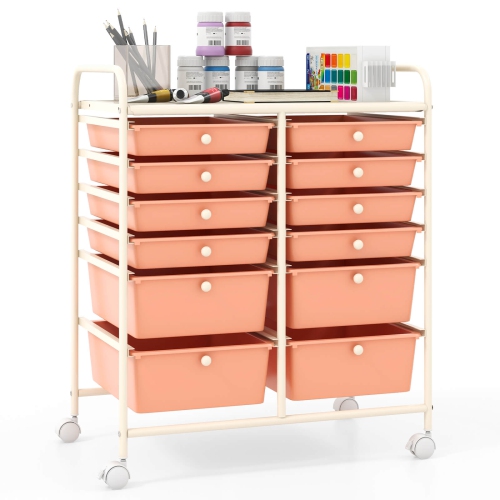
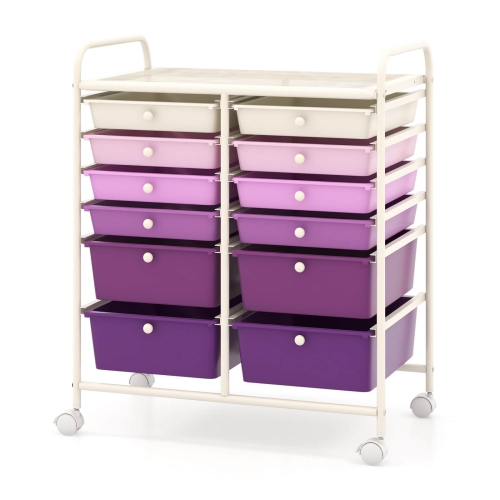
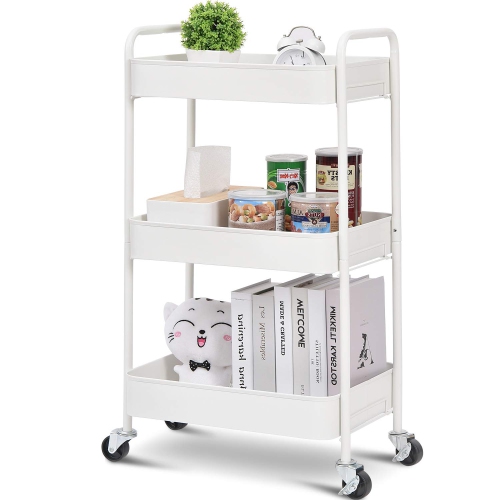
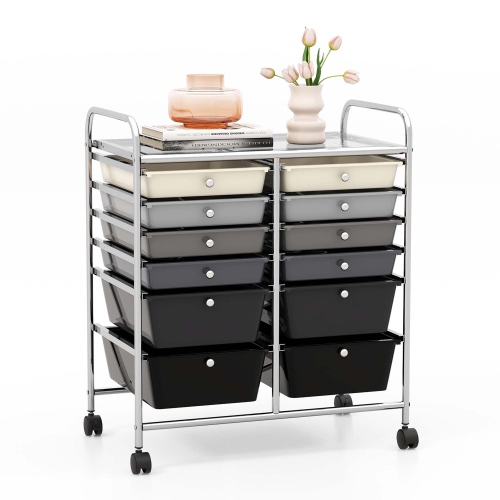
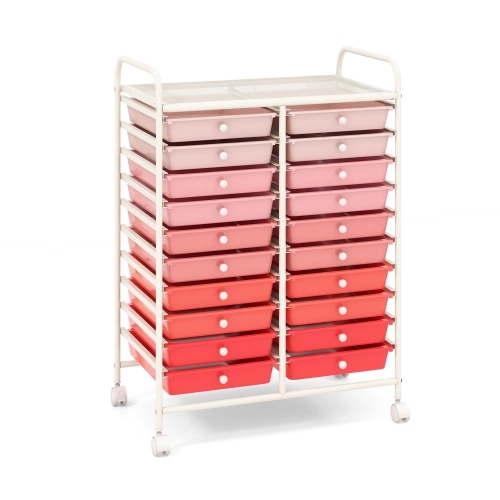
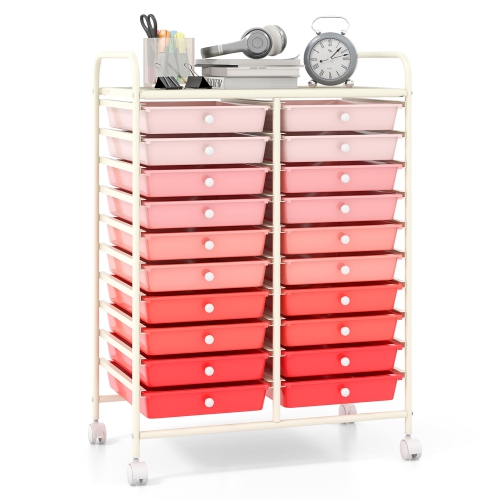
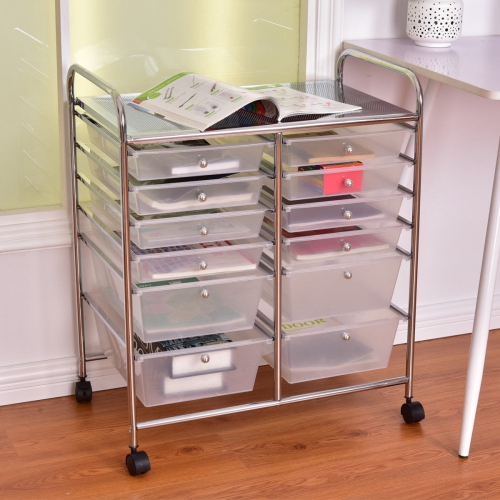
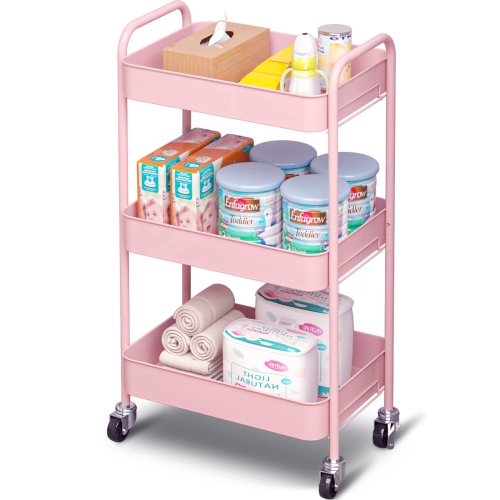
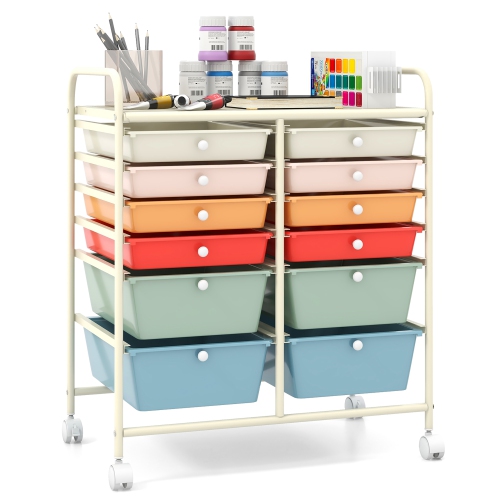
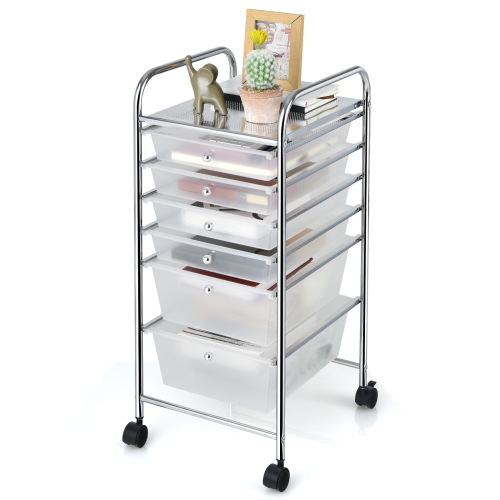
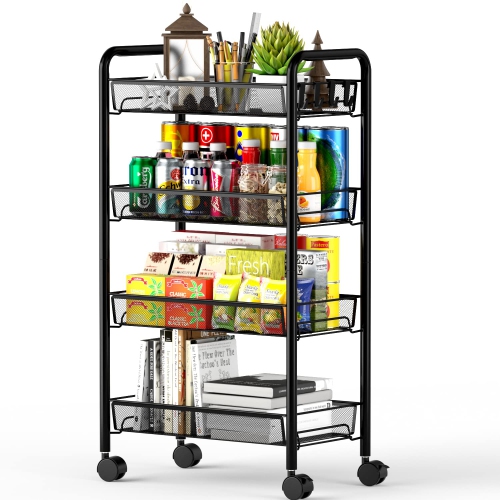
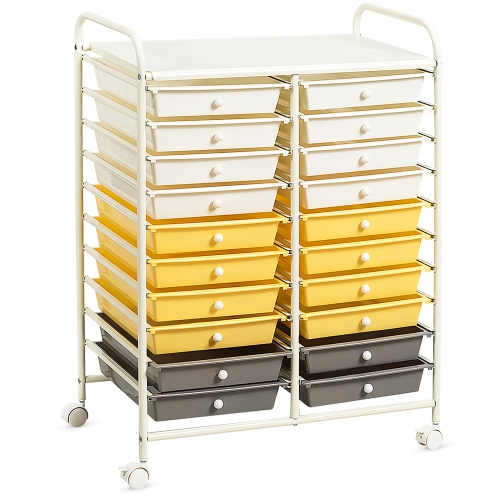
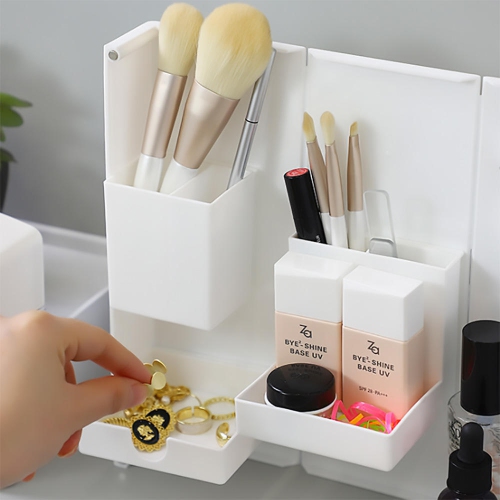
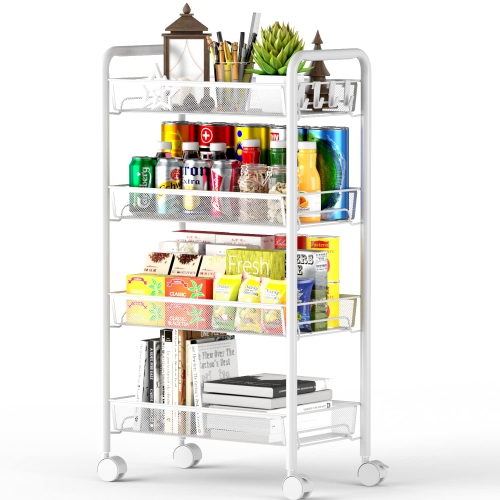
A place for every brush and unfinished project
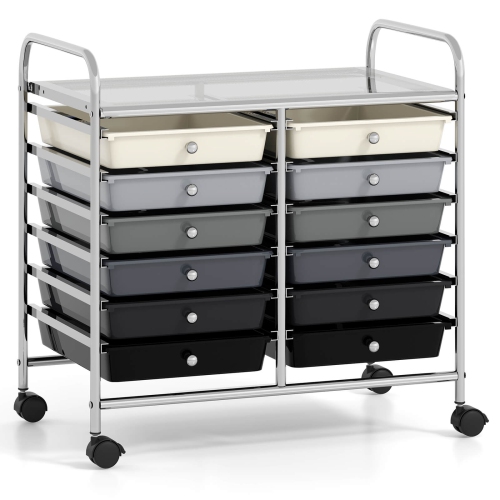
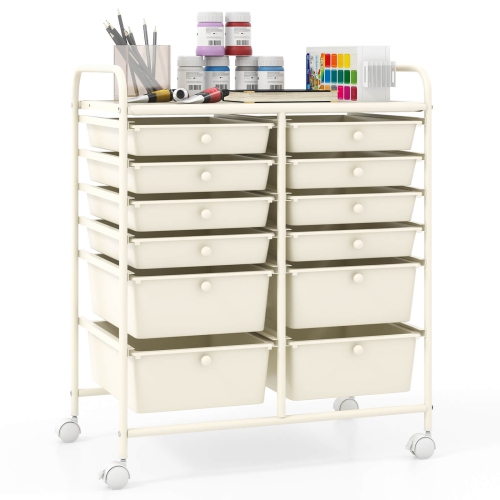
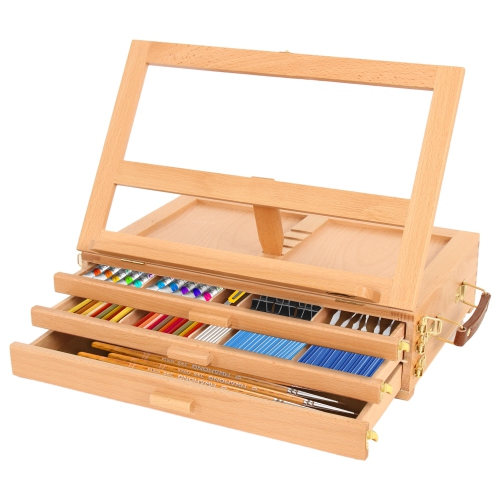
Art studio organizers give brushes, paints, drawing tools, paper, and works in progress a place of their own, helping a creative workspace stay usable between projects. The category includes rolling storage carts, desktop caddies, divided cases, wall-mounted racks, and drawer units, each suited to a different mix of supplies and working habits. A painter may need open compartments for frequently used brushes and deeper storage for paint tubes, while an illustrator may prefer shallow drawers that keep pencils and pens visible without piling them together. For printmaking, collage, and mixed-media work, broad compartments can hold sheets, offcuts, stencils, and textured materials that tend to disappear inside a deep bin. The most useful arrangement follows the way a space is used: everyday tools within reach, spare materials grouped together, and delicate pieces away from crowded work surfaces. In a dedicated studio, organizers can divide the room into areas for drawing, painting, preparation, and drying. In a shared room, compact storage helps a dining table or spare desk return to its other uses when the session ends. A portable caddy can carry a small project from a shelf to the table, while a rolling cart can keep several stages of a larger piece together beside an easel. Storage also supports the quieter parts of making art, from finding the same pencil grade again to keeping reference sketches beside the materials chosen for a project. Clear drawers reveal contents at a glance; opaque fronts create a calmer visual backdrop when supplies come in many colours and shapes. Labels and adjustable dividers can make shared spaces easier to navigate, particularly when several people use the same materials. Alongside complementary art studio furniture, well-proportioned organizers help establish a practical workspace without allowing storage to take over the area needed for making art.
Materials and construction influence how an art supply organizer handles daily use, accidental splashes, and the weight of a growing collection. Plastic compartments are often lightweight and easy to wipe, making them practical for separating small tools or containing capped paint tubes, although cleaning compatibility depends on the plastic and the substances involved. Metal frames can support a sturdy storage layout, but load ratings still matter, especially when drawers hold jars, clay tools, or other dense materials. Wooden organizers bring a warm appearance to a desk and can provide useful shallow storage for drawing supplies; their finish affects how well they tolerate moisture and stains. Smooth drawer interiors, neatly finished edges, and handles that are easy to grip all contribute to everyday comfort. For mobile storage, wheel size, floor clearance, and locking castors deserve attention: a cart that moves easily across a hard floor may behave differently on thick carpet or at a doorway threshold. Drawers should open smoothly without making a lightly loaded unit feel unstable, and tall storage may require anchoring according to the manufacturer’s directions. Fit involves more than the outside dimensions. A cabinet needs enough space for drawers to extend, a wall rack needs mounting suitable for the wall and intended load, and a desktop organizer should leave room for a sketchbook to lie open. Internal measurements are particularly important for long-handled brushes, large paper formats, and bulky bottles. Adjustable sections offer flexibility when supplies change, while fixed compartments keep a familiar layout intact. Care is usually simplest when spills are addressed promptly with a cleaning method approved for the material. Damp brushes need suitable drying space before enclosed storage, and wet palettes should not sit directly against unprotected wood or paper. Keeping heavy supplies low, avoiding overloaded drawers, and checking fasteners or castors periodically can help storage remain dependable through repeated use.
Different art materials benefit from different storage conditions, so a useful studio organizer does more than gather everything into one container. Paper storage works best when sheets are supported without bent corners or pressure from unrelated supplies; shallow drawers and broad shelves can keep drawing pads, card, and loose sheets separate by size or purpose. Finished artwork may need additional protective materials rather than direct contact with an ordinary drawer surface. Brush storage should protect bristles from being crushed, with enough clearance for the handle length and a suitable position for the brush’s condition. Pens and markers may have particular storage requirements, including horizontal placement, so their manufacturer’s directions take priority over the appearance of a display. Small compartments can separate erasers, sharpeners, clips, and blending tools, while removable trays make it easier to bring just the needed materials to a work surface. For someone who paints in short sessions, a cart arranged around one active project can preserve the setup between visits: paints together, clean tools in a separate section, and reference material protected from spills. For a student moving between home and a classroom, a case with a secure closure and comfortable handle may matter more than generous display space. Teachers, hobbyists, professional artists, and families sharing a craft area can all benefit from storage matched to the scale of their activities. In spaces used by children, age-appropriate access matters, with sharp tools and materials requiring supervision kept securely out of reach; ordinary organizer drawers should not be treated as safety storage. During the cooler months, when more creative work may move indoors, an orderly corner can make it easier to settle into sketching, painting, or paper crafts without clearing an entire room first. Organizers can also make thoughtful gifts for art students, enthusiastic beginners, or experienced makers setting up a new workspace, particularly when the size and layout suit supplies they already use. Whether the setting is a small apartment desk or a larger studio, the best fit leaves tools accessible, materials protected, and enough open space for the next piece to take shape.
Materials and construction influence how an art supply organizer handles daily use, accidental splashes, and the weight of a growing collection. Plastic compartments are often lightweight and easy to wipe, making them practical for separating small tools or containing capped paint tubes, although cleaning compatibility depends on the plastic and the substances involved. Metal frames can support a sturdy storage layout, but load ratings still matter, especially when drawers hold jars, clay tools, or other dense materials. Wooden organizers bring a warm appearance to a desk and can provide useful shallow storage for drawing supplies; their finish affects how well they tolerate moisture and stains. Smooth drawer interiors, neatly finished edges, and handles that are easy to grip all contribute to everyday comfort. For mobile storage, wheel size, floor clearance, and locking castors deserve attention: a cart that moves easily across a hard floor may behave differently on thick carpet or at a doorway threshold. Drawers should open smoothly without making a lightly loaded unit feel unstable, and tall storage may require anchoring according to the manufacturer’s directions. Fit involves more than the outside dimensions. A cabinet needs enough space for drawers to extend, a wall rack needs mounting suitable for the wall and intended load, and a desktop organizer should leave room for a sketchbook to lie open. Internal measurements are particularly important for long-handled brushes, large paper formats, and bulky bottles. Adjustable sections offer flexibility when supplies change, while fixed compartments keep a familiar layout intact. Care is usually simplest when spills are addressed promptly with a cleaning method approved for the material. Damp brushes need suitable drying space before enclosed storage, and wet palettes should not sit directly against unprotected wood or paper. Keeping heavy supplies low, avoiding overloaded drawers, and checking fasteners or castors periodically can help storage remain dependable through repeated use.
Different art materials benefit from different storage conditions, so a useful studio organizer does more than gather everything into one container. Paper storage works best when sheets are supported without bent corners or pressure from unrelated supplies; shallow drawers and broad shelves can keep drawing pads, card, and loose sheets separate by size or purpose. Finished artwork may need additional protective materials rather than direct contact with an ordinary drawer surface. Brush storage should protect bristles from being crushed, with enough clearance for the handle length and a suitable position for the brush’s condition. Pens and markers may have particular storage requirements, including horizontal placement, so their manufacturer’s directions take priority over the appearance of a display. Small compartments can separate erasers, sharpeners, clips, and blending tools, while removable trays make it easier to bring just the needed materials to a work surface. For someone who paints in short sessions, a cart arranged around one active project can preserve the setup between visits: paints together, clean tools in a separate section, and reference material protected from spills. For a student moving between home and a classroom, a case with a secure closure and comfortable handle may matter more than generous display space. Teachers, hobbyists, professional artists, and families sharing a craft area can all benefit from storage matched to the scale of their activities. In spaces used by children, age-appropriate access matters, with sharp tools and materials requiring supervision kept securely out of reach; ordinary organizer drawers should not be treated as safety storage. During the cooler months, when more creative work may move indoors, an orderly corner can make it easier to settle into sketching, painting, or paper crafts without clearing an entire room first. Organizers can also make thoughtful gifts for art students, enthusiastic beginners, or experienced makers setting up a new workspace, particularly when the size and layout suit supplies they already use. Whether the setting is a small apartment desk or a larger studio, the best fit leaves tools accessible, materials protected, and enough open space for the next piece to take shape.
Top selling and popular products
-
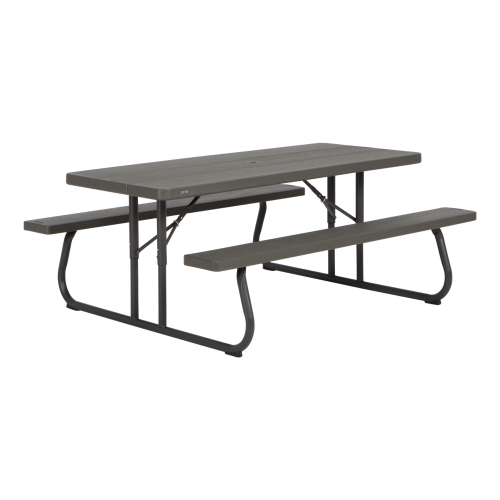 Your price for this item is $439.99
 -
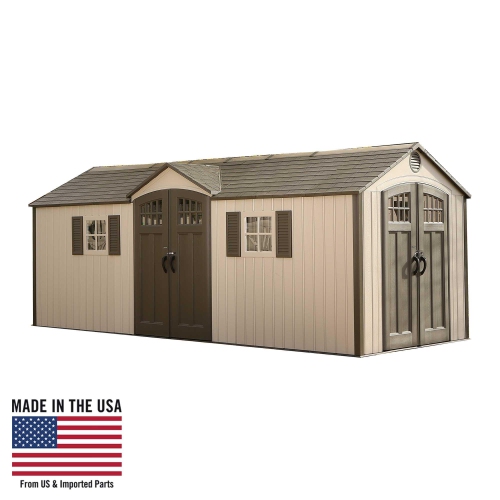 Your price for this item is $5559
 -
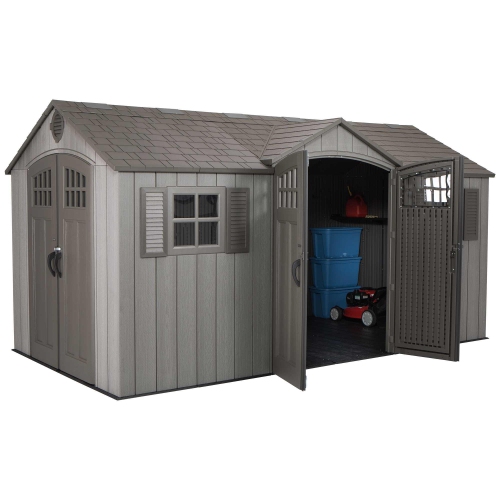 Your price for this item is $4168
 -
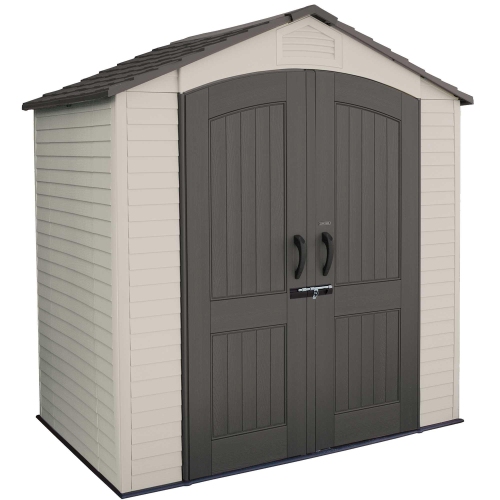 Your price for this item is $1649
 -
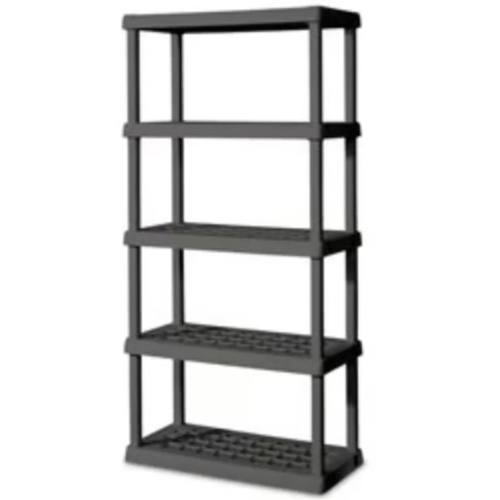 Your price for this item is $920.99
 -
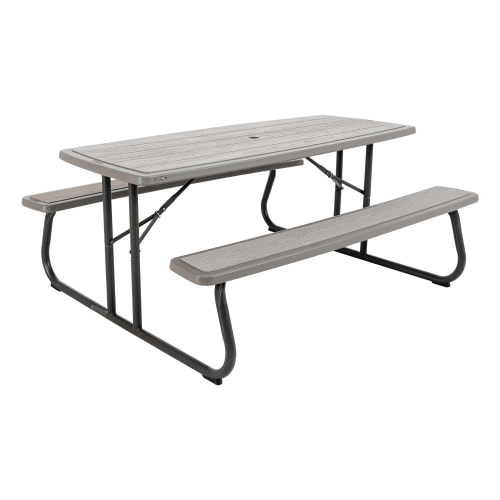 Your price for this item is $419.99
 -
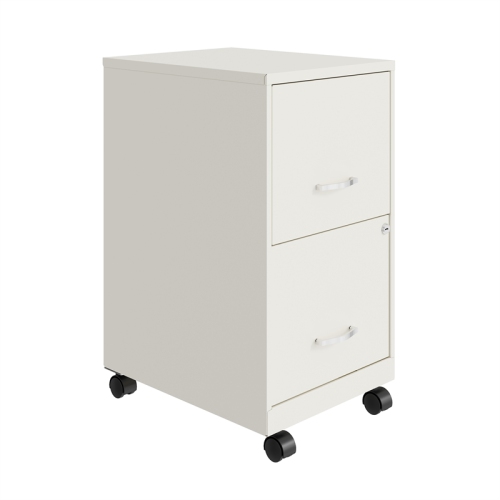 Your price for this item is $395.93
 -
 Your price for this item is $5499
Discover more categories related to Art Studio Organizers
Top Collections:
Pokemon Centers, Budget 4K TVs, Best Budget Office Chairs, Kindle Devices, Canon G7X Cameras, Apple iPhones 16, iPhone 15 Apple, Laptops for Business Work, Xiaomi Phones, Flip Phones
Some products may be subject to Environmental Handling Fees
(EHF) depending on your province.
Learn more about EHFs.