Art Studio Furniture
Elevate your art studio with stylish and functional furniture designed to inspire creativity and enhance your workspace. From ergonomic drafting chairs to spacious drafting tables, our collection offers a range of options to suit every artist's needs. Organize your supplies with multi-tiered storage solutions and keep your studio clutter-free. Whether you're a seasoned professional or just starting out, our art studio furniture provides the perfect blend of comfort, durability, and aesthetics to help you bring your artistic vision to life.
Sort

Thoughtful furniture supports every stage of creative work
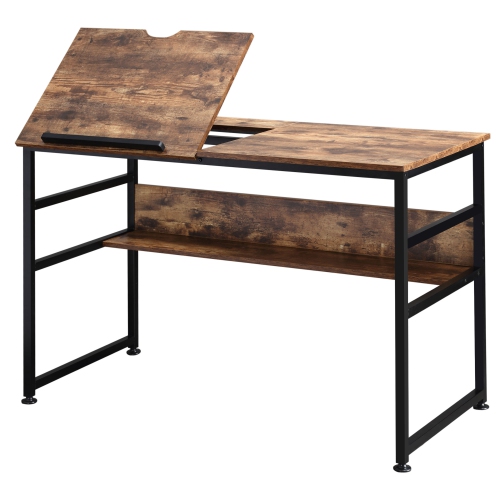
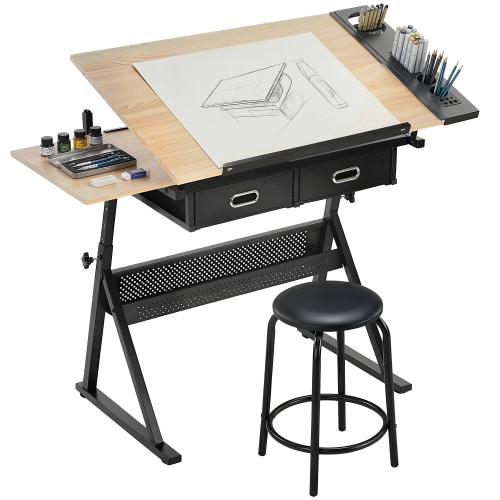
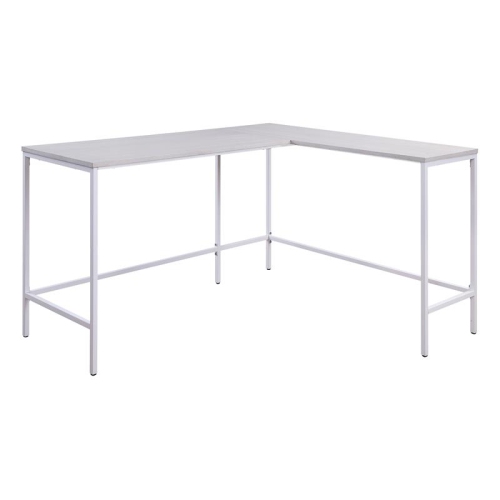
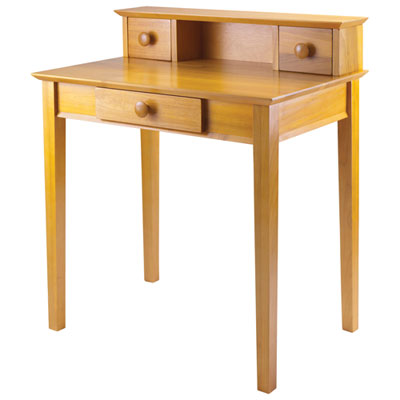
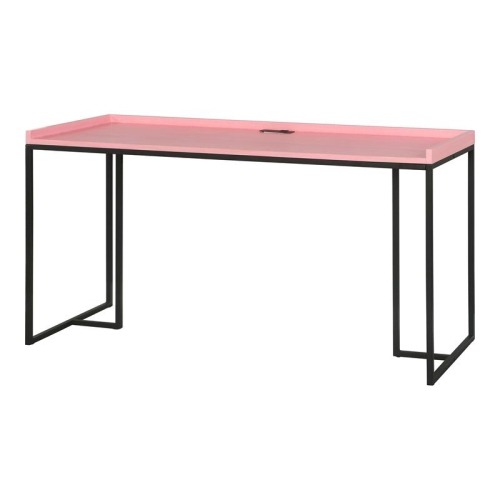
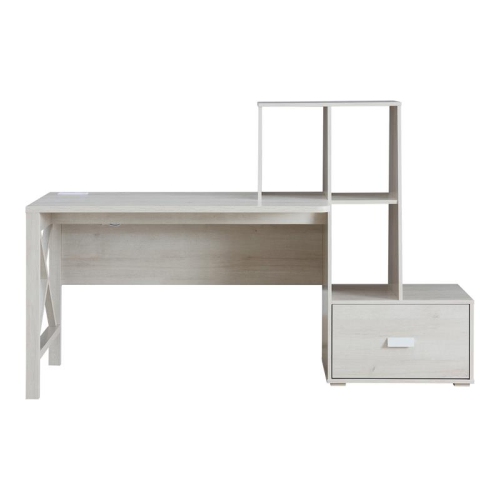
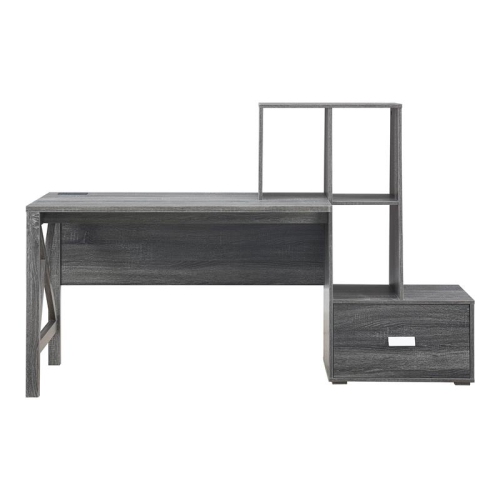
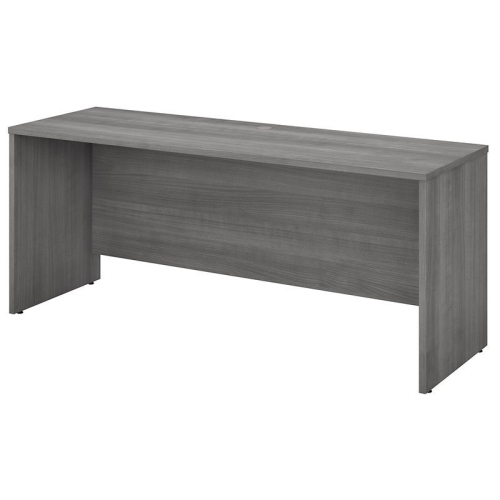
Art studio furniture helps turn a spare room, shared workspace, classroom corner, or professional studio into a practical place for drawing, painting, crafting, modelling, and other hands-on work. The right setup gives creative projects a dependable home while making it easier to keep supplies visible, accessible, and protected between sessions. A sturdy drafting or craft table can provide a broad working surface for sketchbooks, cutting mats, canvases, tools, and reference materials, while an adjustable top allows artists to change their working angle for different techniques. A flatter position can be useful for detailed handwork, collage, paper crafts, or layouts, while a raised or tilted surface may provide a more comfortable position for drawing and painting. When comparing tables, consider the available floor space, the size of the projects being made, the height of the user, and whether the furniture needs to serve more than one purpose. Some creative spaces need a compact station that can fit into a bedroom or apartment, while others benefit from a generous surface for large canvases, pattern work, model building, or group projects. A durable frame, stable legs, a surface that is easy to clean, and features such as shelves, drawers, pencil ledges, or adjustable height can all make a noticeable difference during long creative sessions. Art studio furniture can also be a thoughtful gift for a student, illustrator, painter, maker, or hobbyist who is developing a dedicated space. A well-chosen table or work surface offers more than storage or support; it can make it easier to sit down, pick up a brush or pencil, and continue an idea that might otherwise remain unfinished.
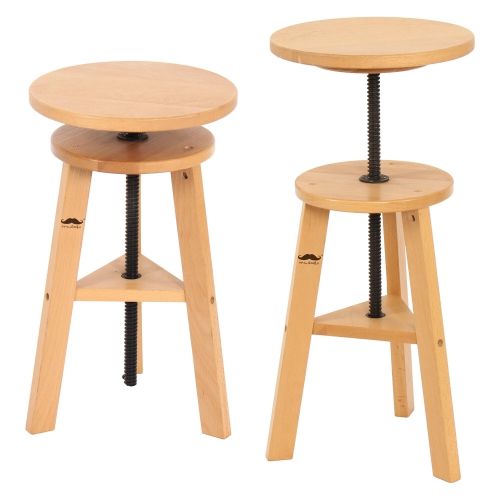
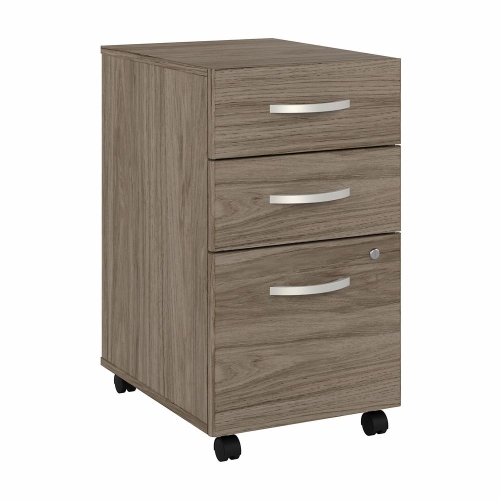
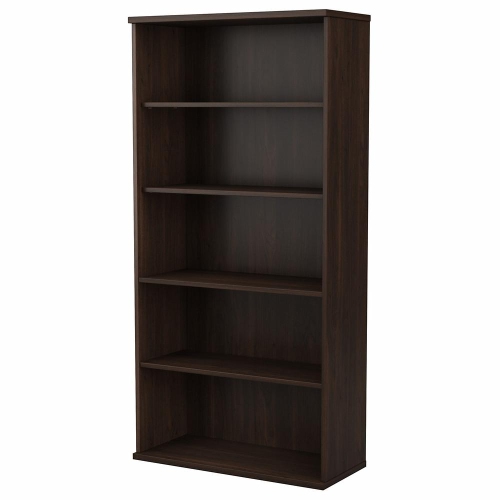
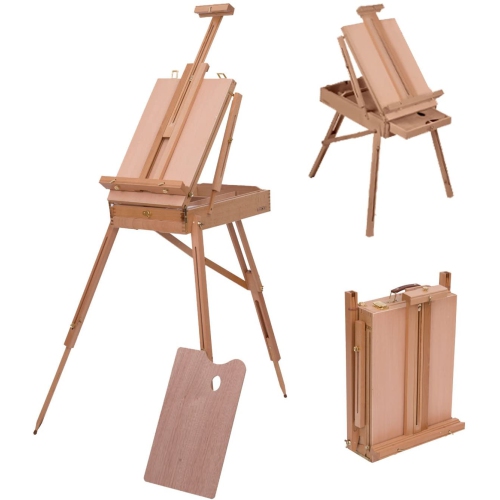
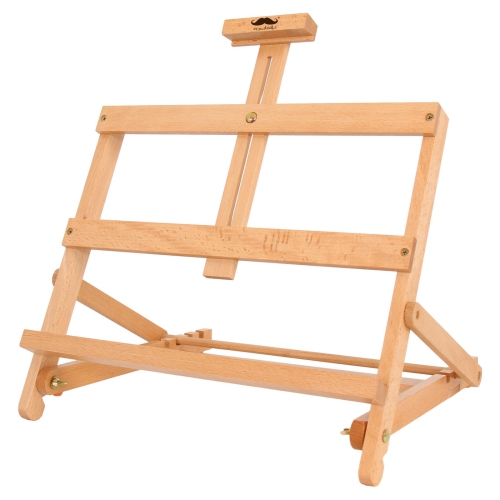
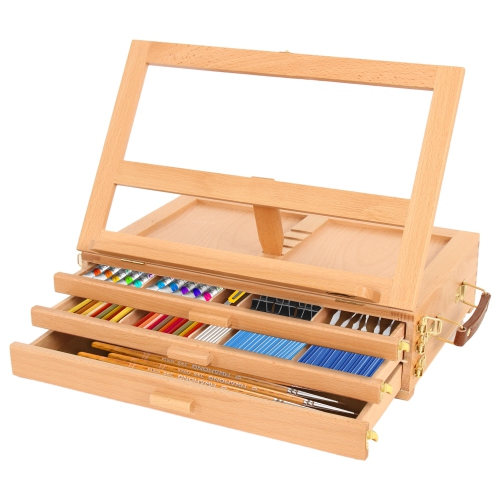
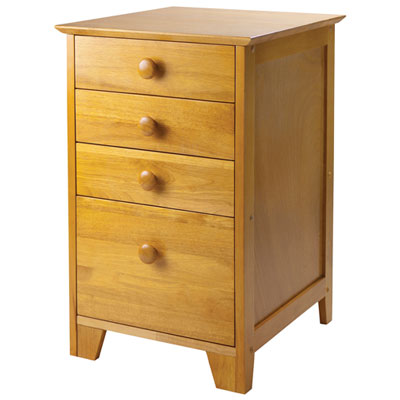
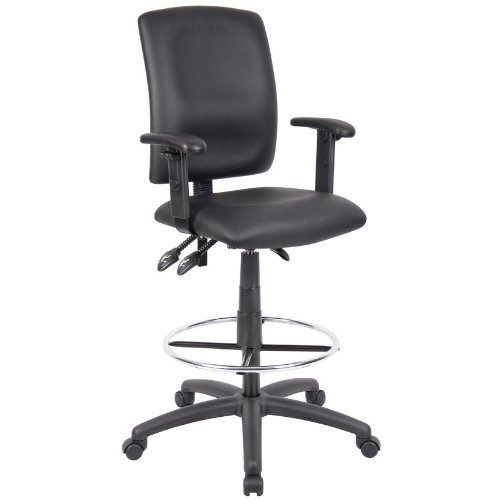
Comfort and positioning are equally important when a studio is used for several hours at a time. Drafting stools, studio chairs, and other supportive seating can complement taller work surfaces and easels, helping artists move between sitting and standing without repeatedly rearranging the room. Look for seating with an appropriate height range, a stable base, and a shape that supports the way the user works. A person who alternates between a drafting table and a computer may prefer adjustable seating with easy movement, while someone working at an easel may value a simple stool that can be tucked away when standing. Easels provide another important part of the studio arrangement. Tabletop, standing, H-frame, and convertible styles can suit different canvas sizes and working habits, with heavier construction generally offering added stability for larger or more ambitious pieces. An easel that adjusts from upright to a lower or flatter position may be useful for painting, illustration, lettering, and mixed-media work. Consider ceiling height, floor area, the weight and dimensions of the materials being used, and whether the furniture will remain in one position or need to be moved between rooms. Storage furniture helps complete the workspace by giving paper, brushes, markers, paint tubes, canvases, tools, and unfinished pieces a designated place. Flat files and wide drawers are suited to storing paper, prints, posters, patterns, and other materials that can crease when rolled or stacked, while taborets, rolling carts, and compact drawer units can keep frequently used supplies close at hand. Shelving and open compartments make it easier to see what is available, whereas enclosed storage can help reduce visual clutter in a shared room. For additional ways to sort smaller materials, Art Studio Organizers can complement larger furniture and help create a more orderly arrangement.
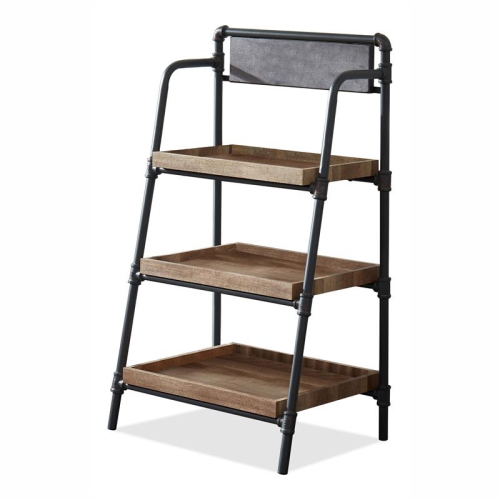
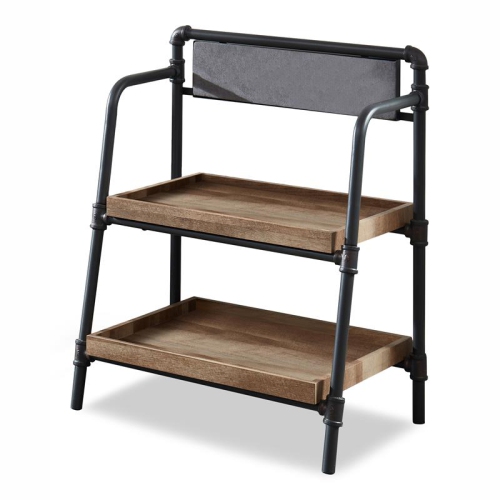
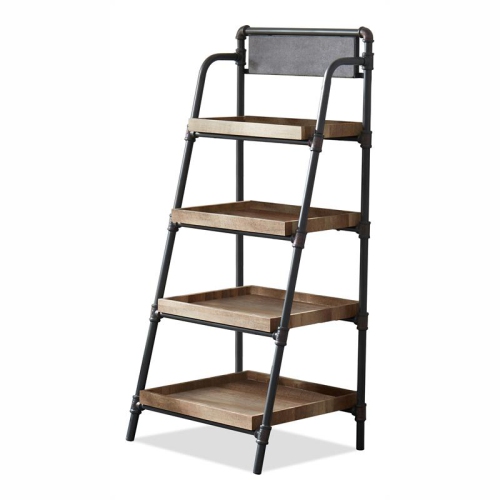
A complete studio may also benefit from furniture designed for drying, displaying, or safely moving work in progress. Mobile drying racks can hold sheets of paper, painted panels, canvases, or classroom projects while they cure, and their wheeled design can make it easier to reposition materials when floor space is needed for another activity. Display racks and shelving can keep finished work visible without placing it on a crowded desk, making them useful in home studios, teaching spaces, community art rooms, and small businesses. When choosing any piece, measure doorways, stairwells, work areas, and storage locations before ordering, and leave enough clearance for drawers to open, chairs to move, and easel panels to be adjusted. Think about the materials used most often as well: wet paint, charcoal dust, clay residue, glue, ink, and craft debris may call for surfaces that are straightforward to wipe down and hardware that can withstand regular use. Families may prefer furniture with rounded edges, secure bases, and storage that keeps small tools away from younger children, while students and renters may appreciate lightweight or mobile pieces that can adapt to changing rooms. During the warmer seasons, a well-planned studio can make the most of a bright indoor area or a covered creative space, while during the cooler months, organised furniture helps keep projects moving when more time is spent inside. Whether the space is used for quiet sketching at a compact table, large-scale painting at a stable easel, or a range of creative activities shared by several people, art studio furniture can bring structure to the process without limiting personal style. From a first dedicated workstation to a more developed studio with seating, storage, drying, and display areas, the best arrangement is one that matches the artist’s materials, routines, available space, and preferred way of working.
Comfort and positioning are equally important when a studio is used for several hours at a time. Drafting stools, studio chairs, and other supportive seating can complement taller work surfaces and easels, helping artists move between sitting and standing without repeatedly rearranging the room. Look for seating with an appropriate height range, a stable base, and a shape that supports the way the user works. A person who alternates between a drafting table and a computer may prefer adjustable seating with easy movement, while someone working at an easel may value a simple stool that can be tucked away when standing. Easels provide another important part of the studio arrangement. Tabletop, standing, H-frame, and convertible styles can suit different canvas sizes and working habits, with heavier construction generally offering added stability for larger or more ambitious pieces. An easel that adjusts from upright to a lower or flatter position may be useful for painting, illustration, lettering, and mixed-media work. Consider ceiling height, floor area, the weight and dimensions of the materials being used, and whether the furniture will remain in one position or need to be moved between rooms. Storage furniture helps complete the workspace by giving paper, brushes, markers, paint tubes, canvases, tools, and unfinished pieces a designated place. Flat files and wide drawers are suited to storing paper, prints, posters, patterns, and other materials that can crease when rolled or stacked, while taborets, rolling carts, and compact drawer units can keep frequently used supplies close at hand. Shelving and open compartments make it easier to see what is available, whereas enclosed storage can help reduce visual clutter in a shared room. For additional ways to sort smaller materials, Art Studio Organizers can complement larger furniture and help create a more orderly arrangement.
A complete studio may also benefit from furniture designed for drying, displaying, or safely moving work in progress. Mobile drying racks can hold sheets of paper, painted panels, canvases, or classroom projects while they cure, and their wheeled design can make it easier to reposition materials when floor space is needed for another activity. Display racks and shelving can keep finished work visible without placing it on a crowded desk, making them useful in home studios, teaching spaces, community art rooms, and small businesses. When choosing any piece, measure doorways, stairwells, work areas, and storage locations before ordering, and leave enough clearance for drawers to open, chairs to move, and easel panels to be adjusted. Think about the materials used most often as well: wet paint, charcoal dust, clay residue, glue, ink, and craft debris may call for surfaces that are straightforward to wipe down and hardware that can withstand regular use. Families may prefer furniture with rounded edges, secure bases, and storage that keeps small tools away from younger children, while students and renters may appreciate lightweight or mobile pieces that can adapt to changing rooms. During the warmer seasons, a well-planned studio can make the most of a bright indoor area or a covered creative space, while during the cooler months, organised furniture helps keep projects moving when more time is spent inside. Whether the space is used for quiet sketching at a compact table, large-scale painting at a stable easel, or a range of creative activities shared by several people, art studio furniture can bring structure to the process without limiting personal style. From a first dedicated workstation to a more developed studio with seating, storage, drying, and display areas, the best arrangement is one that matches the artist’s materials, routines, available space, and preferred way of working.
Top selling and popular products
-
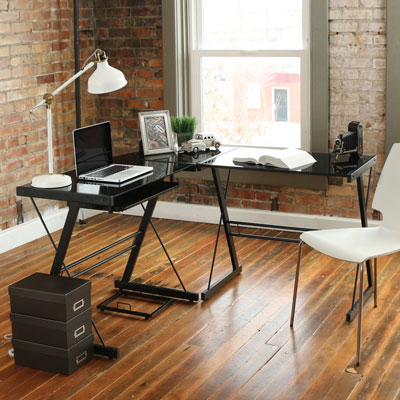 Your price for this item is $304.99
 -
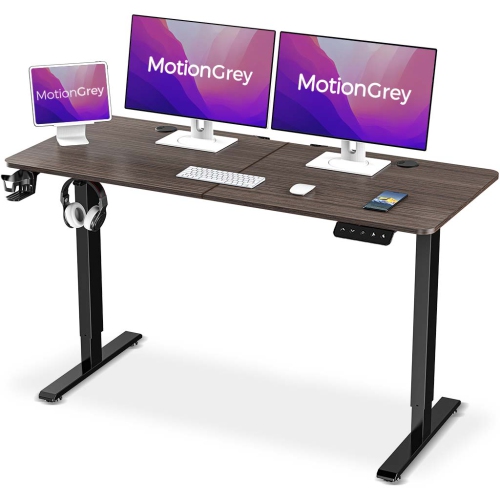 Your price for this item is $93.99
 -
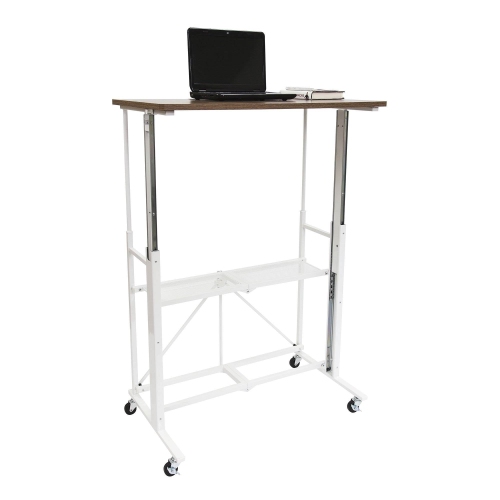 Your price for this item is $248.99
 -
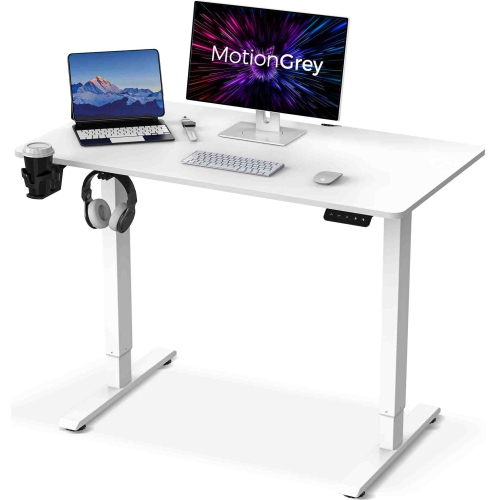 Your price for this item is $84.95
 -
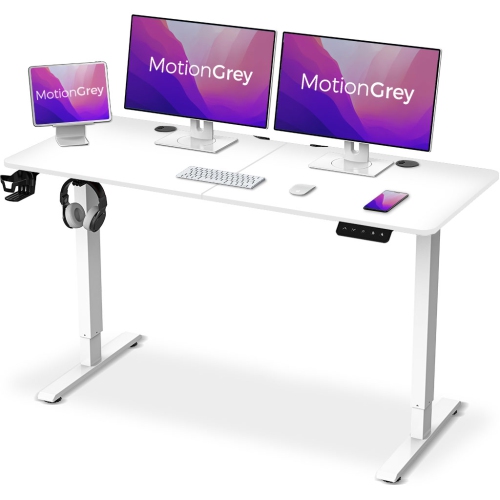 Your price for this item is $99.95
 -
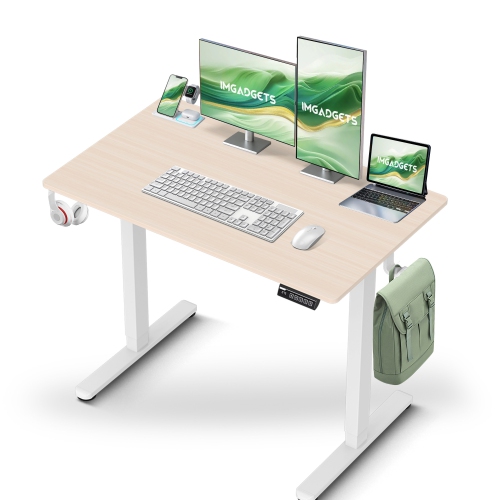 Your price for this item is $74.97
 -
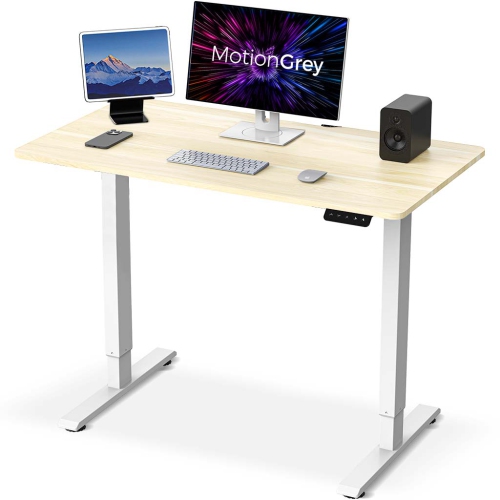 Your price for this item is $83.95
 -
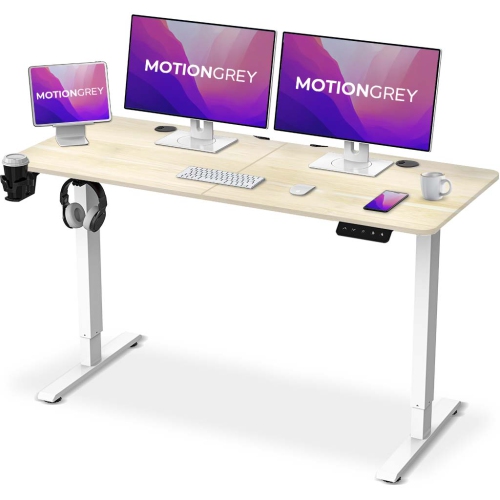 Your price for this item is $93.99
Discover more categories related to Art Studio Furniture
Top Collections:
Pokemon Centers, Budget 4K TVs, Best Budget Office Chairs, Kindle Devices, Canon G7X Cameras, Apple iPhones 16, iPhone 15 Apple, Laptops for Business Work, Xiaomi Phones, Flip Phones
Some products may be subject to Environmental Handling Fees
(EHF) depending on your province.
Learn more about EHFs.