Art Supplies for Teens
Art supplies for teens open up a world of creativity, self-expression, and fun projects. Whether exploring new techniques or enhancing artistic skills, the right tools make every idea come to life. From sketching and painting to crafting and design, discover a wide selection of art supplies for teens that inspire imagination and support creative journeys at every level. Find everything needed to fuel artistic passions and turn inspiration into masterpieces.
Sort





Why paper matters as much as pencils and paint
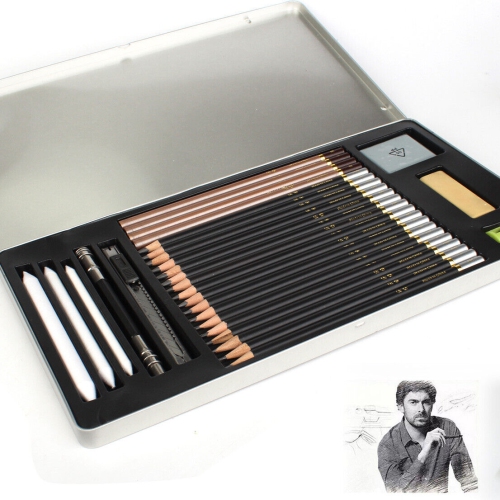
Art supplies for teens support everything from quick character sketches and handwritten lettering to detailed portraits, painted canvases, and mixed-media school projects. A useful assortment brings together drawing tools, suitable paper, colour materials, and a few practical accessories, with the balance depending on the teenager’s interests. Someone who fills notebook margins with comic characters may get more use from graphite pencils, fine-liner pens, and a portable sketchbook than from painting materials, while an aspiring painter needs surfaces and brushes that suit their chosen paint. Graphite pencils offer a range of marks: harder grades make lighter, more precise lines, while softer grades create darker shading and expressive strokes. A selection of grades gives teens room to explore texture, contrast, and depth without needing a different tool for every drawing. Kneaded erasers can lift graphite gradually, soften shadows, and bring highlights back into a sketch with little loose debris. Paper matters just as much as the drawing tools. Smooth sheets suit detailed pen work and clean outlines, while paper with more tooth grips graphite, charcoal, and coloured pencil for layered shading. Paper around 100 to 150 gsm can work well for many dry drawing techniques, but weight alone does not establish whether a sheet can handle wet paint. Mixed-media and watercolour papers are designed for different levels of moisture, and their sizing and surface texture influence how colour behaves. A spiral-bound sketchbook can lie flat on a desk and fold back for drawing on the go; a stitched or hardcover format may feel more like a personal journal and help protect pages in a backpack. Page size also shapes the experience. Smaller formats make everyday sketching manageable, while larger sheets leave room for broad gestures, detailed scenes, and school assignments. For teens developing a regular art habit, a sketchbook can become a place for finished drawings, rough ideas, colour tests, and experiments that do not need to look polished.
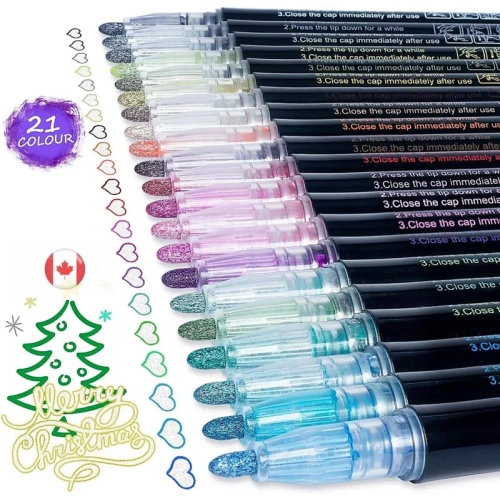
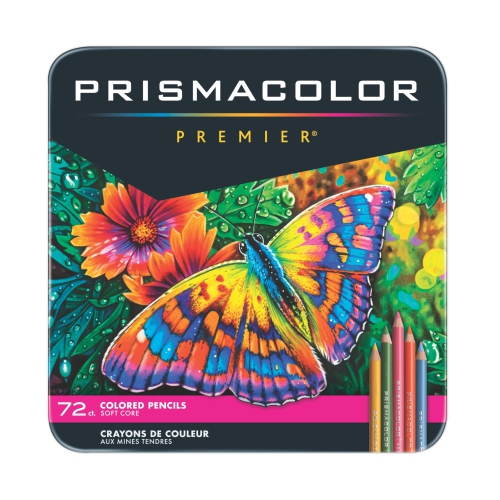
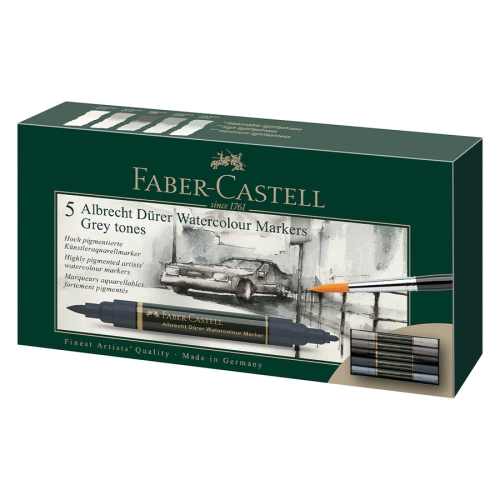
Colour supplies open up different ways to work, from carefully layered pencil drawings to bold lettering and loose painted studies. Coloured pencils suit teens who enjoy control and gradual detail, whether they are drawing a pet’s fur, designing a character’s outfit, or adding colour to an illustrated story. Pigment strength, core firmness, and resistance to breakage influence how comfortably pencils layer and sharpen. A firmer core can hold a precise point, while a softer one often lays down colour more readily. Dual-tip markers bring two kinds of marks into the same creative session: a flexible brush tip can make varied strokes for lettering and expressive fills, while a fine tip handles smaller details. Water-based and alcohol-based markers behave differently, so paper compatibility is important. Some markers can bleed through ordinary sheets, making marker paper or a protective sheet beneath the drawing useful. Fine-liner pens create crisp outlines for comics, architectural sketches, and ink illustrations, with different nib widths allowing delicate details and heavier contours. Water resistance and lightfastness vary by ink, and pens intended for use beneath paint need to resist smudging once dry. For painting, watercolour offers transparent washes and layered colour on suitable paper, while acrylic paint can produce more opaque coverage on prepared canvas, painting boards, and other compatible surfaces. Acrylic dries relatively quickly, which suits bold shapes and layered projects but leaves less time for blending. Brush shape and fibre type affect the marks a teen can make: round brushes suit lines and smaller details, while flat brushes cover broader areas and create defined edges. Mixed-media work brings drawing, paint, and collage together, so a sturdy surface is helpful when artwork includes adhesive, overlapping paper, or several layers of colour. Across these materials, the strongest match is one that supports the teen’s preferred style while leaving room to try something unfamiliar. Clear colour names, comfortable tools, and paper that responds predictably can make experimenting feel less frustrating and more rewarding.
Everyday usability helps art materials become part of a teenager’s routine rather than something saved for an occasional project. Drawing at a bedroom desk, carrying supplies to school, and spreading out materials for a painting session all place different demands on size, storage, and durability. Pencil cases and divided storage keep small tools easy to find, while protective caps and secure closures help prevent dried marker tips and accidental spills. A comfortable pencil barrel or brush handle can make detailed work easier to manage during longer sessions, especially for teens still developing control over pressure and grip. Durable sketchbook covers, well-secured bindings, and brushes that hold their shape are practical qualities for materials that travel between home and school. Care requirements also differ by medium. Water-based paint should be cleaned from compatible brushes promptly, and acrylic is especially important to remove before it dries into the bristles. Paper benefits from dry, flat storage, while drawings made with loose media may need careful handling to avoid smudging. Product age recommendations, material labels, and any ventilation or cleanup directions are relevant when supplies will be used in a shared family space. Art materials also make thoughtful presents because they can reflect a teen’s existing interests without prescribing a finished result. For families exploring Gifts for Creative Teens, a drawing-focused assortment suits someone who loves manga or portraiture, while painting and mixed-media materials suit a teen who enjoys working with colour and texture. A gift can support a familiar hobby or offer a gentle introduction to another medium, with suitable paper helping the materials perform as intended. Beginners often benefit from a manageable range of tools with clear uses, while more experienced teens may appreciate greater variation in pencil grades, brush shapes, or paper surfaces. Whether the materials are used for school art, handmade cards, personal projects, or artwork to display, they give teens a tangible way to develop skills, express their ideas, and make creative work their own.
Top selling and popular products
-
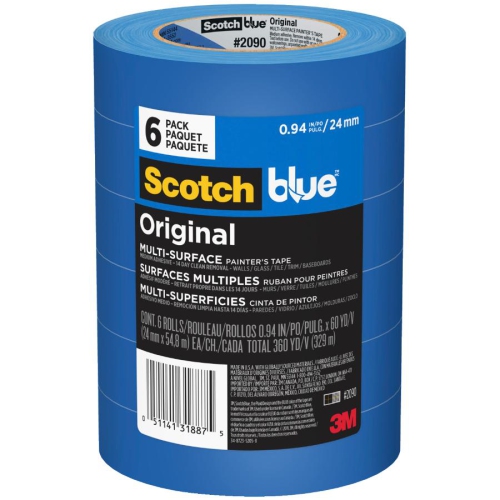 Your price for this item is $32.99
-
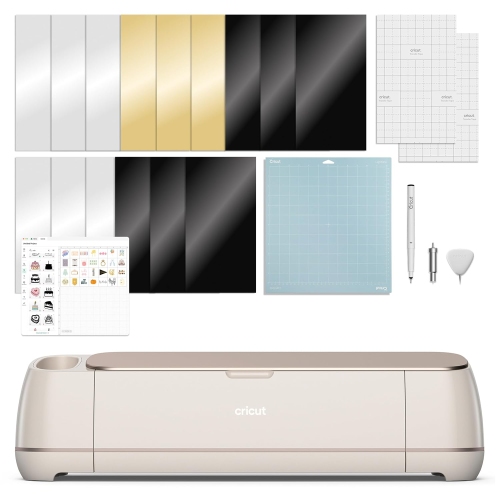 Your price for this item is $519
-
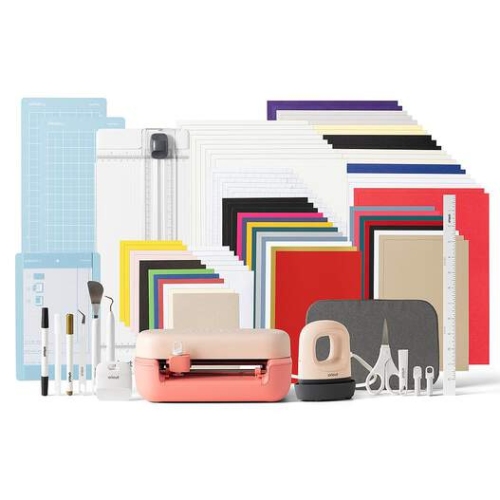 Your price for this item is $299
-
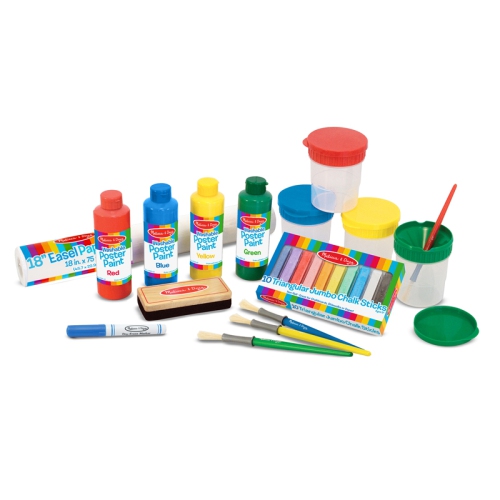 Your price for this item is $90.99
-
 Your price for this item is $69.9
-
 Your price for this item is $79.9
-
 Your price for this item is $419
-
 Your price for this item is $72.99
Discover more categories related to Art Supplies for Teens

Top Collections:
Pokemon Centers, Pokémon 30th Celebration Cards, Best Budget Office Chairs, Kindle Devices, Best Cameras for Sports Photography, Canon G7X Cameras, Best Black Friday Deals On Electronics, Best Laptops for Writers, iPhone 15 Apple, Jackery Power Stations
Some products may be subject to Environmental Handling Fees
(EHF) depending on your province.
Learn more about EHFs.