Art Supplies Storage
Organizing and storing your art supplies is essential for any creative enthusiast. Whether you're a professional artist or just enjoy unleashing your creativity in your spare time, having a dedicated space to keep your art supplies tidy and easily accessible can make a world of difference. At Best Buy Canada, we understand the importance of having an efficient storage solution for your art materials. That's why we offer a wide range of art supplies storage options that are designed to help you keep your paints, brushes, pencils, and other artistic tools neatly organized. With our selection of storage solutions, you can say goodbye to clutter and hello to a more streamlined and inspiring creative space.
Sort
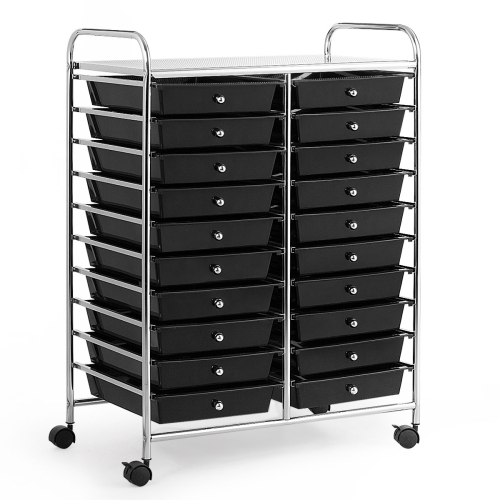
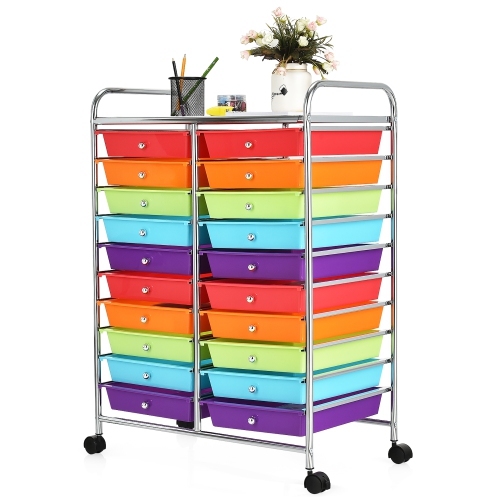
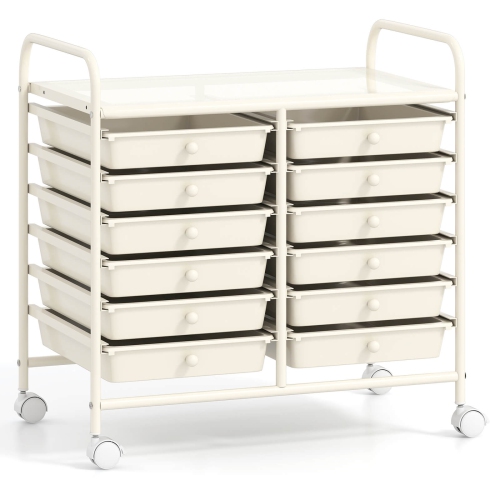
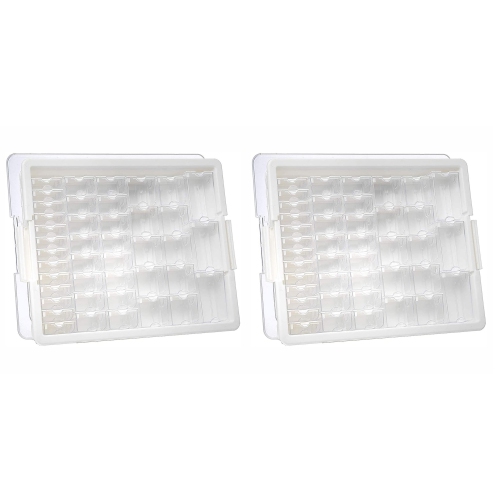
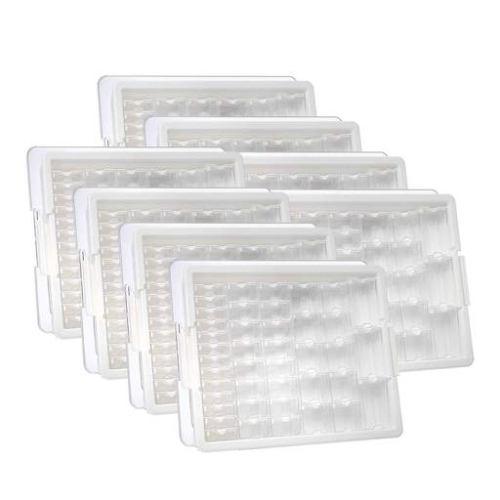
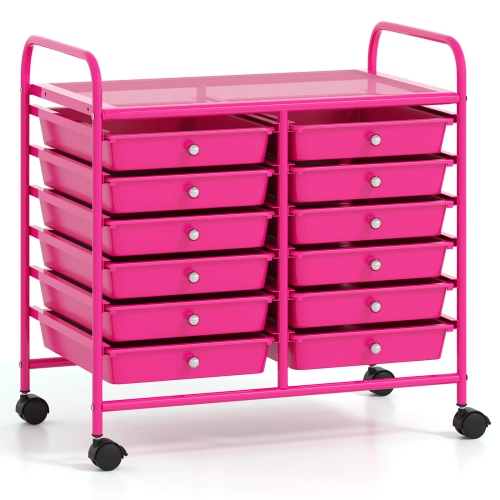
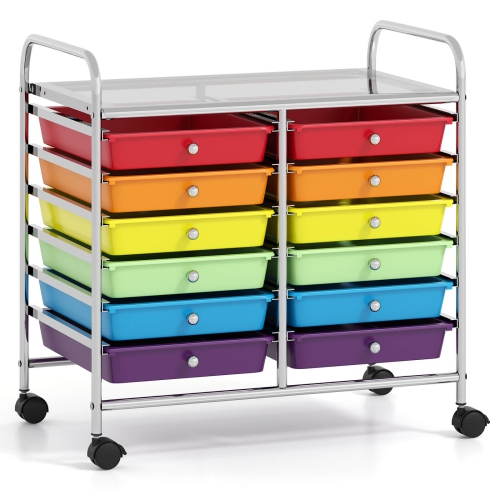
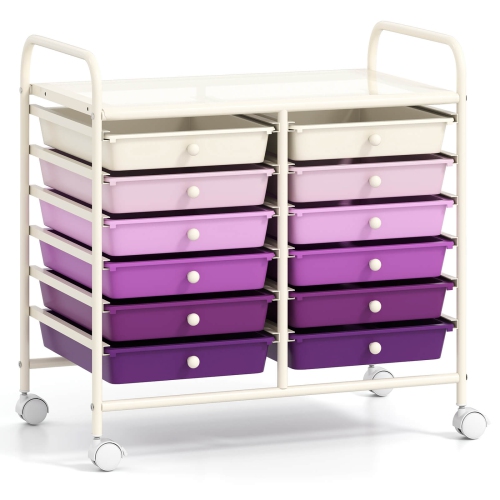
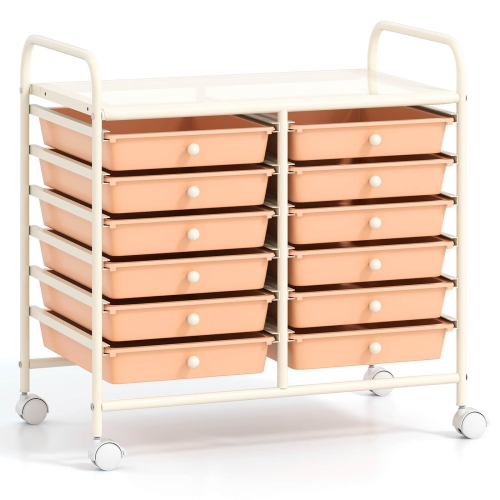
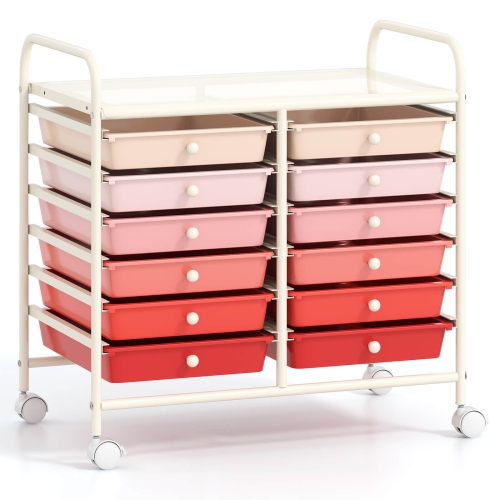
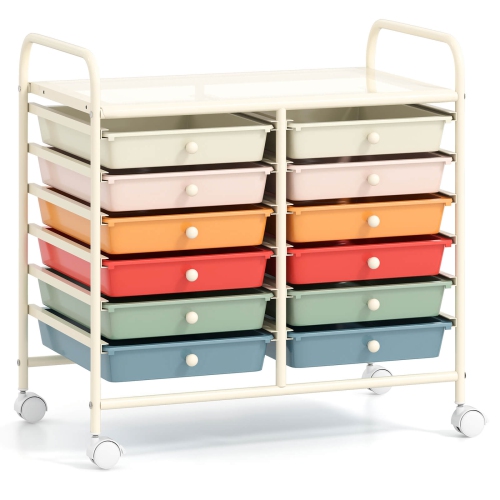
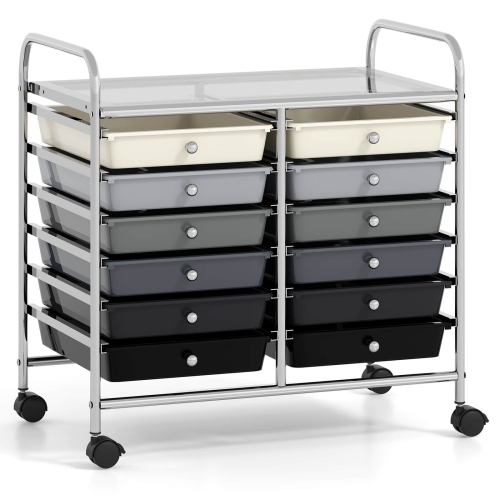
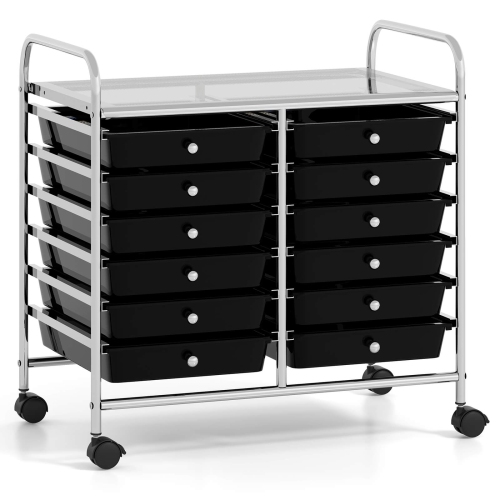
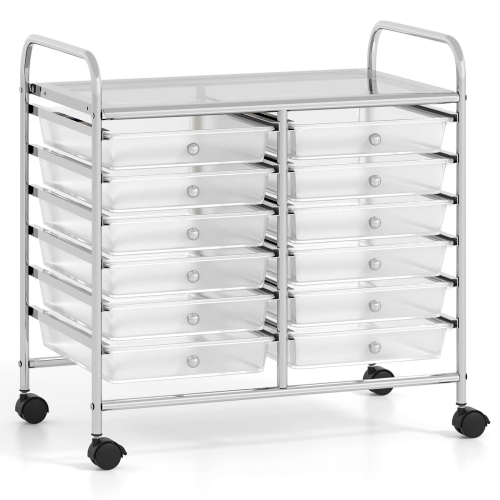
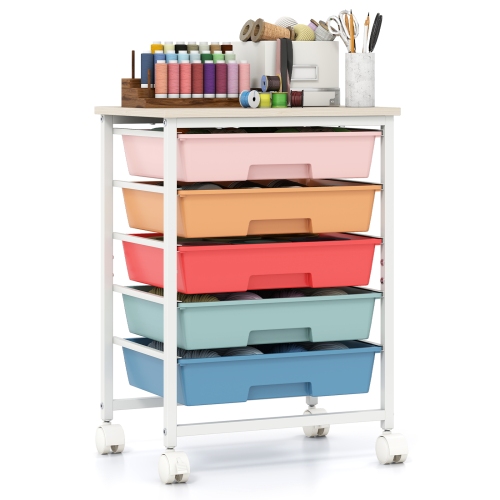
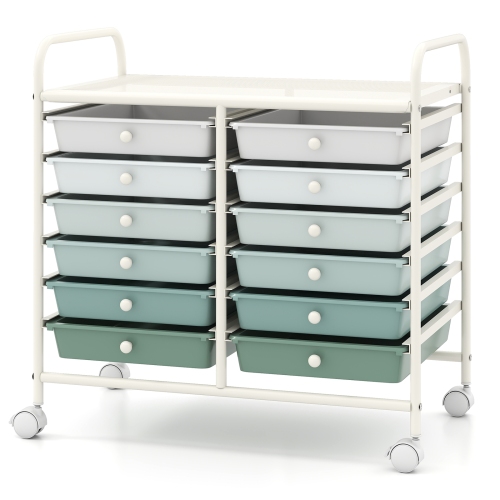
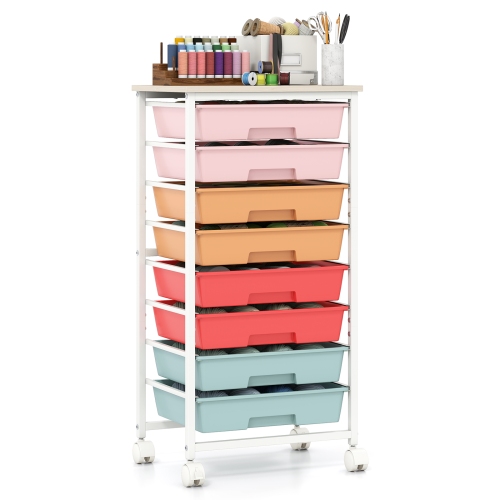
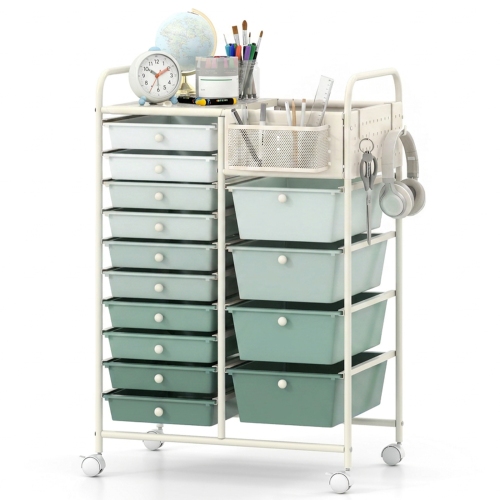
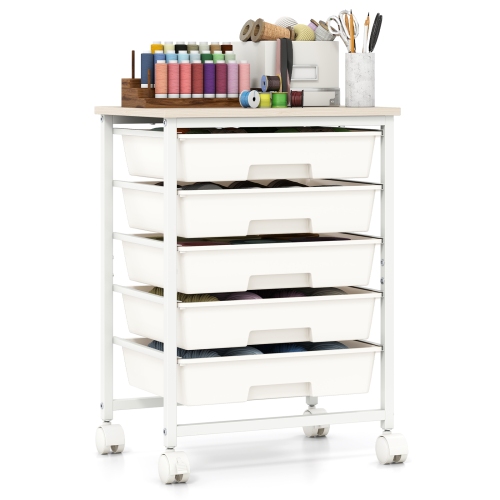
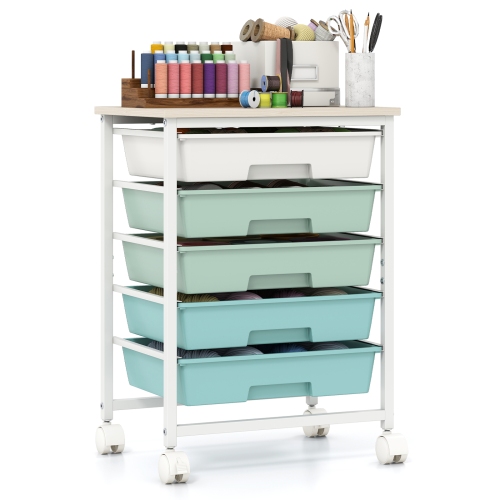
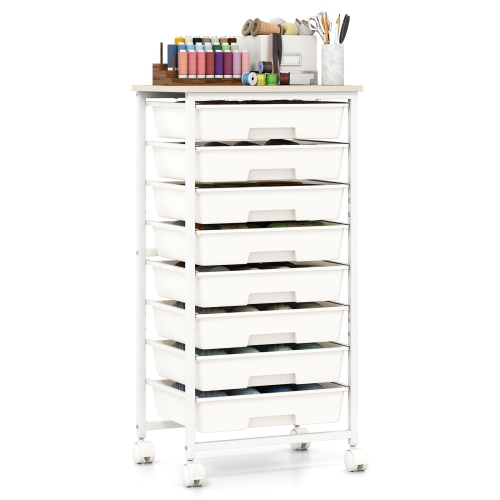
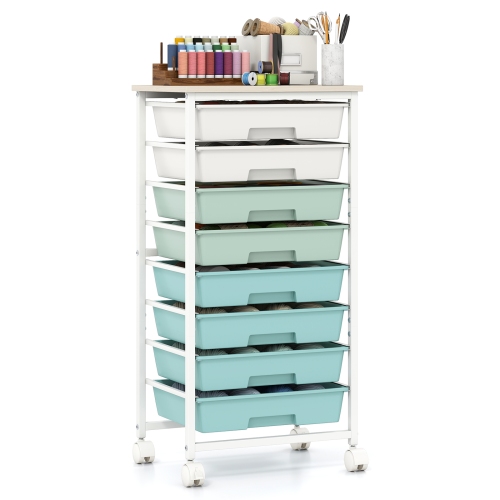
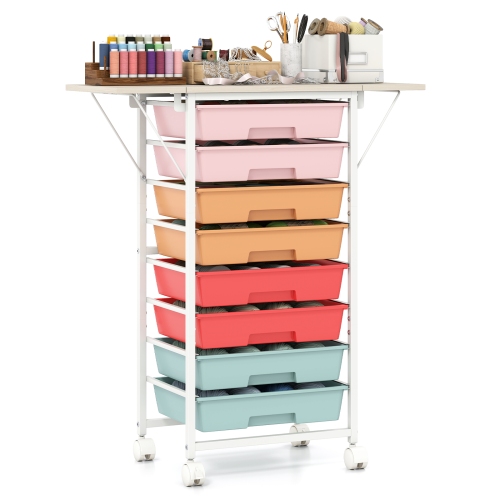
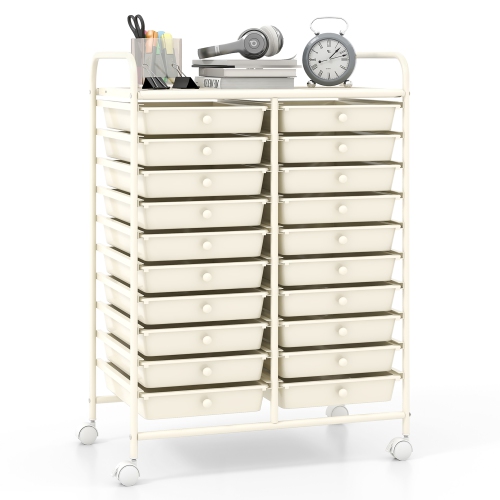
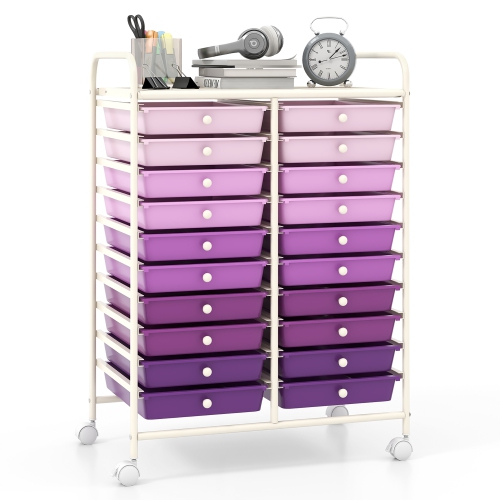
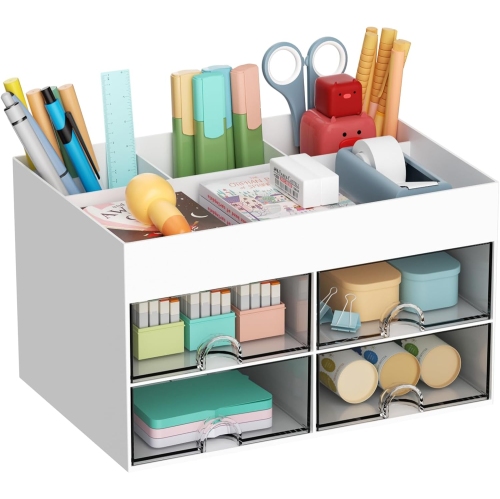
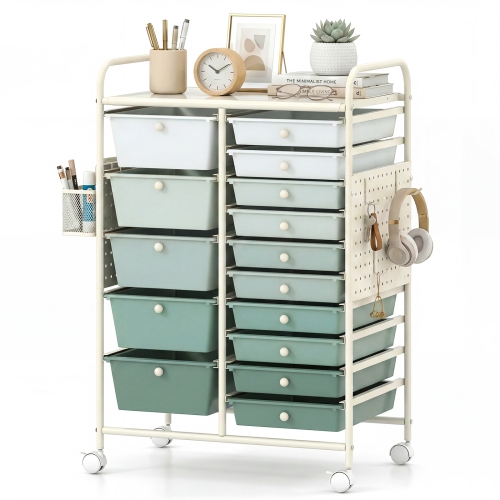
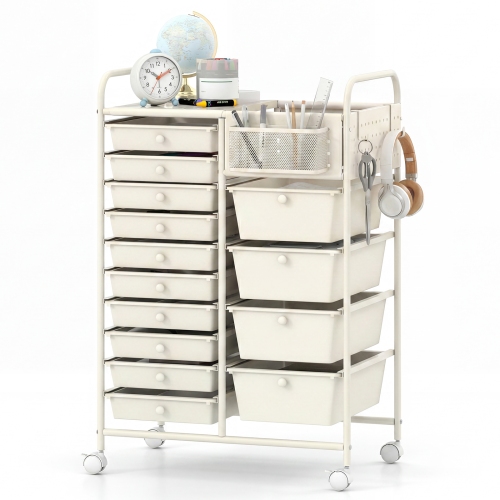
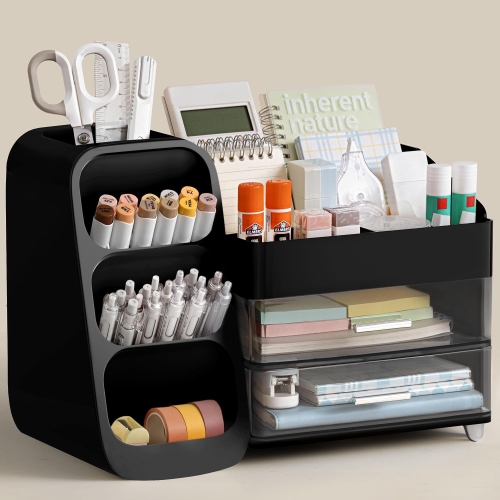
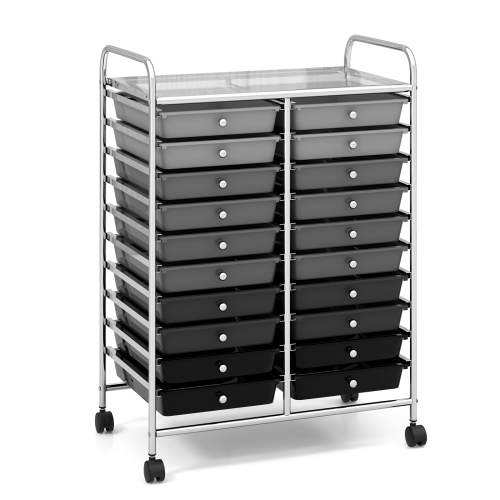
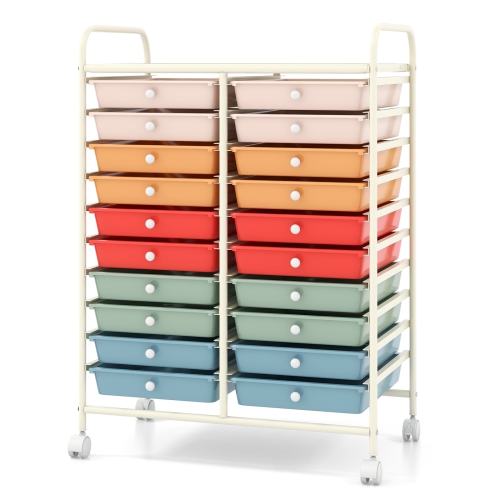
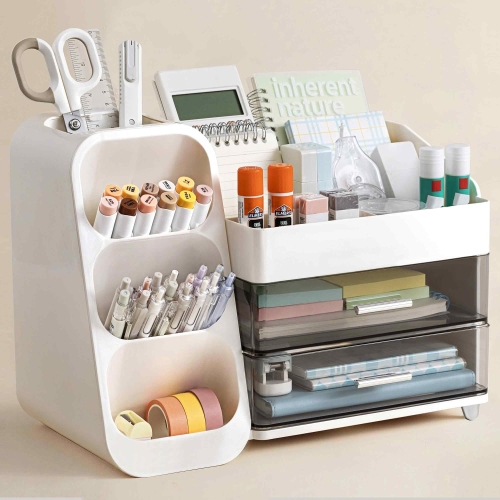
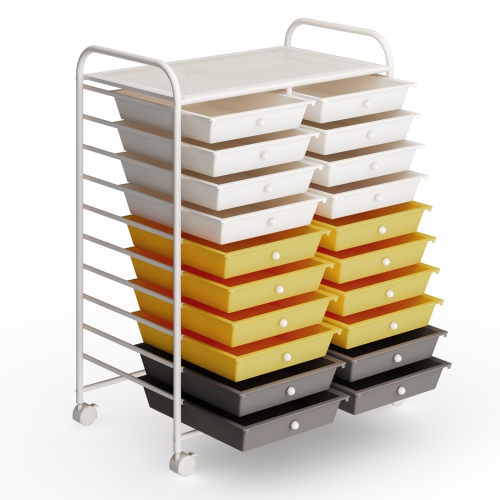
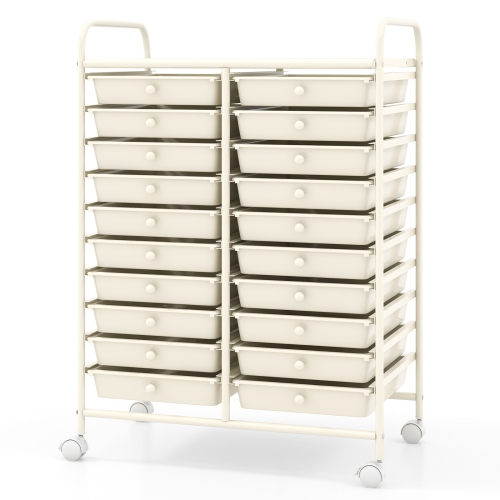
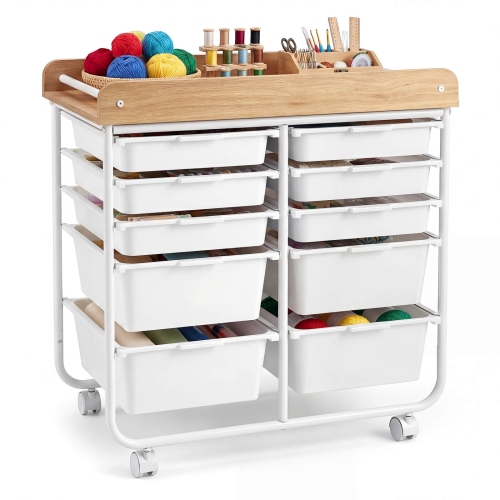
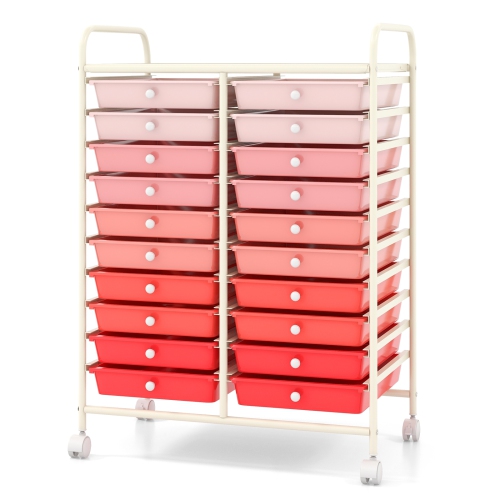
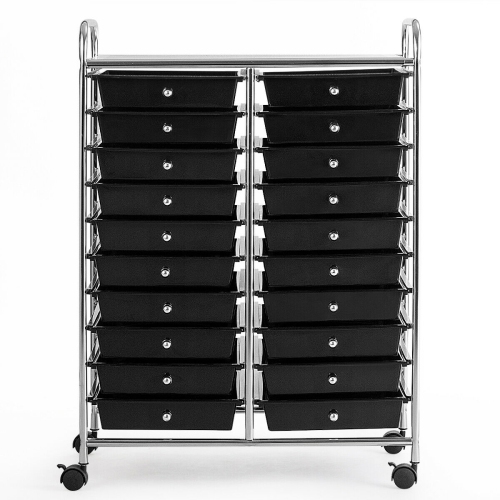
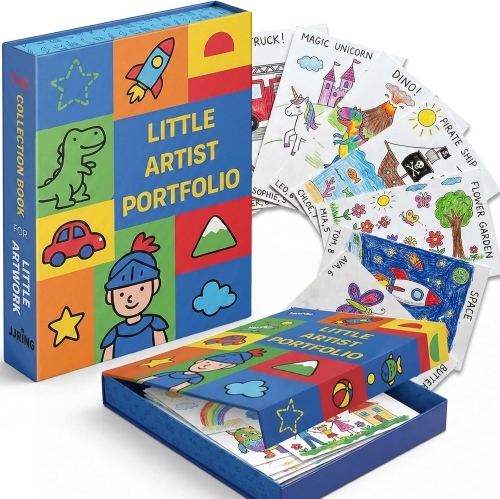

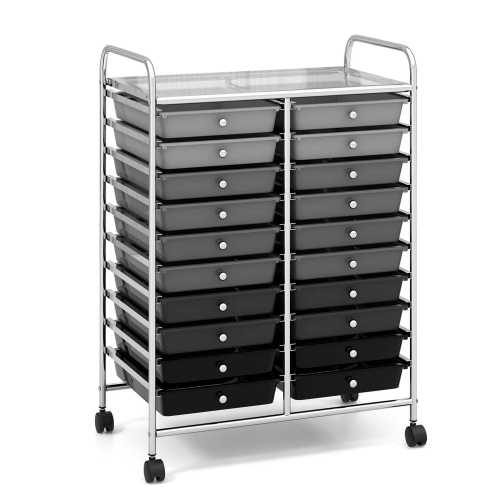
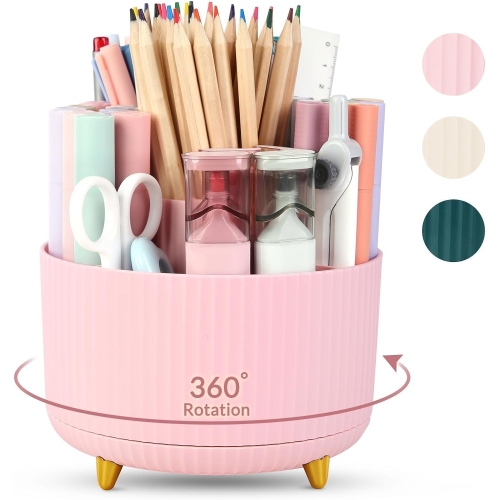
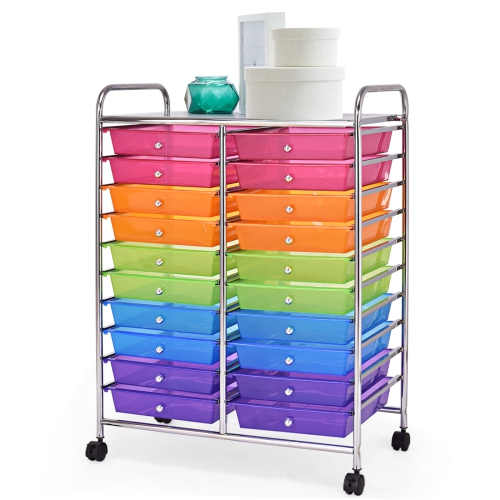
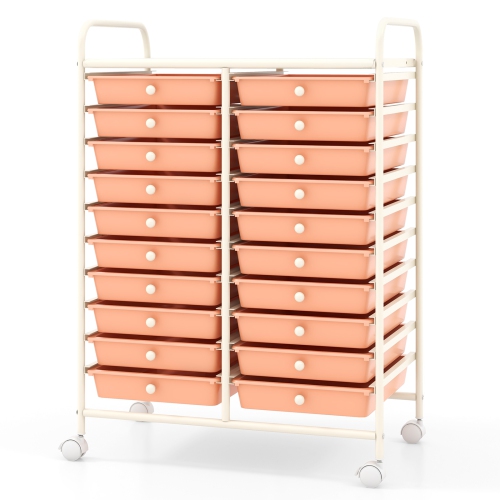
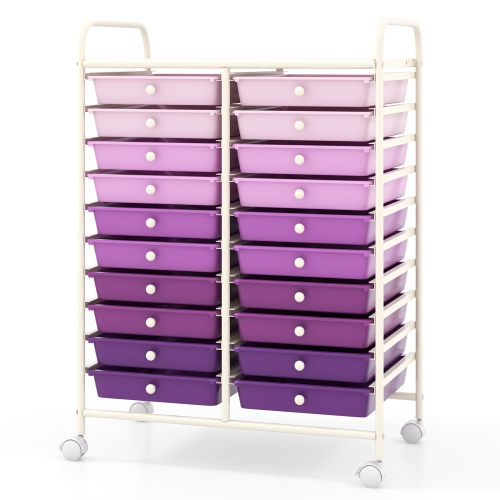
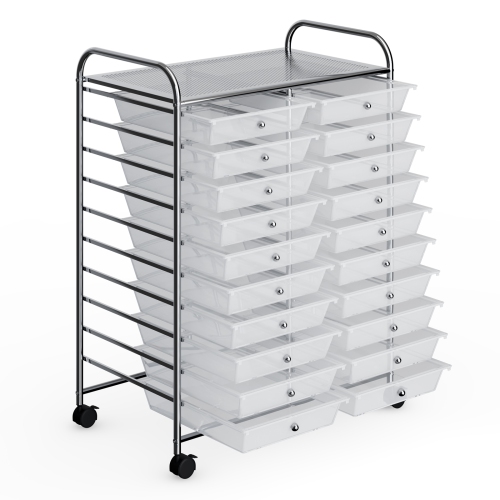
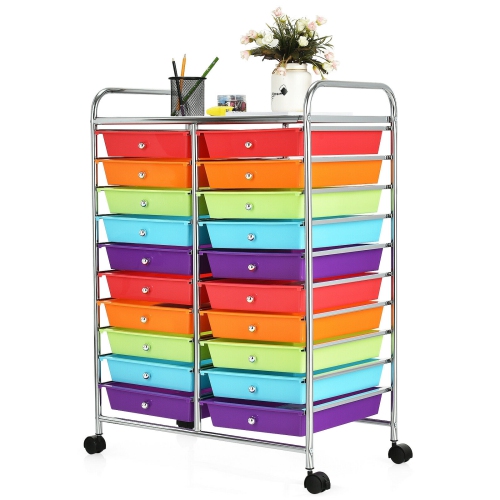
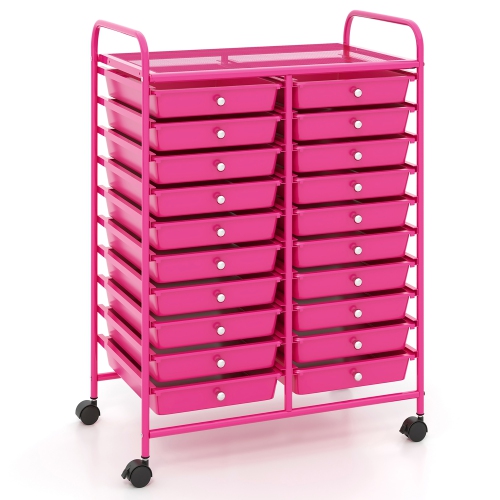
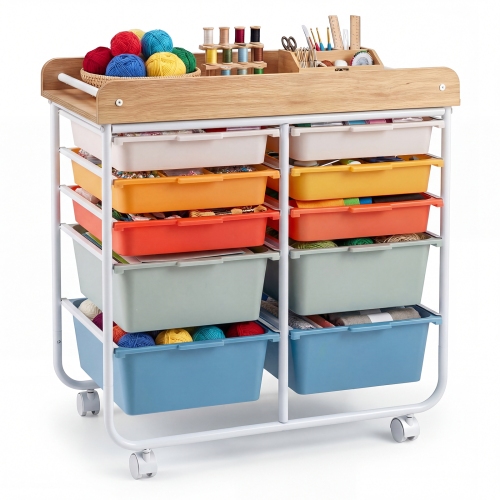
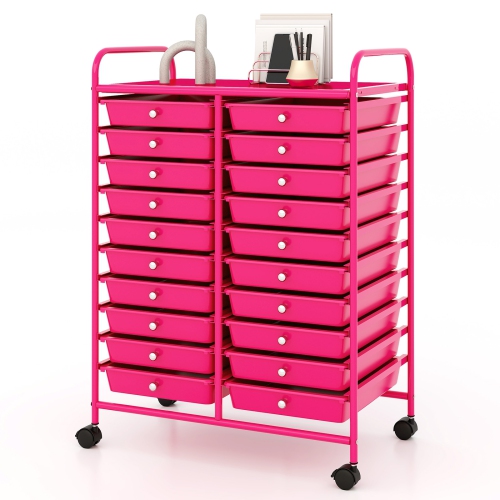
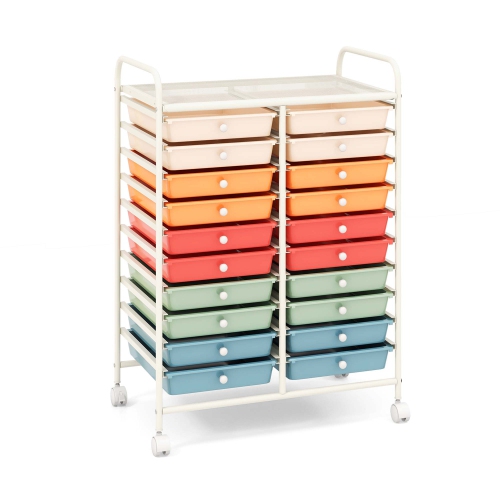
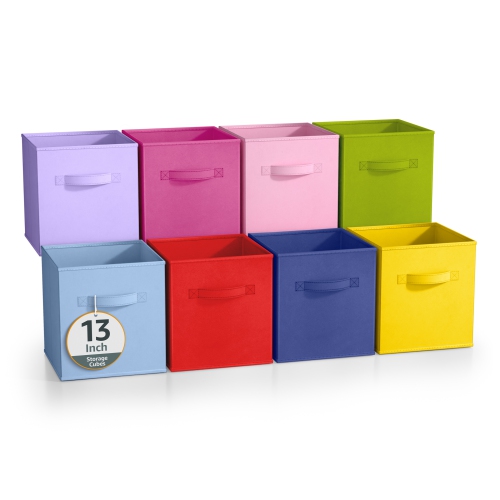
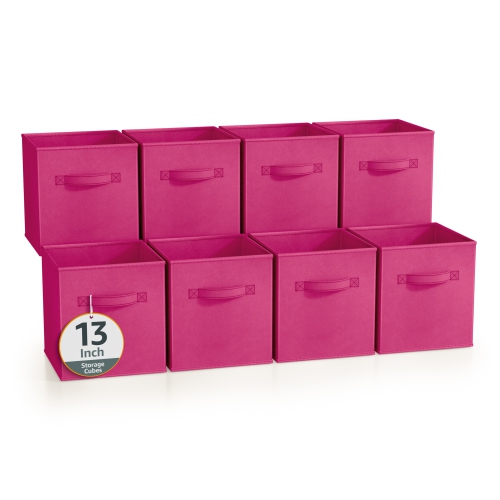
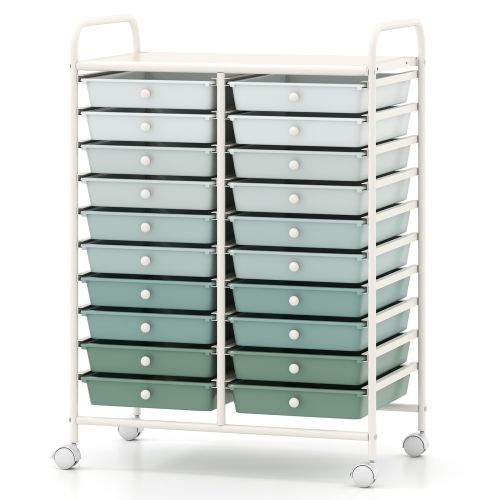
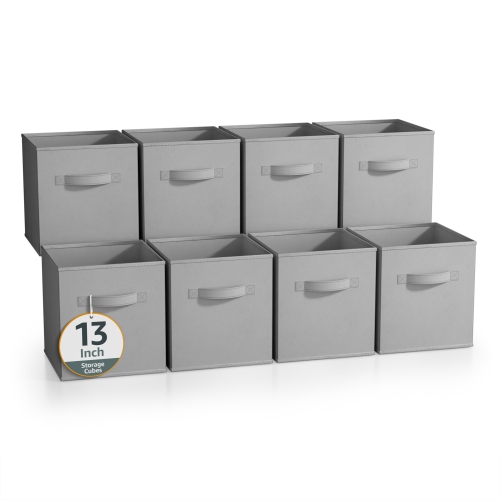
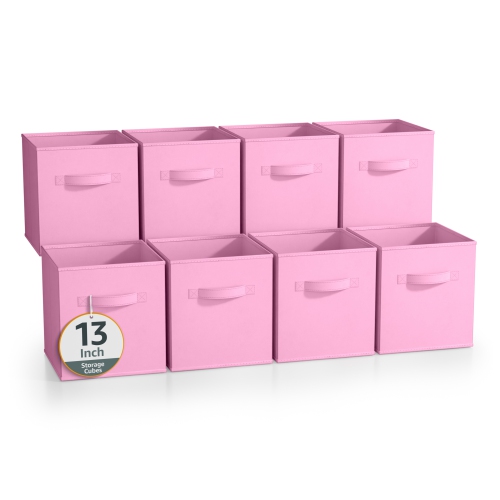
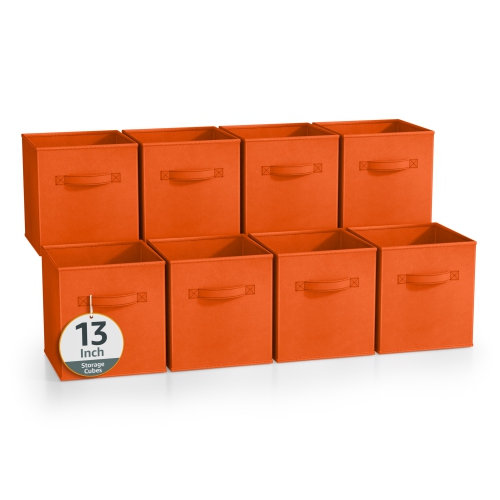
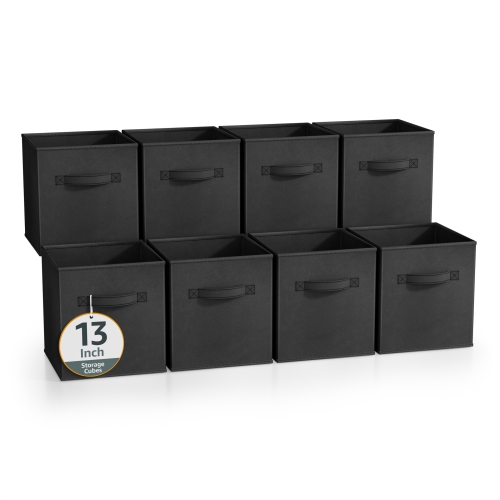
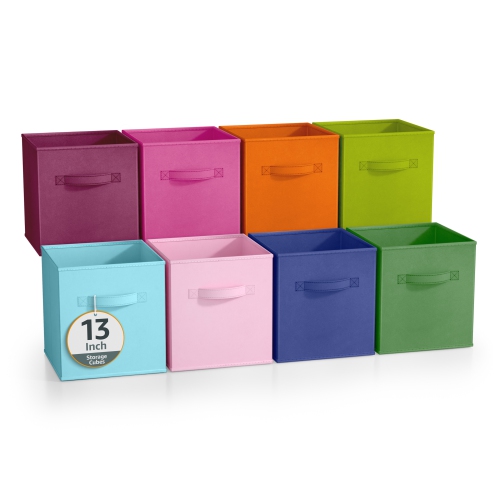
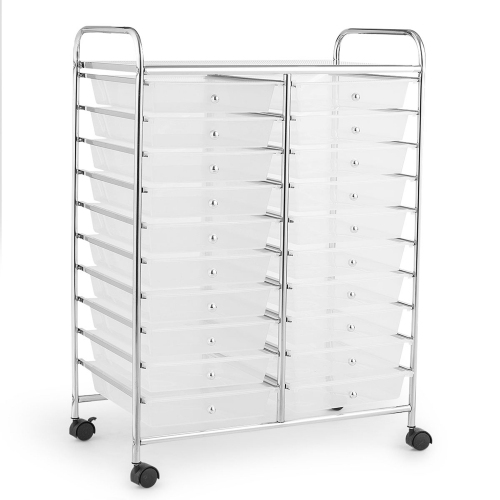
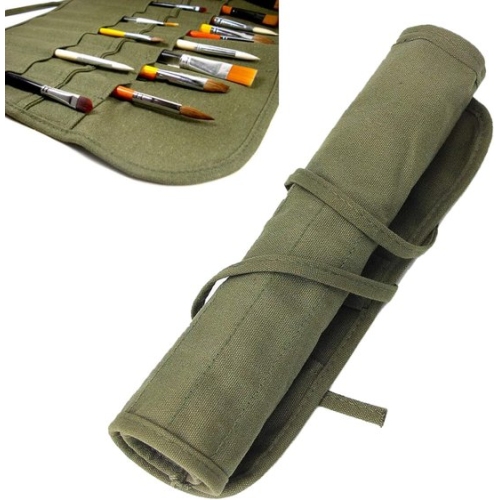
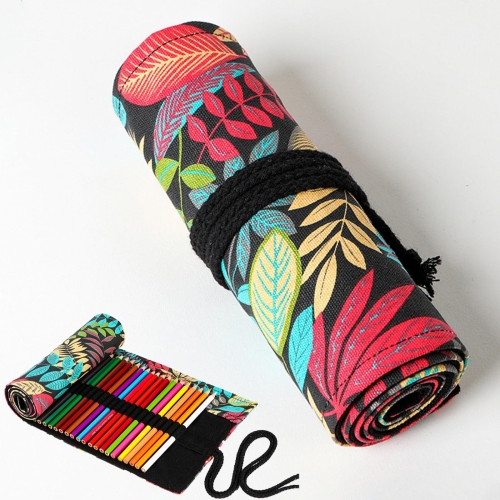

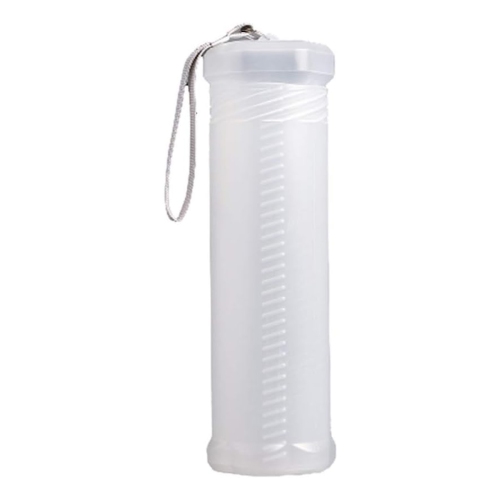

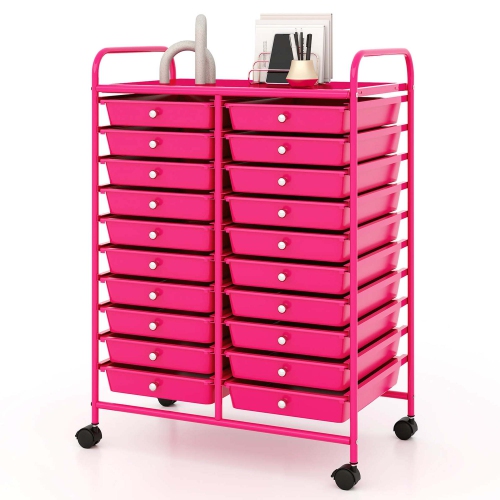
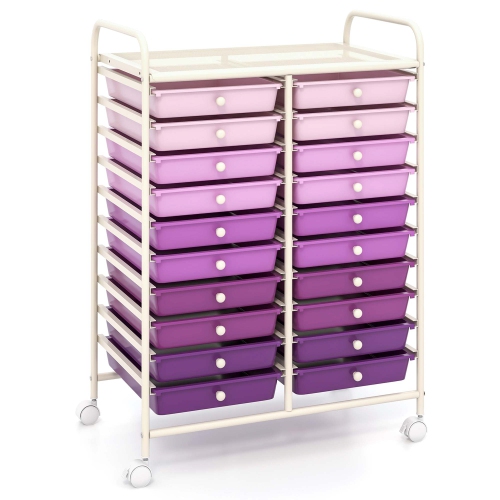
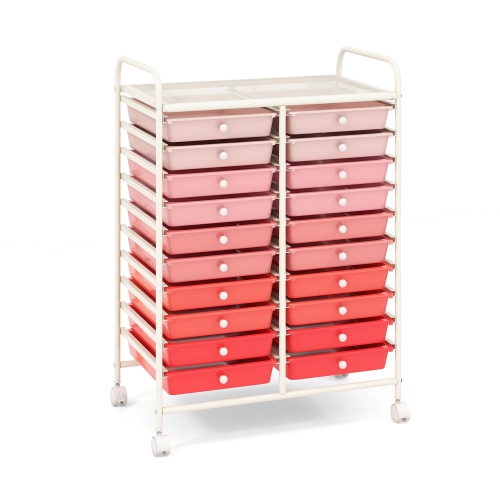
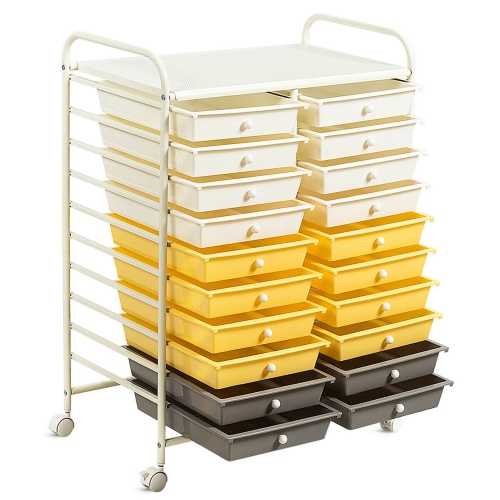
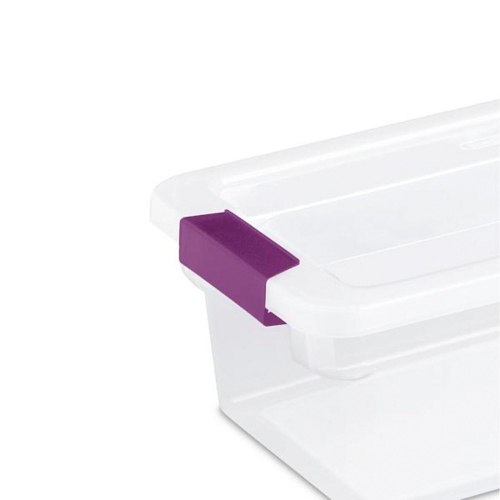
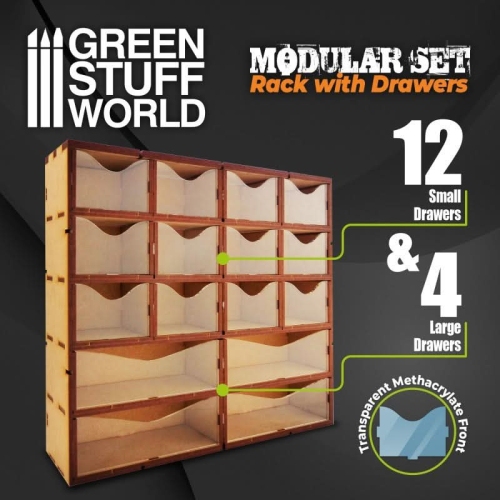
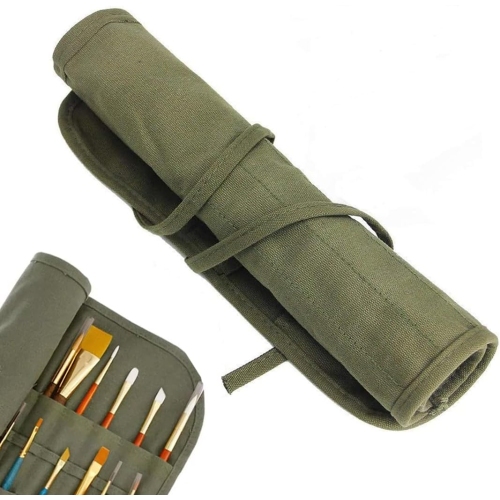
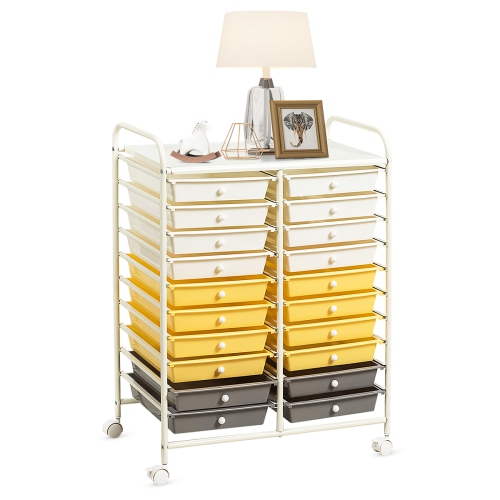
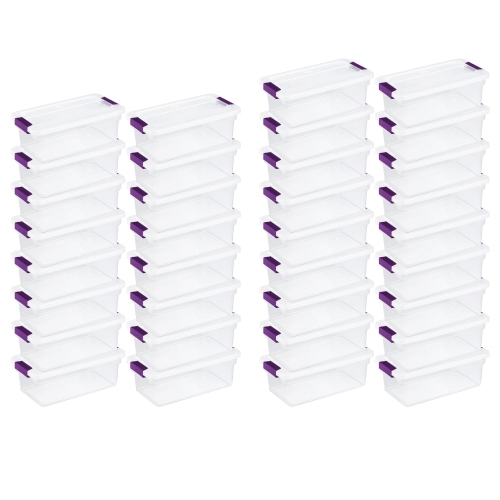
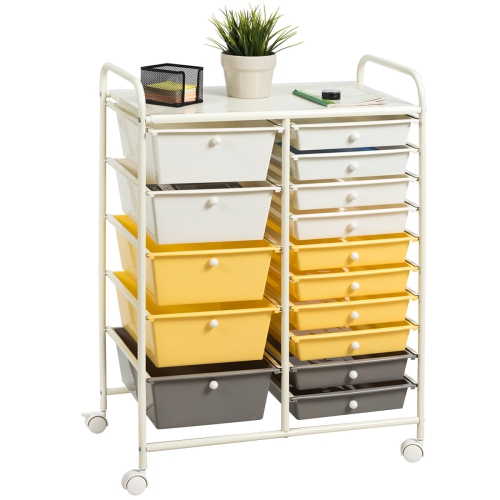
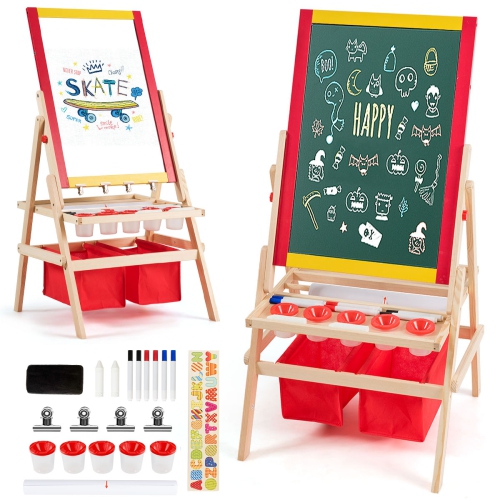
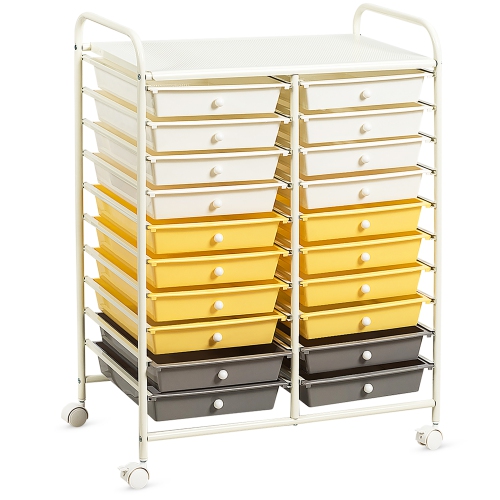
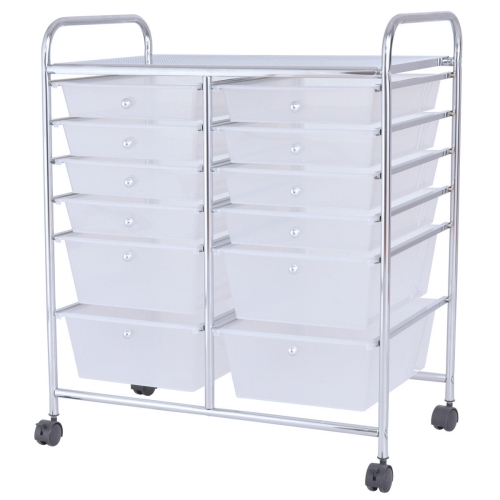
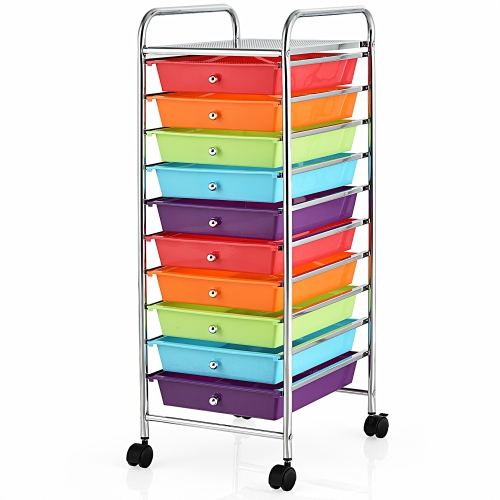
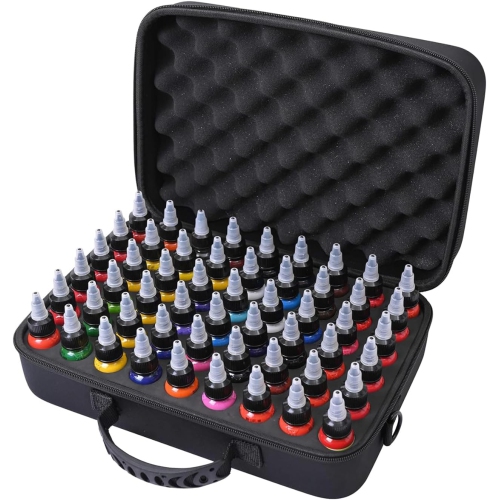
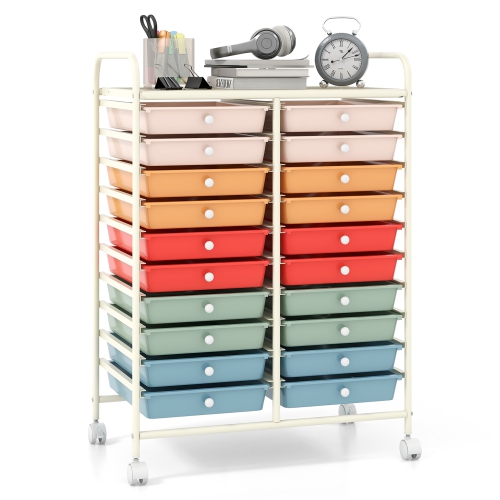
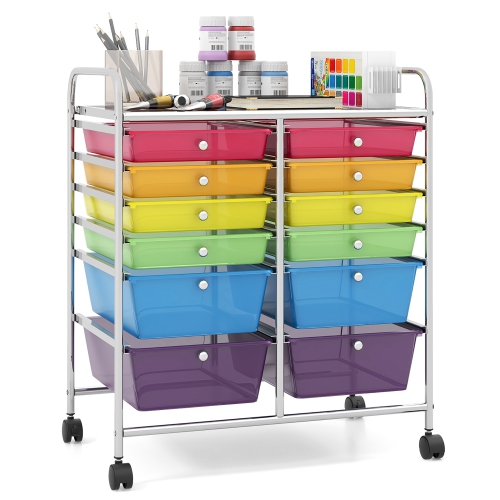
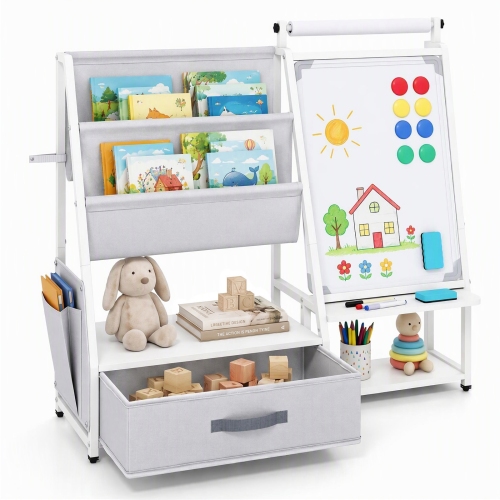
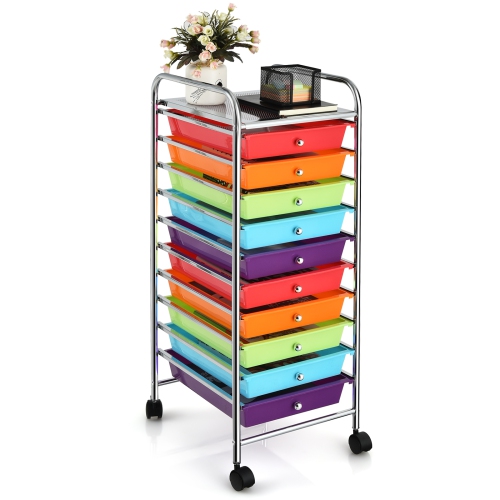
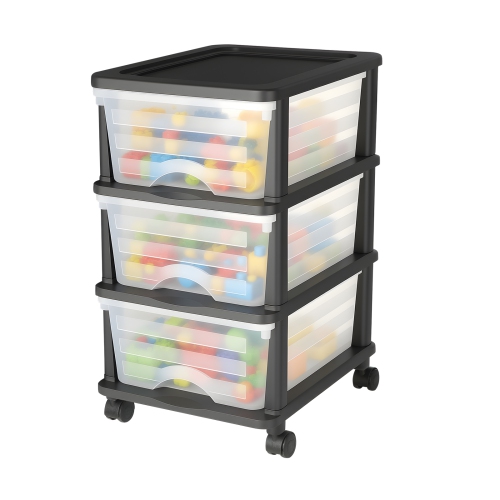
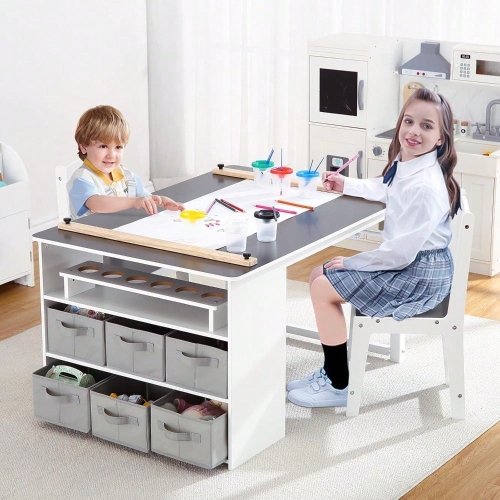
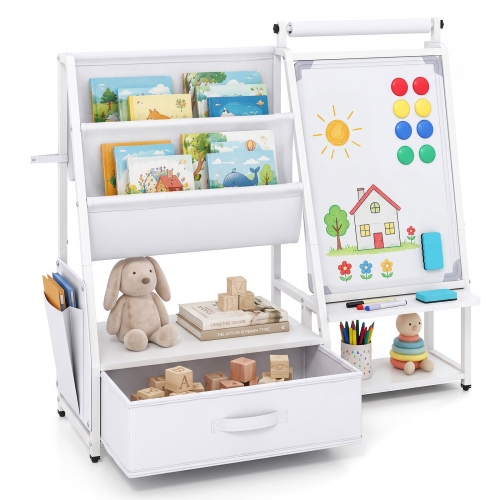
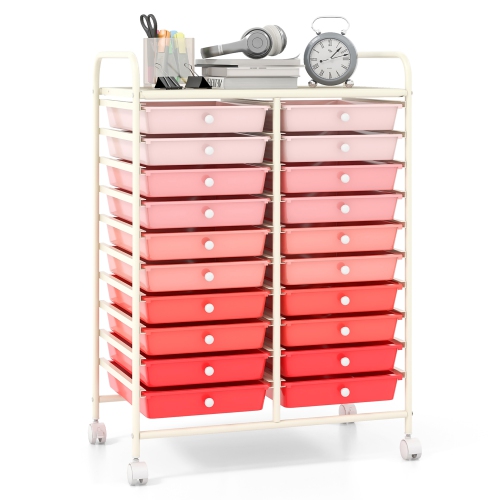
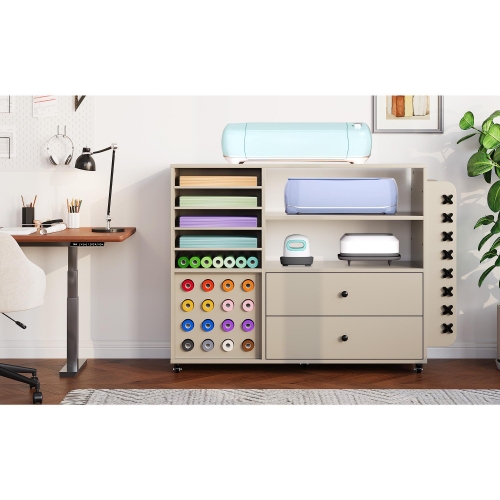
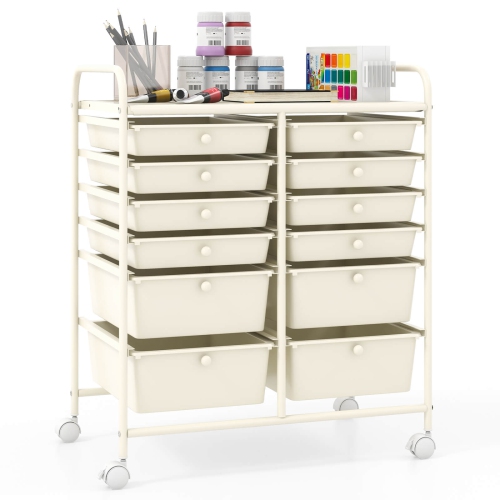
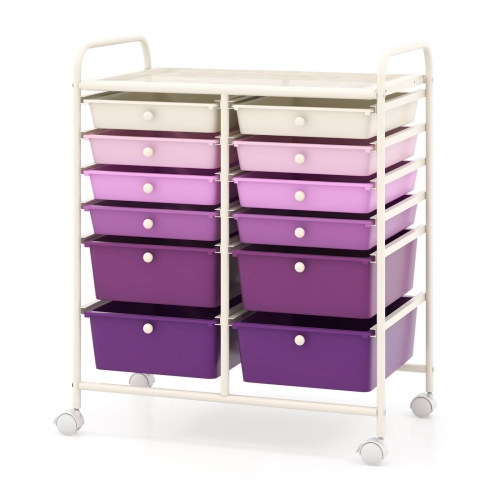
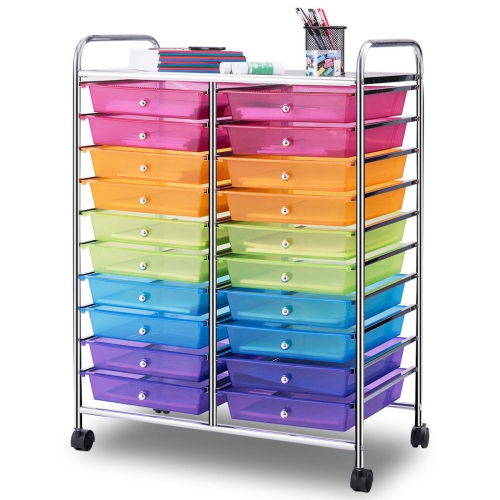
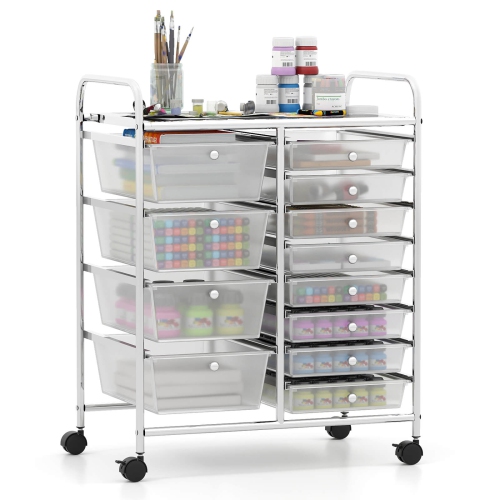
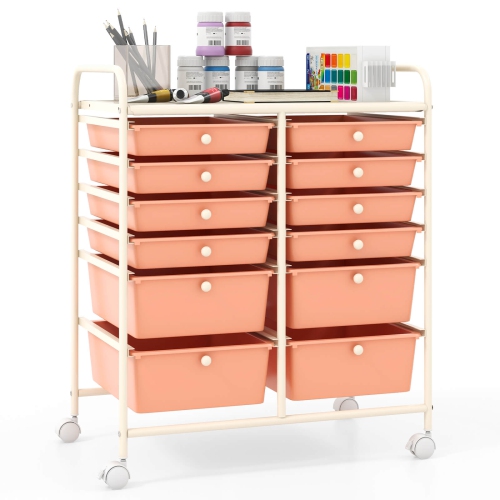
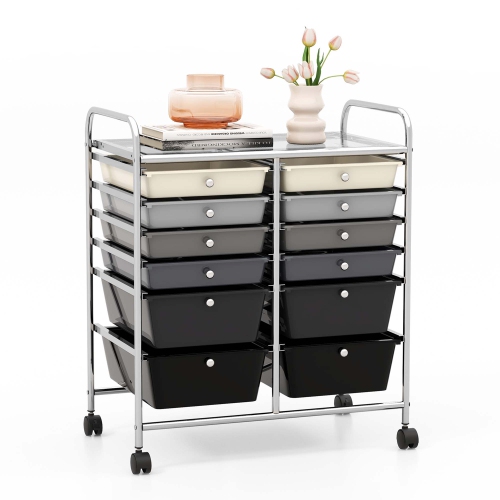
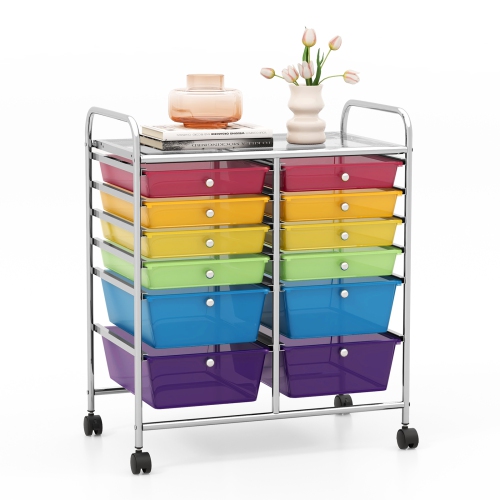
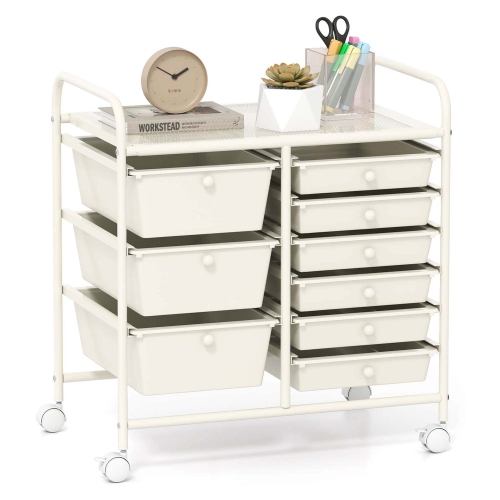
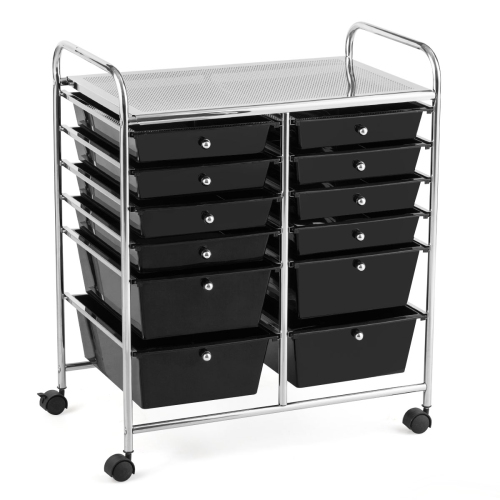

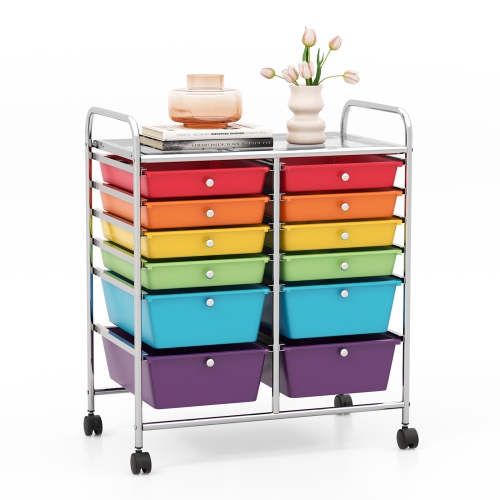
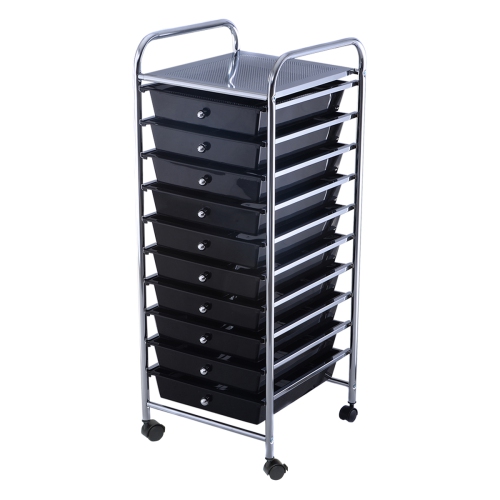
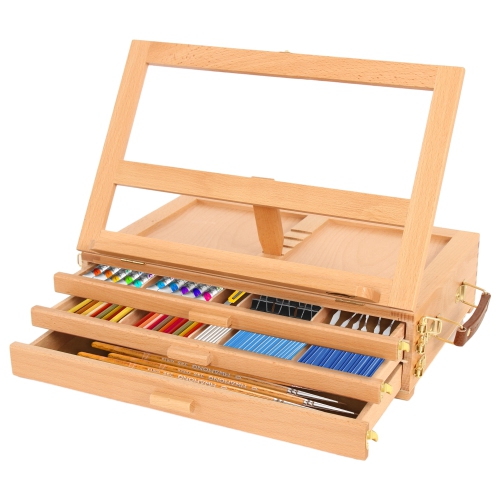
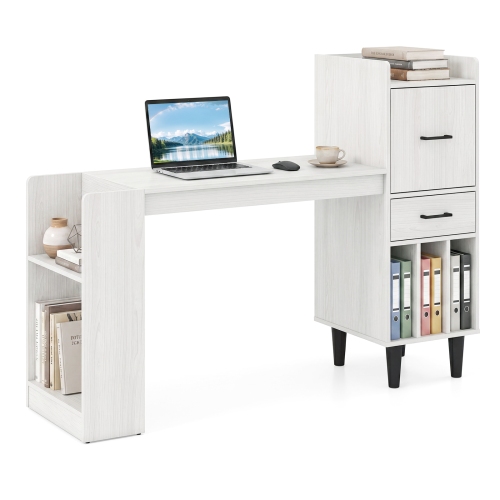
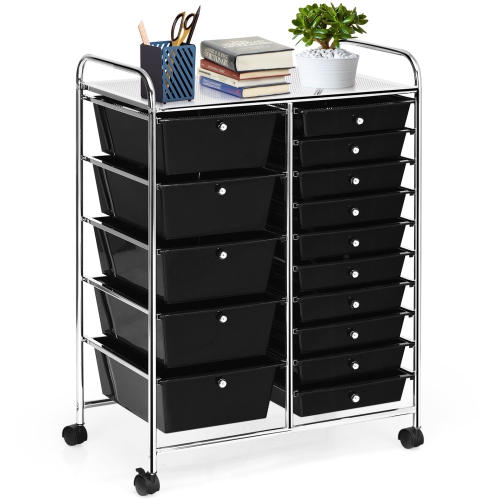
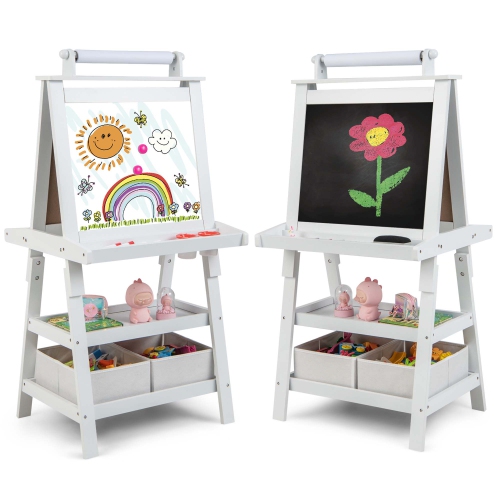
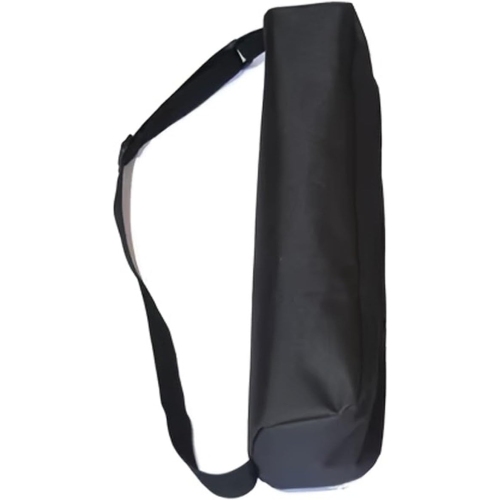
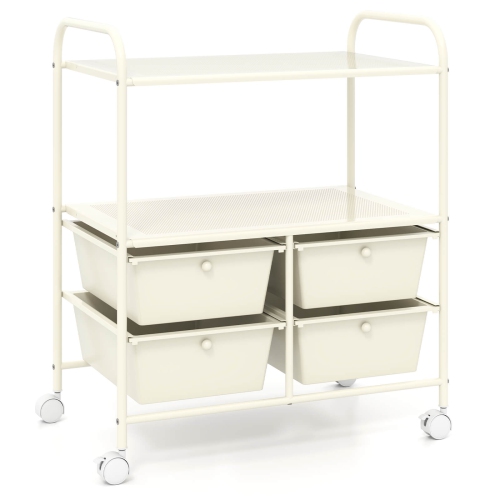

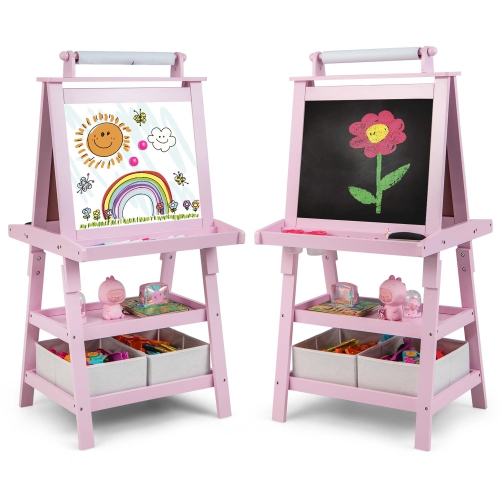
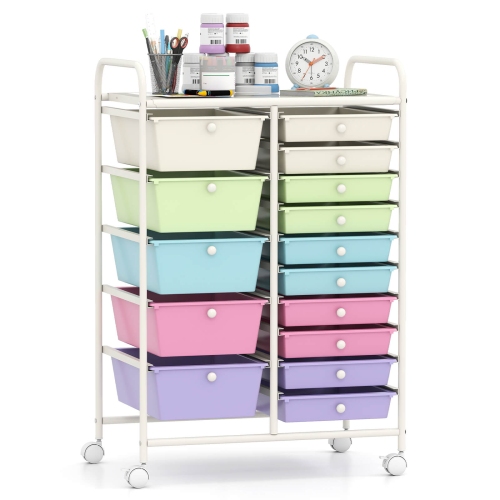
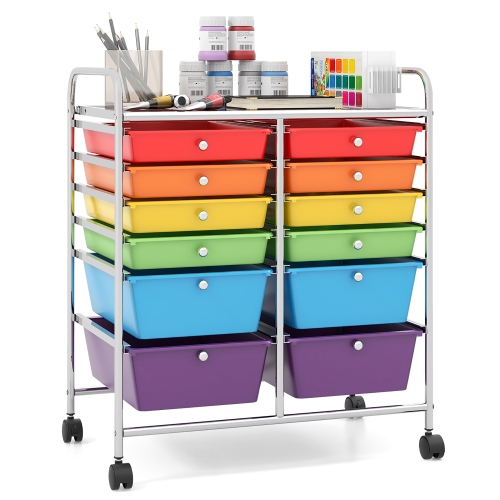
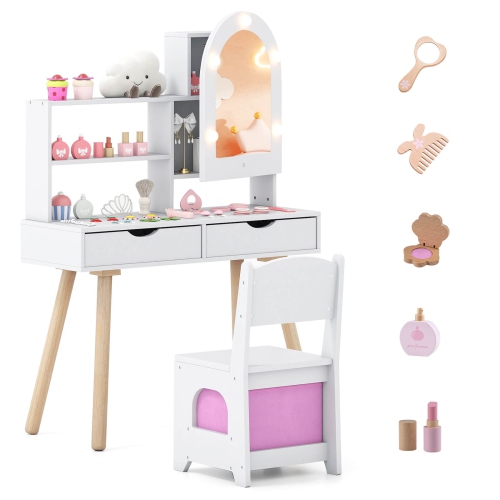
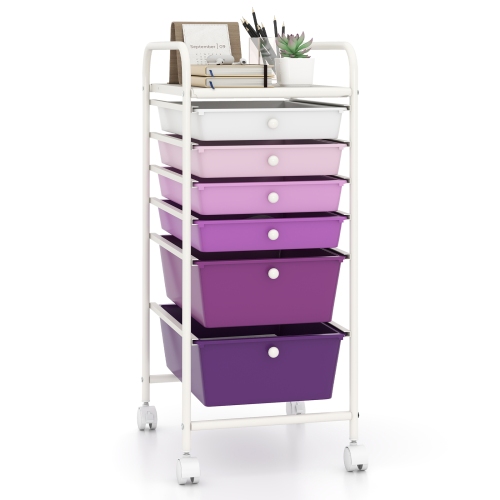
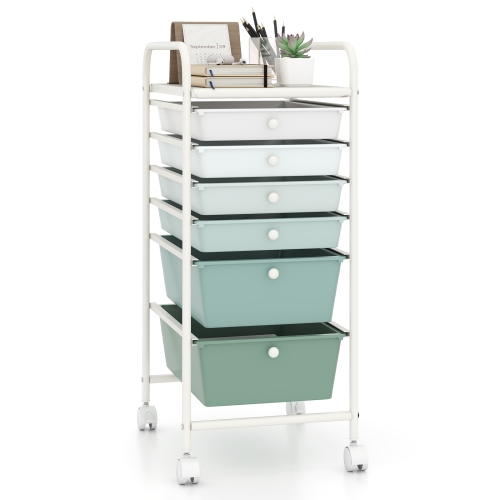
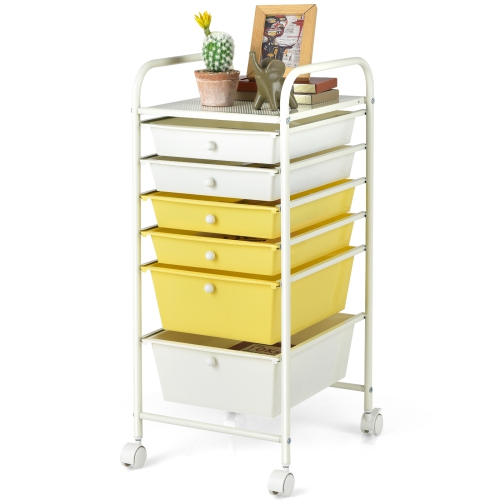
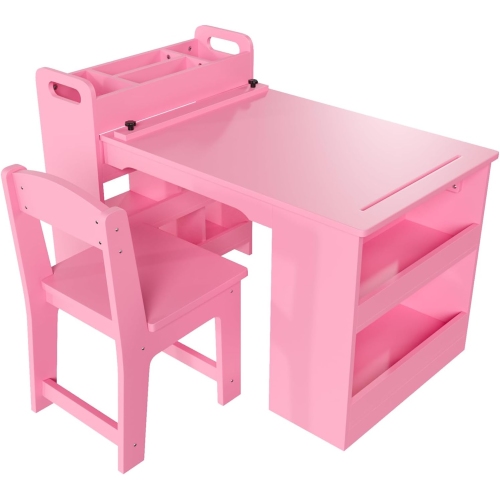
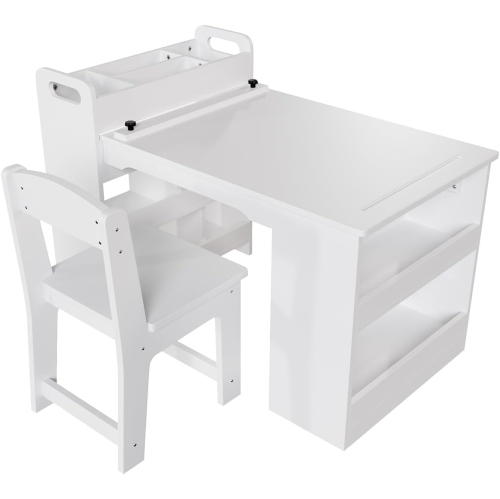
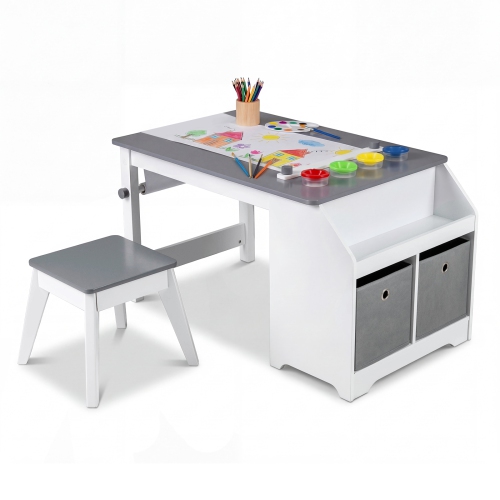
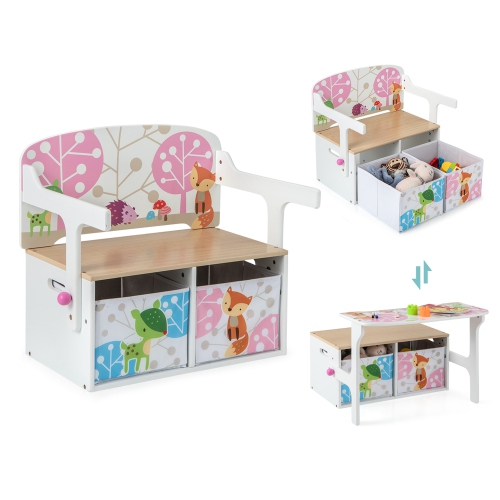
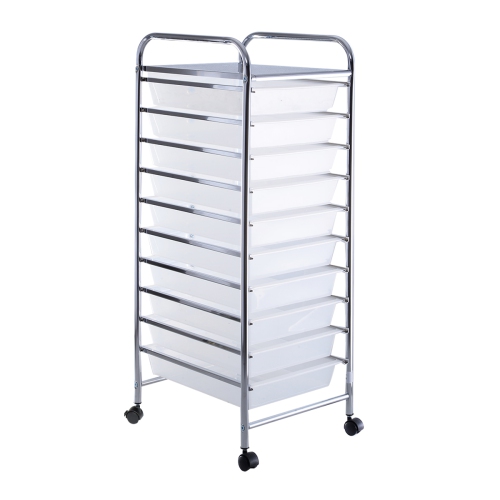
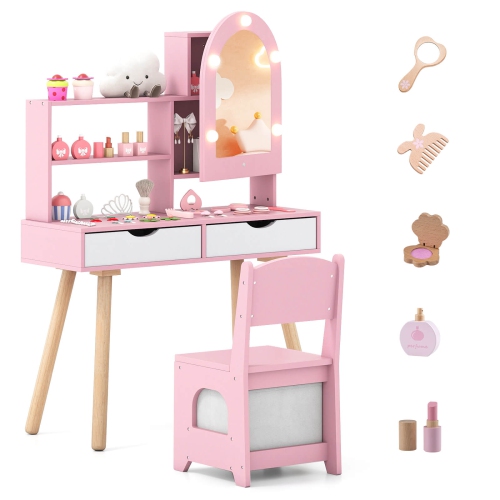
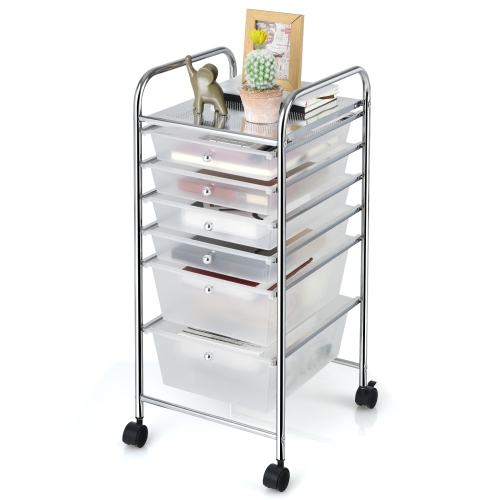
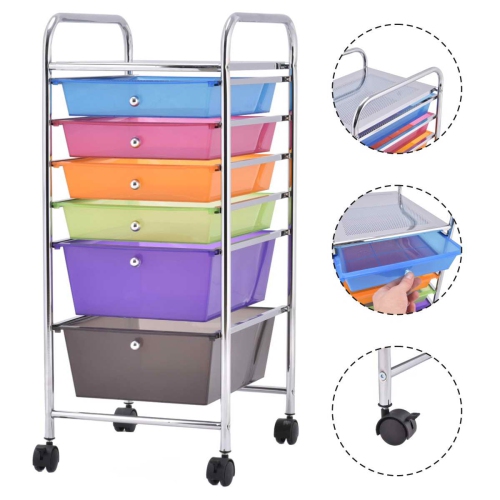
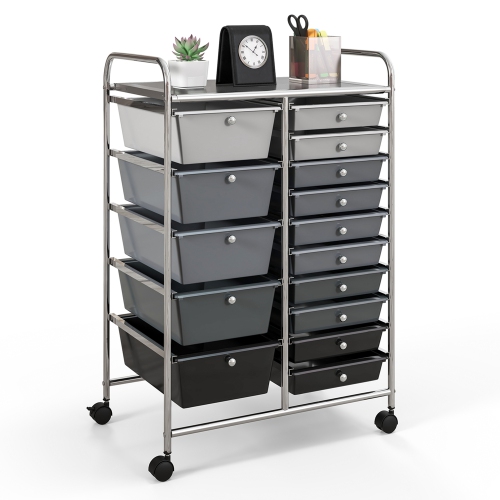
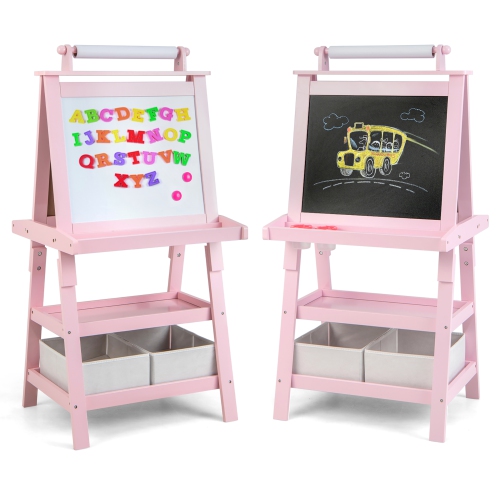
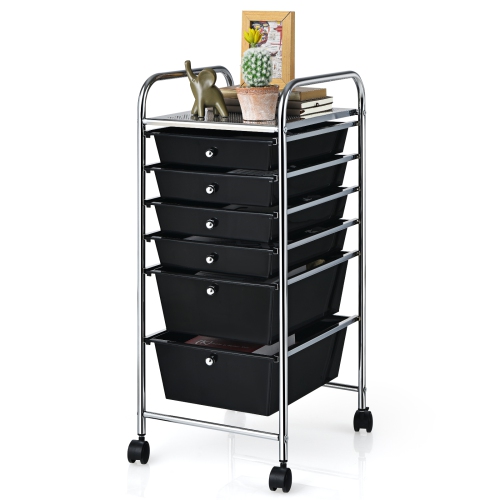
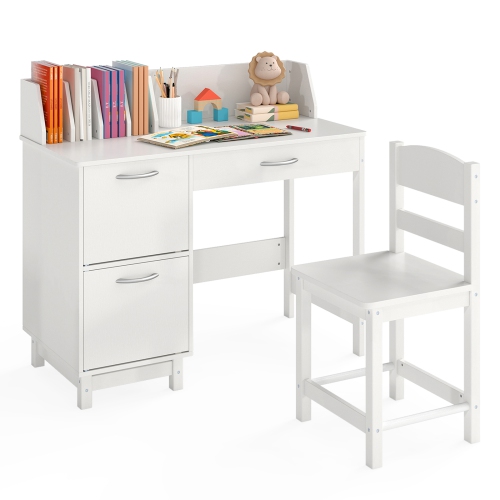
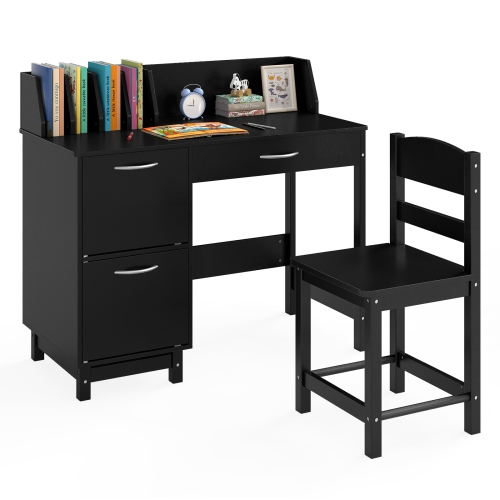
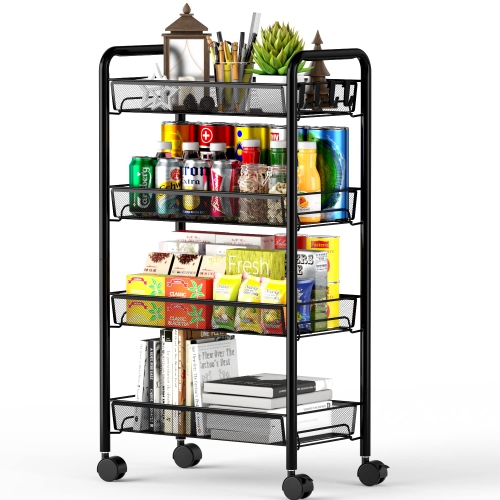
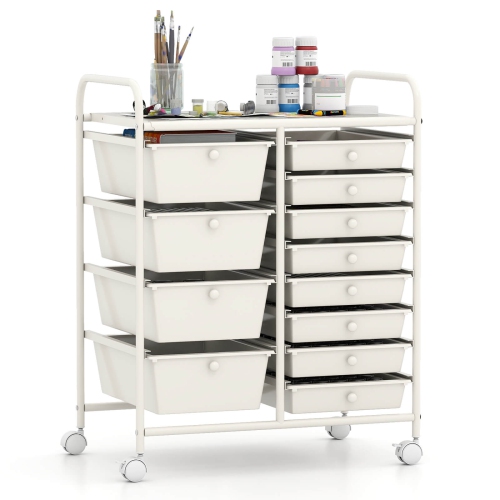
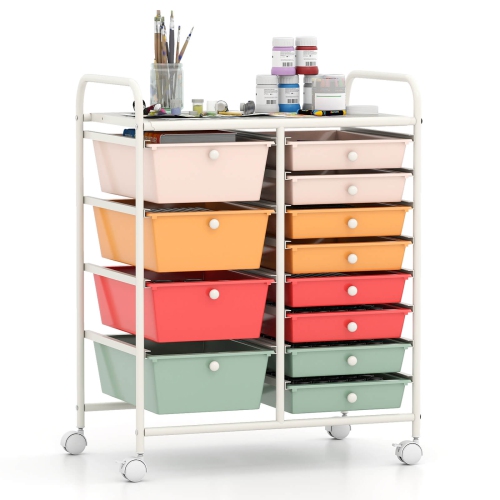
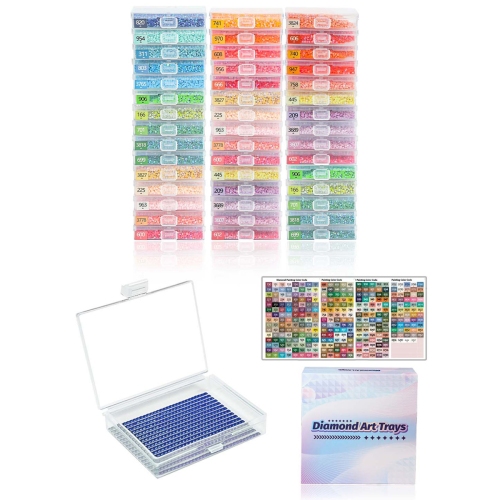
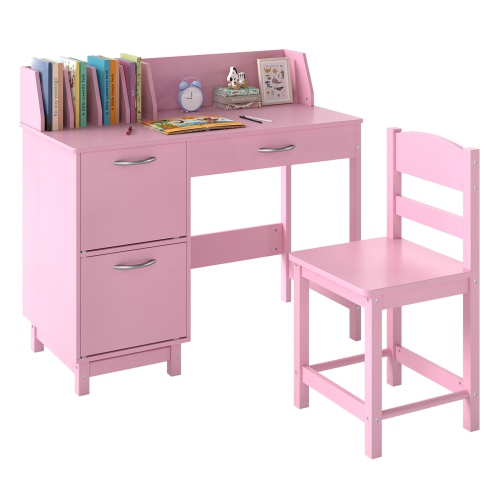
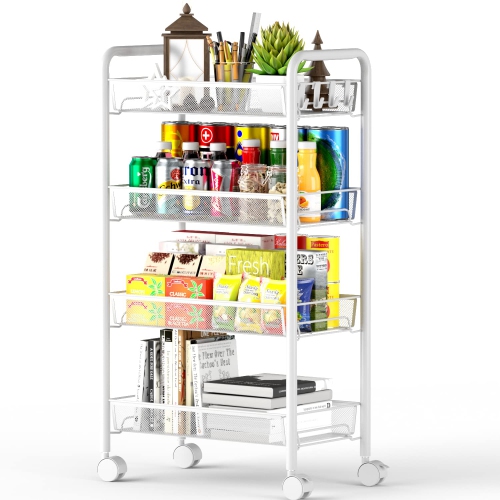



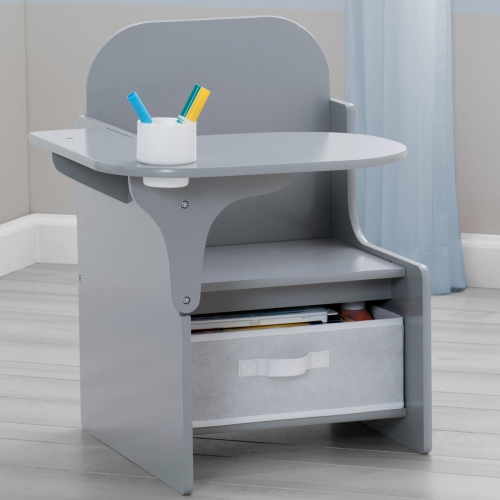
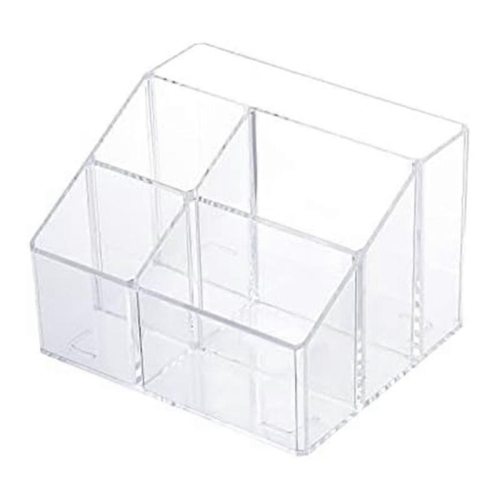
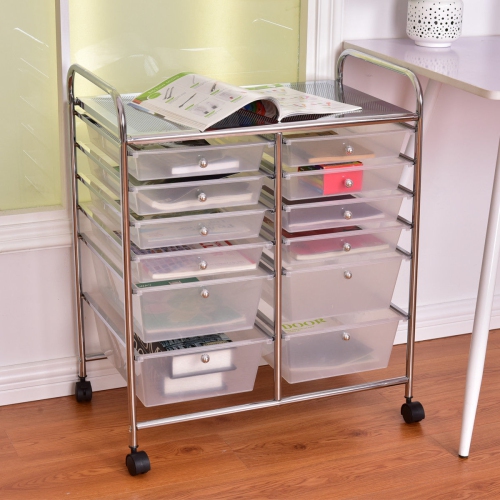
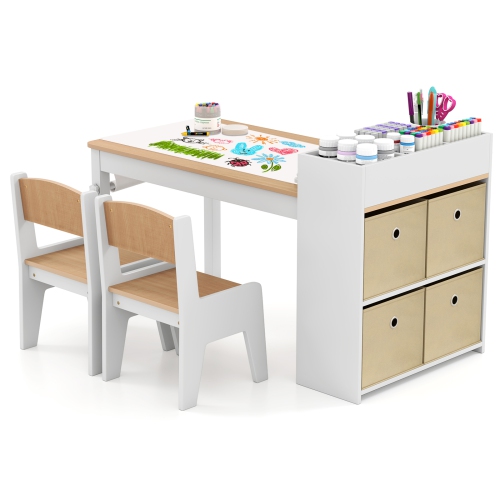
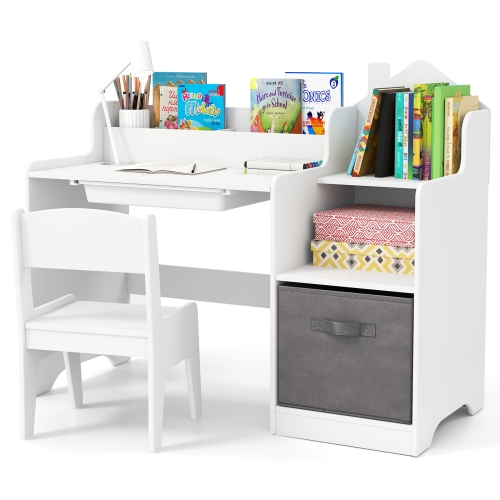
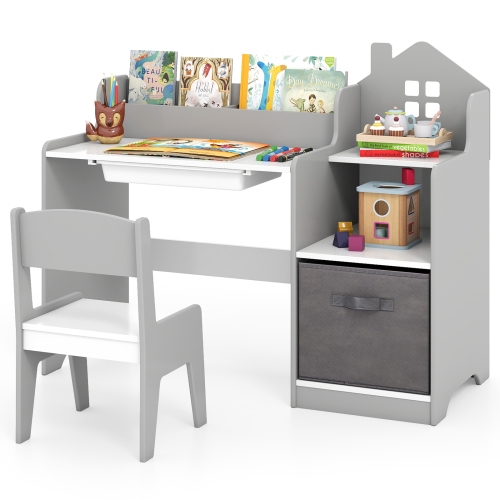
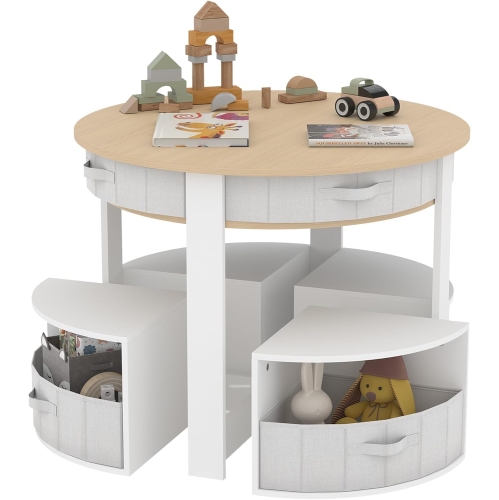
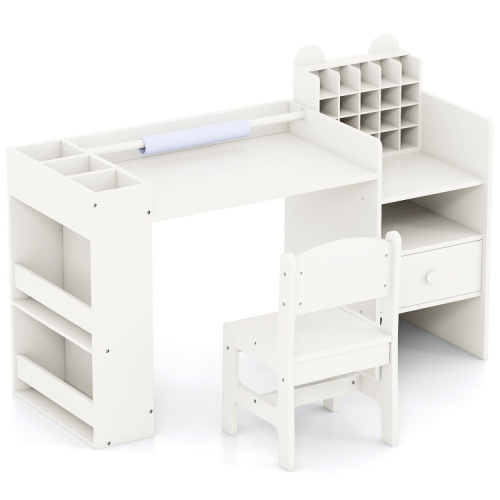
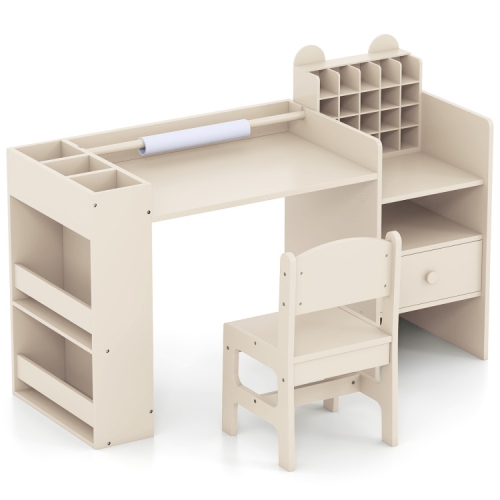
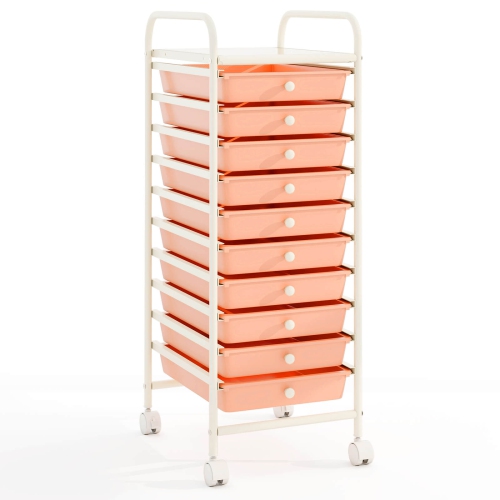
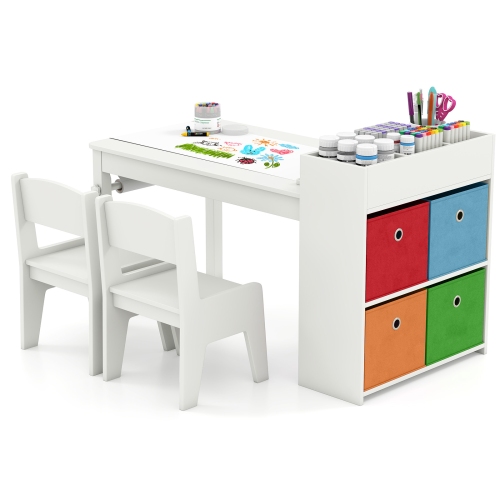
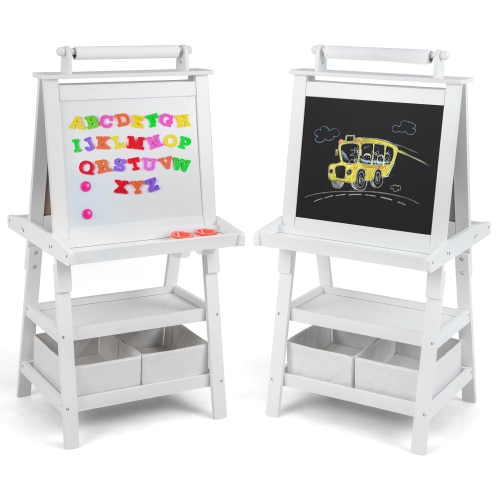
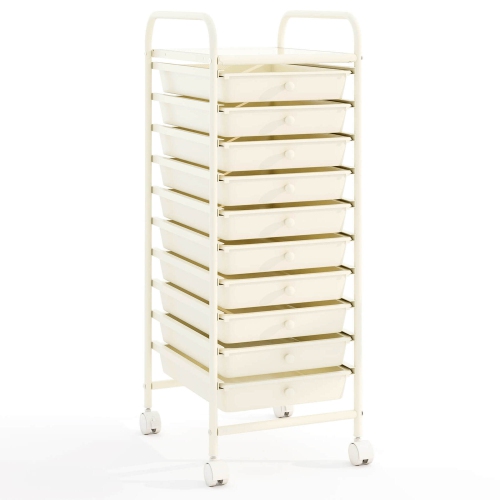
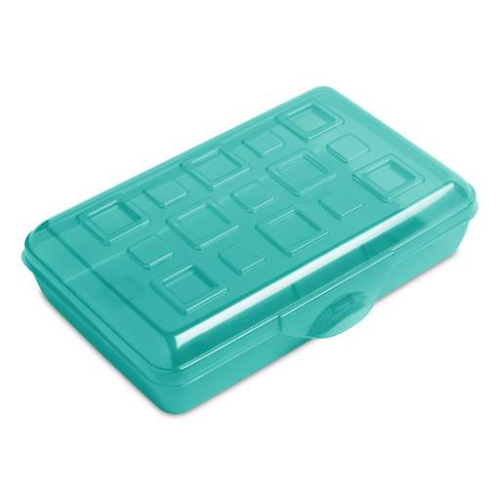
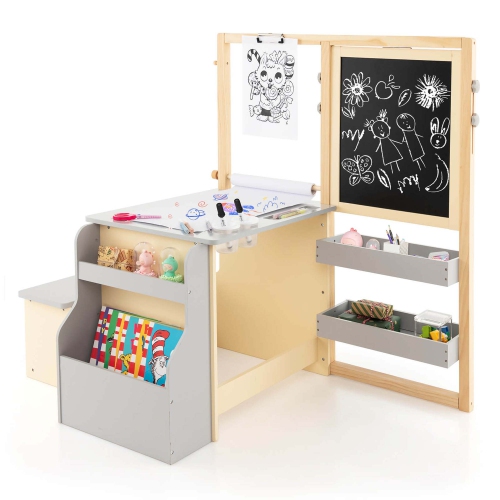
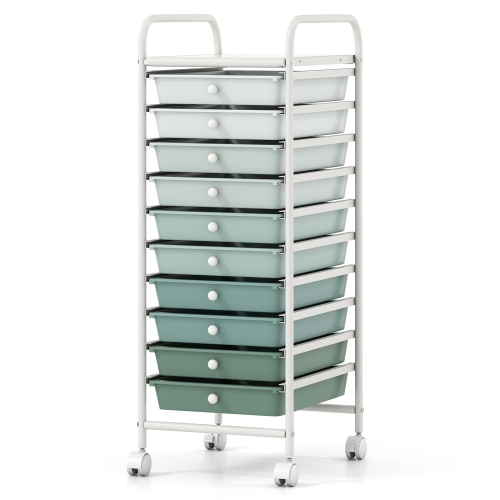
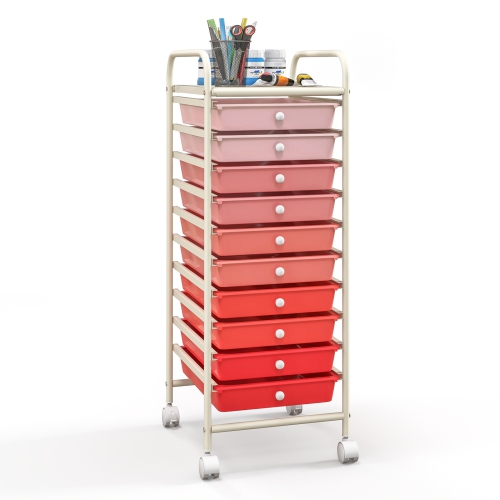
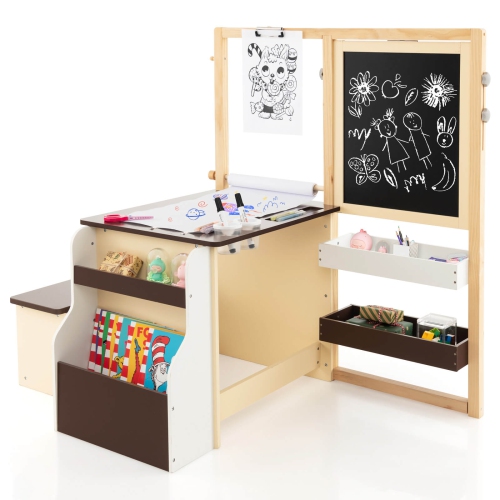
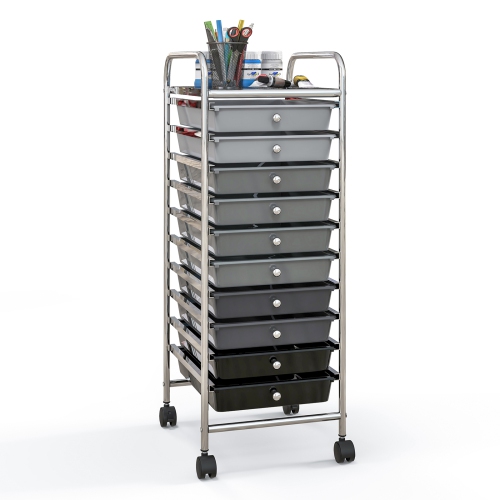
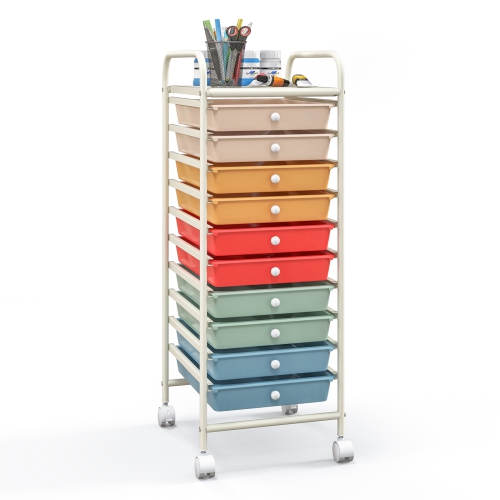
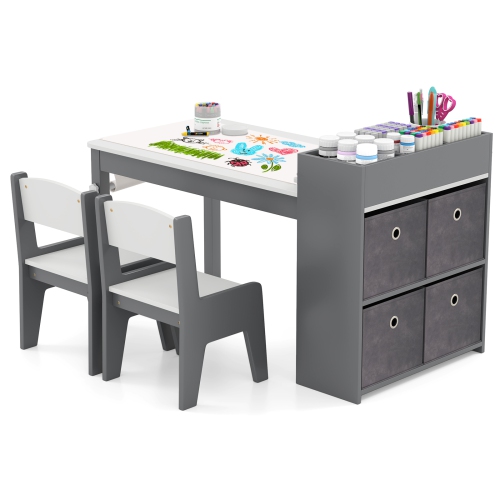
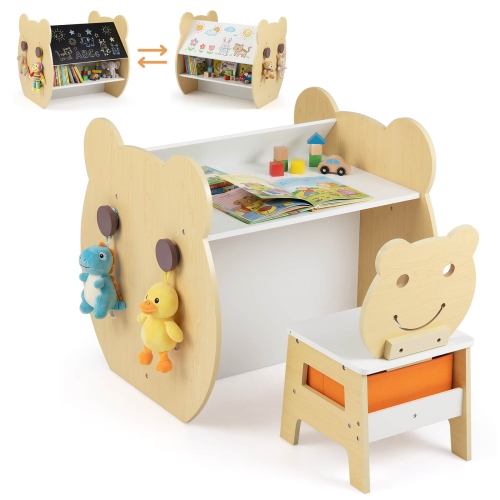
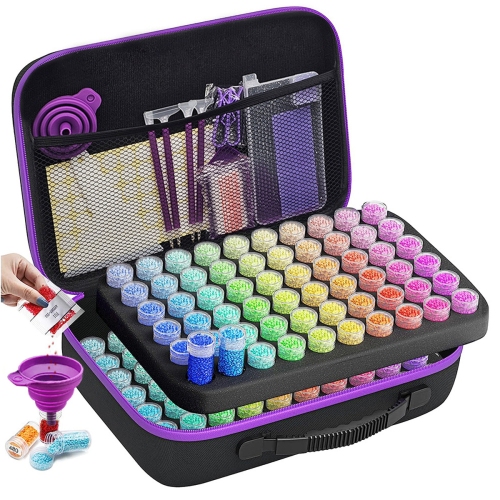
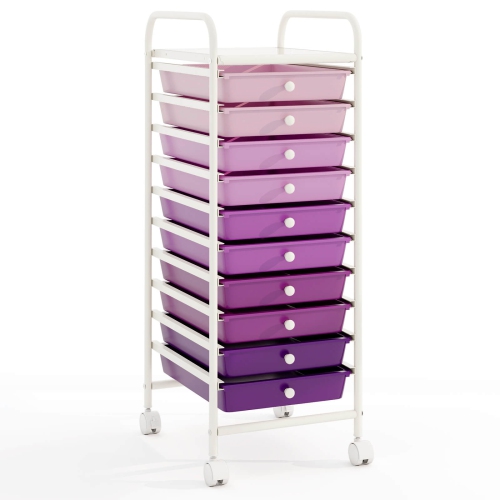
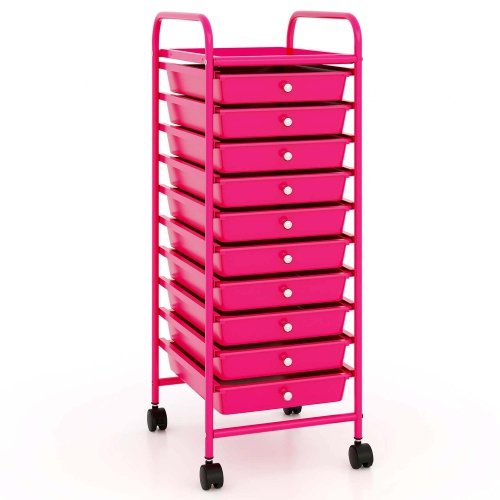
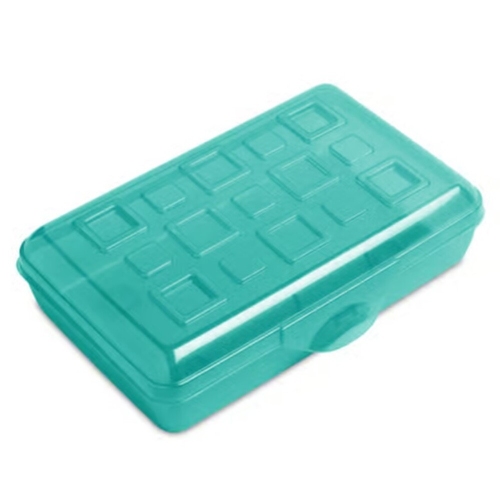
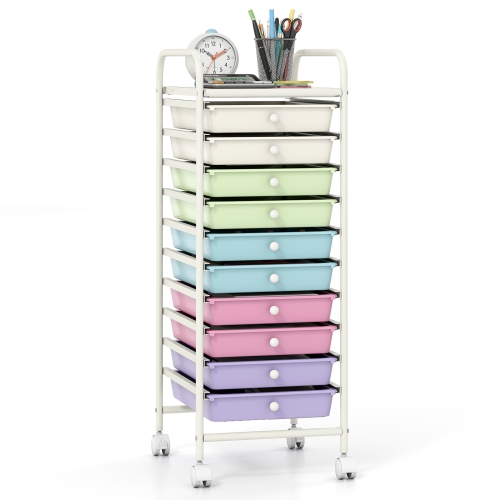
Storage that fits your materials and your creative routine
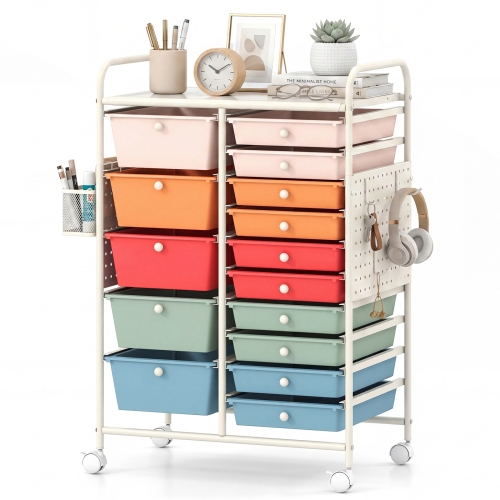
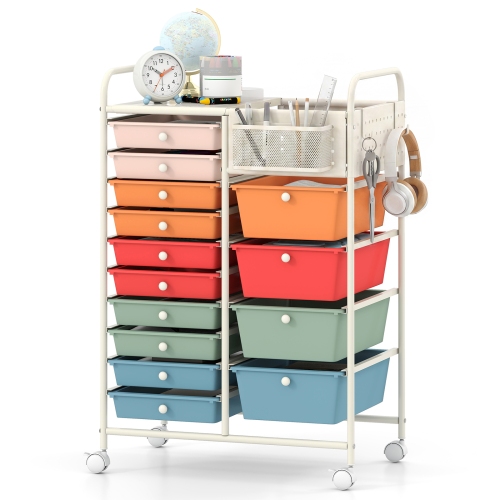
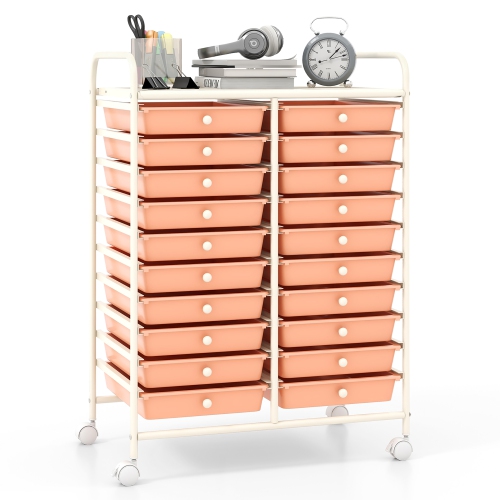
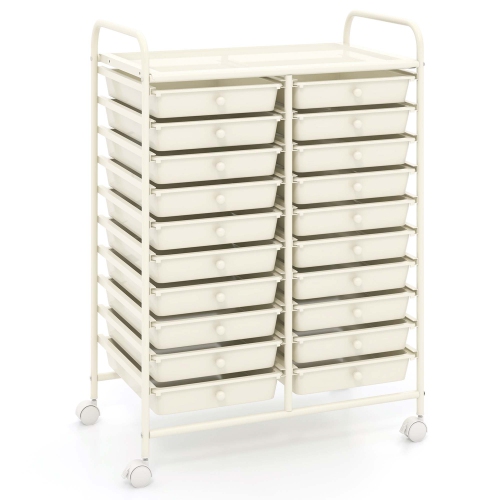
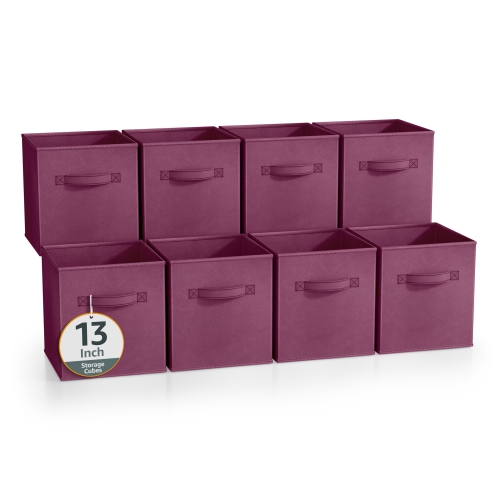
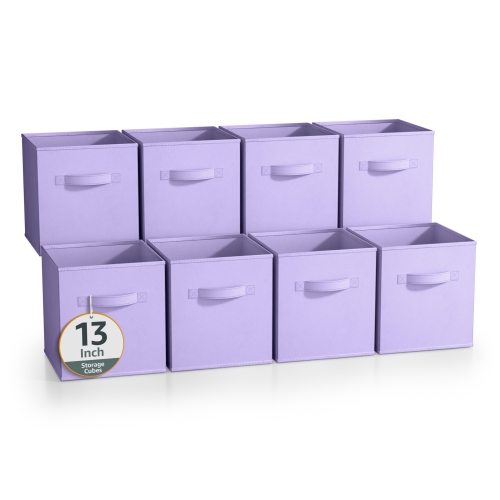
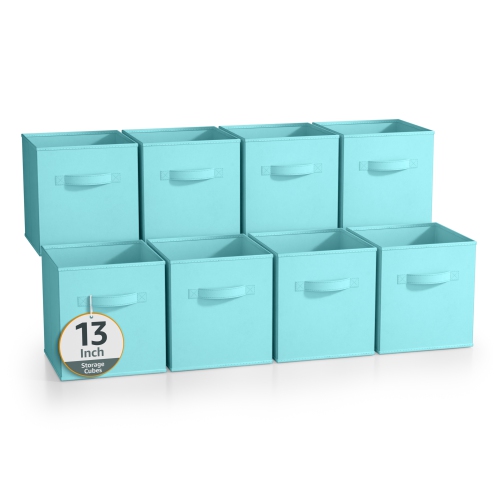
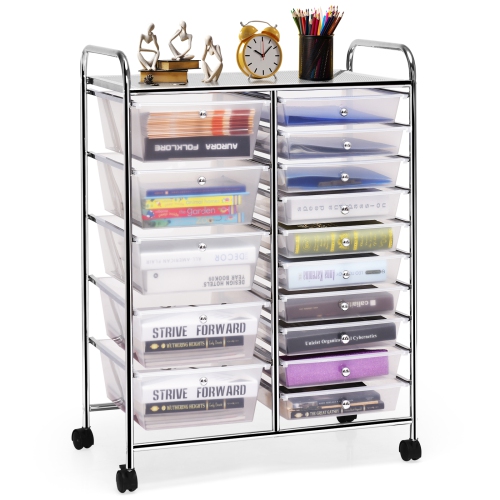
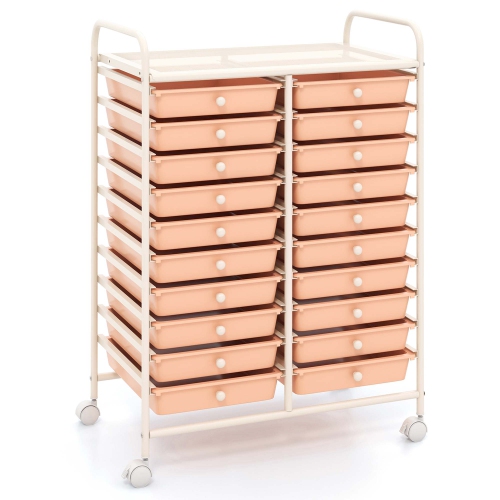
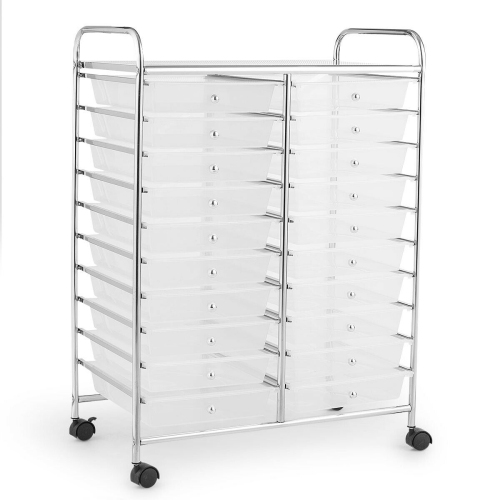
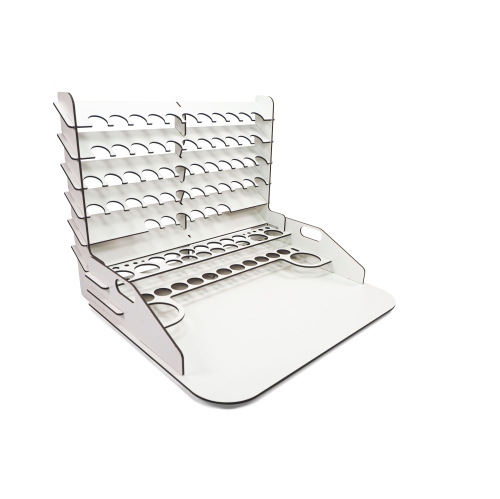
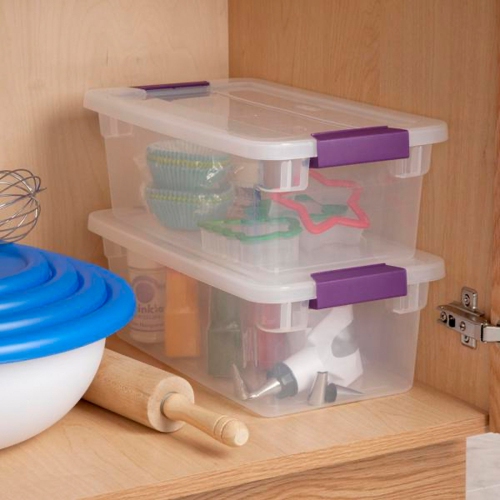
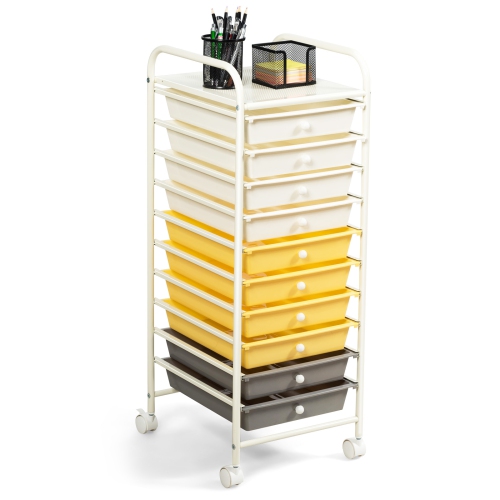
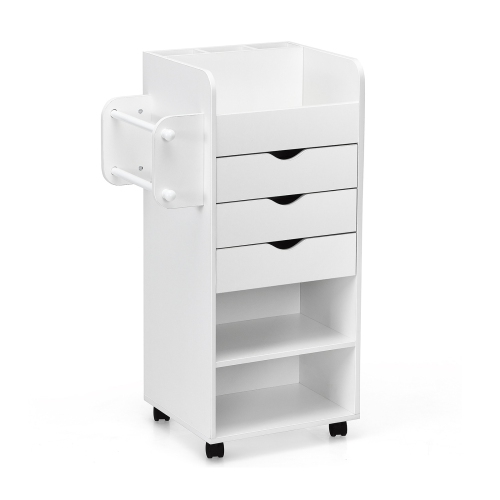
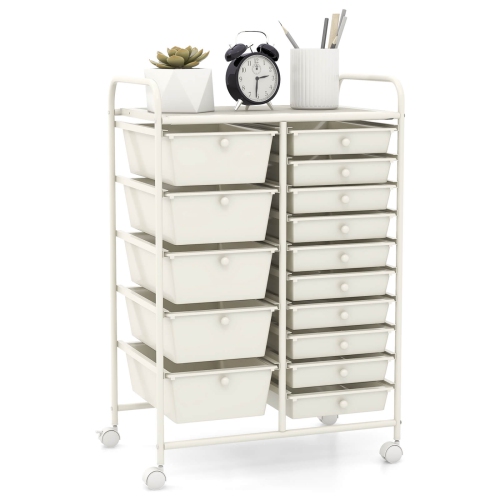
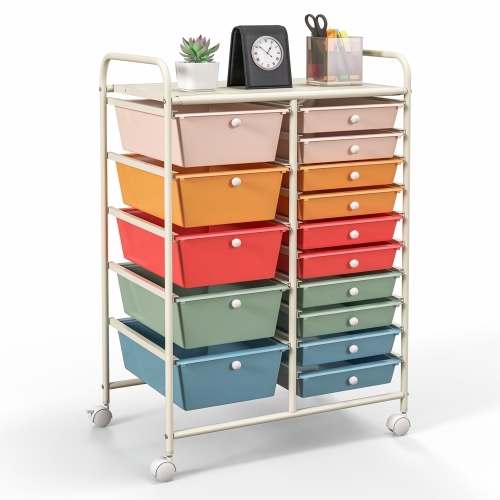
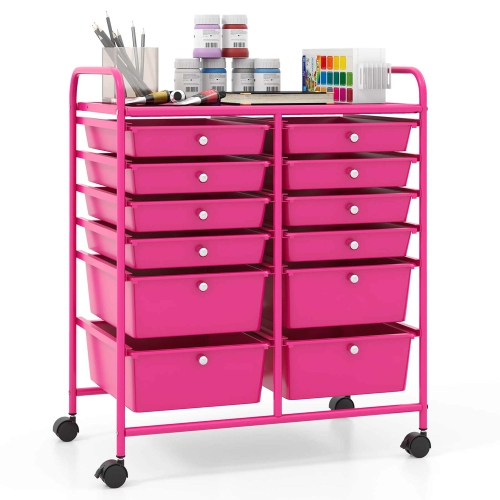
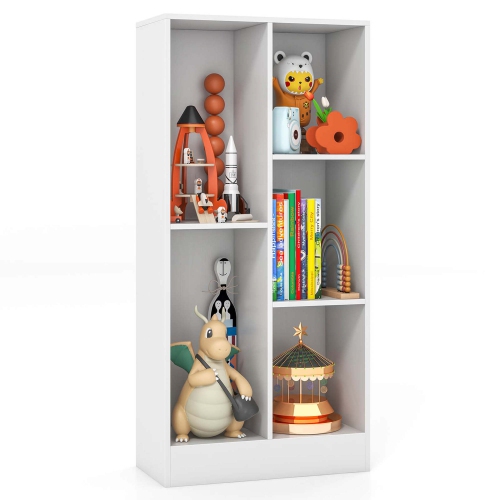
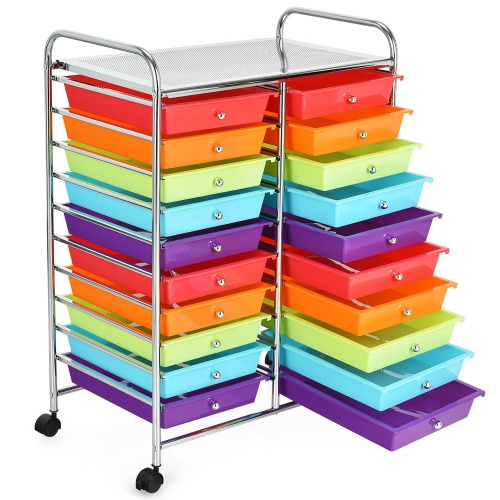
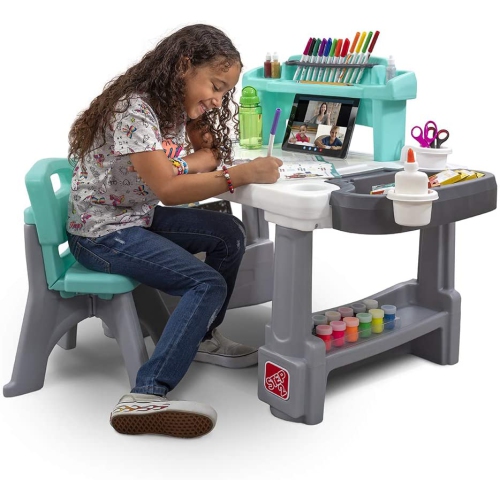
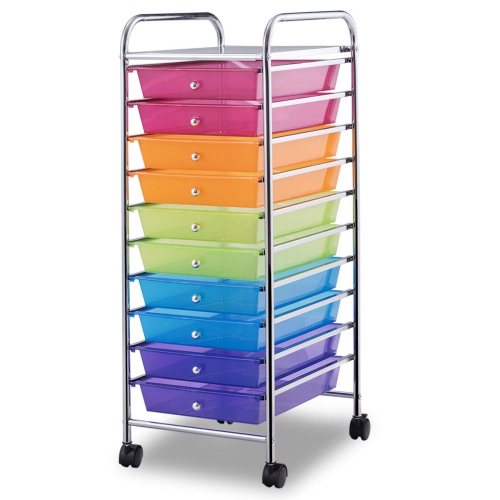
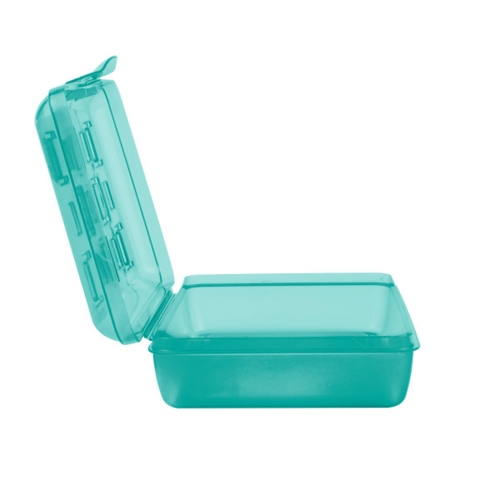
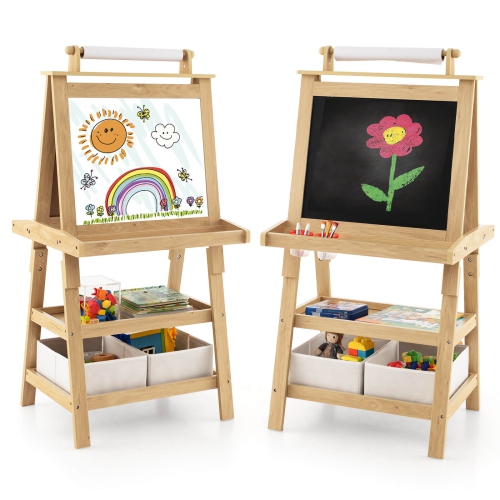
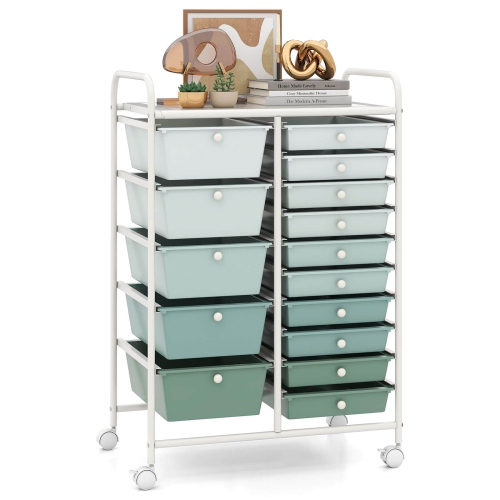
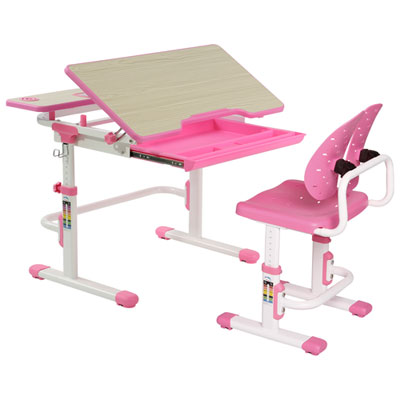
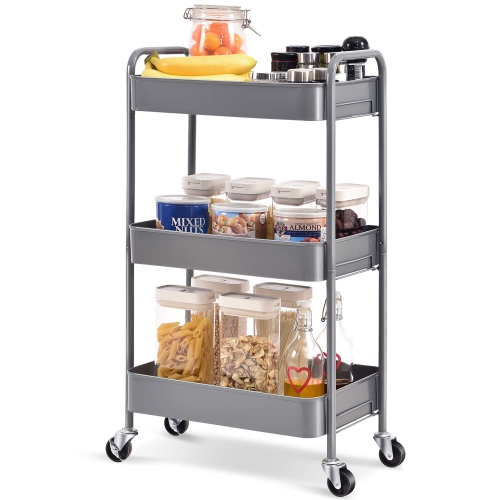
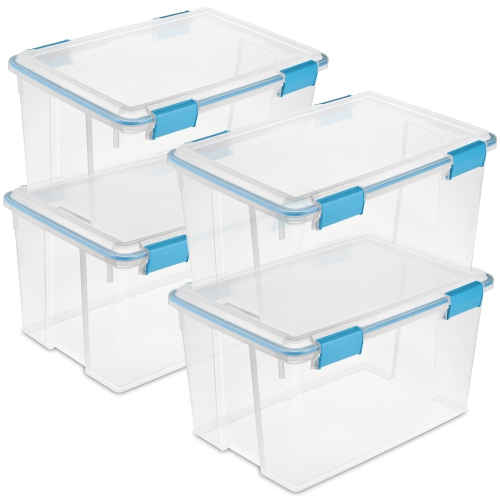
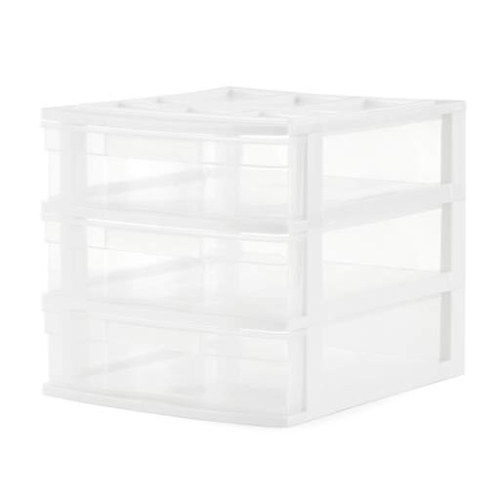
Art supplies storage keeps creative materials organized, protected, and easy to reach, whether the workspace is a dedicated studio or one end of a dining table. Portable boxes suit supplies that travel between rooms or classes, drawer units separate materials by type, and rolling carts bring frequently used tools beside a work surface. The most useful arrangement depends on the size of the materials, how often they are used, and the space available for putting them away. A collection of drawing pencils needs different compartments from tall paint bottles, wide paper pads, or bulky yarn. Shallow trays keep small tools visible instead of letting them disappear beneath larger supplies, while deeper bins accommodate bottles, fabric, and unfinished projects. Adjustable dividers provide flexibility as a collection changes, although the smallest pieces may need enclosed compartments to prevent them from slipping underneath. Clear drawers and lids make it easier to spot a particular colour without opening every container; opaque storage offers a quieter visual finish in a shared living space. Handles, secure closures, and removable trays matter when a project begins at the kitchen table and needs to be cleared away before dinner. For a permanent work area, the footprint of a cabinet or cart is only part of the fit: drawers need room to open, lids need clearance, and seats need space to move. Interior dimensions are especially important for long brushes and larger sketchbooks, since external measurements do not show how much usable room remains around hinges, dividers, or moulded corners. Broader Art Storage can also complement supply organizers when finished drawings, paper collections, and works in progress need their own place. Keeping clean paper separate from paint, glue, and other liquids helps preserve a usable surface for the next project. Storage that matches the way materials are actually used can make the difference between a workspace that stays manageable and one that needs rearranging every time a new project begins.
Materials and construction affect how art supplies storage handles everyday use. Rigid plastic is often practical for containers that need regular wiping, while metal frames can support drawer systems and carts used for heavier supplies, subject to their stated weight limits. Wood offers a furniture-like appearance for storage that remains visible in a home office or living room, though its finish determines how well it tolerates marks and repeated cleaning. Fabric cases and soft-sided bags can be comfortable to carry and easy to tuck into a cupboard, but padding, reinforced seams, and a supportive base become more important as the load grows. Smooth drawer movement, securely attached handles, and closures that line up properly are useful signs of construction suited to repeated opening and carrying. A box that feels light when empty may be considerably heavier once filled with paint, so handle comfort and the filled weight deserve attention alongside capacity. For mobile storage, wheel quality, floor clearance, and locking castors influence how easily a cart moves and stays in place during use. Heavy supplies belong low in a suitable unit to help maintain stability, and tall furniture may require anchoring according to the manufacturer's instructions. Care also depends on the material: many hard surfaces can be wiped with a soft, damp cloth, while fabric inserts may require spot cleaning. Cleaning directions should take precedence over assumptions about washability or stain resistance. Paint residue and glue are easier to manage when removable trays or washable liners keep spills away from seams and drawer tracks. Brushes should be clean and fully dry before being enclosed, with enough room to avoid bending the bristles. Markers and other tools may have storage directions from their manufacturers, making compartment orientation worth checking. A fitted lid can reduce dust, but it should not be assumed to provide an airtight or leakproof seal. Keeping liquids capped and upright adds another layer of protection for nearby supplies.
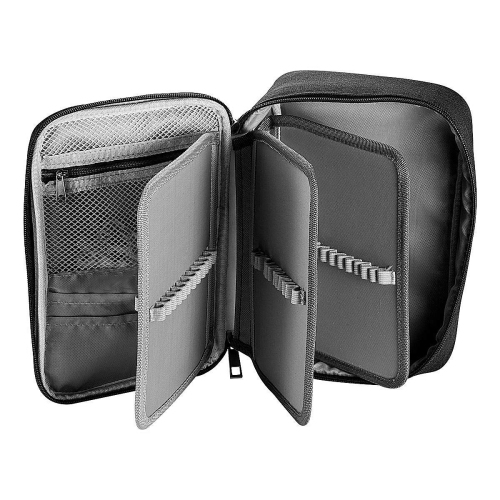
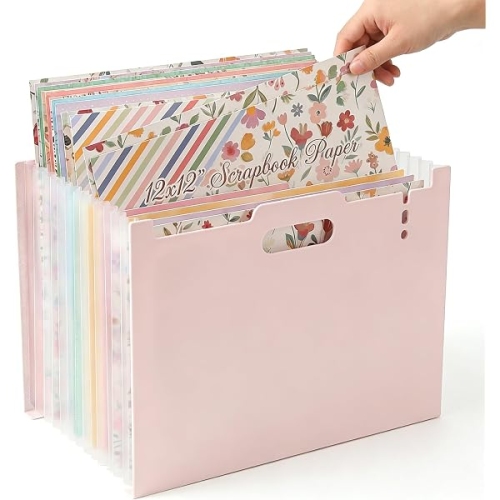
Different creative routines call for different balances of access, portability, and protection. Someone who sketches daily may appreciate a compact desktop organizer that keeps pencils, erasers, and sharpeners within reach without taking over the drawing surface. A painter working with several mediums may need separate sections for brushes, tubes, palettes, and cleaning accessories, with a clear distinction between clean tools and those awaiting attention. Paper crafters often benefit from broad, shallow storage that supports sheets without curled corners, plus smaller compartments for stamps, cutting tools, and embellishments. For large paper formats, usable internal width and depth matter more than a general capacity claim. Students carrying materials to class may favour a case that opens fully, keeps contents visible, and closes securely enough for a commute. A removable caddy can serve a similar purpose at home, bringing a selected set of supplies to the table while the larger collection stays put. In a shared family workspace, accessible sections for age-appropriate materials can support independent creativity, while sharp tools, small parts, and supplies with handling warnings need separate storage beyond children's reach. Labels help distinguish similar drawers and make it easier for several people to return materials to the same place. They are particularly useful when an unfinished collage or model needs to remain together rather than being sorted back into the main collection. Storage can also make a thoughtful gift for an art student, hobbyist, or dedicated maker when it suits the recipient's preferred medium and available space. A generous carrying case is less useful if it cannot fit their longest brushes, just as a tall organizer may not work beneath a low shelf. Room for modest additions is helpful, but extra capacity should not come at the expense of easy access or comfortable handling. When compartments, dimensions, and construction suit the materials, art supplies storage supports both focused work and straightforward cleanup, leaving a clear surface ready for the next drawing, painting, or handmade project.
Top selling and popular products
-
 Your price for this item is $399.99
-
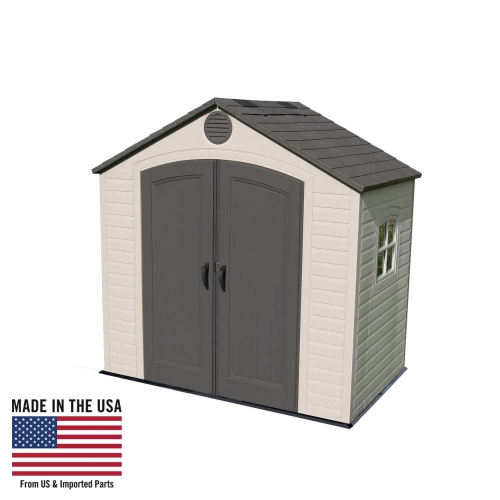 Your price for this item is $2399.99
-
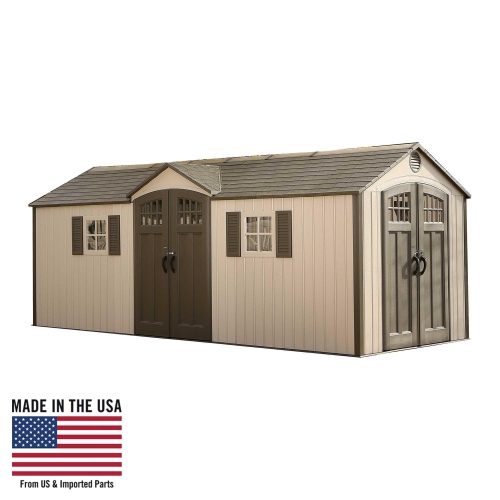 Your price for this item is $5999.99
-
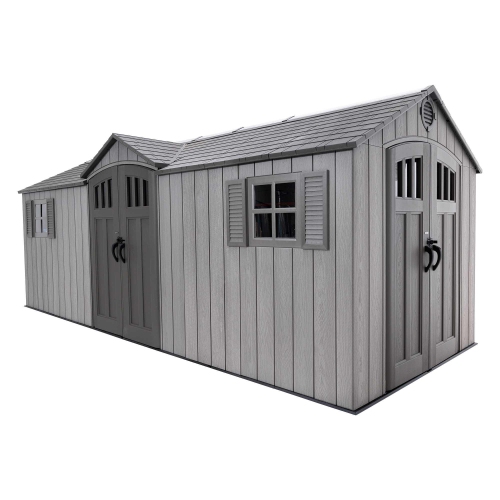 Your price for this item is $5999.99
-
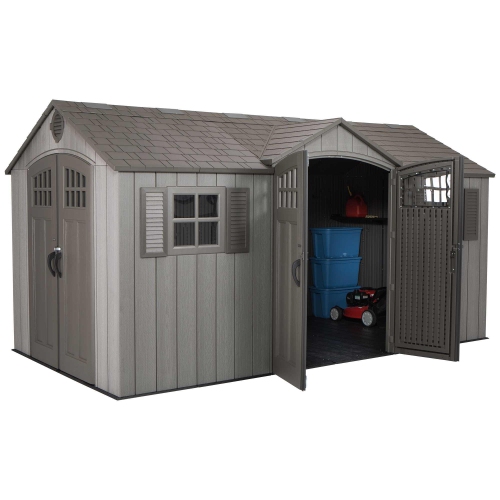 Your price for this item is $4499.99
-
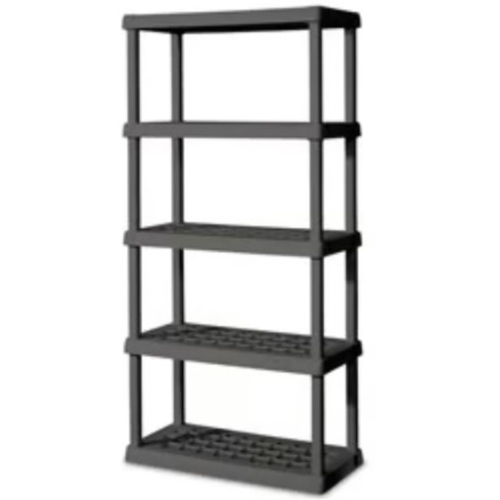 Your price for this item is $691.99
-
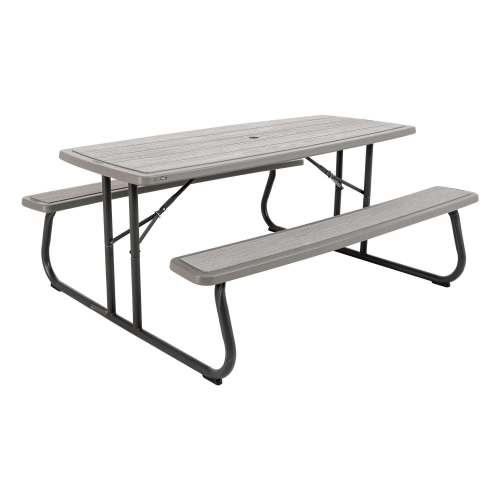 Your price for this item is $399.99
-
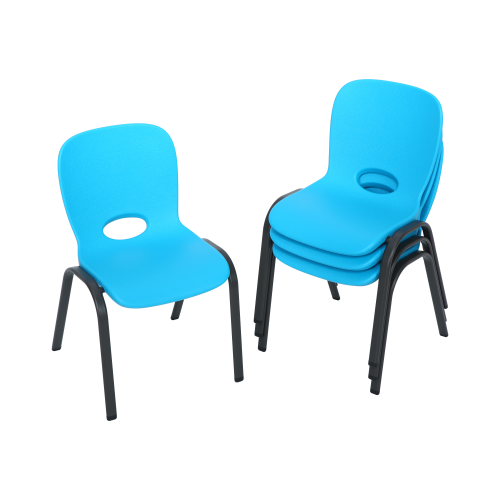 Your price for this item is $134.99
Discover more categories related to Art Supplies Storage
Top Collections:
Best Black Friday Deals This Year, Best Black Friday Deals On Electronics, Kindle Devices, Pokemon Centers, Best Black Friday Deals On Apple Products, Best Cameras for Sports Photography, Dyson Airwrap, Pokémon 30th Celebration Cards, Apple iPhone 17 Pro, Canon G7X Cameras
Some products may be subject to Environmental Handling Fees
(EHF) depending on your province.
Learn more about EHFs.