Art Storage
Discover the perfect solutions for organizing and protecting your creative supplies with our diverse selection of art storage options. Whether you're a professional artist or a hobbyist, having the right storage can make all the difference in maintaining an efficient and inspiring workspace. From compact containers to spacious cabinets, each piece is designed to keep your materials easily accessible and neatly arranged. Explore our collection to find the ideal art storage that suits your needs, helping you create with ease and focus.
Sort
Practical ways to organize supplies and store finished artwork
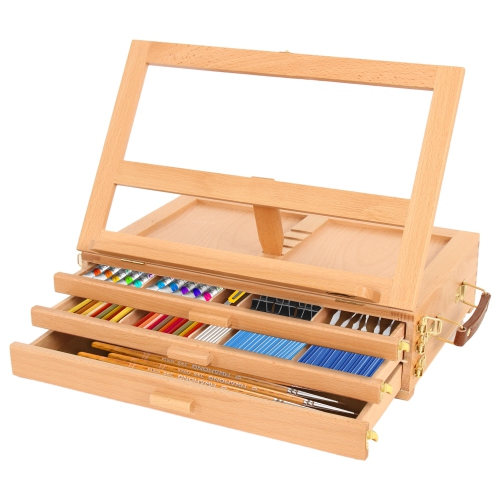
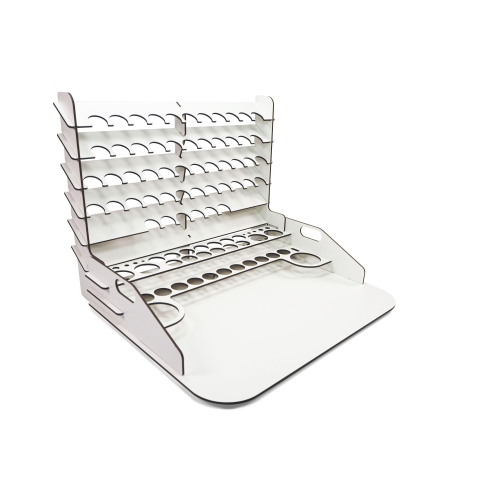
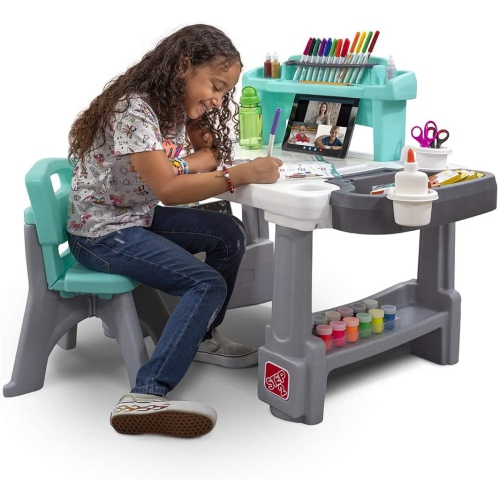
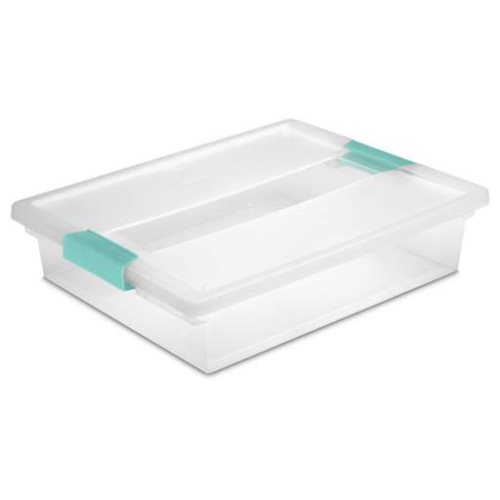
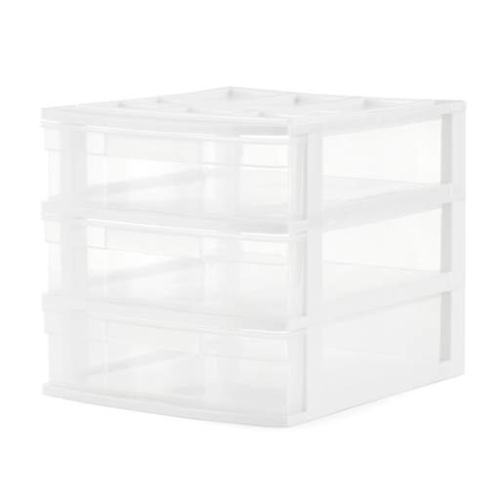
Art storage helps keep creative spaces organized, accessible and ready for the next project, whether the collection includes a few sketchbooks and coloured pencils or a full assortment of paints, brushes, pastels, markers and canvases. The best storage solution depends on the size, shape and frequency of use of the materials being stored. Small supplies are often easiest to manage in boxes, cases or compartmentalized organizers with separate sections for pencils, erasers, sharpeners, blending tools, paint tubes and other loose accessories. Removable dividers can make it easier to create a layout that suits changing projects, while translucent containers allow contents to be identified without opening every drawer or lid. Drawer-style storage is useful for artists who prefer a dedicated place for each category, especially when supplies are kept on a desk, studio shelf or craft table. A compact box can hold everyday essentials close at hand, while deeper drawers or larger bins can accommodate bulkier materials such as bottles of medium, rolls of paper, glue, palettes and cutting tools. Keeping similar supplies together also makes it easier to take inventory before starting a project and to return everything to its proper place when the work is finished. For anyone setting up a creative corner in a bedroom, den, classroom or shared family space, art storage can help make the area feel more inviting without requiring a permanent studio. During the warmer months, a portable case can move easily between an indoor workspace, a kitchen table and a shaded outdoor area; as the cooler months arrive, stackable organizers and tidy drawers can help make room for more indoor creative time. Art storage can also be a thoughtful gift for students, hobbyists, illustrators, scrapbookers, crafters and young artists who are building a collection of supplies. A well-arranged storage box gives a beginner a simple way to understand and care for their materials, while an experienced artist may appreciate a more spacious organizer that keeps frequently used tools visible and ready.
Larger artwork calls for a different approach. Finished canvases, painted panels, framed pieces and oversized sheets can be difficult to place safely in ordinary drawers or cupboards, particularly when they need to remain upright and easy to retrieve. Canvas storage racks and rolling racks are designed to separate flat works while making it possible to move several pieces at once, which can be helpful in studios, classrooms, galleries, offices and workshop spaces. Upright storage can reduce the need to lean artwork against walls or stack pieces on the floor, where corners may be bumped and surfaces can become difficult to inspect. When choosing storage for canvases and panels, consider the maximum dimensions it can accommodate, the available floor space and whether the unit can pass through doorways or fit comfortably beside a worktable. Wheels can be especially useful for people who regularly change the layout of a studio or need to move artwork between a painting area and a drying or display space. A stable base, smooth movement and adequate separation between pieces are also important considerations, particularly for heavier panels or works with delicate surfaces. Flat artwork, prints and completed projects may benefit from display racks or folding stands that make it easier to browse, present or rotate pieces without putting them into a permanent frame. This type of storage can be useful for art students reviewing a portfolio, families displaying children’s drawings or makers keeping finished work organized before it is gifted. For people who sell or exhibit their art, a rack can make it simpler to sort pieces by size, subject or collection. It can also help transform a spare room, studio corner or classroom into a practical presentation area. A storage solution should leave enough room to lift work out without scraping adjacent pieces, and it is wise to check the weight capacity as well as the dimensions of both the artwork and the storage space.
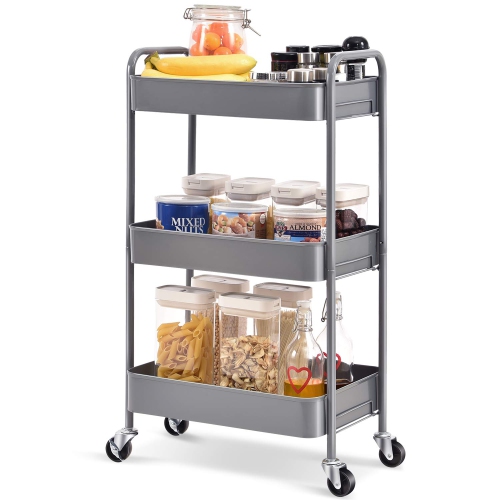
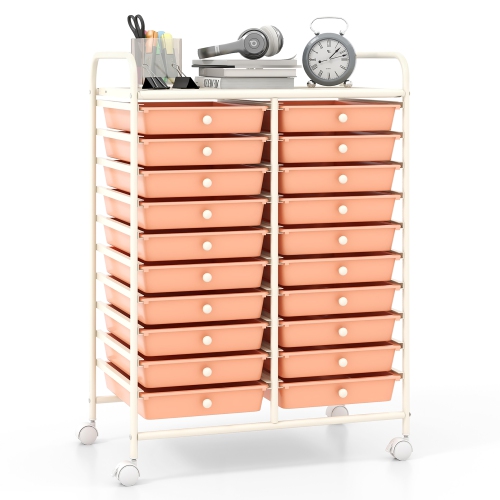
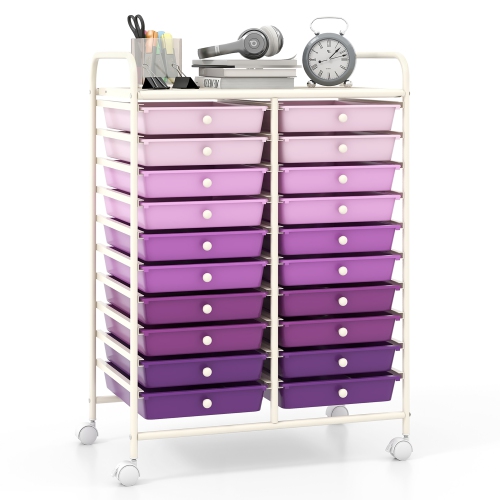
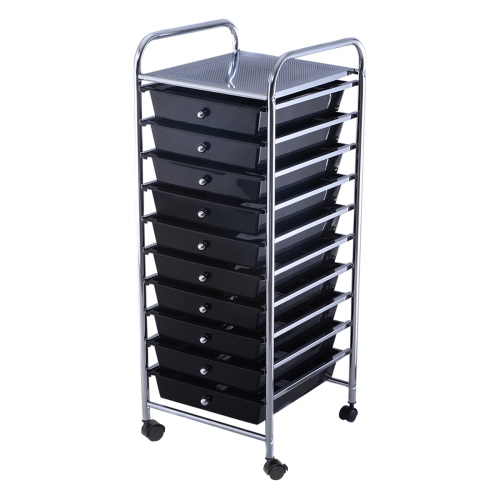
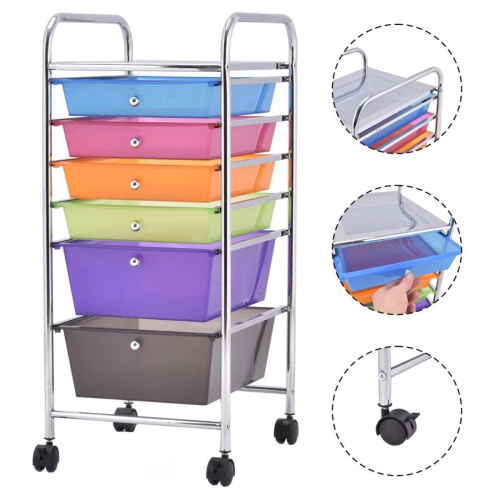
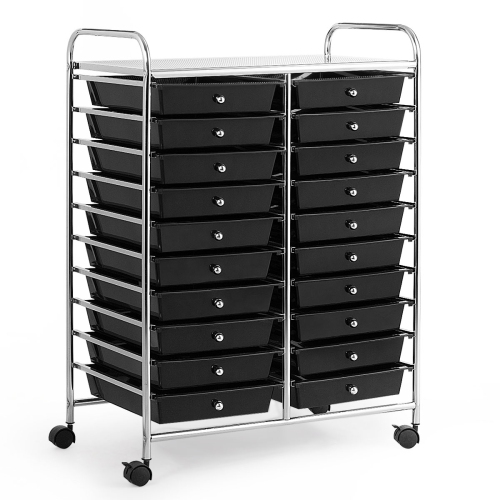
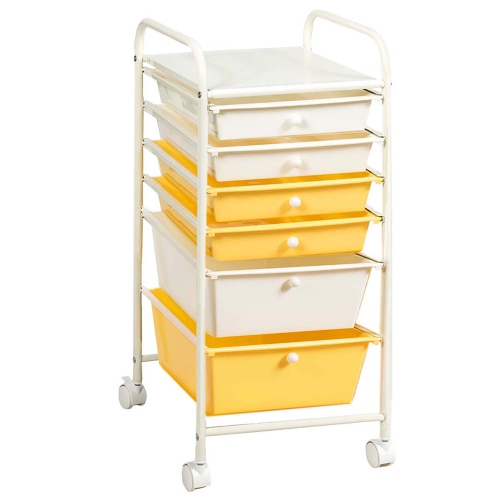
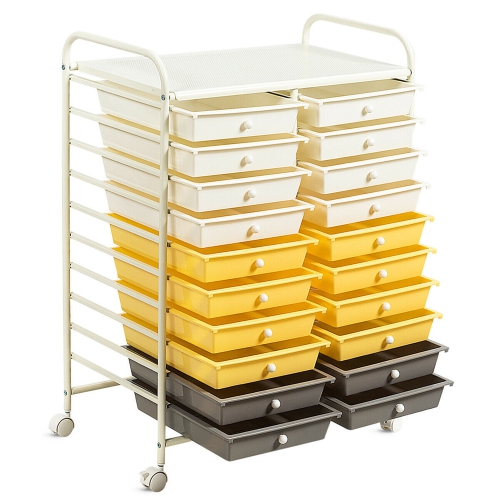
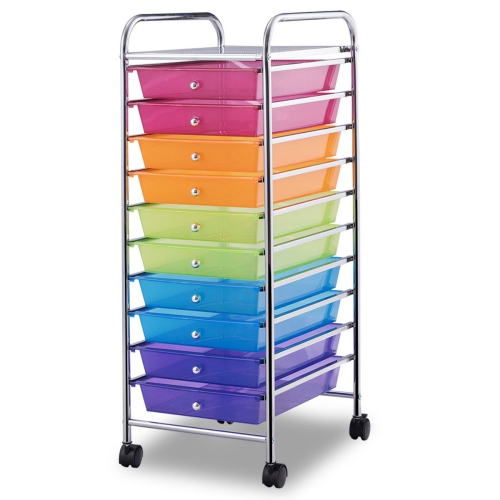
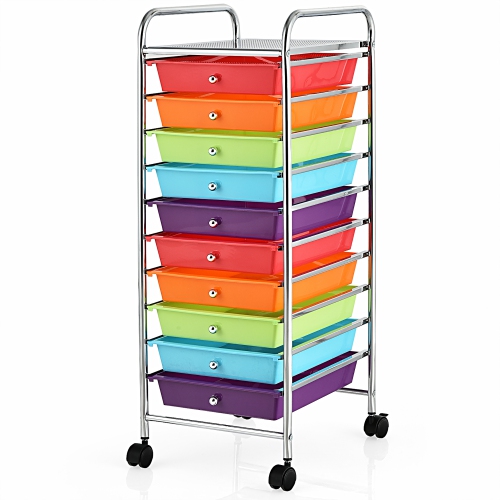
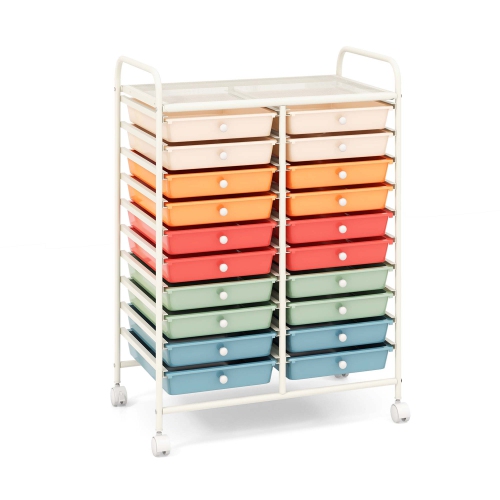
Mobility, capacity and accessibility are key considerations when selecting art storage for an active workspace. Rolling carts with multiple drawers can keep paints, mediums, brushes, tools and paper within reach while allowing supplies to travel from one side of a room to another. They are well suited to shared spaces where the same surface may serve as a homework desk, craft area or dining table, since the cart can be moved aside when the project is complete. Drawer depth matters: shallow drawers are convenient for pencils, rulers and small tools, while deeper compartments are better suited to bottles, jars, fabric, modelling materials and larger accessories. Open shelving provides quick visibility and can hold baskets, sketchbooks and containers, but closed drawers or lidded boxes may be preferable for supplies that need additional protection from dust, spills or accidental knocks. A combination of storage types often works best, with everyday tools in an accessible top drawer, less frequently used materials in larger lower compartments and finished pieces kept upright or flat according to their size. In a school, Art Classroom Storage Solutions can help organize shared supplies so learners can find what they need and return materials after a lesson. At home, clear labels, adjustable sections and portable handles can make creative activities easier for children and adults alike. Before choosing a storage unit, measure the intended area, account for clearance around doors and drawers, and consider how much the collection may grow. An organizer that matches current habits, available space and the scale of the artwork can make the creative process feel less cluttered and more enjoyable, from the first pencil mark to the final finished piece.
Larger artwork calls for a different approach. Finished canvases, painted panels, framed pieces and oversized sheets can be difficult to place safely in ordinary drawers or cupboards, particularly when they need to remain upright and easy to retrieve. Canvas storage racks and rolling racks are designed to separate flat works while making it possible to move several pieces at once, which can be helpful in studios, classrooms, galleries, offices and workshop spaces. Upright storage can reduce the need to lean artwork against walls or stack pieces on the floor, where corners may be bumped and surfaces can become difficult to inspect. When choosing storage for canvases and panels, consider the maximum dimensions it can accommodate, the available floor space and whether the unit can pass through doorways or fit comfortably beside a worktable. Wheels can be especially useful for people who regularly change the layout of a studio or need to move artwork between a painting area and a drying or display space. A stable base, smooth movement and adequate separation between pieces are also important considerations, particularly for heavier panels or works with delicate surfaces. Flat artwork, prints and completed projects may benefit from display racks or folding stands that make it easier to browse, present or rotate pieces without putting them into a permanent frame. This type of storage can be useful for art students reviewing a portfolio, families displaying children’s drawings or makers keeping finished work organized before it is gifted. For people who sell or exhibit their art, a rack can make it simpler to sort pieces by size, subject or collection. It can also help transform a spare room, studio corner or classroom into a practical presentation area. A storage solution should leave enough room to lift work out without scraping adjacent pieces, and it is wise to check the weight capacity as well as the dimensions of both the artwork and the storage space.
Mobility, capacity and accessibility are key considerations when selecting art storage for an active workspace. Rolling carts with multiple drawers can keep paints, mediums, brushes, tools and paper within reach while allowing supplies to travel from one side of a room to another. They are well suited to shared spaces where the same surface may serve as a homework desk, craft area or dining table, since the cart can be moved aside when the project is complete. Drawer depth matters: shallow drawers are convenient for pencils, rulers and small tools, while deeper compartments are better suited to bottles, jars, fabric, modelling materials and larger accessories. Open shelving provides quick visibility and can hold baskets, sketchbooks and containers, but closed drawers or lidded boxes may be preferable for supplies that need additional protection from dust, spills or accidental knocks. A combination of storage types often works best, with everyday tools in an accessible top drawer, less frequently used materials in larger lower compartments and finished pieces kept upright or flat according to their size. In a school, Art Classroom Storage Solutions can help organize shared supplies so learners can find what they need and return materials after a lesson. At home, clear labels, adjustable sections and portable handles can make creative activities easier for children and adults alike. Before choosing a storage unit, measure the intended area, account for clearance around doors and drawers, and consider how much the collection may grow. An organizer that matches current habits, available space and the scale of the artwork can make the creative process feel less cluttered and more enjoyable, from the first pencil mark to the final finished piece.
Top selling and popular products
-
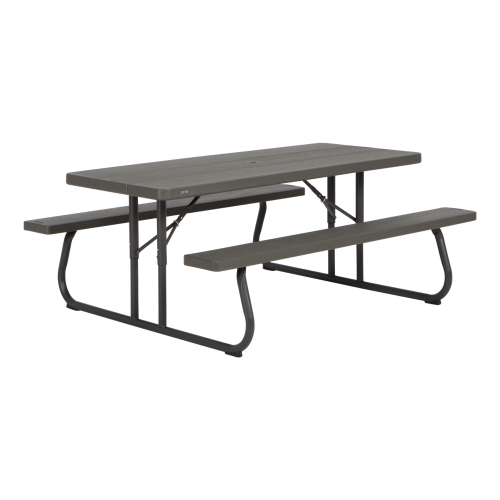 Your price for this item is $439.99
 -
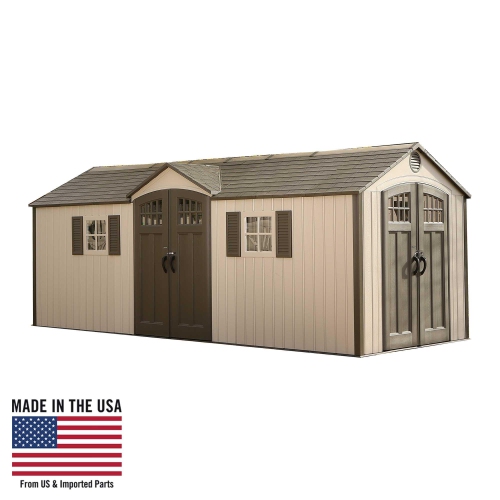 Your price for this item is $5559
 -
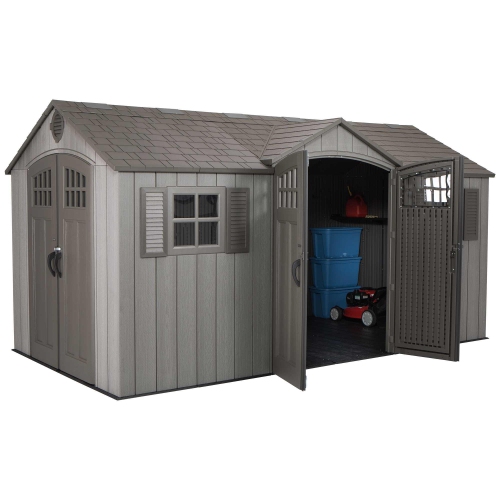 Your price for this item is $4168
 -
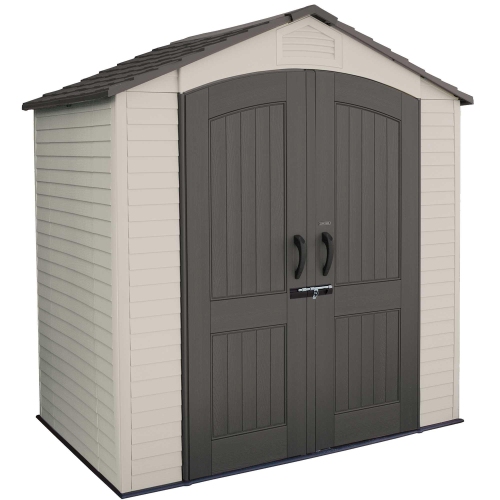 Your price for this item is $1649
 -
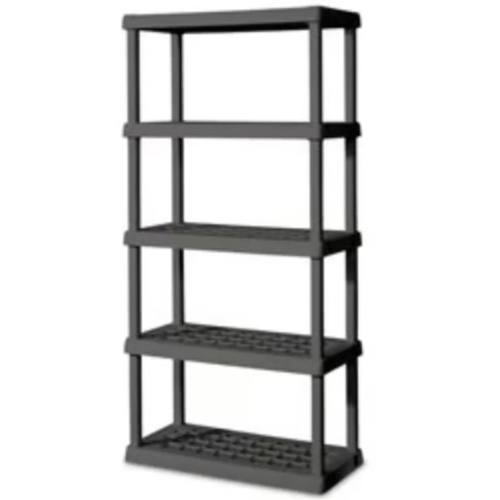 Your price for this item is $920.99
 -
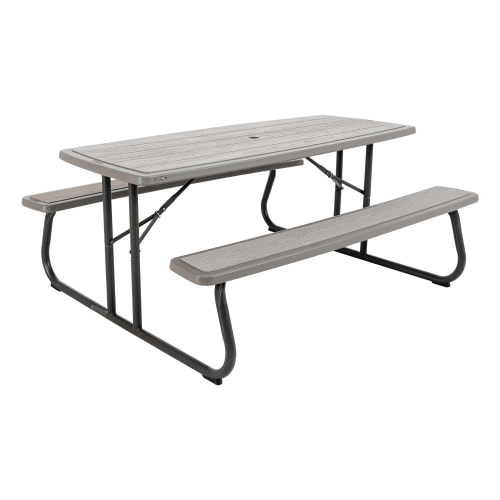 Your price for this item is $419.99
 -
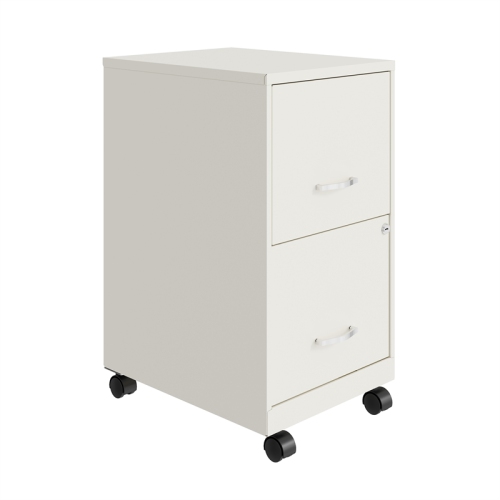 Your price for this item is $395.93
 -
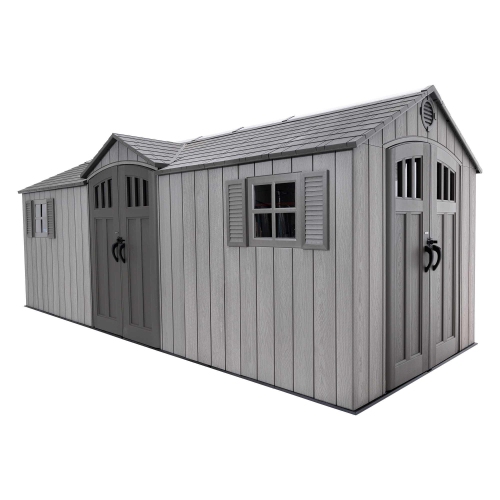 Your price for this item is $5499
Discover more categories related to Art Storage
Top Collections:
Pokemon Centers, Budget 4K TVs, Best Budget Office Chairs, Kindle Devices, Canon G7X Cameras, Apple iPhones 16, iPhone 15 Apple, Laptops for Business Work, Xiaomi Phones, Flip Phones
Some products may be subject to Environmental Handling Fees
(EHF) depending on your province.
Learn more about EHFs.