Arts And Crafts Papers
Explore the vibrant world of arts and crafts papers at Best Buy Canada, where creativity meets quality. Whether you're an avid scrapbooker, a passionate card maker, or simply looking to inspire your next DIY project, our selection offers a variety of textures, colors, and finishes to suit every artistic endeavor. From smooth and glossy sheets to textured and patterned designs, find the perfect canvas for your imagination. Elevate your artistic projects with the right arts and crafts papers that bring your ideas to life.
Sort


How paper weight and texture shape your projects
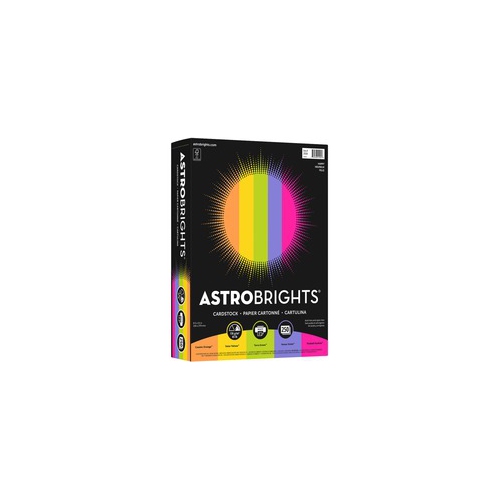
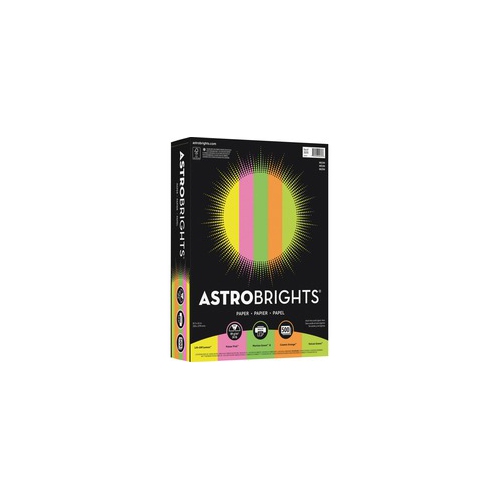
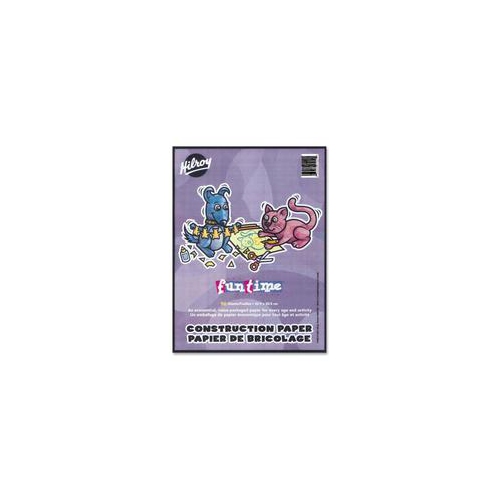
Arts and crafts papers include sheets and pads made for drawing, painting, folding, cutting, collage, cardmaking, and decorative projects. Their differences go beyond colour and pattern: thickness, fibre content, surface texture, and absorbency all affect how a finished piece looks and holds together. Construction paper has a slightly textured surface that suits cut-out shapes, classroom displays, and children’s crafts. Cardstock is thicker and more rigid than everyday drawing paper, giving handmade cards, scrapbook pages, paper models, and layered decorations a firmer foundation. Origami paper is generally thin enough for repeated folds without creating bulky corners, while tissue paper works well for translucent layers, delicate flowers, and crumpled textures. Crepe paper has a crinkled surface with some stretch, making it useful for shaping petals and dimensional decorations. Decorative papers may feature printed patterns, metallic finishes, embossed textures, or visible fibres that add detail to book covers, gift tags, and collage. For artwork, drawing paper provides a surface suited to dry media, while watercolour paper is designed to handle moisture more effectively than ordinary craft sheets. Paper weight is often expressed in grams per square metre, or gsm; a higher number generally indicates a heavier sheet, though papers with the same weight can still differ in stiffness and thickness. A lightweight sheet can be ideal for intricate folds but too flexible for a freestanding display. A heavier sheet may support layers of embellishment yet need scoring before it folds neatly. Sheet dimensions matter just as much. Square formats lend themselves to origami, smaller sheets suit cards and compact projects, and larger formats leave room for posters, full-page artwork, and oversized cut-outs. Pads keep coordinated sheets together, while loose sheets offer flexibility for projects that need a particular colour or surface. The right match depends on whether the paper needs to bend, hold its shape, accept paint, or act as a supporting layer.
Surface finish has a noticeable effect on both the making process and the finished result. Smooth paper supports crisp pencil lines, clean stamped impressions, and detailed cutting, while a textured surface gives charcoal, pastel, and coloured pencil more tooth to grip. Watercolour papers are commonly described as hot-press, cold-press, or rough: hot-press has a smoother finish, cold-press has a lightly textured surface, and rough paper has a more pronounced texture. These differences influence how a brush moves and where pigment settles. Heavier watercolour sheets generally tolerate washes better, although generous amounts of water can still cause buckling. For paper folding, a thin, strong sheet can form precise creases without splitting as readily as a thick or brittle paper. Single-sided and double-sided colours create different effects, especially when a folded design exposes both faces. In cardmaking, solid-colour cardstock provides a clean base, while patterned paper adds visual detail without requiring every element to be drawn or painted by hand. A sheet with a white core can reveal a pale edge when torn or cut; paper coloured throughout its thickness offers a more consistent edge. Translucent vellum creates soft overlays, tracing paper helps transfer outlines, and washi papers can introduce distinctive fibre patterns and a delicate feel. Adhesives also interact differently with each surface. Wet glue may wrinkle a thin sheet, glue can show through translucent paper, and slick coatings may need an adhesive suited to coated surfaces. For printable designs or machine-cut shapes, sheet size, thickness, coating, and compatibility with the equipment all matter. Metallic or heavily textured papers are not automatically suitable for a home printer, and thick cardstock may exceed a printer’s feed limits. A small test piece can reveal whether ink smudges, a fold cracks, or an adhesive leaves a visible mark before the main project comes together. These practical differences help explain why a paper that works beautifully for a collage may behave very differently as a folded card or painted background.
Arts and crafts papers support activities for a wide range of ages and interests, from a child arranging torn-paper shapes to an experienced maker assembling a detailed scrapbook spread. Broad sheets of construction paper give younger crafters room to draw and cut, while coordinated colours make it easier to build scenes, signs, and simple paper mosaics. Adults and older children may enjoy the precision of modular origami, handmade stationery, layered portraits, or small-scale paper architecture. For shared activities, a mix of plain and patterned surfaces allows each person to create something different while working within a common palette. Paper also pairs naturally with Arts and Crafts Party Supplies for birthday crafting tables, handmade place cards, banners, and take-home creations. As a gift, a thoughtfully matched selection of papers can suit someone who enjoys sketching, keeping a creative journal, making cards, or preserving family photographs. Durability becomes especially important for projects intended to be handled or kept. Acid-free paper can help reduce acid-related deterioration, and lignin-free options are worth considering for albums and keepsakes; these qualities do not, by themselves, guarantee that every colour or printed pattern will resist fading. Papers intended for contact with photographs should be identified as suitable for that purpose. Everyday construction paper may fade with prolonged light exposure, while delicate tissue and thin decorative sheets can tear under repeated handling. Flat storage in a dry place helps protect sheets from bent corners, dust, and moisture, and folders or sleeves keep small offcuts useful for later details. Finished artwork benefits from protection against direct sunlight and splashes, particularly when it includes delicate dyes, pencil, or layered adhesive work. With materials matched to the task, paper can provide anything from a crisp structural base to a soft wash of colour or a richly textured focal point. That variety makes it a versatile starting point for practical decorations, personal messages, imaginative play, and artwork made to keep.
Top selling and popular products
-
 Your price for this item is $62.68
-
 Your price for this item is $66.68
-
 Your price for this item is $46.68
-
 Your price for this item is $40.79
-
 Your price for this item is $37.99
-
 Your price for this item is $426.68
-
 Your price for this item is $31.99
-
 Your price for this item is $103.99
Discover more categories related to Arts And Crafts Papers
Top Collections:
Best Black Friday Deals This Year, Best Black Friday Deals On Electronics, Kindle Devices, Pokemon Centers, Best Black Friday Deals On Apple Products, Best Cameras for Sports Photography, Dyson Airwrap, Pokémon 30th Celebration Cards, Apple iPhone 17 Pro, Canon G7X Cameras
Some products may be subject to Environmental Handling Fees
(EHF) depending on your province.
Learn more about EHFs.