Paper Crafts
Dive into the vibrant world of paper crafts, where creativity meets endless possibilities. Whether you're a seasoned artisan or a beginner eager to explore, paper crafting offers a delightful escape into a realm of color, texture, and innovation. From delicate origami to intricate scrapbooking, this versatile hobby provides an avenue for personal expression and artistic exploration. Discover a wide range of tools and materials designed to inspire your next masterpiece, making every project uniquely yours. Embrace the joy of crafting and let your imagination take flight with our diverse selection of paper craft essentials.
Sort




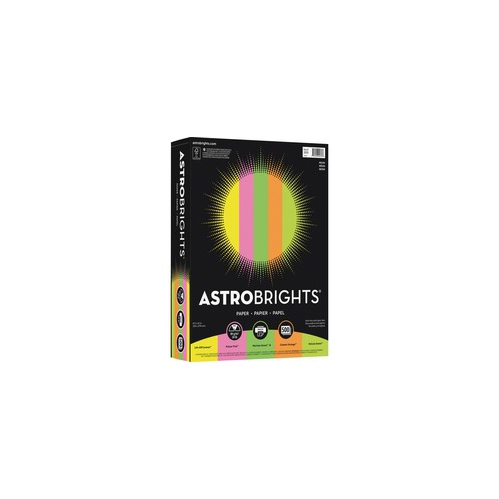
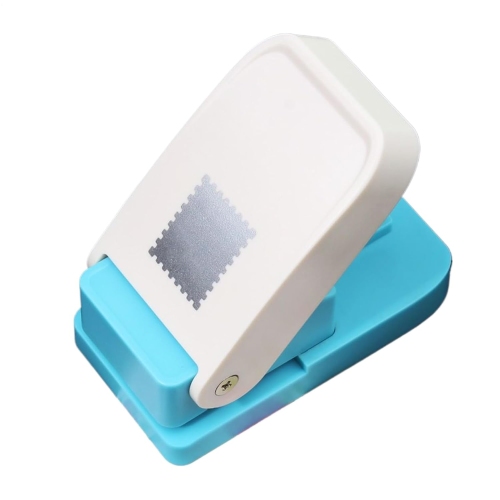
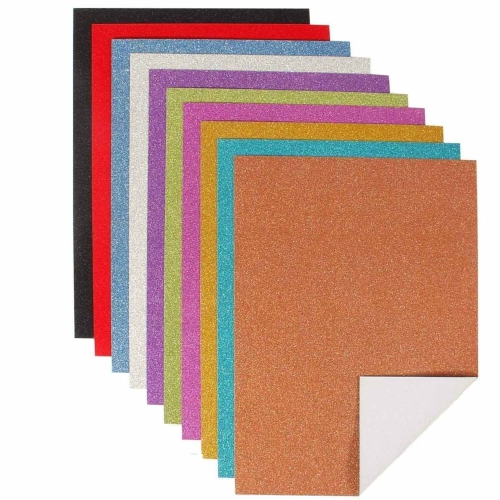
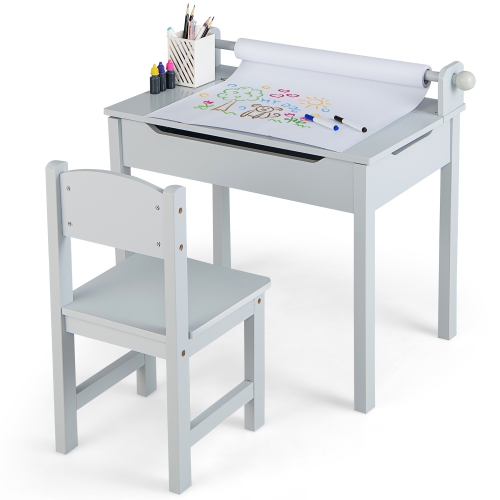
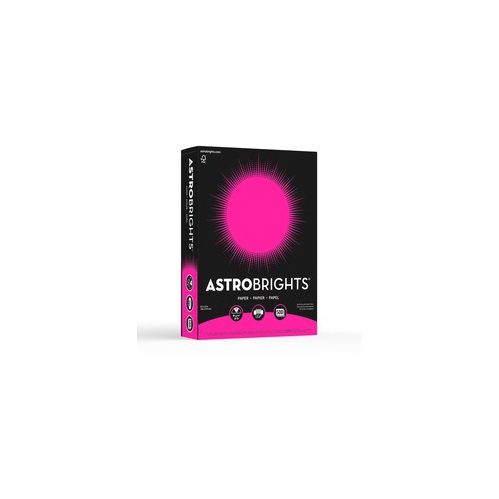


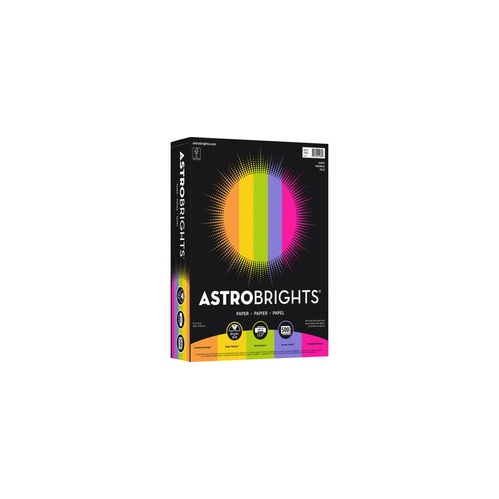
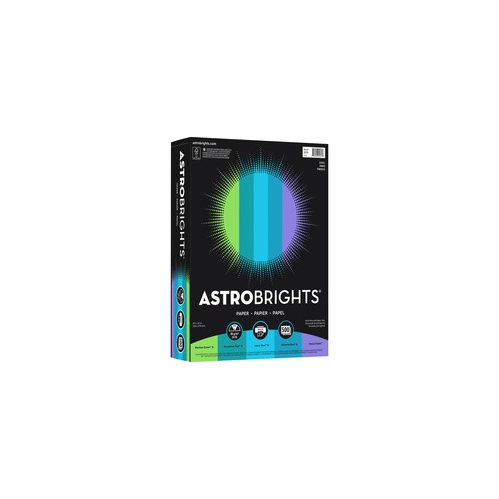

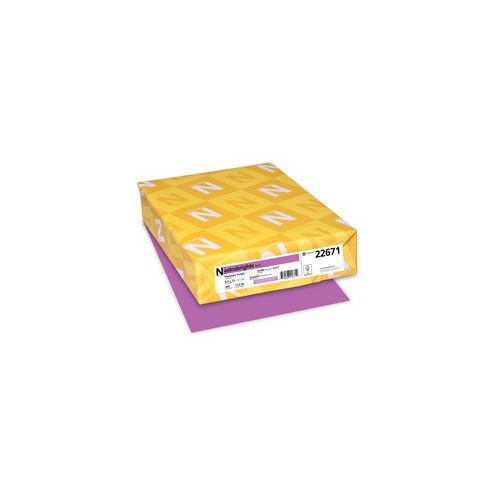
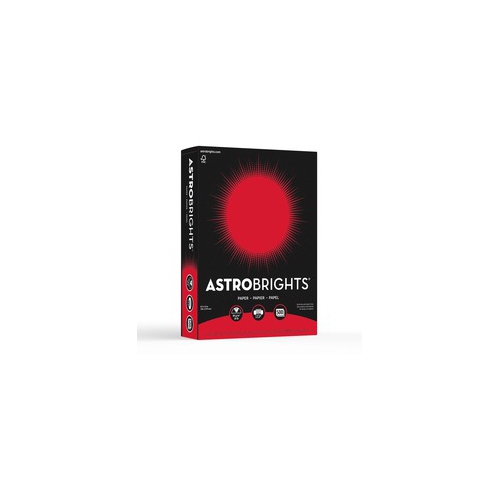


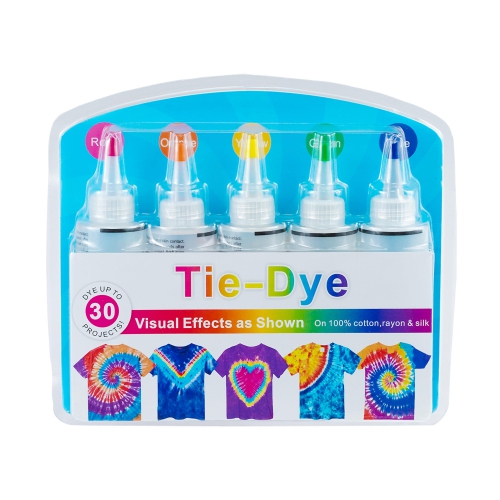
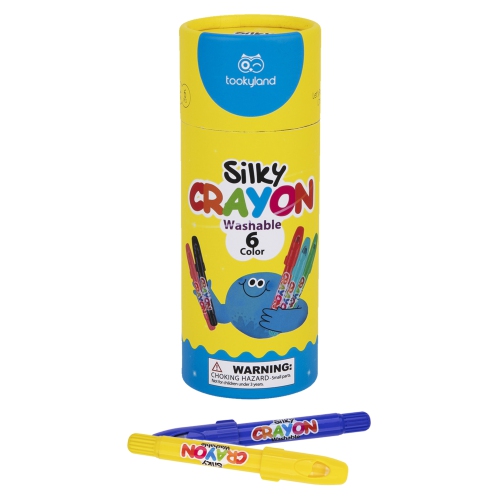
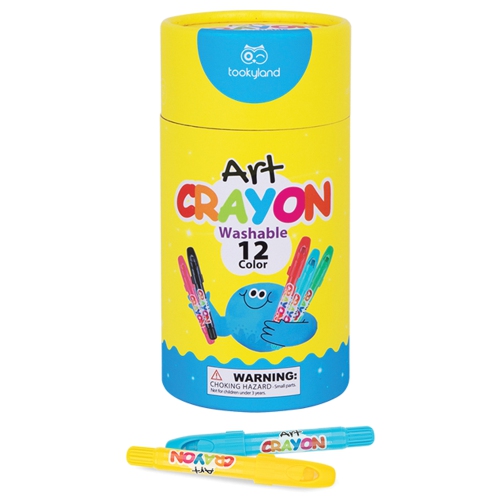
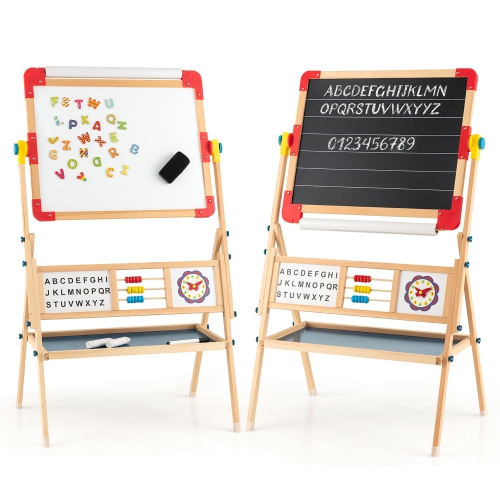
How paper choice shapes every fold and layer
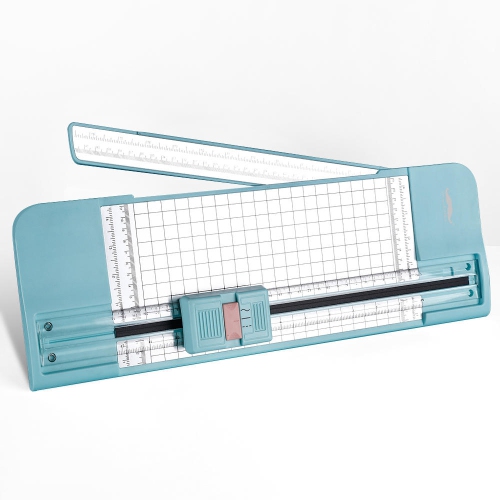
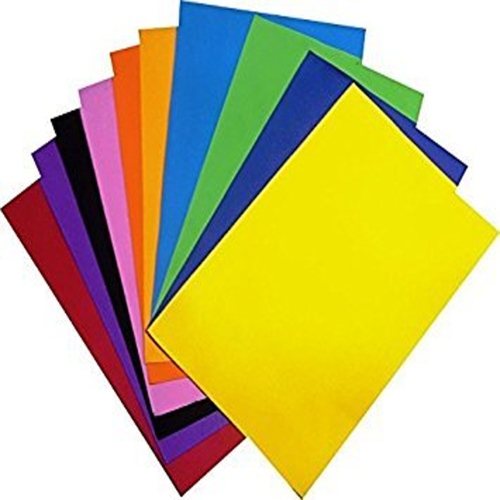
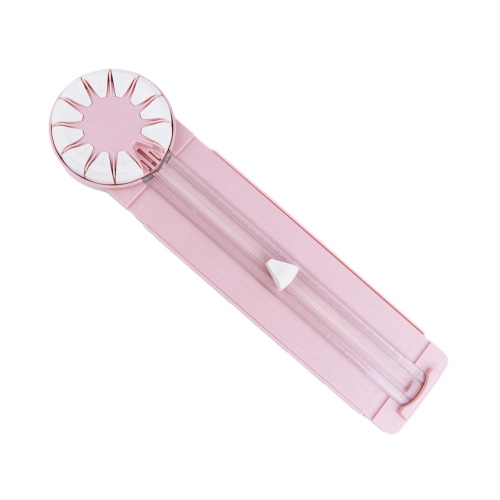
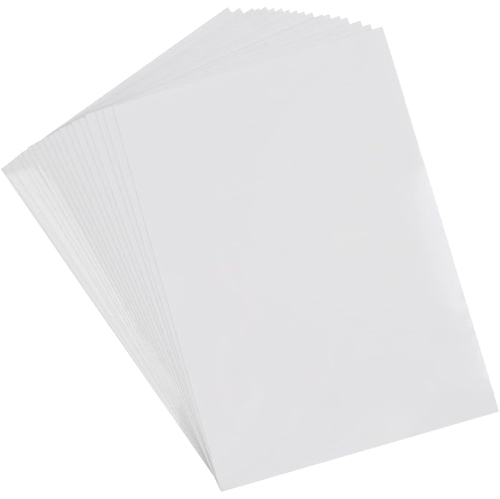
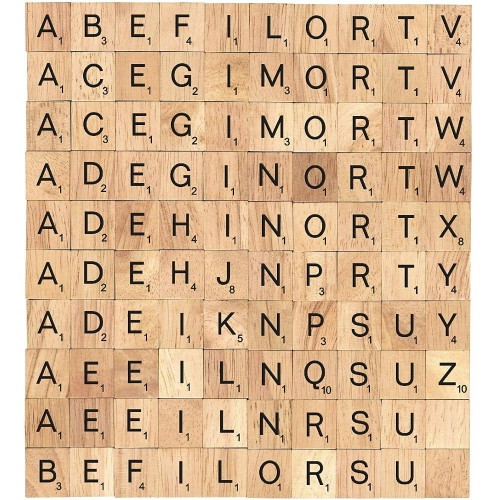
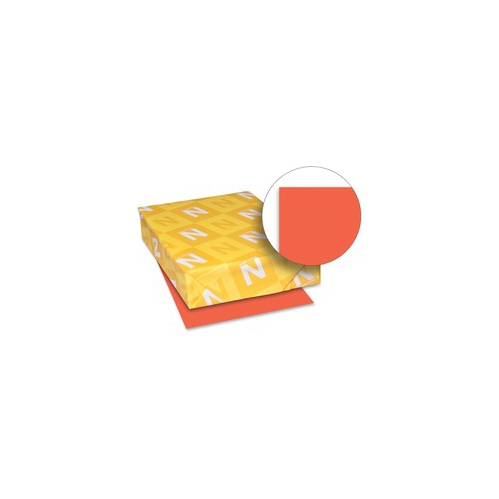
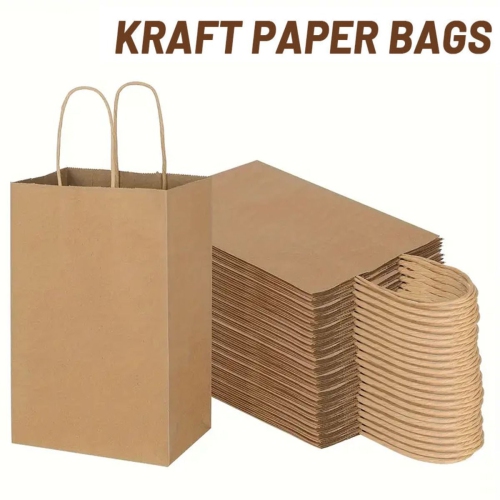
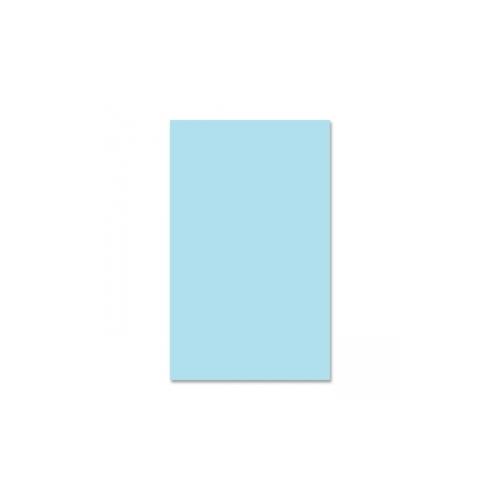
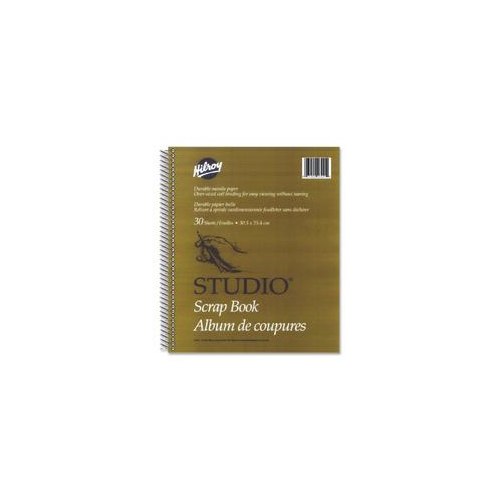
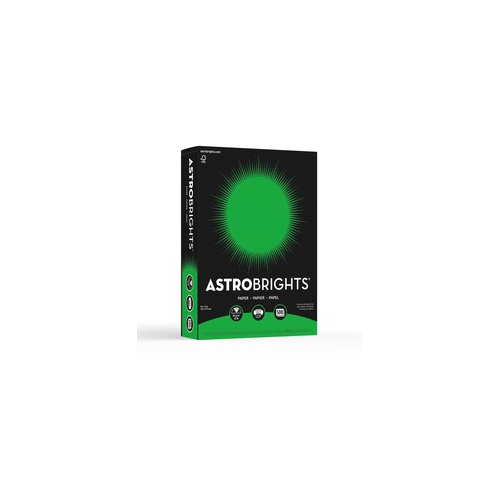
Paper crafts use paper and cardstock as the main materials for creating flat artwork and three-dimensional objects through folding, cutting, rolling, layering, and shaping. The category includes familiar activities such as card making, scrapbooking, collage, and origami, as well as quilling, paper flowers, and miniature model building. Each approach brings out a different quality in the material: a crisp fold gives an origami animal its shape, narrow curled strips add depth to a quilled flower, and overlapping pieces turn a simple card front into a textured scene. Paper craft supplies support everything from a child’s first cut-and-paste picture to carefully measured invitations or an intricate display piece. The right starting point depends less on artistic experience than on the kind of result someone wants to make. Lightweight sheets suit many folded designs, while firmer cardstock provides structure for greeting cards, gift boxes, and standing shapes. A scrapbook page needs a base that can support photographs and added layers without sagging; a delicate paper bloom needs petals that can bend and hold a gentle curve. Colour and finish shape the result just as much as thickness. Matte surfaces offer a soft backdrop for handwriting and stamped details, while smooth, glossy, translucent, or textured papers introduce different visual effects. A small gift tag might need only a clean surface and a sharp outline, whereas a layered invitation can combine contrasting finishes to separate information from ornament. Exploring arts and crafts papers helps connect those creative intentions with the properties of the paper itself. Coordinated colours can bring consistency to a set of cards, while mixed patterns lend themselves to collage and memory keeping. Plain sheets also leave room for drawing, lettering, and personal details, making paper crafts a flexible choice for people who enjoy both structured designs and open-ended creative work. Even a modest project can feel distinctive when its materials suit the intended shape, surface, and purpose.
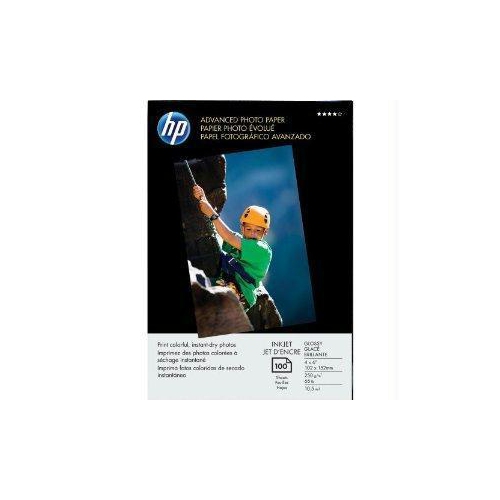
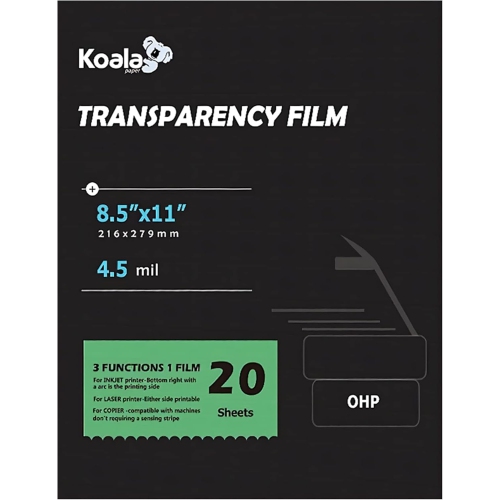
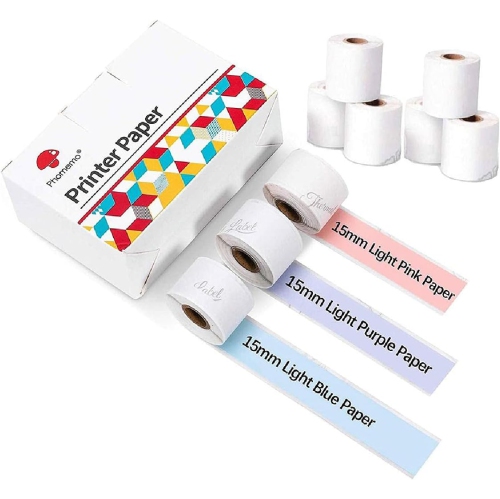
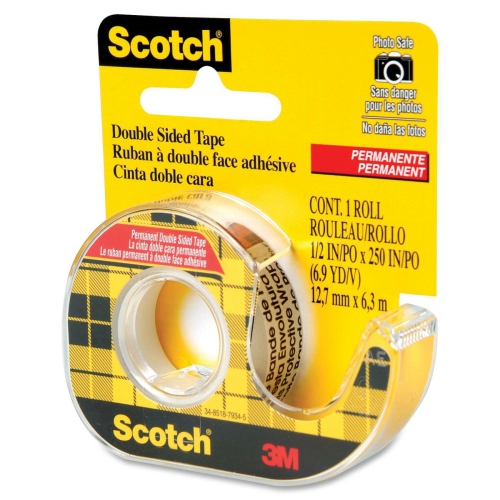
Paper weight, thickness, texture, and flexibility are useful considerations when comparing materials, but they describe different things. Weight is often expressed in grams per square metre, or gsm; a higher number generally indicates a heavier sheet, although papers with the same weight can differ in stiffness and thickness. For folded work, flexibility matters because several layers may meet at one point. Paper that is too thick can make those intersections bulky, while paper that is too thin may struggle to support a larger structure. Origami usually relies on folds rather than cuts or adhesive, so square dimensions and a surface that takes a clean crease are especially helpful. Quilling uses narrow strips rolled into coils and shaped into forms such as petals and leaves, making consistent strip width and manageable flexibility important. Paper flowers may call for smooth sheets, pliable crepe paper, or a combination of weights, depending on whether the intended effect is a crisp silhouette or a softly curved petal. Models and small boxes benefit from sturdy material, accurate cutting, and well-defined fold lines. Scoring heavier cardstock before folding can reduce cracking, particularly across printed or coated surfaces. Tool compatibility matters as well: paper should fit the working area and material limits of a trimmer, punch, printer, or cutting machine. Printer suitability is particularly important for invitations, labels, and templates, since a sheet’s size alone does not confirm that its thickness or coating will work with a particular device. Adhesives deserve similar attention. Excess moisture from liquid glue can ripple thin paper, while a thick adhesive layer may show beneath translucent sheets. Tape, glue, and other attachments should suit both the surface and the finished project’s expected handling. A flat card intended for an envelope has different needs from a raised collage displayed in a frame. Leaving room for layered elements, checking that folds close neatly, and matching the adhesive to the material can make the difference between a project that looks finished on the table and one that also holds up when given, mailed, or displayed.
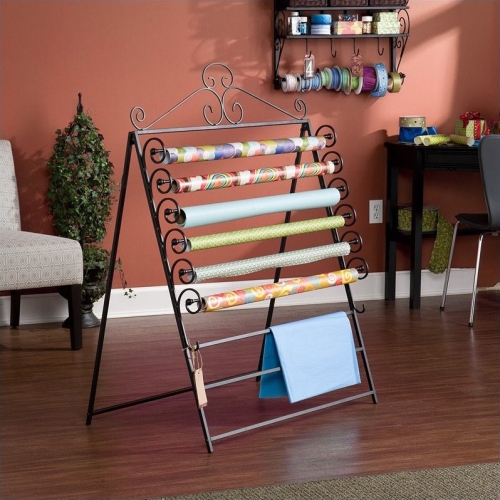
Paper craft materials suit a broad range of users, from families sharing an afternoon activity to hobbyists creating keepsakes, teachers preparing classroom projects, and hosts adding personal touches to celebrations. For children, larger shapes, easy-to-handle sheets, and materials labelled for their age group can make creative work more approachable. Cutting tools, strong adhesives, and small embellishments require appropriate adult supervision, and younger makers may be better served by pre-cut shapes and simple folding activities. Adults may enjoy the repetition of rolling coils, the precision of assembling a model, or the storytelling involved in arranging photographs and handwritten notes. As gifts, paper craft supplies can suit someone who enjoys drawing, stationery, memory keeping, or making cards for friends and family. Matching the materials to an existing interest is often more useful than choosing a complicated project: a scrapbook enthusiast may value photo-compatible papers and adhesives, while an origami maker may appreciate consistent squares in a range of colours. Durability depends on both material choice and care. Paper is sensitive to moisture, direct sunlight, and repeated handling, so a finished piece intended as a keepsake needs more protection than a temporary party accent. Acid-free and lignin-free papers, together with photo-safe adhesives, are worth considering for memory albums, though these features do not make a project immune to fading or wear. Flat storage helps sheets retain their shape, and folders or shallow containers protect corners from bending. Keeping colours, offcuts, and small components organized also makes it easier to find a suitable piece without disturbing a completed arrangement. Finished cards benefit from envelopes that accommodate their thickness, while dimensional work needs enough space to avoid crushed petals or flattened details. Glass-fronted frames or display cases can limit dust and handling when their depth suits the piece. With thoughtful material choices and practical storage, paper crafts offer many ways to turn simple sheets into personal messages, tactile artwork, and objects made to mark a meaningful moment.
Paper weight, thickness, texture, and flexibility are useful considerations when comparing materials, but they describe different things. Weight is often expressed in grams per square metre, or gsm; a higher number generally indicates a heavier sheet, although papers with the same weight can differ in stiffness and thickness. For folded work, flexibility matters because several layers may meet at one point. Paper that is too thick can make those intersections bulky, while paper that is too thin may struggle to support a larger structure. Origami usually relies on folds rather than cuts or adhesive, so square dimensions and a surface that takes a clean crease are especially helpful. Quilling uses narrow strips rolled into coils and shaped into forms such as petals and leaves, making consistent strip width and manageable flexibility important. Paper flowers may call for smooth sheets, pliable crepe paper, or a combination of weights, depending on whether the intended effect is a crisp silhouette or a softly curved petal. Models and small boxes benefit from sturdy material, accurate cutting, and well-defined fold lines. Scoring heavier cardstock before folding can reduce cracking, particularly across printed or coated surfaces. Tool compatibility matters as well: paper should fit the working area and material limits of a trimmer, punch, printer, or cutting machine. Printer suitability is particularly important for invitations, labels, and templates, since a sheet’s size alone does not confirm that its thickness or coating will work with a particular device. Adhesives deserve similar attention. Excess moisture from liquid glue can ripple thin paper, while a thick adhesive layer may show beneath translucent sheets. Tape, glue, and other attachments should suit both the surface and the finished project’s expected handling. A flat card intended for an envelope has different needs from a raised collage displayed in a frame. Leaving room for layered elements, checking that folds close neatly, and matching the adhesive to the material can make the difference between a project that looks finished on the table and one that also holds up when given, mailed, or displayed.
Paper craft materials suit a broad range of users, from families sharing an afternoon activity to hobbyists creating keepsakes, teachers preparing classroom projects, and hosts adding personal touches to celebrations. For children, larger shapes, easy-to-handle sheets, and materials labelled for their age group can make creative work more approachable. Cutting tools, strong adhesives, and small embellishments require appropriate adult supervision, and younger makers may be better served by pre-cut shapes and simple folding activities. Adults may enjoy the repetition of rolling coils, the precision of assembling a model, or the storytelling involved in arranging photographs and handwritten notes. As gifts, paper craft supplies can suit someone who enjoys drawing, stationery, memory keeping, or making cards for friends and family. Matching the materials to an existing interest is often more useful than choosing a complicated project: a scrapbook enthusiast may value photo-compatible papers and adhesives, while an origami maker may appreciate consistent squares in a range of colours. Durability depends on both material choice and care. Paper is sensitive to moisture, direct sunlight, and repeated handling, so a finished piece intended as a keepsake needs more protection than a temporary party accent. Acid-free and lignin-free papers, together with photo-safe adhesives, are worth considering for memory albums, though these features do not make a project immune to fading or wear. Flat storage helps sheets retain their shape, and folders or shallow containers protect corners from bending. Keeping colours, offcuts, and small components organized also makes it easier to find a suitable piece without disturbing a completed arrangement. Finished cards benefit from envelopes that accommodate their thickness, while dimensional work needs enough space to avoid crushed petals or flattened details. Glass-fronted frames or display cases can limit dust and handling when their depth suits the piece. With thoughtful material choices and practical storage, paper crafts offer many ways to turn simple sheets into personal messages, tactile artwork, and objects made to mark a meaningful moment.
Top selling and popular products
-
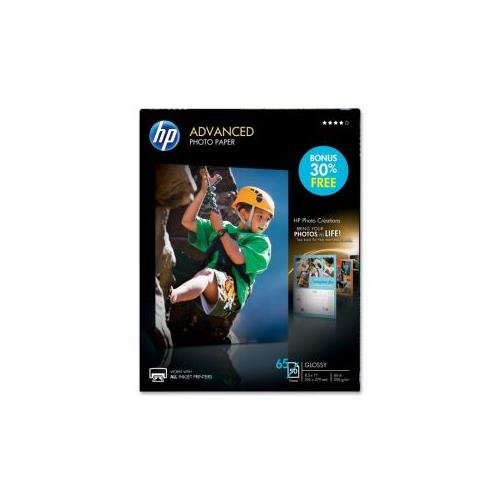 Your price for this item is $47.68
 -
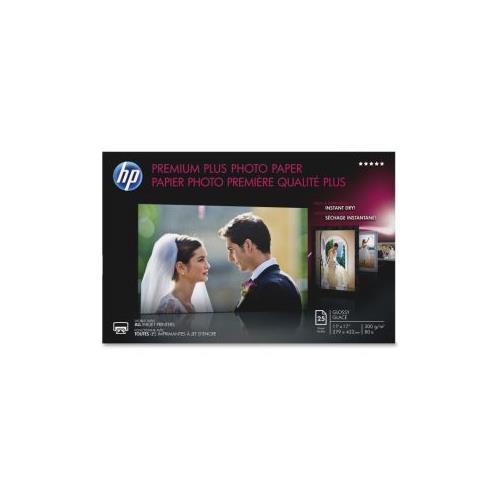 Your price for this item is $80.68
 -
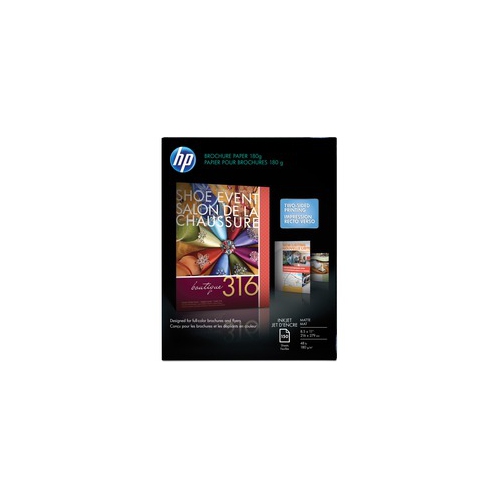 Your price for this item is $45.99
 -
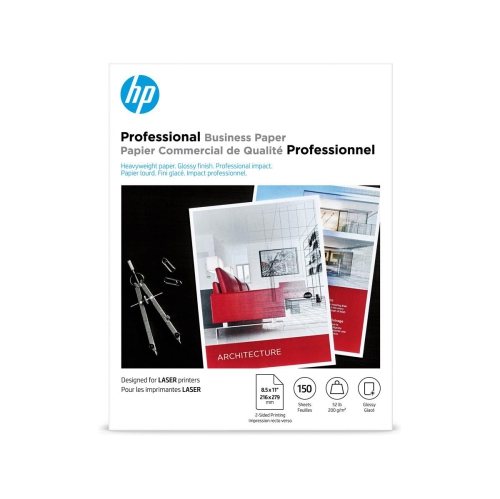 Your price for this item is $45.79
 -
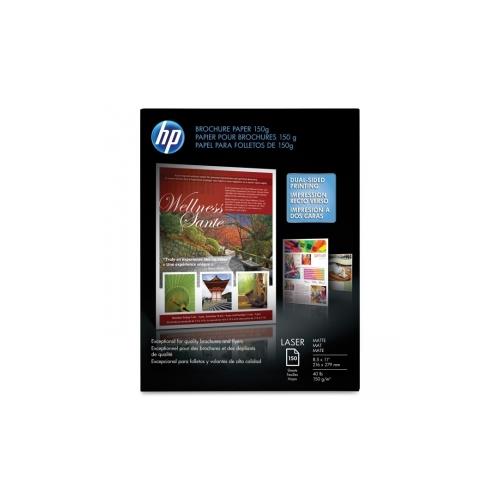 Your price for this item is $37.99
 -
 Your price for this item is $358.99
 -
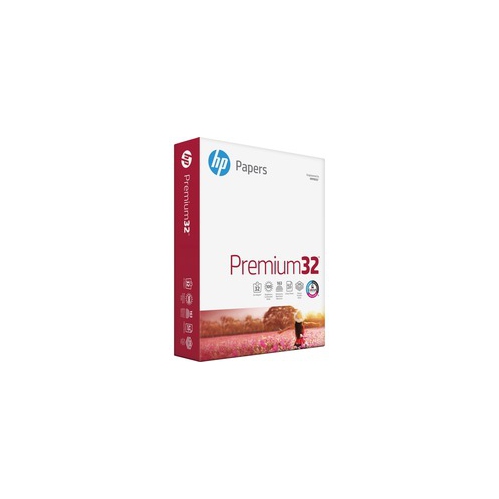 Your price for this item is $31.99
 -
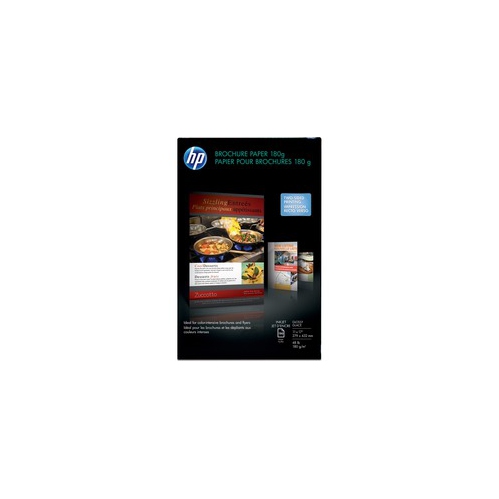 Your price for this item is $103.99
Discover more categories related to Paper Crafts
Top Collections:
Pokemon Centers, Kindle Devices, Best Budget Office Chairs, Apple iPhones 16, Best Laptops for Writers, iPhone 15 Apple, Canon G7X Cameras, Refurbished Apple Laptops, Alarm Clock, Motorola Razr Phones
Some products may be subject to Environmental Handling Fees
(EHF) depending on your province.
Learn more about EHFs.