Audio Recorders for Interviews
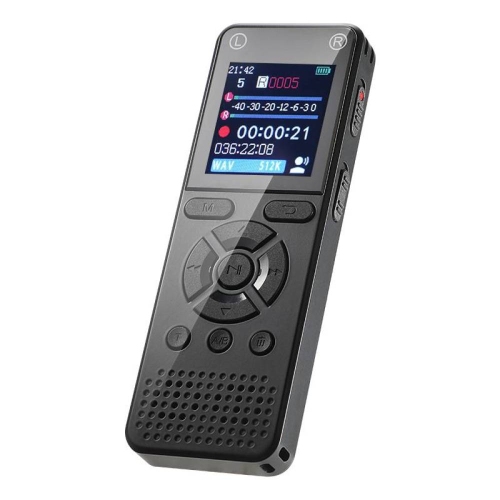
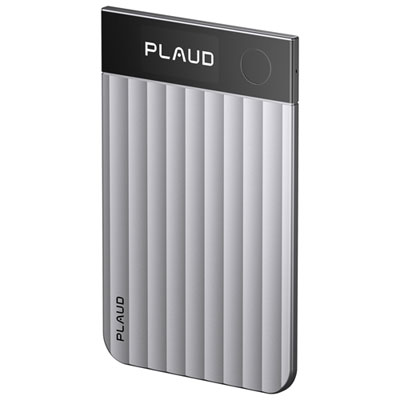
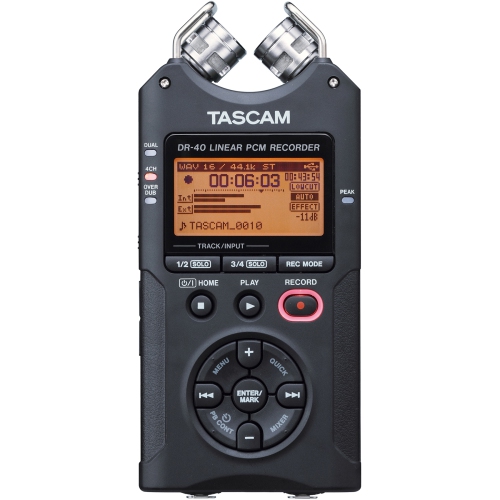
Audio recorders for interviews are essential tools for capturing clear and reliable conversations in a variety of settings. Whether you’re a journalist, student, or professional, these devices help ensure that every detail is preserved for accurate transcription and easy playback. With options designed to suit different recording environments and user preferences, finding the right audio recorders for interviews can make your workflow more efficient and organized. Explore a wide selection to discover the best fit for your interviewing needs.
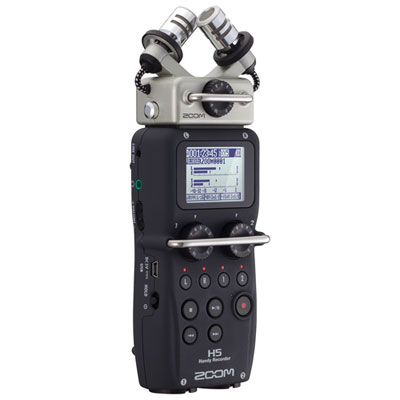
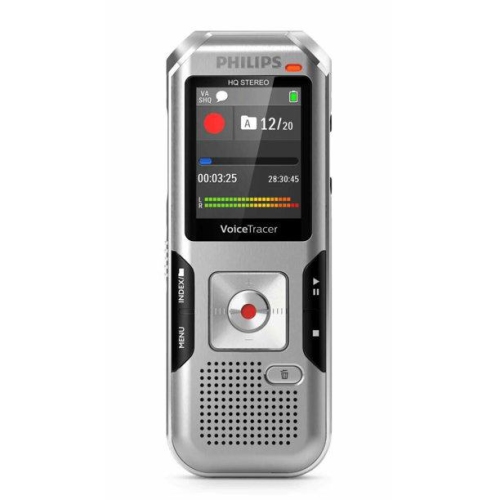
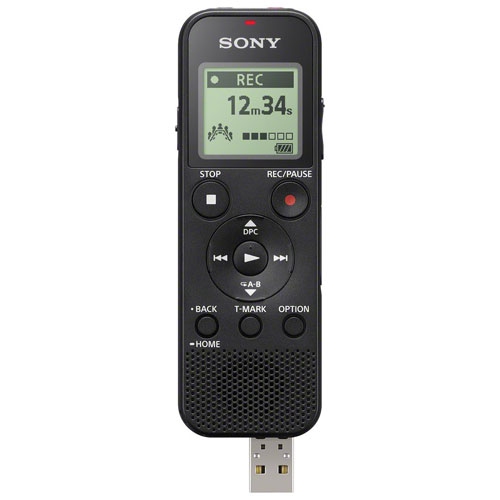
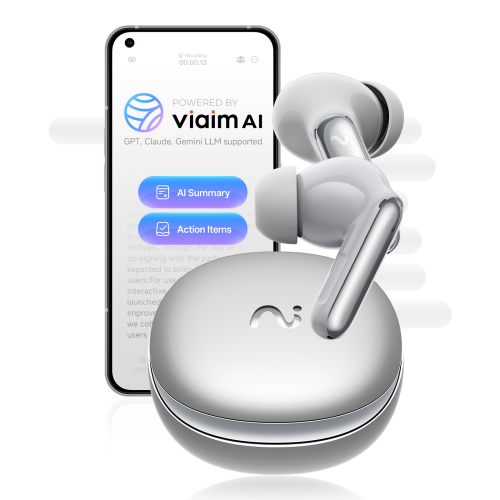
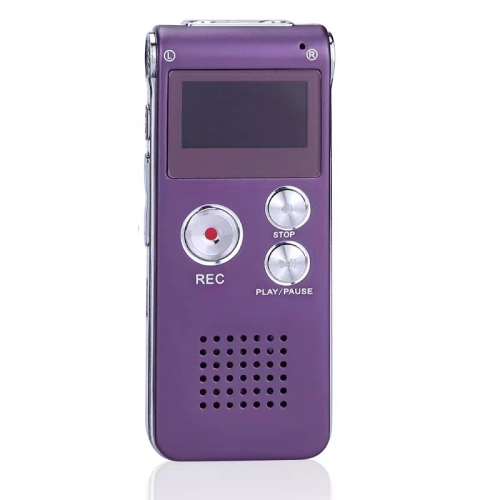
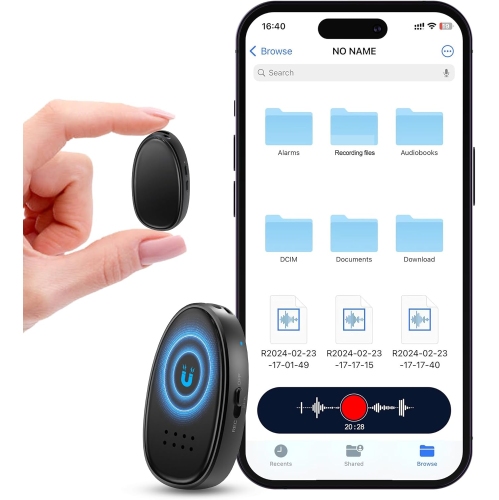
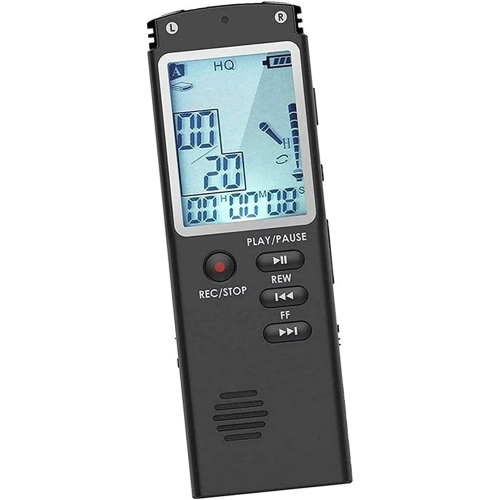
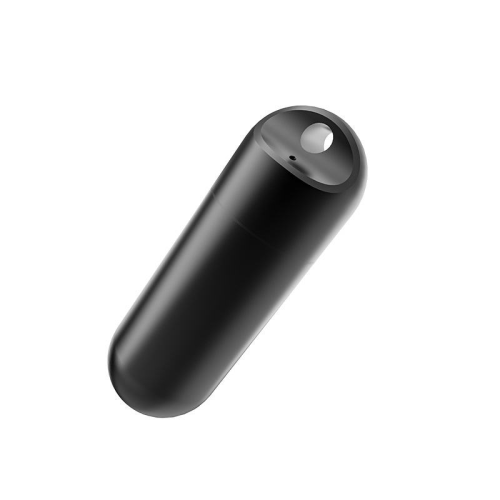
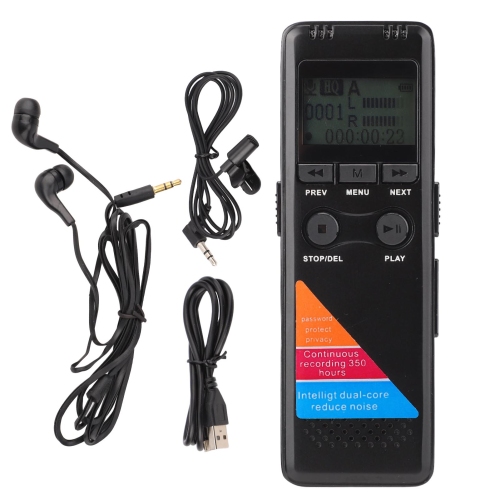
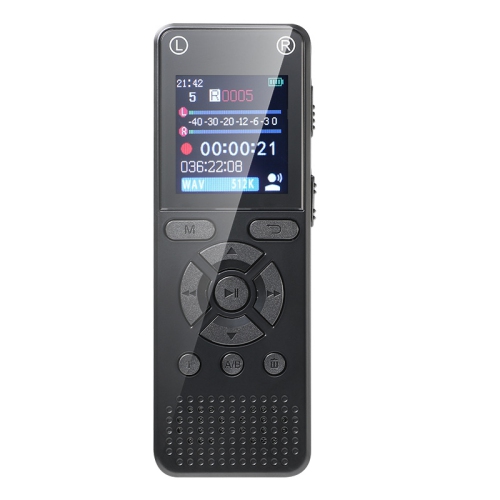
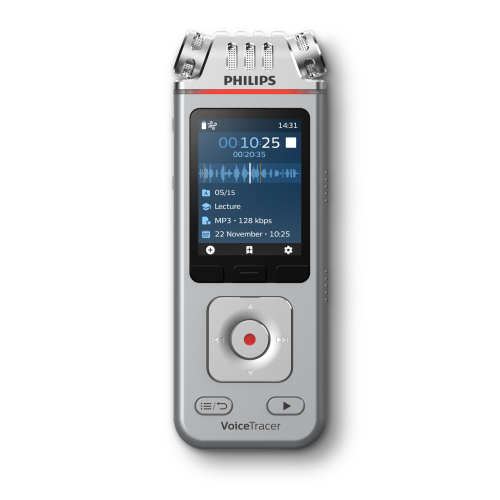
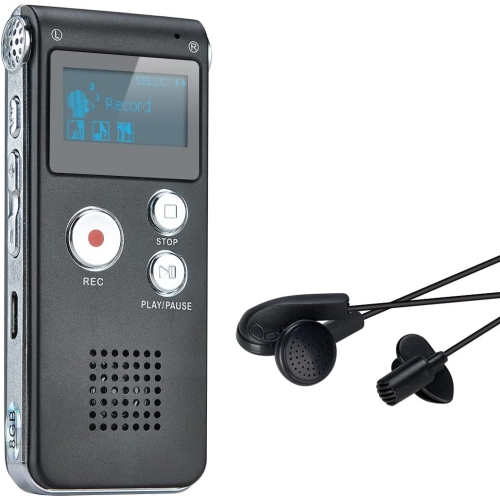
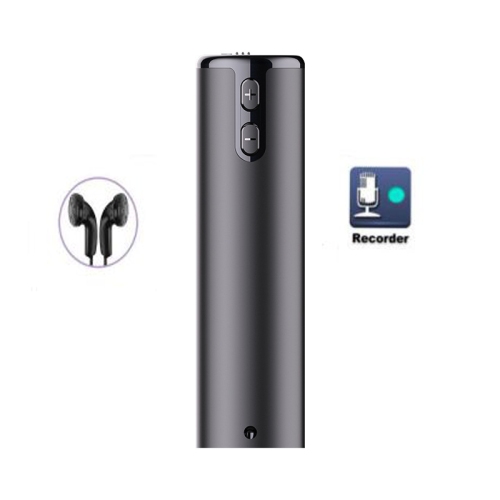
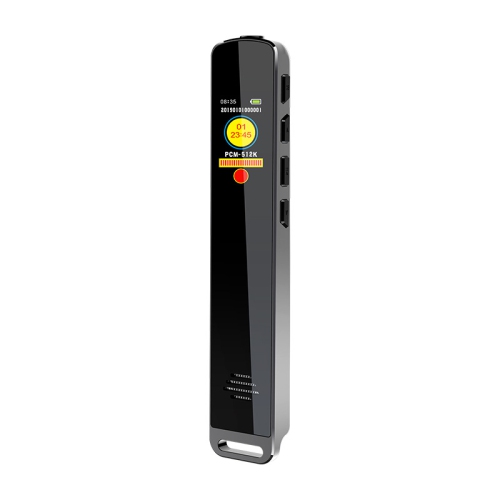
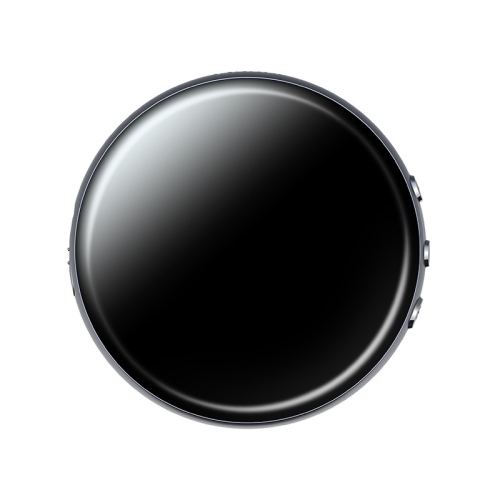
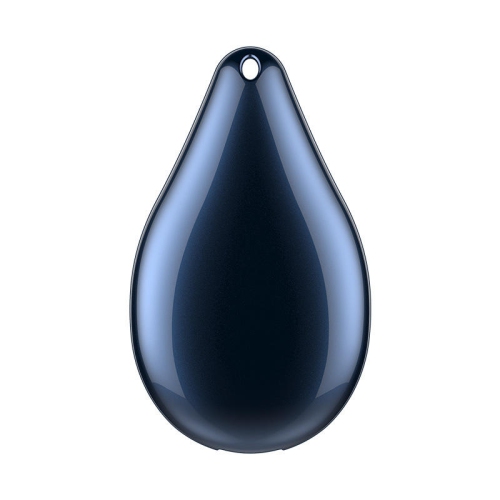
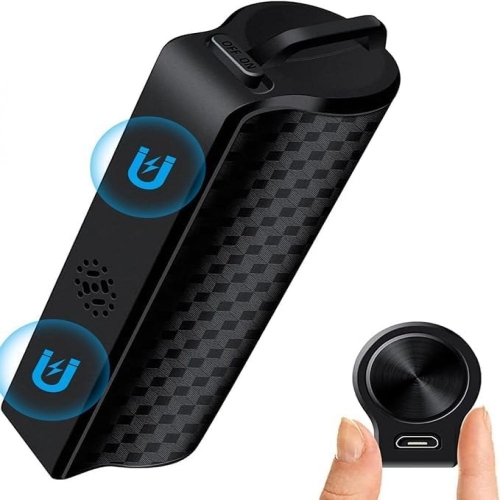
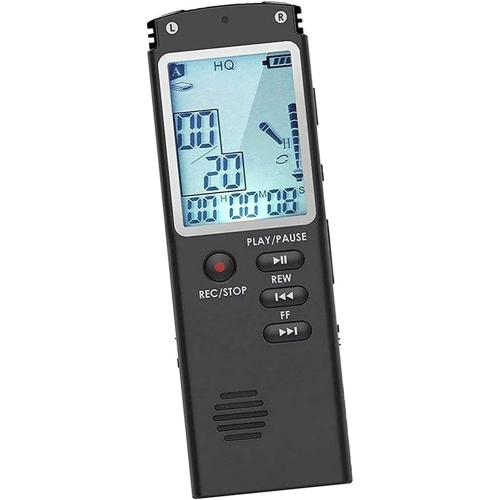
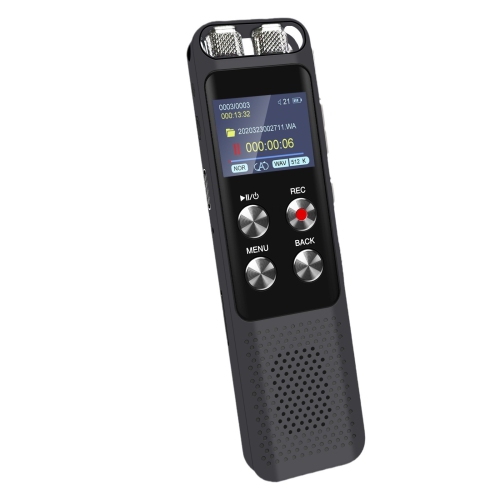
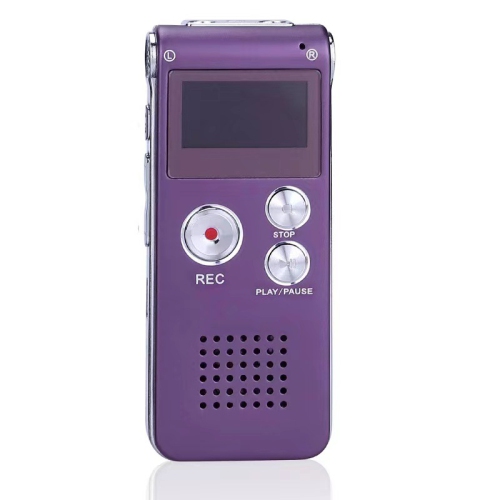
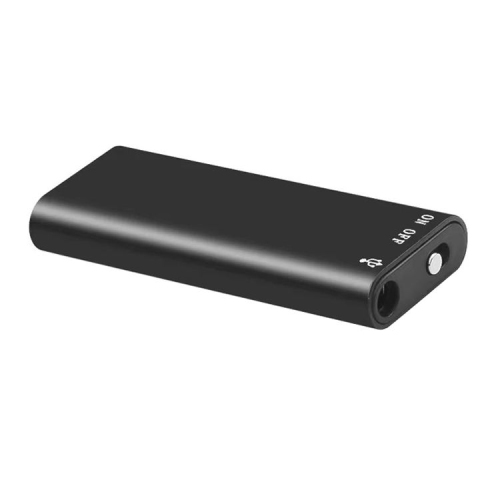
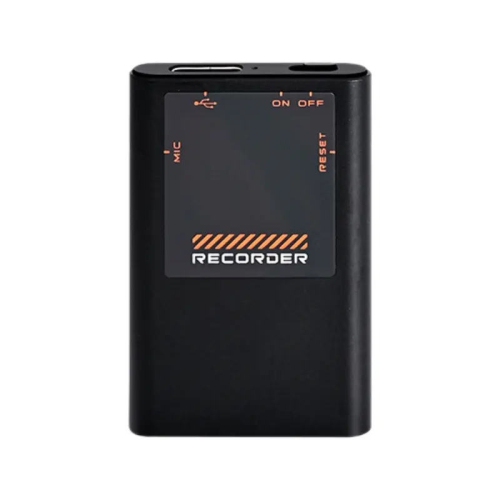
Reliable sound that preserves every important conversation
Audio recorders for interviews aren’t just tools for professionals—they’re thoughtful gifts for aspiring journalists, students embarking on oral history projects, or anyone with a passion for storytelling. As graduation season and summer internships approach, these recorders become especially popular among those looking to document experiences, conduct research, or create content for blogs and social media. They’re also a valuable addition to the toolkit of educators, content creators, and business professionals who need to record meetings, lectures, or focus groups. When selecting an audio recorder, it’s worth considering factors such as recording format, ease of file transfer, and compatibility with editing software. Some models offer advanced features like multiple microphone inputs, voice activation, and even wireless connectivity, catering to users who require more flexibility in their recording setup. If you’re shopping for someone just starting out in journalism or media studies, you might find helpful options and advice on our dedicated Audio Recorders for Journalism Students page, which highlights choices tailored to learning environments and beginner needs.
As days grow longer and schedules fill with events, interviews, and outdoor gatherings, having a reliable audio recorder means you’re always ready to capture important conversations and candid moments. Whether it’s documenting family stories during summer reunions, recording expert insights at conferences, or gathering material for a new podcast, these devices are designed to deliver crisp, high-quality sound in any setting. With user-friendly interfaces and robust recording capabilities, audio recorders for interviews help ensure that every word is preserved—making them indispensable for anyone who values accuracy and clarity in their work. From spontaneous interviews at community events to carefully planned sessions in the studio, the right recorder provides peace of mind and professional results, helping you tell stories that resonate and endure through the changing seasons.
FAQ
What features should I look for in an audio recorder for interviews?
When choosing an audio recorder for interviews, consider features such as high-quality microphone inputs, long battery life, easy-to-use controls, ample storage capacity, and compatibility with external microphones. Look for models that offer clear playback and file transfer options like USB or SD card support.
Are handheld audio recorders suitable for professional interviews?
Yes, many handheld audio recorders are designed with professional-grade microphones and advanced recording settings, making them suitable for journalists, podcasters, and researchers conducting interviews in various environments.
Can I use an external microphone with my audio recorder?
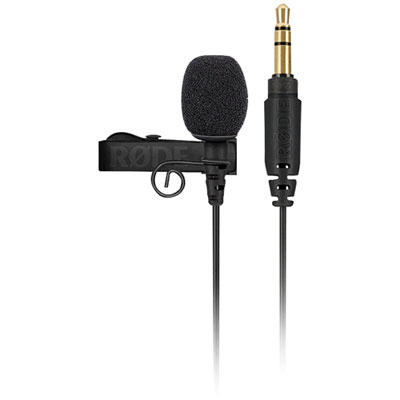
Most modern audio recorders offer ports or jacks that allow you to connect external microphones. This can enhance sound quality and provide more flexibility when capturing interviews in different settings.
How do I transfer recorded interviews from my audio recorder to a computer?
Audio recorders typically allow you to transfer files via USB cable or by removing the SD card and inserting it into your computer. Some models may also support wireless transfer through Bluetooth or Wi-Fi.
What file formats do audio recorders use for saving interview recordings?
Common file formats include WAV and MP3. WAV files offer higher audio quality but take up more storage space, while MP3 files are compressed and easier to share or store. Many recorders let you choose between these formats based on your needs.
Top selling and popular products
-
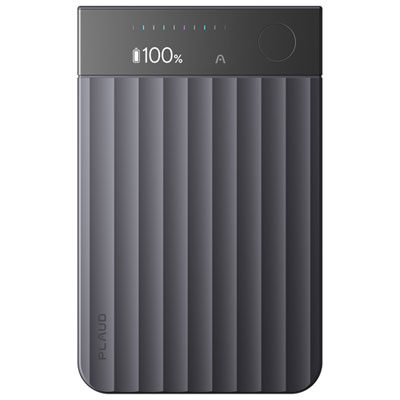 Your price for this item is $259.99
-
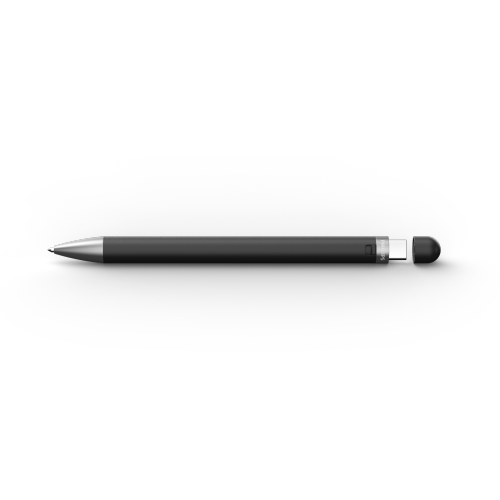 Your price for this item is $91.68
-
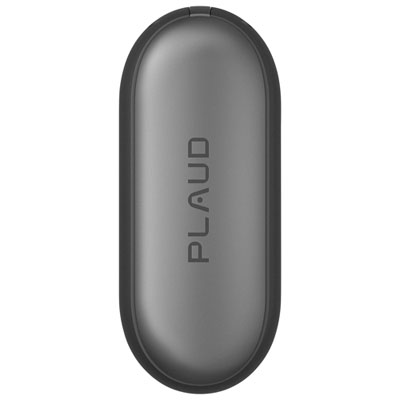 Your price for this item is $249.99
-
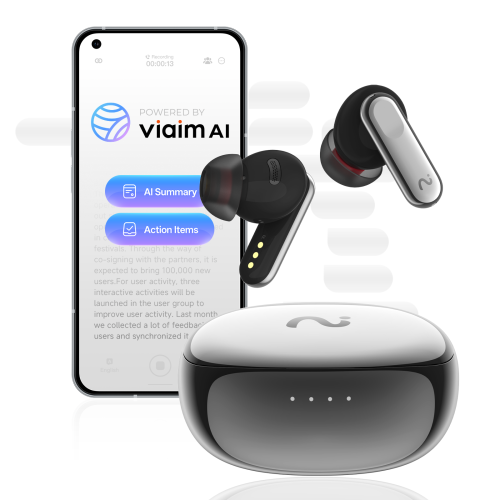 Your price for this item is $155.99
-
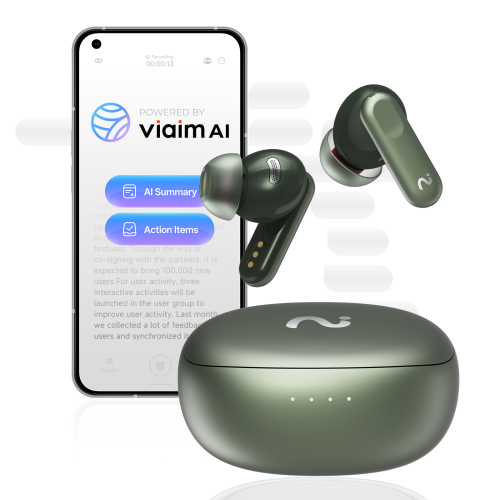 Your price for this item is $155.99
-
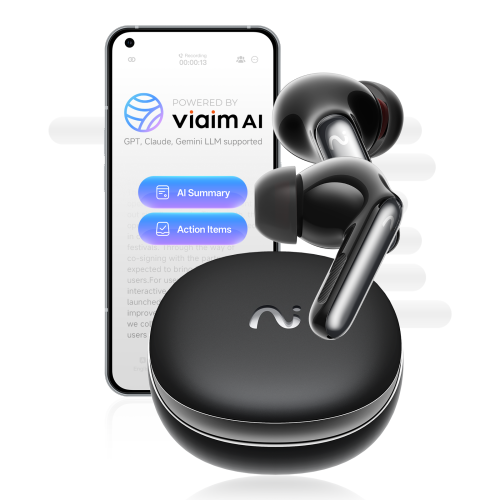 Your price for this item is $255.99
-
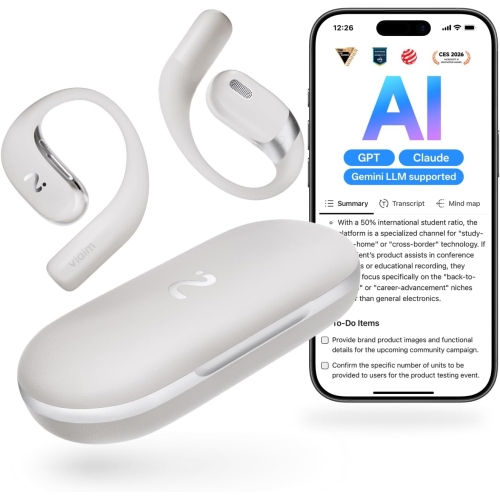 Your price for this item is $255.99
-
 Your price for this item is $35.88