Microphones for Interviews
When it comes to conducting interviews, having the right microphone can make all the difference in capturing clear and professional audio. Whether you're a podcaster, journalist, or content creator, choosing the perfect microphone for interviews is essential for ensuring that your voice is heard loud and clear. From dynamic microphones ideal for noisy environments to condenser microphones offering studio-quality sound, explore our selection of microphones designed to elevate your interview setup to the next level.
Sort


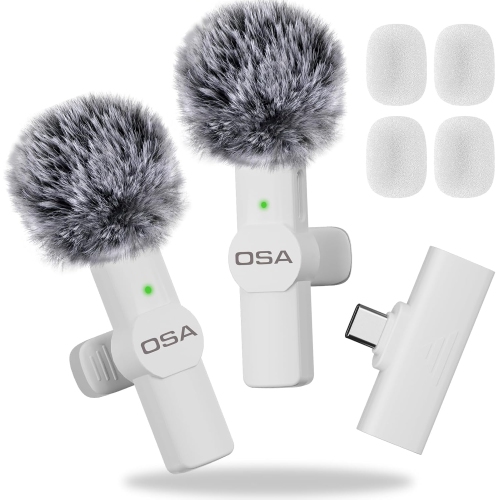
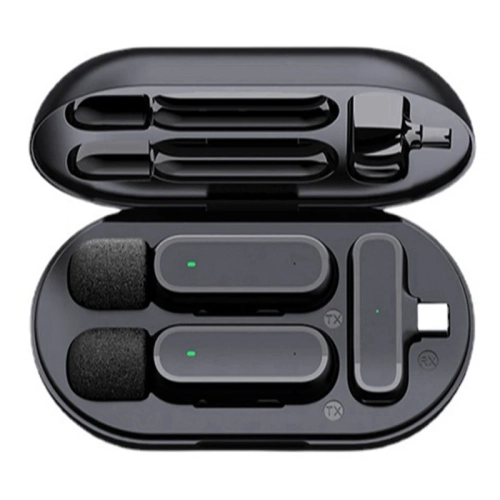
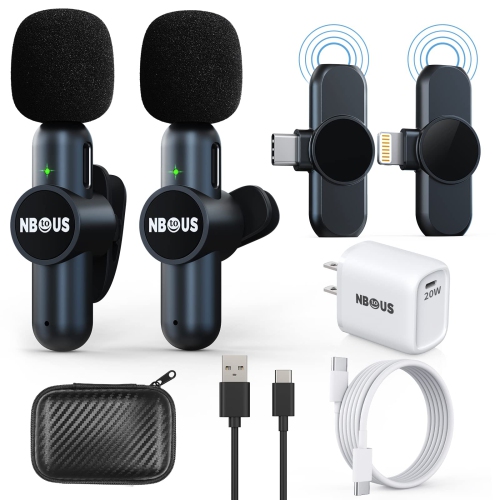
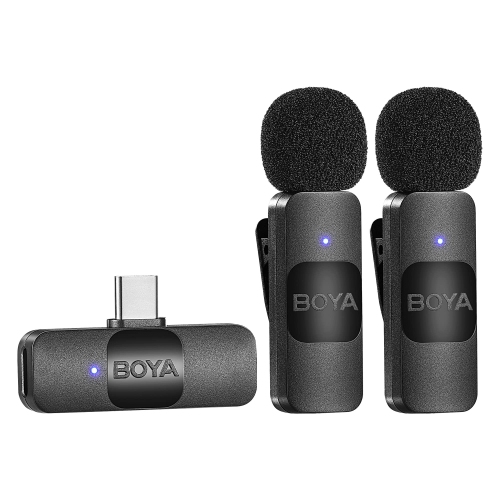
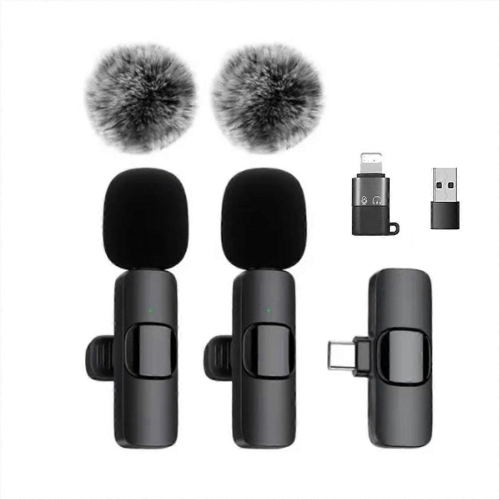
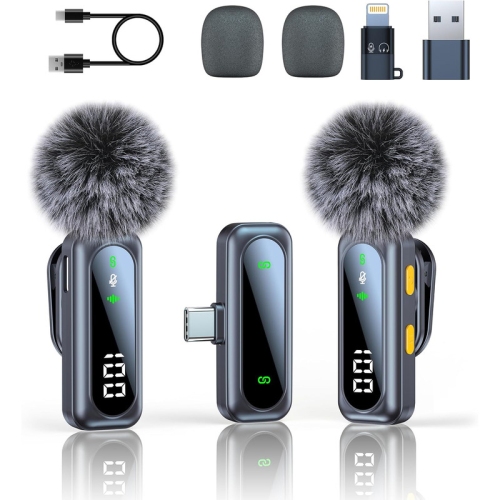
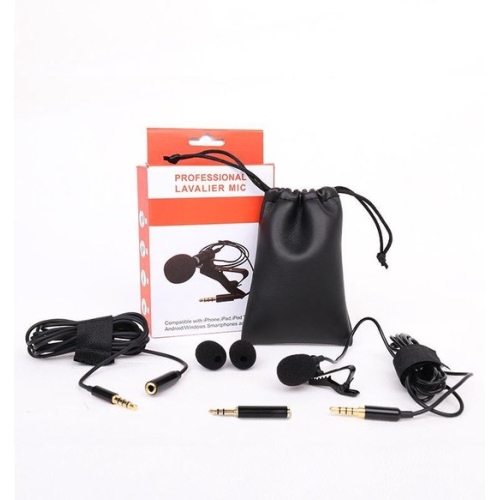
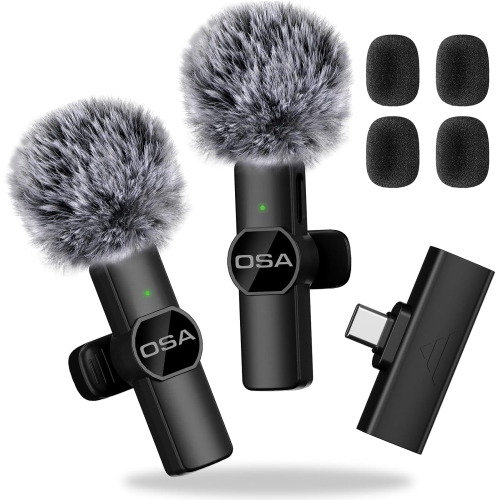
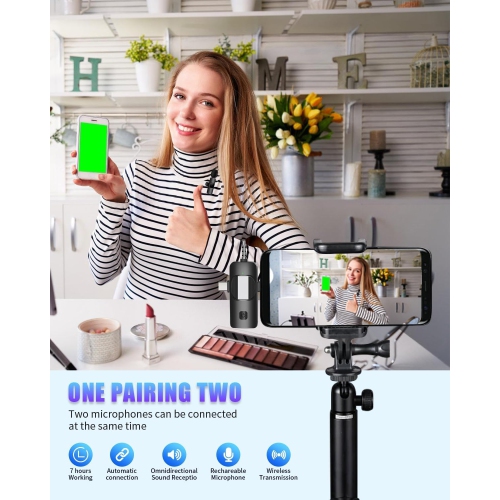
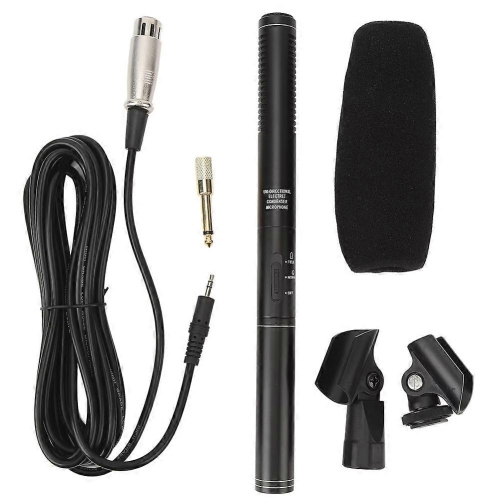
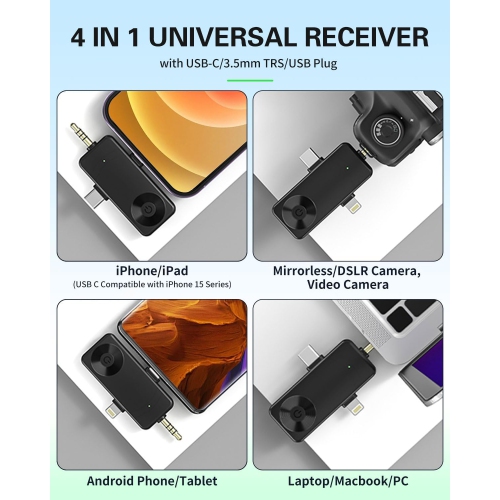
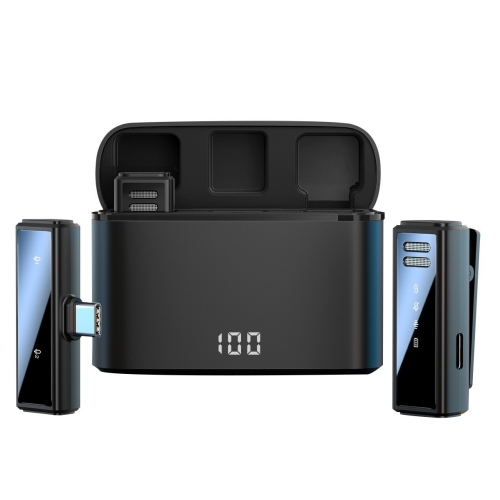
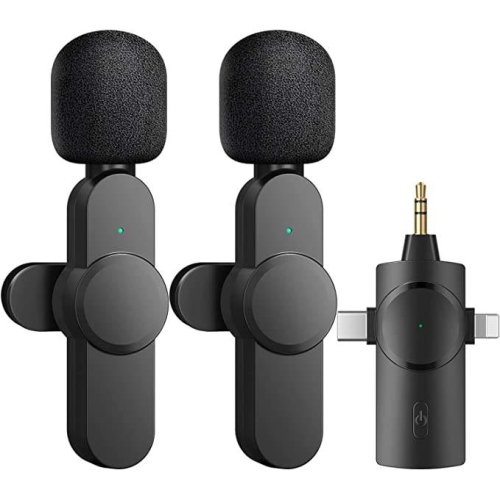
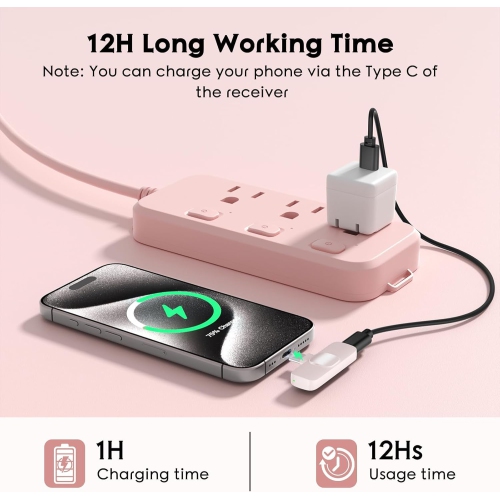
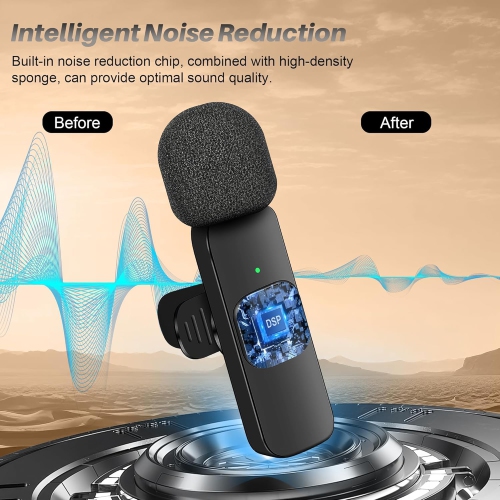
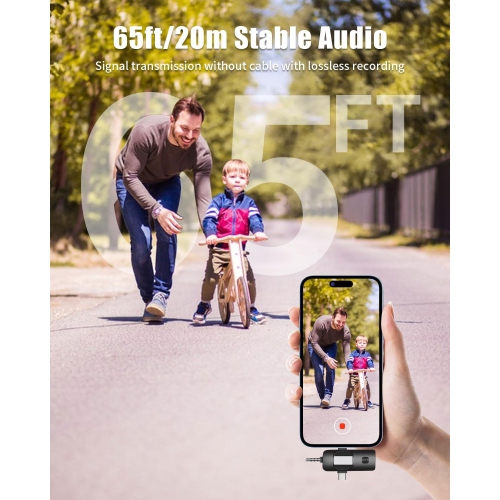
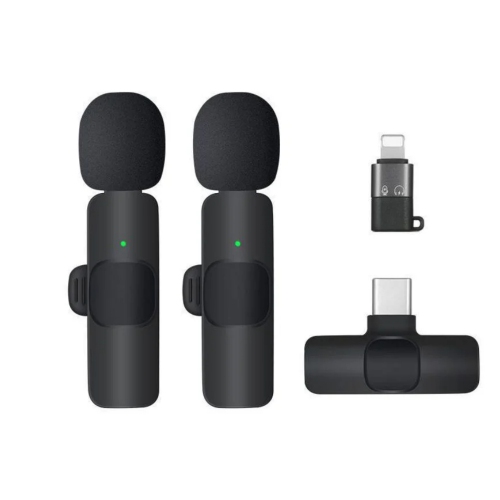
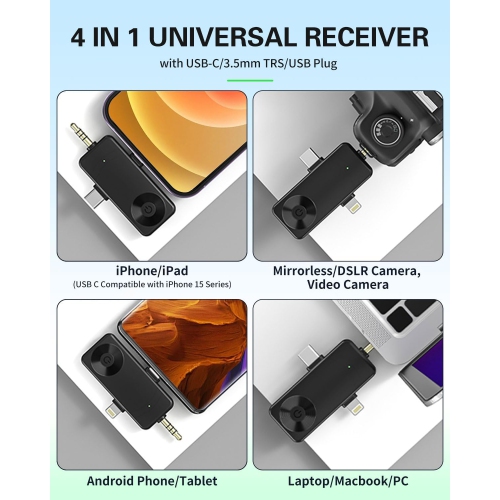
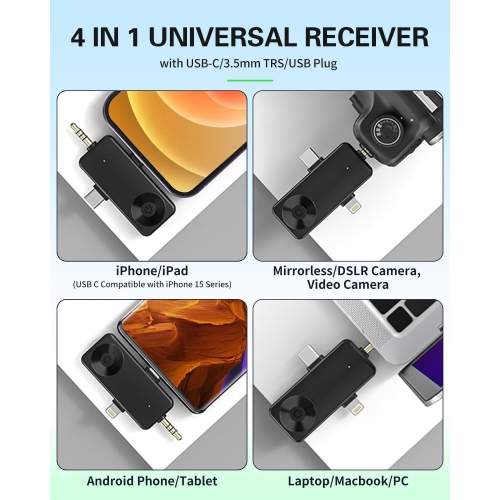
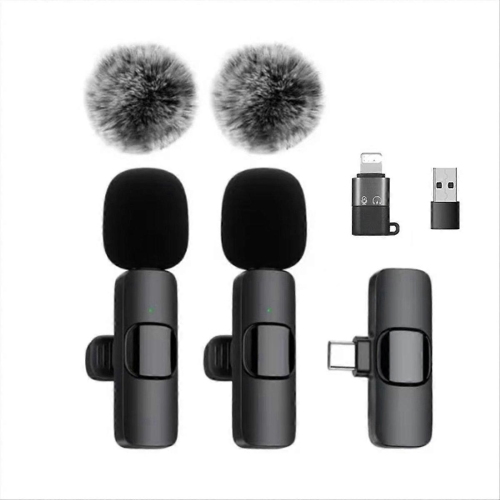
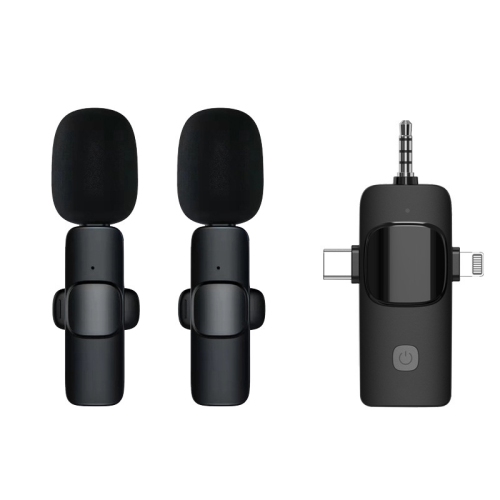
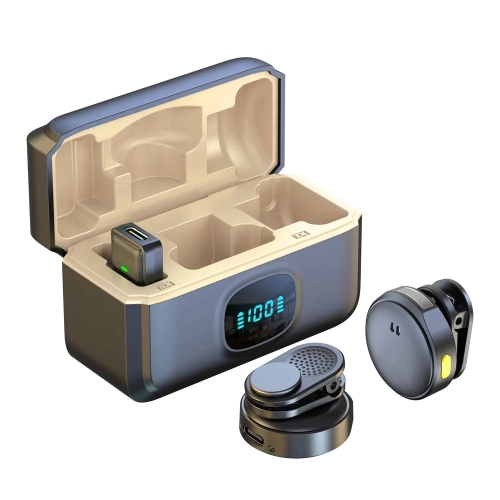
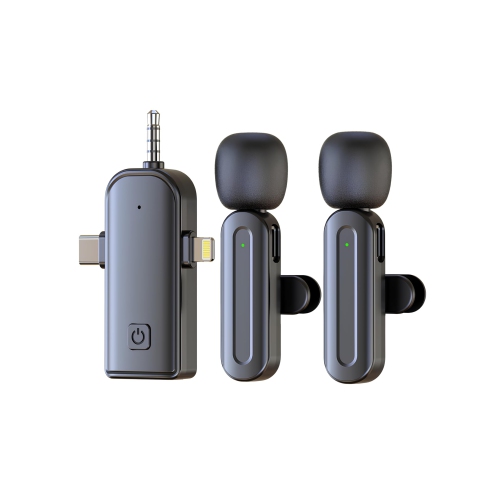
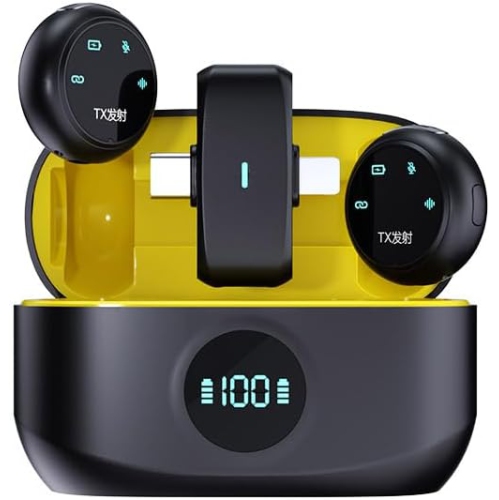
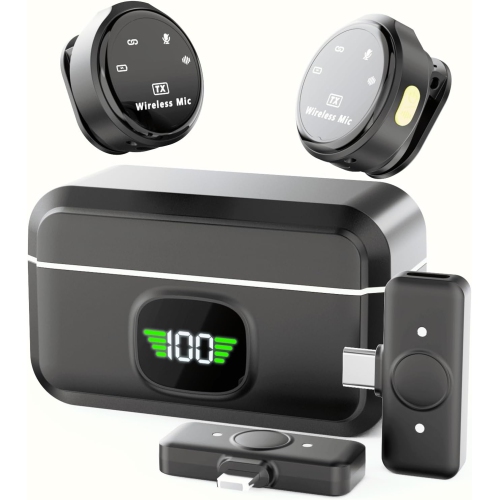
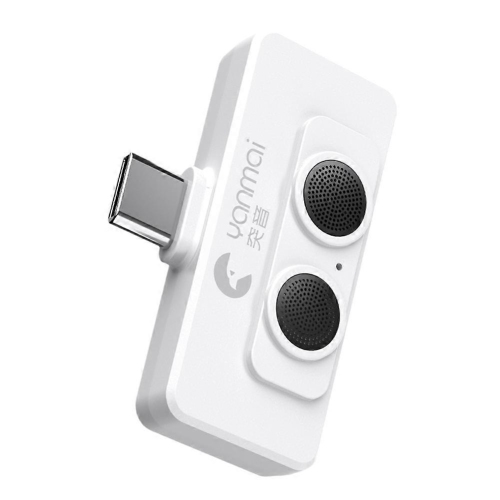
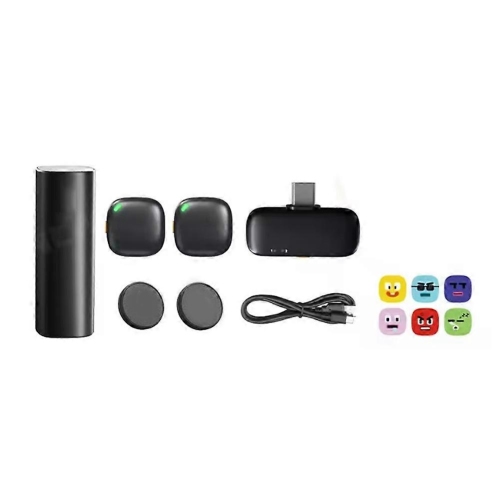
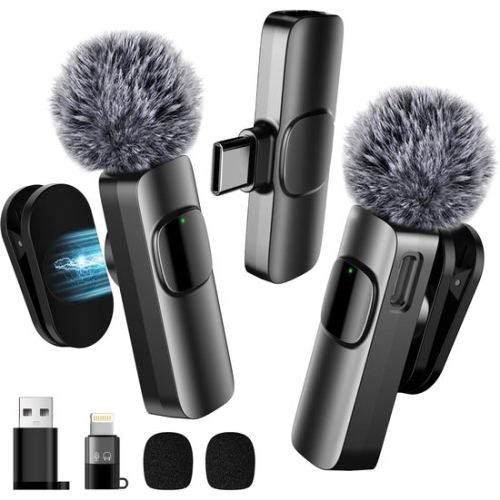
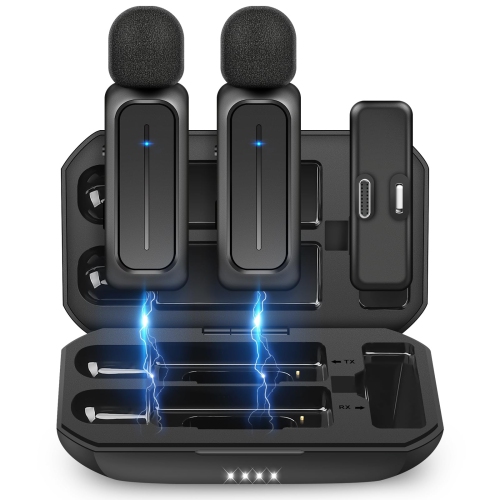

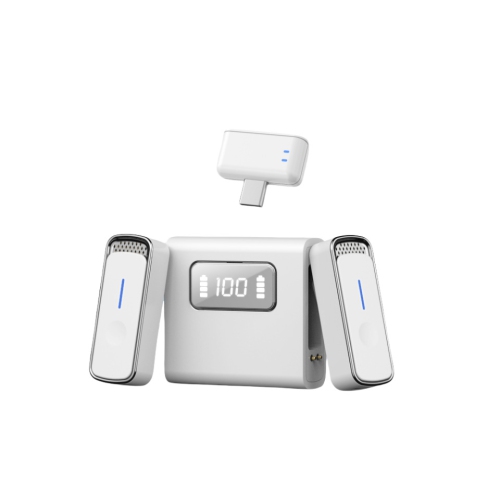
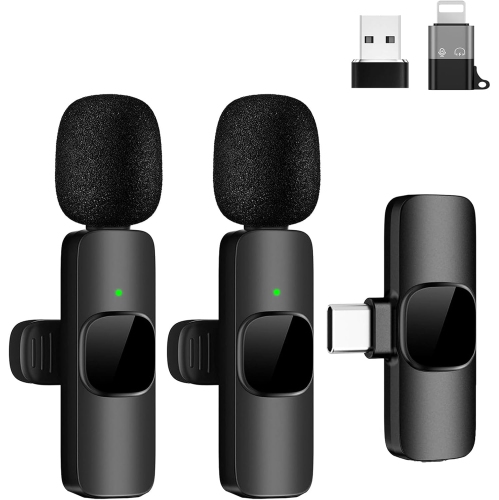
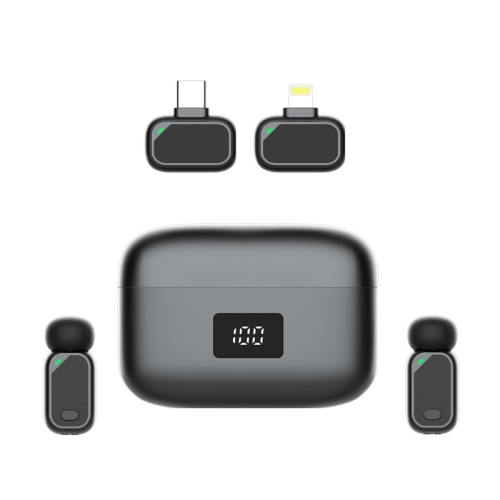
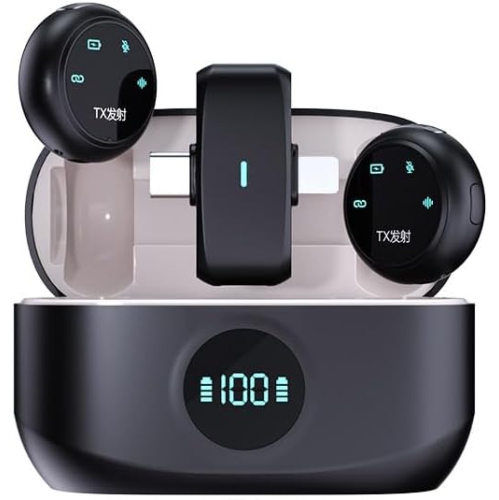
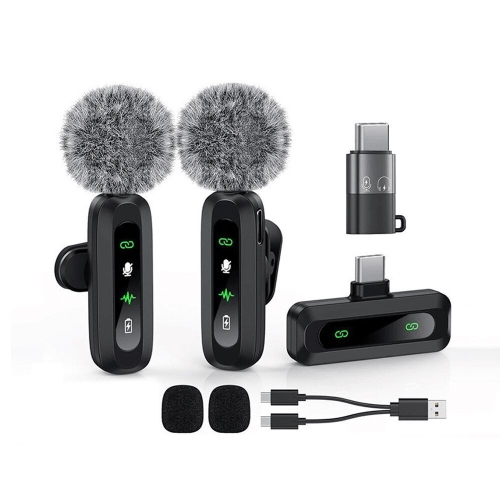
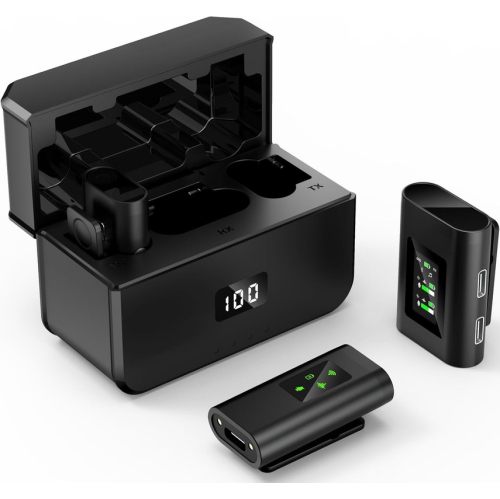
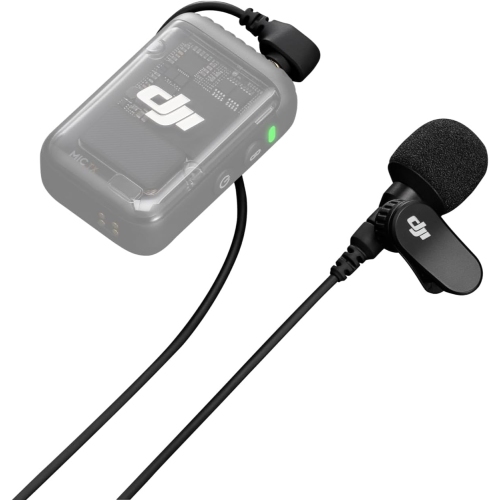
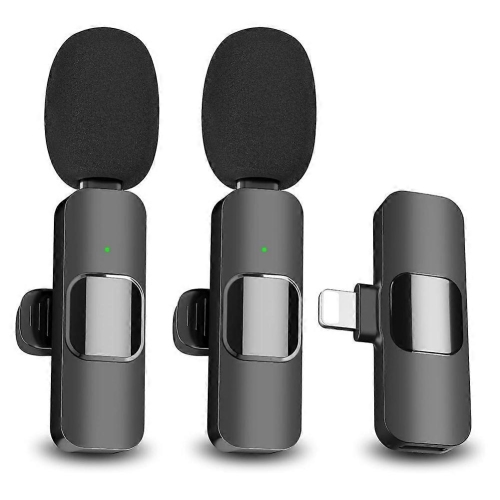
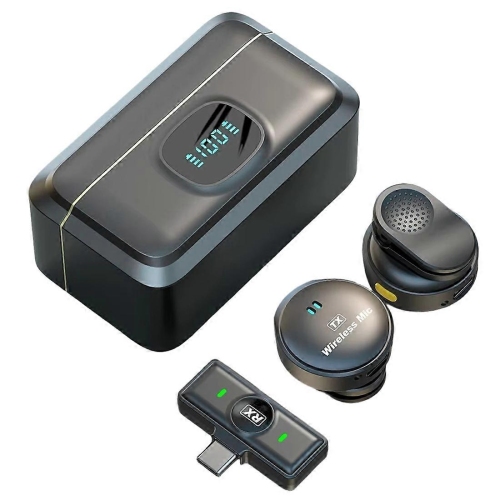
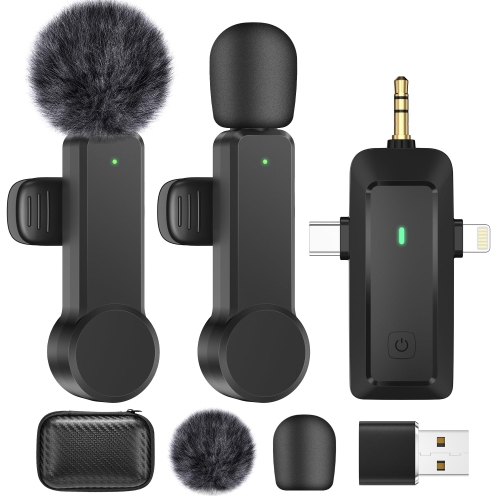
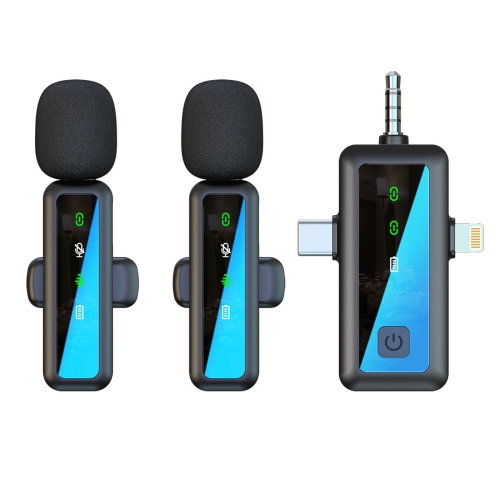
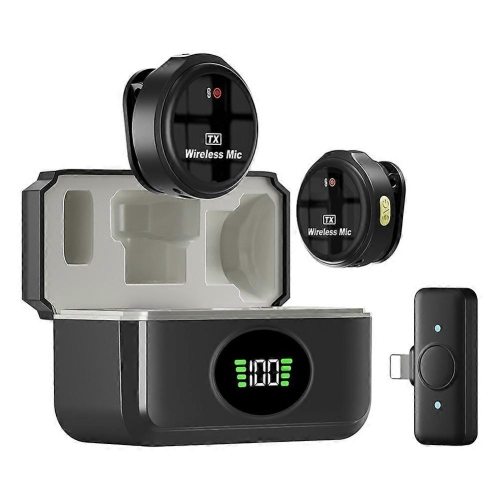
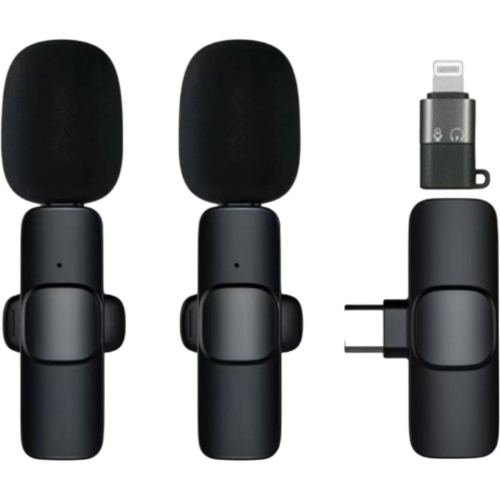
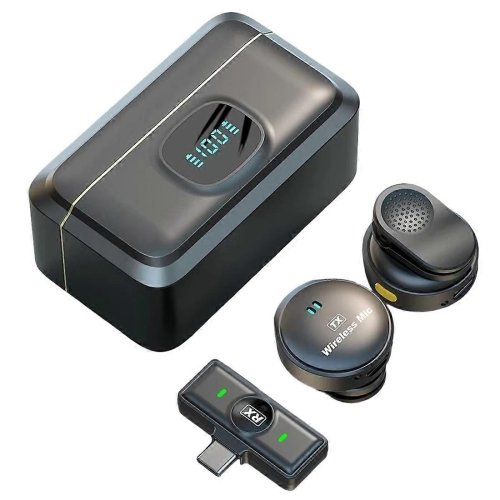
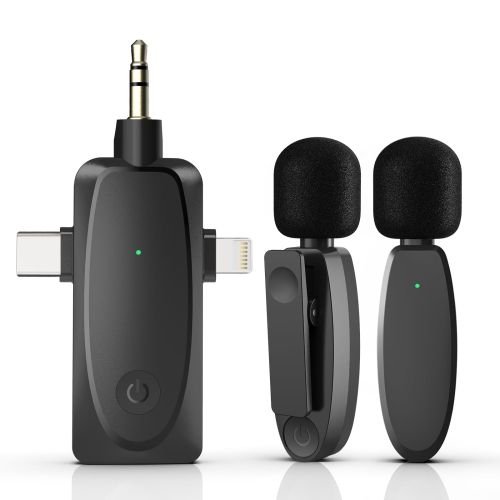
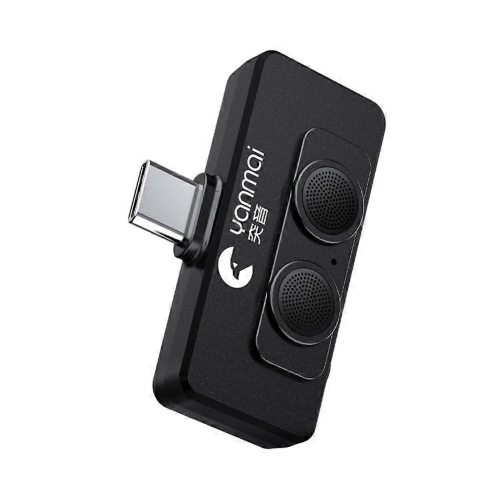
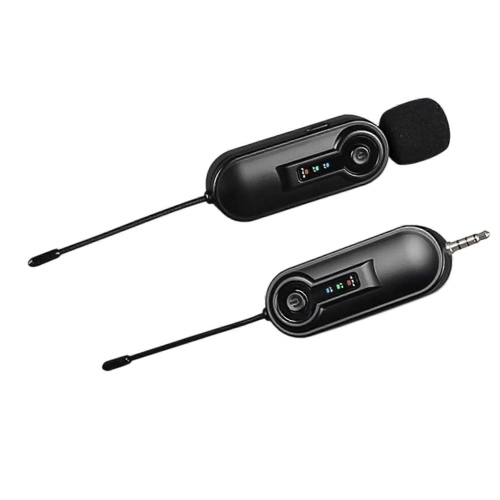
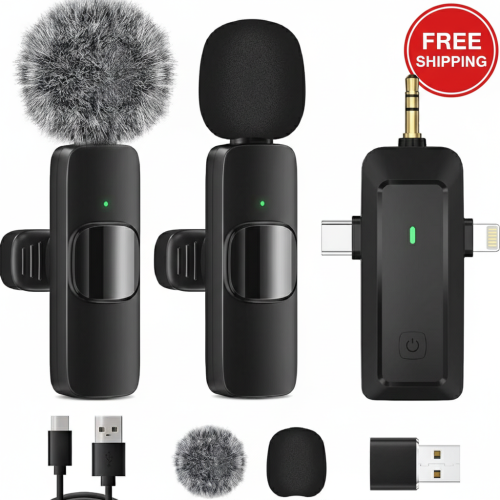
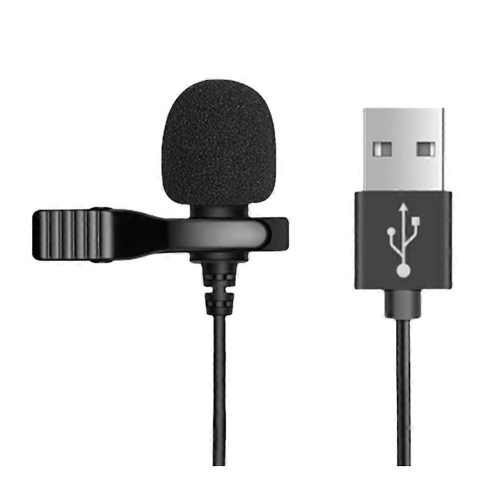
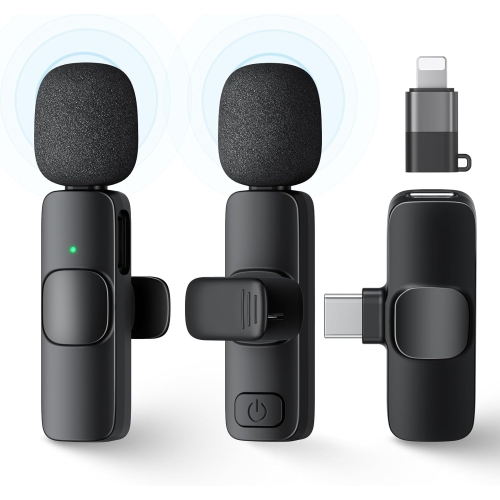
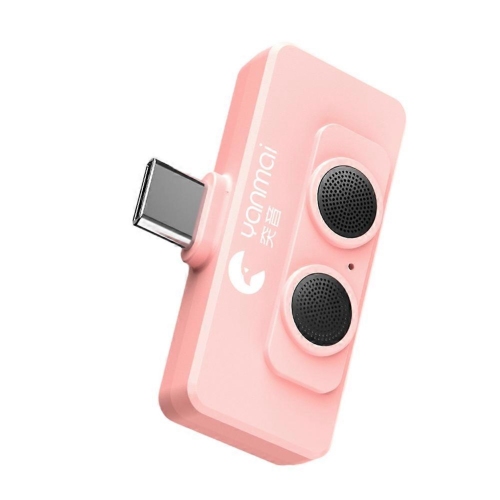
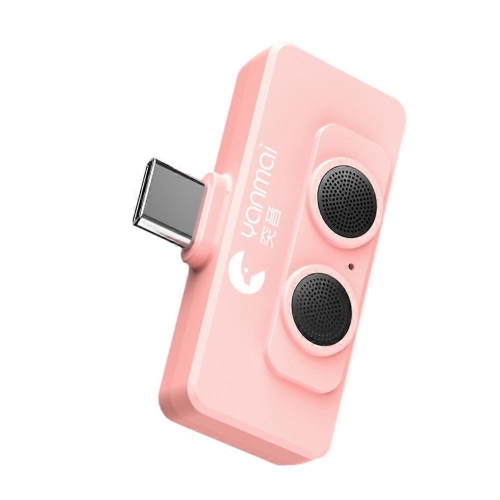
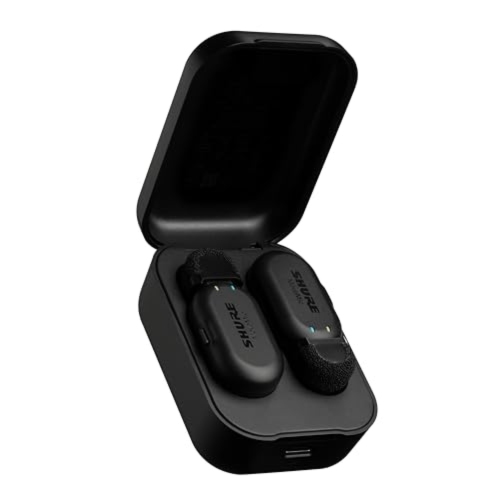


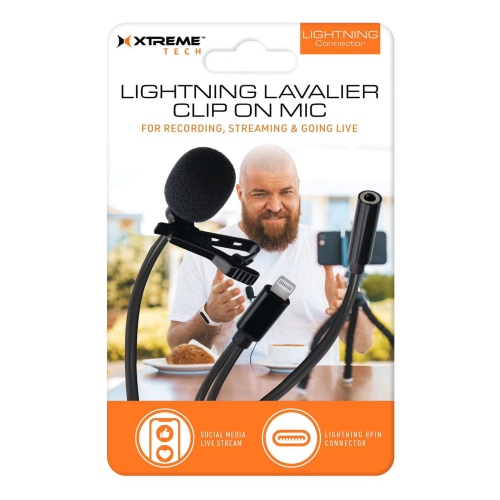
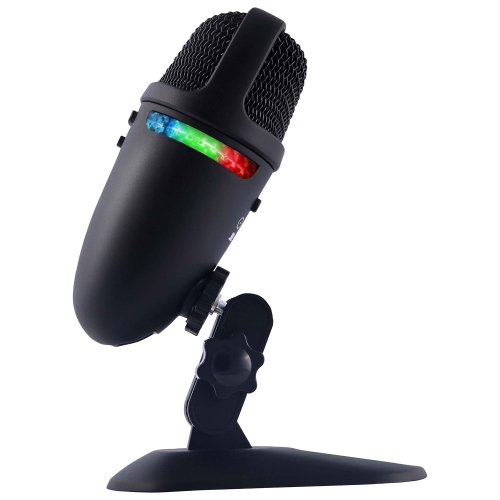
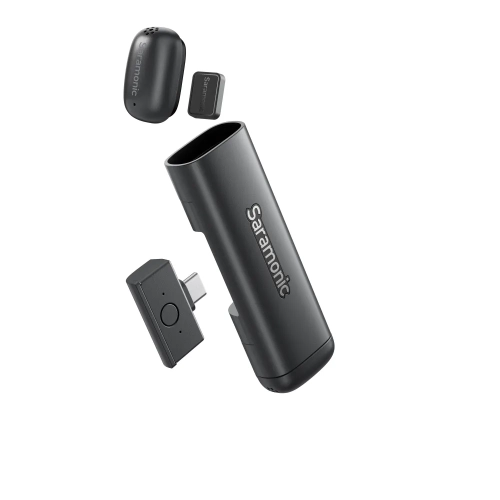
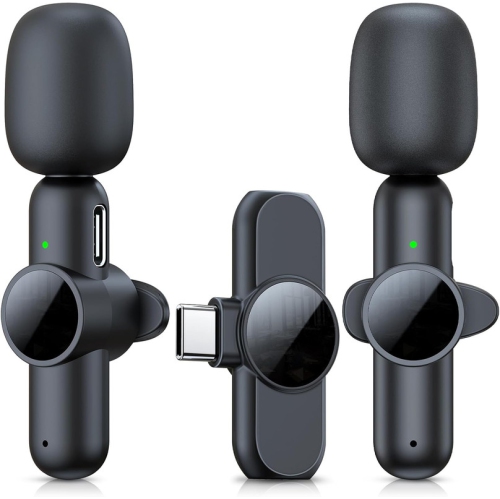
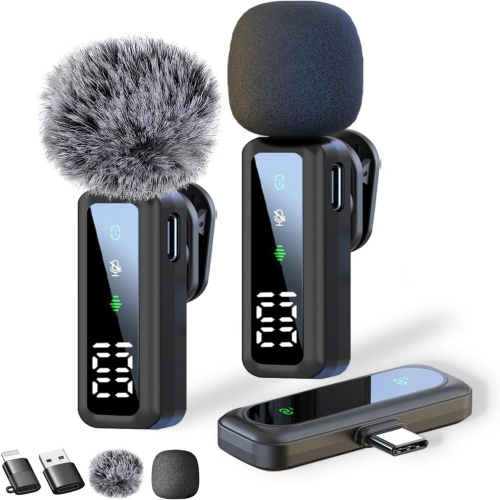
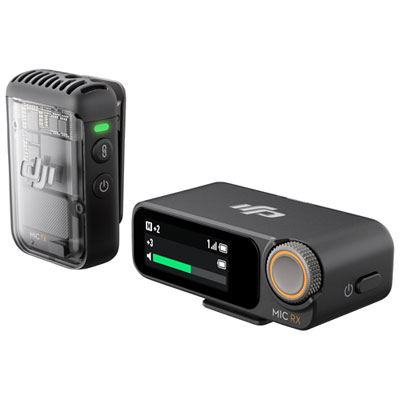
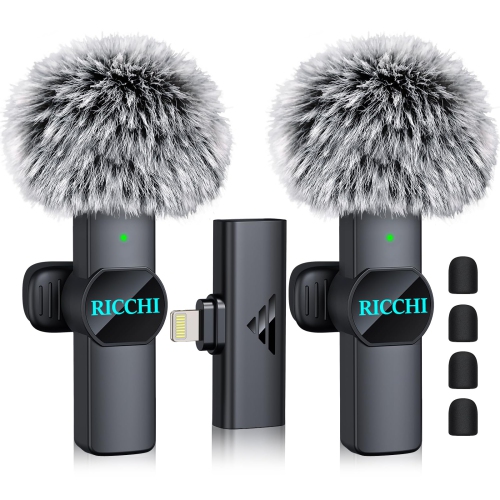
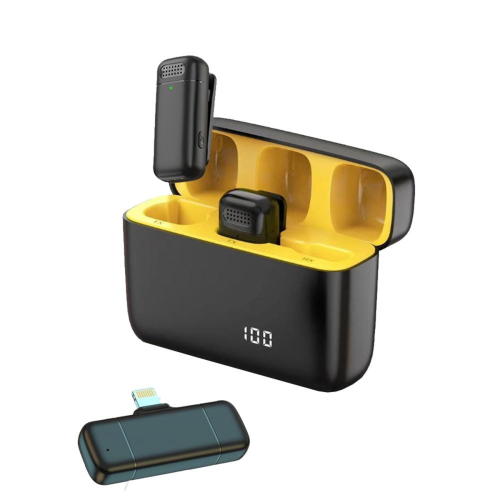
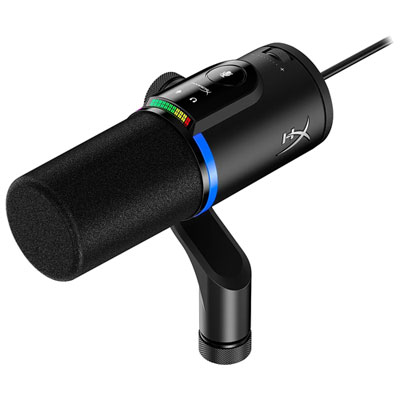
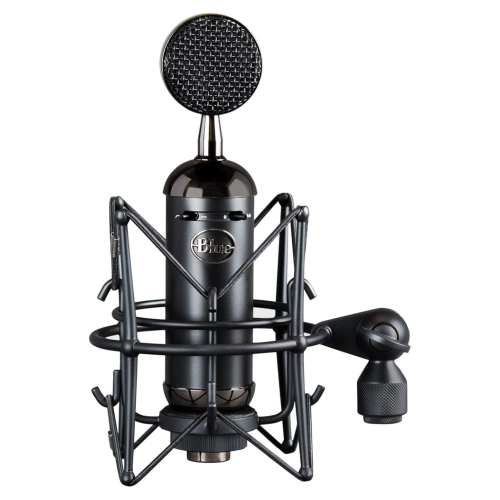
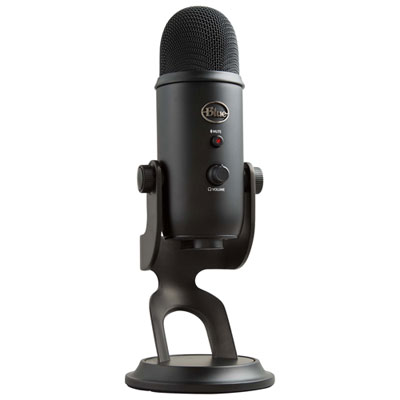
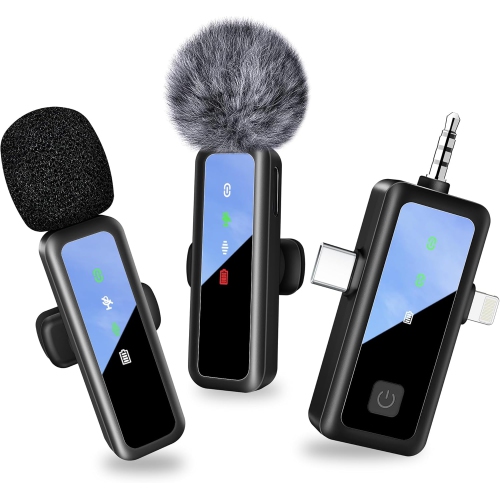
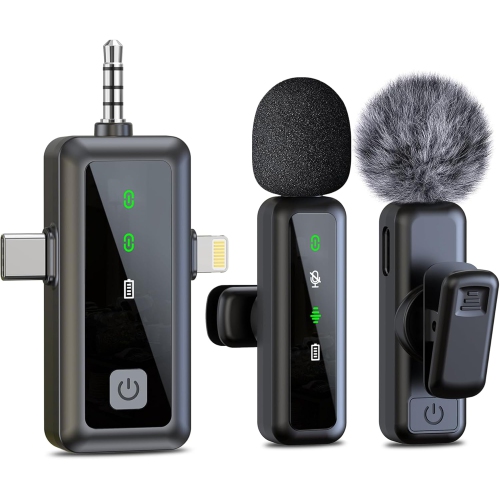
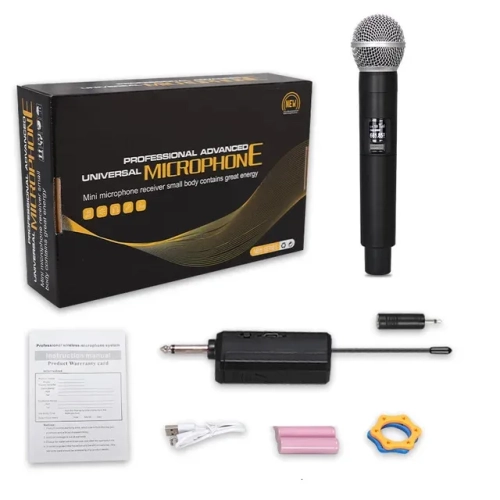
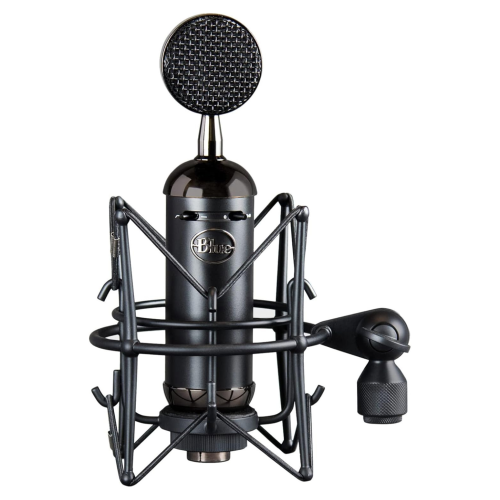
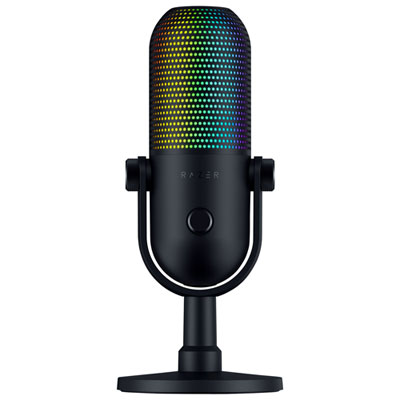
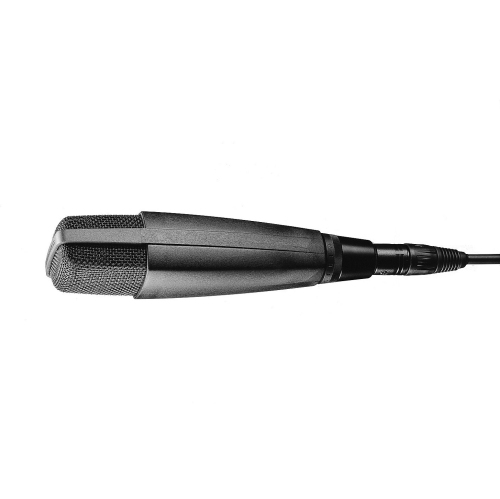
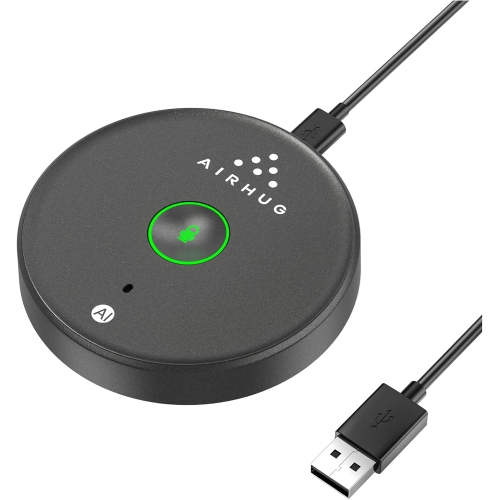
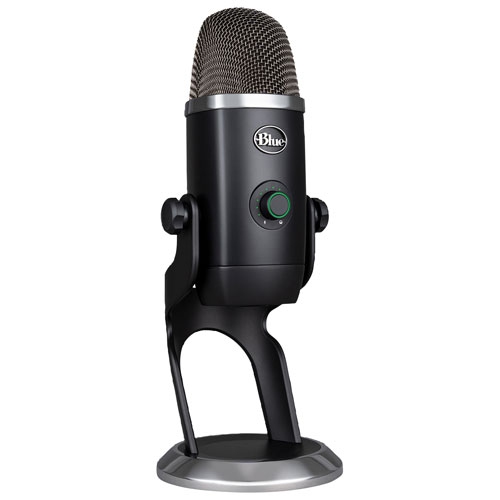
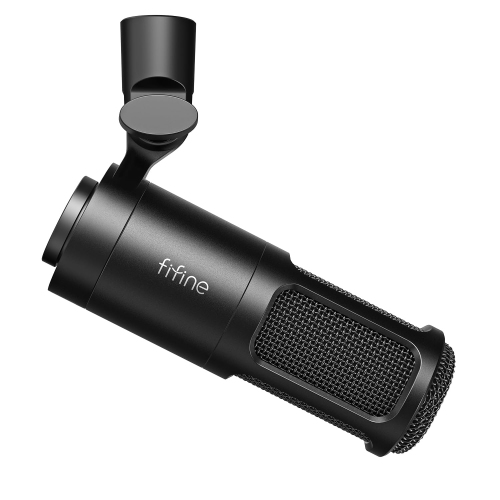
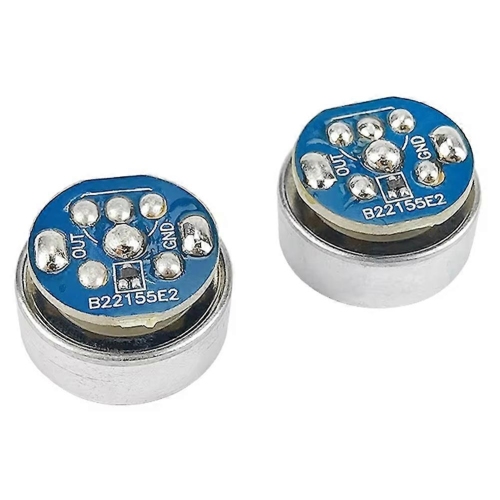
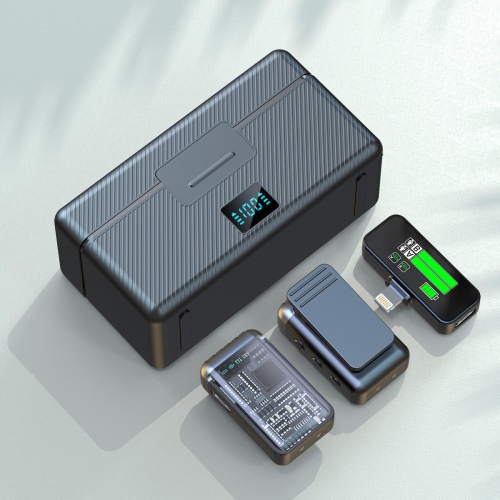
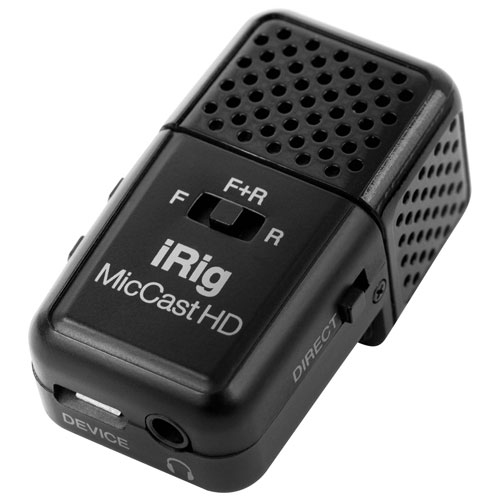
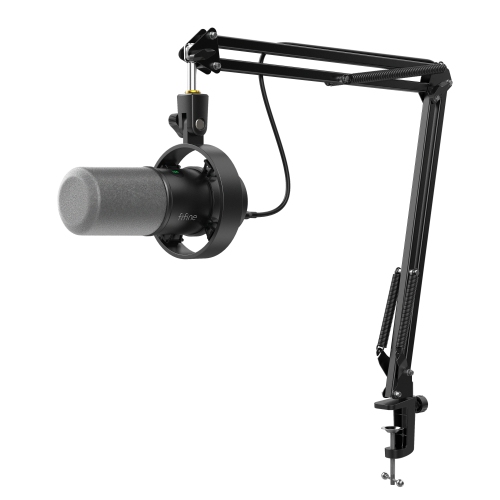


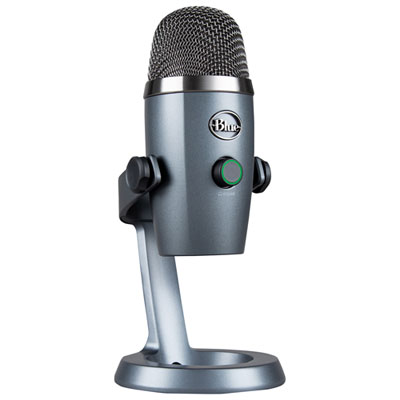
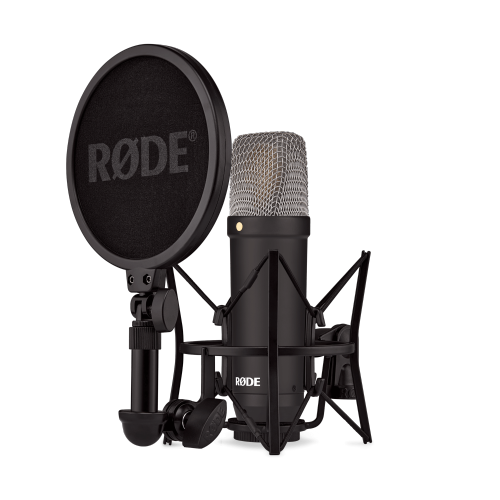
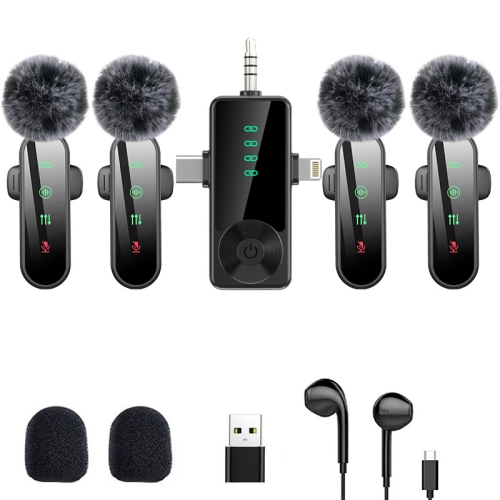
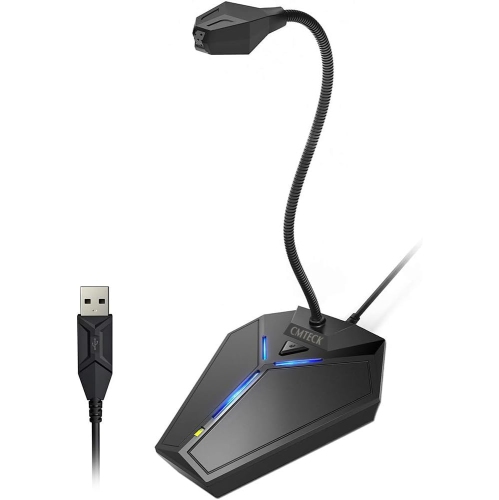
From street reporting to polished podcast conversations
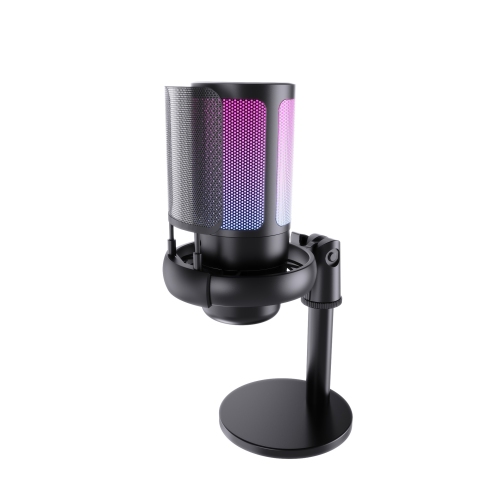
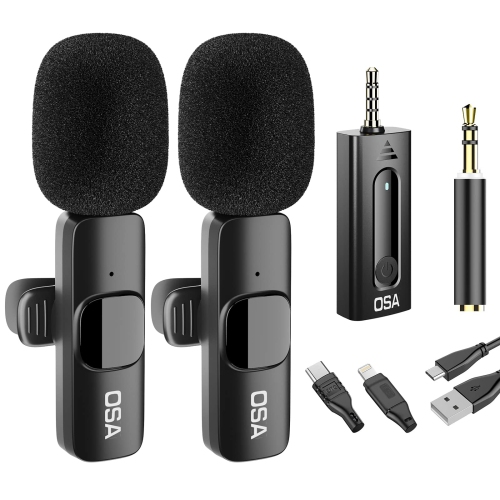
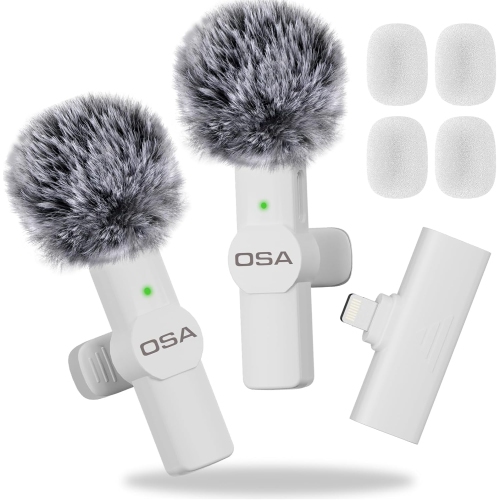
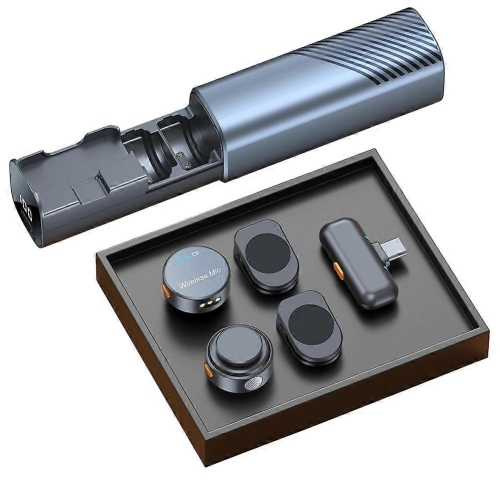
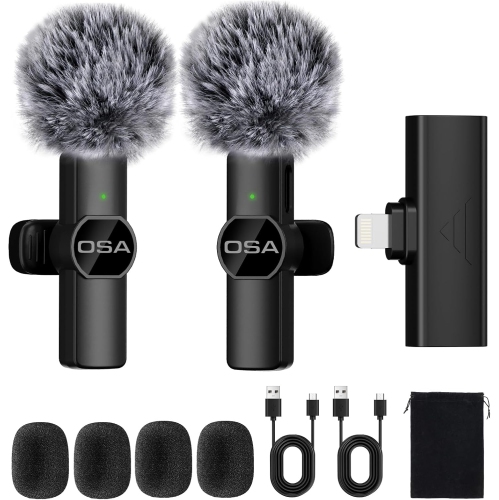
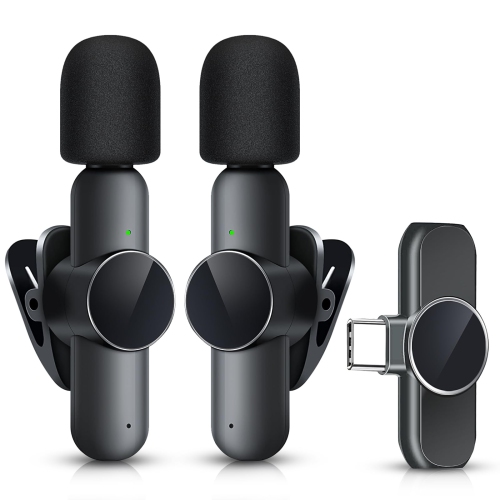
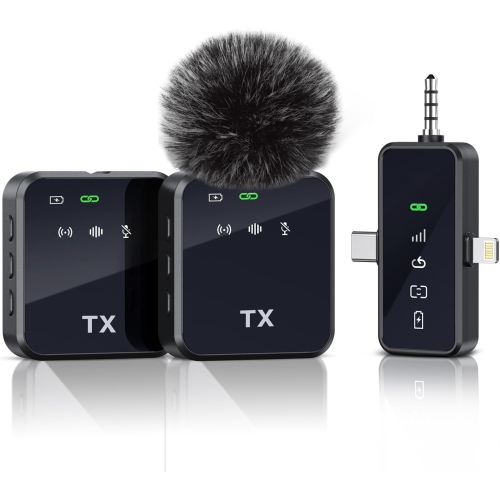
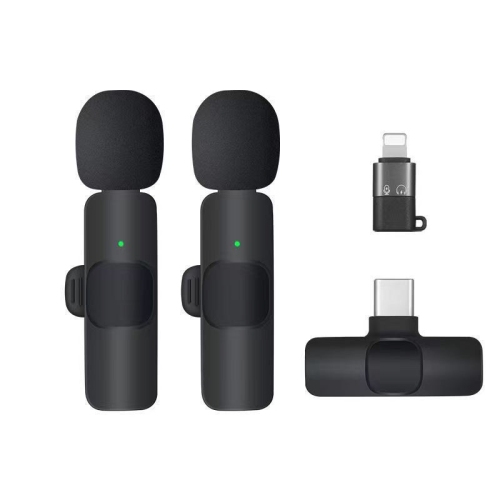
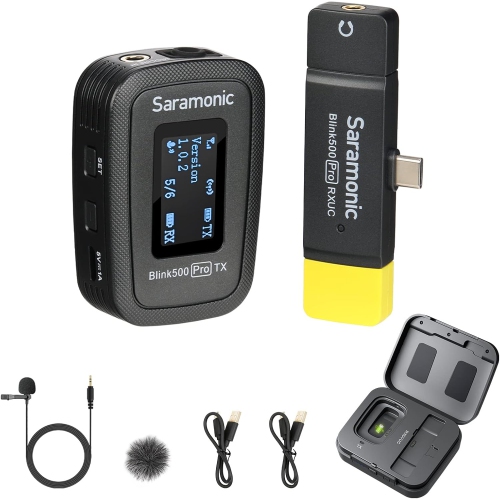
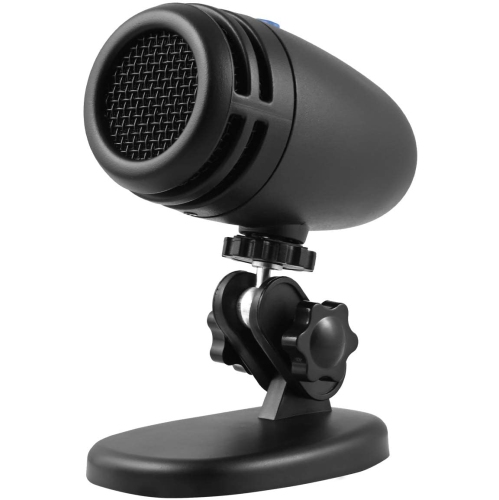
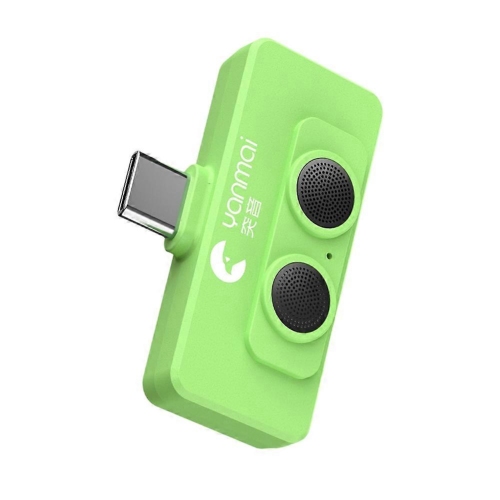
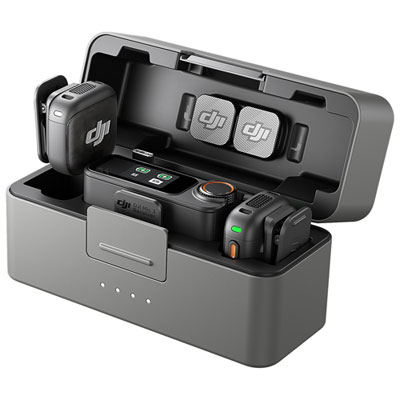
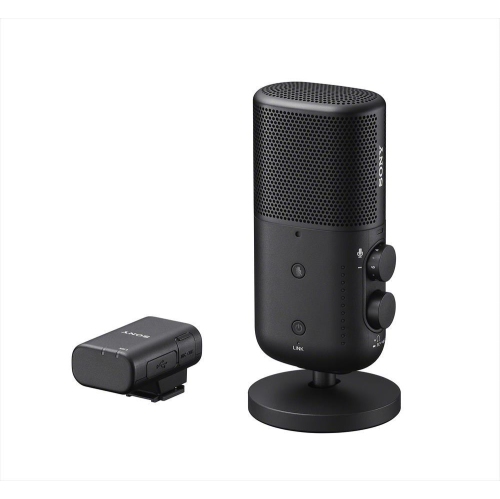
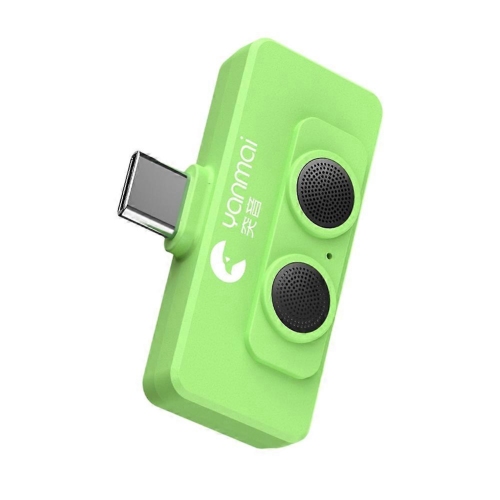
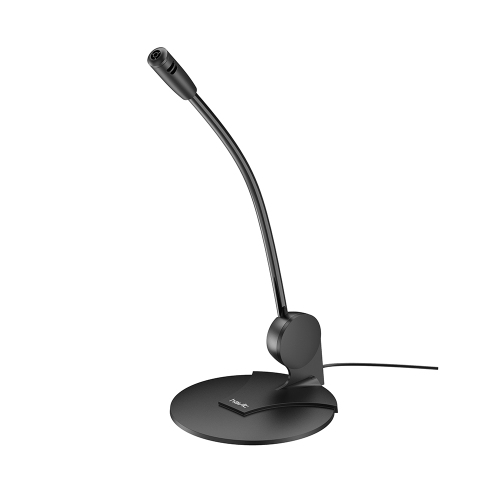
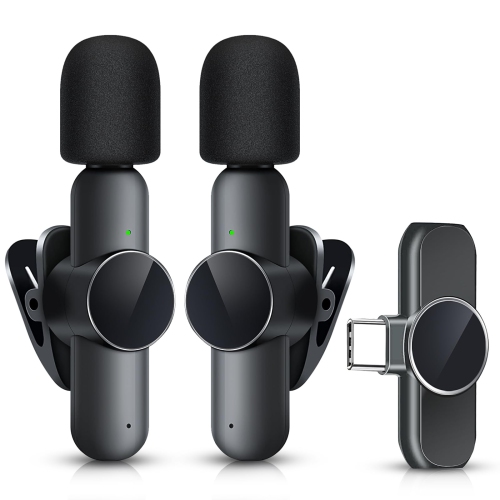
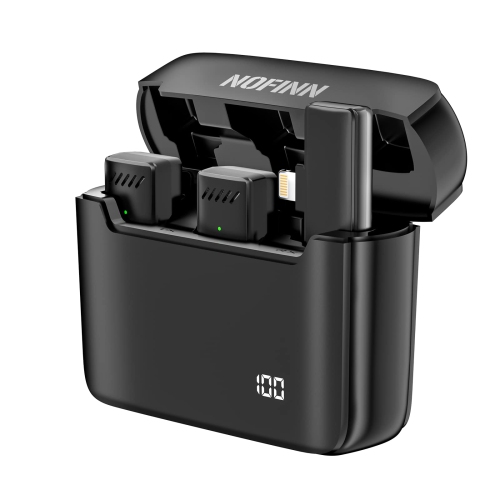
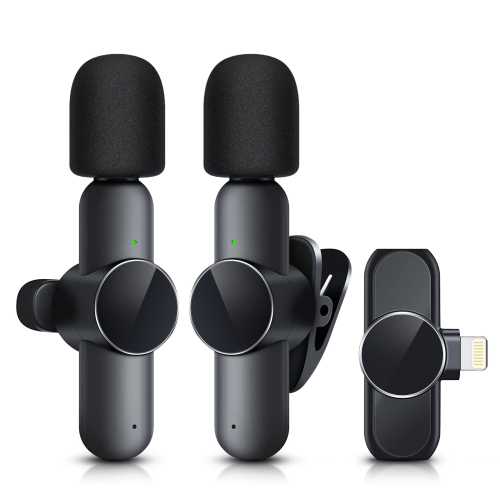
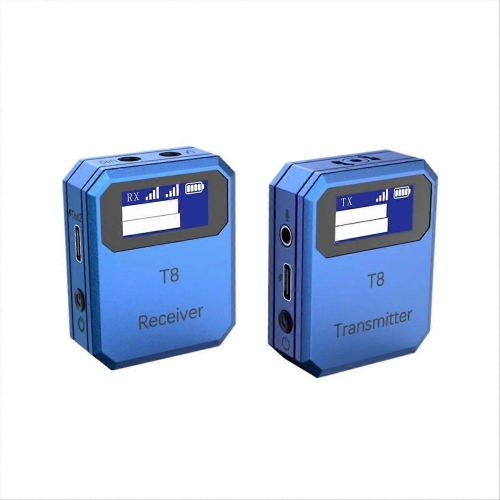
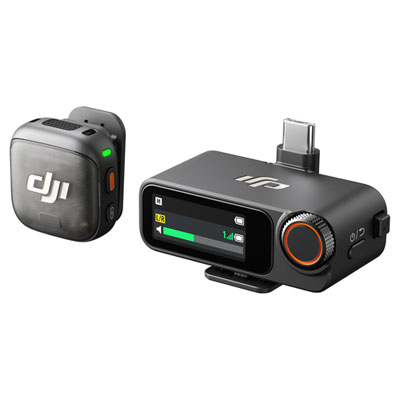
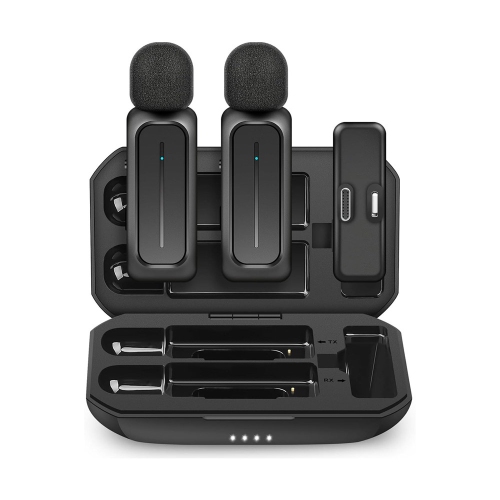
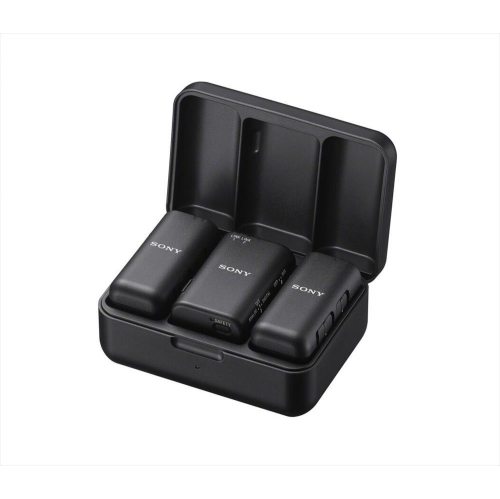
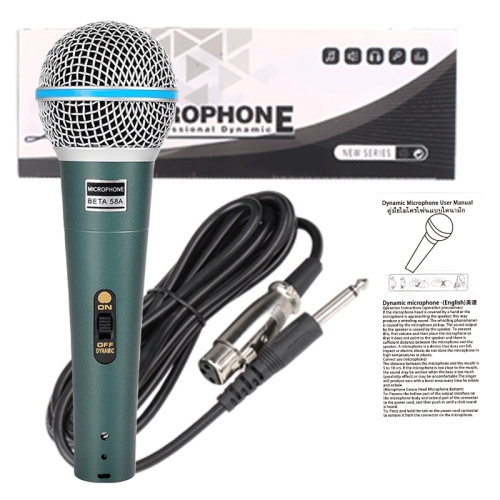
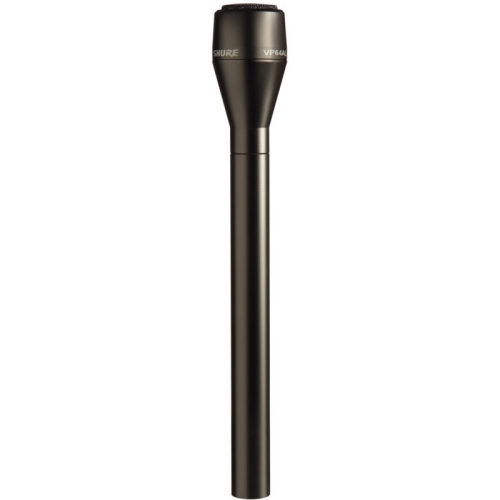
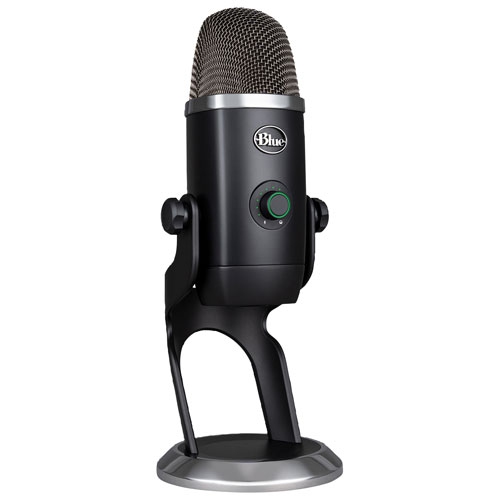
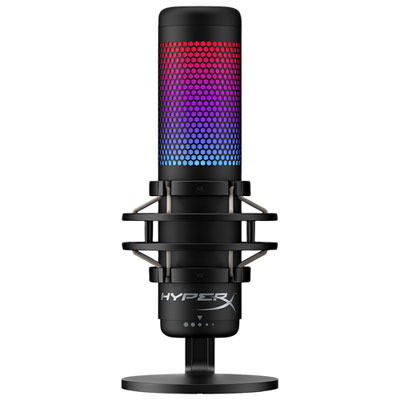
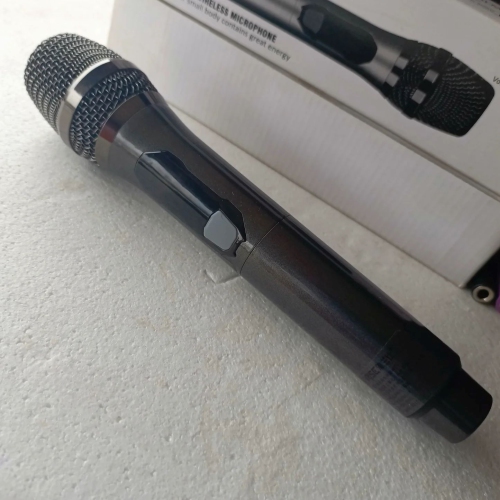
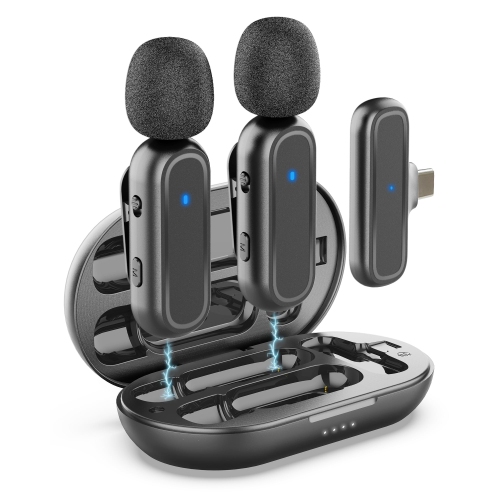
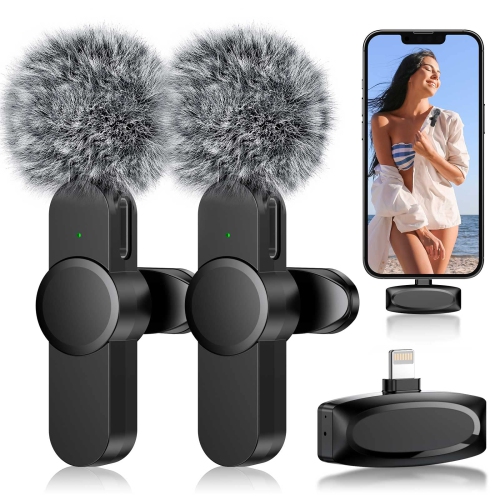
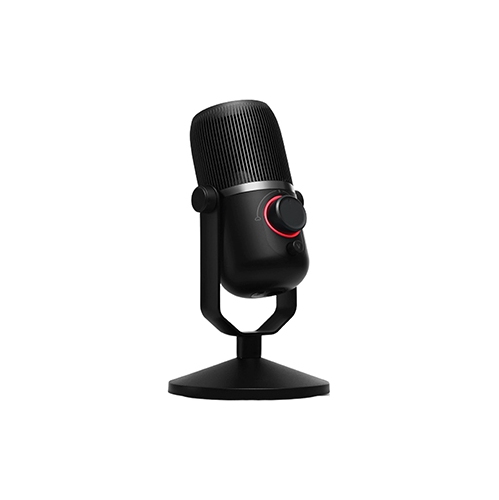
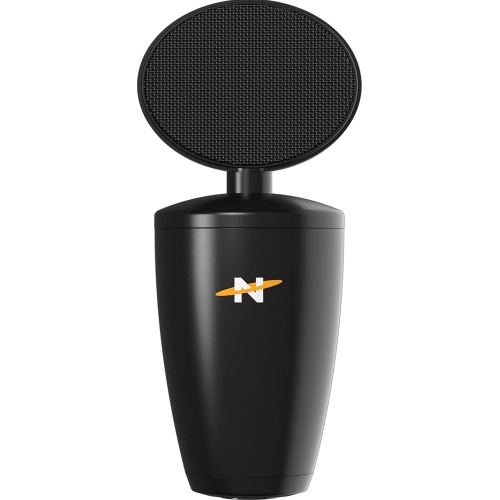
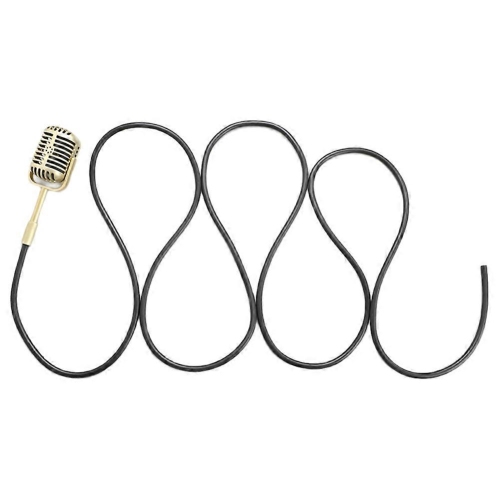
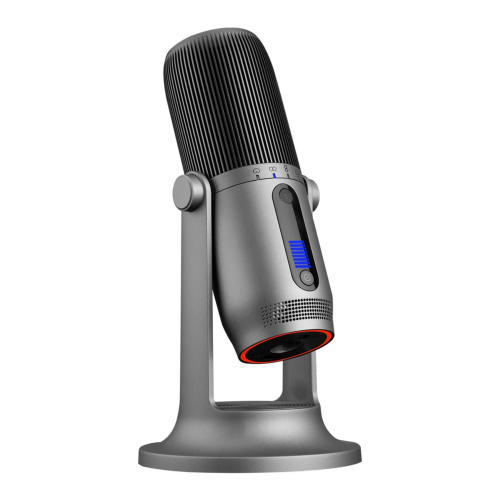
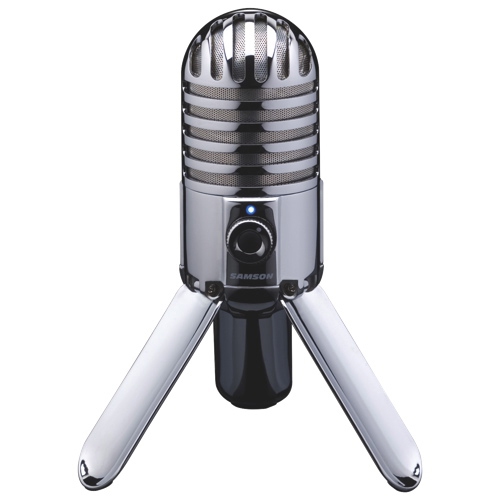
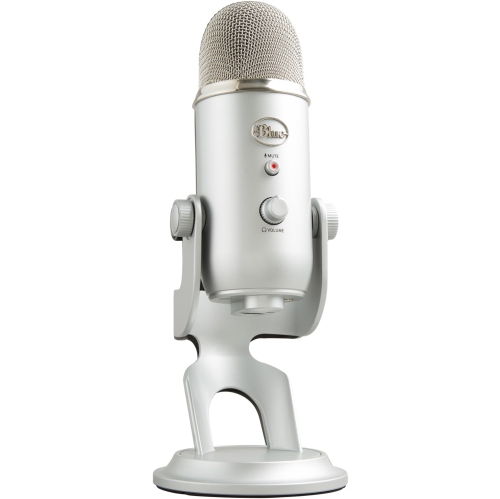
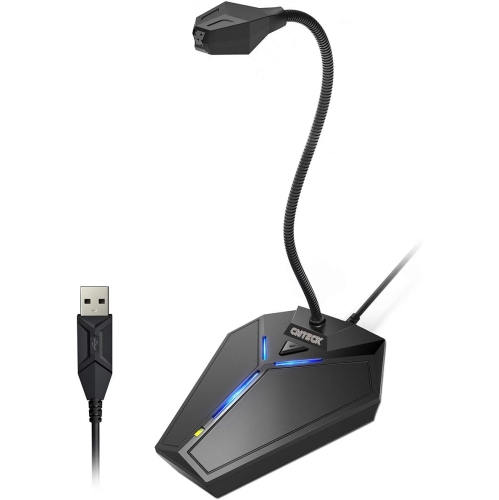
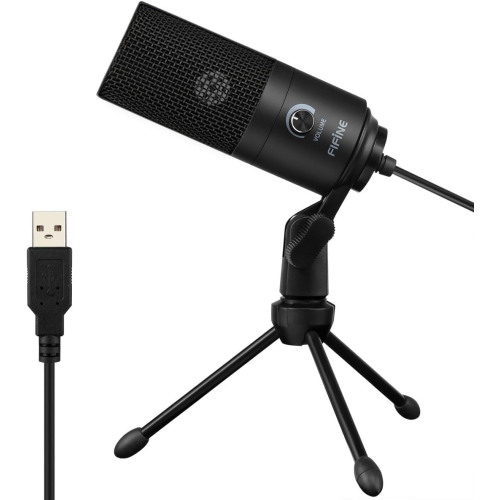
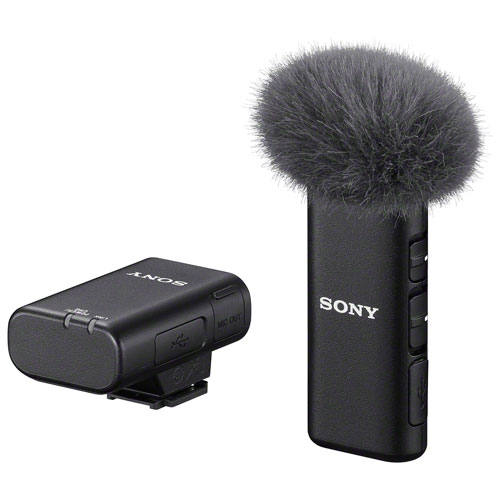
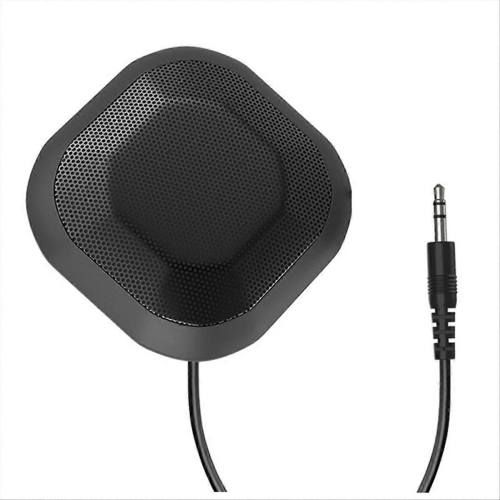
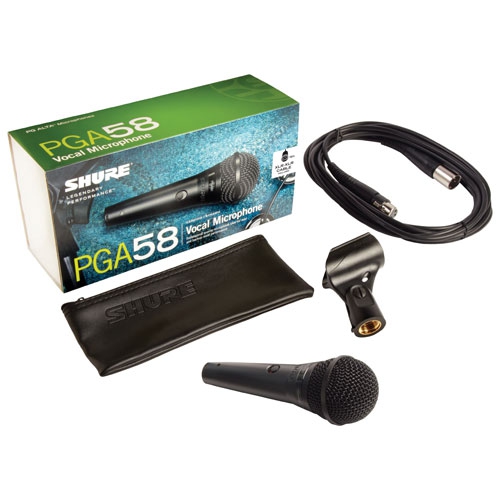
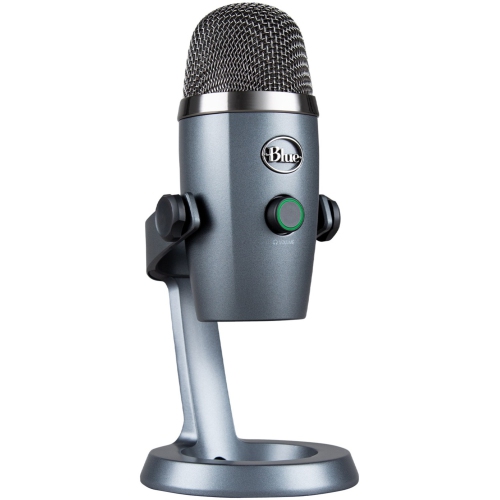
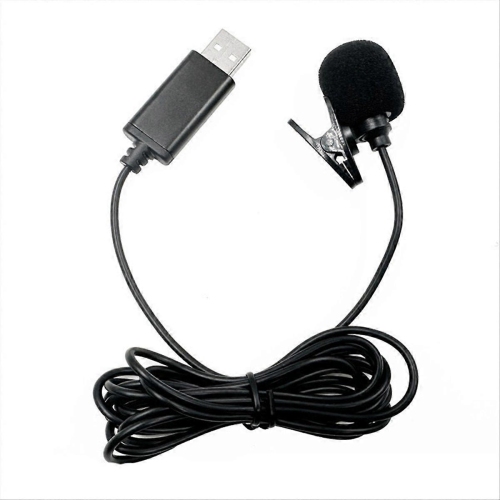
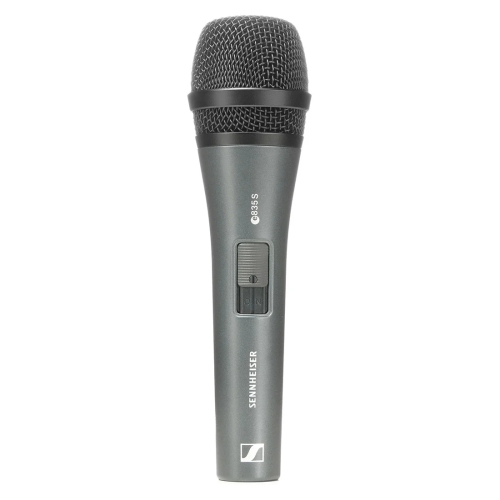
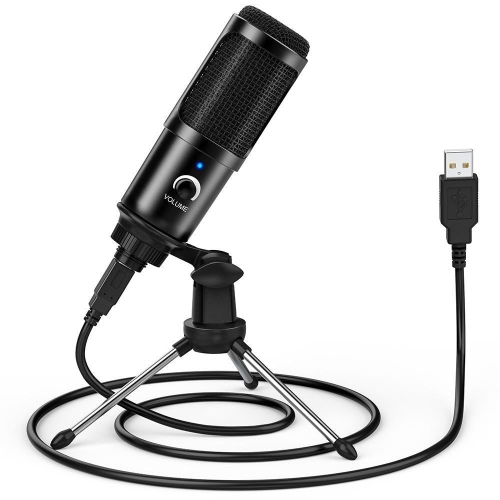
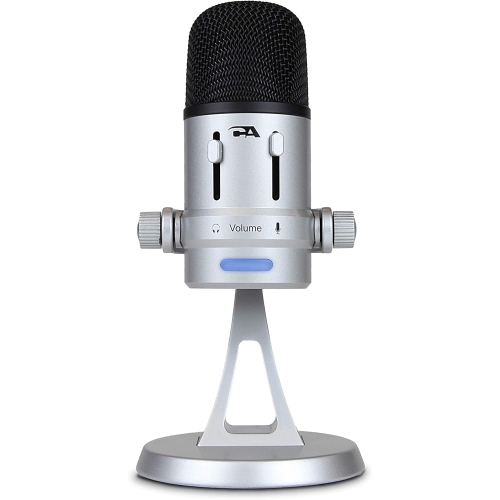
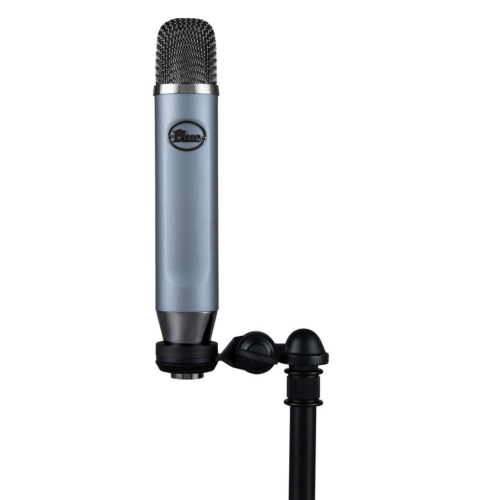
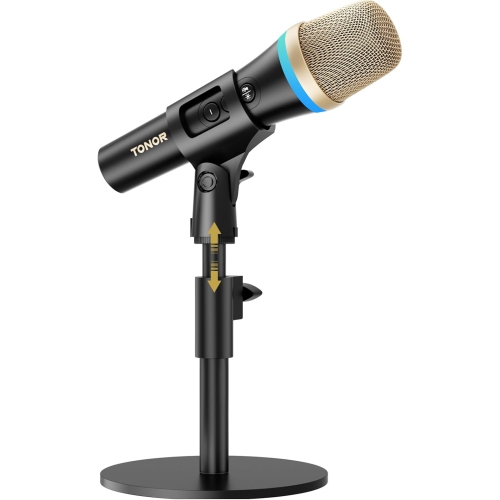
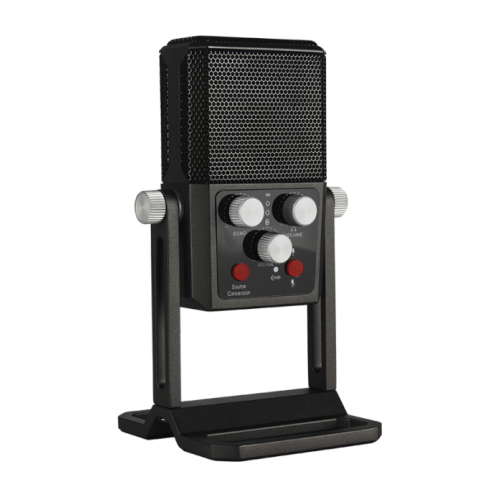
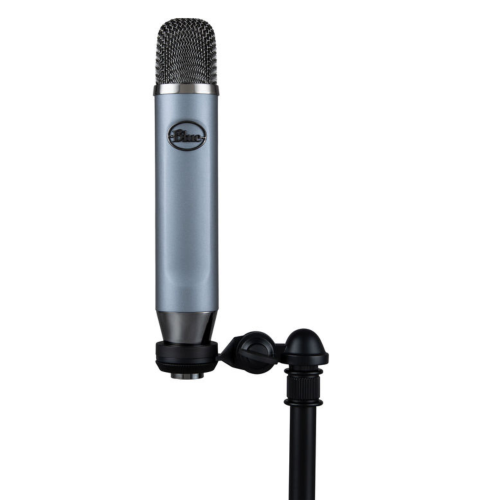
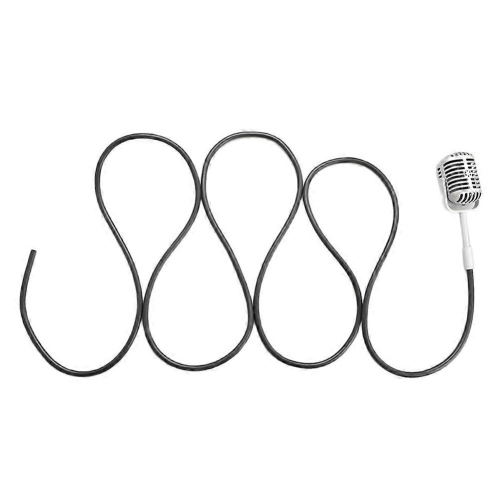
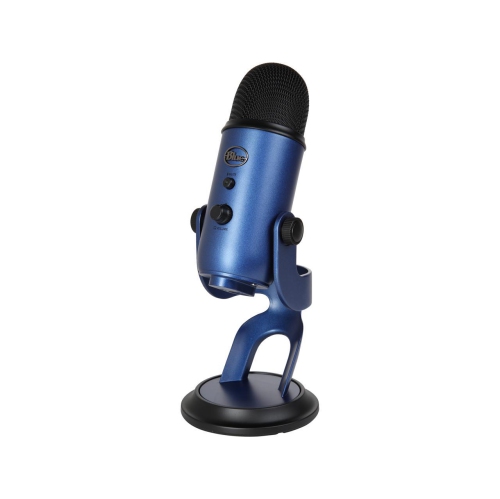
Microphones for interviews help turn a conversation into clear, engaging content that sounds polished whether it is shared as a video, podcast, news report, documentary, presentation, or social media clip. The right choice depends largely on where the interview takes place, how much movement is involved, and how many people need to be recorded. A handheld microphone is a familiar choice for street interviews, event coverage, journalism, and fast-paced reporting. It can be held between the interviewer and guest, placed close to the person speaking, and easily passed from one participant to another. Its visible presence can also help guests understand when they are on the record, which is useful in busy public settings. Dynamic handheld microphones are often well suited to interviews because they can handle louder voices and help reduce the impact of nearby sounds, including passing vehicles, room activity, and enthusiastic crowds. An omnidirectional design can capture speech from several directions, making it practical when the microphone needs to be shared or held at a slight angle. Directional handheld options can provide more focus on the person speaking, although they require more careful positioning. For interviews recorded at a desk, in a quiet room, or at a home studio, a USB microphone can offer a simple connection to a computer or compatible device. These models are convenient for video calls, podcast conversations, student projects, and recorded presentations, especially when a straightforward setup matters more than a large collection of accessories. A microphone with a headphone output and volume controls can make it easier to monitor speech as it is recorded, helping catch clothing noise, an overly quiet voice, or unwanted room sounds before the conversation is finished. Anyone building a small recording setup may also want to explore Good Microphones for Recording for additional options suited to spoken-word content and other recording needs.
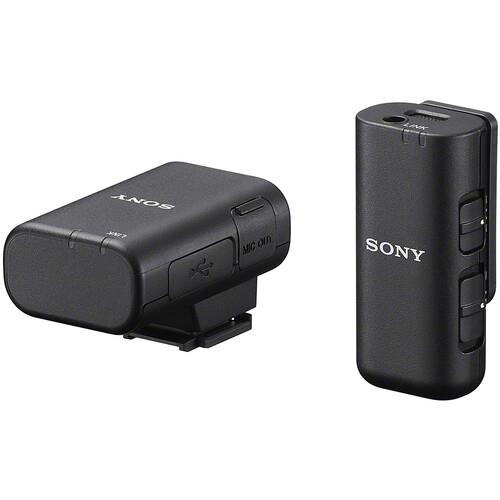
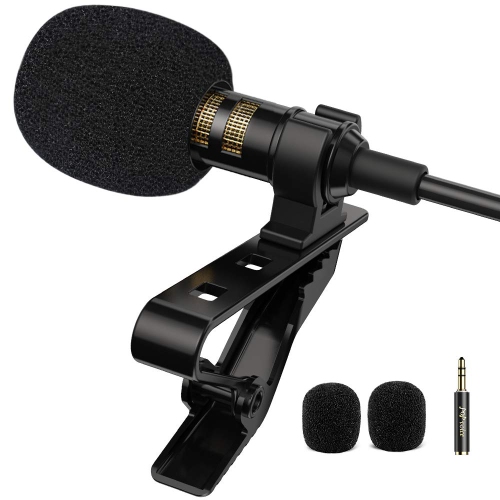
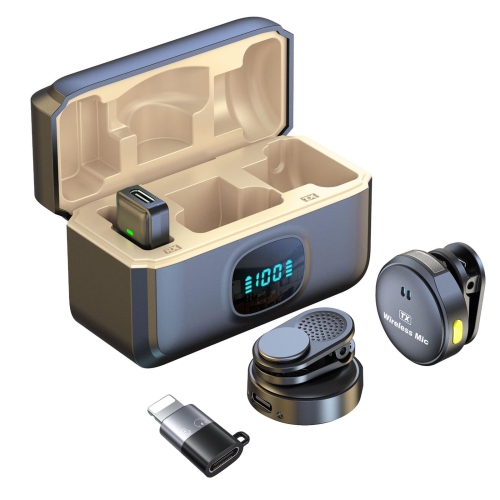
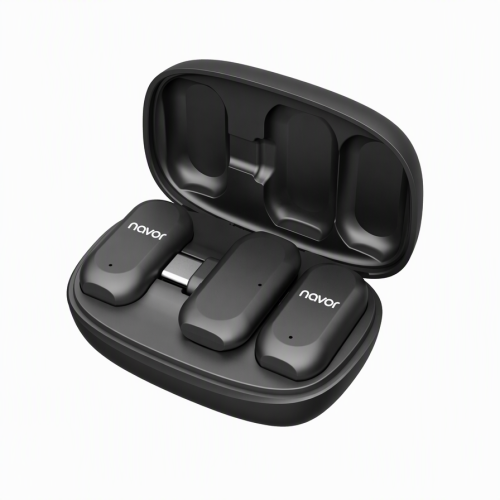
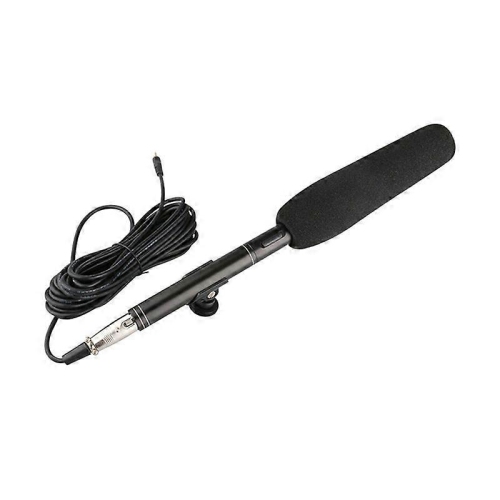
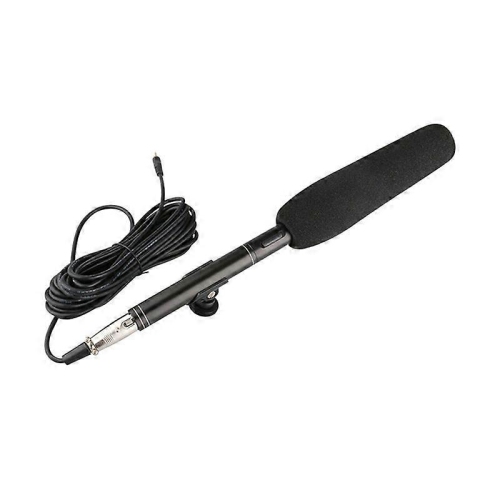
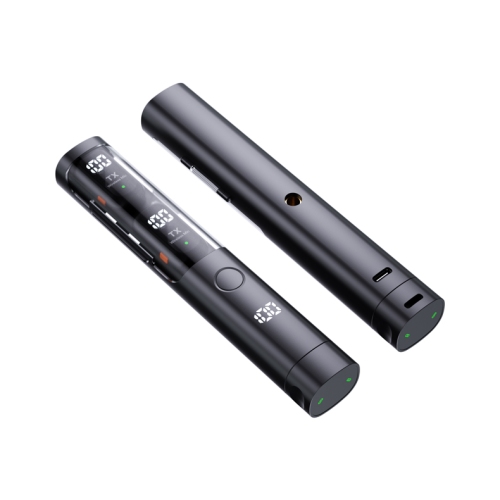
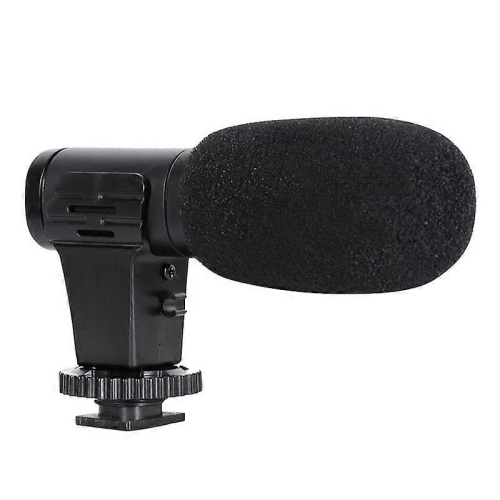
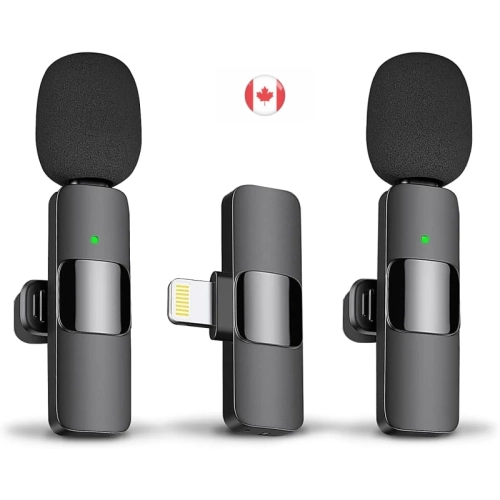
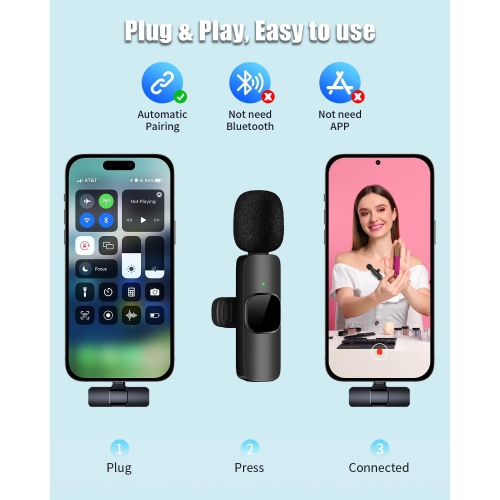
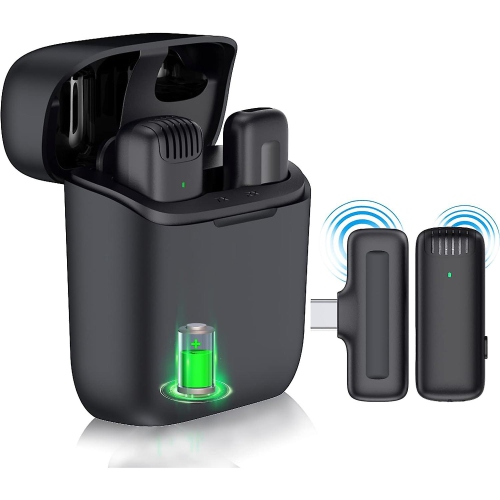
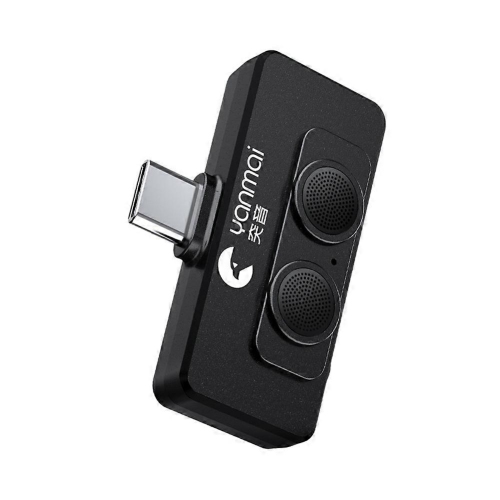
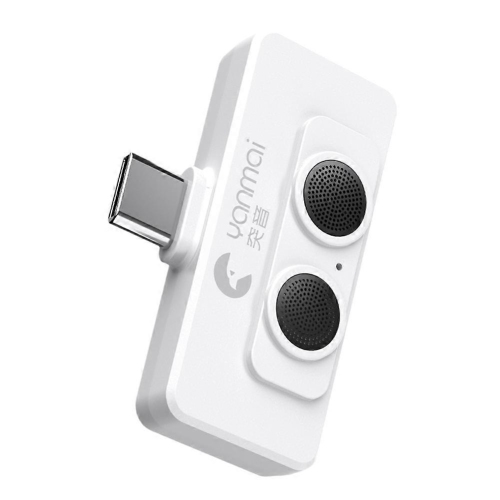
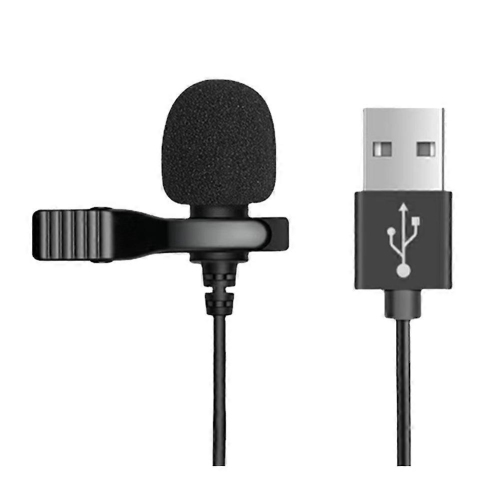
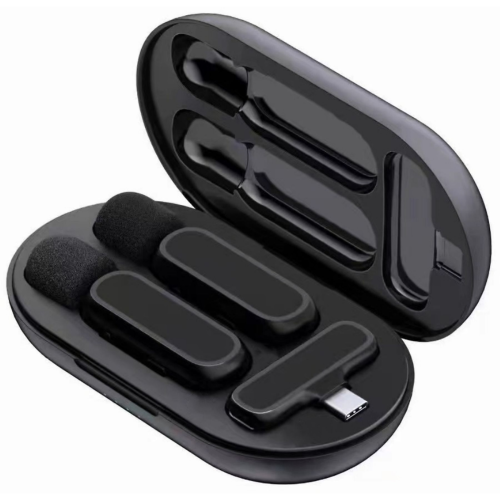
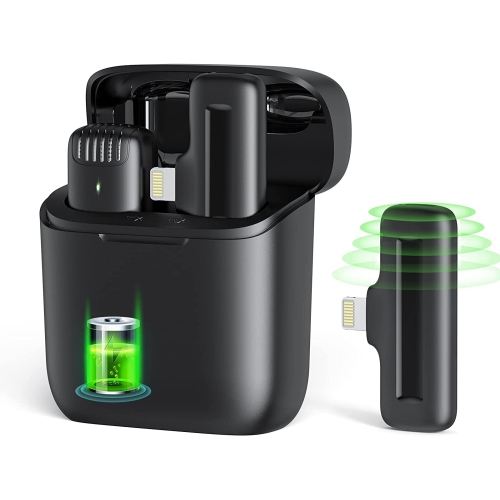
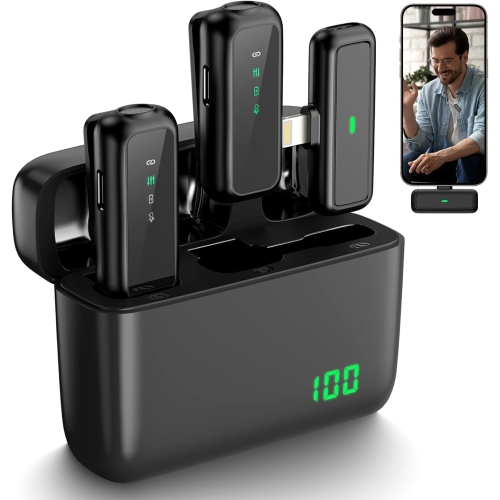
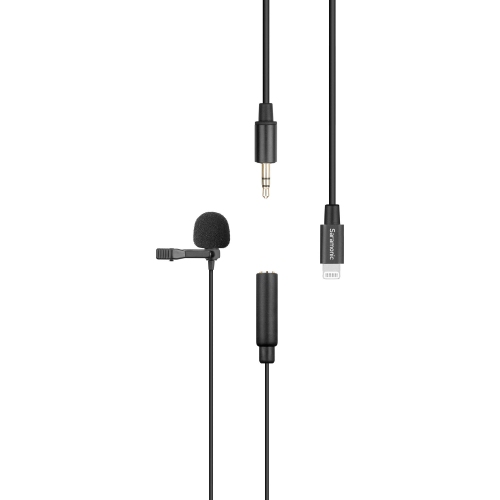
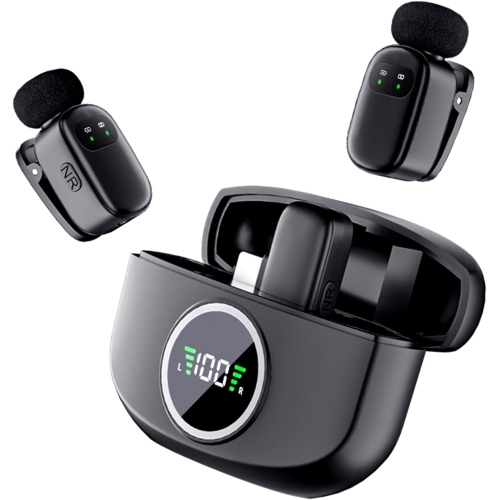
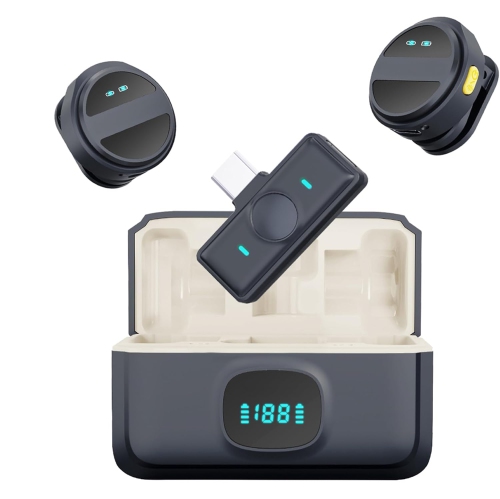
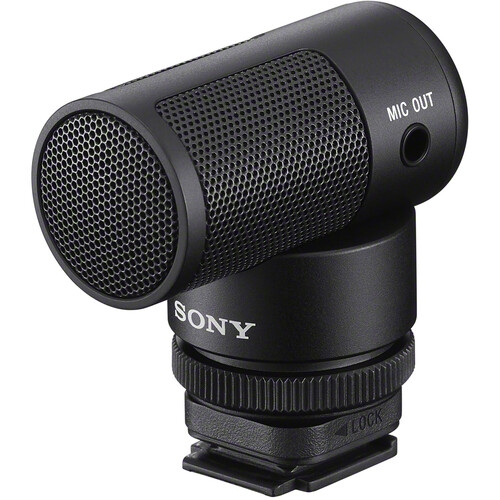
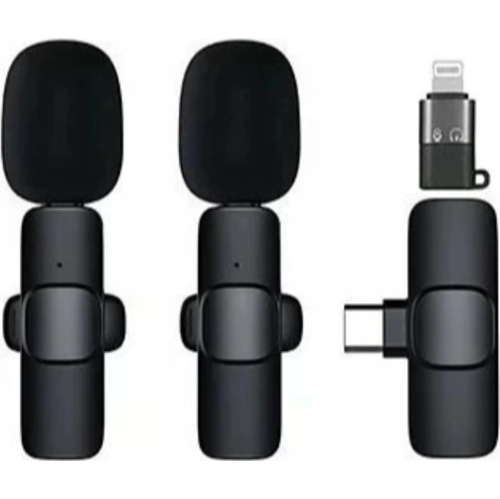
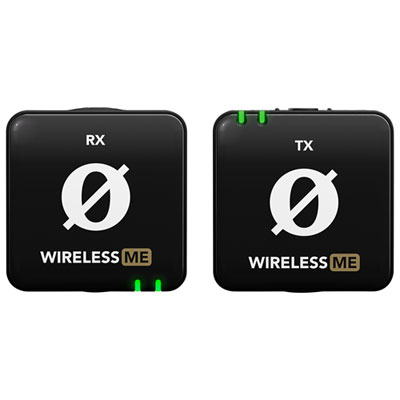
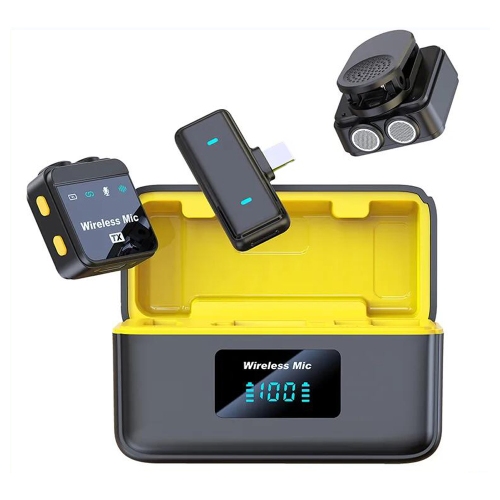
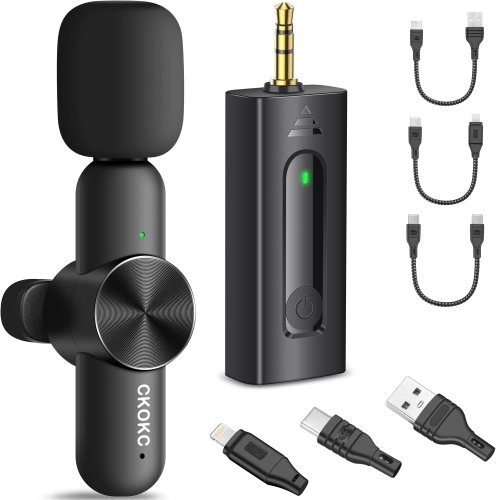
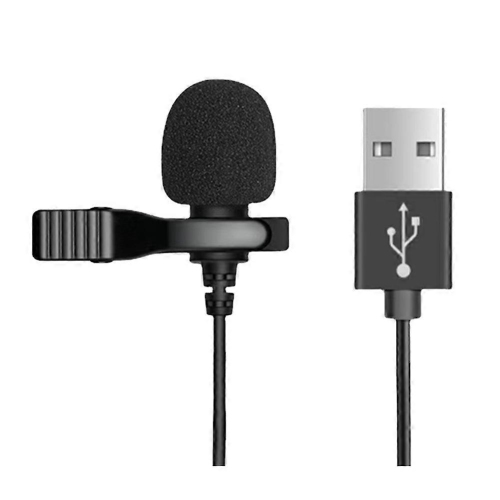
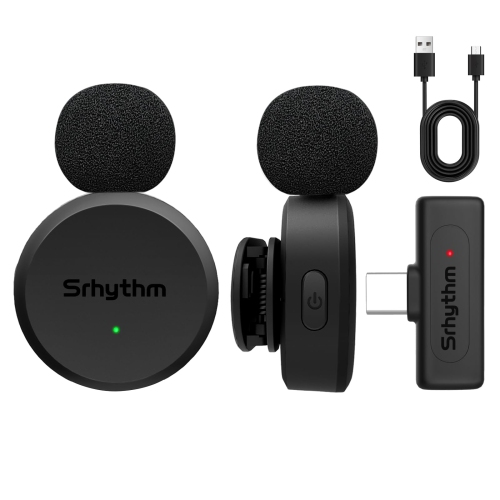
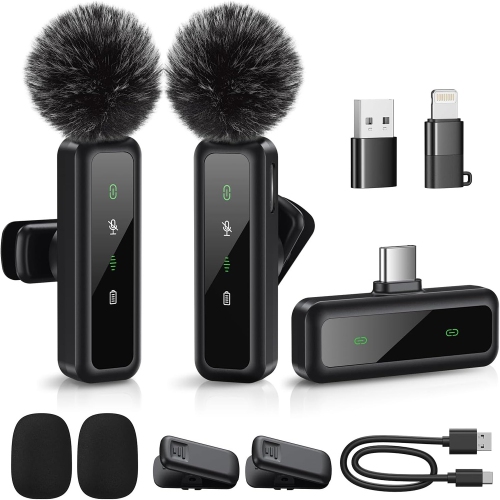
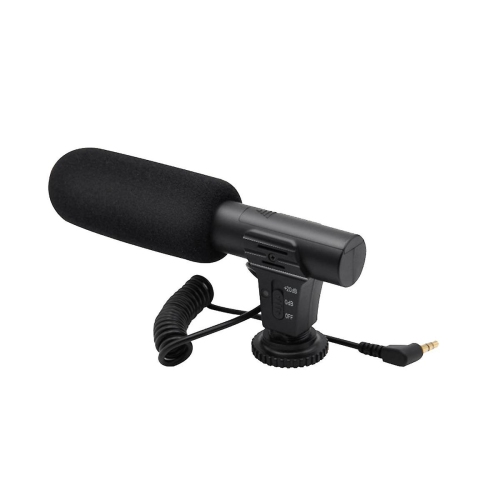
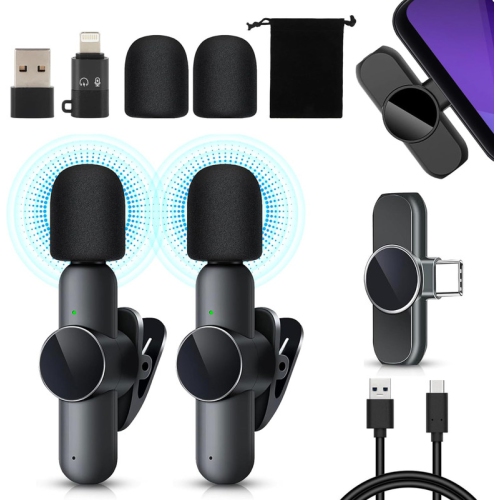
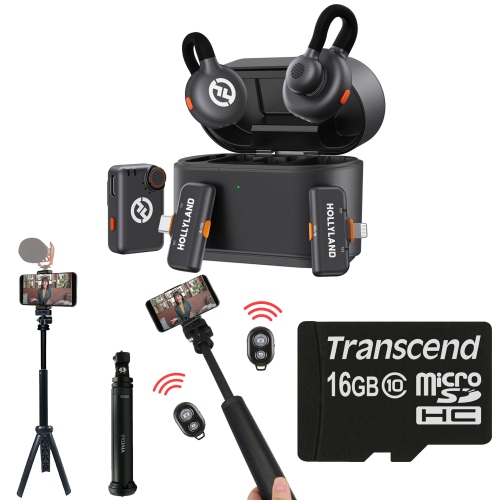
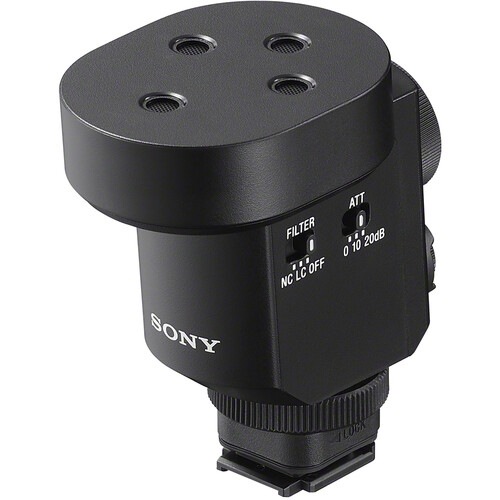
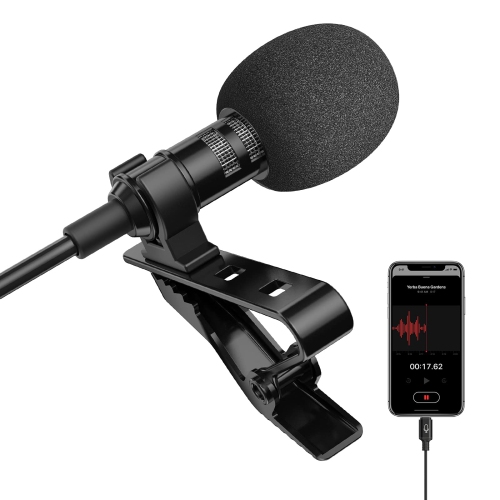
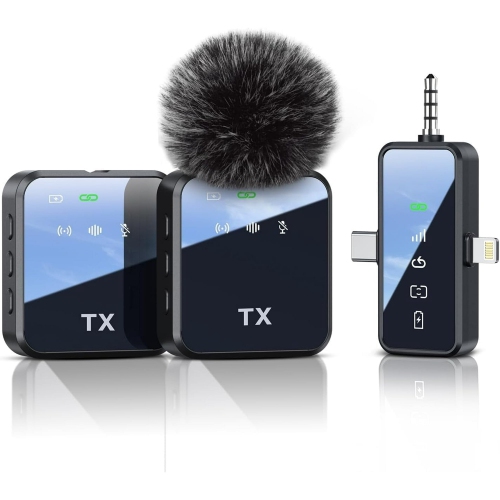
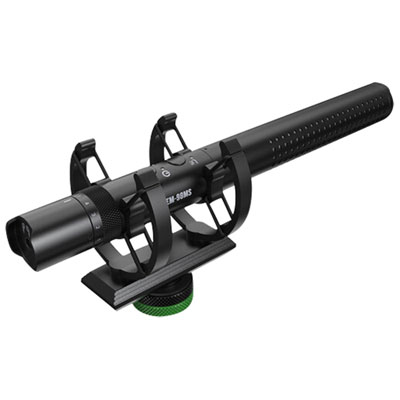
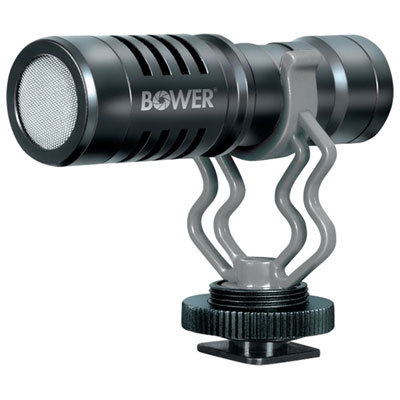
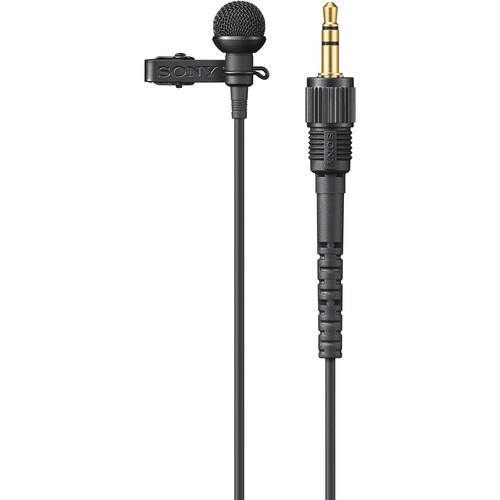
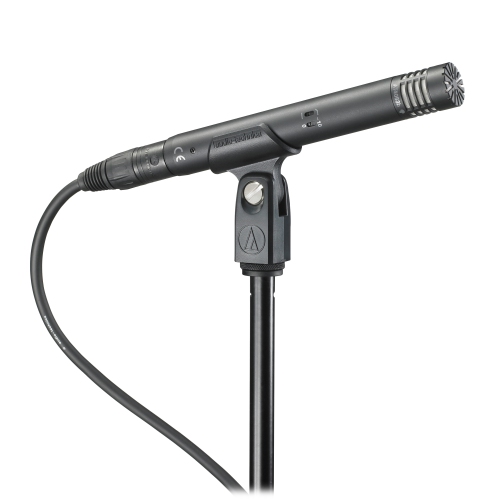
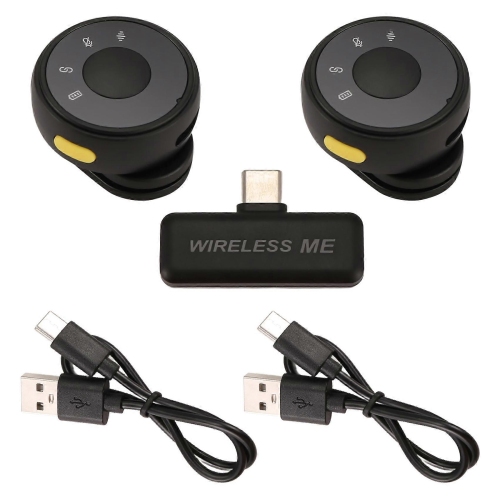
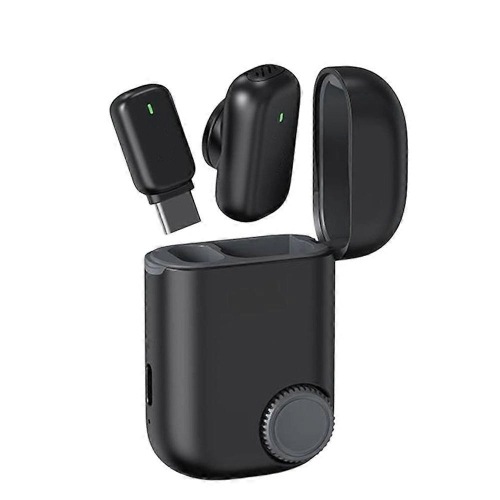
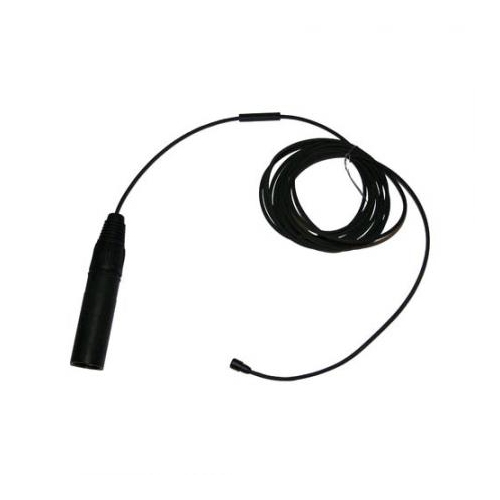
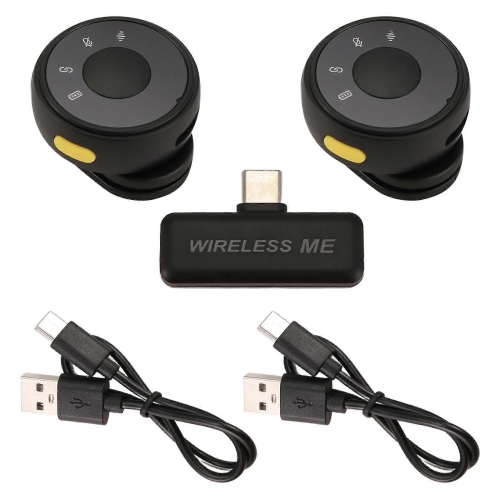
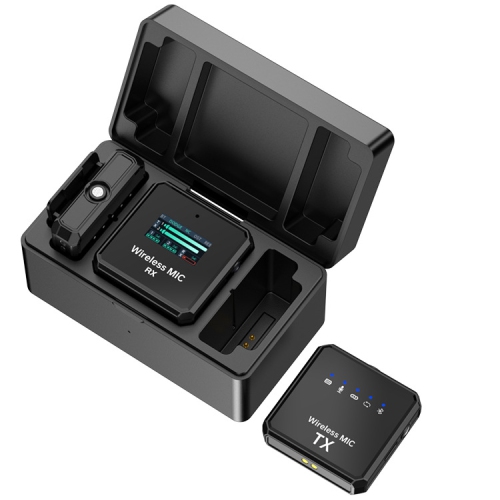
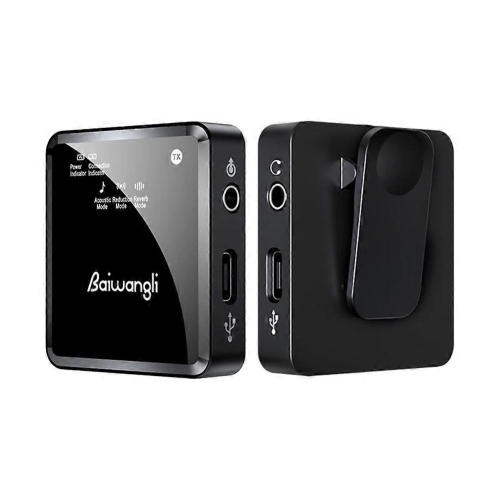
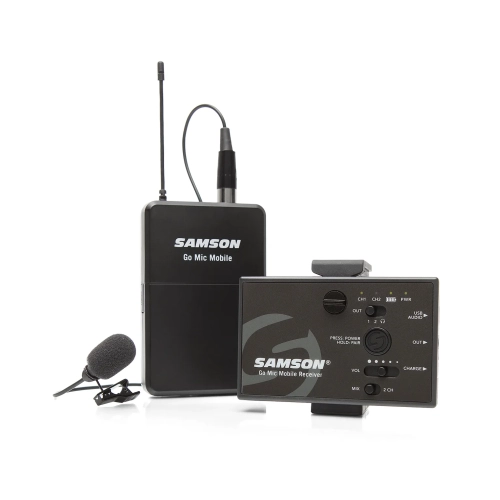
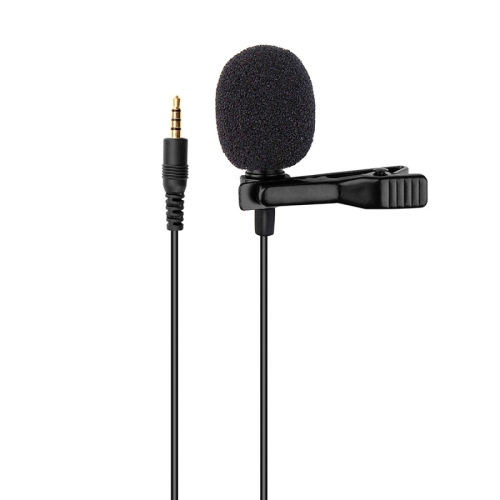
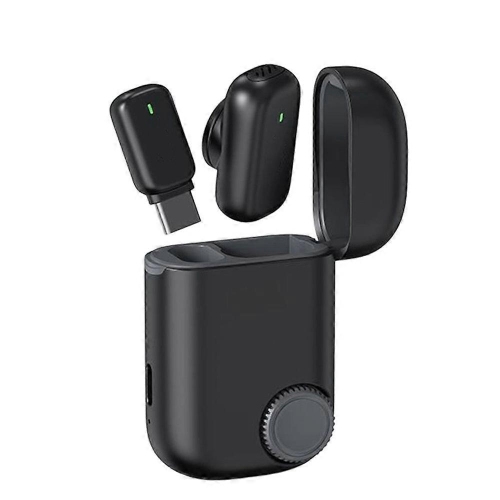
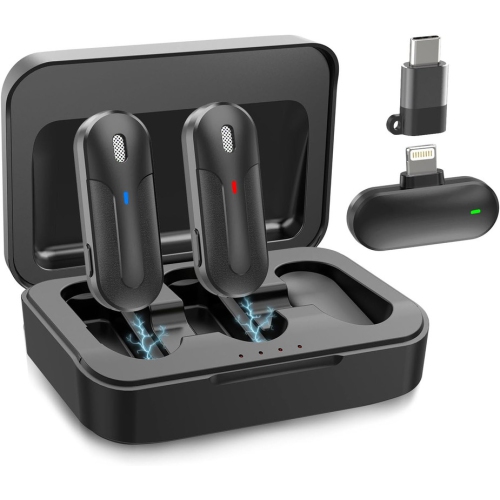
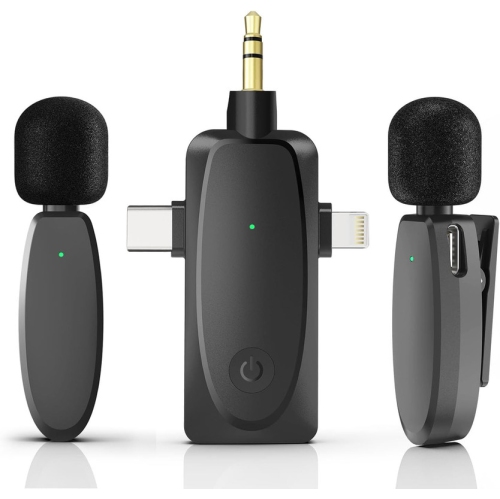
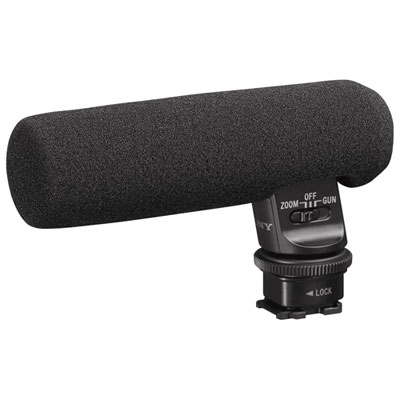
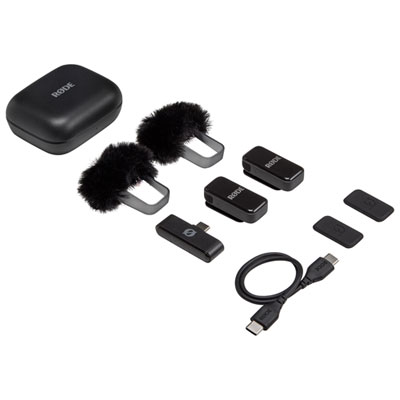
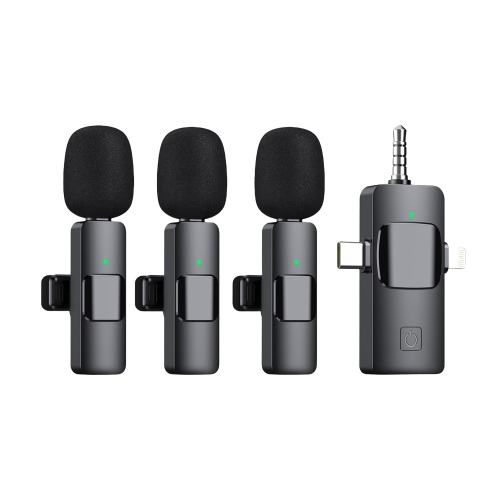
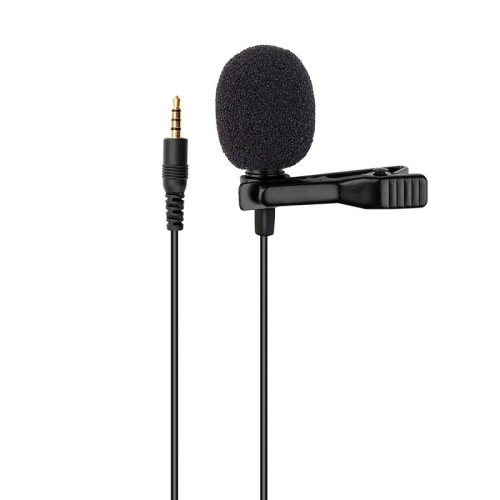
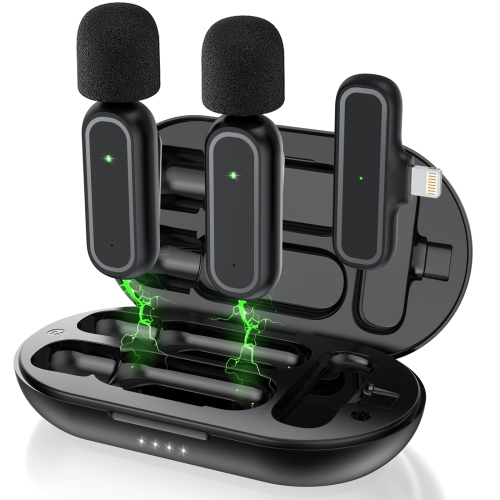
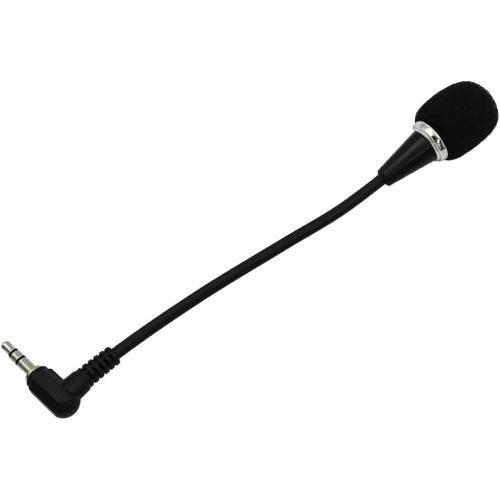
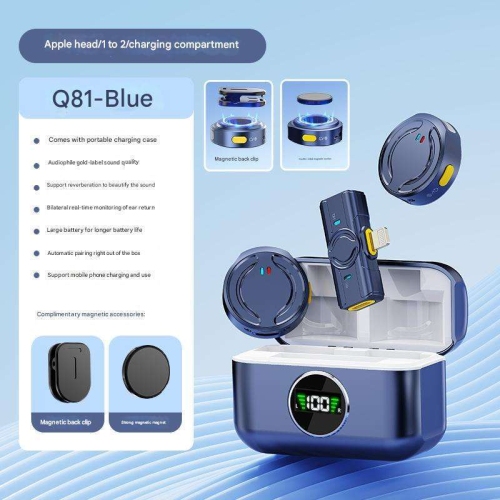
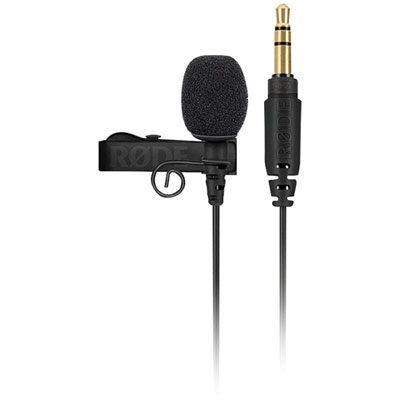
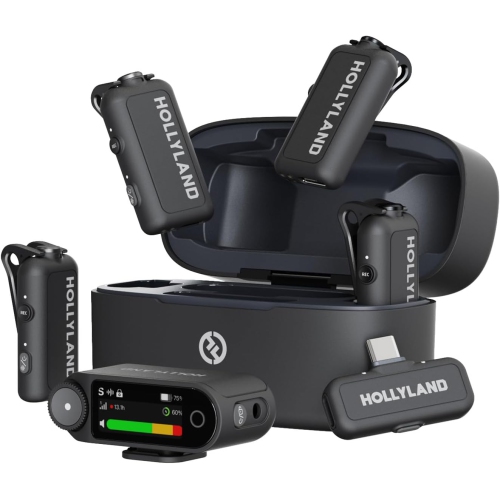
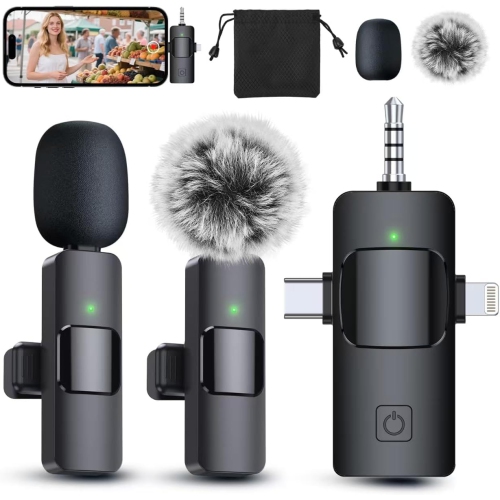
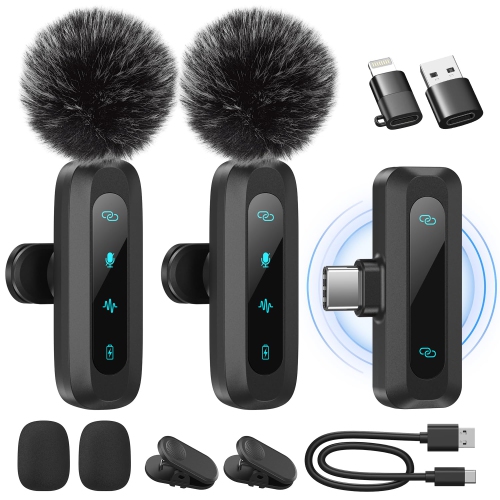
Location has an important effect on interview audio. Outdoors, wind, traffic, air movement, and uneven distance between the interviewer and guest can quickly make voices difficult to understand. A microphone with a windscreen or furry wind protection can help reduce the low rumble and bursts of air created by breezy conditions. A shotgun microphone mounted on a camera, boom pole, or stand can capture a focused voice from just outside the frame, which is helpful for filmed interviews where a handheld microphone would distract from the image. Indoors, a short shotgun or hypercardioid microphone can help isolate speech, but placement remains critical because walls, ceilings, and hard floors can reflect sound. A lavalier microphone clips close to a speaker’s collar or shirt and provides consistent volume while the guest moves naturally. Wired lavaliers are compact and dependable for seated interviews, while wireless lavalier systems allow the subject to walk, gesture, or demonstrate something without being connected directly to the camera or recording device. Wireless systems are especially useful for one-person video crews, event coverage, presentations, and interviews filmed in more than one location. Look for a reliable transmission range, easy pairing, rechargeable or replaceable battery options, and a backup recording feature when available. Built-in backup recording can provide added reassurance if a wireless signal is interrupted, while safety-track or dual-level recording can help protect speech from sudden volume changes. Before choosing, check compatibility with the camera, phone, tablet, computer, or audio recorder that will be used, as connections may include USB, 3.5-millimetre, or professional audio inputs. Accessories can be just as important as the microphone itself: a stand keeps desk recordings steady, a boom arm improves positioning, a shock mount limits vibration, and a pop filter helps soften bursts of air from sounds such as “p” and “b.” For anyone comparing options, pay attention to pickup pattern, connection type, battery life, monitoring features, size, mounting hardware, and included wind protection rather than focusing on appearance alone. These microphones can make thoughtful gifts for aspiring journalists, students, streamers, podcasters, musicians who record spoken introductions, or family members who enjoy creating travel and community videos. During the warmer and cooler parts of the year, interviews may move between patios, classrooms, offices, community events, and living rooms, so a versatile microphone kit can be especially useful. The most successful setup is usually the one that matches the recording environment and feels easy enough to use that the conversation remains natural. Clear placement, a calm recording space, and a quick sound check often make as much difference as advanced specifications: keep the microphone close to the speaker, avoid rubbing cables against clothing, monitor with headphones when possible, and record a short test before beginning the full interview.
Location has an important effect on interview audio. Outdoors, wind, traffic, air movement, and uneven distance between the interviewer and guest can quickly make voices difficult to understand. A microphone with a windscreen or furry wind protection can help reduce the low rumble and bursts of air created by breezy conditions. A shotgun microphone mounted on a camera, boom pole, or stand can capture a focused voice from just outside the frame, which is helpful for filmed interviews where a handheld microphone would distract from the image. Indoors, a short shotgun or hypercardioid microphone can help isolate speech, but placement remains critical because walls, ceilings, and hard floors can reflect sound. A lavalier microphone clips close to a speaker’s collar or shirt and provides consistent volume while the guest moves naturally. Wired lavaliers are compact and dependable for seated interviews, while wireless lavalier systems allow the subject to walk, gesture, or demonstrate something without being connected directly to the camera or recording device. Wireless systems are especially useful for one-person video crews, event coverage, presentations, and interviews filmed in more than one location. Look for a reliable transmission range, easy pairing, rechargeable or replaceable battery options, and a backup recording feature when available. Built-in backup recording can provide added reassurance if a wireless signal is interrupted, while safety-track or dual-level recording can help protect speech from sudden volume changes. Before choosing, check compatibility with the camera, phone, tablet, computer, or audio recorder that will be used, as connections may include USB, 3.5-millimetre, or professional audio inputs. Accessories can be just as important as the microphone itself: a stand keeps desk recordings steady, a boom arm improves positioning, a shock mount limits vibration, and a pop filter helps soften bursts of air from sounds such as “p” and “b.” For anyone comparing options, pay attention to pickup pattern, connection type, battery life, monitoring features, size, mounting hardware, and included wind protection rather than focusing on appearance alone. These microphones can make thoughtful gifts for aspiring journalists, students, streamers, podcasters, musicians who record spoken introductions, or family members who enjoy creating travel and community videos. During the warmer and cooler parts of the year, interviews may move between patios, classrooms, offices, community events, and living rooms, so a versatile microphone kit can be especially useful. The most successful setup is usually the one that matches the recording environment and feels easy enough to use that the conversation remains natural. Clear placement, a calm recording space, and a quick sound check often make as much difference as advanced specifications: keep the microphone close to the speaker, avoid rubbing cables against clothing, monitor with headphones when possible, and record a short test before beginning the full interview.
Top selling and popular products
-
 Your price for this item is $109.99
 -
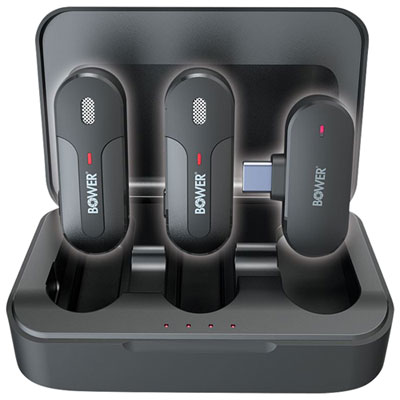 Your price for this item is $99.99
 -
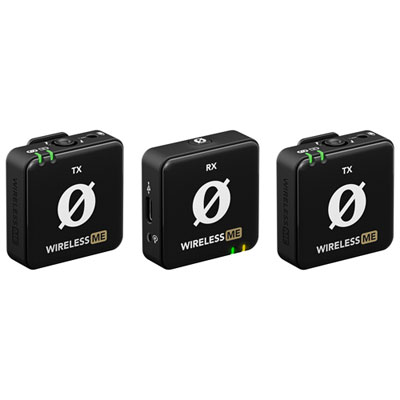 Your price for this item is $279.99
 -
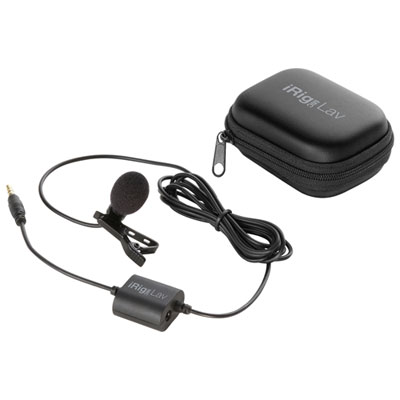 Your price for this item is $59.95
 -
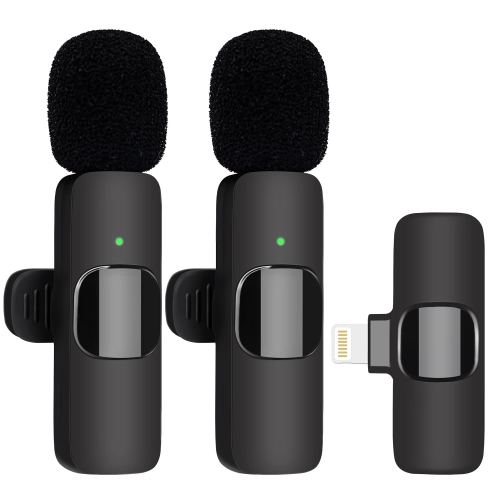 Your price for this item is $29.89
 -
 Your price for this item is $447
 -
 Your price for this item is $33.99
 -
 Your price for this item is $39.99
Discover more categories related to Microphones for Interviews
Top Collections:
Pokemon Centers, Best Cameras for Sports Photography, Kindle Devices, Samsung Galaxy Phones, Canon G7X Cameras, Pokémon 30th Celebration Cards, Refurbished Apple Laptops, iPhone 15 Apple, Laptops for Students, Budget Smartphones
Some products may be subject to Environmental Handling Fees
(EHF) depending on your province.
Learn more about EHFs.