Back To School Calculators
Find back-to-school calculators suited to your student’s maths courses, from everyday arithmetic to more advanced problem-solving. Compare basic, scientific, and graphing calculators, and check the teacher’s supply list and exam requirements to choose the right functions for the school year.


FAQ
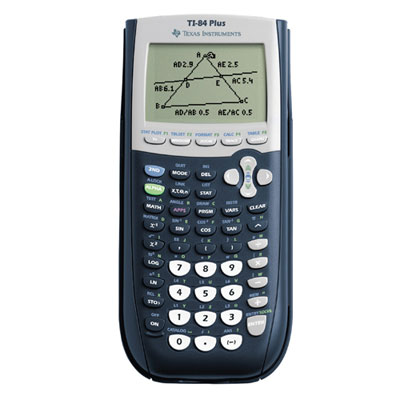
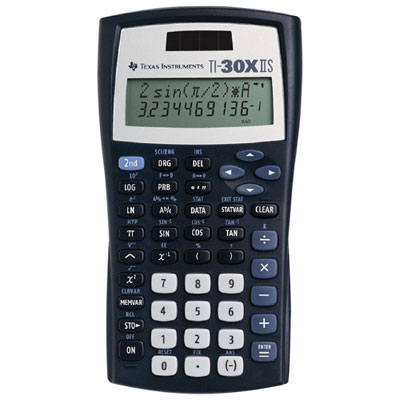
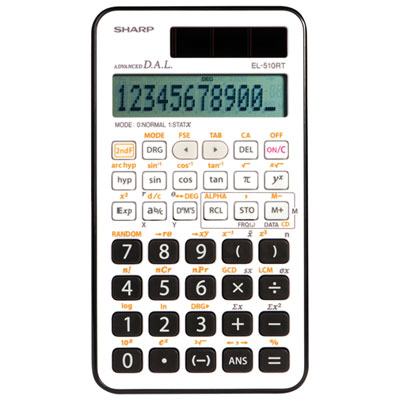
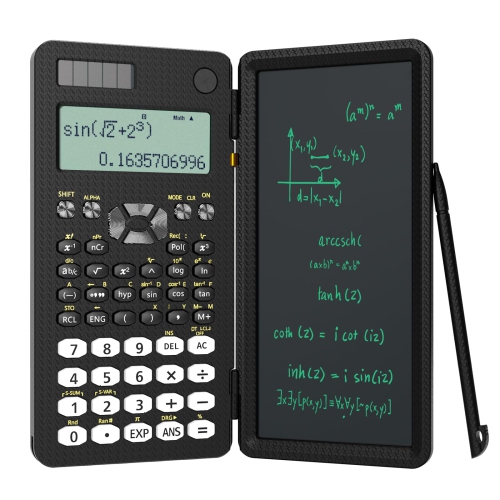
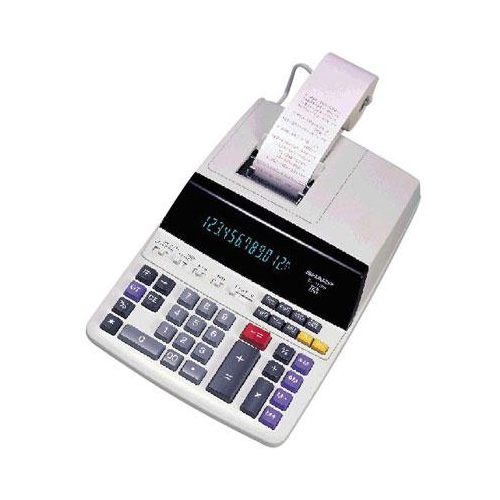
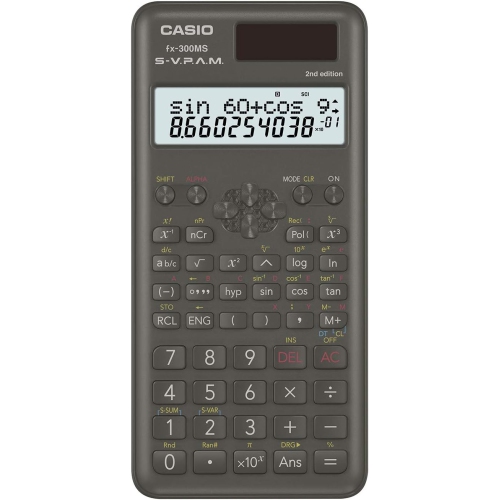
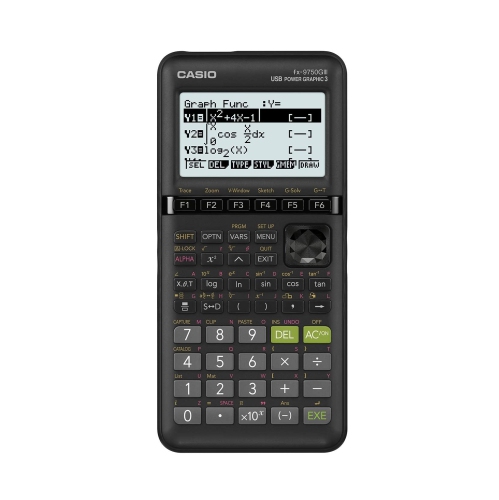
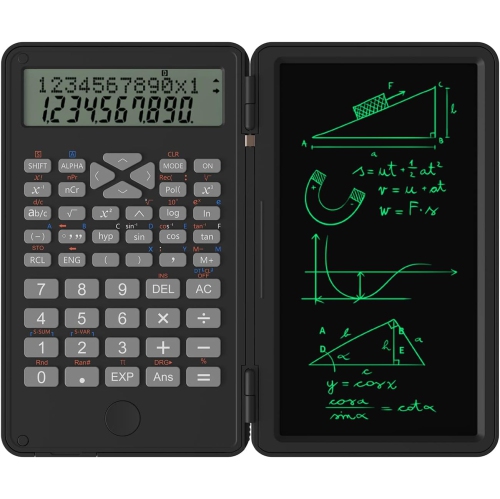
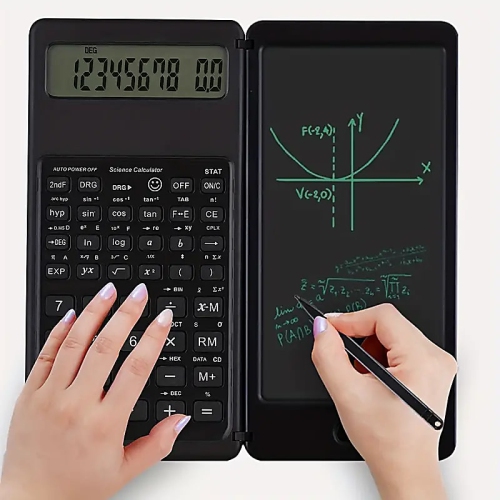
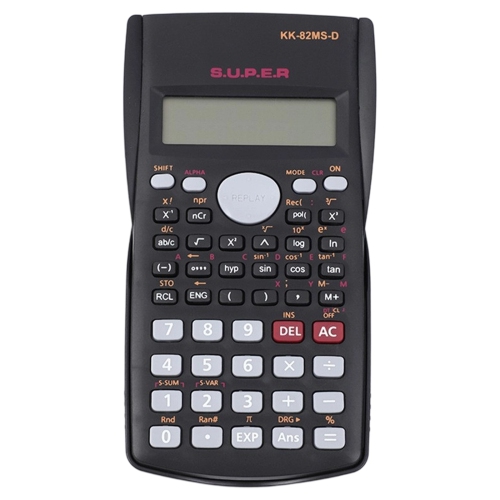
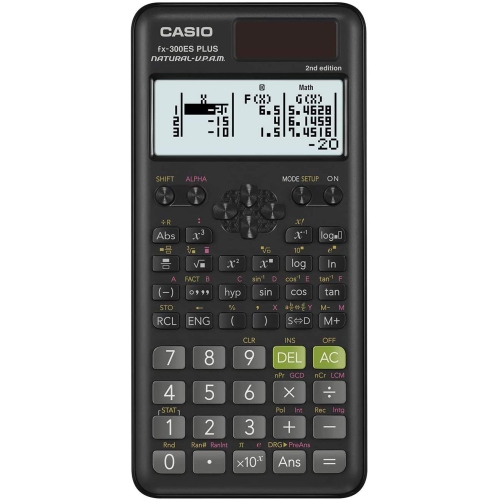
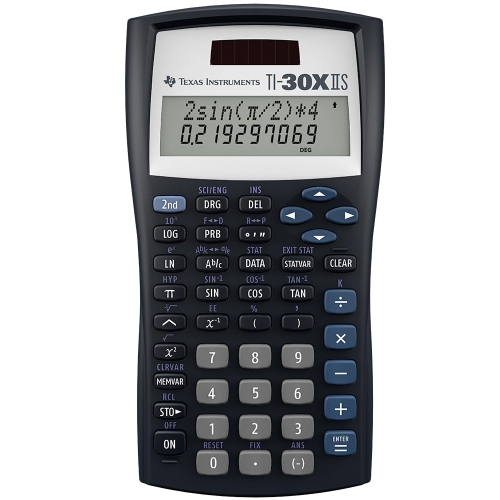
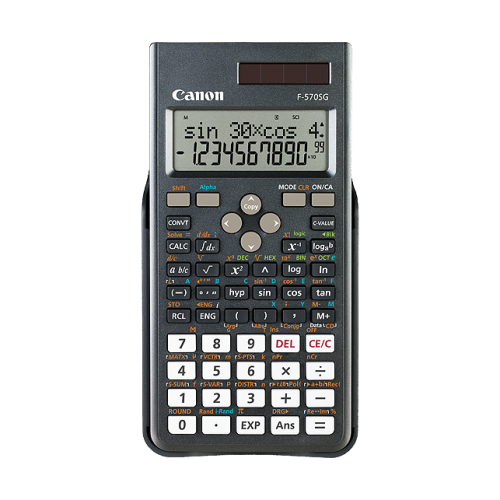
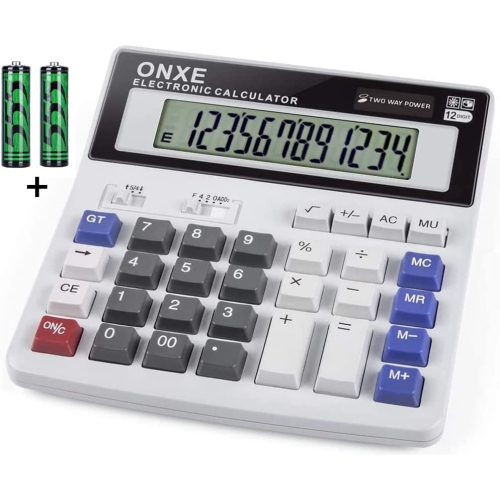
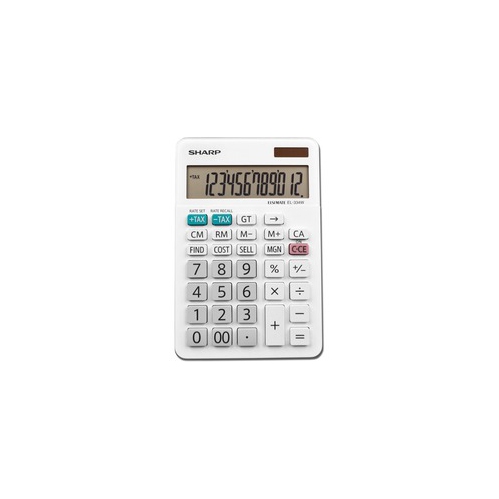
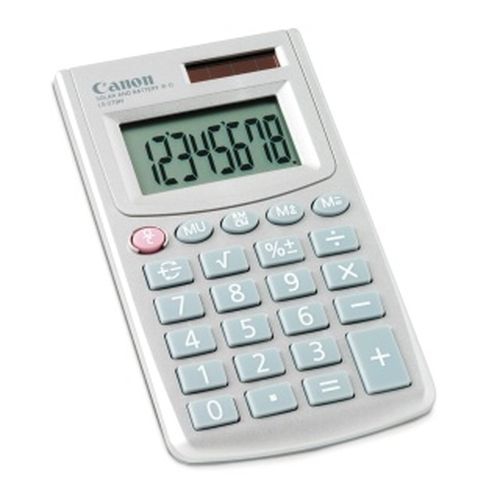
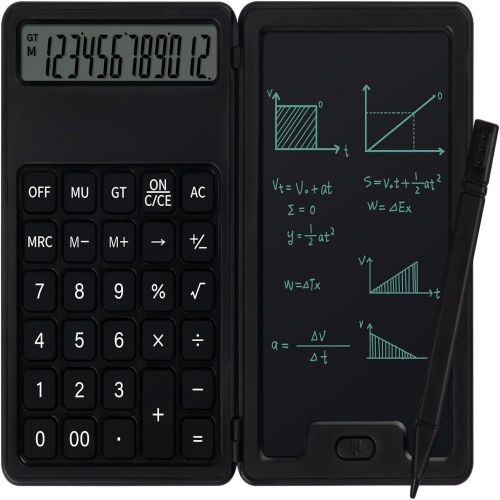
Basic calculators handle everyday arithmetic, while scientific calculators add functions such as exponents, logarithms and trigonometry. Graphing calculators can plot equations and work with tables of values. Financial calculators offer functions for topics such as interest, loans and cash flow. The type you need depends on your courses and your teacher’s requirements.
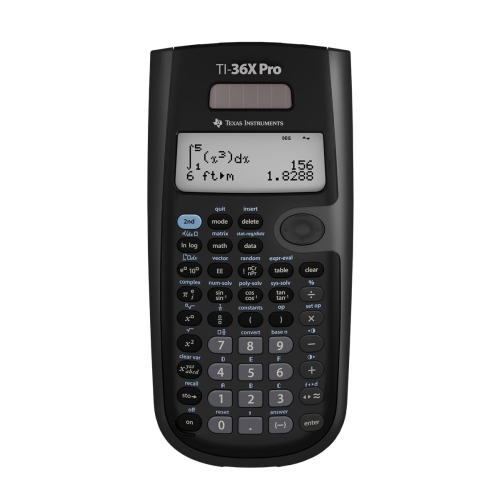
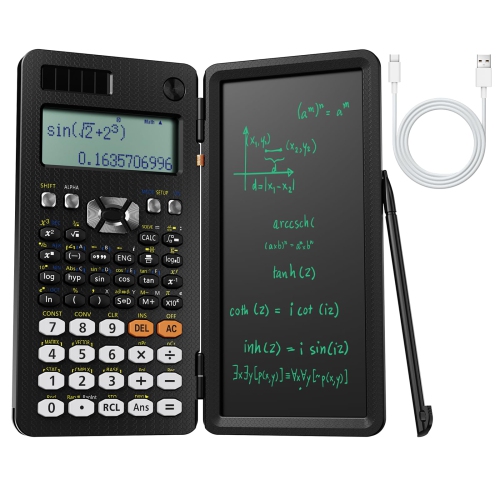
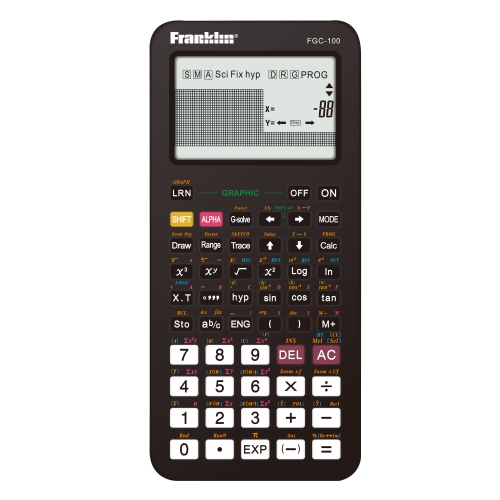
A scientific calculator performs advanced numerical calculations, including trigonometric and logarithmic operations. A graphing calculator adds the ability to display graphs and explore equations visually. Some graphing calculators also include programming or symbolic algebra features, though these may be restricted in certain classes or exams.
Start with the course’s required functions, such as fractions, powers, roots, statistics or graphing. A textbook-style display can show fractions and equations in a familiar format, while calculation history lets you review previous entries. Check whether the course permits programmable calculators or models with a computer algebra system (CAS).
Often, but calculator rules vary by course, school and exam. Some assessments allow scientific calculators but prohibit graphing, programmable or CAS models. Others require stored information to be cleared or an approved exam mode to be enabled. Confirm the permitted calculator type with your teacher and consult the exam’s current rules.
Practise entering fractions, using brackets, switching between fractions and decimals, and editing previous calculations. For trigonometry, learn how to switch between degree and radian modes. If your course uses graphing, try plotting an equation and adjusting the viewing window. Keep the manual handy for functions introduced during the school year.
Top selling and popular products
Discover more categories related to Back To School Calculators
Some products may be subject to Environmental Handling Fees (EHF) depending on your province. Learn more about EHFs.