Back To School Easy To Use Calculators
Find easy-to-use calculators for back-to-school maths, homework, and classroom tasks. Look for straightforward controls, readable displays, and functions that match your student’s grade level and course requirements. Check the teacher’s calculator guidelines before choosing to make sure it’s suitable for classwork and tests.


FAQ
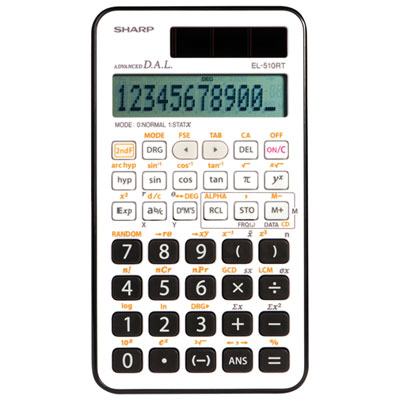
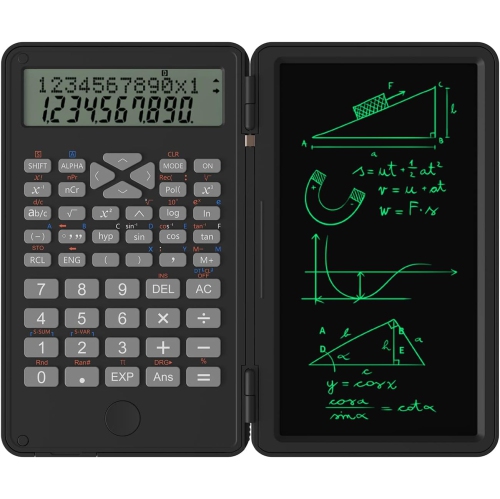
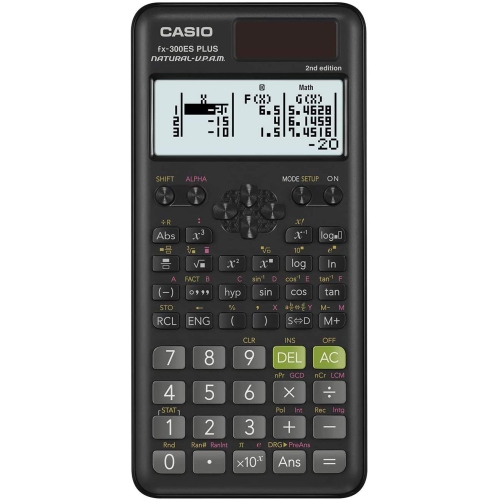
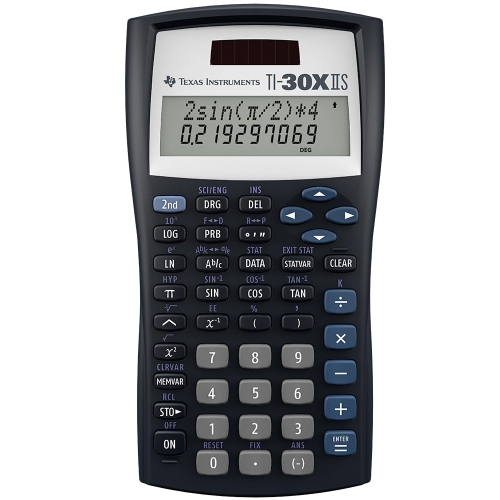
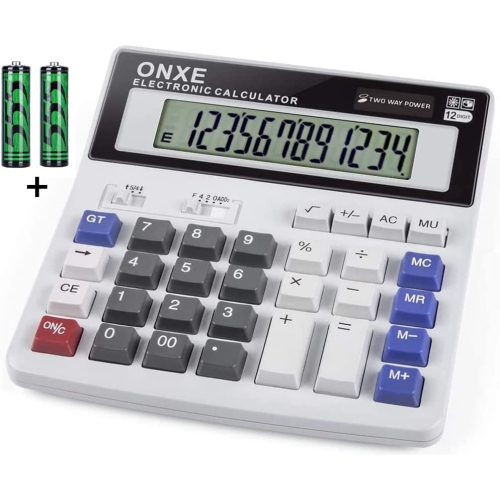
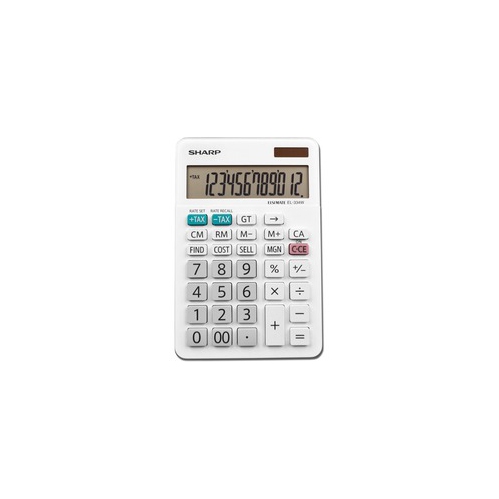
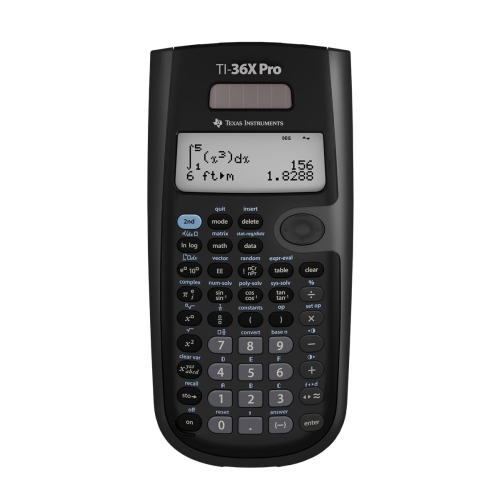
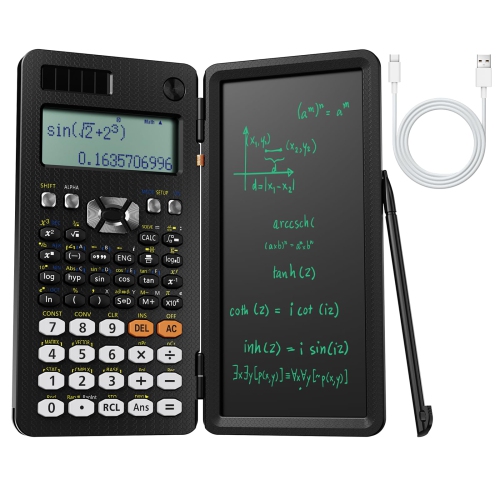
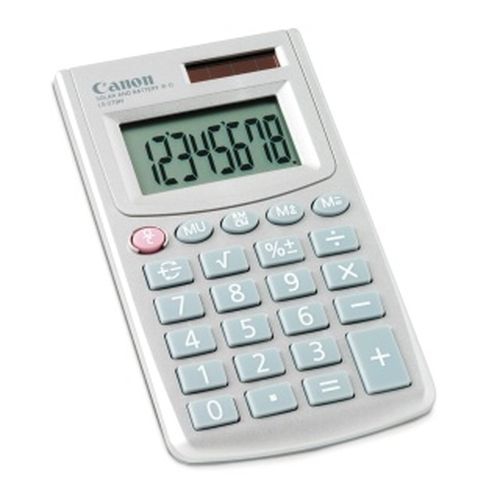
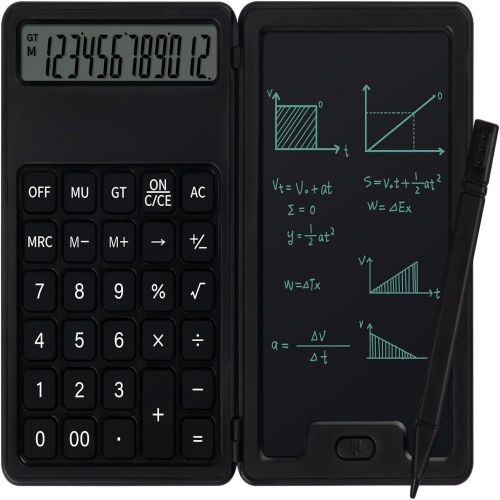
Look for clearly labelled keys, a readable display, and a straightforward keypad layout. A delete key can make correcting entries simpler, while a display that shows both the calculation and the answer lets students review what they entered.
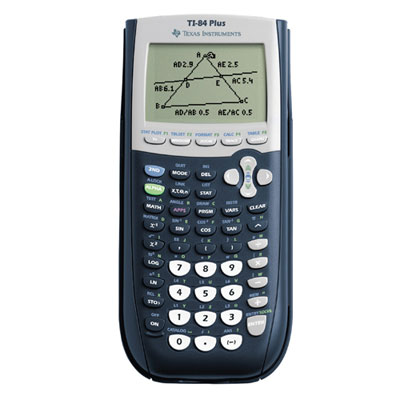
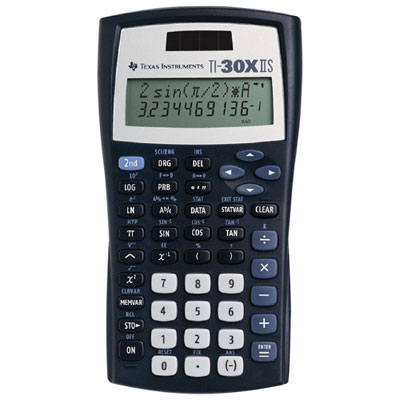
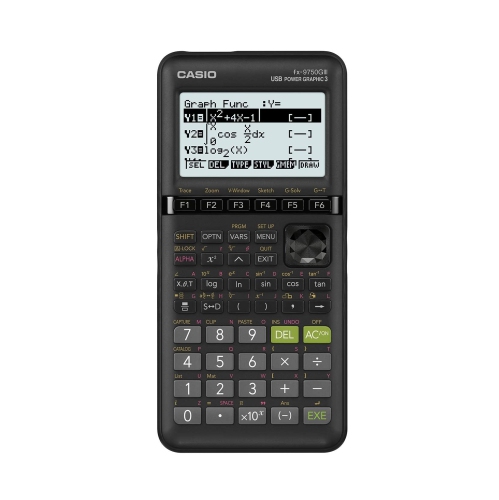
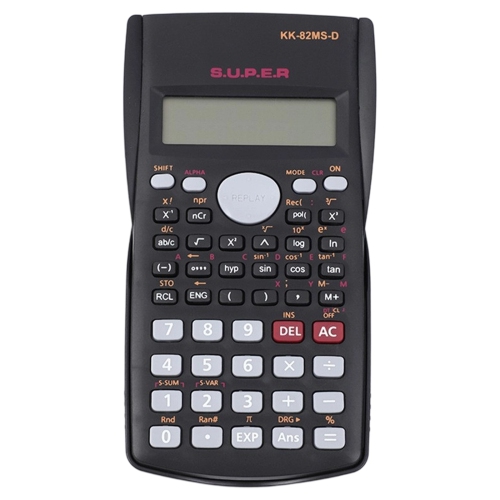
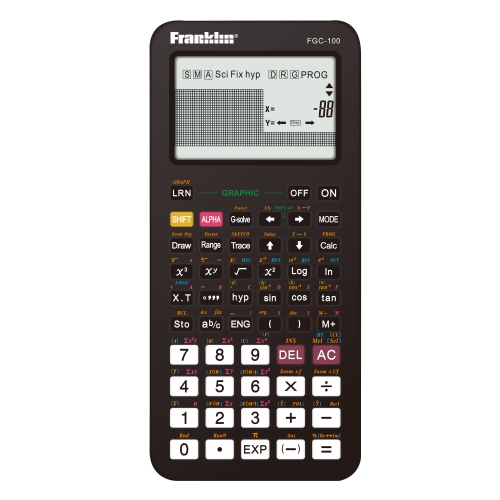
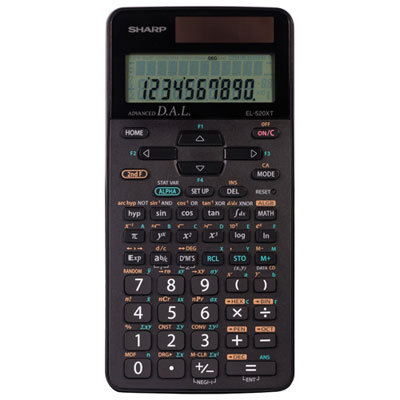
Basic calculators handle everyday arithmetic, such as addition, subtraction, multiplication, and division. Scientific calculators add functions such as fractions, powers, roots, and trigonometry. Graphing calculators can also plot equations and support more advanced maths coursework. Check the teacher’s requirements before choosing a type.
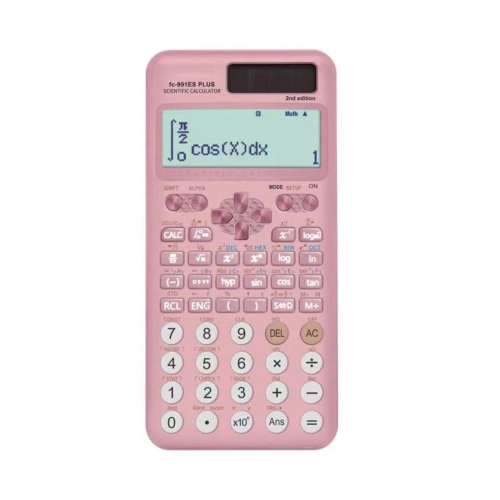
Textbook-style displays show fractions, roots, and other expressions in a format similar to what students see in their textbooks. This layout lets students view an expression as a whole rather than as a single line of symbols. Entering these expressions may involve templates and arrow keys.
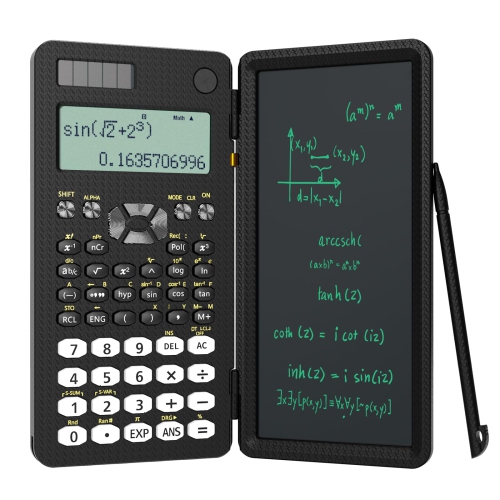
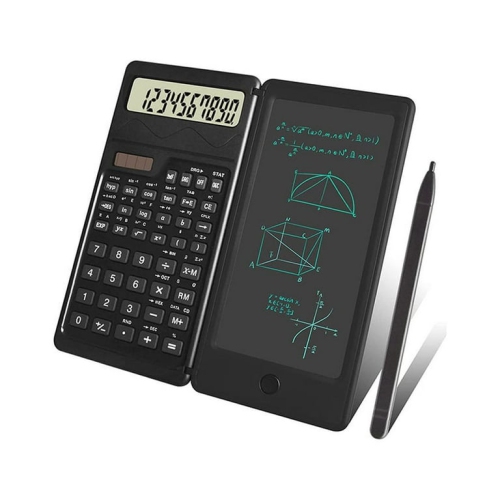
School calculators may use replaceable batteries, built-in rechargeable batteries, solar cells, or a combination of solar and battery power. Battery-powered models need occasional battery replacement, while rechargeable models need charging. Solar-powered models rely on sufficient light, with dual-power models also using a battery.
That depends on the course and exam rules. Some assessments allow scientific calculators but restrict graphing, programmable, or computer algebra system models. Check the school’s or exam provider’s approved calculator requirements, as a model used in class may not be permitted in every assessment.
Top selling and popular products
Discover more categories related to Back To School Easy To Use Calculators
Some products may be subject to Environmental Handling Fees (EHF) depending on your province. Learn more about EHFs.