Back to School Graphing Calculators for High School Math
Find back-to-school graphing calculators for high school math, with options to help students plot functions, work through equations, and explore statistics. Compare calculators based on the features needed for your courses, and check your teacher’s requirements and exam rules before choosing a model.
FAQ
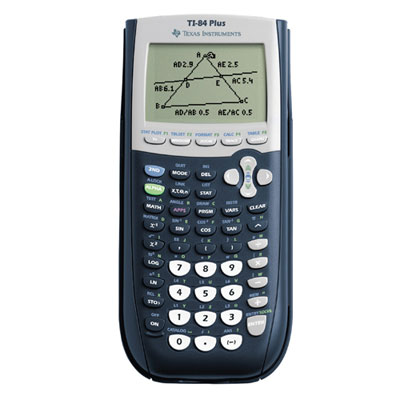
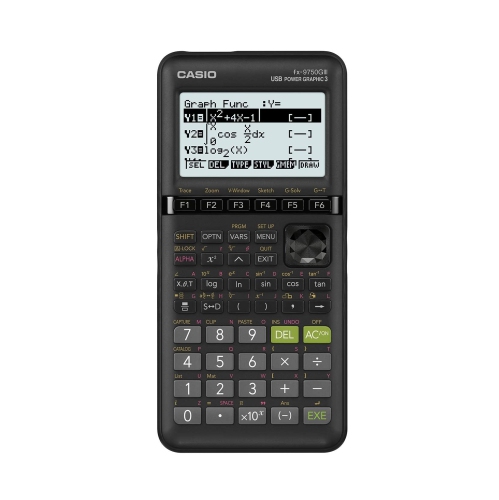
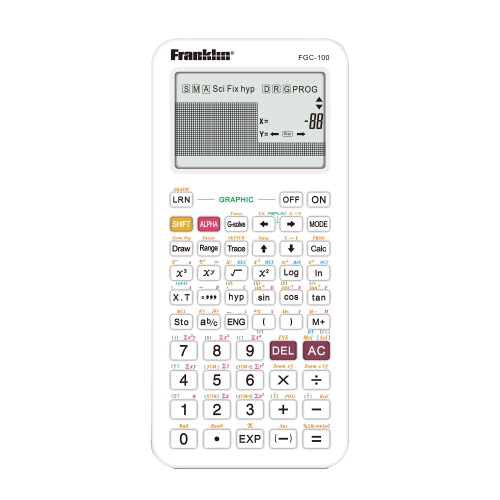
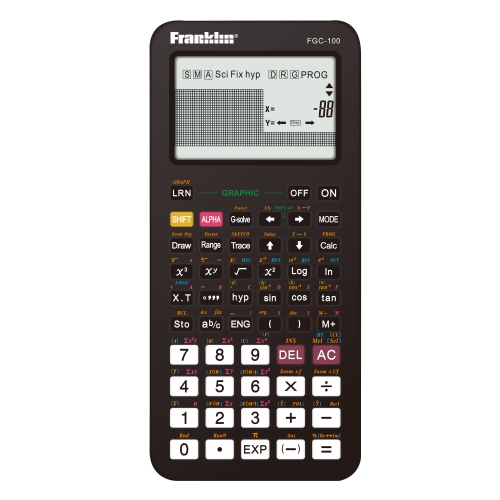
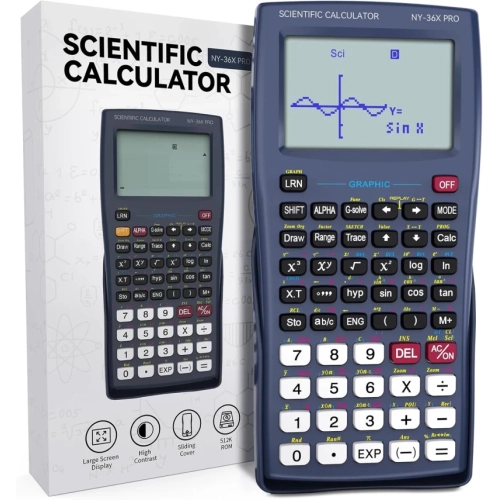
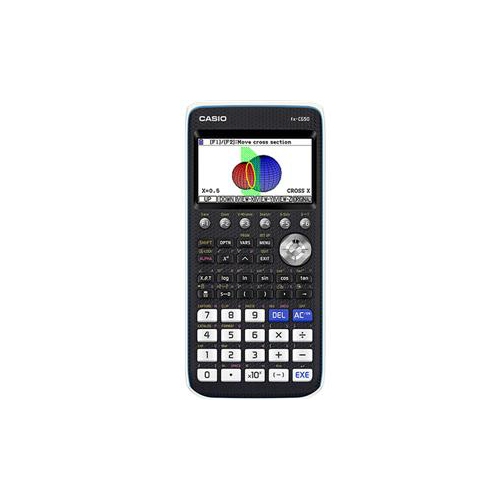
A graphing calculator plots equations, creates tables of values, and performs numerical calculations. Depending on the course, students may use one to explore functions, solve systems of equations, or analyse statistics in algebra, trigonometry, and calculus.
Both types handle calculations involving fractions, exponents, logarithms, and trigonometric functions. A graphing calculator also displays graphs and typically includes tools for working with tables, matrices, and statistical data. Scientific calculators generally focus on numerical calculations rather than plotting functions.
Useful features include function graphing, tables of values, statistical analysis, and accessible menus. Some courses also call for matrix operations, equation solvers, or programming tools. Check the teacher’s course requirements before choosing a calculator, as certain advanced functions may not be permitted.
Calculator rules vary by school, course, province, and exam provider. Some assessments allow graphing calculators, while others restrict them or require an exam mode. Models with a computer algebra system (CAS), which can manipulate algebraic expressions symbolically, may have additional restrictions. Confirm the rules with the teacher or exam provider.
Start by practising how to enter expressions, switch between degree and radian modes, and plot a simple function. Then explore adjusting the graph window, finding intercepts, and creating a table of values. The calculator’s manual and introductory tutorials can explain its specific controls and notation.
Top selling and popular products
Discover more categories related to Back to School Graphing Calculators for High School Math
Some products may be subject to Environmental Handling Fees (EHF) depending on your province. Learn more about EHFs.