Back To School Handheld Calculators
Find back-to-school handheld calculators suited to your student’s grade level and course requirements. Compare options for everyday arithmetic, scientific calculations, or graphing, and check the teacher’s approved calculator list to choose the right functions for classwork and exams.


FAQ
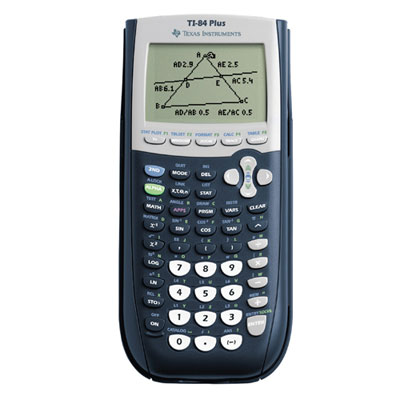
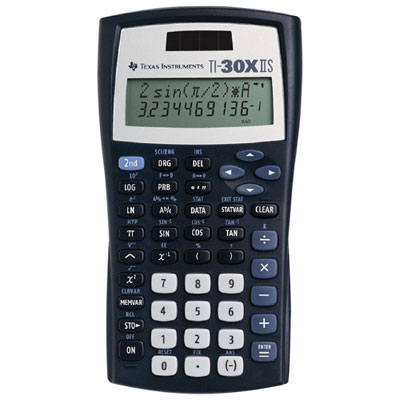
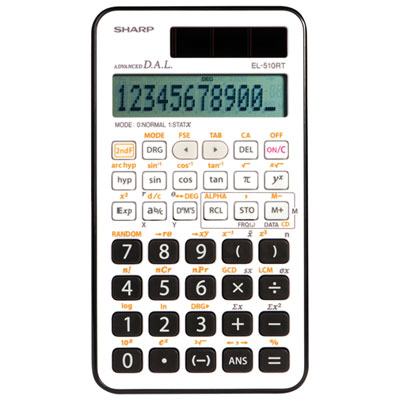
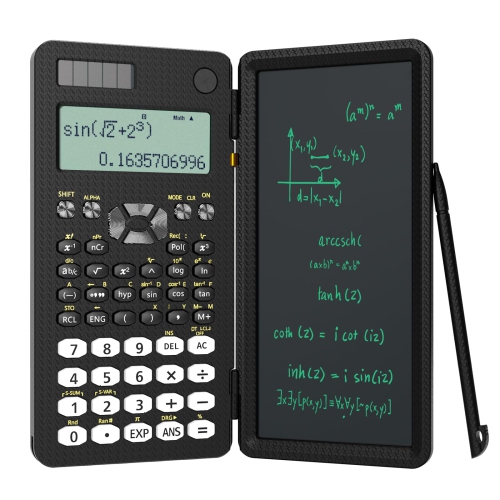
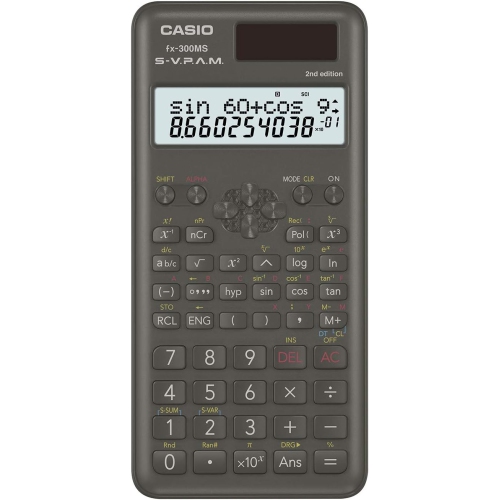
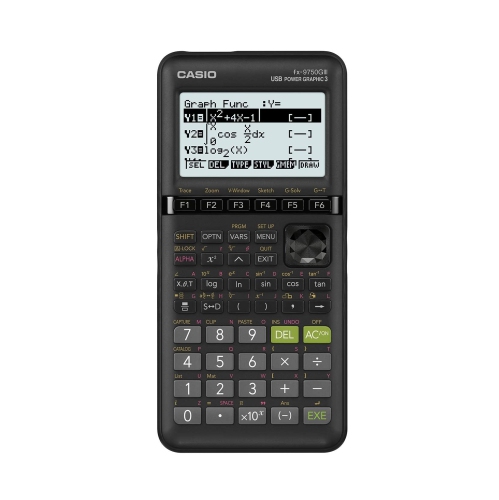
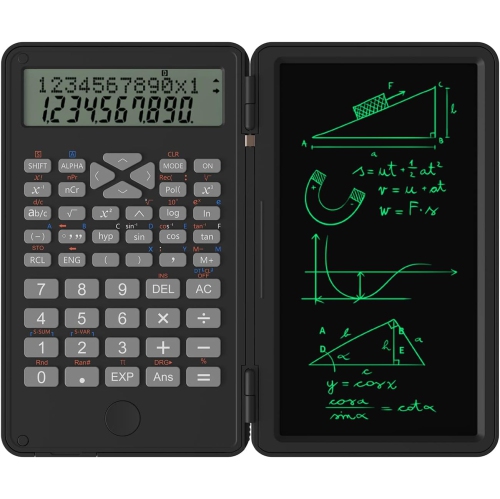
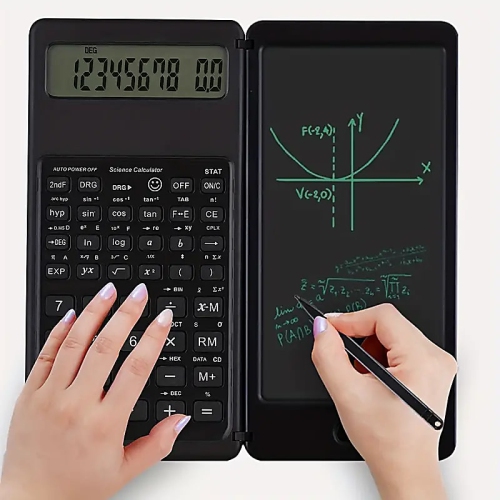
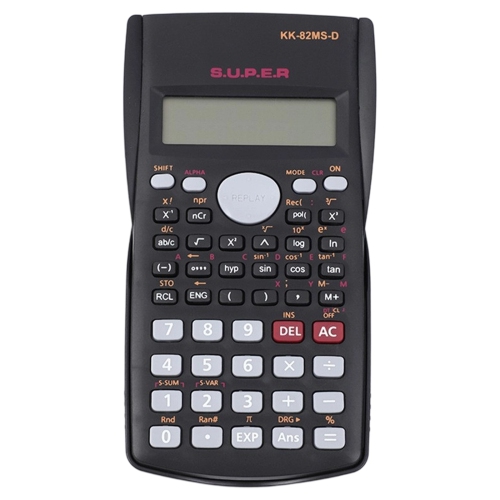
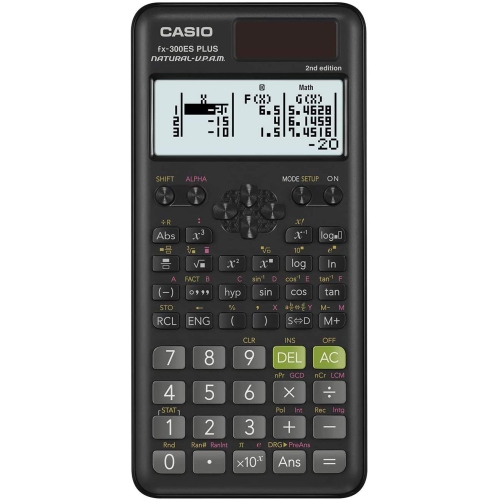
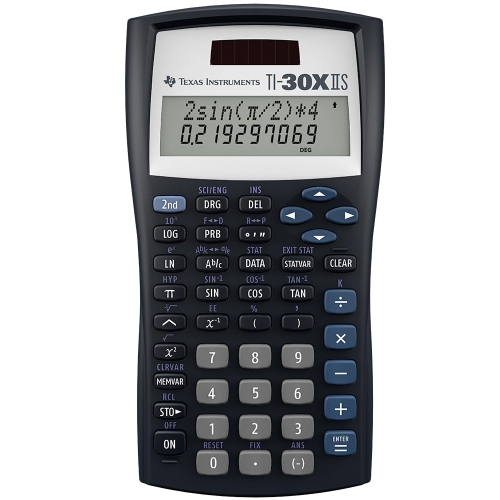
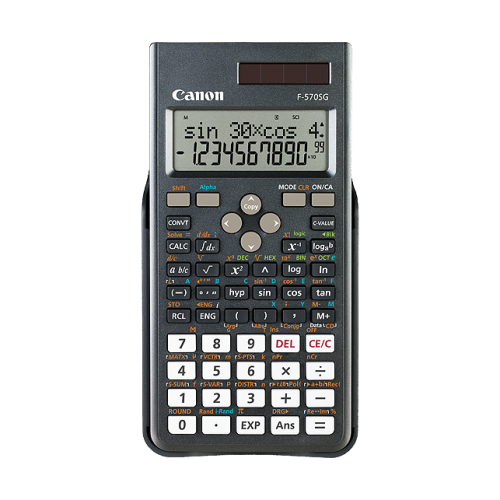
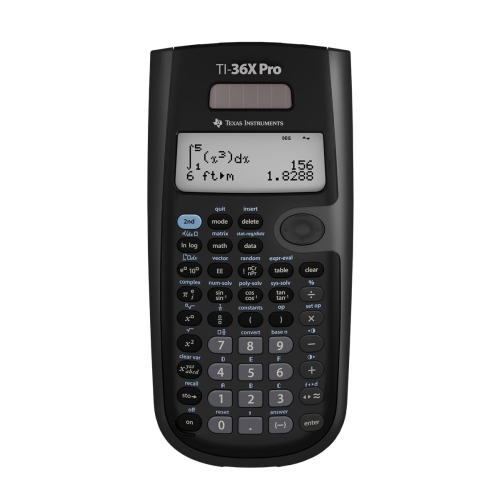
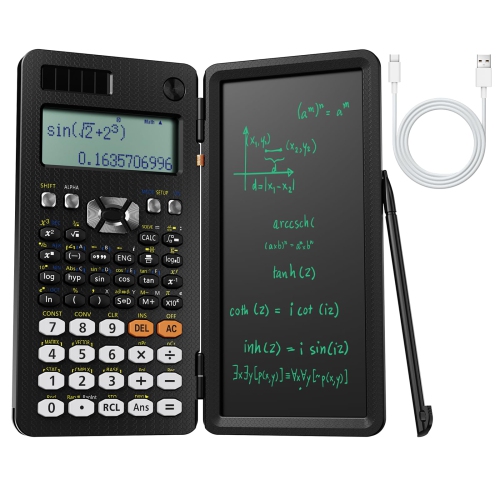
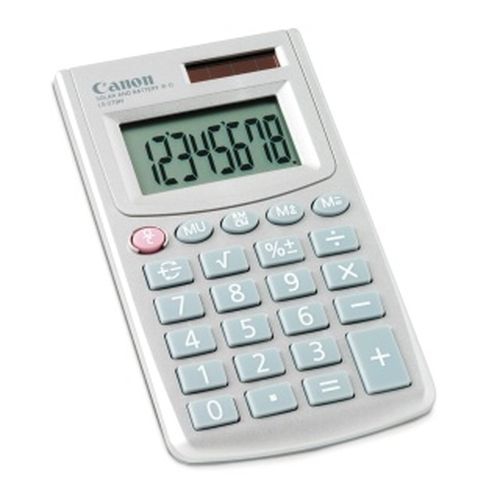
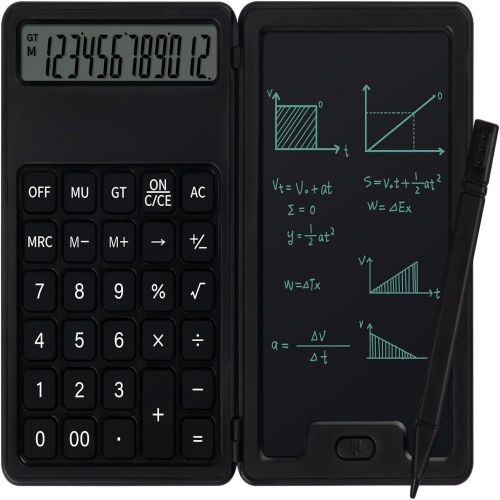
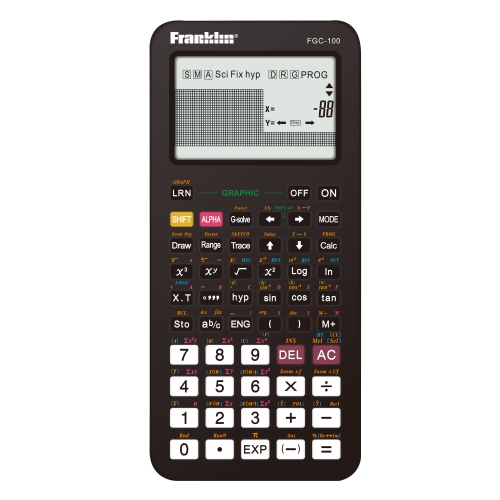
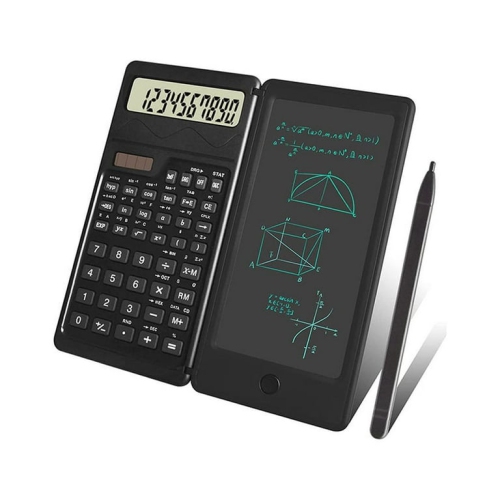
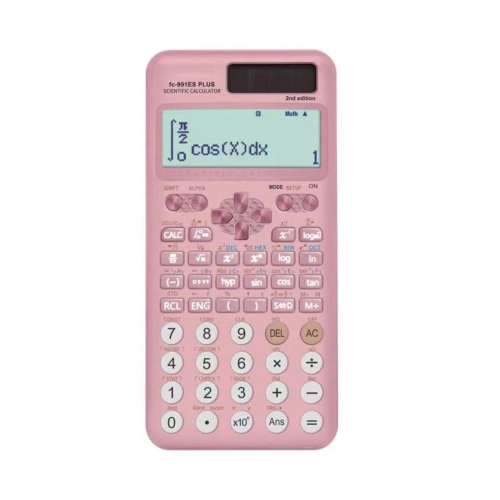
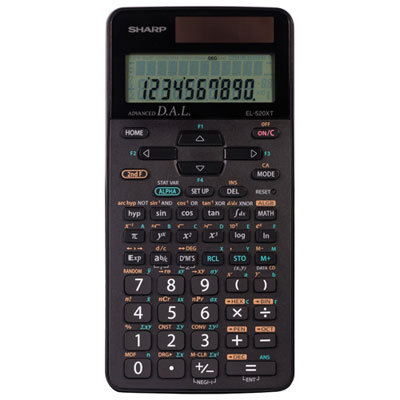
Basic calculators handle everyday arithmetic, while scientific calculators add functions such as fractions, exponents, logarithms, and trigonometry. Graphing calculators can plot equations and work with tables of values. The type you need depends on your course and your teacher’s requirements.
Scientific calculators perform advanced mathematical calculations, usually without plotting graphs. Graphing calculators add visual tools for exploring functions, along with features that may include statistics, programming, and equation solving. Check your course requirements before choosing either type.
Useful features include clearly labelled keys, fraction entry, calculation history, and a display that shows expressions in a textbook-style format. For more advanced courses, look for trigonometric functions, statistical calculations, or graphing tools that match the syllabus.
Calculator rules vary by school, course, and exam. Some assessments allow scientific calculators but restrict graphing, programmable, or computer algebra system (CAS) models. Confirm the permitted calculator types with your teacher or exam administrator before exam day.
Handheld calculators may use replaceable batteries, rechargeable batteries, solar cells, or a combination of solar cells and a battery. Solar-powered models need adequate light, while rechargeable models require charging between uses. Check the calculator’s power requirements when planning your school supplies.
Top selling and popular products
Discover more categories related to Back To School Handheld Calculators
Some products may be subject to Environmental Handling Fees (EHF) depending on your province. Learn more about EHFs.