Back To School Scientific Calculators
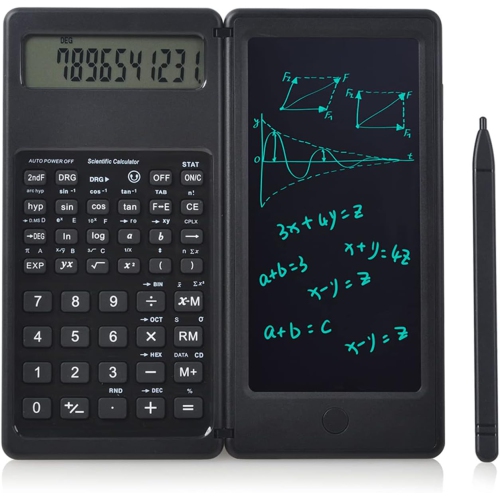
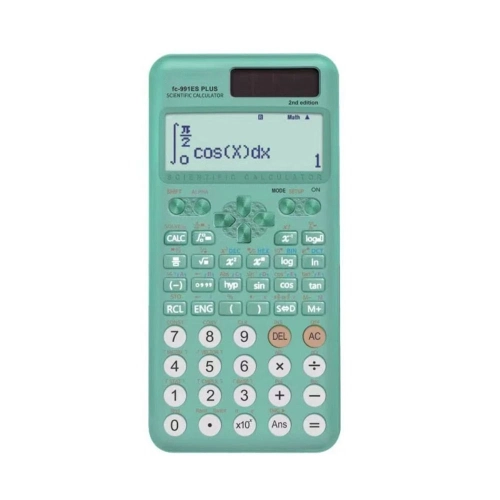
Find back-to-school scientific calculators for maths and science classes, with options to compare based on course requirements, display style, and ease of use. Look for functions you’ll need for topics such as algebra, trigonometry, and statistics, and check your school’s exam rules before choosing a model.


FAQ
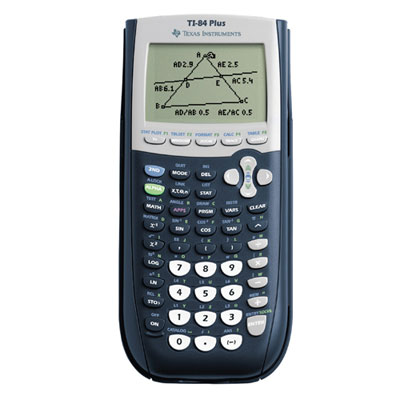
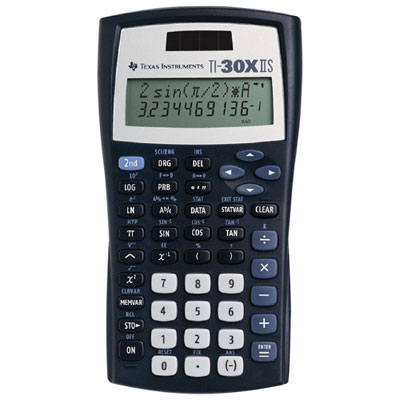
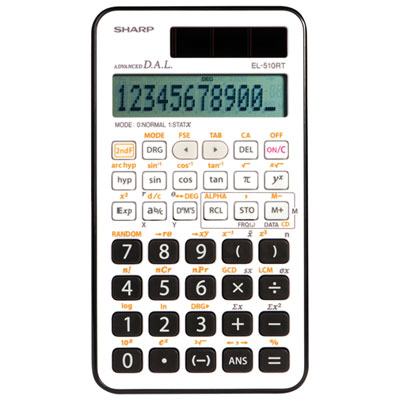
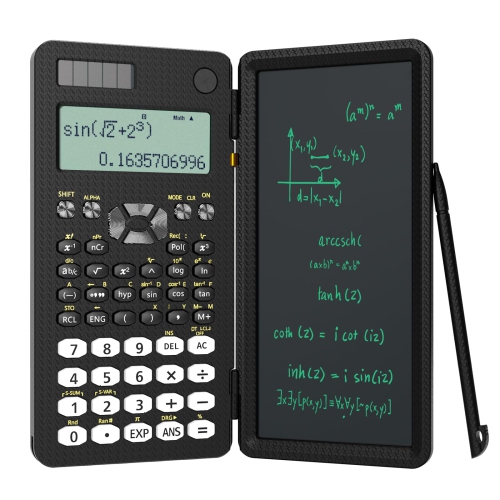
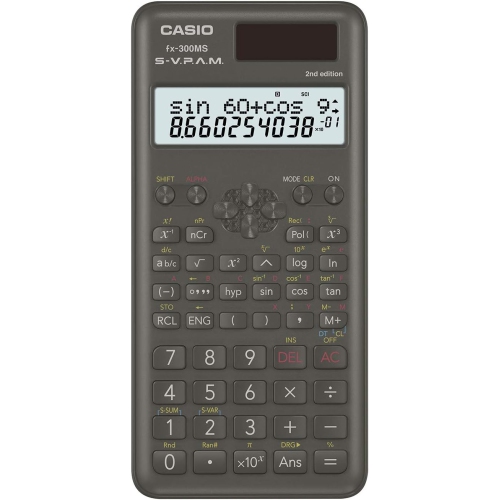
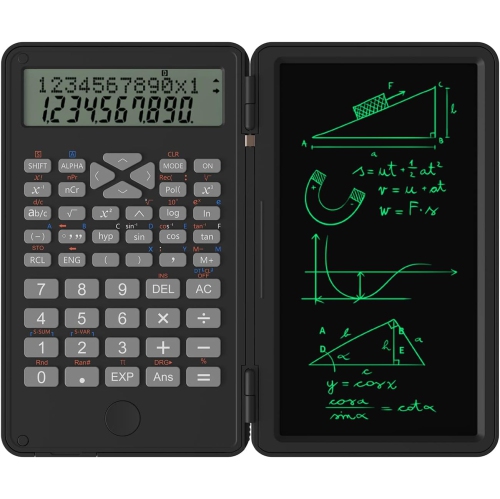
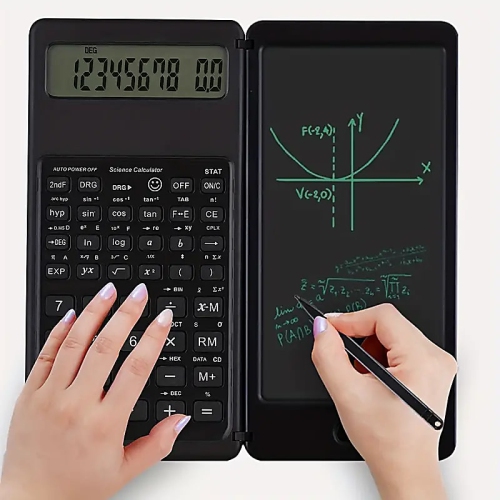
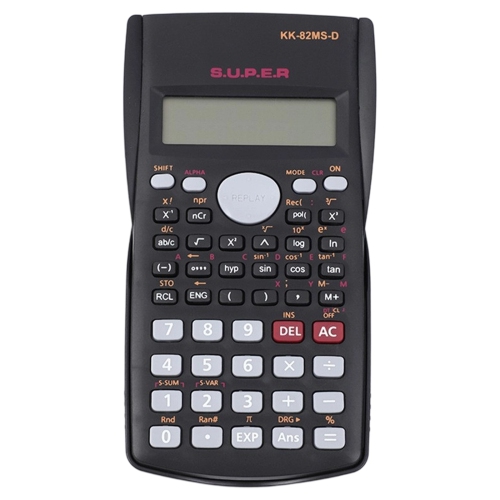
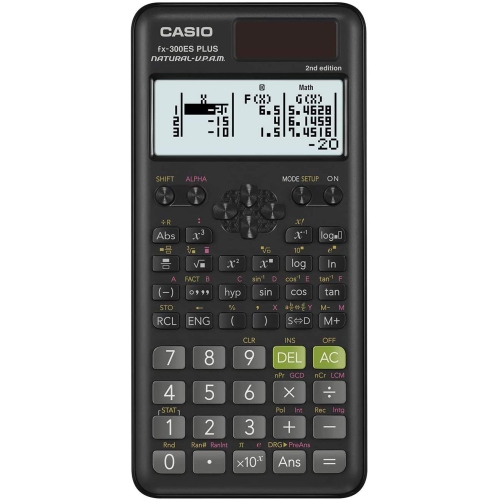
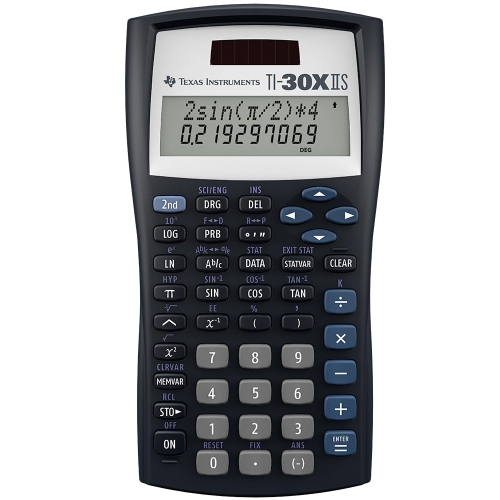
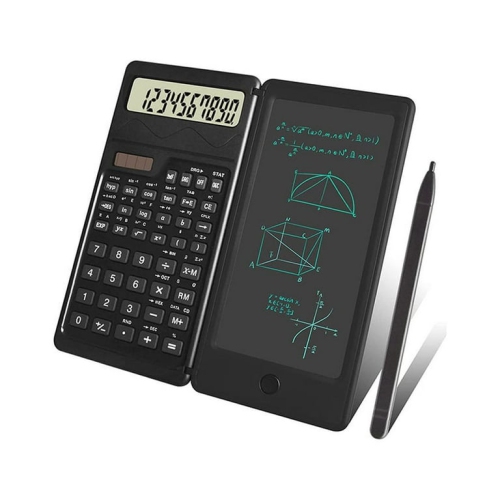
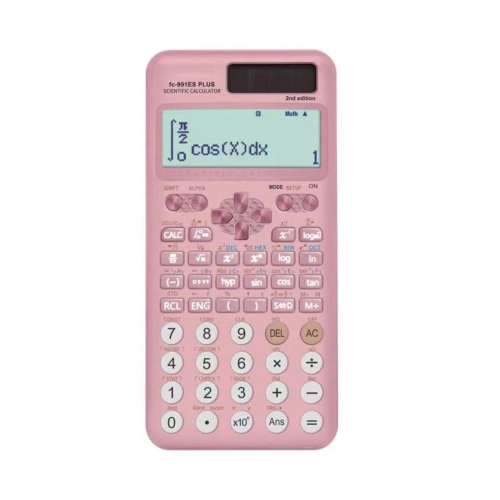
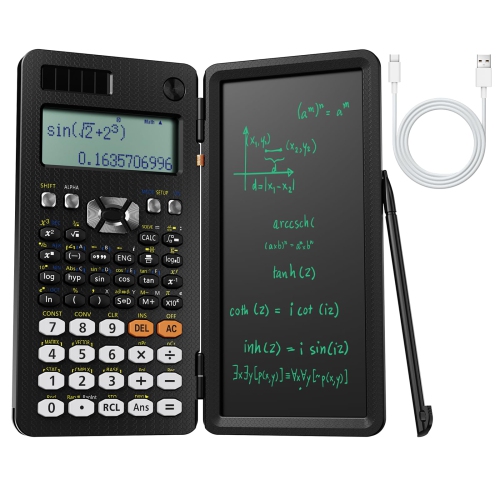
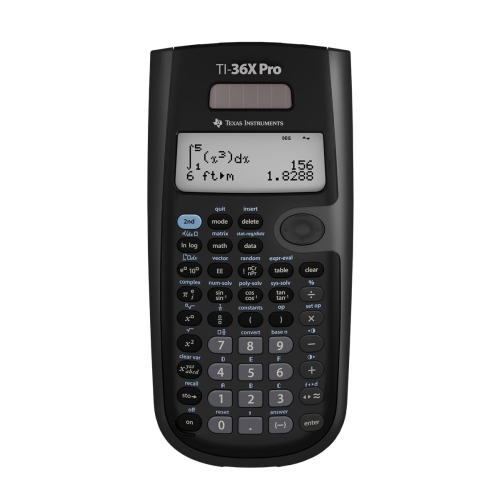
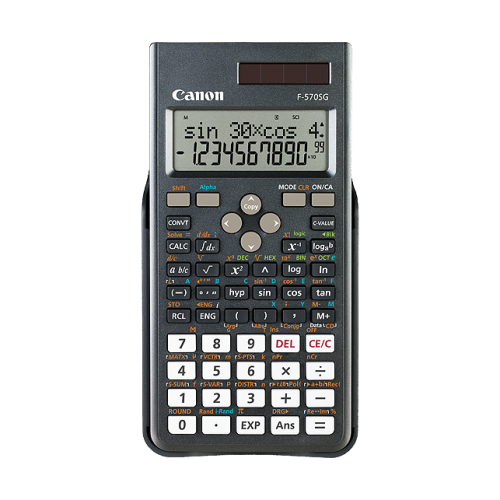
Look for functions that match the course requirements, such as fractions, exponents, square roots, logarithms and trigonometry. A multi-line display can show calculations and results together, while a textbook-style display presents fractions and equations in familiar notation. Check the teacher’s supply list before choosing a model.
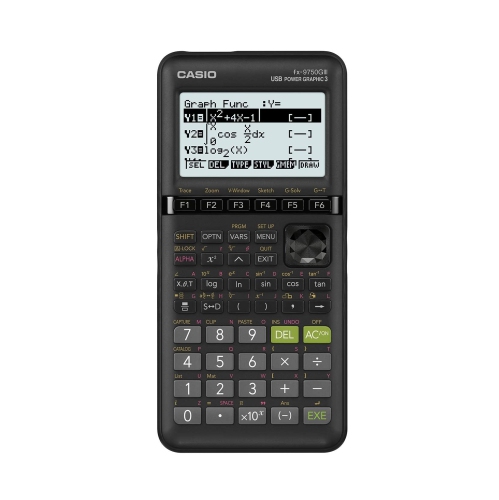
A scientific calculator handles numerical calculations, including trigonometric, logarithmic and statistical functions. A graphing calculator also plots graphs and typically offers more tools for exploring equations. The right type depends on the course, so consult the syllabus or ask the teacher which type is required.
Scientific calculators are commonly used in secondary school mathematics, chemistry and physics, as well as some college and university courses. Depending on the model, they support tasks such as working with scientific notation, calculating angles and analysing statistical data. Required functions vary by subject and grade.
Calculator rules vary by teacher, school and exam provider. Some assessments allow only non-programmable scientific calculators, while others have an approved-model list or prohibit calculators entirely. Check the rules for each assessment rather than assuming a calculator used in class will also be permitted during an exam.
Degree and radian modes are two ways to measure angles. A full circle is 360 degrees or 2π radians, and the selected mode affects trigonometric calculations. Students should choose the mode specified in the question or course instructions and check the display’s mode indicator before entering a calculation.
Top selling and popular products
Discover more categories related to Back To School Scientific Calculators
Some products may be subject to Environmental Handling Fees (EHF) depending on your province. Learn more about EHFs.